Mashed potatoes recipe
Mashed potatoes are the comfort food that every great meal needs: creamy, buttery, fluffy and endlessly adaptable. Yet many home cooks end up with gluey, lumpy or bland mash, usually because of one small mistake in potato choice, cooking or mashing. This recipe guide explains each step clearly, so your mashed potatoes turn out smooth, flavourful and perfect every single time.
Below you will find the classic mashed potatoes recipe, guidance on choosing potatoes, mashing methods, flavour variations and make-ahead tips. Whether you are cooking for Thanksgiving, Sunday dinner or a simple weeknight meal, these ideas will help you serve mash worth remembering.
Choosing the Best Potatoes
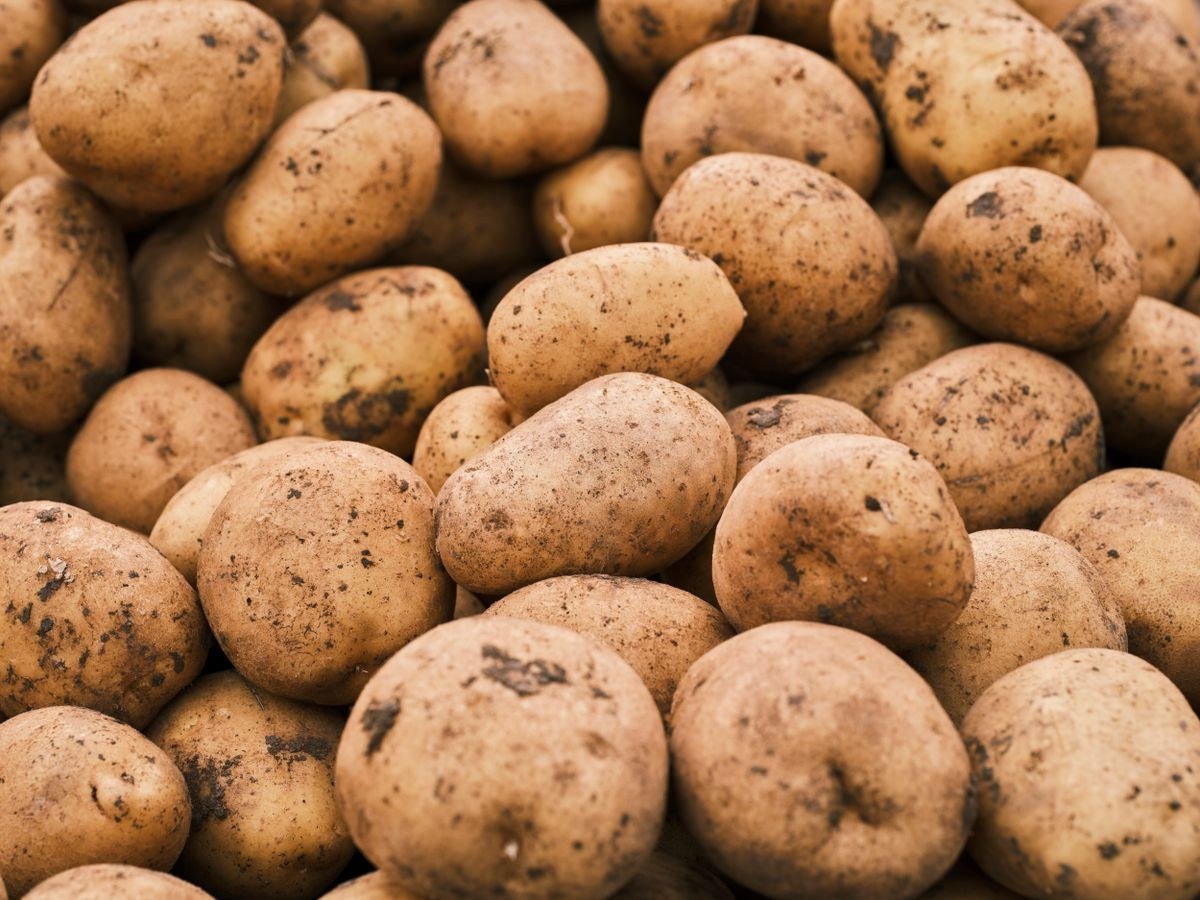
The best mashed potatoes start with the right potatoes, and starchy varieties such as Russets or Yukon Golds give the fluffiest, creamiest results. Russets mash light and fluffy, while Yukon Golds give a naturally buttery, golden mash with a slightly denser texture. A mix of both offers the best of each world.
Avoid waxy potatoes such as red or new potatoes for classic mash, since they hold their shape and can turn gluey when mashed. Choose firm, unblemished potatoes of similar size so they cook evenly, and store them in a cool, dark place until cooking day. Good potatoes are the foundation of great mash.
Peeling and Cutting Potatoes
Peel potatoes thinly to remove skin while keeping as much flesh as possible, and cut them into even chunks of about one to two inches. Even pieces cook at the same rate, which prevents some pieces turning mushy while others stay firm. Rinse cut potatoes in cold water to remove excess surface starch, which helps keep mash fluffy.
For rustic, skin-on mash, scrub potatoes well instead of peeling, and leave some skin for texture and flavour, especially with Yukon Golds. Cut larger potatoes smaller than small ones to even out cooking times. Taking care at this simple stage makes mashing much easier later.
Boiling Potatoes Perfectly
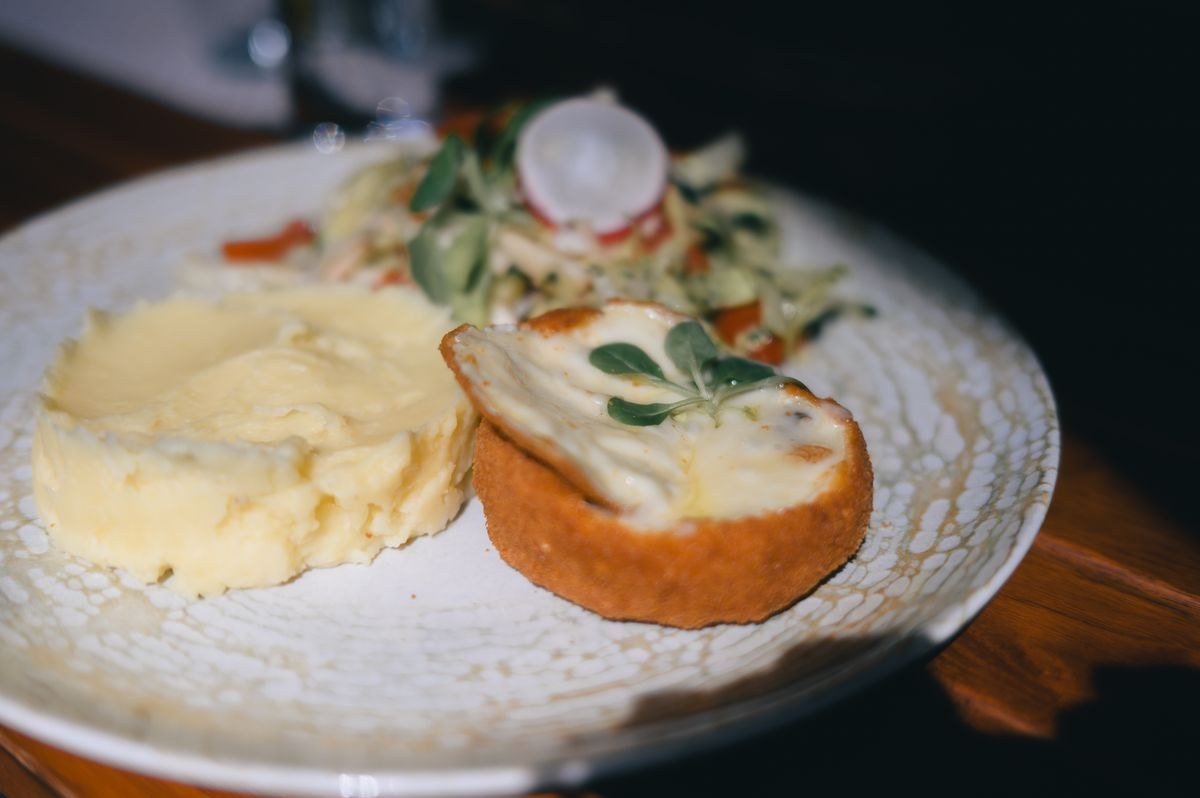
Place potatoes in a large pot, cover with cold, salted water, and bring to a gentle boil, cooking until a knife slides through easily, usually fifteen to twenty minutes. Starting in cold water cooks potatoes evenly from outside to inside, while generously salted water seasons them from within. Avoid vigorous boiling, which breaks potatoes apart and makes them waterlogged.
Test potatoes a few minutes before you expect them done, since overcooked potatoes absorb water and turn gluey. Drain potatoes thoroughly in a colander and let them steam-dry for a few minutes, which removes excess moisture and gives a fluffier mash. Properly boiled potatoes are the key to perfect texture.
The Classic Butter and Cream Mash
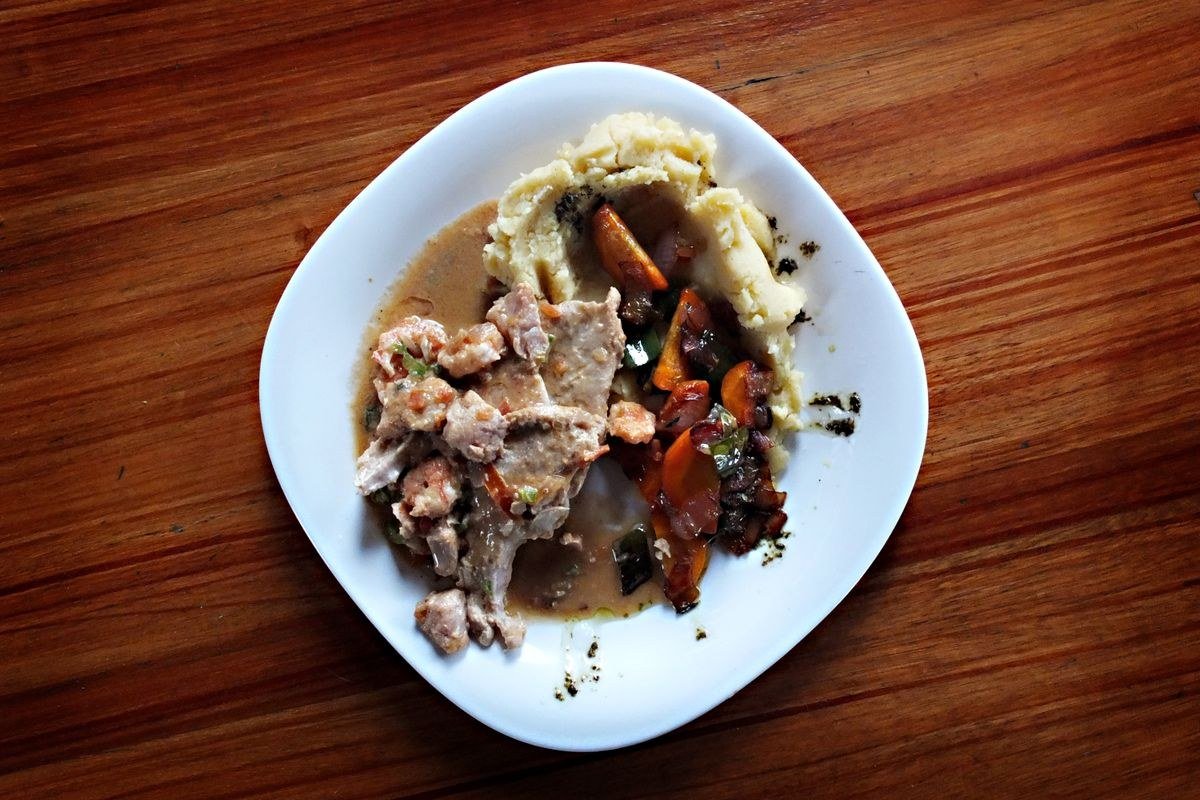
The classic mashed potatoes recipe combines drained potatoes with warm butter and warm cream, mashed until smooth and seasoned generously. Warm the butter and cream together before adding, since cold dairy cools the mash and makes it harder to blend. Mash gently, add dairy gradually, and season with salt and white pepper, tasting as you go.
For four servings, use about two pounds of potatoes, four tablespoons of butter and half a cup of cream as a starting point, adjusting to your preferred richness. The mash should be creamy and soft, holding its shape on a spoon without being stiff. Serve immediately for the best texture, with extra butter melting on top.
Mashing Methods Compared
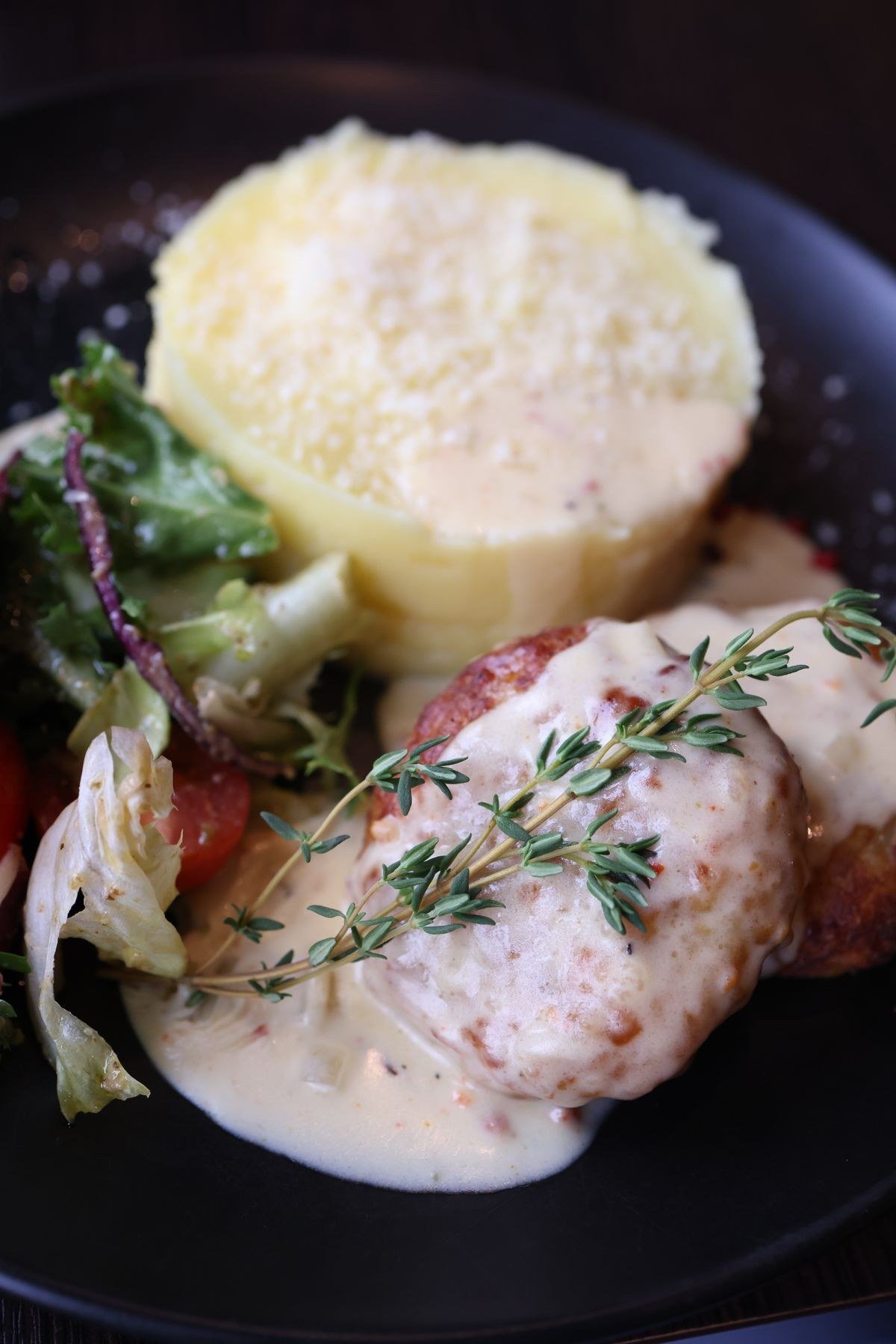
The tool you use to mash potatoes matters enormously: a ricer gives the smoothest, fluffiest mash, a food mill gives similar results, and a hand masher gives a slightly rustic texture. Avoid blenders and food processors, which overwork potato starch and create gluey, sticky mash. Choose the tool that matches the texture you prefer.
A ricer is worth the small investment if you make mash often, since it produces lump-free results with minimal effort. A hand masher works well for rustic mash, especially if you press rather than stir vigorously. Whatever tool you choose, mash gently and stop as soon as the potatoes are smooth, since over-mashing causes gumminess.
Making Mash Extra Creamy
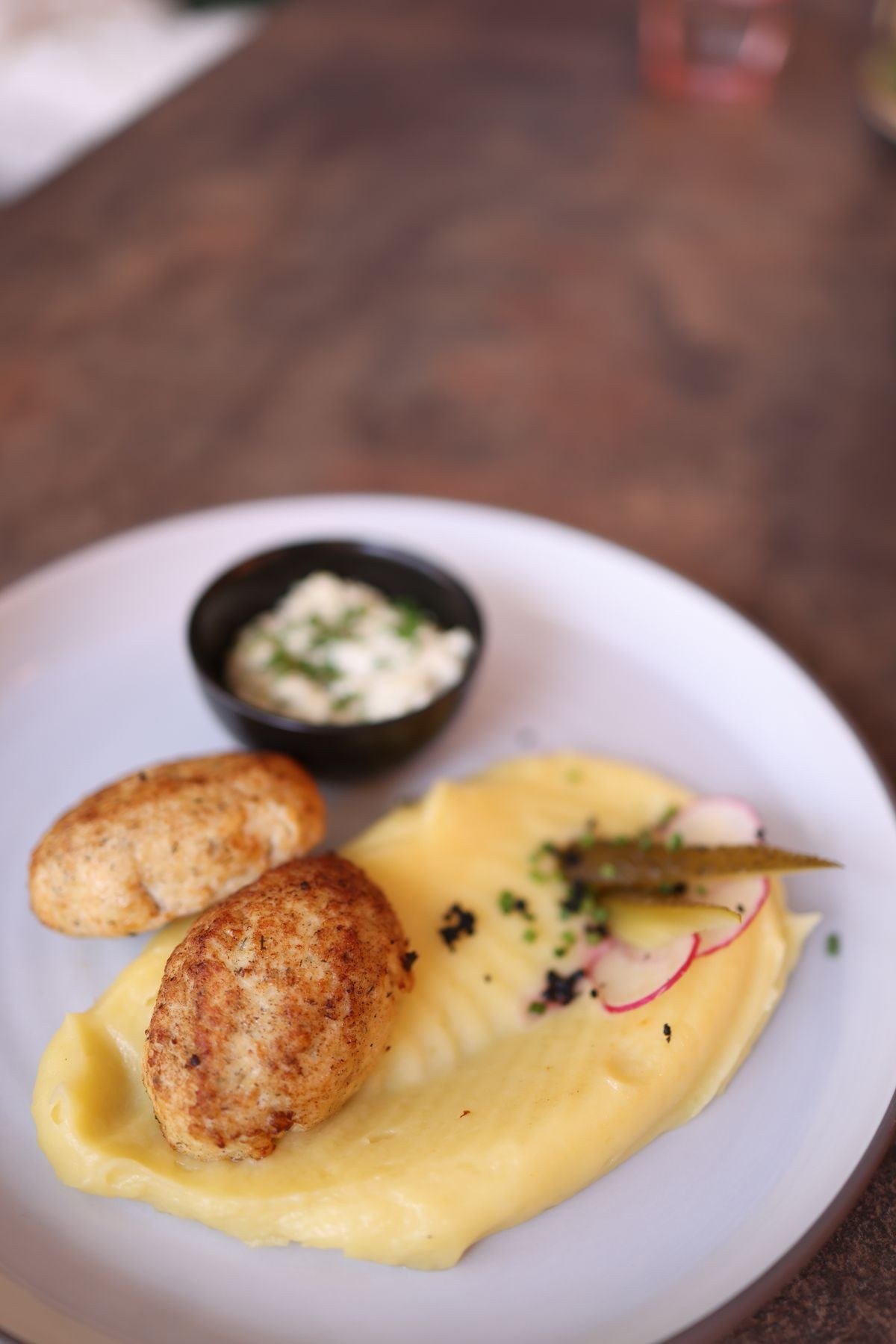
Extra-creamy mash comes from warm dairy, enough butter and gentle handling, with a few enriching additions if you wish. Cream cheese, sour cream or creme fraiche add tang and silkiness, while an egg yolk stirred into hot mash adds richness and a golden colour. Add enrichments gradually and taste frequently to avoid overpowering the potato flavour.
For the creamiest texture, pass potatoes through a ricer, then fold in warm cream and butter with a spatula rather than beating vigorously. A little extra cream goes a long way, so add small amounts until the mash reaches your ideal softness. Serve creamy mash in a warmed bowl to keep it hot and luscious.
Fluffy Versus Rich Mash Styles
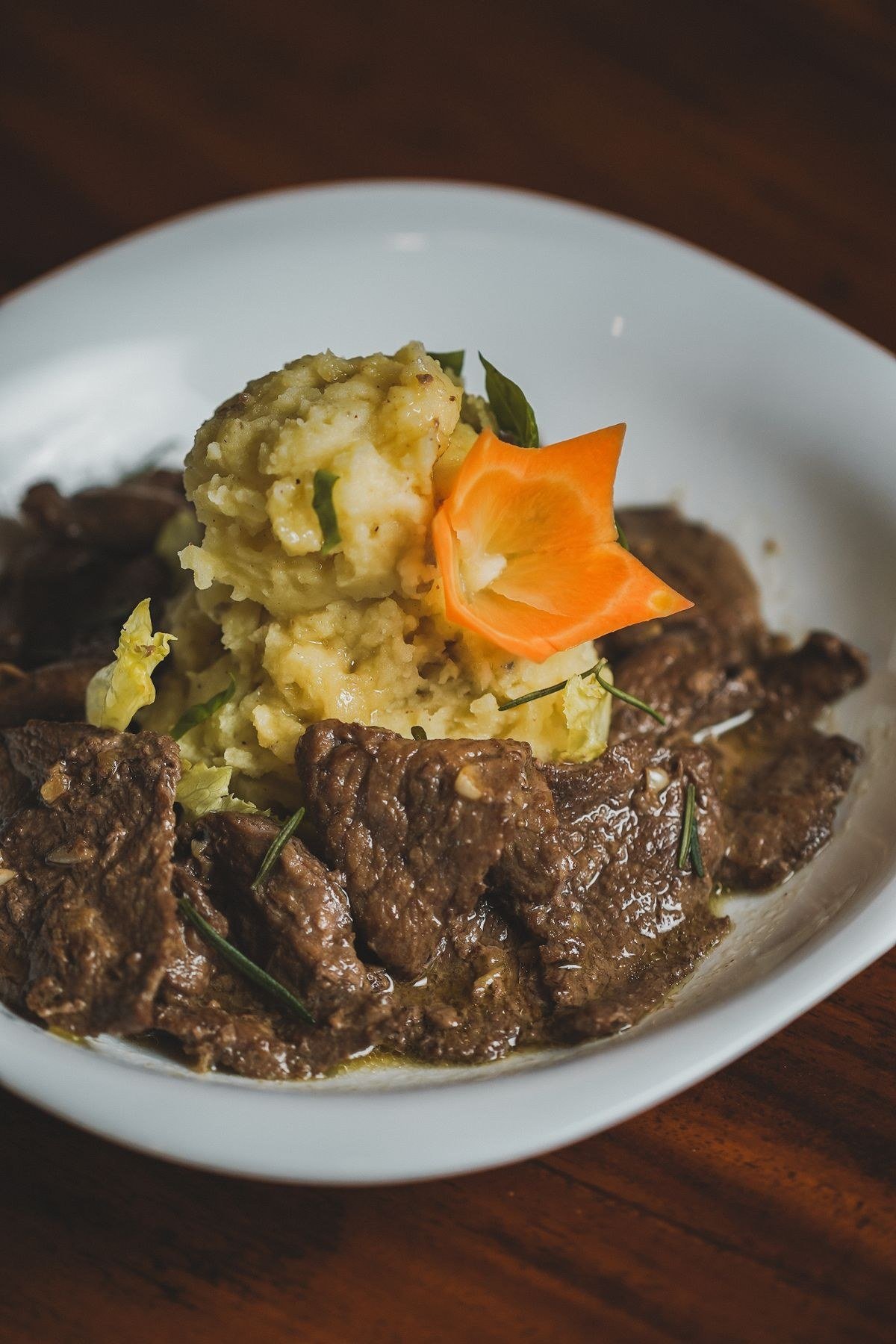
Mashed potatoes can lean fluffy or rich, and the best style depends on the meal: fluffy mash suits roast dinners and gravy, while rich, buttery mash suits celebratory meals and special occasions. Fluffy mash uses more milk and less butter, with potatoes riced and folded lightly, while rich mash uses more butter and cream for indulgence.
To make fluffy mash, use Russet potatoes, warm milk and a light hand, beating just enough to combine. For rich mash, use Yukon Golds, generous butter and cream, and finish with an extra knob of butter. Both styles should be seasoned well, since under-seasoned mash tastes flat regardless of texture.
Garlic Mashed Potatoes
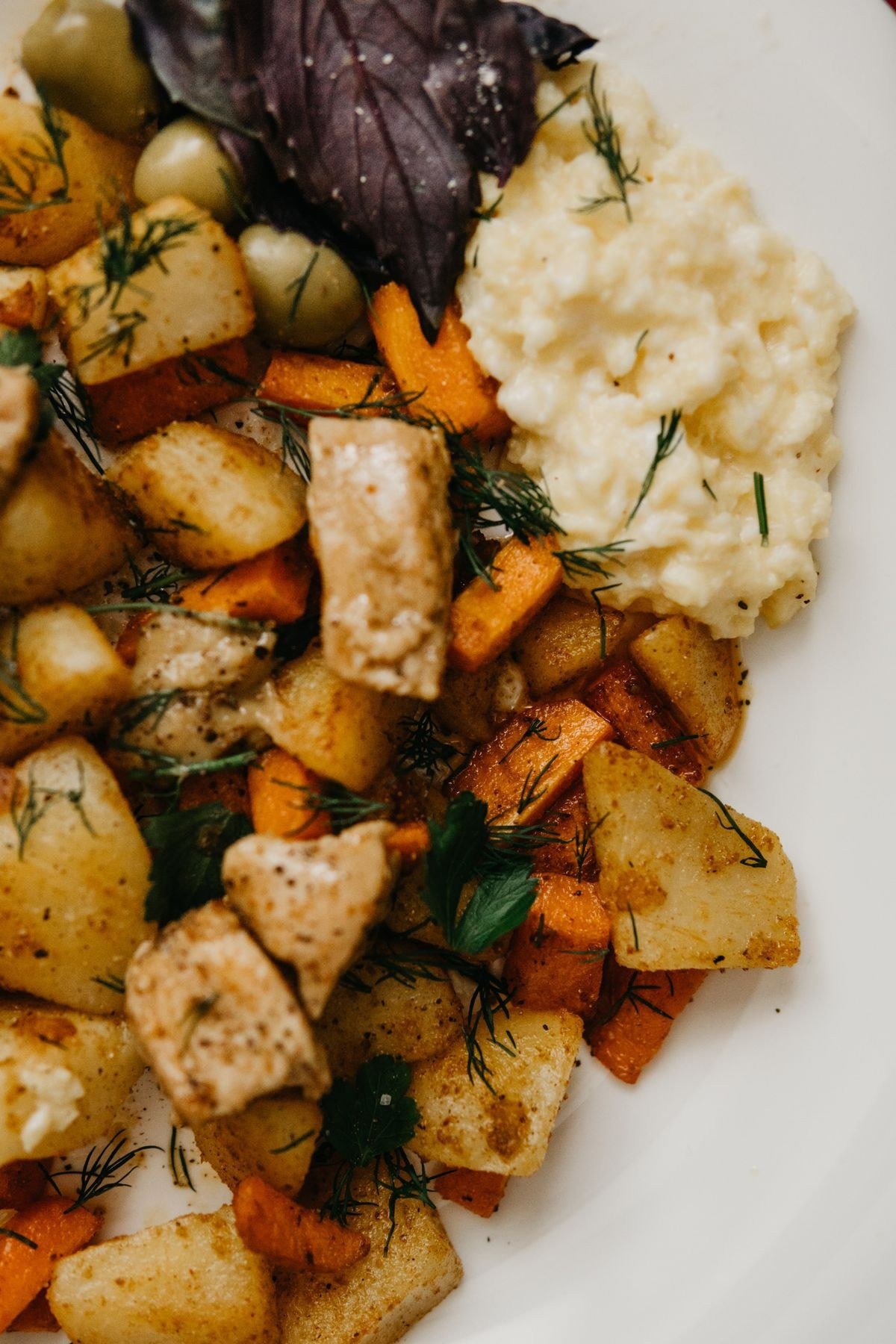
Garlic mashed potatoes add warm, savoury depth to classic mash, and roasted garlic gives the sweetest, mellowest flavour. Roast a whole head of garlic until soft, squeeze the cloves into the mash, and blend with butter and cream for a fragrant, golden result. Raw garlic can taste harsh, so always cook it first for mash.
For a quicker version, simmer peeled garlic cloves in the cream while potatoes boil, then mash everything together. Garlic mash pairs beautifully with roast chicken, steak and Thanksgiving turkey, and it needs slightly less salt than plain mash since garlic adds its own savoury character. Serve with a drizzle of garlic butter on top.
Cheesy Mashed Potatoes
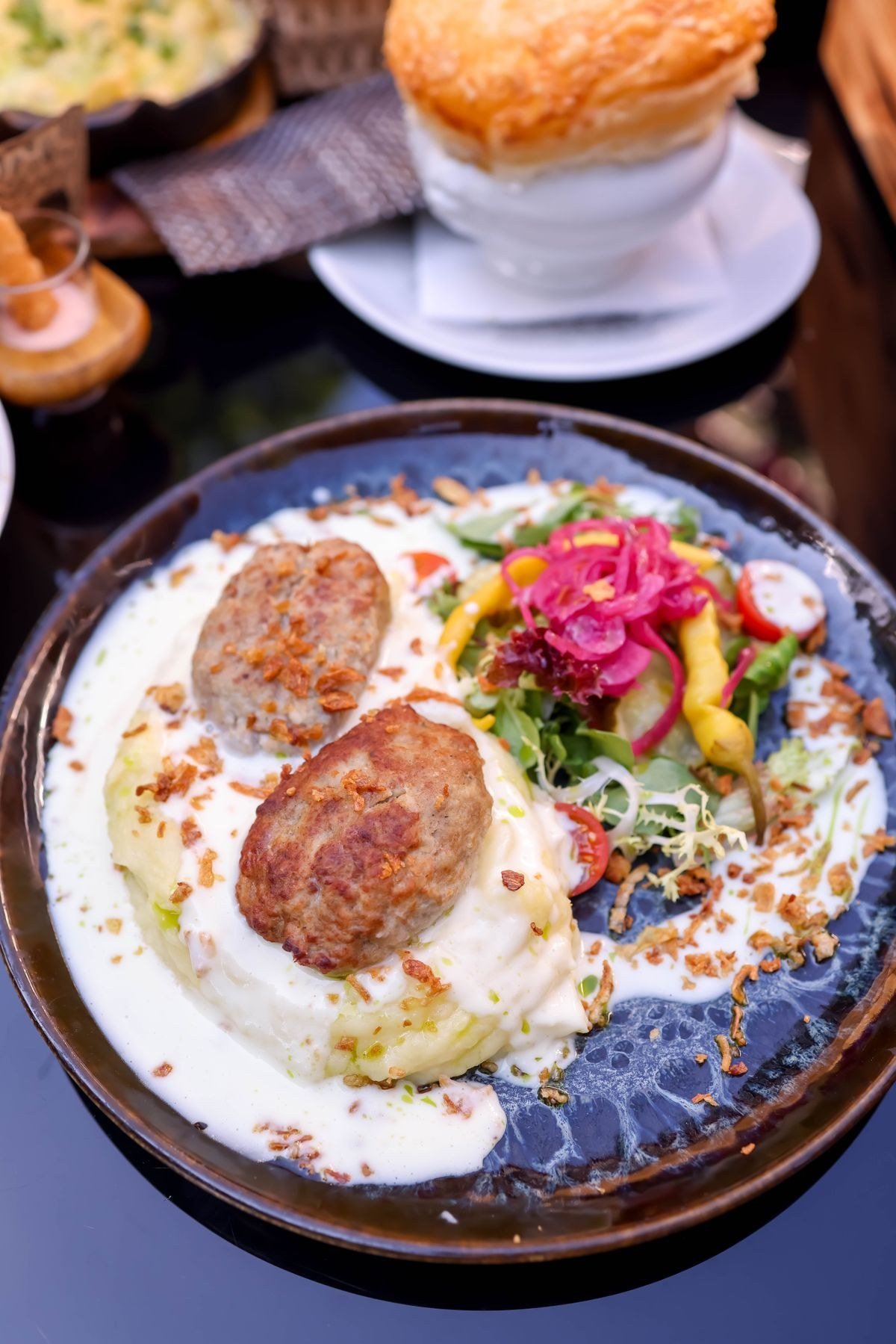
Cheesy mashed potatoes turn a simple side into a crowd-pleasing star, with melted cheese adding richness and savoury depth. Stir grated cheddar, Gruyere or Parmesan into hot mash until melted, starting with a modest amount and adding more to taste. Sharp cheddar gives the boldest flavour, while Gruyere melts most smoothly.
For a baked version, spread cheesy mash in a buttered dish, top with extra cheese and breadcrumbs, and bake until golden and bubbling. Cheesy mash pairs wonderfully with roast meats, sausages and grilled vegetables, and it reheats well in the oven. Keep the cheese proportion balanced so potato flavour still shines through.
Herb Mashed Potatoes
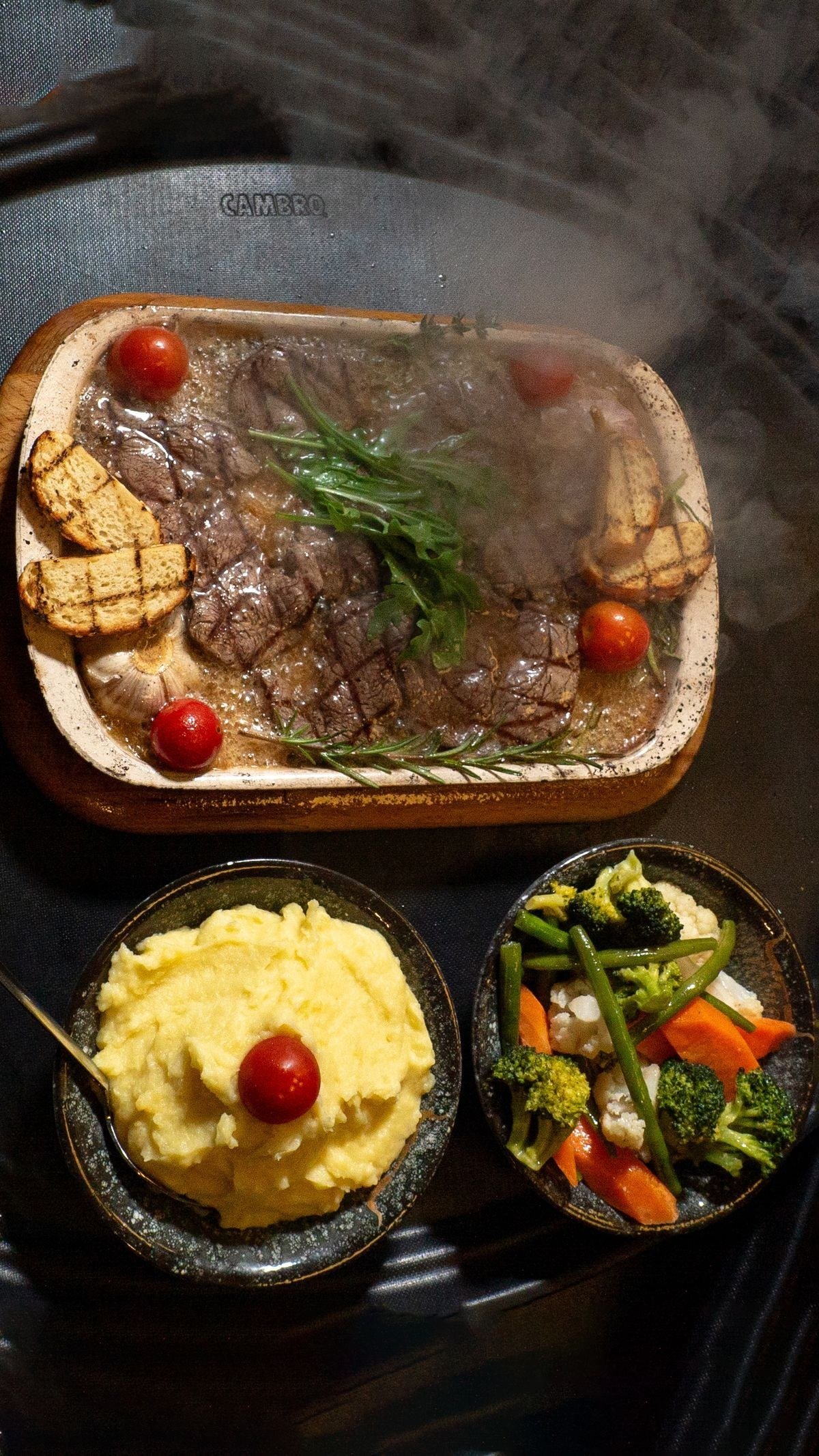
Fresh herbs lift mashed potatoes with colour and fragrance, turning a plain side into something special. Stir chopped chives, parsley, thyme or rosemary into hot mash just before serving, so the herbs stay bright and aromatic. Chives and parsley suit everyday mash, while rosemary and thyme suit roast dinners and festive meals.
Add herbs at the end rather than during boiling, since long cooking dulls their flavour and colour. A tablespoon or two of mixed herbs per two pounds of potatoes is plenty, and a little lemon zest can brighten herb mash further. Herb mash looks beautiful served with a scattering of fresh herbs on top.
Loaded Mashed Potatoes
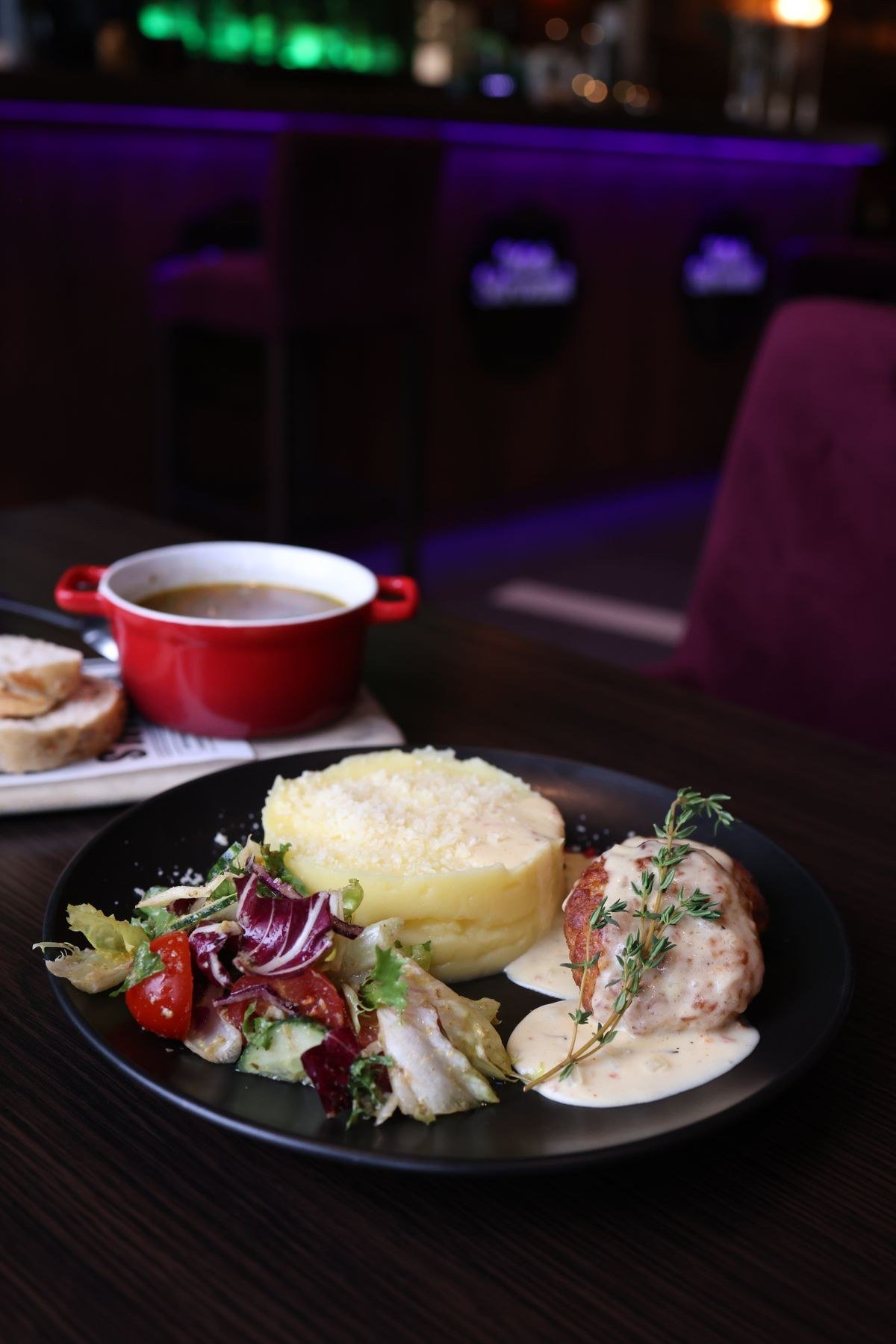
Loaded mashed potatoes borrow the toppings of a baked potato, with bacon, cheese, sour cream and chives creating a hearty, indulgent side. Prepare classic mash, then fold in crispy bacon, grated cheese and sour cream, topping with extra bacon, cheese and chives. The result is rich, satisfying and perfect for casual gatherings.
Loaded mash works brilliantly as a party side or a main-course base, topped with chilli, pulled pork or roasted vegetables. Keep toppings generous but balanced, so the mash itself remains creamy underneath. Serve loaded mash in a large, warmed dish for sharing, with extra toppings on the side for guests to add.
Mashed Potatoes for Thanksgiving
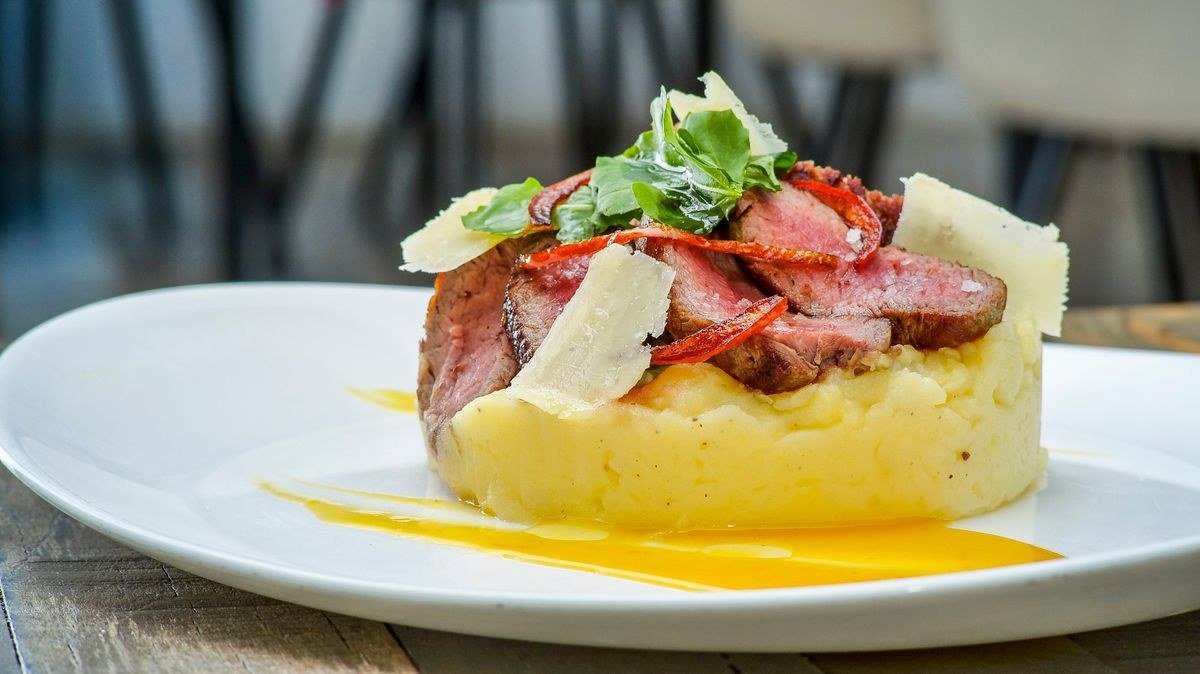
Thanksgiving mashed potatoes need to feed a crowd, hold well and taste luxurious, so plan quantities and timing carefully. Allow about half a pound of potatoes per person, prepare mash a day ahead if possible, and reheat gently in a slow cooker or low oven with extra butter and cream. A garnish of brown butter, herbs or roasted garlic adds a festive touch.
For Thanksgiving, choose a rich, creamy mash that pairs with gravy and turkey, and keep it warm in a covered dish rather than over direct heat. Make-ahead mash frees stove space for other dishes, which is invaluable on the day. Taste and re-season after reheating, since cold storage dulls seasoning slightly.
Make-Ahead and Reheating Tips
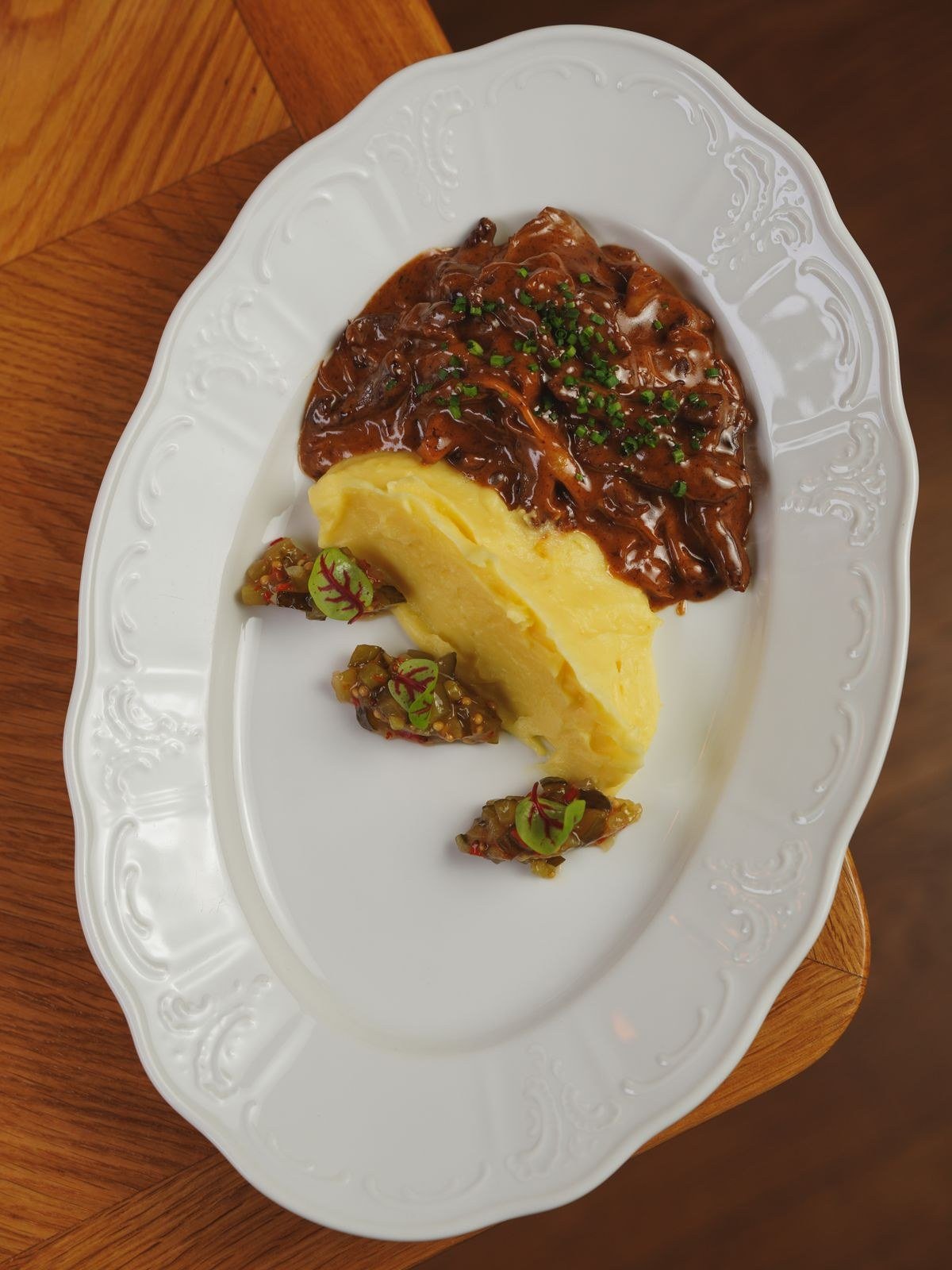
Mashed potatoes reheat beautifully with the right method, making them ideal for make-ahead cooking. Prepare mash up to two days ahead, cool quickly, refrigerate in a covered container, and reheat gently in a saucepan over low heat, a slow cooker or a low oven, stirring in warm milk, cream or butter to restore creaminess. Avoid microwaving in one blast, which heats unevenly.
For freezer storage, freeze mash in portions with extra butter, thaw overnight in the fridge, and reheat gently with added dairy. Reheated mash should be tasted and re-seasoned, since flavours mellow during storage. Make-ahead mash tastes almost as good as fresh when reheated slowly and enriched with butter.
Fixing Lumpy or Gluey Mash
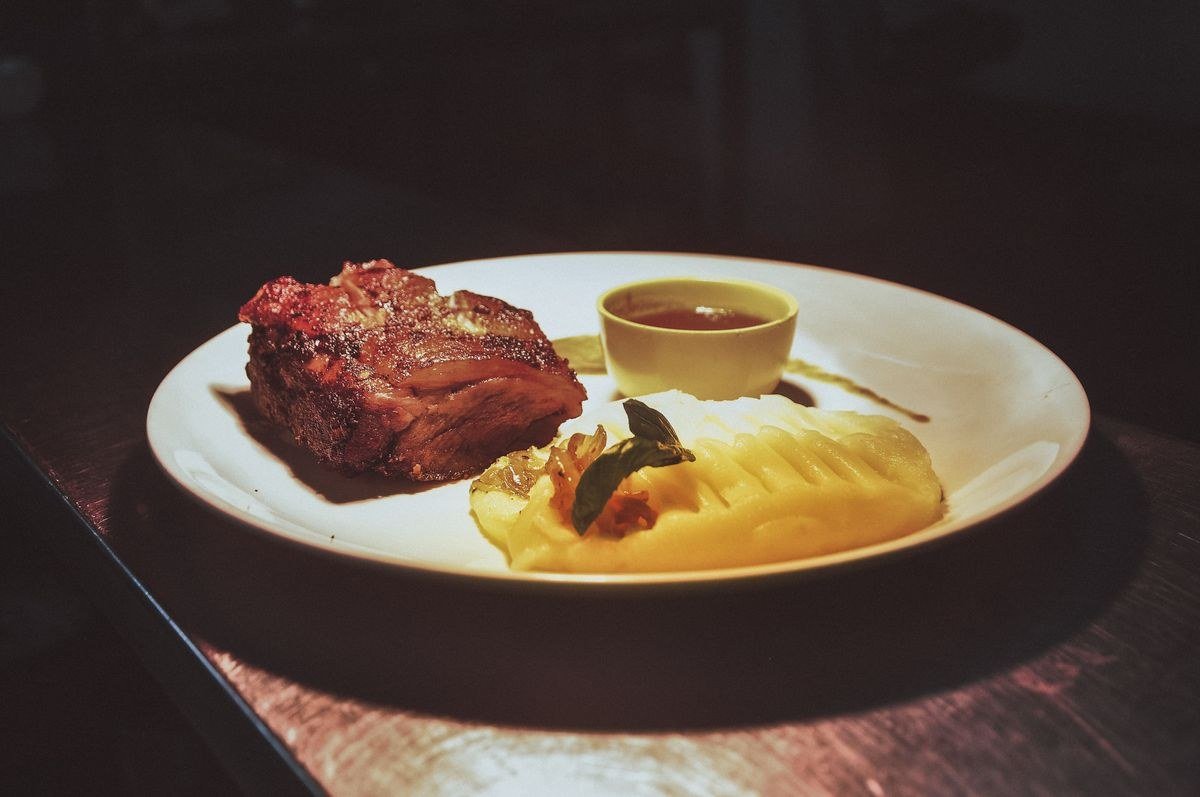
Lumpy mash can usually be saved by mashing further with a ricer or masher and adding warm dairy gradually, while gluey mash is harder to fix but can be rescued by turning it into a new dish. For lumps, pass mash through a ricer or sieve, then fold in warm cream. For gluey mash, spread it in a dish, top with cheese and bake as a potato casserole.
Prevent problems next time by choosing starchy potatoes, draining well, using warm dairy and mashing gently without overworking. Never use a food processor for mash, and avoid adding cold milk, which cools the potatoes and encourages lumps. Understanding the causes makes fixing and preventing mash problems much easier.
Mashed Potatoes with Gravy Pairing
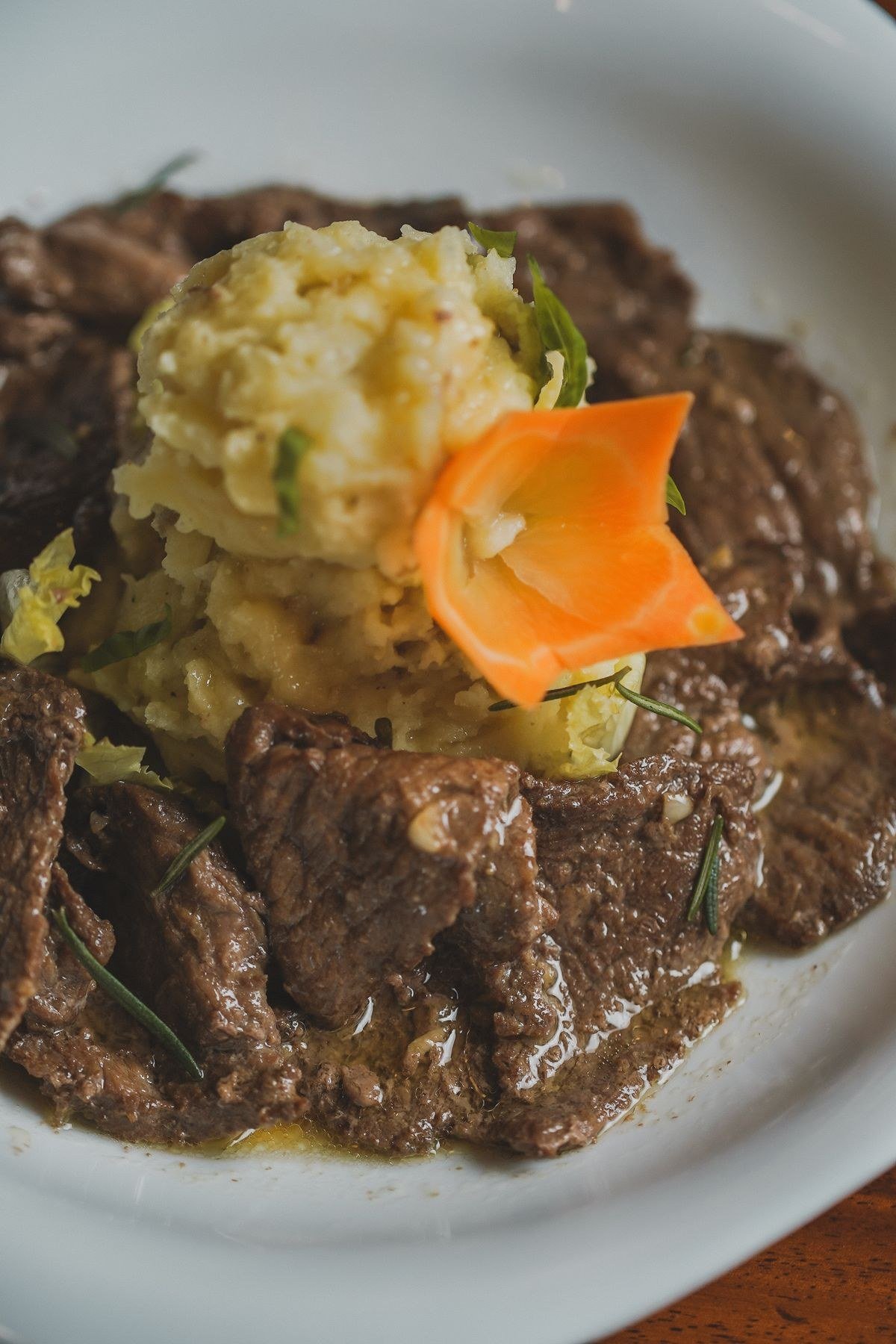
Mashed potatoes and gravy are a perfect partnership, and the best mash for gravy is fluffy enough to hold a well of gravy without dissolving. Serve mash in a warmed bowl with a hollow in the centre, ladle hot gravy into the hollow, and let guests add more at the table. The gravy should be smooth, well-seasoned and served hot.
Choose gravy flavours that complement the meal: classic turkey gravy for Thanksgiving, onion gravy for sausages, or mushroom gravy for vegetarian meals. Keep mash and gravy hot until serving, since lukewarm gravy congeals quickly. A generous gravy jug on the table lets everyone enjoy mash exactly as they like it.
Low-Fat and Lighter Mash Options
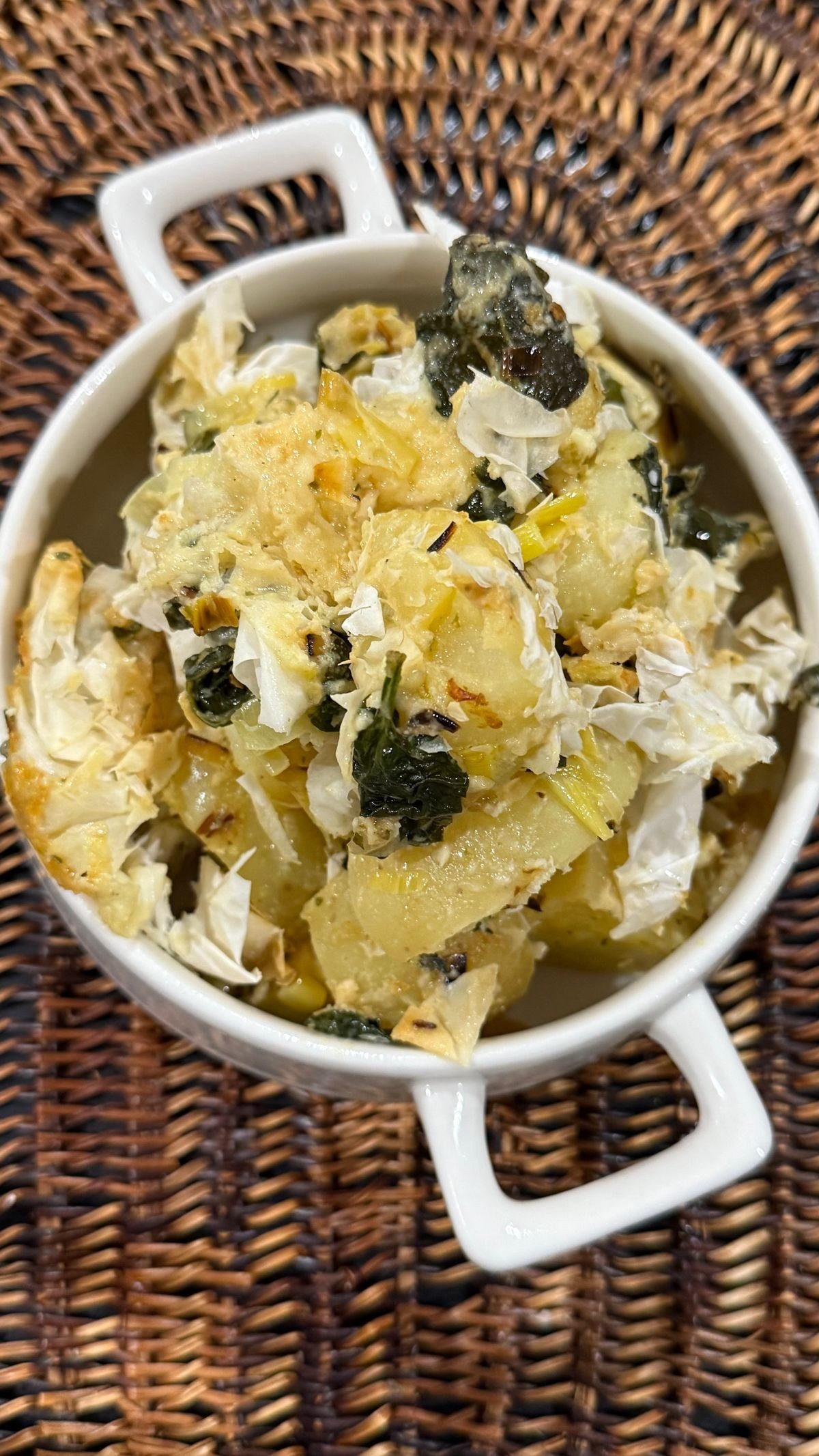
Lighter mashed potatoes can still taste wonderful with smart swaps: use warm skimmed milk or stock instead of cream, olive oil instead of some butter, and flavour with roasted garlic, herbs or mustard. Cauliflower blended with potatoes, in equal parts, lightens mash while keeping a creamy texture and adding nutrients.
Season lighter mash generously, since reduced fat means flavour needs help from herbs, garlic and good salt. A little butter still goes a long way for richness, so use a small amount rather than none. Lighter mash suits everyday meals and guests watching fat intake, without feeling like a compromise.
Mashed Potatoes for Kids
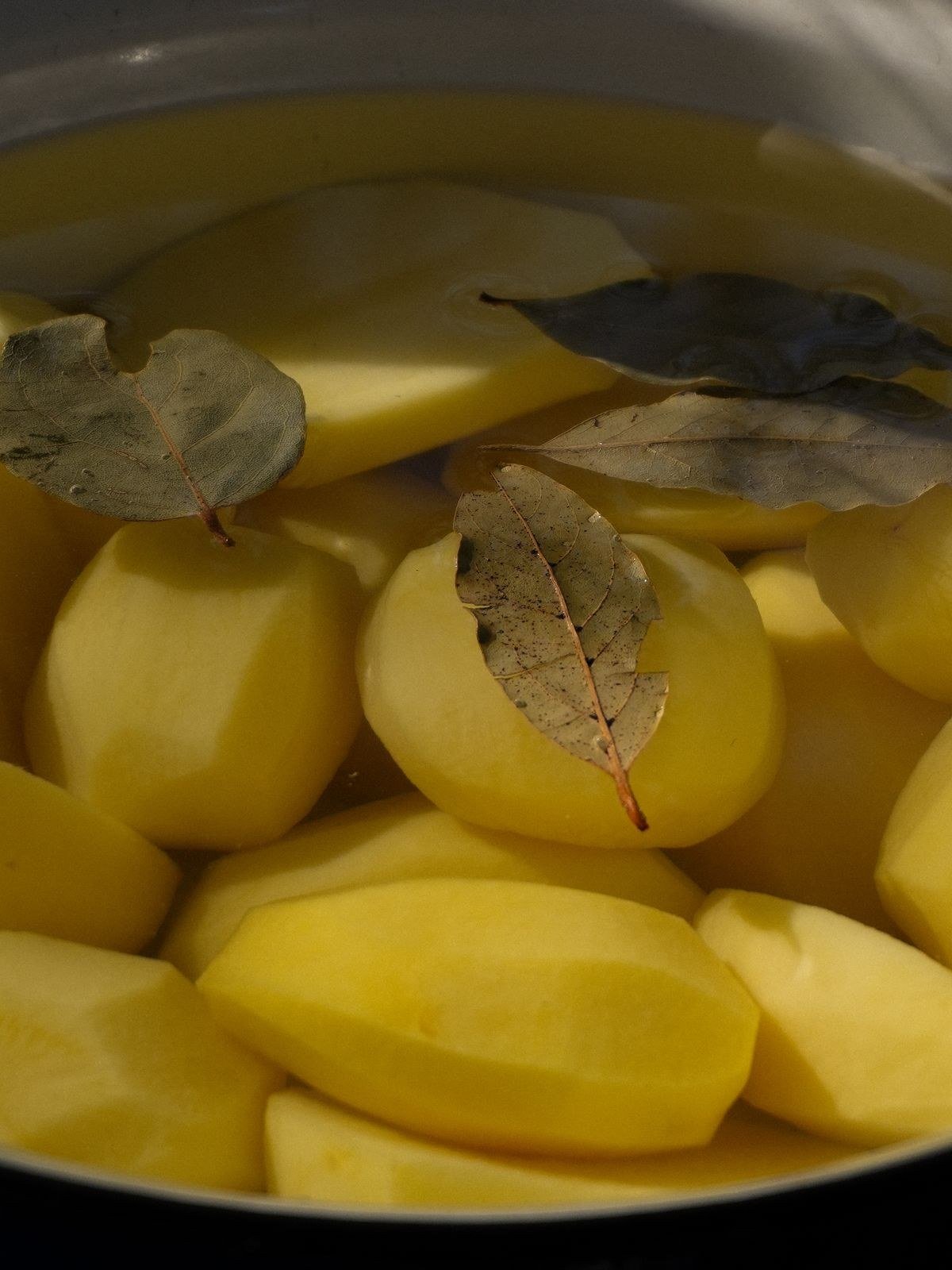
Children love mashed potatoes, especially when they can help choose toppings and shapes: serve mash in fun swirls, top with cheese faces, or let kids add their own butter, peas or gravy. Keep kids’ mash smooth and mild, with less pepper and garlic than adult versions, and serve in small, warm bowls they can manage easily.
Involving children in mashing, with supervision, makes them more likely to enjoy the result, and mash is a forgiving dish for young helpers. For picky eaters, hide cauliflower or sweet potato in the mash for extra nutrients without changing the familiar taste. Mashed potatoes are a reliable, comforting food for family meals.
Serving and Presentation Ideas
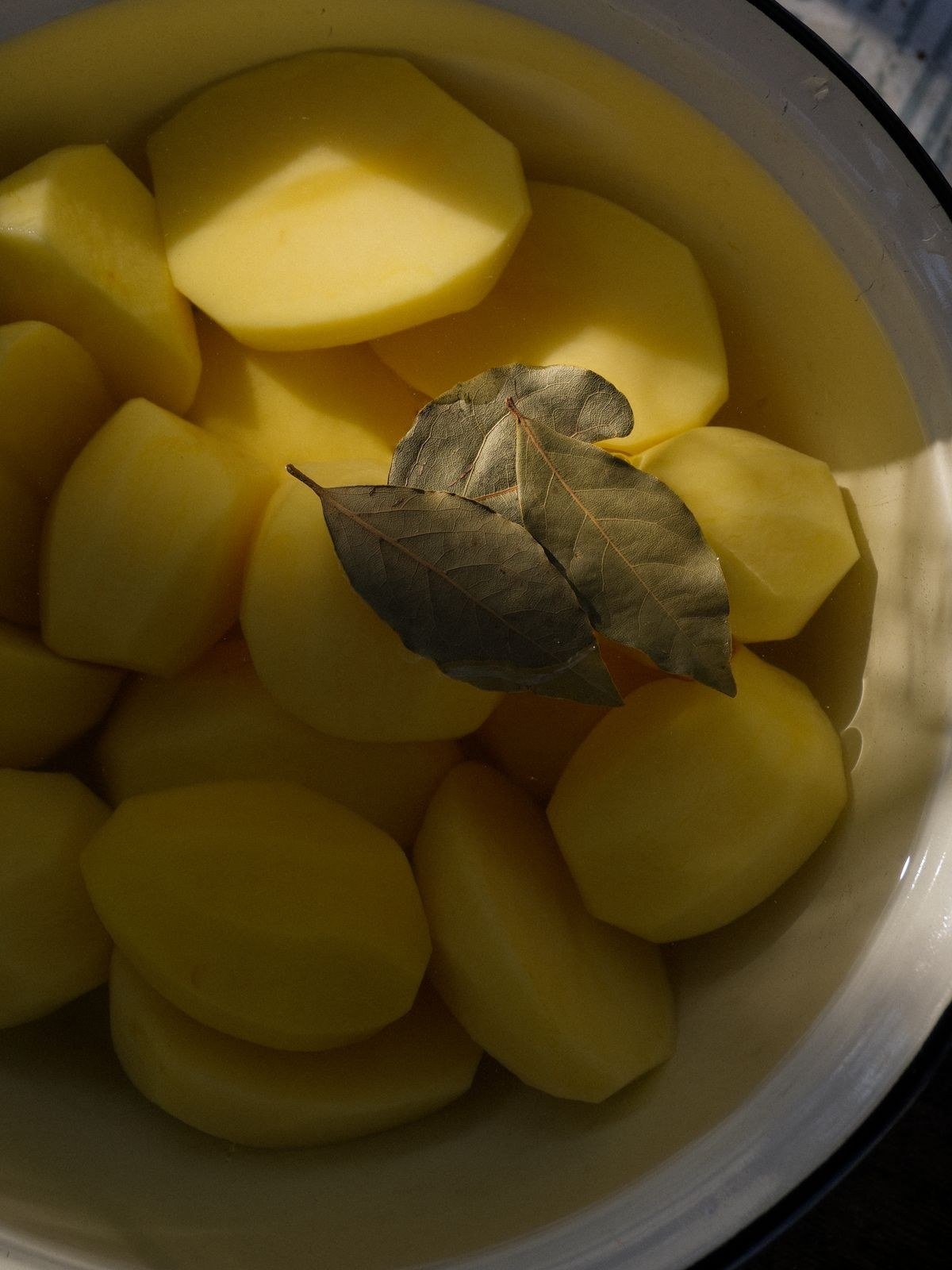
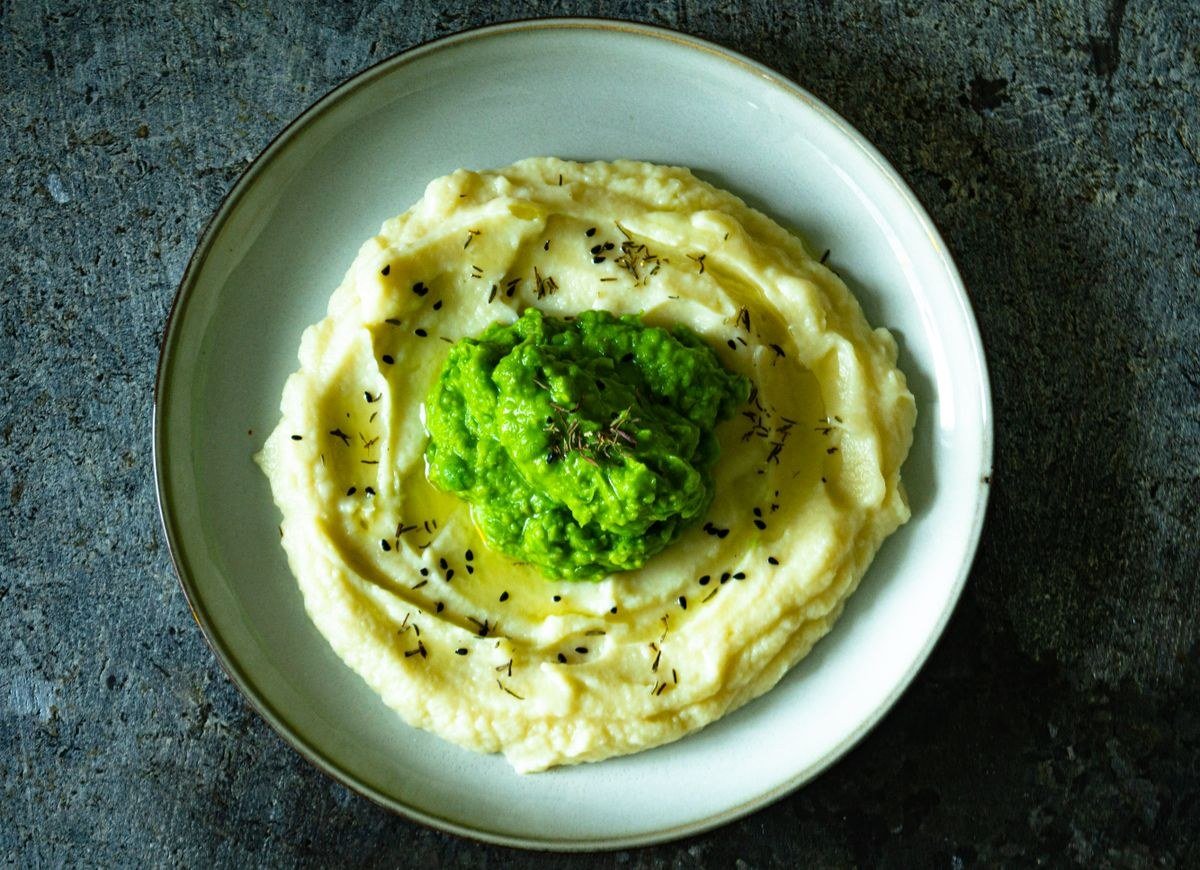
Presenting mashed potatoes beautifully is easy: pipe or swirl mash into warmed bowls, top with a knob of melting butter, a drizzle of brown butter or a scattering of herbs, and serve immediately while hot. For dinner parties, serve mash in a large, attractive dish with a serving spoon, garnished simply so guests can help themselves.
For festive meals, shape mash into a ring or mound with gravy in the centre, or bake individual portions in ramekins with a cheese topping. Keep serving dishes warm in a low oven until the last moment, since mash cools quickly. Simple, warm presentation makes mash look as good as it tastes.
Storing Leftover Mashed Potatoes
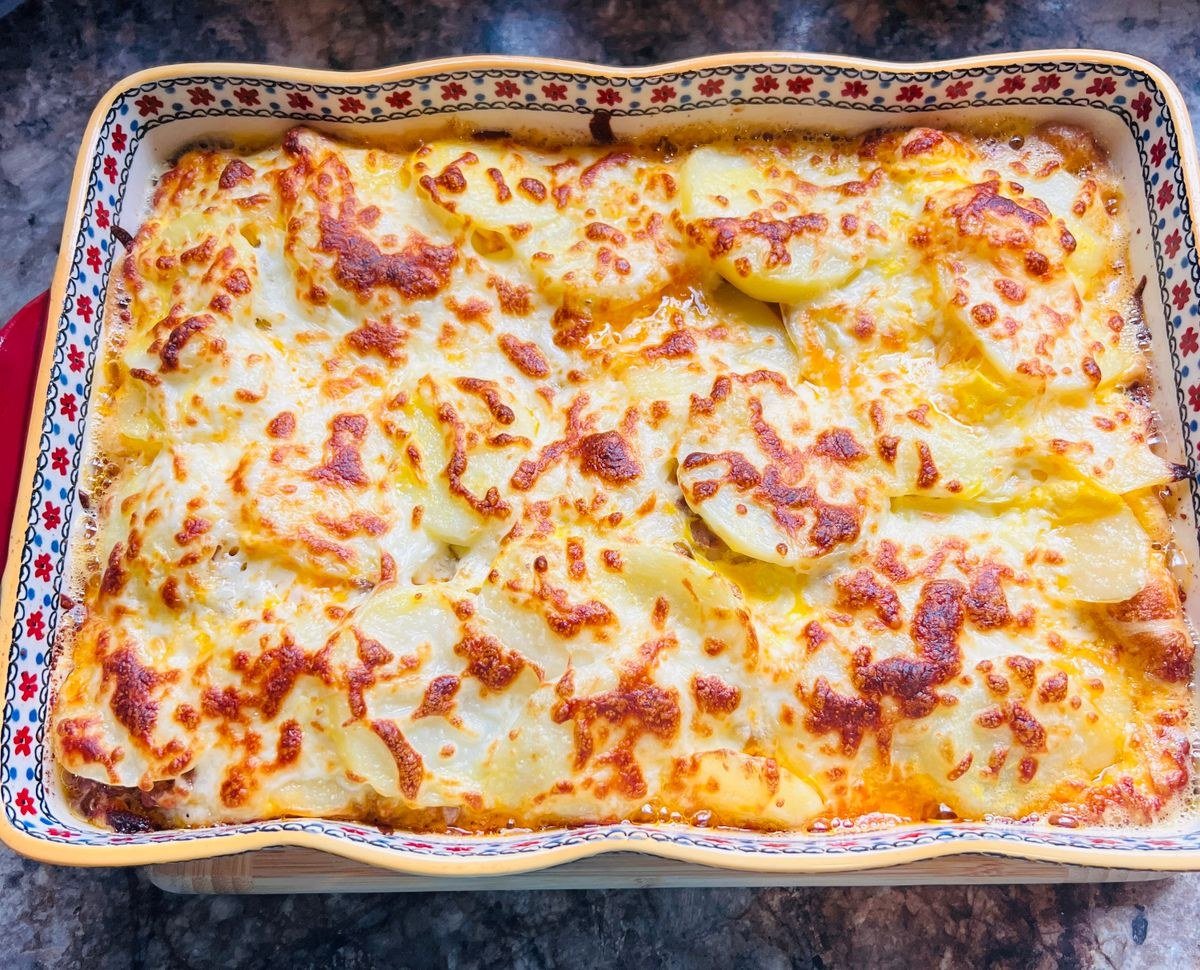
Leftover mashed potatoes keep well for three to four days in the fridge in a covered container, and they transform into delicious new dishes. Reheat gently with added milk or butter, or use leftovers for potato cakes, shepherd’s pie topping, potato soup or fried potato patties. Leftover mash should be cooled quickly and refrigerated promptly.
Potato cakes are a favourite leftover dish: mix cold mash with an egg and a little flour, shape into patties and fry until golden. Shepherd’s pie topped with leftover mash makes an easy next-day dinner, and mash stirred into soup adds body and creaminess. Good leftovers reduce waste and extend the enjoyment of a great mash.
Mashed Potatoes FAQs Answered
Common mashed potato questions have simple answers: yes, you can make mash ahead and reheat it gently; no, you should not use a food processor, which makes mash gluey; and starchy potatoes such as Russets give the fluffiest results. Salt the cooking water generously, use warm dairy, and mash gently for the best texture every time.
If mash tastes bland, it usually needs more salt or butter, added gradually and tasted frequently. If mash is too thick, add warm milk a little at a time; if too thin, cook gently while stirring or add a little more potato. With these basics mastered, mashed potatoes become a reliable, beloved dish you can cook with complete confidence.
Mastering mashed potatoes is really about understanding a few simple principles, and once you grasp them, perfect mash becomes automatic. Choose starchy potatoes, cook them evenly in salted water, drain and steam-dry thoroughly, mash gently with warm dairy, and season generously. Every variation, from garlic to cheese to herbs, builds on this same foundation, so learning the classic method well unlocks every other version.
The most common mash mistakes are easy to avoid once you know them: overworking potatoes in a processor, adding cold milk, under-seasoning, and skipping the steam-drying step. Each mistake has a simple fix, and even imperfect mash can usually be rescued with warm cream, careful mashing or a baked cheese topping. Cooking confidence grows from understanding why each step matters, not just following instructions blindly.
Mashed potatoes also reward creativity, since they pair with almost any main course and accept countless flavours. Try brown butter and sage for autumn dinners, mustard and chives for sausages, truffle oil for celebrations, or sweet potato blended with regular potato for colour and sweetness. A reliable mash recipe becomes a canvas for seasonal cooking, adapting to whatever meal you are serving.
For large gatherings, mashed potatoes are one of the most forgiving dishes to scale up, since quantities double easily and the dish holds well in a slow cooker or low oven. Make mash ahead when hosting, keep it warm and creamy with extra butter, and garnish simply at serving time. A generous bowl of excellent mash reassures guests that dinner will be good, whatever else is on the table.
In the end, mashed potatoes endure because they are comfort itself: warm, soft, buttery and familiar, connecting weeknight dinners to holiday feasts and childhood memories. Cook them with care, season them boldly, serve them hot, and they will rarely be the dish guests merely tolerate. Great mash is simple food done properly, and that is worth celebrating every time.
Potato variety also affects mash more than many cooks realise, so experiment with different types to find your favourite. Russets give classic fluffy mash, Yukon Golds give buttery richness, and red potatoes, though waxy, give a hearty skin-on mash for rustic meals. Farmers markets often offer interesting varieties worth trying, and tasting different potatoes is a delicious way to refine your recipe.
Mashed potatoes also freeze surprisingly well when prepared with enough butter, making them a useful staple for busy weeks. Freeze portions flat in bags, thaw overnight in the fridge, and reheat gently with added dairy for a quick side dish that tastes nearly fresh. Keeping frozen mash on hand turns weeknight dinners into comforting meals with almost no extra effort.
Finally, trust your own taste above any recipe, including this one. Potatoes vary, butters differ, and personal preference matters most: some people love extra butter, others prefer lighter mash, and both are correct. Taste as you cook, adjust boldly, and serve mash you are proud of, knowing that simple food cooked with care is among the most satisfying cooking there is.
Mashed potatoes also shine as a base for other dishes, from shepherd’s pie and potato bread to savoury pancakes and soup thickeners. Leftover mash need never be boring when it can top a pie, bind a fish cake or enrich a soup, turning one dish into several meals. This versatility is part of why mash remains a staple: it adapts, stretches and comforts across the whole week.

I am Talha Sikandar, a professional writer with a passion for general blogging. With years of experience in content writing and research, I founded Meaniingly.com to deliver well-researched, informative, and user-friendly articles on diverse topics.