Deviled eggs recipe
Devilled eggs are the appetiser that disappears first at every party, picnic and holiday gathering, and for good reason: they are creamy, tangy, portable and endlessly adaptable. Yet perfect devilled eggs depend on small details, from boiling eggs so they peel cleanly to achieving a filling that is smooth, well-seasoned and beautifully piped. This guide covers every step, so your devilled eggs look and taste like they came from a professional kitchen.
Below you will find the classic devilled eggs recipe, guidance on boiling and peeling, filling variations from spicy to smoky, and presentation tips for parties. Whether you are making a dozen for Thanksgiving or a large platter for a crowd, these ideas will help you serve devilled eggs worth remembering.
Choosing Eggs for Deviled Eggs
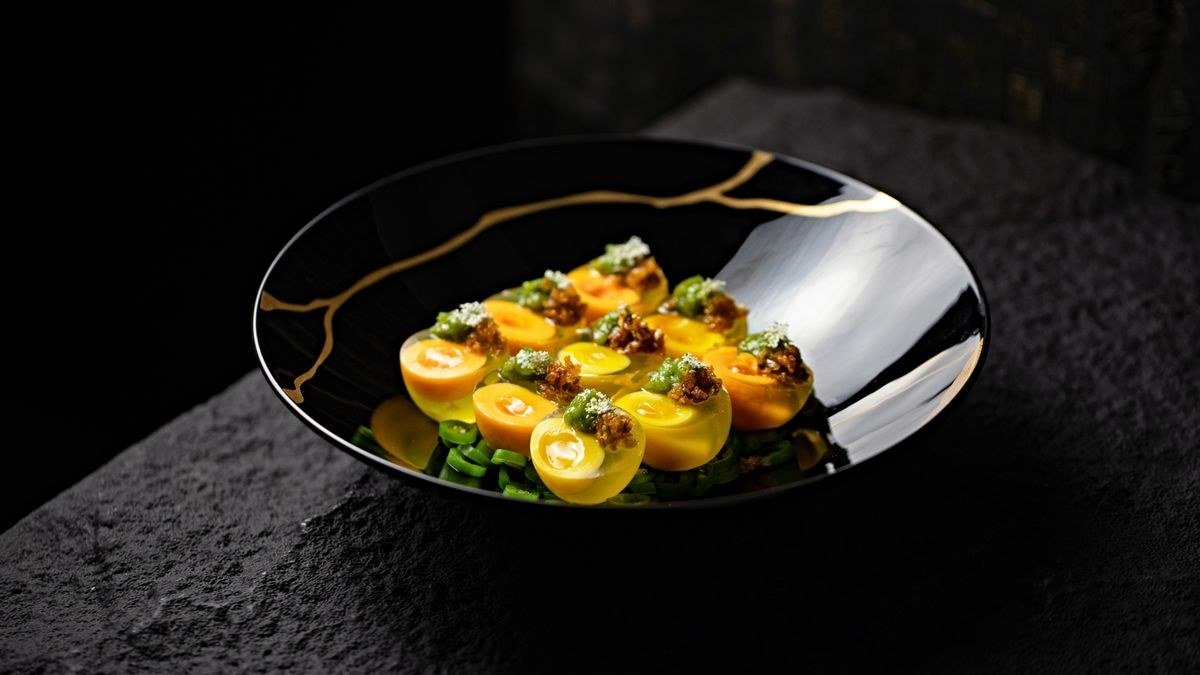
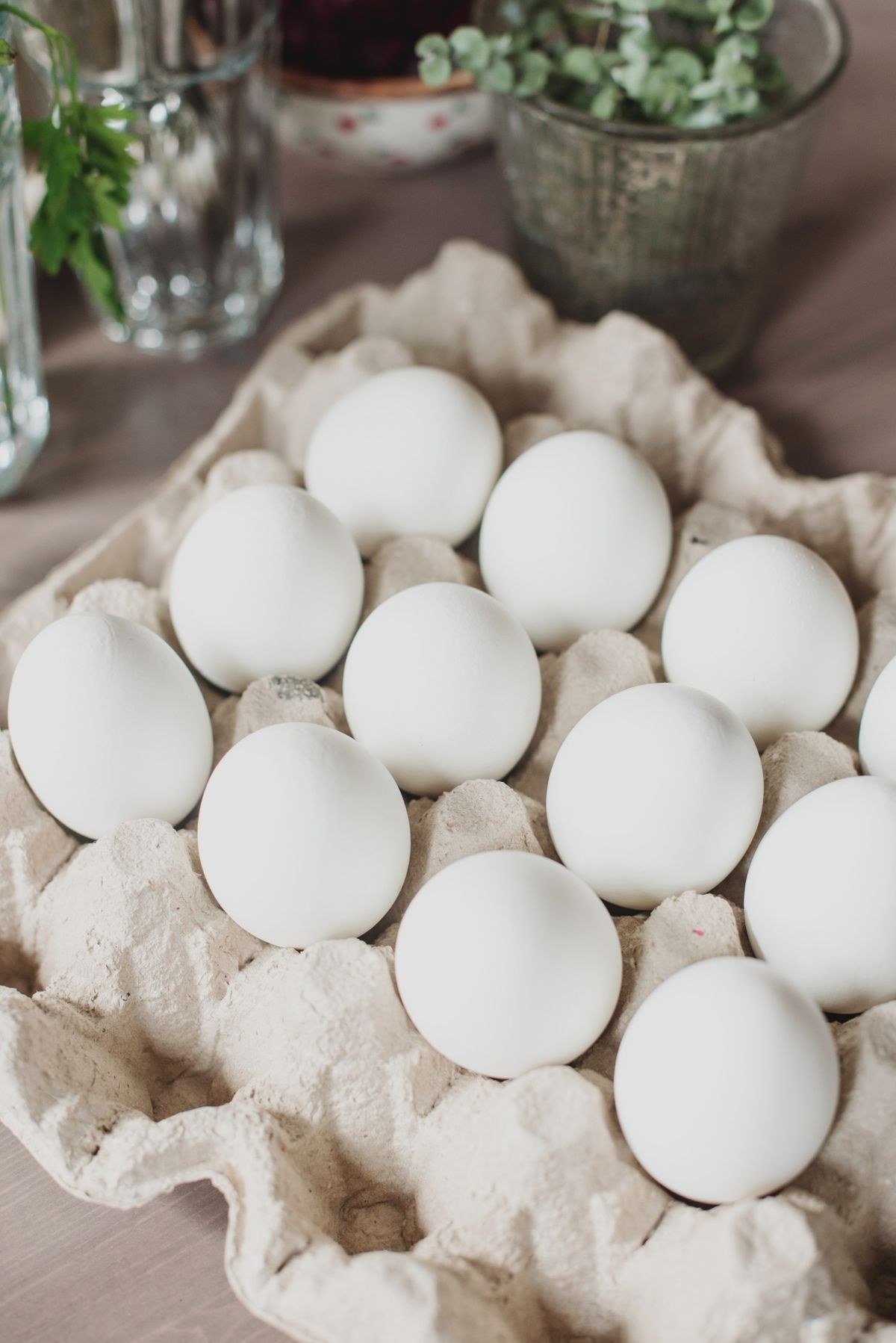
The best devilled eggs start with eggs that are a few days old rather than farm-fresh, since slightly older eggs peel much more easily. Choose large eggs of uniform size so they cook evenly and present neatly on a platter, and check shells for cracks before boiling. Room-temperature eggs cook more evenly than fridge-cold ones.
If you buy eggs specially for devilling, purchase them a week ahead and refrigerate, then bring to room temperature for thirty minutes before cooking. Uniform, uncracked eggs give neat, even halves that fill and pipe beautifully. Good eggs are the quiet foundation of great devilled eggs.
Boiling Eggs Perfectly
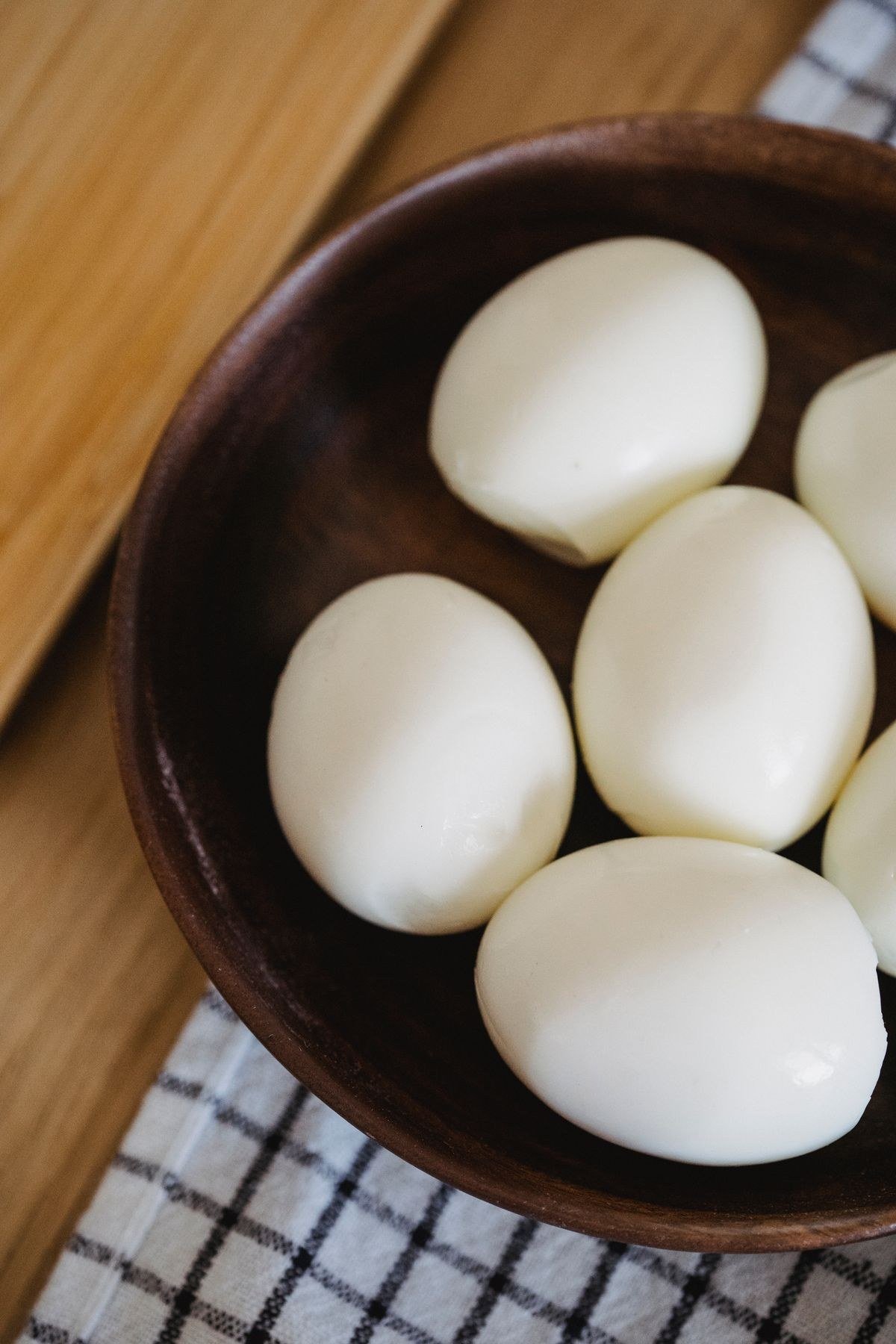
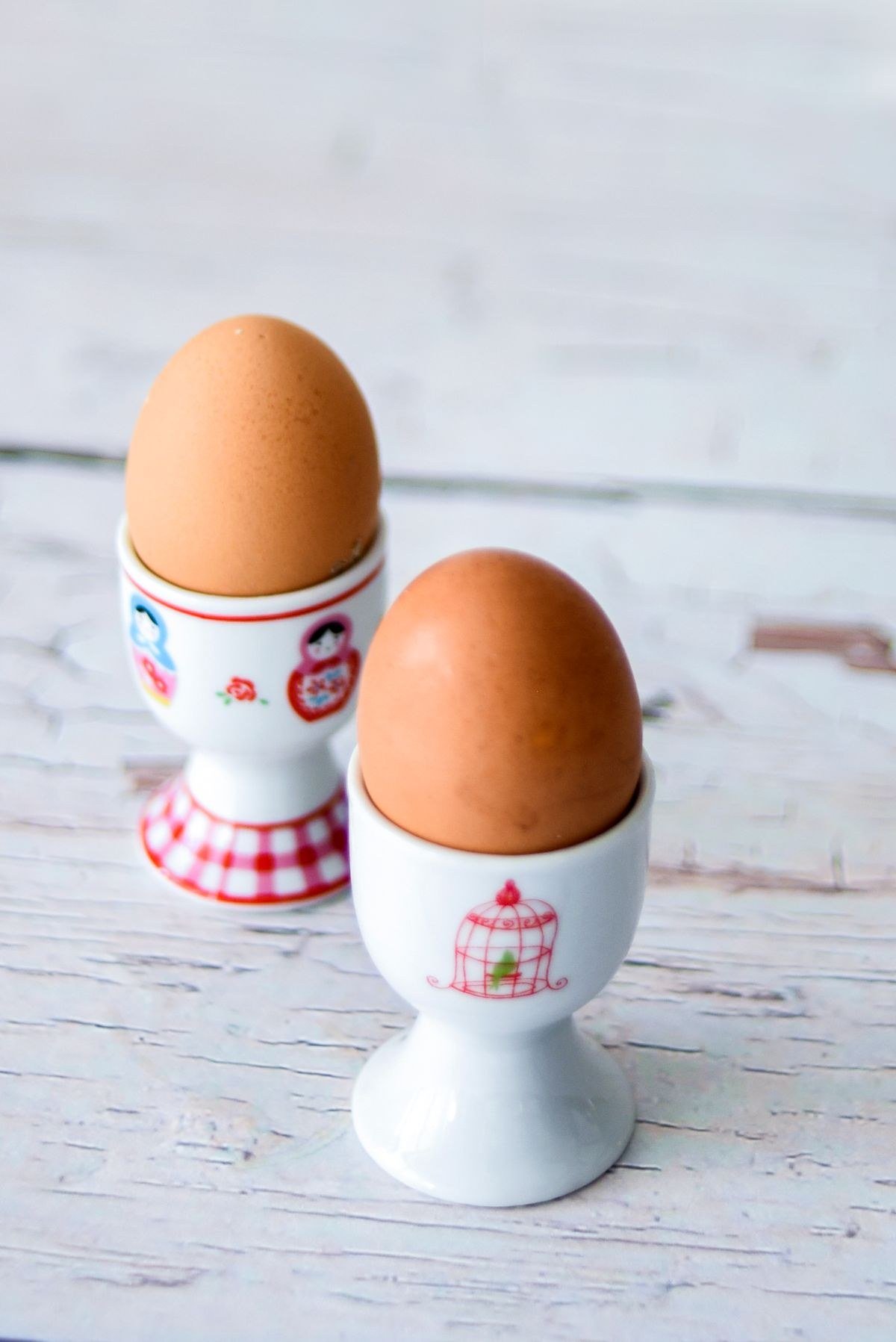
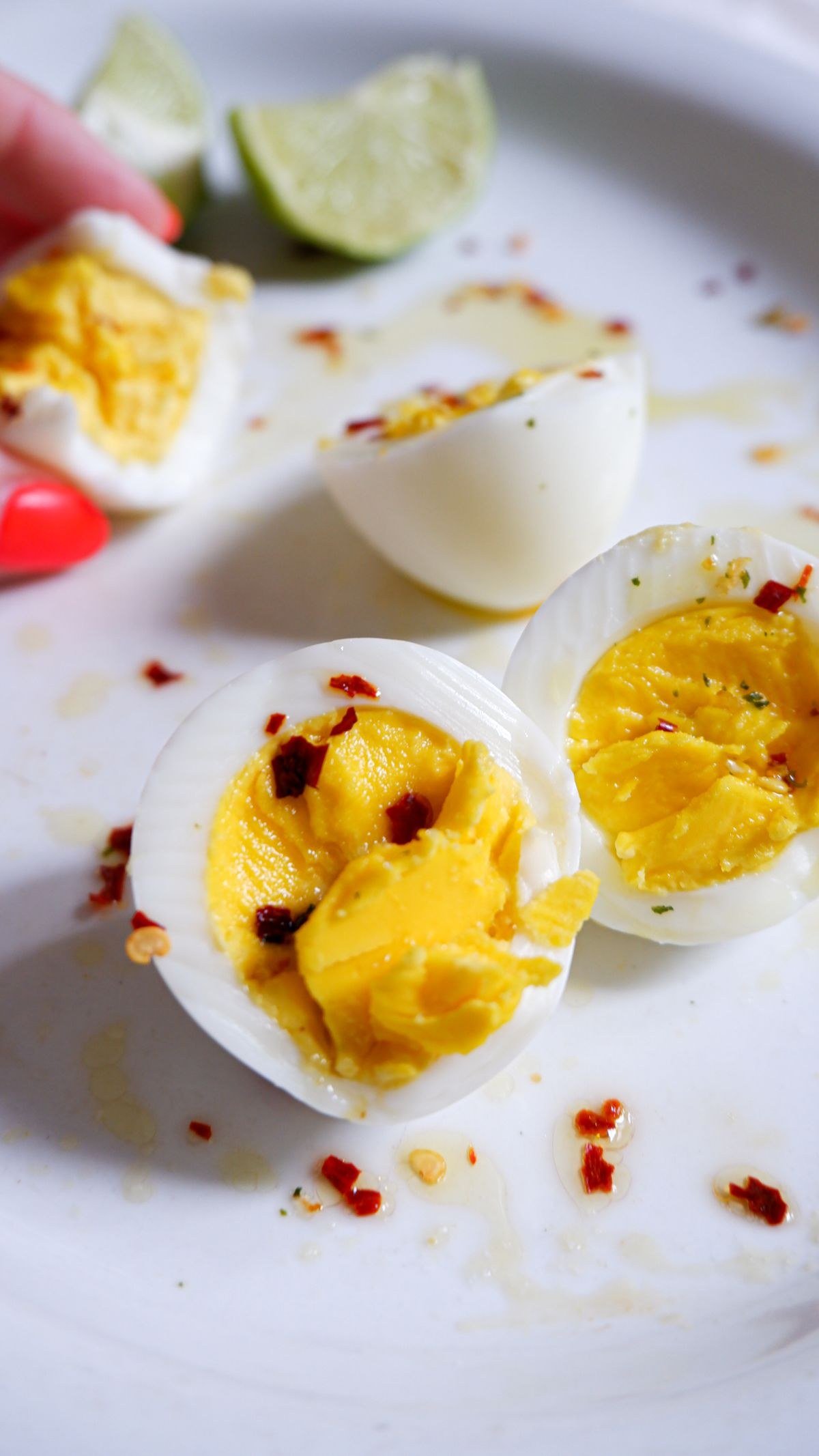
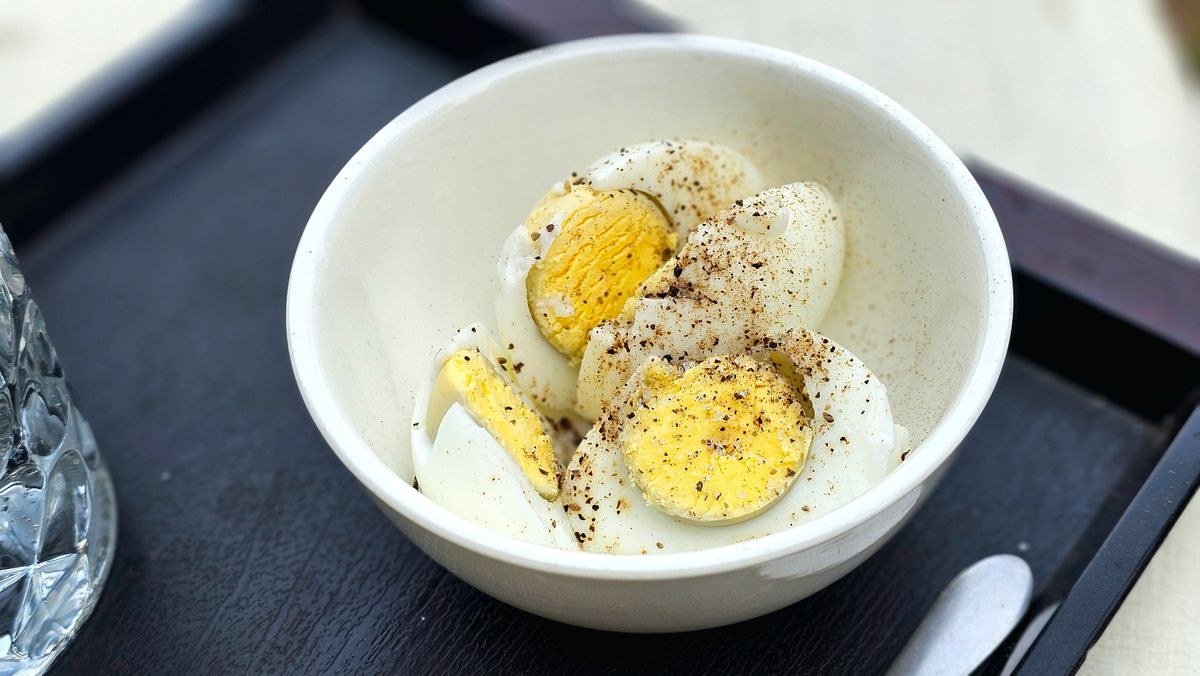
Perfect hard-boiled eggs have firm whites, creamy yellow yolks and no green ring, achieved by gentle cooking rather than vigorous boiling. Place eggs in a saucepan, cover with cold water by an inch, bring to a boil, then remove from heat, cover and let stand for ten to twelve minutes. The residual heat cooks eggs gently and evenly.
After standing, transfer eggs immediately to an ice bath for at least ten minutes, which stops cooking and makes peeling easier. Avoid overcooking, which causes rubbery whites and green yolks, and avoid undercooking, which leaves soft centres unsuitable for devilling. Gentle, timed cooking gives perfect eggs every time.
Peeling Eggs Without Tears
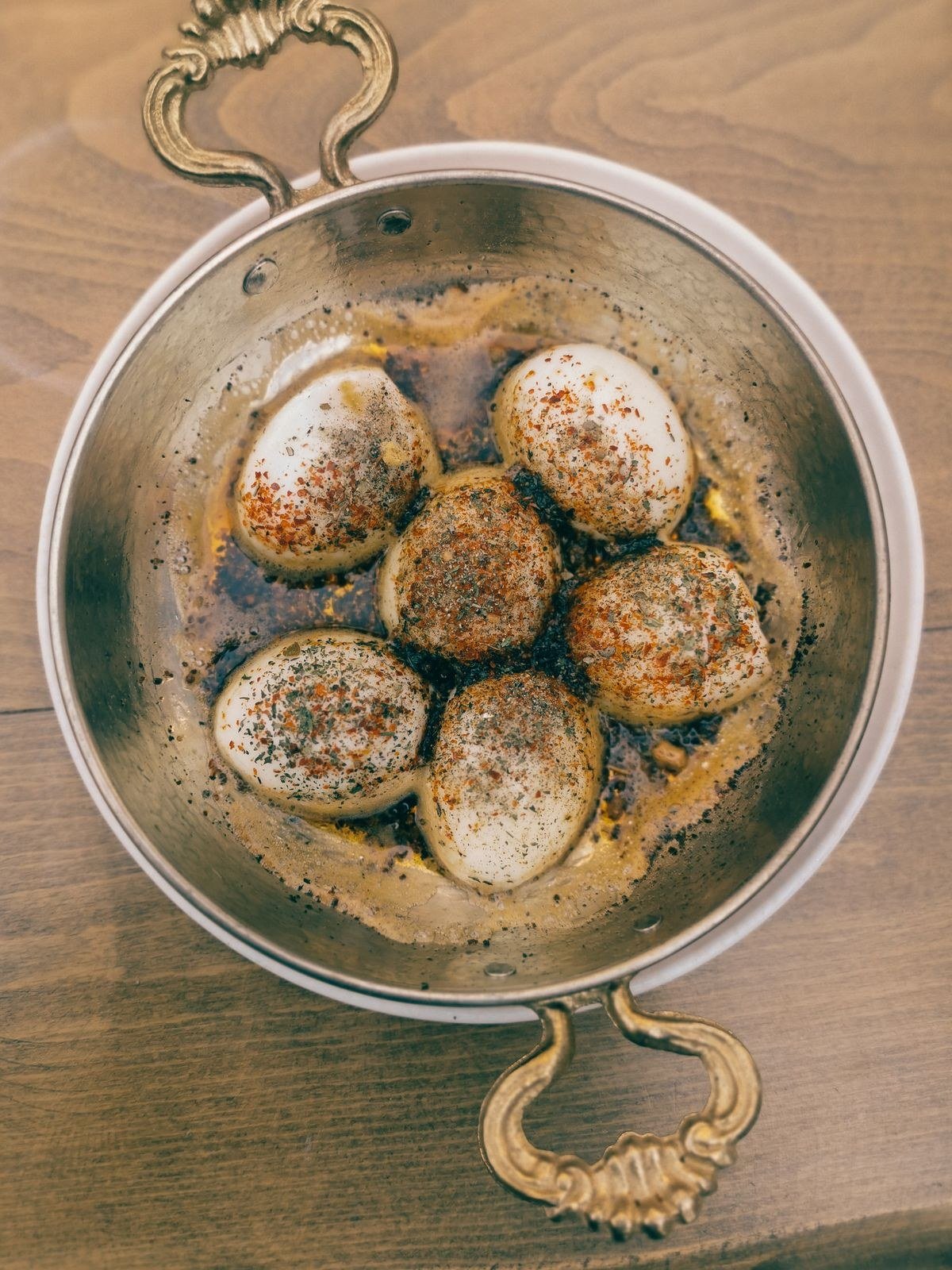
Peeling eggs cleanly is the most frustrating part of devilled eggs, but a few tricks make it much easier. Use slightly older eggs, cool them fully in ice water, crack the shell all over by rolling gently on a counter, and peel under running water, starting at the wider end where the air pocket sits. The water helps separate shell from white.
If a shell sticks stubbornly, return the egg to water for a minute and try again, rather than tearing the white. A spoon slipped under the shell can also lift stubborn pieces cleanly. Patience and cool eggs matter more than force, and even imperfect whites can be hidden with filling and garnish.
The Classic Deviled Egg Filling
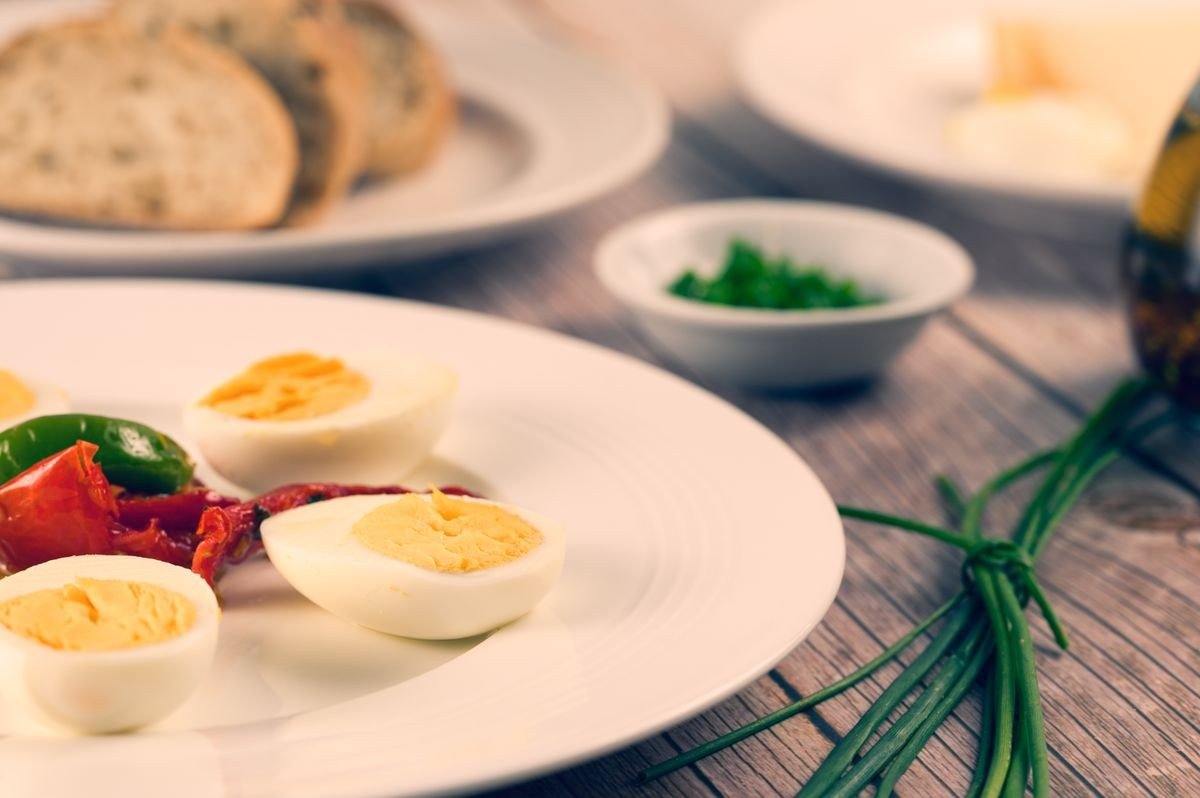
The classic devilled egg filling combines mashed yolks with mayonnaise, Dijon mustard, a splash of vinegar or lemon juice, salt and pepper, beaten until smooth and creamy. The filling should be rich but tangy, holding its shape when piped without being stiff or dry. Taste and adjust seasoning, since yolks vary in richness.
For twelve eggs, start with a third of a cup of mayonnaise, a teaspoon of mustard and a teaspoon of vinegar, adjusting to your taste. A pinch of sugar balances the tang for some cooks, while others prefer extra mustard for sharpness. The classic filling is timeless because its balance of creamy, tangy and savoury pleases almost everyone.
Piping Filling Beautifully
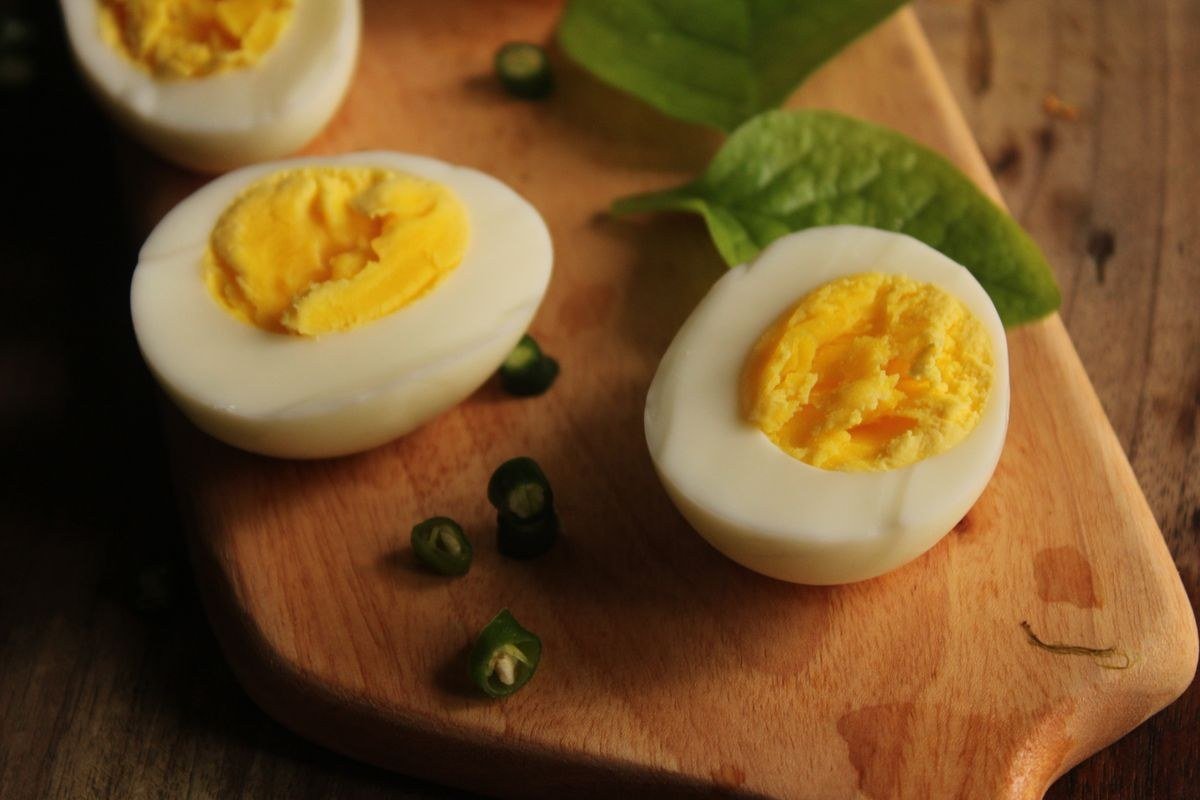
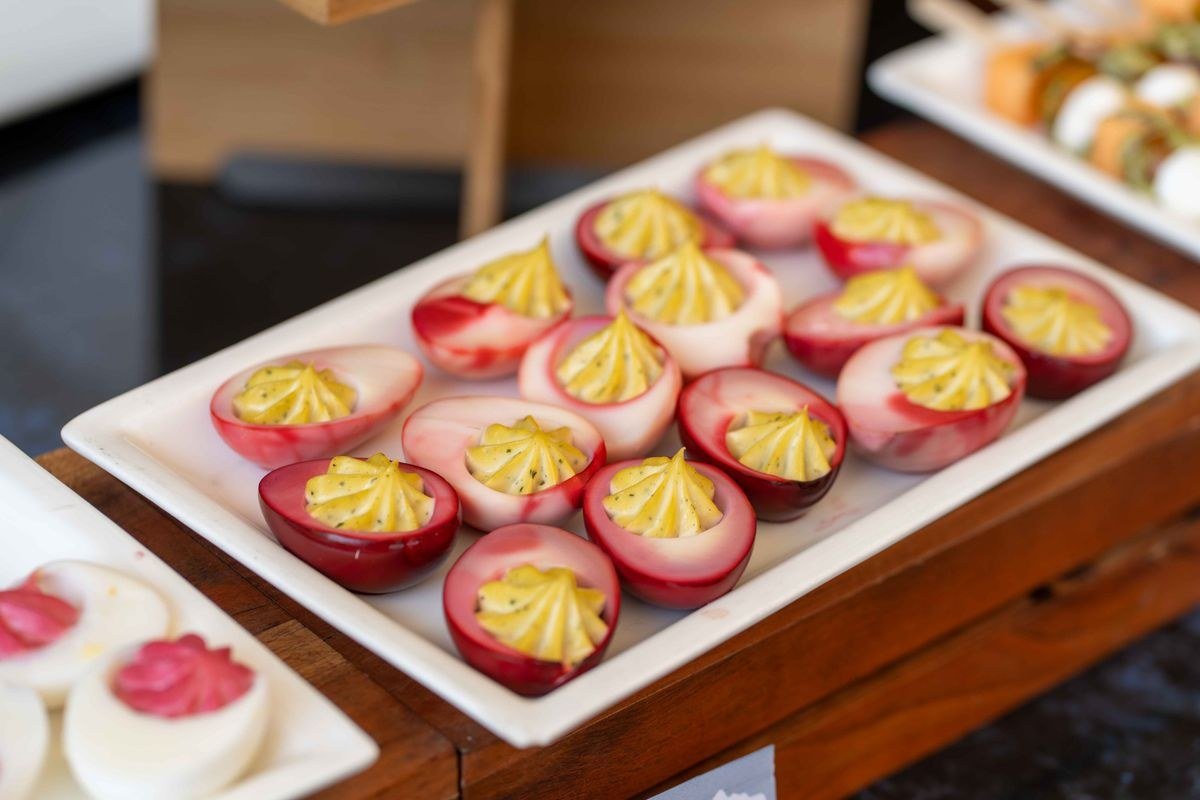
Piping filling transforms devilled eggs from homemade to professional-looking, giving neat, generous swirls that sit proudly in each white. Use a piping bag with a large star tip, or a sturdy zip-top bag with a corner snipped off, and fill each white generously, slightly overfilling for an abundant look. Keep the filling cool so it holds its shape.
If you do not have a piping bag, a small spoon gives a rustic, equally tasty result, smoothed with the back of the spoon. Chill piped eggs for at least thirty minutes before serving, so the filling firms up and flavours meld. A light dusting of paprika finishes piped eggs beautifully.
Paprika and Classic Garnishes
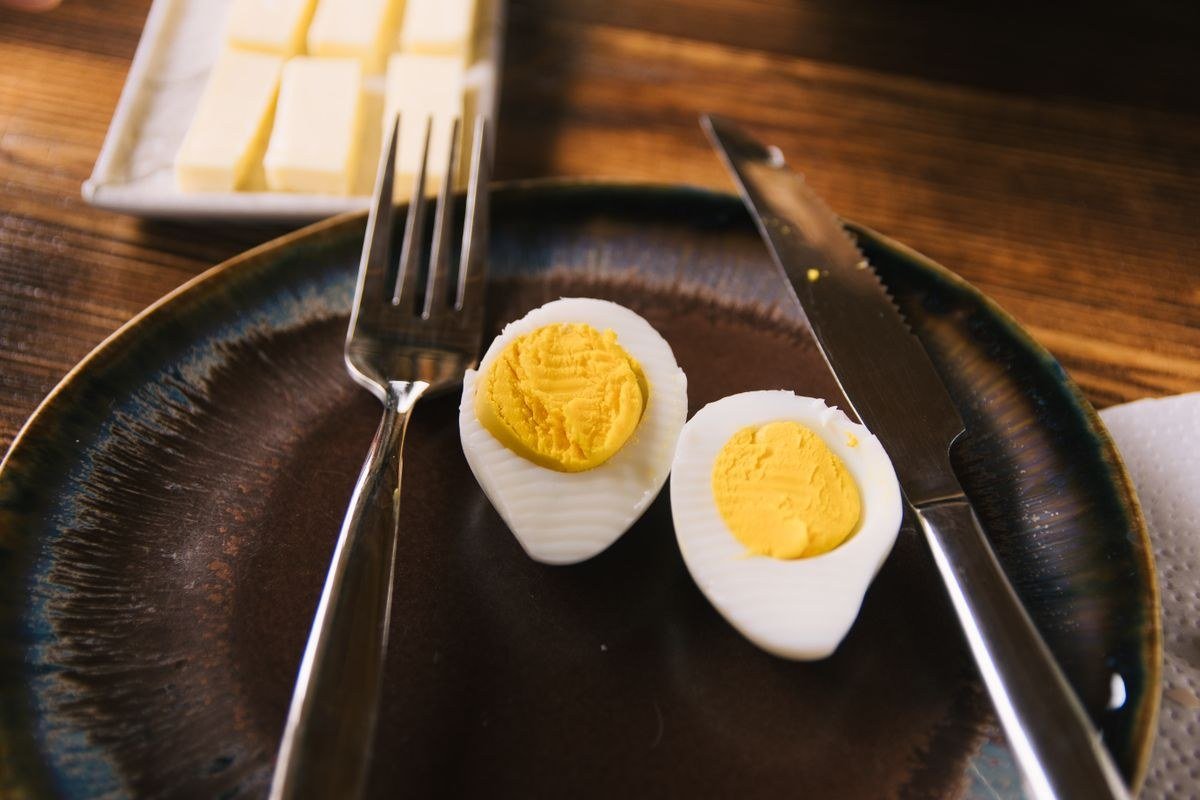
Paprika is the classic devilled egg garnish, adding colour and a gentle warmth that complements the creamy filling. Use sweet paprika for colour without heat, or smoked paprika for a deeper, savoury note, dusting lightly over piped eggs just before serving. A single chive, a tiny parsley leaf or a caper also makes an elegant garnish.
Garnish just before serving so colours stay bright and herbs stay fresh, and keep garnishes simple so they do not overwhelm the eggs. For parties, garnish consistently across the platter for a polished, professional look. Classic garnishes prove that small details make devilled eggs feel special.
Spicy Deviled Eggs Variations
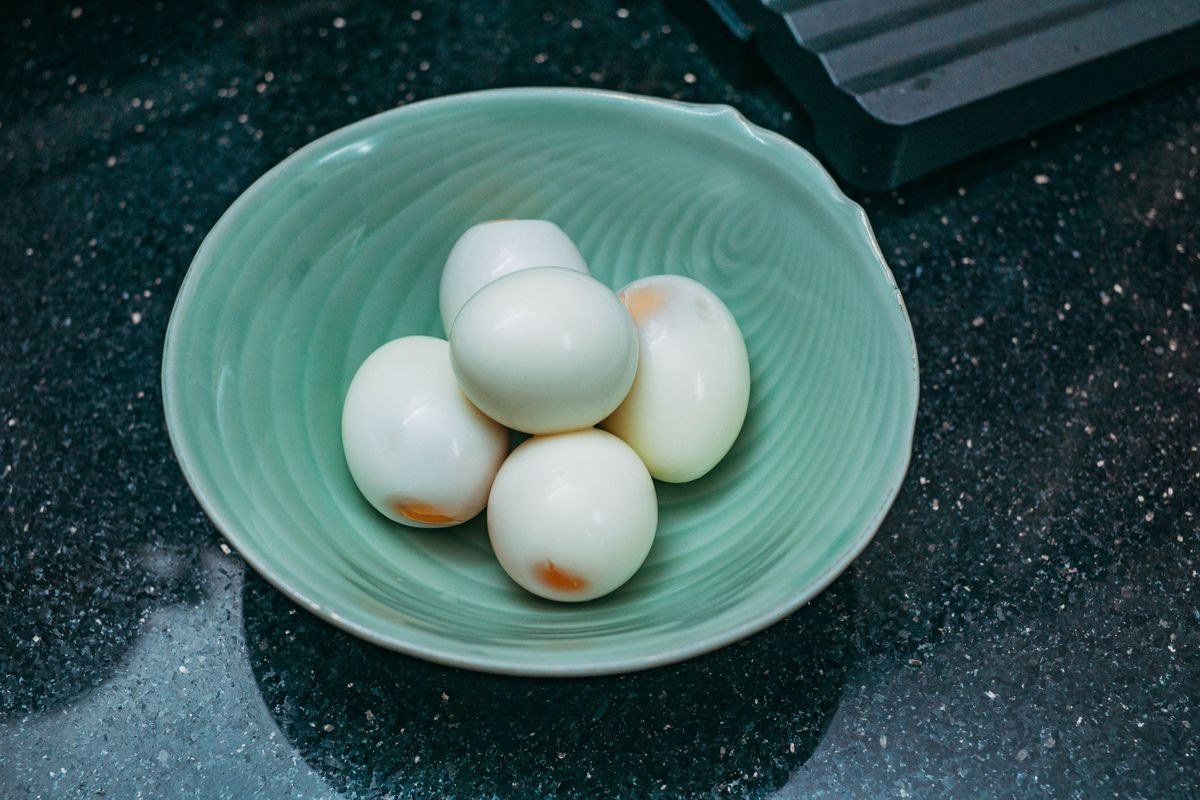
Spicy devilled eggs add heat and excitement to the classic recipe, with options for every tolerance. Stir in sriracha, hot sauce or finely diced jalapeno for warmth, or add cayenne pepper and a dash of chipotle for smoky heat. Start with a small amount, taste, and add more gradually, since heat builds as eggs chill.
Top spicy eggs with a jalapeno slice, a drizzle of hot sauce or a sprinkle of chilli flakes for visual warning and extra flavour. Spicy eggs pair beautifully with cooling drinks and rich party foods, offering contrast on a buffet table. Label spicy eggs clearly at parties, so guests can choose their heat level.
Bacon Deviled Eggs
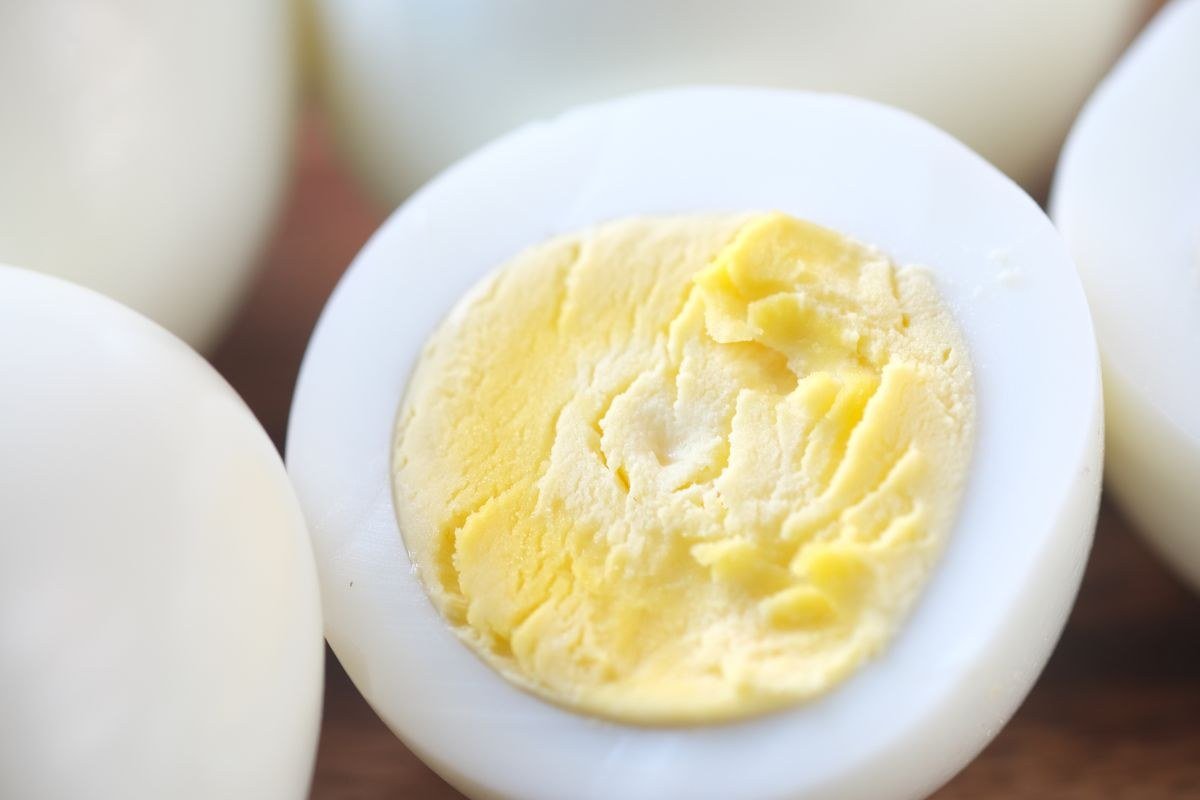
Bacon devilled eggs combine two party favourites into one irresistible bite, with crispy bacon adding salt, crunch and smoky depth. Cook bacon until very crisp, crumble finely, fold most into the filling and reserve some for garnish on top. The contrast of creamy filling and crunchy bacon is what makes these eggs disappear first.
For the best texture, add bacon just before serving if possible, since bacon softens as it sits in the filling. A little bacon fat whisked into the filling adds extra smoky richness for indulgent versions. Bacon eggs suit casual parties, game days and holiday buffets, where hearty appetisers are most welcome.
Smoked Salmon Deviled Eggs
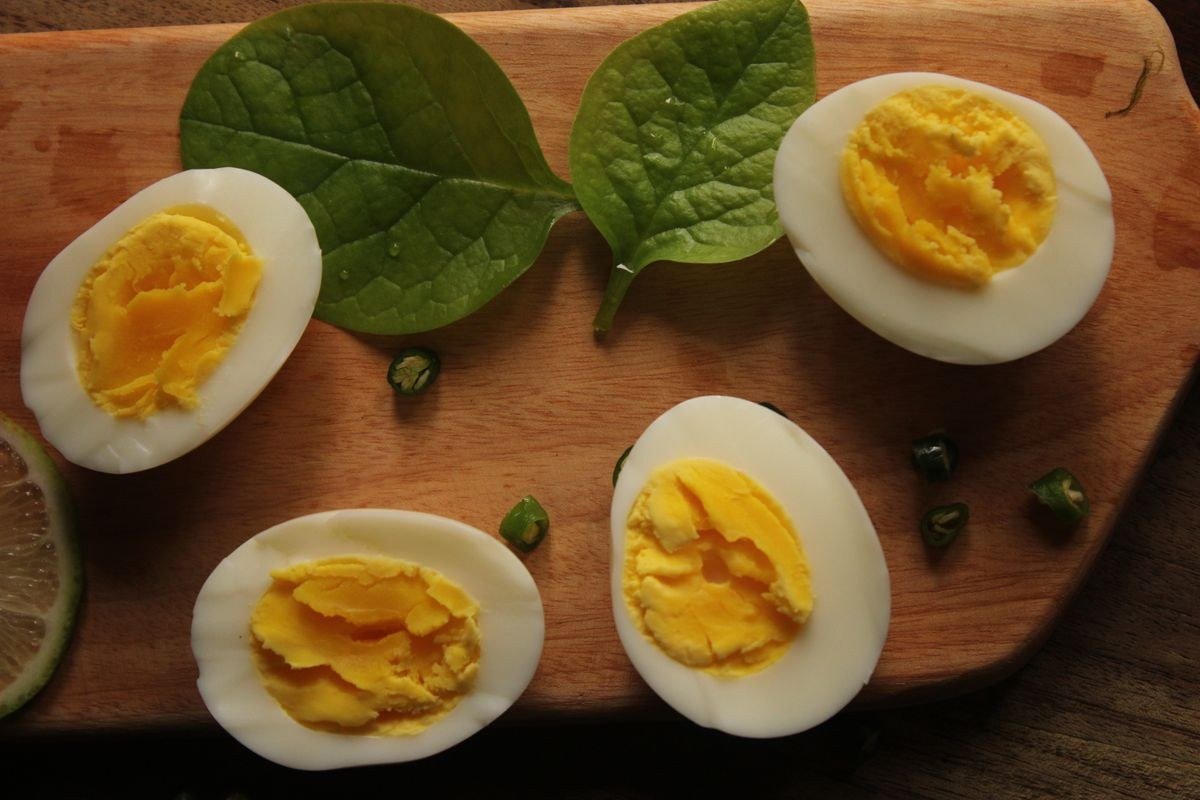
Smoked salmon devilled eggs bring elegant, brunch-style luxury to the classic recipe, with silky salmon and dill complementing the creamy filling. Fold finely chopped smoked salmon and fresh dill into the yolk mixture, adding a squeeze of lemon and a little extra mustard to balance the richness. Top each egg with a small salmon curl and dill.
These eggs suit brunches, showers and festive gatherings where a sophisticated appetiser is welcome. Keep salmon eggs well chilled until serving, and garnish just before presenting for the freshest look. Smoked salmon eggs pair beautifully with champagne, sparkling water and light, fresh party foods.
Avocado Deviled Eggs
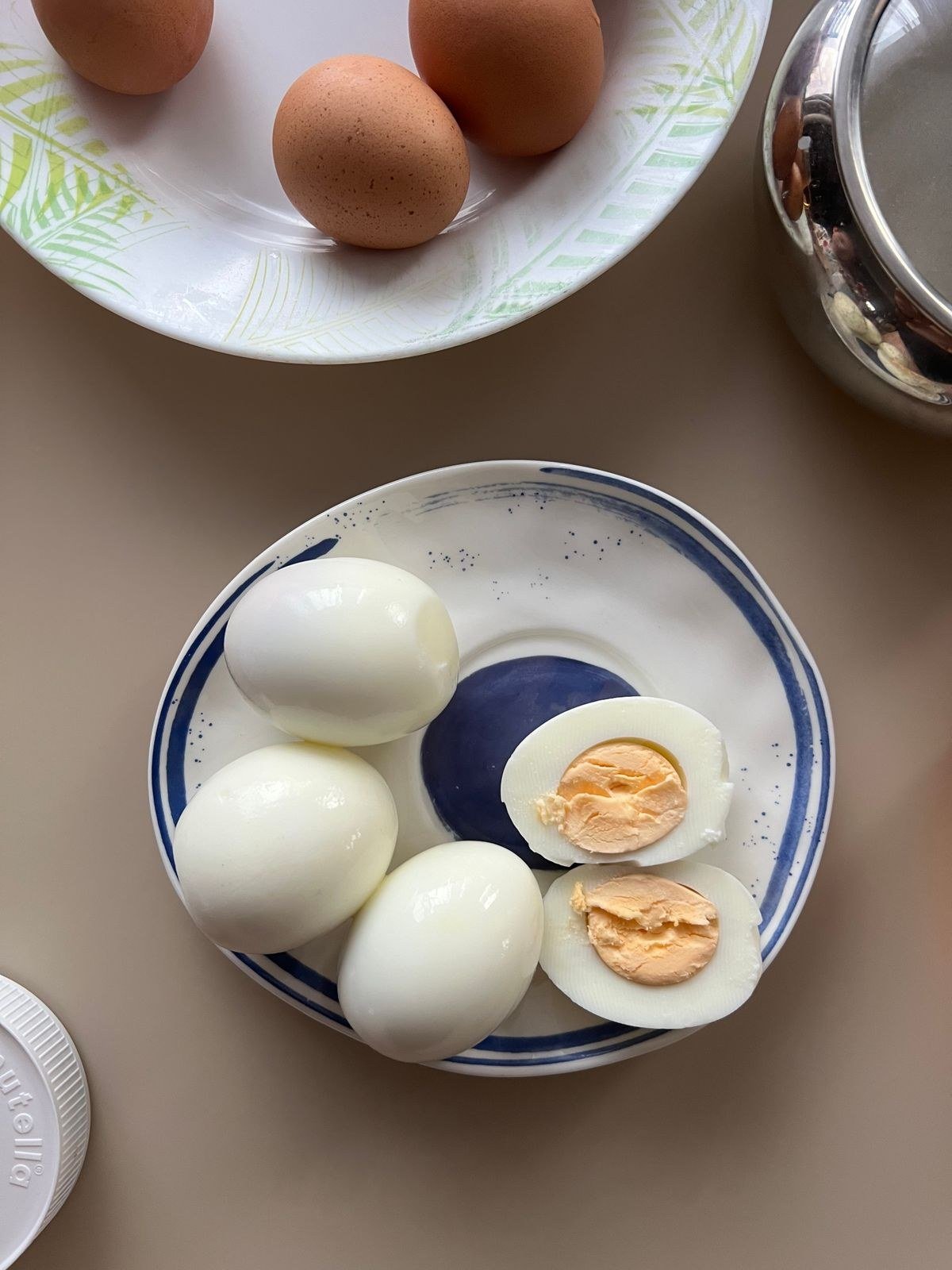
Avocado devilled eggs offer a fresh, creamy twist, replacing some mayonnaise with ripe avocado for a vibrant green filling and lighter richness. Mash avocado with yolks, lime juice, a little mayonnaise and seasoning, tasting for balance, and serve promptly or cover tightly, since avocado browns with air exposure. Lime juice slows browning helpfully.
Avocado eggs suit summer parties, picnics and guests seeking lighter options, and they pair wonderfully with chilli, cumin or fresh coriander for a Mexican-inspired version. Pipe generously and garnish with a chilli slice or coriander leaf. The bright green colour makes avocado eggs stand out beautifully on a platter.
Curried Deviled Eggs
Curried devilled eggs add warm, aromatic spice to the classic filling, with curry powder, a little mango chutney and fresh coriander creating an exotic twist. Stir curry powder into the yolk mixture gradually, tasting as you go, since curry powders vary in strength, and balance with a little chutney sweetness. The golden filling looks stunning.
Top curried eggs with a tiny coriander leaf, a raisin or a sprinkle of toasted coconut for extra flavour and visual appeal. Curried eggs suit buffets with international flavours, summer parties and adventurous guests, offering a memorable change from classic devilled eggs. Keep the spice gentle so the eggs remain appetisers, not challenges.
Deviled Eggs for Thanksgiving
Devilled eggs are a Thanksgiving tradition for many families, offering a light, make-ahead appetiser before the rich main meal. Prepare eggs the day before, store whites and filling separately in the fridge, and pipe and garnish on Thanksgiving morning for the freshest result. A classic filling suits Thanksgiving best, with paprika and chives as garnish.
For Thanksgiving, make extra eggs, since they disappear quickly while guests gather and the turkey rests. Arrange eggs on a festive platter with autumn leaves or herbs as decoration, keeping the platter chilled until serving. Devilled eggs are one Thanksgiving dish that genuinely improves with a night of chilling, as flavours meld beautifully.
Make-Ahead and Storage Tips
Devilled eggs are ideal make-ahead party food when stored correctly: boil and peel eggs up to two days ahead, prepare filling a day ahead, and assemble on the day of serving for the best texture. Store whites and filling separately in covered containers in the fridge, and pipe just before the party to keep filling fresh and whites firm.
Assembled devilled eggs keep for up to two days refrigerated, covered tightly, though they taste best within twenty-four hours. Transport assembled eggs in a devilled egg carrier or a muffin tin lined with paper cases to prevent sliding. Never leave devilled eggs at room temperature for more than two hours, for food safety.
Transporting Deviled Eggs Safely
Transporting devilled eggs without smearing the filling requires a little planning: use a devilled egg carrier with individual wells, a muffin tin, or a baking tray lined with a damp paper towel to stop sliding. Chill eggs thoroughly before travel, keep them in a cooler bag, and garnish after arrival for the freshest presentation.
If you lack a carrier, transport whites and filling separately and pipe on arrival, which guarantees perfect presentation. Bring a small piping bag, garnish and a damp cloth for touch-ups, and allow a few minutes for assembly at the venue. Arriving with pristine devilled eggs is worth the extra carrier or bag.
Deviled Egg Presentation Ideas
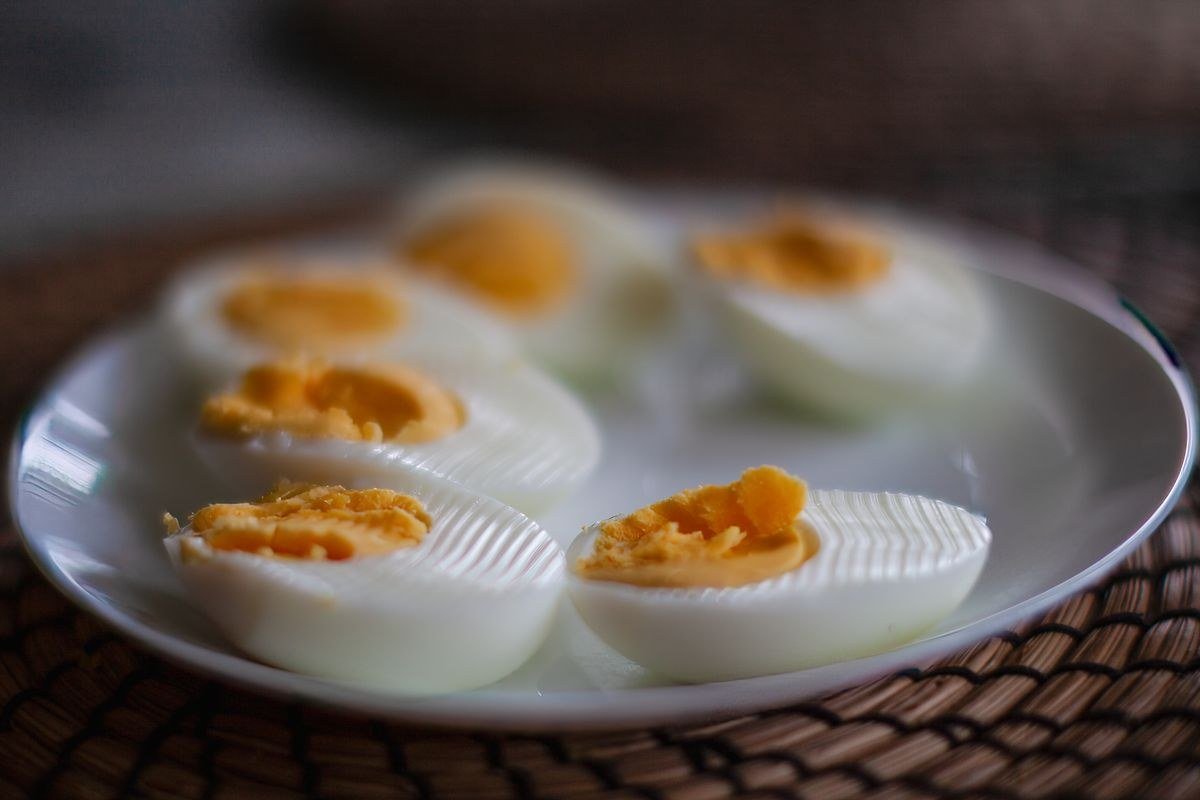
Presenting devilled eggs beautifully is simple: arrange them on a white or festive platter in neat rows, garnish consistently, and add a few herb sprigs or edible flowers between eggs for colour. A devilled egg plate with wells keeps eggs stable and looks traditional, while a slate or wooden board gives a modern, rustic feel.
For parties, label different flavours with small cards, especially spicy or allergen-containing versions, so guests can choose confidently. Keep the platter chilled on a tray of ice for long buffets, and replenish from the fridge rather than leaving eggs out for hours. Beautiful presentation makes devilled eggs the centrepiece of the appetiser table.
Fixing Common Deviled Egg Problems
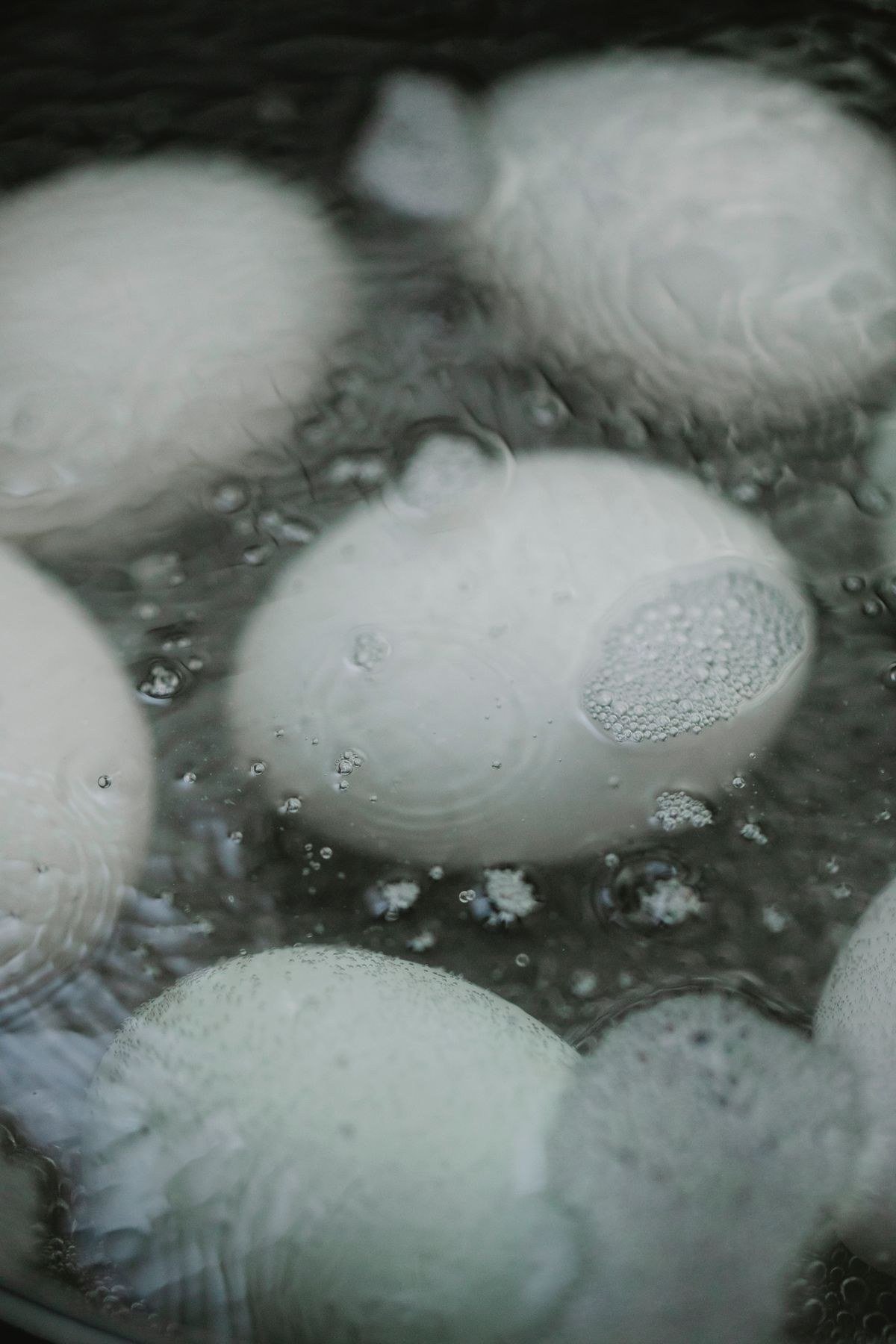
Common devilled egg problems have easy fixes: torn whites can be hidden with generous filling and garnish, lumpy filling smooths with extra mayonnaise and thorough mashing, and bland filling needs more salt, mustard or vinegar, added gradually and tasted. Green yolks come from overcooking, prevented by gentle timing and an ice bath next time.
If filling is too thin, add an extra yolk or a spoonful of mayonnaise and chill to firm up; if too thick, add a splash of cream or lemon juice. Cracked shells during boiling usually mean eggs were too cold or the water boiled too vigorously, so start cold and cook gently. Most devilled egg mishaps are fixable with filling, garnish and chilling.
Healthy and Lighter Deviled Eggs
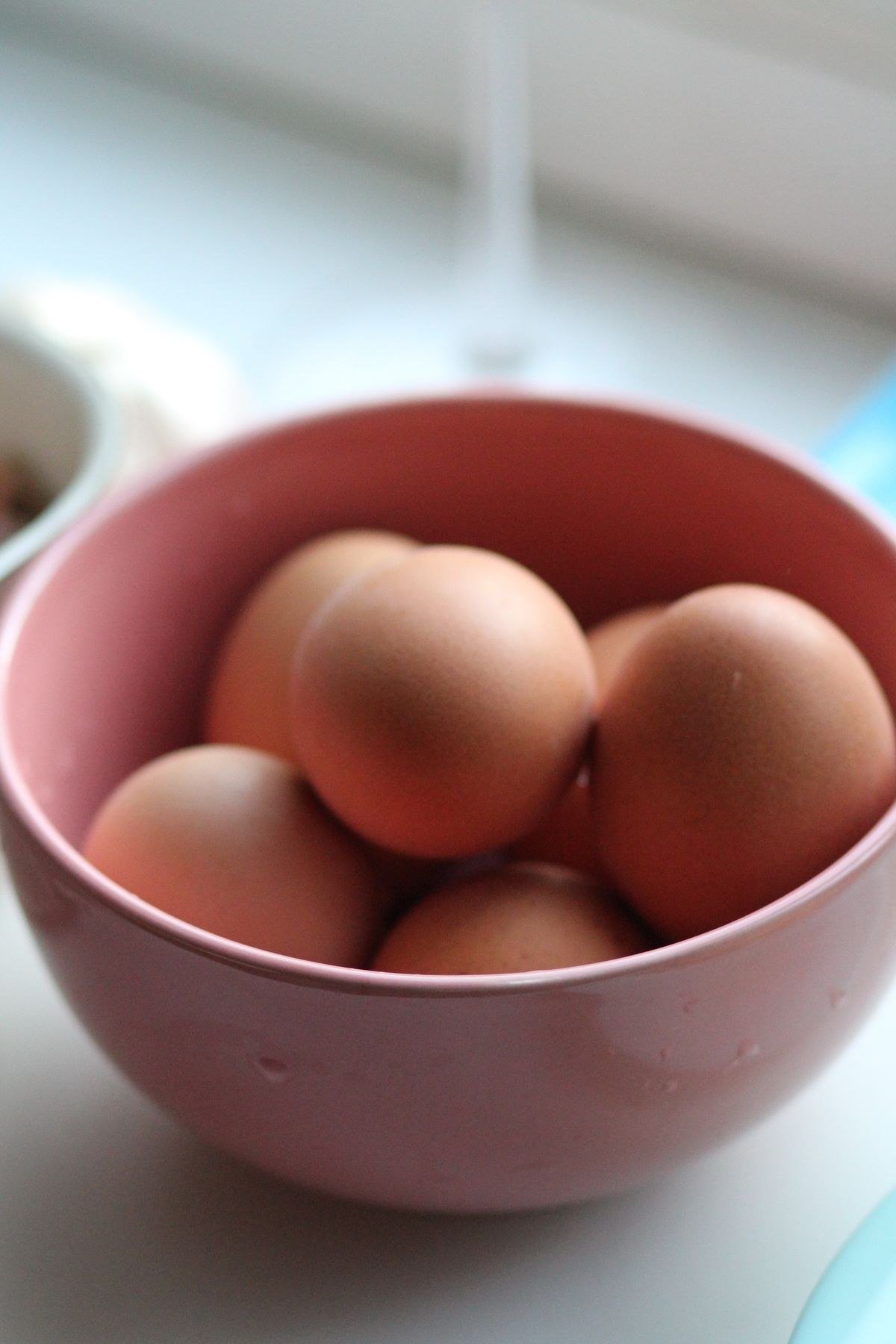
Lighter devilled eggs keep all the flavour with fewer calories, by replacing half the mayonnaise with Greek yoghurt, mashed avocado or hummus, and adding mustard, lemon and herbs for tang. Greek yoghurt gives a fresh tang and creamy texture, while avocado adds healthy fats and a beautiful colour. Season generously, since lighter fillings need flavour help.
For a lighter garnish, use fresh herbs, paprika and vegetable toppings rather than bacon or cheese. Lighter eggs suit health-conscious guests and summer parties, and they taste so good that nobody misses the full mayonnaise version. Serve lighter eggs alongside classic ones, so every guest has a delicious choice.
Deviled Eggs for Kids Parties
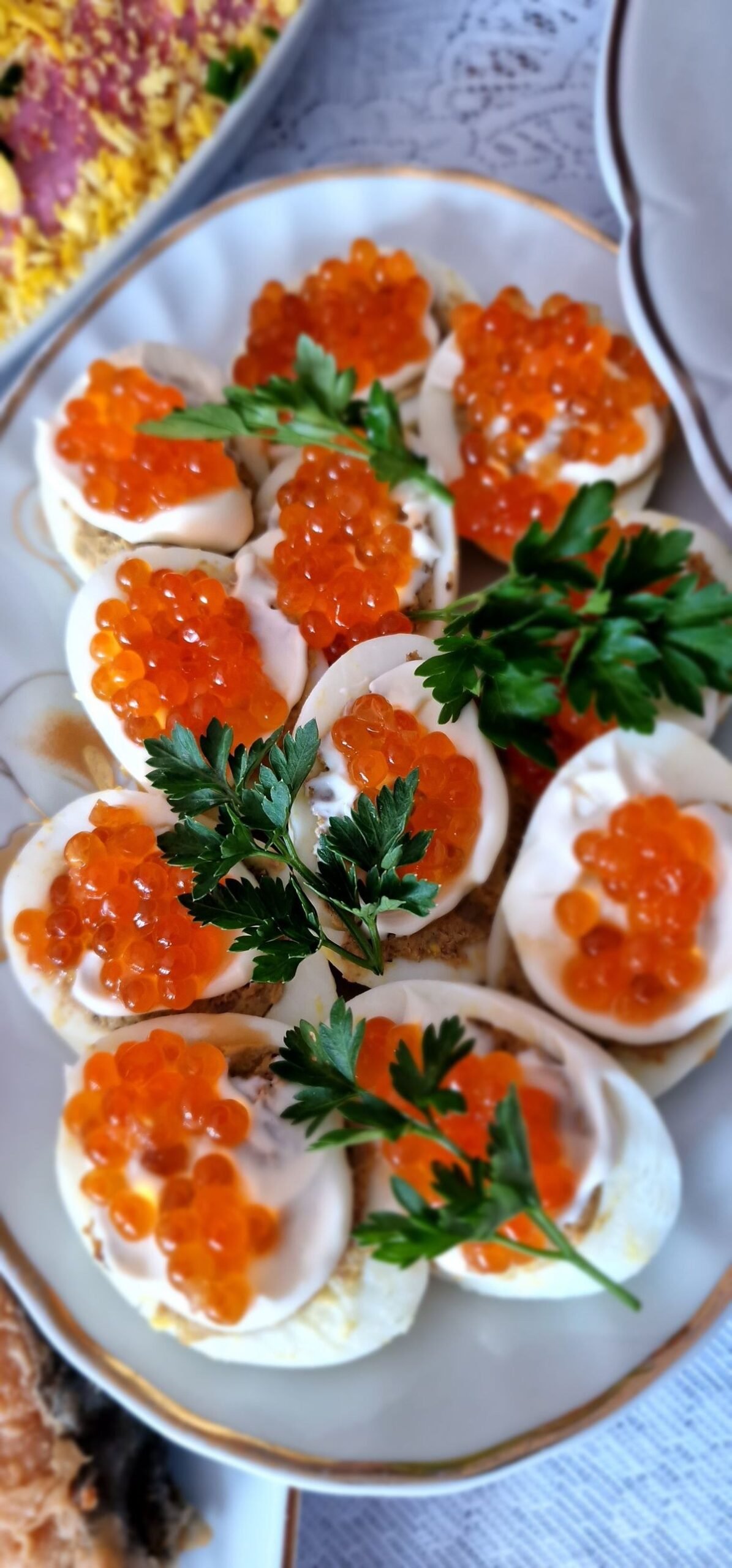
Children love devilled eggs, especially when they help make them: let kids mash yolks, choose garnishes and pipe with supervision, turning cooking into party fun. Keep kids’ eggs mild, with classic filling and simple garnishes such as paprika or cheese stars, and cut eggs into manageable halves for small hands.
For children’s parties, make a double batch, since adults will eat them too, and present eggs on a colourful platter with fun picks. Avoid spicy versions for young children, and label any eggs containing allergens such as mustard clearly. Devilled eggs are a wholesome, protein-rich party food that children genuinely enjoy.
Seasonal Deviled Egg Variations
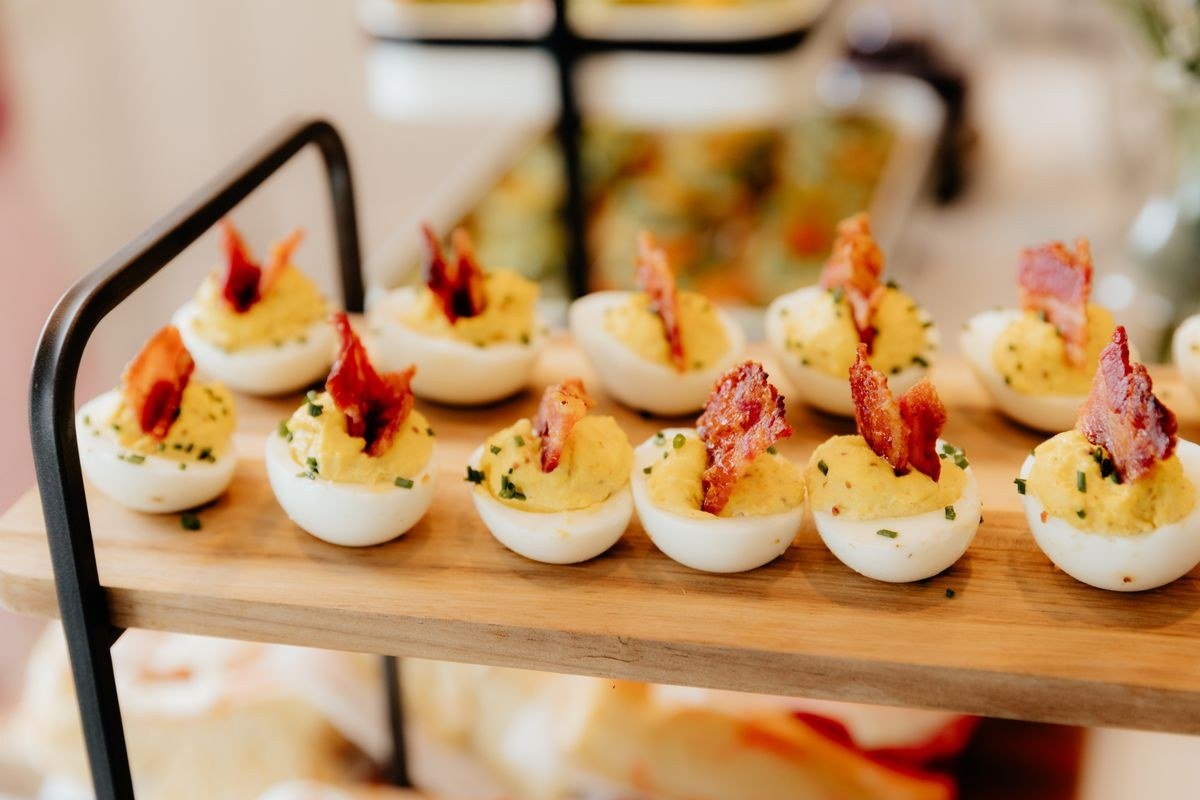
Devilled eggs adapt beautifully to every season: spring eggs with fresh herbs and radish, summer eggs with avocado and chilli, autumn eggs with smoked paprika and crispy sage, and winter eggs with bacon and cranberry. Changing garnish and a single filling ingredient gives a seasonal twist without a new recipe to learn.
For Christmas, top eggs with pomegranate seeds and rosemary for festive red and green; for Easter, use pastel garnishes and herb flowers; for Thanksgiving, keep the classic filling with autumn herbs. Seasonal variations keep devilled eggs exciting year-round, and they suit every holiday table with minimal extra effort.
Deviled Eggs FAQs Answered
Common devilled egg questions have reassuring answers: yes, you can make them a day ahead by storing whites and filling separately; older eggs peel more easily than very fresh ones; and devilled eggs should not sit out for more than two hours. A dozen eggs makes twenty-four halves, enough for about eight guests as an appetiser.
If you need eggs for a crowd, scale the filling proportionally and use a piping bag for speed and neatness. Leftover devilled eggs, though rare, keep for two days refrigerated and make a tasty next-day snack. With boiling, peeling and filling mastered, devilled eggs become a reliable, beloved recipe for every occasion.
Perfect devilled eggs come down to patience at each small step: gentle boiling, thorough cooling, careful peeling, smooth mashing and generous seasoning. None of these steps is difficult alone, but together they separate eggs that look and taste professional from eggs that are merely adequate. Taking time with the basics, rather than rushing to fill and serve, is the real secret of great devilled eggs.
Variety keeps devilled eggs exciting across many occasions, since one reliable filling method supports endless variations. Master the classic filling first, then experiment with one new flavour at a time: bacon for hearty parties, smoked salmon for elegant brunches, avocado for summer gatherings, or curry for adventurous buffets. Each variation teaches you more about balancing creamy, tangy, salty and spicy flavours.
Food safety matters with devilled eggs, since they contain eggs and mayonnaise and are often served at buffets. Keep eggs refrigerated until serving, chill the platter on ice for long events, and discard eggs left at room temperature for more than two hours. These simple habits protect guests without diminishing enjoyment, and they are especially important at warm summer parties and crowded holiday gatherings.
Presentation turns devilled eggs from a simple snack into a table centrepiece. Pipe filling generously, garnish consistently, arrange eggs neatly on a light-coloured platter, and label flavours so guests can choose confidently. Small touches such as fresh herbs, edible flowers or a dusting of paprika cost almost nothing but make the platter look intentional and inviting, worthy of the effort behind it.
Whether you make devilled eggs for Thanksgiving, a picnic, a baby shower or a quiet family snack, they carry a special charm: familiar, comforting and always welcome. Cook them with care, share them generously, and enjoy watching them disappear first, as they almost always do. That eager, happy reception is the best reward for any cook, and devilled eggs deliver it reliably.
Scaling devilled eggs for a crowd is straightforward once the classic ratio is familiar: one large egg gives two halves, and most guests eat two to three halves as an appetiser. For twenty guests, plan about five dozen halves, or thirty eggs, and prepare filling in two batches for easier mixing. Piping bags speed assembly enormously for large numbers, giving neat results far faster than spooning.
Devilled eggs also suit many dietary needs with small adjustments, since the classic recipe is naturally gluten-free and can be made dairy-free by choosing mayonnaise carefully. For egg-free guests, no devilled egg substitute truly matches, so offer a separate appetiser such as stuffed mushrooms or bruschetta. Thoughtful labelling helps every guest enjoy the appetiser table safely and happily.
Finally, devilled eggs remind us that the simplest foods often bring the most joy at gatherings. They require no exotic ingredients, no special equipment and no advanced skill, just care, patience and good seasoning. Make them often, share them generously, and enjoy their well-earned place as the appetiser everyone reaches for first, at every party, every time.
Devilled eggs also make a thoughtful contribution when you are a guest rather than a host, since they travel well, suit most tastes and look impressive on arrival. Bringing a platter of devilled eggs shows care and effort without requiring oven space or last-minute cooking at the host’s home. It is a gift of food that hosts genuinely appreciate, especially during busy holiday gatherings.
Egg freshness also matters for flavour, since fresher eggs taste richer, though slightly older eggs peel more easily. Balancing these factors, buy eggs a week ahead for easy peeling, but avoid eggs near their expiry date for the best taste. This small planning detail, buying early but not too early, gives devilled eggs their best combination of neat appearance and delicious flavour.

I am Talha Sikandar, a professional writer with a passion for general blogging. With years of experience in content writing and research, I founded Meaniingly.com to deliver well-researched, informative, and user-friendly articles on diverse topics.