
The poet aesthetic ideas
The poet aesthetic celebrates slowness, sensitivity and beauty in everyday life, drawing inspiration from writers, readers and dreamers across the centuries. It is about handwritten notes, well-worn books, soft light and long walks where thoughts can wander freely. This gentle style values depth over display and feeling over fashion.
This guide shares twenty poet aesthetic ideas for your home, wardrobe, routines and creative life. Each idea is simple, affordable and deeply personal, helping you build a life that feels more reflective and inspired. Whether you write poetry yourself or simply love its atmosphere, there is something here for you.
Creating a Reading Nook
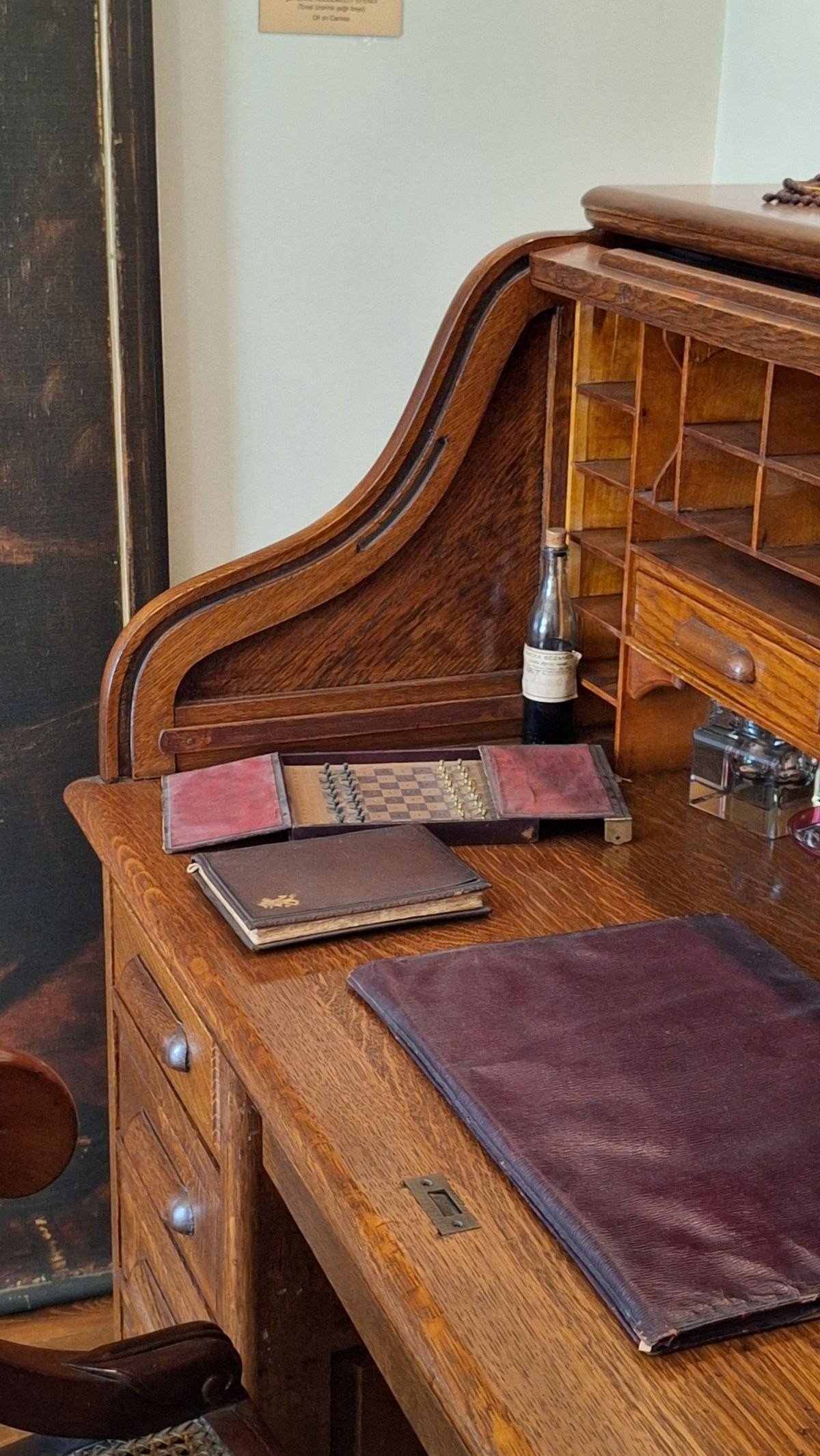
A reading nook is the heart of the poet aesthetic, a quiet corner dedicated to books and thought. Choose a comfortable chair near a window, add a soft blanket and a small side table for tea and a notebook. Good natural light matters most, so position the chair where daylight falls gently throughout the day.
Keep the nook uncluttered, with just a few beloved books within reach. A small bookshelf or basket holds current reads without overwhelming the space. The nook should feel like a retreat, somewhere you naturally drift to with a book and a quiet hour.
Personalise the nook with a candle, a plant or a framed quote that inspires you. Even a tiny corner can become a reading nook with the right chair and lighting. This small sanctuary encourages daily reading and reflection, the foundations of a poetic life. A small bookshelf or basket keeps current reads within reach without overwhelming the nook.
Handwritten Letters and Notes
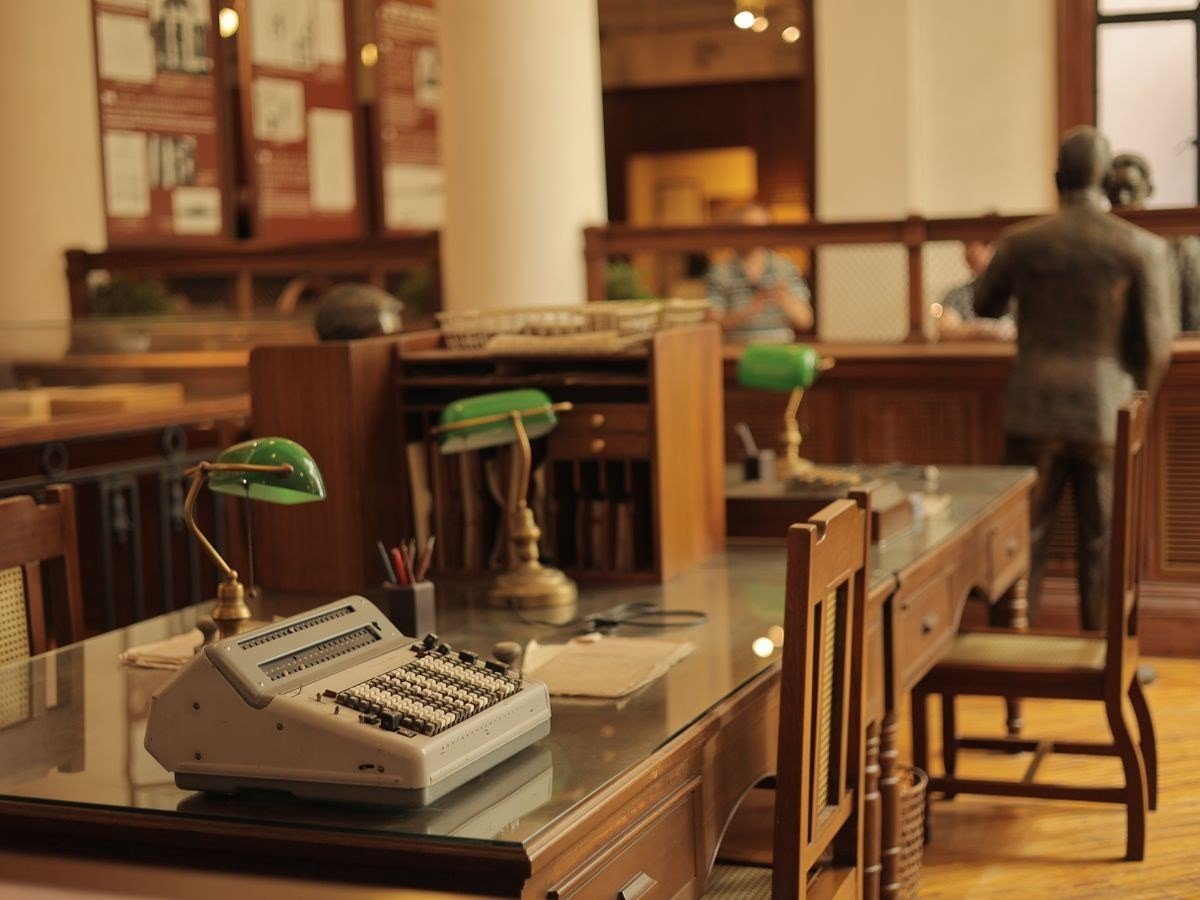
Handwriting is central to the poet aesthetic, slowing thought and giving words a personal, tangible quality. Write letters to friends, keep a journal or copy favourite poems by hand into a notebook. A fountain pen or a smooth gel pen makes the act itself pleasurable.
Choose beautiful paper and envelopes, even for everyday notes, since the materials honour the words they carry. Handwritten letters are treasured by recipients in a way messages never are. They also help you think more carefully, since handwriting naturally slows the mind.
Start small, perhaps one letter a week or a few journal lines each morning. Over time, handwriting becomes a calming ritual and a record of your inner life. The poet aesthetic values these slow, deliberate acts of attention above all. Beautiful paper and envelopes honour the words they carry, making letters feel truly special.
Collecting Second-Hand Books

Second-hand books carry history in their pages, from previous owners’ notes to faded covers and that distinctive old-paper scent. Browse charity shops, markets and used bookshops for poetry collections, novels and essays that catch your eye. The search itself is part of the pleasure.
Build your collection slowly, choosing books you genuinely want to read rather than buying for appearance. A shelf of well-loved books tells your story far better than pristine volumes never opened. Annotate margins lightly if you wish, joining the conversation of past readers.
Second-hand books are affordable, sustainable and full of character. They suit the poet aesthetic perfectly, valuing substance and history over newness. Each find feels like a small discovery, a treasure rescued and given a new home. Annotating margins lightly lets you join the conversation of previous readers across time.
Soft Candlelight Evenings

Candlelight transforms an ordinary evening into something contemplative and beautiful. Light a few candles as daylight fades, switch off harsh overhead lights and let the room glow softly. Read, write or simply sit quietly, allowing your mind to wander in the gentle light.
Choose unscented or subtly scented candles, such as beeswax or vanilla, so the fragrance enhances rather than dominates. Place candles safely on stable surfaces away from curtains and books. A candlelit evening feels timeless, connecting you to centuries of writers who worked by flame.
Make candlelight a regular ritual, perhaps while journaling or reading before bed. The soft light encourages calm and introspection, easing the transition from busy days to restful nights. Candlelight is one of the simplest, most atmospheric elements of the poet aesthetic. A candlelit evening feels timeless, connecting you to centuries of writers who worked by flame.
Keeping a Poetry Journal

A poetry journal is a private space for observations, fragments, drafts and favourite lines. Carry a small notebook everywhere, jotting down images, overheard phrases and sudden thoughts as they come. Do not worry about perfection; a journal is for exploration, not performance.
Write regularly, even if only a few lines a day, and revisit old entries to discover patterns and growth. Copy poems you love alongside your own work, learning from their rhythms and images. Over time, the journal becomes a map of your inner life.
Choose a notebook that feels good to hold and write in, since you will return to it daily. A poetry journal needs no audience to matter; its value lies in the attention it cultivates. Writing regularly deepens your appreciation of language and the world. Copying poems you love alongside your own work teaches rhythm, imagery and careful craft.
Long Reflective Walks

Walking has always been a poet’s practice, clearing the mind and gathering images from the world. Take long, unhurried walks through parks, along rivers or down quiet streets, noticing details you usually miss. Leave headphones at home sometimes, letting your thoughts find their own rhythm.
Walk without a strict destination, allowing curiosity to guide your route. Notice light, weather, birdsong, overheard conversations and the changing seasons. These small observations become the raw material of poems, journals and creative ideas.
Make walking a daily habit if possible, even for twenty minutes. The combination of movement and observation is remarkably restorative, easing stress and sparking creativity. Many poets have found their best lines while walking; you may find yours too. Leaving headphones at home sometimes lets your thoughts find their own natural rhythm.
Soft Layered Clothing
Poet aesthetic clothing is soft, layered and comfortable, favouring natural fabrics and muted tones. Think oversized knitwear, flowing skirts, linen shirts and worn leather boots. The look is effortless and personal, prioritising comfort and character over trends.
Choose pieces that feel good to wear for long hours of reading and writing. Layering allows you to adapt to changing temperatures during long walks or draughty libraries. Muted colours like cream, grey, olive and brown create a calm, timeless palette.
Second-hand and vintage clothing suits the aesthetic beautifully, adding history and uniqueness to your wardrobe. The poet look is not a costume but a reflection of values: comfort, simplicity and individuality. Dress in a way that lets you forget about clothes and focus on ideas. Layering allows you to adapt to changing temperatures during long walks or draughty libraries.
Dried Flowers and Botanicals
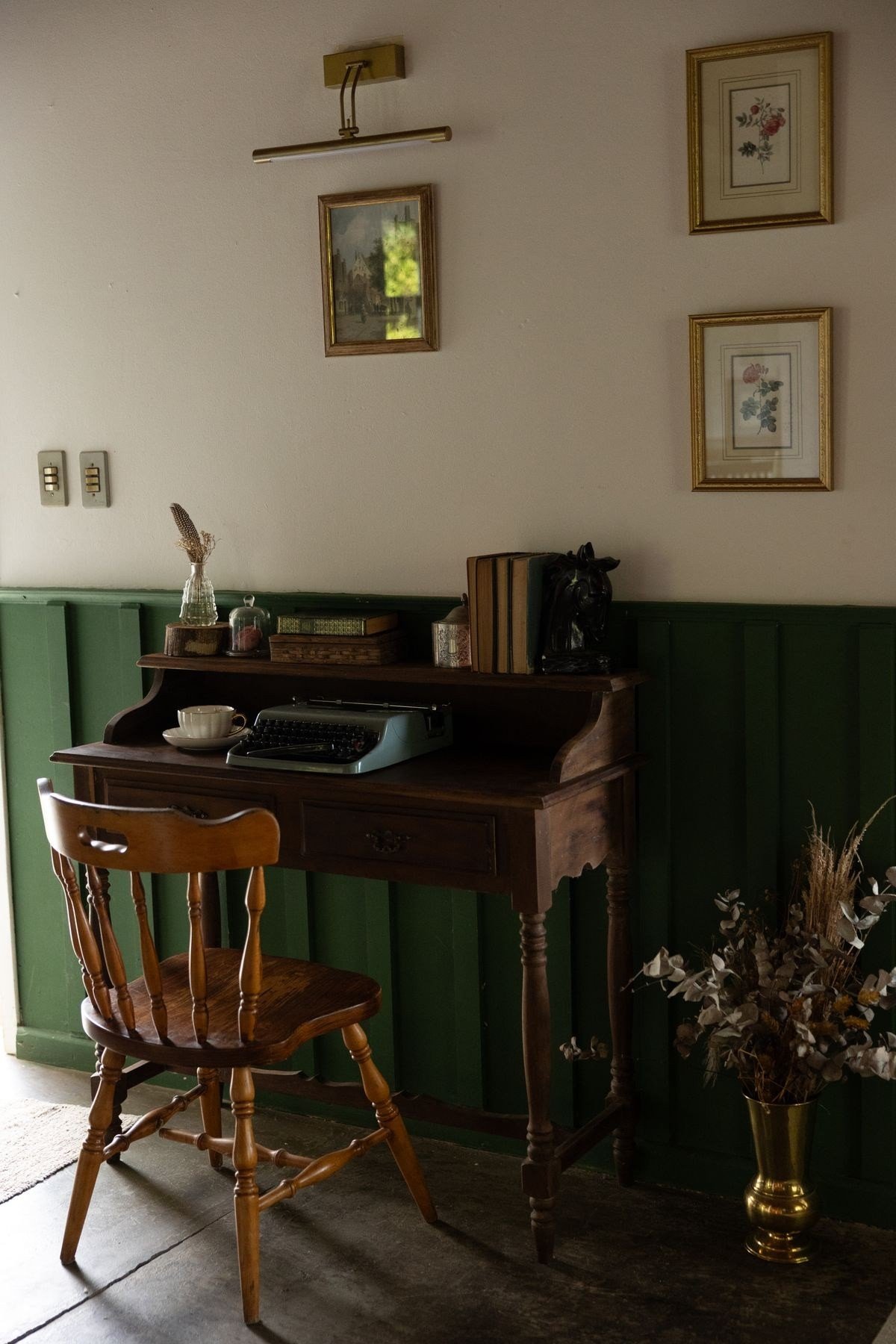
Dried flowers bring a gentle, nostalgic beauty to a poet’s home, preserving summer blooms through winter. Hang small bunches upside down to dry, then display them in vases, press them in books or tie them with twine. Lavender, roses and wildflowers all dry beautifully.
Dried flowers suit shelves, desks and windowsills, adding soft colour without needing care. They pair naturally with books, candles and handwritten notes, completing the poet aesthetic’s romantic atmosphere. Their faded colours feel wistful and timeless.
Pressing flowers between book pages is a lovely tradition, creating bookmarks and keepsakes. Dried botanicals also make thoughtful, handmade gifts when tied with ribbon. They remind us that beauty can be preserved, even as seasons change. Dried flowers paired with books and candles complete a romantic, nostalgic atmosphere at home.
Quiet Morning Rituals

Quiet mornings set a reflective tone for the whole day, giving poets time to think before the world demands attention. Wake a little earlier, make tea slowly, and spend the first half hour reading, journaling or simply looking out of the window. Avoid screens during this sacred time.
A simple morning ritual might include stretching, writing three lines in a journal and reading one poem. The ritual need not be long; consistency matters more than duration. Over weeks, quiet mornings reshape how you experience the rest of the day.
Protect your morning time gently but firmly, treating it as an appointment with yourself. Even on busy days, five quiet minutes make a difference. The poet aesthetic begins with attention, and mornings offer attention at its freshest. Consistency matters more than duration when building a meaningful morning ritual over weeks.
Vintage Typewriters and Pens
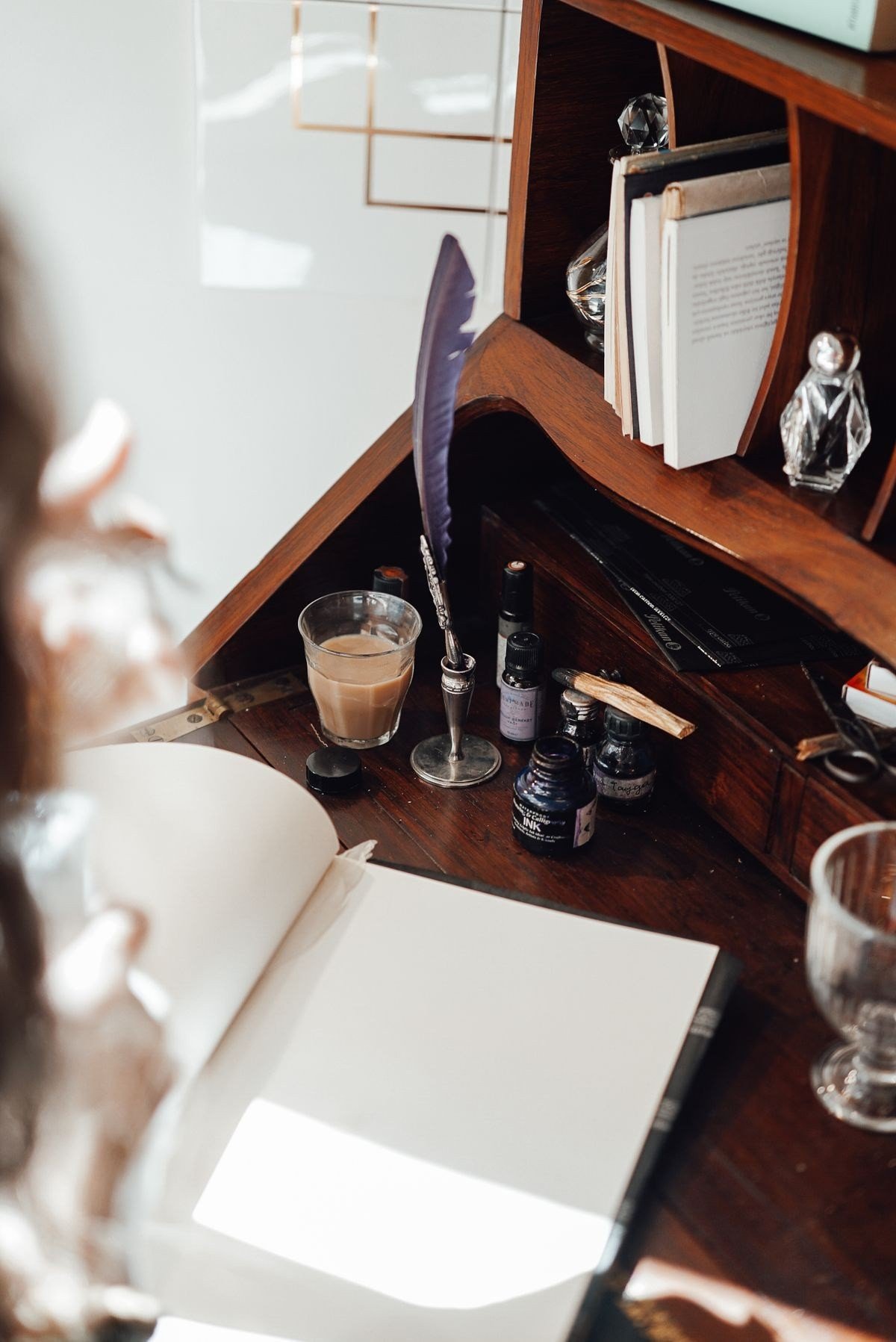
Old writing tools carry a romance that modern devices cannot match, connecting you to generations of writers. A vintage typewriter, even a non-working one displayed on a desk, inspires creativity and looks beautiful. Good pens, inkwells and quality paper complete the writer’s toolkit.
Use vintage tools when you can, but do not let perfectionism stop you writing. A simple notebook and a reliable pen are enough; the tools serve the writing, not the other way around. Still, beautiful tools make the ritual more pleasurable and encourage regular practice.
Visit markets and second-hand shops for affordable vintage finds, enjoying the search as part of the hobby. Display your tools where you write, so they invite use rather than gathering dust. Writing instruments are the poet’s instruments, worthy of care and appreciation. Beautiful writing tools make the ritual more pleasurable and encourage regular, daily practice.
Annotating Beloved Books

Annotating books transforms reading from passive consumption into active conversation with the author. Underline striking lines, write questions in margins and note connections to your own life. Your annotations make the book uniquely yours, a record of your reading mind.
Use a pencil if you prefer to keep annotations light, or a pen for bolder commitment. There are no rules: stars, underlines, exclamation marks and short notes all count. Rereading annotated books reveals how your thoughts have changed over time.
Annotation deepens understanding and memory, forcing you to engage rather than skim. It also builds a personal archive of ideas for your own writing. The poet aesthetic celebrates this intimate, thoughtful relationship with books. Rereading annotated books reveals how your thoughts and feelings have changed over time.
Tea and Slow Afternoons

Slow afternoons with tea are a poet aesthetic ritual, carving out time for reading, writing and doing nothing in particular. Brew tea properly in a favourite pot or mug, sit somewhere comfortable and let the afternoon unfold without agenda. This unhurried time is surprisingly productive for creativity.
Choose teas you enjoy, from simple black tea to herbal blends, and keep a small collection for different moods. The ritual of making tea itself, boiling water, warming the pot, waiting for the brew, encourages patience and presence. Afternoon tea becomes a pause, not just a drink.
Invite a friend to share slow afternoons sometimes, talking about books and ideas without hurry. Or enjoy solitude, which poets have always valued. Either way, slow afternoons restore energy and perspective, making them essential rather than indulgent. The ritual of making tea itself encourages patience, presence and unhurried attention.
Window Views and Daydreaming
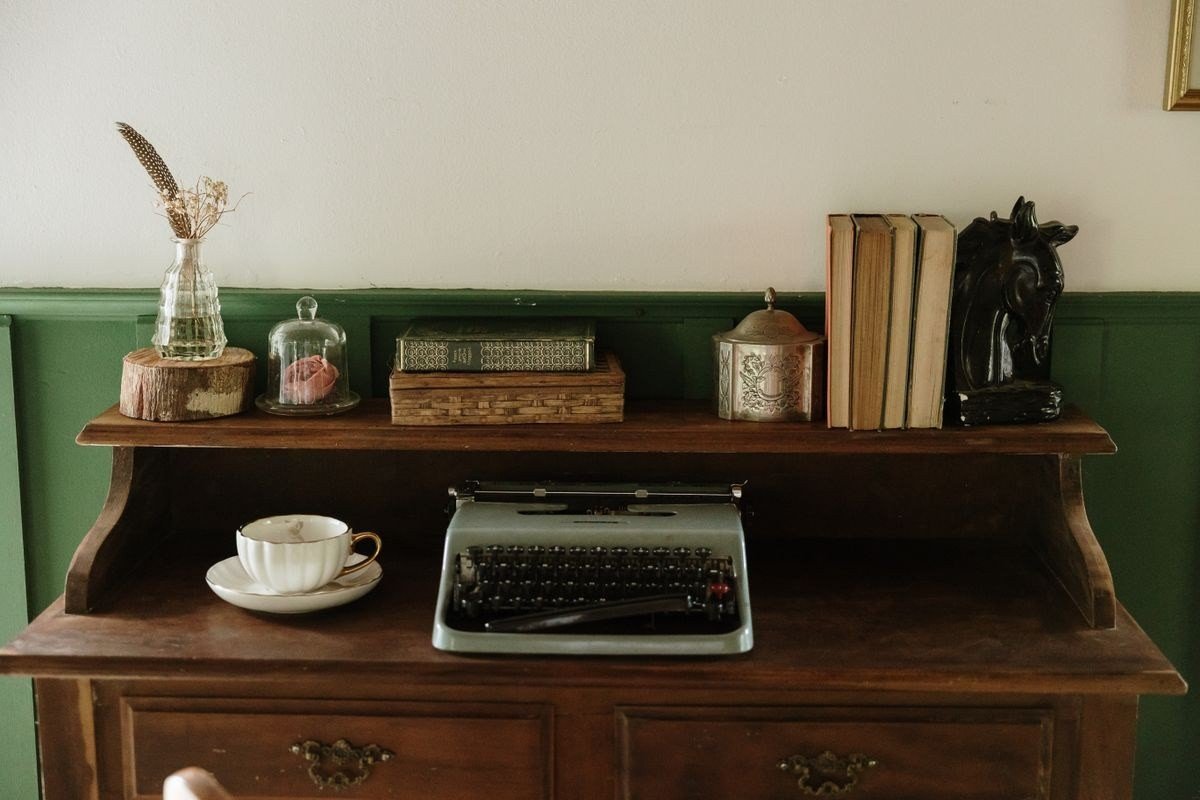
Daydreaming by a window is a legitimate poetic practice, not wasted time. Sit with a view of trees, sky, rooftops or a busy street, and let your mind wander freely. Notice clouds, birds, passers-by and changing light, allowing images and ideas to surface without forcing them.
Keep a notebook nearby for sudden thoughts, but do not feel obliged to write. Sometimes daydreaming itself is enough, resting the mind and replenishing creativity. Poets have long known that apparent idleness often precedes the best work.
Arrange a comfortable window seat if possible, with cushions and a blanket for long sits. Even a few minutes of window-gazing between tasks refreshes attention. Daydreaming honours the inner life, which is the poet aesthetic’s true subject. Even a few minutes of window-gazing between tasks refreshes attention and restores calm.
Listening to Rain and Nature
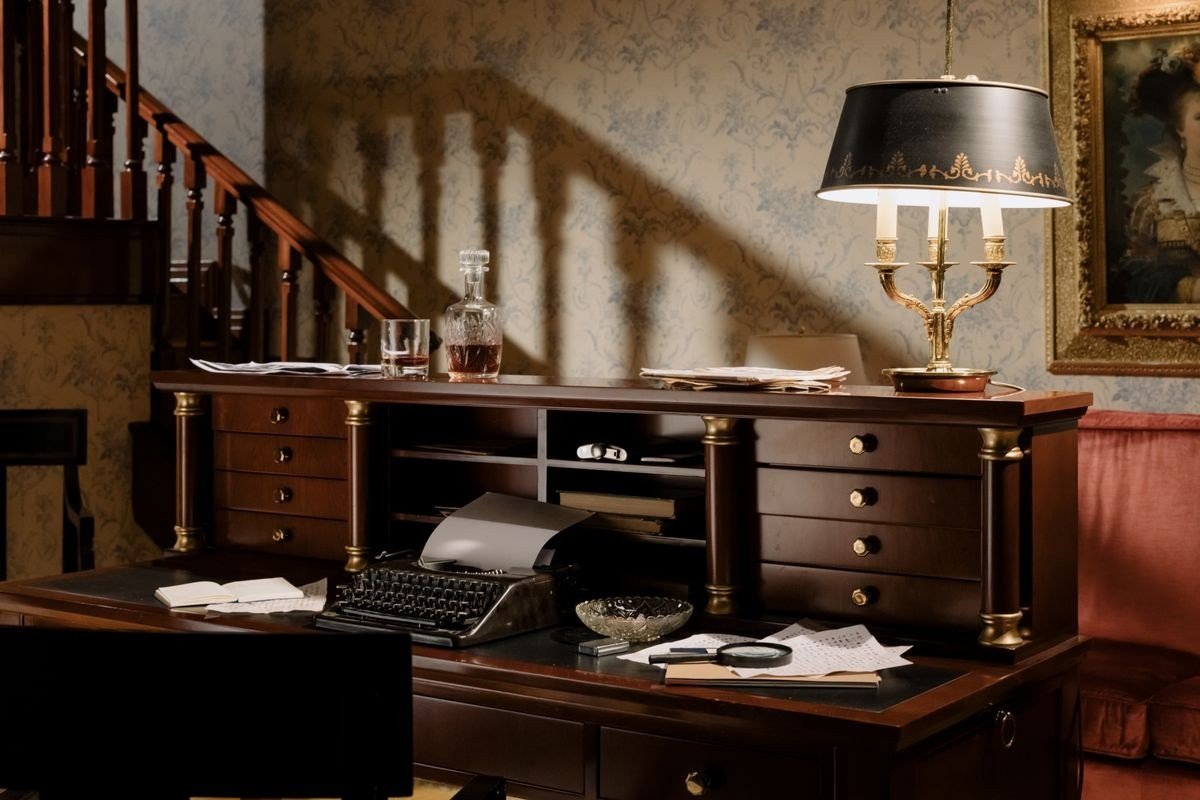
Natural sounds, especially rain, have inspired poets for centuries, offering a soothing backdrop for thought. Open a window during rain, sit quietly and listen to its patterns on roofs and leaves. The sound calms the mind and invites reflection without demanding attention.
Other natural sounds, birdsong at dawn, wind in trees, waves on a shore, similarly nourish the poetic sensibility. Spend time outdoors listening deliberately, noticing how sounds change with seasons and weather. Nature’s soundtrack is endlessly varied and free.
If you live in a noisy city, recordings of rain and nature can recreate the effect indoors. Use them while reading or writing to create a calm atmosphere. Listening deeply, to nature or to silence, trains the attention that poetry requires. Listening deeply, to nature or to silence, trains the attention that poetry requires.
Sharing Poems with Friends

Poetry grows richer when shared, whether by reading aloud to friends or exchanging favourite poems. Start a small poetry circle, meeting monthly to read and discuss poems over tea. The conversation deepens everyone’s understanding and builds warm, thoughtful friendships.
Share poems you love without worrying about expertise; enthusiasm matters more than analysis. Reading aloud reveals rhythm and sound that silent reading can miss. Friends may introduce you to poets you would never have discovered alone.
Sharing your own poems takes courage, but supportive friends make it rewarding. Begin with one trusted person if a group feels daunting. Poetry is ultimately about connection, and sharing it multiplies its power and pleasure. Reading aloud reveals rhythm and sound that silent reading can sometimes miss entirely.
Creating a Personal Library

A personal library, however small, is a poet’s treasure, a collection that reflects a lifetime of reading. Dedicate a shelf or a whole wall to books you love, arranging them in whatever order feels meaningful. Your library grows with you, marking different chapters of your life.
Include poetry, fiction, essays and reference books that inspire your writing. Lend books generously, since shared books build friendships, but keep beloved volumes close. A personal library is both a resource and a portrait of its owner.
Build your library slowly and deliberately, choosing books that earn their place. Second-hand finds, gifts and new purchases all belong. Over years, a personal library becomes one of the most valuable and personal possessions you own. Lending books generously builds friendships, though beloved volumes should stay close at hand.
Writing by Hand Outdoors

Writing outdoors connects words directly to the world they describe, sharpening observation and feeling. Take a notebook to a park, garden or riverside, and write surrounded by weather, sounds and living things. The outdoors offers endless material and a refreshing change from desk writing.
Dress warmly and choose a comfortable spot, perhaps under a tree or on a bench with a view. Write what you see, hear and feel without self-criticism, letting the place guide your words. Outdoor writing often feels freer and more vivid than indoor work.
Make outdoor writing a regular habit in good weather, even for short sessions. It combines walking, observation and creativity in one practice. Many writers find that nature unlocks thoughts that indoor routines keep hidden. Writing outdoors often feels freer and more vivid than writing at a desk indoors.
Romanticising Everyday Moments

Romanticising everyday life means noticing beauty in ordinary moments: morning light on a wall, steam rising from tea, rain on a window. Poets train themselves to see these moments as worthy of attention and even celebration. This shift transforms routine days into rich experiences.
Practice by pausing once or twice a day to notice something beautiful or interesting. Describe it mentally or jot it in your journal. Over time, this habit rewires perception, making life feel fuller and more meaningful without any external change.
Romanticising is not about pretending life is perfect, but about honouring its small, genuine beauties. A poet’s eye finds wonder in the mundane, and that wonder sustains creativity. Everyday moments, truly seen, are the raw material of poetry. Over time, noticing beauty daily rewires perception, making life feel fuller and richer.
Attending Readings and Open Mics

Poetry readings and open mic nights connect you with a living community of writers and listeners. Attend local events in bookshops, cafes and libraries, listening to diverse voices and styles. Hearing poetry aloud reveals its music and energy in ways print cannot.
Open mics welcome beginners, offering a supportive space to share your own work when you feel ready. The community is usually encouraging, valuing courage and honesty over polish. Attending regularly builds friendships and inspires your own writing.
If no local events exist, online readings and poetry communities offer similar connection. The key is participation, listening, sharing and supporting other writers. Poetry thrives in community, and the poet aesthetic includes this social, generous dimension. Open mics welcome beginners, offering a supportive space to share work when ready.
Living Slowly and Deeply
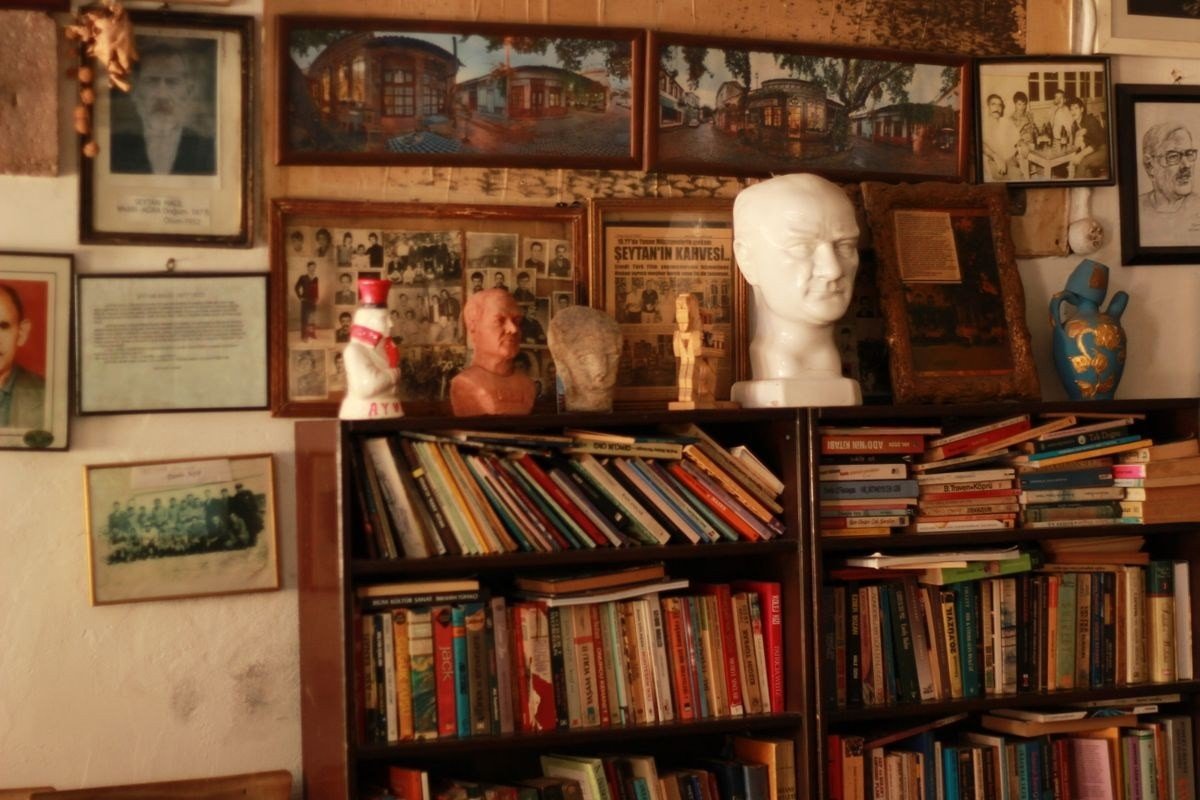
Ultimately, the poet aesthetic is a way of living slowly and deeply, choosing attention over hurry and meaning over accumulation. It means fewer possessions but better books, fewer plans but richer days, less noise but more listening. This philosophy suits anyone craving a calmer, more thoughtful life.
Begin with one small change, such as a morning ritual or a reading nook, and let the aesthetic grow naturally. Do not force it into a rigid style; let it reflect your genuine tastes and rhythms. The poet aesthetic is personal, evolving with you over time.
Living poetically does not require a particular home, wardrobe or income, only a willingness to pay attention. Notice beauty, write honestly, read widely and walk slowly. In doing so, you build a life that feels like a poem: considered, heartfelt and quietly beautiful. Living poetically requires only a willingness to pay attention, not a particular income.

I am Talha Sikandar, a professional writer with a passion for general blogging. With years of experience in content writing and research, I founded Meaniingly.com to deliver well-researched, informative, and user-friendly articles on diverse topics.