There is a reason marshmallow has become the scent of the season. Soft, pillowy, and quietly sweet, it sits in that rare space between comfort and luxury — the olfactory equivalent of wrapping yourself in a cashmere blanket while wearing something silk underneath. According to Pinterest’s Beauty Trend Report, searches for marshmallow perfume are up 248 percent, and the trend is less about one single fragrance than about an entire approach: marshmallow perfume layering ideas that let you build a custom gourmand scent profile, day by day, mood by mood. This guide covers how layering actually works, which notes pair best with marshmallow, complete combinations to try, the order to apply them in, and the mistakes that turn a dreamy blend into a sugar bomb.
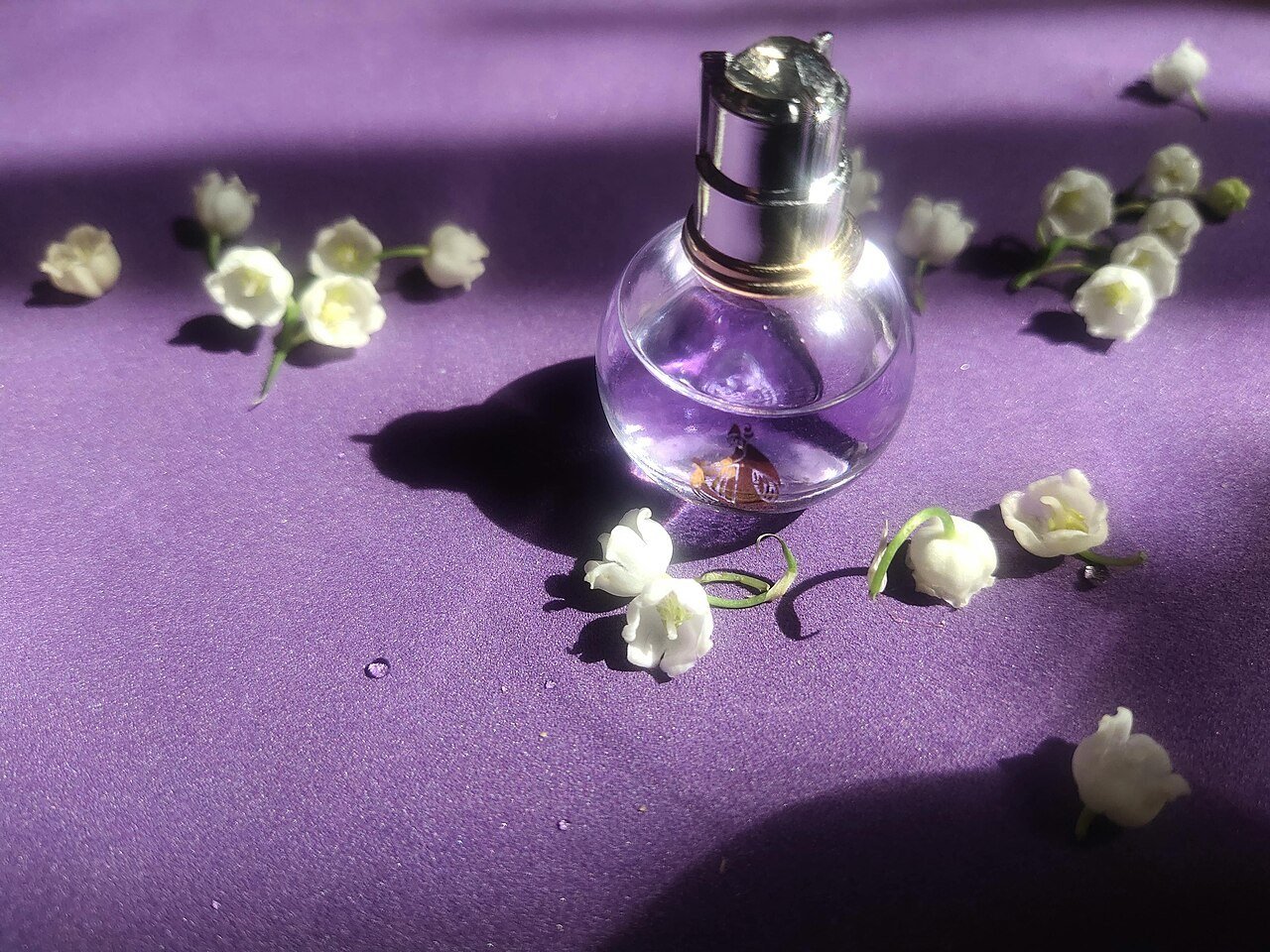
What Marshmallow Perfume Actually Smells Like
Before you start layering, it helps to know what you are working with. A true marshmallow note is not simply “sweet.” It is a rounded, powdery vanilla with a whipped, airy texture — sugar without sharpness, warmth without spice. Most marshmallow perfumes are built on a base of vanilla absolute, benzoin, and white musk, often lifted with a touch of heliotrope or orange blossom to keep the sweetness from collapsing into flat candy. The best versions have a skin-like softness; they smell like you, only cozier. Cheaper interpretations can lean plasticky or aggressively saccharine, which is exactly why layering matters: you can take a marshmallow-leaning scent and sculpt it into something far more nuanced than any single bottle could offer.
Marshmallow’s gourmand cousins each smell distinct: caramel is darker and more buttery, cotton candy brighter and more volatile, plain vanilla flatter or boozier. Marshmallow sits between them — softer than caramel, creamier than cotton candy, more textured than vanilla. When shopping for layering partners, look for “whipped,” “powdery,” “milky,” or “skin scent” in descriptions; that vocabulary signals compatibility with marshmallow’s plush profile.
How Fragrance Layering Really Works
Layering is not just spraying two perfumes at once and hoping for the best. Fragrance unfolds in three acts — top notes (the first fifteen minutes), heart notes (the next few hours), and base notes (the long dry-down) — and successful layering means pairing scents whose structures interlock rather than collide. The golden rule: apply the heavier fragrance first and the lighter one second. The first scent becomes your foundation; the second sits on top and modifies it.
There are two main methods. The first is true layering on skin: spray or dab fragrance A, wait a minute or two for the alcohol to settle, then apply fragrance B to the same or adjacent pulse points. The second is cocktailing — spraying both into the air and walking through. Skin layering gives you more control and a more intimate sillage; for marshmallow work it is usually better, because the note is so soft it needs your body’s warmth to bloom.

The Marshmallow Layering Formula
Think of every marshmallow combination as a simple formula: base + modifier + lift. The base is your marshmallow scent — the cozy core. The modifier is the note family that changes its character: a fruit makes it playful, a wood makes it sophisticated, a floral makes it romantic. The lift is a bright top note — citrus, green tea, pear — that keeps the whole thing from feeling heavy.
A practical example: a marshmallow-vanilla body cream (base) plus a pear-and-freesia body mist (modifier + lift) equals a fresh, daytime-appropriate gourmand that lasts for hours. Swap the mist for a sandalwood perfume oil and you get a deep, warm evening scent. Once you internalize this formula, you can improvise with whatever is already on your shelf instead of buying new bottles for every mood.

Start With the Right Marshmallow Base
Your base determines everything, so choose it deliberately. A dedicated marshmallow perfume gives you the most authentic note, usually with good longevity. A vanilla or “skin musk” fragrance works as a near-marshmallow base — slightly less sweet, more versatile. And a scented body product in marshmallow or vanilla makes an excellent foundation: it moisturizes, extends wear time dramatically, and is the most affordable way to start.
When testing bases, spray on skin — never just on a paper strip — and wait at least thirty minutes before judging. Marshmallow notes transform in the dry-down; a scent that opens with an alarming blast of sugar often settles into something beautifully soft. Test on the inside of your forearm, live with it through the heart phase, and only then decide whether it earns a place in your rotation.

Vanilla on Vanilla: The Cozy Classic
The simplest marshmallow layering idea is also one of the most beloved: marshmallow over vanilla, or vanilla over marshmallow. Layering two vanillas sounds redundant, but different vanilla sources smell remarkably different — one might be smoky and boozy, another milky and soft, a third dry and woody. A marshmallow perfume over a warm vanilla body oil creates a scent with genuine depth: the oil’s richness anchors the blend while the marshmallow’s airiness keeps it from feeling heavy.
To try it, apply a vanilla body oil or lotion to damp skin right after showering, then mist your marshmallow fragrance over the top once the lotion has absorbed. The damp-skin trick matters: hydrated skin holds fragrance up to twice as long as dry skin. This combination is the definition of cozy — perfect for cold weather and lazy weekends. It also makes an ideal first layering experiment because the two notes are so compatible that it is nearly impossible to get wrong.

Marshmallow and Caramel: Toasted Warmth
If plain marshmallow feels too innocent, caramel is the modifier that adds depth and a whisper of mischief. Caramel brings buttery, slightly burnt-sugar richness that turns pillowy marshmallow into something closer to crème brûlée — still sweet, but with a golden, toasted edge that reads more grown-up. This is the combination for autumn evenings, candlelit dinners, and anyone who wants their gourmand with a little drama.
The key here is proportion. Caramel is a dominant note; use it as the base and let marshmallow be the modifier. Apply a caramel-leaning fragrance first — one or two sprays — then add a single spray of marshmallow perfume at the neck or wrists. Too much caramel will bulldoze the marshmallow entirely. Done right, the blend smells like the top of a perfectly torched dessert: crisp, golden sweetness melting into cream.
Marshmallow and Coconut: The Tropical Pillow
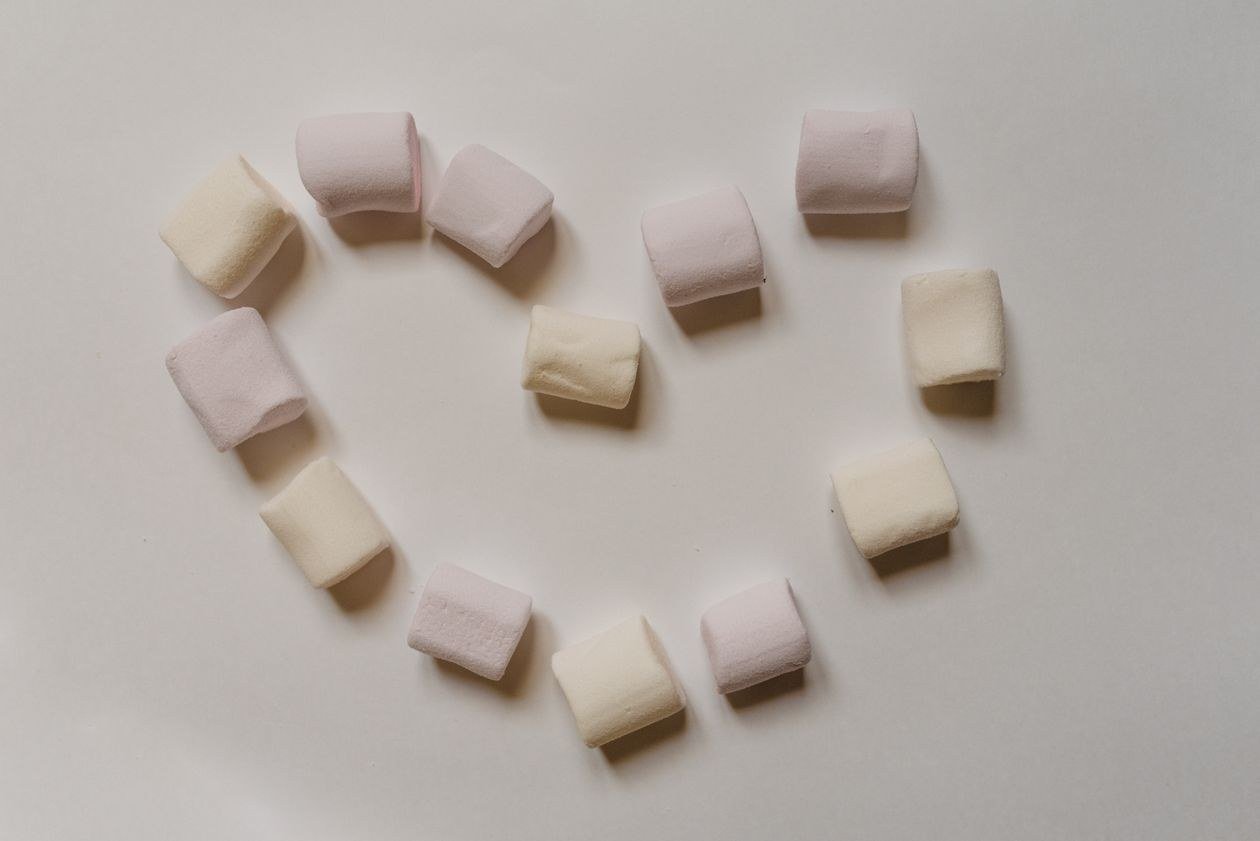
Coconut and marshmallow are natural allies — both creamy, both soft, both built on lactonic warmth. Together they create a beachy gourmand that smells like sunscreen in the best possible way: sun-warmed skin, a cold drink, salt in the air. This is your summer marshmallow, the version you wear with linen and bare shoulders.
Layer a coconut body mist or a coconut-forward fragrance under your marshmallow perfume. Coconut scents tend to be fleeting, so the body-product-first method works beautifully: coconut lotion as the base, marshmallow spray on top. The lotion extends the coconut’s life while the marshmallow adds body and sweetness. For extra dimension, look for coconut scents with a tiare flower or lime note — the floral keeps it lush, the lime keeps it fresh.
Marshmallow and Berry: Playful and Bright
Berries are the lift that marshmallow sometimes needs. A strawberry, raspberry, or blackberry note cuts through the creaminess with juicy brightness, turning a sleepy gourmand into something playful and youthful. Think strawberry milk, raspberry pavlova, a berry compote folded into whipped cream — the combination is irresistible precisely because the tartness and the sweetness balance each other.
Apply the berry fragrance first and the marshmallow second. Berry notes are volatile top notes that fade quickly; putting them underneath lets the marshmallow’s longer-lasting base carry their echo for hours. One caution: avoid berry scents with heavy synthetic “candy” profiles. Look for berries paired with rose, peony, or green notes — the added complexity keeps the combination sophisticated.
Marshmallow and Citrus: Fresh Gourmand Energy
It sounds contradictory — bright citrus and cozy marshmallow — but this is one of the most modern layering ideas in the gourmand world. A sparkling bergamot, yuzu, or blood orange top note over a marshmallow base creates a “fresh gourmand”: sweet but never heavy, with an effervescent opening that settles into cream. It is the fragrance equivalent of an orange creamsicle or a lemon meringue pie.
The technique matters more here than with any other pairing. Citrus notes evaporate within an hour, so spray the citrus scent second — a generous mist over the marshmallow base — and reapply midday if you want the sparkle to last. Alternatively, use a citrus body wash as your “base clean” and layer marshmallow over freshly citrus-scented skin. This combination shines in warm weather and professional settings where a full gourmand might feel like too much.
Marshmallow and Florals: Romantic Softness
Florals give marshmallow a romantic, almost bridal quality. Orange blossom is the classic partner — its honeyed white-floral character melts seamlessly into marshmallow’s cream. Peony adds a dewy freshness, rose adds velvety depth, and jasmine adds a heady, after-dark sensuality. Each floral steers the blend in a different emotional direction, so choose based on the mood you want.
For daytime romance, layer a peony or orange blossom mist over your marshmallow base. For evening, try rose or jasmine underneath — deeper florals need the base position so their richness supports rather than overwhelms.
Marshmallow and Woods: Grown-Up Gourmand
This is the combination that converts gourmand skeptics. Sandalwood, cedar, and cashmeran add a dry, creamy woodiness that grounds marshmallow’s sweetness and gives it genuine sophistication. The result smells expensive — like a niche perfume house’s take on comfort. Woods are the modifier for anyone who loves the idea of marshmallow but worries about smelling like dessert.
Always put the wood first. Woody fragrances are tenacious base notes; applied first, they create a warm, dry foundation that the marshmallow softens and sweetens. Sandalwood is the safest choice — its natural creaminess is already marshmallow-adjacent. Cedar adds a crisper, more structured edge. Two sprays of wood, one of marshmallow, and you are done.
Marshmallow and Musk: The Skin-Scent Effect
White musk and marshmallow together create the ultimate “your skin but better” effect. Musk adds a clean, slightly powdery warmth that makes marshmallow smell less like food and more like a person — intimate, close-wearing, addictive. This is the layering idea for minimalists, for office wear, for anyone who wants to smell wonderful without announcing it across the room.
Musk is famously a base note, so it goes on first. A white musk body lotion or a dedicated musk fragrance makes an ideal foundation; your marshmallow scent goes over the top. Because both notes are soft-spoken, you can be generous — this is one combination where three or four sprays will not overwhelm anyone. The blend sits close to the skin and lasts for hours, revealing itself in hugs rather than entrances.
Marshmallow and Coffee: Morning Indulgence
Coffee and marshmallow is the scent of a perfect morning: a latte with extra foam, a mocha with whipped cream, the first warm cup on a cold day. A coffee or espresso note adds roasted depth and a subtle bitterness that keeps marshmallow from floating away into pure sugar. This is a bold, statement combination — cozy but unmistakably awake.
Put the coffee fragrance first; it is the stronger, more assertive note. Then add marshmallow sparingly — one spray at the neck is usually enough. The goal is coffee softened by cream, not marshmallow with a coffee afterthought. Be careful with coffee scents that include heavy chocolate notes, which can make the blend muddy; cleaner espresso or cappuccino profiles work best.
The Order of Application: A Step-by-Step Routine
Here is a complete routine that puts the principles together. Step one: shower with a vanilla or marshmallow-scented body wash to create a scented canvas. Step two: on damp skin, apply body oil or lotion to lock in moisture — hydrated skin can double fragrance longevity. Step three: apply your base fragrance (the heavier scent) to pulse points — wrists, neck, behind the ears. Step four: wait two full minutes for the alcohol to evaporate. Step five: apply your second fragrance to the same areas. Step six: one optional spray on hair or clothing for extra sillage.
The two-minute wait is the most commonly skipped and most important part of the routine. Applying the second scent too soon just mixes wet alcohol with wet alcohol, and you lose all control over the final balance. Patience is the difference between layering and merely spraying twice.
Day-to-Night Marshmallow: Adjusting Your Blend
One of the joys of layering is that your scent can evolve with your day. Start the morning with a light combination — marshmallow over a citrus or fresh-floral base — for something office-appropriate and softly sweet. Before evening plans, refresh with one spray of a deeper modifier at your pulse points: a sandalwood, a rose, or a touch of amber. The evening layer melts into the day’s dry-down and creates a third, entirely new scent.
This approach also saves suitcase space when traveling. Instead of packing three perfumes, pack one marshmallow base and two small modifiers — a fresh one and a deep one. You get a full fragrance wardrobe from three small bottles.
Seasonal Marshmallow: Pairings for Every Time of Year
Marshmallow is often called a winter scent, but with the right partners it works year-round. In spring, pair it with green notes, pear, or peony. Summer calls for coconut, citrus, or tropical fruits. Fall is marshmallow’s natural home: caramel, apple, cinnamon, and chai spices deepen it into harvest-season perfection. Winter invites the richest combinations — amber, dark vanilla, and hot chocolate.
A useful rule of thumb: the colder the weather, the heavier your modifier can be. Heat amplifies sweetness, so summer marshmallow needs bright, volatile partners to stay balanced, while winter cold mutes projection and lets you go deeper. If a beloved winter combination smells cloying in July, swap the modifier for something citrus or green and keep the same marshmallow base.
Common Layering Mistakes to Avoid
The number one mistake is layering two heavy gourmands — marshmallow plus a rich chocolate plus a caramel body lotion, for example. The result is not “extra cozy”; it is a cloying fog. One sweet star per blend is enough. The second mistake is ignoring strength: a potent niche perfume will obliterate a delicate body mist no matter the order. Match intensities, or let the stronger scent be a single accent spray.
Third, do not layer on top of strongly scented laundry products or deodorants without accounting for them — they are invisible third fragrances in every blend. Fourth, avoid testing more than two combinations per day; olfactory fatigue sets in fast. Coffee beans do not actually reset your nose — fresh air and a break do. Finally, remember that skin chemistry is personal: a combination that smells divine on your friend may turn sour on you.
Building a Marshmallow Capsule Collection
You do not need twenty bottles to master marshmallow layering. A smart capsule collection has five pieces: one marshmallow perfume as your base, one fresh modifier (citrus or green floral), one deep modifier (sandalwood, amber, or woody vanilla), one scented vanilla or marshmallow body product for the foundation layer, and one wildcard — whatever you are currently obsessed with, from cherry to pistachio. With these five, you can build dozens of distinct combinations.
Shop strategically: buy the base in a full bottle since you will use it daily, but buy modifiers as travel sprays, discovery sizes, or rollerball formats. Body products are the best value in fragrance — a scented lotion costs a fraction of a perfume and does more for longevity. Keep a small note of your favorite ratios; the perfect blend you stumble on in October is heartbreaking to forget by December.
Marshmallow Layering for Sensitive Skin
Fragrance lovers with sensitive skin can still enjoy layering with a few adjustments. First, prefer body oils and lotions as your base layer — they buffer concentrated perfume alcohol from your skin. Second, spray clothing and hair instead of skin for the second layer; fabric holds scent beautifully. (Test colored fabrics first, and avoid silk.) Third, look for fragrance oils and alcohol-free mists, which tend to be gentler than traditional eau de parfum sprays.
Patch-test every new combination on the inside of your forearm and wait 24 hours before wearing it fully. If a particular note consistently irritates you — cinnamon and clove are common culprits — skip that entire modifier family. And remember that “hypoallergenic” on a label is a marketing term, not a medical guarantee; your skin’s response is the only test that matters.
Your First Week of Marshmallow Layering: A Starter Plan
Ready to begin? Here is a seven-day plan. Day one: wear your marshmallow base alone and learn its full dry-down. Day two: add the scented body lotion underneath — notice how much longer it lasts. Day three: try the vanilla-on-vanilla cozy classic. Day four: experiment with a fresh modifier, like citrus or pear. Day five: go deep with a woody or amber modifier for evening. Day six: attempt the day-to-night transition with an evening refresh spray. Day seven: invent your own signature combination using the base-plus-modifier-plus-lift formula, write down the ratio, and give it a name.
By the end of the week you will not just own a marshmallow perfume — you will own a marshmallow practice, a small daily ritual of choosing how you want to smell and feel. That is the real promise of the trend behind those surging search numbers: not another bottle on the shelf, but a more personal, more creative relationship with scent.


I am Talha Sikandar, a professional writer with a passion for general blogging. With years of experience in content writing and research, I founded Meaniingly.com to deliver well-researched, informative, and user-friendly articles on diverse topics.