Kwanzaa decorations ideas
Understanding the Meaning Behind Kwanzaa Decorations
Kwanzaa is a cultural celebration observed from December 26 through January 1, created in 1966 to honour African heritage, family, community, and shared values. Its decorations are therefore more meaningful than simple seasonal ornaments, because each colour, symbol, and object tells a story about history, unity, and hope for the future. The traditional colours of red, black, and green appear throughout the celebration, representing struggle and sacrifice, the people themselves, and growth and the promise of tomorrow. When you decorate with intention, your home becomes a gathering place where children can learn, elders can share memories, and guests can understand the deeper purpose behind the beauty. By starting with meaning rather than shopping, you create a celebration that feels grounded, welcoming, and true to the spirit of Kwanzaa.
Setting Up a Beautiful Kinara Display
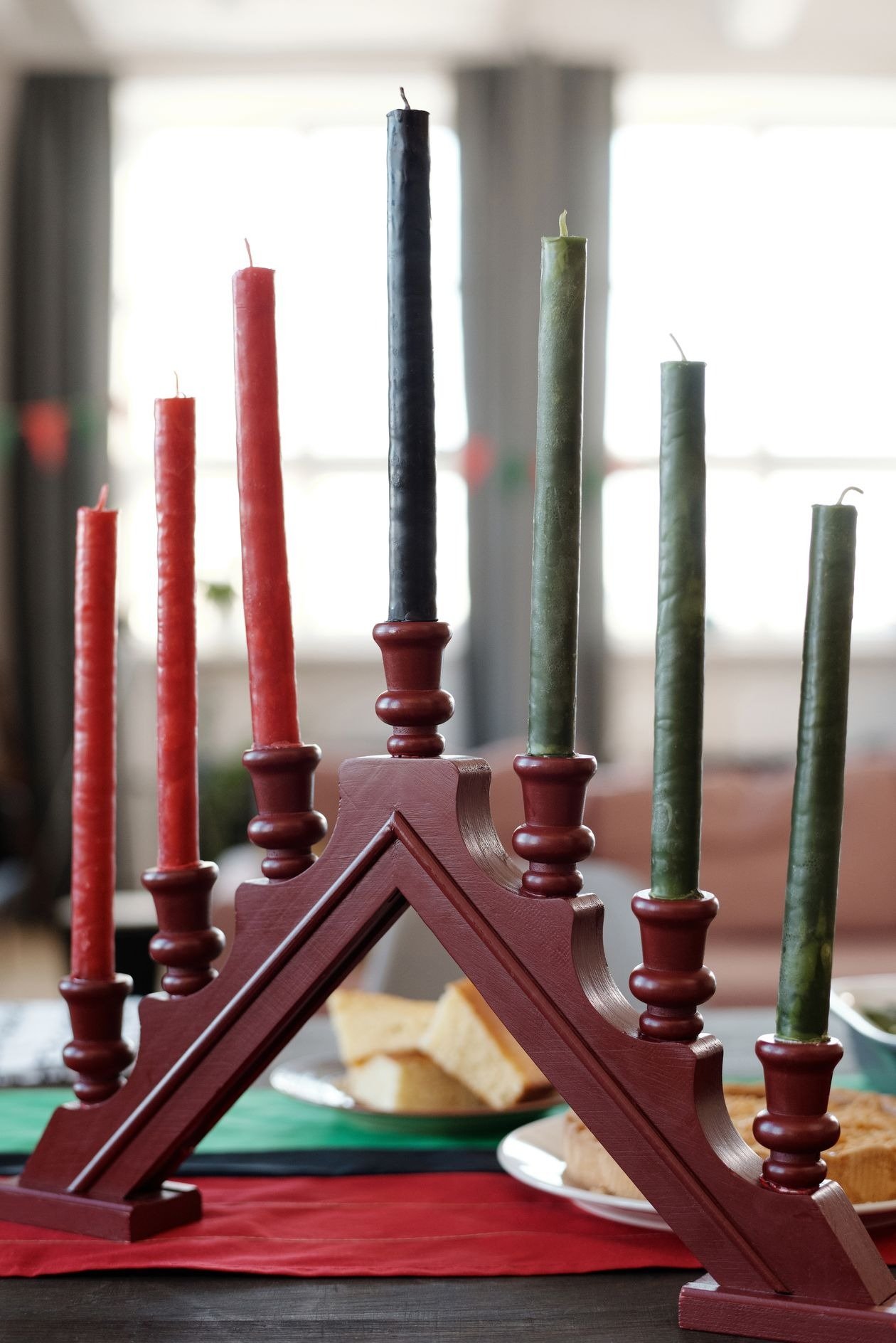
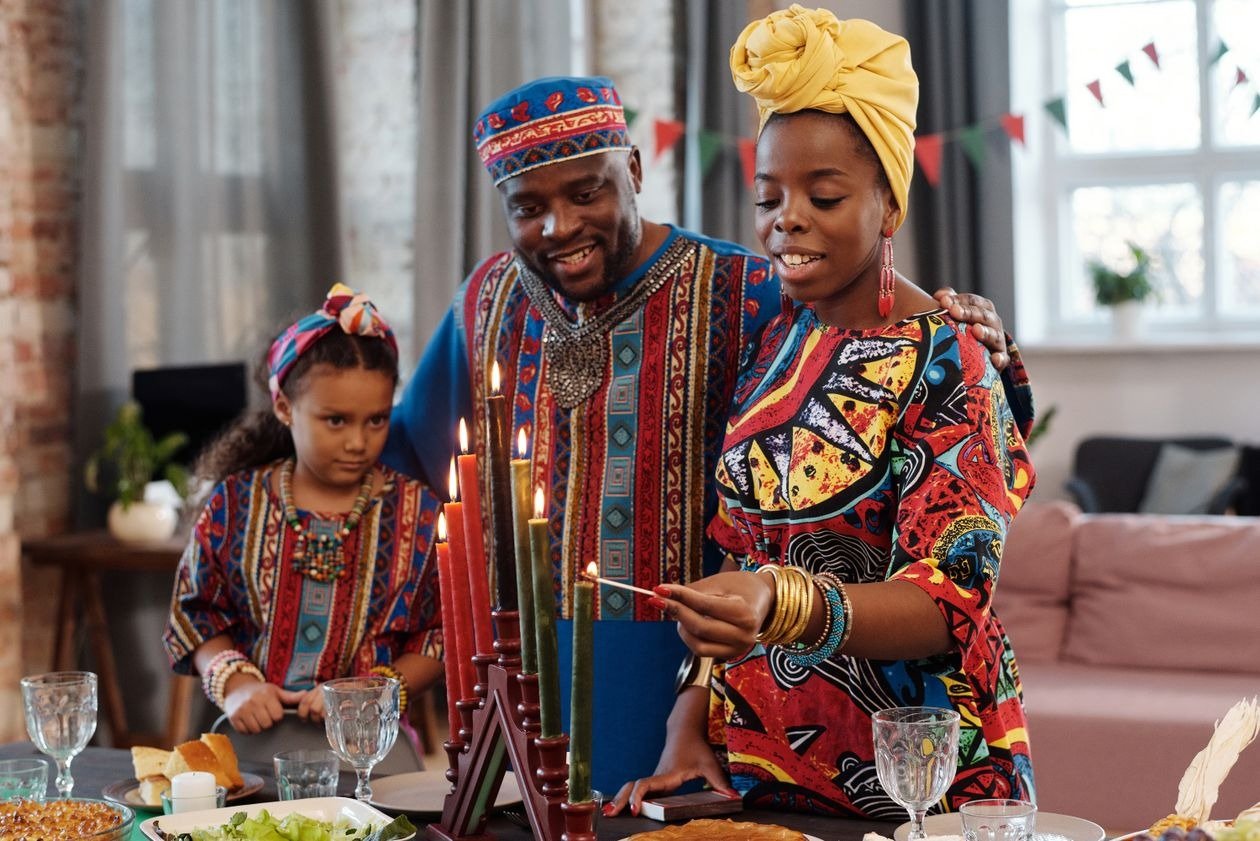
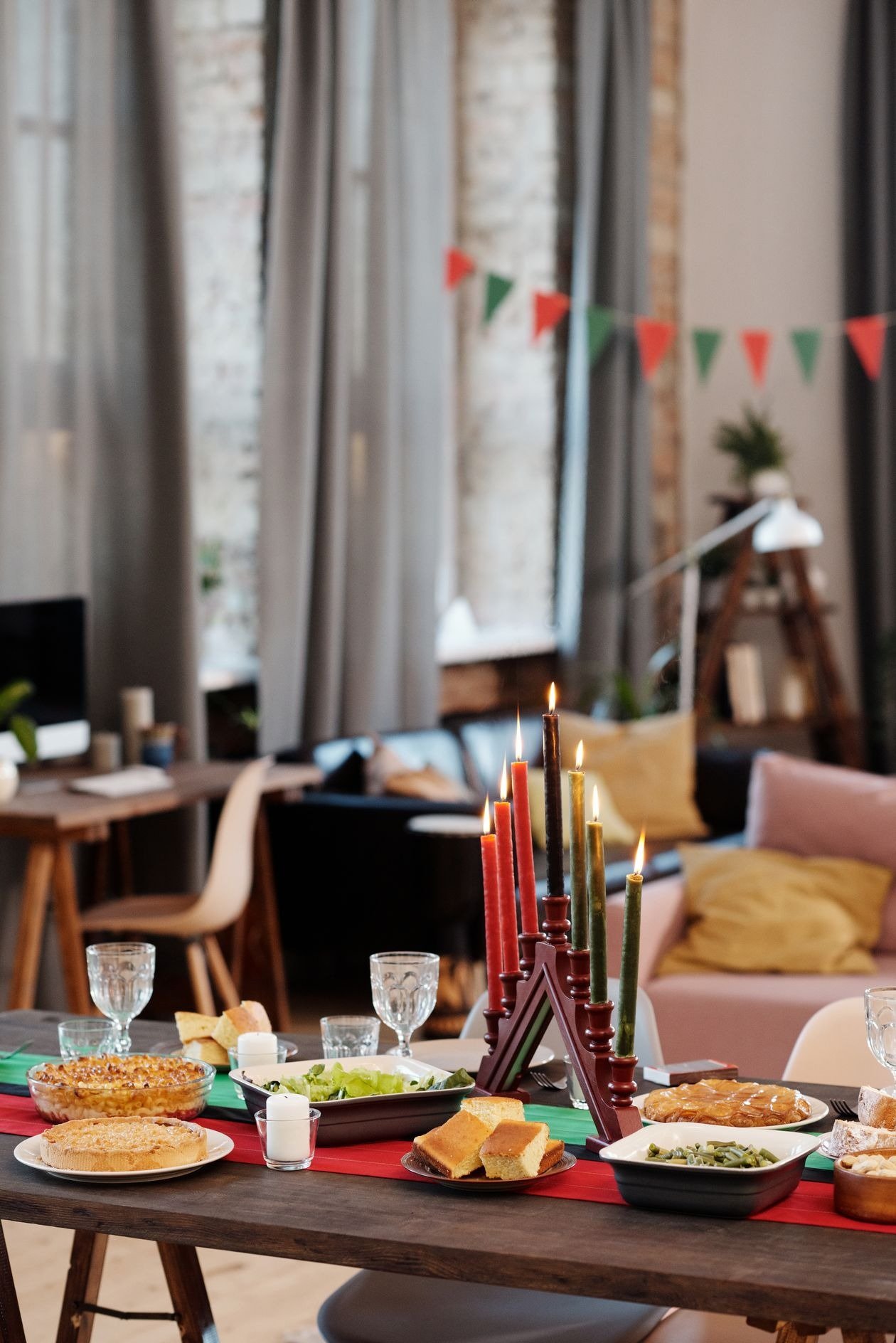
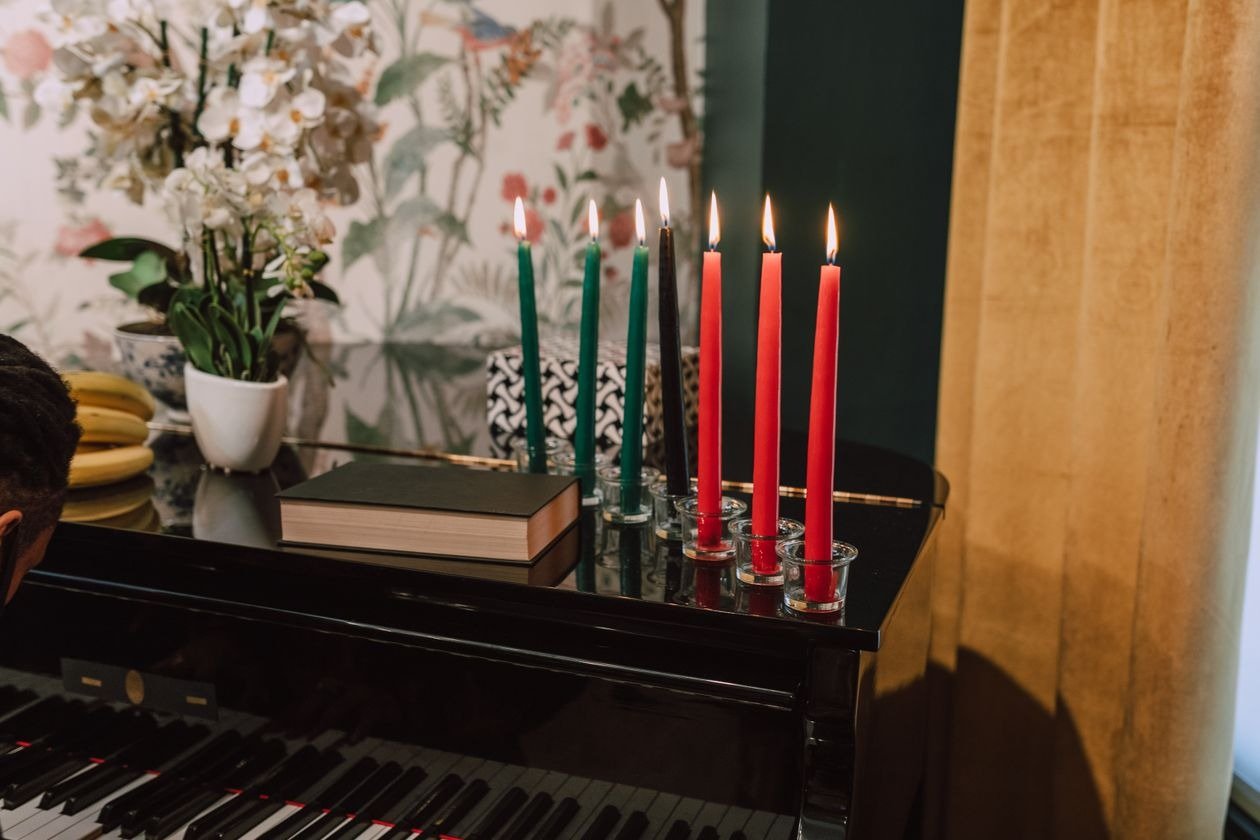
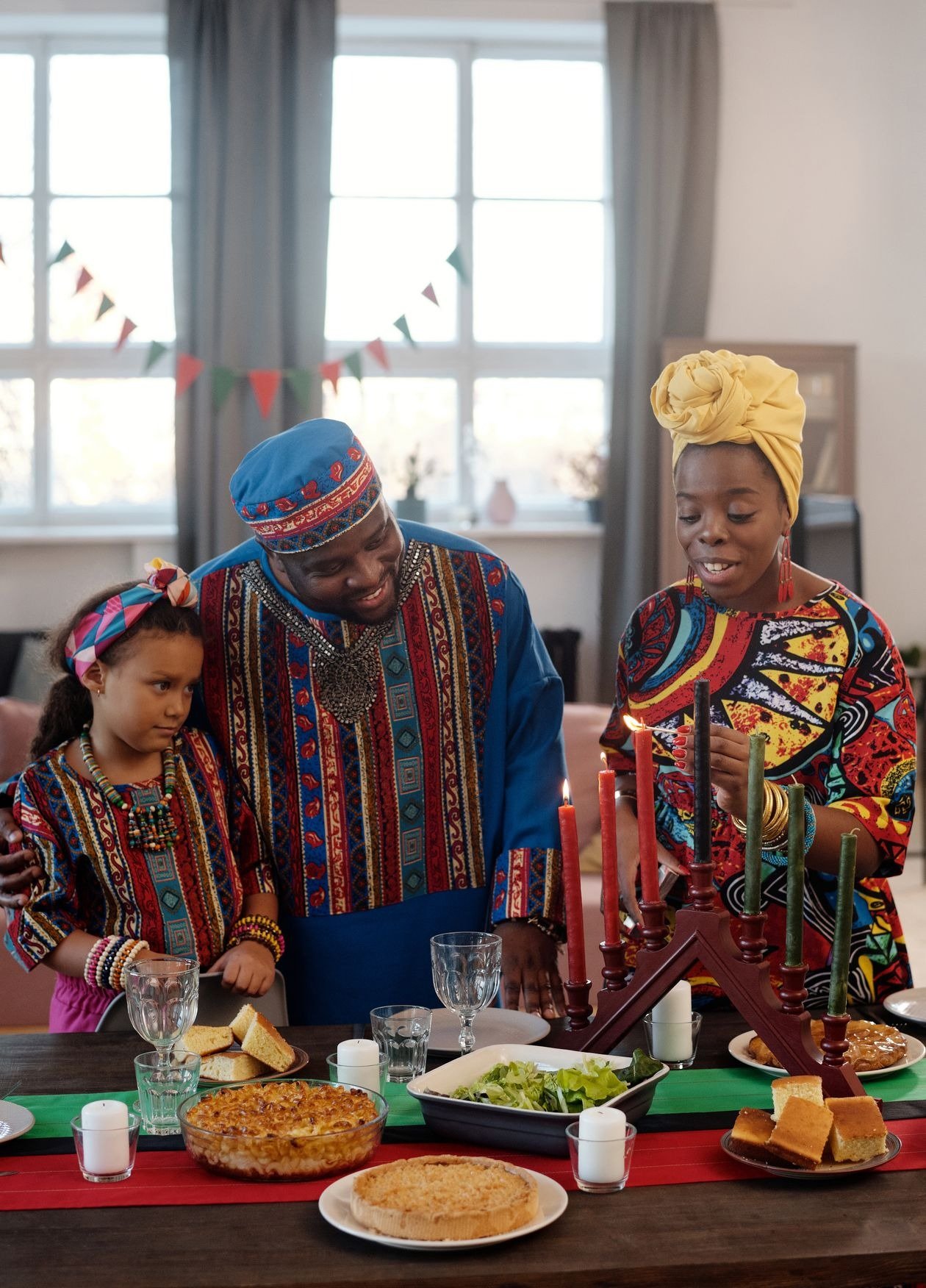
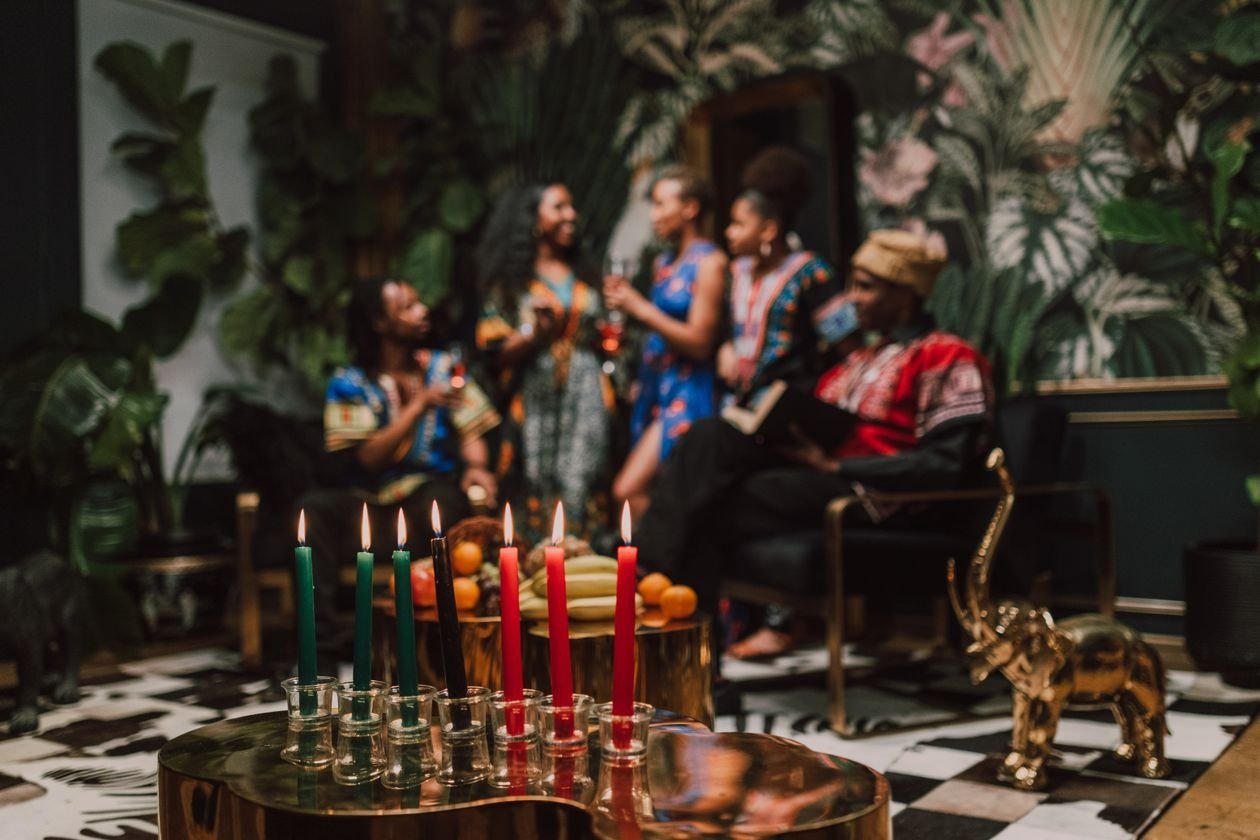
The kinara, a seven-branched candle holder, stands at the heart of most Kwanzaa decorations and deserves a prominent, respectful place in your home. Traditionally, it holds one black candle in the centre, three red candles on the left, and three green candles on the right, each candle representing one of the seven principles celebrated during the week. Place the kinara on a clean, stable surface where everyone can see it, such as a mantel, sideboard, or dedicated celebration table, and keep it away from curtains, paper decorations, and other flammable items. A woven mat beneath the kinara helps define the space and creates a finished, intentional look, while a small arrangement of fruit or greenery nearby adds warmth without crowding the candles. Light one additional candle each evening, beginning with the black candle, and take a moment to discuss the principle it represents. With care and safety, the growing glow becomes a beautiful nightly reminder of unity, purpose, and progress.

Using the Colours Red Black and Green with Balance
Red, black, and green form the visual language of Kwanzaa, and using them with balance keeps your decorations striking rather than overwhelming. Red can appear in candles, ribbons, berries, and textiles, while black provides grounding through candle holders, frames, and elegant accents. Green brings life through plants, foliage, fruit, and fabric, reminding everyone of growth, nature, and hope. Instead of using all three colours in equal amounts everywhere, choose one dominant colour for each area and let the others act as accents, so the eye has a place to rest. A red table runner with black candle holders and green foliage, for example, feels cohesive and calm, while a green wreath tied with red and black ribbon feels festive without becoming busy. Repeating the same palette from room to room helps the whole home feel connected, and small touches such as napkins, cushions, and artwork can carry the theme gently into everyday spaces.
Creating a Mkeka Inspired Table Setting
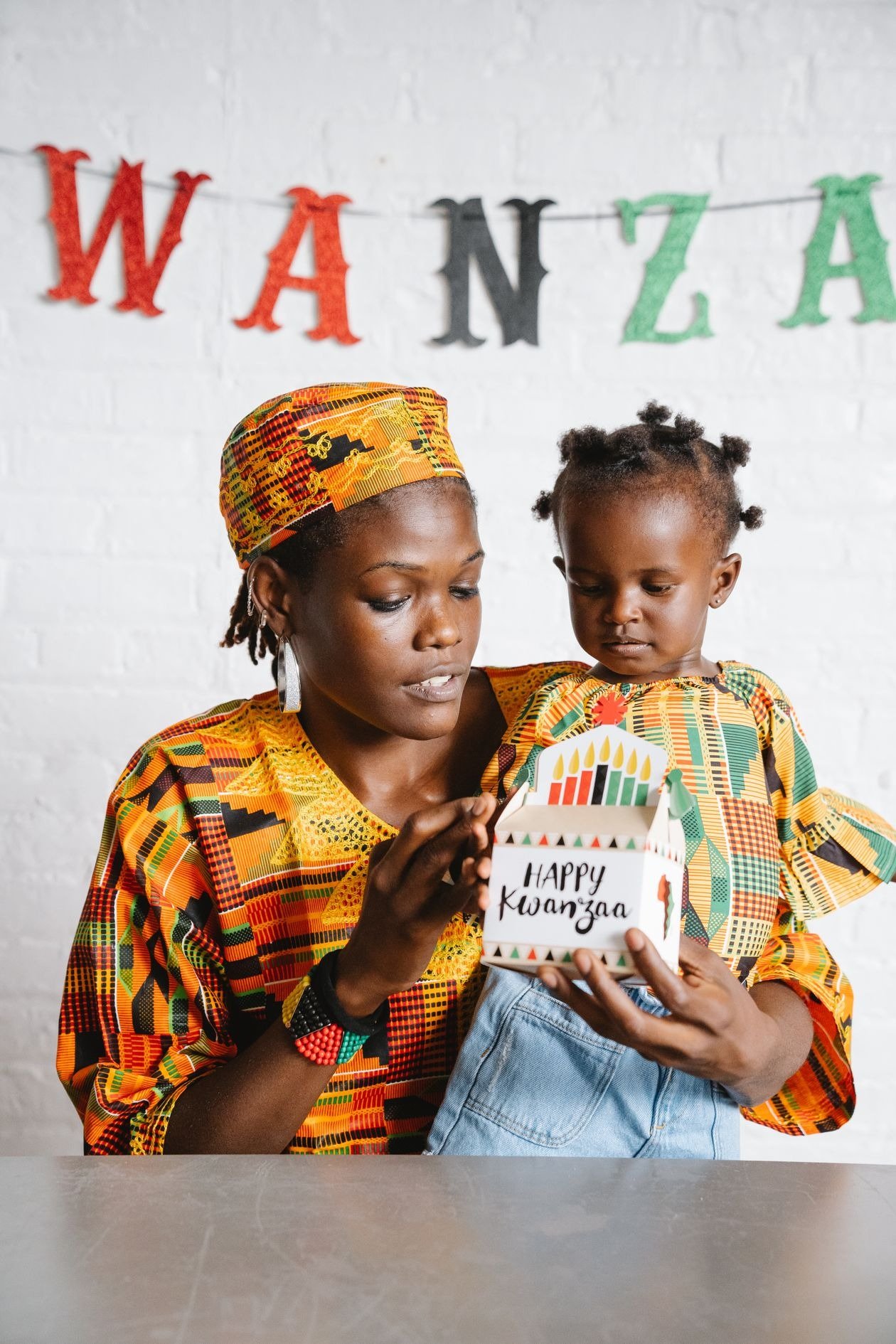
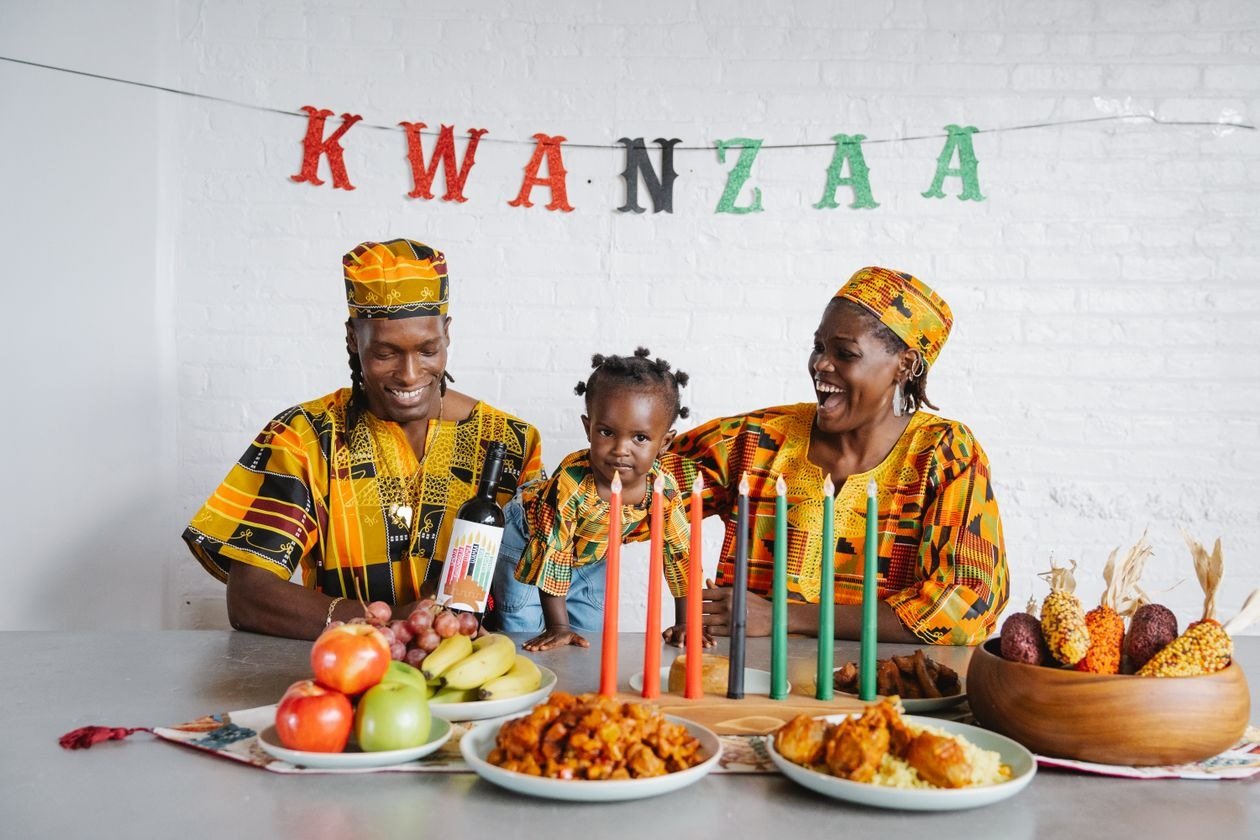
The mkeka, a woven straw or fabric mat, symbolises the foundation on which families and communities are built, and it makes a wonderful starting point for a Kwanzaa table setting. Lay a large woven mat or a textured runner down the centre of your dining table, then build the display outward with candles, fruit, and meaningful objects arranged symmetrically. Place the kinara at the centre or at one end, flanked by a unity cup and a basket of harvest fruits that represent the rewards of collective work. Use simple, natural dinnerware in warm earth tones so the symbolic items remain the focus, and add cloth napkins in red, green, or patterned African-inspired prints for colour. Name cards handwritten for each guest add a personal touch, while small sprigs of greenery or dried orange slices bring fragrance and texture. The result is a table that feels abundant, organised, and ready for conversation, shared meals, and celebration.

Decorating with Harvest Fruits and Natural Elements
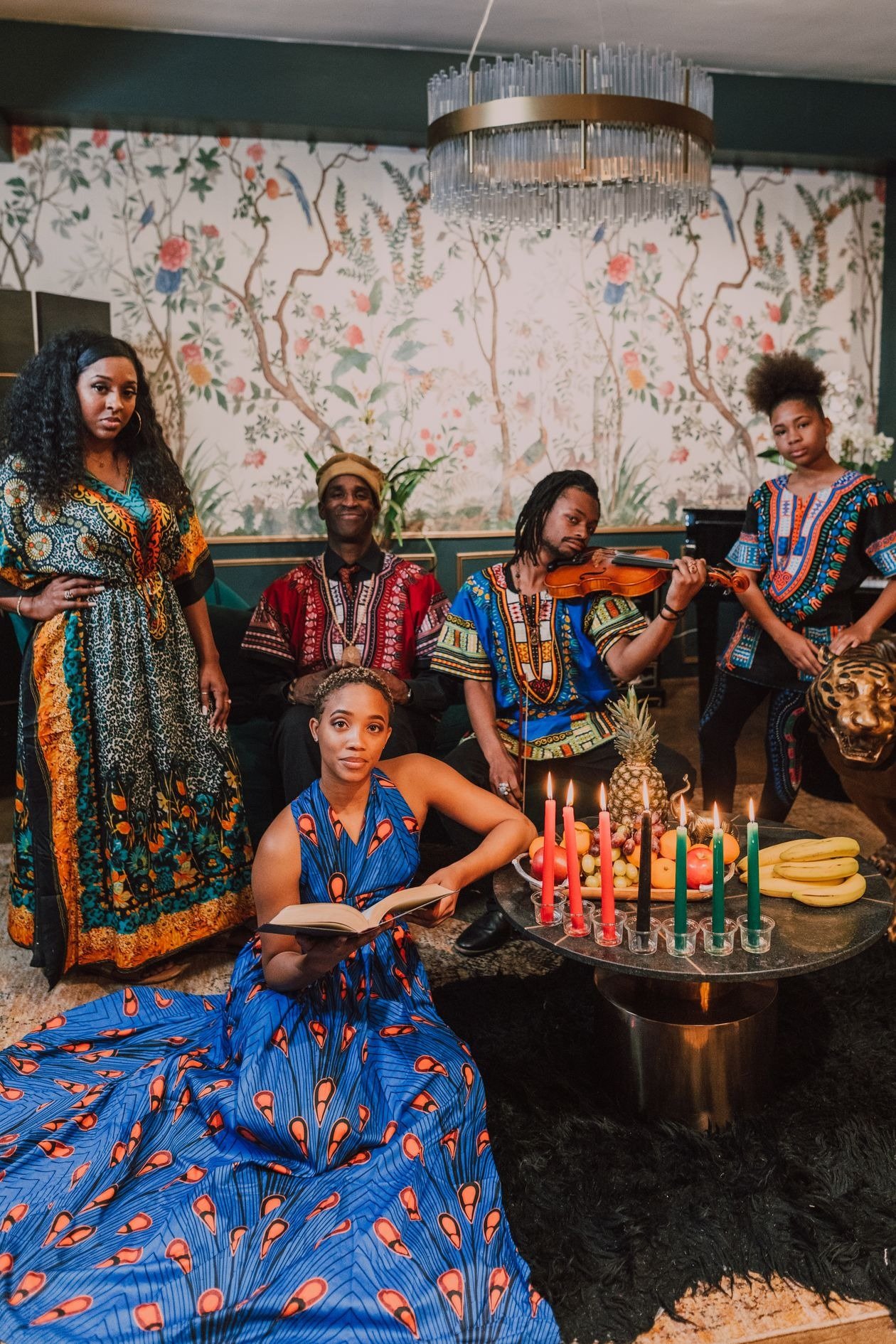
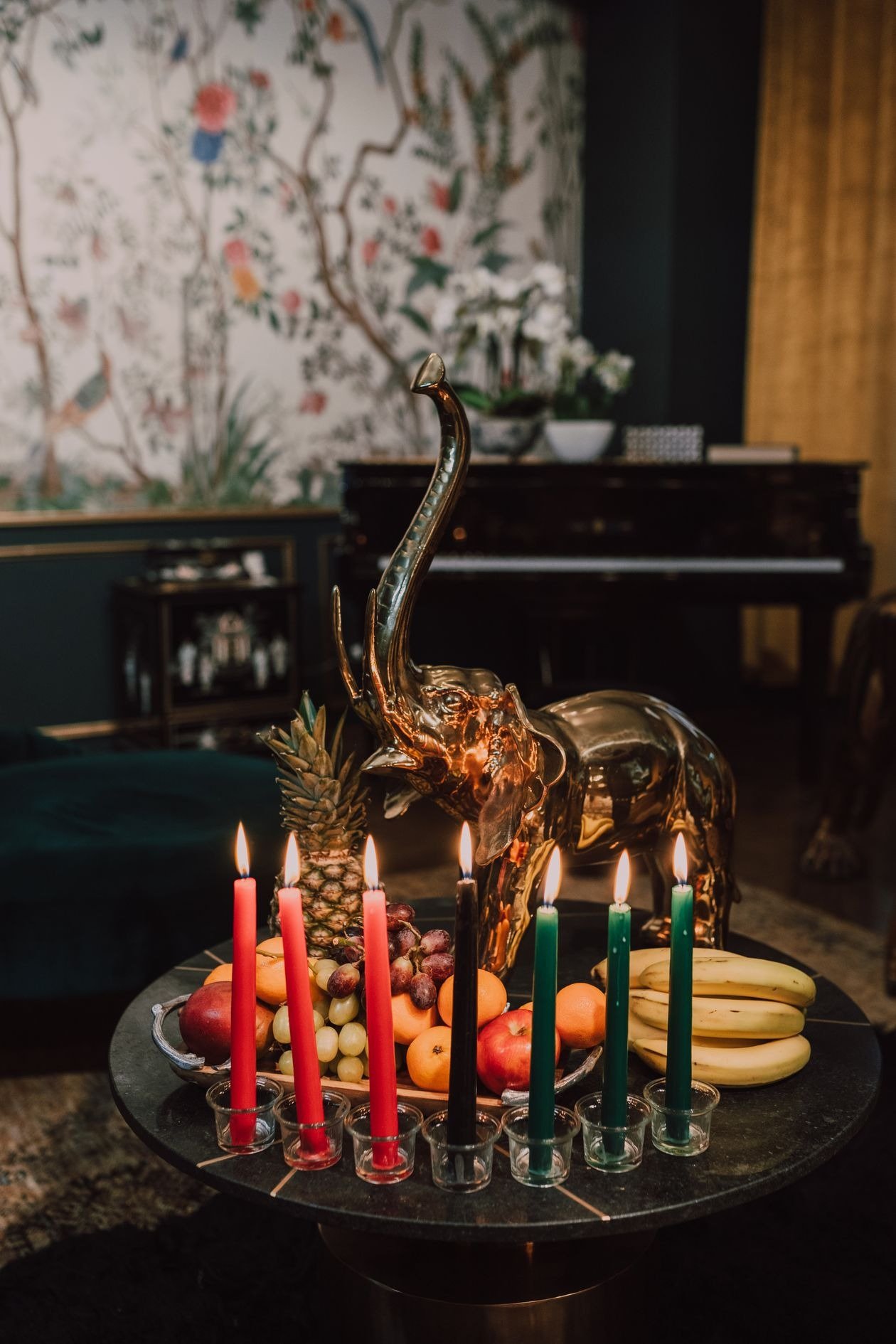
Harvest fruits, vegetables, and natural elements connect Kwanzaa decorations to the land, the seasons, and the value of collective labour. A generous bowl of oranges, apples, grapes, pomegranates, and corn creates a rich, colourful centrepiece that guests can admire and later enjoy, while ears of dried corn honour children and future generations. Wooden bowls, woven baskets, and linen cloths enhance the natural feeling, and dried leaves, pine branches, or eucalyptus add texture without the need for plastic decorations. Arrange fruit in groups rather than scattering pieces randomly, and vary heights by placing some items on a cake stand or inside a tall basket. Fresh fruit should be checked daily and replaced as needed, so the display always looks abundant and cared for. Natural elements also make decorating affordable and sustainable, because many items can be composted or eaten after the celebration, leaving memories rather than waste behind.
Honouring the Seven Principles in Your Decor
The seven principles of Kwanzaa, known as the Nguzo Saba, offer a beautiful framework for decorating each day and each corner of your home. Umoja, or unity, can be represented by a family photograph display or a circle of chairs arranged for conversation, while Kujichagulia, self-determination, might inspire artwork or affirmations created by family members themselves. Ujima, collective work and responsibility, comes alive when everyone helps decorate together, and Ujamaa, cooperative economics, can be honoured by supporting local makers and artisans when you buy decorations. Nia, purpose, invites a written family intention placed where everyone can see it, while Kuumba, creativity, encourages handmade ornaments, drawings, and crafts. Imani, faith, closes the week with a display of gratitude, hope, and confidence in the future. When each principle has a visible place, children learn naturally, guests ask thoughtful questions, and the decorations become a teaching tool as well as a celebration.

Handmade Ornaments and Family Craft Projects
Handmade decorations give Kwanzaa its most personal and joyful character, because every piece carries the hands and imagination of its maker. Families can create paper ornaments in red, black, and green, paint wooden shapes with traditional patterns, or sew small fabric banners featuring symbols, words, and family names. Children often love making beaded garlands, woven paper mats, and painted candle holders, while adults can try more detailed projects such as embroidered table runners or carved wooden ornaments. Keep supplies simple and safe, using paper, fabric, clay, wood, and non-toxic paints, and set aside an afternoon for crafting together with music and snacks. Display handmade pieces proudly alongside store-bought items, because their imperfections are part of their charm and story. Over time, these ornaments become heirlooms, brought out each December with memories of the year they were made and the people who made them.

Festive Kwanzaa Wreaths for Doors and Walls
A wreath on the front door or above the mantel welcomes guests and announces the celebration before they even step inside. Start with a sturdy base of grapevine, straw, or evergreen branches, then weave in ribbons, dried oranges, cinnamon sticks, and small wooden beads in the traditional colours. Red berries and deep green foliage provide classic contrast, while black accents such as ribbon, painted ornaments, or dark wooden beads ground the design. Keep the wreath balanced by placing larger elements first and filling gaps with smaller pieces, stepping back often to check the shape from a distance. For indoor wreaths, consider adding small cards printed with the seven principles or family names, turning the decoration into a conversation piece. A well-made wreath can last for several seasons if stored carefully, and refreshing it each year with a few new elements keeps the tradition alive without starting from scratch.

Table Centrepieces Beyond the Kinara
While the kinara anchors the celebration, additional centrepieces can bring beauty to side tables, entryways, and buffet surfaces throughout the home. A low arrangement of candles in glass holders, surrounded by greenery and fruit, creates a warm glow without competing with the main display. Tall branches in a vase, decorated with paper stars or fabric ribbons, add height and drama to a hallway console, while a simple tray holding a unity cup, a small plant, and a folded cloth can mark a quiet corner for reflection. Vary heights, textures, and materials so each surface feels distinct yet connected by colour and theme. Avoid overcrowding, because breathing space allows each object to be appreciated and makes cleaning and candle safety much easier. Rotating centrepieces between rooms during the week also keeps the home feeling fresh, giving guests something new to discover each evening.
Unity Cup and Symbolic Objects on Display
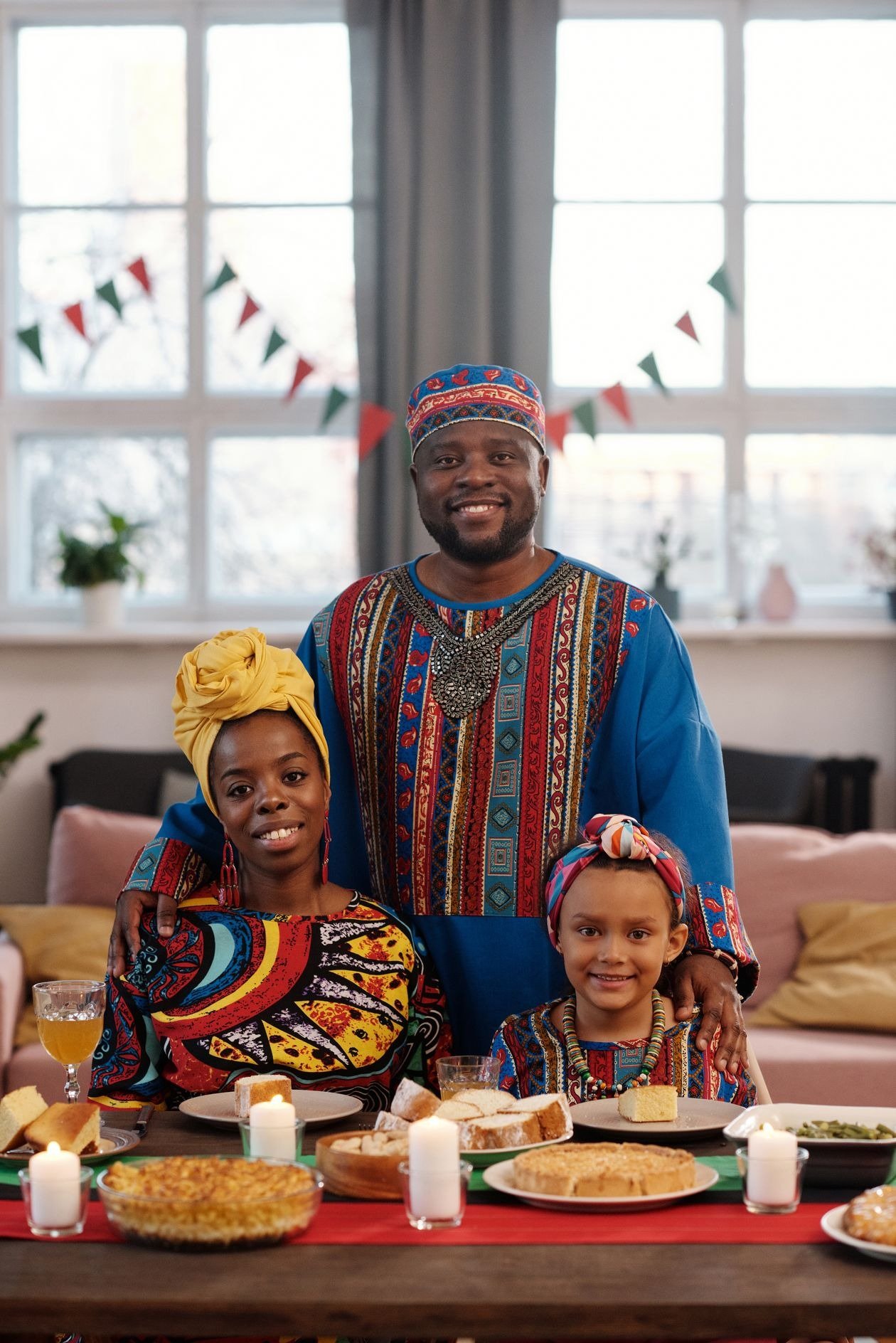
The unity cup, known as the kikombe cha umoja, symbolises togetherness and shared heritage, and displaying it with care honours its importance. Place the cup near the kinara on the woven mat, where it can be seen and used during the nightly ceremony when the family drinks together in unity. Surround it with other symbolic objects such as ears of corn representing children, a basket of fruit representing harvest, and a book or artwork representing knowledge and creativity. Choose objects that are meaningful to your own family, perhaps a photograph, a piece of heirloom jewellery, or a craft made by a child, so the display feels personal rather than generic. Keep the arrangement tidy and accessible, with each item given enough space to be noticed and discussed. When guests ask about the objects, the display becomes an opportunity to share stories, explain traditions, and invite everyone into the celebration with warmth and pride.
Wall Art Banners and Meaningful Textiles
Wall art, banners, and textiles transform plain walls into a gallery of culture, colour, and family pride during Kwanzaa. Hang fabric banners printed or painted with the seven principles, traditional patterns, or uplifting words such as unity, purpose, and creativity, using simple wooden dowels or decorative rods. Framed artwork by African and African diaspora artists, family photographs, and children’s drawings add depth and personality, especially when grouped together in a gallery wall above a sideboard. Textiles such as woven throws, patterned cushions, and table runners in bold prints bring warmth to living rooms and dining areas without permanent changes. Choose pieces that complement your existing furniture, repeating one or two colours so the room feels curated rather than cluttered. Textiles are also practical for the season, because throws invite guests to stay comfortable during long evening gatherings, and runners protect tables during festive meals and craft activities.

Lighting Ideas for Warm Evening Gatherings
Lighting shapes the mood of every Kwanzaa evening, turning ordinary rooms into warm, intimate spaces for storytelling, music, and shared meals. The kinara candles provide the central glow, but additional lighting such as string lights, lanterns, and candles in glass holders can extend that warmth throughout the home. Choose warm white lights rather than harsh cool tones, and drape them along mantels, shelves, and window frames for a gentle, festive sparkle. Lanterns with real or battery-operated candles work beautifully on entry tables and outdoor porches, while dimmed overhead lights allow candlelight to take centre stage. Always prioritise safety by keeping flames away from fabric, paper, and greenery, never leaving candles unattended, and using battery-operated alternatives where children or pets are present. Thoughtful lighting does more than decorate, because it slows the evening down, encourages conversation, and makes every gathering feel intentional and special.
Decorating the Entryway to Welcome Guests
The entryway sets the tone for the entire celebration, so decorating it with care makes guests feel welcomed the moment they arrive. A wreath on the door, a basket of greenery by the entrance, and a small table holding candles or a welcome sign create an inviting first impression. Add a woven runner or mat in festive colours, a bowl for keys and small items, and a framed card explaining the seven principles for visitors who are new to Kwanzaa. Fresh plants or a small potted tree bring life to the space, while a scented candle or simmering pot of orange and spice adds a welcoming fragrance. Keep the entryway tidy and easy to move through, because guests will be carrying coats, gifts, and dishes, and clutter can quickly feel stressful. A thoughtful entryway does not need to be grand, and a few well-chosen pieces in the traditional palette can communicate warmth, pride, and hospitality in an instant.
Kwanzaa Decorations for Small Spaces and Apartments
Small spaces and apartments can celebrate Kwanzaa beautifully, because the holiday values intention and togetherness more than square footage. Choose a single focal point, such as a small kinara on a shelf or a compact celebration tray on a coffee table, rather than trying to decorate every surface. Vertical space becomes your friend, with wall banners, hanging ornaments, and garlands drawing the eye upward without taking up floor space. Foldable or stackable items, such as fabric runners and lightweight ornaments, store easily after the celebration, while multipurpose pieces like a fruit bowl centrepiece serve both decoration and daily use. Mirrors and warm lighting make small rooms feel larger and more festive, and a single bold textile can transform a sofa or dining chair. By editing carefully and choosing pieces with meaning, even the smallest home can feel abundant, organised, and full of celebration during the seven days.
Outdoor and Porch Decorations for Kwanzaa
Outdoor decorations extend the celebration beyond the front door and share its beauty with neighbours and passers-by. Weather-resistant wreaths, lanterns, and planters in red, black, and green create a festive porch without the need for elaborate installations. Fill planters with evergreen branches, red berries, and pinecones, tie ribbons around porch railings, and place battery-operated lanterns along steps for a warm evening glow. A welcome mat in festive colours, a wooden sign with an uplifting word, and a basket of dried corn or gourds add character while withstanding winter weather. Keep outdoor decorations simple and secure, checking that nothing blocks walkways, mailboxes, or emergency access, and bringing delicate items inside during storms. Outdoor displays also invite conversation, giving neighbours a chance to learn about Kwanzaa and share in the spirit of community that the celebration honours so deeply.
Children Friendly Decorations and Learning Displays
Children learn best when they can touch, create, and explore, so Kwanzaa decorations should include pieces made for young hands and curious minds. Set up a low table where children can arrange felt symbols, build paper kinaras, and sort colourful beads by principle, turning decoration into a daily learning activity. Create a simple chart showing the seven principles with pictures, colours, and one-word reminders, and let children add a sticker or drawing each evening as a new principle is celebrated. Use sturdy, unbreakable ornaments at child height, and reserve delicate candles and glass items for higher shelves where adults can supervise. Storybooks about Kwanzaa, displayed face-out on a shelf, invite reading and questions, while a craft station stocked with paper, crayons, and fabric scraps encourages creativity all week. When children help decorate, they feel ownership of the celebration, and the home becomes a classroom filled with pride, curiosity, and joy.

Budget Friendly Kwanzaa Decoration Ideas
Beautiful Kwanzaa decorations do not require a large budget, because the celebration honours creativity, resourcefulness, and community over expensive purchases. Start with what you already own, such as plain candles, woven baskets, wooden bowls, and fabric scraps, and add colour with ribbons, paper, and paint rather than buying entirely new sets. Nature provides many free materials, including pine branches, dried leaves, pinecones, and fruit that can be arranged into striking centrepieces. Thrift stores, markets, and community exchanges often offer candle holders, textiles, and baskets at low prices, and handmade projects cost little while adding great personal value. Focus spending on one or two lasting pieces, such as a quality kinara or a woven mat, that can be reused for many years. By planning early, reusing items, and involving family in crafting, you can create a rich, abundant celebration that honours the principle of cooperative economics and leaves money for shared meals and gifts.
Blending Kwanzaa Decor with Your Existing Home Style
Kwanzaa decorations should enhance your home, not fight against it, so blending the celebration palette with your existing style keeps everything feeling harmonious. In a modern home, choose clean lines, simple candle holders, and a restrained palette with one bold textile as an accent. In a traditional home, layered textiles, wooden furniture, and rich colours feel natural, while in a minimalist space, a single kinara display and a few carefully chosen objects make a strong statement. Repeat materials already present in your rooms, such as wood, brass, glass, or linen, so new decorations look intentional rather than temporary. Avoid introducing too many competing patterns at once, and let your everyday furniture provide the backdrop for festive colour. When Kwanzaa decor blends seamlessly, the celebration feels like a natural extension of your home, welcoming to family and guests alike, and easy to enjoy throughout the entire week.

Preparing Decorations for Karamu and Feast Night
Karamu, the feast held on December 31, is the largest gathering of Kwanzaa, and decorations for this night deserve extra attention and abundance. Expand the main table with additional place settings, a longer runner, and extra candles in safe holders, so the room feels festive and ready for a crowd. Add a special centrepiece for the feast, such as a tall arrangement of branches, fruit, and flowers, that can be admired from every seat. Create a welcome display near the entrance with a guest book, a bowl of fruit, and a card explaining the evening’s programme, including music, toasts, and the sharing of the unity cup. Prepare a separate area for desserts, drinks, or a buffet, decorated with matching textiles and small candle arrangements. Finally, leave space for dancing, conversation, and children’s activities, because Karamu is about community as much as food, and the best decorations support gathering rather than getting in the way.
Storing and Reusing Kwanzaa Decorations Year After Year
Storing decorations carefully after January 1 ensures that next year’s celebration begins with treasured pieces in good condition, rather than a search through broken boxes. Clean candle holders, wash textiles, and wipe wooden items before packing, and wrap fragile ornaments individually in tissue paper or soft cloth. Label boxes clearly by category, such as candles, textiles, ornaments, and table items, and store them in a cool, dry place away from sunlight and moisture. Keep a small notebook or photograph of your favourite arrangements inside the box, so you can recreate successful displays quickly next December. Involve children in packing away handmade ornaments, explaining that these items will return like old friends each year. Reusing decorations honours sustainability, saves money, and builds tradition, because each year adds a few new handmade pieces to a growing collection that tells your family’s Kwanzaa story over time.


I am Talha Sikandar, a professional writer with a passion for general blogging. With years of experience in content writing and research, I founded Meaniingly.com to deliver well-researched, informative, and user-friendly articles on diverse topics.