Terracotta blush is the warm, sun-kissed answer to 2026’s blush obsession. With Pinterest searches for “terracotta blush makeup” up 164%, this earthy, burnt-orange flush has become the go-to for a natural, healthy glow that flatters nearly every skin tone. Unlike cool pinks that can look stark or bright corals that overwhelm, terracotta sits in the perfect middle ground: warm, sophisticated, and effortlessly wearable. This complete tutorial will teach you how to choose your shade, pick the right formula, and apply terracotta blush flawlessly, whether you want a barely-there daytime flush or a sculpted evening look.
What Is Terracotta Blush Makeup?
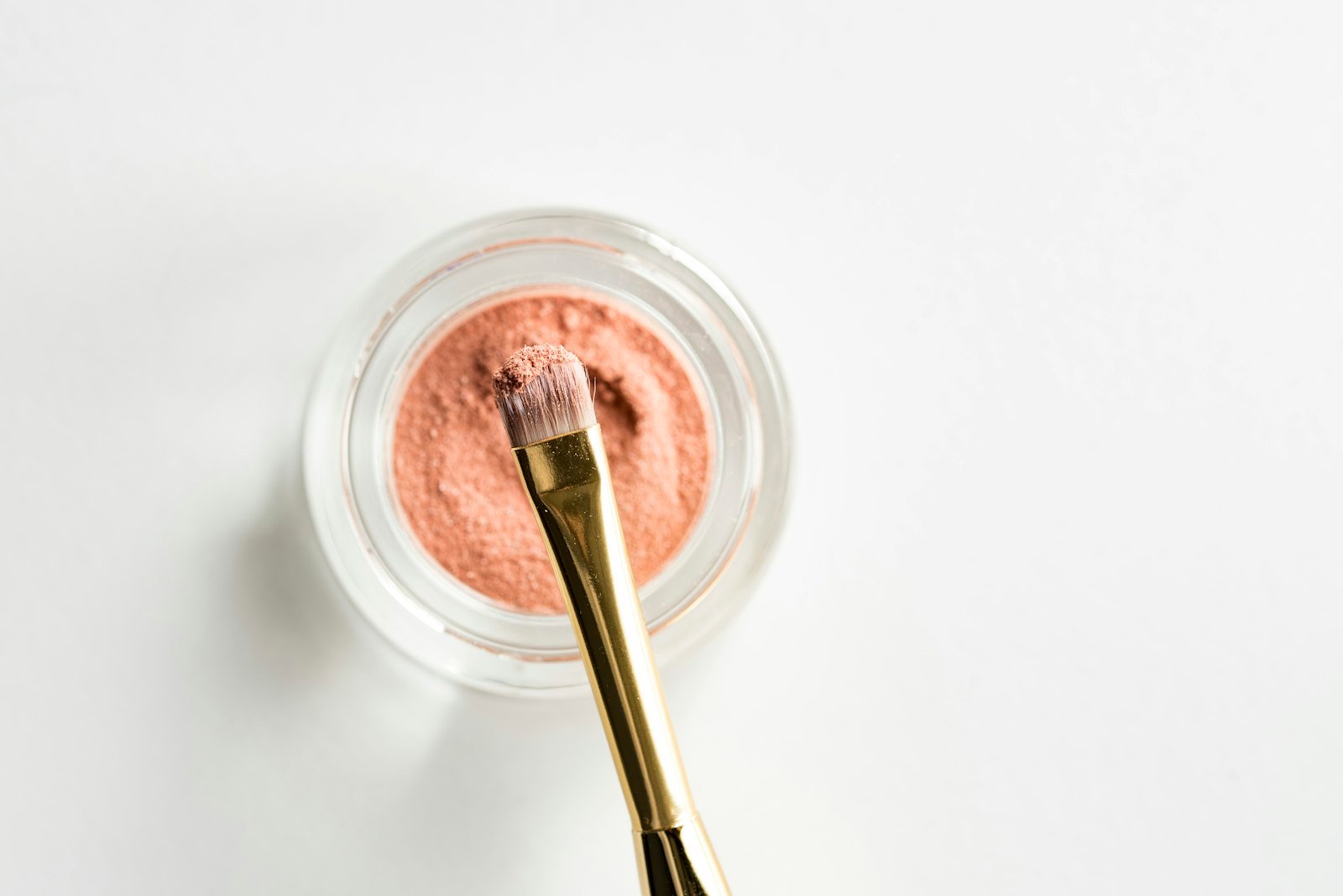
Terracotta blush makeup centers on blush shades in the terracotta family: warm, earthy tones ranging from soft clay and burnt sienna to deeper rust and baked cinnamon. The name comes from terracotta clay itself, and the shades share its natural, sun-baked warmth. In makeup, terracotta blush mimics the flush you get after time in warm sun, a lived-in warmth rather than a painted-on pop of color.
What makes terracotta special is its chameleon quality. On the skin, it reads as both blush and subtle contour, adding warmth and dimension in a single step. It bridges the gap between traditional pink blushes and bronzers, which is why makeup artists love it: one product can warm the complexion, define the cheekbones, and tie a whole look together. In 2026, it has moved from a niche artist favorite to a mainstream staple.
Why Terracotta Blush Is Trending in 2026
The terracotta blush trend is part of a larger shift toward warm, earthy beauty. After years of cool-toned contouring and stark highlighting, 2026’s aesthetic favors sun-warmed skin, soft dimension, and colors borrowed from nature. Terracotta fits perfectly: it is the color of desert landscapes, clay pottery, and golden-hour light, all of which dominate current mood boards.
It also answers a practical desire for simplicity. Terracotta blush can replace both blush and bronzer in a routine, which appeals to the skinimalism movement’s love of multi-use products. On social media, the shade photographs beautifully across skin tones, giving it broad shareability that niche shades lack. Pinterest’s 164% search increase reflects real-world adoption: this is a trend people are actually wearing, not just saving.
Understanding Terracotta: Undertones and Shades
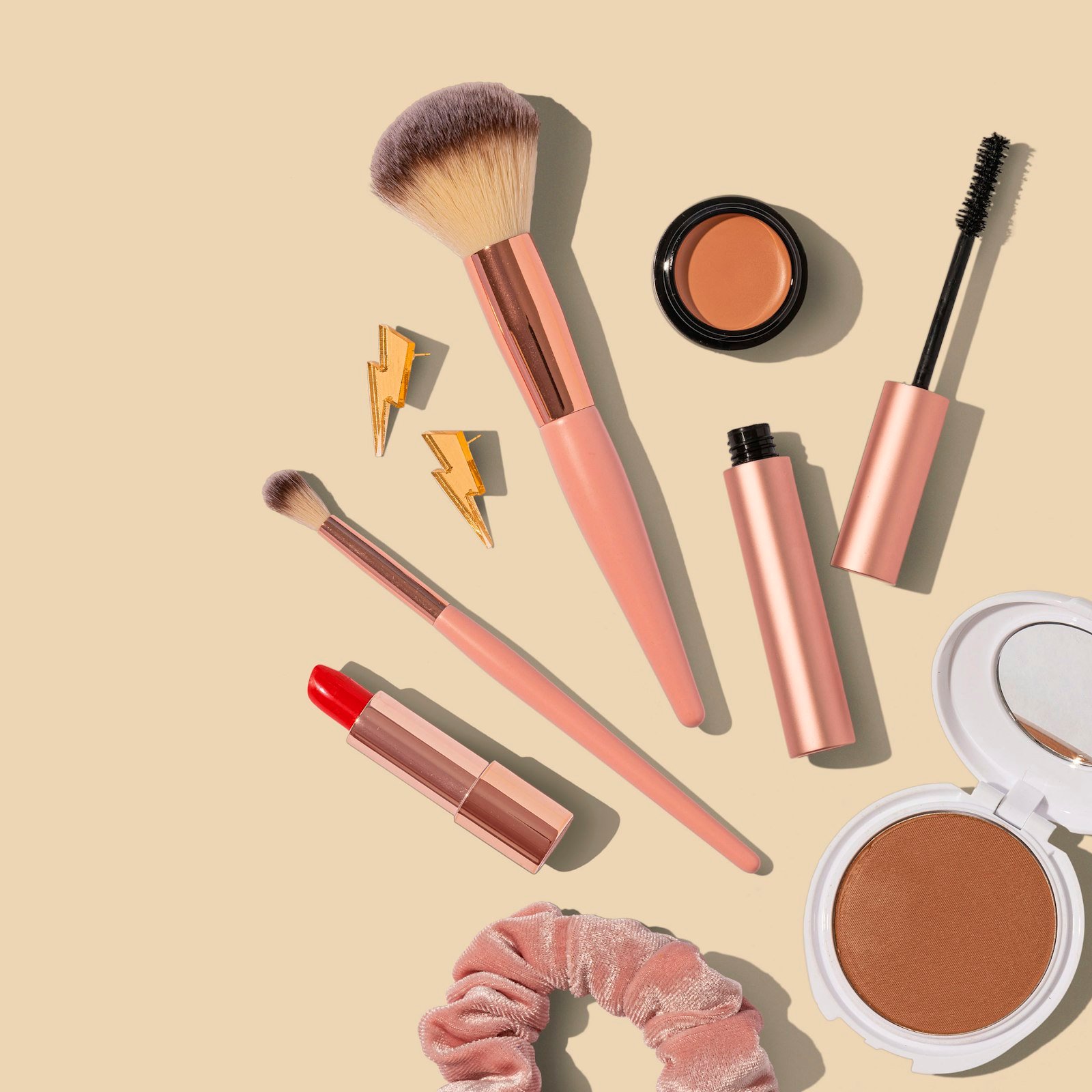
Not all terracottas are identical, and understanding the range helps you choose well. True terracotta is a warm orange-brown, but blushes in this family span from light peachy-clay, which suits fair skin, through classic burnt sienna, to deep rust and mahogany tones for deeper complexions. The undertone is consistently warm, but the depth and intensity vary enormously.
When shopping, distinguish terracotta from its neighbors. It is deeper and browner than peach, warmer and less red than brick, and more orange than mauve. Swatch on your jawline or wrist in natural light: the right terracotta should look like a natural extension of your skin’s warmth, not like a stripe of color sitting on top. If a shade looks orange in the pan but melts into a warm flush on skin, that is usually a good sign.
Finding Your Perfect Terracotta Shade by Skin Tone
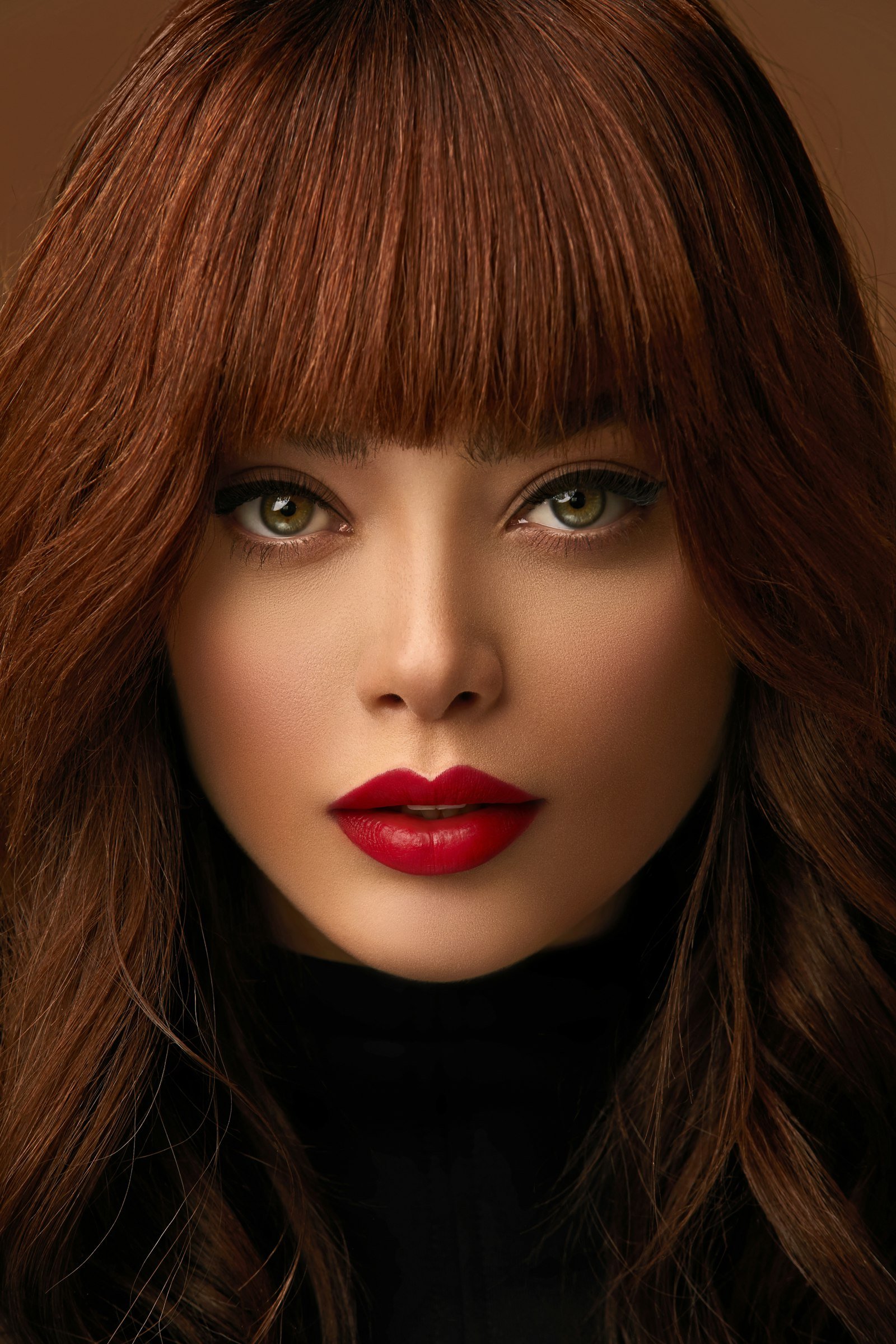
The golden rule of terracotta blush is contrast: the blush should be a few shades deeper and warmer than your natural skin tone, but not so deep that it reads as contour. Hold the blush next to your bare cheek in daylight; you want to see warmth and definition, not a stark line of color. As a starting point, fair skin suits light clay and soft sienna, medium skin glows in classic terracotta and burnt orange, and deep skin shines in rich rust and warm mahogany.
Undertone matters as much as depth. If your skin has warm or neutral undertones, most terracottas will harmonize easily. If you have cool undertones, choose terracottas with a slightly rosier or more muted profile rather than the most orange options, which can clash. When in doubt, choose the softer, more muted terracotta over the brightest one; muted shades are more forgiving and easier to build up gradually.
Terracotta Blush for Fair Skin
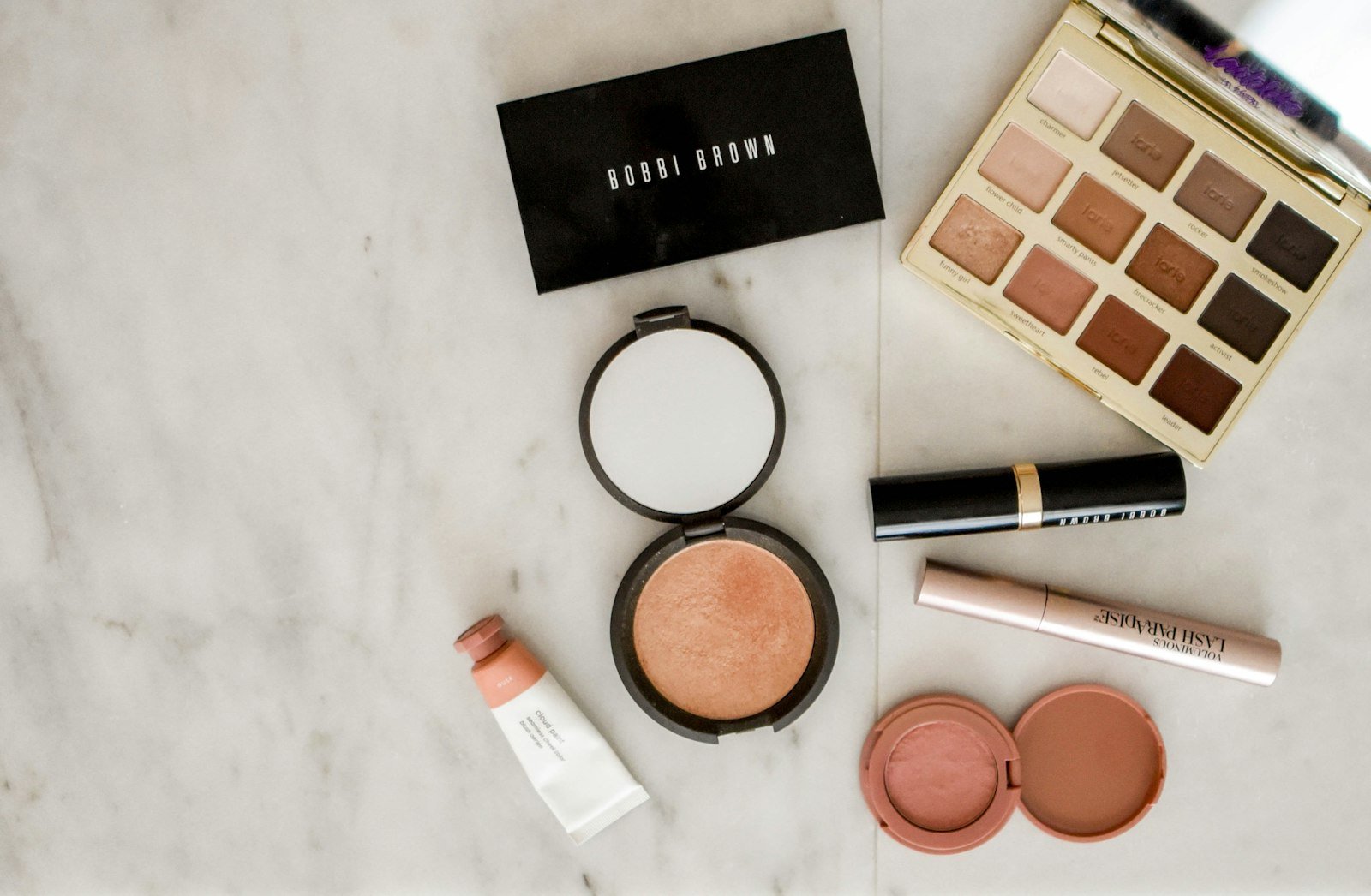
Fair skin and terracotta are a beautiful pairing when the shade is right. Look for light, muted terracottas: soft clay, dusty sienna, and peachy-brick tones that add warmth without overwhelming pale skin. Avoid the deepest rust shades, which can look muddy or overly dramatic on fair complexions unless applied with an extremely light hand.
Application matters as much as shade for fair skin. Use a fluffy, loosely packed brush and tap off excess product before touching your face; it is always easier to add more than to remove too much. Focus color on the apples of the cheeks and blend well into the hairline so there are no visible edges. A cream terracotta blush can be especially flattering on fair skin because it melts in sheer and buildable, giving that lit-from-within warmth rather than a powdery stripe.

Terracotta Blush for Medium and Olive Skin
Medium and olive skin tones are terracotta’s natural home. Classic terracotta, burnt sienna, and warm cinnamon shades look inherently harmonious here, enhancing the skin’s natural warmth rather than fighting it. Olive skin in particular benefits from terracotta’s orange-brown balance, which counteracts any sallowness and brings the complexion to life.
With medium skin, you can afford more pigment and bolder placement than fair skin allows. Try the draping technique, sweeping blush from the apples up toward the temples, for a sculpted warmth that defines the cheekbones. Both cream and powder formulas work beautifully; creams give a dewy, skin-like finish while powders offer more sculpting precision. Do not be afraid of shades that look intense in the pan: on medium skin, they often apply as the perfect natural-looking flush.
Terracotta Blush for Deep Skin
On deep skin, terracotta blush is nothing short of radiant. Rich rust, baked copper, and warm mahogany shades create a luminous warmth that lighter blushes simply cannot achieve on deeper complexions. The key is pigmentation: choose highly pigmented formulas, since sheer shades can disappear on deep skin and leave an ashy cast.
Apply with a denser brush to deposit enough color, building in layers until you reach the desired intensity. Terracotta on deep skin can be placed slightly higher and wider than usual, sweeping across the cheekbones toward the temples, which sculpts while it warms. Pair with a golden or bronze highlighter on the high points of the cheeks to amplify the glow. The combination of rich terracotta and luminous highlight on deep skin is one of the most striking looks in modern makeup.
Cream vs. Powder vs. Liquid: Choosing Your Formula
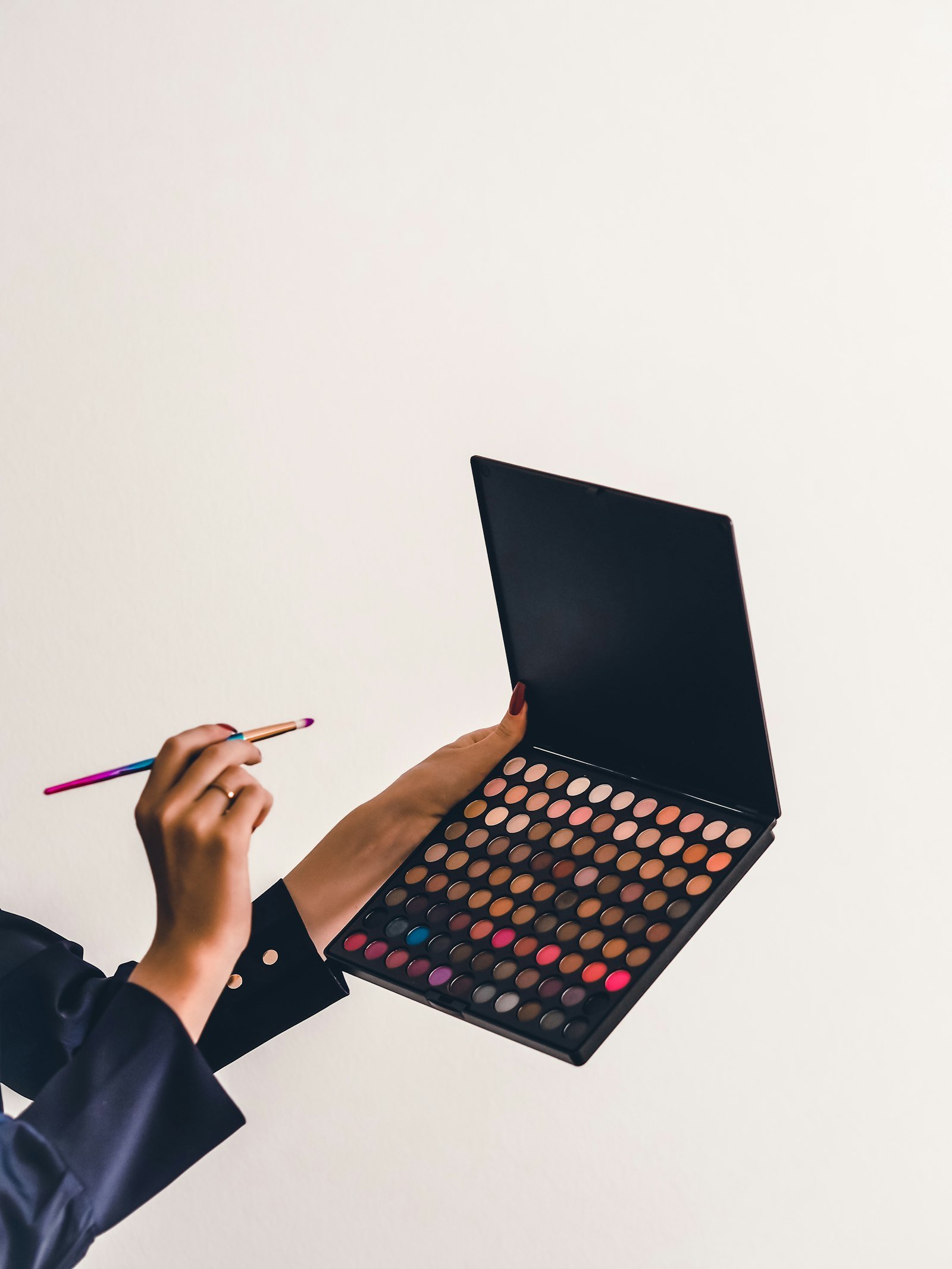
Terracotta blush comes in three main formulas, each with distinct strengths. Powder blush is the most familiar: easy to control, great for oily skin, and ideal for sculpted, defined looks. Choose a finely milled powder to avoid patchiness, and apply with a brush matched to your desired intensity, fluffy for sheer, dense for bold.
Cream blush, in sticks, pots, or tubes, melts into skin for the most natural finish and suits dry and mature skin beautifully. Apply with fingers, a sponge, or a stippling brush, pressing the color in rather than dragging. Liquid blush offers the sheerest, most skin-like wash of color and layers well over foundation, but it sets quickly, so blend immediately after applying. Many terracotta devotees keep both a cream and a powder: cream for everyday warmth, powder for longer wear and more definition.
Essential Tools for Blush Application
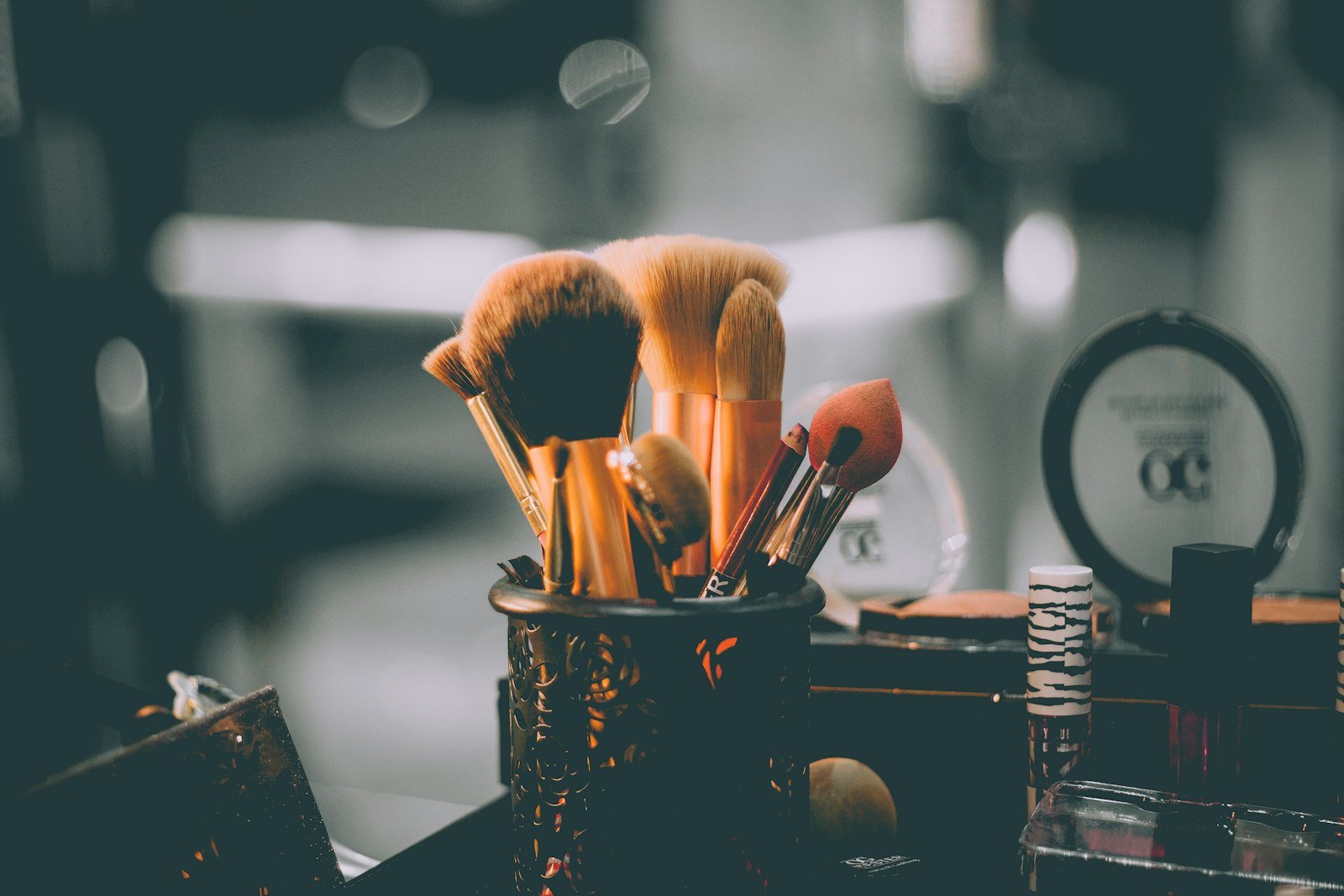
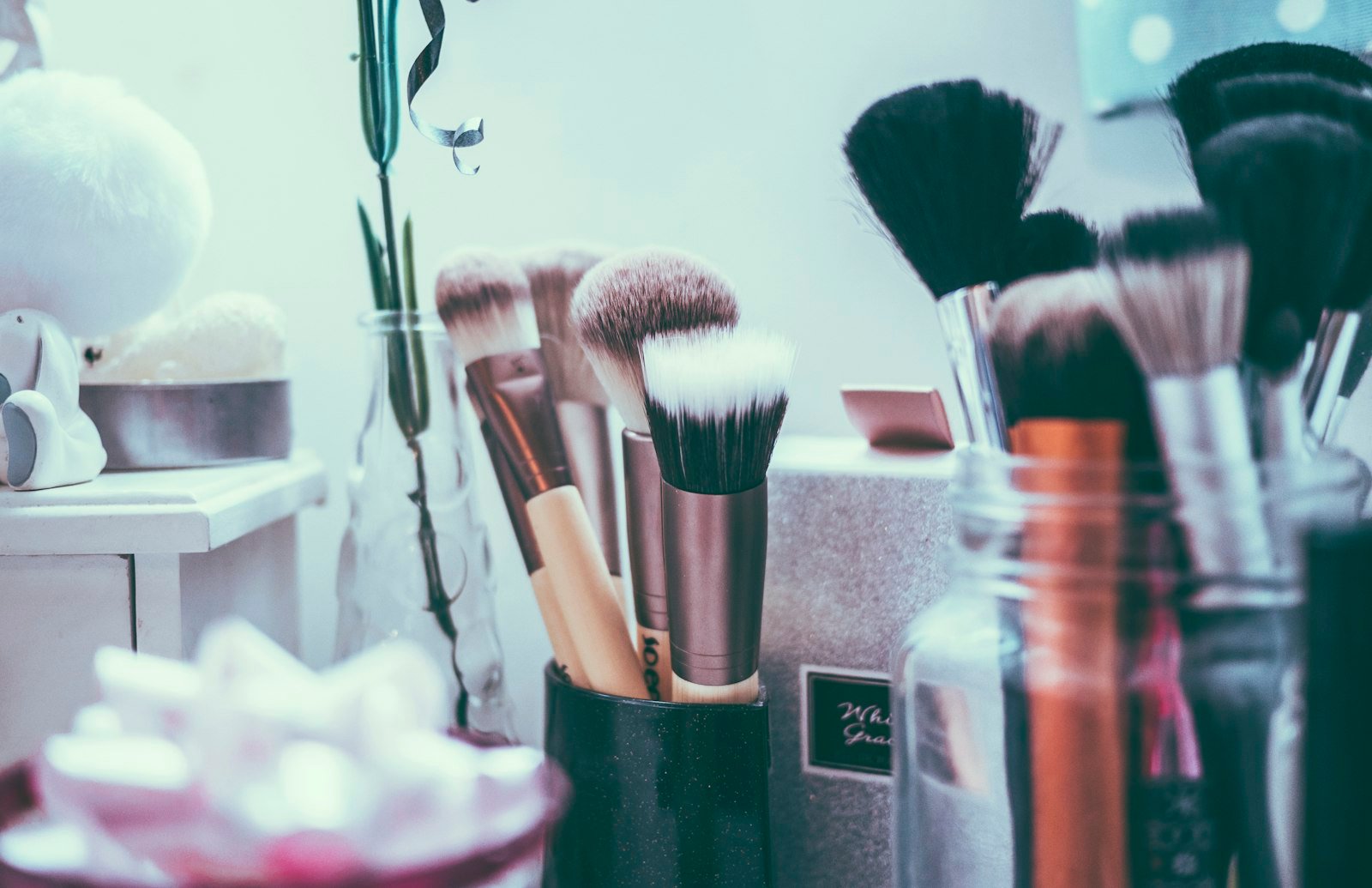
The right tools make terracotta blush nearly foolproof. A medium fluffy blush brush is the workhorse: it diffuses powder evenly and is forgiving for beginners. A denser, more tapered brush deposits more color for sculpted looks on medium to deep skin. For cream formulas, a damp makeup sponge or your fingertips often beat brushes, pressing color into the skin for a seamless finish.
Keep a clean fluffy brush on hand purely for blending; running it over the edges of your blush after application erases harsh lines. Whatever tools you use, keep them clean: dirty brushes deposit old product unevenly and can muddy terracotta’s warm clarity. Wash brushes weekly with gentle soap, reshape, and dry them bristle-down or flat. Good tools, well maintained, are the difference between blush that looks airbrushed and blush that looks amateur.

Skin Prep for a Flawless Blush Base
Terracotta blush looks best on well-prepped skin. Start with moisturizer suited to your skin type, since blush clings to dry patches and slides off oily ones. If you wear foundation, apply it first and let it set for a minute; blush applied over tacky foundation can grab unevenly and create patches that are hard to blend.
For powder blush, a light dusting of translucent setting powder over the cheeks before blush helps the color glide on smoothly and blend effortlessly. For cream blush, skip the powder and apply directly over foundation while it is still slightly fresh, which helps the cream melt in. Either way, the goal is an even, calm canvas: blush should look like it is blooming from within the skin, not sitting on top of it.
Step-by-Step: Classic Terracotta Blush Application
Master this classic technique and you can wear terracotta blush every day. Step one: smile slightly to find the apples of your cheeks, the roundest part that pops when you smile. Step two: pick up a small amount of product on your brush and tap off the excess; you can always add more. Step three: apply to the apples using soft circular motions, then sweep the brush upward and outward toward your temples, which lifts the face.
Step four: blend the edges with a clean fluffy brush using light, sweeping motions until no harsh line remains. Step five: step back from the mirror and assess in natural light if possible; indoor lighting often makes blush look stronger than it is. The finished result should be a warm, seamless flush that looks like it comes from within. If it looks too strong, press a damp sponge over the area to sheer it out rather than starting over.

The Draping Technique With Terracotta
Draping is a 1980s technique revived for the terracotta era: instead of confining blush to the apples, you sweep it dramatically from the cheeks up toward the temples and even toward the forehead, sculpting the face with color rather than contour. Terracotta is the ideal draping shade because its warmth sculpts and flushes simultaneously.
To drape, use a larger, fluffier brush than usual and apply blush in a sweeping C-shape: start at the apple, curve up along the cheekbone, and extend toward the temple. Keep the color most intense on the cheekbone itself and diffused at the edges. Draping suits evening looks and photoshoots best; for daytime, do a softer version with a lighter hand. The technique gives incredible dimension, but it demands thorough blending, so take your time with the clean blending brush afterward.

Terracotta Blush as Eyeshadow: Monochromatic Looks
One of terracotta blush’s best tricks is doubling as eyeshadow for a cohesive monochromatic look. Sweep the same terracotta shade across your lids with a fluffy brush, deepening the outer corner with a slightly darker brown if you like. The shared tone between cheeks and eyes creates a harmony that looks intentional and polished with minimal effort.
For a complete monochrome moment, carry the terracotta onto the lips too: a terracotta lipstick or a dab of cream blush pressed onto the lips ties everything together. Keep the rest of the face simple, groomed brows, a coat of mascara, and luminous skin, so the warm monochrome story stays the focus. This three-in-one approach is perfect for travel, since a single terracotta product can do eyes, cheeks, and lips.

Pairing Terracotta Blush With Your Lip Color
Terracotta blush is versatile with lip colors, but a few pairings are foolproof. Nude and brownish-nude lips let the blush be the star and keep the look balanced and modern. Terracotta or brick-toned lips create a tonal, 90s-inspired look that is very current. Classic red lips also work, provided the red has warm undertones; a blue-red lipstick can clash with terracotta’s warmth.
Avoid pairing terracotta blush with cool pink or frosty lilac lips, since the temperature clash makes both look off. If you love pink lips, choose a warm rose or coral-pink that shares terracotta’s warmth. As a general principle, match the undertone temperature: warm blush with warm lips, and the whole face will look coherent even when the specific shades differ.
Daytime Terracotta Blush: Soft and Natural
For daytime, terracotta blush should whisper. Choose a cream or liquid formula in a soft clay shade and apply sheerly to the apples, blending well. Pair with minimal eye makeup, just mascara and groomed brows, and a nude or sheer lip. The effect is healthy, rested, and polished: the makeup equivalent of a good night’s sleep and a morning walk.
Daytime application benefits from restraint in tools too: fingers or a damp sponge give the sheerest finish. Set only the T-zone with powder, leaving the cheeks fresh and skin-like. This is terracotta blush at its most wearable, appropriate for offices, school runs, and weekends alike. It is also the best version to try first if you are new to the shade.

Evening Terracotta Blush: Bold and Sculpted
Evening is your license to intensify terracotta. Choose a powder formula in a deeper rust or burnt sienna and apply with a denser brush, building the color in layers. Extend the placement further toward the temples and slightly under the cheekbones for sculpting, and pair with a warm bronze highlighter on the high points of the face.
Balance the bolder cheek with defined eyes: a warm smoky eye in browns and coppers, or a classic winged liner, keeps the look evening-appropriate. Lips can go nude-brown to let the cheeks dominate, or deep berry for full drama. Evening terracotta blush photographs beautifully because its warmth reads as healthy glow under artificial light, making it a strong choice for dinners, parties, and events.

Common Blush Mistakes and How to Fix Them
The number one terracotta blush mistake is applying too much, too low. Blush placed too low on the cheeks drags the face down; keep the color on the apples and above, blending upward. If you have overdone it, do not wipe it off and start over: press a damp makeup sponge over the area to lift excess, or sweep a little foundation over the top to tone it down.
Other common errors include using a dirty brush, which muddies the warm tone, and skipping blending, which leaves visible edges. Choosing a shade far too deep for your skin tone is another pitfall; if every application looks harsh no matter how little you use, the shade is wrong, not your technique. Finally, remember that blush fades: what looks perfect in your bathroom mirror may need a touch more to survive the day, so check in natural light before you leave.

Making Terracotta Blush Last All Day
Longevity starts with layering: apply a cream terracotta blush first, then set it with a matching powder blush on top. The cream grips the skin, the powder locks the cream in place, and the combination wears for hours longer than either alone. This layering trick is used by professional makeup artists for red-carpet looks that must survive an entire evening.
Set your base well before blush, since blush fades fastest on oily, unset skin. A setting spray after makeup application fuses the layers together and extends wear; choose a natural-finish spray rather than a matte one to preserve terracotta’s warmth. For touch-ups, carry your blush and a small brush, or simply press a fingertip of cream blush onto the apples midday to revive the flush. Blot excess oil first so the touch-up applies evenly.

Best Terracotta Blush Products in 2026
The market is full of excellent terracotta blushes at every price point. When shopping, look for shades described as terracotta, baked clay, burnt sienna, warm brick, or cinnamon. Cream sticks are the easiest entry point for beginners because they are portable and blendable; powder compacts offer the widest shade ranges and the longest wear.
Drugstore brands now rival luxury formulas in this category, so do not assume you must spend heavily. Swatch testers on your jawline in natural light whenever possible, and check how the shade looks after a minute, since some formulas oxidize slightly darker. Read reviews specifically from people with your skin tone, because terracotta’s appearance varies dramatically across complexions. One well-chosen terracotta blush that you reach for daily beats a drawer full of almost-right shades.
Removing Makeup and Caring for Your Skin
A good blush day deserves a good cleanse at night. Terracotta pigments, especially long-wear formulas, need thorough removal to prevent clogged pores and dullness. Start with a cleansing balm or micellar water to dissolve the makeup, massaging gently over the cheeks where blush was applied. Follow with your regular cleanser for a complete double cleanse.
After cleansing, care for the skin that will wear tomorrow’s blush. Exfoliate gently once or twice a week to keep the cheek area smooth, since blush grabs onto dry patches. Moisturize well every night; hydrated skin holds blush more evenly and needs less product. Healthy, well-cared-for skin is the true foundation of every great terracotta blush look, more important than any single product or technique.

I am Talha Sikandar, a professional writer with a passion for general blogging. With years of experience in content writing and research, I founded Meaniingly.com to deliver well-researched, informative, and user-friendly articles on diverse topics.