Some weddings are pretty. An opera wedding is an event — the kind guests talk about for years, the kind that feels less like a party and everything like the opening night of something magnificent. Named one of Pinterest’s standout predictions for 2026, the opera aesthetic wedding draws on old-theater romance: dramatic drapery pooling from the ceiling, velvet in jewel tones, hundreds of candles flickering against dark walls, a palette of burgundy, gold, and black, crystal catching the light, roses everywhere, and masquerade-inspired details that invite a little mystery. This guide gives you concrete opera aesthetic wedding ideas for every part of the day — venue, palette, decor, attire, stationery, music, and budget — so you can stage a celebration with genuine theatrical soul. Curtain up.
What the Opera Aesthetic Means for Weddings
The opera aesthetic is maximalism with discipline. It borrows the visual language of 19th-century European opera houses — gilded moldings, crimson velvet, tiered balconies, gaslight glow — and translates it into a wedding that feels sumptuous but intentional. The key words are drama, romance, and richness: every element should feel a little larger than life, from the towering floral arrangements to the weight of the drapery. But discipline matters. True opera style is curated, not cluttered; it is five spectacular gestures rather than fifty small ones. A single twelve-foot floral installation beats a dozen fussy centerpieces, and one wall of candlelight beats candles scattered at random. Think like a set designer: every choice serves the story, and the story is passion — grand, unapologetic, candlelit passion.
Choosing Your Venue: Old-Theater Romance
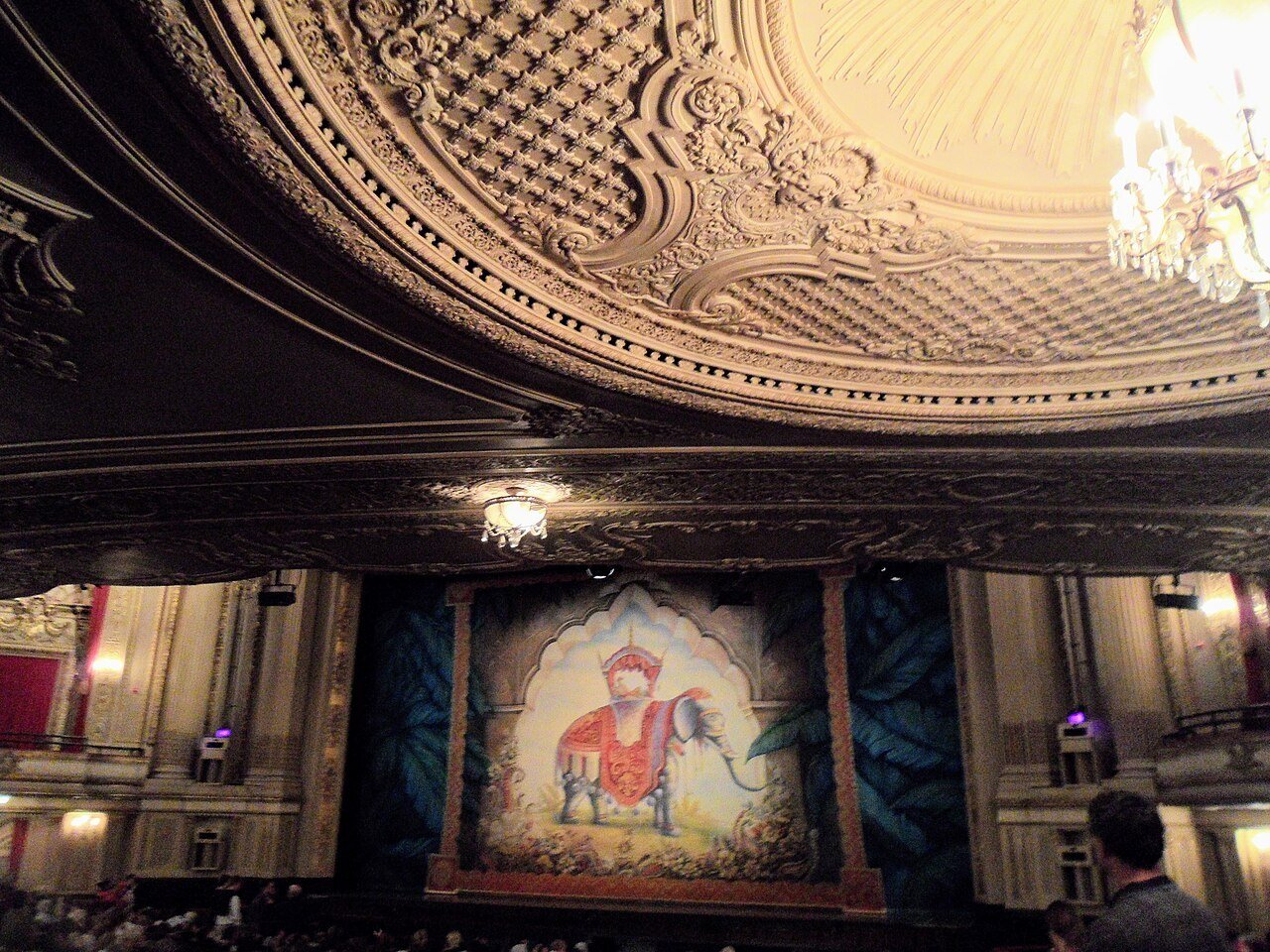
The venue does half the work for you, so choose somewhere with bones. Historic theaters, old churches, baroque-style ballrooms, and dark-wood libraries all bring instant atmosphere that no amount of decor can fake. Look for high ceilings (drapery needs height), existing architectural detail, and lighting you can dim — overhead fluorescents are the enemy of this aesthetic. If a true theater is out of budget, a plain ballroom can be transformed with enough drapery and candlelight; darkness is forgiving. Always ask about open-flame policies before falling in love with a candle-heavy vision — many historic venues require LED alternatives.
The Color Palette: Burgundy, Gold, and Black
Burgundy, gold, and black is the holy trinity of the opera wedding, and the ratio matters: let burgundy dominate, use black as your grounding shadow, and deploy gold as the jewelry — sparingly, where it will catch candlelight. Burgundy covers drapery, florals, bridesmaid dresses, and lounge velvet. Black appears in stationery, taper candles, table linens, and tailored suiting. Gold shows up in flatware, charger plates, candle holders, calligraphy ink, and gilded frame signage. To keep the palette from feeling flat, work in tonal variation: oxblood, merlot, and black-cherry roses read as one family but add depth, while antique gold and bright brass together feel collected rather than matched. One caution — resist adding a fourth loud color. Blush, sage, or bright white accents dilute the drama; if you need a softener, ivory candles and candlelight itself provide all the warmth you need.

Dramatic Drapery: Ceilings, Walls, and Entrances
Drapery is the single most transformative element of this aesthetic. Ceiling draping — fabric gathered at a central chandelier or medallion and swagged outward — turns any room into a tented, intimate world and makes even cavernous halls feel enveloping. For walls, floor-to-ceiling panels in burgundy or black velvet hide ugly architecture and create a cocoon of color. Your entrance deserves its own moment: a draped archway or a corridor of fabric panels that guests walk through builds anticipation like an overture. Choose fabrics with weight and movement — velvet, heavy satin, or layered sheer over solid — because cheap, thin fabric reads instantly and ruins the illusion. Rent from a draping specialist rather than DIYing; professionals know the rigging, the fire-retardant requirements, and the gathering techniques that make fabric look luxurious. Budget roughly a third of your decor spend here — it earns it.

Velvet Everywhere: Linens, Lounges, and Texture
If drapery is the architecture, velvet is the upholstery of the opera wedding. Start with the tables: velvet tablecloths in burgundy or black create a moody base that makes gold flatware and candlelight glow. Then build lounge areas — a must for this aesthetic — with velvet sofas and armchairs in jewel tones, grouped around low tables with candles and ashtray-free cigar-style ambiance. Velvet ribbon becomes your workhorse detail: chair sashes, bouquet wraps, napkin ties, and curtain tiebacks. Even your stationery can join in with velvet ring boxes and velvet-covered menu cards. Mix velvet with contrasting textures so it does not overwhelm — raw silk, hammered metal, dark wood, and glass all keep the look dimensional. And remember that velvet photographs like a dream in low light, which is exactly where your photographer will be working all night.

Candlelight: Hundreds of Flames, Zero Harsh Light
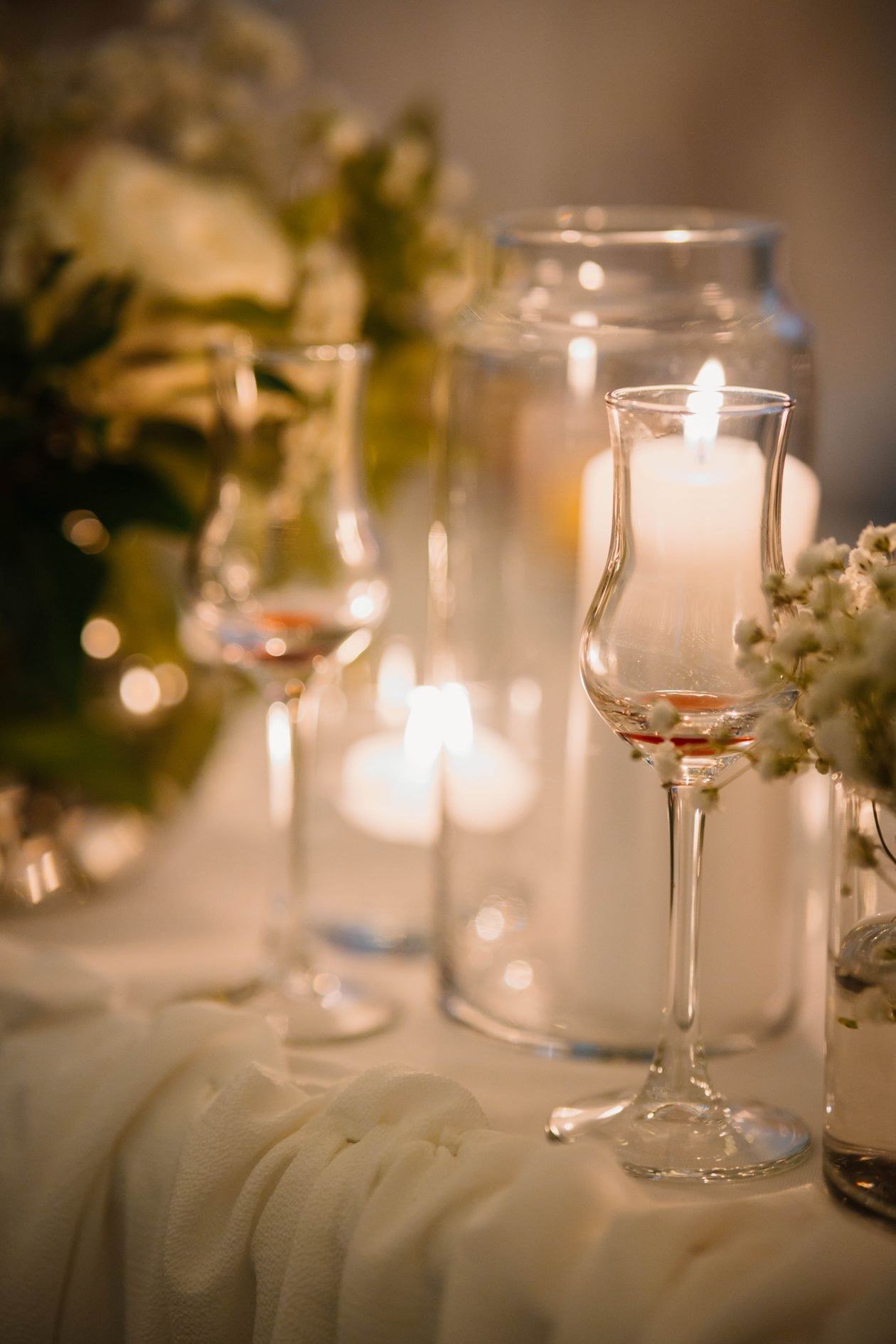
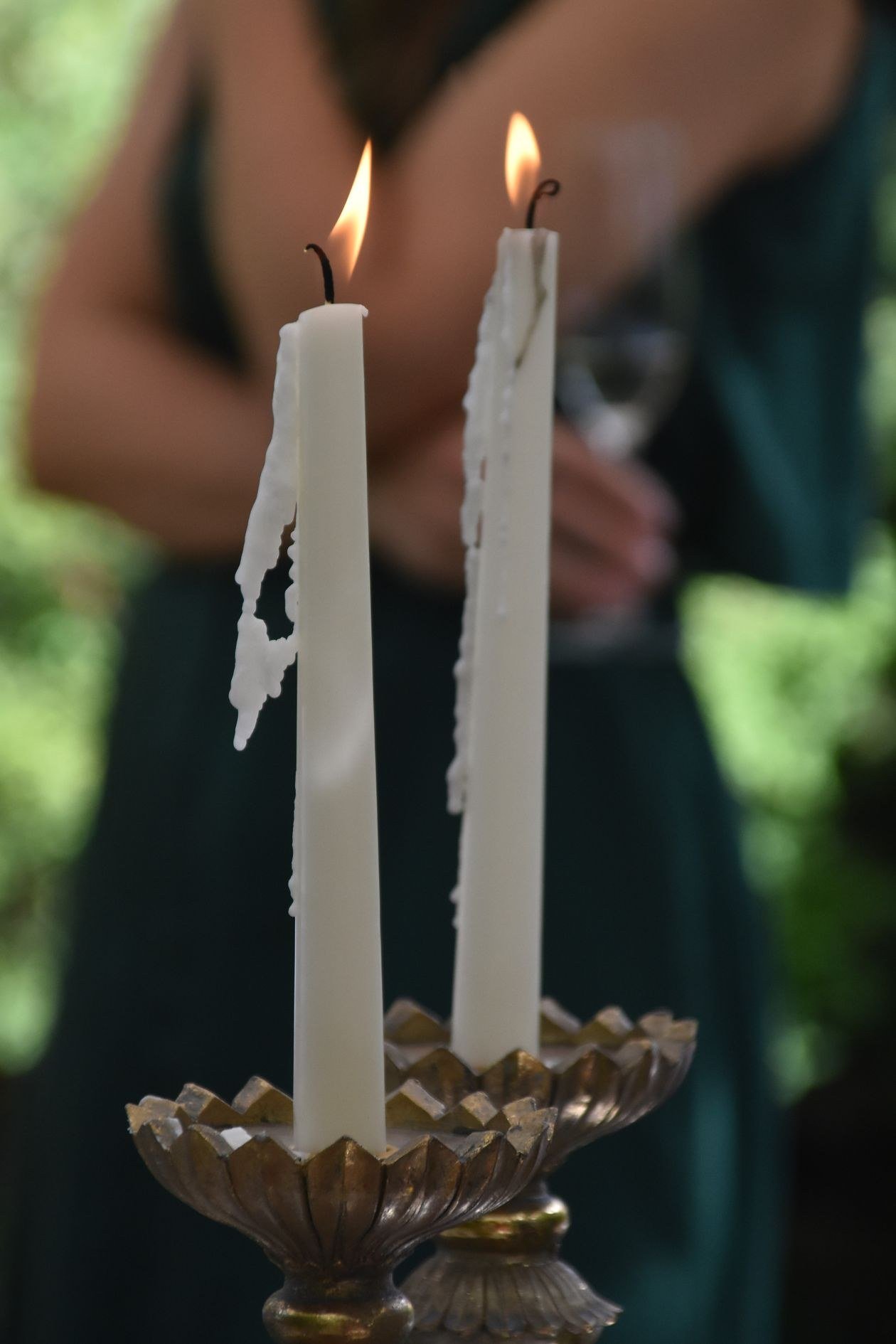
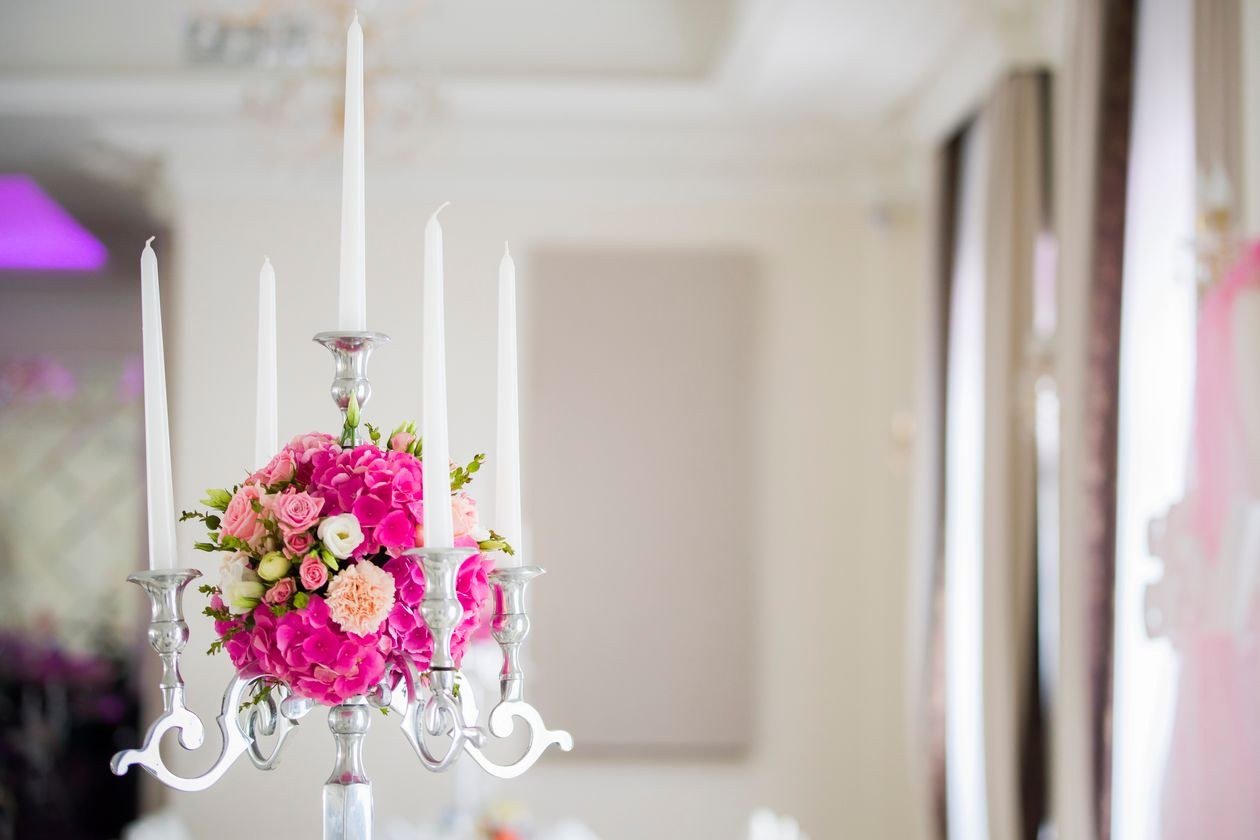
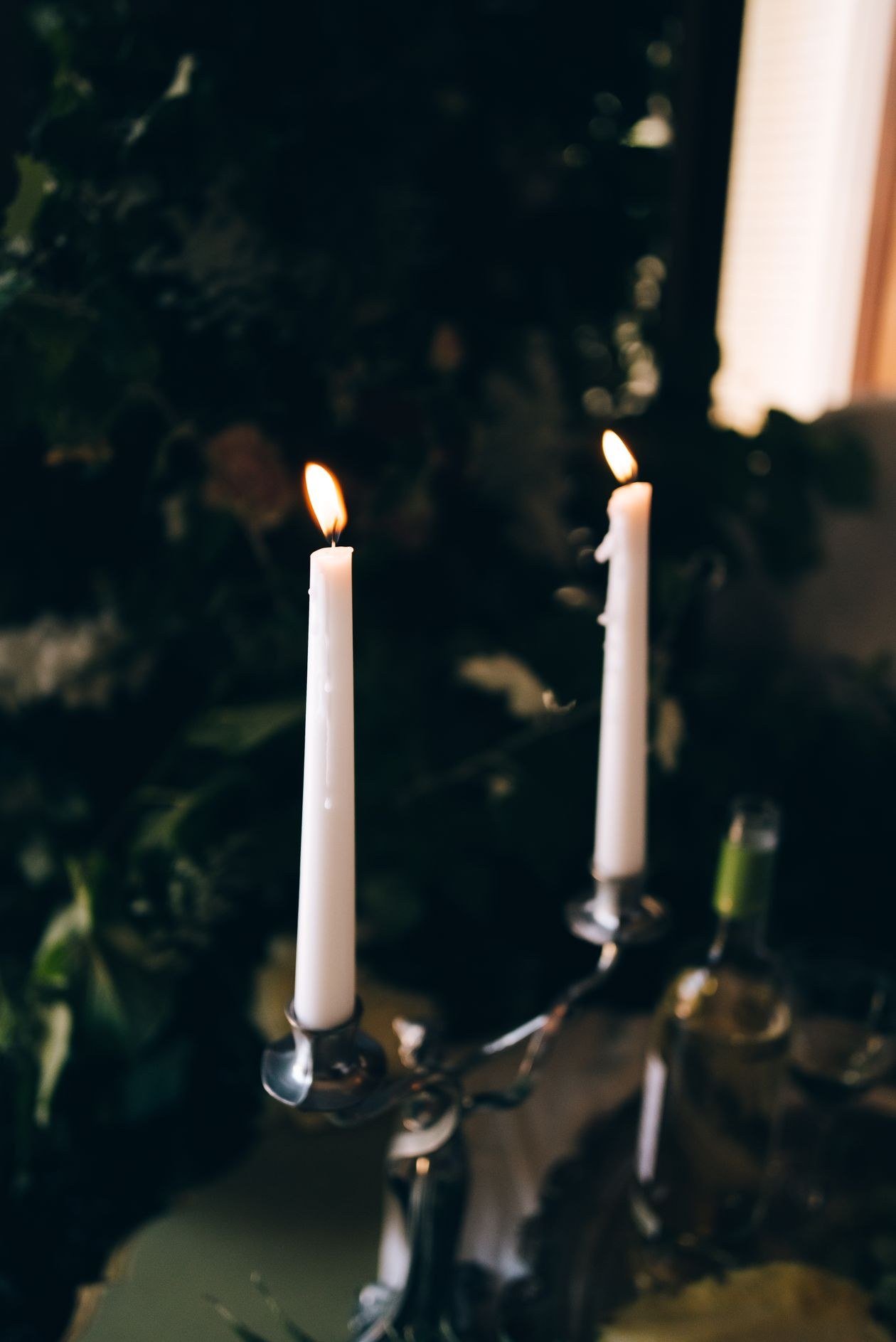
An opera wedding runs on candlelight — full stop. Plan for hundreds of candles, not dozens: clusters of pillar candles in glass hurricanes down the aisle, taper candles in brass holders marching down banquet tables, votives scattered across every flat surface, and a dramatic moment like a wall of candles behind the sweetheart table. Vary the heights for a professional look; a single flat plane of votives reads as a restaurant, while mixed heights read as a film set. If your venue bans open flame, invest in high-quality LED candles with a warm 2200K color temperature and a realistic flicker — cheap cool-white LEDs will destroy the mood instantly. Keep all other lighting dim and warm: ask your DJ or lighting designer for amber uplighting only, and kill the overheads the moment dinner begins. The goal is a room that glows like the inside of a lantern.
Crystal and Glass: Chandeliers and Sparkling Details
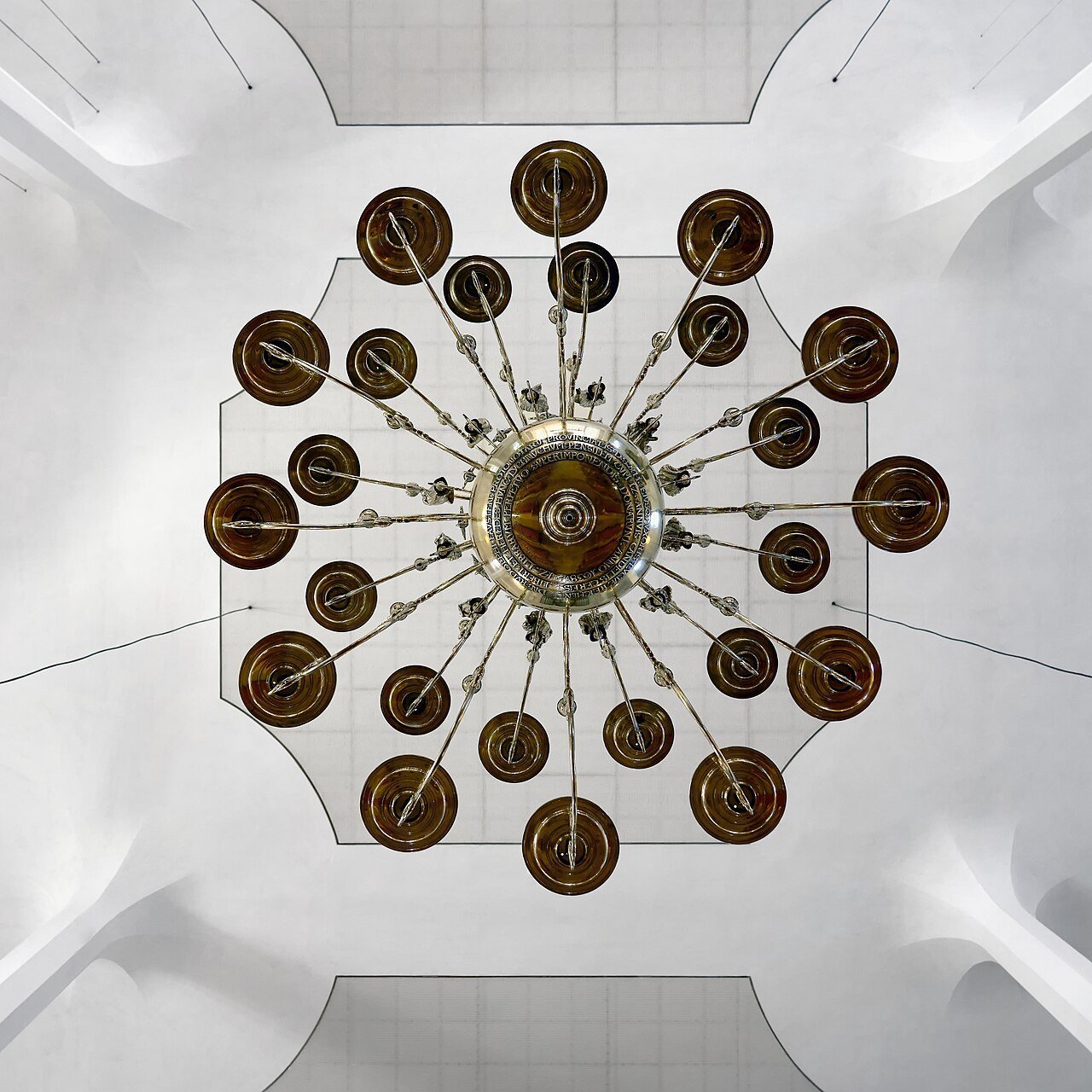
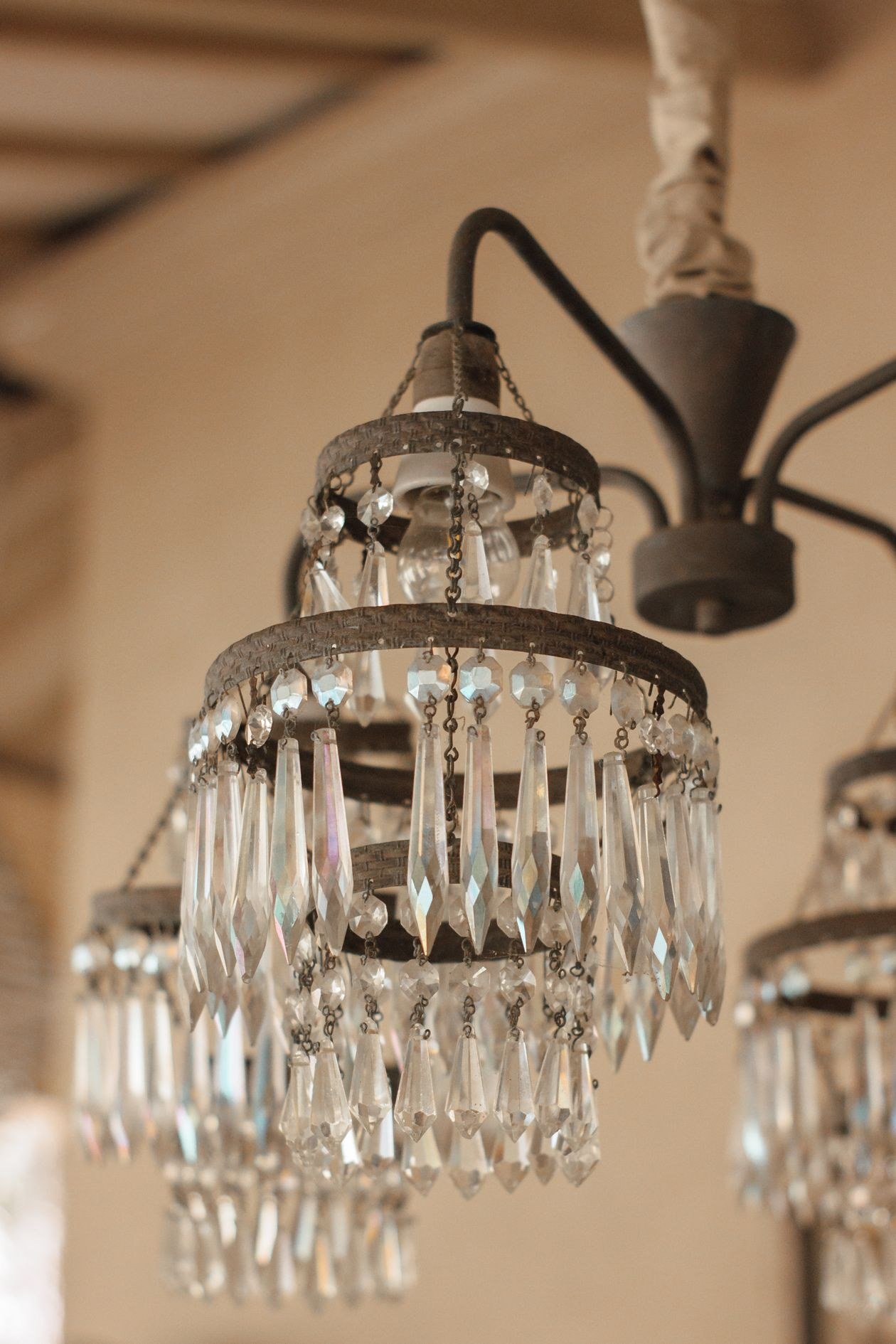
Crystal is how the opera aesthetic gets its sparkle. If your venue has chandeliers, you are halfway there — dim them to their lowest warm setting and let them do the work. If not, rent one or two statement crystal chandeliers to hang over the dance floor or sweetheart table; the rental cost is high, but the visual payoff is enormous. Beyond chandeliers, layer in crystal at table level: cut-crystal goblets and coupes, crystal candlesticks, beaded charger plates, and hanging crystal strands from floral installations that throw prisms across the room. Glass plays a supporting role — smoked glass vases, mercury glass votives, and glass cloches over small desserts all add reflective depth. One rule: crystal needs candlelight to earn its keep. In bright light it looks like a showroom; in flickering amber it looks like magic. Time your room reveal for dusk or full dark.
Roses in Abundance: Deep Reds and Dark Foliage
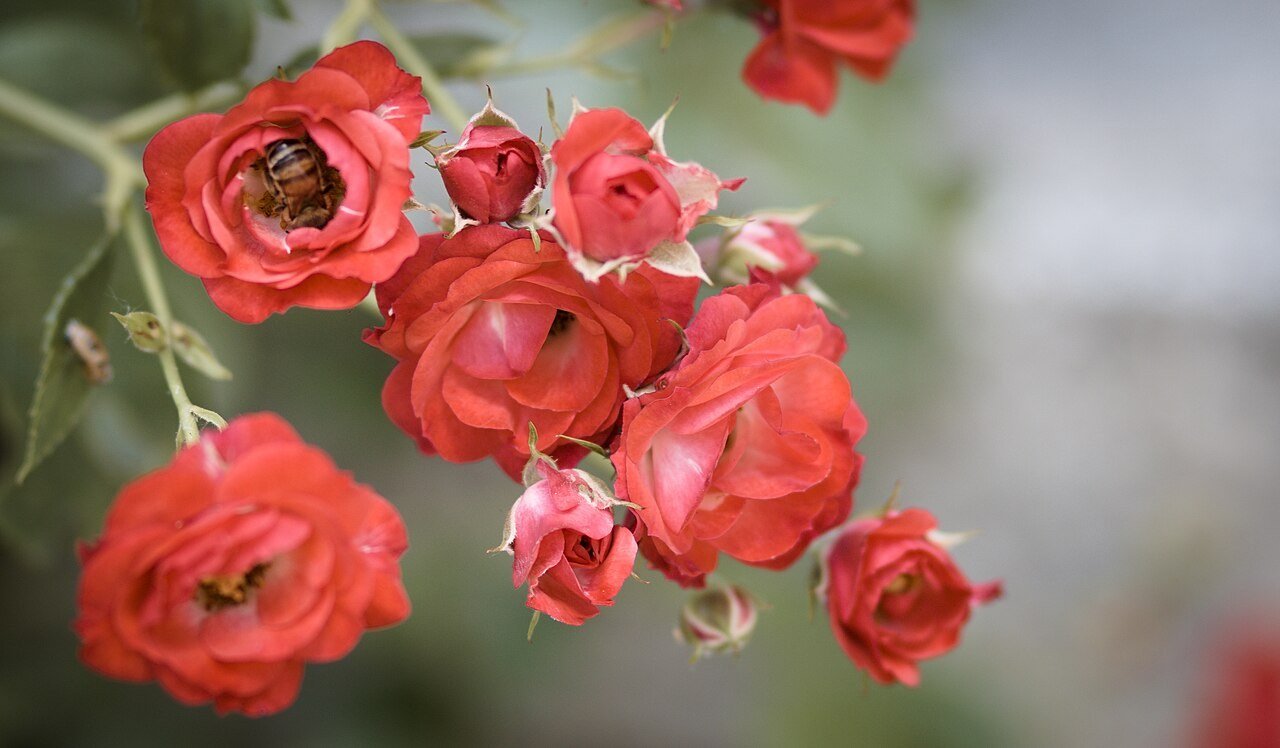
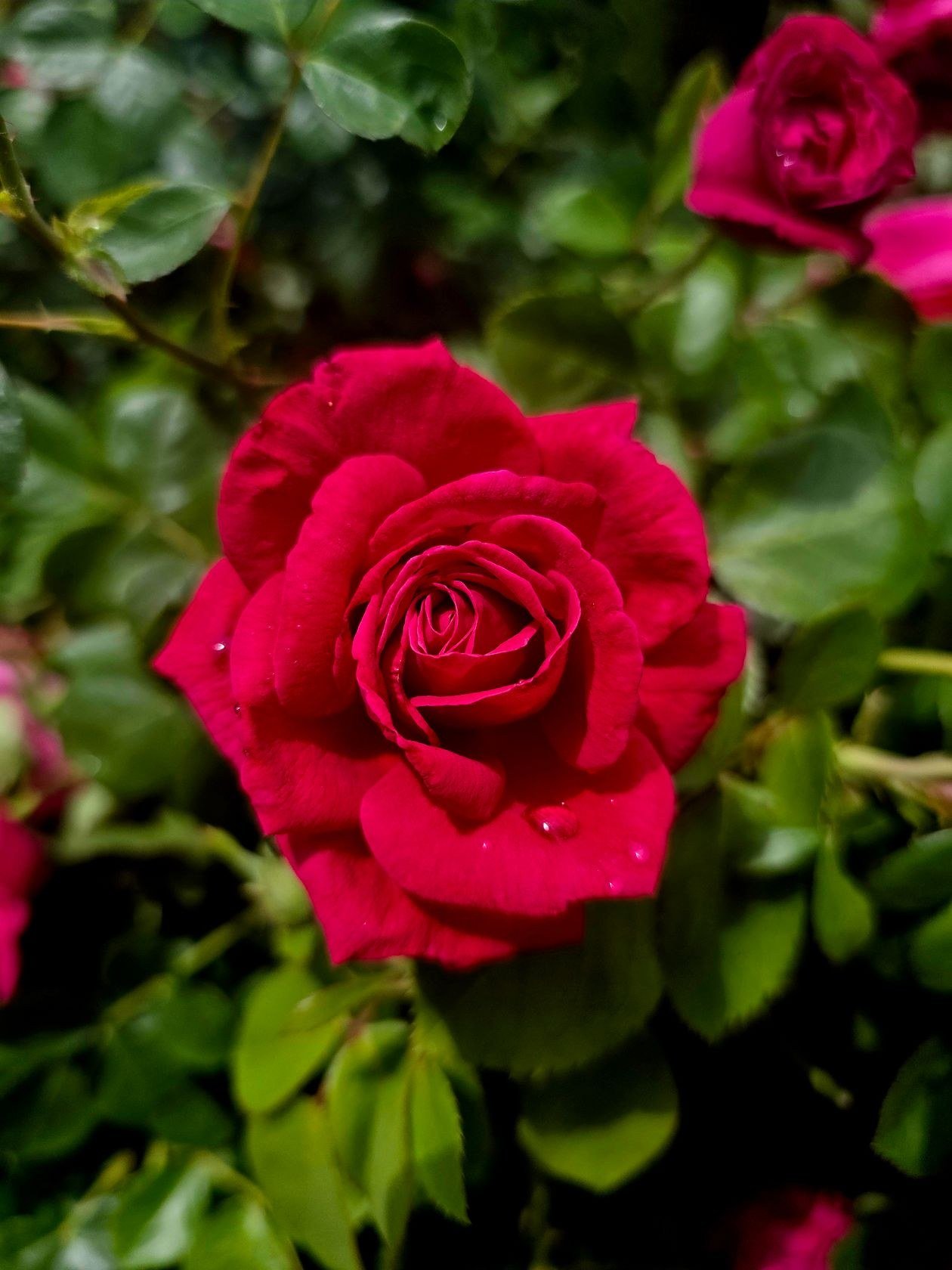
Roses are the opera flower — lush, romantic, faintly decadent — and this is not the wedding for restraint. Go for garden roses and standard roses in the deepest reds: burgundy, oxblood, black baccara, and dark cherry, with almost-black foliage like burgundy smokebush or dark eucalyptus for contrast. Scale is everything: one towering arrangement per table beats three small ones, and a ceremony arch dripping with hundreds of roses creates the single most photographed moment of the day. Ask your florist about “reflexed” roses — petals folded back for a fuller, more dramatic bloom — and consider drying some roses in advance for bud vases and the cake table, where dried blooms add gothic texture. To stretch the budget, concentrate the extravagance where cameras point — ceremony backdrop, sweetheart table, entrance — and use simpler candle-and-rose-petals styling on guest tables.
The Ceremony: Theatrical Staging and Music
Stage your ceremony like the first act of an opera. A dramatic backdrop is non-negotiable: a full drapery wall, a towering rose arch, or tall candelabras flanking the altar area. Line the aisle with candles in hurricanes and scattered rose petals — guests should feel they are walking into something sacred and spectacular. For the processional, nothing beats live strings playing something with genuine drama; a string quartet can move from baroque to modern with the right arrangement, and a single cello playing as the bride enters is unforgettable. Consider a theatrical reveal: guests seated in candlelight, a hush, then the music swells. Keep the ceremony itself concise — twenty minutes of intensity beats an hour of restlessness — and end with a recessional that feels like a finale, ideally with petals, applause, and music at full swell.
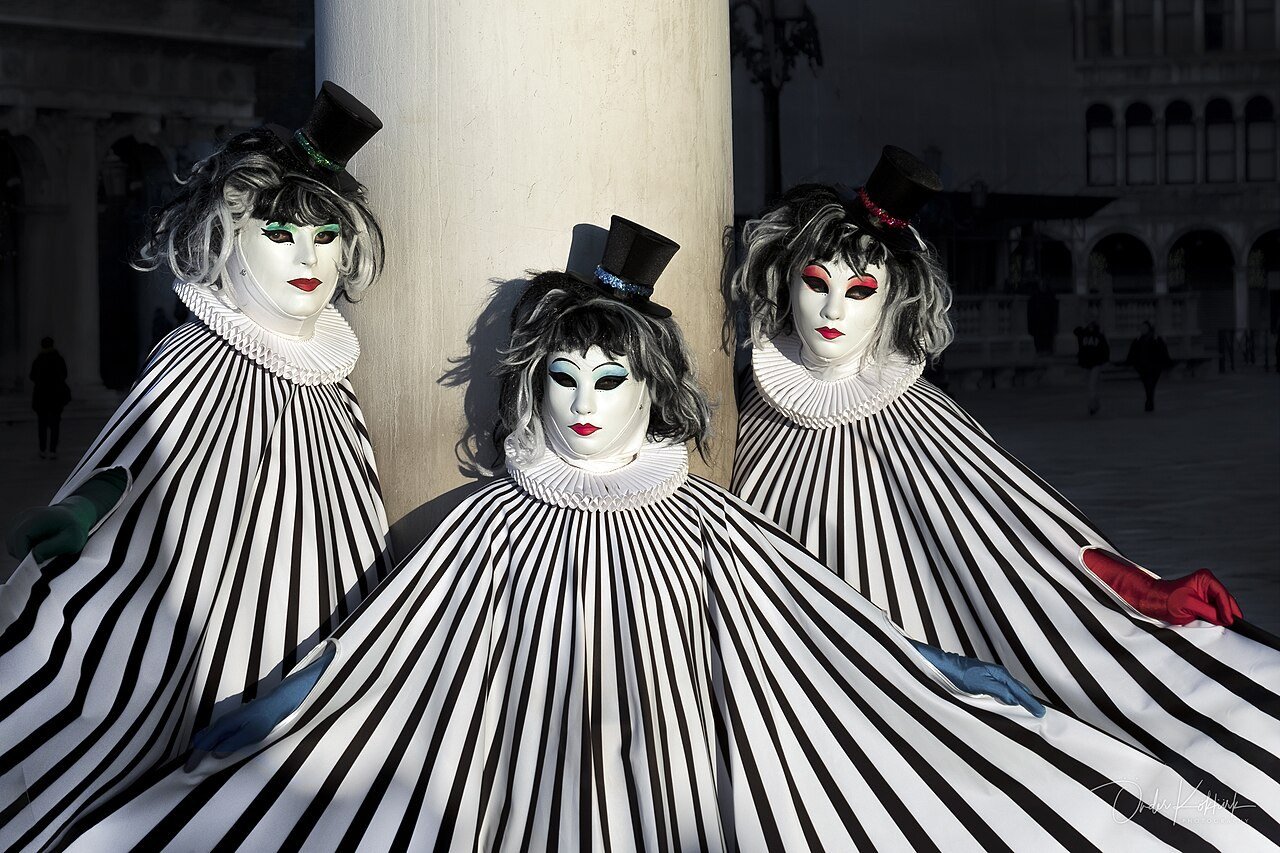
Masquerade-Inspired Details
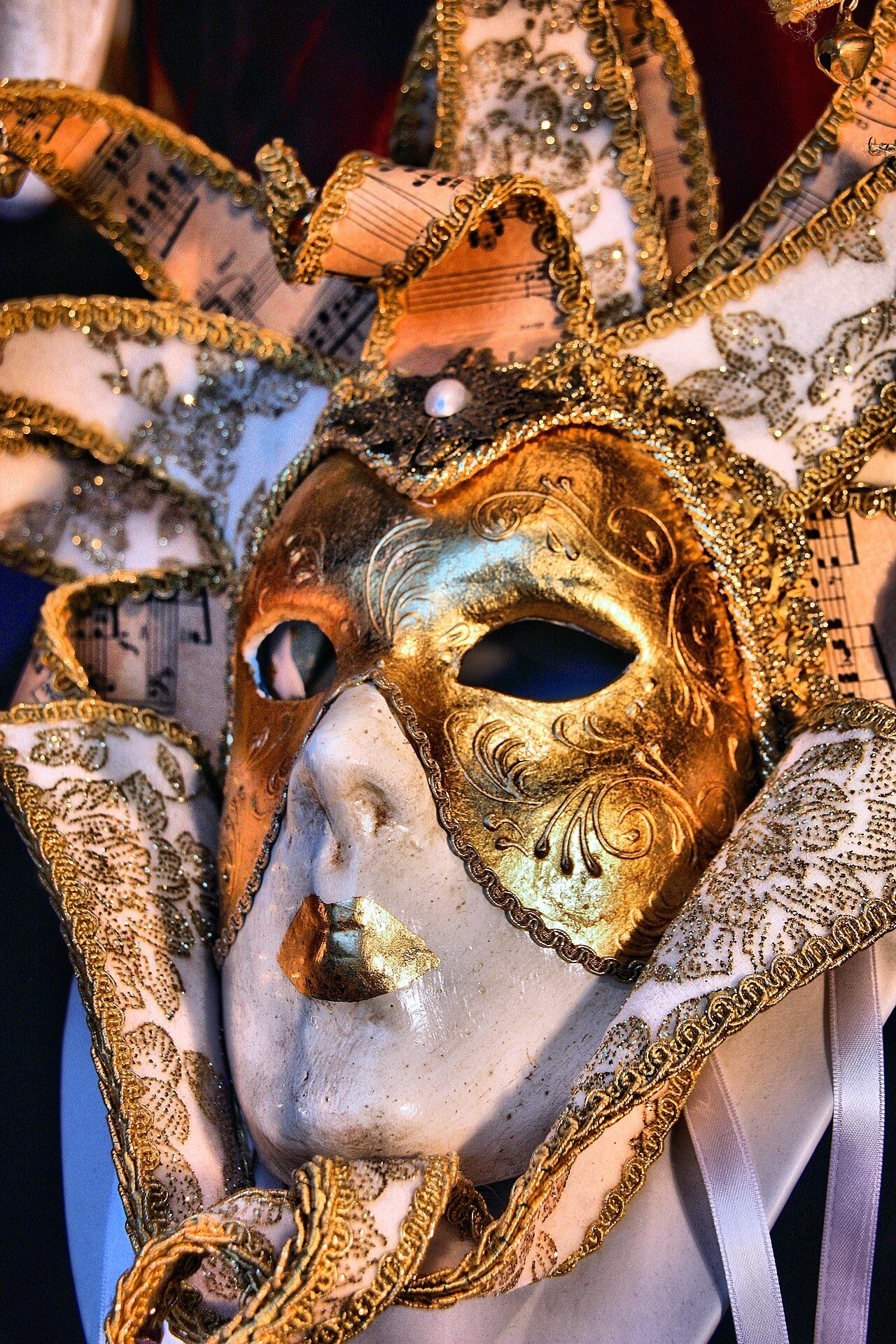
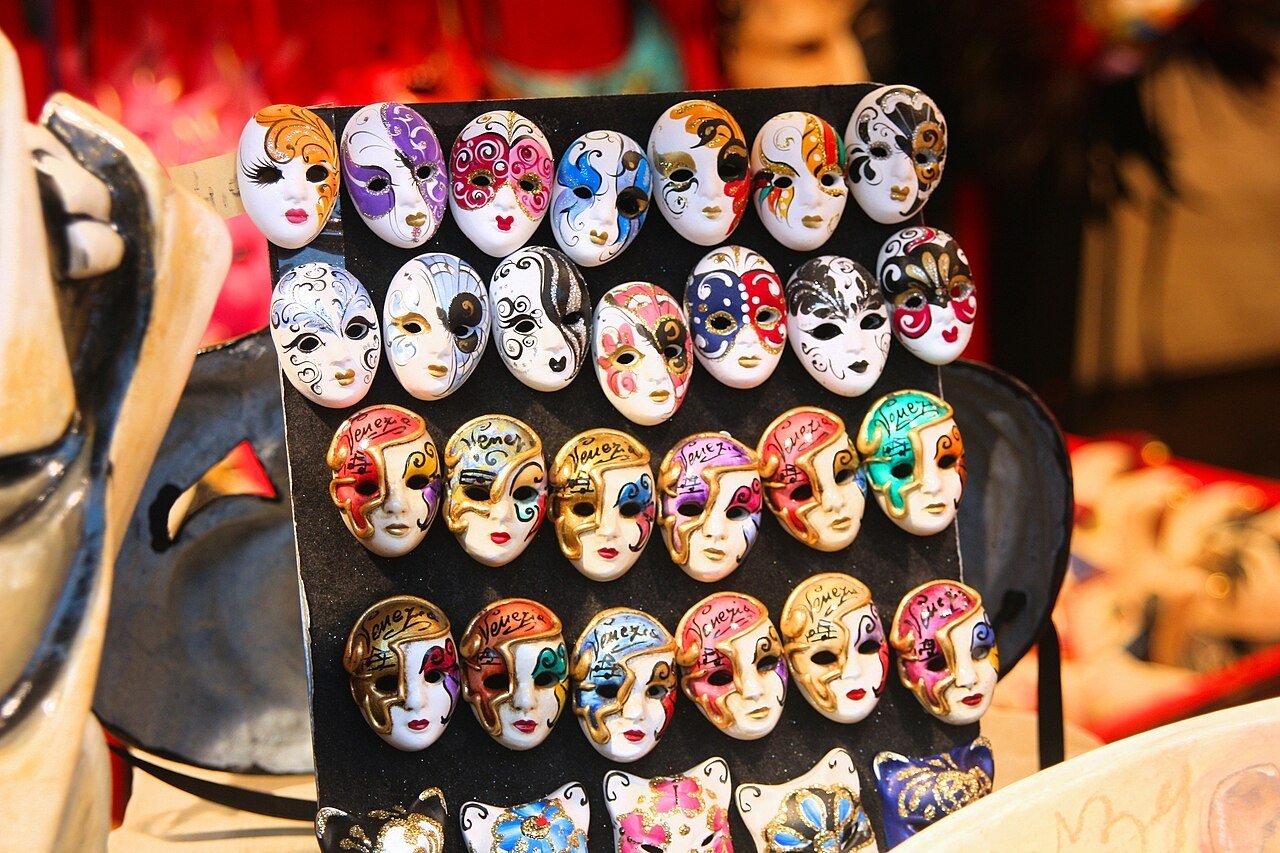
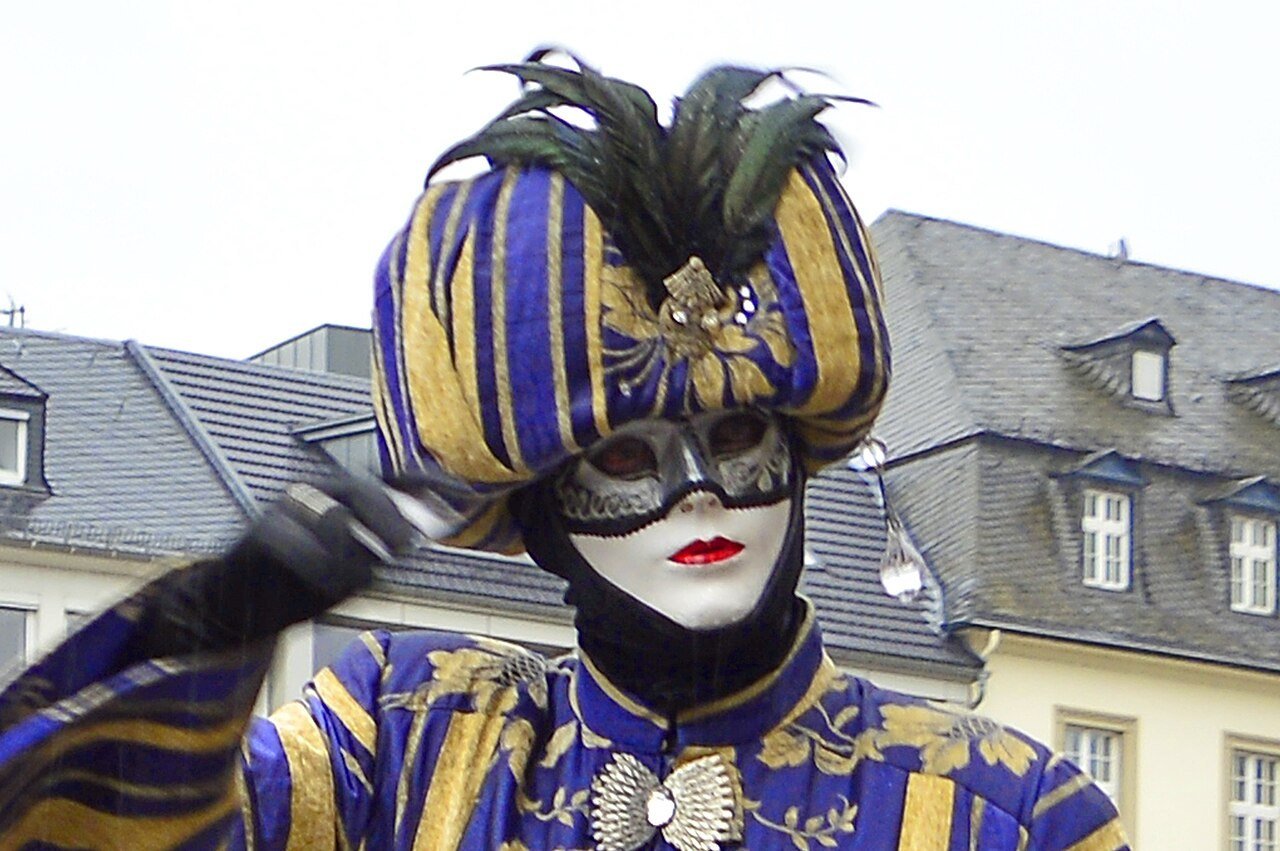
A whisper of masquerade gives the opera wedding its sense of mystery and play. You do not need a full masked ball — restraint keeps it elegant. Offer delicate lace or filigree masks as escort-card holders that guests can wear for photos, or set up a mask station near the dance floor for the late-night hours when the party loosens up. Incorporate mask motifs into your stationery suite: a laser-cut mask on the invitation envelope liner, or a mask illustration on the cocktail menu. For the bold, a masquerade dress code for the after-party — “black tie, masks encouraged after ten” — creates a legendary second act to the evening. Keep masks in your palette: black lace, gold filigree, burgundy velvet. Cheap plastic neon masks from a party store will shatter the illusion, so source from theatrical suppliers or artisan makers.
Stationery: Playbills, Wax Seals, and Calligraphy
Your stationery suite should read like the program for a grand performance. Design invitations as opera playbills: heavy black or burgundy cardstock, gold foil calligraphy, deckled edges, and wording with theatrical flair — “You are cordially invited to the marriage of…” set like a cast list. Seal envelopes with burgundy or black wax stamped with your monogram. On the day, carry the theme through: ceremony programs styled as playbills with an “order of performance,” escort cards in tiny gilded frames, table numbers in calligraphy on black acrylic, and menus printed on black paper in gold ink. Hire a real calligrapher for at least the envelopes and signage — hand lettering is one of those details guests unconsciously register as luxury. Order everything early; foil stamping and custom wax seals add weeks to production timelines.

The Bridal Look: Drama and Romance
The opera bride dresses for the stage she has built. Think dramatic silhouettes: a ballgown with a cathedral train, a fitted mermaid gown with an overskirt, or a corseted bodice with layers of tulle that move like curtains. Details matter more than ever here — lace appliqué, beading that catches candlelight, a low dramatic back. Your veil should be cathedral-length; anything shorter disappears against the scale of the decor. For hair, consider a polished chignon or old-Hollywood waves, possibly with a gilded hairpiece or a dark red lip as your signature. This aesthetic can carry a bold lip — deep burgundy or classic red — paired with softly smoked eyes and luminous skin. Do a full trial in lighting similar to your venue, because candlelight warms everything.

Groom and Wedding Party Attire
The groom should look like the leading man. A black tuxedo with a shawl collar, a velvet dinner jacket in burgundy or midnight, or full tails for the truly committed — all fit the brief. Details elevate: a black silk bow tie, onyx studs, patent leather shoes, and a boutonnière of a single dark rose. Groomsmen in matching black tuxedos keep the look sharp and cohesive; resist the urge to put them in burgundy suits, which photographs as prom rather than premiere. Bridesmaids shine in burgundy — floor-length gowns in mixed fabrics (velvet, satin, chiffon) within the same color family create that collected, editorial look. Let each bridesmaid choose her neckline; uniform color with varied silhouettes is the modern formula. Flower girls in miniature dark-red dresses with petal baskets complete the picture.
The Tablescape: Moody and Opulent
Build each table like a still life. Start with a burgundy or black velvet cloth, then layer: a gold charger, black or deep-red dinnerware, gold flatware, and crystal stemware — at least two glasses per setting, because abundance is the point. The centerpiece formula is tall drama plus low glow: a towering rose arrangement or tall candelabra, surrounded by a cluster of votives and scattered petals at the base. Black taper candles in brass holders add verticality and flicker. Napkins in black or burgundy, tied with velvet ribbon and a sprig of dark foliage or a single rosebud, finish the setting. Keep the centerpieces’ footprint modest — guests need room for glassware and elbows — and confirm sight lines with your florist so tall pieces do not block conversation. One great table photographed beautifully beats ten forgettable ones.
The Cake and Dessert Table
The cake should look like it belongs in a Viennese opera house café. A tall, dramatic silhouette — four or five tiers — in black, burgundy, or deep red fondant with gold detailing, fresh dark roses cascading down one side, and perhaps a hand-painted baroque pattern. Flavor can stay classic inside; the drama is all exterior. Display it on a gold or mirrored stand, spotlit by candles, and cut it as a photographed moment rather than background catering. Around it, build a dessert table in the same spirit: chocolate truffles, blackberry tartlets, gold-dusted macarons, and a champagne tower if the budget allows — coupe towers photograph spectacularly and feel made for this theme. Label everything with small calligraphed cards. And serve something warm late-night — miniature beef Wellingtons or truffle arancini — because theater people know the show is not over until the final snack.

Music and Entertainment: A Night at the Opera
Music makes or breaks the illusion, so program it like a performance. Ceremony and cocktail hour: live strings or a classical guitarist. Dinner: a jazz trio or a pianist playing quietly — something that fills silence without competing with conversation. Then the pivot: a band or DJ who understands drama, opening the dance floor with something sweeping before the energy builds. For a true showstopper, hire one or two opera singers for a surprise fifteen-minute set during dinner — guests will talk about it forever, and it costs less than most people assume. Late night, lean into the masquerade energy with a saxophonist playing alongside the DJ. Brief every musician on the aesthetic; a string quartet in jeans breaks character as surely as a fluorescent light. And always, always do a sound check in the actual room.
Favors with a Theatrical Twist
Send guests home with a souvenir worthy of opening night. The best opera-wedding favors feel like props from the evening: miniature bottles of amaro or dark cherry liqueur with custom labels, black candles scented with oud and rose, small velvet pouches of gold-wrapped chocolate truffles, or personalized matchboxes with your monogram and wedding date. Present them as a curated display — a vintage trunk or a draped table with a calligraphed sign reading “A token of our thanks” — rather than pre-placed at seats, which can clutter your careful tablescapes. Edible favors win on practicality; nobody regrets chocolate. If your budget is tight, one beautiful favor beats three forgettable ones, and a heartfelt thank-you note on black cardstock costs almost nothing while meaning everything. Skip anything that needs explanation — the favor should delight at first glance.

Photography: Capturing the Drama
This aesthetic demands a photographer who shoots dark and moody — review full galleries, not just highlight reels, and look for work in low light with rich, true color. Share your vision explicitly: you want the candlelight, the drapery, the velvet textures rendered faithfully, not brightened into a daytime wedding. Build a shot list around the theatrical moments: the room reveal before guests enter, the ceremony in full candle glow, portraits in a dramatic doorway or on a staircase, the first dance under the chandelier, and detail shots of the tablescape before dinner service. Schedule portraits at blue hour or full dark for maximum atmosphere, and budget extra time — dramatic lighting setups take longer. Consider adding a videographer with a cinematic style; this is the one wedding theme where a moody highlight film will genuinely look like a movie trailer.
Budget Breakdown: Where to Splurge and Save
An opera wedding can be staged at many price points if you allocate ruthlessly. Splurge on: drapery and lighting (the two elements that create the world), photography (you are building something worth documenting), and florals concentrated at high-impact moments. Save on: guest-table extravagance (candles and petals go far), stationery quantity (one stunning suite, simpler day-of pieces), and favors (one beautiful token). Flowers are the classic budget lever — use more candles and fewer stems on guest tables, and repurpose ceremony florals to the reception. A realistic mid-range budget puts 40 percent into venue, drapery, and lighting combined; 15 percent into photo and video; 12 percent into florals; and the rest across catering, attire, music, and details.

Timeline: Planning Your Opera Wedding
Twelve months out: book the venue and your drapery/lighting designer. Ten months: photographer, florist, stationer, and attire appointments. Eight months: band or DJ, ceremony musicians, and cake designer. Six months: finalize the menu, order rentals, and book the calligrapher. Four months: send invitations and schedule hair and makeup trials. Two months: final walkthrough with all vendors in the actual space. One week: pack an emergency kit (fashion tape, extra candles, lighters, stain remover). On the day: arrive early for the room reveal, take ten minutes alone together before guests enter — and then, places, everyone. The curtain is rising.

I am Talha Sikandar, a professional writer with a passion for general blogging. With years of experience in content writing and research, I founded Meaniingly.com to deliver well-researched, informative, and user-friendly articles on diverse topics.