Wilderkind is Pinterest’s name for the Christmas the forest would decorate for itself: mushroom ornaments hanging from low branches, moths and beetles pinned like jewels among the needles, frosted berries glowing against dark green, botanical prints on the walls, and everything grounded in natural wood, soft linen, and glass with the occasional glint of gold. These Wilderkind Christmas decor ideas translate that whimsical woodland mood into concrete projects — what to hang, what to forage, what to frame, and how to keep it all feeling enchanted rather than cluttered.

What “Wilderkind” Means for Christmas
Wilderkind is not rustic, not farmhouse, and not quite fairy-tale — it sits in the overlap, where natural history meets holiday magic. Imagine a Victorian naturalist’s study at Christmas: the tree decorated with specimens, the mantel dressed like a museum shelf, every corner holding something small and wonderful to discover. The palette stays woodland — deep greens, bark browns, mushroom creams, frost white — with gold used the way sunlight hits a forest floor: sparingly, and to great effect.
The style rewards curiosity over coordination. Instead of a matched ornament set, you collect: a mushroom here, a brass beetle there, a cluster of frosted berries, a framed moth. Each piece should feel found or made rather than bought in bulk. If your decor looks like it could have been gathered on a long winter walk, you are doing it right.
Start with one room or one tree rather than the whole house. Wilderkind is a dense, detailed style, and it reads best as a jewel box — a single fully committed tree and mantel will impress more than a thin scattering of woodland touches across six rooms.
The Wilderkind Christmas Tree
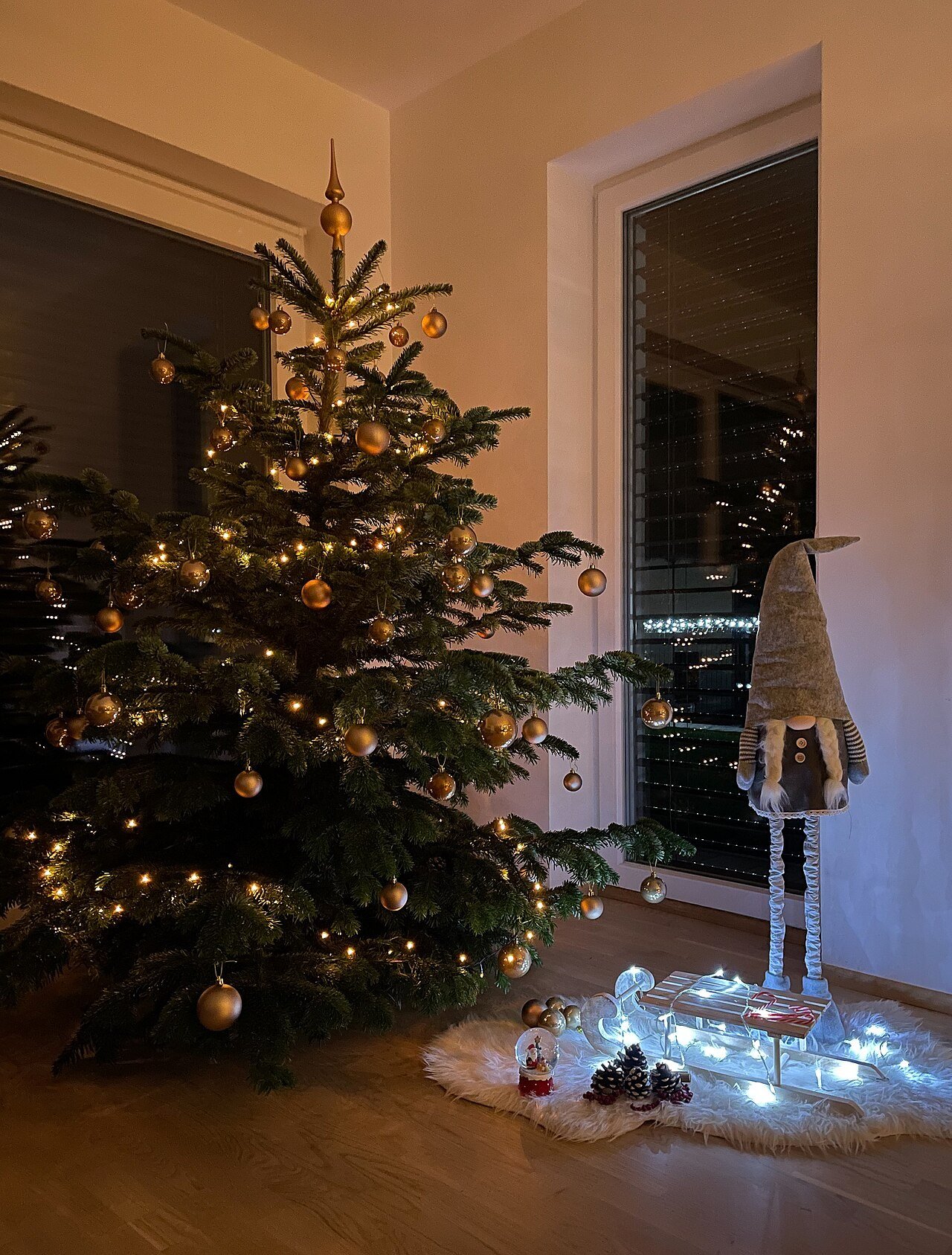
Choose a tree with presence over perfection: a real fir with irregular branches, or a high-quality faux with varied needle lengths. Wilderkind loves a tree that looks like it grew somewhere, not one engineered in a factory. Keep the lights warm white and slightly sparse — you want pools of glow between ornaments, not a uniform blaze.
Skip the tree skirt for a linen or muslin cloth puddled loosely around the base, or set the tree in a simple wooden crate or woven basket. The base should look like part of the forest floor, and soft natural fabrics bridge the gap between tree and room better than any glittery skirt.
Decorate from the inside out: lights first, then large statement ornaments deep in the branches, then smaller pieces toward the tips. Leave breathing room — Wilderkind is collected, not crowded, and a little visible branch between ornaments keeps the tree feeling alive.
Mushroom Ornaments: The Signature Motif
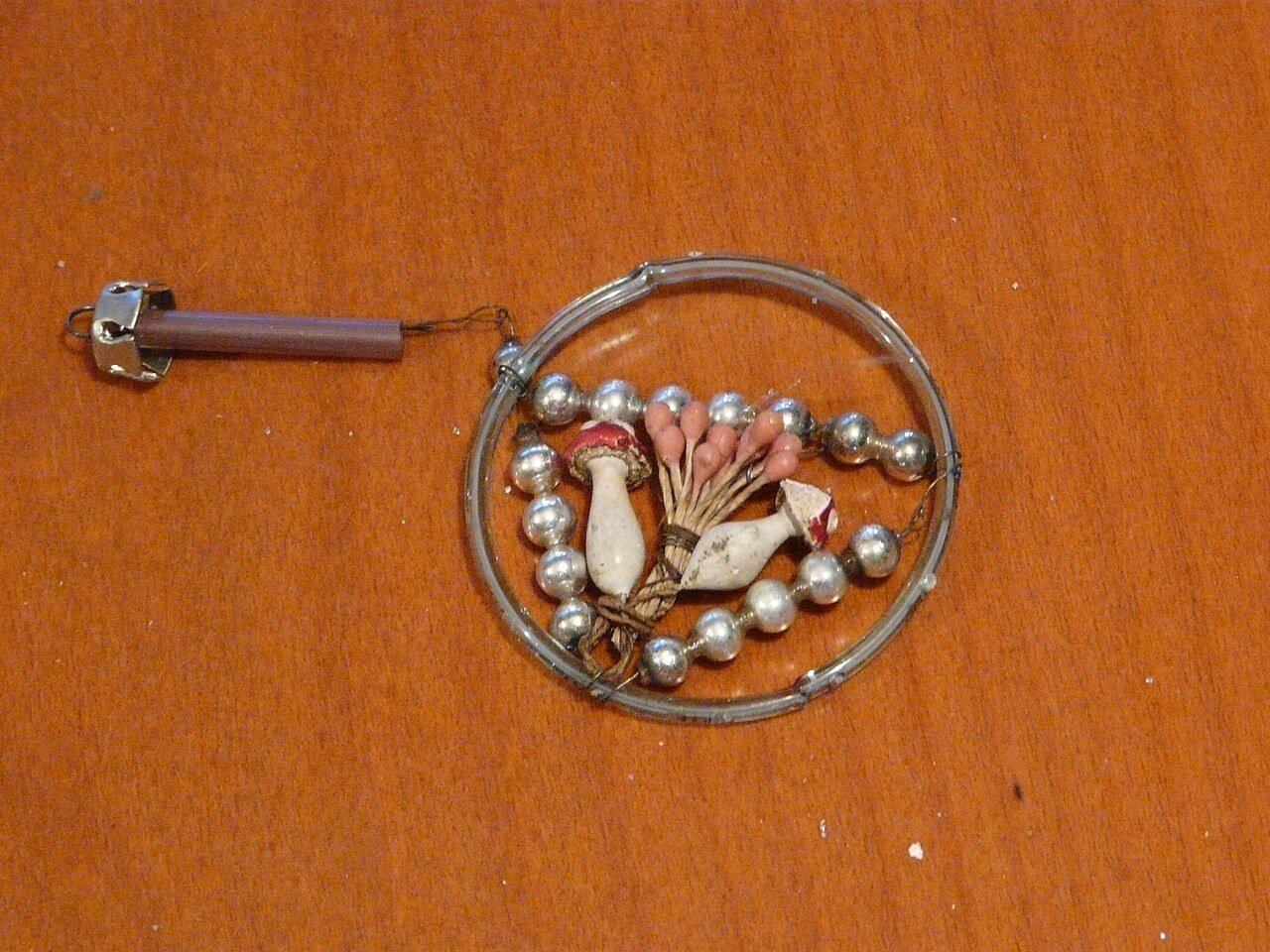
If Wilderkind has a mascot, it is the mushroom. Glass mushroom ornaments — red-capped fly agaric, speckled toadstools, clusters of cream morels — are the single most recognizable element of the trend, and they belong on every tree attempting the look. Hang them at eye level and lower, where their shapes read clearly against the needles.
Mix scales for realism: a few large statement mushrooms (4-6 inches) as focal points, surrounded by smaller ones (1-2 inches) tucked into branch crotches. Real forest floors show mushrooms in colonies, so cluster yours in groups of three or five rather than spacing them evenly like baubles.
Beyond glass, look for mushroom ornaments in felt, spun cotton, and hand-painted wood — the matte textures contrast beautifully with glossy glass and keep the tree from looking too shiny. A felted toadstool next to a glass one is exactly the high-low mix Wilderkind celebrates.

Hunting Vintage Mushroom Ornaments
The best mushroom ornaments have history. Pre-war German and Polish glass ornaments — the kind with hand-painted caps and slightly wobbly shapes — surface regularly at flea markets, estate sales, and online vintage shops, often for a few dollars each. Their imperfections are the point: no two are alike, which is precisely the Wilderkind ethos.
Learn to spot the good ones: heavier glass, painted details rather than stickers, and metal caps that show a little age. Lauscha, the German glassblowing town, produced thousands of these between the wars, and its vintage pieces have a softness of color that modern reproductions rarely match.
Display your finds where they earn it — front and center at eye level, not lost in the back of the tree. One spectacular vintage mushroom in a place of honor does more for the theme than a dozen ordinary ones scattered at random.
Moths: A Whimsical Winged Detail
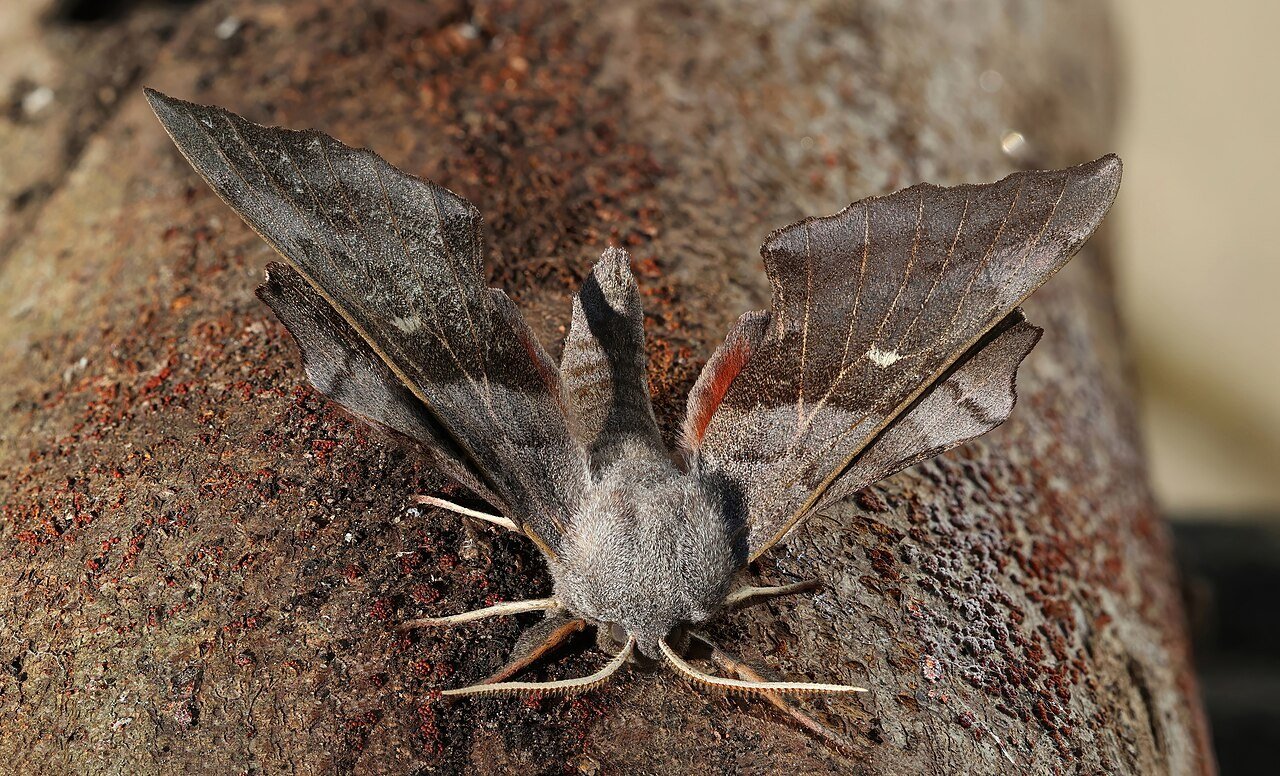
Moths are Wilderkind’s most surprising motif — nocturnal, velvety, and strange in the best way. Moth ornaments in feather, paper, or thin brass perch on branches like living things, and their muted browns, creams, and dusty golds fit the palette without competing with the mushrooms.
Place moths singly rather than in flocks: one large moth ornament on an upper branch reads as a discovered creature, while five identical moths read as a theme-park. Tuck them slightly sideways on the branch, wings angled as if just landed, for maximum realism.
Feather moths are the most lifelike option and catch light beautifully, but keep them away from fireplaces and curious cats. Paper and laser-cut wood moths are sturdier alternatives that still deliver the silhouette — the unmistakable broad wings that make moths so graphically striking.
Framed Moth and Insect Art
Take the insect motif off the tree and onto the walls. Framed vintage moth and beetle prints — the kind from old natural-history books — hung in a cluster near the tree or over the mantel, instantly signal the Wilderkind sensibility. Black or dark-wood frames keep the mood moody; brass frames lean it toward the gilded.
You do not need original antique plates. High-resolution scans of public-domain natural-history illustrations print beautifully at home or at a copy shop, and a $5 thrift-store frame with a fresh mat makes them look collected over decades. Choose plates with generous cream backgrounds so they glow against dark winter walls.
Hang the cluster slightly asymmetrically — a salon-style arrangement with varied frame sizes feels like a naturalist’s study, while a rigid grid feels like a gallery. The style wants wonder, not order.

Beetles in the Holiday Curiosity Cabinet
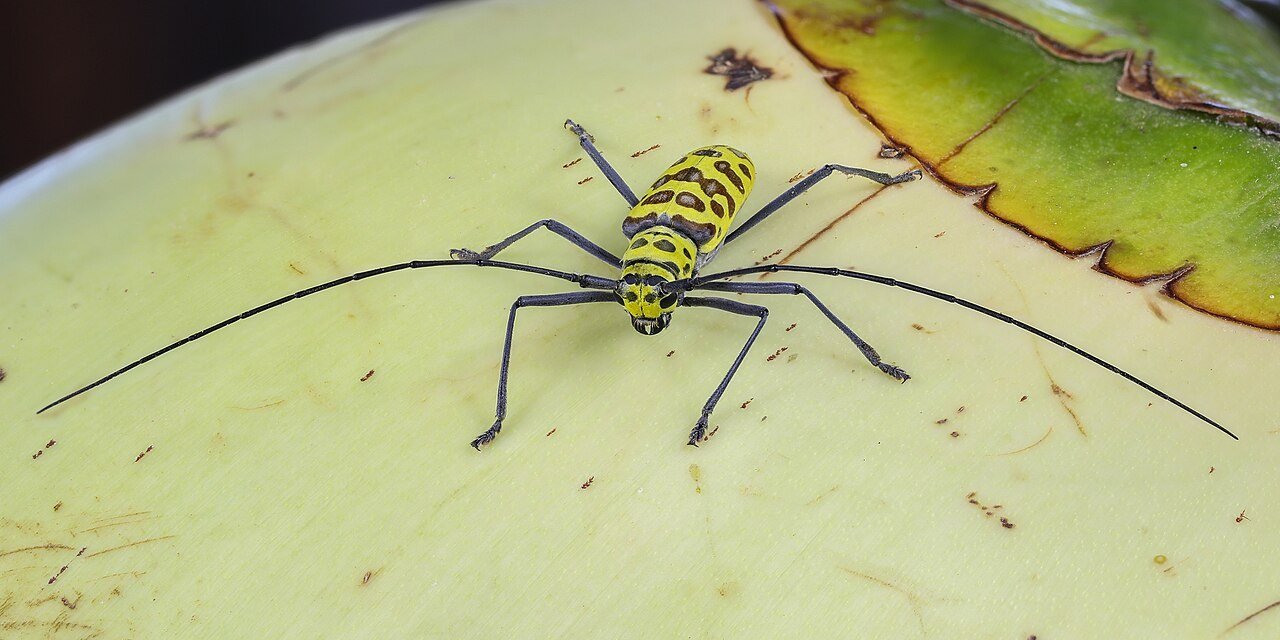
Beetles bring the jewel tones: iridescent greens, coppery bronzes, deep sapphire blues that read as living gemstones. A small collection of beetle ornaments or figures — brass, glass, or resin — arranged on the mantel or in a glass-front cabinet gives Wilderkind its cabinet-of-curiosities depth.
Style them like specimens: a large beetle figure centered on a stack of old books, smaller ones flanking a candle, one dramatic specimen under a glass cloche. Labels help — tiny handwritten tags with Latin names (“Lucanus cervus”) turn decoration into storytelling.
Keep the beetle count modest in any single vignette. Three well-placed beetles among candles and greenery look curated; fifteen look like an infestation. Restraint is what separates the naturalist’s study from the exterminator’s report.
Jewel-Toned Beetle Accents
Use beetle colors as your accent palette and the whole scheme gains cohesion. A rhinoceros beetle’s bronze, a jewel beetle’s emerald, a stag beetle’s near-black — echo these in ribbon choices, candle colors, and a few glass ornaments. Suddenly the “random” natural objects feel like they were always meant to be together.
Metallic beetle ornaments in gold and copper bridge the gap between the insect motif and traditional Christmas shine. Hang two or three among the mushrooms and moths; their glint catches the eye and leads it around the tree, which is exactly what good ornament placement should do.
For the mantel, pair a dark beetle figure with a cream pillar candle and a sprig of frosted berries. The contrast of hard shell, soft wax, and icy fruit in one small grouping is Wilderkind in miniature — texture doing all the talking.

DIY Insect Ornaments From Prints
Make your own insect ornaments in an afternoon. Print large moth or beetle images on cardstock, cut them out carefully, back them with a second layer for stiffness, and add a loop of linen thread. A light coat of decoupage medium gives a subtle sheen and protects the paper for years of Decembers.
Scale matters: print insects larger than life — a six-inch moth has presence, while a two-inch one disappears among branches. Mount the cutout on a thin wood slice or a small embroidery hoop for substance, and edge it with a fine gold paint pen for a finished, intentional look.
This is a wonderful project to do with older kids: let them choose their insects from public-domain illustration archives, and the ornaments become keepsakes with stories. Sign and date the back of each one — future holidays will thank you.
Frosted Fruit That Looks Fresh-Picked
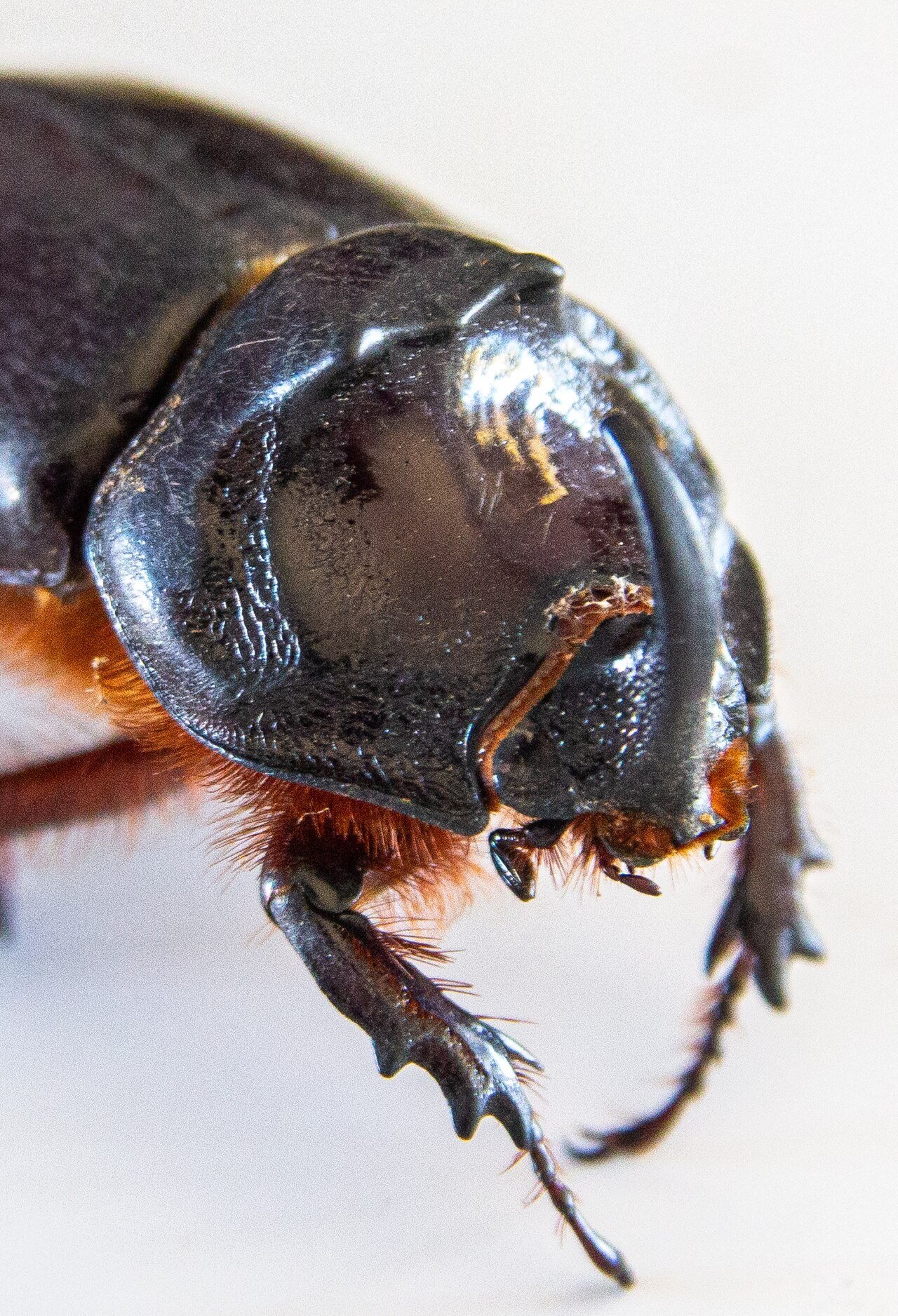
Frosted fruit is Wilderkind’s answer to the traditional red-and-gold bauble: clusters of berries, crabapples, and tiny pears dusted as if with morning frost. Tucked into the tree or massed in a wooden bowl on the table, they add a cool, pale note that keeps the woodland palette from going too dark.
Buy frosted picks in the floral section — look for berries with a matte, crystalline coating rather than chunky glitter, which reads cheap. The best faux frost looks like sugar, not sequins. Push picks deep into the tree so berries peek out between needles like a real winter hedgerow.
On the table, pile frosted fruit in a low wooden bowl with a few pine sprigs and let it be the centerpiece. It needs no arranging skill — abundance is the arrangement — and it lasts the whole season without wilting.

When real frost will not cooperate, fake it convincingly with Epsom salt. Brush branches lightly with white glue, then roll or sprinkle them with Epsom salt for a crystalline coating that reads as genuine frost and photographs beautifully. Work in thin layers — two light coats look like frost, one heavy coat looks like snow — focusing on branch tops and berry clusters where frost naturally settles.
Seal finished branches with a light mist of clear matte sealer so the salt does not shed over your floors. Stored flat in a box, they keep for several seasons — one of the highest-return crafts in the Wilderkind playbook.
Foraging Winter Berries Responsibly
Real winter berries — rose hips, hawthorn, crabapples left on the branch — bring an authenticity no faux pick can match, and foraging them is half the pleasure. Take only what you need, never strip a single shrub bare, and avoid berries near roadsides where they absorb exhaust and de-icing salt.
Learn your local lookalikes before you cut: rose hips and hawthorn are safe decorative choices, while yew berries and mistletoe are toxic and should stay on the plant, especially in homes with children or pets. When in doubt, photograph and identify before you harvest.
Condition cut branches by splitting stem ends and standing them in deep water overnight before arranging. Indoors they last two to three weeks — long enough for the season if you forage in early December rather than November.
Soft Fabrics: Linen, Wool, and Muslin
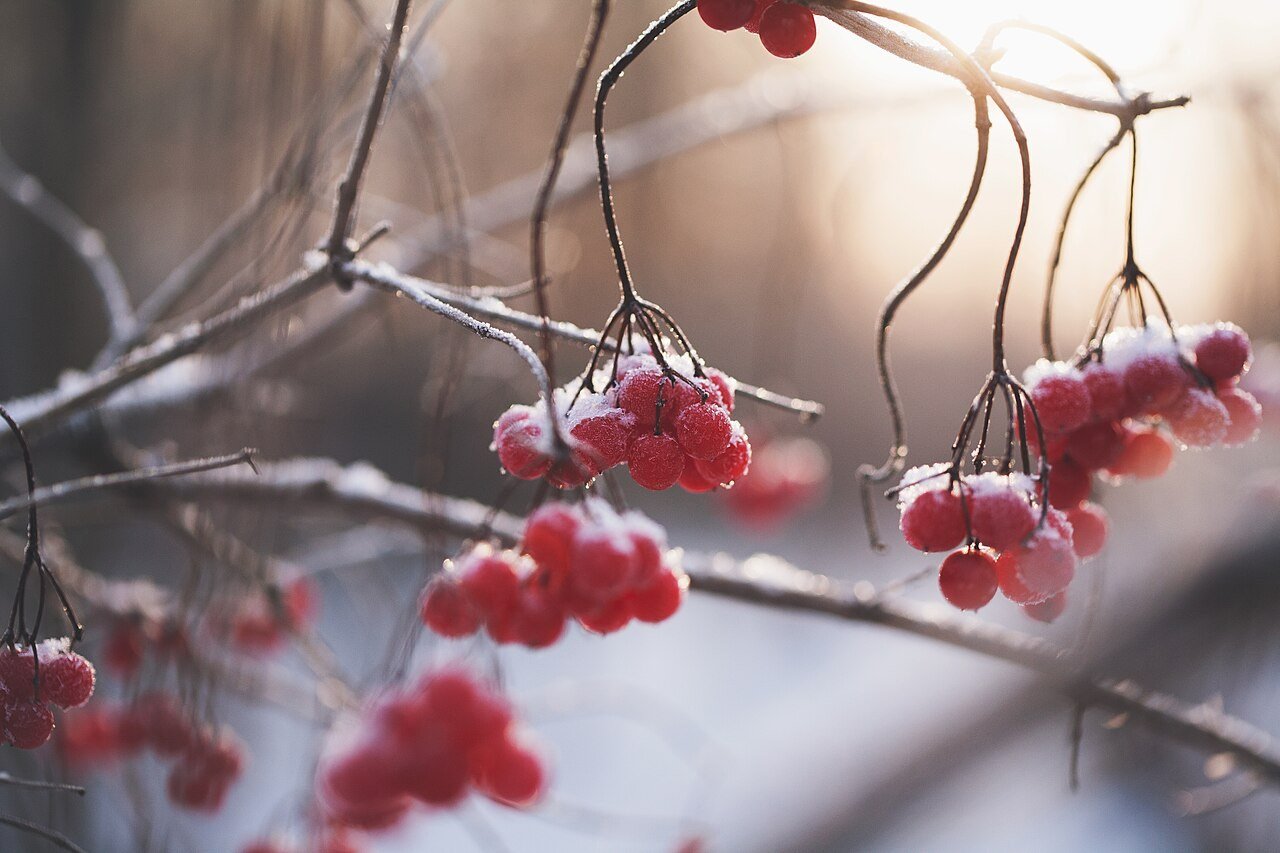
Wilderkind’s softness comes from fabric, not tinsel. Dress the tree in a washed-linen skirt, drape a wool throw over the reading chair beside it, tie ornaments with muslin ribbon instead of wire hooks. These matte, touchable textiles absorb light and make the glass and gold nearby glow brighter by contrast.
Stick to undyed or naturally dyed tones: oatmeal, flax, mushroom, soft moss. A single plaid wool throw in muted forest tones is the boldest pattern the style tolerates — anything brighter belongs to a different Christmas.
Use fabric to hide the modern: wrap planter pots in linen, cover the tree stand with a muslin cloth, drape a runner of washed linen down the table under your wooden centerpiece. Every plastic edge you conceal deepens the illusion.

Botanical Prints as Holiday Art
Botanical art is the wallpaper of Wilderkind — it belongs on walls, in frames, and even decoupaged onto ornaments. A large botanical print hung where holiday art would normally go (over the mantel, in the entry) immediately shifts the room’s register from generic Christmas to woodland study.
Choose prints with winter relevance when you can: hellebores, winterberry, dried seed heads, fungi plates. The subject matter should feel like December, even if the illustration is two centuries old. Sepia and cream tones harmonize with candlelight; avoid prints with bright modern color.
Frame simply and let the art breathe — wide mats, thin dark frames, plenty of wall space around each piece. One large botanical print makes a stronger statement than four small ones crowded together.
Building a Botanical Gallery Wall
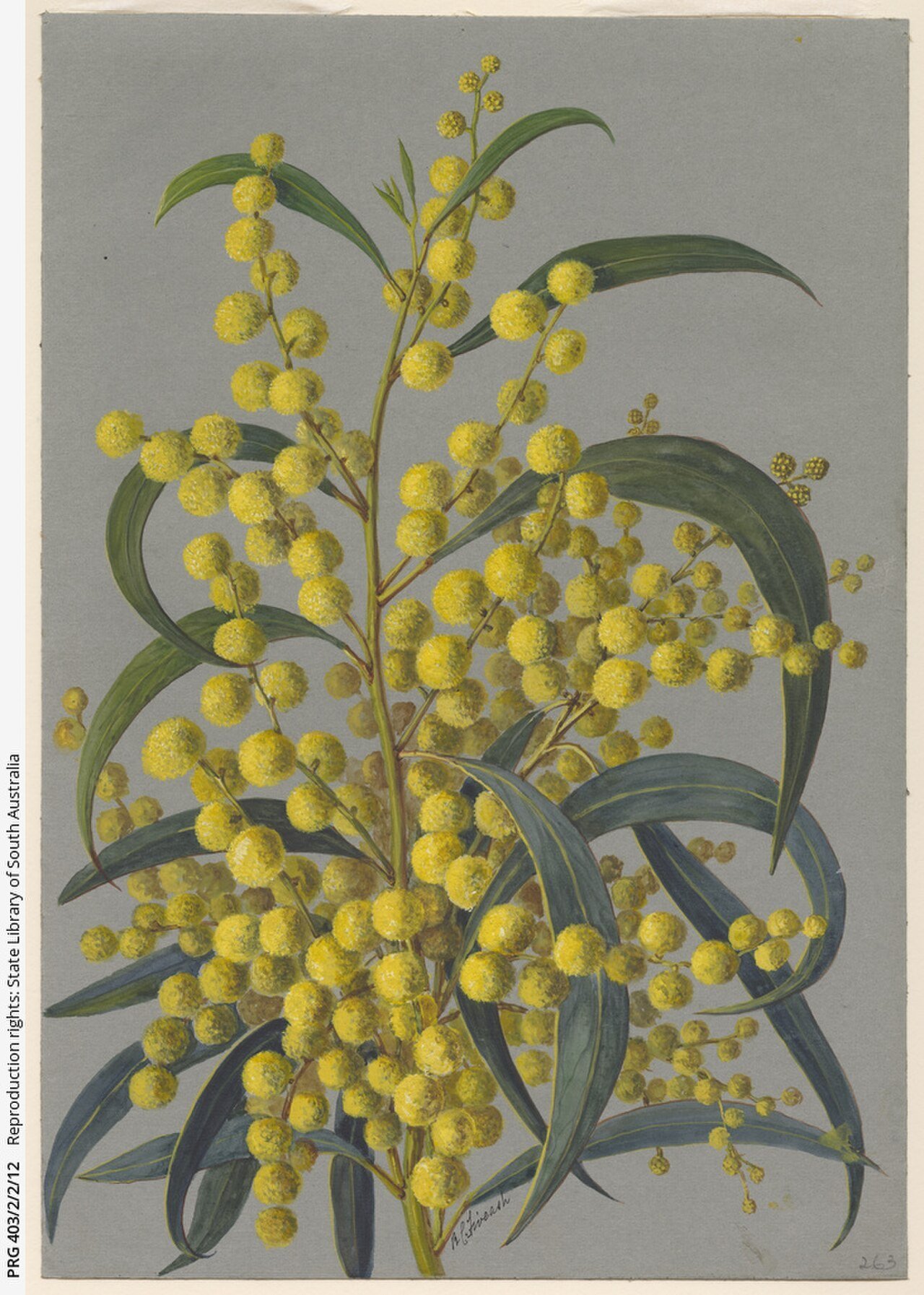
Commit to the look with a full gallery wall: six to nine botanical prints in mixed frames, hung salon-style on the largest empty wall near your tree. This becomes the room’s second focal point and the backdrop for every holiday photo.
Mix illustration styles for a collected feel — an 18th-century engraving beside a watercolor study beside a modern fern photograph. Unify with consistent mat color (warm white throughout) and let the frames vary. The mats are what make mixed art look intentional.
Weave in three-dimensional elements: a small mounted moth, a hanging air plant, a tiny shelf with a pinecone. Breaking the flat plane is what lifts a gallery wall from “framed pictures” to “installation.”

Natural Wood Foundations
Wood is Wilderkind’s neutral — the equivalent of white in a minimalist home. Build every vignette on it: thick wood-slice chargers under plates, a rough-hewn bowl for the frosted fruit, birch logs as candle risers, a slab of bark as a serving board. The more unfinished the wood looks, the better it serves the style.
Vary the wood tones deliberately: pale birch against dark walnut against weathered gray driftwood. A single wood tone throughout looks flat; three in conversation look like a forest. Sand any rough edges that will touch food or fabric, but leave the bark and character marks alone.
Do not forget vertical wood: a tall branch in a heavy vase, bare or strung with tiny lights, makes a striking corner piece, and birch poles bundled with twine can frame a doorway like a woodland gate.
Glass Icicles and Dewdrop Baubles
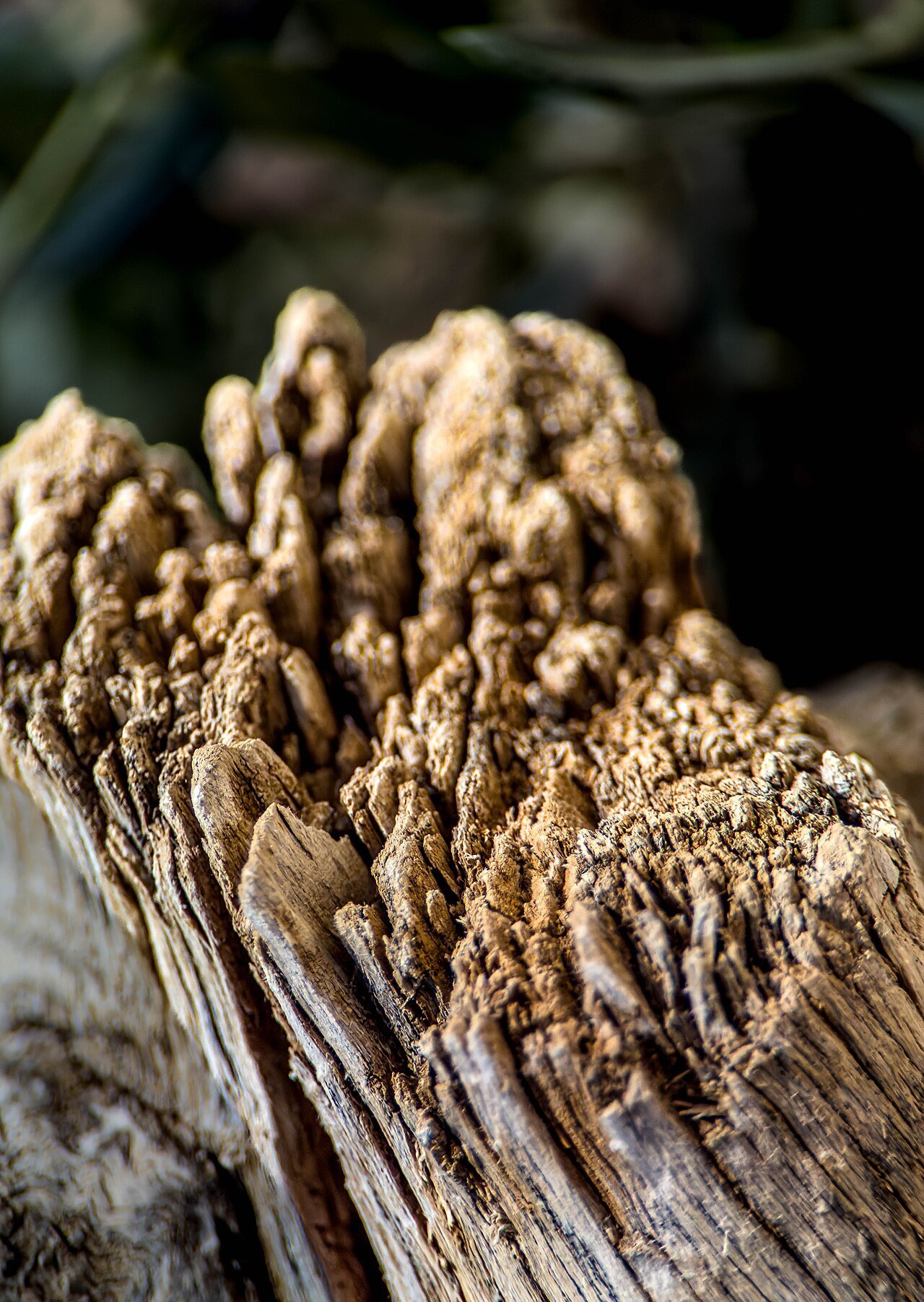
Glass is Wilderkind’s ice — the cool, clear counterpoint to all that wood and wool. Hang glass icicles at the branch tips where they catch light and move slightly with the air, and mix in dewdrop baubles: small, clear, perfectly round ornaments that read as frozen water.
Placement is everything with clear glass: hang icicles near lights so they sparkle, and against dark backgrounds (the tree’s interior, a shadowed wall) so their shapes read. Invisible against a white wall, magical against deep green.
Choose hand-blown irregularity over machine perfection when you can — slight wobbles and bubbles catch light in more interesting ways, and they harmonize with the handmade ethos of everything else on the tree.
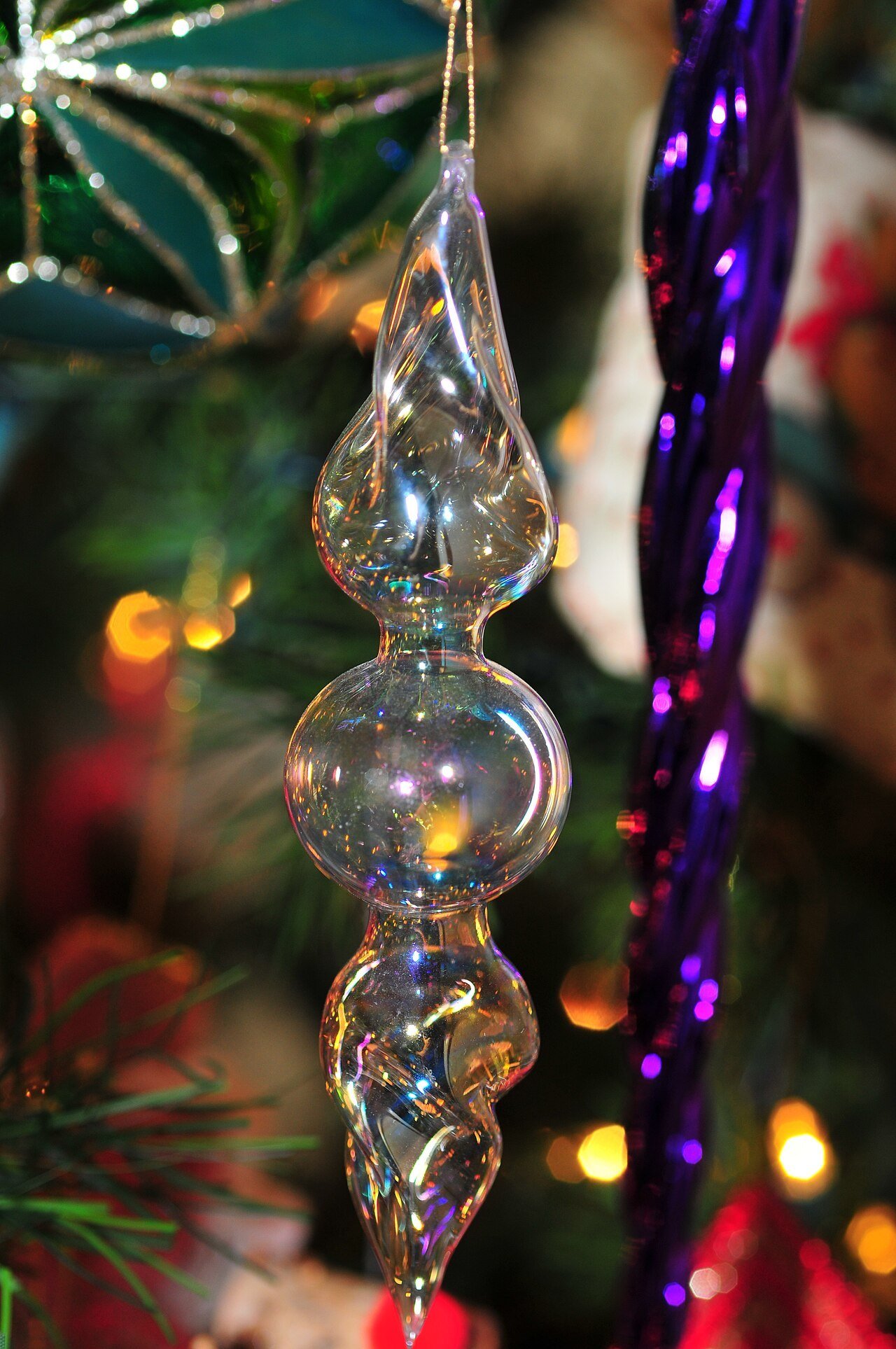

Mixing Heirloom Glass Ornaments
Not every ornament needs to be a specimen. A Wilderkind tree still welcomes beautiful old glass — mercury-glass balls, hand-painted baubles, icicle drops inherited from grandparents — as long as the palette holds. Silver, champagne, and smoky gray-blues all sit comfortably in the woodland scheme.
The rule is patina over shine: mercury glass and antiqued finishes blend in; high-gloss lacquered balls in primary colors do not. If a beloved ornament clashes, hang it deep inside the tree where its color peeks through rather than dominates, or move it to a secondary tree.
Group heirlooms rather than scattering them — a cluster of grandmother’s silver balls on one lower branch tells a story, while one silver ball lost among mushrooms looks like a mistake. Stories are the whole point of this style.
Dried Flowers and Seed Heads
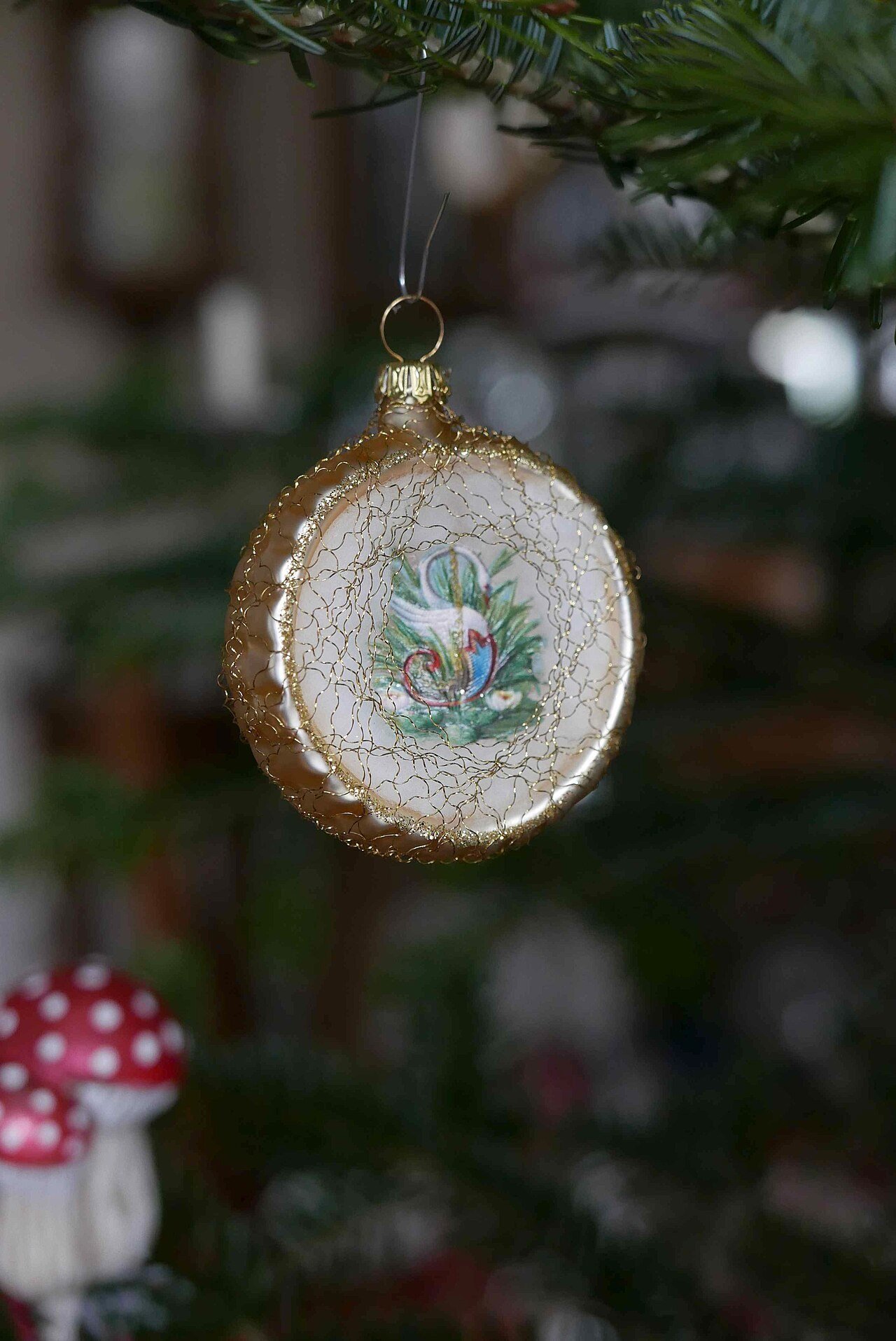
Dried botanicals are Wilderkind’s forever-flowers: hydrangea heads, poppy seed pods, dried lunaria with its silver discs, grasses that catch light like spun sugar. Tucked into the tree, wired into garlands, or massed in vases, they add the delicate, papery texture the style craves.
Buy or dry in late summer for the best selection, but even grocery-store dried flowers work when chosen carefully — look for muted, natural colors rather than dyed brights. A bundle of dried cream hydrangeas wired into the tree’s interior adds fullness no ornament can.
On the mantel, arrange dried stems in a low, wide-mouthed vessel — an old crock, a wooden box — and let them spill naturally. Dried arrangements should look gathered, not arranged: stems at varied heights, leaning at angles, gloriously imperfect.
Ferns and Forest-Floor Greenery
Think like the forest floor: ferns, moss, low trailing greens rather than the usual upright pine and fir. A garland of mixed ferns and eucalyptus along the mantel, moss tucked around candle bases, small potted ferns on the windowsill — these low greens make a room feel like a woodland clearing.
Moss is the secret weapon. Sheet moss from the craft store, laid around the tree base or under a cloche with a mushroom ornament, instantly creates a miniature landscape. Mist it lightly and it even smells like the woods for a day or two.
Keep fresh greens watered or misted; nothing breaks the spell like crispy brown fern fronds. And keep all of it — moss, ferns, dried pods — away from open flames. Beauty should never require a fire extinguisher.

Touches of Gold to Finish
Gold in Wilderkind is sunlight through branches — used sparingly, placed deliberately. A few gold-dipped pinecones, gold ribbon on the tree’s top branches only, a brass candlestick among the wooden ones. Each glint should feel discovered, not decorated.
The tree topper is the best place for your boldest gold: a gilded star, a brass finial, or a large gold moth ornament catching the light above everything. One strong golden note at the crown draws the eye up and completes the composition.
Step back and edit with fresh eyes the next morning. Remove three things — the eye needs rest, and Wilderkind’s magic lives in the space between objects as much as in the objects themselves. What remains should feel like the forest decided to celebrate, and invited you.

I am Talha Sikandar, a professional writer with a passion for general blogging. With years of experience in content writing and research, I founded Meaniingly.com to deliver well-researched, informative, and user-friendly articles on diverse topics.