Teal and pink hair ideas
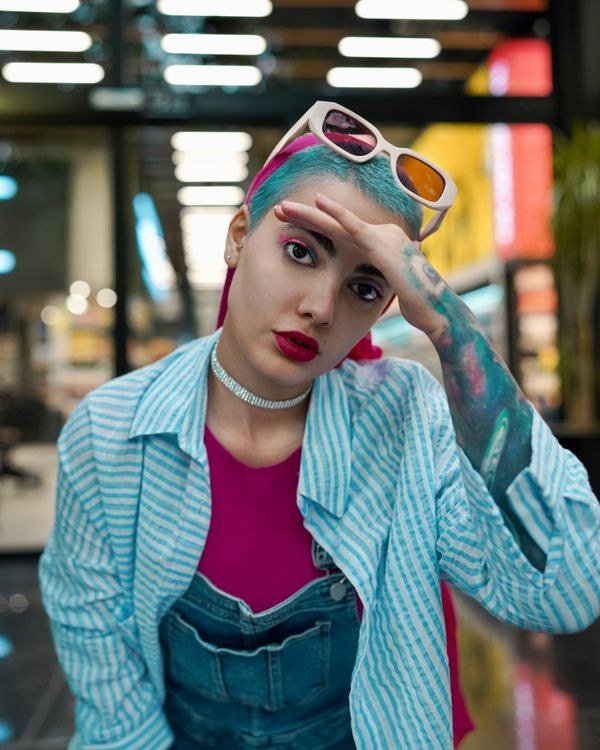
Teal and pink hair is the boldest colour pairing of the season, and searches for it are climbing fast. The cool, oceanic depth of teal against the soft, playful warmth of pink creates a contrast that is impossible to ignore, yet surprisingly wearable when it is placed well. Whether you go for a full split dye, peekaboo panels hidden under a natural top layer, or a dreamy mermaid melt, teal and pink work on every hair length and texture. The secret is balance: one colour leads, the other accents, and a good colourist will help you decide which suits your skin tone and lifestyle. This guide covers twenty teal and pink hair ideas, from subtle hidden streaks to full fantasy colour, with honest advice on upkeep, fading, and how to keep both shades vivid for as long as possible.
1. The classic split dye

The split dye is the most iconic way to wear teal and pink: one half of the head teal, the other half pink, parted straight down the middle. It is bold, graphic, and instantly recognisable, and it photographs beautifully from every angle. The key to a good split dye is a clean, precise parting and even saturation on both sides, so the line down the centre stays crisp as the colour fades. Because both colours are vivid, they will stain each other at the parting if you are not careful when washing, so rinse each side separately in cool water for the first few washes. Split dye suits straight and wavy hair best, where the colour division reads clearly, and it grows out in a way that looks intentional for weeks.
One practical note on split dye: the two colours fade at different rates, with pink usually going first. That is normal, and it actually creates a pretty intermediate stage where the pink softens to peach while the teal stays deep. Plan a refresh for the pink side a week or two before the teal side, and the split will stay balanced for much longer.
2. Mermaid melt from teal to pink

A mermaid melt blends teal at the roots into pink at the ends, with a soft purple or blue transition zone in the middle where the two colours meet. This is the dreamiest version of the pairing, and it suits long hair especially well because there is room for the gradient to develop. The transition colour matters enormously: a lavender or periwinkle bridge stops the teal and pink from mixing into muddy brown at the join. Your colourist should apply the colours in horizontal sections, feathering each into the next, and finish with a cool rinse to lock the blend. Expect the melt to evolve as it fades, with the pink usually softening first, which only makes the gradient prettier.
3. Peekaboo teal and pink panels

Peekaboo panels are the low-commitment entry point into fantasy colour. Sections of teal and pink are hidden underneath the top layer of your natural hair, so the colour flashes when you move, tie your hair up, or tuck it behind your ears, and disappears when your hair falls straight. This is perfect for work or school, where full vivid colour might not be practical, and it is much easier to grow out since the coloured sections are underneath. Ask for two or three panels on each side, alternating teal and pink, placed from the ear down. Because the panels are small, the appointment is shorter and cheaper than a full head of colour, and touch-ups are quick.
Peekaboo panels are also a clever way to test how fantasy colour behaves on your hair before committing to a full head. You will learn how fast your hair fades each shade, which aftercare products work for you, and whether you enjoy the upkeep, all while the colour stays hidden whenever you want it to. If you love the panels, expanding to a full melt or split dye later is a simple next step.
4. Teal roots with pink ends

Teal roots with pink ends flips the usual pastel logic and looks fantastic on darker bases. The teal sits close to the root, where its depth reads almost like a natural shadow, and the pink takes over through the mid-lengths and ends for a playful finish. This placement is forgiving on regrowth, since dark roots blend into the teal zone, and it lets you keep the brightest colour where it is easiest to refresh at home. Pink ends fade faster than teal roots, so keep a bottle of pink direct dye for quick refreshes between salon visits. A colour-depositing conditioner in pink will also keep the ends lively without a full reapplication.
5. Pink money pieces on teal hair

If you love teal but want a pop of pink, pink money pieces are the answer. Two bold pink sections frame the face against an all-teal base, giving you the contrast of the pairing with the simplicity of a single main colour. The money pieces brighten your complexion and draw attention to the eyes, and they are easy to refresh at home with a small amount of pink dye. Keep the pink sections fairly wide, at least two fingers thick, so they read as a deliberate statement rather than an accident. This look works on bobs, lobs and long hair alike, and it is one of the easiest teal and pink styles to maintain.
6. Pastel teal and bubblegum pink

Pastel versions of teal and pink are softer, dreamier, and more wearable day to day than their vivid counterparts. The teal becomes a pale seafoam, the pink a gentle bubblegum, and together they read like a watercolour painting. Pastels require hair lightened to a very pale blonde base, so they are best on hair that is already light or that can handle the lift. The trade-off is fading: pastels wash out faster than vivid shades, sometimes within a few weeks. To stretch them, wash in cold water, use sulfate-free shampoo, and refresh with pastel toners between appointments. The soft fade is part of the charm, as the colours melt into each other beautifully.
7. Teal and pink on a bob

A bob gives teal and pink colour a sharp, graphic canvas. Colour blocking works brilliantly here: a teal underlayer with a pink top layer, or a pink fringe against a teal bob, creates a bold shape that moves with the cut. Shorter hair also means faster appointments and less dye, and the colour grows out quickly enough that you can change the placement every couple of months without a long grow-out. For a bob, keep the colour sections clean and geometric, since soft blends can look muddy on a short length. Style with a texturising spray for a piecey finish that shows off the colour separation, or smooth it for a sleek, editorial look.
8. Galaxy-inspired teal and pink
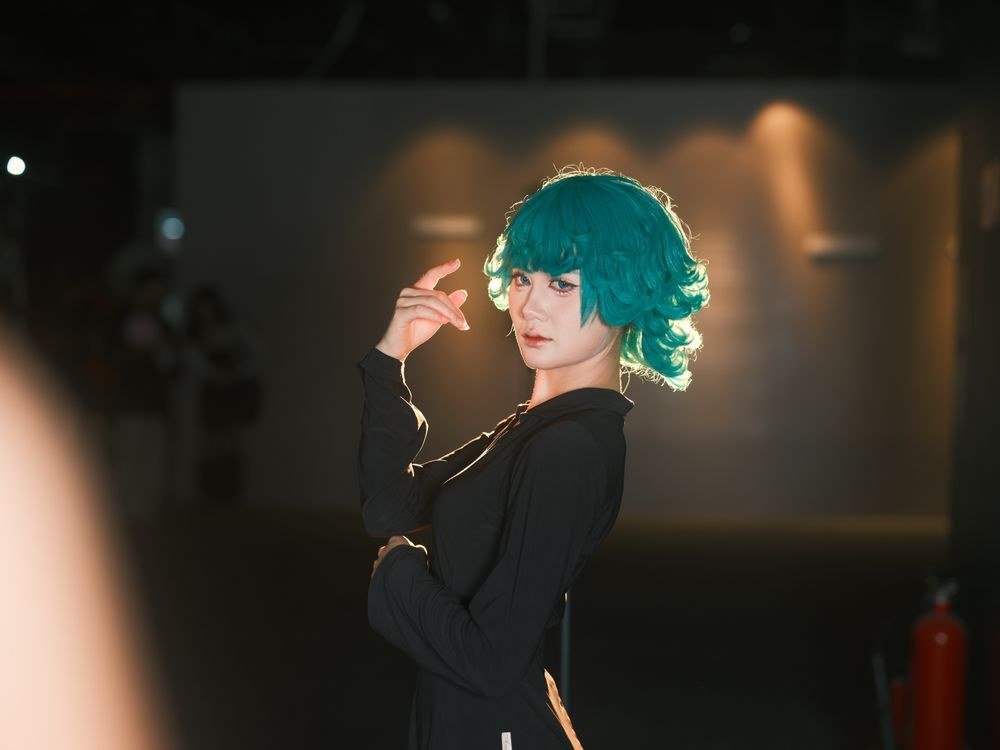
Galaxy hair takes teal and pink and adds deep purple, indigo and magenta to create a cosmic swirl effect. The colours are applied in irregular, organic sections rather than neat blocks, mimicking the clouds of a nebula. This is a colourist’s showcase piece, so find someone with real fantasy colour experience and bring reference photos of the exact galaxy effect you want. Because so many colours are involved, the appointment takes longer and costs more, but the result is genuinely one of a kind. Fading is part of the look: as the shades soften, they blend into each other like a real galaxy, so the style stays beautiful for weeks after the initial appointment.
9. Teal and pink braids

Braids are a fantastic way to wear teal and pink without dyeing your own hair at all. Teal and pink braiding hair can be woven into box braids, cornrows or French braids, giving you the full colour impact with zero chemical commitment. The colours pop beautifully against braided texture, and you can control the ratio: mostly teal with pink accents, an even split, or pink braids with teal ends. Braids also protect your natural hair while the colour is in, and you can switch colours at your next install. If you do dye your own hair first, braiding over vivid colour can extend its life, since the hair is handled less and washed less often.
10. Cotton candy teal and pink curls

Cotton candy curls in teal and pink are pure joy. Curls naturally separate colour into soft, dimensional pieces, so the teal and pink read as a fluffy, multi-tonal cloud rather than harsh blocks. The colourist should paint the colours onto the curls in their natural pattern, alternating shades from curl to curl, so the dimension survives wash day. Because curly hair is more fragile, a bond builder during lightening is essential, and the pastel shades need a pale base to show properly. Hydration is the key to keeping cotton candy curls looking soft rather than dry: a leave-in conditioner and a curl cream after every wash will keep the colour luminous.
11. Underlayer teal with pink top

An underlayer of teal beneath a pink top layer gives you two looks in one. Worn down, the pink dominates with flashes of teal at the nape and behind the ears; worn up, the teal takes over and the whole style transforms. This is one of the most versatile teal and pink placements, and it works on every length from a lob upward. The colourist should keep the layers distinct, with a clear separation between the top and bottom sections, so the reveal feels dramatic rather than muddy. Washing needs care, since pink rinses over teal easily, so wash with cool water and avoid letting the pink layer sit on the teal while wet.
12. Teal and pink dip dye

Dip dye is the simplest teal and pink idea of all: your natural hair stays untouched, and only the last few inches are dipped in colour, one side teal, one side pink, or a mix on both. It is cheap, fast, and easy to cut out if you change your mind, which makes it the perfect first fantasy colour. Dip dye also suits every hair type, since the colour sits on the oldest, most robust part of the hair. The ends will need regular trims to stay healthy, and a colour-depositing conditioner will keep the dip vivid. For a softer version, feather the dye upward so there is no hard line where the colour starts.
Dip dye also works beautifully as a two-tone experiment: teal on one side and pink on the other, or pink ends with a thin teal band above them. Because only the ends are coloured, you can try the boldest combinations without any risk to the rest of your hair, and a single trim removes the whole experiment if you change your mind.
13. Neon teal and hot pink
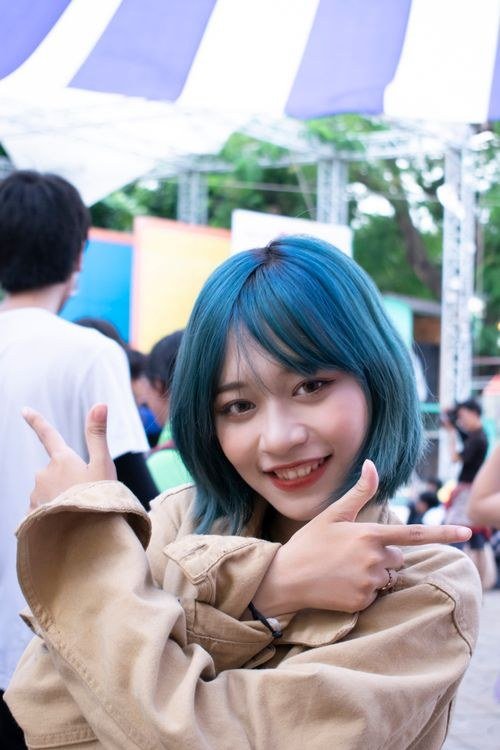
For maximum impact, neon teal and hot pink are unbeatable. These are the brightest, most saturated versions of the pairing, and they glow under daylight and especially under UV light. Neon shades need the palest possible blonde base to look their best, and they demand the most careful application, since any unevenness shows immediately. They also stain everything they touch for the first few washes, so sleep on dark pillowcases and avoid white towels until the colour settles. The payoff is a look that stops traffic and photographs like nothing else. If you want to be noticed, this is the teal and pink combination to choose.
14. Teal and pink with dark roots
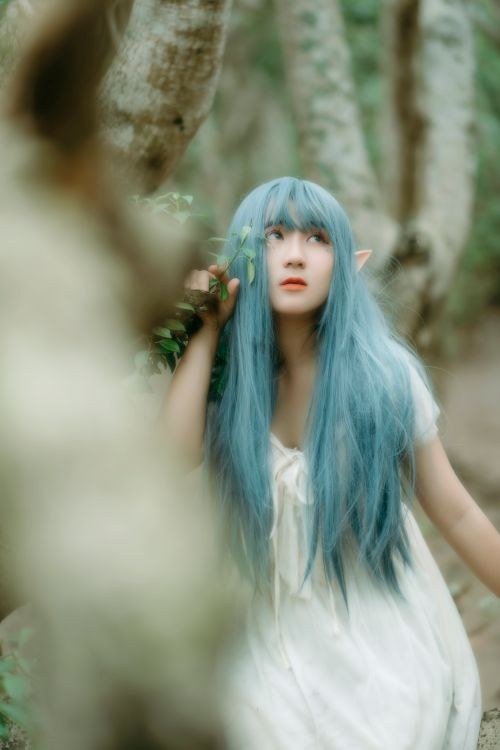
A dark shadow root makes teal and pink far more practical. Your natural colour or a deep brown is left at the root, and the fantasy colours start a few inches down, so regrowth blends invisibly for months. This is the version to choose if you love vivid colour but cannot visit the salon every three weeks. The shadow root also grounds the look, making bright teal and pink feel more intentional and less costume-like. Ask your colourist to melt the root into the fantasy colours rather than leaving a hard line, and to keep the darkest root section fairly short so the vivid colour still dominates the overall impression.
15. Teal and pink mermaid waves

Mermaid waves are the styling that teal and pink colour was born for. Long, loose waves made with a large-barrel tong or a waver show off the colour gradient as the hair moves, with teal and pink shifting places in the light. The key is to brush the waves out after curling, turning defined curls into soft, flowing bends that let the colours blend naturally. A light texturising spray adds grip and separation without dulling the colour, and a shine spray on the ends makes the whole look luminous. This styling works on any teal and pink placement, but it is especially gorgeous on melts and galaxy colour, where the waves reveal new colour combinations with every movement.
16. Half teal, half pink with a fringe
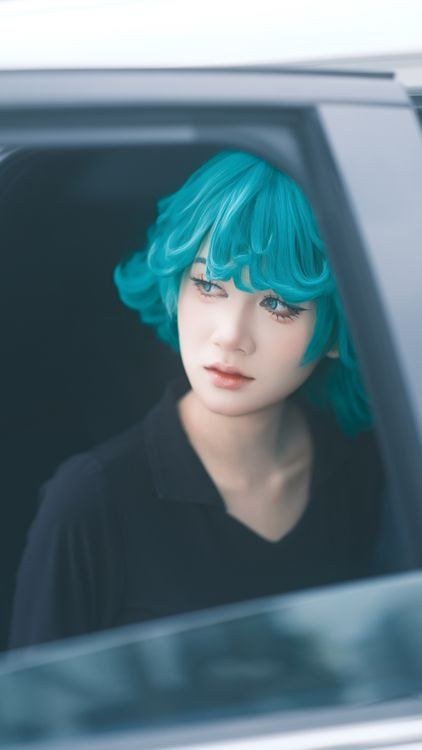
Adding a fringe to a split dye takes the look to another level. The fringe can be split down the middle to match the rest of the hair, or dyed entirely in one colour for an asymmetric statement. A split fringe is the bolder choice, since the colour division runs right across the face, while a single-colour fringe softens the overall effect. Fringe hair is fine and fades fast, so expect to refresh it more often than the rest of the colour. Style the fringe with a small round brush, sweeping it slightly to each side, and keep it trimmed regularly, since an overgrown fringe hides the colour division that makes the style work.
17. Keeping teal and pink vivid

Keeping two vivid colours bright at the same time takes a routine. Wash as rarely as you can manage, always in the coldest water you can stand, and use a sulfate-free shampoo made for coloured hair. Dry shampoo between washes is your best friend. When you do wash, rinse the teal and pink sections separately where possible, and never let the hair sit wrapped in a towel while the colours bleed into each other. Colour-depositing conditioners in teal and pink, used on alternate washes, will top up each shade without a salon visit. Avoid heat styling where you can, and always use a heat protectant, since heat fades fantasy colour faster than almost anything else.
One more vividness trick: after washing, do a final rinse with cold water mixed with a small amount of white vinegar. This helps seal the cuticle and lock the dye in, and the vinegar smell disappears as the hair dries. It will not rescue badly faded colour, but used from the first wash it noticeably slows the fade of both teal and pink.
18. Teal and pink for short pixie cuts
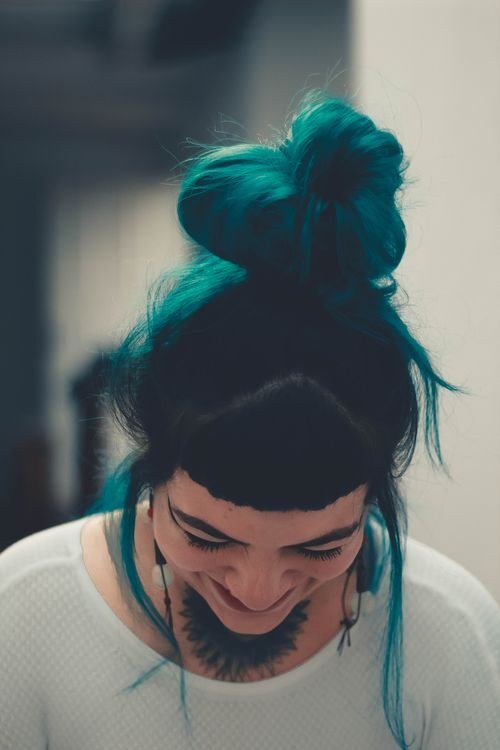
A pixie cut with teal and pink colour is small in size and huge in impact. The short length means the colour is close to the face, so the pairing reads as a bold accessory, and the appointment is quick and affordable. Try a teal pixie with a pink fringe, or pink sides with a teal top, for a look that changes completely depending on how you style it. Pixies grow out fast, so you will need colour refreshes every four to six weeks, but each appointment is short. Texture is everything on a pixie: a matte paste or wax will separate the pieces and show off the colour division, while a sleek finish gives a sharper, more editorial result.
19. Temporary teal and pink options

Not ready for permanent fantasy colour? Temporary options let you test teal and pink first. Colour sprays and chalks wash out in one wash and work best on lighter hair, while semi-permanent direct dyes last a few weeks and fade gracefully. Clip-in extensions in teal and pink give instant colour with zero commitment, and they are reusable for months. Temporary colour is also the smart way to test which shade suits you: try a pastel pink for a weekend before committing to hot pink, or wear a teal clip-in to see how the colour works with your skin tone. If you love the temporary version, you will love the real thing.
20. Planning your teal and pink appointment

A great teal and pink result starts before you sit in the chair. Bring reference photos showing the exact placement and shades you want, and be honest about your hair history, since previous colour affects how the new shades take. Ask your colourist how light your hair needs to go, how long the appointment will take, and what the maintenance schedule looks like, so there are no surprises. Book a consultation first if your hair is dark or previously coloured, and budget for aftercare products: sulfate-free shampoo, colour-depositing conditioners, and a heat protectant. With the right plan, teal and pink hair is not just a bold choice, it is a joyful one, and the compliments will start before you even leave the salon.
Teal and pink hair works because the two colours balance each other perfectly: cool against warm, calm against playful, depth against brightness. Whether you choose a hidden peekaboo panel or a full neon split dye, the pairing gives you a look that is entirely your own. Pick the placement that fits your life, commit to the aftercare routine, and enjoy the most fun hair colour combination of the season.

I am Talha Sikandar, a professional writer with a passion for general blogging. With years of experience in content writing and research, I founded Meaniingly.com to deliver well-researched, informative, and user-friendly articles on diverse topics.