There is Christmas decorating, and then there is staging Christmas like the final act of an opera. The opera aesthetic Christmas tablescape is one of Pinterest Predicts 2026’s most theatrical trends, and it trades cute for commanding: burgundy velvet, pools of candlelight, black linens, gilded gold, dripping crystal, blood-red roses, and the occasional Venetian mask watching from the sideboard. These opera aesthetic Christmas tablescape ideas cover the full production — the color story, the candelabra, the roses, the masks, and the champagne for the final act. Work through the layers in order, and by the last section your dining room will be ready for its opening night.
The Opera Aesthetic, Explained
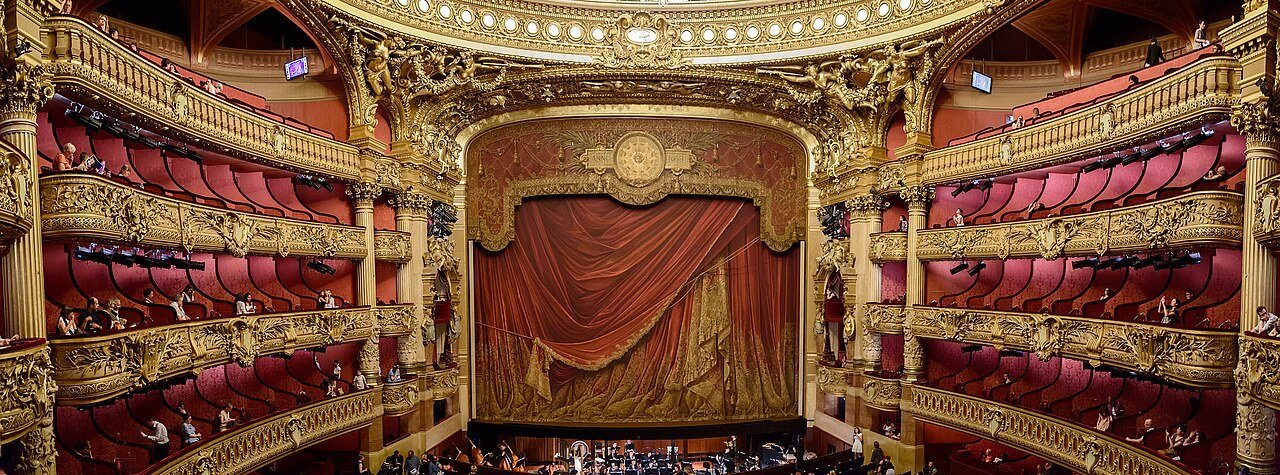
Before you buy a single candle, understand the assignment. The opera aesthetic is maximalist romance: deep jewel tones, heavy fabrics, old-world ornament, and light that comes from flames rather than bulbs. Think of the auditorium just before the overture — red velvet seats, gilded boxes, a chandelier warming up overhead. Your dining room becomes that auditorium, and the table is the stage. It suits hosts who love a little ceremony: the menu printed, the toast planned, the playlist cued.
This is not a style that whispers. Every choice should feel deliberate and a little decadent — if an element looks like it belongs in a bright, airy kitchen, it does not belong here. Edit ruthlessly in favor of pieces with weight, patina, and shadow.
The payoff is a table that photographs like a film still and feels like an event. Guests do not simply sit down; they take their seats. The difference between “dark Christmas table” and “opera” is intentionality — every object earns its place in the production.

Your Palette: Burgundy, Black, and Gold
Every great production starts with a color script, and yours has exactly three starring roles: burgundy, black, and gold. Burgundy brings the passion — wine-dark roses, velvet ribbons, deep red glass. Black brings the night — linens, plates, taper candles, and the shadows between them. Gold brings the footlights — chargers, flatware, candlesticks, and anything that catches a flame and throws it back.
Use the three in a strict hierarchy. Black dominates the large surfaces: tablecloth, dinner plates, the room’s general darkness. Burgundy is the mid-tone story, carried by flowers, napkins, and glassware. Gold is the scarcest accent — when everything gleams, nothing does.
Skip a fourth color; candlelight itself reads as warm amber. Dark eucalyptus or black-green pine can sneak in low, but keep it shadowy. One disciplined palette is what makes twenty objects read as one composed scene.
Why Candlelight Does All the Work
In the opera aesthetic, candlelight is the lighting designer. Overhead lights flatten everything, but dozens of small flames turn velvet to liquid and make burgundy roses smolder. Before guests arrive, kill every ceiling light — if the table looks good under the chandelier alone, it will look transcendent once the candles are lit.
Plan for far more candles than feels reasonable: one flame per guest plus a dozen for the table. Mix real flame where it is safe with high-quality LED tapers and tea lights in enclosed holders. From two feet away, nobody can tell the difference.
Choose warm-toned candles — actual wax with cotton wicks for visible holders. The amber tone turns black linen velvety rather than flat and flatters every face at the table: the most underrated hosting trick in the book. Keep a long-reach lighter and spare tea lights in a drawer nearby so you can quietly relight strays without breaking the mood.
Candelabra as the Centerpiece
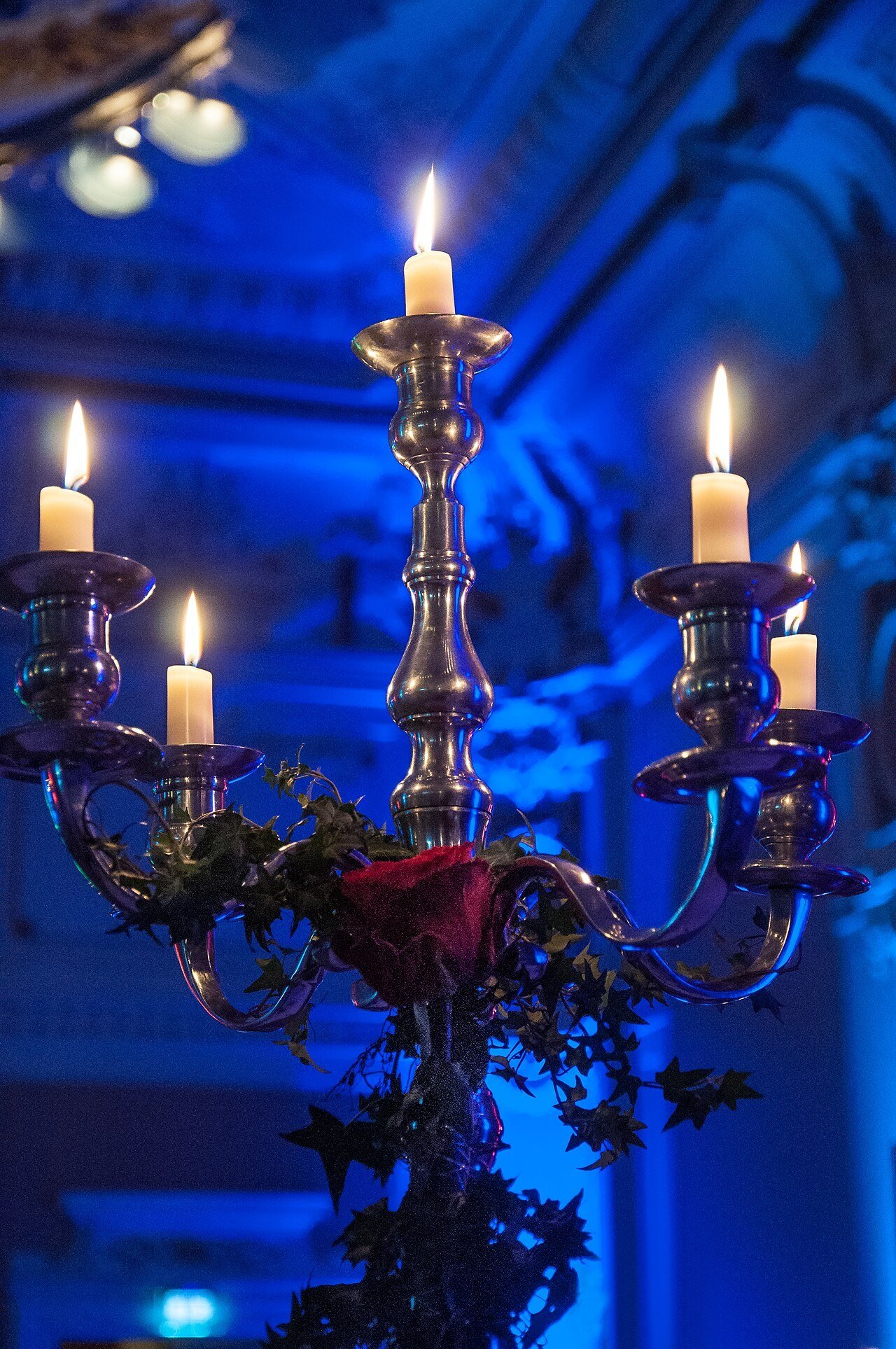
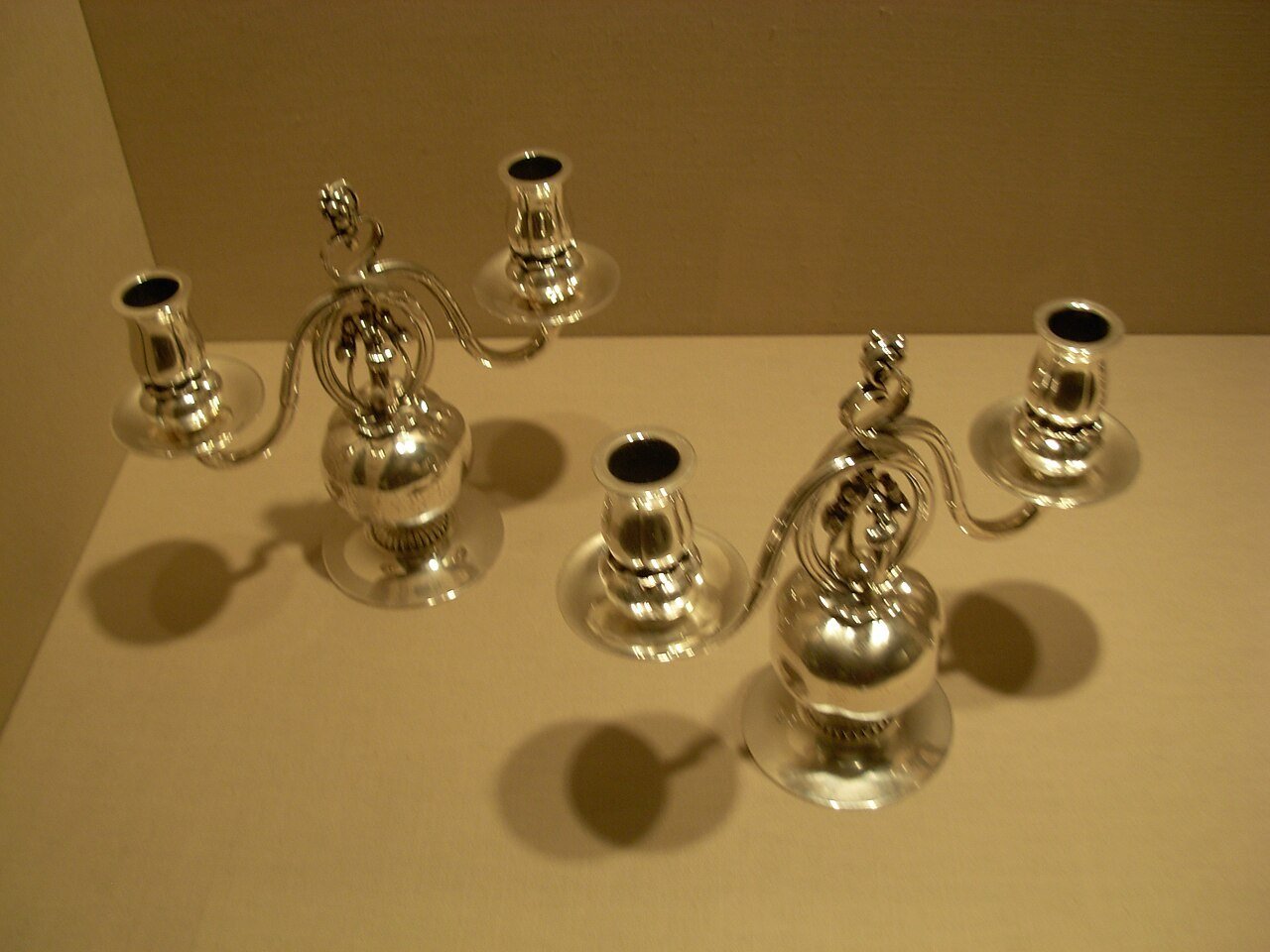
Forget the low floral runner for a moment: in this aesthetic, the centerpiece is a candelabra — or better, a procession of them marching down the table’s spine. Tall, branching candelabra create the vertical drama the style demands, lifting the eye the way a proscenium arch lifts a stage. Three five-arm candelabra on a six-foot table is a strong starting composition.
You do not need matching antiques — match finish and scale instead: all brass, all black, or all gold, heights within a few inches. Thrift stores and estate sales are full of orphaned candelabra for a few dollars each, and matte black or metallic gold spray paint unifies the motley crew overnight.
Keep flames above eye level or well below it. Candelabra between 12 and 18 inches tall hit the sweet spot: sculptural but never a wall between guests. Anchor each on a small mirrored tray to catch drips and double the glow. If your table is narrow, choose single-column candelabra over branching ones — same height, half the footprint.

Staggering Three Heights of Flame
Professional stylists build candlelight in three heights, and the opera table is no exception. Tall tapers in candelabra form the top layer. Chunky pillar candles — 3, 4, and 6 inches — form the middle layer, clustered in odd numbers directly on the table or on low risers. Tea lights scattered in the gaps form the bottom layer, filling every dark pocket with flicker.
The magic is in the density: a candelabra flanked by two pillar clusters and eight tea lights looks like a coronation. Work in a rhythm down the table — tall, medium, low, medium, tall — then squint from the doorway. You want an unbroken river of warm light with no dead stretches.
Keep every flame a foot from anything flammable and never leave the table unattended. Put real flames in the center where sleeves cannot reach; LED pillars and tea lights can go anywhere, including inside floral arrangements where real flame would be reckless.

Tea Lights for the In-Between Glow
Tea lights are the stagehands — invisible individually, indispensable collectively. Tuck them into every gap: between candelabra, inside low hurricanes, along the table’s edge. Amber or smoked glass holders deepen the tone; clear glass reads too bright and modern.
Buy in bulk and go flameless here. Real tea lights generate surprising heat and need replacing through a long dinner; flickering LEDs look convincing inside colored glass, and one remote switches the whole table on five minutes before guests arrive — a genuinely theatrical reveal.
Place a few tea lights on small round mirrors. The reflection doubles each flame and throws dancing light upward onto faces and flowers — the biggest glow-per-dollar upgrade on this list.
Crystal Chandeliers, Even Borrowed Ones
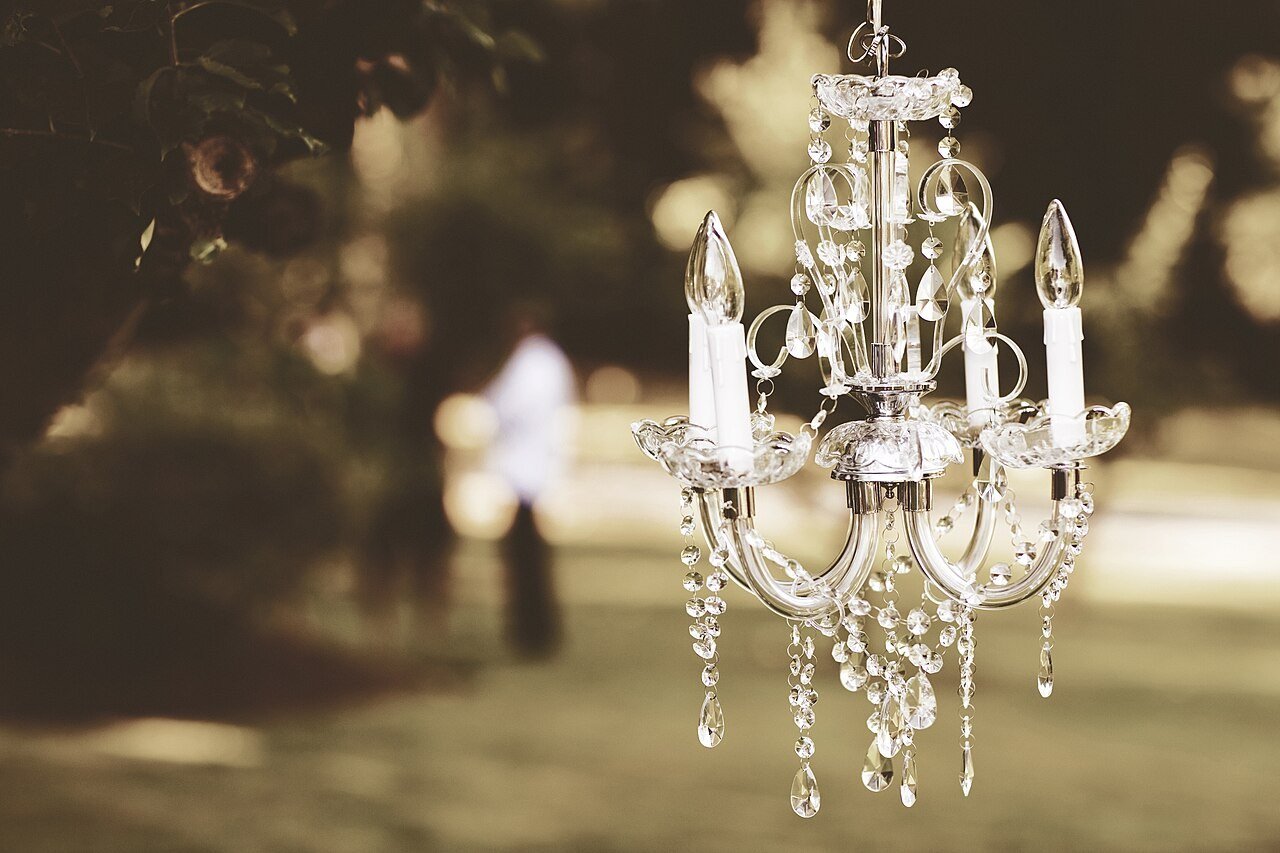
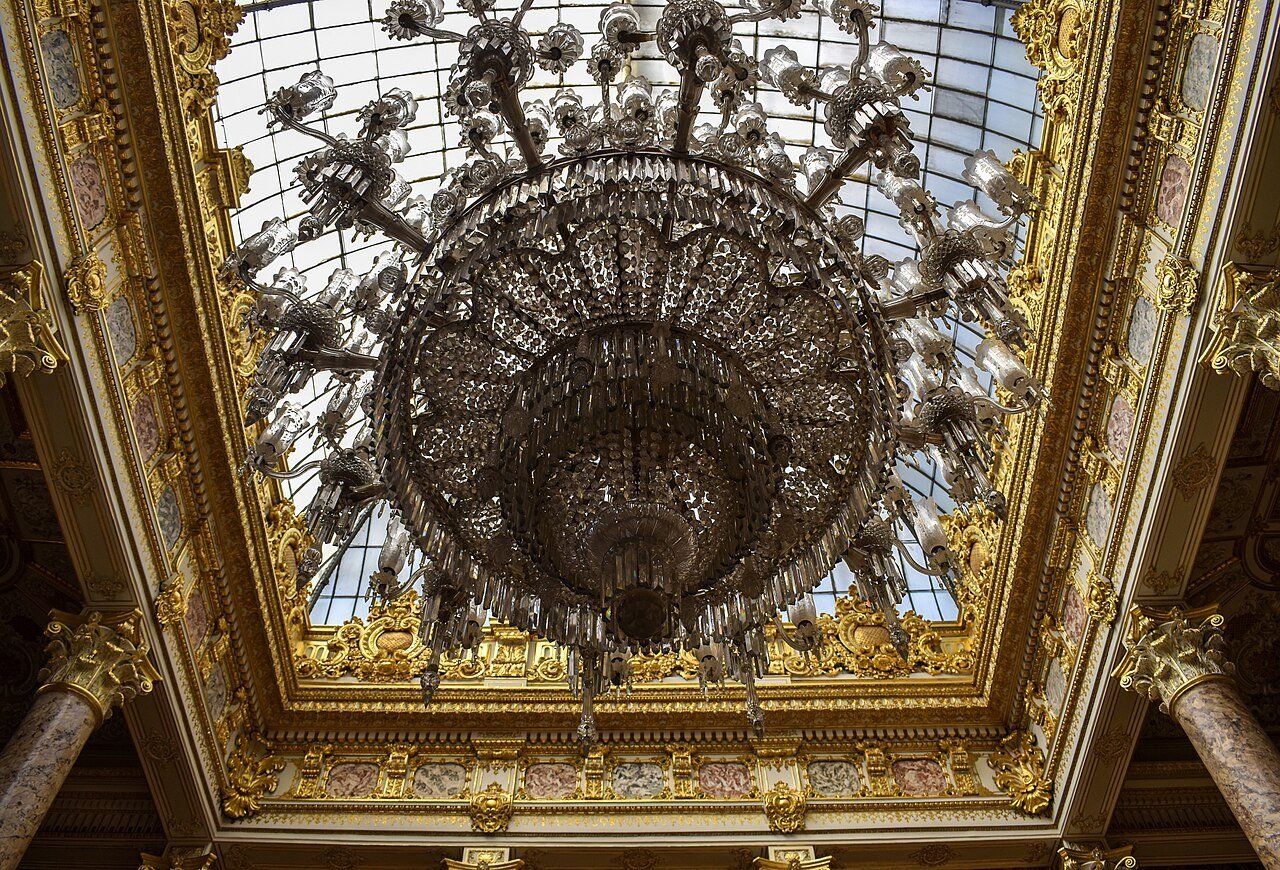
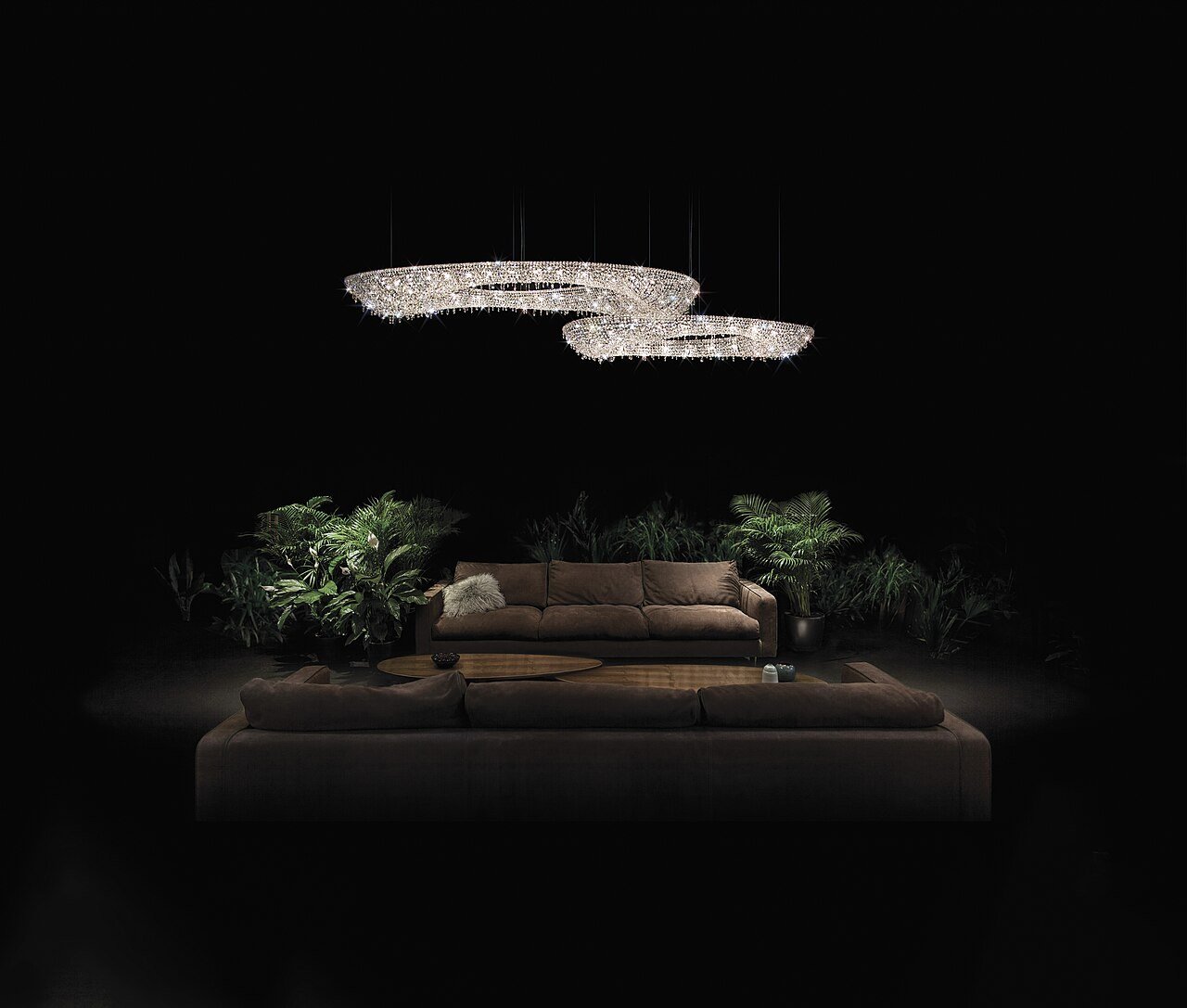
Nothing says opera like crystal overhead, and you do not need a palace to fake it. Dress an existing chandelier for the role: hang crystal ornaments, burgundy baubles, or velvet ribbon streamers from its arms and swap in the warmest bulbs you can find.
No chandelier? Create one. A large embroidery hoop wrapped in crystal bead strings, hung on fishing line over the table’s center, reads as a chandelier the moment candlelight hits it. Add hanging votives at varying lengths for a floating installation guests photograph before sitting down.
Hang it high — the bottom should clear a standing guest’s head by a foot. When the candles below catch the crystals above, the room shimmers like the inside of a music box. Short on time? Party-rental companies rent crystal chandelier strands by the foot, pre-strung and ready to hang — a convincing shortcut for one night.
Black Linens: The Stage Floor
The tablecloth is your stage floor, and here it should be black. Matte black linen or velvet absorbs light and makes everything on top float: gold rims glow, crystal throws sparks, burgundy roses look lit from within. If full black feels severe, layer a black runner over charcoal.
Velvet tablecloths are the ultimate move — they drink light at the edges and shine where candles hit — but they show every crumb. Matte linen is more forgiving and still dramatic. Either way, steam out the wrinkles; they break the illusion faster than anything.
Let the cloth puddle slightly on the floor rather than stopping at the edge. The pooling fabric hides legs and makes the table look custom-dressed — a small extravagance that reads as pure theater.

Velvet Layers: Runners, Napkins, and Draping
If black linen is the stage floor, velvet is the curtain. Layer a burgundy velvet runner down the center of the black cloth, spilling over both ends. The matte-black against light-hungry velvet creates depth before a single candle is lit, and gives centerpieces a defined “stage.”
Carry velvet into the place settings with napkins in deep burgundy or black. Skip fussy folds — roll each napkin and tie it with narrow gold ribbon, or lay it flat under the charger with one corner askew. Velvet wrinkles beautifully; its crushed texture is the point.
Drape velvet beyond the table too: swag it across the sideboard, tie it around chair backs. One fabric repeated in three places makes a room feel designed. Buy velvet by the yard — a fraction of “table runner” prices for ten times the yardage.
Roses, Burgundy and Dramatic
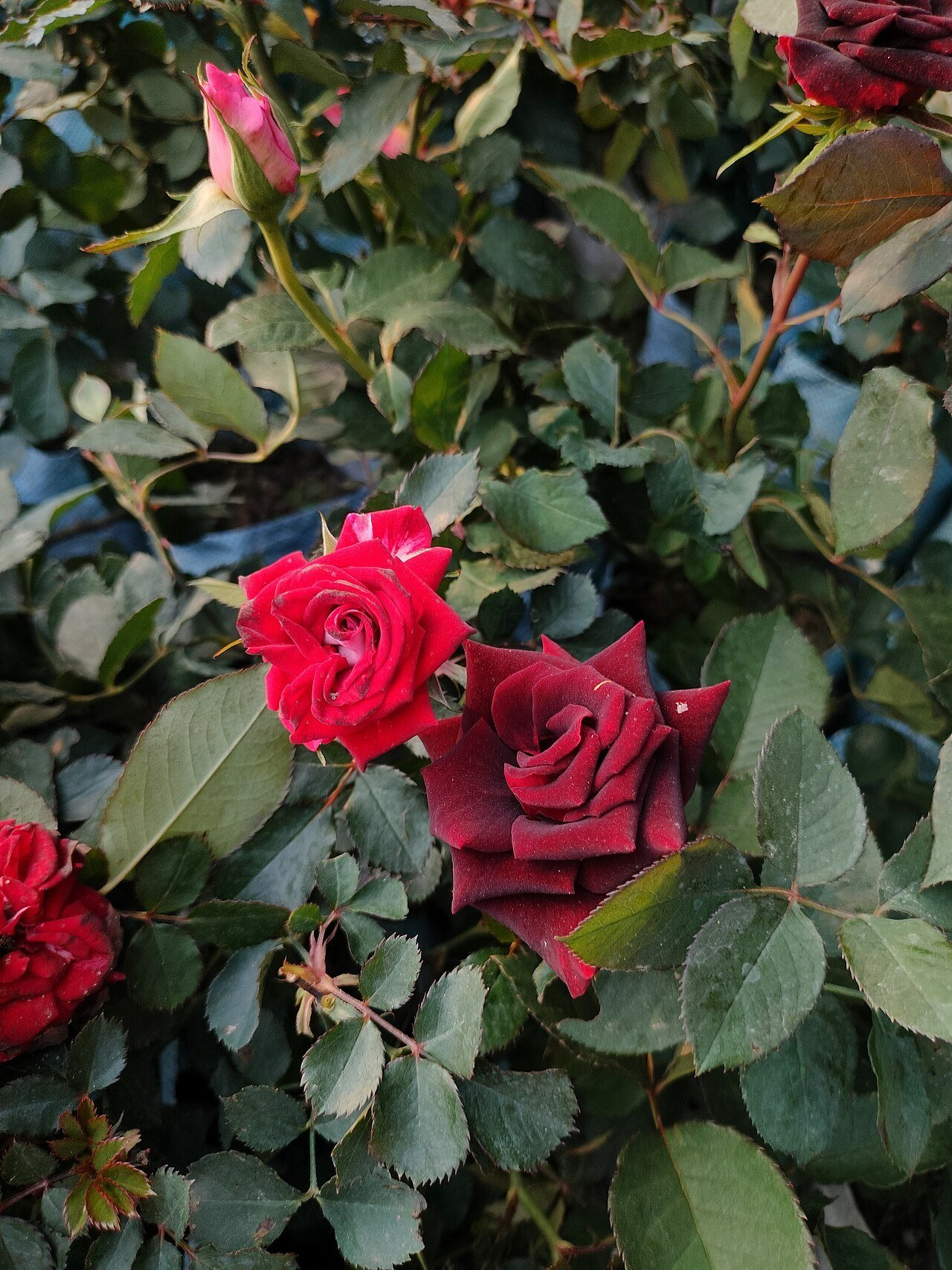
Roses are the official flower here, and they should be dark — burgundy, oxblood, near-black reds like ‘Black Baccara’. Mass them low and lush down the table’s center in bud-vase clusters or one long compote: a river of blooms, not a polite arrangement.
Keep every arrangement below 10 inches. Sightlines matter more than floral ambition, and low mounds let candlelight rake across petals. Strip lower leaves, cut stems short, pack blooms tightly — density reads as luxury.
Stretch the budget with dried and faux filler: burgundy amaranthus, black-dyed ruscus, spray-painted eucalyptus all vanish into real roses in candlelight. Spend fresh-flower money on the roses guests can touch and scent. For fragrance, tuck a few sprigs of fresh rosemary or bay among the blooms — herbal, festive, and far cheaper than scented candles.
Single Stems in Bud Vases
The counterpoint to the rose river: single stems, each in its own slender bud vase, marching between the candelabra. One perfect burgundy rose per vase, repeated eight or ten times — the floral equivalent of a solo aria after the chorus.
Bud vases are the budget hero here. Mismatched vintage ones in amber, black, and clear glass cost almost nothing thrifted, and the variety looks intentional when the flowers match.
Vary water levels and stem heights slightly — a half-inch difference looks organic. This is also the easiest centerpiece to scale: fewer guests simply means fewer vases.

Venetian Masks as Decor
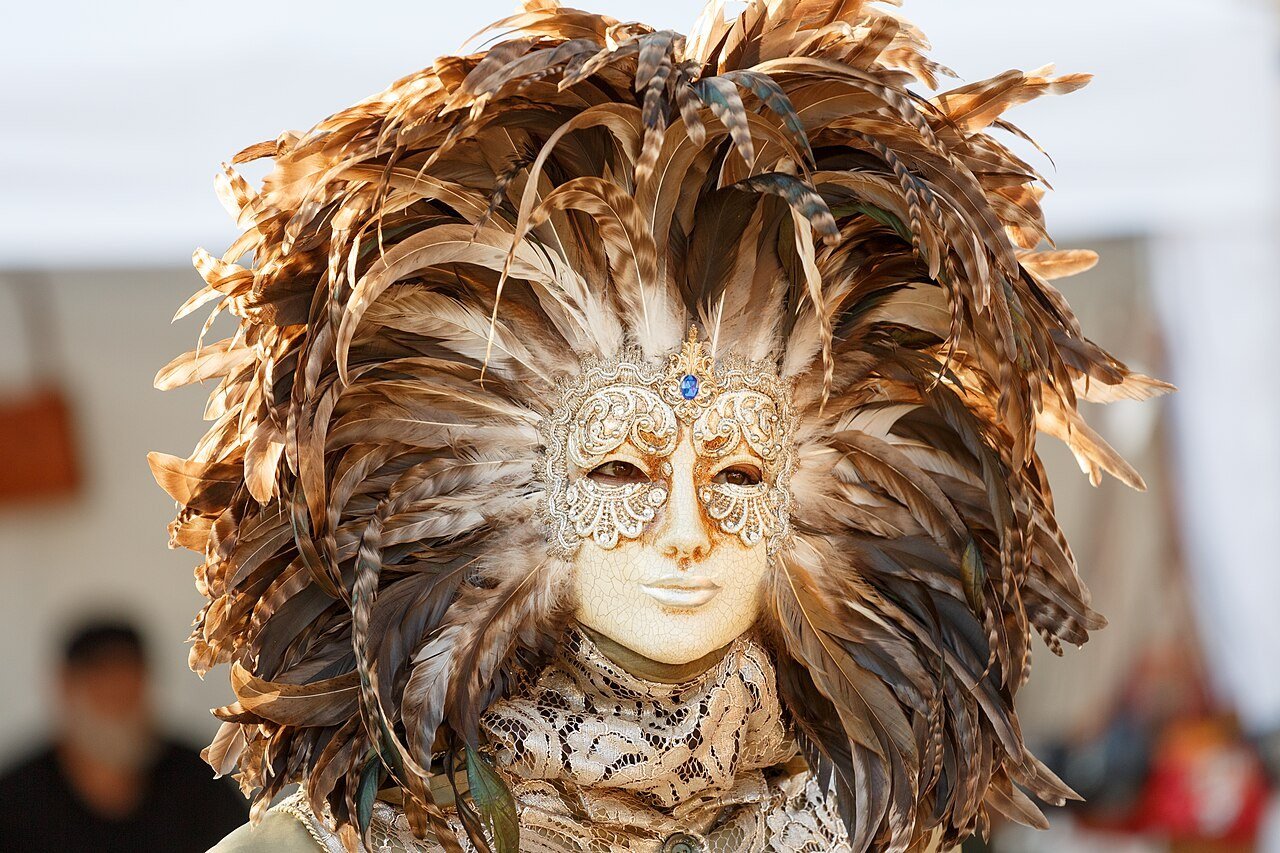
The mask is this aesthetic’s signature plot twist. Place one ornate Venetian mask at each end of the table as sculptural bookends, or lean a single dramatic mask against books on the sideboard where it catches the light. Gold filigree on black linen is pure Phantom of the Opera.
Skip the antiques: craft-store masks painted matte black with gold detailing look convincingly baroque in candlelight. Mount each on a small plate stand so it sits upright like the art object it is.
Two or three masks in the whole room is plenty — the power of the mask is surprise. One exquisite mask, well lit by a nearby candle, does more work than a wall of them. Check vintage and costume shops after Halloween for deep discounts on quality masks you can repaint for December.

Masquerade Place Cards Guests Keep
Turn the mask motif into place cards: miniature masks tied with burgundy ribbon to each napkin double as seating markers and take-home gifts. Write names on the back in gold pen — guests will immediately try them on for photos.
Or use full-size masks as station markers: “Act I — Cocktails” at the bar, “Act II — Dinner” at the table. The three-act framing gives even a simple dinner the arc of an event.
Engineer the photo moment: one chair near the candles, a basket of spare masks, a small sign. The tablescape that photographs well is the tablescape that gets remembered.
Opera Glasses and Playbill Details
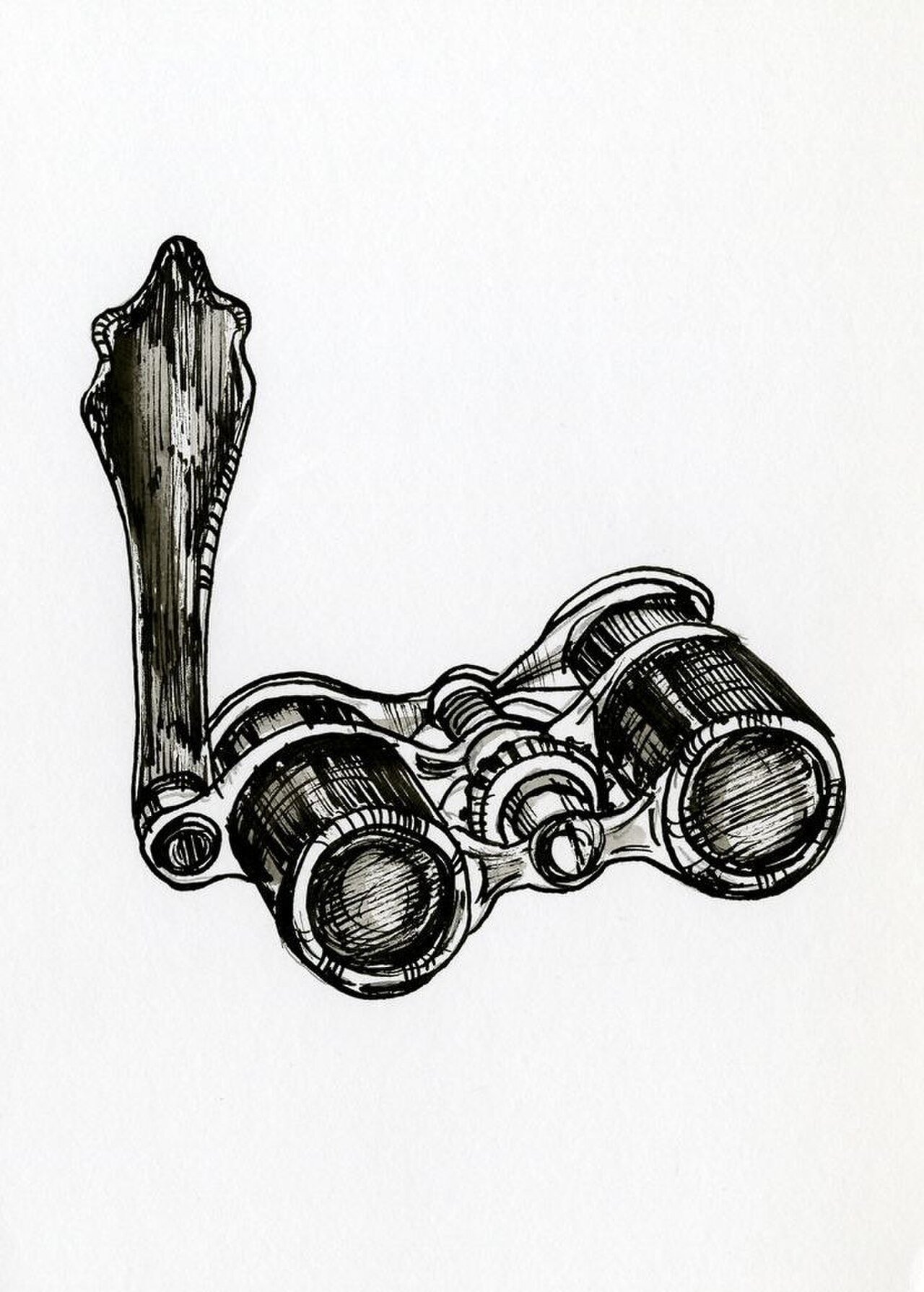
Small props separate a themed table from a designed one: vintage opera glasses on the sideboard books, a printed “program” listing your menu as acts and scenes, a wax-sealed envelope at each place — details guests pick up, turn over, and remember.
Design the menu as a playbill: black cardstock, gold lettering, “An Evening in Three Acts” across the top, each course a scene. Print at home and edge with a gold paint pen — pennies apiece, and roast chicken feels like a premiere.
Scatter a few discovered-not-displayed props: opera glasses on the bar, a brass bell to “call” guests to dinner. Three details delight; ten feel like a gift shop. Flea markets and estate sales are the best hunting grounds — genuine opera glasses often sell for less than reproductions.
Gilded Chargers and Gold Flatware
Gold is the accent that makes black and burgundy sing. Start with chargers — large gold chargers under black plates create a glowing ring at every seat. Discount-party-store gold chargers look identical in dim light.
Gold flatware is the next tier and worth it if you entertain often. On a budget, mix: gold dessert spoons alongside everyday stainless reads as intentional when the gold matches the chargers.
Keep all golds in one family — antique or polished, not both. When in doubt, antique gold is the moodier choice for this palette. Renting is also smart: event-rental companies lease gold chargers and flatware by the dozen for less than buying, with no storage headache in January.
Crystal Stemware That Catches Light
Every glass should earn its place by catching light. Cut-crystal wine glasses, vintage coupes, faceted goblets throw prisms across the black linen — the table sparkles as guests reach for drinks. Here, more glasses is a design decision, not clutter.
Skip the matched set: a collected mix of vintage crystal looks more authentically old-world than twelve identical glasses. Mixed patterns unify when every glass is clear crystal in the same candlelight.
Set the classic triangle — water goblet, red wine glass, champagne flute — at each place. Polish right before guests arrive; water spots are the enemy of sparkle.

Champagne for the Final Act
Every opera ends with a finale — yours should be champagne in tall crystal flutes. Consider a dedicated toast between main course and dessert, announced with your little brass bell, everyone standing.
Style the champagne station as its own vignette: bottle in a silver ice bucket, flutes on a mirrored tray, gold-dusted truffles alongside. It draws guests off the table between courses — an intermission that resets the evening’s energy.
Beyond budget? A good cava in the right glass delivers ninety percent of the theater. Chill thoroughly, pour at the table for ceremony, and keep one foil-topped bottle standing among the candles all evening — a promise of celebration. Offer a sparkling non-alcoholic option in the same flutes so every guest joins the toast.

The Dessert Intermission
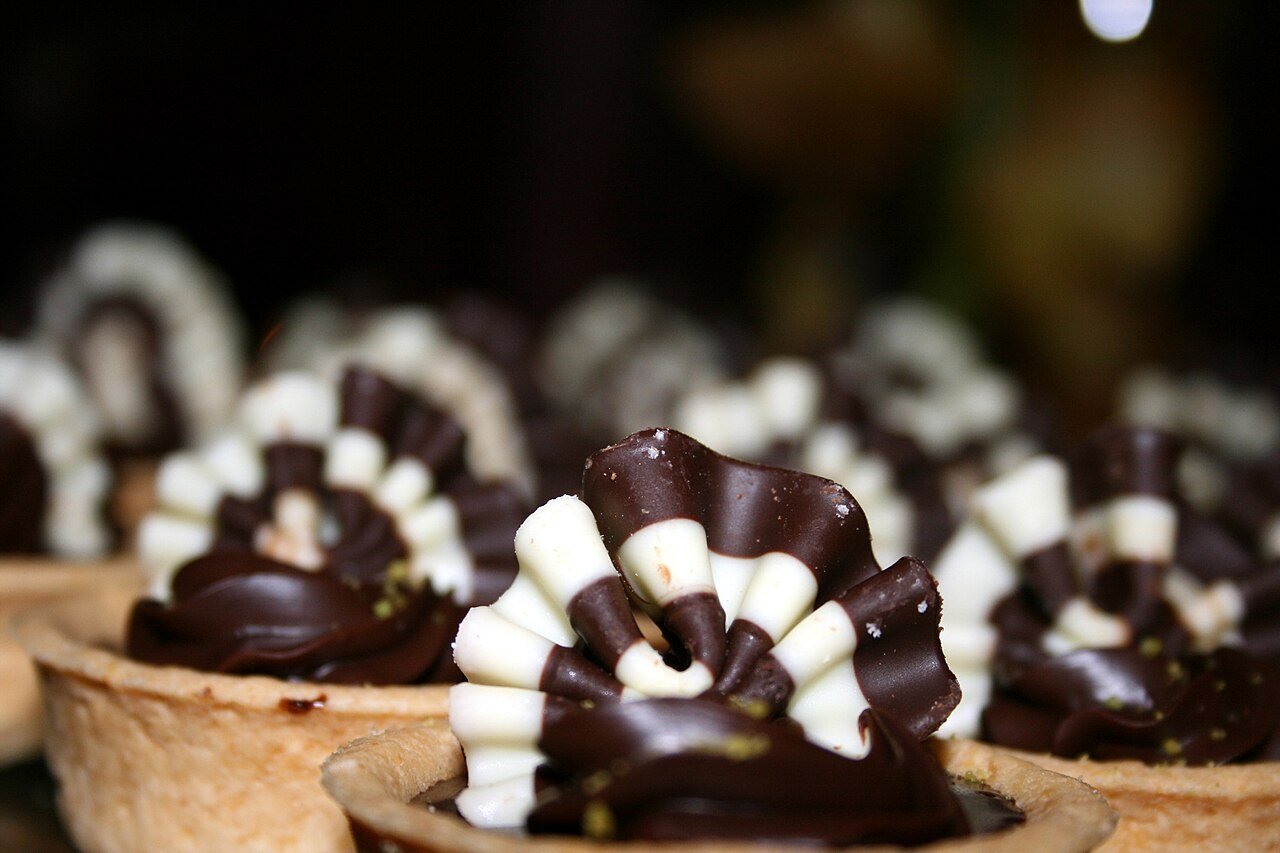
Plan dessert as the intermission: clear the plates, relight guttering candles, bring out something dark — glossy chocolate tarts, black forest cake, pears poached in red wine. Dessert should continue the burgundy-black-gold story.
Serve on the cleared black plates with one gold dessert fork and a dusting of cocoa. A single burgundy rose petal per plate turns a simple tart into plated theater. Keep portions small — guests want a jewel, not a slab.
Pair with something warm and dark: espresso, amaro, ruby port. The last half hour of guttering candles and good conversation is the entire point — do not rush it.
The Gilded Room Around the Table
Do not let the theater stop at the table’s edge: dim the hallway, put a candelabra on the entry console, hang dark greenery with a black velvet bow on the door. Guests should feel the overture from arrival.
Translate the great opera houses to domestic scale: burgundy fabric over the mantel, gold-framed art leaned on the sideboard, coffee-table books on Venice. Set dressing tells guests they have stepped out of the ordinary.
Score the night: baroque strings during cocktails, full romantic arias by dessert — low enough for conversation. Music should be felt, not heard, like the pit orchestra under dialogue.
Strike the Set: Packing It Away Smart
Every production ends with the strike — make it painless by designing for disassembly. Line candle clusters with foil or use dripless candles so wax never meets good linen. Photograph the table before guests arrive: next year’s reference and this season’s content in one.
Pack by zone — “table center,” “sideboard,” “bar” — and label every bin. Velvet and black linen get cleaned promptly: soot hides on black until it doesn’t, and velvet holds scent.
Keep a notes file: what worked, what wobbled, how many tea lights you used. Great tablescapes are revised, not reinvented — and guests will swear you hired a designer. Start the strike the morning after, not at midnight: blow out candles before bed, but save the full teardown for daylight when crystal and glass are easier to handle safely.

I am Talha Sikandar, a professional writer with a passion for general blogging. With years of experience in content writing and research, I founded Meaniingly.com to deliver well-researched, informative, and user-friendly articles on diverse topics.