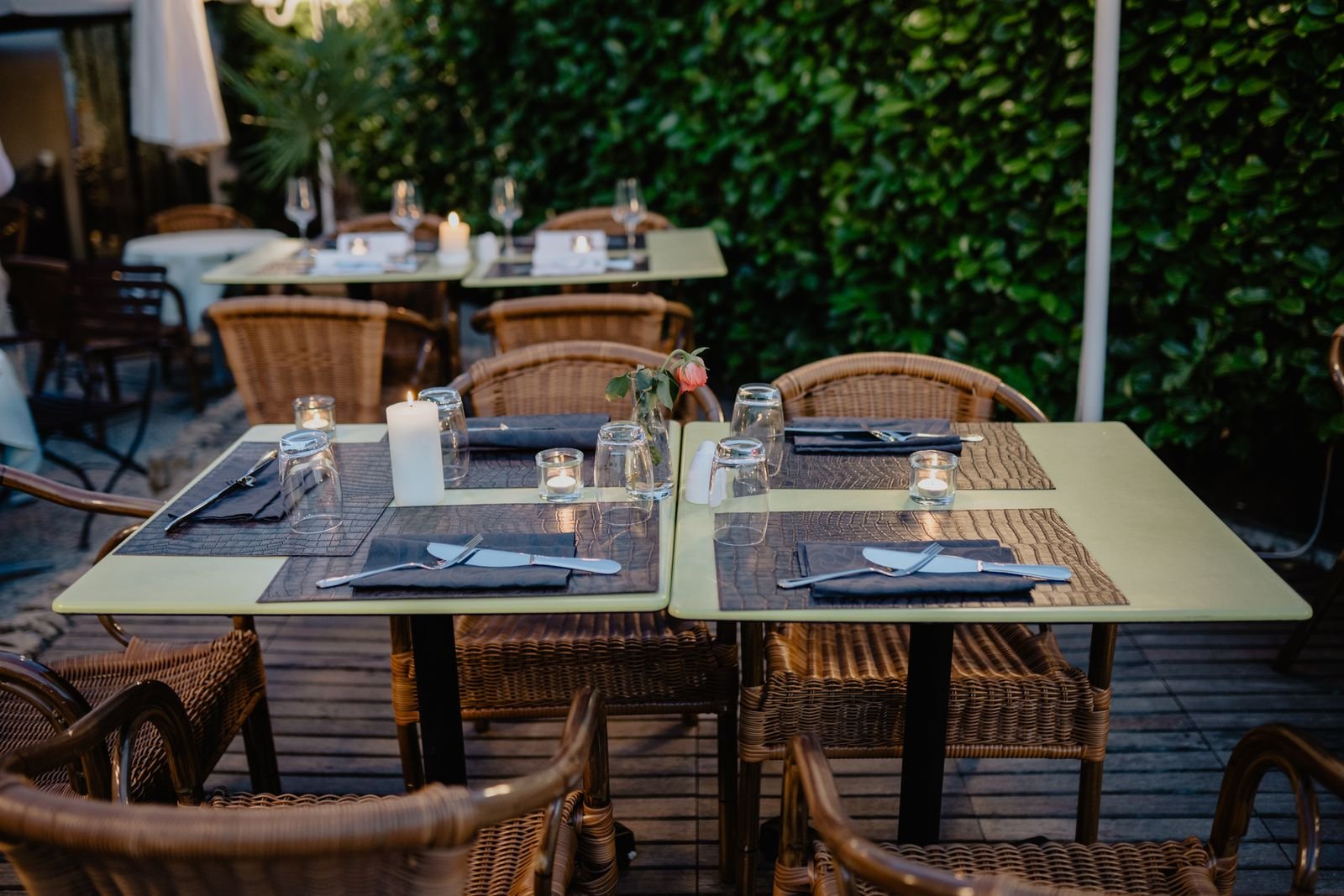
thanksgiving to christmas tablescape ideas
The weeks between Thanksgiving and Christmas are the busiest of the year, and redecorating your dining table twice is a chore few of us have time for. The smarter move is a transitional tablescape: a design that honours the harvest season in late November and glides effortlessly into Christmas with a few simple swaps. Done well, your table never looks half-finished or prematurely festive; it simply evolves, like the season itself. Think of it as a capsule wardrobe for your dining room: fewer pieces, chosen well, mixed and matched across occasions. This guide shows you how to build one flexible foundation, choose a palette and greenery that bridge both holidays, and plan the small changes that carry you from turkey to tinsel. You will save money, halve your decorating time, and enjoy a dining room that feels intentional and welcoming from the last Thursday of November right through to Christmas Day.
Why a Transitional Tablescape Saves Time, Money and Sanity
Decorating for two major holidays back to back is exhausting and expensive. A transitional approach means you style the table once, properly, in late November, then make a handful of targeted swaps in December rather than starting over. The savings are real: one set of linens, one collection of candle holders, one greenery base, used for five or six weeks instead of two. It also spares you the awkward in-between week when Thanksgiving décor feels stale but Christmas feels too early. Psychologically, a table that evolves feels alive and cared for, while a table stripped bare between holidays makes the dining room feel abandoned. Plan your transition around the second weekend of December, and give yourself permission to enjoy the overlap; the festive season is long, and your table should be too.
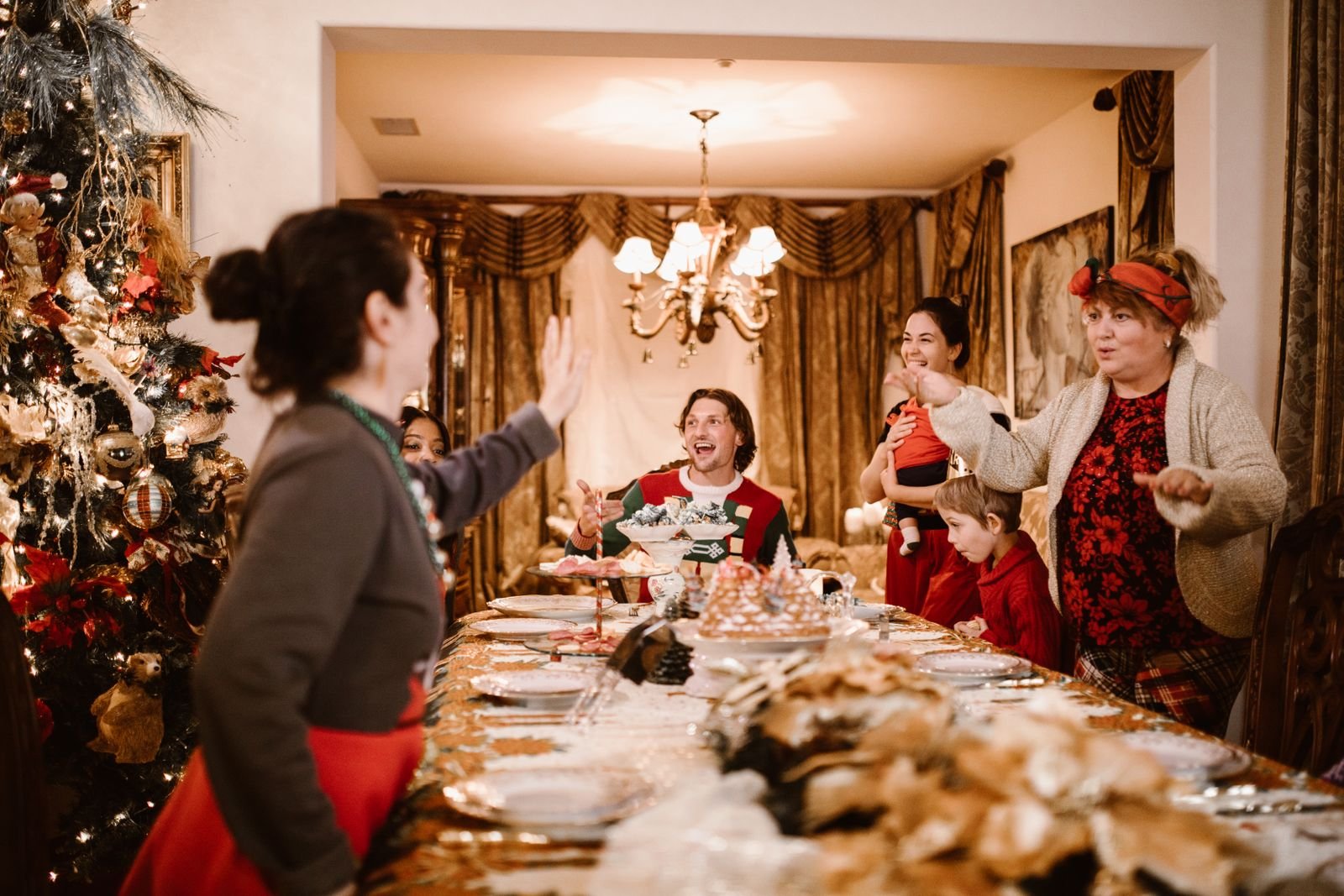
The Neutral Base: Linens That Work for Both Holidays
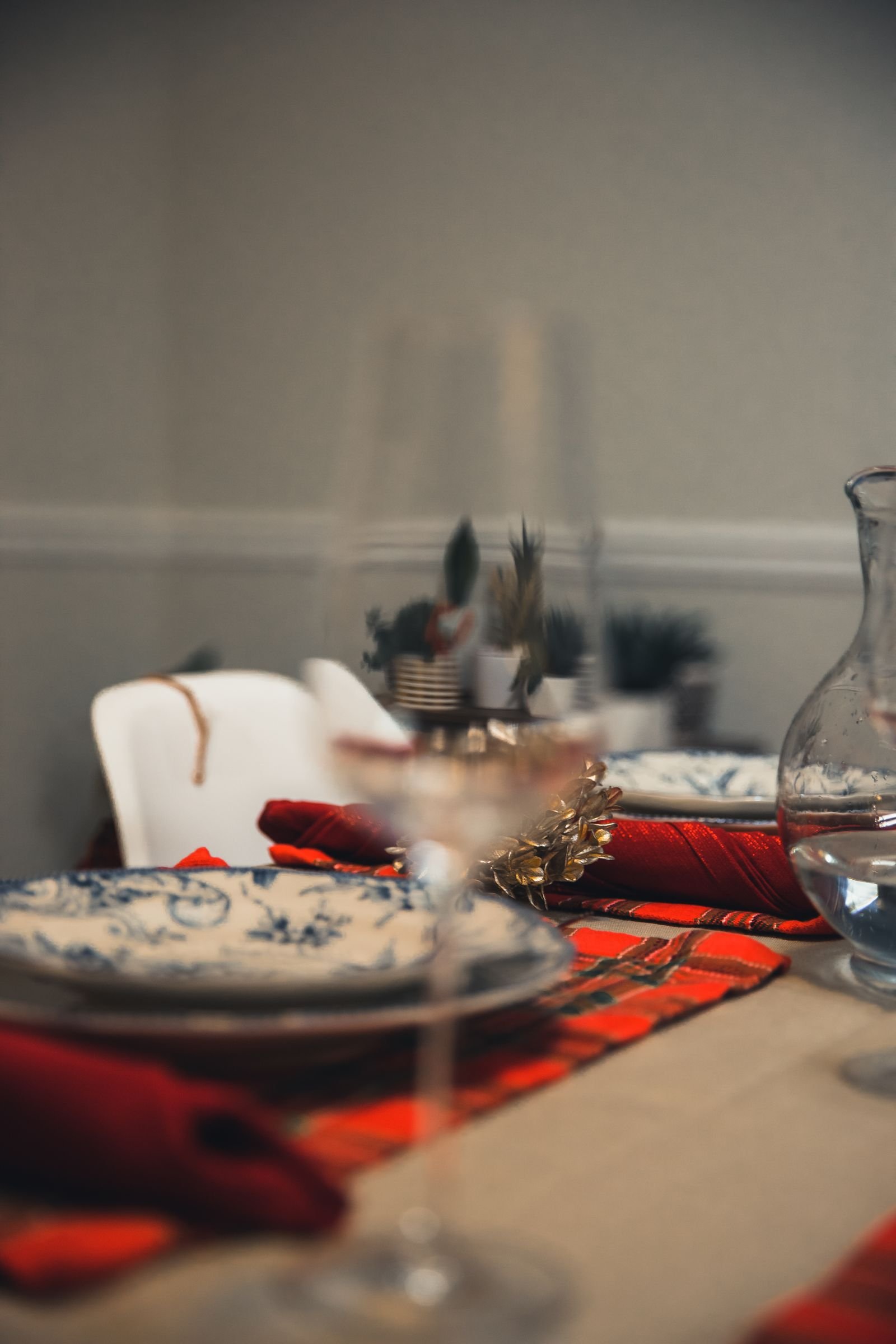
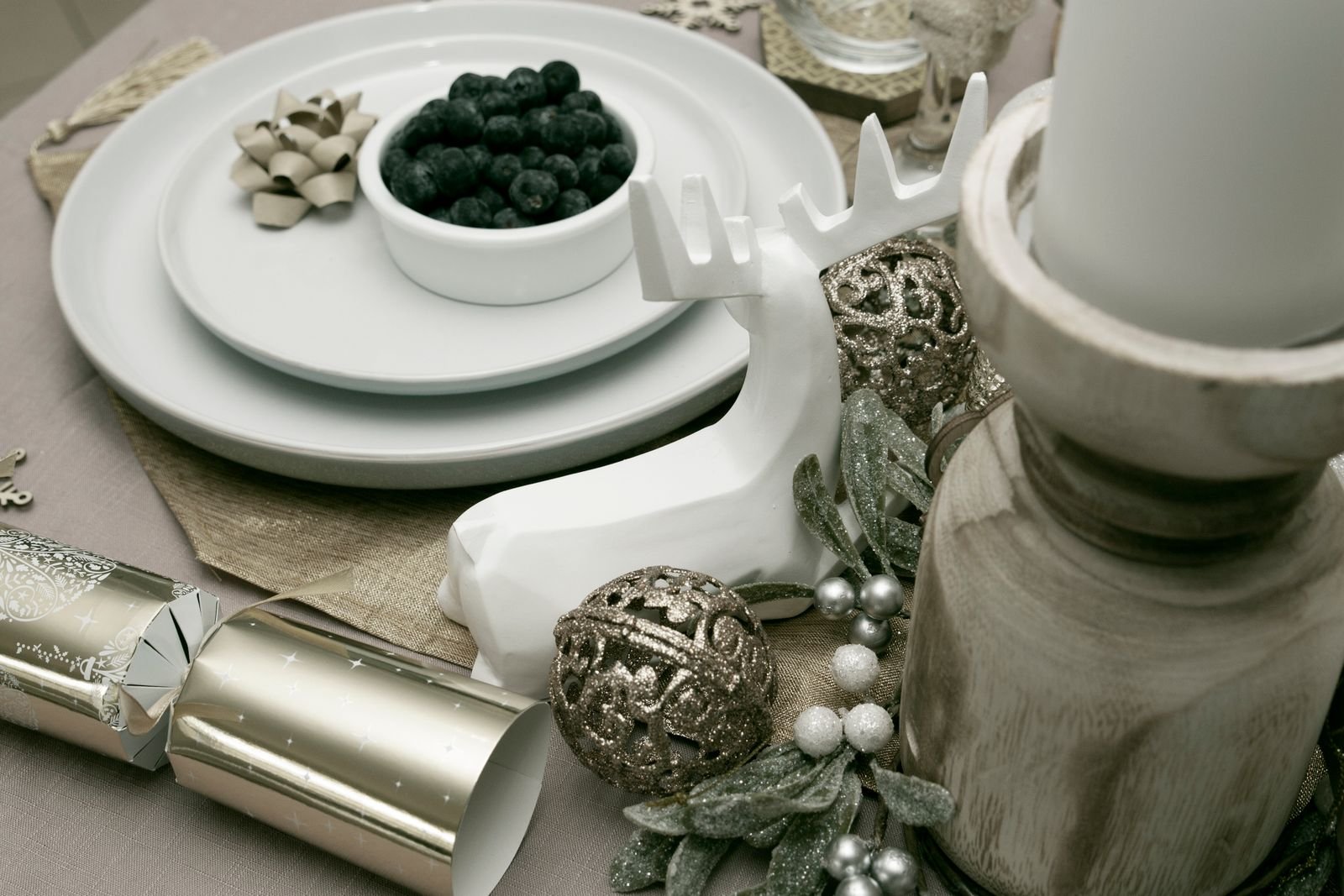
Everything starts with linens that refuse to pick a side. A natural linen tablecloth in oat, warm white or soft grey works from November through December without looking Christmassy or autumnal. Layer a runner that bridges the seasons: burlap or jute for harvest texture, or deep green velvet that reads autumnal now and festive later. Avoid prints with turkeys or Santa; solid colours and subtle textures transition, novelty prints do not. Napkins in a warm neutral can be accessorised differently per holiday: tied with wheat in November, with a sprig of pine and a cinnamon stick in December. Buy the best quality you can afford, since these pieces will work hard for six weeks, and choose machine-washable fabrics so a gravy spill in November does not ruin December. A quick wash and press between holidays keeps everything looking fresh for round two.
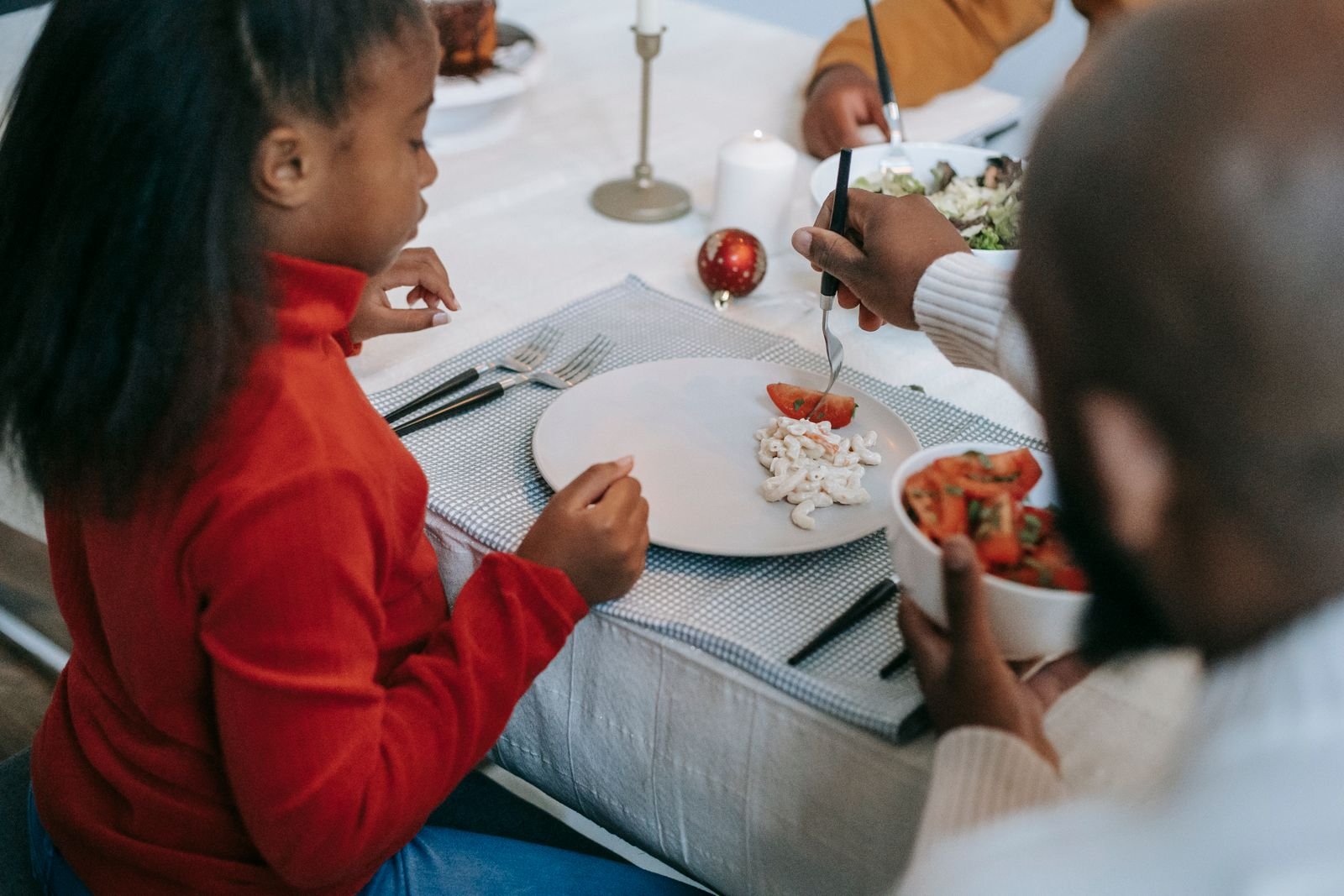
Greenery as the Bridge: Eucalyptus to Pine
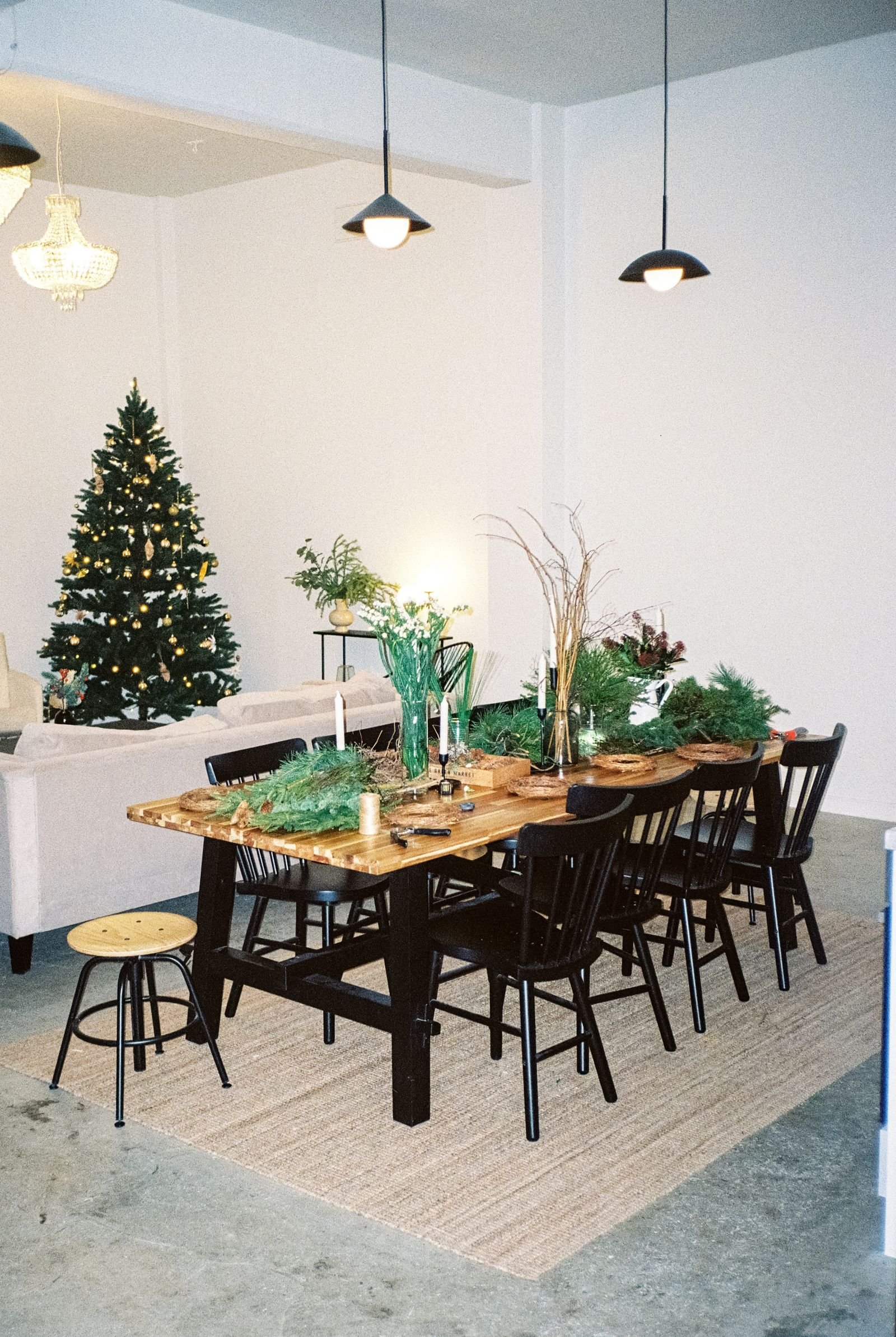
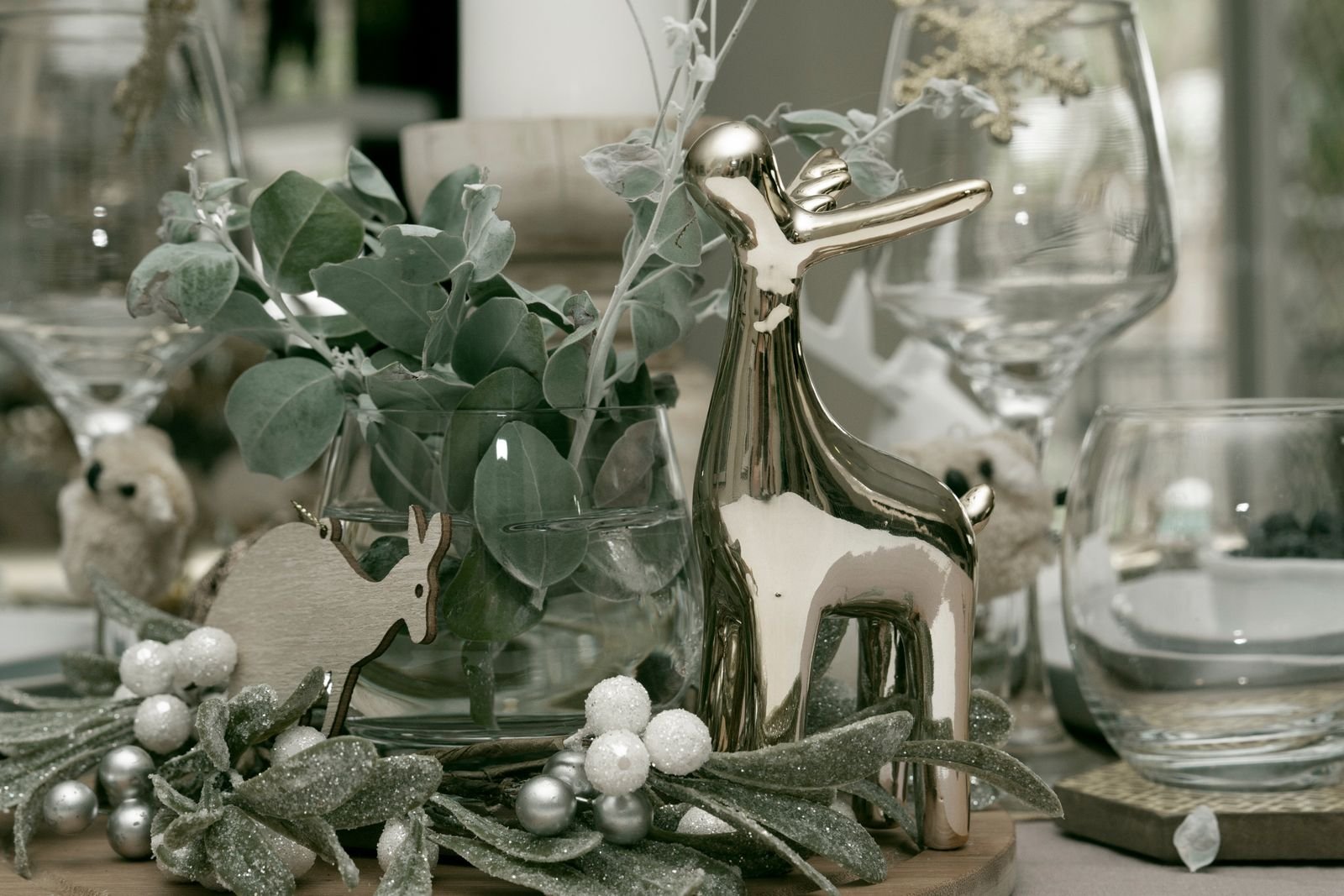
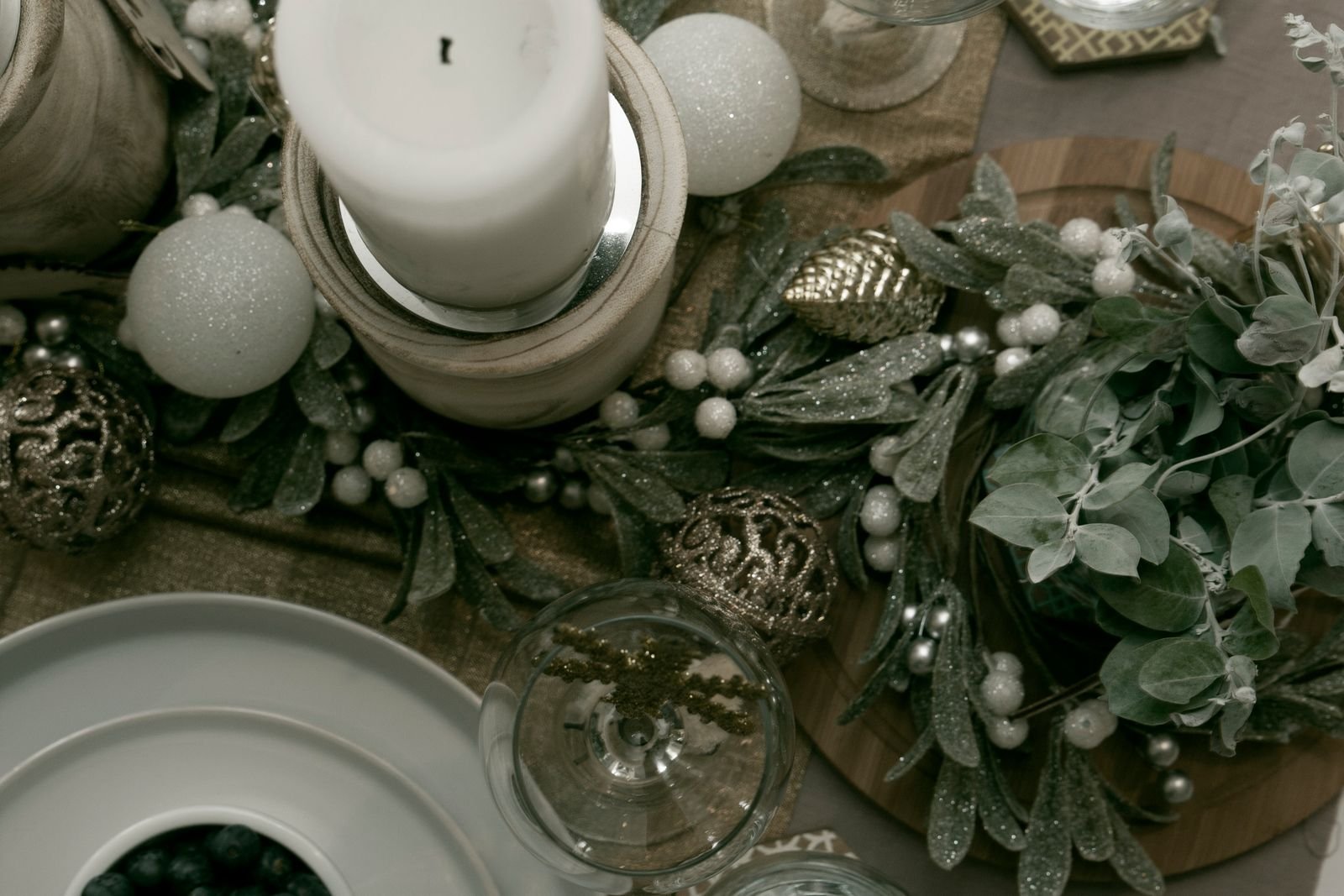
Greenery is the single best transitional element because it belongs to both seasons. Start in late November with eucalyptus, olive branches and dried grasses, which read as harvest-season natural. As December approaches, layer in pine, cedar and fir sprigs, tucking them into the existing arrangement rather than replacing it. The eucalyptus stays; the evergreens join it, and the table visibly shifts toward Christmas without any teardown. A long garland down the centre of the table is ideal: build it once, then refresh it with new sprigs and swap dried wheat for pinecones and berries. Mist fresh greenery lightly every few days and keep it away from radiators; a well-maintained garland lasts three to four weeks, covering the whole transitional period.

From Pumpkins to Poinsettias: The Swap Strategy
The most visible Thanksgiving-to-Christmas change is the swap of harvest produce for festive botanicals. Plan it as a simple exchange: out go the pumpkins and gourds, in come poinsettias, amaryllis or paperwhites in matching pots. Keep the vessels the same and only the contents change; the table’s structure stays intact while its message shifts. White pumpkins can actually stay into early December, bridging the gap gracefully, while orange ones should leave with Thanksgiving. Small potted evergreens, rosemary topiaries or cyclamen in deep red all make excellent December replacements. Do the swap in one focused session of about an hour, ideally the weekend after Thanksgiving, and compost or donate the outgoing produce. Photograph the November version first so you remember the arrangement’s bones.

One Centrepiece, Two Holidays: The Convertible Formula
Build your centrepiece like a stage set with changeable props. The permanent structure might be a long wooden trough, a garland base or a collection of candle holders; the seasonal layer is what changes. For Thanksgiving: wheat, mini pumpkins, dried leaves and amber candles. For Christmas: pine sprigs, pinecones, red berries, baubles and ivory candles, all arranged on the identical base. Store the December layer in a labelled box, ready to deploy. This formula works because the eye reads the structure as “the centrepiece” and the details as “the season”. Keep a small kit of transitional extras, gold ribbon, spare baubles, cinnamon bundles, so the December refresh takes minutes. One well-built convertible centrepiece outperforms two mediocre single-use ones every time.

Metallics That Transition: Brass, Gold and Copper
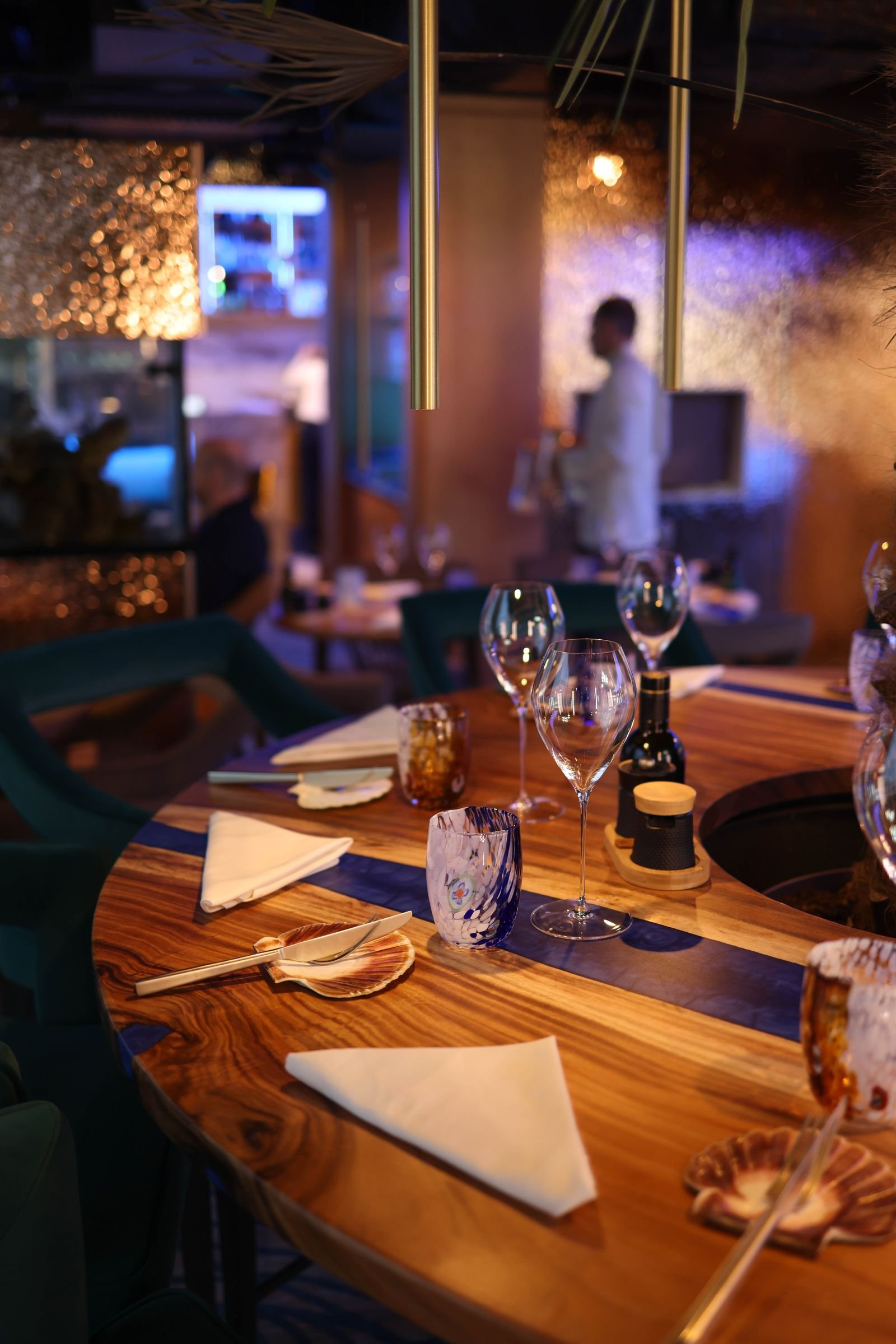
Metallics are the great diplomats of holiday décor: brass candlesticks, gold flatware and copper mugs look at home in November and December alike. Choose warm metallics over cool silver, which leans Christmassy; brass and aged gold bridge both holidays effortlessly. Invest in metallic pieces you will reuse for years: a set of brass candlesticks, gold-rimmed glassware or copper serving bowls. For the December shift, simply add more: swap some greenery for gold baubles nestled in the garland, or trade amber votives for metallic ones. Avoid going overboard; metallics should glint in candlelight, not dominate. A good ratio is about twenty per cent metallic to eighty per cent natural materials. Polish everything before Thanksgiving so it shines through the whole season without a second cleaning.

The Week-After Reset: Thanksgiving Teardown in 30 Minutes
The transition starts with a fast, focused teardown the weekend after Thanksgiving. Set a timer for thirty minutes and work in this order: compost pumpkins and perishables, pack autumn-only items into a labelled box, wipe down the table and linens, and assess what stays. What stays: the tablecloth, runner, candle holders, garland base, metallics and neutral vases. What goes: orange and brown accents, turkey motifs, wheat sheaves past their prime. Resist the urge to strip everything; an empty table kills momentum. Leave the greenery base and candles in place so the table still looks dressed while you plan the Christmas layer. Do this reset before you are tired of the autumn look, ideally within three days of Thanksgiving, while your energy is still up.
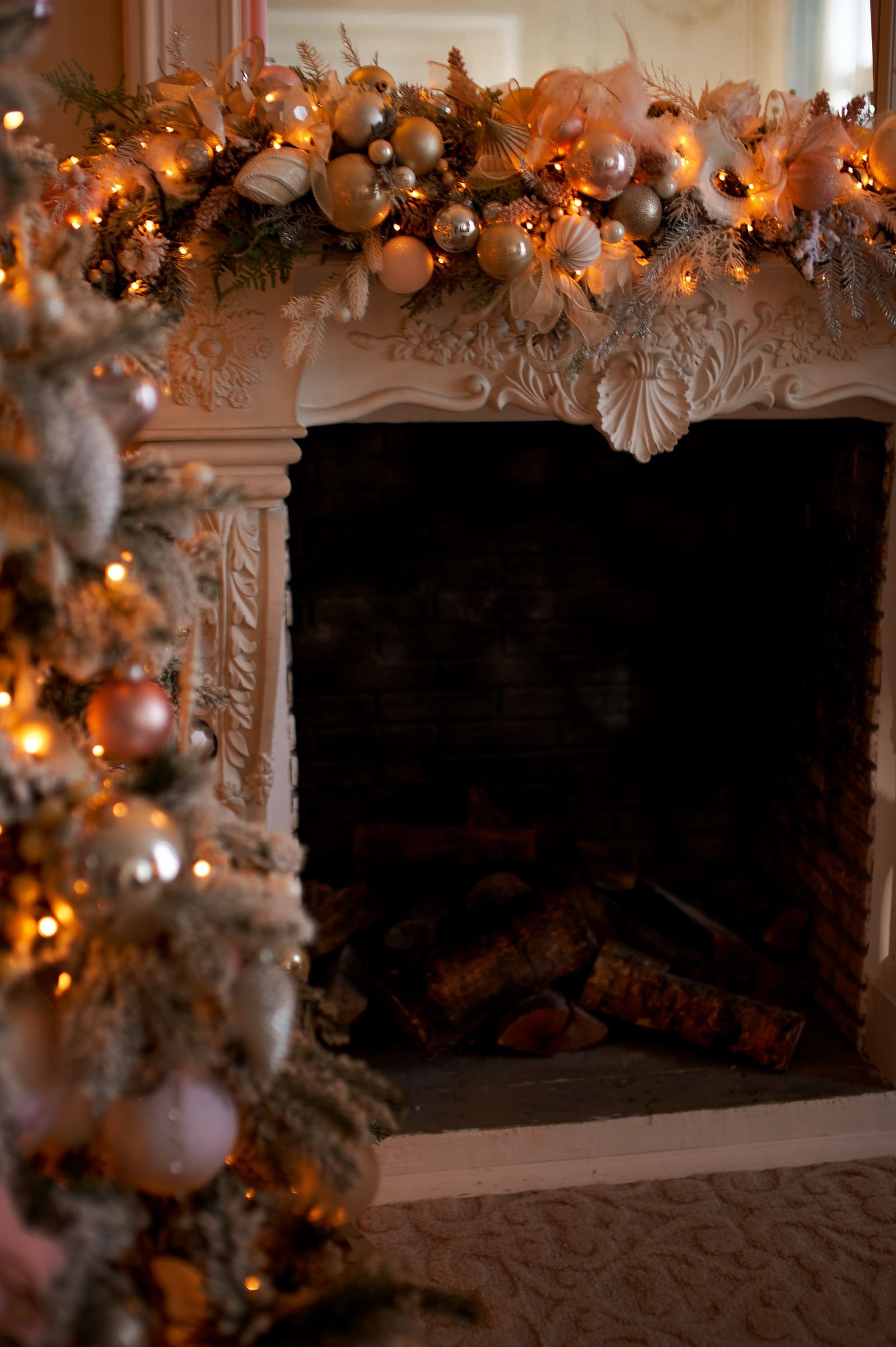
Advent and Anticipation: Seasonal Touches for Late November
The days between the holidays deserve their own quiet styling, not a vacuum. Lean into anticipation: add an advent candle arrangement to the sideboard, hang a simple wreath on the dining room door, and let the table sit in its elegant in-between state. This is the perfect moment for restraint; the table does not need to shout Christmas on the first of December. Small anticipatory touches work beautifully: a bowl of clementines, a sprig of pine tucked into the existing garland, fairy lights added to the branches. If your family opens an advent calendar, place it where it is seen daily; ritual objects are décor too. This gradual build-up makes Christmas feel earned rather than rushed, and children especially love watching the table transform week by week.

Nature’s Details: Pinecones, Nuts, Berries and Bark
Natural materials are the cheapest and most effective transitional décor because the late-autumn landscape provides for both holidays. Collect pinecones, interesting bark, dried seed heads and branches now; they work in November arrangements and gain festive meaning in December with the addition of berries and a dusting of faux snow. Bowls of walnuts, hazelnuts and almonds in their shells look abundant on a harvest table and double as Christmas nibbles. Red berries, real or faux, are the December activator: tuck them into your existing greenery and the whole table shifts festive. Ilex berries last weeks in water; faux berry sprays last forever. Dried seed heads sprayed lightly with gold paint also bridge the gap, catching candlelight in a way that suits both months. Keep a basket of these naturals on hand and you can refresh the table in minutes whenever it starts looking tired.
Place Cards and Menus That Last All Season
Design your paper goods once and use them twice. Choose place cards and menus in a classic style, kraft card with dark ink, or cream card with gold lettering, that suits both a harvest dinner and a Christmas feast. Instead of holiday-specific motifs, use timeless details: guests’ names in calligraphy, a sprig of greenery tucked behind each card, a simple border. Print menus with the meal rather than the holiday named, so “Roast Turkey with All the Trimmings” works in November and a nearly identical menu works in December. Laminate a set of reusable place cards or use small chalkboards for a casual look. This small planning step saves an hour of crafting in December and keeps the table looking coherent across both celebrations.

Scent Shifts: From Spiced Cider to Fir and Clove
Fragrance marks the seasons as surely as décor, and shifting it is nearly free. Through Thanksgiving, simmer orange peel, cinnamon, cloves and apple; the scent says harvest and warmth. From early December, switch the simmer pot to fir sprigs, cranberries and a little vanilla, or simply bring in a real wreath whose scent does the work. On the table, tuck fresh pine and cinnamon bundles into the garland for December, replacing the dried lavender or wheat of November. Keep table candles unscented near food throughout; let sideboard candles and the simmer pot carry the fragrance. This scent transition is subtle but powerful: guests who visited in November will feel the season has genuinely moved on, even if the table’s structure looks familiar.
Friendsgiving vs Christmas Dinner: Adapting the Same Table
Many of us host twice: a relaxed Friendsgiving in November and a formal Christmas dinner in December. The transitional table handles both with small adjustments. For Friendsgiving, keep it casual: kraft place cards, mismatched vintage plates, the edible centrepiece guests can graze. For Christmas dinner, elevate the same base: swap in your best china, add tall taper candles, upgrade napkins to linen with proper rings, and polish the metallics. The greenery garland stays; only the formality changes. This two-gear approach also helps with guest numbers: a casual Friendsgiving might squeeze twelve around the table, while Christmas dinner for eight gets full place settings with room to breathe. One table, two personalities, zero redecorating stress.

Budget Smart: Decorating Once Instead of Twice
The financial case for transitional styling is compelling. One quality tablecloth, one set of candle holders, one garland base and one collection of metallics serve for six weeks; buying separate décor for each holiday easily doubles the cost. Allocate your budget accordingly: spend on permanent, reusable pieces in November, and reserve only a small December top-up for fresh greenery, berries and perhaps a few baubles. Forage pine and fir branches for free in December as you foraged autumn branches in November. Shop post-Thanksgiving sales for Christmas accents rather than buying at full price in October. Track what you spend; most households find the transitional approach cuts holiday table décor costs by forty to fifty per cent while looking more considered than two rushed, separate efforts.

Colour Palettes That Span November to December
Choose a palette with dual citizenship. Deep green and gold works for harvest abundance and Christmas elegance alike. Warm white, natural wood and brass reads Thanksgiving-cosy and Christmas-classic. Burgundy and bronze bridges autumn richness and festive warmth. What to avoid: bright orange, which cannot survive December, and icy silver-blue, which looks wrong in November. Build the palette at sixty per cent neutrals, thirty per cent your bridge colour, ten per cent seasonal accent; only the accent changes between holidays. Test by imagining each element at both dinners: if a pumpkin-orange napkin cannot plausibly sit at Christmas dinner, choose forest green instead. A disciplined palette is what makes the transition look intentional rather than like you simply never got around to redecorating.

Lighting That Warms Both Feasts
Candlelight is seasonless, which makes it the backbone of transitional styling. Invest in good candle holders in November: brass, wood or black metal all carry through December. Use ivory or warm white candles throughout; they suit both holidays, while orange candles date the table to autumn. In December, add fairy lights woven through the garland and perhaps a string around a nearby window; the extra sparkle reads festive without changing the table’s bones. Keep overhead lighting low for both dinners and let the table glow. One practical tip: buy candles in bulk in November, enough for both holidays, since you will burn through them. Battery-operated pillars are worth considering for the garland, where real flames and dry greenery are a risky combination. Finally, check your table from the doorway at night before each dinner; candlelit rooms reveal gaps and clutter that daylight hides, and a two-minute tweak makes all the difference.
Edible Accents: Fruit, Nuts and Baking Ingredients
Edible décor transitions beautifully because the harvest pantry overlaps the Christmas one. In November, style with apples, pears, figs and walnuts; in December, the same bowls hold clementines, dried orange slices, sugared cranberries and candied nuts. A gingerbread house or a plate of mince pies can join the sideboard in December where the pumpkin pie sat in November. Dried orange slices threaded on twine make garlands for both seasons. Keep edible accents fresh by rotating them weekly; nothing undermines a beautiful table like shrivelled fruit. The practical bonus: edible décor never goes to waste. When the season ends, the clementines get eaten, the nuts get baked into cookies, and the table is cleared without a trip to the compost bin feeling like throwing money away.
A Family Transition Ritual Worth Keeping
Turn the Thanksgiving-to-Christmas changeover into a family tradition rather than a chore. Pick a date, perhaps the first Sunday of December, and make an event of it: hot chocolate, Christmas music, everyone carrying one box of décor to the dining room. Children can hang the baubles in the garland, swap the place-card greenery from wheat to pine, and place the advent candles. Photograph the table in its November and December states each year; the album becomes a lovely record of your family’s evolving style. Rituals like this teach children that caring for a home is joyful, not burdensome. Keep the session to an hour with a clear plan; a drawn-out decorating marathon breeds resentment, while a short, festive hour builds anticipation for the weeks ahead.
Styling Around the Christmas Tree in the Dining Room
If your Christmas tree lives in or near the dining room, coordinate rather than compete. Echo the tree’s palette on the table: if the tree is gold and green, the table should be too. Keep the table’s height low so the tree remains the room’s vertical star; a tall table centrepiece fighting a tall tree creates visual chaos. Match metallics between tree and table for cohesion. Fairy lights on the tree plus candlelight on the table is plenty; avoid adding more lit elements or the room feels frantic. If the tree is in another room, bring a hint of it to the table with matching baubles tucked into the garland. The goal is one harmonious festive room, not two separate displays competing for attention.

Mistakes: When the Transition Looks Half-Finished
The biggest risk of transitional styling is a table that looks neglected rather than intentional. Warning signs: pumpkins lingering into mid-December, a garland gone brown and shedding, or Christmas baubles appearing while Halloween colours still dominate. Fix it with a firm swap date and a checklist. Second mistake: adding Christmas items without removing autumn ones, creating a cluttered mash-up; every addition should be paired with a removal. Third: going too early, which makes Thanksgiving feel like a rehearsal for Christmas; keep November firmly harvest until the turkey is eaten. Fourth: neglecting maintenance; transitional décor lives longer, so refresh greenery and replace spent candles mid-season. A table that evolves on schedule looks curated; one that drifts looks forgotten.
Your Late-November Checklist: Dates and Deadlines
Put the transition on the calendar so it actually happens. Late October: buy transitional linens, candle holders and metallics. First week of December: add evergreens, berries, baubles and fairy lights; do the scent switch. Mid-December: refresh greenery, replace candles, check the table still looks intentional. Boxing Day: pack everything into labelled boxes, noting what needs replacing next year. This timeline turns a vague intention into a plan, and each step takes under an hour. Future you, calmly sipping mulled wine beside a beautiful table, will be grateful.
A Thanksgiving-to-Christmas tablescape is one of the smartest decorating strategies a busy household can adopt. One strong foundation, a disciplined palette and a planned swap carry your dining room through six festive weeks with minimal cost and effort. The secret is treating the transition as a design feature, not a compromise: a table that evolves with the season tells a richer story than one redecorated from scratch. Start this year with the neutral base and the convertible centrepiece, and refine the ritual each season. Keep a small notebook of what worked: which greenery lasted, which candles burned cleanly, what guests complimented. By next November you will have a system, a storage box and a family tradition, and the busiest weeks of the year will feel a little more graceful.

I am Talha Sikandar, a professional writer with a passion for general blogging. With years of experience in content writing and research, I founded Meaniingly.com to deliver well-researched, informative, and user-friendly articles on diverse topics.