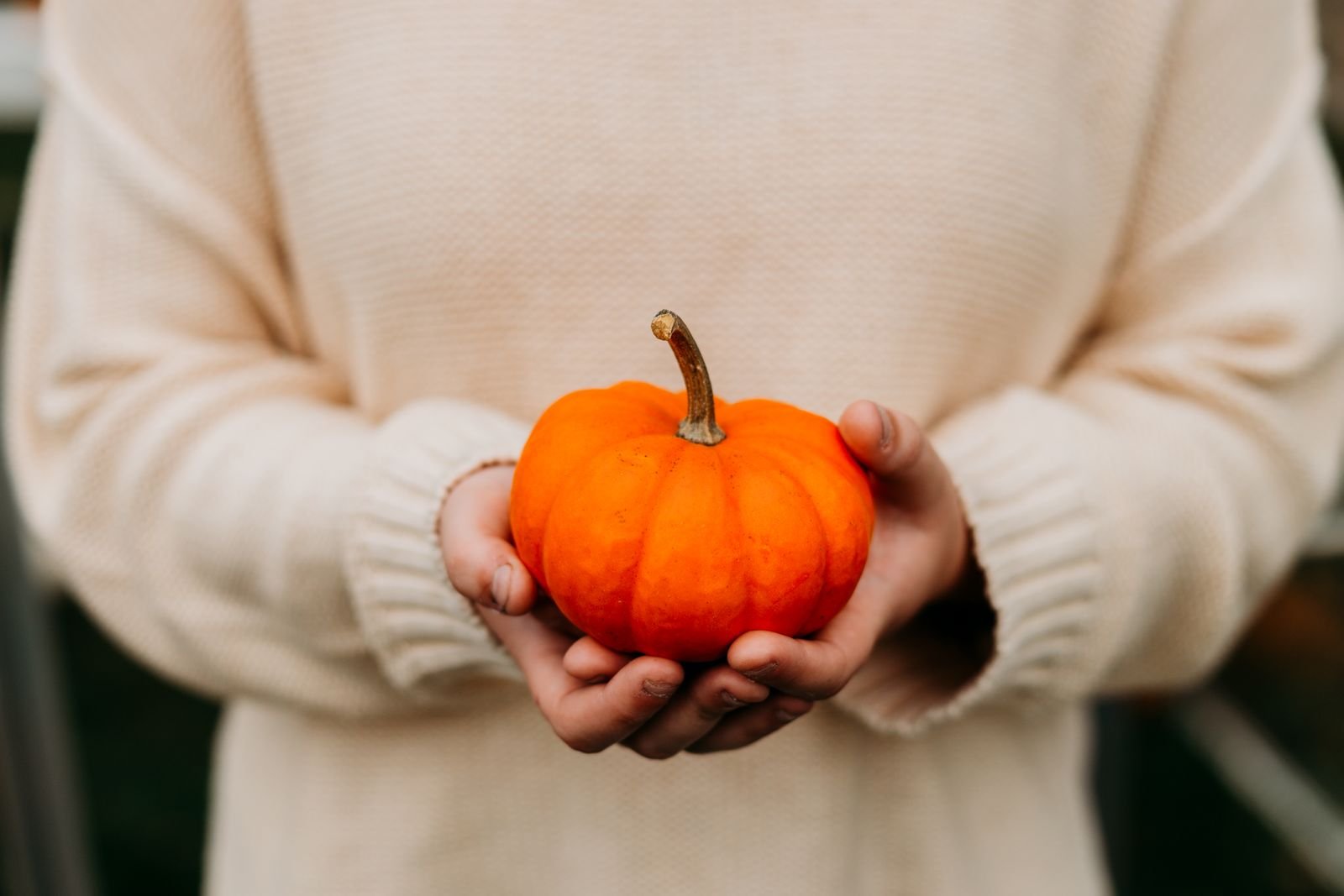
budget thanksgiving centerpiece ideas
A beautiful Thanksgiving centrepiece does not require a florist’s budget. Some of the most memorable holiday tables are built from things that cost almost nothing: foraged branches, grocery-store pumpkins, a handful of candles and a tray you already own. The secret is not spending more; it is spending smart, choosing one strong idea and executing it with care. This guide is packed with genuinely affordable centrepiece ideas, most costing under twenty pounds, several costing nothing at all. You will learn where to shop, what to forage, how to arrange like a stylist, and which budget shortcuts look chic versus cheap. Whether you are hosting two people or twenty, feeding a crowd already stretches the wallet, so let the centrepiece be the part of Thanksgiving that costs you the least and impresses the most.
The £20 Centrepiece Challenge: What You Can Really Achieve
Set a hard budget of twenty pounds and watch your creativity sharpen. With that amount you can buy three small pumpkins, a bag of tea lights, a bunch of eucalyptus and a roll of twine, which is everything needed for a layered, professional-looking centrepiece. The trick is allocating wisely: spend roughly half on one hero item, like a large pumpkin or a bunch of dried wheat, and the rest on supporting candles and greenery. Charity shops are goldmines: brass candlesticks, wooden trays and glass vases often cost under two pounds each. Price-compare before you buy; supermarket flowers are often half the price of florist bunches and perfectly fine for a table. Keep receipts for anything you might return, and remember that candles, trays and vases are investments you will reuse every year, which makes the per-Thanksgiving cost tiny.
Forage First: Free Materials from Gardens and Walks
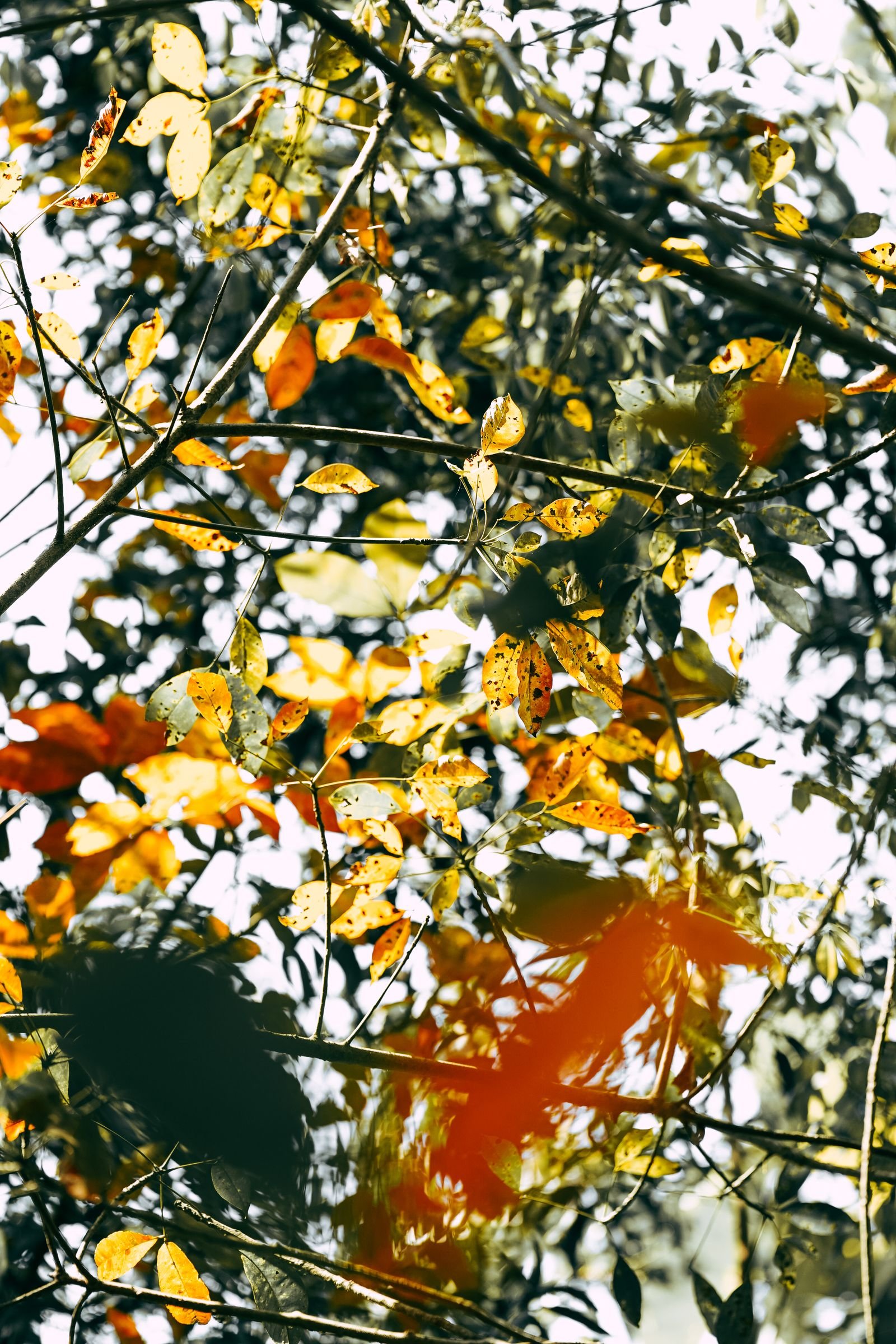
Before spending a penny, look outside. Late autumn offers an abundance of free centrepiece material: bare branches, pinecones, acorns, dried seed heads, colourful leaves, ivy and interesting twigs. Take a walk with a tote bag and secateurs, sticking to public paths and your own garden, and gather more than you think you need; you can always edit down. Branches look best in odd numbers, five or seven stems in a tall vase makes a striking, sculptural centrepiece that costs nothing. Press colourful leaves between books for a week to keep them flat, then scatter them down the table. A word of caution: shake pinecones and branches outdoors first to evict insects, and avoid foraging berries you cannot identify. Washed, dried and arranged with a few candles, foraged materials look indistinguishable from shop-bought décor.
Grocery Store Gold: Produce, Pumpkins and Fresh Herbs
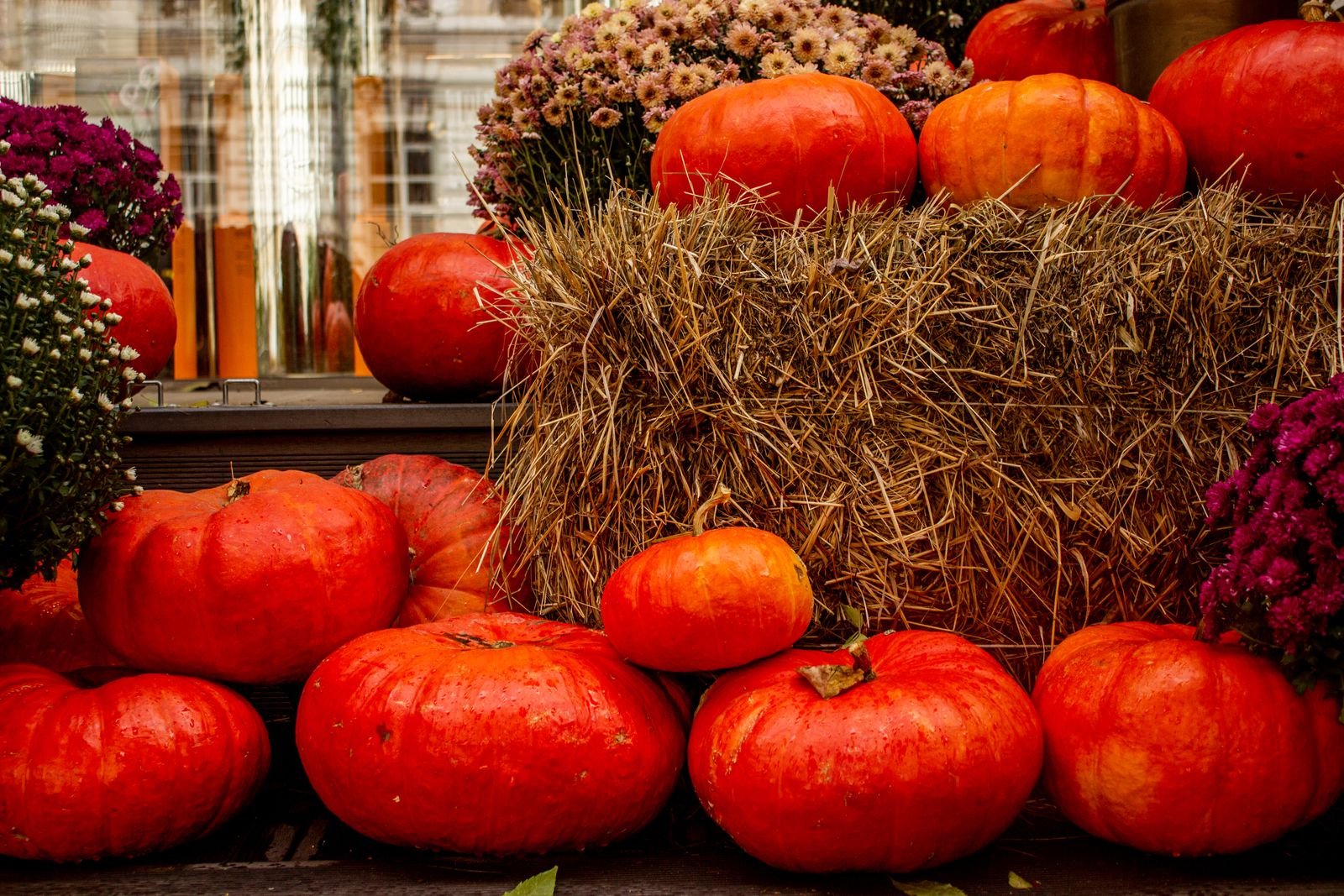
Your weekly food shop is secretly a décor shop. Small pumpkins and squashes often cost one to two pounds each in late October and November; buy five in mixed sizes and colours for instant impact. A bag of clementines or apples piled in a bowl makes a fragrant, edible centrepiece for under five pounds. Whole spices look beautiful too: cinnamon sticks tied in bundles, star anise scattered around candles, dried orange slices threaded on twine. Fresh herbs are the budget florist’s secret: a two-pound pot of rosemary or thyme, divided into small jars, gives you greenery for the whole table and herbs for the cooking. Cabbages, artichokes and dark grapes from the produce aisle all photograph like luxury styling. Shop the reduced section the day before for even deeper savings.
Pound-Shop Finds: What to Buy and What to Skip
Pound shops and discount stores are brilliant for some things and terrible for others. Buy: pillar candles and tea lights in bulk, simple glass vases and votive holders, kraft paper, twine, faux autumn leaves, ribbon and plain table runners. These basics are genuinely good value and indistinguishable from pricier versions once styled. Skip: fake flowers with shiny plastic petals, anything with glitter glued on, flimsy faux pumpkins in neon orange, and scented candles with overpowering synthetic fragrance. One step up, shops like IKEA, Flying Tiger and HomeSense offer stylish trays, lanterns and candle holders for three to eight pounds. The rule is simple: buy simple, matte, natural-looking items at discount stores, and avoid anything trying too hard to look expensive; plain and honest always beats cheap-looking imitation luxury.

The Single-Statement Formula: One Big Thing, Done Well
When money is tight, put your whole budget into one hero piece rather than scattering it across many small items. A single oversized pumpkin, a dramatic bunch of dried pampas grass, a large lantern filled with fairy lights, or a beautiful second-hand tureen overflowing with apples: one confident statement beats a dozen timid trinkets. Place your hero item centrally, then support it with things you already own: a folded tablecloth as a runner, drinking glasses as bud vases, a wooden chopping board as a base. Scale matters more than cost; a big, simple arrangement reads as intentional and generous. Photograph your hero from table height before guests arrive to check it does not block sightlines. This formula also saves time: one arrangement takes twenty minutes, while fussing with twenty small objects takes all afternoon.
Candle Groupings That Cost Pennies
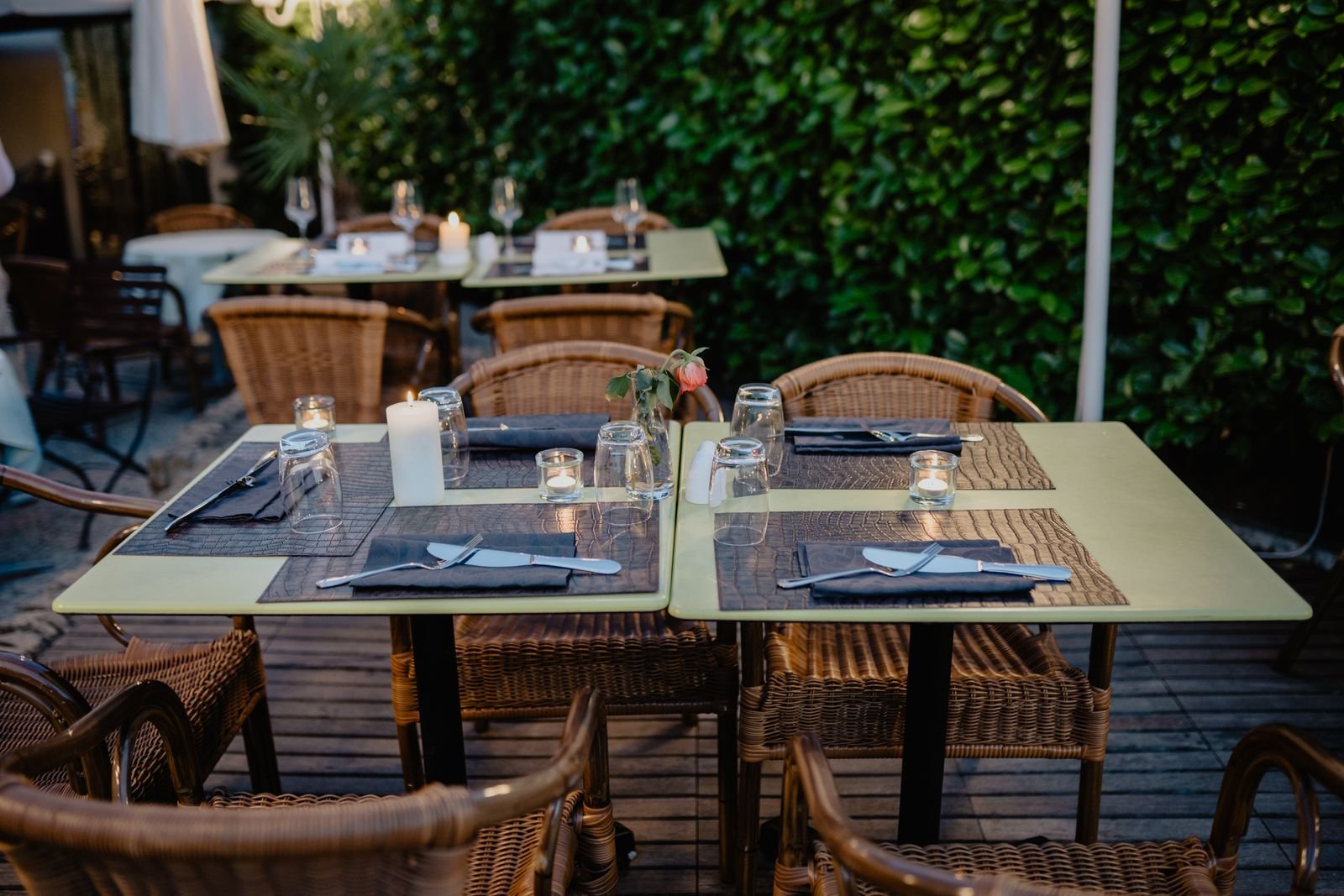
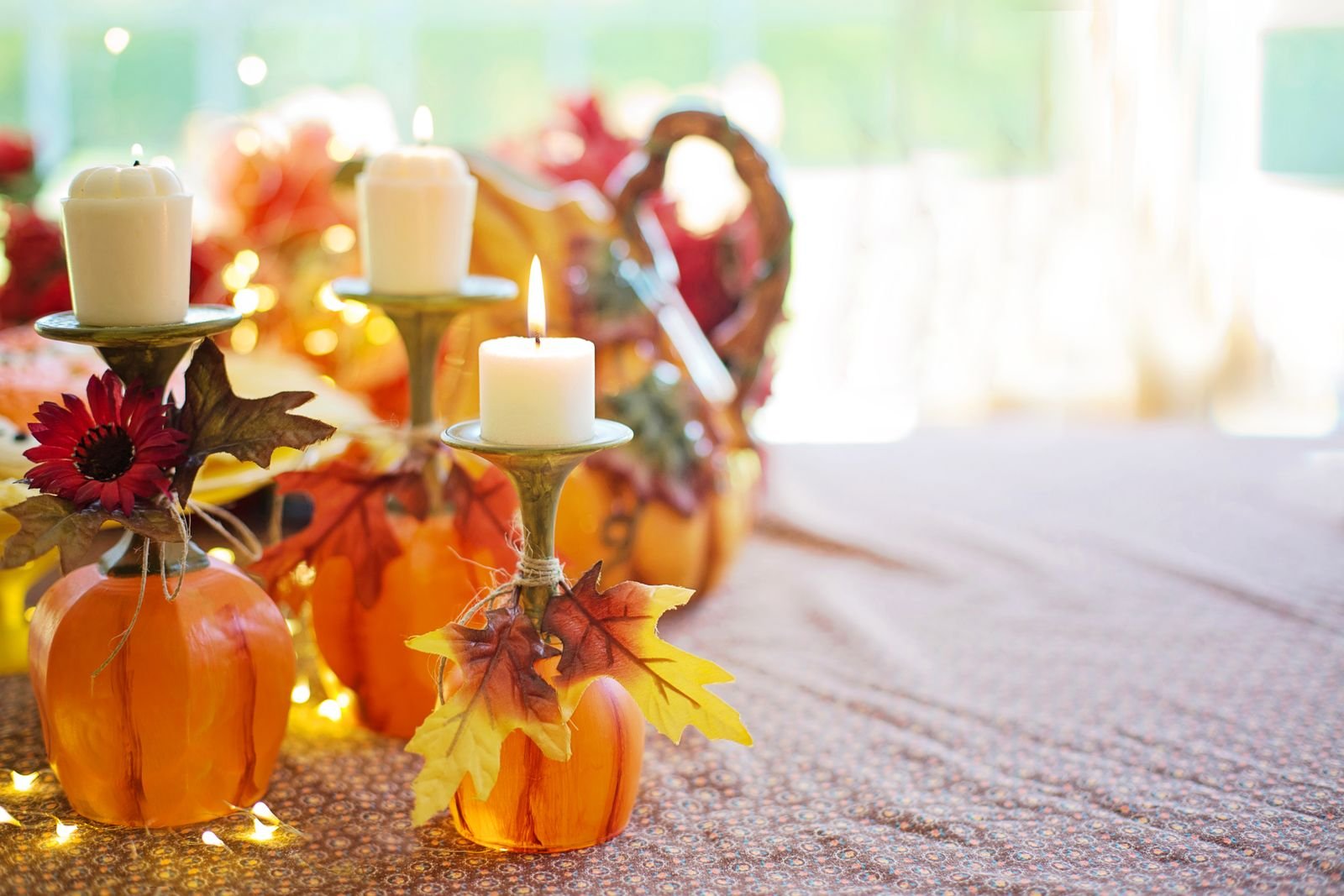
Candles are the highest-impact, lowest-cost centrepiece element in existence. A bag of fifty tea lights costs around three pounds; scattered down the centre of the table in small glasses or jars, they create a glow that makes everything else look expensive. Group candles in odd numbers at varying heights: a tall pillar flanked by tea lights, repeated three times down a long table. Plain white or ivory candles look more expensive than coloured ones, and unscented is essential near food. For holders, raid your kitchen: ramekins, small tumblers, espresso cups and even cleaned jam jars all work. Wrap jars in twine or a strip of kraft paper for a finished look. Battery-operated tea lights, about five pounds for a pack of twenty-four, are reusable for years and safe around children and trailing sleeves.
Mason Jars, Done Right (Not Twee)
Mason jars can look charming or clichéd depending on how you handle them. The trick is restraint and quality of contents. Fill jars two-thirds with water and add a single type of material: cranberries floating with a tea light, a handful of acorns, layers of dried lentils and wheat, or one perfect stem. Group three jars of graduated sizes rather than lining up ten identical ones. Remove the metal lids or replace them with twine; the shiny lid is what tips jars into craft-fair territory. For a more modern look, use amber or smoked glass jars instead of clear. A row of filled jars down a runner, interspersed with tea lights, makes a complete centrepiece for under five pounds. After Thanksgiving, empty them, wash them and they are back to being jam jars: zero storage guilt.
Edible Centrepieces Guests Can Actually Eat
The most budget-friendly centrepiece is one that doubles as food. Pile a wooden board or cake stand with figs, grapes, apples, nuts in their shells, dried apricots and wedges of cheese; guests graze before dinner and the “décor” costs no more than the nibbles you would serve anyway. A bread centrepiece is wonderfully rustic: arrange baguettes, rolls and a round loaf on a board with rosemary sprigs for under six pounds. Popcorn served in a large bowl, drizzled with brown butter and scattered with dried cranberries, looks abundant and festive. The rules: keep edible arrangements away from candles, replenish halfway through the evening, and place a small stack of napkins nearby. Nothing says generous hospitality like a centrepiece guests are invited to demolish.

Dried Botanicals: Cheap, Beautiful and Reusable
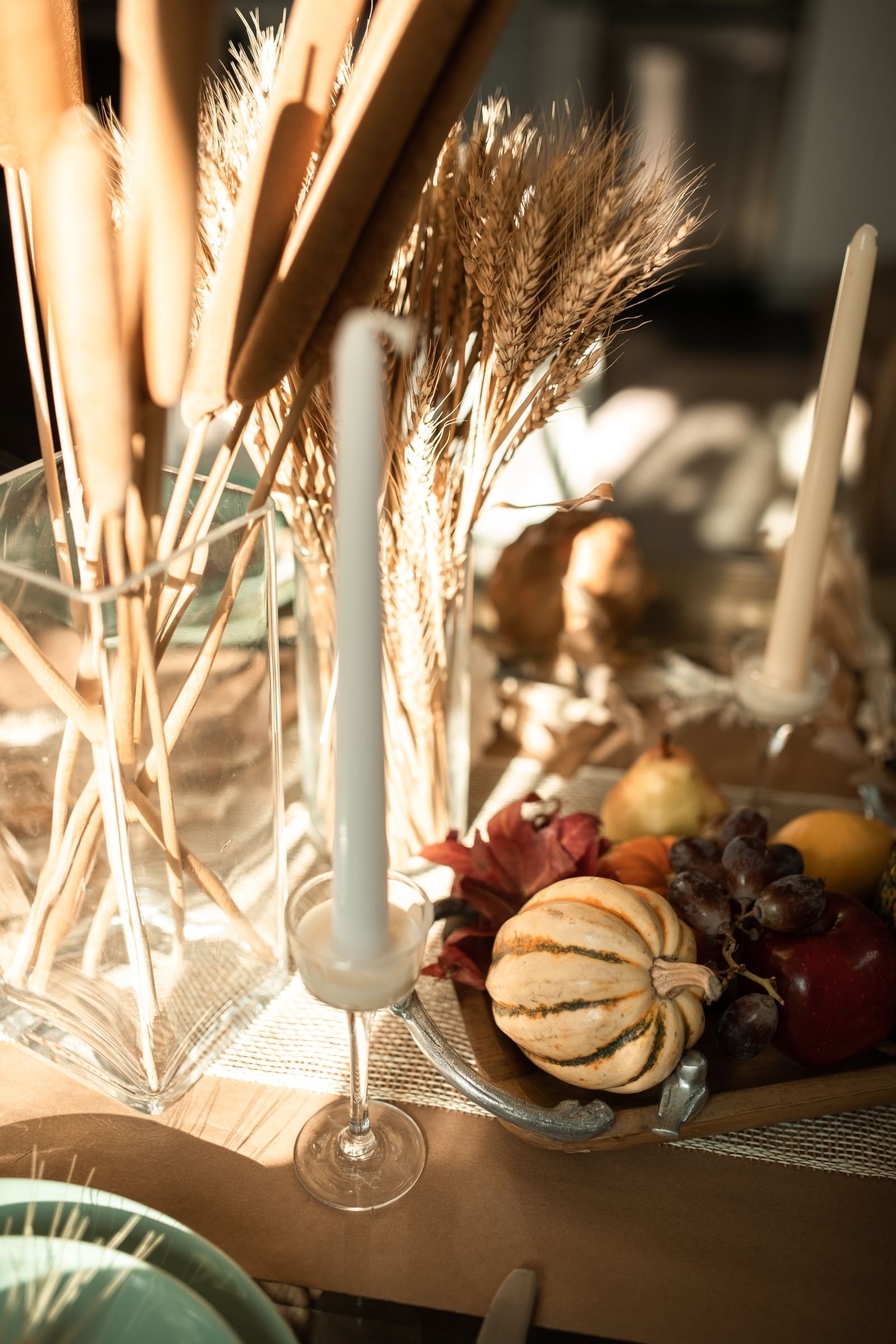
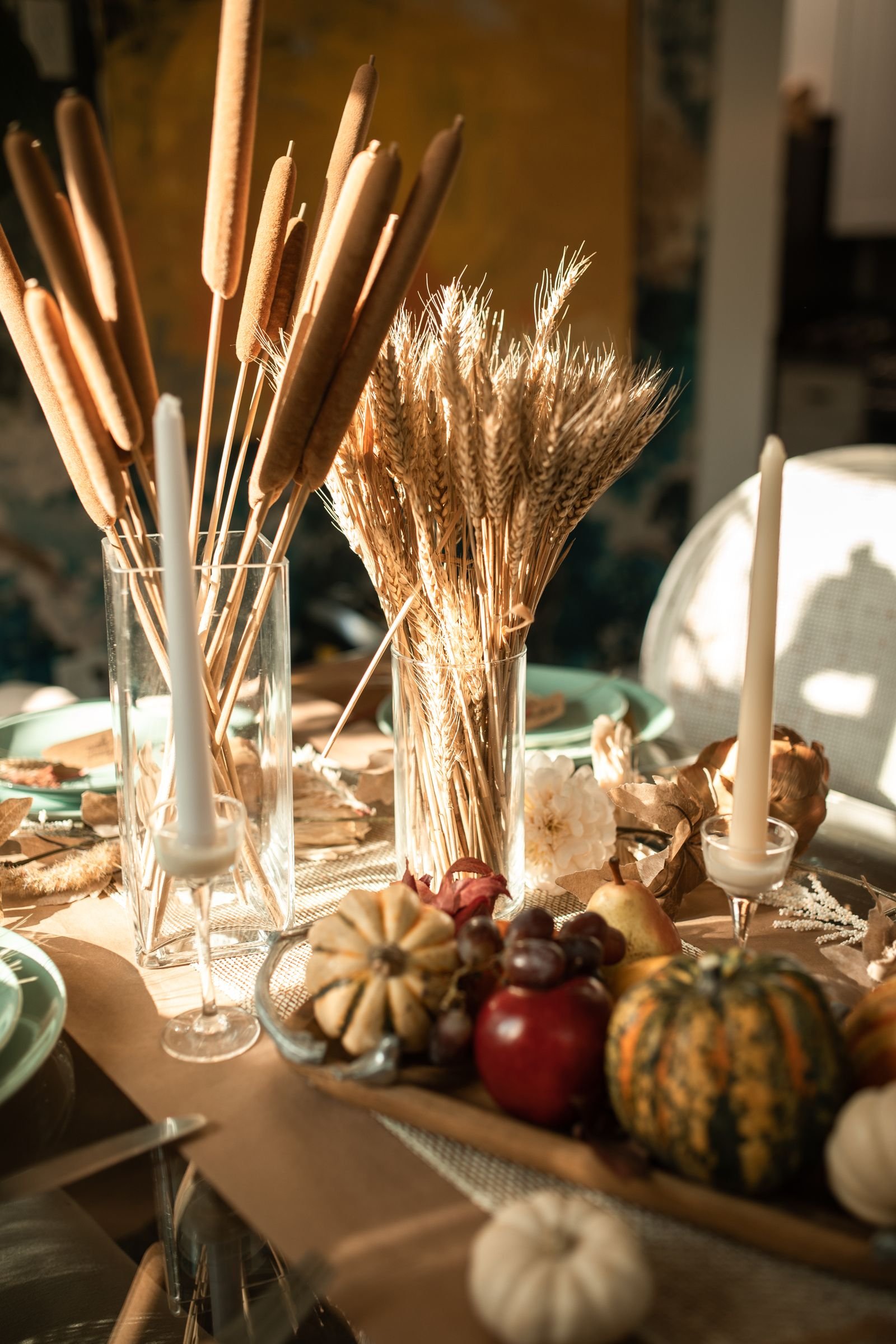
Dried flowers are the budget decorator’s secret weapon: a bunch of dried wheat, lavender or bunny tails costs three to six pounds and looks like a florist arrangement. Unlike fresh flowers, dried stems never wilt, so you can buy them weeks ahead and arrange at leisure. One large bunch of pampas grass, around eight pounds, fills a tall vase and anchors a whole table. Combine textures: feathery grasses with structural seed heads like lunaria or lotus pods. Keep dried arrangements in a dry spot after Thanksgiving and they will last for years of reuse, bringing the per-use cost down to pennies. A word of warning: dried botanicals are flammable, so keep them well away from real candles; pair them with battery-operated lights instead. Stored upright in a tall box, they survive intact season after season.

Halloween-to-Thanksgiving: Repurposing What You Own
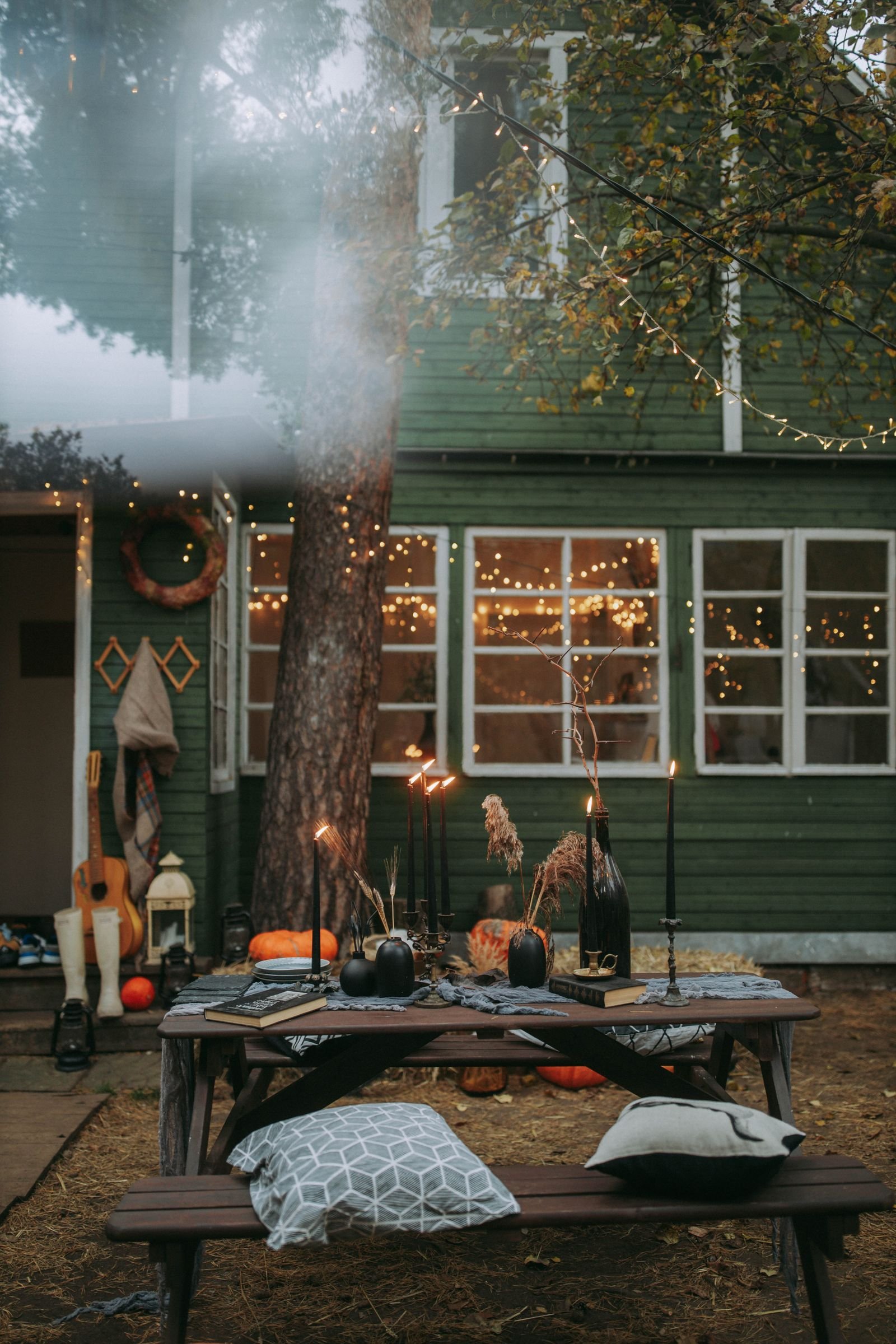
If you decorated for Halloween, half your Thanksgiving centrepiece is already bought. Small pumpkins and gourds transition perfectly; just remove anything spooky and add candles and greenery. Black or dark candles left from Halloween look deliberately moody at Thanksgiving. Fairy lights, lanterns and plain garlands all carry over. The swap takes about thirty minutes: clear the cobwebs and skeletons, keep the pumpkins, add eucalyptus or wheat, and light everything warmly. Even carved pumpkins past their prime can be composted and replaced with two-pound supermarket ones. This repurposing mindset extends year-round: neutral trays, vases, candle holders and linens are investments, while only the seasonal perishables change. Keeping a dedicated “autumn box” in storage means each year’s centrepiece starts from a solid, free foundation.
The Gratitude Tree: A Centrepiece with Meaning
A gratitude tree costs almost nothing and becomes the emotional heart of the table. Find a sturdy branch, strip it or spray it gold, and stand it in a vase weighted with pebbles. Cut leaf or tag shapes from kraft card, punch a hole in each, and thread with twine. As guests arrive, invite everyone to write one thing they are thankful for and hang it on the branch. By dessert, the tree is full of handwritten notes, and it makes a wonderful photograph. Total cost: a branch, some card and string, under three pounds. Children love this ritual, and adults are often surprisingly moved. Keep a few spare tags and a pen in a small dish beside the vase. After dinner, tie the tags into a bundle and keep them; reading them next Thanksgiving is a tradition worth more than any decoration.

Trays, Boards and Baskets You Already Own
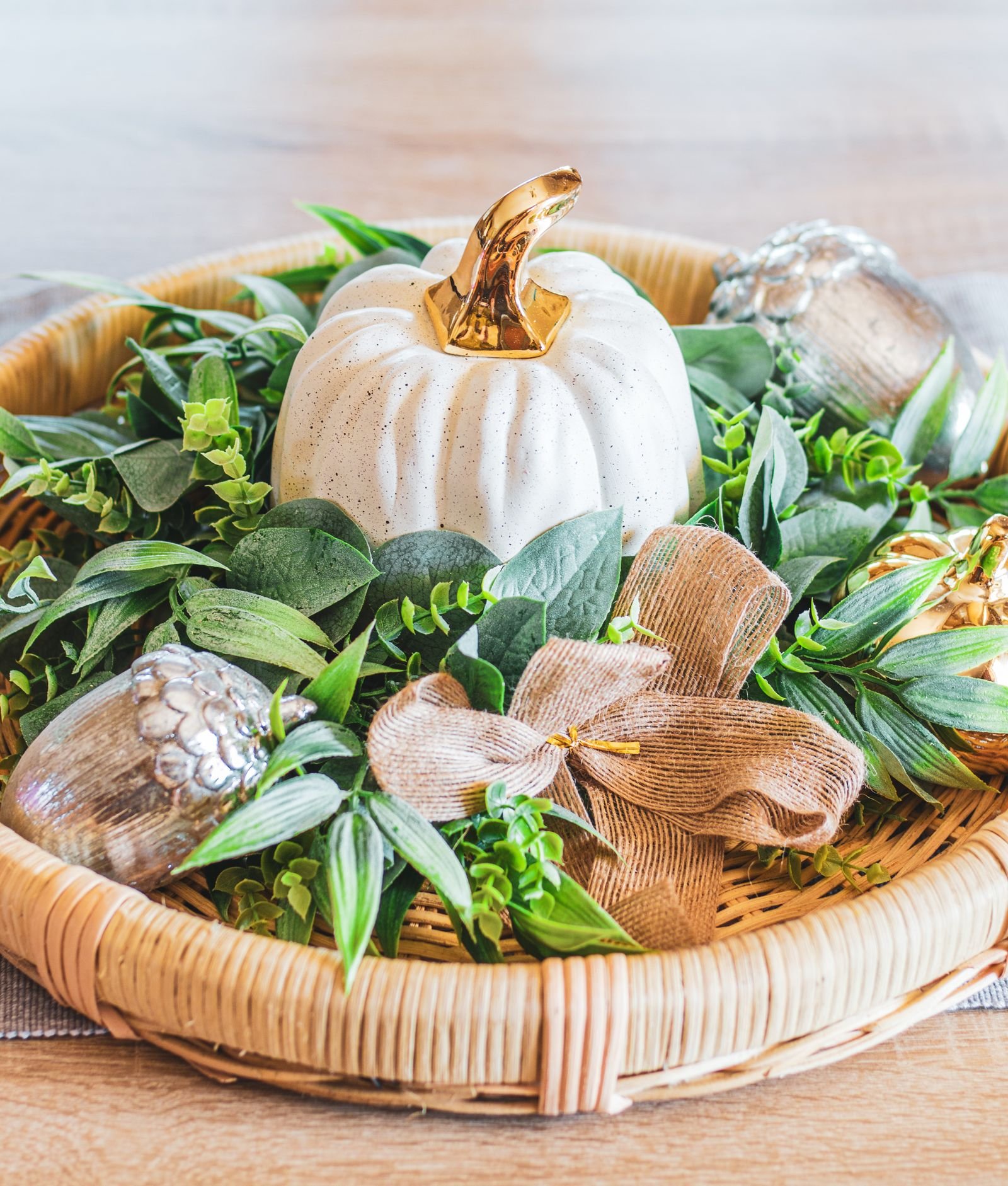
A tray transforms scattered objects into a deliberate arrangement; it is the cheapest styling trick there is. Pull out wooden chopping boards, baking trays, wicker baskets, cake stands and even large dinner plates to use as centrepiece bases. A round wooden board with three pumpkins, a candle and some eucalyptus looks styled; the same items loose on the tablecloth look like clutter. The tray also protects your table and makes clearing up a one-handed job. Charity shops sell beautiful wooden trays for one to three pounds, and a large rustic basket can hold pinecones, apples or rolled napkins. Mirrored trays, sometimes found for a few pounds, double candlelight beautifully. Whatever you use, keep the base proportional: it should span roughly a third of the table’s width for a balanced look.
Low and Lush: Conversation-Friendly Centrepieces
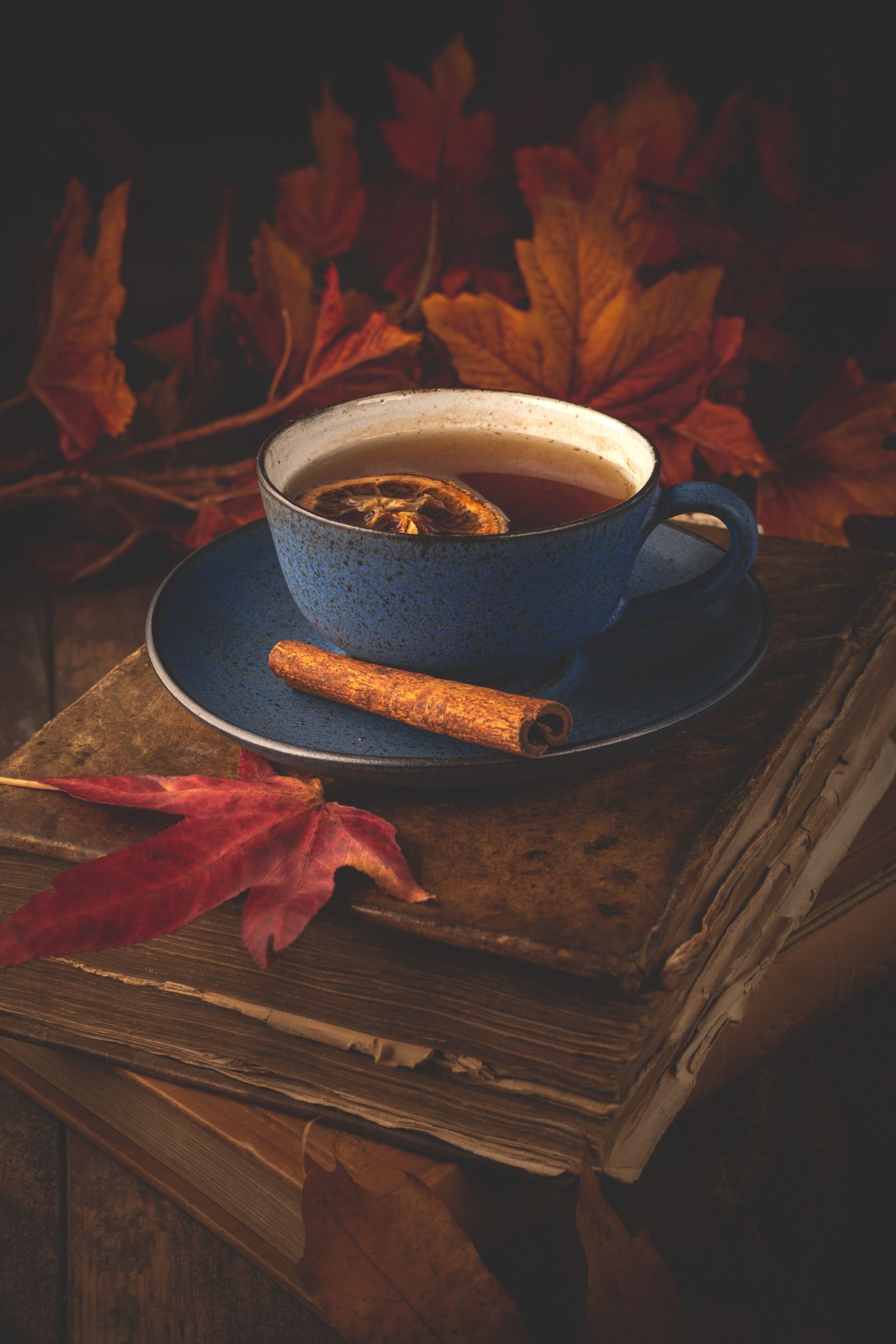
The most common centrepiece complaint is that guests cannot see each other. Solve it by keeping arrangements under twenty-five centimetres tall: a low bowl of apples and eucalyptus, a row of small pumpkins interspersed with votives, or a shallow trough of wheat and pinecones. Low arrangements feel generous because guests can talk across them, and they photograph beautifully from seated eye level. Build height with candles only at the table ends, or use slim taper candles that rise above heads without blocking faces. A good test: sit in every chair before guests arrive and check your sightline to the opposite seat. Low does not mean boring: layer textures, vary heights within the low band, and let candlelight add the drama. Conversation is the point of the gathering, so the centrepiece should serve it, not fight it.

Tall Impact on a Tiny Budget
Sometimes you want drama, and height delivers it cheaply. Tall centrepieces need not be expensive: a five-pound bunch of pampas grass in a charity-shop vase, branches sprayed gold in a tall bottle, or a stack of pumpkins on a cake stand all reach impressive heights for under ten pounds. The key is keeping the arrangement airy above head height so conversation flows underneath; think tall and narrow rather than tall and wide. One tall arrangement at the centre of a round table, or two flanking a long table’s middle, is plenty. Secure top-heavy vases with pebbles or sand in the base. If you are nervous about stability with children around, go tall only at the buffet or sideboard and keep the dining table low. Height draws the eye up and makes a modest room feel grand.

Mixing Real and Faux Without It Looking Cheap
Mixing real and artificial elements stretches a budget brilliantly if you follow one rule: keep faux items away from the light. Faux pumpkins, leaves and berries look convincing in dim candlelight but plasticky in bright daylight, so place them low among real candles and greenery. Invest your real budget in what guests touch and smell: fresh eucalyptus, real candles, edible fruit. Use faux for background filler: leaf garlands tucked under real arrangements, artificial berries wired into real branches. Quality matters more than quantity: three good faux stems beat thirty shiny ones. Before buying faux, check it in natural light at arm’s length; if it fools you, it will fool your guests. Store faux pieces carefully in tissue and they will serve for many Thanksgivings, making them one of the best long-term budget buys.

Fresh Herbs: Cheaper Than Flowers, Twice as Useful
A supermarket herb pot costs around two pounds and gives you a living centrepiece plus cooking ingredients. Rosemary is the star: its woody stems stand upright, it smells wonderful, and sprigs tucked into napkins double as place-setting décor. Thyme, sage and bay all work similarly. For a table of eight, buy four pots, slip them into small terracotta pots or wrap the plastic pots in kraft paper and twine, and cluster them down the centre with tea lights between. After Thanksgiving, plant them out or keep them on the windowsill; unlike cut flowers, they keep giving. For a fuller look, combine herb pots with a few stems of eucalyptus from the florist section. Total cost for a lush, fragrant, useful centrepiece: under twelve pounds, with leftovers for the stuffing.
The Zero-Spend Centrepiece: Shopping Your Home
Walk through your house with fresh eyes before buying anything. Books stacked as a riser, a favourite ceramic bowl filled with pinecones from the garden, framed photos, a brass candlestick from the mantelpiece, a scarf used as a runner: most homes contain a complete centrepiece already. The trick is editing: gather twice what you need, then remove half. Group items in odd numbers on a tray or board, add candlelight, and step back to assess. Cookbooks under a cake stand create height; a white bedsheet becomes a tablecloth; drinking glasses become bud vases. Photograph your arrangement and look at the photo rather than the table; the camera reveals clutter your eyes miss. A zero-spend centrepiece assembled with intention almost always beats a shop-bought one assembled in a rush.
Kid-Made Centrepieces That Look Genuinely Good
Children’s crafts can be genuinely beautiful centrepieces with a little art direction. Pinecone turkeys, handprint wreaths and painted pumpkins all work when you control the palette: give children gold, copper, cream and brown paint rather than the full rainbow, and their creations will harmonise with your table. Leaf garlands made by threading dried leaves on twine look lovely draped down the table. A “thankful jar” decorated by the kids, filled with notes from the whole family, doubles as décor and activity. Display children’s work proudly at the centre of the table, not shunted to a side table; it tells guests what matters in your home. Keep one washable tablecloth for craft sessions beforehand, and do the making a day or two early so paint and glue fully dry.
Store It Right: Making Budget Pieces Last for Years
Budget décor becomes nearly free when amortised over years, but only if you store it properly. Keep a dedicated labelled box for autumn décor: wrap candles in tissue so colours do not transfer, store dried botanicals upright in a tall box, nest vases with newspaper between them, and coil fairy lights around card to prevent tangling. Photograph each arrangement before dismantling so you can recreate it next year without reinventing. Silica gel sachets in the box prevent mustiness. Faux pumpkins survive indefinitely if kept out of direct sun; real ones should be composted. Battery candles last years on one set of batteries if switched off properly. Spending twenty minutes packing away carefully each December saves you rebuying every November, which is the ultimate budget strategy: buy once, store well, reuse forever.
Seven Budget Mistakes That Look Cheap (and Easy Fixes)
One: too many small items scattered about; fix by grouping everything on one tray. Two: clashing colours; fix by limiting yourself to three tones plus metallics. Three: visible price tags and packaging; always remove them. Four: dusty or tired-looking faux items; a quick wash revives them. Five: candles at a single height; vary heights for a professional look. Six: centrepieces that block conversation; keep them low or airy. Seven: mixing too many themes, harvest plus Halloween plus Christmas; pick one story and commit. The underlying principle is editing: a budget centrepiece fails not from cheap materials but from too many ideas competing. Stand back, squint at your table, and remove the three weakest items. What remains will look considered, generous and far more expensive than it was.
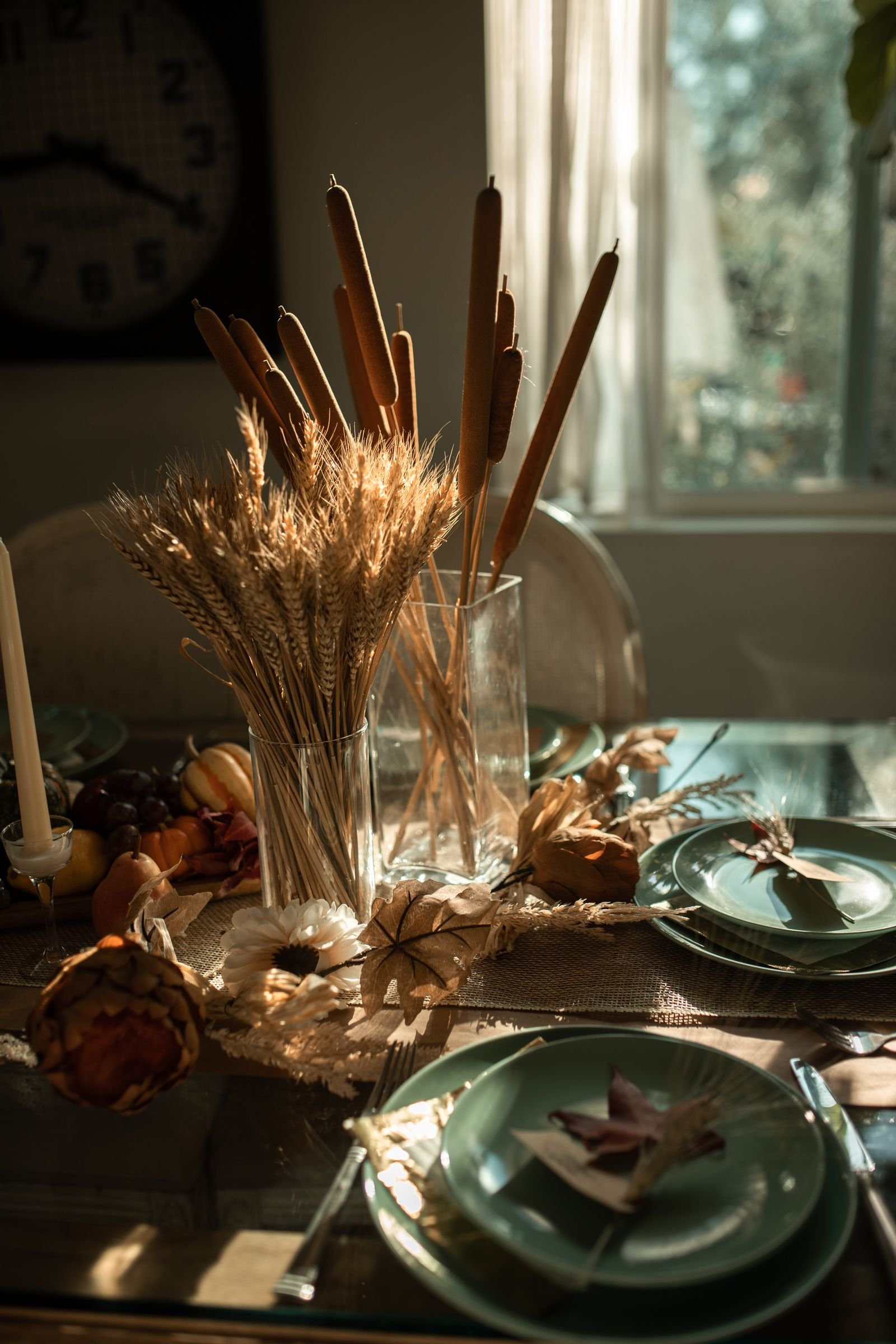
A stunning Thanksgiving centrepiece is about vision, not money. Forage, repurpose, buy smart and lean on candlelight, which flatters everything. Start with one hero idea, build around it with things you own, and edit ruthlessly until the table feels calm and abundant. Keep notes on what worked and store your pieces well, so each year gets easier and cheaper. Most importantly, remember that guests remember warmth, laughter and good food far longer than they remember décor. A centrepiece made with care, even from pinecones and jam jars, says something a florist delivery never can: that you made this table yourself, for them.

I am Talha Sikandar, a professional writer with a passion for general blogging. With years of experience in content writing and research, I founded Meaniingly.com to deliver well-researched, informative, and user-friendly articles on diverse topics.