Apple pie recipe
Few desserts carry as much warmth and nostalgia as a homemade apple pie, and this apple pie recipe guide walks you through every step, from choosing the right apples to serving the first golden slice. A great apple pie is not about fancy equipment or secret ingredients; it is about a flaky crust, apples that hold their shape, and a filling that is sweet, tart, and warmly spiced. Whether this is your first pie or your fiftieth, the method below will help you bake with confidence and avoid the soggy bottoms and runny fillings that frustrate so many home bakers.
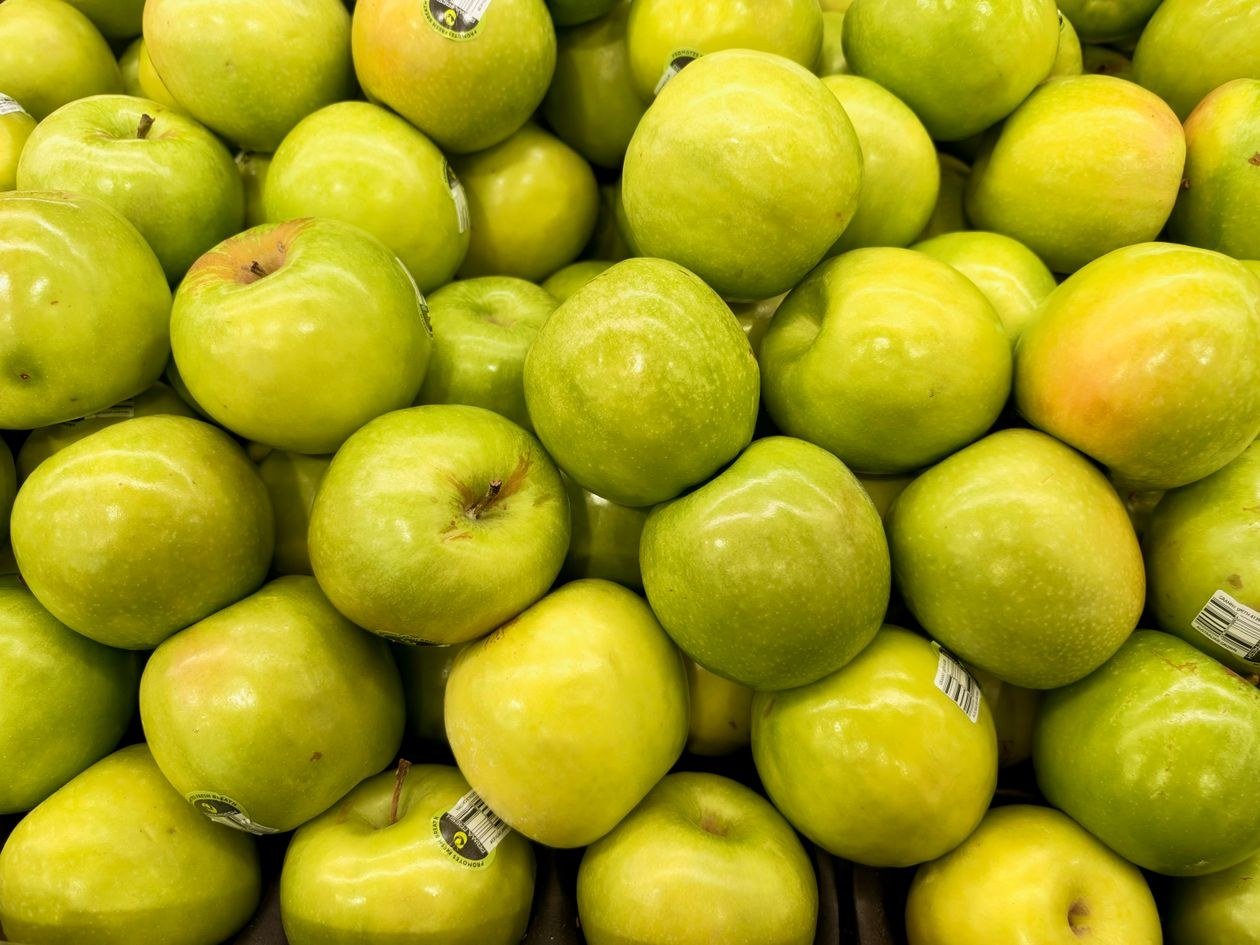
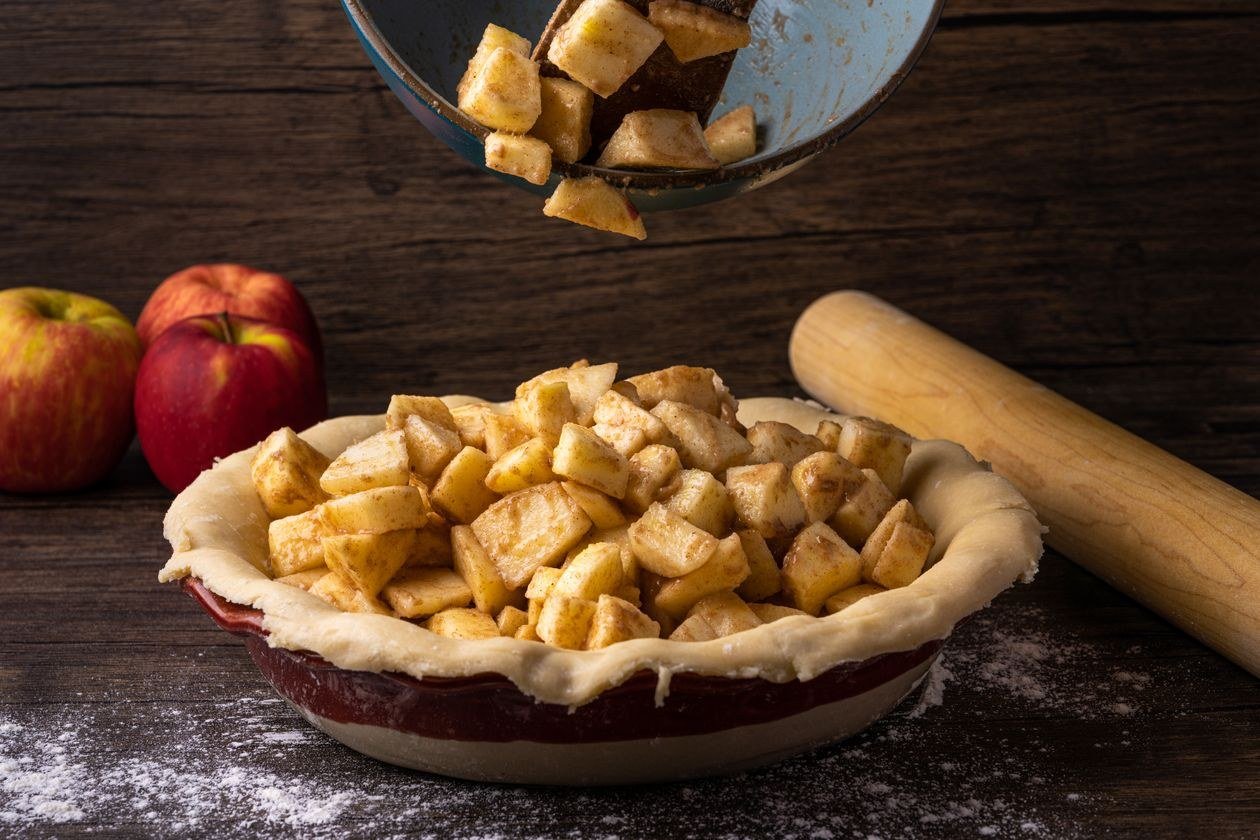
The apples matter more than anything else. Firm, tart-sweet varieties such as Granny Smith, Honeycrisp, Braeburn, and Jonagold hold up in the oven, while softer eating apples can collapse into sauce. Using two or three varieties together gives the filling depth: one tart, one sweet, one aromatic. Slice the apples evenly, about half a centimetre thick, so they cook at the same rate, and taste your filling before it goes into the crust — the apples should taste slightly sweeter and more spiced than you think necessary, because baking mellows both.
Choosing the Best Apples for Pie
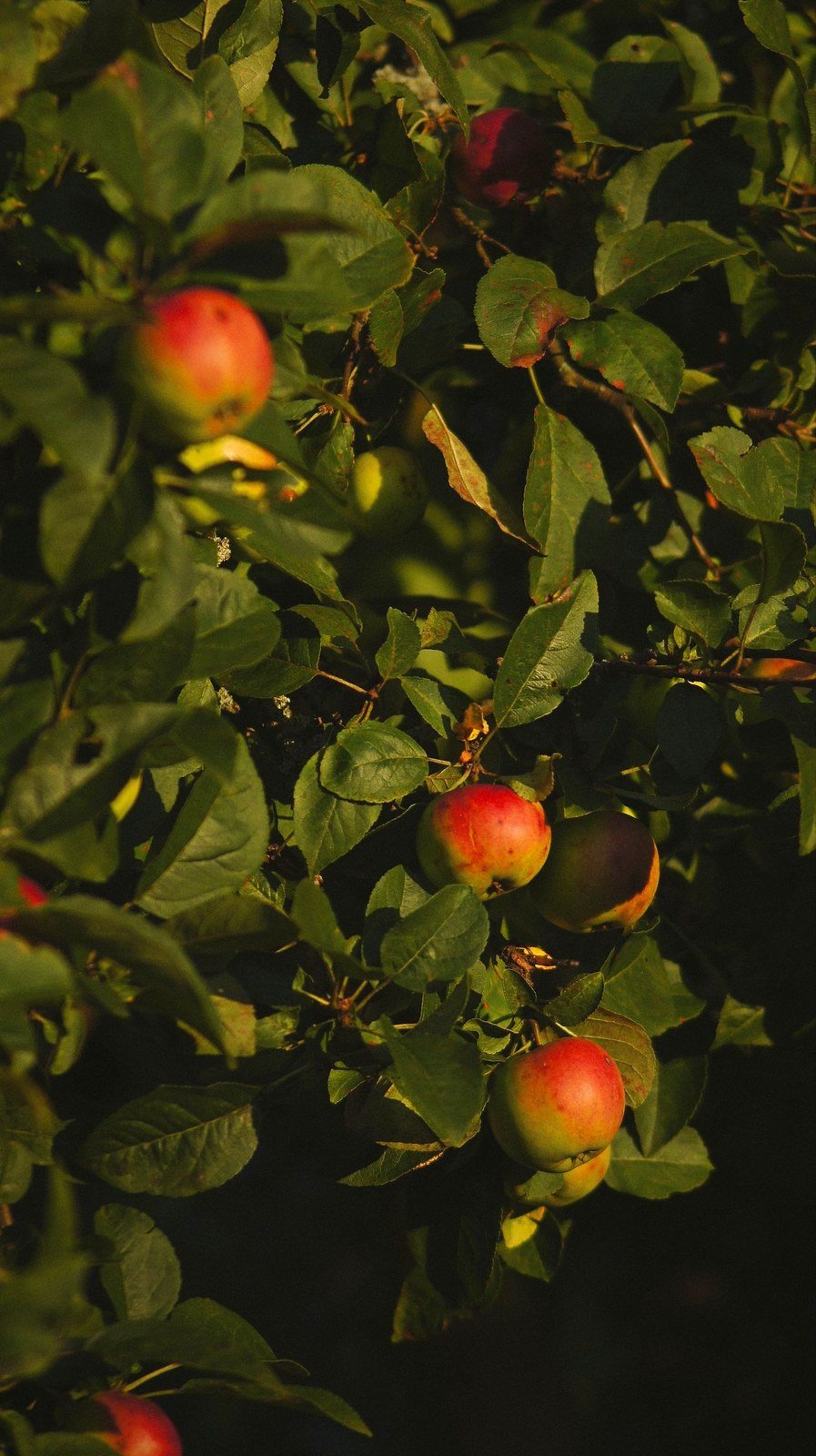
The best pie apples are firm enough to keep their shape after an hour in the oven, yet tender enough to bite through without resistance. This idea works because it balances flavour, texture, and presentation, giving you a result that feels considered rather than thrown together. It also adapts well: you can scale it up for a party, scale it down for a quiet evening, or swap one ingredient for another without losing the character of the dish.
Buy a mix of tart and sweet apples, and avoid any that feel soft or bruised, as they will turn mushy in the filling. With a little planning and the right ingredients, this version is forgiving for beginners and satisfying for experienced cooks, and it is easy to make your own with small personal touches.
The Perfect Flaky Pie Crust
A flaky crust comes from cold butter, cold water, and a light hand — the butter should stay in visible pea-sized pieces until the dough is rolled. This idea works because it balances flavour, texture, and presentation, giving you a result that feels considered rather than thrown together. It also adapts well: you can scale it up for a party, scale it down for a quiet evening, or swap one ingredient for another without losing the character of the dish.
Chill the dough for at least an hour before rolling, and keep everything cold, including your hands and work surface if possible. With a little planning and the right ingredients, this version is forgiving for beginners and satisfying for experienced cooks, and it is easy to make your own with small personal touches.
Lattice Top vs Full Top Crust
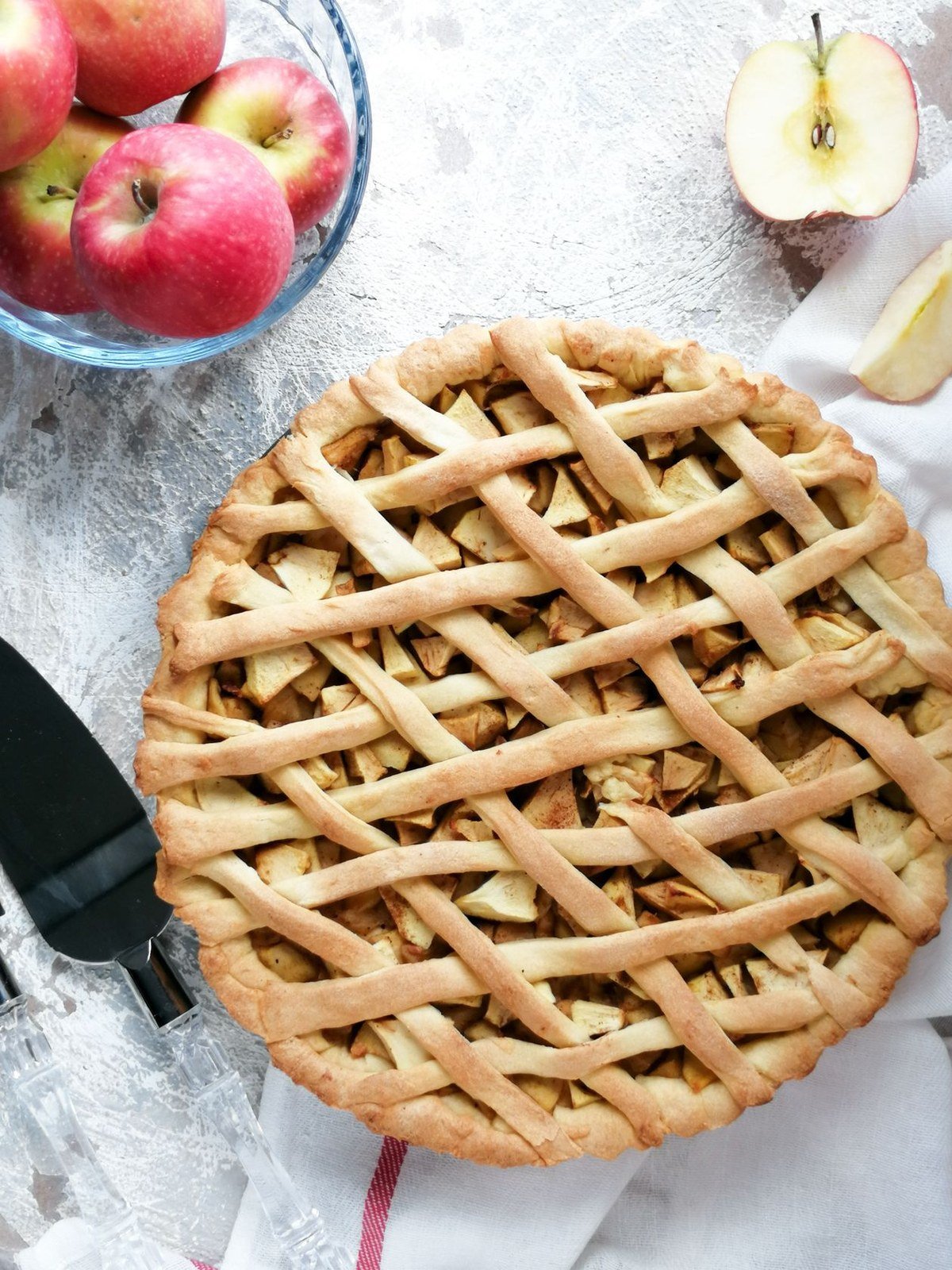
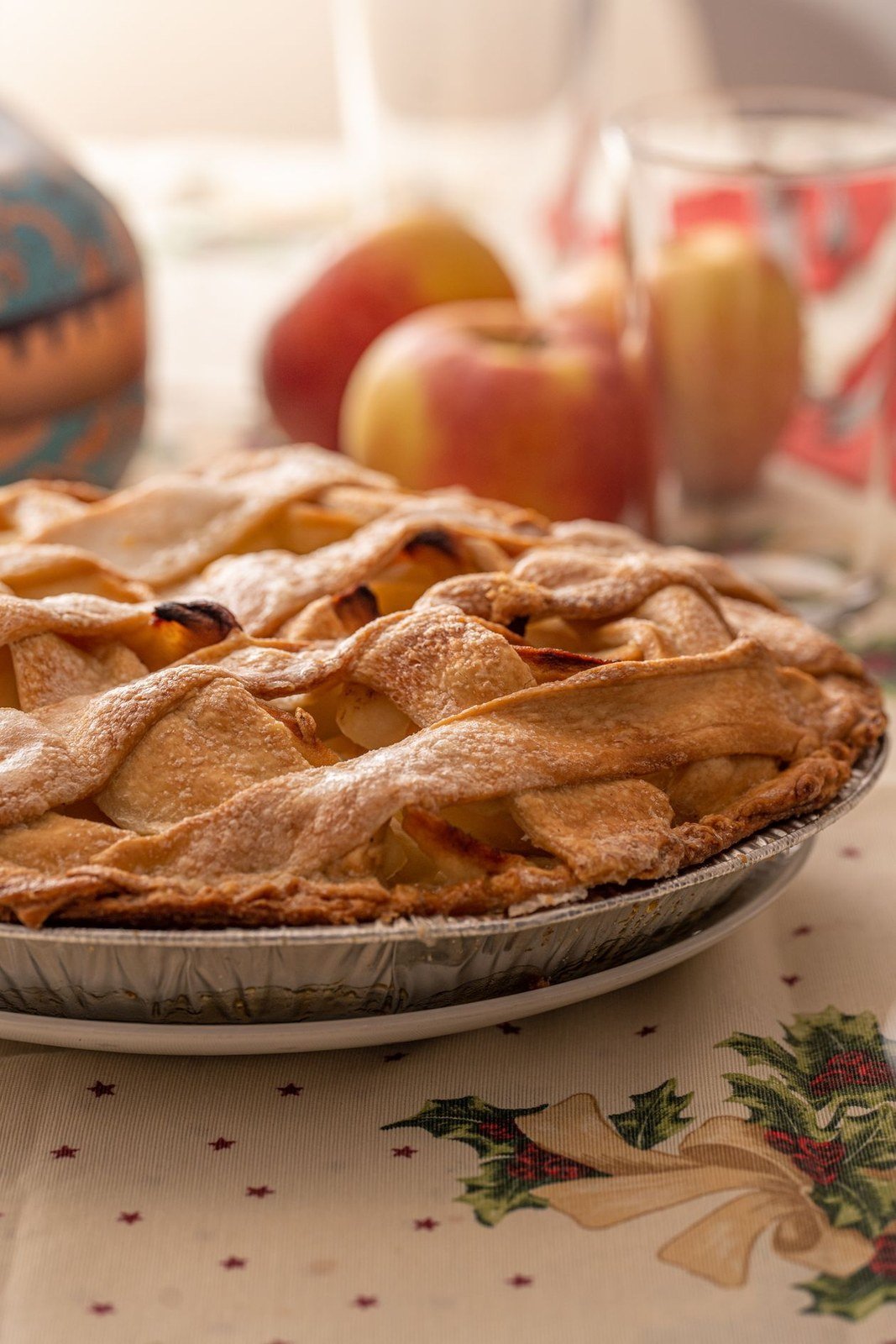
A lattice top looks beautiful and lets steam escape, while a full top crust with vents keeps the filling juicier and is quicker to finish. This idea works because it balances flavour, texture, and presentation, giving you a result that feels considered rather than thrown together. It also adapts well: you can scale it up for a party, scale it down for a quiet evening, or swap one ingredient for another without losing the character of the dish.
If you choose a lattice, weave it loosely and chill the assembled pie for twenty minutes before baking so the pattern holds. With a little planning and the right ingredients, this version is forgiving for beginners and satisfying for experienced cooks, and it is easy to make your own with small personal touches.
How to Slice Apples Evenly
Even slices cook evenly, so use a sharp knife or mandoline and aim for consistent half-centimetre pieces throughout the filling. This idea works because it balances flavour, texture, and presentation, giving you a result that feels considered rather than thrown together. It also adapts well: you can scale it up for a party, scale it down for a quiet evening, or swap one ingredient for another without losing the character of the dish.
Cut the apples into quarters first, remove the core, then slice each quarter steadily from one end to the other. With a little planning and the right ingredients, this version is forgiving for beginners and satisfying for experienced cooks, and it is easy to make your own with small personal touches.
Sweetening and Spicing the Filling
Sugar, cinnamon, nutmeg, and a pinch of cloves are the classic partners for apples, with lemon juice to brighten the whole filling. This idea works because it balances flavour, texture, and presentation, giving you a result that feels considered rather than thrown together. It also adapts well: you can scale it up for a party, scale it down for a quiet evening, or swap one ingredient for another without losing the character of the dish.
Taste the raw filling and adjust: it should taste a little too sweet and a little too spicy before baking. With a little planning and the right ingredients, this version is forgiving for beginners and satisfying for experienced cooks, and it is easy to make your own with small personal touches.
Preventing a Soggy Bottom Crust
A soggy base is the most common pie disappointment, but a hot baking sheet, a preheated oven, and a blind-baked base all help. This idea works because it balances flavour, texture, and presentation, giving you a result that feels considered rather than thrown together. It also adapts well: you can scale it up for a party, scale it down for a quiet evening, or swap one ingredient for another without losing the character of the dish.
Bake the pie on the lowest oven rack on a preheated tray so the base gets the most direct heat. With a little planning and the right ingredients, this version is forgiving for beginners and satisfying for experienced cooks, and it is easy to make your own with small personal touches.
Thickening the Filling Just Right
Flour, cornstarch, or tapioca each thicken apple filling, but they behave differently, so choose based on the texture you prefer. This idea works because it balances flavour, texture, and presentation, giving you a result that feels considered rather than thrown together. It also adapts well: you can scale it up for a party, scale it down for a quiet evening, or swap one ingredient for another without losing the character of the dish.
Cornstarch gives a clear, glossy filling, while flour gives a more opaque, traditional result; either needs a full boil to activate. With a little planning and the right ingredients, this version is forgiving for beginners and satisfying for experienced cooks, and it is easy to make your own with small personal touches.
Adding Caramel to Apple Pie
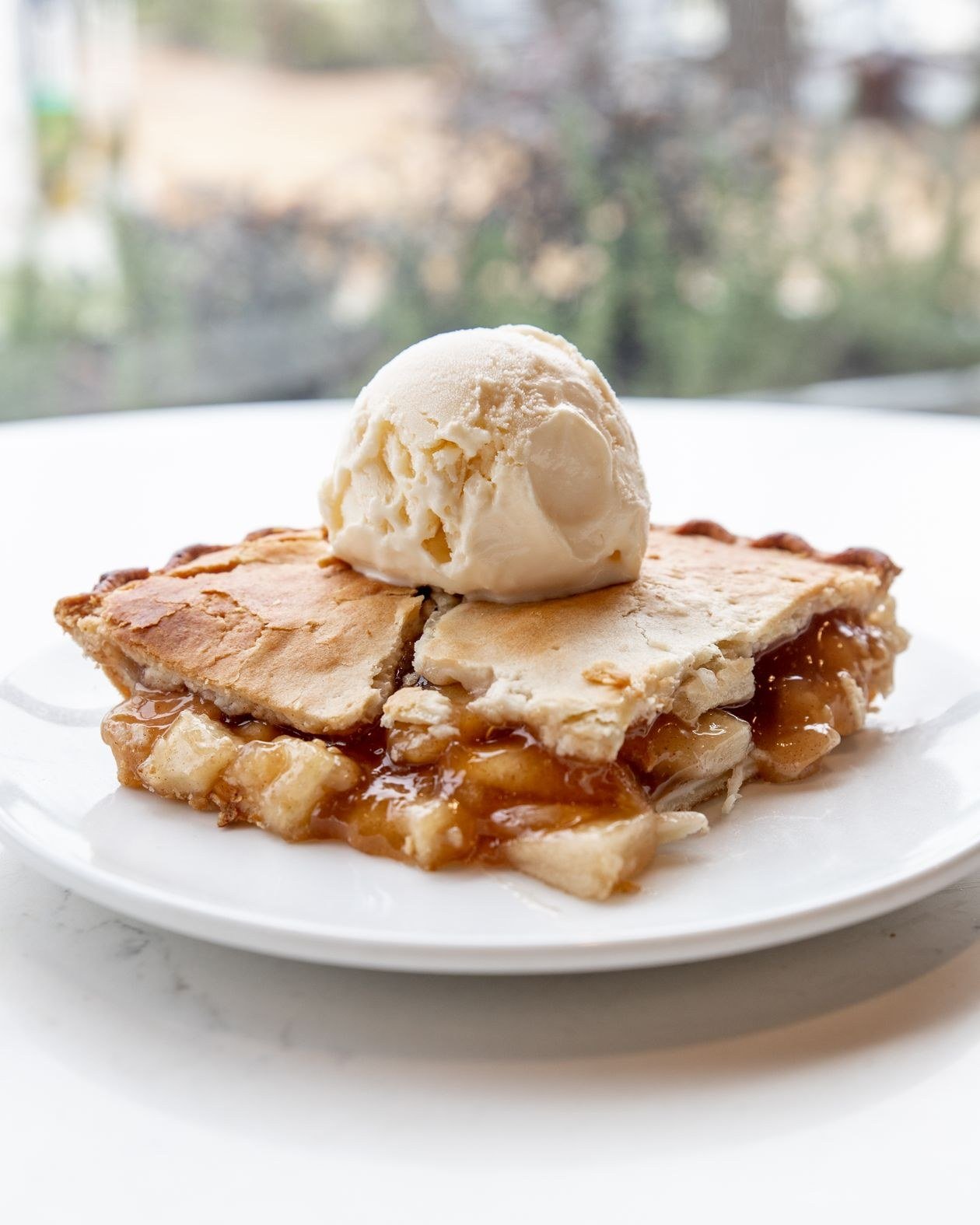
A drizzle of salted caramel inside the pie or over each slice turns a classic into something indulgent without complicating the bake. This idea works because it balances flavour, texture, and presentation, giving you a result that feels considered rather than thrown together. It also adapts well: you can scale it up for a party, scale it down for a quiet evening, or swap one ingredient for another without losing the character of the dish.
Add caramel to the filling sparingly — too much liquid will make the filling runny when sliced. With a little planning and the right ingredients, this version is forgiving for beginners and satisfying for experienced cooks, and it is easy to make your own with small personal touches.
Apple Pie with a Crumb Topping
A crumb topping of butter, flour, sugar, and oats replaces the top crust with a crunchy, golden lid that is easier and faster to make. This idea works because it balances flavour, texture, and presentation, giving you a result that feels considered rather than thrown together. It also adapts well: you can scale it up for a party, scale it down for a quiet evening, or swap one ingredient for another without losing the character of the dish.
Keep the crumb pieces chunky by rubbing the butter in briefly and leaving some larger lumps intact. With a little planning and the right ingredients, this version is forgiving for beginners and satisfying for experienced cooks, and it is easy to make your own with small personal touches.
Make-Ahead and Freezing Tips
Apple pie freezes beautifully, either unbaked for a fresh-baked result later or baked and reheated for convenience. This idea works because it balances flavour, texture, and presentation, giving you a result that feels considered rather than thrown together. It also adapts well: you can scale it up for a party, scale it down for a quiet evening, or swap one ingredient for another without losing the character of the dish.
To freeze unbaked, wrap the assembled pie tightly in two layers and bake straight from frozen, adding about twenty minutes. With a little planning and the right ingredients, this version is forgiving for beginners and satisfying for experienced cooks, and it is easy to make your own with small personal touches.
Serving Apple Pie Warm
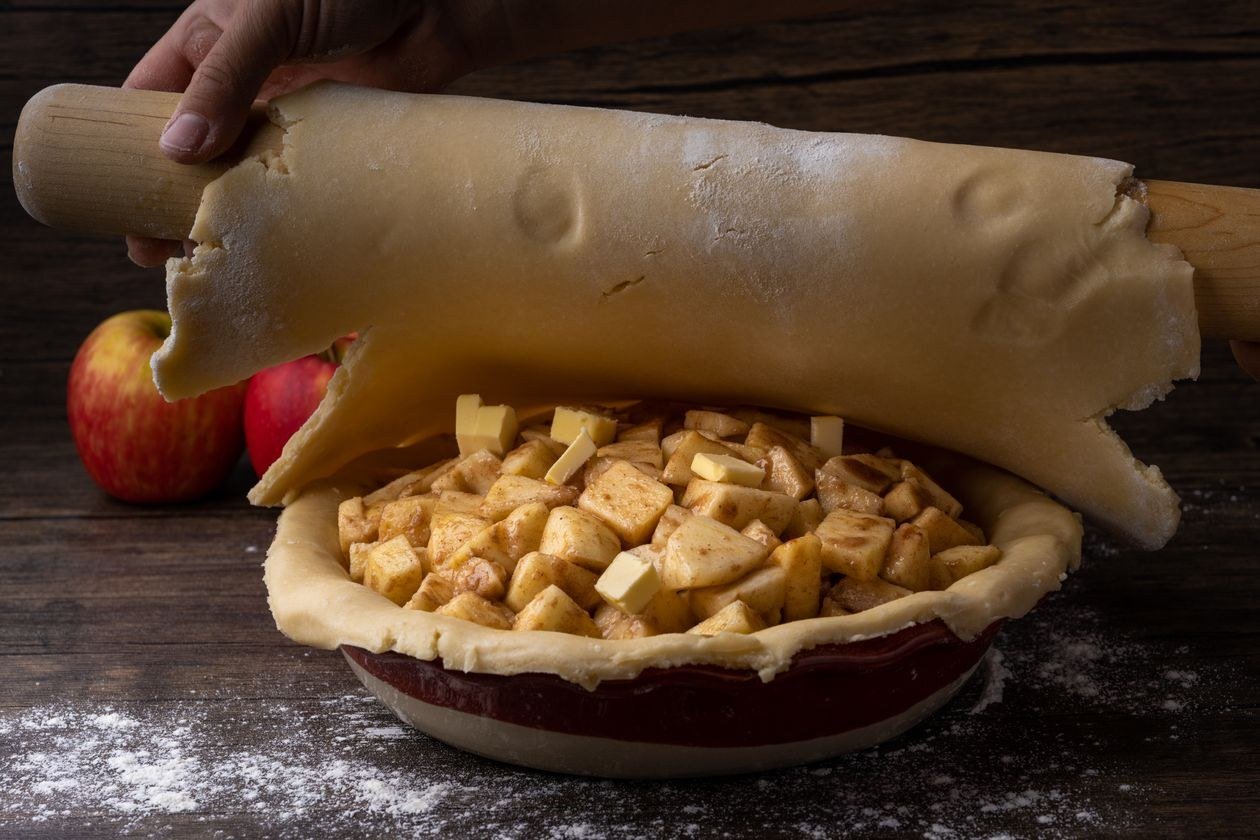
Apple pie is at its best served warm, not hot, so the filling has time to set and each slice holds its shape on the plate. This idea works because it balances flavour, texture, and presentation, giving you a result that feels considered rather than thrown together. It also adapts well: you can scale it up for a party, scale it down for a quiet evening, or swap one ingredient for another without losing the character of the dish.
Rest the pie for at least two hours after baking, then warm individual slices briefly before serving. With a little planning and the right ingredients, this version is forgiving for beginners and satisfying for experienced cooks, and it is easy to make your own with small personal touches.
Classic Pairings: Ice Cream and Cheese
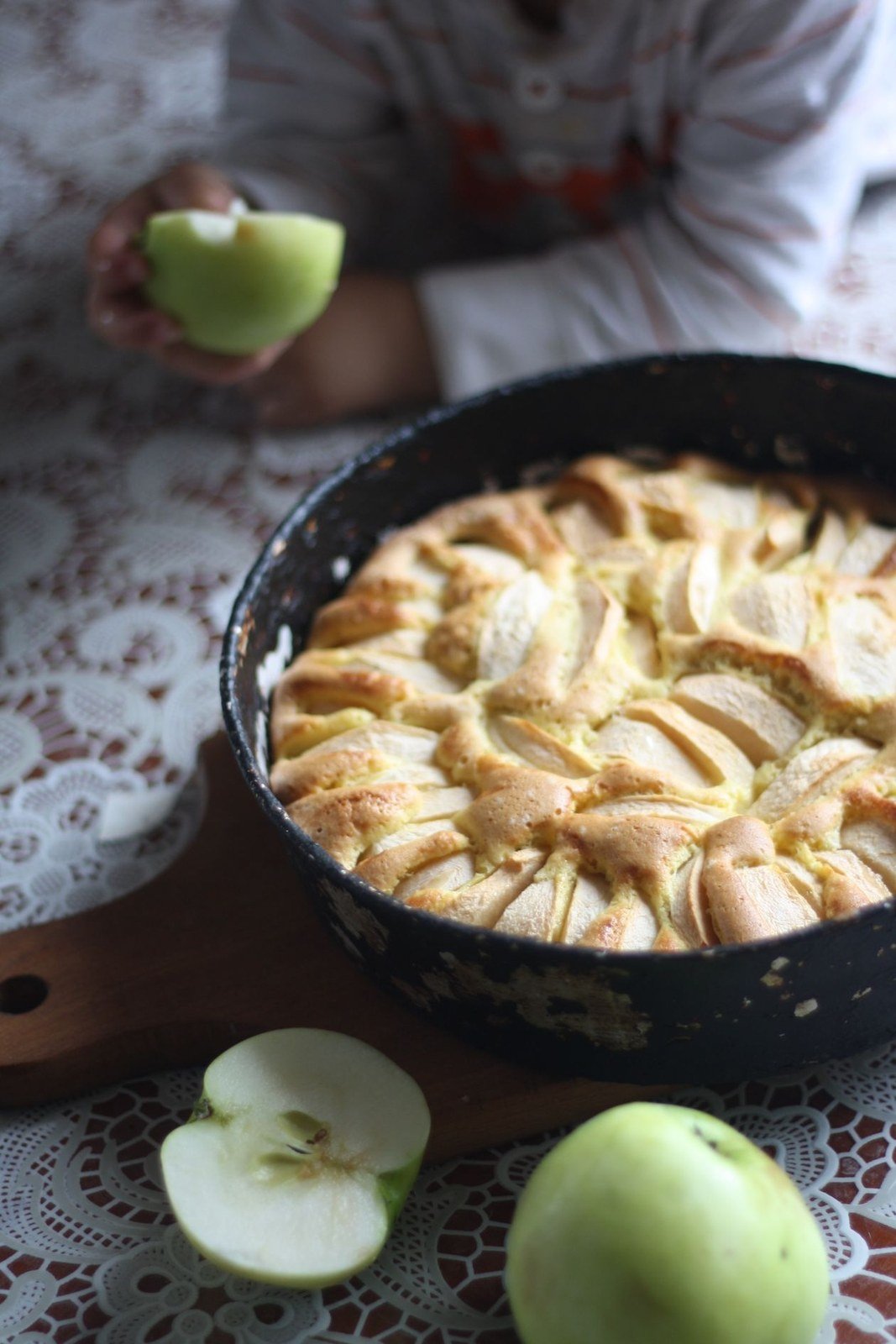
Vanilla ice cream is the traditional partner, but a slice of sharp cheddar alongside apple pie is a beloved custom in many regions. This idea works because it balances flavour, texture, and presentation, giving you a result that feels considered rather than thrown together. It also adapts well: you can scale it up for a party, scale it down for a quiet evening, or swap one ingredient for another without losing the character of the dish.
Try both at least once; the salty cheese against sweet, spiced apples is surprisingly delicious. With a little planning and the right ingredients, this version is forgiving for beginners and satisfying for experienced cooks, and it is easy to make your own with small personal touches.
Mini Apple Pies for Parties
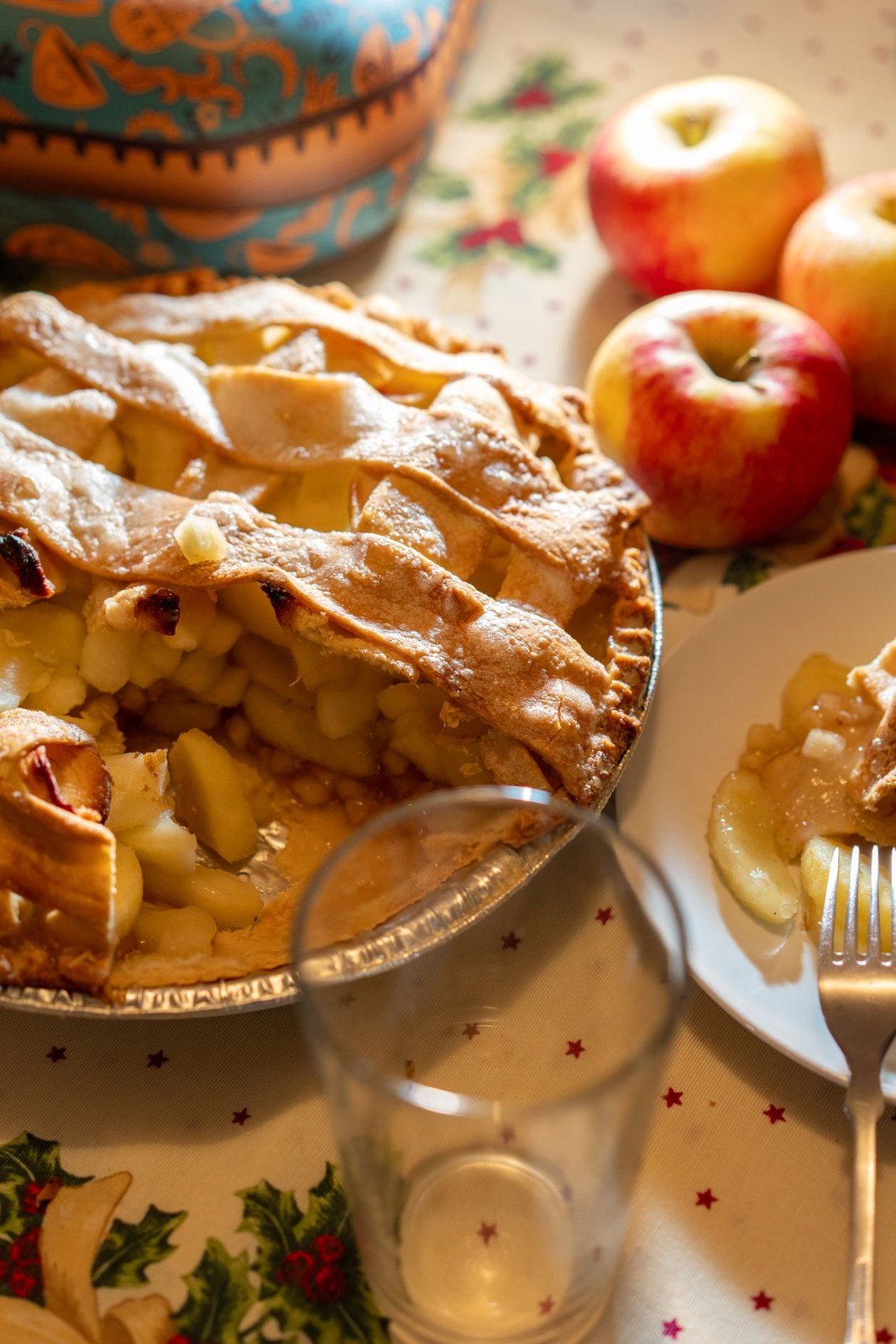
Baked in a muffin tin, mini apple pies give every guest their own pie and are perfect for buffets, lunchboxes, and bake sales. This idea works because it balances flavour, texture, and presentation, giving you a result that feels considered rather than thrown together. It also adapts well: you can scale it up for a party, scale it down for a quiet evening, or swap one ingredient for another without losing the character of the dish.
Cut the crust rounds slightly larger than the tin cups so the edges can be crimped neatly. With a little planning and the right ingredients, this version is forgiving for beginners and satisfying for experienced cooks, and it is easy to make your own with small personal touches.
Dutch Apple Pie Explained
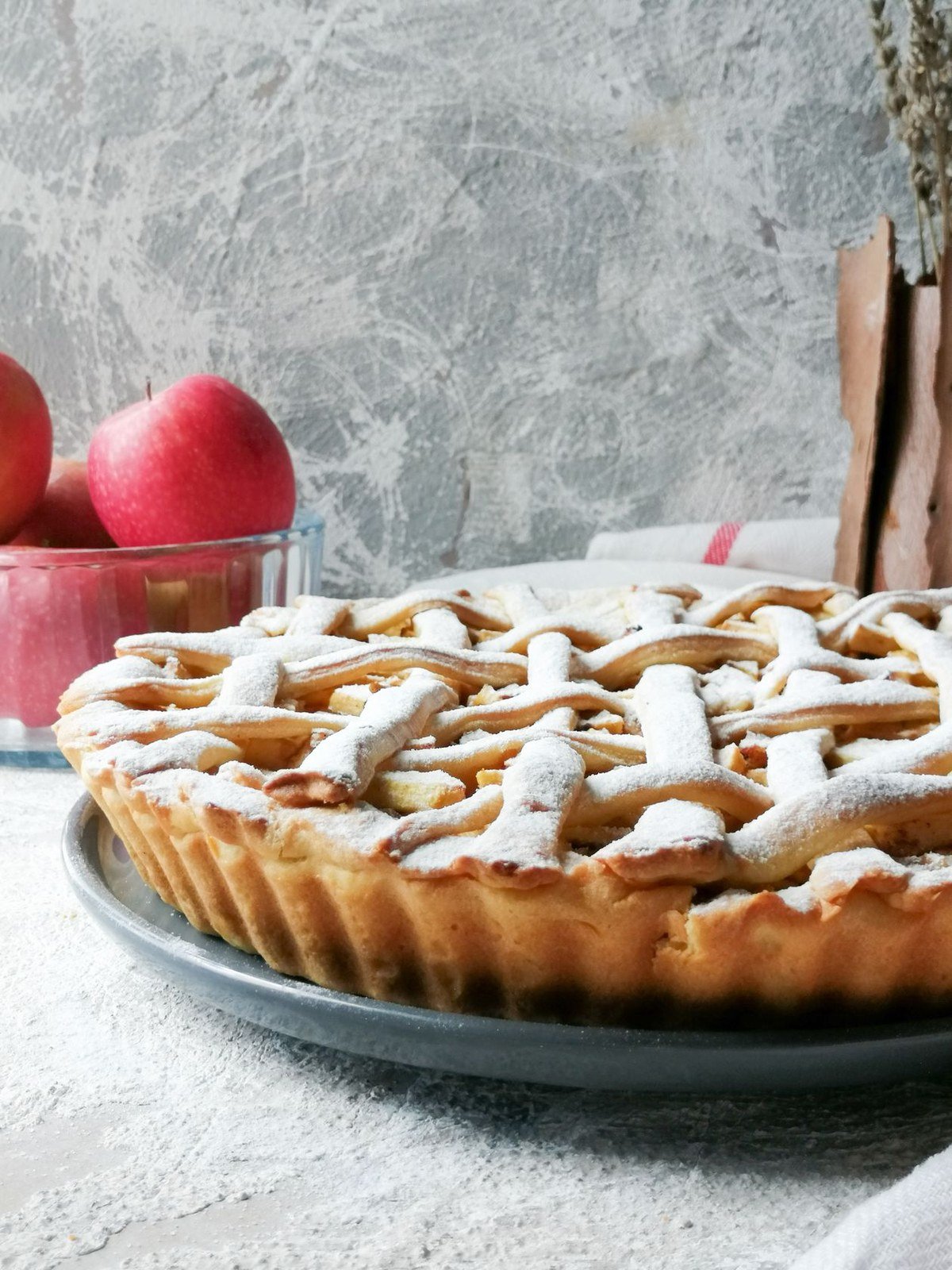
Dutch apple pie keeps the bottom crust and swaps the top crust for a thick, buttery streusel that bakes crisp and golden. This idea works because it balances flavour, texture, and presentation, giving you a result that feels considered rather than thrown together. It also adapts well: you can scale it up for a party, scale it down for a quiet evening, or swap one ingredient for another without losing the character of the dish.
Add a handful of chopped walnuts to the streusel for a nutty crunch that suits the apples well. With a little planning and the right ingredients, this version is forgiving for beginners and satisfying for experienced cooks, and it is easy to make your own with small personal touches.
Apple Pie in a Cast Iron Skillet
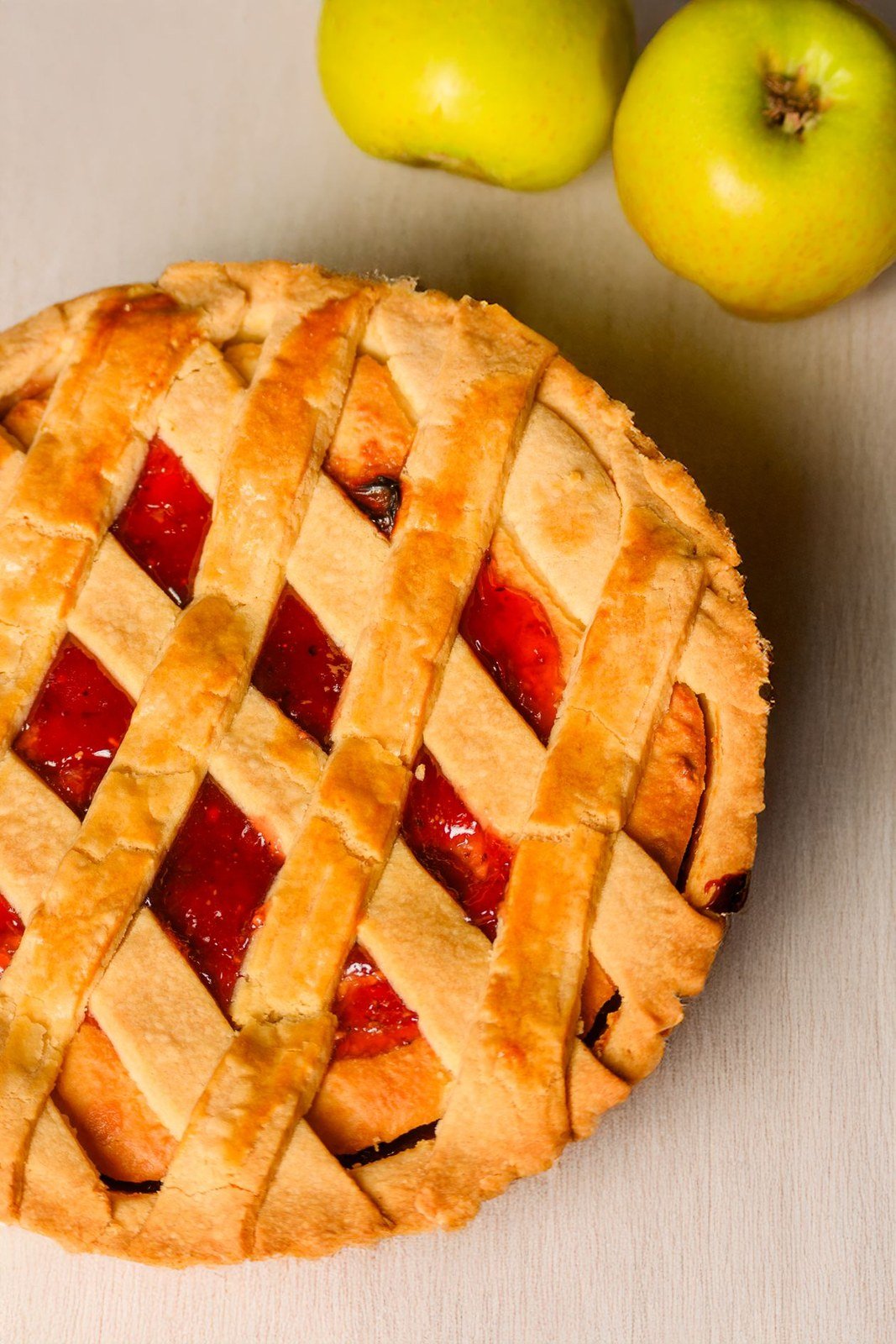
A cast iron skillet bakes a rustic pie with an extra-crisp crust, thanks to the pan’s even, intense heat. This idea works because it balances flavour, texture, and presentation, giving you a result that feels considered rather than thrown together. It also adapts well: you can scale it up for a party, scale it down for a quiet evening, or swap one ingredient for another without losing the character of the dish.
Butter the skillet generously and place it on a baking sheet to catch any bubbling juices. With a little planning and the right ingredients, this version is forgiving for beginners and satisfying for experienced cooks, and it is easy to make your own with small personal touches.
Gluten-Free Apple Pie Options
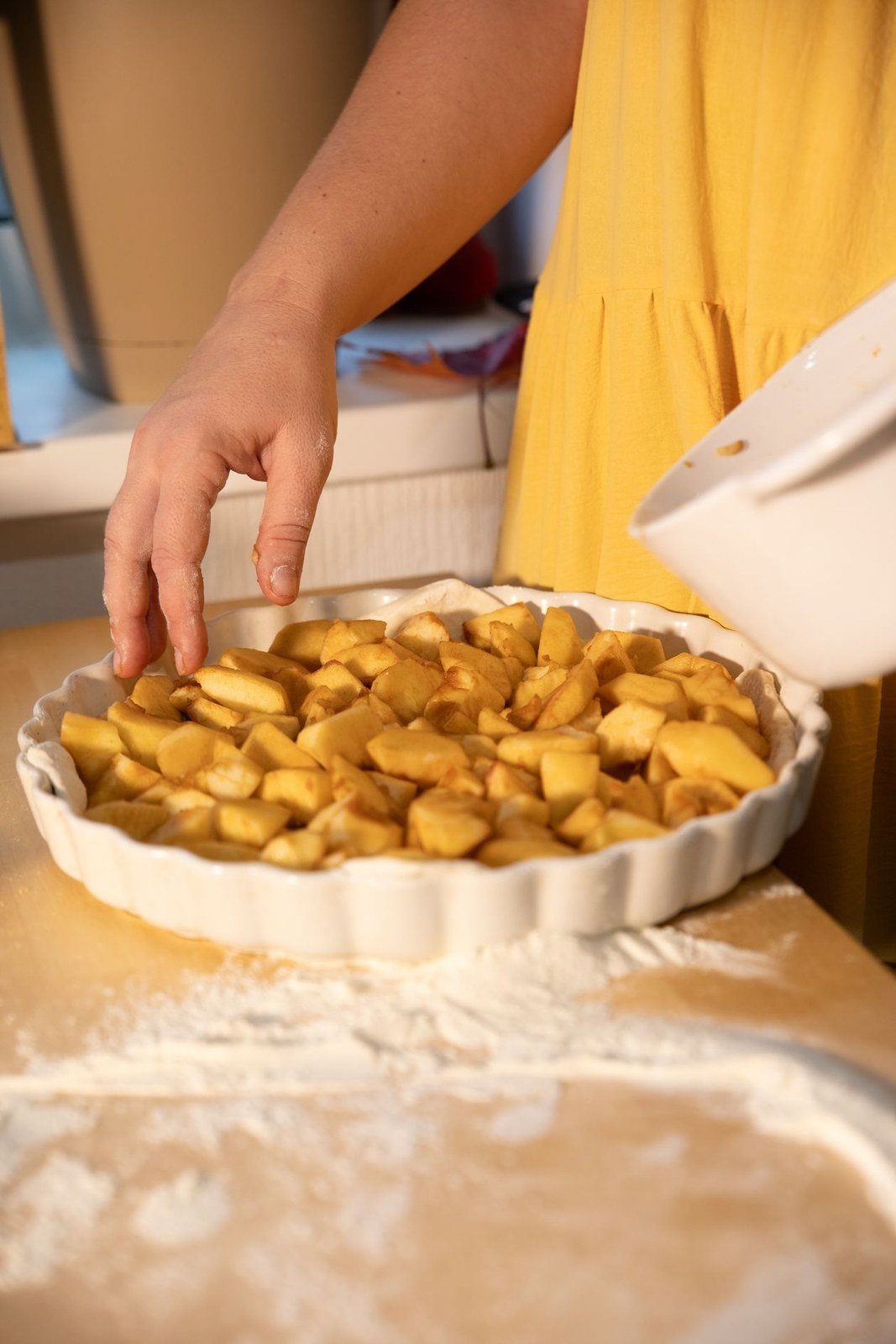
A gluten-free crust made with a good flour blend and a little extra butter can be just as flaky and tender as a wheat crust. This idea works because it balances flavour, texture, and presentation, giving you a result that feels considered rather than thrown together. It also adapts well: you can scale it up for a party, scale it down for a quiet evening, or swap one ingredient for another without losing the character of the dish.
Chill gluten-free dough longer than usual, as it softens faster at room temperature. With a little planning and the right ingredients, this version is forgiving for beginners and satisfying for experienced cooks, and it is easy to make your own with small personal touches.
Reducing Sugar Without Losing Flavour
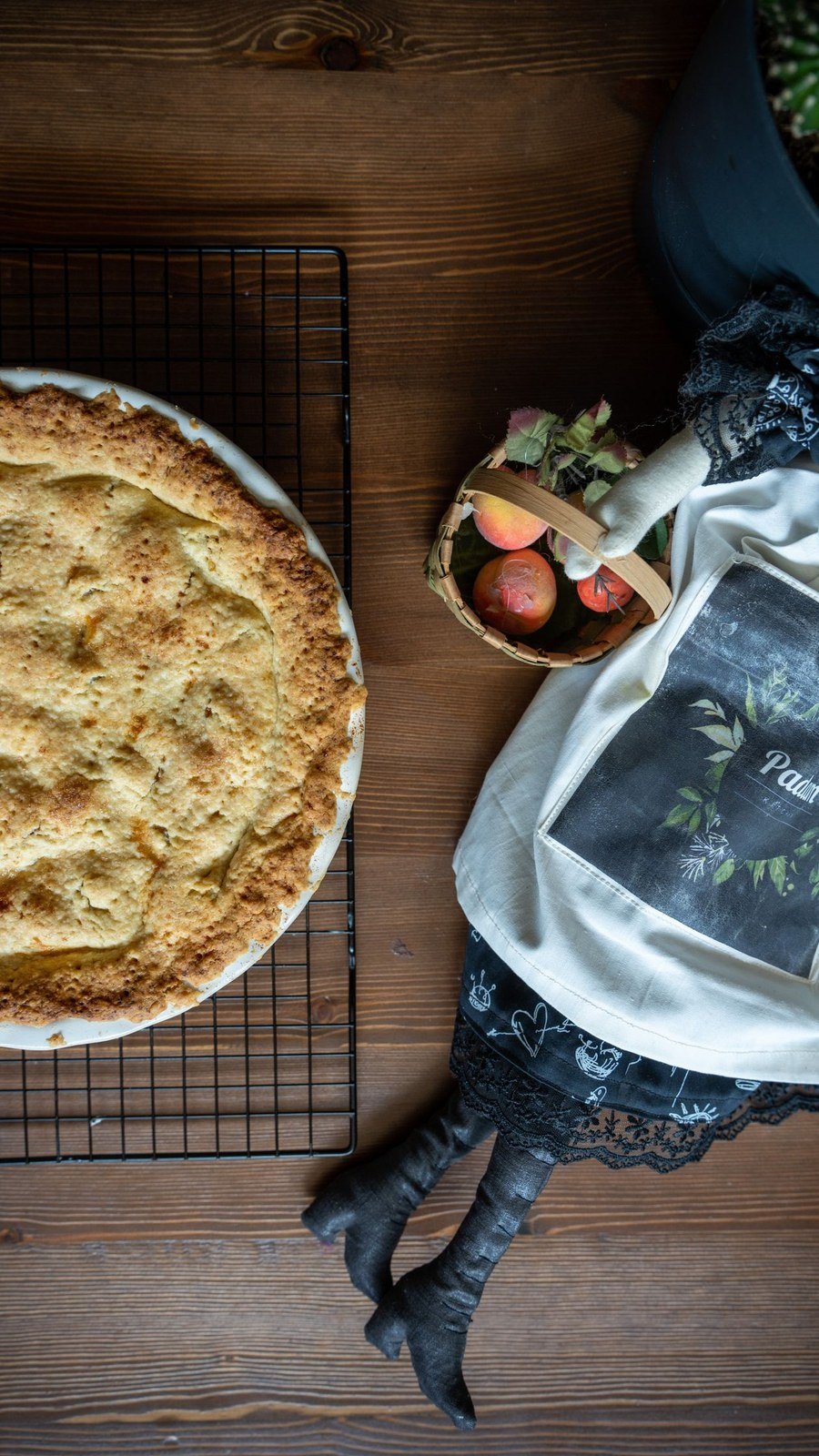
You can cut the sugar in apple pie by a third if you choose naturally sweet apples and lean on cinnamon and vanilla for perceived sweetness. This idea works because it balances flavour, texture, and presentation, giving you a result that feels considered rather than thrown together. It also adapts well: you can scale it up for a party, scale it down for a quiet evening, or swap one ingredient for another without losing the character of the dish.
A splash of apple cider in the filling adds sweetness and depth without extra refined sugar. With a little planning and the right ingredients, this version is forgiving for beginners and satisfying for experienced cooks, and it is easy to make your own with small personal touches.
Troubleshooting Runny Filling
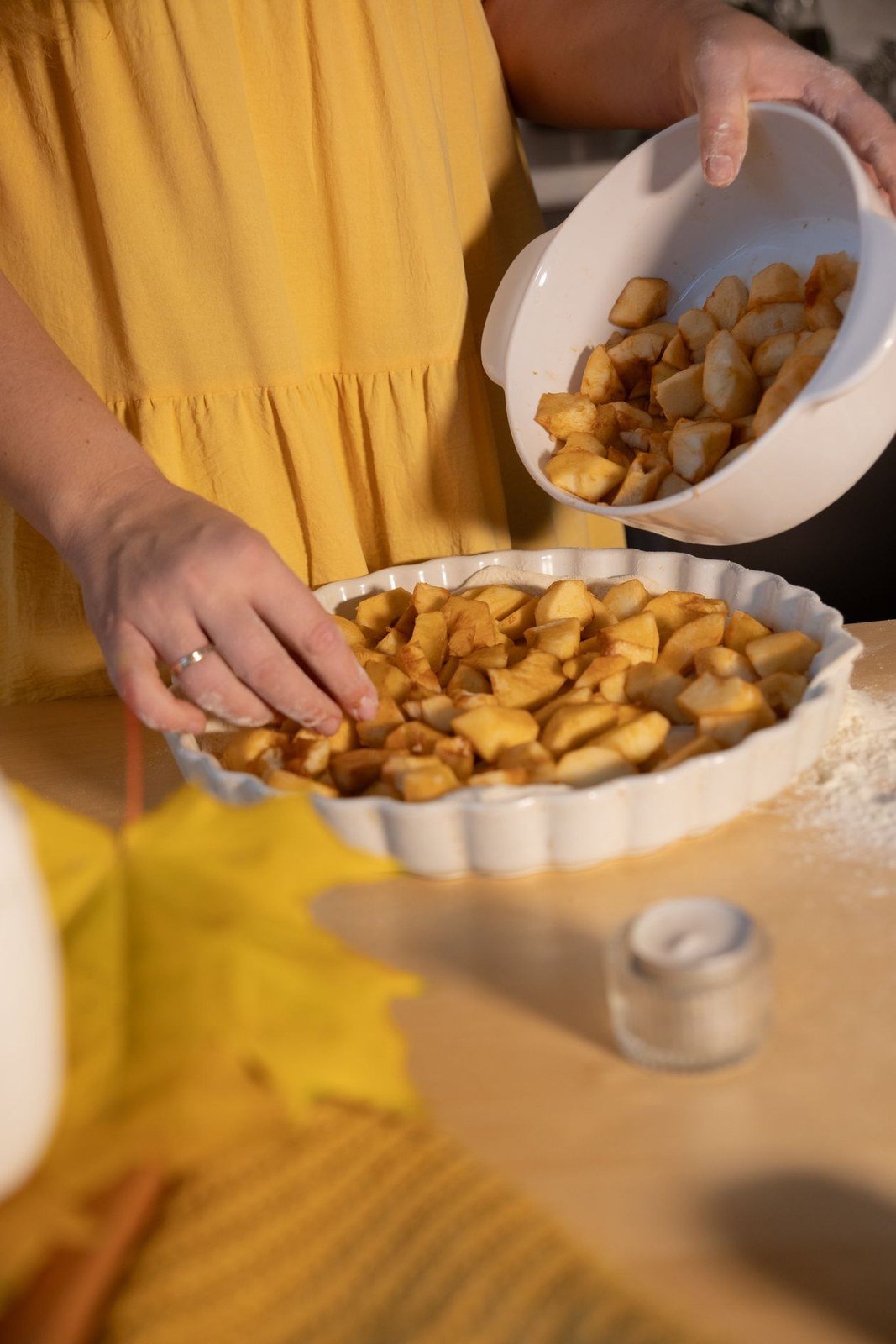
Runny filling usually means the pie was cut too soon, the thickener was under-measured, or the filling never reached a full bubble. This idea works because it balances flavour, texture, and presentation, giving you a result that feels considered rather than thrown together. It also adapts well: you can scale it up for a party, scale it down for a quiet evening, or swap one ingredient for another without losing the character of the dish.
Look for thick juices bubbling through the vents before you take the pie out of the oven. With a little planning and the right ingredients, this version is forgiving for beginners and satisfying for experienced cooks, and it is easy to make your own with small personal touches.
Storing Leftover Apple Pie
Leftover pie keeps at room temperature for a day and in the fridge for up to four days, covered loosely to protect the crust. This idea works because it balances flavour, texture, and presentation, giving you a result that feels considered rather than thrown together. It also adapts well: you can scale it up for a party, scale it down for a quiet evening, or swap one ingredient for another without losing the character of the dish.
Reheat slices in a moderate oven rather than a microwave to keep the crust crisp. With a little planning and the right ingredients, this version is forgiving for beginners and satisfying for experienced cooks, and it is easy to make your own with small personal touches.
Apple Pie for the Holidays
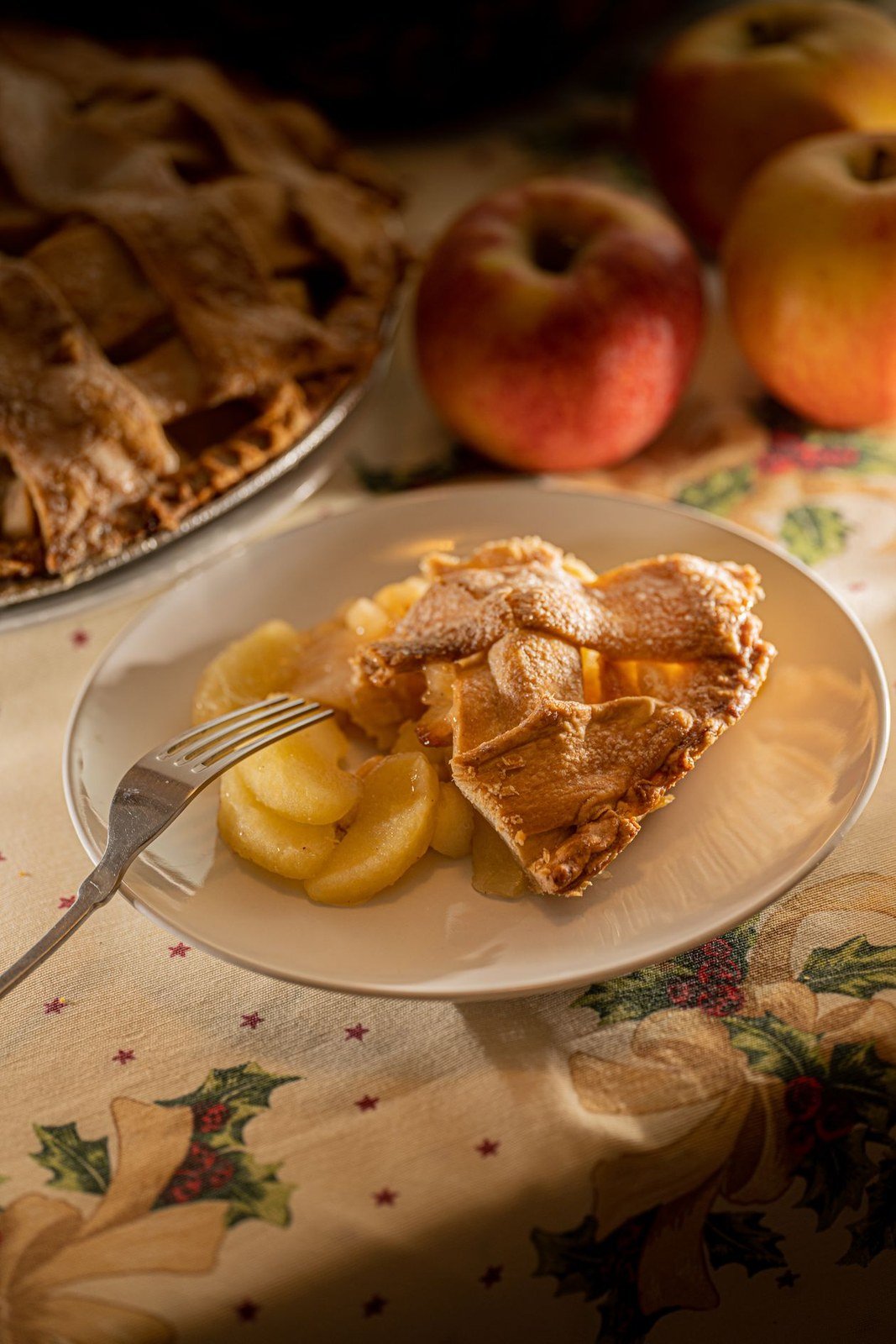
Apple pie earns its place on every holiday table because it can be made ahead, travels well, and pleases nearly everyone. This idea works because it balances flavour, texture, and presentation, giving you a result that feels considered rather than thrown together. It also adapts well: you can scale it up for a party, scale it down for a quiet evening, or swap one ingredient for another without losing the character of the dish.
Bake two pies if you expect a crowd — the first always disappears faster than planned. With a little planning and the right ingredients, this version is forgiving for beginners and satisfying for experienced cooks, and it is easy to make your own with small personal touches.
A good apple pie is a skill worth owning, and once you have baked it a few times, the steps become second nature. Trust your senses: listen for bubbling filling, look for a deep golden crust, and let the pie rest before slicing. With the right apples, a cold crust, and a little patience, your apple pie will be the dessert people remember long after the meal is over.Planning ahead makes all the difference: read the whole method once before you begin, gather your ingredients and tools, and give yourself a little more time than you think you need on the first attempt, because a calm, organised approach always shows in the finished result.Planning ahead makes all the difference: read the whole method once before you begin, gather your ingredients and tools, and give yourself a little more time than you think you need on the first attempt, because a calm, organised approach always shows in the finished result.

I am Talha Sikandar, a professional writer with a passion for general blogging. With years of experience in content writing and research, I founded Meaniingly.com to deliver well-researched, informative, and user-friendly articles on diverse topics.