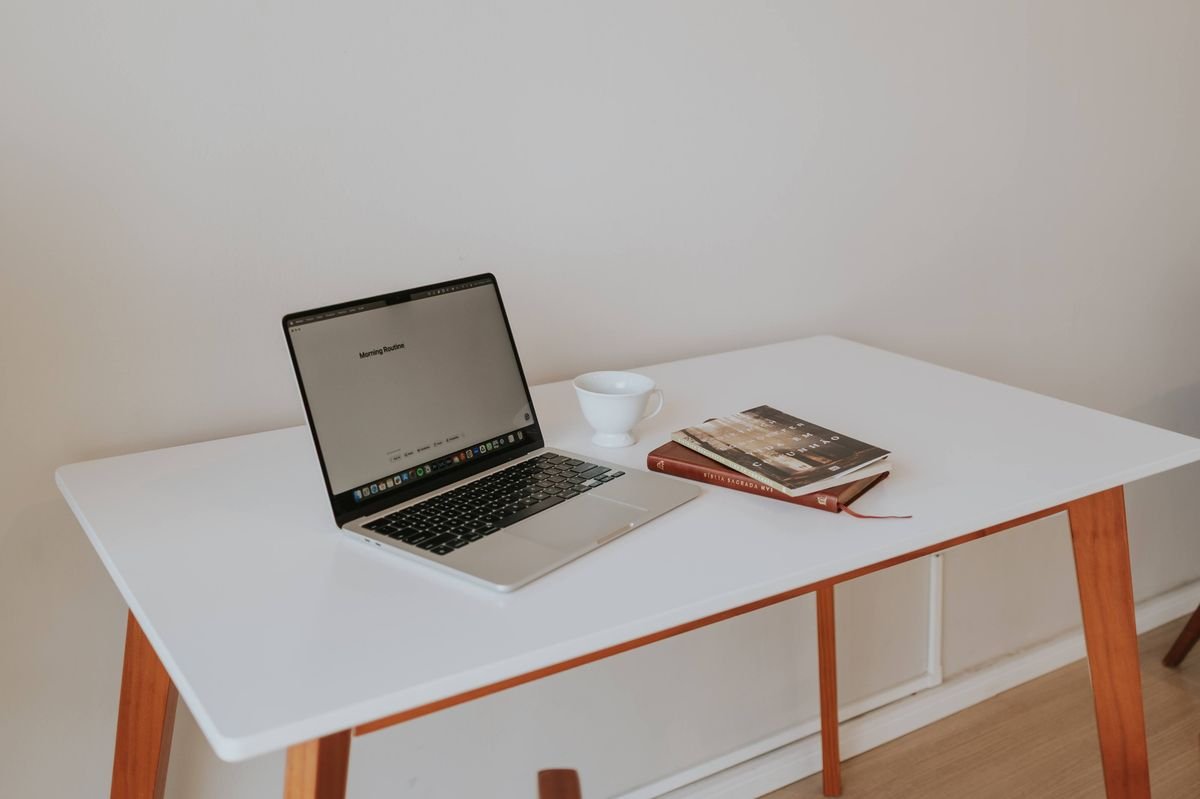
Work office makeover ideas
A work office makeover can transform how you feel, focus, and perform every single day. Whether you work from home, in a corporate office, or in a shared workspace, your environment affects your mood, energy, and productivity more than you might realise. A cluttered, dark, or uncomfortable office makes work feel harder, while a bright, organised, and personal space makes it easier to concentrate and enjoy your day. The good news is that you do not need a huge budget or a full renovation to make a big difference. Small, thoughtful changes to layout, lighting, storage, and decor can completely refresh your workspace.
In this guide, you will find work office makeover ideas for every budget and space, from simple desk organisation to full room transformations. You will learn how to choose colours, lighting, furniture, and accessories that support focus and wellbeing, how to organise cables and paperwork, and how to personalise your office without creating clutter. Whether you have a whole room or just a corner, these ideas will help you create a workspace you actually love.
Start With a Clear Vision for Your Office

Before buying anything, decide how you want your office to feel and function. Do you need a calm, focused space for deep work, a creative space for brainstorming, or a professional background for video calls? Consider how you use the space daily, what frustrates you currently, and what would make work easier. Make a mood board with colours, furniture, and decor you love, using Pinterest or magazine clippings for inspiration. Set a budget and prioritise changes that affect comfort and productivity first, such as a good chair and lighting, before spending on purely decorative items. A clear vision prevents impulse purchases and ensures every change serves a purpose.
Declutter and Organise Before You Decorate

Decluttering is the most powerful and cheapest office makeover step. Remove everything from your desk and shelves, then keep only items you use regularly, need for work, or truly love. Recycle old papers, donate unused equipment, and file documents digitally where possible. Sort remaining items into categories, such as daily use, weekly use, and reference, and store them accordingly. A clean desk immediately makes a room feel larger, brighter, and calmer. Once clutter is gone, you can see what storage you actually need, rather than buying organisers for things you should have discarded. Declutter first, decorate second, always.
Choose a Productive Office Layout

Layout affects focus, comfort, and video call appearance. Place your desk near a window for natural light if possible, but angle it to avoid glare on your screen. Keep frequently used items within arm’s reach, and store less-used items further away. If you share a space, use a room divider, bookshelf, or curtain to create a visual boundary for work. Leave enough room to move comfortably around your chair, and avoid placing your back to a door if that makes you uneasy. Test different layouts for a few days before committing, because a layout that looks good in photos may not feel good during a long workday.
Invest in an Ergonomic Chair and Desk

Your chair and desk are the foundation of a healthy office, so invest in them before anything else. Choose a chair with adjustable height, lumbar support, and armrests, and test it for at least fifteen minutes before buying. Your feet should rest flat on the floor, your knees should be at ninety degrees, and your screen should be at eye level. A height-adjustable desk allows you to alternate between sitting and standing, which reduces back pain and fatigue. If a new desk is not in budget, use a monitor stand and a footrest to improve ergonomics with your existing furniture. Comfort is not a luxury, it is essential for long-term health.
Improve Lighting for Focus and Comfort
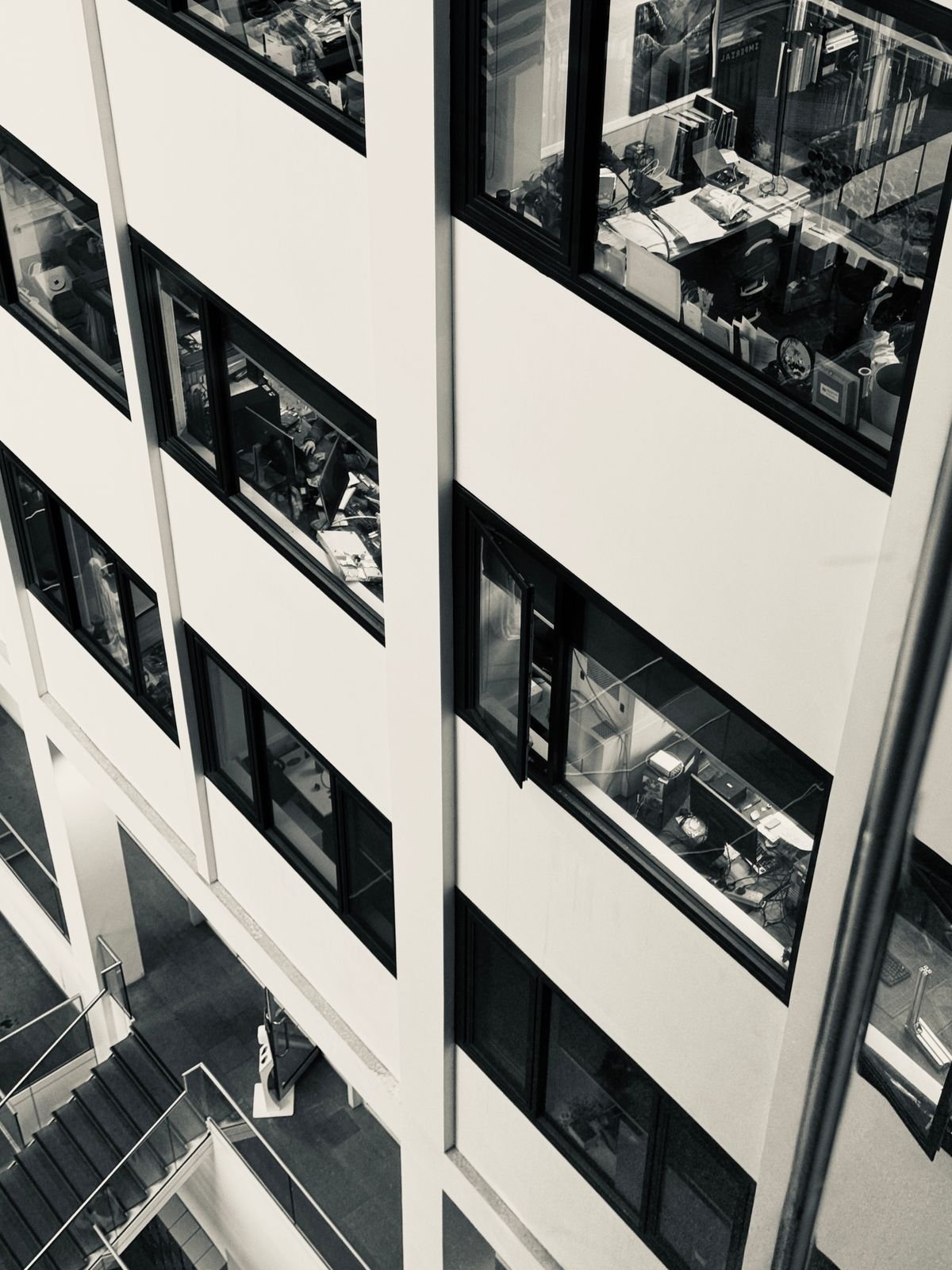
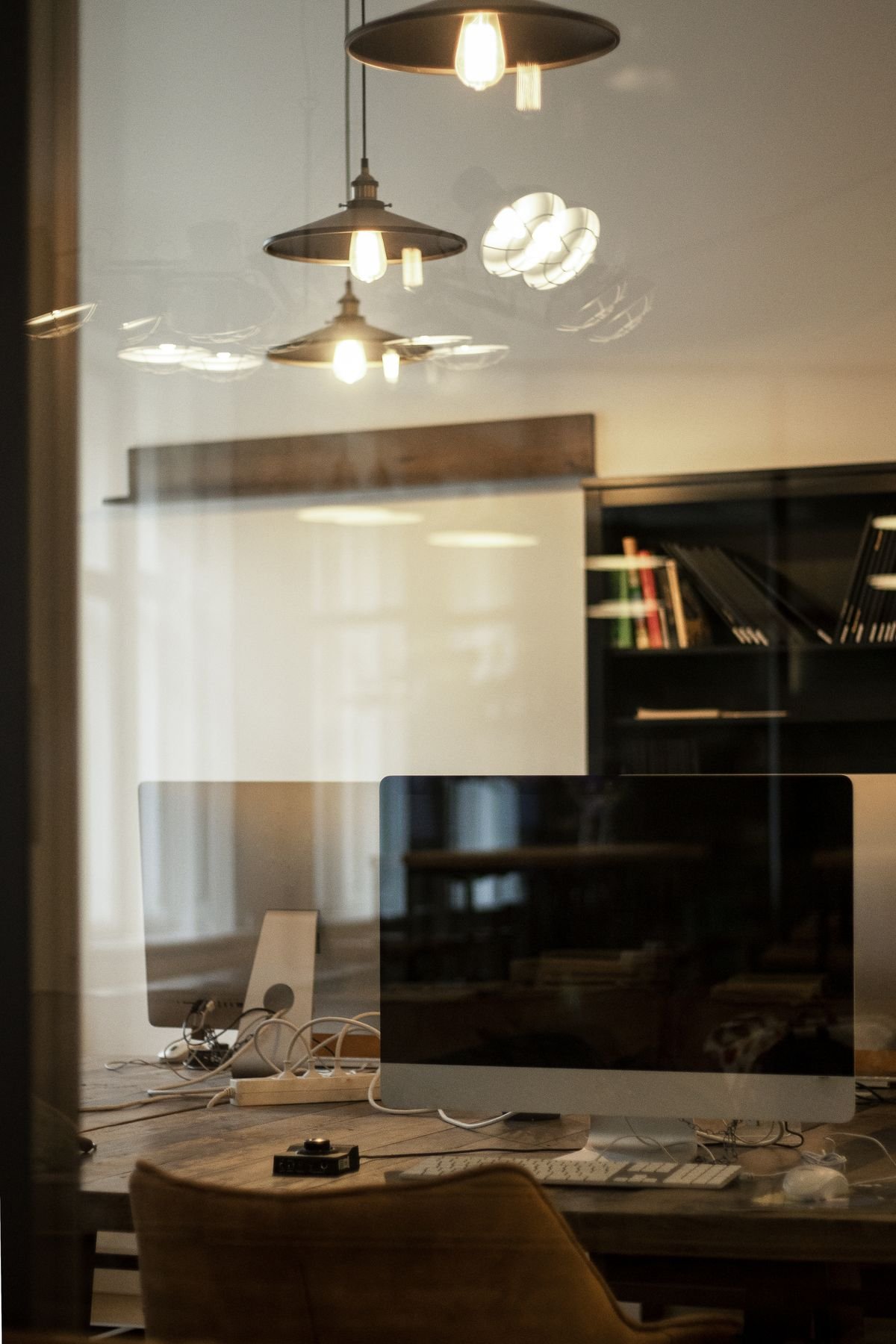
Good lighting reduces eye strain, headaches, and fatigue, and it dramatically improves how your office looks on video calls. Maximise natural light by keeping windows clean and using light curtains that diffuse rather than block sunlight. Add a task lamp for focused work, choosing one with adjustable brightness and colour temperature. Use warm light for relaxing areas and cooler, brighter light for work areas. Avoid overhead fluorescent lighting if possible, which can feel harsh and tiring. Layering light sources, such as a ceiling light, desk lamp, and small accent light, creates a warm, professional atmosphere that supports both focus and comfort.
Choose Colours That Boost Productivity
Colour affects mood and productivity, so choose office colours thoughtfully. Soft blues and greens promote calm and focus, making them ideal for most workspaces. Warm neutrals such as cream, beige, and light grey create a clean, professional backdrop that works with any decor. Avoid overly bright reds or oranges on large walls, which can feel stimulating and distracting, but use them as accents in artwork or accessories for energy. If you cannot paint walls, use coloured accessories, art, and textiles to introduce your palette. Test paint samples on the wall and observe them in different light before committing to a full repaint.
Add Smart Storage Solutions
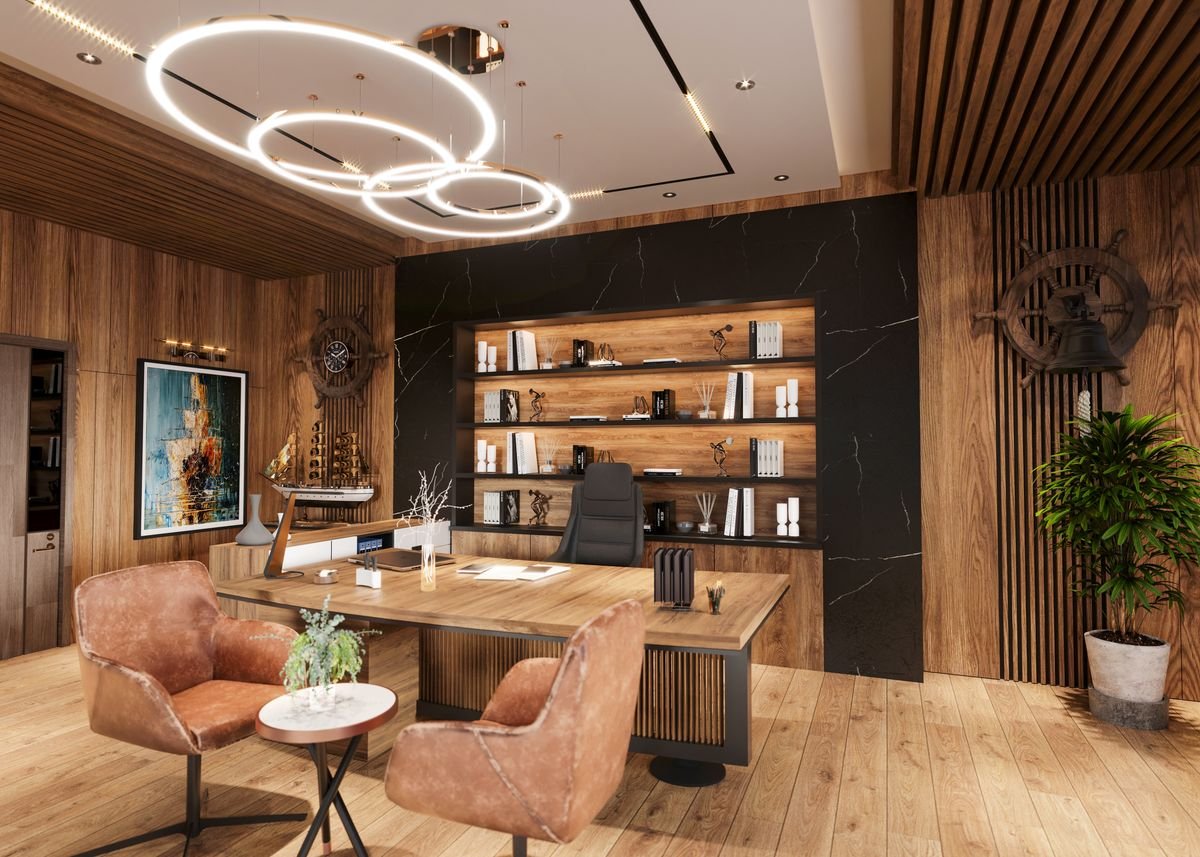
Smart storage keeps your office organised without making it feel like a warehouse. Use wall shelves to free up desk space, filing cabinets for important documents, and baskets or boxes for smaller items. Label storage clearly so you can find things quickly, and keep daily essentials on your desk while storing weekly items on shelves. Vertical storage, such as tall bookcases and wall-mounted organisers, works especially well in small offices. Choose storage that matches your decor, because mismatched plastic bins can make a beautiful office look cluttered. Good storage is invisible when it works, and it saves time every single day.
Tame Cables and Tech Clutter
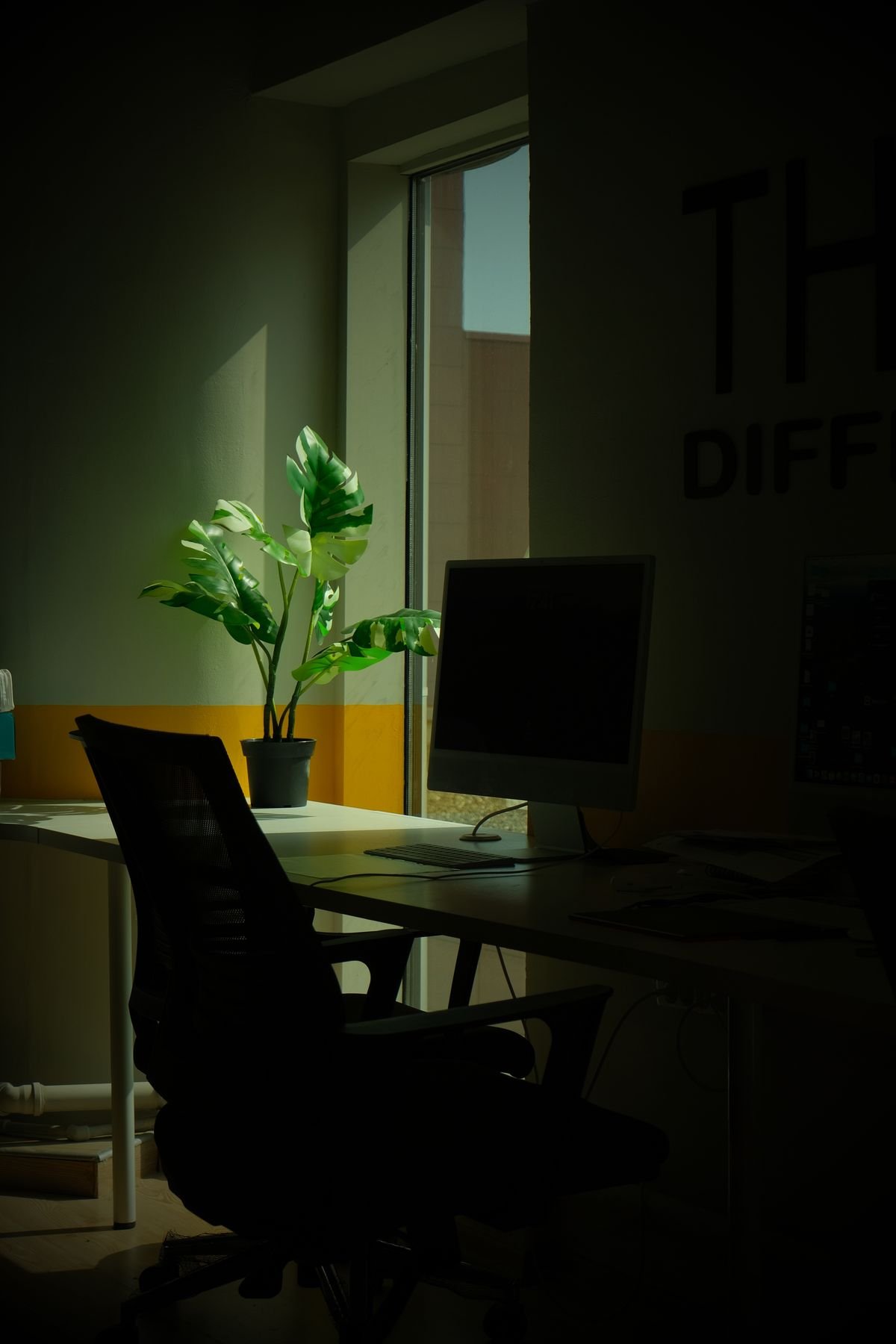
Cables are one of the biggest sources of office mess, but they are easy to tame. Use cable trays, clips, and sleeves to bundle cords together and route them behind desks. Label chargers and cables so you know what belongs to each device. Use a power strip with a short cord, mounted under the desk, to keep plugs off the floor. Go wireless where possible, with a wireless keyboard, mouse, and headphones, to reduce cable count. A tidy cable setup not only looks better, it also makes cleaning easier and reduces the risk of tripping or accidentally unplugging important equipment during a call.
Bring Plants Into Your Office
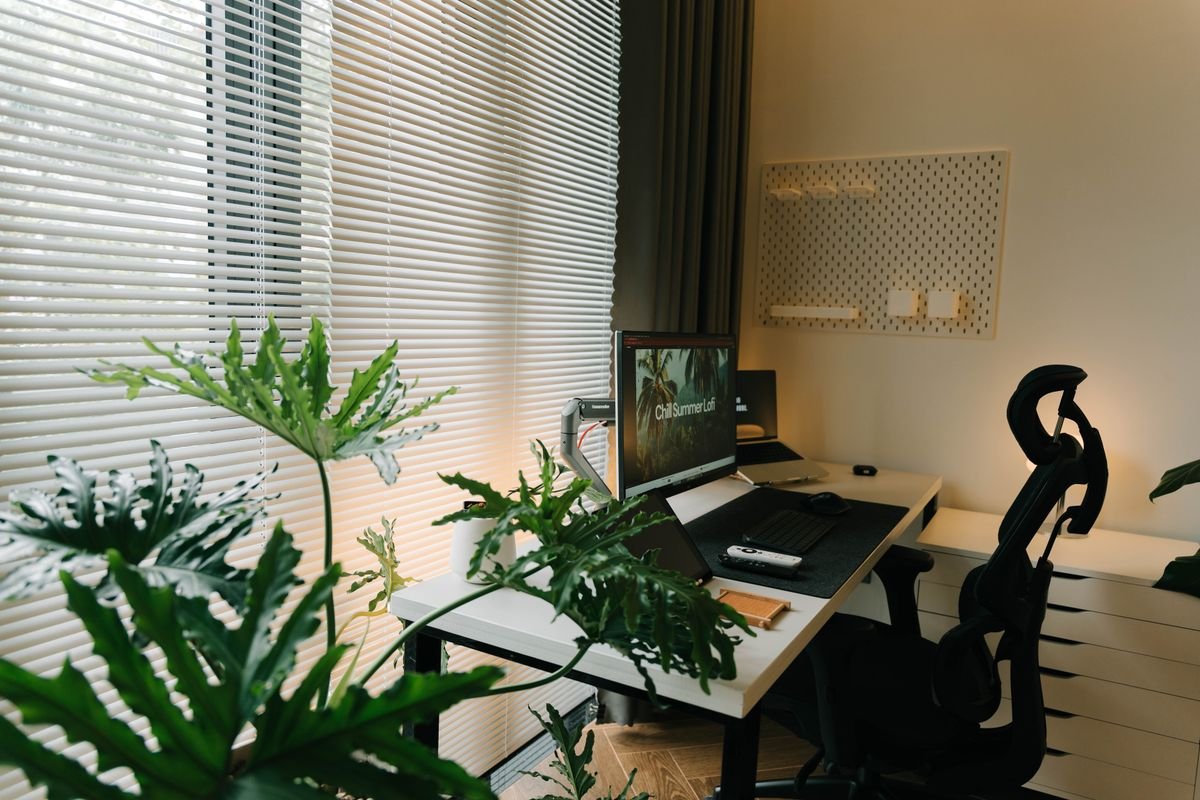
Plants improve air quality, reduce stress, and make offices feel alive and welcoming. Choose low-maintenance plants such as pothos, snake plants, and ZZ plants if you are new to plant care or have limited natural light. Place a small plant on your desk for a touch of green, and larger plants in corners to soften harsh angles. Hanging plants work well in small offices because they do not take up floor or desk space. Water plants according to their needs, not on a fixed schedule, and rotate them occasionally for even growth. Even one healthy plant can transform a sterile office into a pleasant workspace.
Personalise With Art and Meaningful Decor

Personal touches make an office feel like yours, but restraint keeps it professional. Choose a few pieces of art, photographs, or objects that inspire you, rather than covering every surface. A framed print, a favourite quote, or a travel souvenir can add personality without distraction. Rotate decor seasonally to keep the space feeling fresh, and remove items that no longer inspire you. If you appear on video calls, place meaningful decor behind you where it can be seen, but avoid anything distracting or controversial. A personalised office should motivate you and reflect your personality, while still supporting focus and professionalism.
Create a Video Call Friendly Background

With remote work common, your video call background matters. Choose a tidy, well-lit background with a bookshelf, plant, or simple artwork, avoiding clutter, beds, or busy patterns. Position your camera at eye level and face a light source, such as a window or ring light, so your face is clearly visible. Test your background on a call with a friend before important meetings, and check for distracting reflections or personal items. A professional background builds credibility and confidence, while a chaotic background can distract colleagues. You do not need a perfect studio, just a clean, intentional space that represents you well.
Makeover Ideas for Small Offices and Corners

Small offices and corners can still be highly functional with clever design. Use a wall-mounted desk or a compact corner desk to save floor space, and install floating shelves above it for storage. Choose light colours and mirrors to make the space feel larger, and keep only essentials on the desk. A fold-down desk is ideal for multipurpose rooms, because it can be closed when not in use. Use vertical space wisely, and avoid bulky furniture that overwhelms the area. Even a one-metre corner, when organised well, can become a productive workspace that feels separate from the rest of your home.
Budget-Friendly Office Makeover Ideas

A great office makeover does not require a large budget. Start by decluttering, rearranging furniture, and cleaning thoroughly, which costs nothing. Paint one accent wall, swap out old curtains, or add new desk accessories for a fresh look. Shop thrift stores, marketplaces, and discount retailers for furniture and decor, and consider DIY projects such as painting shelves or making your own art. Prioritise spending on comfort items, such as a chair cushion or task lamp, over purely decorative pieces. With creativity and patience, you can transform an office for under one hundred pounds, proving that style is about choices, not cost.
Organise Paperwork and Digital Files
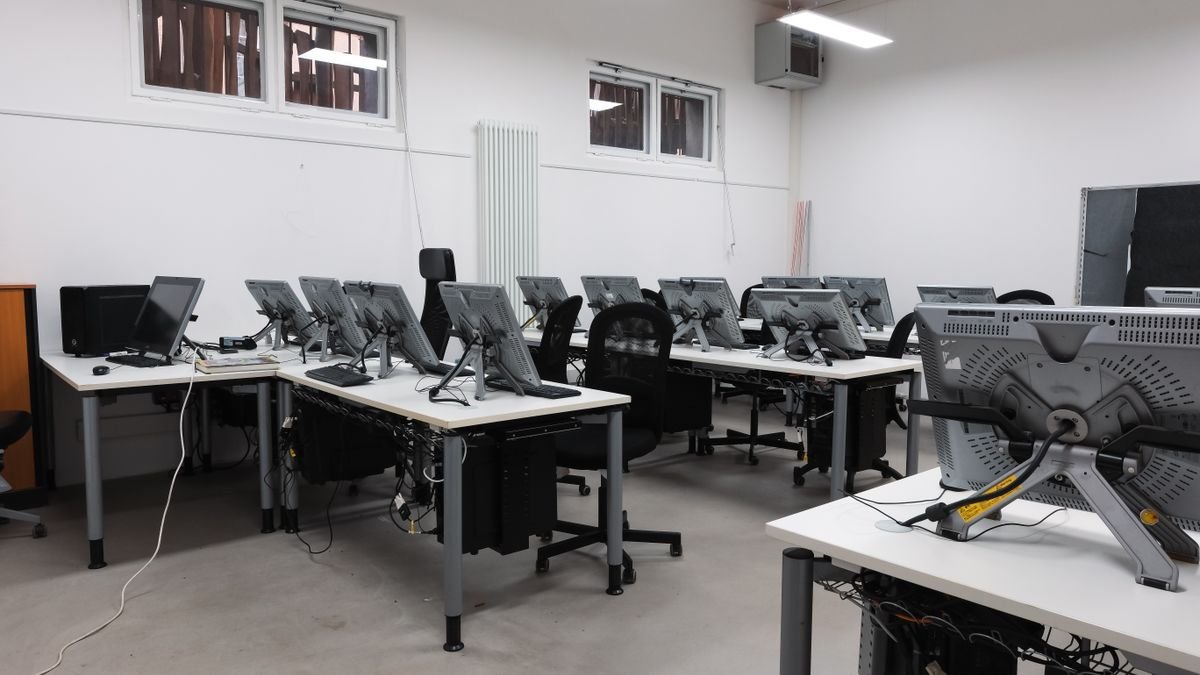
Paperwork clutter slows work and creates stress, so create a simple filing system. Use labelled folders for active projects, reference materials, and archives, and process mail and papers daily rather than letting piles accumulate. Scan important documents and store them digitally with clear file names, backing them up regularly. Keep a small inbox tray on your desk for incoming papers, and empty it weekly. A tidy paperwork system saves time searching for documents, reduces the risk of losing important information, and makes your office look professional. Organisation is a makeover that pays off every day.
Add Comfort With Textiles and Soft Furnishings

Textiles add warmth, comfort, and personality to an office. A soft rug under your desk defines the workspace and adds colour, while cushions and a throw blanket make long work sessions more comfortable. Choose textiles in your office colour palette, and wash them regularly to keep the space fresh. A footrest, seat cushion, or wrist rest also improves comfort during long days. Avoid overly soft furnishings that encourage sleepiness, and balance comfort with professionalism. A cosy office should feel inviting, not like a bedroom, so keep textiles tidy and intentional rather than piled up.
Improve Air Quality and Acoustics
Air quality and acoustics affect focus more than most people realise. Open windows regularly for fresh air, or use an air purifier if outdoor air is polluted. Plants also help, but they are not a substitute for ventilation. For acoustics, use rugs, curtains, and soft furnishings to absorb sound, and consider acoustic panels if you work in a noisy environment. Noise-cancelling headphones are a practical solution for shared spaces. A quiet, fresh office helps you concentrate, reduces fatigue, and makes video calls clearer. These invisible improvements are just as important as visible decor in a successful makeover.
Office Makeover for Shared and Family Spaces
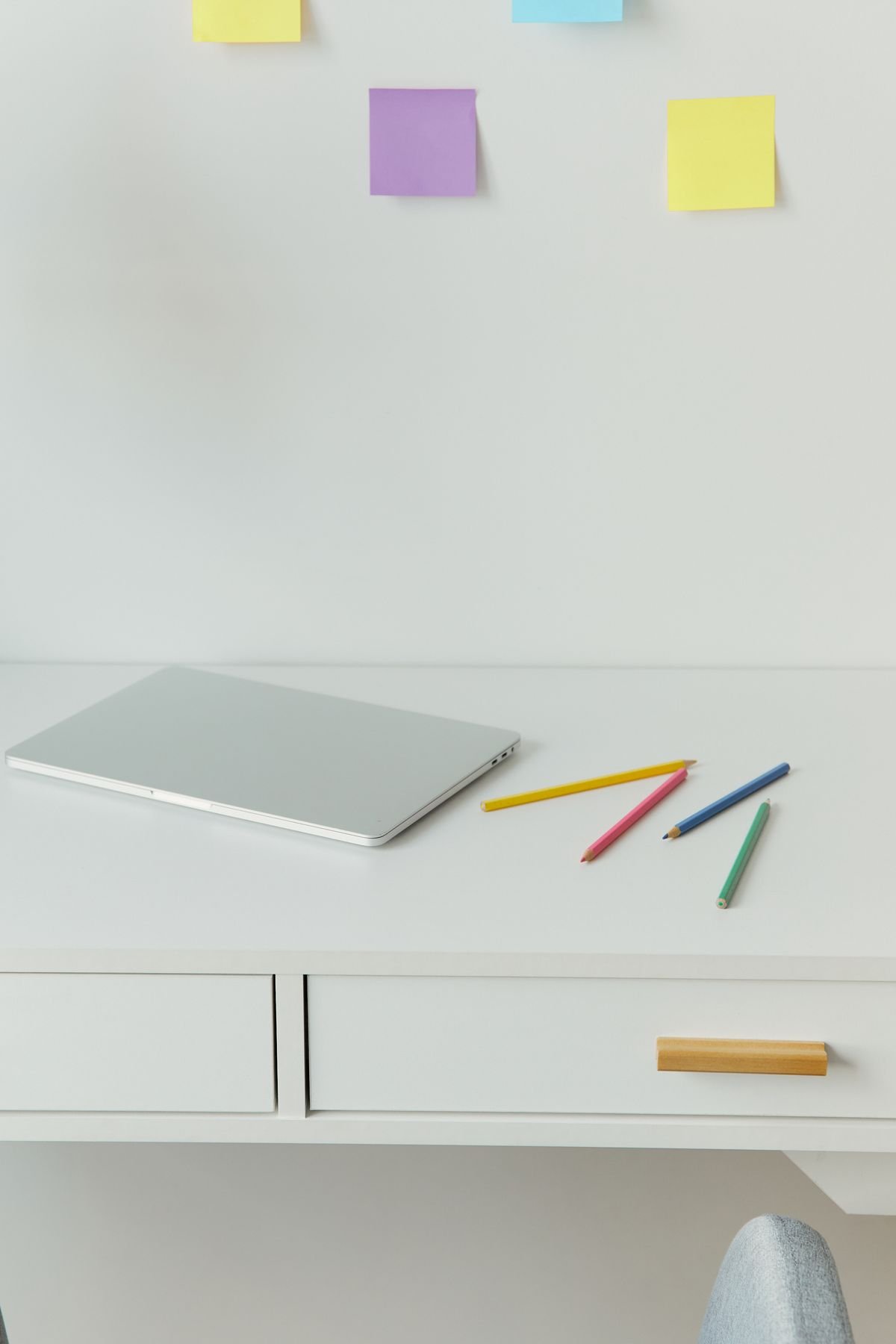
Shared offices require clear boundaries and organisation to work for everyone. Use separate desks or desk dividers, individual storage, and labelled supplies to avoid confusion. Agree on shared rules, such as quiet hours, cleaning responsibilities, and meeting schedules. Use headphones for calls, and schedule video meetings to avoid overlapping. If children use the space for homework, create separate zones with their own supplies. A shared office can work beautifully when everyone respects boundaries and keeps their area tidy. Communication and organisation are more important than furniture in a successful shared workspace.
Maintain Your New Office Makeover
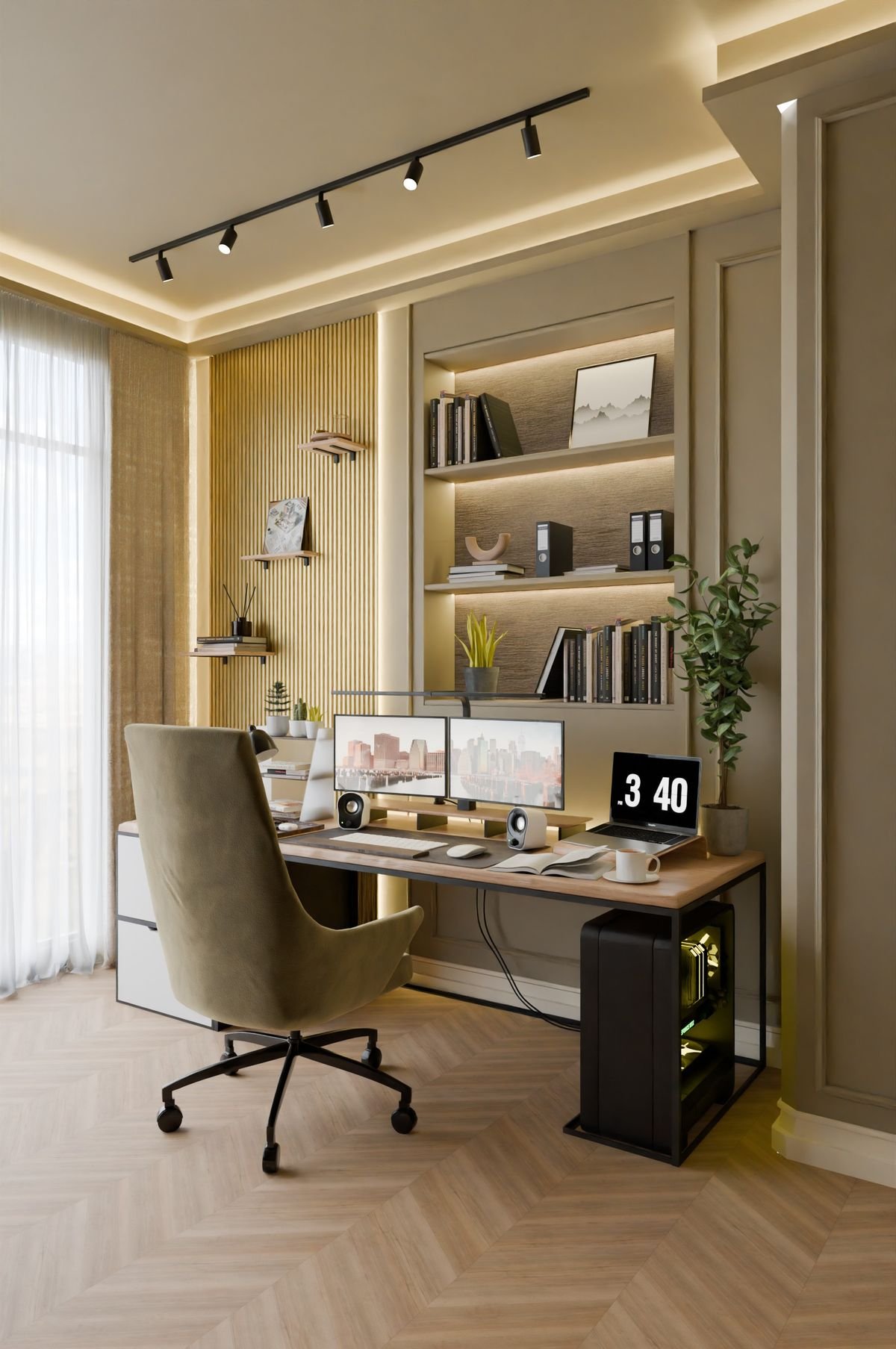
Maintaining your makeover is just as important as creating it. Spend five minutes at the end of each workday tidying your desk, filing papers, and preparing for tomorrow. Do a weekly deeper clean, including dusting shelves, wiping surfaces, and checking plants. Review storage monthly and remove items you no longer need. A simple maintenance routine prevents clutter from returning and keeps your office feeling fresh. Treat your office like a professional workspace, not a storage room, and it will continue to support your productivity and wellbeing long after the makeover is complete.
Common Office Makeover Mistakes to Avoid

Common mistakes include buying decor before decluttering, choosing style over comfort, and overcrowding a small space. Avoid purchasing furniture without measuring your room and doorways, because returns are costly and frustrating. Do not ignore lighting and ergonomics in favour of aesthetics, because an uncomfortable office will not stay tidy for long. Avoid too many colours or patterns, which can feel chaotic, and keep cables and paperwork under control. Finally, do not copy a Pinterest office exactly, because your needs, space, and work style are unique. Adapt ideas to suit you, not the other way around.
Final Tips for a Workspace You Love
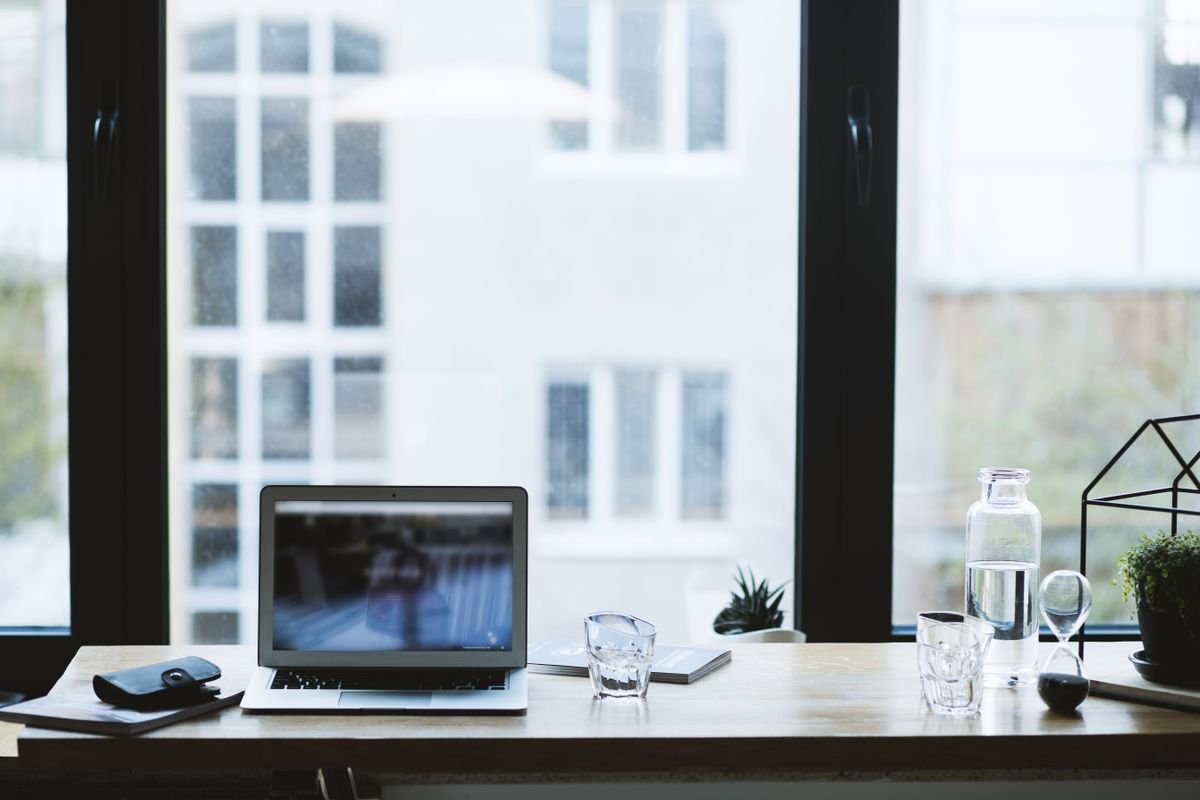
For a workspace you love, focus on comfort, organisation, and personality in that order. Declutter first, invest in ergonomic furniture and good lighting, then add colour, plants, and personal touches. Take before and after photographs to celebrate your progress, and enjoy working in a space that reflects your style and supports your goals. Remember that a makeover does not need to be finished in one weekend; small improvements over time add up to a big transformation. Start with one change today, and build a workspace that makes you look forward to sitting down to work.
For hybrid workers, create a setup that transitions easily between video calls and focused work. Keep a small ring light and a tidy background ready for calls, but store them out of sight during deep work to reduce visual clutter. A desk with a monitor arm allows you to adjust screen position quickly, and a drawer for call accessories keeps everything organised. Flexibility is the key to a hybrid office that works for every kind of task.
If you rent your home, choose makeover changes that are reversible, such as removable wallpaper, command hooks, and freestanding shelves. Avoid drilling into walls without permission, and keep original fixtures to restore when you move. A renter-friendly makeover can still look polished and personal, proving that you do not need to own a space to make it feel like yours.
For creative professionals, add a whiteboard, pinboard, or inspiration wall where ideas can be displayed and rearranged. A visual workspace supports brainstorming and keeps projects visible, which is especially helpful for designers, writers, and marketers. Keep the board tidy by clearing old ideas weekly, so it remains a tool rather than becoming another source of clutter.
To improve focus, try a simple desk ritual at the start of each workday: clear the desk, fill a water bottle, open only necessary tabs, and write three priorities on a notepad. A consistent ritual signals to your brain that work has begun, even in a home office where boundaries blur. Small habits, combined with a well-designed space, create powerful productivity.
When choosing office furniture secondhand, inspect chairs for working adjustments, desks for stability, and shelves for weight capacity. Clean and disinfect used furniture before bringing it into your office, and test it for a full workday before committing. Secondhand furniture can save money and reduce waste, while still providing comfort and style if chosen carefully.
For a standing desk routine, alternate sitting and standing every thirty to sixty minutes, using a timer or a smartwatch reminder to prompt changes. Start with short standing periods and increase gradually, because standing all day can cause fatigue and discomfort just as sitting all day can. Wear supportive shoes, use an anti-fatigue mat, and keep your screen at eye level in both positions, adjusting the desk height carefully each time you switch.
To add personality without clutter, choose one statement piece for your office, such as a large piece of art, a distinctive lamp, or a beautiful plant, and keep surrounding surfaces relatively clear. A single focal point gives the room character, while too many competing decorations create visual noise that distracts from work. Rotate your statement piece seasonally if you enjoy change, storing other items out of sight rather than displaying everything at once.
For a home office in a bedroom, use a room divider, curtain, or bookshelf to separate work from sleep, even in a small space. A visual boundary helps your brain switch between work and rest, improving both productivity and sleep quality. At the end of the workday, close the divider, put away work items, and leave the space tidy, so your bedroom feels restful again in the evening.
When working in a noisy household, combine noise-cancelling headphones with a simple signal, such as a closed door or a small sign, to indicate when you should not be disturbed. Agree on quiet hours with family members, and schedule important calls during those times when possible. Clear communication, combined with good headphones, makes shared-home working far more peaceful and productive for everyone involved.
For a final touch, add a scent element to your office, such as a subtle candle, diffuser, or fresh flowers, because scent strongly affects mood and focus. Choose light, clean scents like citrus, rosemary, or cedar, avoiding overpowering fragrances that cause headaches or distract colleagues in shared spaces. A pleasant scent, combined with good lighting, comfortable furniture, and organised storage, completes a workspace that feels inviting, professional, and uniquely yours every working day.

I am Talha Sikandar, a professional writer with a passion for general blogging. With years of experience in content writing and research, I founded Meaniingly.com to deliver well-researched, informative, and user-friendly articles on diverse topics.