Dream thrift finds ideas
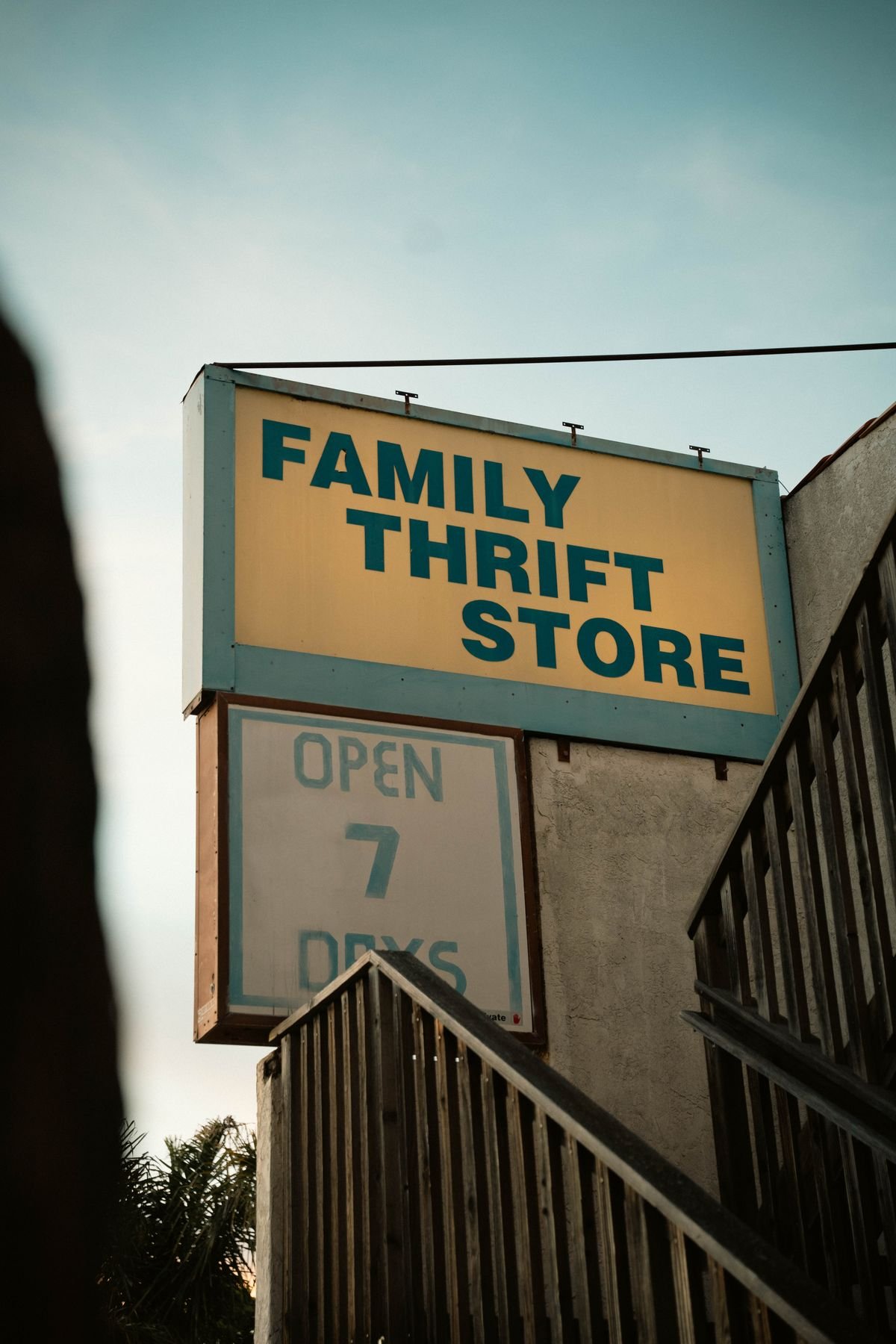
Dream thrift finds are those magical secondhand treasures that feel like they were waiting just for you: a vintage leather jacket in perfect condition, a mid-century chair for a fraction of its value, or a rare book you have searched for for years. Thrifting is part treasure hunt, part sustainability, and part creativity, because it rewards patience, curiosity, and a good eye. Unlike regular shopping, where everything is predictable and new, thrift stores offer surprise, history, and character in every aisle. Whether you thrift for fashion, home decor, or resale, the thrill of finding something special keeps people coming back again and again.
In this guide, you will discover dream thrift finds ideas for every interest, plus practical tips for thrifting successfully. You will learn what to look for, how to spot quality, how to negotiate prices, and how to style thrifted treasures in your home and wardrobe. Whether you are a beginner or a seasoned thrifter, these ideas will inspire your next treasure hunt and help you find pieces you truly love.
What Makes a Thrift Find a Dream Find?
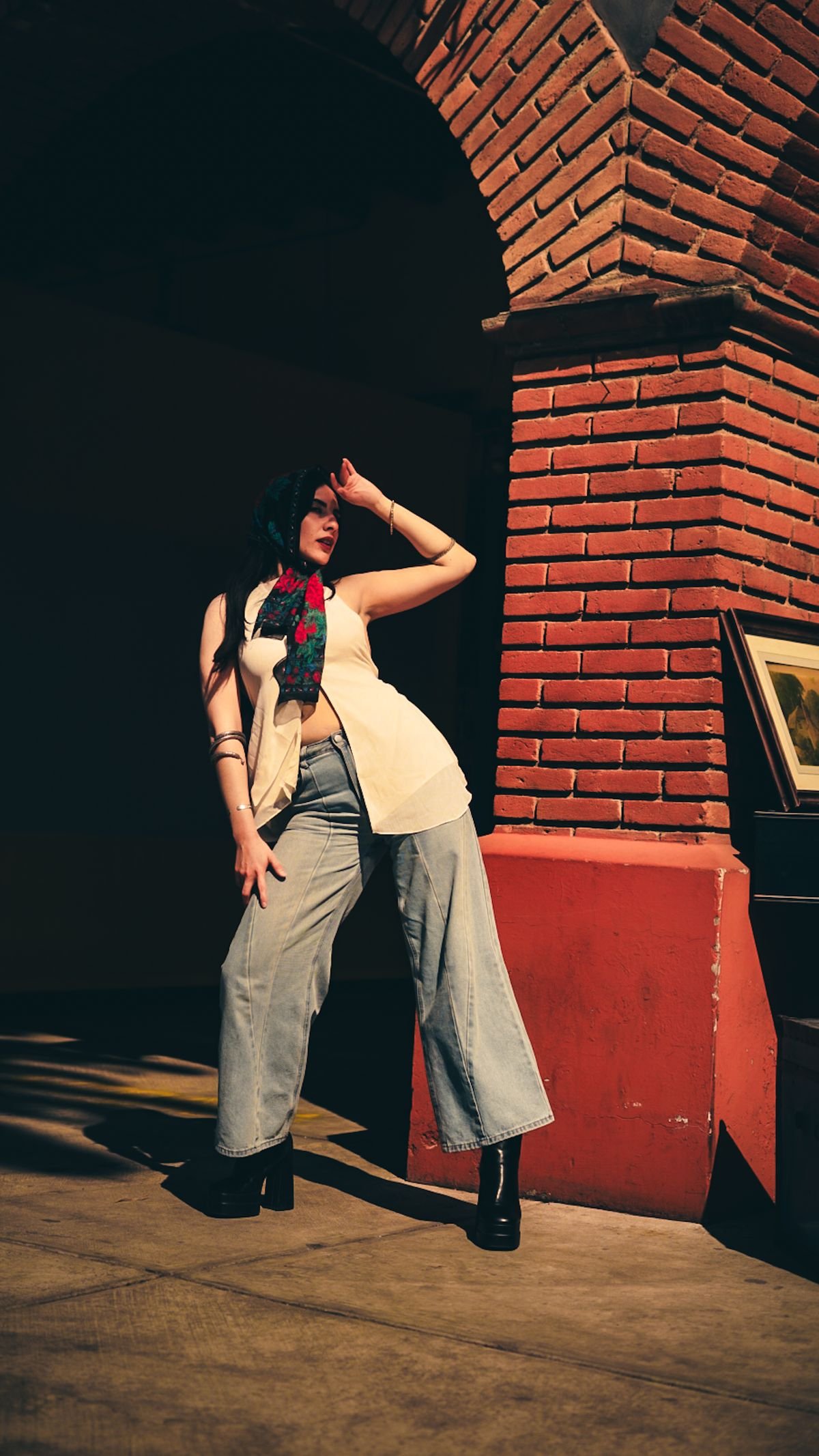
A dream thrift find is not just cheap, it is special. It might be a high-quality brand at a tiny price, a vintage piece with history and character, or an item that perfectly fits a need you have been searching for. Dream finds often combine three qualities: quality, uniqueness, and value. A well-made leather bag, a solid wood table, or a designer dress in great condition all qualify. Sometimes a dream find is purely emotional, such as a toy from your childhood or a record you loved as a teenager. The best finds feel personal, and they tell a story that new items simply cannot match.
Vintage Clothing Treasures to Look For
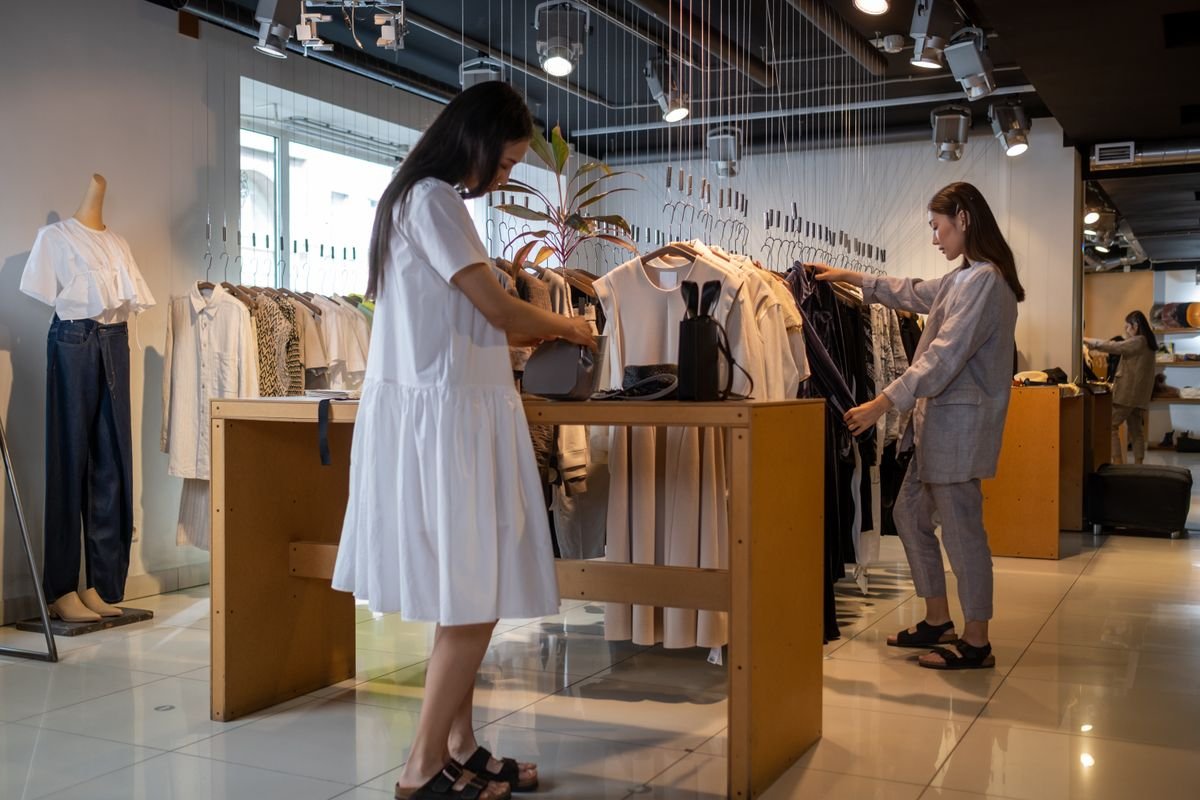
Vintage clothing is one of the most rewarding thrift categories. Look for denim jackets, leather jackets, silk blouses, wool coats, and vintage dresses in classic cuts that never go out of style. Check labels for quality fabrics such as wool, silk, linen, and cotton, which last longer than synthetic blends. Inspect seams, zippers, and buttons carefully, and try items on when possible, because vintage sizing differs from modern sizing. A little tailoring can transform a good find into a perfect fit. Vintage clothing lets you express individual style, reduce fashion waste, and own pieces with character that no one else has.
Mid-Century Furniture Gems
Mid-century furniture is highly sought after in thrift stores, and for good reason. Clean lines, warm wood tones, and timeless design make these pieces work in almost any home. Look for solid wood dressers, side tables, chairs, and credenzas with dovetail joints and sturdy construction. Check for wobbling, water damage, and missing parts, but do not be put off by cosmetic wear, because sanding and refinishing can restore beauty. Measure furniture before buying, and consider transport, because a dream find is less dreamy if it does not fit through your door. Patience pays off with furniture thrifting.
Unique Home Decor and Accessories

Thrift stores are treasure troves for home decor, from brass candlesticks and ceramic vases to mirrors, lamps, and picture frames. Look for items with interesting shapes, materials, or colours that add personality to your home. A single statement vase or an unusual lamp can transform a room, and thrift prices make experimentation affordable. Mix thrifted decor with new items for a collected, curated look rather than a matching set. Clean and polish finds before displaying them, and do not be afraid to paint or repurpose items that need a refresh. Home decor thrifting is creative, affordable, and endlessly fun.
Books, Records, and Media Finds

Books and records are classic thrift finds for collectors and casual browsers alike. Look for first editions, out-of-print titles, signed copies, and vinyl records in good condition. Check book spines, pages, and dust jackets for damage, and inspect records for scratches by holding them up to light. Thrift stores often sell books for a pound or less, making it easy to discover new authors without financial risk. Records, especially classic rock, jazz, and soul, can be valuable and enjoyable to play. Building a collection through thrifting feels more personal and rewarding than buying everything new at once.
Designer Brands at Thrift Prices
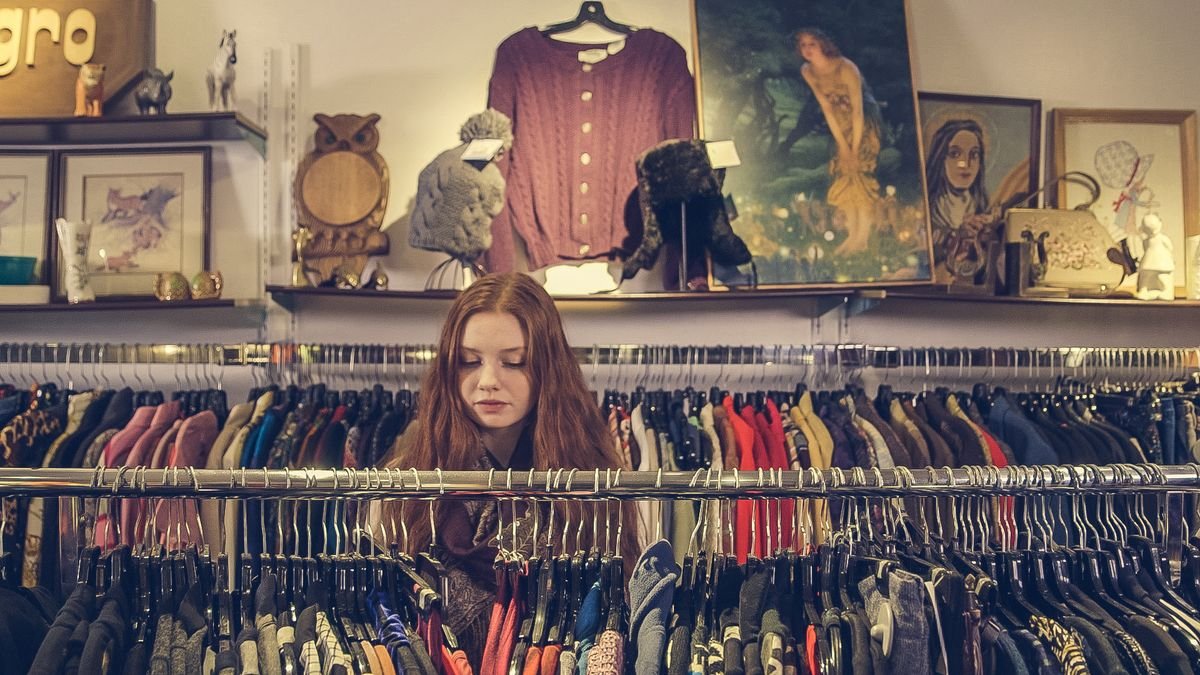
Finding designer brands at thrift prices is a dream for many shoppers. Look for well-known labels in clothing, handbags, shoes, and accessories, but learn to spot fakes by checking stitching, materials, hardware, and labels. Authentic designer items usually have high-quality construction, consistent branding, and sturdy zippers or clasps. Research brands you love so you recognise them quickly in a busy store. Even if you do not find a famous label, high-quality unbranded items can be just as valuable. Designer thrifting requires knowledge and patience, but the reward of a genuine luxury find for a few pounds is unbeatable.
Kitchenware and Vintage Pyrex
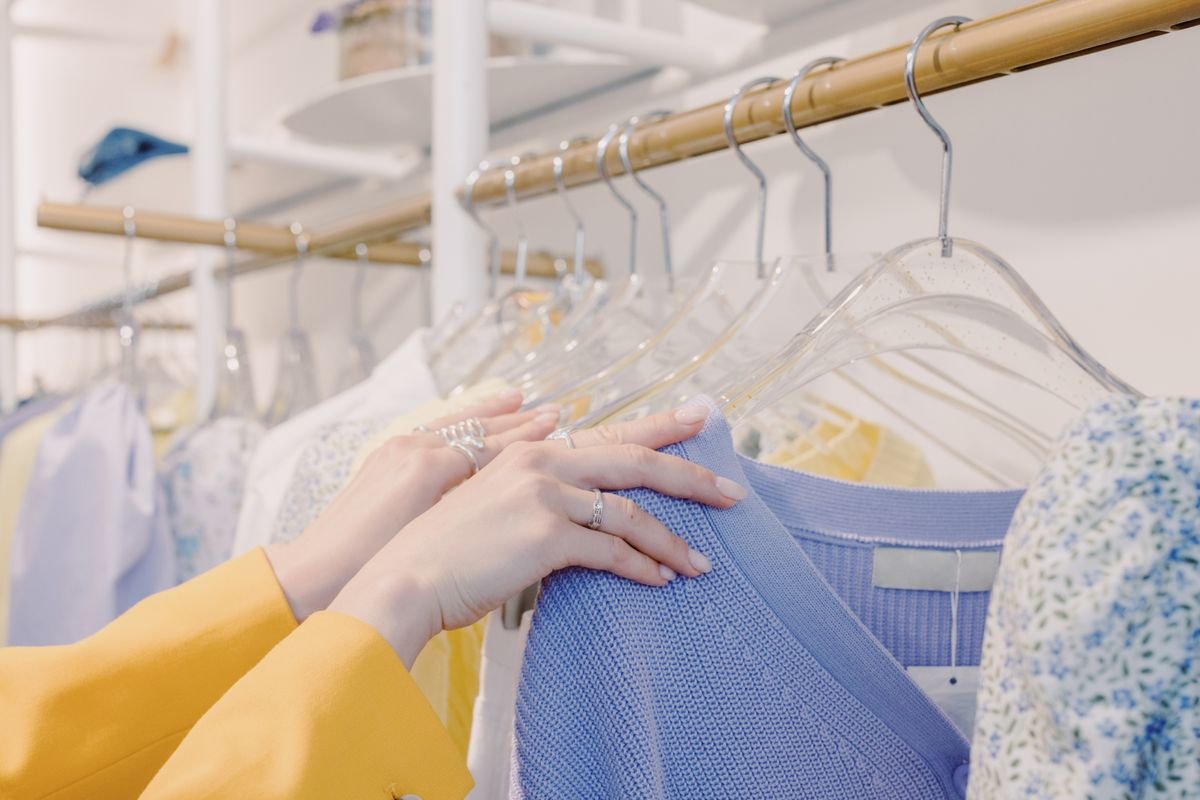
Vintage kitchenware, especially Pyrex, is beloved by thrifters for its durability, colour, and nostalgia. Look for Pyrex mixing bowls, baking dishes, and mugs in classic patterns, checking for chips, cracks, and fading. Cast iron skillets, copper pans, and solid wood utensils are also excellent finds, because they last for decades and improve with use. Avoid non-stick pans with scratched coatings, and test lids and handles for fit. Thrifted kitchenware adds charm to cooking and baking, and it is far more sustainable than buying new items that may not last. A well-stocked thrifted kitchen feels warm and personal.
Jewellery and Accessory Discoveries
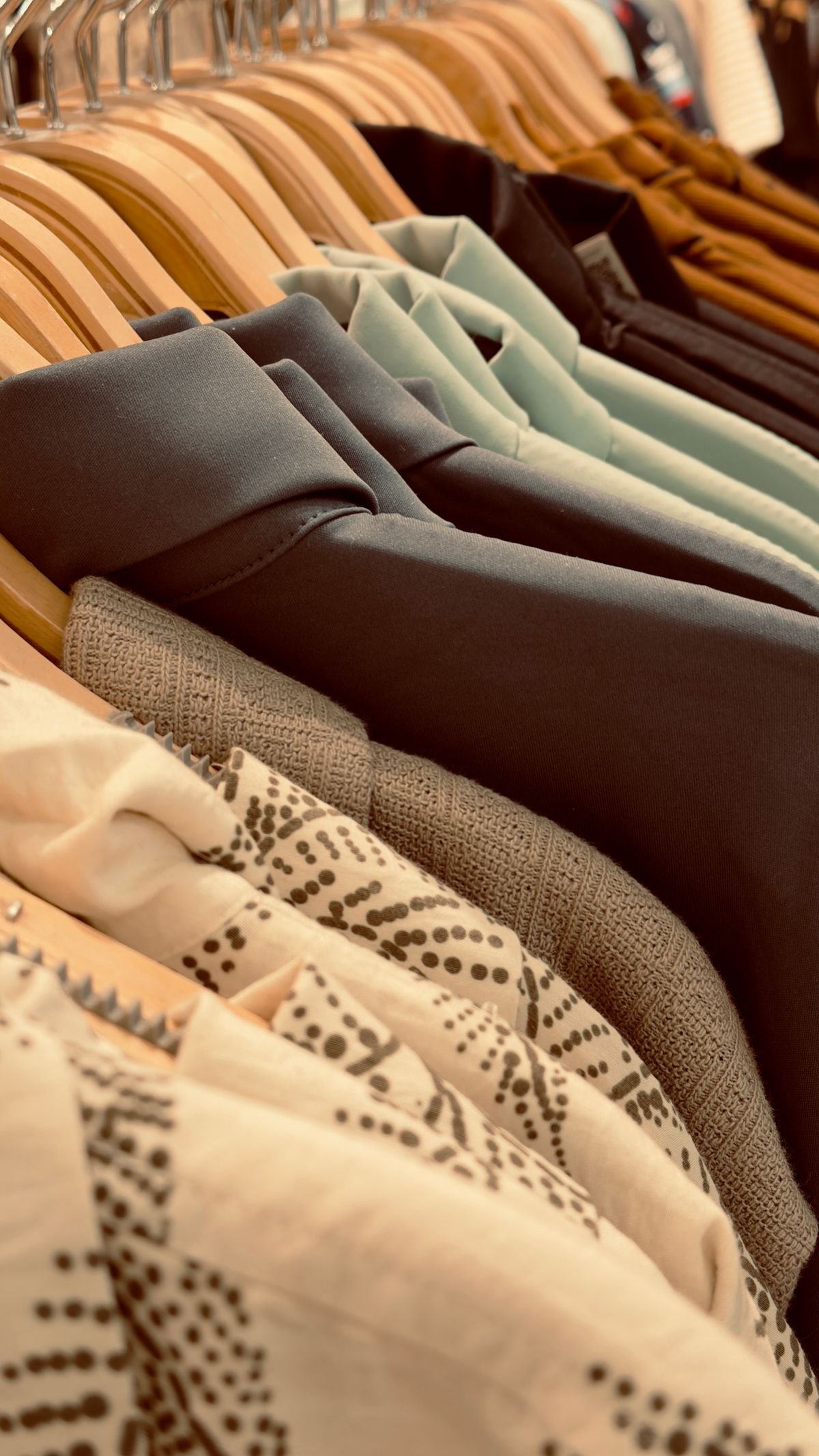
Thrift store jewellery ranges from costume pieces to genuine vintage treasures. Look for sterling silver, gold-plated items, brooches, and beaded necklaces, checking clasps and stones carefully. A magnifying glass can help you read hallmarks and identify precious metals. Even costume jewellery can be beautiful and fun, especially bold statement pieces from past decades. Clean jewellery gently before wearing it, and store pieces separately to prevent scratching. Accessories such as scarves, belts, hats, and handbags are also plentiful in thrift stores, offering easy ways to refresh an outfit without spending much. Small finds can make a big style impact.
Thrift Finds for Reselling and Profit
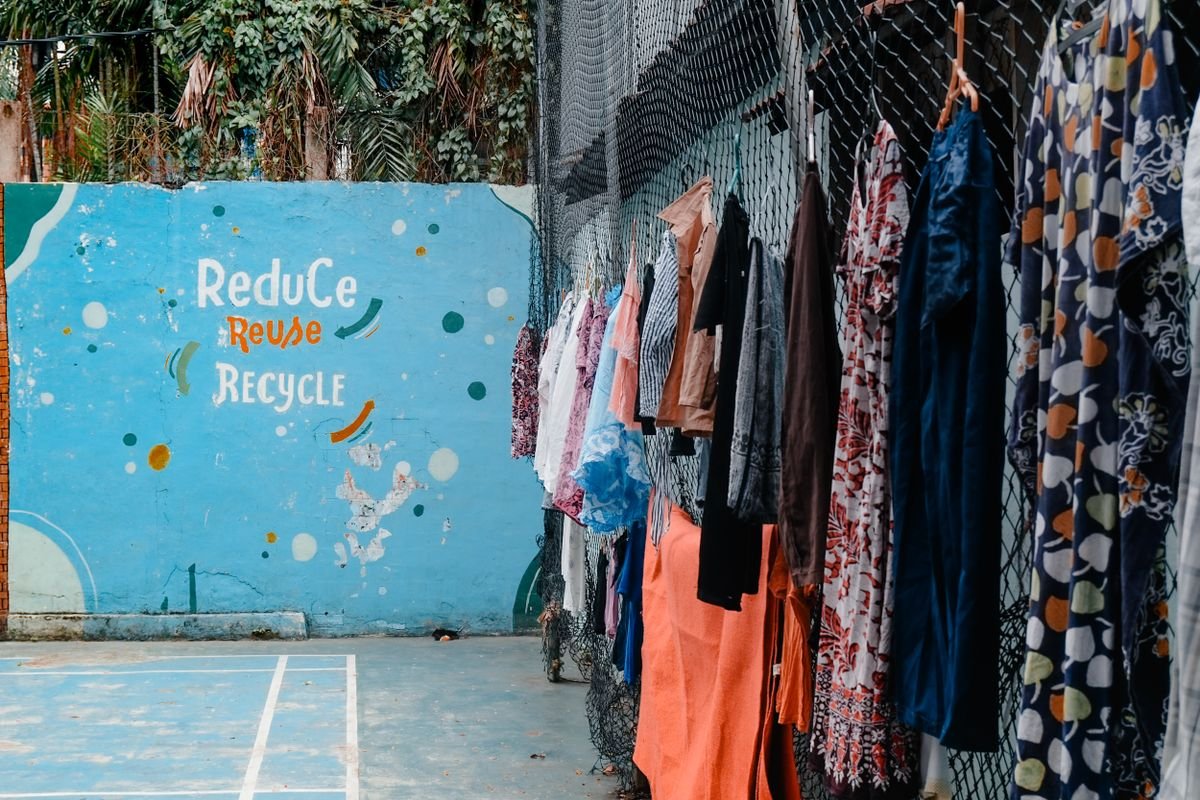
Many thrifters resell finds for profit, turning a hobby into a side income. Look for items with strong resale demand, such as vintage clothing, designer brands, rare books, and collectible homeware. Research sold prices online before buying, and factor in fees, shipping, and cleaning costs. Take clear photographs, write honest descriptions, and price fairly for a good reputation. Start small, learn what sells, and reinvest profits into future finds. Reselling requires patience and knowledge, but it is rewarding to give items a second life while earning money. Always be honest about condition to build trust with buyers.
How to Spot Quality in Thrift Stores

Spotting quality is a skill that improves with practice. Check fabrics for natural fibres, seams for neat stitching, and furniture for solid wood and sturdy joints. Lift items to feel their weight, because quality items often feel heavier and more substantial. Look for signs of craftsmanship, such as lined jackets, dovetail drawers, and reinforced buttons. Avoid items with stains, odours, or structural damage that cannot be fixed easily. Trust your instincts: if an item feels well-made and looks good, it probably is. Over time, you will develop an eye for quality that makes thrifting faster and more successful.
Best Times and Places to Thrift

Timing can make a big difference in thrifting success. Visit stores on weekday mornings when new stock is put out and crowds are smaller. Ask staff when deliveries arrive, and check back regularly, because inventory changes daily. Charity shops in affluent areas often receive higher-quality donations, while larger thrift stores offer more variety. Estate sales, flea markets, and car boot sales are also excellent sources for dream finds. Sign up for store newsletters and follow local thrift shops on social media for sale alerts. Consistent, patient visiting beats occasional marathon shopping trips for finding true treasures.
Thrifting Etiquette and Smart Shopping Tips
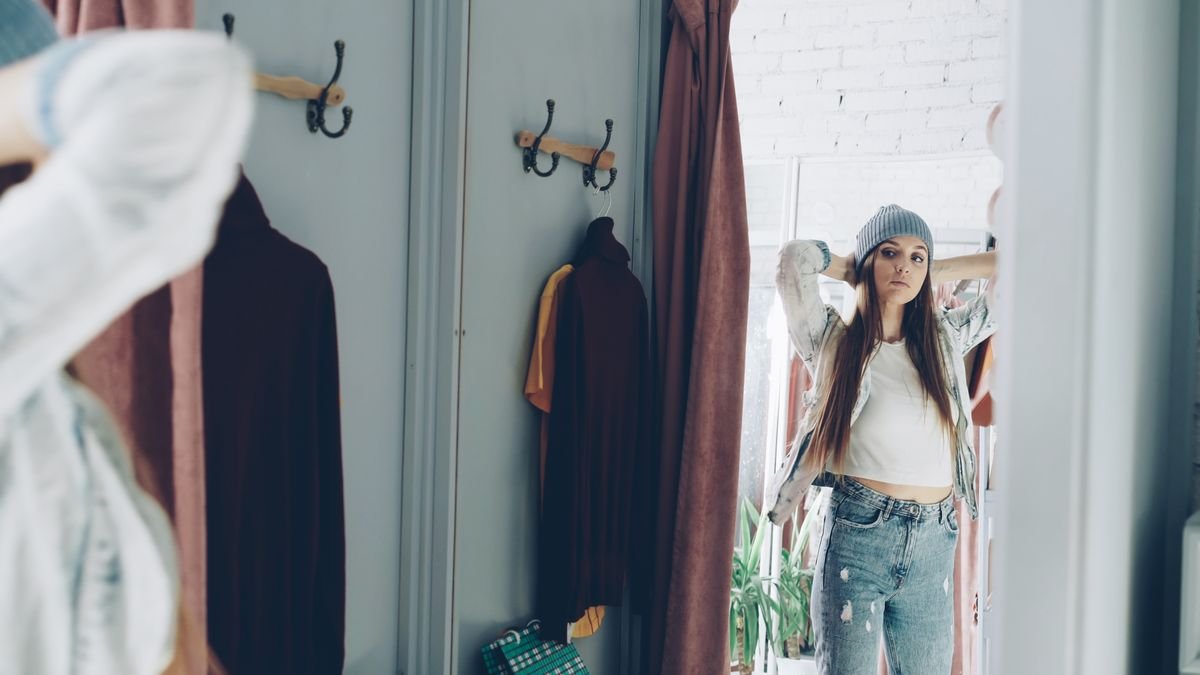
Good thrifting etiquette makes the experience pleasant for everyone. Be respectful of other shoppers, do not block aisles, and return items you decide not to buy to their proper place. Bring a reusable bag, measuring tape, and a list of items you are looking for to stay focused. Try clothing on when possible, and check return policies before buying electrical items. Set a budget to avoid impulse purchases, and ask yourself if you truly love an item or just love its price. Smart thrifting is about intentional choices, not accumulating clutter. A thoughtful shopper finds better treasures and enjoys the process more.
Styling Thrift Finds in Your Home
Styling thrift finds is about mixing old and new to create a home that feels collected rather than cluttered. Pair a vintage chair with a modern sofa, or display thrifted art alongside new frames. Use a consistent colour palette to tie disparate pieces together, and leave breathing room around statement items so they can shine. Do not try to fill every surface at once; add pieces gradually as you find ones you love. Thrifted items with history add warmth and personality that new furniture alone cannot provide. Your home should tell your story, and thrift finds are perfect chapters in that story.
Styling Thrift Finds in Your Wardrobe

Styling thrifted clothing is about confidence and creativity. Pair vintage pieces with modern basics, such as a thrifted blazer with jeans, or a vintage dress with contemporary shoes. Tailor items for a perfect fit, because fit matters more than brand or era. Mix patterns and textures carefully, starting with one statement thrift piece per outfit. Accessorise with thrifted jewellery or bags to complete the look. Do not be afraid to experiment, because thrift prices make fashion risks affordable. A well-styled thrift outfit looks intentional, unique, and often more interesting than an outfit bought entirely new.
Upcycling and DIY Thrift Projects

Upcycling transforms ordinary thrift finds into extraordinary pieces. Paint an old dresser in a bold colour, reupholster a chair in modern fabric, or turn vintage scarves into cushion covers. Sand and refinish wood furniture, replace hardware on cabinets, or turn old frames into chalkboards. DIY projects require some skill and tools, but online tutorials make them accessible to beginners. Start with small projects, such as painting a vase or updating lamp shades, before tackling larger furniture. Upcycling saves money, reduces waste, and gives you a one-of-a-kind piece that reflects your creativity and style perfectly.
Sustainable Benefits of Thrifting
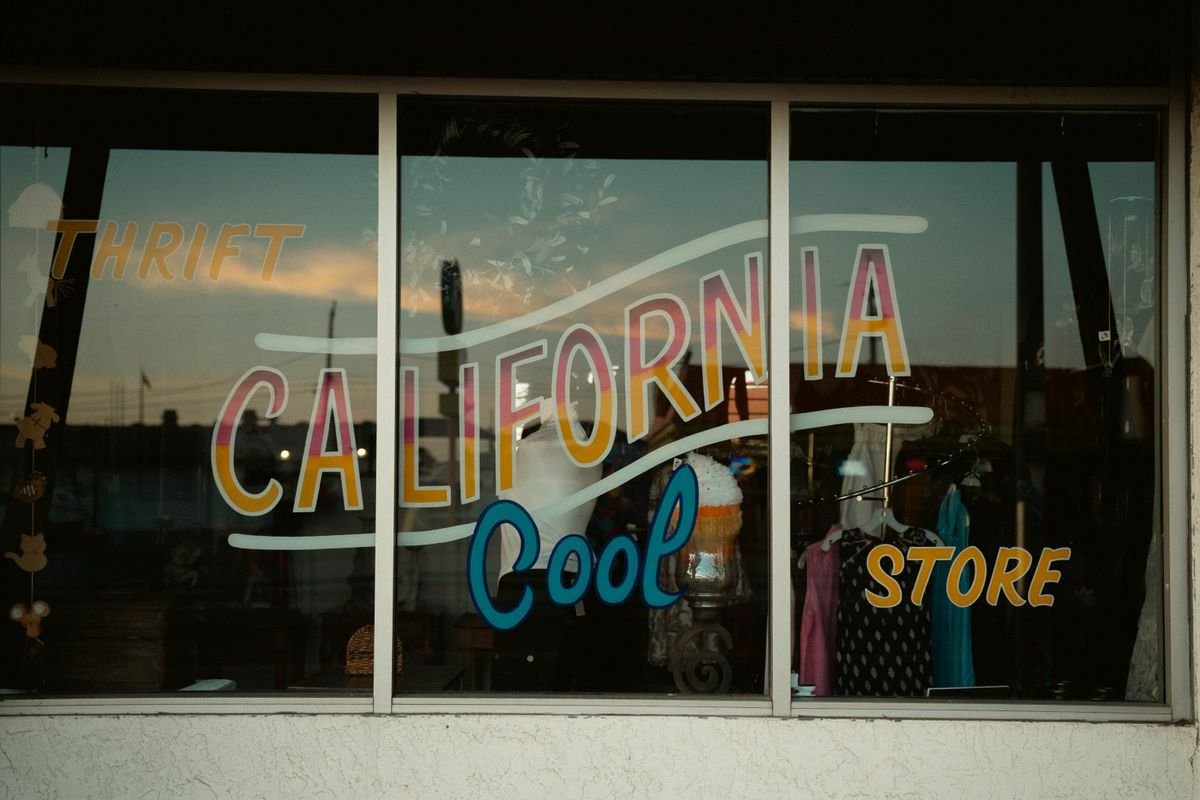
Thrifting is one of the most sustainable shopping choices you can make. Buying secondhand reduces demand for new production, saves resources, and keeps usable items out of landfills. Fashion is one of the most polluting industries, so choosing thrifted clothing significantly reduces your environmental footprint. Furniture thrifting also saves trees, energy, and manufacturing emissions. Beyond environmental benefits, thrifting supports charities and local communities, because many thrift stores fund social programmes. Every thrift purchase is a small act of sustainability, proving that style and responsibility can go hand in hand beautifully.
Thrift Finds for Kids and Families

Thrifting for kids is practical and fun, because children outgrow clothes and toys quickly. Look for gently used children’s clothing, books, puzzles, and toys in good condition, checking safety recalls for older items. Thrift stores offer affordable ways to try new hobbies, such as musical instruments, sports equipment, and craft supplies, without a large investment. Let children choose their own thrift finds, teaching them about sustainability and smart shopping from a young age. Wash and sanitise all items before use, especially toys and clothing. Family thrifting is a budget-friendly adventure that everyone can enjoy together.
Common Thrift Shopping Mistakes
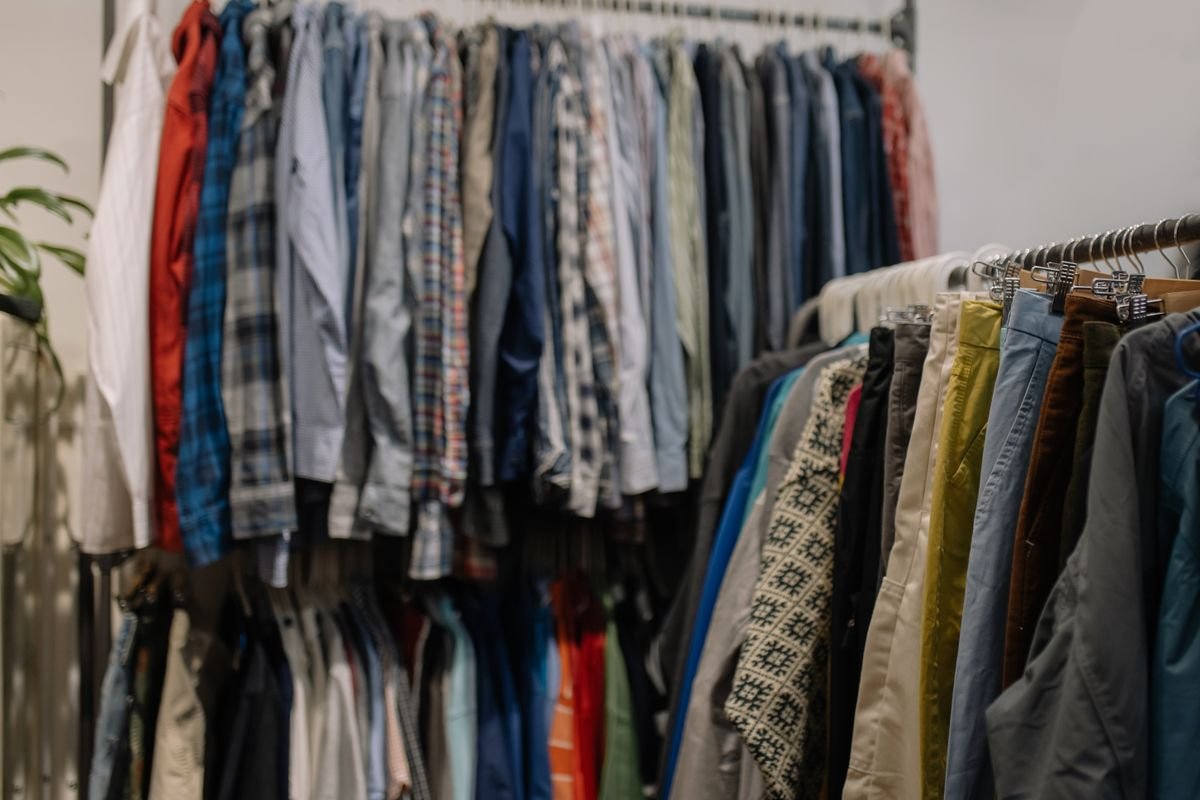
Common thrift mistakes include buying items just because they are cheap, ignoring damage, and purchasing without measuring. Avoid accumulating clutter by asking if you need, love, and have space for each item. Check electronics, zippers, and seams before buying, and test items when possible. Measure furniture and clothing, and consider whether repairs are worth the cost and effort. Do not buy items with strong odours or stains that may not wash out. Finally, avoid shopping without a plan on every trip, because focused thrifting leads to better finds and less regret. Quality over quantity is the golden rule.
Building a Thrift Wish List
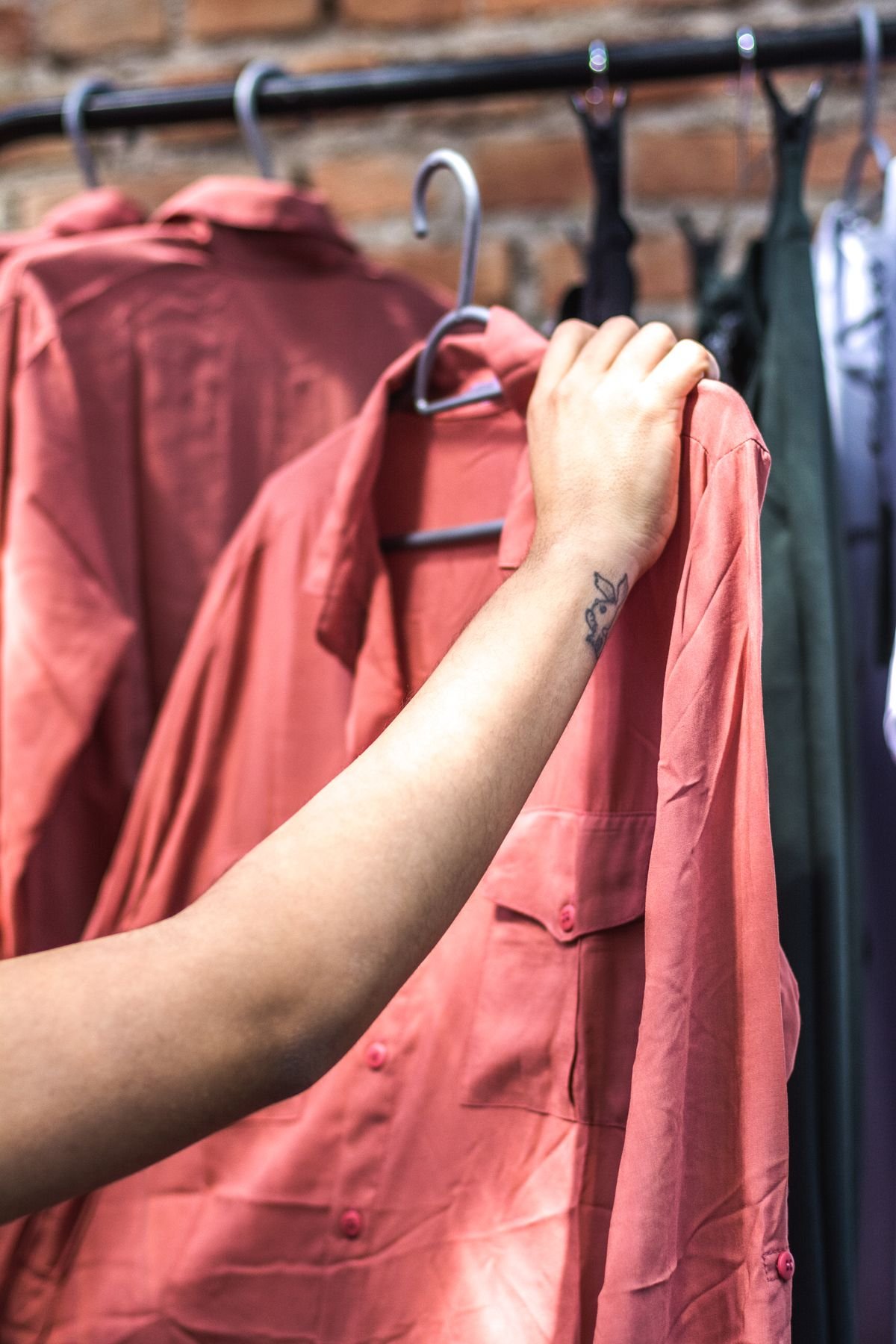
A thrift wish list helps you shop with purpose and recognise dream finds when you see them. List items you need, such as a leather jacket in your size, a wooden bookshelf, or a specific book, along with acceptable colours, sizes, and price limits. Keep the list on your phone and update it as you find items or change your mind. Share your list with friends who thrift, because they may spot items for you. A wish list prevents impulse buys and makes thrifting feel like a focused treasure hunt. When you finally find a long-sought item, the satisfaction is even greater.
Final Tips for Finding Your Dream Thrift Treasures

For dream thrift finds, be patient, visit regularly, and keep an open mind. The best treasures often appear when you least expect them, in the most ordinary stores. Inspect items carefully, know your measurements, and trust your taste. Do not chase trends blindly; choose items you truly love and will use. Celebrate your finds, style them proudly, and share your thrifting stories with others. Thrifting is more than shopping, it is a sustainable, creative, and joyful way to discover unique pieces with history and heart. Happy thrifting, and may your next visit bring a dream find.
To find thrift treasures online, check local marketplace listings, charity shop websites, and auction sites regularly, using saved searches for specific items. Online thrifting requires careful reading of descriptions and photographs, so ask sellers about condition, measurements, and flaws before buying. Factor in shipping costs, which can erase savings on heavy furniture, and prefer local pickup for large items when possible.
For a thrift-themed party, invite friends to bring a thrifted item to show, swap clothes or homeware, and share stories about their best finds. A swap party is sustainable, social, and fun, and everyone leaves with something new without spending money. Set simple rules, such as clean items only and fair swapping, to keep the event friendly and enjoyable for all participants.
When thrifting for a specific era, such as 1970s fashion or 1950s kitchenware, learn the hallmarks of that period, including labels, materials, and design details. Knowledge helps you spot genuine pieces quickly and avoid reproductions. Library books, online guides, and collector forums are excellent resources, and experienced thrifters are usually happy to share tips with beginners who show genuine interest.
To care for thrifted leather, clean it gently with a damp cloth, condition it with leather balm, and store it away from direct sunlight and moisture. Well-cared leather improves with age, developing a rich patina that new leather lacks. Avoid over-conditioning, which can darken leather, and test products on a hidden area first. A little care preserves a dream leather find for decades.
For thrifted books, check for mould, mildew, and insect damage before bringing them home, especially if you have allergies. Air out musty books outdoors, wipe covers gently, and store them upright in a dry place. A damaged book can still be beautiful as decor, but a clean, healthy collection is more enjoyable to read and display.
When selling thrift finds, photograph items in natural light against a plain background, and include close-ups of labels, flaws, and details. Honest photographs build buyer trust and reduce returns. Write clear titles with brand, size, colour, and era, because buyers search using specific terms. Good listings take time, but they sell faster and for better prices.
To authenticate vintage designer items, compare stitching, hardware, lining, and labels with verified examples online, and be cautious of items priced far below market value without explanation. Reputable sellers welcome questions and provide detailed photographs, while vague listings with stock images deserve scepticism. When in doubt, seek advice from collector communities or authentication services before spending a significant amount, because a careful check protects both your money and your collection.
For a thrifted capsule wardrobe, choose versatile pieces in neutral colours that mix and match easily, such as a blazer, dark jeans, a white shirt, and a classic coat. A capsule approach reduces decision fatigue, saves money, and makes thrifting more focused, because you shop with a clear list rather than impulse. Add one or two statement pieces per season for personality, keeping the overall wardrobe cohesive, practical, and enjoyable to wear daily.
When thrifting for a new home, prioritise large, expensive items first, such as sofas, tables, and beds, because savings are greatest there. Fill in smaller decor gradually, rather than buying everything at once, so your home develops a collected, personal feel over time. Measure rooms and doorways before shopping, and bring a tape measure and photographs of your space, so you can judge scale and colour accurately in the store.
To host a thrift haul video or blog post, photograph finds in natural light, share prices and store names when appropriate, and tell the story behind each piece. Honest, detailed content helps other thrifters learn what to look for, and it builds a community around sustainable shopping. Respect store policies about photography, and avoid revealing personal information about other shoppers, keeping the focus on finds and inspiration.
For a final tip, keep a small thrifting kit in your bag, including a tape measure, a magnifying glass, a reusable bag, and a list of items you seek. A prepared thrifter spots quality faster, measures accurately, and avoids impulse buys, because every purchase is checked against a real need or a genuine love for the item. With preparation, patience, and an open mind, every thrift trip becomes an enjoyable treasure hunt, and dream finds appear far more often than you might expect.

I am Talha Sikandar, a professional writer with a passion for general blogging. With years of experience in content writing and research, I founded Meaniingly.com to deliver well-researched, informative, and user-friendly articles on diverse topics.