There is a particular kind of autumn magic that has nothing to do with pumpkin spice and everything to do with the forest floor. It smells of damp moss and woodsmoke, and it arranges itself in quiet vignettes: mushrooms beside a brass candlestick, a framed moth print leaning on linen-bound books, frost-dusted crabapples catching the last light. This is the Wilderkind aesthetic — Pinterest’s whimsical woodland fall trend — and it is less a decorating style than a way of seeing. Instead of the bold oranges and harvest clichés of traditional fall decor, Wilderkind leans into the strange, delicate, overlooked inhabitants of the autumn woods: moths, beetles, butterflies, snails, fungi, seed heads, and frost. In this guide, you will learn exactly how to bring Wilderkind fall decor ideas into every room of your home — with concrete styling formulas, DIY projects, color palettes, and sourcing tips that work on any budget.
What Is the Wilderkind Aesthetic?
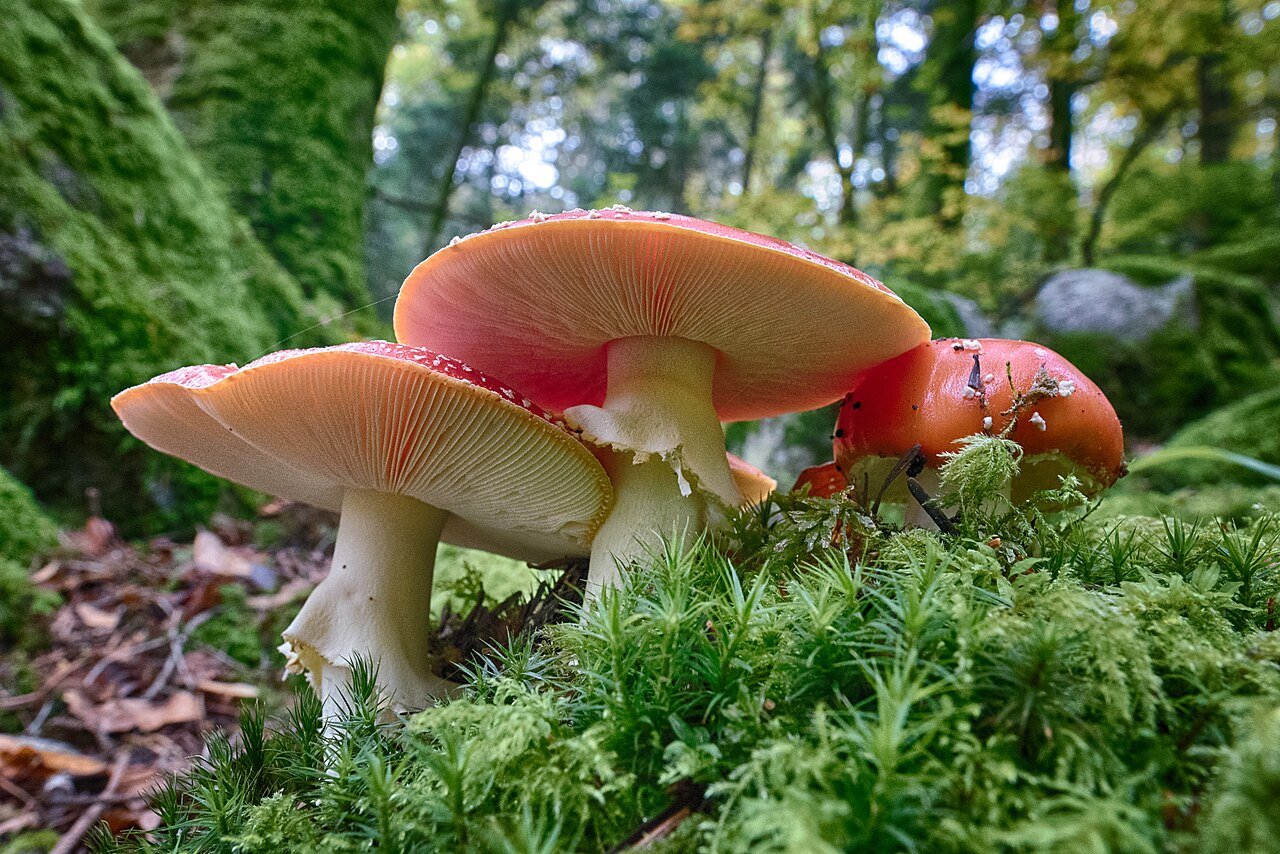
Wilderkind is Pinterest’s name for a romantic, slightly eccentric woodland sensibility that treats nature as a cabinet of curiosities. Think naturalist’s study meets fairy tale: specimens under glass, botanical prints in mismatched frames, mushrooms rendered in ceramic and brass, and textiles that feel foraged rather than manufactured. Unlike rustic farmhouse decor, which can feel heavy and literal, Wilderkind is lighter and more interested in the small and strange than the big and obvious.
The trend draws from cottagecore, dark academia, and the Victorian natural-history craze, but it is distinctly autumnal. Fall is when the forest floor puts on its most theatrical show — fungi fruiting overnight, moths drawn to lamplight, seed heads going architectural. The key principle is curation over clutter: every object should feel chosen, as though you found it on a walk and could not bear to leave it behind.
Start With a Woodland Color Palette
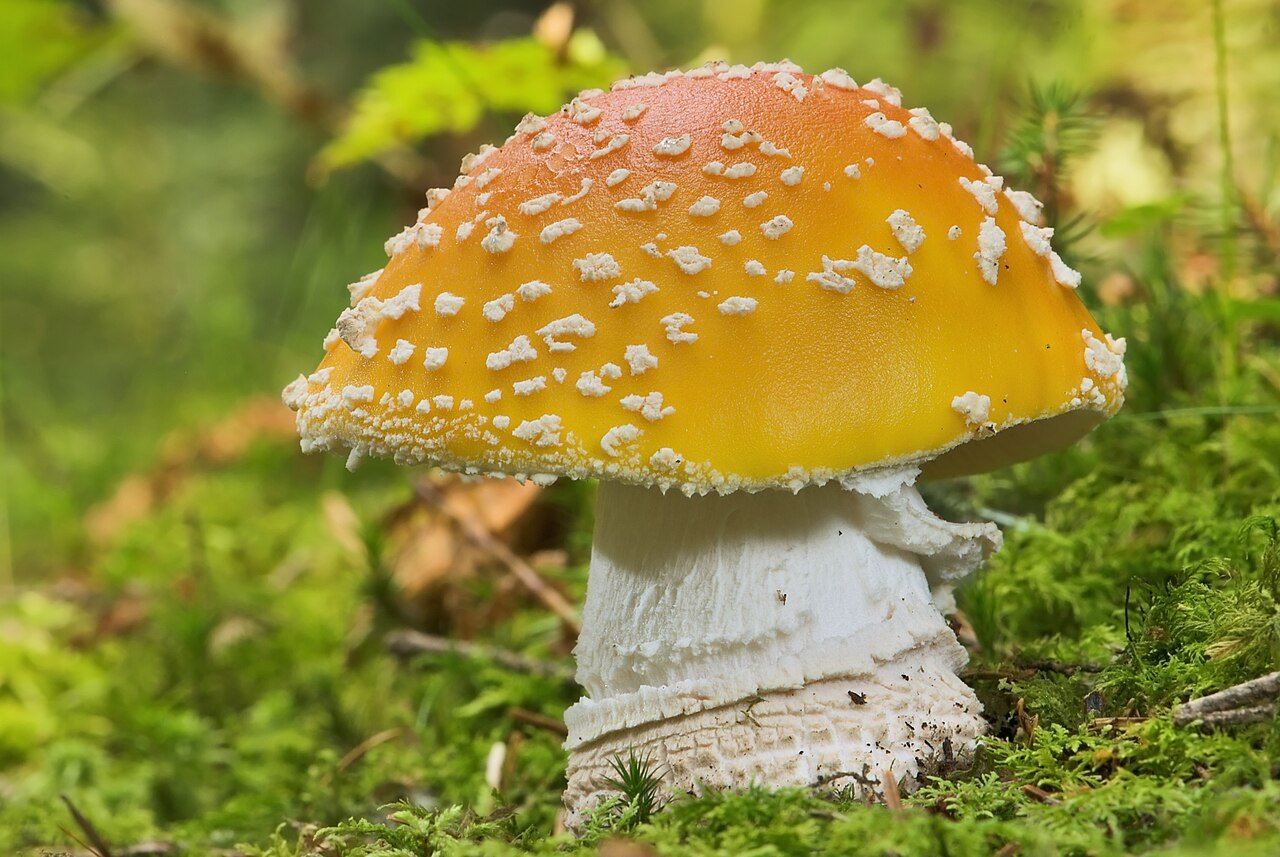
Before you buy or move a single object, settle your palette. Wilderkind lives in the muted, shadowed end of the autumn spectrum: deep moss green, bark brown, mushroom taupe, lichen gray-green, ink black, and parchment cream. These are your foundations. Against them, place small jewel-like accents — the vermilion cap of a fly agaric, the copper of a beetle’s wing case, the amber of dried beech leaves, and, sparingly, touches of antique gold.
A practical formula: choose three base neutrals (for example, moss, bark, and cream), one deep accent (ink or forest green), and one metallic (aged gold or brass). Repeat these five colors in every room and the whole house will feel like one continuous woodland walk. Avoid bright orange pumpkins and glossy reds — they shout where Wilderkind whispers.
The Entryway: A Forest-Floor Welcome
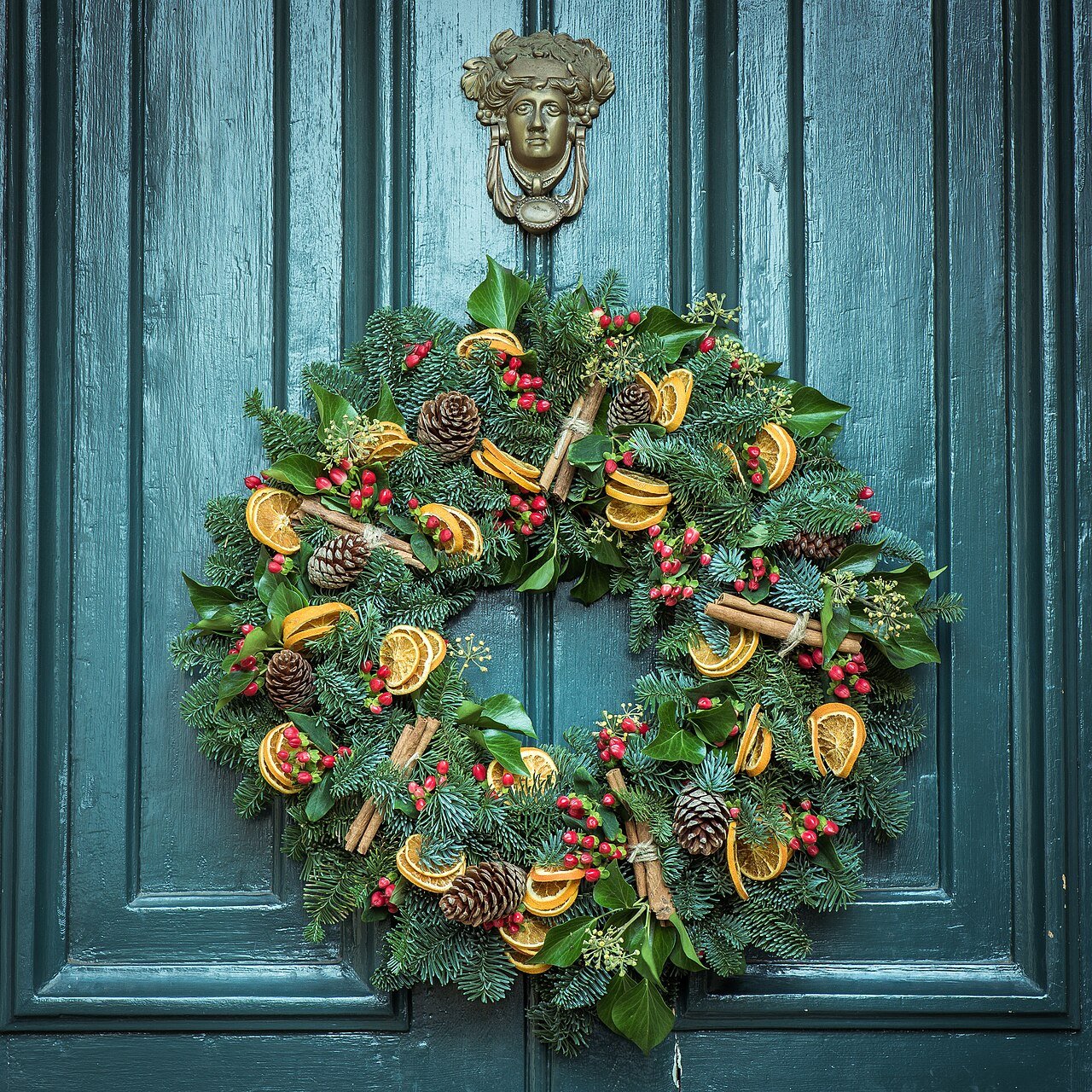
Your entryway sets the terms of the whole aesthetic, so treat it like the edge of a forest. Start at the door: hang a wreath built on a grapevine base and layered with dried ferns, seed pods, pinecones, lichen-covered twigs, and a few faux mushrooms tucked into the greenery. Skip the burlap bow; instead, tie the wreath with a length of frayed linen ribbon in mushroom taupe.
Inside, build a low console vignette that mimics a forest floor in miniature. Lay a runner of preserved moss, then arrange objects at three heights: tall (a branch in a stoneware vase, a brass candlestick), medium (a stack of nature books, a glass cloche over faux mushrooms), and low (a shallow wooden bowl of acorns and chestnuts, a small ceramic snail). Add one framed botanical print — a moth or fern study — leaning rather than hung, for that collected-over-time feeling. Finish with a soft wool throw draped over a nearby bench.
Mushroom Motifs: The Heart of Wilderkind
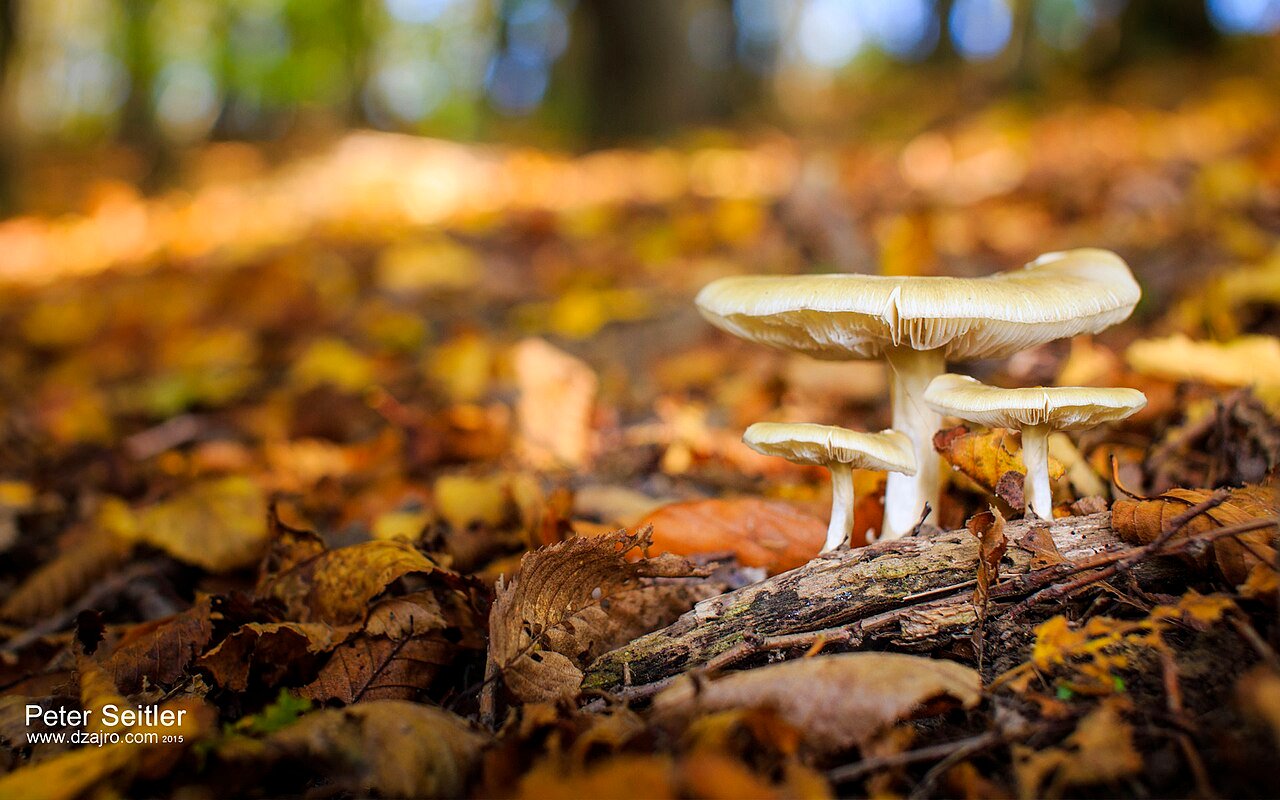
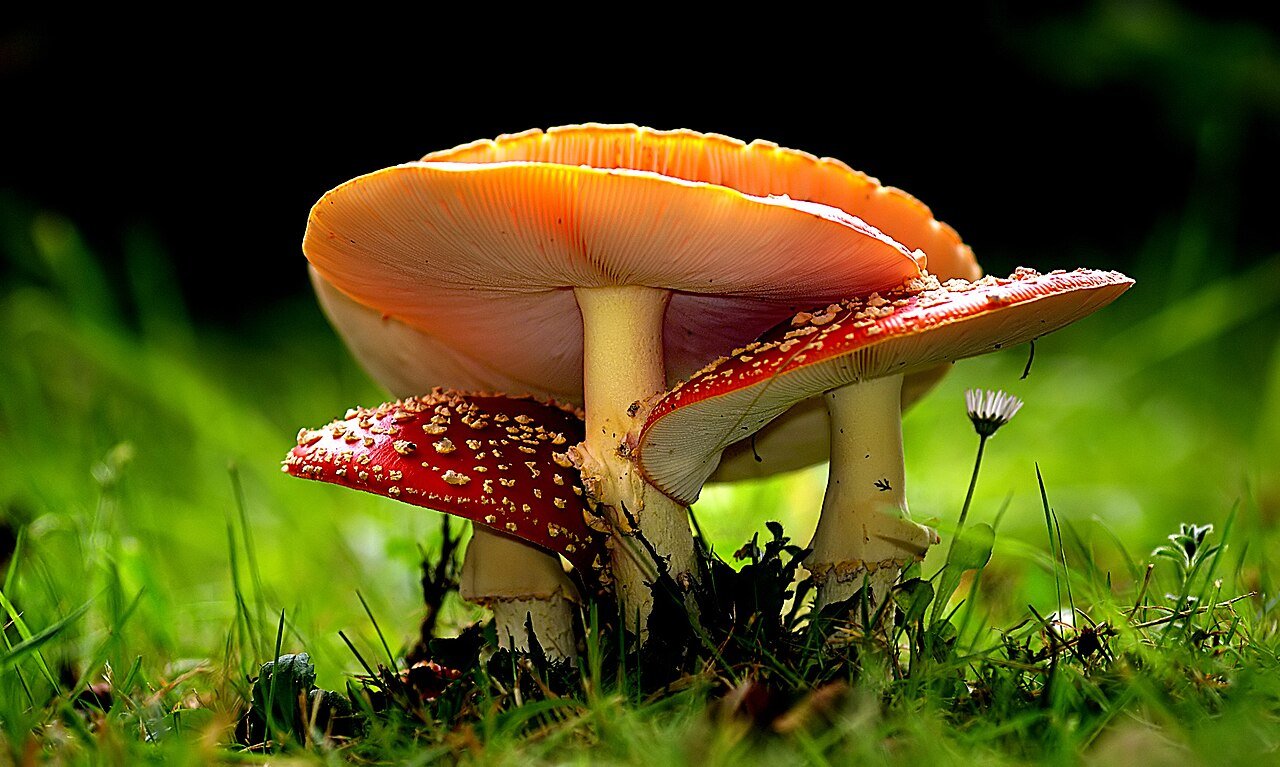
If Wilderkind has a mascot, it is the mushroom. Fungi are the trend’s signature because they are simultaneously cute, strange, and unmistakably autumnal. The trick is to use mushroom motifs the way a good cook uses salt — everywhere, but never overwhelming. Aim for five to seven mushroom touches per room, in mixed materials so they read as a collection rather than a gift shop.
Concrete ideas that work: ceramic mushroom ornaments clustered on a side table; a mushroom table lamp with a linen shade; brass mushroom bookends; mushroom-print throw pillows in muted rust and cream; a hand-painted mushroom garland across the mantel; and one statement piece, like a large papier-mâché fly agaric on a stack of books. Photograph real mushrooms on walks, print your best shots in black and white, and frame them simply — free art that is perfectly on-theme.
Moths, Beetles, and Butterflies: Winged Curiosities
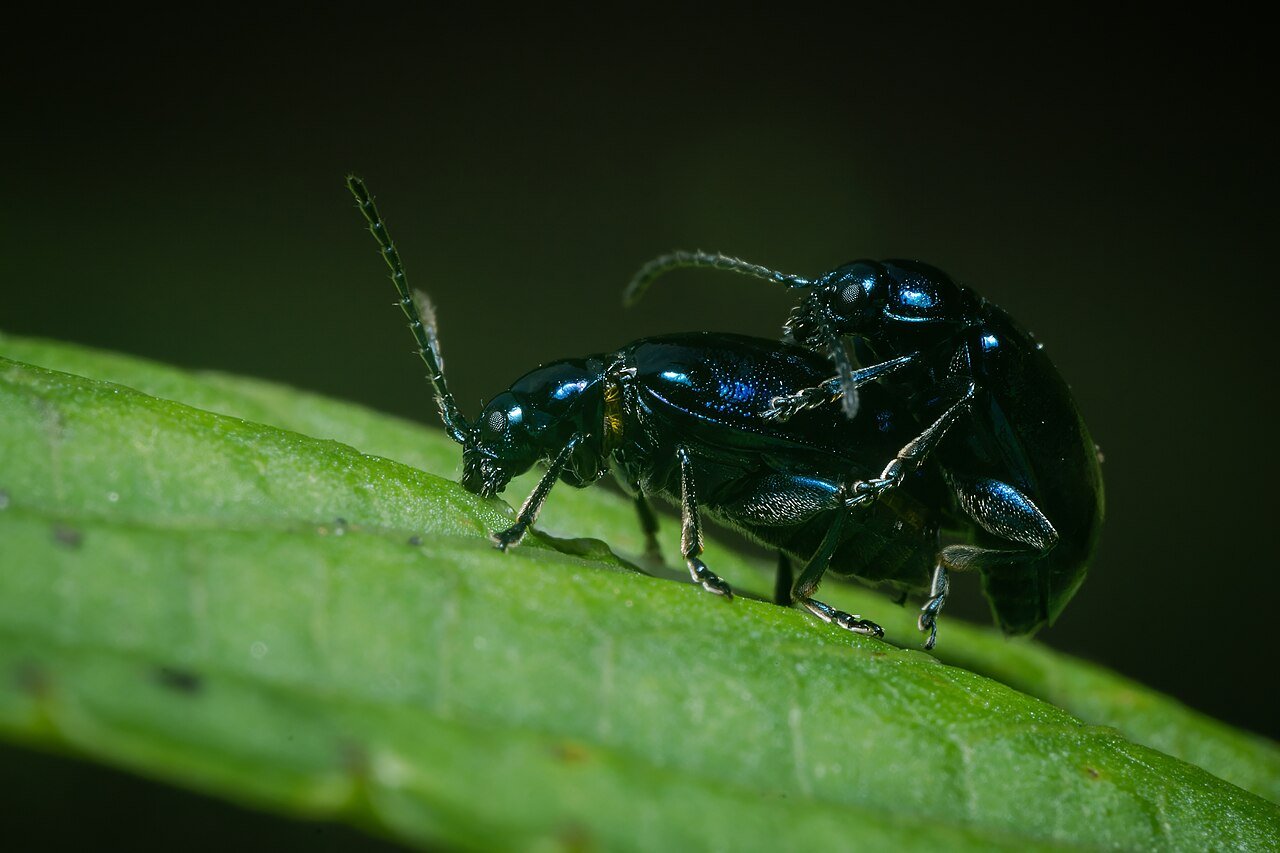
Winged insects give Wilderkind its sense of wonder and its slightly gothic edge. Moths are the stars here — their dusty, nocturnal beauty suits the season’s shorter days — but beetles bring sculptural drama and butterflies add the last flash of summer color. Display them as a naturalist would: framed, grouped, and arranged with intention.
Start with wall art. A grid of four to six small framed prints — vintage moth illustrations, beetle studies, a single butterfly — makes a striking gallery wall. Public-domain archives are full of printable antique entomology plates; print them on cream cardstock for an authentic aged look. For dimension, look for resin or ceramic insect sculptures: a large ceramic moth mounted like a specimen, brass beetle drawer pulls, or butterfly clips perched on lampshades. Keep the palette dusty — ochre, umber, slate — so the insects feel like specimens, not party decorations.
Snails, Fungi, and Small Wonders
The smallest creatures carry the most Wilderkind charm, because the aesthetic rewards close looking. Snails, with their spiral shells and unhurried pace, are perfect symbols of slow autumn living. Place a pair of ceramic or brass snails on a bookshelf, tuck a snail figurine into a potted fern, or display real snail shells collected on walks in a shallow glass dish alongside acorns.
Extend the small-wonders idea to the whole miniature world of the forest floor: lichen, moss, seed heads, and tiny fungi. Build a terrarium in a large glass jar with layers of pebbles, charcoal, soil, and moss, then add twigs and miniature faux mushrooms to create a self-contained woodland. These living vignettes need only a weekly misting and give you a centerpiece that is genuinely alive. For shelves, arrange “specimen” groupings: a magnifying glass, a small stack of field guides, and a jar of pinecones.

Frosted Fruit and Botanical Art
As autumn deepens, Wilderkind shifts from harvest abundance to the fragile beauty of frost. Frosted fruit — crabapples, pears, grapes, and berries dusted with a sugary white coating — captures that in-between moment perfectly, and it is easy to fake convincingly. Brush fruit with a thin coat of craft glue, roll in coarse sugar or Epsom salt, and let dry. The result looks like the first frost arrived overnight.
Style frosted fruit in low wooden bowls, piled in glass hurricanes with fairy lights, or wired into wreaths and garlands for a wintry-woodland transition piece. Pair it with botanical art: frame vintage-style prints of bare branches and seed heads, and lean them on mantels or side tables. A particularly effective combination is a frosted-pear still life — real frosted pears in a stoneware bowl beneath a framed botanical pear print.

Natural Wood: Branches, Bowls, and Bark
Wood is Wilderkind’s structural material — the thing everything else hangs on, literally and figuratively. But not polished, furniture-store wood: the aesthetic wants wood with a past. Bark-on branches, driftwood, reclaimed boards, and hand-carved bowls bring the forest indoors in its rawest form.
Use branches architecturally. A tall, sculptural branch in a heavy stoneware vase fills an empty corner better than any floor plant, and you can hang paper moths, tiny brass bells, or dried seed heads from it seasonally. Lay a birch log horizontally as a mantel riser for candles and specimens. Serve snacks from bark-edged wooden boards — the irregular edges are the point. Sand any foraged wood lightly, seal cut ends with wax, and check for insects before bringing pieces inside.
Soft Fabrics: Velvet, Wool, and Linen Layers
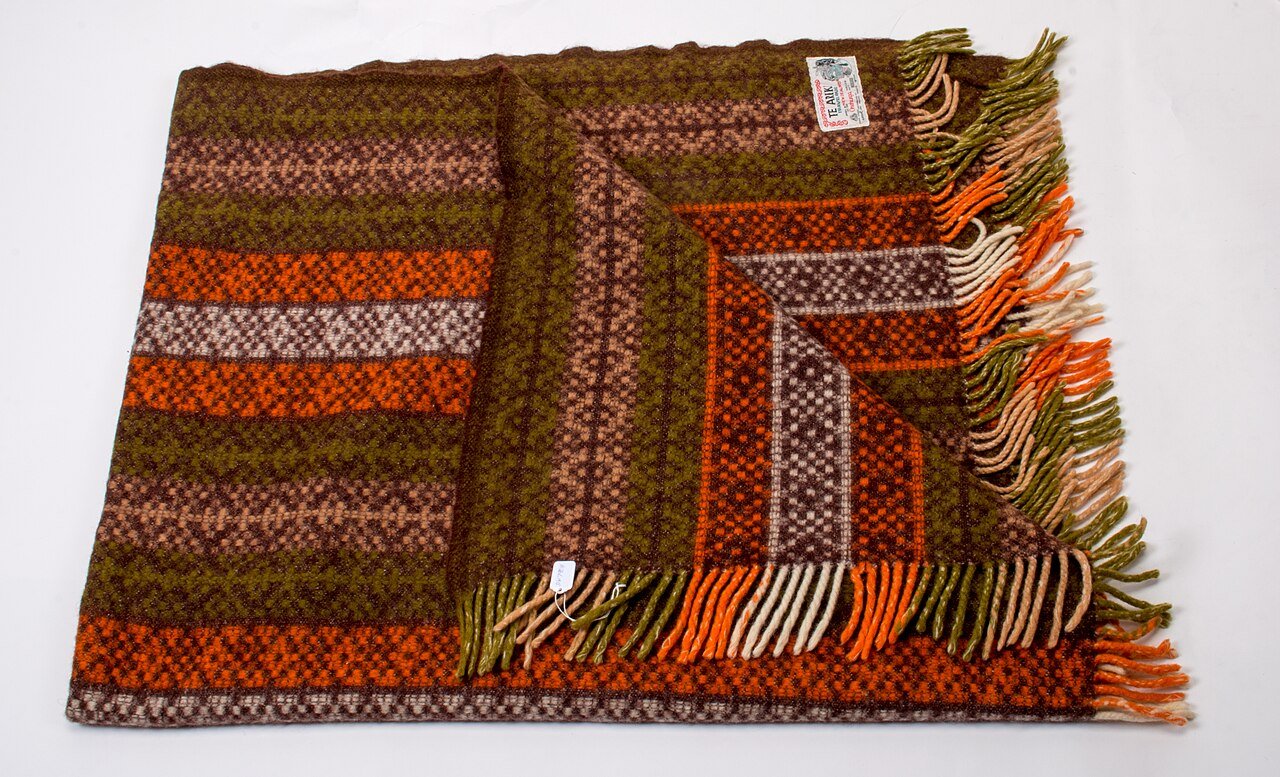
Every woodland needs an understory, and in Wilderkind that is textiles. The insect-and-fungus motifs could feel cold and museum-like without soft fabrics to warm them, so layer generously: velvet, wool, washed linen, and nubby knits in your woodland palette. Texture matters more than pattern here — a moss-green velvet cushion, a bark-brown wool throw, cream linen curtains that puddle slightly on the floor.
Drape throws over chair backs and sofa arms rather than folding them neatly; Wilderkind is artfully rumpled, never crisp. For pattern, stick to nature-derived prints used sparingly: a fern-print lumbar pillow, mushroom-embroidered linen napkins, a moth-patterned throw at the foot of the bed. And do not underestimate a good rug — a flat-weave wool rug in moss or taupe grounds a whole Wilderkind room the way leaf litter grounds a forest.
Glass Elements: Cloches, Terrariums, and Jars
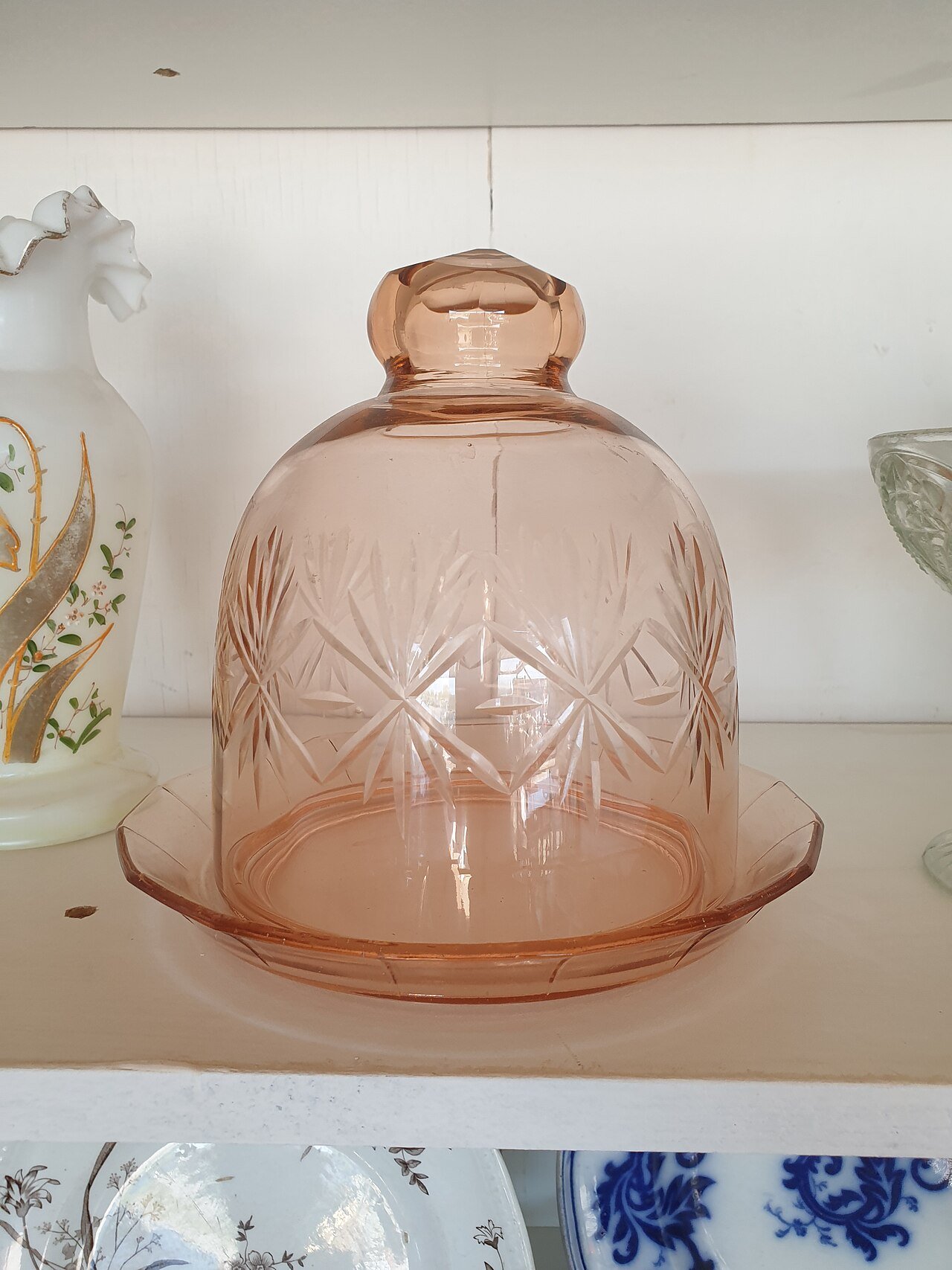
Glass is how Wilderkind elevates the humble — a pinecone under a cloche becomes a specimen, a handful of moss in a jar becomes a world. Victorian naturalists displayed their finds under glass domes, and borrowing that language instantly makes your decor feel curated and precious. Collect cloches in several sizes; they are endlessly reusable across seasons.
Style them with intention: a large cloche over a cluster of faux mushrooms and moss; a medium one sheltering a single perfect pinecone or a brass beetle; a small one over a frosted pear. Apothecary jars work the same magic for smaller finds — fill them with acorns, dried seed heads, or cinnamon sticks. Hang a glass terrarium or two in a bright window with air plants and twigs. The rule is simple — if you love looking at it, put it under glass.
Touches of Gold: Gilded Woodland Accents
Gold is Wilderkind’s secret weapon — the glint of treasure in the leaf litter. Used sparingly, antique gold and aged brass keep the woodland palette from feeling flat or gloomy, catching candlelight and drawing the eye to your best vignettes. The key word is aged: bright, polished gold reads as glam, while antiqued brass and dull gold leaf read as discovered.
Place gold where light hits: brass candlesticks on the mantel, a gold-leafed frame around a moth print, a brass magnifying glass on the specimen shelf, gold-rimmed glassware on the autumn table. Small doses in unexpected places delight — gild pinecone edges with a gold leaf pen, or choose twig-shaped cabinet knobs in aged brass. Keep gold to roughly ten percent of any vignette; it should feel like sunlight through trees, not a jewelry box.

The Living Room: A Cozy Forest Den
The living room is where Wilderkind fully comes to life as a place to linger. Start with the largest surfaces: drape a moss-green or mushroom-taupe throw over the sofa, add velvet cushions in bark and amber, and lay a flat-weave wool rug. Then build your focal wall — the mantel if you have one, or a console table if not — as a woodland altar: a branch in a vase, brass candlesticks at varying heights, a cloche over mushrooms, framed botanical prints leaning behind.
Layer in curiosities at shelf level with the naturalist’s formula: books, then specimens, then light. Leave breathing room between groupings — Wilderkind is collected, not crowded. A reading corner completes the den: an armchair, a wool throw, a small side table with a mushroom lamp. Lighting should be warm and low — table lamps and candles rather than overheads — so the room glows like a forest at golden hour.

The Dining Table: A Forager’s Feast Setting
A Wilderkind dining table should look like the forest set it — abundant, a little wild, and completely inviting. Build the centerpiece as a runner: lay a strip of preserved moss or a linen runner down the table’s length, then scatter pinecones, acorns, dried seed heads, and small faux mushrooms along it, weaving in low votives and brass candlesticks.
For place settings, layer deliberately: a wooden charger, a stoneware plate, a linen napkin tied with twine and a sprig of dried fern. Name cards become part of the decor — write guests’ names on dried leaves with a gold paint pen, or on kraft tags tied to pinecones. Serve family-style from wooden boards so the food joins the styling; roast vegetables, dark bread, and a mushroom tart look perfectly at home here.

The Bedroom: Sleep in a Woodland Glade
Bedrooms get the softest version of Wilderkind — all moss and moonlight, none of the gothic edge. Start with bedding in washed linen: cream or oatmeal sheets, a bark-brown or moss-green duvet, and a knit throw folded across the foot. Add two nature-print cushions — ferns or moths in muted tones — and keep the rest solid so the room stays restful.
On the nightstands, style small woodland vignettes: a mushroom lamp for warm reading light, a tiny framed botanical print, a dish of acorns or a single pinecone. Above the bed, hang one statement piece — a large framed moth print or a trio of floating frames with pressed ferns. Keep the palette to three colors maximum here so the room feels like a glade rather than a forest floor.

The Kitchen: Herbal, Earthy, and Warm
Wilderkind in the kitchen leans practical — this is the apothecary corner of the house. Display what you use: dried herb bundles (rosemary, thyme, sage) hanging from a wooden rail, stoneware crocks holding wooden spoons, a windowsill herb garden in terracotta pots that doubles as decor and ingredients.
Style open shelves with the naturalist’s eye: stack handmade-look bowls, line up glass jars of dried beans and grains, and tuck a small framed mushroom print between the jars. Replace the fruit bowl’s usual contents with frosted pears and crabapples for the season. Hang a wreath of dried herbs and seed heads on the pantry door. Even functional pieces can join the theme — choose a cutting board with a live edge and lay a washable flat-weave runner in moss green.

The Bathroom: A Mossy, Misty Retreat
Small and steamy, the bathroom is Wilderkind’s hidden glade — and it takes only a few touches. Swap in hand towels in moss green or bark brown, add a wooden bath tray across the tub, and place a small potted fern or moss terrarium on the windowsill where it will love the humidity. A eucalyptus bundle hung from the showerhead looks beautiful and releases scent in the steam.
Style the vanity like an apothecary shelf: amber glass bottles for soap and lotion, a small dish of bath salts, a brass candle, and one framed botanical print — ferns and mosses suit the damp theme. Roll spare towels and store them in a wooden crate rather than a cabinet. Keep everything else minimal; in a small room, three considered touches beat ten crowded ones.

The Porch and Outdoor Spaces
Wilderkind starts before the front door, so let the porch blur the line between garden and home. Flank the door with planters of ornamental kale, dried grasses, and branches rather than mums alone; tuck faux mushrooms into the soil for a storybook touch. Hang your grapevine-and-lichen wreath, and line the steps with lanterns at varying heights.
Extend the theme to any outdoor seating: drape a wool throw over a bench, add a cushion in a moth or fern print, and set a wooden crate beside it holding rolled blankets for chilly evenings. A branch stuck in a heavy planter becomes an outdoor “tree” you can hang pinecone ornaments and tiny lanterns from. If a garden bed is visible from the porch, leave the seed heads standing — echinacea and ornamental grasses are Wilderkind architecture all winter.

DIY Wilderkind Projects for a Weekend
The most satisfying Wilderkind decor is the kind you make, because the aesthetic is fundamentally about the handmade and the found. Start with the easiest win: gilded pinecones. Brush pinecones lightly with craft glue, dust with gold leaf or gold mica powder, and let dry — an afternoon yields a bowlful of treasure for wreaths, tables, and gifts.
Next, try needle-felted mushrooms: with wool roving, a felting needle, and a foam pad, you can sculpt convincing toadstools in an evening. For wall art, press ferns and leaves between book pages for two weeks, then mount in floating frames. Build a branch mobile by hanging paper moths (print vintage illustrations, cut out, fold wings slightly) from a fallen branch with invisible thread. And for instant atmosphere, make frosted fruit — a bowl of sugar-frosted crabapples takes twenty minutes and looks like magic.

Where to Source Wilderkind Decor on a Budget
You do not need a big budget to build a woodland interior — you need good hunting grounds. Start outside: branches, pinecones, acorns, seed heads, interesting stones, and fallen lichen are free and are the most authentic materials you can use. Clean foraged finds (a diluted vinegar soak, then thorough drying) before bringing them in.
For bought pieces, thrift stores are Wilderkind goldmines: brass candlesticks, wooden bowls, linen napkins, old field guides, and mismatched frames cost little and carry the patina the aesthetic demands. Craft stores cover the rest: faux mushrooms, preserved moss, glass cloches, and dried florals are widely available in fall. For prints, public-domain archives offer thousands of free antique natural-history illustrations you can print at home. Spend where it shows most — one good brass lamp or a beautiful frame — and forage, thrift, or DIY everything else.

Caring for and Storing Your Woodland Decor
Wilderkind decor mixes natural, delicate, and living materials, so a little maintenance keeps it beautiful all season. Dust framed prints and cloches weekly with a soft brush — dust shows badly on dark woodland palettes. Refresh preserved moss by misting lightly if it looks dry, and keep it out of direct sun, which bleaches the green. Water terrariums sparingly; a closed jar needs only a teaspoon or two when the soil looks dry.
Check candles and fairy lights before each use, and never leave real flames unattended near dried materials. For foraged branches and pinecones, watch for signs of insects in the first weeks and isolate any suspicious pieces. When the season ends, store decor in labeled, breathable containers: wrap ceramics and glass in tissue, keep dried florals in boxes (not bags, which crush them), and store wreaths flat or hung in a garment bag. Photograph each room before you pack it away — next autumn, your photos become the styling guide.
Wilderkind fall decor is ultimately an invitation to slow down and look closely — at the moth on the window, the mushroom after rain, the frost on the last apple. Start with one vignette, a console table or a mantel, using the formulas in this guide: a woodland palette, three heights, something living, something gilded, something under glass. Live with it for a few days and notice what draws your eye; then let the aesthetic spread, room by room, at the pace of the season itself. The forest has been styling itself for millennia — all you are doing is bringing a little of its quiet magic indoors.

I am Talha Sikandar, a professional writer with a passion for general blogging. With years of experience in content writing and research, I founded Meaniingly.com to deliver well-researched, informative, and user-friendly articles on diverse topics.