Warm minimalism is fall’s most sophisticated decorating style: the clean lines and calm restraint of minimalism wrapped in the cozy textures, amber light, and earthy palette of autumn. Instead of cluttered harvest displays, warm minimalist fall decor uses a few intentional pieces — a linen throw, a cluster of candles, a single branch of dried foliage — to make a home feel seasonal without overwhelming it. This guide shows you how to bring autumn into every room with the warm minimalist approach: color palettes, natural materials, room-by-room ideas, DIY projects, and the styling principles that keep it serene rather than sparse.

What Is Warm Minimalism?

Warm minimalism takes the core principles of minimalism — uncluttered spaces, intentional objects, neutral foundations — and softens them with warmth: natural textures, earthy colors, soft lighting, and organic shapes. Where cold minimalism can feel stark and gallery-like, warm minimalism feels like a deep exhale. For fall, this means embracing autumn’s coziness (wool, wood, candlelight, warm neutrals) while rejecting its clutter (no plastic pumpkins, no overwhelming orange, no surfaces crowded with seasonal tchotchkes). The philosophy is simple: fewer things, but everything earns its place through beauty, function, or the feeling it creates. A warm minimalist fall home might have only three autumnal touches in a room — but each one is perfect. This approach also happens to be budget-friendly and sustainable, since it favors natural, lasting pieces over disposable seasonal decor.
The Warm Minimalist Fall Palette

Color is where warm minimalist fall decor distinguishes itself from both stark minimalism and traditional harvest kitsch. Start with a warm neutral foundation: ivory, oatmeal, warm white, greige, and soft taupe on walls, linens, and large furniture. Layer in autumn’s earthy tones sparingly: caramel, terracotta, burnt sienna, ochre, deep olive, and warm brown. The key is proportion — roughly 70 percent warm neutrals, 25 percent muted autumn tones, and 5 percent deeper accents like walnut or bronze. Avoid the high-saturation oranges and reds of conventional fall decor; instead choose their dusty, sun-faded cousins. Black can appear in small doses (a frame, a candlestick) for grounding contrast. This palette works year-round with seasonal swaps: the same oatmeal sofa and oak coffee table read as summer with linen and greenery, and as fall with a caramel throw and dried grasses. Test paint and fabric swatches in your actual light before committing.
Natural Materials That Define the Look

Texture does the heavy lifting in warm minimalism, since the color palette stays restrained. Prioritize natural materials with visible, honest textures: light oak and walnut wood, nubby linen and raw cotton, chunky wool knits, rattan and wicker, stone and travertine, handmade ceramics with matte glazes, and dried botanicals. Each material brings warmth without visual noise. Mix textures within the same color family for depth — an oatmeal linen sofa with a caramel wool throw, a jute rug, and a travertine side table creates richness through touch rather than color. Avoid glossy, synthetic, or overly polished surfaces, which read as cold; even metals should be brushed brass, aged bronze, or matte black rather than chrome. Fall is the season to lean into the coziest textures: swap lightweight summer throws for heavyweight wool, add a sheepskin over a chair, and bring in the tactile pleasure of dried grasses and seed pods.
The Living Room: Cozy Without Clutter

The living room is where warm minimalist fall decor shines brightest. Start by editing: remove anything that does not serve comfort or beauty, creating the calm canvas. Then layer fall in with intention. Drape a chunky knit throw in caramel or rust over the sofa arm — just one, artfully casual. Swap cushion covers for linen or velvet in warm neutrals and muted terracotta. Style the coffee table with restraint: a low wooden tray holding a cluster of pillar candles in varying heights, a small handmade ceramic bowl, and perhaps a single stem of dried lunaria in a bud vase. Replace bright summer art with moodier pieces, or simply lean a large dried branch in a floor vase for sculptural impact. Lighting transforms everything: switch to warm-white bulbs (2700K), add a floor lamp with a fabric shade for reading corners, and let candlelight do the evening work. The goal is a room that invites long conversations and slow evenings.
Minimalist Fall Entryways

The entryway sets the tone for your whole home, and warm minimalism keeps it welcoming without overwhelming. Choose one statement piece: a simple dried-flower or eucalyptus wreath on the door, a sculptural branch in a tall vase, or a low bowl of foraged pinecones and chestnuts on the console. A wooden bench with a folded wool throw and a single cushion invites guests to linger. Keep surfaces mostly clear — the power of minimalism is in the breathing room around each object. A tray for keys, one candle, and a small stack of beautiful books is plenty for a console table. If you have a mirror, let it reflect candlelight in the evenings for doubled warmth. For scent — the invisible decor — simmer cloves, orange peel, and cinnamon on the stove before guests arrive, or use a subtle cedar or amber candle. The entryway should whisper autumn, not shout it.
The Kitchen: Seasonal and Serene

Kitchens easily become cluttered, so warm minimalist fall styling here is about small, functional swaps. Display a wooden bowl of seasonal fruit — pears, figs, pomegranates, or small pumpkins — as both decor and snack. Hang a bundle of dried herbs or a simple eucalyptus bunch from a hook. Swap your everyday hand towel for one in warm linen, and set out a beeswax candle near the sink. Open shelving can hold a few handmade ceramic pieces in autumnal glazes alongside everyday dishes. Keep counters mostly clear; the calm surface is the luxury. A small potted herb or a vase with wheat stems on the windowsill adds life. For the dining area of an open kitchen, a simple runner in natural linen with a low arrangement of dried grasses down the center of the table creates fall atmosphere without interfering with daily use. Every item should earn its counter space through daily use or genuine beauty.
Bedroom: An Autumn Sanctuary
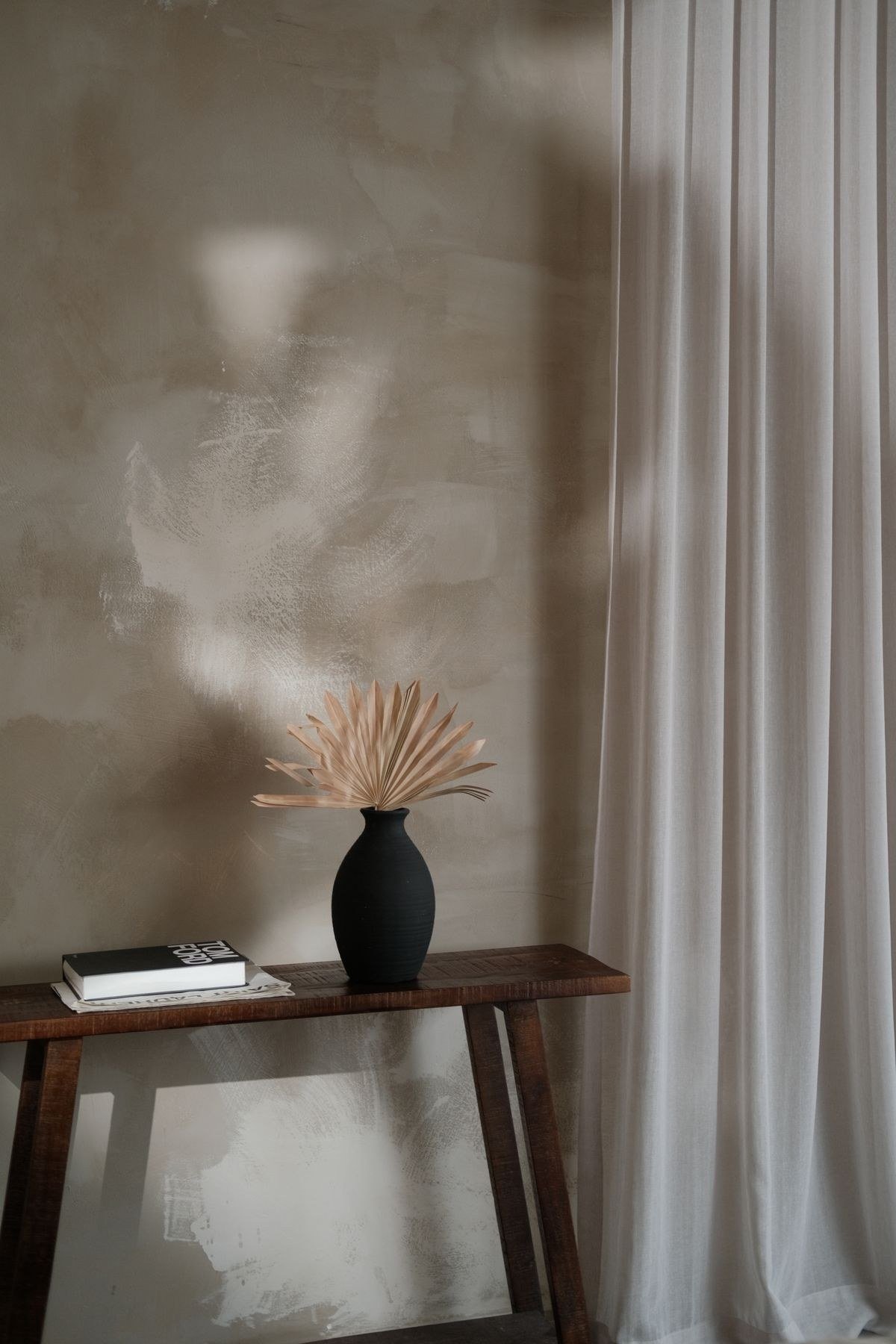
Fall is the season for cocooning, and the bedroom deserves the full warm minimalist treatment. Layer bedding in warm neutrals: ivory sheets, an oatmeal duvet, a chunky knit throw in rust or caramel folded at the foot, and linen pillowcases that wrinkle beautifully. The layered textures invite touch and promise warmth. On nightstands, keep it minimal: a small lamp with warm light, a handmade ceramic cup for water, one book, and perhaps a tiny vase with a dried stem. Remove visual noise — clear the tops of dressers to just a candle and a single beautiful object. If you have hardwood floors, a soft wool rug beside the bed makes autumn mornings bearable. Scent matters in a sanctuary: lavender for calm or cedar and amber for autumnal warmth. Blackout curtains in warm linen serve both sleep and style. The bedroom should feel like the exhale at the end of the day — nothing demanding attention, everything offering rest.
Dining Room and Table Styling
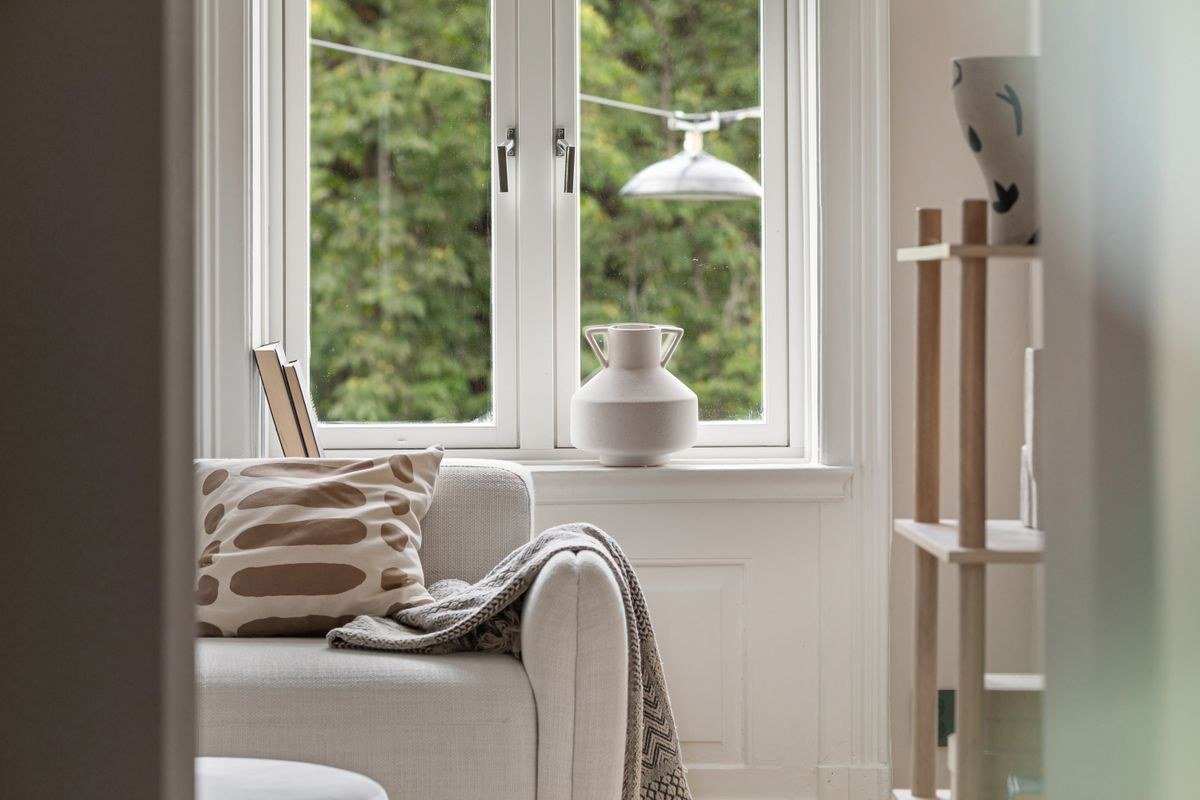
A warm minimalist fall table proves that restraint can be more dramatic than abundance. Start with a natural linen tablecloth or runner — wrinkles are welcome, even encouraged. Down the center, run a low, loose arrangement: dried grasses, lunaria, bleached ruscus, or eucalyptus in a long low vessel, interspersed with pillar candles in warm glass holders. Keep arrangements low so conversation flows across the table. Place settings stay simple: handmade ceramic plates, linen napkins in oatmeal or sage tied with twine and a single dried stem, and brushed brass or matte black flatware. Skip the charger plates and elaborate folds — the beauty is in honest materials. For evening meals, candlelight is non-negotiable: clusters of candles at varying heights create the flickering warmth that defines autumn entertaining. A small bowl of figs or pomegranates at each end adds edible color. The whole table should look effortlessly gathered rather than formally arranged.
Bathroom Touches for Fall
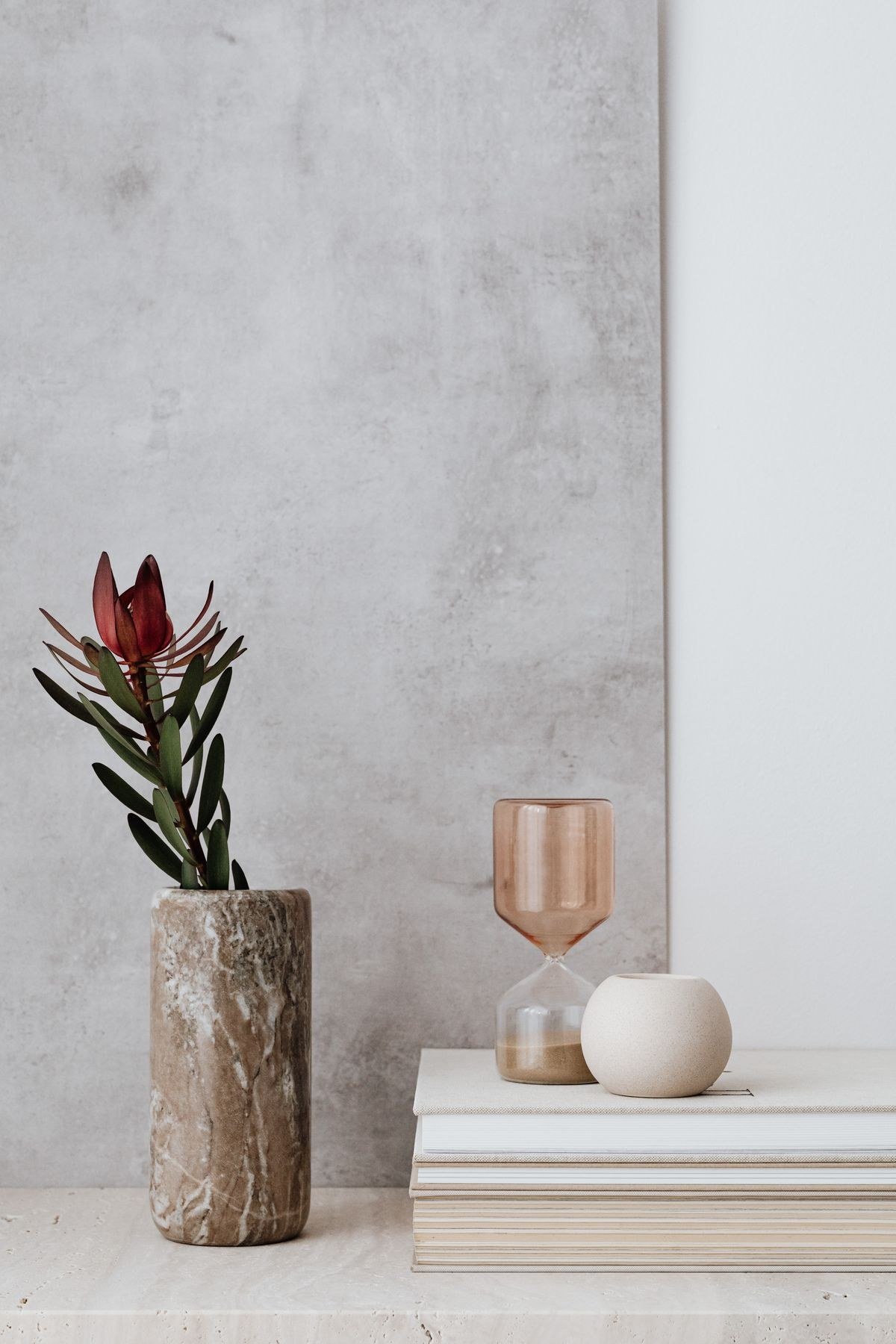
Even the bathroom deserves a whisper of autumn. Swap bright summer towels for ones in warm white, oatmeal, or soft terracotta — thick, thirsty cotton in calming tones. Hang a bundle of fresh eucalyptus from the showerhead; the steam releases its scent and it looks beautiful for weeks as it dries. Replace light, citrusy hand soap with something warmer: cedar, amber, fig, or sandalwood. A small wooden tray on the counter corrals essentials (soap, a candle, a tiny vase) into one intentional vignette instead of scattered clutter. Add a single beeswax candle for bath-time glow. If you have a window, a small branch of dried foliage in a bud vase brings the season in. Keep everything else ruthlessly edited — decant products into simple containers or store them out of sight. A calm, warm bathroom turns the daily routine into a small ritual of comfort.
Candlelight: The Heart of Warm Minimalism

If warm minimalism has one non-negotiable element, it is candlelight. No decor item transforms a room’s feeling faster or cheaper than candles: their flickering warm light softens every surface, makes textures glow, and signals to your nervous system that it is time to relax. Invest in quality: beeswax or soy pillar candles in ivory and warm tones, simple taper candles in brass or ceramic holders, and a few scented candles in autumn fragrances (cedar, amber, clove, fig) for atmosphere. Group candles in odd numbers at varying heights — a cluster of five pillars on a tray, or tapers of different heights down a table. Safety matters: never leave burning candles unattended, keep them from drafts and dried botanicals, and consider high-quality flameless candles for hard-to-monitor spots. In the evenings, turn off overhead lights entirely and let candles and lamps carry the room — this single habit will make your home feel more autumnal than any decoration could.
Dried Botanicals: Nature’s Minimalist Decor

Dried botanicals are the warm minimalist’s perfect fall decor: sculptural, long-lasting, inexpensive, and effortlessly seasonal. Pampas grass brings soft drama in tall floor vases; lunaria (money plant) offers translucent silver discs that catch light beautifully; dried wheat and barley add harvest warmth; bleached ruscus provides airy volume; and bunny tails contribute soft texture in small arrangements. The key to keeping dried botanicals minimalist rather than messy is restraint and scale: one tall arrangement in a large vase makes a stronger statement than five small cluttered ones. Choose vessels with presence — handmade ceramic, aged terracotta, or simple glass — and let the botanicals’ natural forms shine. Dried arrangements last all season (and beyond), making them the sustainable choice over fresh flowers that need weekly replacing. Forage responsibly or buy from reputable dried-flower suppliers, and keep arrangements away from direct sun to prevent fading.
Textiles: Throws, Pillows, and Rugs

Textiles are how you “change the season” in a minimalist home without buying decor objects. The fall textile swap is simple: put away lightweight summer throws and bring out heavyweight ones — chunky wool knits, brushed cotton, or washed linen in caramel, rust, oatmeal, and deep olive. Limit yourself to one statement throw per room, draped casually rather than folded with precision. Pillow covers are the cheapest seasonal update: swap bright covers for ones in warm, muted tones and nubby textures. If your rug is a light summer flatweave, consider layering a smaller wool rug on top for warmth and depth. Curtains can shift too — heavier linen in warm white filters autumn’s golden light gorgeously. The minimalist rule applies: each textile should be beautiful, functional, and in the palette. Store off-season textiles clean and dry, and this twice-yearly swap becomes a satisfying ritual that refreshes your whole home.
Fall Art and Wall Styling

Walls offer a chance for seasonal shifts without adding a single object to surfaces. Swap bright, summery art for pieces with autumnal moods: misty landscapes, abstract works in ochre and umber, botanical prints of dried specimens, or black-and-white photography with warm mats. You do not need to buy new art each season — rotate pieces you own, reframe prints in warmer mats, or simply leave a wall bare for a while; negative space is a legitimate minimalist choice. A single oversized piece makes more impact than a gallery wall of small seasonal prints. For a truly minimalist approach, try leaning a large framed print against the wall on a console rather than hanging it — the casual placement feels modern and makes seasonal rotation effortless. If you prefer no art changes, adjust what is around the art: the candlelight and textiles of fall will change how existing pieces feel without moving them.
Small Spaces: Fall Minimalism in Apartments

Small spaces are where warm minimalism truly proves its worth — every item must earn its footprint. In an apartment, choose three to five fall touches total for the whole home: a throw on the sofa, a candle cluster on the coffee table, a dried arrangement in the corner, a wreath on the door, and warm bulbs throughout. Multifunctional pieces are key: a beautiful wool throw is decor and warmth; a tray of candles is decor and lighting; a bowl of seasonal fruit is decor and food. Use vertical space — a hanging dried arrangement or wall-mounted candle sconces add atmosphere without consuming surfaces. Mirrors amplify candlelight in small rooms, doubling the cozy effect. Be ruthless about editing before adding: for every fall item you bring in, consider removing something else. In small spaces, the calm of clear surfaces is itself the decoration, and autumn’s warmth comes from light and texture rather than objects.
DIY Projects: Handmade Warmth

Handmade touches bring irreplaceable warmth to minimalist spaces. Simple, high-impact DIYs include: a dried-flower wreath on a grapevine or wire base (eucalyptus, lunaria, and bunny tails in muted tones); beeswax taper candles hand-dipped for beautiful irregularity; a foraged branch mobile hung with fishing line; linen pillow covers sewn from inexpensive fabric; and simmer-pot kits (dried orange, cinnamon, cloves) packaged as gifts. Press autumn leaves between book pages, then frame the best ones in simple frames for instant seasonal art. Make salt-dough or air-dry clay ornaments in organic shapes for a bowl display. The DIY aesthetic suits warm minimalism perfectly because handmade items have the slight irregularities and honest materials the style celebrates. Keep projects simple and few — one beautiful handmade wreath outshines ten craft-store impulse buys, and the time you spend making it connects you to the season.
Sustainable and Budget-Friendly Approaches

Warm minimalism is inherently sustainable and budget-friendly because it asks for less. The most beautiful fall decor is often free: foraged branches, pinecones, chestnuts, acorns, dried seed heads, and interesting stones gathered on walks. Shop your home first — rearrange existing pieces, move a throw from bedroom to living room, cluster candles you already own. Buy secondhand: thrift stores overflow with brass candlesticks, ceramic vases, wool throws, and wooden bowls that suit the aesthetic perfectly. When you do buy new, invest in quality natural materials that last for years rather than seasonal disposables. Dried botanicals bought once last multiple seasons. Beeswax candles burn longer than paraffin. A good wool throw serves for a decade. Calculate cost-per-season over five years, and quality pieces are almost always cheaper than annual cheap decor — and they look incomparably better.
Lighting Swaps for Autumn Ambiance
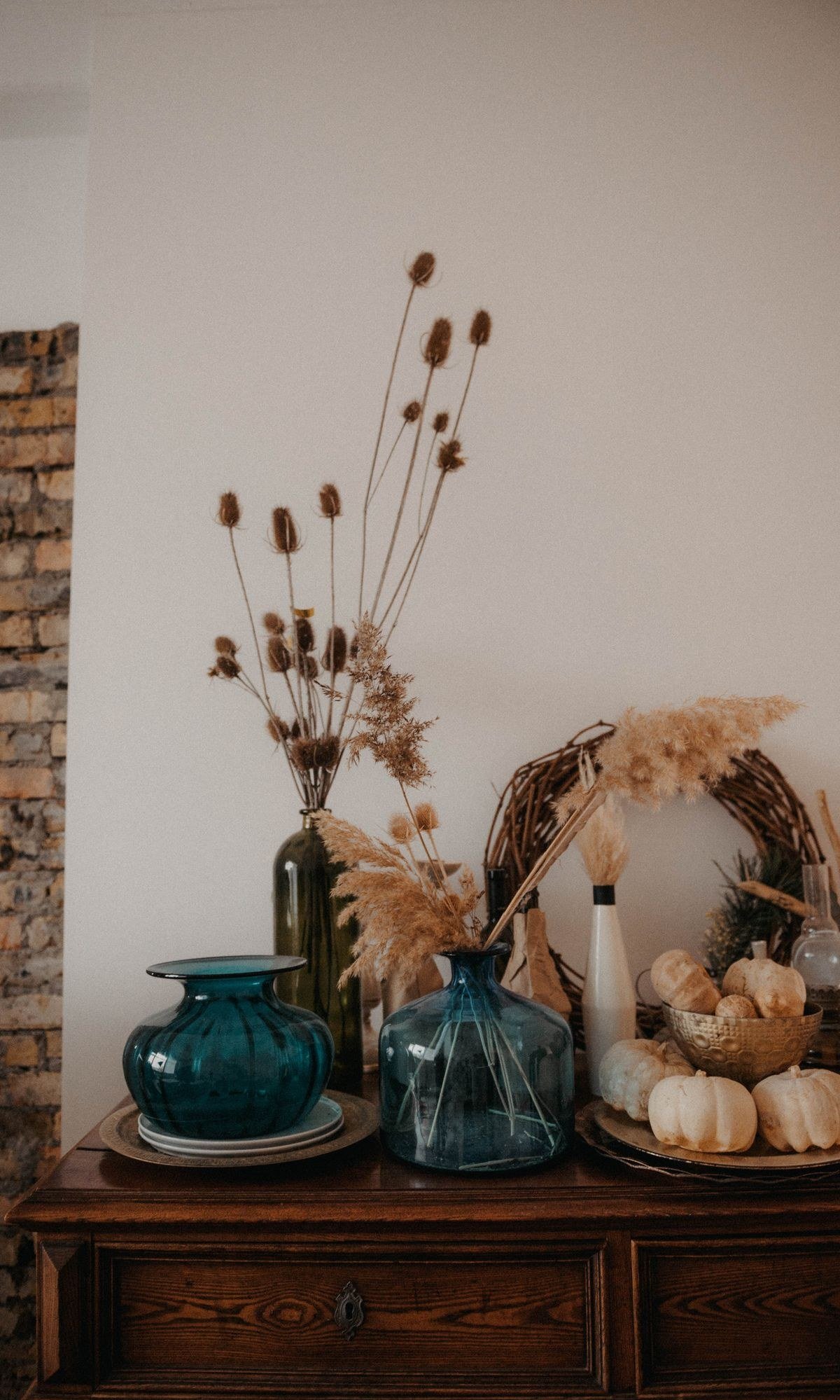
As days shorten, lighting becomes your most powerful decorating tool. Start with bulbs: replace any cool-white bulbs with warm-white (2700K or lower) throughout the house — this single change makes every room feel instantly more autumnal. Add light at multiple heights: table lamps, floor lamps, and candles create the layered glow that overhead lighting alone cannot. Choose lampshades in fabric rather than glass or metal; they diffuse light softly and add texture even when off. String lights are not just for holidays — a strand of warm fairy lights in a glass vase, along a mantel, or in a bedroom corner adds magic. Dimmer switches are worth installing in main living areas; the ability to lower light as evening deepens mimics the natural rhythm of shorter days. In the morning, maximize natural light with sheer curtains; in the evening, surrender to lamplight and candles. Your home will feel like a haven against the dark.
Maintaining Minimalism Through the Holidays

Fall decor should transition gracefully into the holiday season rather than requiring a complete overhaul — another argument for the minimalist approach. Choose fall pieces that work through winter: dried grasses, brass candlesticks, wool throws in neutral tones, and wooden bowls all transition seamlessly. When December arrives, you only need to add a few holiday-specific touches: evergreen sprigs tucked into existing arrangements, a simple wreath swapped on the door, warm white lights added to the mantel. Avoid the trap of “holiday explosion” that buries your calm foundation — if your fall base is strong, a few festive additions will shine brighter against it. After the holidays, removing just those additions returns you to a winter-ready warm minimalist home. This continuity saves money, storage space, and the exhausting seasonal redecoration cycle, while keeping your home feeling intentional year-round.
Common Mistakes to Avoid
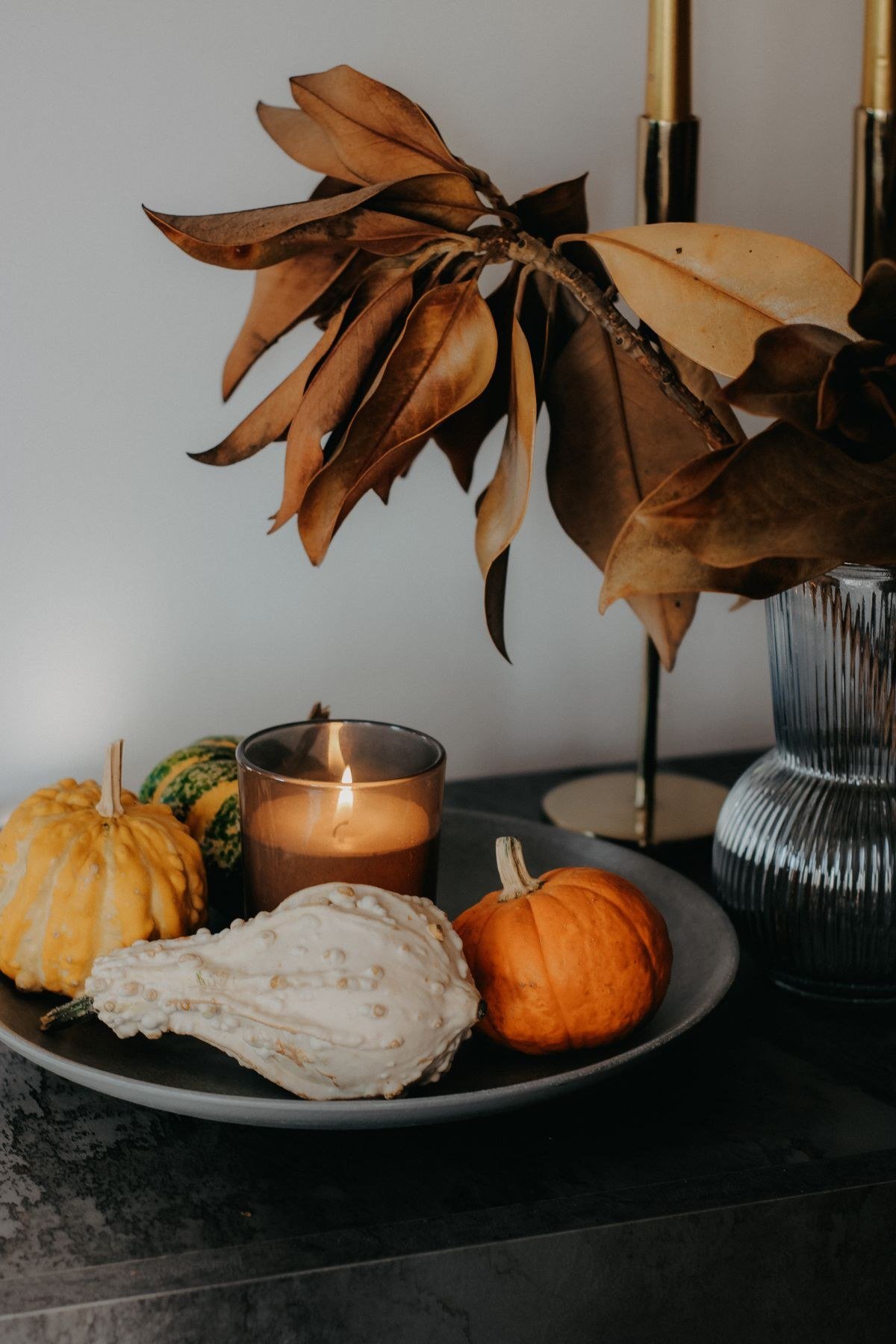
Warm minimalism has a few common pitfalls. Over-decorating is the biggest: adding “just one more” pumpkin or candle until surfaces disappear defeats the entire philosophy — when in doubt, remove something. Going too cold is the opposite trap: all-white minimalism with a single orange pumpkin looks stark, not warm; ensure you have enough texture and warm tones. Ignoring scale creates visual noise: many small objects scattered around feel cluttered, while fewer larger pieces feel calm. Matchy-matchy sets (identical candle holders in a rigid row) read as retail display, not home — vary heights and cluster organically. Neglecting lighting wastes every other effort: beautiful objects under harsh overhead light still feel cold. Finally, decorating for photographs rather than life: if you cannot actually relax in the room because every surface is styled, you have missed the point. Warm minimalism should make your daily life feel better, not just your photos look better.
Frequently Asked Questions

How is warm minimalism different from regular minimalism? It keeps minimalism’s restraint but adds warmth through natural textures, earthy colors, and soft lighting — cozy rather than stark. What colors should I use? Warm neutrals (oatmeal, ivory, taupe) with muted autumn accents (caramel, terracotta, olive) in roughly 70/25/5 proportions. How many fall items per room? Three to five intentional pieces is plenty — a throw, candles, one botanical arrangement. Is it expensive? No — it favors foraged, secondhand, and lasting pieces over disposable seasonal decor. Can I do this in a small apartment? Absolutely — minimalism shines in small spaces; focus on textiles, lighting, and vertical arrangements. How do I transition to winter holidays? Keep the neutral base and swap a few accents: evergreen sprigs, warm lights, a winter wreath. What if my partner finds it too bare? Add warmth through texture and light rather than objects — most “too bare” complaints are really about cold lighting or hard surfaces.

I am Talha Sikandar, a professional writer with a passion for general blogging. With years of experience in content writing and research, I founded Meaniingly.com to deliver well-researched, informative, and user-friendly articles on diverse topics.