warm brown bedroom decor ideas
There is a reason warm browns are surging in bedroom design: they make a room feel like an embrace. Chocolate, caramel, chestnut, coffee, and cognac tones create bedrooms that are cocooning, calming, and quietly luxurious — a retreat from the bright, cool minimalism that dominated for years. Warm brown bedrooms work because brown is inherently grounding; it is the colour of earth, wood, and leather, and our brains read it as safe and restful. Unlike stark white bedrooms that can feel cold, or dark grey schemes that can feel flat, warm browns offer depth with comfort. They suit every style from rustic to modern, every budget from thrifted to designer, and every size from cosy box rooms to spacious masters. In this guide you will find twenty warm brown bedroom decor ideas, from wall colours and bedding to lighting, texture, and styling, with practical tips to keep brown bedrooms rich and inviting rather than dark or dull.
1. Choosing Your Brown Palette
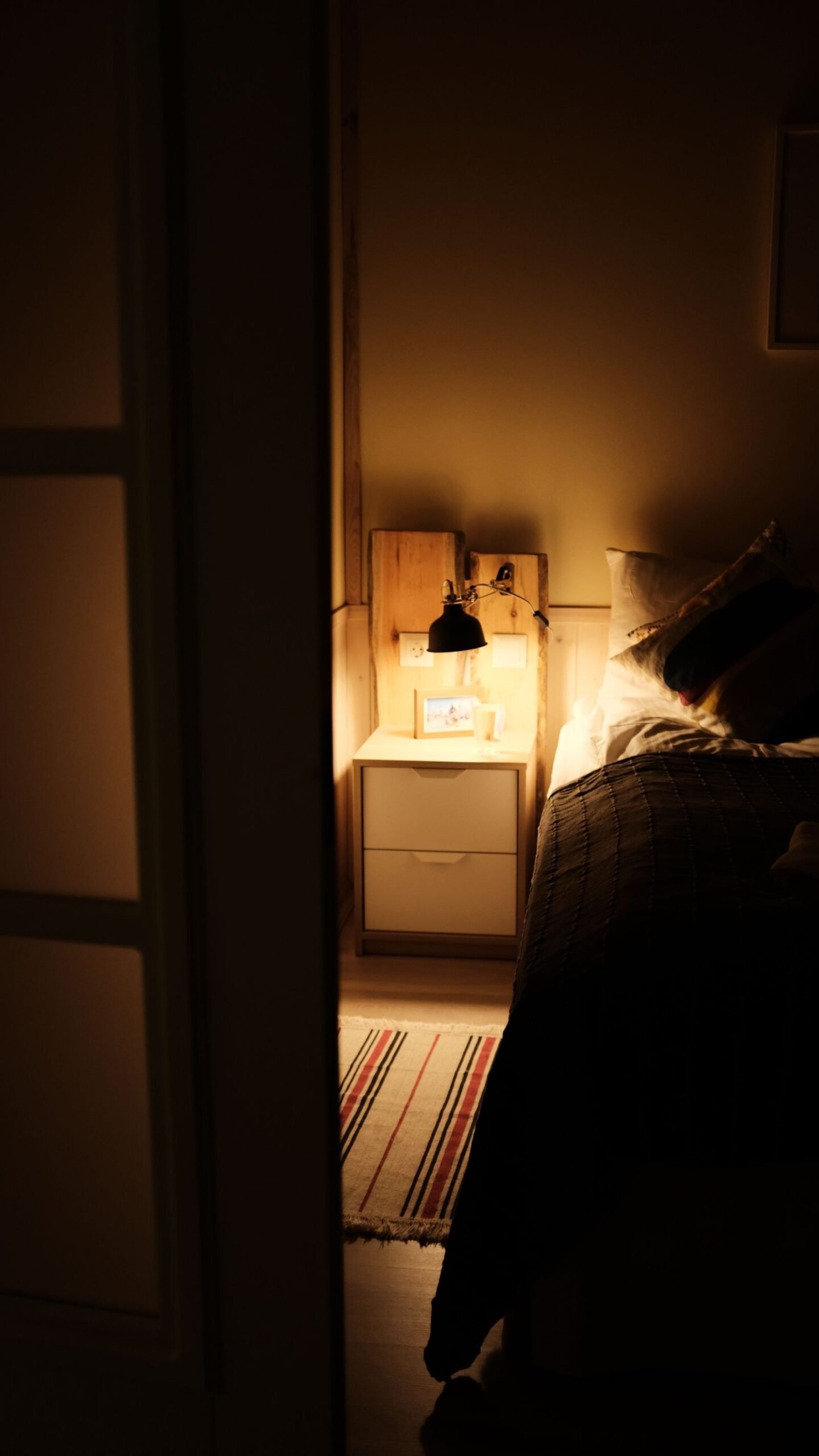
Warm browns span a delicious range: milky latte, golden caramel, rich chestnut, deep chocolate, and reddish cognac. The key word is warm — look for browns with red, orange, or golden undertones rather than grey or green ones, which read as cool and muddy. Warm browns glow in lamplight; cool browns can look flat.
Build a tonal palette of three to four browns: a deep tone for grounding (bed frame, accent wall), mid-tones for the main elements (bedding, curtains), and pale tones for relief (walls, rugs). This layering creates the depth that makes brown bedrooms feel luxurious rather than one-note. Collect paint swatches and fabric samples to see how your chosen browns interact.
Test everything in your room’s light — browns shift dramatically between daylight and lamplight. A brown that looks rich in the shop can turn murky in a north-facing room. Live with large swatches for a few days before committing. Getting the undertones right is the single most important decision in a brown bedroom.
Warm browns flatter every skin tone in lamplight, which is part of why the palette feels so restful. Trust warm undertones over cool ones every time.
2. Chocolate Brown Accent Walls
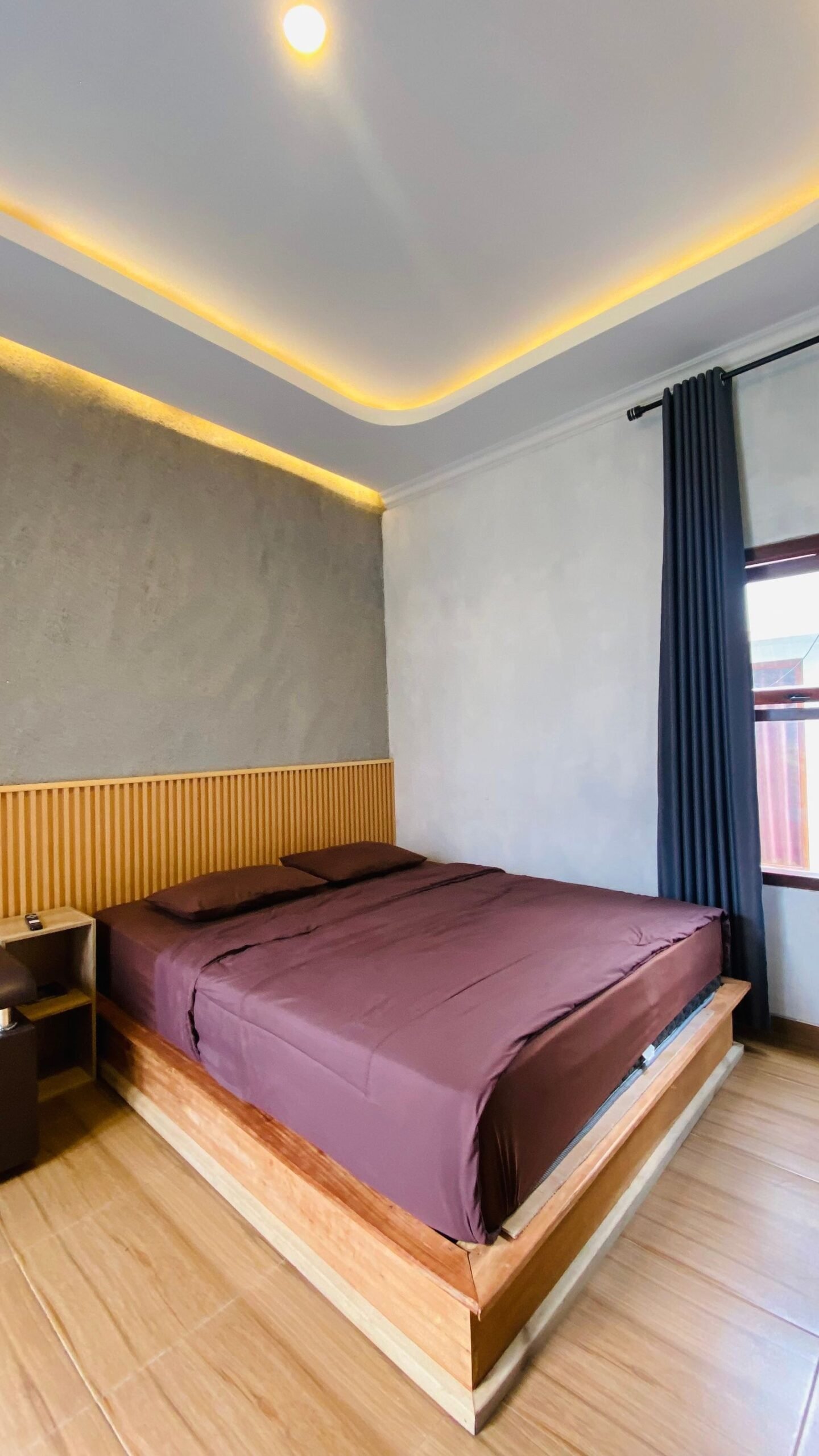
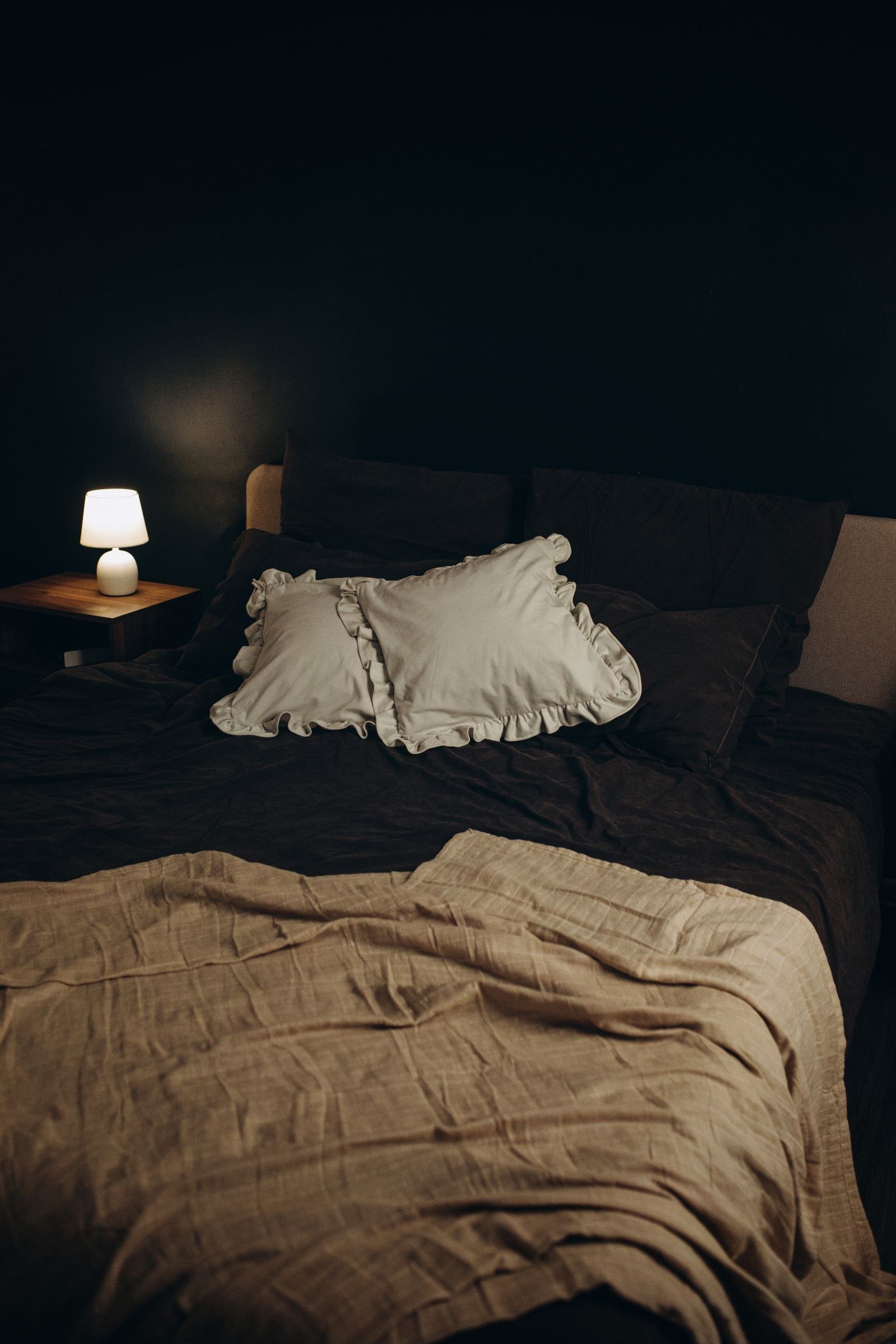
A chocolate brown accent wall behind the bed creates instant drama and intimacy. The dark colour makes the bed the undeniable focal point and gives the room a cocooning, hotel-suite feel. It is a bold move that pays off spectacularly in bedrooms, where cosiness is the goal.
Choose the wall the bed sits against — this is the natural focal wall. A matte or eggshell finish keeps the colour rich without shine. Balance the darkness with lighter bedding and plenty of warm lamplight; the contrast is what makes the scheme sing. If chocolate feels too dark, try a mid-tone caramel for similar warmth with less drama.
Renters can achieve the effect with peel-and-stick wallpaper in a brown grasscloth or subtle pattern. The texture of grasscloth adds dimension that flat paint cannot. Whatever the method, commit fully — a half-hearted accent wall looks indecisive, while a confident one looks designed.
A chocolate wall makes white bedding look crisper and brass lamps glow richer. The contrast is the entire point of the accent wall.
3. Layered Brown Bedding
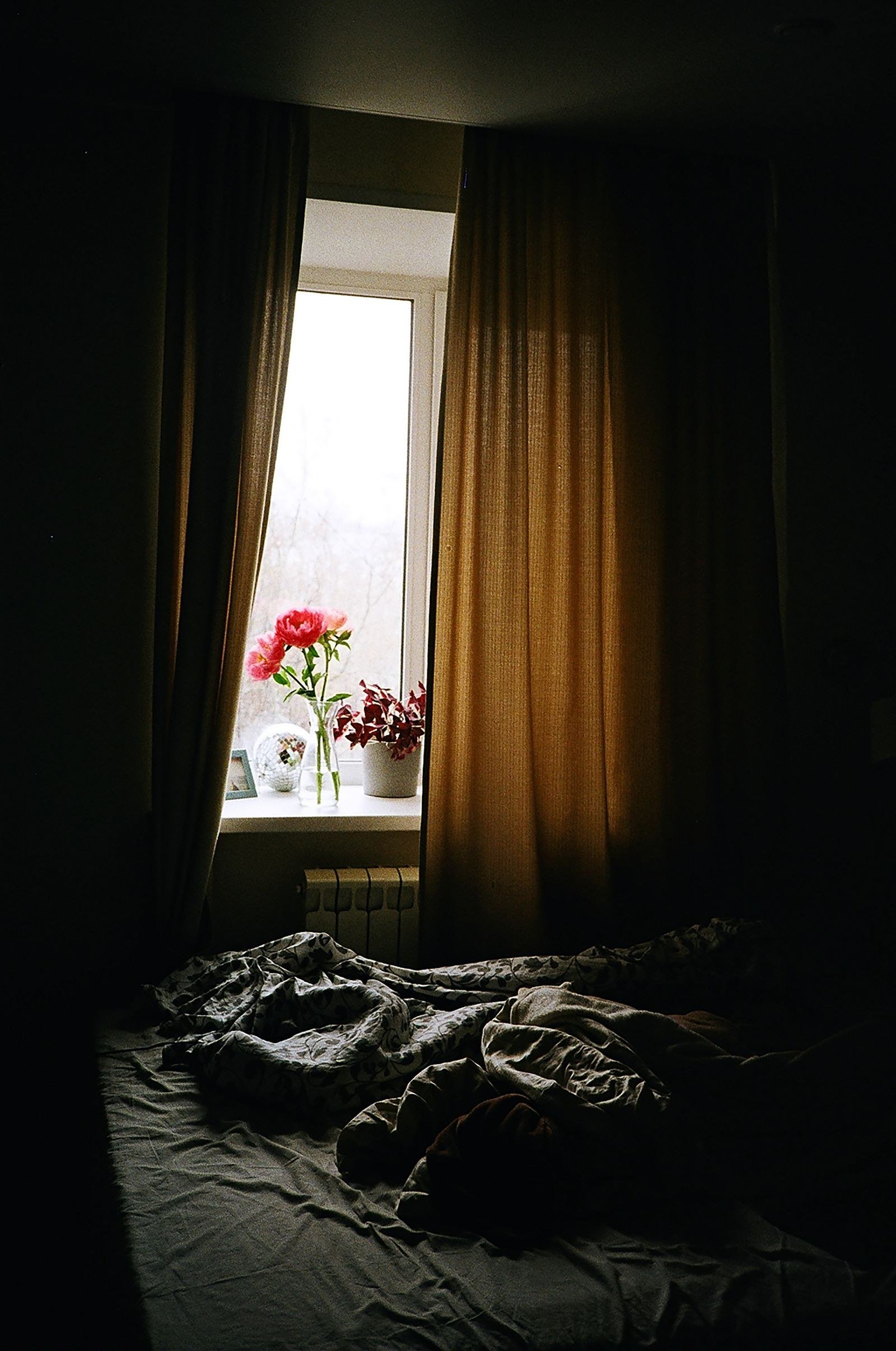
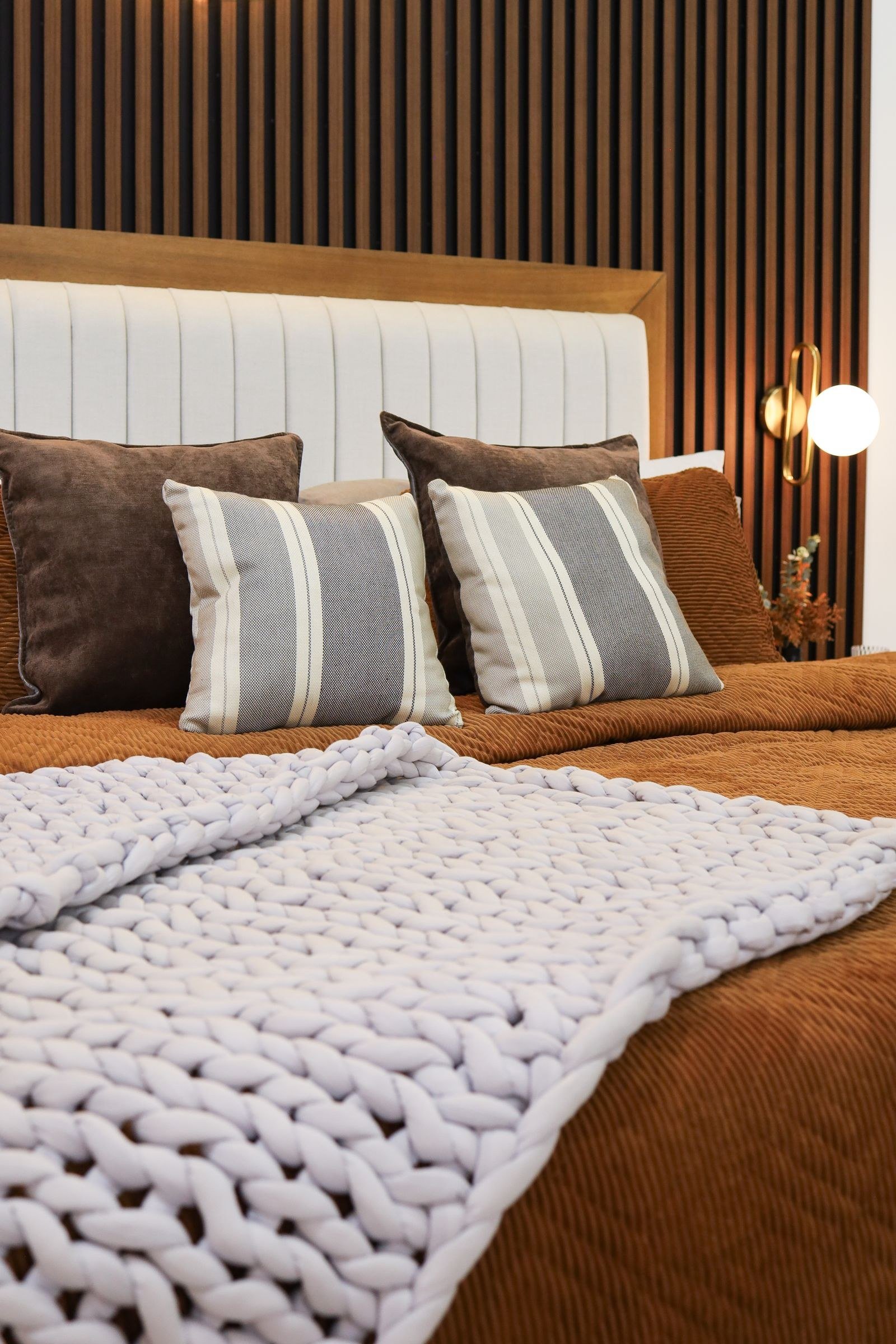
The bed is the heart of the bedroom, and layered brown bedding is where the palette comes to life. Start with warm white or cream sheets, add a duvet in a mid-tone brown, then layer throws and cushions in varying shades from latte to chocolate. The tonal layering looks effortlessly luxurious.
Mix textures as well as tones: linen duvet, velvet cushions, chunky knit throw, smooth cotton sheets. Texture is what prevents a tonal brown bed from looking flat — each fabric catches light differently, creating depth. Aim for an odd number of cushions in varying sizes for a styled, not staged, look.
Quality matters most where your skin touches: invest in the sheets and duvet cover, save on decorative cushions. Wash bedding before styling to soften it; lived-in linen looks better than crisp new. A beautifully layered brown bed makes the whole room feel intentional and inviting.
Fold the duvet down a third to show the layered tones beneath. This single styling trick makes any bed look professionally dressed.

4. Wooden Furniture in Warm Tones
Wooden furniture is brown décor in its most natural form. Warm wood tones — walnut, teak, oak with honey stains — bring organic richness that painted furniture cannot match. A walnut bed frame, teak nightstands, or an oak dresser grounds the room in nature.
Mix wood tones confidently; matching everything looks flat, while varied warm woods look collected. The unifying factor should be warmth of tone, not exact colour. Vintage wooden furniture often has the rich patina that new pieces lack — charity shops and auction sites are excellent sources.
Balance wooden furniture with soft textiles so the room does not feel hard or heavy. A wooden bed frame with lush brown bedding, a wooden dresser topped with a soft runner — the contrast of hard and soft is what makes brown bedrooms feel both grounded and comfortable.
Second-hand wooden furniture often has richer patina than new pieces. A light sanding and oil can revive tired surfaces beautifully.
5. Leather Accents
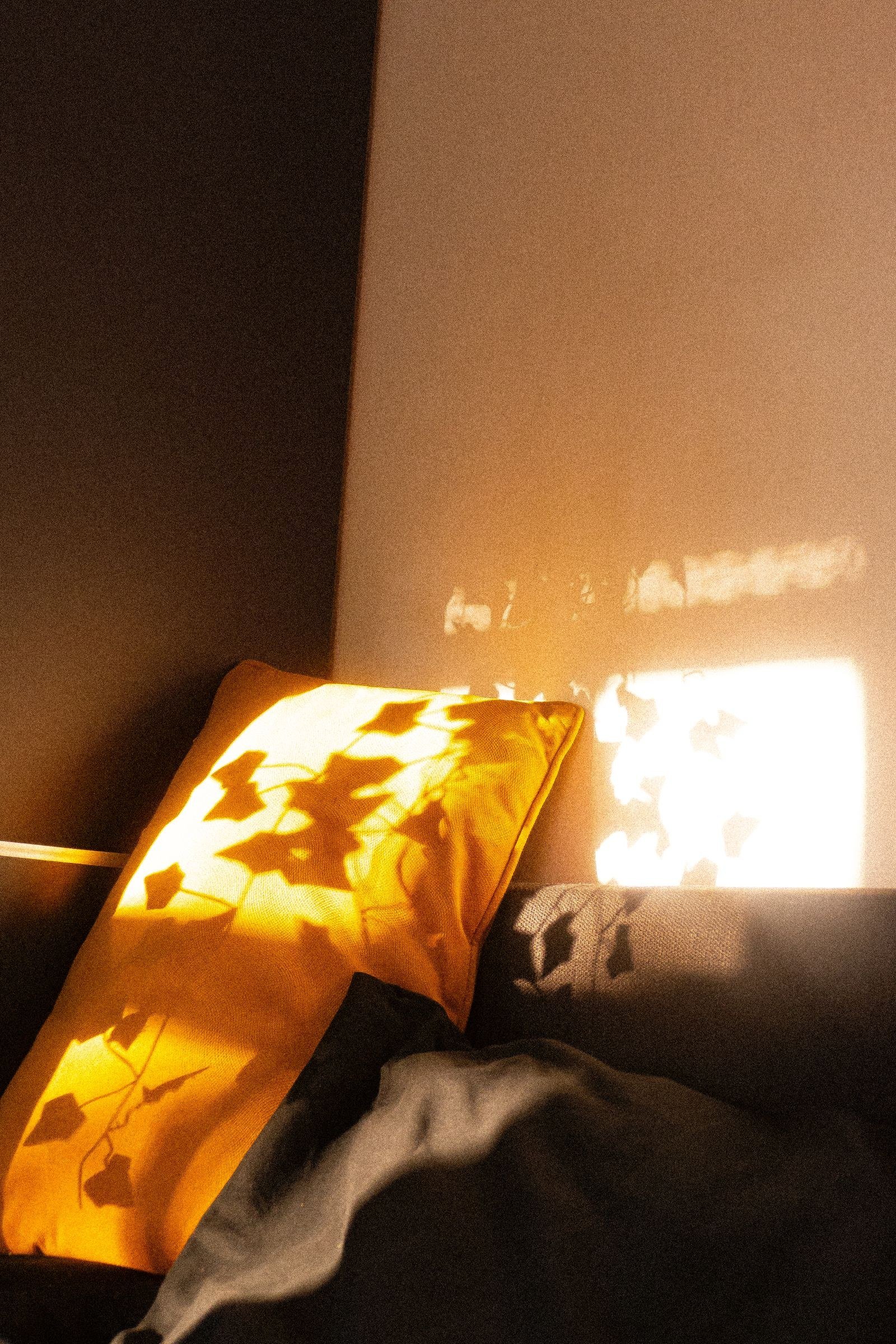
Leather in cognac, tan, and chestnut adds a rich, masculine warmth to brown bedrooms. A leather bench at the foot of the bed, a vintage leather armchair in the corner, or leather drawer pulls and picture frames all contribute patina and character.
Leather ages beautifully, developing a sheen that no other material replicates. Vintage leather pieces have the best character — look for worn-in armchairs and trunks. Faux leather has improved enormously and offers the look at lower cost and with easier maintenance.
Use leather as an accent, not a theme — too much can feel like a study rather than a bedroom. One or two leather pieces among soft textiles create the perfect tension between rugged and cosy. A leather headboard is a particularly striking choice that anchors the whole room.
A leather trunk at the foot of the bed adds storage and style in one piece. Vintage trunks are widely available and full of character.

6. Warm Lighting is Essential
Brown bedrooms live or die by their lighting. Warm-white bulbs (2700K or below) make browns glow; cool bulbs turn them grey and lifeless. This is non-negotiable — check every bulb in the room and replace cool ones immediately.
Layer lighting: bedside lamps with fabric shades for reading, a floor lamp in a dark corner, fairy lights or candles for ambience. Dimmers on overhead lights let you shift from practical to romantic. The goal is pools of warm light, not flat brightness.
Lampshades in warm tones — cream, amber, or even brown linen — filter light beautifully. Avoid white shades that can look stark against brown walls. Candlelight, real or battery-operated, adds the flicker that makes brown bedrooms feel magical. Light your brown bedroom like you are lighting a hug.
Smart bulbs set to warm scenes let you shift from bright morning to amber evening. Lighting scenes are the easiest bedroom upgrade available.

7. Textures: Wool, Linen, and Velvet
Texture is the secret ingredient of brown bedrooms. Wool throws, linen bedding, velvet cushions, jute rugs, and sheepskin draped over a chair — each texture interacts with brown tones differently, creating a rich sensory landscape. A brown bedroom should invite touch.
Layer at least four textures in the room for depth: something smooth (leather, silk), something nubby (bouclé, knit), something natural (wood, jute), and something plush (velvet, faux fur). This variety keeps the tonal palette from feeling monotonous.
Texture also affects how colours read — velvet deepens browns, linen lightens them, wool softens them. Use this deliberately: velvet cushions in the darkest brown for drama, linen throws in pale tones for relief. A texturally rich brown bedroom feels expensive regardless of budget.
A sheepskin draped over a chair softens wooden furniture instantly. Natural textures keep brown schemes from feeling flat or heavy.

8. Brown and Cream Combinations
Brown and cream is the classic pairing — the contrast keeps browns from feeling heavy while the warmth keeps cream from feeling cold. Cream walls with brown furniture, brown bedding with cream throws, or a cream rug under a brown bed all exemplify the balance.
The ratio determines the mood: more cream feels fresh and airy, more brown feels cocooning and dramatic. For most bedrooms, a cream-dominant scheme with brown accents is the most livable, while brown-dominant suits those who crave maximum cosiness.
Choose creams with warm undertones — ivory, ecru, warm white — rather than cool blue-whites that clash with brown’s warmth. Natural materials like unbleached linen and undyed wool provide cream tones with beautiful texture. This timeless combination never dates.
Cream curtains against brown walls frame the window like art. The light-dark contrast makes both colours look their best.

9. Adding Green Plants
Green plants are the perfect living accent in a brown bedroom. The green-brown combination is pure nature — forest floor, tree bark and leaves — and it keeps the room feeling fresh and alive. Plants also improve air quality, which genuinely benefits sleep.
Choose low-maintenance, bedroom-friendly plants: snake plants, pothos, and peace lilies tolerate low light and irregular watering. A large plant in a terracotta or woven pot makes a statement; trailing pothos on a shelf softens hard lines.
Keep plants away from the bed itself for undisturbed sleep, and avoid strongly scented varieties. Even one well-placed plant transforms a brown bedroom, adding the living green note that completes the natural palette. It is the easiest, cheapest upgrade with the biggest impact.
Terracotta pots complement brown bedrooms better than white ceramic. The earthy tones echo the room’s natural palette perfectly.
10. Artwork for Brown Bedrooms
Art gives brown bedrooms personality and prevents the palette from feeling merely decorative. Landscape photography in warm tones, abstract art in browns and golds, or vintage botanical prints all harmonise beautifully. Large-scale art makes the biggest impact.
Choose frames in natural wood, brass, or warm black to complement the palette. Hang art where it is visible from the bed — above the dresser, on the wall opposite — so you enjoy it in the morning. A gallery wall of smaller pieces in mixed warm frames feels collected and personal.
Art is also where you can introduce subtle contrast: a touch of deep green, a hint of terracotta, a flash of gold. These small colour notes keep the brown scheme lively. Choose art you love looking at — the bedroom is the most personal room, and its art should reflect you.
Vintage landscape prints in warm tones suit brown bedrooms beautifully. Thrifted art in wooden frames adds collected character cheaply.
11. Rugs to Anchor the Space
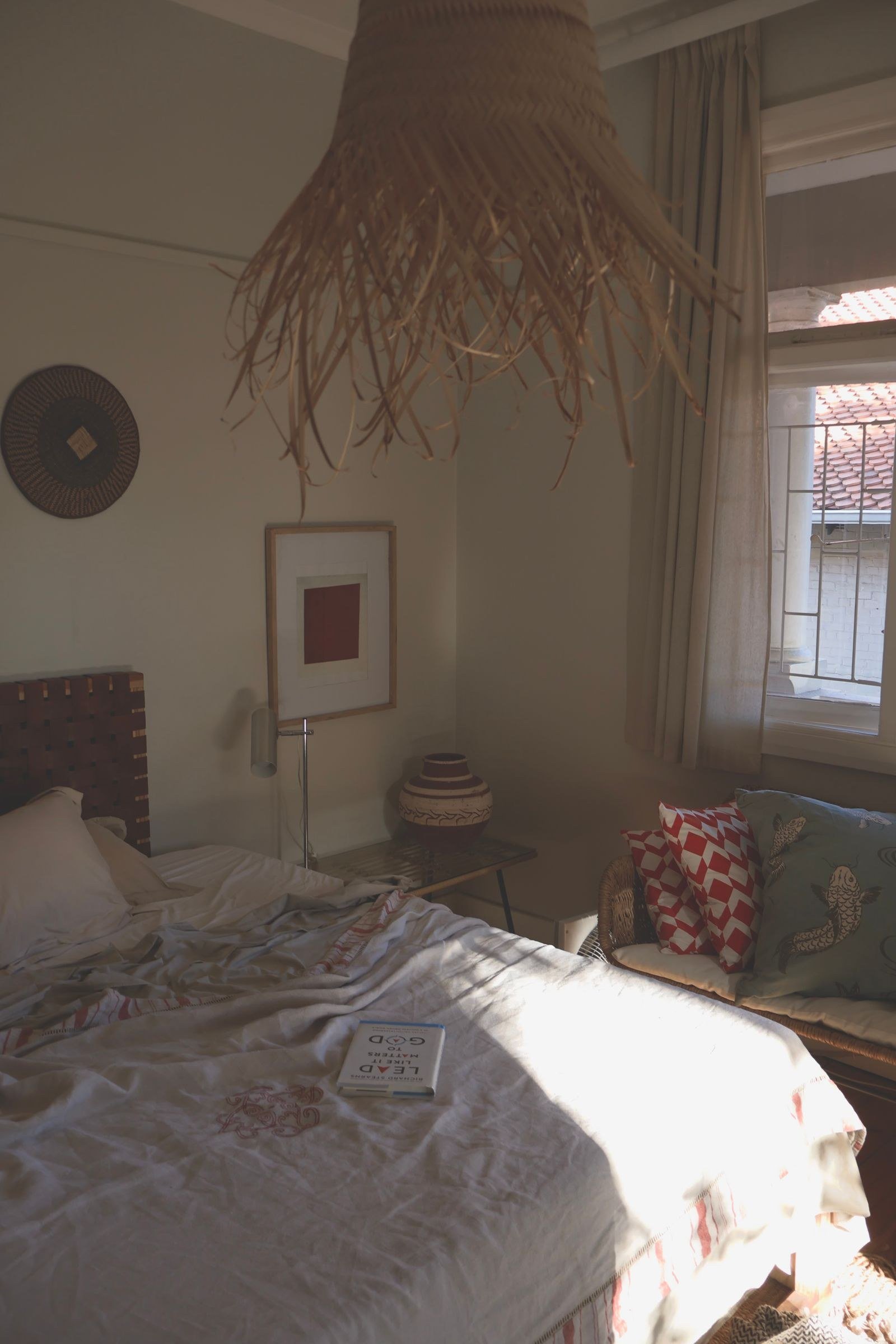
A rug anchors the bed and adds crucial warmth underfoot. In a brown bedroom, choose rugs in complementary tones: cream with brown patterns, jute for natural texture, or a vintage rug with warm reds and browns. The rug should extend beyond the bed on both sides.
Size matters enormously — too small looks mean, too large overwhelms. For a double bed, the rug should extend at least 60cm beyond each side. Layering a smaller patterned rug over a large jute base adds designer-level interest affordably.
Rugs also absorb sound, making the bedroom quieter and more restful. Choose low-pile for easy cleaning or deep-pile for luxury underfoot. A well-chosen rug ties the whole brown scheme together, connecting furniture and flooring in one warm gesture.
A rug pad underneath adds cushioning and extends the rug’s life. It is an invisible upgrade you feel every morning.
12. Window Treatments in Warm Tones
Curtains in warm browns, caramels, or creams frame the windows and complete the cocoon. Heavy curtains in velvet or lined linen add insulation and block light for better sleep — both practical and beautiful. Hang them high and wide to make windows look larger.
Layer sheers underneath for daytime privacy that still admits light. The double layer gives you control over light and mood throughout the day. Choose curtain hardware in brass or warm wood rather than chrome for palette consistency.
Floor-length curtains that just kiss the floor look most elegant; puddling slightly adds romance but collects dust. In a brown bedroom, curtains are a major colour block — choose the tone carefully to harmonise with bedding and walls. They are worth investing in.
Tie-backs in brass or leather add a tailored finish to curtains. They also let in more daylight during the darker months.
13. Nightstand Styling
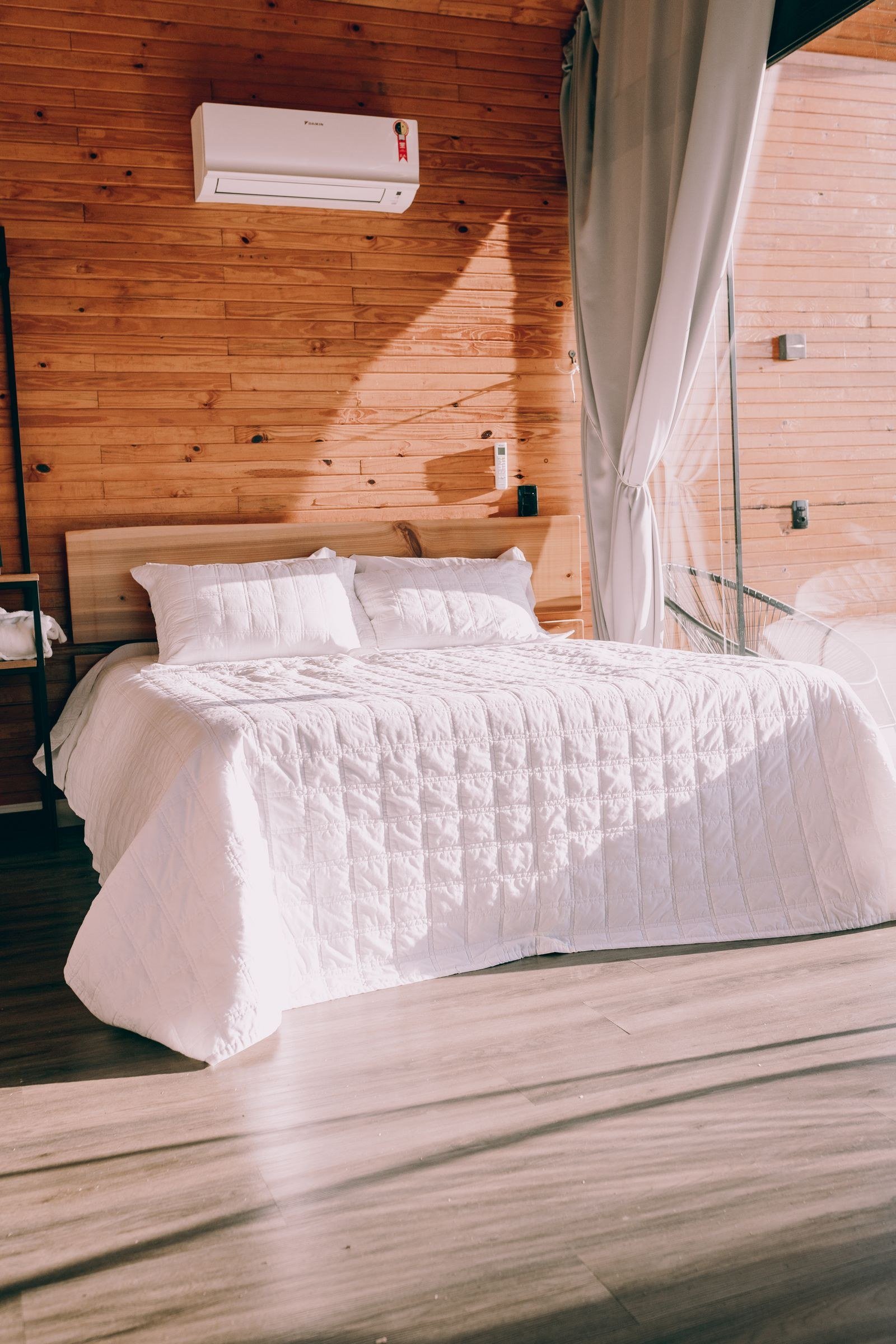
Nightstands are the jewellery of the bedroom — small, visible, and personal. Style them with a lamp (warm light, beautiful base), a small stack of books, a candle, and something living or natural: a small plant, a bud vase, a stone. Keep surfaces uncluttered; restfulness requires visual calm.
Matching nightstands suit symmetrical, formal bedrooms; mismatched vintage pieces suit eclectic rooms. Either way, keep the heights similar for balance. Drawers or closed storage hide the clutter of real life — charging cables, medications, books in progress.
The nightstand is also prime real estate for scent: a small candle or diffuser in sandalwood, amber, or vanilla. These details make the bedside feel like a ritual space. Style once, then maintain — a tidy nightstand contributes disproportionately to the room’s calm.
A carafe and glass on the nightstand is a thoughtful hotel-style touch. Staying hydrated overnight genuinely improves sleep quality.
14. Metallic Accents: Brass and Gold
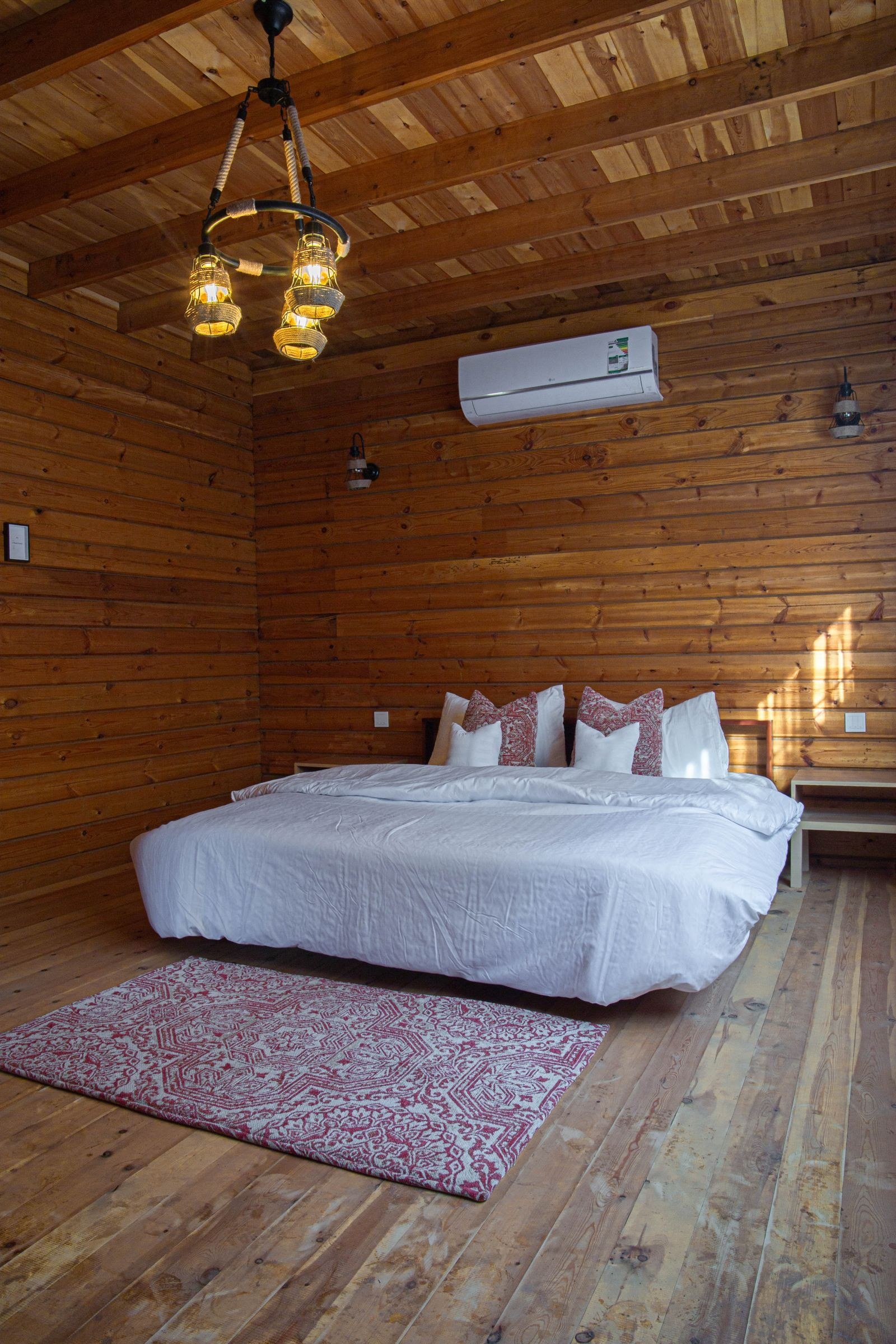
Brass and gold accents are the jewellery of a brown bedroom — they catch light and add a note of luxury. Brass lamp bases, gold picture frames, a brass mirror, or metallic-threaded cushions all lift the brown palette from earthy to elegant.
Distribute metallics around the room rather than clustering them: a lamp here, a frame there, a tray on the dresser. Aged brass and brushed gold suit brown’s warmth better than bright polished finishes. Even small touches — brass drawer pulls, a gold-rimmed tray — contribute.
Metallics reflect warm lamplight beautifully, multiplying the cosy glow. They also provide the cool-warm contrast that keeps brown schemes dynamic. Think of brass as the highlighter of interior design — a little illuminates everything.
A brass tray corrals nightstand clutter into one elegant zone. Small trays make surfaces look styled rather than messy.

15. Keeping Brown Bedrooms Bright
The biggest risk of a brown bedroom is gloom — prevent it deliberately. Maximise natural light with sheer curtains and clean windows. Keep ceilings white or very pale to lift the room. Mirrors opposite windows double the daylight.
Balance every dark element with a light one: dark bedding needs pale walls, a chocolate accent wall needs cream textiles. The 60-30-10 rule helps — 60% light neutrals, 30% mid-browns, 10% deep browns. This keeps the room rich but breathable.
Artificial lighting must be generous: dark rooms need more light sources, not fewer. A brown bedroom with excellent lighting feels like a luxury hotel; the same room poorly lit feels like a cave. When in doubt, add another lamp.
Light-coloured ceilings bounce precious daylight around the room. Never paint a bedroom ceiling dark unless the room is very large.
16. Small Bedroom Solutions
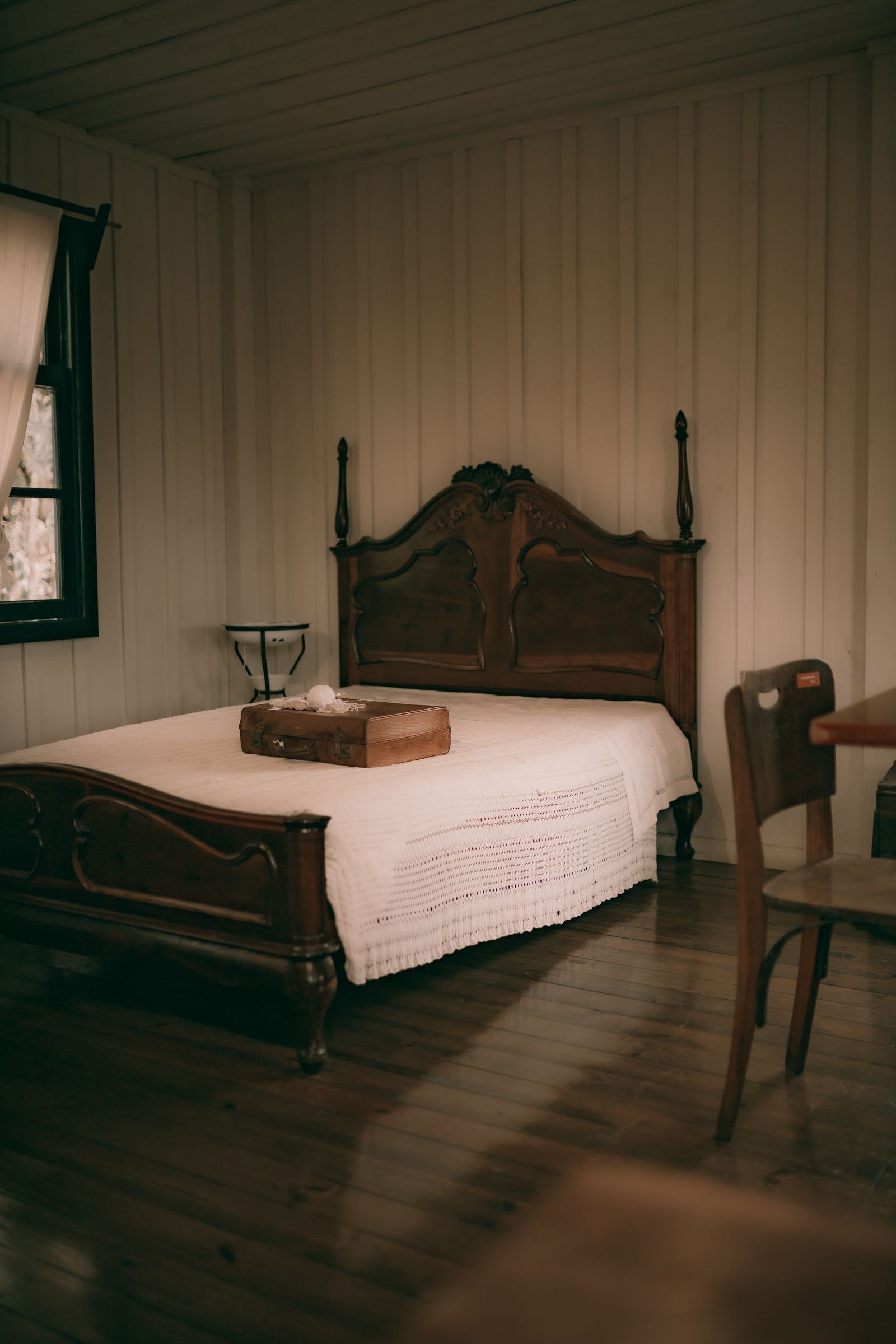
Small bedrooms and warm browns are a perfect match — dark, warm colours make small rooms feel intentionally cosy rather than accidentally cramped. The key is committing: pale timid browns in a small room look muddy, while confident deep tones look like a jewel box.
Maximise function: storage beds, wall-mounted nightstands, and vertical storage keep the floor clear. Mirrors and good lighting prevent claustrophobia. Keep the palette tight — fewer colours make small rooms feel larger.
In small brown bedrooms, every piece must earn its place. Choose multifunctional furniture and edit ruthlessly. A small, well-designed brown bedroom feels like a luxurious cabin — proof that cosiness is a feature, not a compromise.
Wall-mounted sconces free up nightstand space in tiny rooms. Every centimetre counts when the bedroom is compact.
17. Scents for Restful Sleep
Scent profoundly affects sleep quality, and warm scents suit brown bedrooms perfectly. Lavender remains the gold standard for sleep, while sandalwood, vanilla, and chamomile add warmth. Use a diffuser, pillow spray, or scented candle (extinguished before sleep).
Keep bedroom scents subtle — the room should whisper fragrance, not shout it. Avoid stimulating scents like citrus or peppermint near bedtime. A consistent bedtime scent becomes a sleep cue, training your brain to wind down.
Natural options — dried lavender bundles, cedar blocks in drawers — scent gently without chemicals. Whatever you choose, make it part of the evening ritual. The brown bedroom’s visual warmth plus calming scent creates the ultimate sleep sanctuary.
Wash bedding in unscented detergent so it does not compete with your chosen scent. Layered fragrances can become overwhelming quickly.

18. Seasonal Brown Bedroom Updates
Brown bedrooms adapt beautifully to seasons with small swaps. Autumn: add burnt orange cushions and chunky knits. Winter: layer faux fur and deep chocolate tones. Spring: lighten with cream linens and fresh flowers. Summer: strip back to pale browns and breathable cottons.
These seasonal shifts keep the room feeling fresh without redecorating. Store off-season textiles properly and they will last for years. The brown foundation is seasonless — only the accents change.
Seasonal updates are also an opportunity to deep-clean: wash what can be washed, air what cannot. A bedroom that evolves with the seasons feels alive and cared for. Let your brown bedroom breathe with the year.
A single seasonal cushion swap refreshes the whole room in minutes. Store off-season covers flat to avoid creases.

19. Budget Brown Bedroom Makeover
A brown bedroom makeover need not cost a fortune. Paint is the cheapest transformation — one accent wall changes everything. Thrifted wooden furniture, second-hand leather, and sale-rack textiles build the palette affordably.
Prioritise the bed: new bedding in brown tones has the biggest visual impact per pound spent. DIY what you can — painting furniture, sewing cushion covers, refinishing wood. Each project adds personal character that money cannot buy.
Shop in stages rather than all at once; a room collected over time looks better than one bought in a day. Set a budget per category and stick to it. The most beautiful brown bedrooms are often the most resourceful ones.
Painting existing furniture in warm brown tones is cheaper than replacing it. Chalk paint needs no priming and distresses beautifully.

20. Maintaining the Cosy Factor
A brown bedroom’s magic is its cosiness — maintain it deliberately. Keep clutter contained with closed storage; visual calm is essential for the cocoon feeling. Make the bed daily — it is the room’s centrepiece and sets the tone.
Refresh textiles regularly: wash throws, plump cushions, rotate rugs. Attend to the senses: good lighting, calming scent, soft textures underfoot. These small maintenances preserve the room’s embrace.
Finally, protect the restfulness: keep work and screens out of the bedroom if possible. A brown bedroom should be a sanctuary from the world, not an extension of it. Tend your cosy retreat and it will repay you with the best sleep of your life.
An evening tidy — five minutes resetting the room — preserves the sanctuary feeling. Waking to order sets a calm tone for the day.


I am Talha Sikandar, a professional writer with a passion for general blogging. With years of experience in content writing and research, I founded Meaniingly.com to deliver well-researched, informative, and user-friendly articles on diverse topics.