Vintage floral wallpaper ideas bring a sense of romance, history, and artistry to modern interiors that plain painted walls simply cannot match. From delicate Victorian botanicals to bold 1950s chintz, floral wallpapers carry the charm of another era while feeling surprisingly fresh in today’s homes. The key to success is choosing patterns, scales, and placements that honor the vintage spirit without overwhelming your space. Whether you paper an entire bedroom, create a jewel-box powder room, or simply frame a panel as art, floral wallpaper adds depth and personality in a single step. These twenty ideas will guide you through eras, styles, and practical tips so you can choose with confidence and live beautifully with your decision for years.

Choosing the Right Era for Your Vintage Look
Vintage spans more than a century of floral design, and each era has its own distinct mood. Victorian wallpapers feature dense, dark botanical prints with a formal, romantic feel. Edwardian and Art Nouveau designs introduce flowing, stylized stems with elegant curves. Mid-century florals are brighter, more graphic, and playful. Deciding which era speaks to you is the essential first step.
Consider your home’s architecture when choosing. A Victorian terrace naturally suits William Morris-inspired prints, while a 1950s ranch feels right with retro atomic florals. That said, contrast can be delightful: a bold chintz in a minimalist apartment creates wonderful tension. The goal is intention, not historical accuracy.
Collect samples from several eras and live with them for a week. Tape swatches to the wall and observe them in morning and evening light. The pattern you keep gravitating toward is your answer. Trusting your instinct here matters more than following any trend forecast. Your home should reflect your taste first, and a confident choice will always look better than a hesitant one.
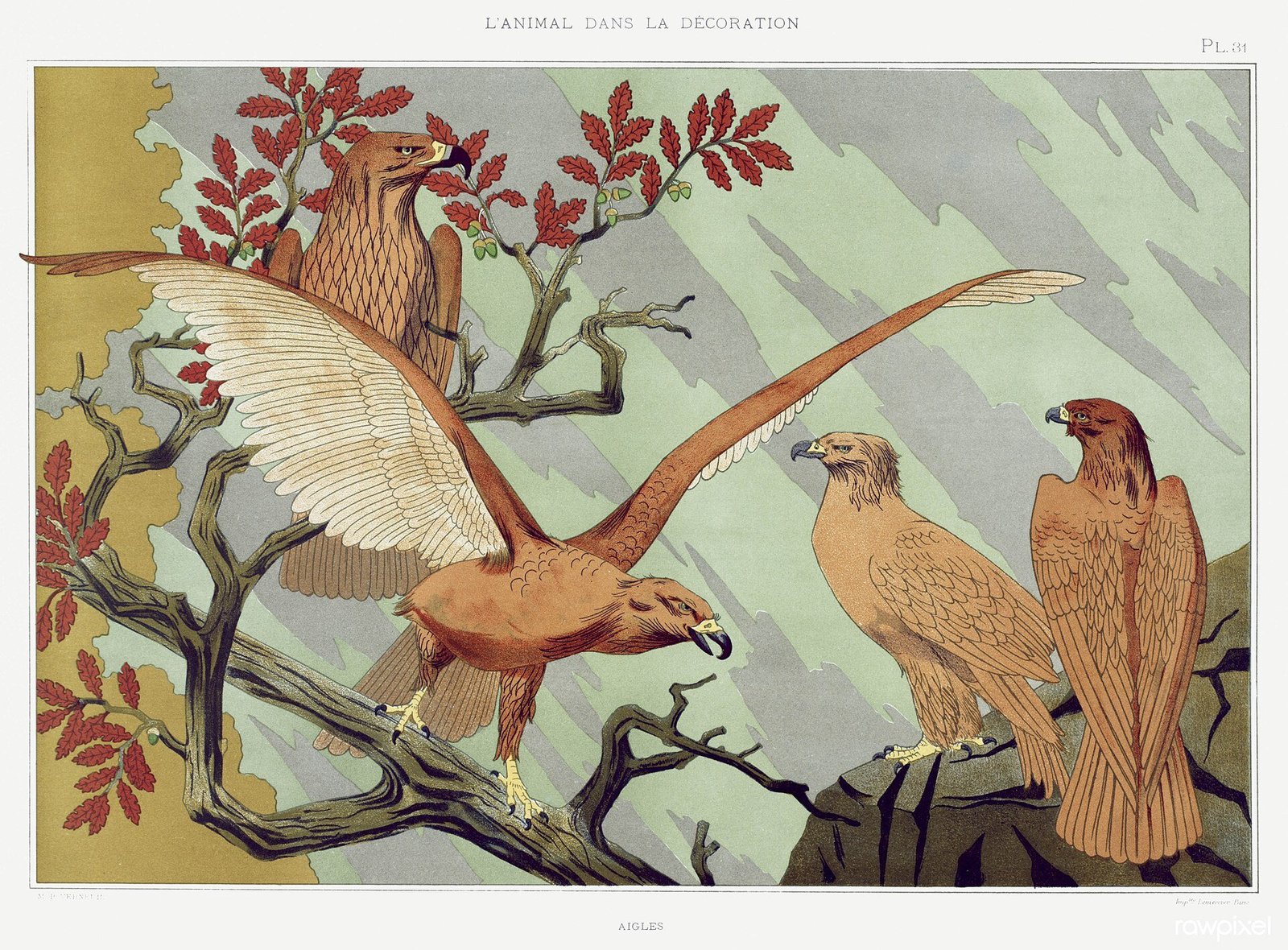
Victorian Botanical Prints
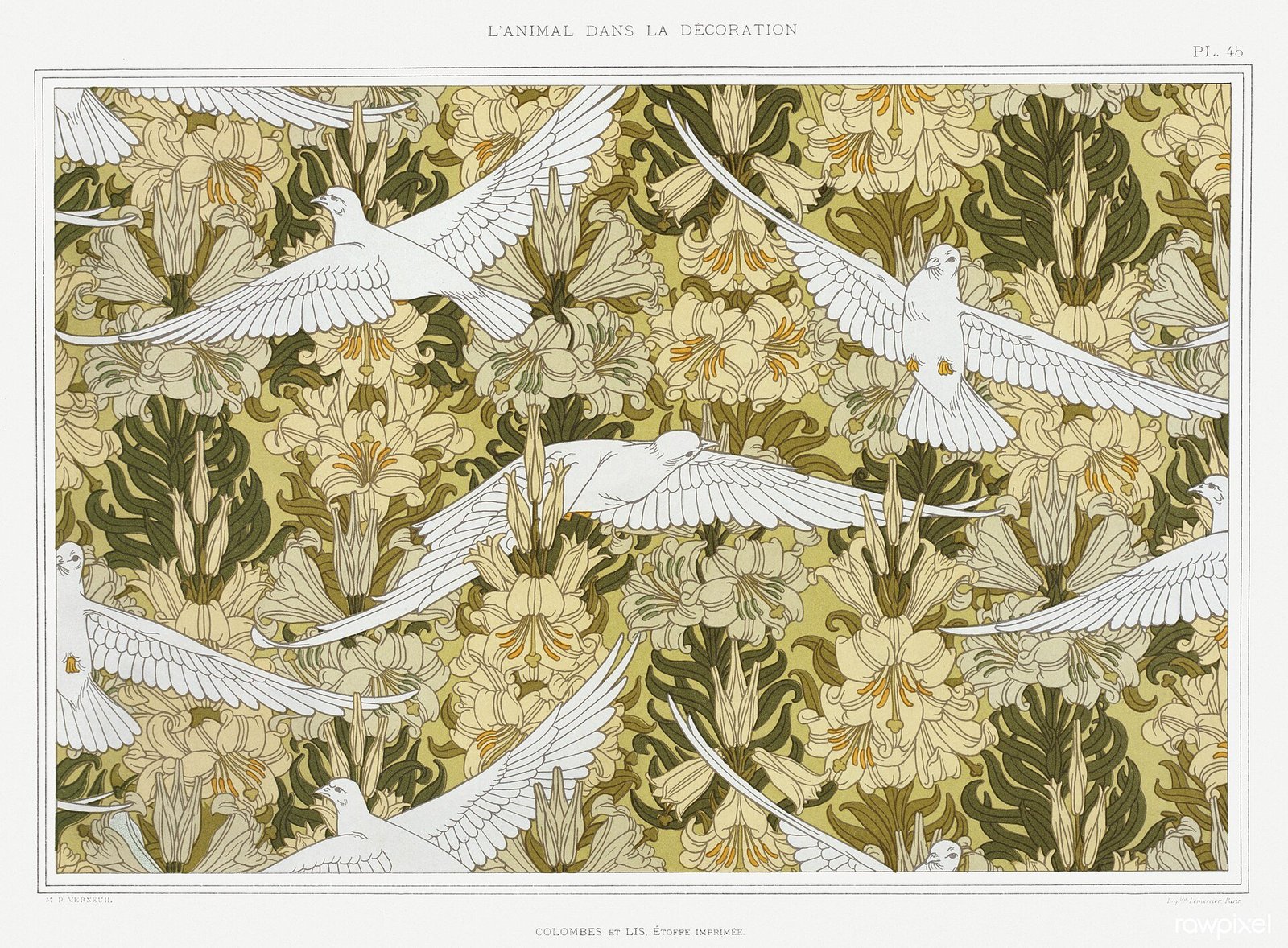
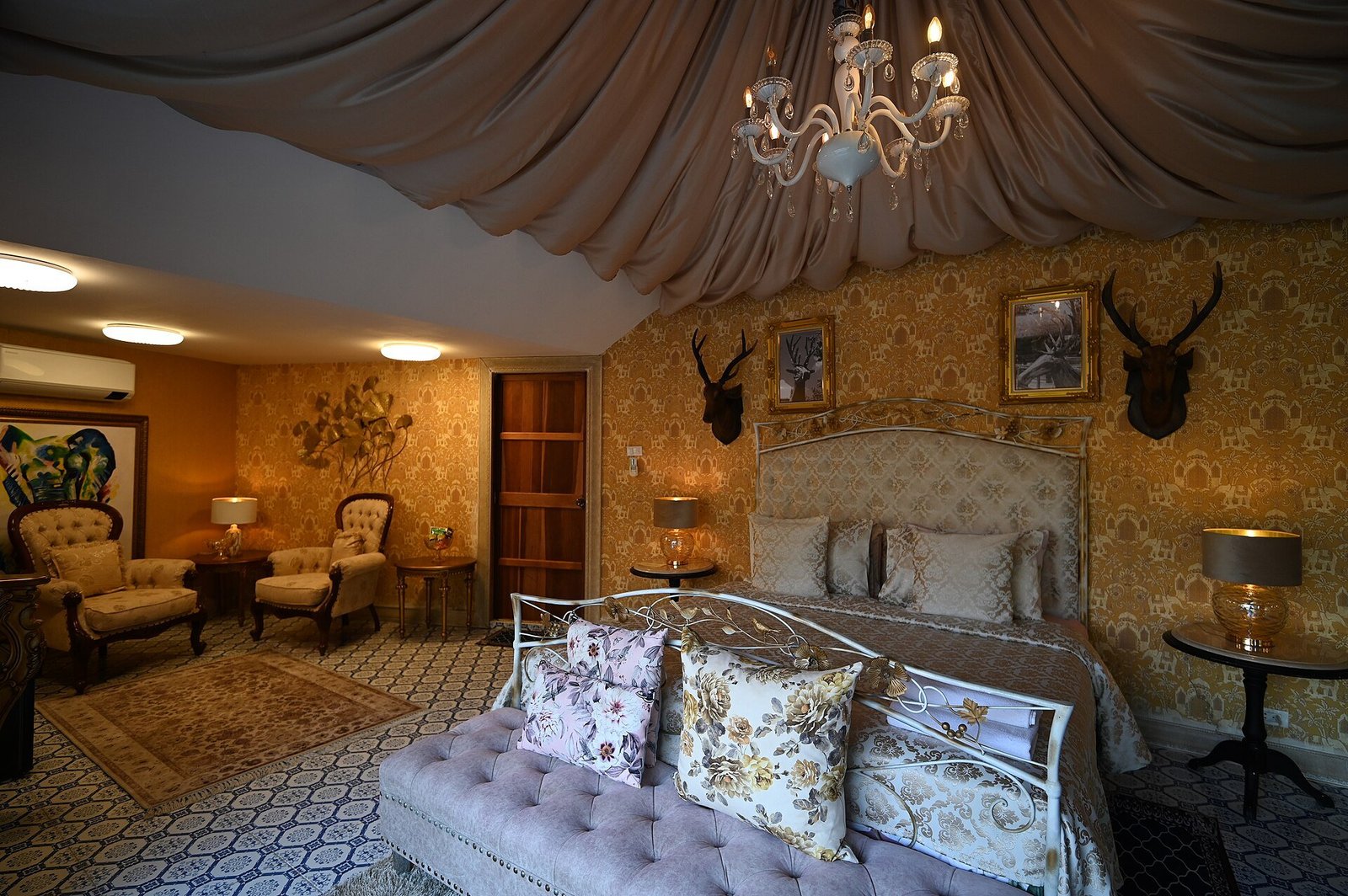
Victorian botanical wallpapers are the grandmothers of floral design: dense, richly detailed, and unapologetically romantic. Inspired by natural history illustrations, they feature roses, peonies, and ferns rendered with scientific precision against deep, moody grounds. These prints create an enveloping, library-like atmosphere that feels both luxurious and scholarly.
They work best in rooms where you want intimacy and drama: dining rooms, studies, and bedrooms with generous natural light to balance the depth of color. Pair them with dark wood furniture, brass fixtures, and velvet upholstery to complete the period mood. Keep ceilings and trim crisp white or cream to prevent the room from feeling heavy.
Modern reproductions make this look accessible without hunting for fragile originals. Many heritage brands reissue Victorian patterns in contemporary colorways, including lighter grounds that suit smaller rooms. A single roll can transform a reading nook into the most atmospheric corner of your home. Even renters can enjoy this look by papering the inside of a bookshelf or a single framed panel.

Art Nouveau Floral Designs
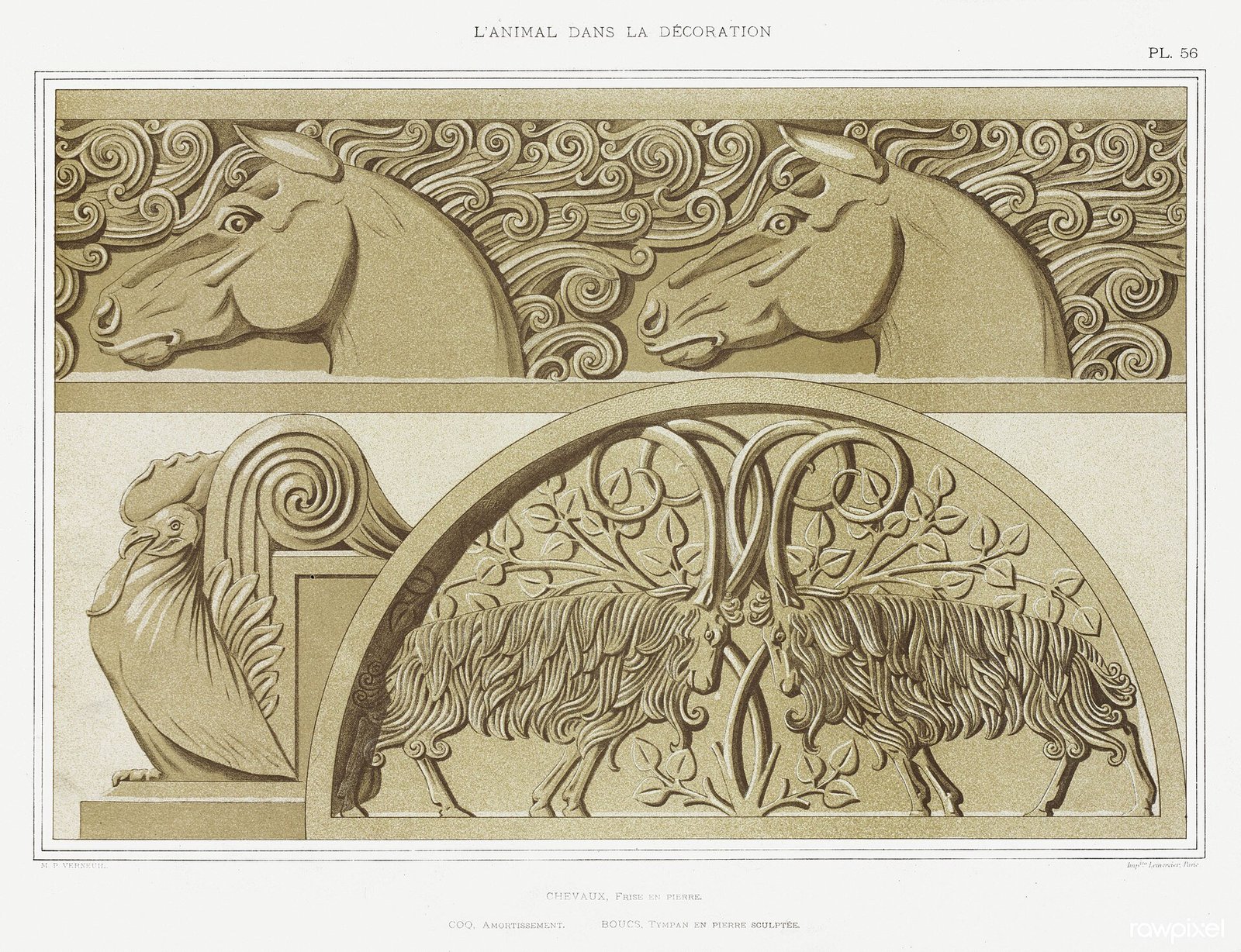
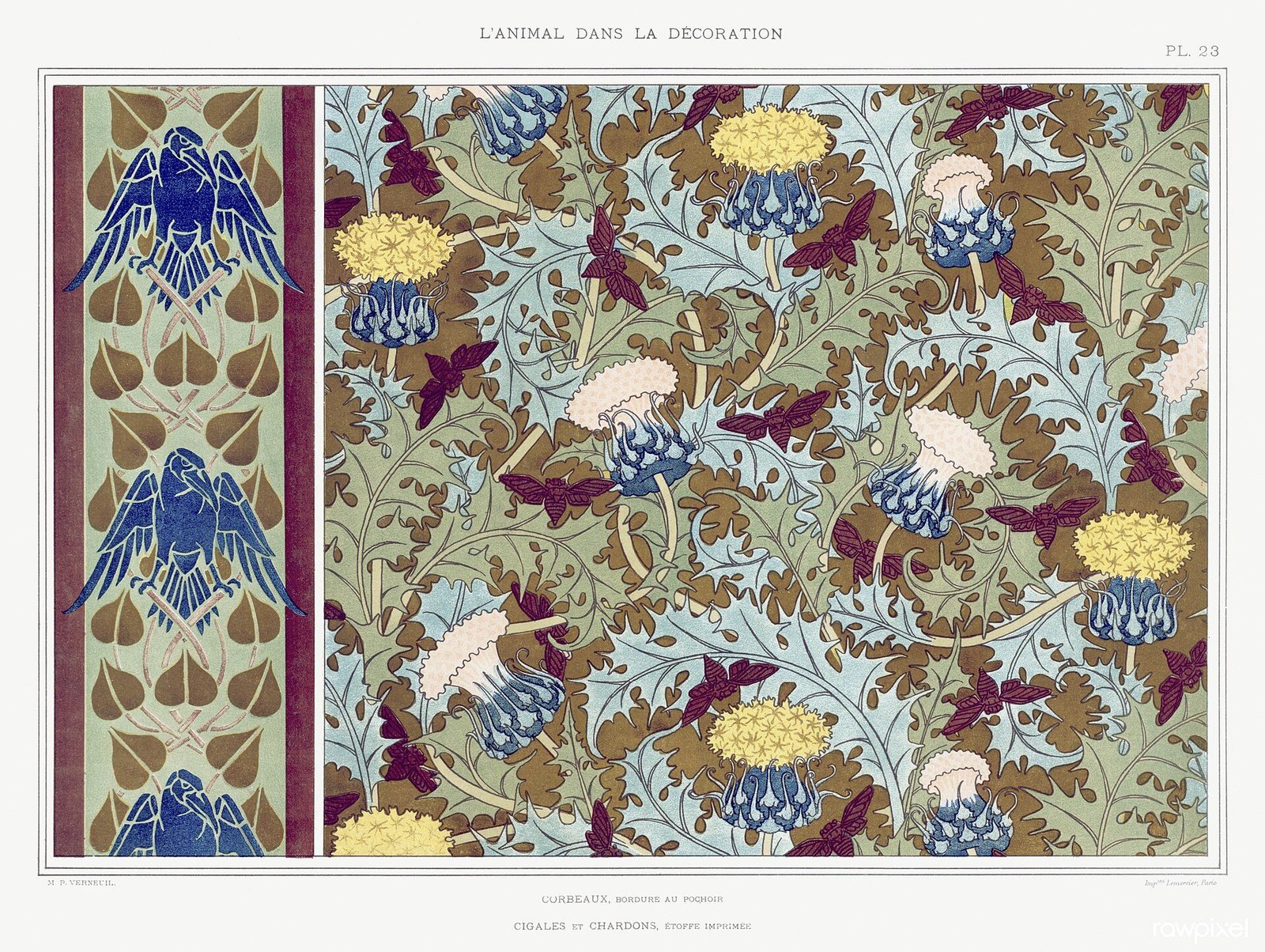
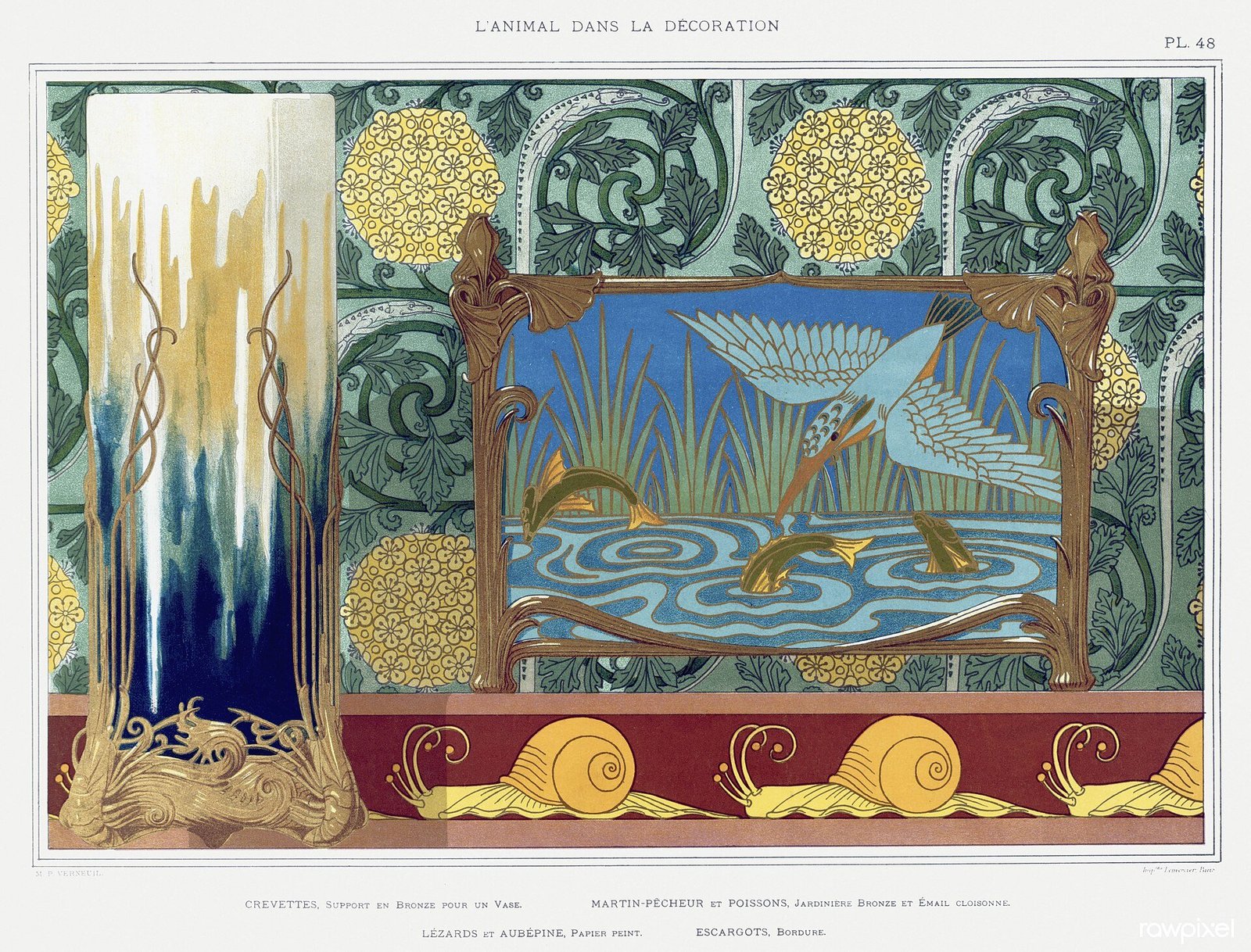
Art Nouveau florals trade Victorian density for sinuous elegance. Think climbing vines, stylized irises, and whiplash curves that flow across the wall like music. These designs feel artistic and feminine, with a hand-crafted quality that suits creative souls and lovers of the decorative arts.
They shine in spaces with organic shapes and natural materials: curved headboards, rattan furniture, and arched doorways echo the wallpaper’s lines beautifully. Muted palettes of sage, ochre, and dusty rose keep the look sophisticated rather than costume-like. Use them on a single feature wall if the all-over pattern feels too intense.
Authentic Art Nouveau papers are rare collector’s items, but excellent reproductions exist from specialist studios. Look for screen-printed versions that preserve the subtle texture of the originals. Even a narrow hallway papered in Nouveau vines becomes a gallery-like passage. The flowing lines naturally draw the eye forward, making tight spaces feel longer and more graceful.

1950s Retro Floral Patterns
Mid-century florals are the extroverts of the vintage wallpaper world: bold, cheerful, and graphic. Oversized blossoms in turquoise, coral, and mustard pop against clean backgrounds, capturing the optimism of the postwar era. These patterns bring instant energy and work wonderfully in kitchens, breakfast nooks, and children’s rooms.
Their graphic simplicity makes them easier to live with than denser historic prints. Pair them with streamlined mid-century furniture, white cabinetry, and pops of matching color in accessories. Because the backgrounds are usually light, these wallpapers can brighten a dark room dramatically.
Original 1950s rolls surface regularly at estate sales and online auctions, though colors may have faded. High-quality reproductions solve that problem while offering modern conveniences like peel-and-stick backing. A retro floral in a laundry room turns a chore space into a delight. Unexpected placements like this deliver the most joy precisely because nobody sees them coming.

Chintz: The Classic English Country Floral
Chintz is the quintessential English country floral: abundant bouquets of roses, peonies, and trailing leaves scattered across a light ground. It evokes cottage gardens, afternoon tea, and comfortable elegance. In bedrooms and sitting rooms, chintz creates a welcoming, lived-in warmth that feels like a hug.
The secret to keeping chintz fresh rather than fussy is balance. Pair it with crisp white bedding, simple linen curtains, and uncluttered surfaces. Let the wallpaper be the star and keep everything else quiet. A chintz feature wall behind the bed delivers romance without overwhelming the room.
Classic chintz patterns from heritage mills remain in production, a testament to their enduring appeal. Consider glazed chintz for a subtle sheen that catches the light beautifully. In a small bedroom, a delicate small-scale chintz feels charming rather than busy. Layering in simple white furniture keeps the overall effect light and breathable.
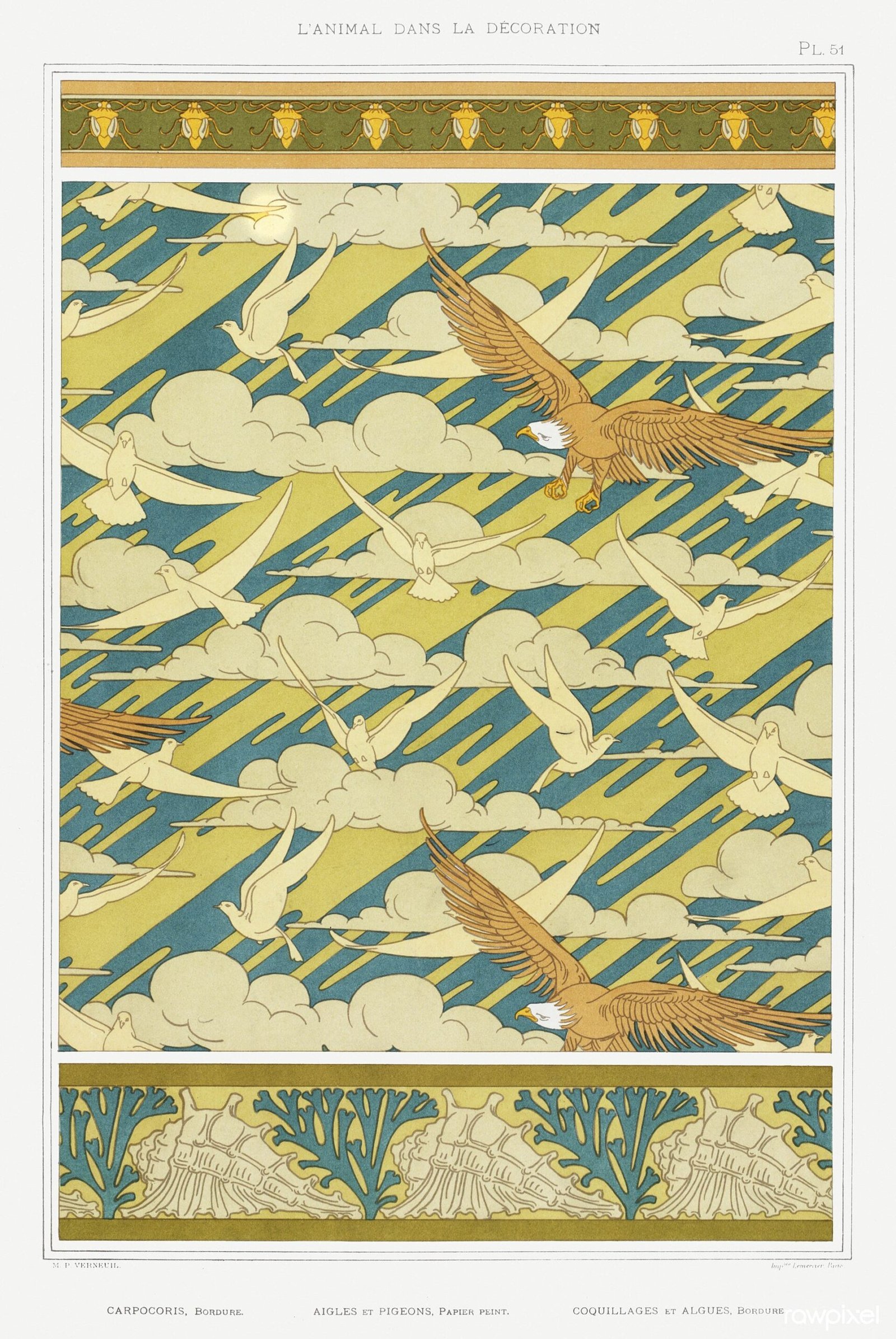
The Accent Wall Done Right
If papering an entire room feels daunting, the accent wall is your perfect entry point. Choose the wall that naturally draws the eye: behind the bed, behind the sofa, or the wall facing the entrance. A single wall of vintage floral delivers maximum impact with minimum commitment and cost.
Paint the remaining walls in a color pulled directly from the wallpaper for a cohesive look. This trick makes the accent wall feel integrated rather than pasted on. Match the paint to a background tone for calm, or to an accent color in the flowers for drama. Either way, the room will feel designed.
An accent wall is also ideal for testing a bold pattern you love but fear. Live with it for a season; if you adore it, you can always paper more walls later. Many people find one spectacular wall is exactly enough. It also leaves you budget to invest in better furniture or lighting for the rest of the room.
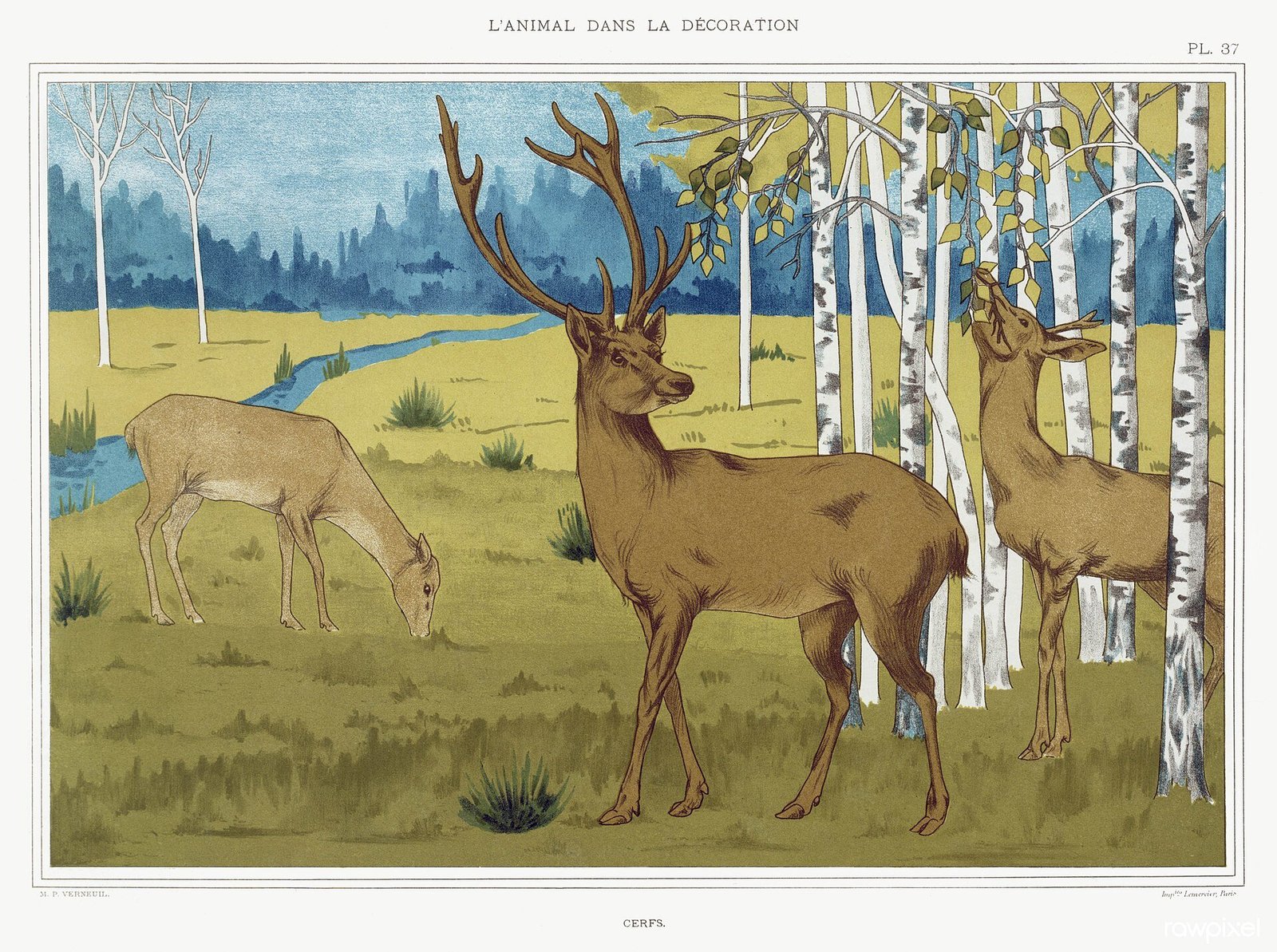
Powder Rooms: The Perfect Small Space
Powder rooms are the ideal canvas for vintage floral wallpaper. Small spaces can handle bold patterns that might overwhelm a living room, and guests experience the full effect in a delightful, concentrated dose. A jewel-box powder room papered floor to ceiling feels luxurious and intentional.
In windowless powder rooms, choose patterns with lighter grounds to keep the space feeling fresh. Add a vintage-style mirror, brass sconces, and a small pedestal sink to complete the period charm. The wallpaper does the decorating heavy lifting, so fixtures can stay simple.
Remember moisture: use a wallpaper rated for bathrooms or apply a clear protective topcoat in splash zones. With proper ventilation, floral wallpaper thrives in powder rooms for years, giving guests something beautiful to admire. It is often the smallest room in the house that leaves the biggest impression on visitors.

Bedrooms with Romantic Floral Walls
The bedroom is where vintage floral wallpaper truly belongs. Waking up surrounded by roses and trailing vines sets a romantic, restful tone that plain walls cannot provide. Choose softer, muted patterns for the walls you face from bed, saving bolder prints for the wall behind the headboard.
Layer bedding in solid colors drawn from the wallpaper palette. White or cream sheets keep the look fresh, while a quilt in a complementary tone adds depth. Avoid competing patterns on the bed; the walls are the pattern, and the bedding should support rather than fight them.
Consider papering the ceiling in a small bedroom for a cocooning effect. A soft floral overhead feels like sleeping in a garden bower. Keep lighting warm and dimmable to enhance the romantic atmosphere at night. A bedroom should feel like a retreat, and floral walls do half of that work for you.

Pairing Wallpaper with Paint Colors
The fastest way to make floral wallpaper look professional is to coordinate your paint colors with it. Pull the background color for adjacent walls and trim, and the room will feel seamless. Most wallpaper brands list coordinating paint shades, which removes all guesswork.
For a bolder approach, paint the ceiling or woodwork in a deep tone pulled from the flowers themselves. A dark green wainscot below a floral paper, for example, grounds the pattern beautifully. This technique works especially well in dining rooms and hallways with architectural trim.
Always test paint samples against the actual wallpaper in your room’s light. Colors shift dramatically between the store and your walls. Paint large test boards and move them around the room before committing to gallons. This small effort prevents expensive mistakes and gives you total confidence in the final palette.
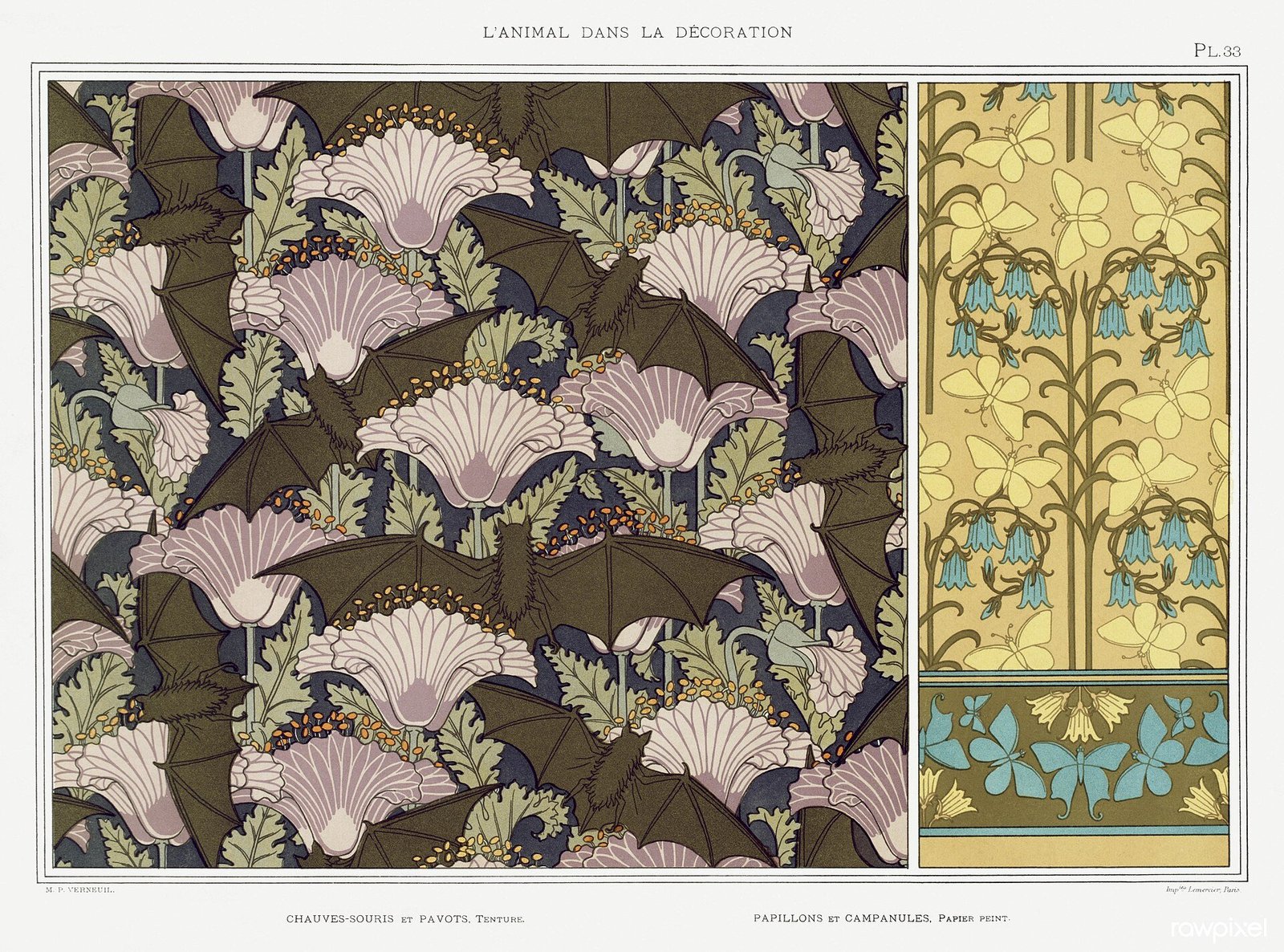
Mixing Floral Wallpaper with Modern Furniture
Vintage floral wallpaper does not require period furniture. In fact, some of the freshest interiors pair historic prints with clean-lined modern pieces. A sleek platform bed against a Victorian botanical wall creates striking, memorable contrast that feels curated rather than confused.
The key is letting each element breathe. Keep modern furniture simple and sculptural so it does not compete with the pattern. A single statement chair in a solid velvet that echoes a wallpaper color ties the eras together elegantly. Negative space is your friend.
This mix-and-match approach also future-proofs your decor. When tastes change, you can swap furniture without touching the walls. The wallpaper becomes the constant, historic anchor while everything else evolves around it.
Peel-and-Stick Options for Renters
Renters need not miss out on vintage florals. Peel-and-stick wallpaper has matured into a genuinely good product, with many designs faithfully reproducing historic patterns. It applies without paste, repositions easily, and removes cleanly when your lease ends, making it the renter’s best friend.
Choose thicker, fabric-like peel-and-stick for the most forgiving application. Work slowly, smoothing from the center outward to avoid bubbles, and use a sharp blade for clean cuts at edges. Most renters can paper an accent wall in a single weekend afternoon.
Keep a spare roll for future repairs, since dye lots can vary. When move-out day comes, peel slowly from a corner and warm stubborn spots with a hair dryer. Your walls stay pristine and your deposit stays safe.

Traditional Paste Wallpaper for Longevity
For a forever home, traditional paste wallpaper remains the gold standard. It lasts decades, offers the widest range of authentic historic patterns, and its seams virtually disappear with professional installation. If you plan to live with your florals for years, paste is worth the investment.
Preparation determines the result. Walls must be smooth, primed, and sized before hanging. While confident DIYers can hang paste wallpaper, intricate vintage patterns with complex matching are worth hiring a professional for. The cost of installation is small compared to the cost of a botched pattern match.
Maintain pasted wallpaper by dusting it gently and addressing any lifting seams promptly with a little adhesive. Properly hung and cared for, a quality floral paper can look beautiful for twenty years or more.
Scaling Pattern Size to Your Room
Pattern scale can make or break a wallpaper choice. Large-scale florals need room to breathe; in a tiny space they get cropped awkwardly and lose their effect. Small-scale prints, conversely, can look busy and indistinct on a vast wall. Match the scale to the room.
As a rule, grand patterns suit grand rooms with high ceilings and long sightlines. Delicate small prints flatter cozy bedrooms, hallways, and powder rooms. If you fall in love with a large print for a small room, use it on a single alcove or as framed panels rather than full walls.
Order the largest sample available and tape it up to judge scale honestly. A pattern that looks perfect as a swatch can feel entirely different at full size. This one step prevents the most common wallpaper regret.

Framing Wallpaper as Art
Not ready to commit to walls of pattern? Frame it. Large panels of vintage floral wallpaper in simple frames create stunning, affordable art with perfect color coordination to your room. This approach lets you enjoy a beloved pattern with zero installation risk.
Choose frames that complement the era: gilt frames for Victorian botanicals, slim black frames for graphic mid-century prints. Hang a trio in a row for rhythm, or one oversized panel as a headboard substitute. The effect is gallery-worthy.
This is also the perfect use for remnants and single vintage rolls found at flea markets. One roll yields several framed pieces, making it an economical way to bring authentic vintage paper into your home.

Vintage Floral in the Kitchen
The kitchen might seem an unlikely spot for floral wallpaper, but vintage prints bring wonderful warmth to the heart of the home. Use it on walls away from the stove and sink, or inside a glass-fronted backsplash area where it stays protected and visible.
Breakfast nooks are the sweet spot: paper the walls around a small table and chairs for a charming cottage feel. Pair the wallpaper with painted cabinetry in a coordinating color and open shelving displaying simple ceramics. The result feels collected and personal.
Choose scrubbable, vinyl-coated papers for kitchen use so grease and splashes wipe away easily. With the right product, your floral kitchen walls will stay beautiful through years of daily cooking.

Ceilings: The Unexpected Fifth Wall
Papering the ceiling is the boldest move in the vintage floral playbook, and it pays off spectacularly. A soft floral overhead transforms a bedroom into a bower or a dining room into a garden pavilion. Because ceilings are rarely the focus, even generous patterns feel surprising rather than overwhelming.
Keep walls simple when the ceiling carries the pattern: soft solids or subtle stripes let the overhead florals shine. This works beautifully in rooms with standard eight-foot ceilings, where the papered ceiling draws the eye upward and makes the space feel taller.
Hire a professional for ceiling installation; hanging paper overhead is genuinely difficult DIY. The investment is worth it for a finish so striking that guests will talk about it for years.

Layering Textiles with Floral Walls
Once the walls are floral, textiles need a supporting role. Choose solids, subtle textures, and small-scale patterns that echo the wallpaper’s colors without competing. Linen curtains, a wool throw, and a jute rug create a layered, collected feel that keeps florals from floating in a vacuum.
If you crave more pattern, mix scales deliberately: a tiny ticking stripe or small gingham can coexist with large florals because the eye reads them as texture. Keep the color palette tight, pulling every textile color from the wallpaper itself.
Upholstery in a solid velvet that matches a flower color is the ultimate companion piece. A rose-pink armchair against a coordinating floral wall looks intentional and luxurious, proving that restraint with pattern is a form of confidence.
Lighting That Flatters Floral Prints
Lighting changes everything about how wallpaper looks. Warm, dimmable light deepens vintage florals and makes their colors glow, while harsh daylight can wash out delicate prints. Layer your lighting with a mix of overhead, task, and accent sources to keep the walls looking their best around the clock.
Picture lights or wall washers aimed at a feature wall turn your wallpaper into art after dark. In bedrooms, bedside lamps with fabric shades cast a flattering glow that enhances romantic patterns. Avoid cool white bulbs, which make vintage prints look flat and lifeless.
Consider the wallpaper when choosing fixture styles too. Brass sconces suit Victorian botanicals, while simple ceramic pendants complement mid-century florals. Cohesive lighting completes the period atmosphere.
Sourcing Authentic Vintage Rolls
Hunting for genuine vintage wallpaper rolls is a treasure hunt worth undertaking. Estate sales, architectural salvage shops, and online auction sites regularly turn up unused rolls from the 1920s through the 1970s, often at surprisingly reasonable prices. The patina and printing techniques of true vintage paper are impossible to reproduce exactly.
Buy more than you think you need, since matching dye lots is impossible with vintage stock. Inspect rolls for fading, water damage, and brittleness before purchasing. Slight fading can be charming; stains and tears are not worth the trouble.
Test a strip with your intended adhesive method first, as old papers can behave unpredictably. When it works, though, nothing beats the authenticity of real vintage paper telling its own decades-long story on your walls.

Caring for and Maintaining Wallpaper
Vintage-style wallpaper rewards gentle, consistent care. Dust walls regularly with a soft brush or vacuum with a brush attachment to prevent grime buildup. Address marks promptly: most modern papers tolerate light wiping with a damp cloth, but always test in an inconspicuous spot first.
Control humidity and sunlight, the two great enemies of wallpaper. Use exhaust fans in bathrooms, and consider UV-filtering window film in sunny rooms to prevent fading. These simple precautions add years to your wallpaper’s life.
Keep leftover rolls stored flat in a dry place for future repairs. A damaged section can often be patched invisibly if you have matching paper. With thoughtful maintenance, your vintage florals will look as romantic in a decade as they do today.

I am Talha Sikandar, a professional writer with a passion for general blogging. With years of experience in content writing and research, I founded Meaniingly.com to deliver well-researched, informative, and user-friendly articles on diverse topics.