Thrifted vintage home decor finds
There’s a particular thrill in spotting a brass candlestick or a hand-thrown vase on a thrift store shelf and knowing it’s coming home with you for four dollars. Thrifted vintage home decor isn’t just about saving money — though the savings are real — it’s about filling your home with pieces that have history, craftsmanship, and character you simply can’t buy new. But successful thrifting is a skill. Walk in without a plan and you’ll either leave empty-handed or haul home a car full of regrets. This guide covers exactly what to look for, how to spot quality, what to skip, how to clean and restore your finds, and how to style vintage pieces alongside modern furniture so your home looks curated, never cluttered.
Why Thrifted Vintage Decor Beats Buying New
The case for thrifted vintage decor starts with quality. A solid brass candlestick from the 1960s, a dovetailed wooden box, or a hand-stitched quilt was built to last generations — compare that to mass-produced decor designed for a single season. Then there’s uniqueness: your thrifted finds won’t appear in a dozen friends’ homes the way big-box decor does. Sustainability matters too; every vintage piece you buy is one less new item manufactured and one less old item in a landfill. And the economics are undeniable — furnishing a room with thrifted pieces typically costs a tenth of buying new. But the real reward is intangible: a home full of storied objects feels warmer and more personal than a showroom, because every piece has a past and the story of how you found it.

Brass Candlesticks and Candle Holders: The Thrift Store Staple
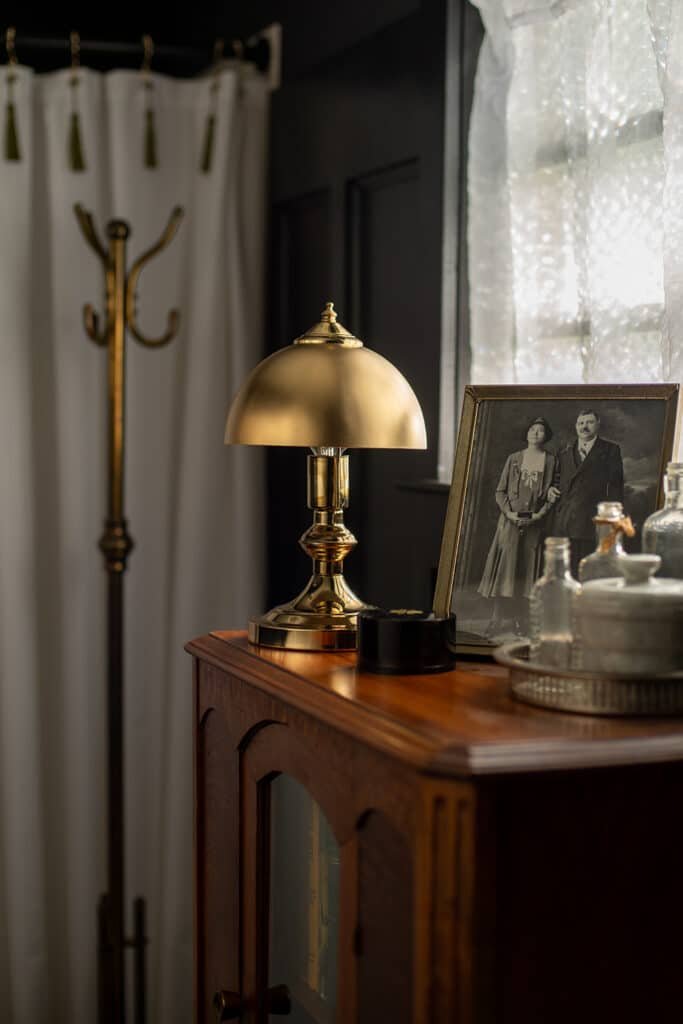
If thrift stores have a mascot, it’s the brass candlestick. They’re abundant, affordable (usually $2 to $8 a pair), and nearly indestructible — which makes them the perfect first vintage purchase. Look for solid brass, which feels heavy for its size; lightweight pieces are often brass-plated and chip more easily. Check that pairs actually match in height and design, and inspect for deep dents or missing parts. Don’t be put off by tarnish — that’s just patina, and it polishes off with a little brass cleaner and elbow grease (or embrace it; unpolished brass looks fantastic in rustic and moody interiors). Style them in groups of three at varying heights on a mantel or dining table. Once you start noticing them, you’ll build a collection in a single thrifting season.

Vintage Mirrors: Character You Can’t Buy New
A vintage mirror brings something new mirrors rarely have: soul. Look for interesting frames — carved wood, brass, bamboo, or ornate plaster — and don’t worry much about the glass itself. Light foxing (those dark spots of age) on the silvering is actually desirable; it reads as patina and character. Heavy desilvering that looks like damage is another story, so inspect in good light. Check the back for secure hanging hardware and give the frame a firm shake — loose joints can be re-glued, but crumbling plaster is a pass. Round and arched mirrors are endlessly versatile, working over consoles, in bathrooms, and as part of gallery walls. A great vintage mirror, usually $15 to $40 at thrift prices, anchors a room the way a $200 new mirror wishes it could.

How to Spot Quality Wood Furniture in a Thrift Store
Thrift store furniture is where the biggest savings hide — and the biggest mistakes. Train your eye on construction, not finish. Dovetail joints on drawers, solid wood backs (not cardboard), and screws rather than staples all signal quality. Open and close every drawer; they should glide without sticking. Press down on the piece — wobbling means loose joints, which are fixable with wood glue and clamps but should lower the price in your mind. Lift a corner: solid wood is heavy, and weight is your quickest quality test. Ugly finish? Ignore it. Scratches, dated stain, and even chipped veneer in small areas are all fixable, and a $25 solid-wood dresser plus a weekend of refinishing beats a $300 particleboard one every time. Always measure your space and your car before falling in love.
Vintage Glassware: Colored Glass, Etched Crystal, and Milk Glass
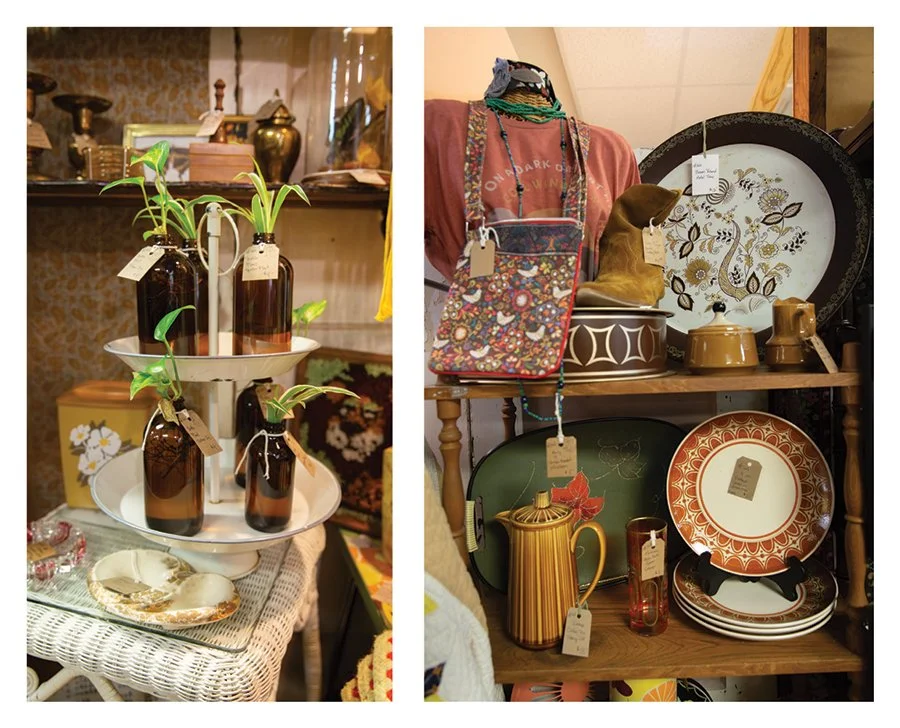
The glassware aisle is a treasure hunt that rewards a careful eye. Colored glass — amber, green, cobalt, cranberry — glows beautifully on open shelves and windowsills. Hold pieces up to the light to check for chips and cracks, running your finger around rims and bases where damage hides. Etched crystal and cut glass catch light gorgeously; look for sets, but don’t dismiss orphans — a single beautiful glass makes a perfect bud vase or catch-all. Milk glass (that opaque white glass, often in hobnail patterns) is endlessly collectible and mixes with every style. Check the bottom for maker’s marks, which hint at value, but buy what you love regardless. Wash everything thoroughly when you get home — decades of shelf dust is no joke — and you’ll have glassware with more character than anything new.

Thrifted Art: Finding Frames and Prints Worth Keeping
Art is the most subjective thrift category, which means the best strategy is simple: buy what moves you. But a few guidelines help. Quality frames alone are worth buying — solid wood frames with real glass can be repainted or restained and used for your own prints, often for under $10. For artwork itself, look for original pieces (oils, watercolors, signed prints) over mass-produced prints; check the back for artist signatures and gallery labels. Vintage botanical prints, landscapes, and portraits have timeless appeal and suit nearly any interior. Don’t overlook the delightfully weird — a strange thrift store painting becomes a conversation piece and the soul of a gallery wall. If the art is great but the frame is ugly (or vice versa), remember they’re separable: reframe good art, reuse good frames.

Vintage Textiles: Linens, Quilts, and Throw Pillows
Textiles add instant warmth, and vintage ones have textures modern fabrics rarely match. Hand-stitched quilts, embroidered table linens, and wool blankets are thrift gold — inspect for stains, odors, and moth damage by holding them to light and giving a good sniff. Washable cotton and linen pieces are the safest bets; wash everything in hot water before use. A vintage quilt folded over a sofa arm or bed foot adds pattern and history in one move. Embroidered pillowcases and table runners bring handcrafted detail to bedrooms and dining rooms for almost nothing. Even damaged textiles have uses: a stained quilt becomes a picnic blanket, and pretty fabric scraps become pillow covers or frame-worthy art. When in doubt, choose natural fibers — they age gracefully and wash well.

Ceramic and Pottery Finds: From McCoy to Mystery Pieces
Thrift store pottery shelves reward those who look past the clutter. Recognizable names like McCoy, Haeger, and Roseville appear more often than you’d think — learn a few maker’s marks and you’ll spot them. But don’t buy only for brands; a beautifully glazed anonymous vase is worth every bit as much in your home. Check for chips, cracks, and crazing (fine surface cracks) by running your fingers over the whole piece — hairline cracks near handles are common deal-breakers for functional use but fine for display. Weight and glaze quality tell you a lot: well-made pottery feels substantial and has even, interesting glazing. Group pottery in odd numbers on shelves and mantels, mixing heights and finishes. A $5 thrifted vase holding grocery-store flowers looks like a styling choice, not a budget compromise.

What to Skip: Thrifted Items Not Worth the Trouble
Knowing what to leave behind is as important as knowing what to grab. Skip upholstered furniture with unknown history unless you plan to reupholster — odors, stains, and pests hide in padding. Pass on anything with a musty smell you can’t identify; some odors never leave. Damaged particleboard furniture isn’t worth repairing — it crumbles and can’t be refinished like solid wood. Be wary of old paint that might contain lead (test kits are cheap) and vintage children’s items that predate modern safety standards. Cracked ceramics meant for food use, scratched nonstick cookware, and incomplete sets missing critical pieces are all passes. And the hardest rule: skip it if you don’t love it or have a place for it. A bargain isn’t a bargain if it lives in your garage for three years.
Cleaning and Restoring Thrifted Finds Safely
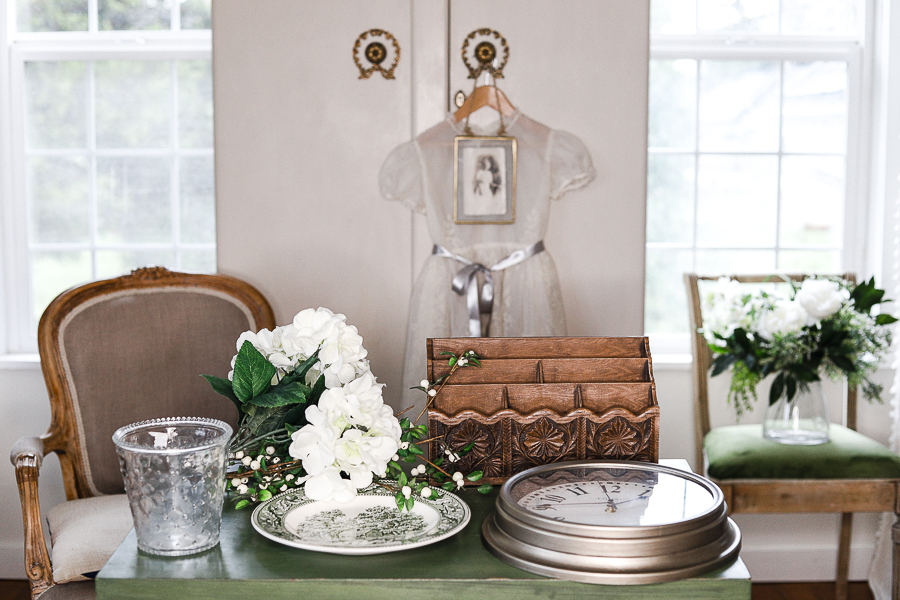
Everything thrifted needs a good cleaning before it earns a place in your home. Start simple: warm water, mild dish soap, and a soft cloth handle most hard goods. For brass, use a dedicated brass polish (or a paste of lemon juice and baking soda for light tarnish). Wood furniture gets a wipe-down with a damp cloth followed by a quality furniture oil or wax — this single step transforms most pieces. Glassware benefits from a vinegar soak for hard-water stains. For textiles, hot water wash with a cup of white vinegar kills odors; sun-drying adds natural deodorizing. Always test cleaners on hidden spots first, and never use abrasives on delicate finishes. With basic supplies and a little patience, grimy thrift finds clean up into pieces that look like they cost ten times what you paid.

The Best Days and Times to Thrift
Timing genuinely affects what you’ll find. Weekday mornings — especially Tuesday through Thursday — are the sweet spot: weekend donations have been processed and shelved, and crowds are thin. Many stores put out new stock continuously, so morning shoppers see the freshest picks. Ask staff when they restock; some stores have set schedules. Sale days (often weekends) offer discounts but picked-over shelves — great for basics, bad for treasures. The day after holidays brings donation surges as people declutter. Estate-sale-driven stores restock in waves, so befriend the staff and ask when estate lots arrive. And don’t skip the last hour before closing: some stores discount items late in the day, and you’ll have the aisles to yourself. Consistency beats luck — regular short visits outperform rare marathon trips.
Pricing Smarts: Knowing a Deal When You See One
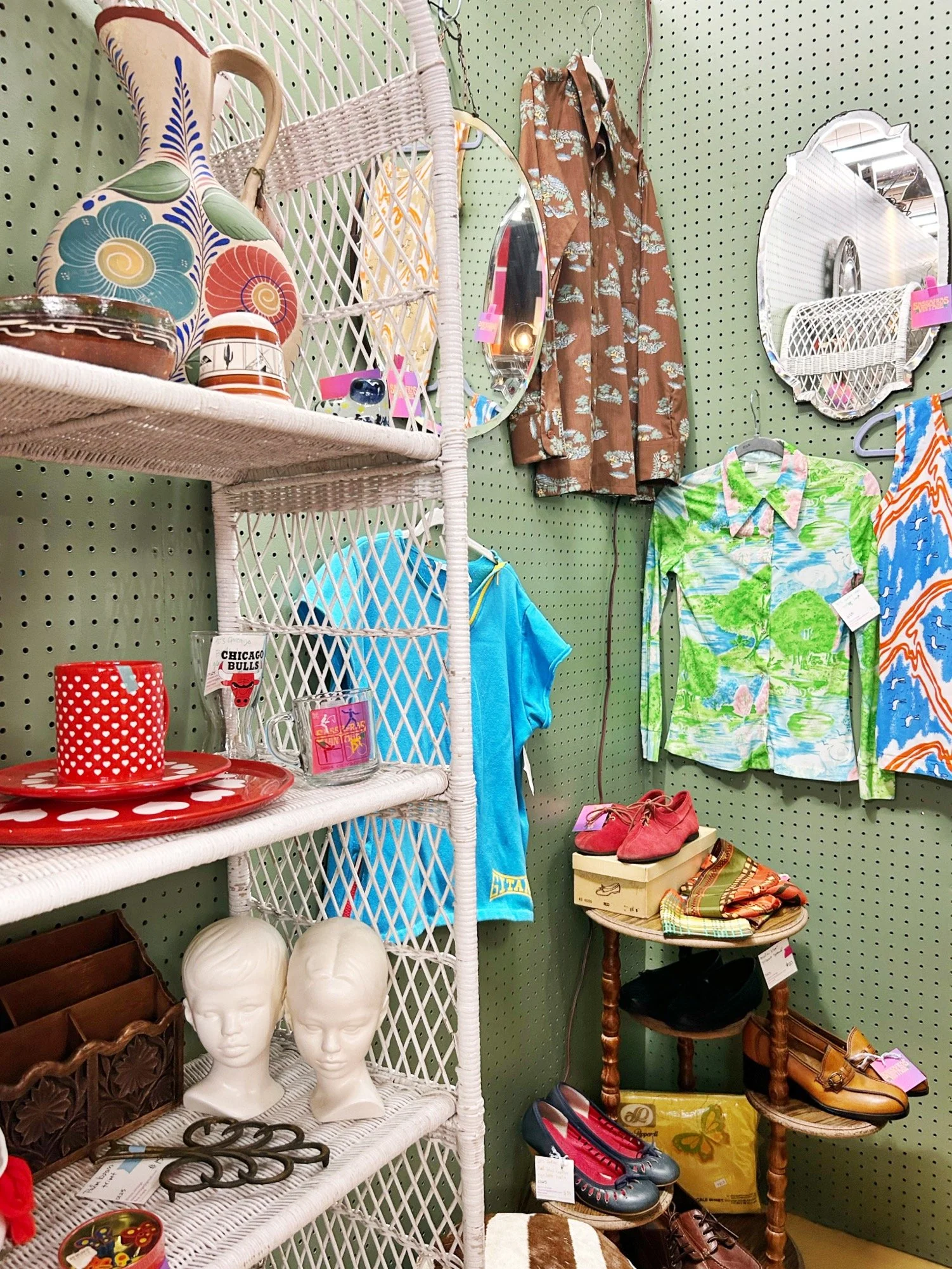
Thrift pricing varies wildly, so a little knowledge goes a long way. Before you shop seriously, browse completed listings on resale sites for items you collect — knowing that brass candlesticks sell for $30 a pair online makes a $6 thrift price an obvious yes. Check for maker’s marks, signatures, and labels; they separate the $5 vase from the $50 one. Don’t assume thrift prices are always fair — some stores overprice trendy items (looking at you, mid-century everything). Compare against new equivalents: a solid wood side table for $20 beats a $60 flat-pack version on every metric. Set a personal price ceiling per category before you walk in, and stick to it — the “but it’s only…” trap is how clutter accumulates. Remember: the goal is a curated home, not a full garage.

Vintage Lighting: Lamps, Shades, and Chandeliers
Vintage lighting transforms rooms faster than almost any other thrift category. Ceramic and brass table lamps from past decades are abundant — always check that the wiring is intact, the socket isn’t cracked, and the plug isn’t frayed. Rewiring a lamp is a $15 kit and a 30-minute job, so don’t fear old wiring, but do respect it: have questionable pieces checked. Shades can be replaced cheaply, so buy for the base. Small chandeliers and pendant lights appear regularly; verify all parts are present and budget for an electrician if you’re not comfortable with hardwired installation. A $12 thrifted lamp with a new $20 shade looks like a $150 boutique find. Pro tip: bring a small bulb to test lamps in the store — dead outlets are common, and a working test saves guesswork.

Small Decor, Big Impact: Bookends, Boxes, and Curios
Small vintage objects are the jewelry of a room — they add personality without demanding space. Brass bookends (animals, ships, abstract shapes) are both functional and sculptural. Wooden boxes, from simple dovetailed keepsake boxes to inlaid treasures, corral clutter beautifully on desks and nightstands. Curios like magnifying glasses, small globes, vintage cameras, and scientific instruments add intellectual charm to shelves. The styling secret is grouping: three small objects of varying heights beat one lonely item every time. Rotate these pieces seasonally to keep shelves feeling fresh without buying anything new. Because smalls are cheap — often $1 to $5 — they’re the lowest-risk way to experiment with vintage style and discover what you actually love living with.

Styling Thrifted Finds With Modern Furniture
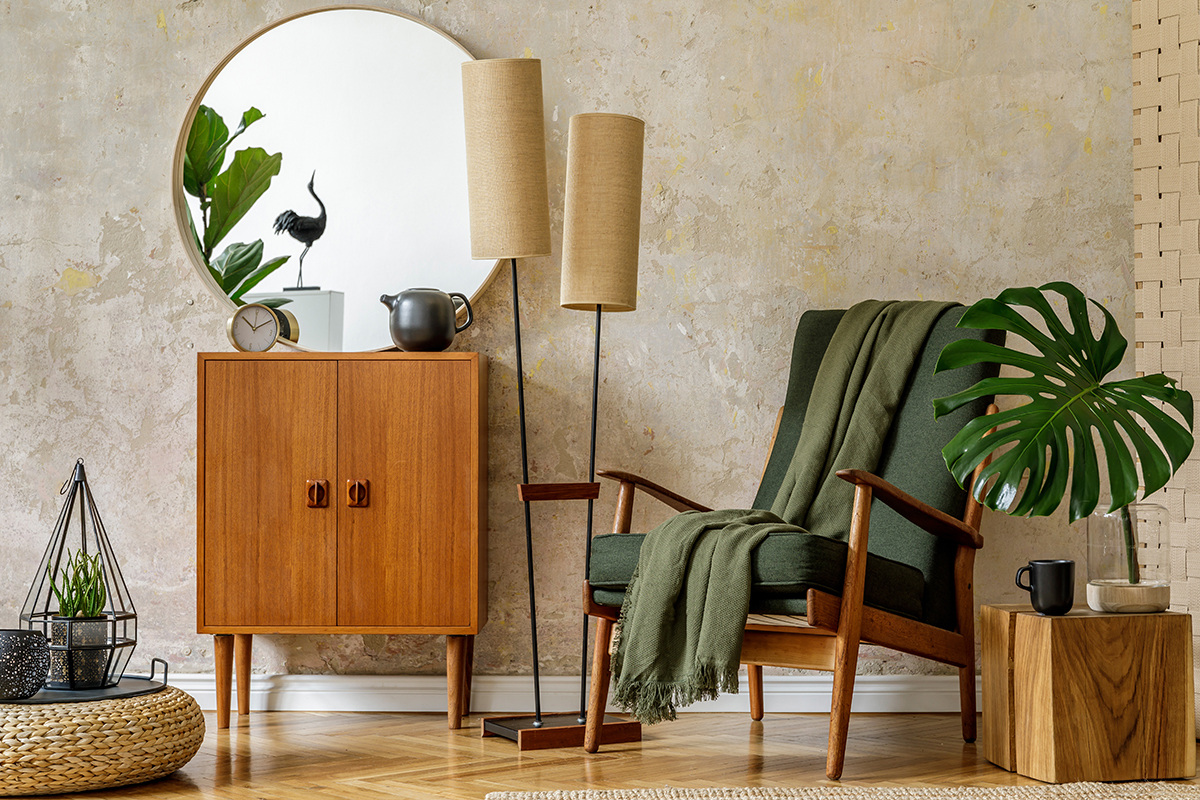
The magic formula for a collected-not-cluttered home is mixing eras: roughly 70 percent modern basics, 30 percent vintage character pieces. Let modern furniture provide clean lines and comfort — your sofa, your bed — while vintage pieces add soul: a thrifted mirror over a modern console, brass candlesticks on a minimalist dining table, vintage art in a contemporary gallery wall. Repeat materials for cohesion: if your vintage brass appears in three rooms, the whole house feels intentional. Give statement vintage pieces breathing room — a stunning thrifted armchair deserves not to be crowded. And edit ruthlessly: if a find doesn’t earn its place within a month, donate it back. The thrift cycle is beautiful that way — your castoff becomes someone else’s treasure.
Thrifted Kitchen Decor: Copper, Cast Iron, and Crocks
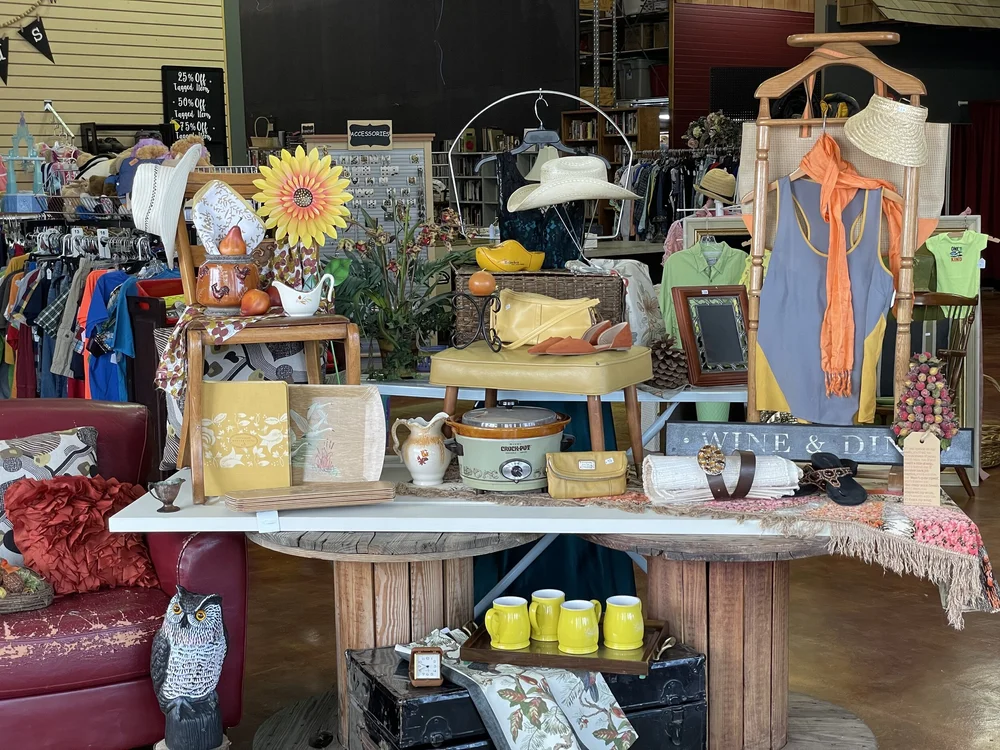
Vintage kitchenware is both beautiful and genuinely useful. Copper pots and molds develop a rich patina and hang beautifully from a rail or on open shelving — check that cooking pieces have intact linings if you plan to use them. Cast iron skillets are thrift legends: even rusty ones restore beautifully with scrubbing, seasoning, and patience, and they’ll outlive us all. Stoneware crocks and pitchers work as utensil holders, vases, or countertop storage. Old scales, sifters, and rolling pins make charming display pieces on open shelves. Enamelware in classic colors chips gracefully and suits farmhouse and cottage kitchens. As with all kitchen thrifting, inspect food-contact items carefully for cracks and lead (especially brightly glazed imports), and when in doubt, use questionable pieces for display only.

How to Thrift for a Specific Style
Thrifting with a style in mind — farmhouse, mid-century modern, boho, traditional — keeps you focused and prevents a mishmash. Make a short list of signature materials and shapes for your style: mid-century means teak tones, tapered legs, and atomic patterns; farmhouse means distressed wood, galvanized metal, and crocks; boho means rattan, brass, layered textiles, and global patterns. Save reference photos on your phone for in-store comparison. Learn the visual shorthand of your style’s peak eras so you can date pieces at a glance. It’s fine to thrift outside your style occasionally — one contrasting piece adds depth — but the 80/20 rule keeps things cohesive. And be patient: building a style-specific collection takes months of regular visits, which is exactly what makes the finished rooms feel personal.

Online Thrifting: Estate Sales and Marketplace Tips
Physical thrift stores are just the beginning. Estate sale companies list upcoming sales with photos — arrive early on day one for the best picks, or late on the final day for deep discounts (often half off). Online marketplaces are digital thrift stores: search with specific terms (“brass candlesticks,” “milk glass vase”) and set alerts for new listings. Always check seller ratings, ask for additional photos of damage-prone areas, and factor shipping into the true cost — a $10 vase with $15 shipping is a $25 vase. Auction sites reward patience; set a max bid and walk away when it’s exceeded. For local pickup listings, bring cash, a tape measure, and help for furniture. Online thrifting expands your hunting ground enormously, but the in-person thrill of the shelf discovery is irreplaceable.

DIY Upcycles: Paint, Hardware, and Simple Transformations
Some thrifted pieces need only a nudge to become perfect. A coat of chalk or mineral paint transforms dated wood furniture — the key is prep: clean thoroughly, scuff-sand glossy finishes, and use quality paint. Swapping hardware is the fastest furniture upgrade in existence; new knobs and pulls on a thrifted dresser take twenty minutes and change its whole personality. Reupholstering a chair seat is beginner-friendly: unscrew the seat, wrap new fabric, staple, reattach. Lampshades, mirror frames, and picture frames all take spray paint beautifully — metallics and matte black are the most forgiving. Line drawers with pretty paper, add casters to a trunk for a coffee table, turn a ladder into a blanket rack. Upcycling isn’t about hiding a piece’s age; it’s about editing it to fit your home.

Building a Curated Vintage Home Over Time
The best thrifted homes aren’t built in a weekend — they’re assembled over years of happy accidents. Resist the urge to fill every shelf immediately; live with blank spaces while you hunt, and let the right pieces find you. Keep a running list (phone notes work perfectly) of what you’re looking for so every thrift trip has purpose: “brass floor lamp,” “large vintage art for hallway,” “stoneware pitcher.” Photograph your rooms so you can check proportions and colors while shopping. Celebrate the hunt itself — some of the best finds come on ordinary Tuesdays when you weren’t even looking. And remember the golden rule of thrifting: when you see something you love at a price you like, buy it. The thrift store’s cruelest law is that the one you left behind will be gone tomorrow.
Thrifted vintage home decor is more than a budget strategy — it’s a way of making a home that couldn’t belong to anyone else. Start with the easy wins: brass candlesticks, a great mirror, a stack of colored glass. Learn to spot quality construction, clean everything well, and style your finds alongside modern pieces for that collected, intentional look. Visit regularly, keep your list handy, and trust your eye — it sharpens with every trip. Your home won’t look like a catalog, and that’s entirely the point. It’ll look like you, with stories on every shelf.

I am Talha Sikandar, a professional writer with a passion for general blogging. With years of experience in content writing and research, I founded Meaniingly.com to deliver well-researched, informative, and user-friendly articles on diverse topics.