Pecan pie cake recipe
Pecan pie cake brings together two beloved desserts in one irresistible bake: the gooey, caramel sweetness of pecan pie and the soft, tender crumb of a classic layer cake. Toasted pecans, brown sugar, butter, and vanilla create a deep, nutty flavour that tastes like autumn in every bite, while a silky caramel glaze adds shine and richness. This cake is perfect for Thanksgiving, Christmas, family gatherings, and any occasion when you want a showstopping dessert without complicated techniques. With simple pantry ingredients and a few careful steps, you can bake a cake that slices beautifully and disappears fast.
In this recipe guide, you will learn how to make pecan pie cake from scratch, including how to toast pecans for maximum flavour, how to keep the cake moist, and how to make a smooth caramel topping that sets perfectly. You will also find variations, storage tips, serving ideas, and answers to common baking questions, so even first-time bakers can succeed with confidence.
Why Pecan Pie Cake Is the Perfect Holiday Dessert
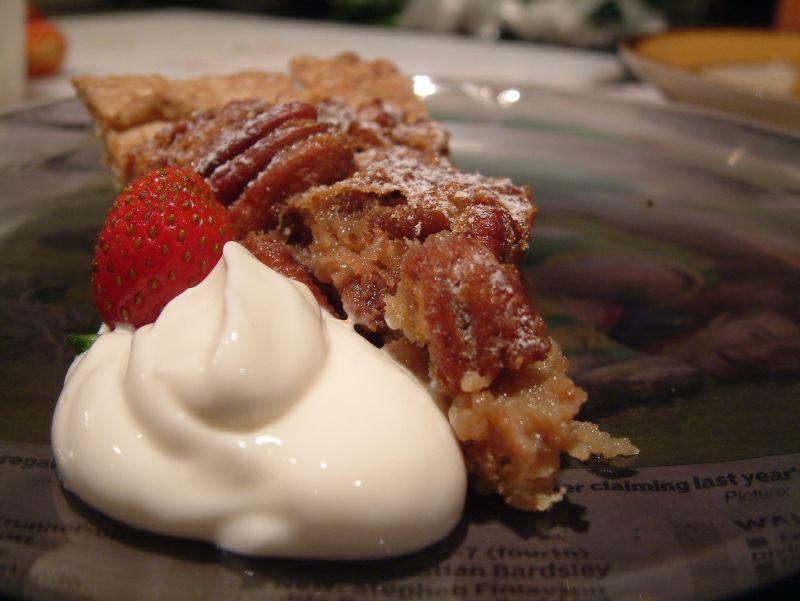
Pecan pie cake solves the classic holiday dilemma: pie or cake. It gives you both, with a tender cake base, a sticky pecan filling, and a glossy topping that looks impressive on any table. Unlike traditional pecan pie, which can be tricky to slice and sometimes soggy, this cake holds its shape beautifully and serves clean slices every time. It also travels well, making it ideal for potlucks and family dinners. The flavour is familiar yet special, appealing to guests of all ages, and it pairs perfectly with coffee, whipped cream, or vanilla ice cream. Once you try it, it may become your new holiday tradition.
Ingredients You Will Need for the Cake
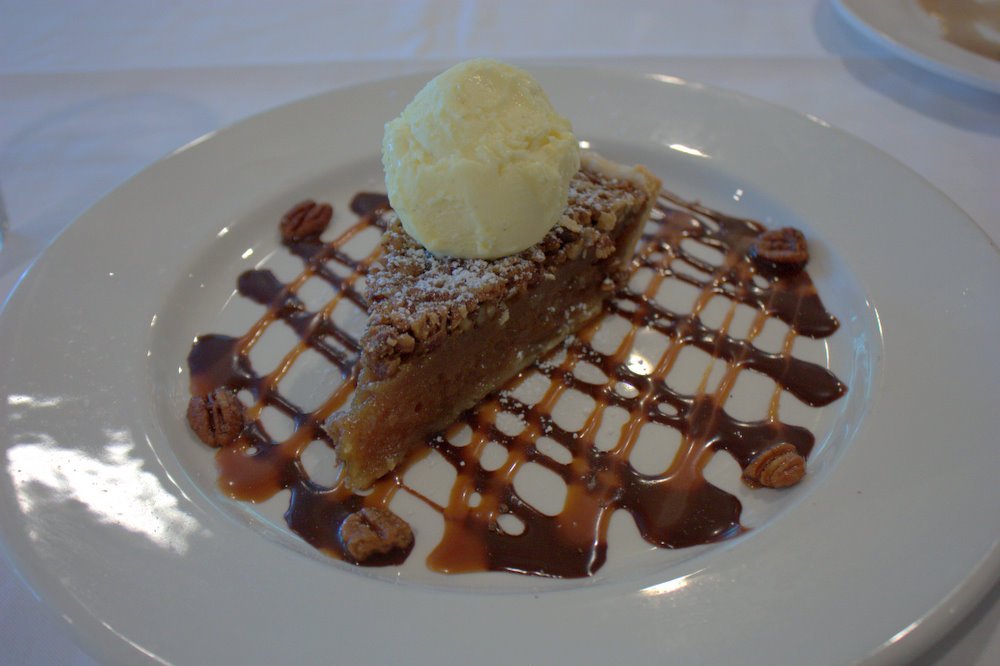
For the cake, you will need all-purpose flour, baking powder, baking soda, salt, unsalted butter, brown sugar, granulated sugar, eggs, vanilla extract, buttermilk, and chopped pecans. Buttermilk keeps the crumb tender and adds a subtle tang that balances the sweetness. Use room-temperature butter and eggs so the batter mixes evenly and rises properly. Brown sugar adds moisture and a caramel-like depth that white sugar alone cannot provide. Toast the pecans before adding them to the batter, because toasting brings out their oils and intensifies their nutty flavour. Measure flour correctly by spooning it into the cup and levelling it off, rather than scooping directly from the bag.
How to Toast Pecans for Maximum Flavour
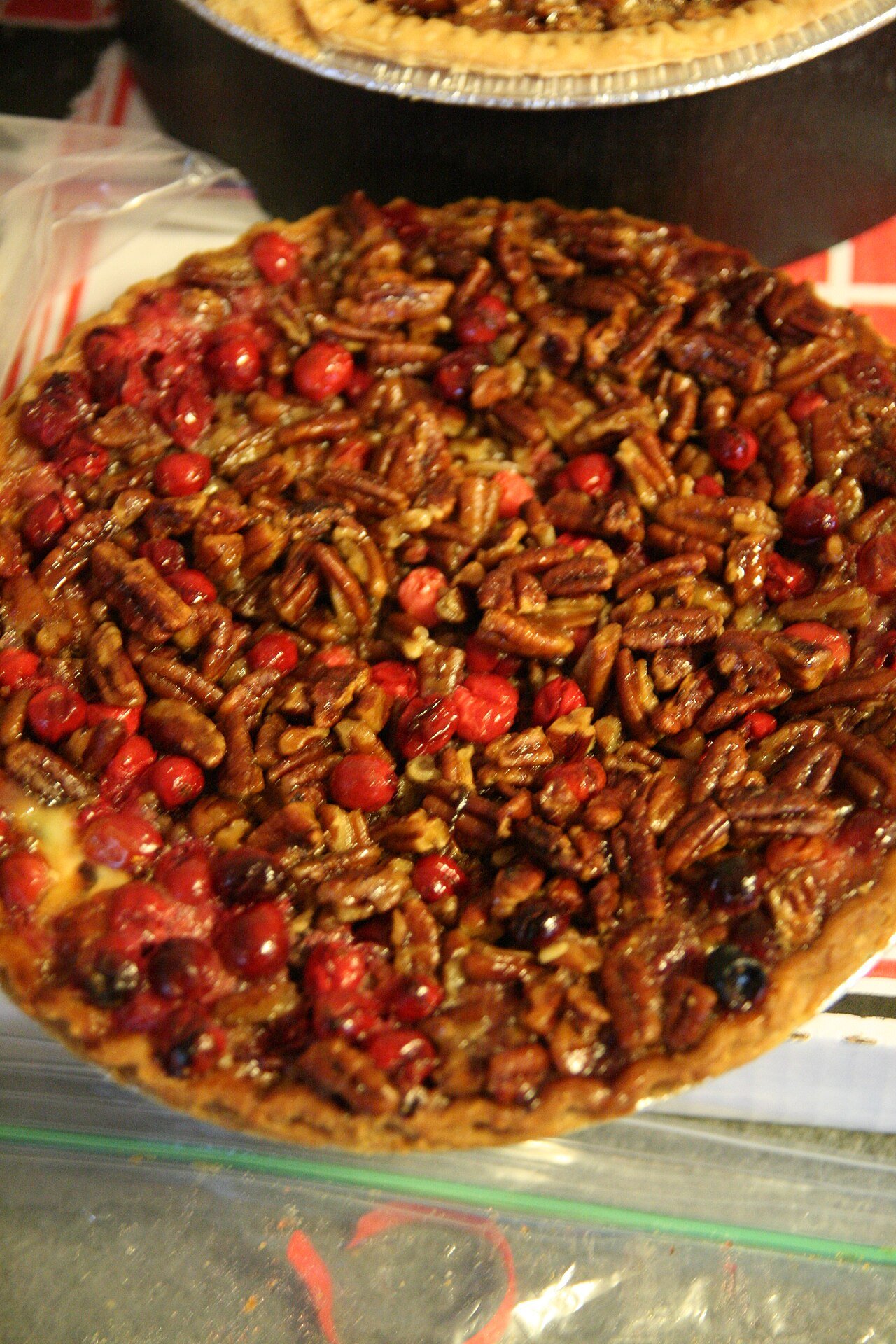
Toasting pecans is a small step that makes a huge difference. Spread chopped pecans in a single layer on a baking sheet and toast them in a preheated oven at 175 degrees Celsius for seven to nine minutes, stirring once halfway through. Watch them closely, because pecans can burn quickly once they start to colour. They are ready when they smell fragrant and look a shade darker. Let them cool completely before chopping or adding them to batter, otherwise warm nuts can melt butter and change the texture. You can also toast pecans in a dry skillet over medium heat, stirring constantly for three to five minutes. Toast extra pecans for decorating the top.
Preparing Your Cake Pans Properly

Proper pan preparation prevents sticking and ensures clean, even layers. Use two or three eight-inch round cake pans, depending on how tall you want the cake. Grease each pan with butter or baking spray, line the bottom with parchment paper, then grease the parchment lightly and dust with flour. This double protection is especially important for a moist, nutty cake that can cling to pans. Tap out excess flour and set pans aside while you mix the batter. If you only have two pans, bake in batches or use a bundt pan as an alternative, adjusting the baking time accordingly. Well-prepared pans make assembly much easier and keep your layers intact.
Mixing the Cake Batter Step by Step
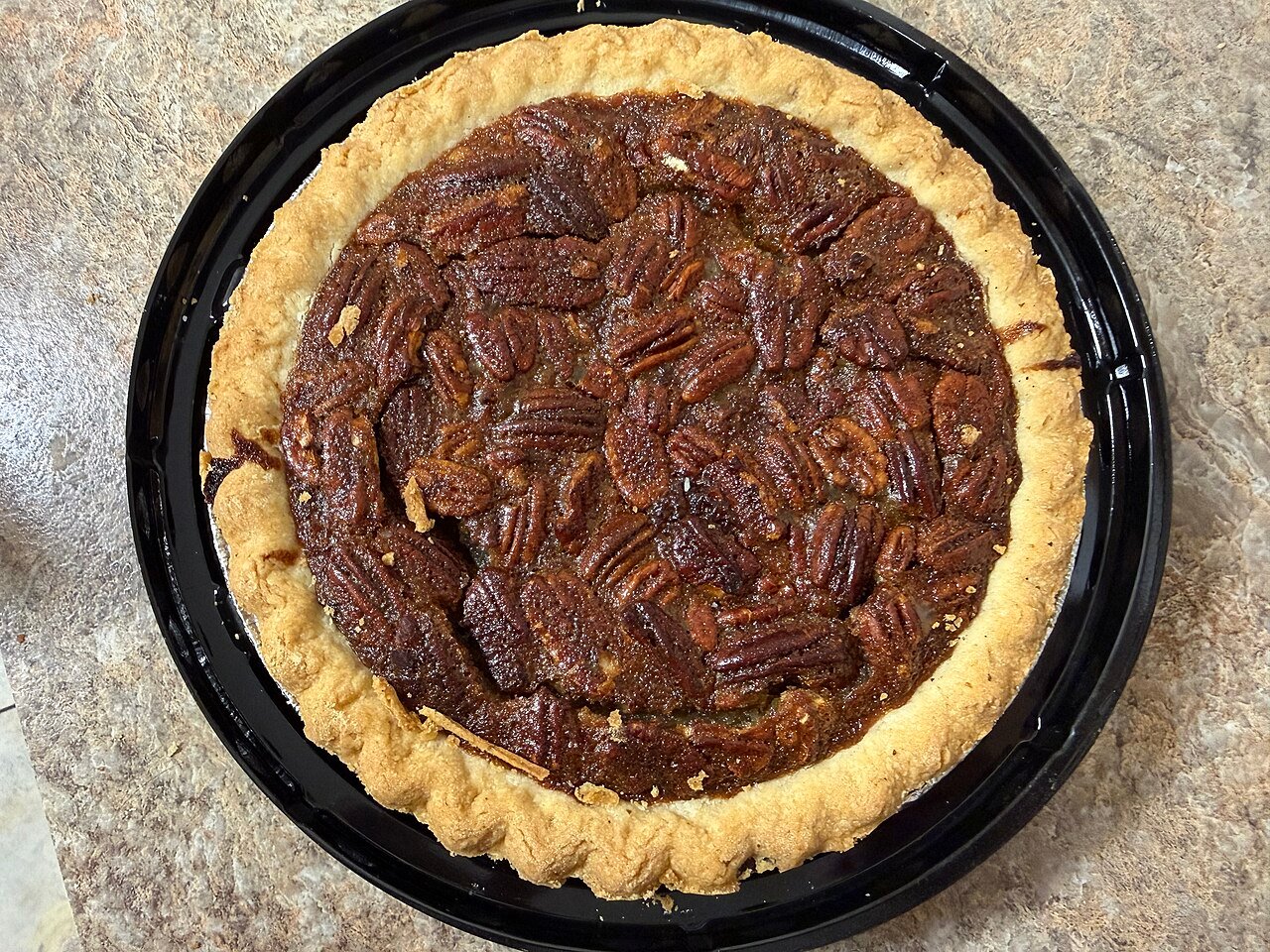
Start by creaming softened butter with brown and granulated sugar until light and fluffy, about three to four minutes. This step traps air in the batter and gives the cake a soft texture. Beat in eggs one at a time, mixing well after each addition, then stir in vanilla extract. In a separate bowl, whisk together flour, baking powder, baking soda, and salt. Add the dry ingredients to the butter mixture in three parts, alternating with buttermilk, beginning and ending with flour. Mix just until combined after each addition, because overmixing develops gluten and makes cake tough. Finally, fold in toasted chopped pecans with a spatula for even distribution.
Making the Gooey Pecan Pie Filling
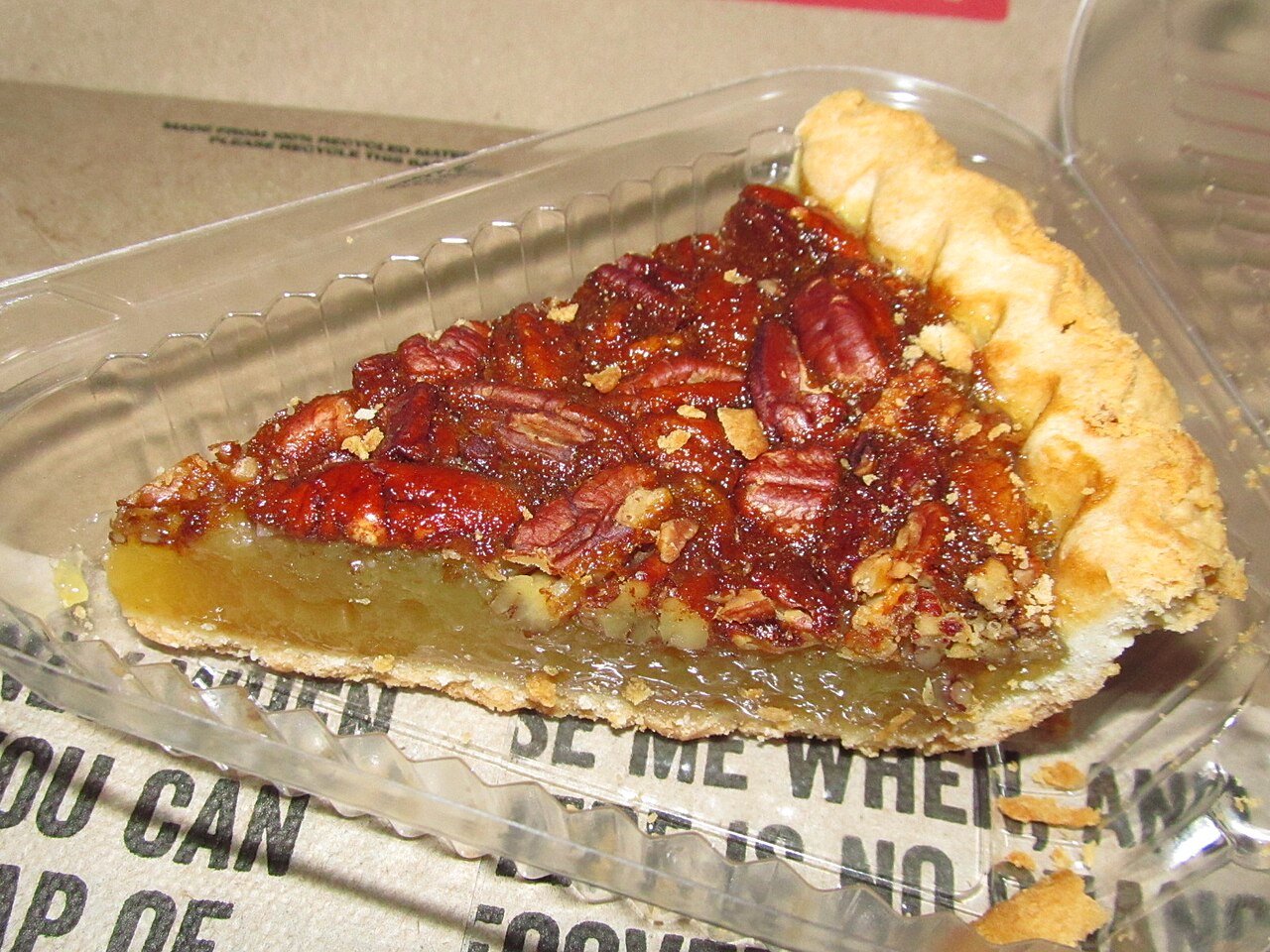
The pecan pie filling is what makes this cake truly special. In a saucepan, melt butter with brown sugar, corn syrup or maple syrup, cream, and a pinch of salt, stirring until smooth. Simmer gently for two to three minutes until slightly thickened, then stir in vanilla and chopped toasted pecans. Let the filling cool until it is thick but still spreadable. This filling goes between the cake layers, creating a sticky, caramel layer that mimics pecan pie. Do not make it too hot when assembling, or it will soak into the cake and slide. A thick, cooled filling stays in place and gives each slice a beautiful layered look.
Baking the Cake Layers to Perfection

Divide the batter evenly between prepared pans, smoothing the tops with a spatula. Bake in a preheated oven at 175 degrees Celsius for twenty-five to thirty minutes, or until a toothpick inserted in the centre comes out with a few moist crumbs. Avoid opening the oven door too early, which can cause layers to sink. The cakes should spring back lightly when touched and pull slightly away from the pan edges. Let layers cool in their pans for ten minutes, then turn them onto wire racks to cool completely. Cooling fully is essential before frosting, because warm cake melts buttercream and causes layers to slide apart.
Preparing a Smooth Caramel Buttercream
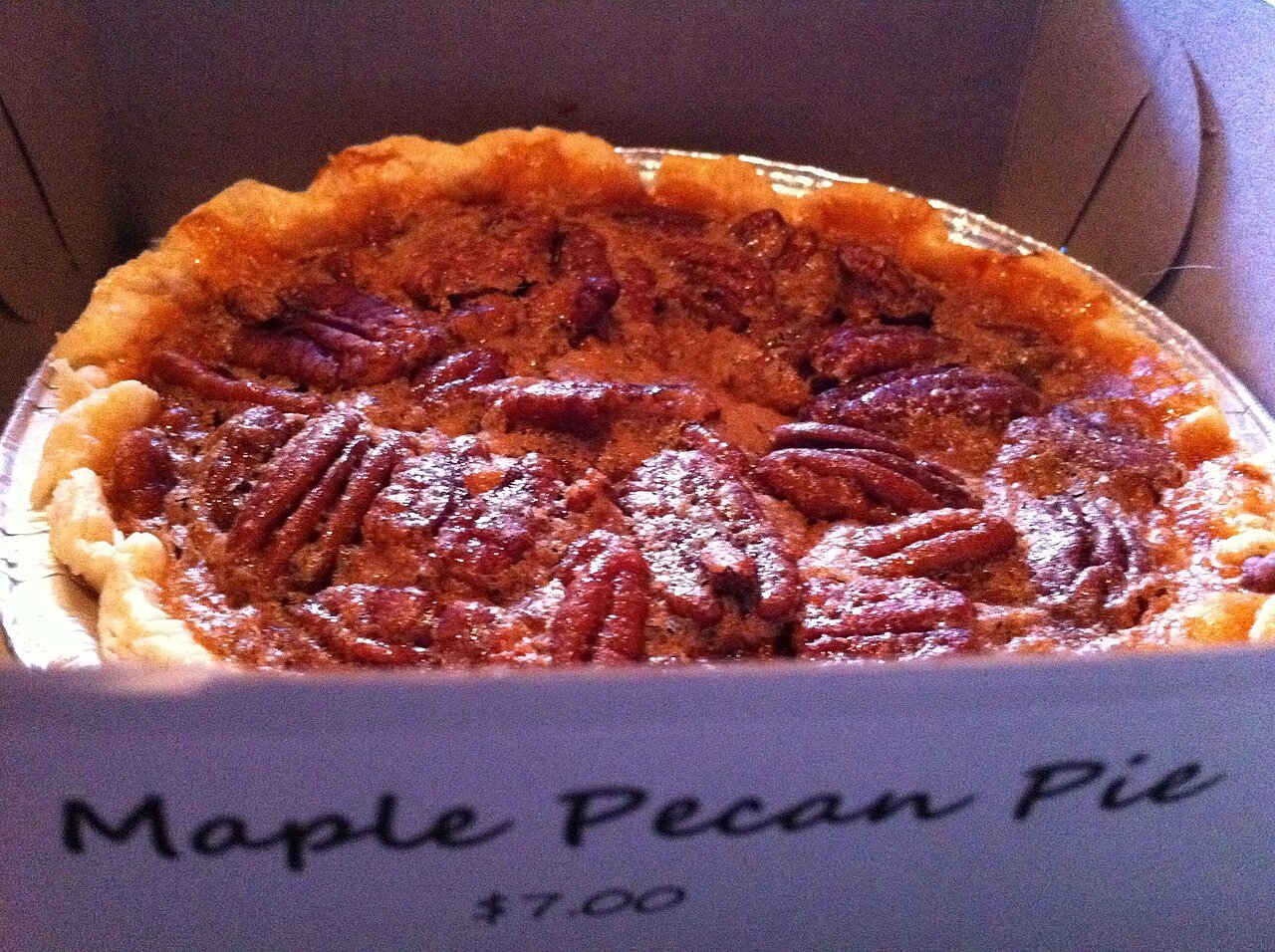
Caramel buttercream adds richness without overpowering the pecan flavour. Beat softened butter until creamy, then gradually add powdered sugar, a pinch of salt, and vanilla. Add cooled caramel sauce a spoonful at a time, beating until smooth and fluffy. If the buttercream is too thick, add a teaspoon of cream at a time; if too soft, add a little more powdered sugar. Taste and adjust sweetness, remembering that the pecan filling is already sweet. For a lighter frosting, use a Swiss meringue buttercream base and fold in caramel. Keep buttercream at room temperature while frosting so it spreads smoothly without tearing the cake layers.
Assembling the Cake Like a Professional
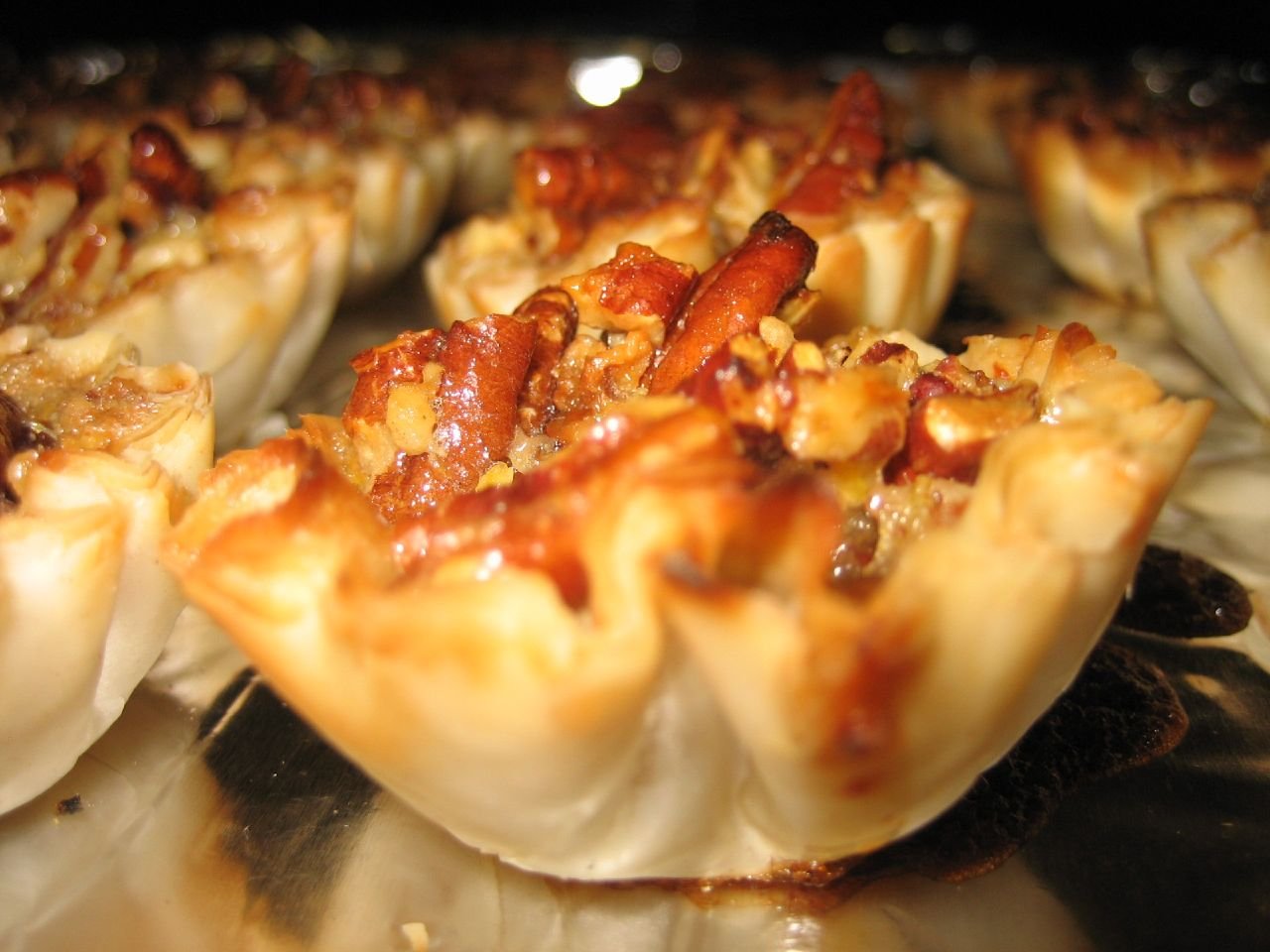
Place the first cake layer on a serving plate or turntable, trimming the top flat if needed. Spread a thin layer of buttercream around the edge to create a dam, then spoon pecan filling inside the dam. Place the second layer on top and repeat, finishing with the final layer placed flat-side up. Apply a thin crumb coat of buttercream over the whole cake and chill for twenty to thirty minutes to set crumbs. Then apply a final smooth layer of buttercream, using an offset spatula and a bench scraper for clean sides. Take your time, rotate the turntable slowly, and wipe the scraper clean between passes for a polished finish.
Making the Caramel Glaze Topping
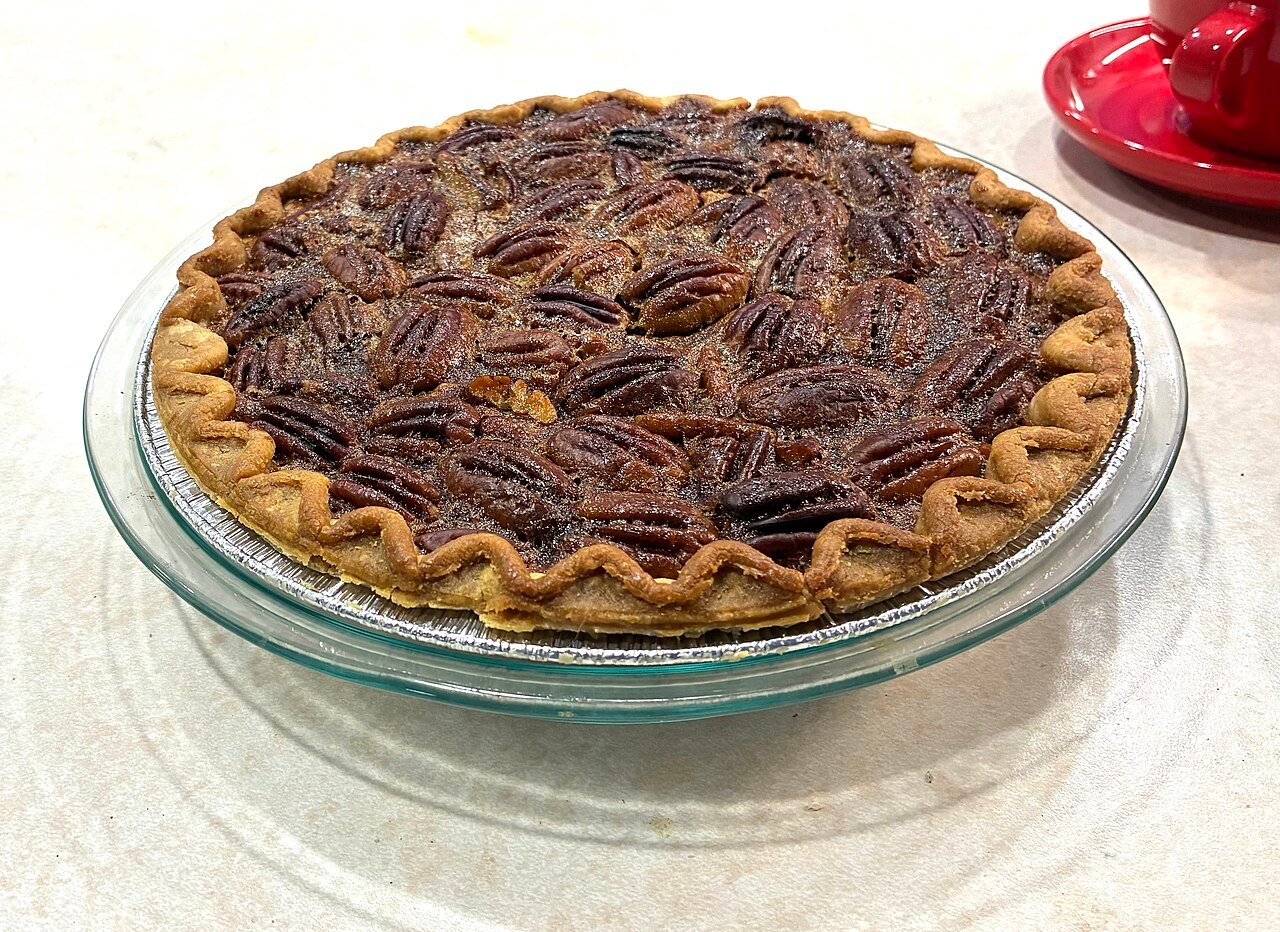
A glossy caramel glaze dripping down the sides makes this cake look bakery-worthy. Warm caramel sauce until pourable but not hot, then slowly pour it over the centre of the chilled cake, letting it drip naturally over the edges. Use a spoon to guide drips where needed, but avoid overworking the glaze. For a thicker drip, use caramel at room temperature; for longer drips, warm it slightly. Work quickly and confidently, because caramel sets as it cools. If drips look uneven, that is part of the charm, and toasted pecans on top will draw the eye. Chill briefly to set the glaze before serving.
Decorating With Toasted Pecans and Flair
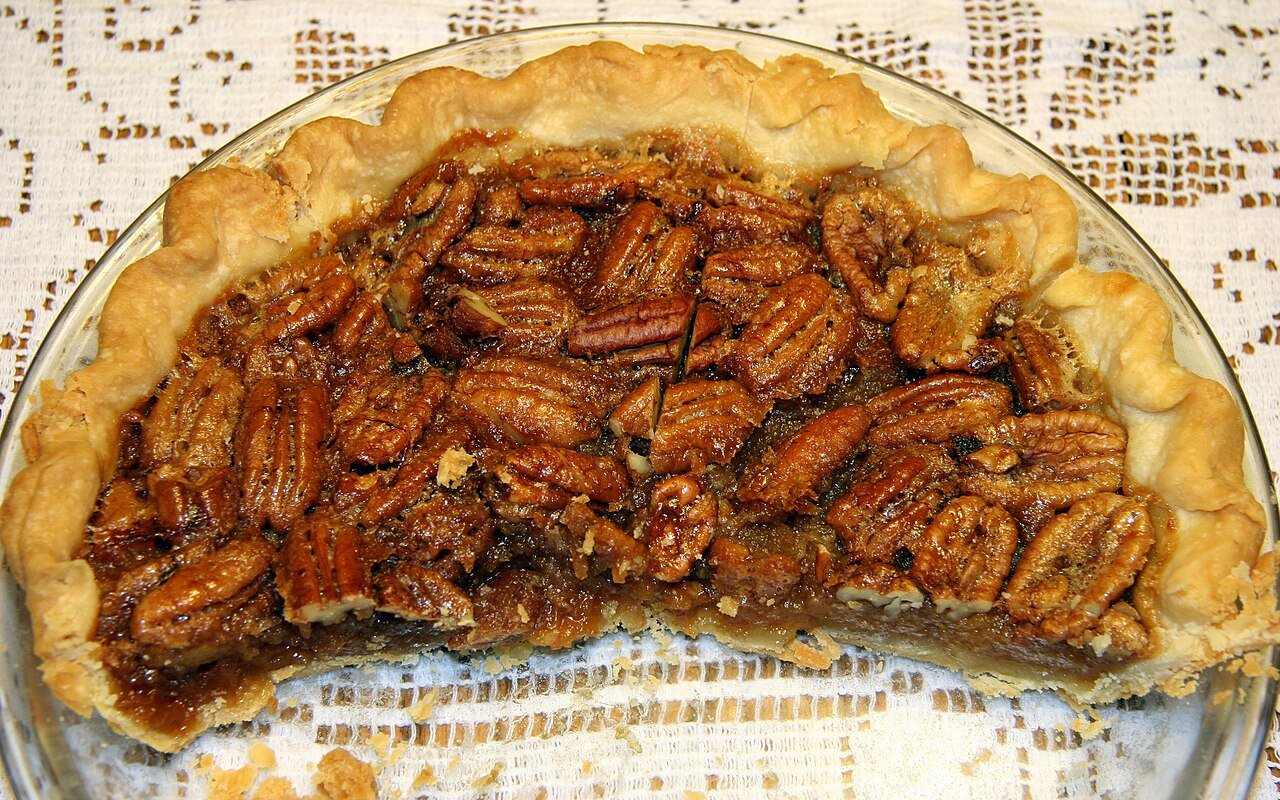
Decorate the top with whole toasted pecans arranged in a circle, a spiral, or a generous pile in the centre. Add a light sprinkle of flaky sea salt to balance sweetness and enhance caramel flavour. A few piped buttercream rosettes around the edge add elegance, while a drizzle of extra caramel adds shine. Keep decorations simple and intentional, because the cake itself is already rich and beautiful. If serving at a holiday table, add a few sugared cranberries or rosemary sprigs for festive colour, but remove inedible decorations before slicing. The goal is a cake that looks as good as it tastes.
Serving Suggestions and Perfect Pairings
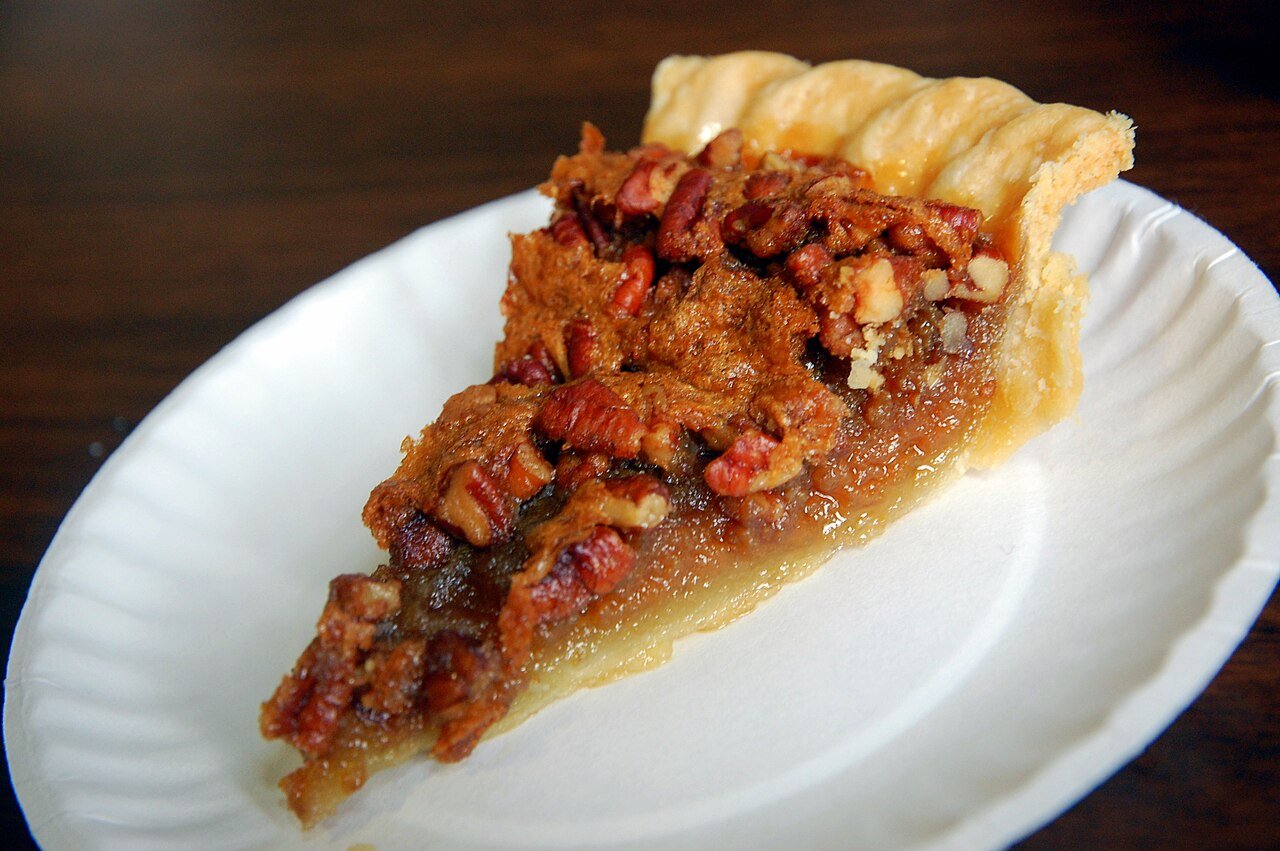
Serve pecan pie cake at room temperature for the best flavour and texture. Use a sharp serrated knife, wiping it clean between slices, to get neat layers. Pair each slice with lightly sweetened whipped cream, vanilla ice cream, or a dollop of crème fraîche to cut the richness. Coffee, black tea, spiced cider, and bourbon-spiked whipped cream all complement the caramel and pecan flavours beautifully. For a holiday dessert table, serve smaller slices alongside other desserts so guests can taste everything. A warm slice with cold ice cream is especially comforting on a cold evening.
How to Store Pecan Pie Cake Safely
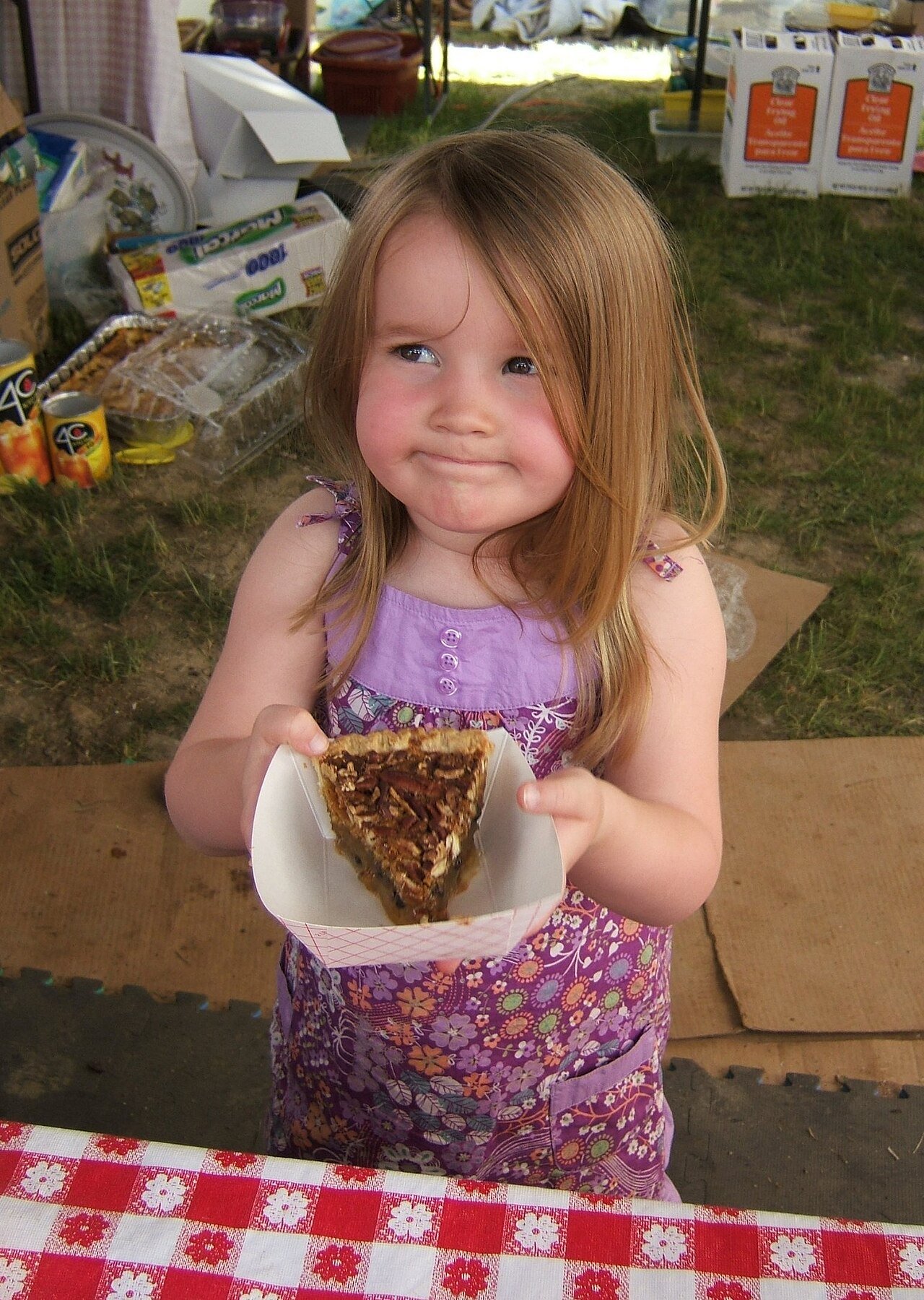
Store leftover cake in an airtight container at room temperature for up to two days, or in the refrigerator for up to five days. Because of the buttercream and filling, refrigerated cake can firm up, so let slices come to room temperature for thirty minutes before serving. Cover cut edges with plastic wrap to prevent drying. For longer storage, freeze individual slices wrapped tightly in plastic wrap and foil for up to three months. Thaw overnight in the refrigerator, then bring to room temperature before serving. Proper storage keeps the cake moist and flavourful, so no slice goes to waste.
Make-Ahead Tips for Busy Holidays

Pecan pie cake is an excellent make-ahead dessert. Bake cake layers up to two days ahead, wrap them tightly in plastic wrap, and store at room temperature or freeze for longer. Make the pecan filling and caramel sauce a day ahead and refrigerate them, warming gently before use. Assemble and frost the cake the day before serving, then refrigerate it uncovered briefly to set the frosting before covering loosely. Bring the finished cake to room temperature before serving. Spreading the work over several days makes holiday baking far less stressful and often improves flavour as the layers settle.
Common Mistakes and How to Avoid Them

Common mistakes include overmixing batter, using cold ingredients, and frosting warm layers. Overmixing makes cake dense, so mix just until ingredients disappear. Cold butter and eggs do not cream properly, so set them out an hour before baking. Frosting warm cake melts buttercream and causes sliding, so always cool layers completely. Another mistake is adding hot filling between layers, which soaks the cake and makes it unstable. Finally, avoid overbaking, which dries the crumb; check the cake a few minutes before the timer ends. With these simple fixes, your cake will turn out moist, stable, and beautiful.
Delicious Variations to Try Next Time

Once you master the classic recipe, try fun variations. Add chocolate chips to the batter for a chocolate pecan cake, or swirl cocoa into half the batter for a marbled effect. Use maple syrup instead of corn syrup for a deeper, woodsy flavour. Add bourbon to the caramel sauce for an adult twist, or add orange zest to brighten the sweetness. For a bundt version, pour batter into a greased bundt pan, bake longer, and top with caramel glaze and pecans. For cupcakes, divide batter into lined muffin tins and top each with a spoonful of pecan filling and buttercream. Each variation keeps the spirit of pecan pie while adding something new.
Gluten-Free and Dairy-Free Adaptations

You can adapt pecan pie cake for dietary needs with a few swaps. For gluten-free cake, use a one-to-one gluten-free flour blend that contains xanthan gum, and check that baking powder is gluten-free. The texture will be slightly denser but still moist and delicious. For dairy-free cake, use plant-based butter, oat or almond milk mixed with a teaspoon of vinegar instead of buttermilk, and coconut cream in the caramel. Choose dairy-free buttercream or a whipped coconut cream topping. Always check labels for hidden dairy or gluten, especially in caramel sauce and chocolate. With careful substitutions, everyone can enjoy this dessert.
Nutritional Notes and Portion Guidance

Pecan pie cake is a rich, celebratory dessert, so enjoy it in sensible portions. Pecans themselves provide healthy fats, fibre, vitamin E, and magnesium, which is a nutritional bonus in an otherwise sweet treat. A standard slice is generous, so consider cutting twelve to sixteen slices from a three-layer cake rather than eight large ones. Serving with fresh fruit, unsweetened whipped cream, or black coffee helps balance sweetness. If you want a lighter version, reduce sugar slightly, use less buttercream, and increase the proportion of toasted pecans for flavour without extra frosting. Enjoyment and balance can go together.
Frequently Asked Questions About Pecan Pie Cake

Can I use store-bought caramel sauce? Yes, good-quality store-bought caramel works well and saves time. Can I make this cake without corn syrup? Yes, maple syrup or golden syrup are excellent substitutes. Why did my cake sink? This is often caused by underbaking, too much leavening, or opening the oven door too early. Can I freeze the whole cake? Yes, freeze it unwrapped until firm, then wrap tightly and freeze for up to three months. Should pecan pie cake be refrigerated? It can stay at room temperature for two days, but refrigerate longer for food safety, especially in warm kitchens. These answers cover the most common concerns.
Final Tips for a Showstopping Pecan Pie Cake
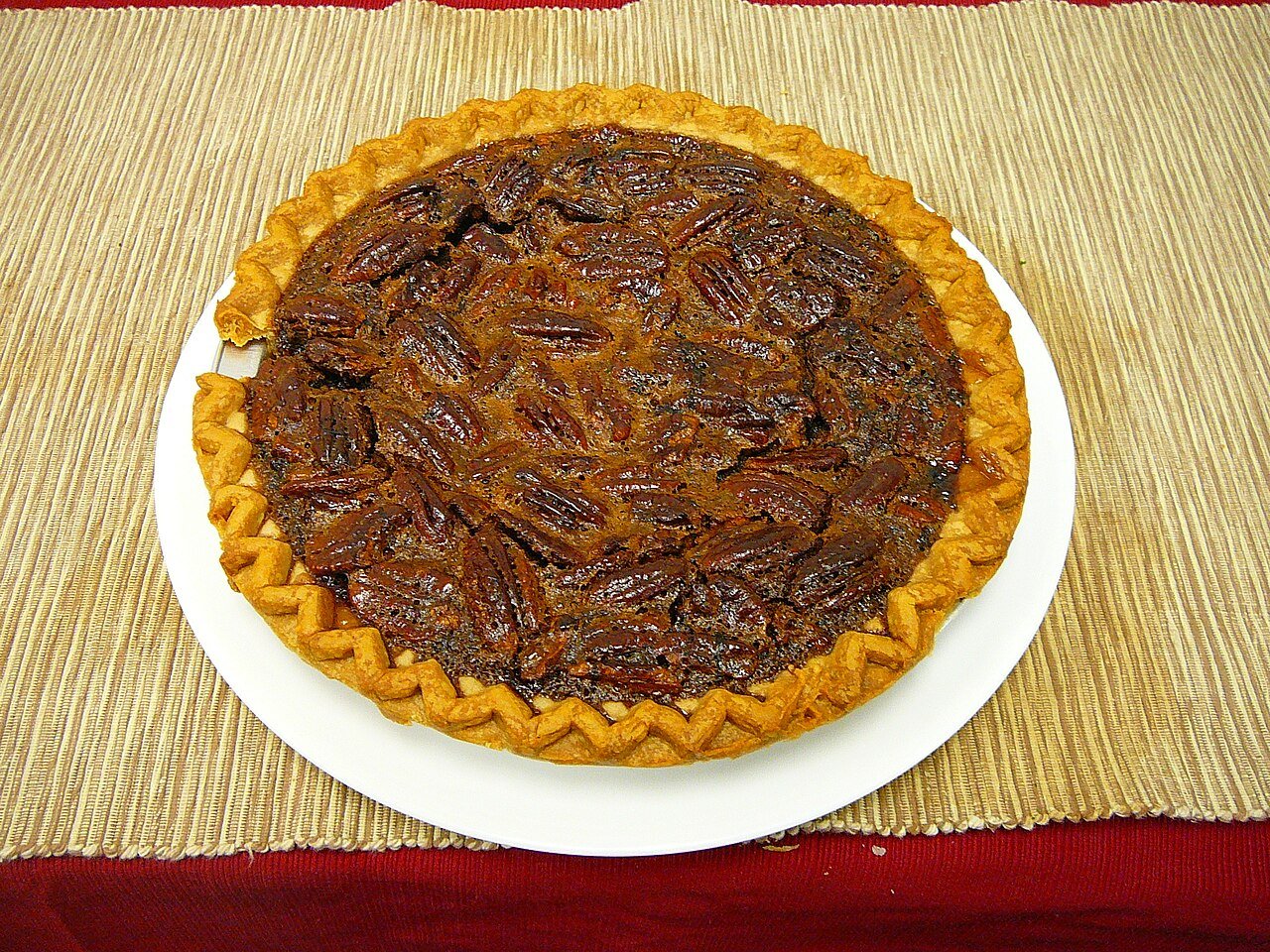
For a truly showstopping cake, focus on three things: flavour, texture, and presentation. Toast your pecans, do not overbake, and let layers cool completely. Use a dam of buttercream to hold the filling, chill the crumb coat, and finish with a confident caramel drip. Decorate simply with toasted pecans and a pinch of sea salt. Most importantly, bake with patience and enjoy the process, because a relaxed baker makes better cake. Share it with people you love, serve it with pride, and watch it become a requested favourite at every holiday gathering. This pecan pie cake is worth making again and again.
If you do not have three eight-inch pans, you can still make this cake successfully with a few adjustments. Two nine-inch pans will bake faster, so start checking for doneness at twenty-two minutes, while a single nine-by-thirteen pan will need about thirty-five to forty minutes and can be served as a sheet cake with filling swirled on top. A bundt pan also works beautifully, but increase the baking time to fifty to sixty minutes and let the cake cool completely before glazing. At high altitude, reduce sugar slightly, add an extra egg yolk for structure, and increase oven temperature by about ten degrees. Always trust the toothpick test more than the clock, because ovens vary.
Although caramel buttercream is a classic pairing, several other frostings work wonderfully with pecan pie cake. Cream cheese frosting adds a gentle tang that cuts through caramel sweetness, while a lightly sweetened whipped cream frosting makes the cake feel lighter and more delicate. A brown butter buttercream adds nutty depth that echoes the toasted pecans, and a simple vanilla buttercream lets the pecan filling shine. For a less sweet finish, frost the cake thinly and let the caramel drip and pecans provide most of the sweetness. Taste your frosting before assembling, and remember that balance matters more than quantity when a cake already has a rich filling.
A simple holiday timeline makes pecan pie cake stress-free. Three days before serving, toast pecans and make caramel sauce, storing both in airtight containers. Two days before, bake the cake layers, cool them completely, and wrap tightly for storage. One day before, make the pecan filling and buttercream, assemble the cake, apply the crumb coat and final frosting, and add the caramel drip and pecans. Refrigerate the finished cake loosely covered, then bring it to room temperature for at least forty-five minutes before serving. Spreading tasks across days keeps your kitchen calm and gives flavours time to develop beautifully.
Leftover pecan pie cake, if you are lucky enough to have any, can be transformed into new desserts. Crumble slices into glasses with whipped cream and extra caramel for a quick trifle, or cube the cake and toast it lightly for a crunchy topping over ice cream. Day-old cake also makes an excellent base for a bread pudding style dessert when warmed with a little cream. If slices start to dry out, brush them lightly with warm caramel or serve them with a scoop of ice cream and a drizzle of sauce. Creative leftovers mean nothing is wasted, and a second dessert feels like a bonus rather than an afterthought.
For a professional bakery finish, use a turntable, an offset spatula, and a bench scraper when frosting, and chill the cake between coats so each layer stays crisp and clean. A thin crumb coat traps loose crumbs, while a final coat applied in smooth, even strokes creates a polished surface. Wipe the scraper after every pass, work at a comfortable height, and do not rush the process. Small tools and patience make a remarkable difference, turning a homemade cake into one that looks like it came from a patisserie, even if it is your first time assembling a layer cake.

I am Talha Sikandar, a professional writer with a passion for general blogging. With years of experience in content writing and research, I founded Meaniingly.com to deliver well-researched, informative, and user-friendly articles on diverse topics.