Oxidised copper hair is the moodier, more mysterious sibling of classic copper — think of a brand-new copper penny left out in the elements until it deepens into something richer, darker, and infinitely more interesting. Where traditional copper blazes bright orange-red, oxidised copper smoulders: burnt sienna, tarnished penny, deep terracotta, and rusted bronze tones woven together with shadowy depth. It is the hair colour equivalent of autumn light through old windows, and it has quietly become one of the most requested reds in salons. What sets these oxidised copper hair color ideas apart is their lived-in quality. The colour looks expensive because it looks natural — as though your hair simply aged into these gorgeous tarnished tones rather than being dyed yesterday. It suits an enormous range of skin tones, grows out gracefully, and photographs with a dimensional richness that flat, single-process reds cannot match. In this guide you will find twenty oxidised copper variations, from full-head transformations to subtle balayage ribbons, plus the salon language to ask for it, at-home options, and the maintenance routine that keeps the tarnish looking intentional rather than faded.

What Is Oxidised Copper Hair?
Oxidised copper hair describes a copper colour that has been deliberately deepened, muted, and darkened to mimic the way real copper tarnishes over time. Instead of the bright, shiny orange of a new penny, you get the complex patina of an old one: layers of burnt orange, rust brown, deep terracotta, and shadowy auburn, often with darker roots melting into slightly brighter ends. The finish is dimensional rather than flat, and matte-luxe rather than glossy-bright.
Colourists achieve the effect by building copper on a deeper base than usual, then layering lowlights, glosses, and root shadows in brown, auburn, and bronze tones. The result has the warmth of copper without the neon intensity that can overwhelm some complexions. It is sometimes called “tarnished copper,” “burnt copper,” or “vintage copper,” and all describe the same idea: copper with history, copper with shadows, copper that looks like it has a story.

Why Oxidised Copper Is Trending
Oxidised copper is trending because it solves the two biggest complaints about red hair: it is too bright and too high-maintenance. The tarnished, deepened version flatters far more skin tones than vivid copper, because the muted brown-red base harmonises with natural complexions instead of fighting them.
Practically, oxidised copper is one of the most forgiving fashion-adjacent colours. The darker, multi-tonal base means fading looks like intentional evolution rather than neglect; as the brightest copper notes soften, the colour simply becomes more “oxidised.” Grow-out is gentle because of the built-in root depth. For clients who want red hair without the fortnightly salon visits that bright copper demands, this is the answer the industry has been waiting for.
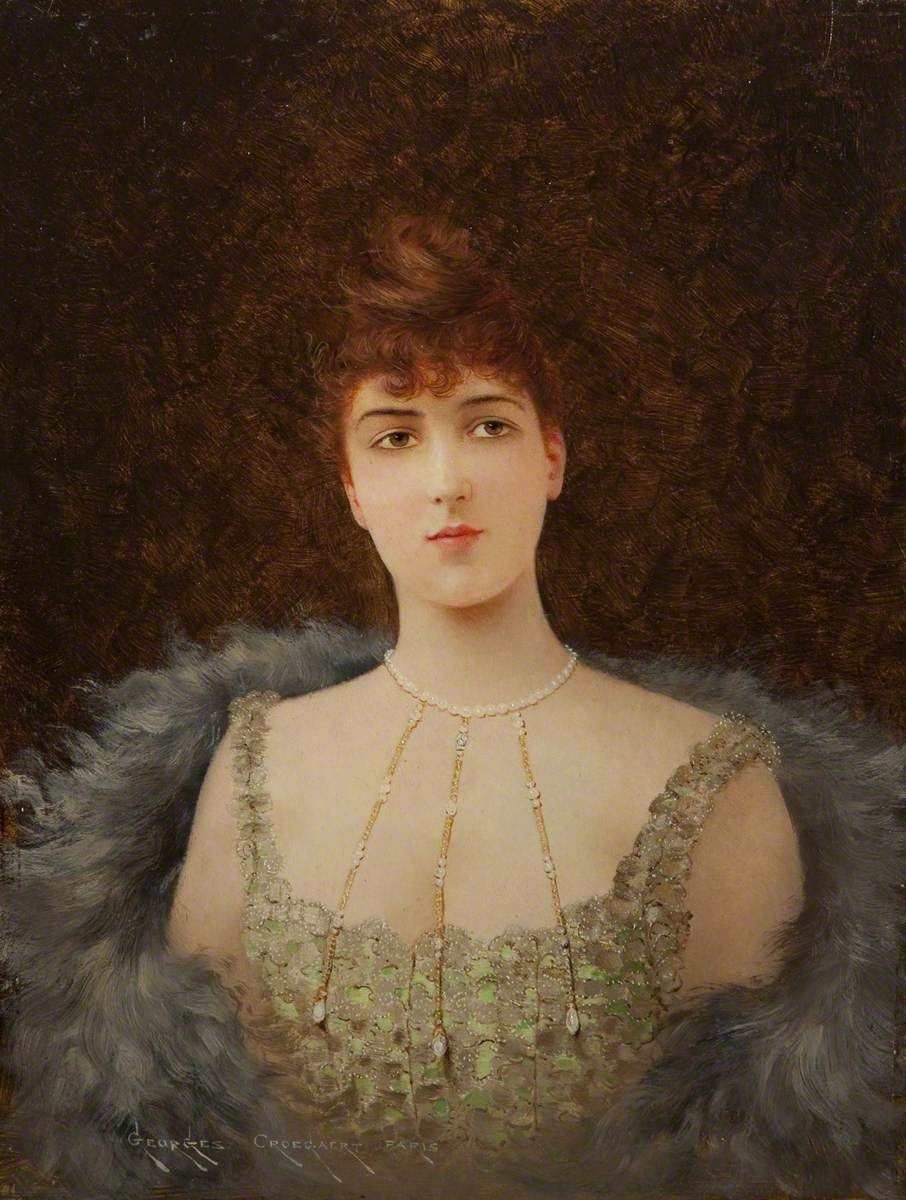
Oxidised Copper vs Classic Copper
Classic copper is bright, uniform, and unapologetic — a saturated orange-red from roots to ends that demands attention. It is stunning but unforgiving: it washes out some skin tones, shows fading immediately, and requires frequent refreshing to stay vivid. Oxidised copper keeps the soul of copper but reimagines the execution with depth, shadow, and variation.
The technical differences are clear. Classic copper is typically a single-process colour or a bright all-over gloss. Oxidised copper is almost always multi-dimensional: a deeper base, copper mids, lowlights in brown or auburn, and often a root shadow. Classic copper fades to a pale, sometimes brassy orange; oxidised copper fades to an even more tarnished, vintage version of itself. If classic copper is a trumpet blast, oxidised copper is a cello — same family, completely different mood. Your choice depends on whether you want to glow or smoulder.

Finding Your Perfect Copper Depth
Oxidised copper spans a wide range of depths, from medium copper-brown to near-auburn darkness, and choosing your level matters. As a rule, your oxidised copper should sit within two to three levels of your natural depth for the most natural, low-maintenance result. Natural blondes and light brunettes suit medium oxidised coppers (around level 7); medium to dark brunettes glow in deeper versions (levels 5 to 6).
Bring reference photos in natural lighting, not just salon lighting, and pay attention to the models’ skin tones relative to yours. A shade that looks perfect on porcelain skin can look muddy on olive skin and vice versa. Your colourist can fine-tune depth with glosses: if the first result feels too dark, a copper gloss lifts the brightness without a full recolour; if it feels too bright, a brown-based toner deepens it in twenty minutes. Depth is adjustable — placement and tone are harder to change, so get those right first.

Oxidised Copper for Fair Skin
Fair skin and oxidised copper are a classic pairing. The muted warmth of tarnished copper brings life to pale complexions without the overwhelming contrast that bright copper can create. Fair-skinned clients should lean toward the medium depths of the oxidised range — think burnt sienna and soft terracotta rather than near-black auburn — so the hair does not overpower delicate colouring.
Undertone matching still matters. Fair skin with cool, pink undertones looks best with copper that leans slightly toward the red-violet side of the spectrum, like a tarnished rose-copper. Fair skin with warm, golden undertones glows in true orange-based oxidised coppers. If you are very fair with freckles, oxidised copper is arguably your most flattering red: it echoes the warmth in your skin while the depth keeps it sophisticated. Keep eyebrows in mind too — tinting them a soft auburn-brown prevents the harsh dark-brow-versus-copper-hair disconnect.
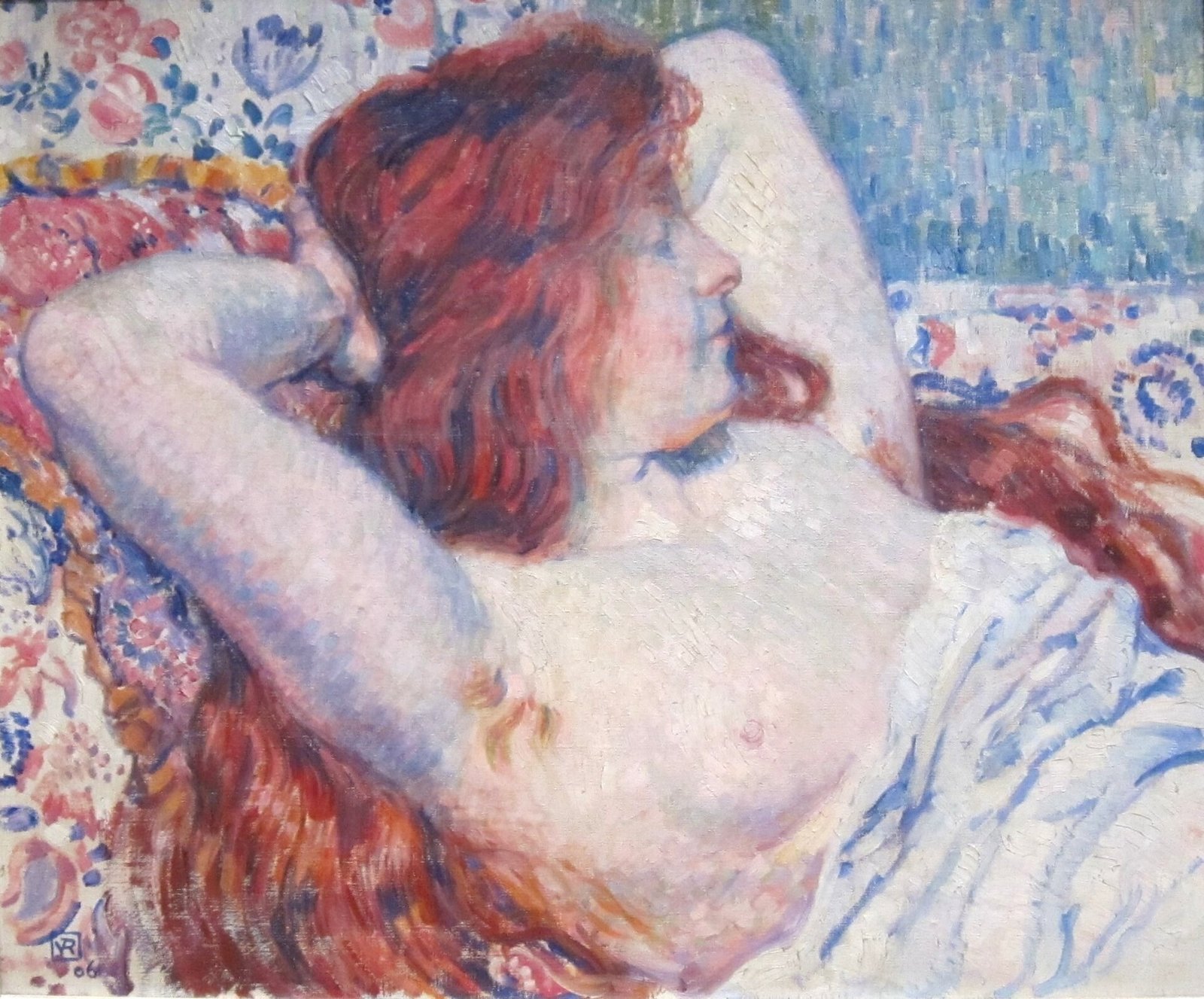
Oxidised Copper for Medium and Olive Skin
Medium and olive skin tones are where oxidised copper truly shines. The tarnished, brown-based quality of the colour harmonises with the natural warmth and green-golden undertones in olive skin, creating a cohesive, lit-from-within effect. Where bright copper can clash with olive undertones and turn sallow, oxidised copper’s muted depth flatters instead.
For olive skin, ask for copper with a distinctly brown or bronze base — colours described as “rust,” “bronze,” or “tarnished penny” rather than “orange” or “ginger.” A root shadow in your natural depth makes the grow-out seamless and keeps the overall effect grounded. Medium warm skin can carry slightly brighter oxidised coppers, leaning into terracotta and burnt orange. The key test: the colour should make your skin look radiant, not tired. If you look washed out, the copper needs more depth; if you look muddy, it needs more brightness.
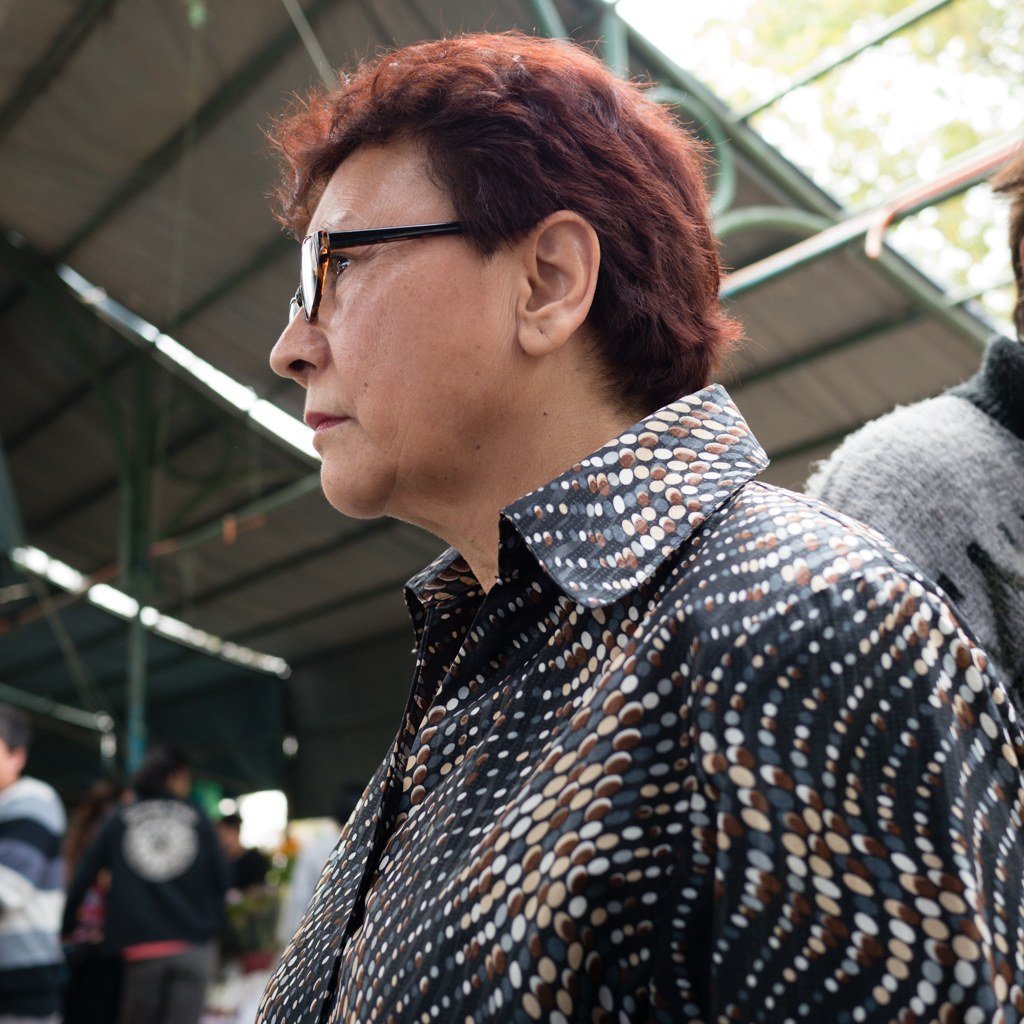
Oxidised Copper for Deep Skin Tones
On deep skin tones, oxidised copper is pure luxury. The rich, dark warmth of tarnished copper against deep brown or ebony skin creates a regal, jewel-like effect — think of burnished bronze sculpture. Because the colour sits in the medium-depth range, it provides beautiful contrast without the starkness that platinum or jet black can create.
Deep skin can carry the darkest, richest oxidised coppers: deep rust, blackened copper, and auburn-bronze blends that might overwhelm fairer complexions. Dimension is key — ask for brighter copper ribbons through the mid-lengths and ends over a deep brown-copper base, so the colour catches light and moves. Warm, golden-based coppers flatter most deep skin tones; cooler, burgundy-leaning oxidised coppers suit deep skin with cool undertones. This is a colour that looks custom-made for deep complexions, because in many ways it is.
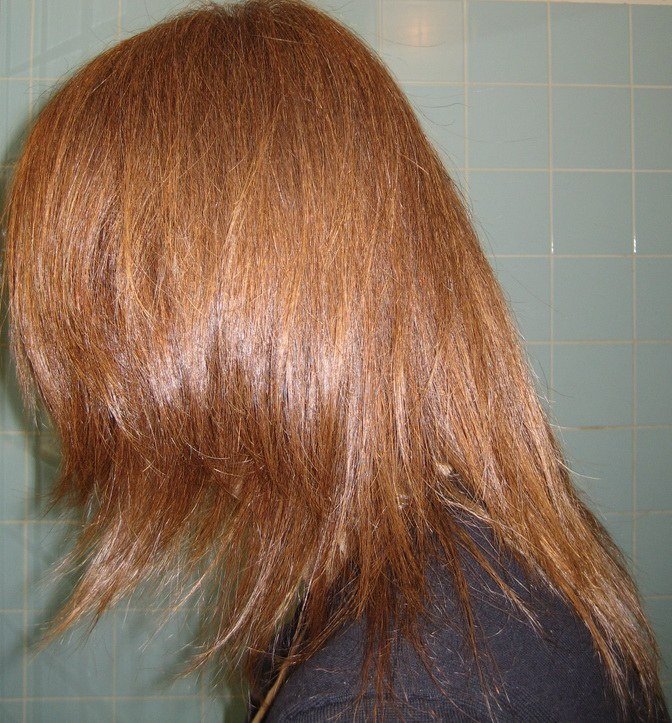
The Lived-In, Tarnished Effect Explained
The “lived-in” quality is the whole point of oxidised copper, and it is created through deliberate technique, not neglect. A colourist builds the effect in layers: first the copper base, then strategically placed lowlights in deeper brown and auburn tones, then a root melt or shadow that darkens the first few inches, and finally a gloss that unifies everything with a tarnished sheen. No single step creates the look; it is the layering that produces the patina.
What makes it “lived-in” is the absence of harsh lines. There are no obvious highlights, no stark roots, no uniform flat colour — just seamless tonal variation that looks like it grew that way. This is why oxidised copper photographs so well and why it suits low-maintenance clients: the grow-out is invisible because depth was built in from day one. When asking for it, the magic words are “dimensional,” “rooted,” and “tarnished” — and reference photos showing the muted, vintage quality rather than bright copper.

Full-Head Oxidised Copper
A full head of oxidised copper is the most transformative option: every strand taken to that rich, tarnished penny perfection. It is the choice for committed redheads who want maximum impact and are ready for the maintenance that all-over red demands. On virgin hair, the process involves lifting to the target depth, then applying the multi-tonal copper formula; on previously coloured hair, it may require colour correction first.
The payoff is extraordinary depth and shine. Full-head oxidised copper catches light like polished wood, shifting between rust, bronze, and auburn as you move. Maintenance runs to a gloss or toner refresh every four to six weeks and a root touch-up on your natural schedule. Use colour-safe, sulphate-free products exclusively, and consider a copper-depositing mask to keep the tarnished tones rich between appointments. It is a commitment, but for true copper lovers, nothing else compares.
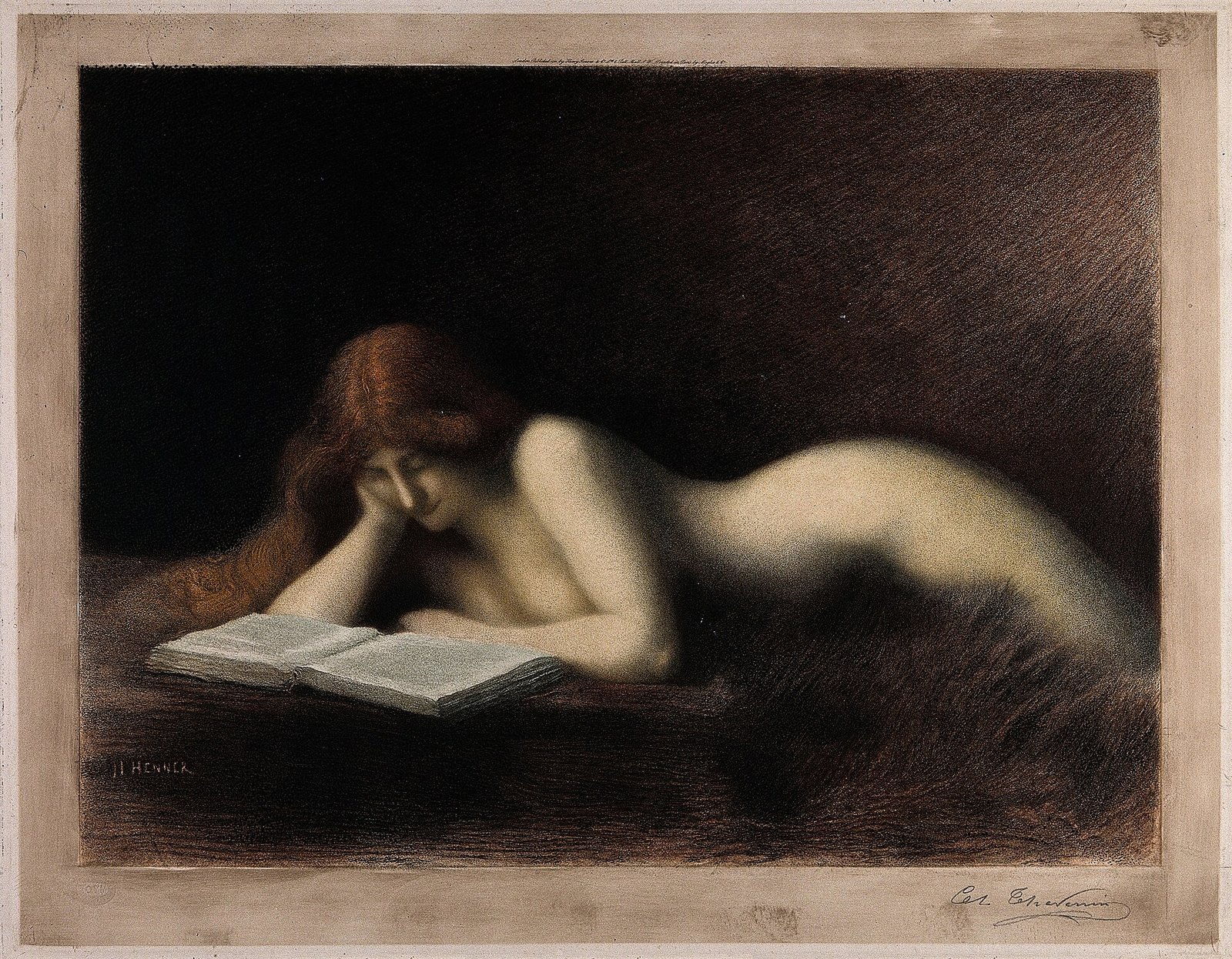
Oxidised Copper Balayage
Oxidised copper balayage offers the tarnished effect with the lowest possible maintenance. The colourist hand-paints copper ribbons through the mid-lengths and ends, leaving your natural base — or a deepened root — untouched at the crown. The result is sun-kissed, dimensional, and effortlessly cool: copper that looks like it happened naturally over a long, golden summer.
This is the ideal entry point if you are copper-curious but commitment-shy. Because the roots are untouched, grow-out is essentially invisible, and refresh appointments can stretch to three or four months. It works on every base from dark blonde to near-black, with the copper simply adjusted to complement. Ask for the ribbons to be concentrated around the face and ends for maximum brightness where it flatters most, and request a tarnished gloss over the top to unify the copper with that signature oxidised finish.

Rooted and Shadow-Root Copper
The shadow root is oxidised copper’s best friend. By deliberately darkening the roots — either with your natural colour or a deep brown-copper shade — the colourist creates the depth that defines the oxidised look while making grow-out completely painless. The shadow typically extends two to four inches before melting into the brighter copper lengths.
This technique suits everyone, but it is especially valuable for natural brunettes going copper, because it means the roots never need touching up on a strict schedule — they simply blend. For blondes going darker into oxidised copper, a shadow root prevents the harsh regrowth line that makes all-over dark colour high-maintenance. Ask for a “soft, diffused shadow root” rather than a harsh one; the melt should be seamless, like watercolour, not a visible stripe. With a good shadow root, oxidised copper becomes genuinely wash-and-wear.

Copper with Blonde Dimension
Adding blonde dimension to oxidised copper creates a stunning strawberry-bronze hybrid that glows from within. Fine blonde babylights or balayage ribbons woven through the copper catch the light and keep the overall effect luminous rather than heavy. This combination is sometimes called “copper blonde” or “bronde copper,” and it is one of the most wearable ways to wear red.
The technique requires a skilled colourist, because blonde and copper pieces must be lifted and toned separately to keep each shade clean — blonde pieces that pick up copper toner turn muddy, and copper pieces over-lightened turn brassy. The ideal ratio is roughly seventy percent copper to thirty percent blonde, concentrated around the face and ends. Maintenance is moderate: the blonde pieces may need toning every six to eight weeks to stay bright. The result is worth it — hair that looks lit from within in every lighting.

Copper with Brunette Lowlights
For the deepest, most authentically “oxidised” effect, brunette lowlights are essential. Threads of deep brown, espresso, or black-brown woven through the copper create the shadow and tarnish that define the trend. This is the version that looks most like aged metal — dark crevices between glowing copper ridges — and it is breathtakingly dimensional.
Lowlights also solve copper’s biggest problem: fading. As the brighter copper notes wash out over the weeks, the brunette lowlights remain, so the hair still looks rich and intentional rather than washed-out. Ask for the lowlights to be placed in the interior and underneath sections, with brighter copper on the surface — this creates depth you can see but not quite pinpoint. It is also the most forgiving option for previously damaged hair, because lowlights add depth without any additional bleaching.
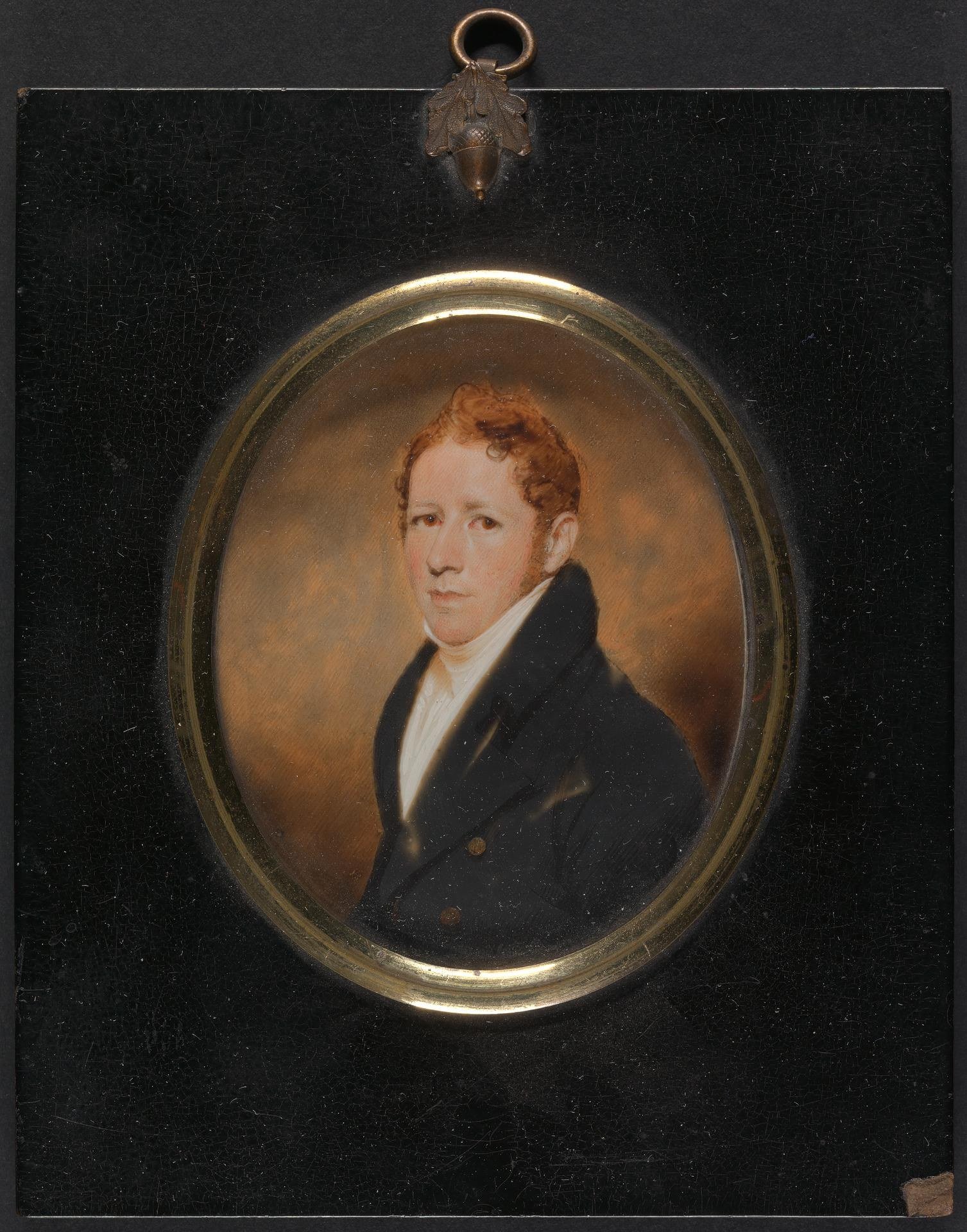
The Salon Process: What to Expect
A full oxidised copper transformation is a multi-step appointment, so know what you are booking. Expect a thorough consultation first, with reference photos and a discussion of your hair history — previous colour, especially box dye or henna, dramatically affects the plan. The colourist will then lift or fill your hair to the target depth, apply the copper base, weave in lowlights or balayage pieces, apply the root shadow, and finish with a tarnishing gloss.
On virgin hair, allow two to three hours; on previously coloured hair needing correction, it can run to four or five. Ask whether bond-building treatments are included and what the refresh schedule and costs look like. A good colourist will write down your formula — the exact shades used for base, lowlights, and gloss — because oxidised copper is a recipe, and matching it at future appointments depends on having the recipe. Do not be surprised if your stylist suggests a follow-up gloss in three weeks; the first gloss settles the colour and the second perfects it.
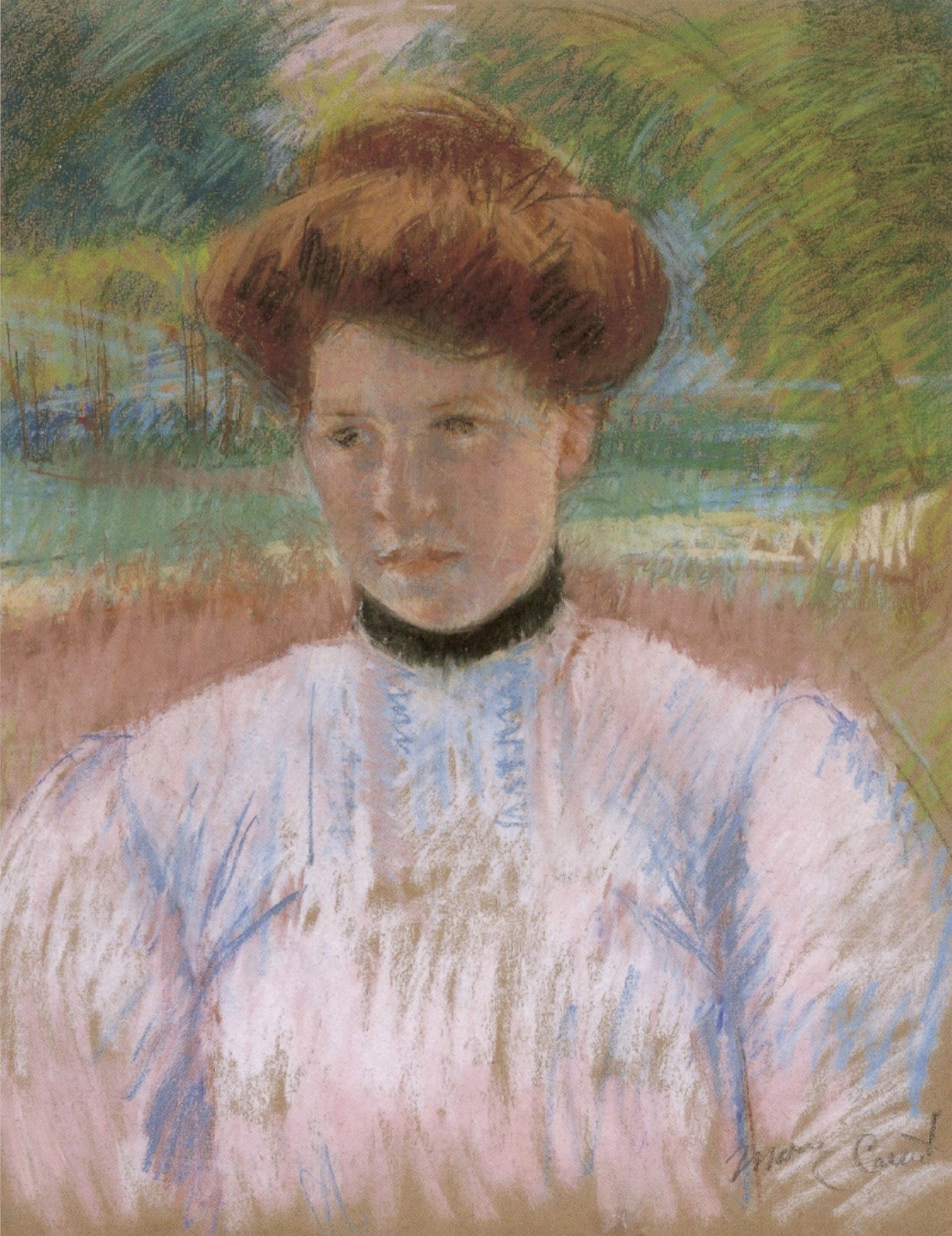
DIY Oxidised Copper at Home
Achieving true oxidised copper at home is challenging but not impossible, with the right expectations. The most realistic DIY path is a copper box dye or demi-permanent colour in a medium copper-brown shade, followed two weeks later by a brown-based gloss to deepen and tarnish the result. This two-step approach mimics the salon’s layering on a simpler scale.
Choose a shade labelled “medium copper brown,” “terracotta,” or “auburn copper” rather than bright “copper” or “ginger,” which will come out far more vivid than the oxidised look. Always do a strand test first, especially on previously coloured hair, where the result can go darker or redder than expected. Work in sections for even application, and process for the full recommended time — under-processed copper looks patchy. Be honest with yourself: if your hair has years of box dye buildup, a salon colour correction will give a far better result than another box on top.

Toning and Glossing for the Oxidised Finish
The gloss is where oxidised copper is truly born. After the base colour and dimension are placed, a demi-permanent gloss in a brown-copper or muted terracotta tone is applied all over, deepening everything by half a level and adding the tarnished sheen that defines the look. Without this step, you have copper; with it, you have oxidised copper.
Glosses are also the secret to long-term maintenance. A copper-brown gloss every four to six weeks refreshes the tarnished tone, seals the cuticle for shine, and corrects any fading or brassiness — all in about twenty minutes at the shampoo bowl, with no additional damage. At home, copper-depositing glosses and masks from professional brands can extend the time between salon visits. Think of the gloss as the topcoat on the whole look: it is the difference between colour that sits on the hair and colour that glows from within it.

Maintenance and Fade Management
All reds fade, but oxidised copper fades more gracefully than most — if you help it along. Wash no more than two to three times weekly with sulphate-free, colour-safe shampoo in cool water. Hot water is red hair’s worst enemy, stripping copper molecules with every wash. A copper or red colour-depositing conditioner used weekly replaces lost pigment and keeps the tarnished tones rich.
Protect your colour from sun, chlorine, and salt water, all of which fade and distort copper tones. A UV-protectant spray is non-negotiable in summer, and wetting your hair with clean water plus conditioner before swimming limits chlorine absorption. Sleep on silk to reduce friction. Expect the brightest copper notes to soften over four to six weeks — this is the colour becoming more oxidised, which is the goal — but if it starts looking dull or brassy rather than tarnished, it is time for a gloss refresh. With consistent care, oxidised copper looks better at week six than most reds look at week two.
Styling Oxidised Copper Hair
Oxidised copper rewards styling that shows off its dimension. Loose waves are the ultimate showcase: every bend catches light differently, revealing the layers of rust, bronze, and auburn. Use a large-barrel curling iron or flat-iron waves, and finish with a shine spray or light oil to amplify the metallic quality. Sleek, straight styles emphasise the colour’s richness and depth, making it look like polished wood or lacquered bronze.
Updos reveal the interplay between the shadowed roots and brighter ends — a low chignon or twisted bun shows the full gradient beautifully. Braids weave the different tones together into intricate patterns. For colour harmony, oxidised copper pairs gorgeously with warm neutrals, olive green, burgundy, and gold jewellery; it can clash with neon brights and cool pastels, so consider your wardrobe. Whatever the style, healthy ends matter enormously — split ends scatter light and dull the metallic effect, so keep trims regular.

Fixing Common Copper Problems
Too bright? A brown-based demi-permanent toner or gloss will deepen and tarnish an overly vivid copper in one appointment — do not reach for box brown, which can go muddy. Too dark? Copper glosses in brighter terracotta tones, or a gentle clarifying treatment followed by a bright copper mask, can lift the result without bleach. Brassy or orange in the wrong way? That usually means the underlying lift was uneven; a colourist can tone specific sections without redoing the whole head.
Patchiness after DIY attempts is the most common complaint, and it almost always traces to uneven application or varying porosity. A salon can usually even it out with a combination of lowlights and glosses rather than starting over. Fading to pink or peach? That is simply what happens as copper molecules wash out — refresh with a copper-depositing mask, and if the base has gone too light, book a gloss. The golden rule: fix copper problems with toners and glosses first, bleach last, because every round of lightener makes future copper harder to hold.
FAQs About Oxidised Copper Hair
Will oxidised copper suit me? Probably — the muted, dimensional nature of the colour flatters more skin tones than any other red, though your ideal depth depends on your complexion and natural hair colour. How long does it last? The base colour lasts until your roots grow out; the tarnished tone needs a gloss refresh every four to six weeks. Is it high maintenance? Less than bright copper, more than your natural colour — the shadow root and lowlights do most of the heavy lifting.
Can I go from black box dye to oxidised copper? Possibly, but expect a colour correction process — box dye buildup must be carefully lifted, and the result may need two sessions to reach the right depth safely. Will it damage my hair? Any lightening causes some damage, but oxidised copper often requires less lift than bright copper, and bond builders plus glosses keep hair healthy. Can men wear it? Absolutely — the muted, natural quality of oxidised copper looks fantastic on shorter men’s cuts. With the right formula and maintenance, oxidised copper is the rare trend colour that looks better the longer you wear it.


I am Talha Sikandar, a professional writer with a passion for general blogging. With years of experience in content writing and research, I founded Meaniingly.com to deliver well-researched, informative, and user-friendly articles on diverse topics.