Imagine exchanging vows beneath a canopy of wisteria, beside a lily pond that mirrors the sky, surrounded by the soft, dappled light Claude Monet captured in his most beloved paintings. Monet wedding ideas draw on the Impressionist master’s world — the gardens of Giverny, water lilies, Japanese bridges, haystacks at dawn, and the luminous Normandy coast — to create celebrations that feel like walking into a painting. This guide shows you how to translate Monet’s palette and atmosphere into every detail of your wedding: venue, florals, fashion, stationery, food, and photography, with practical tips for every budget.
The Monet Aesthetic: What Makes It Work for Weddings
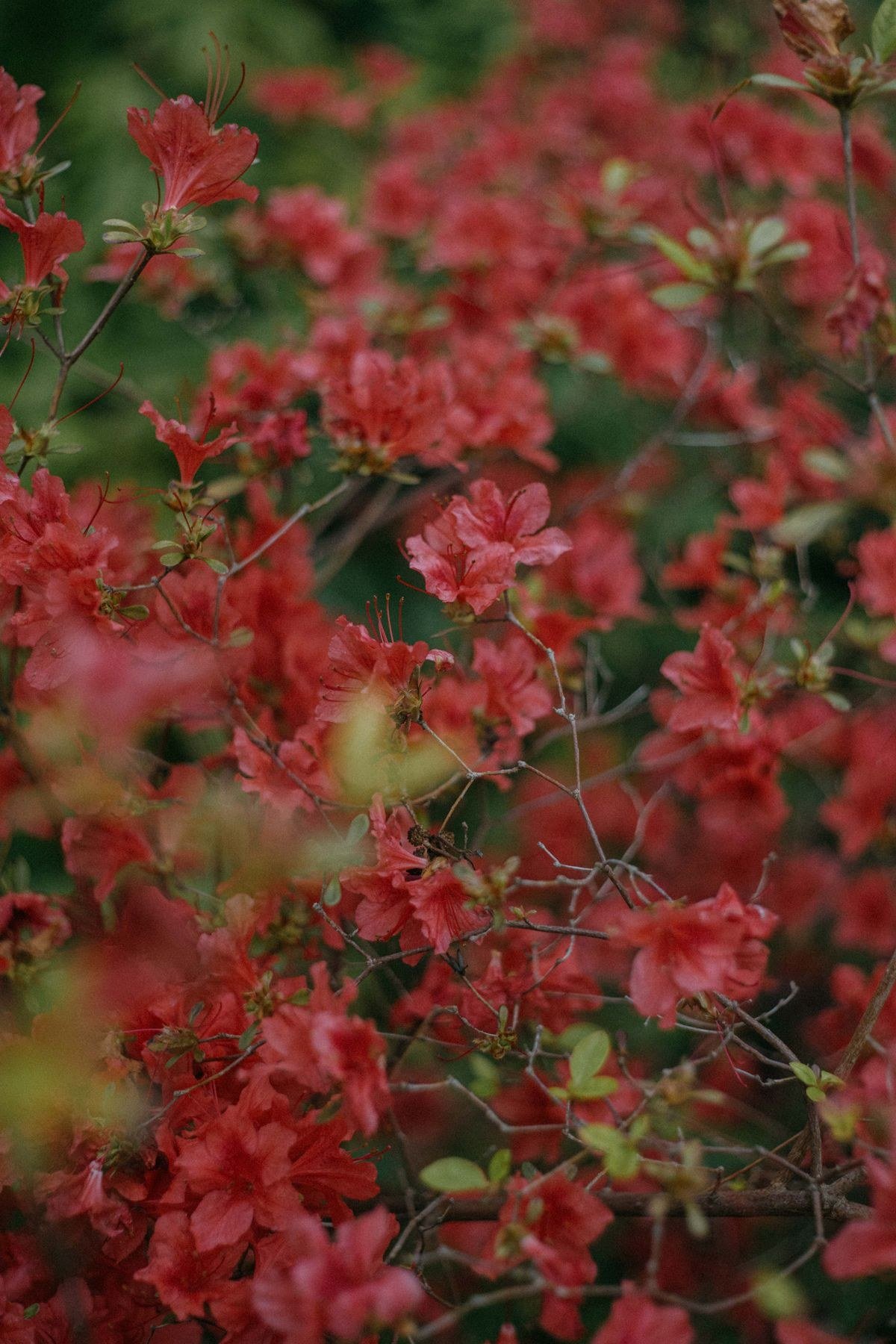
The Monet aesthetic is built on light, color, and atmosphere rather than sharp lines and perfect symmetry. His paintings layer soft blues, lavenders, pinks, greens, and golds in broken brushstrokes that shimmer when you step back — exactly the effect you want in wedding design, where guests experience the whole scene at once. Key elements include water reflections, abundant gardens, natural light at golden hour, and a romantic softness that flatters everyone and everything. This aesthetic works beautifully for outdoor weddings because it embraces nature as it is: slightly wild, gloriously colorful, and always changing. Unlike more rigid wedding styles, Monet-inspired design forgives imperfection — a slightly asymmetrical floral arrangement or a breeze-ruffled tablecloth only adds to the painterly effect. The result is a celebration that feels timeless, artistic, and deeply romantic without ever feeling stiff or overstyled.
Choosing a Giverny-Inspired Venue
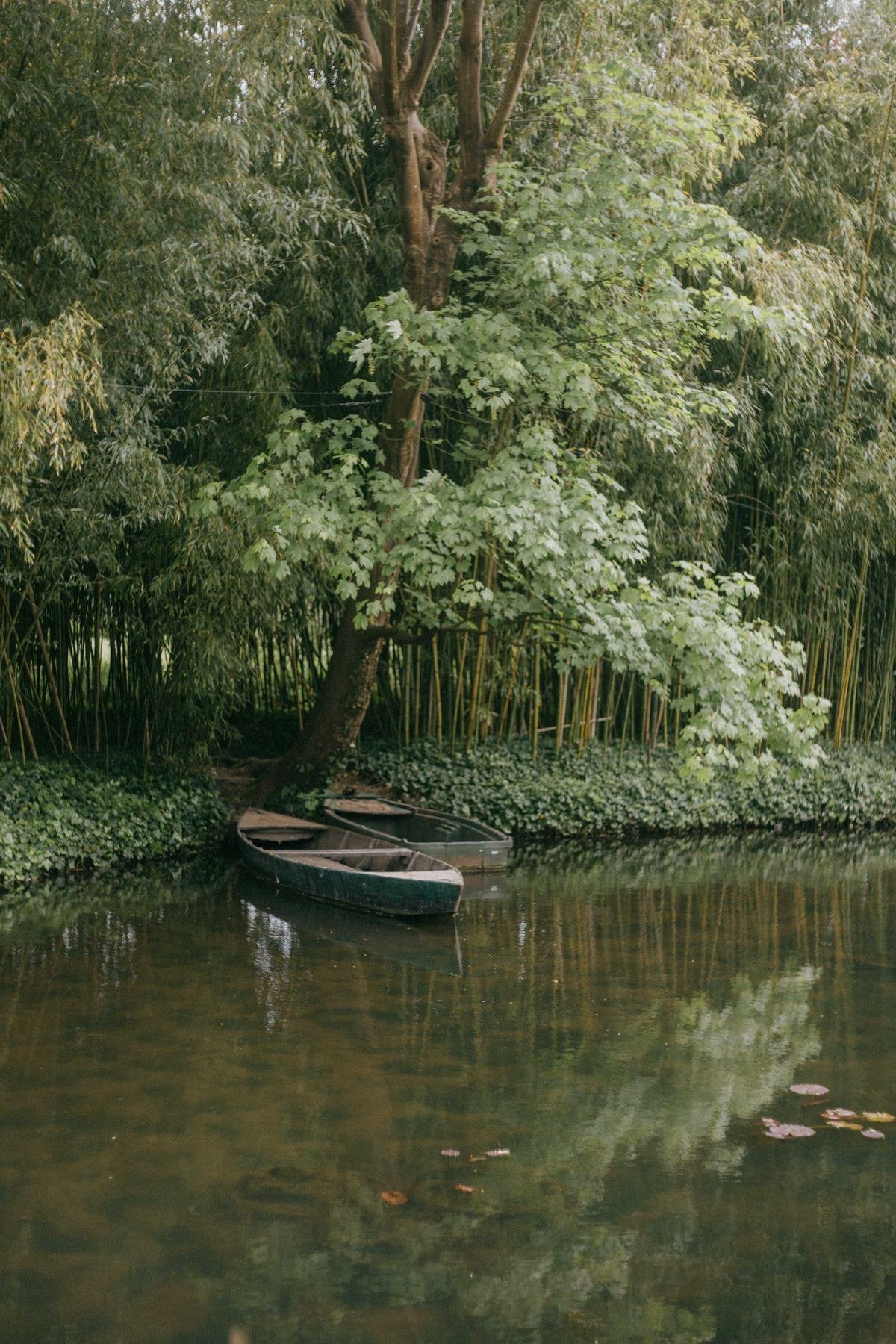
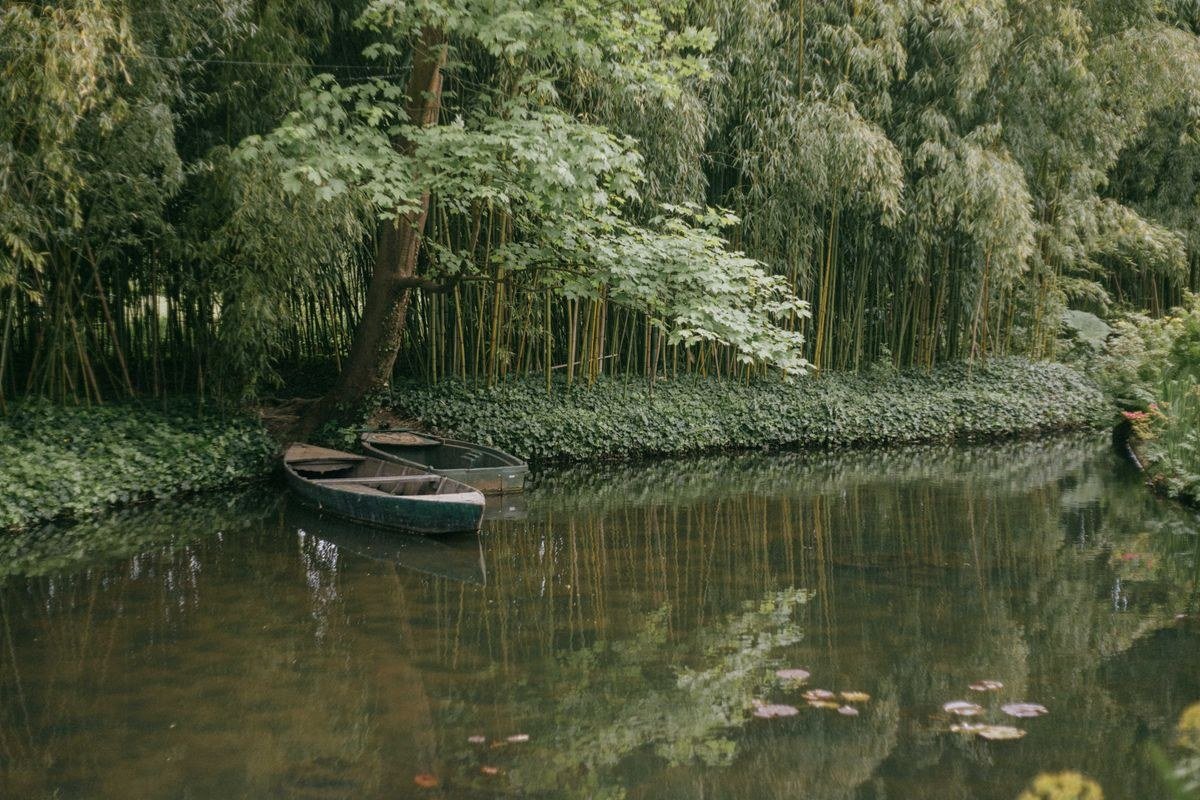
The venue sets the canvas for everything else, so choose one that echoes Monet’s world. Ideal options include botanical gardens, historic estates with water features, lakeside properties, conservatories, and vineyards with ponds or streams. Look for venues with a bridge — even a small one — because the Japanese bridge at Giverny is the single most iconic Monet image, and it makes an extraordinary ceremony or photo backdrop. Water is almost essential: a pond, lake, fountain, or even a reflecting pool gives you those shimmering reflections that define the aesthetic. If your dream venue lacks water, you can fake it with mirrored table runners, still reflecting pools in the decor, or a ceremony positioned to catch sky reflections in nearby glass. Visit at the same time of day as your planned ceremony to check the light — soft, diffused afternoon light is the Monet sweet spot, and harsh midday sun will fight the dreamy mood.
The Monet Color Palette: Paintings to Steal From
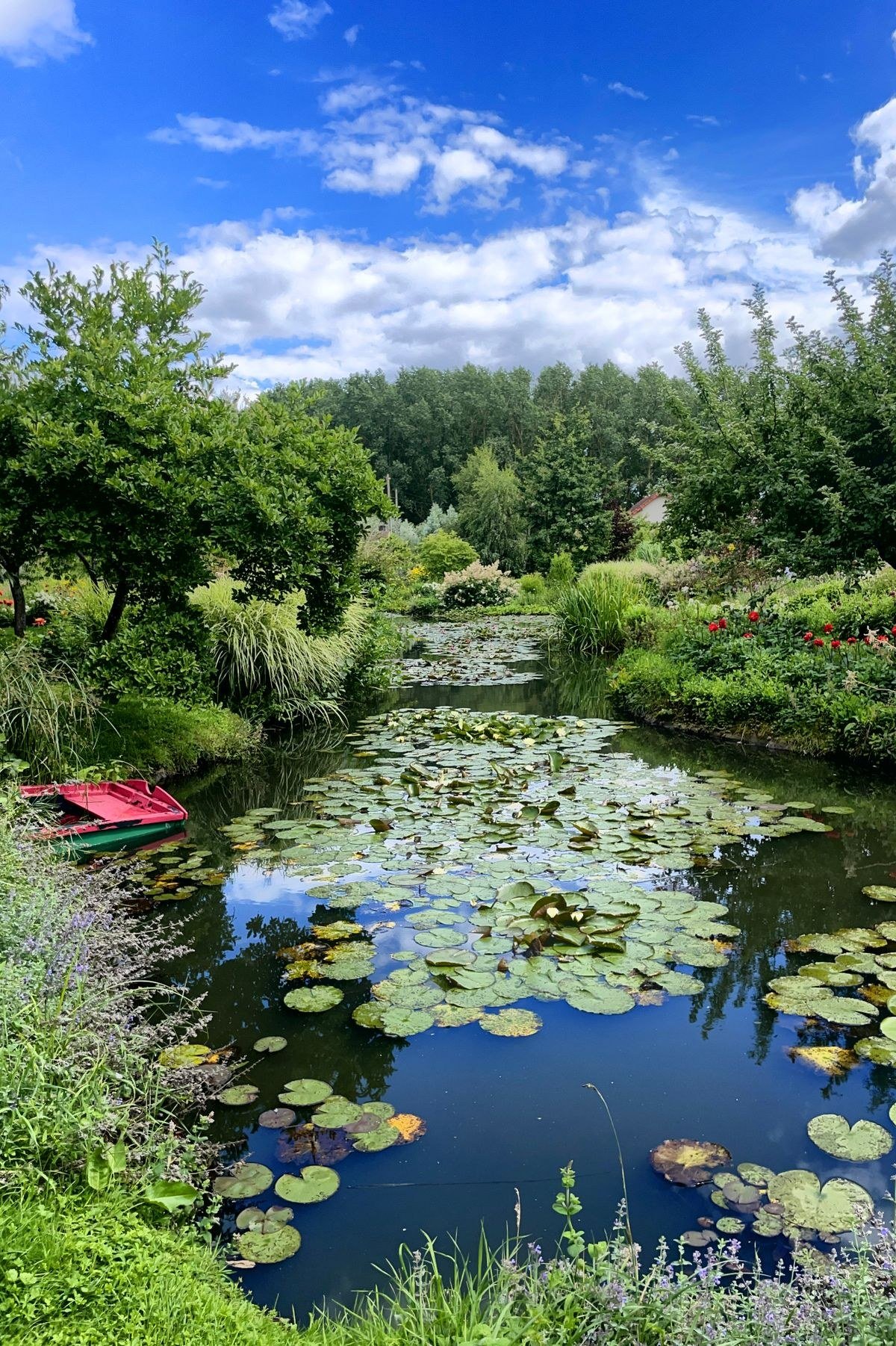
Monet’s paintings give you ready-made color palettes, each with its own mood. The Water Lilies series offers soft blues, sage greens, blush pinks, and lavender with touches of gold — perfect for a serene, romantic wedding. The Japanese Bridge paintings add deeper greens and vibrant pinks against dark water. Irises and garden scenes bring rich purples, violets, and emerald. For something warmer, the Haystacks series glows with gold, amber, peach, and rose — stunning for autumn weddings. Poppy fields suggest bold reds and coral against blue skies for couples who want more drama. Pick one painting or series as your anchor and pull four to six colors from it; use the softest tones for large surfaces like linens and draping, and the saturated hues for accents like florals and stationery. Share the reference painting with your florist, designer, and stationer so everyone works from the same visual language.
Water Lily Ceremony Decor
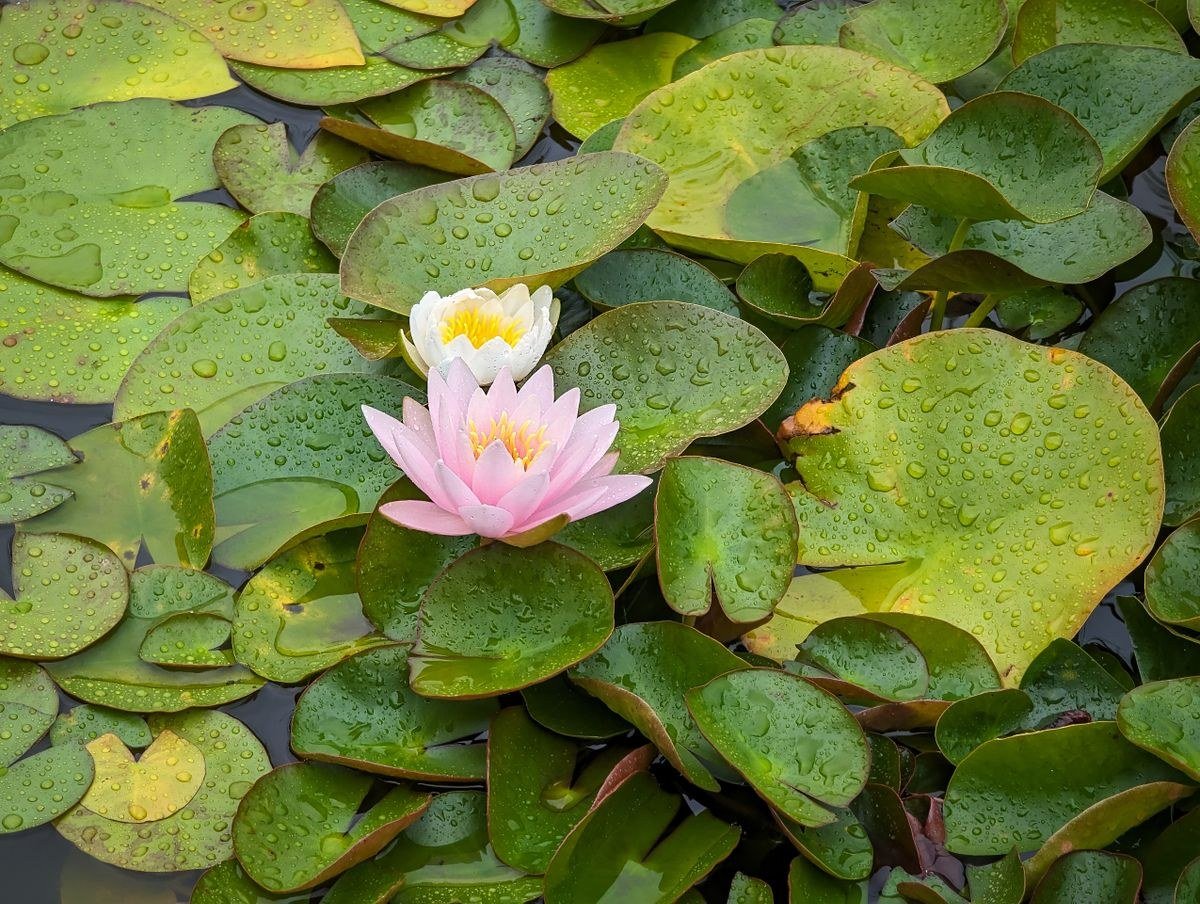
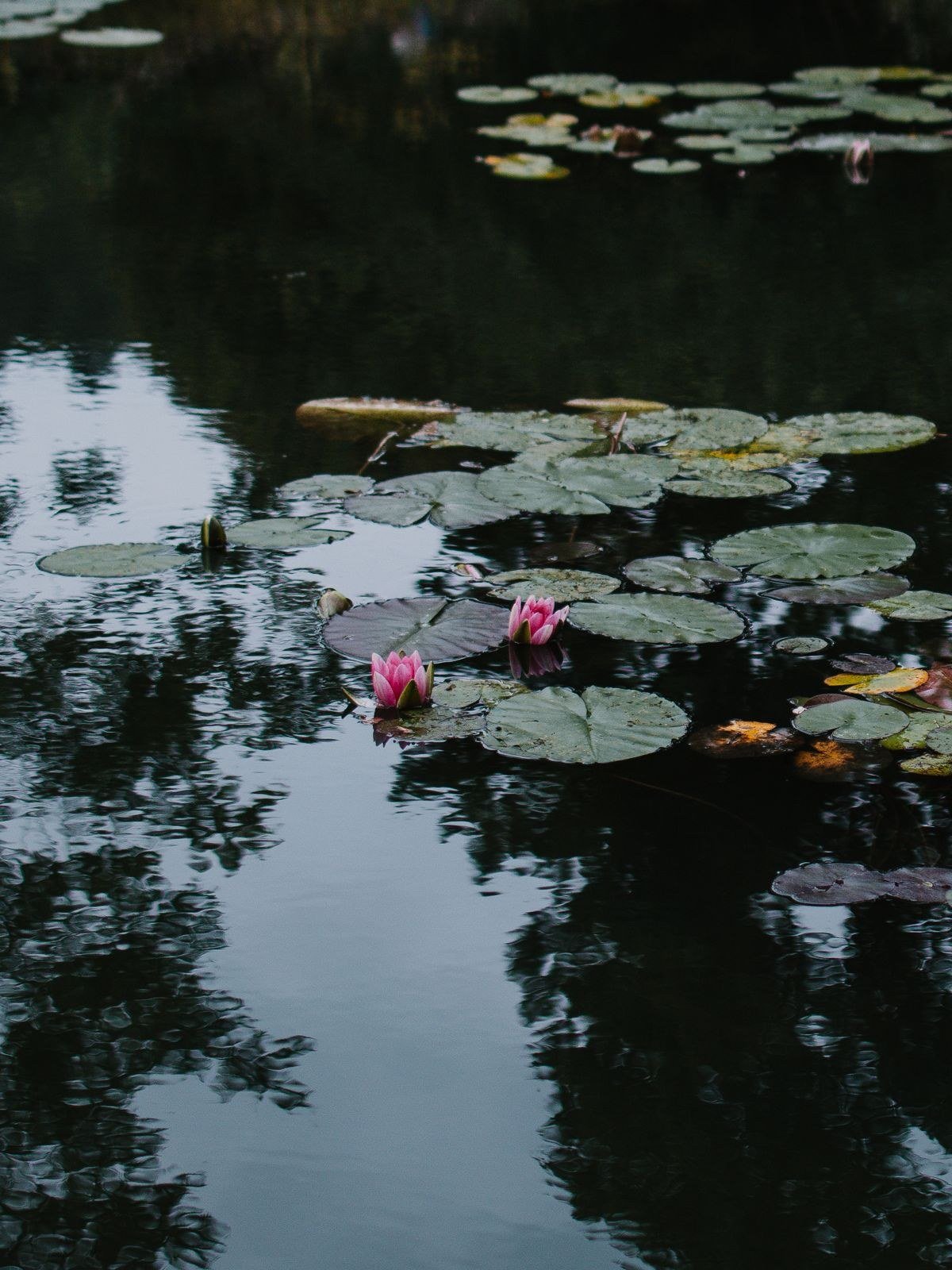
Water lilies are the signature Monet motif, and they translate into ceremony decor beautifully. If your venue has a pond, float real or high-quality silk water lilies on the surface — guests will gasp when they see it. For the ceremony space itself, create a lily-inspired aisle: petals scattered in watery blues and blushes, low arrangements of lotus-like blooms, and glass vessels filled with water and floating candles or blossoms lining the aisle. A ceremony arch dripping with wisteria and pastel blooms evokes the Giverny gardens directly. Consider a “living painting” backdrop: a large frame, gilded like a museum piece, positioned so the couple stands within it — photographers can capture portraits that genuinely look like Impressionist paintings. Keep seating simple — natural wood or ghost chairs — so the watery, floral scene remains the star.
Wisteria Canopies and Floral Tunnels

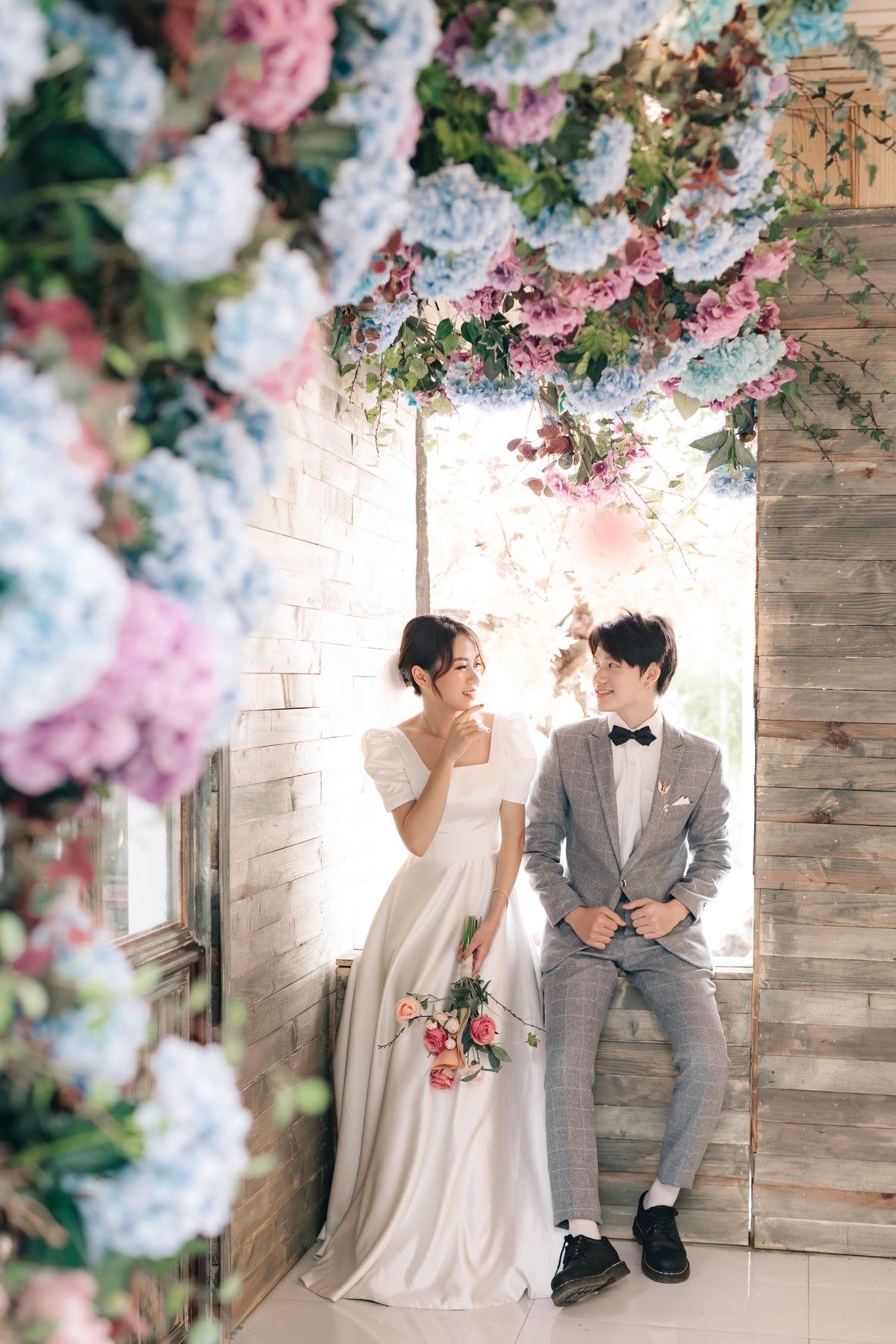
Nothing says Monet like wisteria. At Giverny, wisteria drapes over the Japanese bridge and arbors in lavender waterfalls each spring, and recreating that effect gives your wedding instant Impressionist magic. A wisteria-draped entrance tunnel, ceremony arch, or reception ceiling installation creates the immersive, enveloping feeling of standing inside a painting. Real wisteria is seasonal (late spring) and expensive in volume, so most couples use high-quality silk wisteria mixed with real greenery — from a few feet away, the effect is seamless. Hang strands at varying lengths for natural depth, and intersperse them with hanging glass orbs, candles, or crystal for light-catching shimmer. If wisteria is out of season or budget, cascading amaranthus, jasmine, or smilax achieve a similar draped effect. Time your portraits under the canopy for late afternoon, when filtered light through the blooms is at its most painterly.
Impressionist Wedding Attire
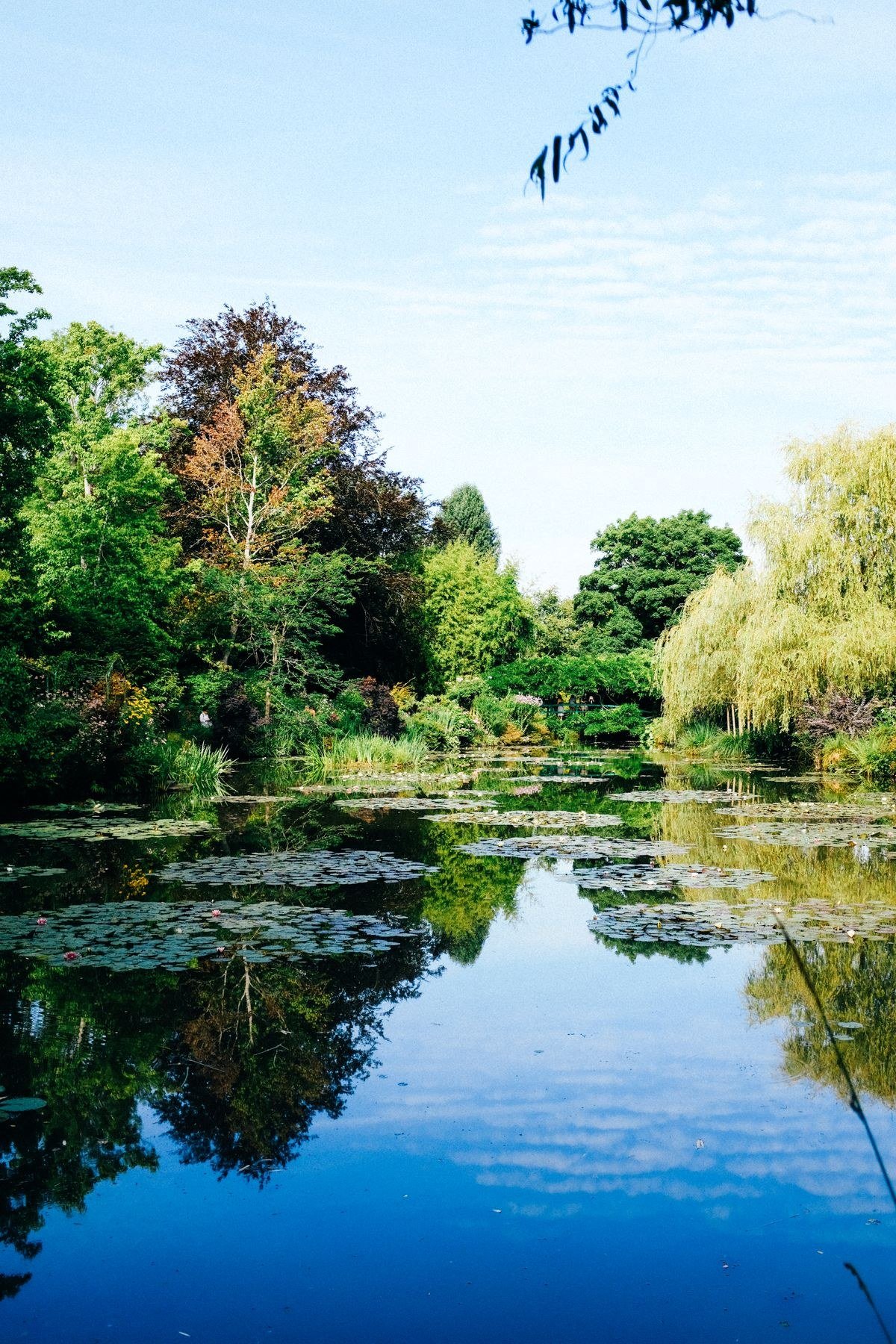
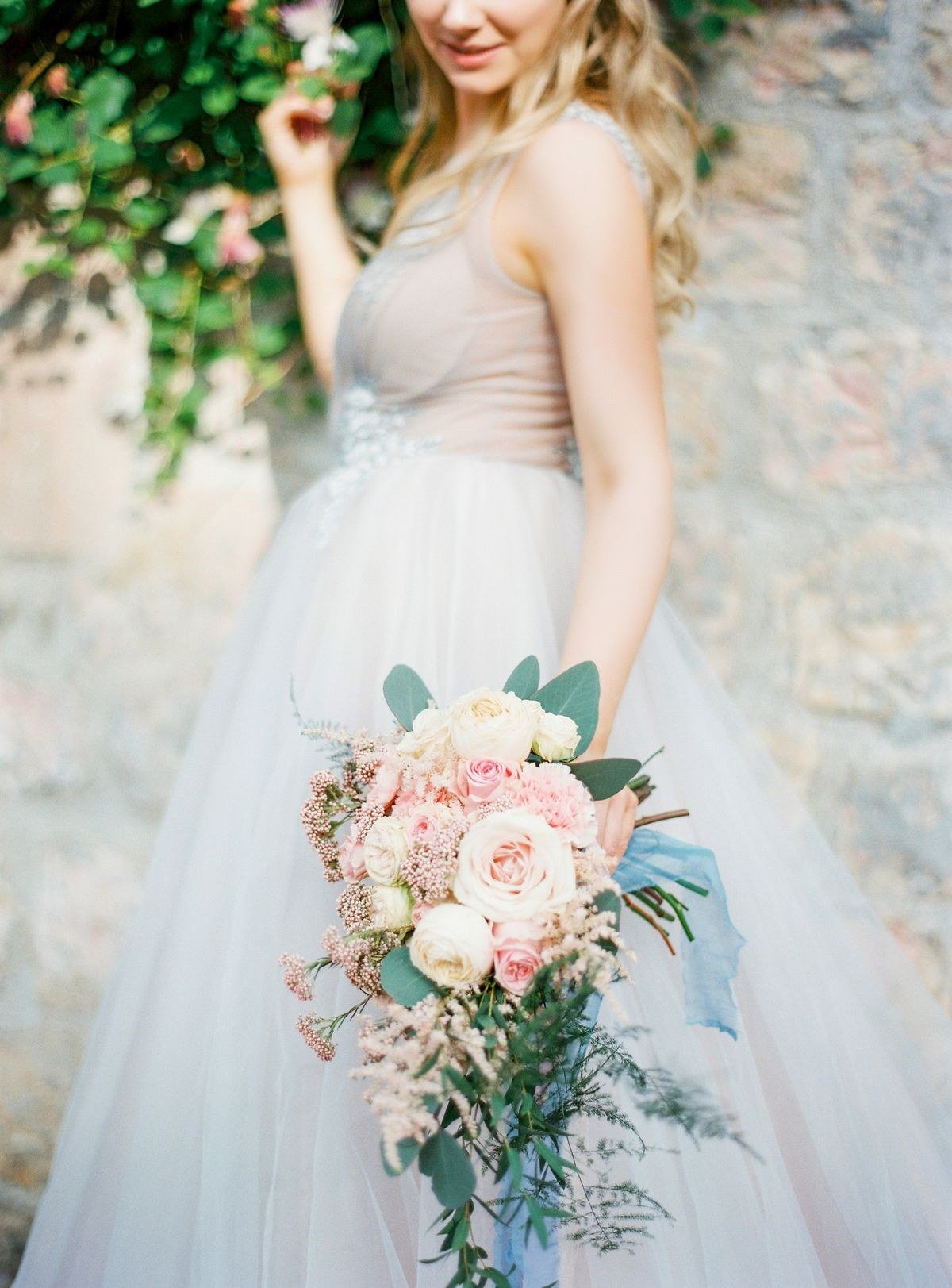
Monet-inspired attire favors softness, movement, and romantic detail over sharp structure. For brides, think flowing A-line or sheath gowns in ivory or the faintest blush, with floral embroidery, watercolor-print overlays, or detachable pastel capes that move like brushstrokes. Floral appliqué gowns are practically made for this theme. Accessories can carry the palette: a veil with hand-painted watercolor edges, shoes in dusty blue or lavender, and jewelry featuring pearls or opals with their shifting iridescence. For grooms and partners, soft suiting works best — light grey, sage, dusty blue, or warm beige rather than stark black — with boutonnieres of sweet peas or ranunculus. The wedding party can wear mismatched pastels drawn from your chosen painting, creating the broken-color effect of Impressionism when they stand together. Whatever you choose, prioritize fabrics that move: chiffon, tulle, silk, and organza catch light and breeze exactly as Monet’s scenes demand.
Stationery Like a Work of Art
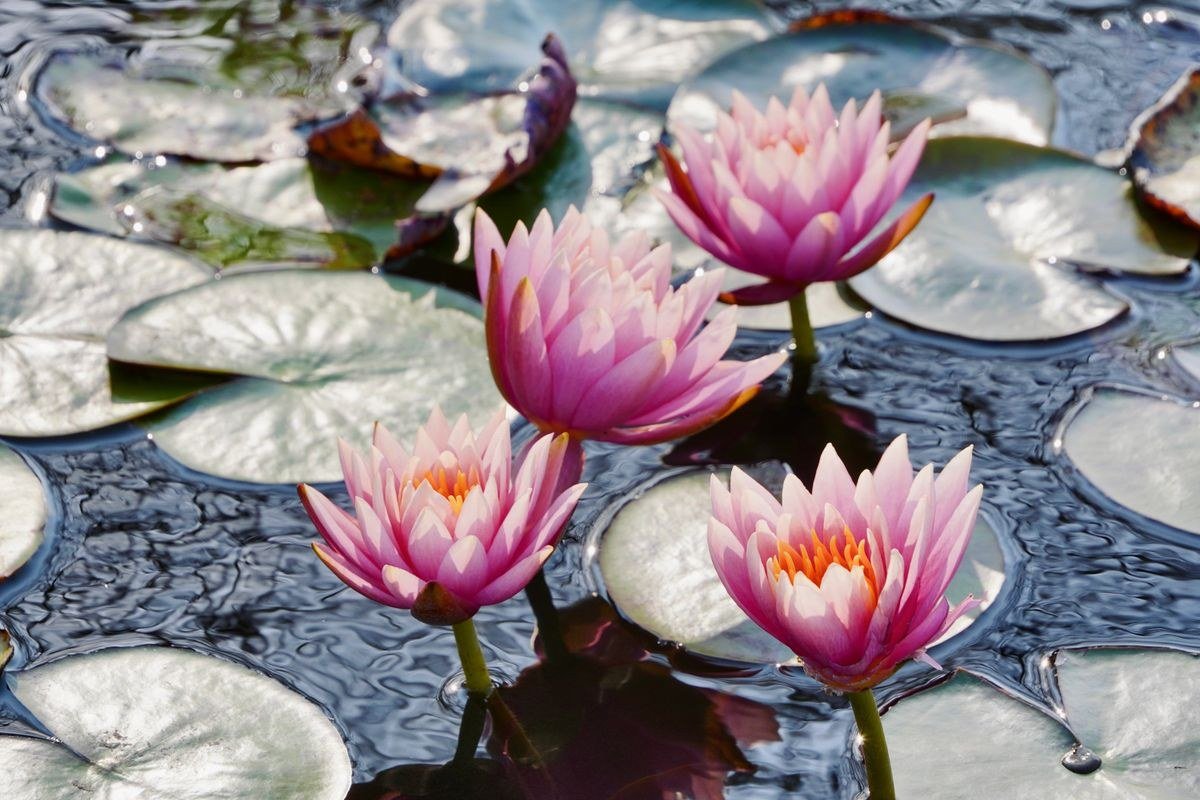
Your stationery is guests’ first glimpse of the Monet world you are creating. Watercolor invitations — whether hand-painted by an artist or digitally printed in watercolor style — set the tone immediately. Commission an artist to paint your venue, a water lily scene, or a loose floral interpretation of your palette; this artwork can then carry through the entire paper suite, from save-the-dates to menus to thank-you cards. Deckled edges, handmade paper, and silk ribbon belly bands add tactile artistry. For wording, borrow Monet’s own gentle language or French phrases as accents — “cérémonie” details or a quote about light and gardens. Wax seals in marbled pastel tones make beautiful finishing touches. If budget is tight, printable watercolor suites from independent designers offer the look for a fraction of custom artwork, and you can still add one hand-painted element, like envelope liners, for a bespoke feel.
The Reception: Tablescapes in Brushstrokes
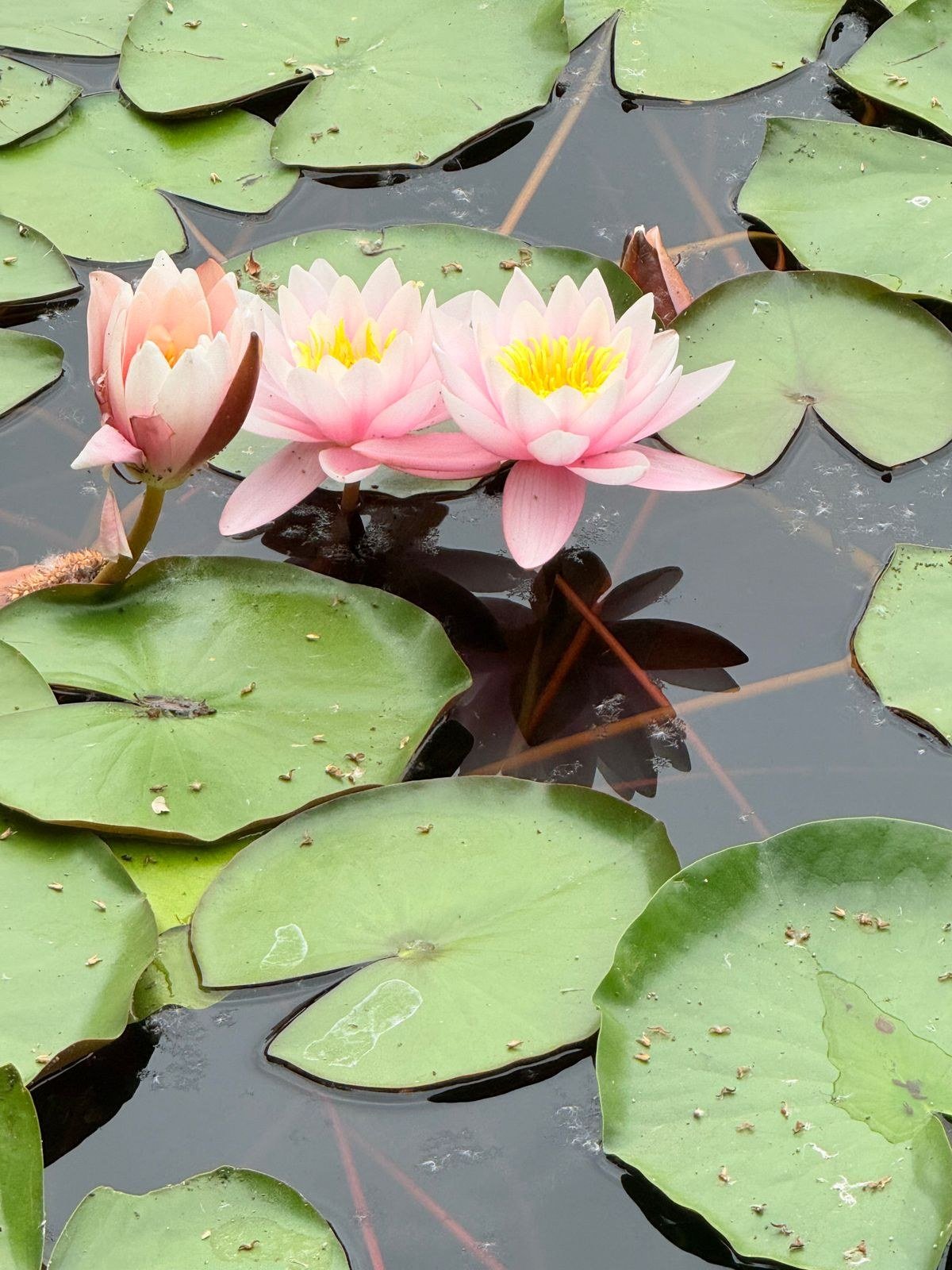
Monet-inspired tablescapes layer color the way he layered paint: in dabs and washes rather than flat blocks. Start with linens in soft tones — pale blue, blush, sage, or lavender — and add runners in a complementary watercolor print or sheer organza that lets the base color show through. Centerpieces should feel gathered rather than arranged: loose, garden-style florals in mixed vessels of glass, ceramic, and vintage brass at varying heights. Include the flowers Monet actually grew at Giverny — irises, peonies, roses, poppies, delphiniums, and nasturtiums — for authenticity. Candles are essential: clusters of taper and votive candles in pastel glass create the flickering light that makes everything glow. Scatter petals down the table like fallen brushstrokes, and consider hand-painted place cards or menu cards as edible-looking art. The overall effect should feel abundant and slightly wild, never fussy.
A Cake Worthy of the Orangerie
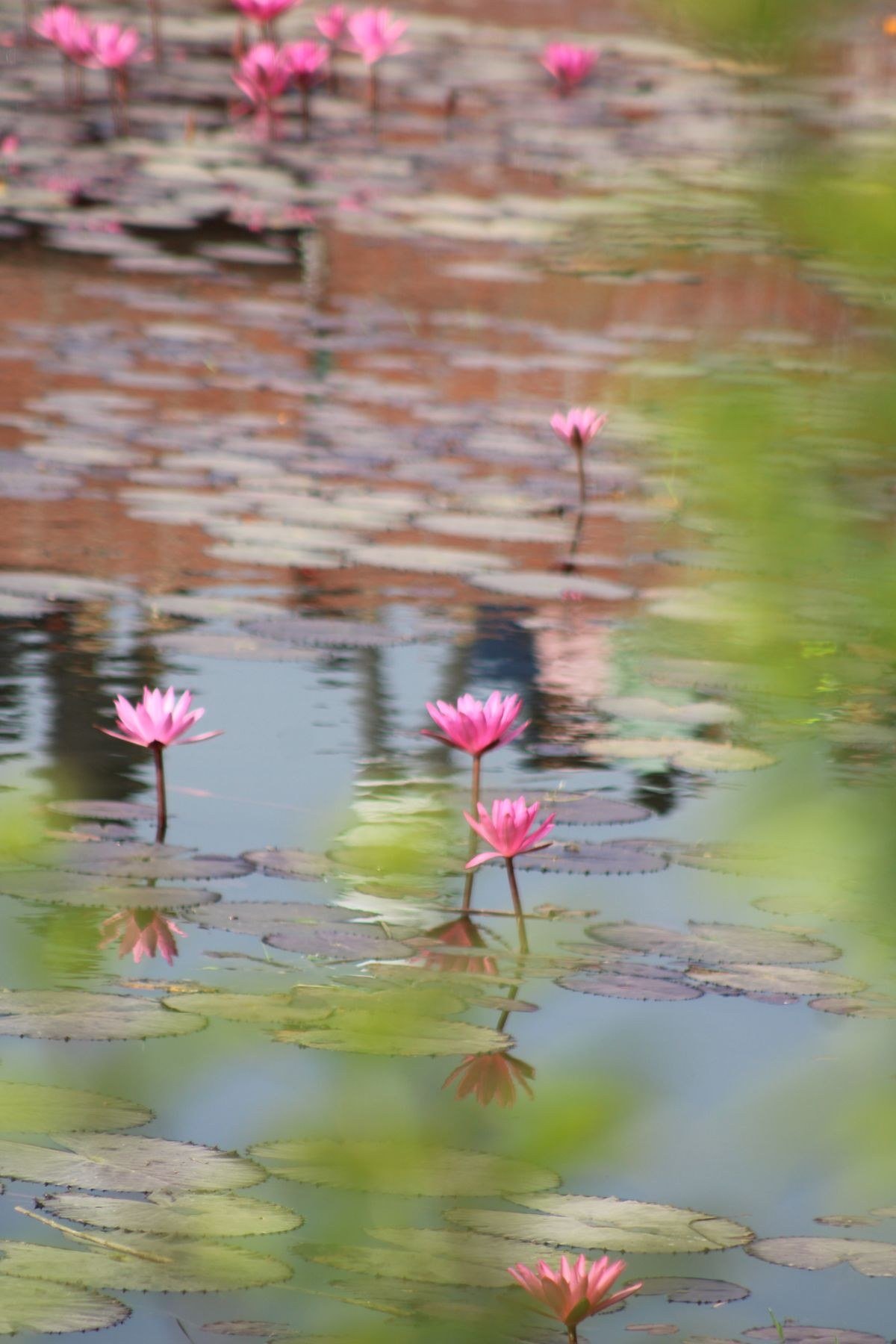
A Monet wedding cake should look like it was painted, not constructed. Hand-painted buttercream cakes — where the artist uses edible paints to create watercolor washes, lily pads, and blossoms directly on the frosting — are the definitive choice. Alternatively, a smooth fondant cake in the palest blue or blush can serve as a canvas for painted water lilies, wisteria, or an abstract Impressionist landscape. Fresh flowers cascading down one side connect the cake to the tablescape florals. For flavors, lean into the garden: elderflower and lemon, lavender and honey, rose and pistachio, or blueberry and thyme all taste as romantic as they sound. Display the cake where natural light hits it — near a window or under a floral installation — and surround it with petals and candles. A cake this beautiful deserves its own portrait session before cutting.
Photography: Capturing the Impressionist Light

Your photographer is your most important vendor for a Monet wedding, because the entire aesthetic lives or dies on light. Share reference paintings with your photographer in advance and discuss shooting in the soft, diffused light Monet loved — overcast days, open shade, and golden hour all produce that glowing, low-contrast look. Ask about techniques like shooting through foreground florals, using lens flares intentionally, and embracing slight motion blur for dancing shots that feel like moving brushstrokes. Film photography or film-emulation presets enhance the painterly quality with soft grain and gentle color shifts. Plan your timeline around light: schedule portraits for the hour before sunset, and if your venue has water, absolutely shoot reflections at dusk. Consider a “first look” in the garden so you can use the best light twice. The goal is a gallery that feels less like documentation and more like a collection of paintings.
Music and Atmosphere: A French Garden Soundtrack

Music shapes atmosphere as surely as decor, and a Monet wedding calls for a soundtrack as fluid and romantic as the visuals. A string quartet playing Debussy, Ravel, and Satie during the ceremony and cocktail hour is the classic choice — French Impressionist composers are the literal soundtrack of Monet’s era. For a modern twist, acoustic covers of contemporary songs on harp or guitar keep the dreamy mood while feeling personal. Consider a French jazz band for cocktail hour: Django Reinhardt-style gypsy jazz adds Parisian romance without formality. During dinner, keep the volume low enough for conversation to flow like water. One unforgettable touch is hiring a live painter to create an Impressionist-style painting of your ceremony or first dance during the reception — guests watch art being made, and you keep a one-of-a-kind heirloom. It is entertainment, decor, and keepsake in a single stroke.
Monet-Inspired Wedding Favors
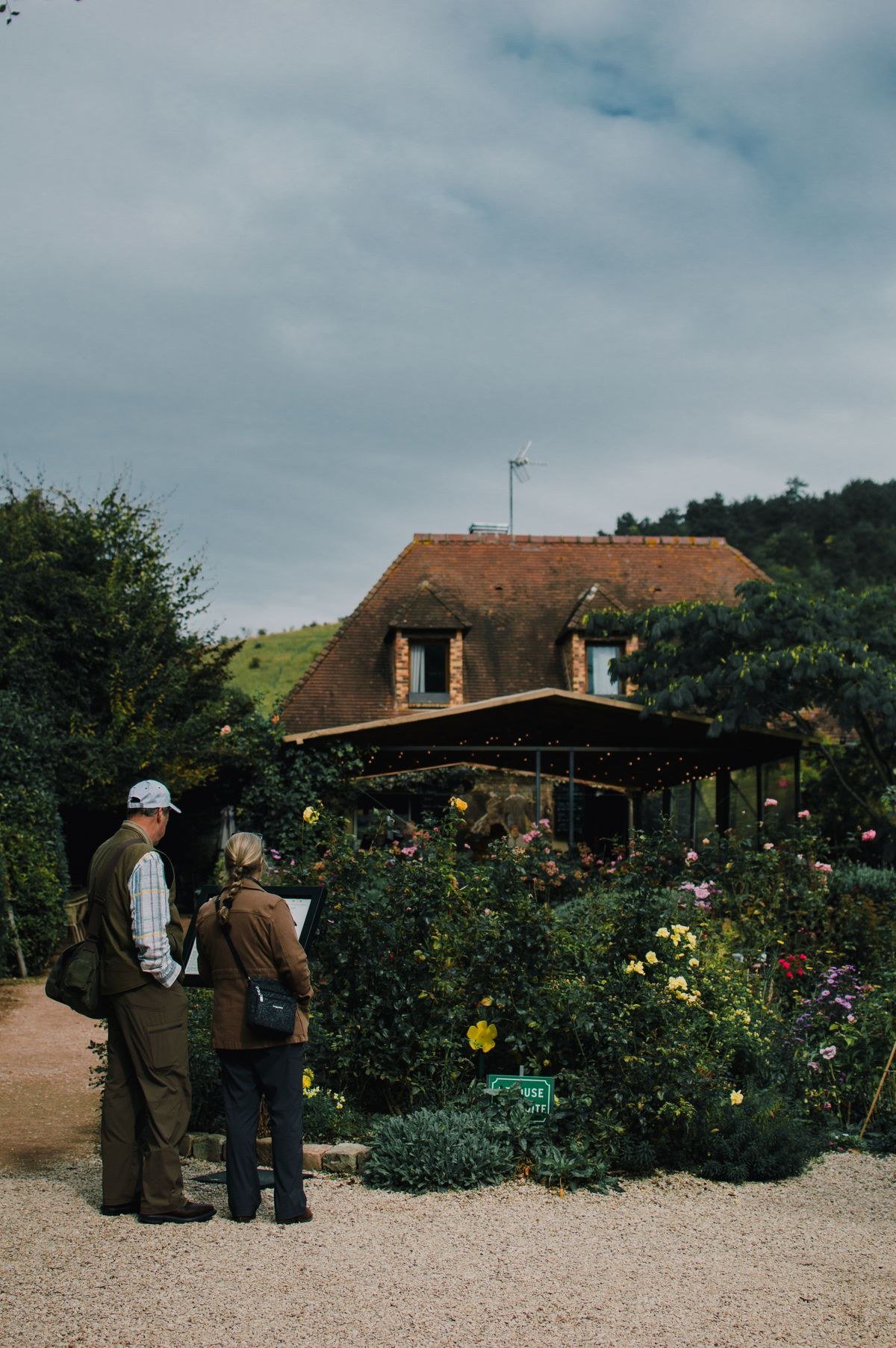
Favors for a Monet wedding should feel like small pieces of the garden guests can take home. Seed packets of wildflowers, poppies, or sweet peas — packaged in watercolor-printed envelopes with planting instructions — are affordable, meaningful, and on-theme. Small potted herbs or succulents in pastel pots work beautifully for garden weddings. For something more indulgent, French macarons in pastel boxes, lavender honey jars, or small bottles of elderflower cordial all nod to the French countryside. Art-loving couples might give mini watercolor sets or pocket sketchbooks encouraging guests to paint their own impressions. Presentation matters: display favors on a vintage table with a hand-painted sign, surrounded by blooms and candles, so the favor table becomes part of the decor. Keep favors consistent with your palette so even this small detail reinforces the overall painting.
Seasonal Monet Weddings: Spring Through Winter

Each season offers a different Monet painting to inhabit. Spring is the obvious match: wisteria, tulips, cherry blossoms, and the fresh greens of the Giverny garden in April and May — this is peak Monet season, so book vendors early. Summer brings the full glory of the water lily pond: bold color, long golden evenings, and outdoor receptions that stretch past sunset. Autumn shifts to the Haystacks palette — gold, amber, and russet — with harvest tables, dahlias, and candlelight that feels like a late Monet canvas. Winter might seem unlikely, but Monet painted snow and frost beautifully; a winter Monet wedding uses the cool palette of his snow scenes — silvery blues, whites, and soft greys — with evergreens, white anemones, and abundant candlelight for warmth. Whatever the season, choose the painting that matches it and let nature do half your decorating.
DIY Monet Touches on a Budget
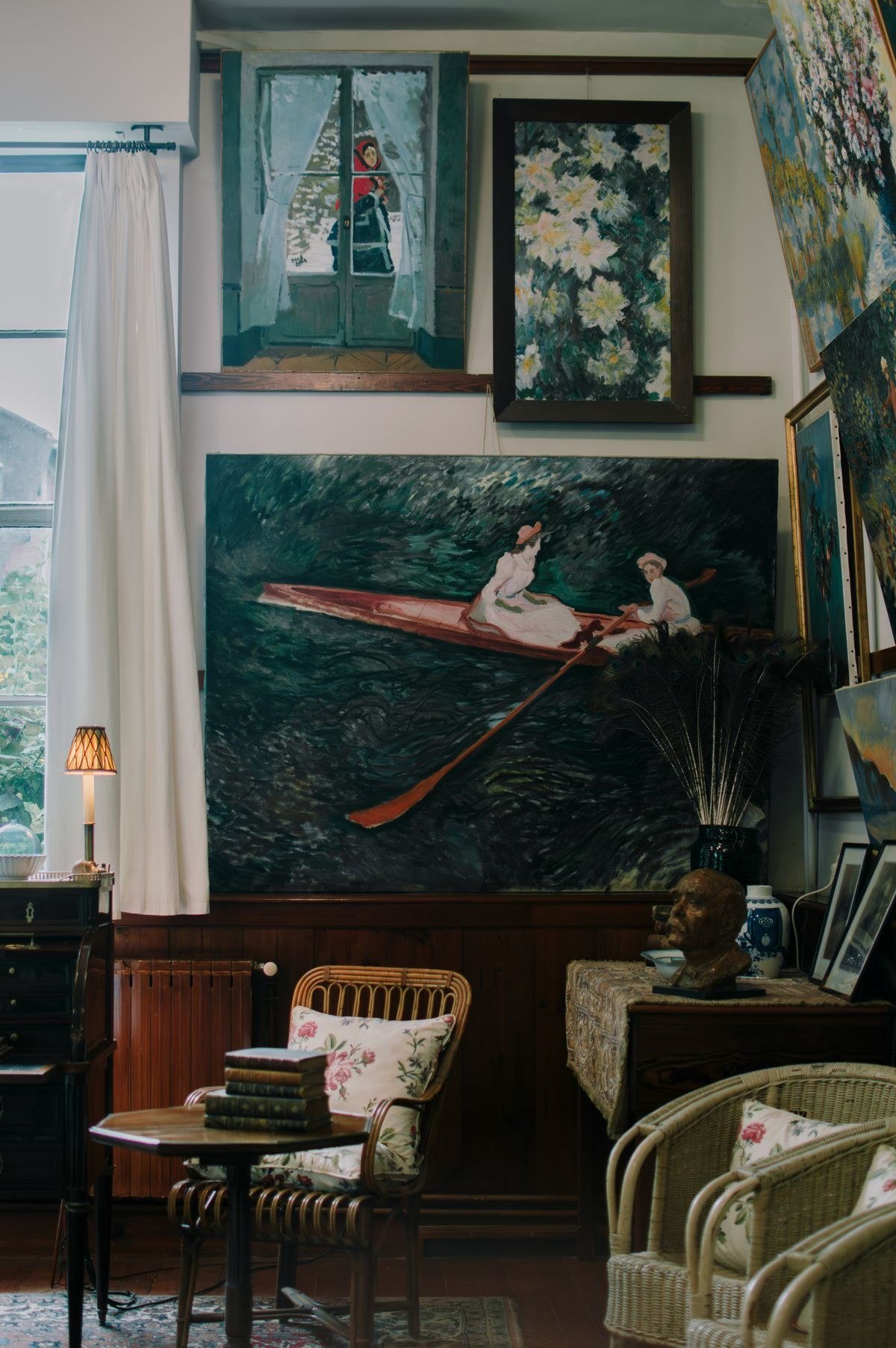
You do not need a Giverny-sized budget to create Monet magic. The most impactful DIY is watercolor signage: with a basic watercolor set, paint washes in your palette onto watercolor paper for welcome signs, table numbers, and menus — even imperfect washes look authentically Impressionist. Thrift vintage frames and paint them gold for a gallery-wall photo display or a “living painting” photo backdrop. Buy flowers in bulk from markets and arrange them loosely yourself in mixed thrifted vessels; the Monet style actually favors the slightly wild look that DIY arrangements naturally have. Print your own watercolor-look stationery using affordable digital suites. For the ceremony, a simple wooden arch dressed with bulk wisteria garlands and fabric creates the Giverny feeling for a few hundred dollars. Focus your budget on the two or three elements guests photograph most — the ceremony backdrop, the tablescape, and your attire — and DIY the rest.
Cocktail Hour: French Garden Refreshments

Cocktail hour is where the French garden fantasy comes alive through taste. Serve champagne or sparkling wine as the anchor — it is French, celebratory, and its bubbles catch the light beautifully. Signature cocktails in your palette colors make the theme deliciously literal: a lavender French 75, a blush-hued rose spritz, or a blue-tinted elderflower cocktail. For non-drinkers, offer sparkling lemonades with edible flowers, cucumber-mint coolers, or pastel fruit sodas in vintage glassware. Food should feel like a French garden party: crudités with herb dips, cheese and charcuterie boards with figs and honey, mini quiches, and delicate tea sandwiches. Display everything on vintage linens with abundant florals, and consider a champagne wall or flower-filled drinks station as a photo moment. The goal is abundance that feels effortless — a table Monet himself would have wanted to paint.
Bridal Party Styling in Impressionist Tones
The bridal party is your chance to create a living Impressionist painting. Mismatched dresses in your palette — each attendant in a different soft tone, or in varying shades of one color family — produce the broken-color effect that defines the style. Flowing fabrics and floral prints work better than structured satin; think chiffon, organza, and botanical patterns. For a cohesive but artistic look, give attendants a color family (all pastels, or all dusty tones) and let each choose their silhouette. Groomsmen in soft suiting — sage, dusty blue, warm grey — with mismatched pastel ties or floral pocket squares echo the theme without costume vibes. Flower girls in floral crowns and flowing dresses, and ring bearers with tiny watercolor boutonnieres, complete the picture. When the whole party stands together for portraits, the layered pastels against garden greenery will look like a Monet canvas come to life.
Monet Wedding Ceremony Rituals and Readings
Personalize the ceremony itself with readings and rituals drawn from art and nature. Readings from Monet’s letters — he wrote beautifully about light, gardens, and the changing sky — make deeply personal ceremony texts. A unity ritual can echo the theme: couples have poured colored sands in watercolor hues, planted a tree together, or combined two watering cans into a shared vessel to “water” their marriage. Consider timing your vows for a moment of special light, like the sun breaking through trees or the start of golden hour, and mention it in the ceremony so guests notice. Live acoustic music during a moment of reflection lets everyone absorb the garden atmosphere. If you have a pond or water feature, a floating flower release after the ceremony — each guest placing a blossom on the water — creates a breathtaking, photographable moment that is pure Monet.
Honeymoon and Send-Off in Style
End the night as beautifully as it began. A petal toss in your palette colors — guests showering you with blush, lavender, and cream petals — photographs like falling brushstrokes and is kinder to venues than rice or confetti. For the getaway, decorate your car with a floral garland in watercolor tones and a hand-painted “just married” sign. If you are honeymooning in France, lean in fully: Giverny itself offers honeymoon-worthy stays, and the Orangerie Museum in Paris houses Monet’s giant Water Lilies panels — visiting them as newlyweds is unforgettable. Even without France, choose a honeymoon with water and gardens: lake houses, coastal towns, or botanical destinations extend the aesthetic. Pack a small watercolor set as a wedding gift to yourselves and paint together on the trip — a new tradition born from your wedding theme.
Working With Vendors on an Art Theme

An art-inspired wedding succeeds when every vendor shares the same vision, so communication is critical. Create a mood board anchored by your chosen Monet painting and share it with every vendor — florist, planner, stationer, cake artist, photographer, and attire consultants. Use specific language: instead of “romantic flowers,” say “loose, garden-style arrangements in water lily tones: blush, lavender, sage, and soft blue, like Monet’s Giverny garden.” Show vendors the actual painting, not just Pinterest interpretations, so they understand the source. Ask your florist which Giverny flowers are in season for your date, and ask your baker to show painted-cake portfolios. For photographers, discuss light explicitly and build the timeline around it. When vendors understand the artistic reference, they contribute ideas you would never have imagined — florists especially love an art brief because it frees them from generic wedding formulas.
Frequently Asked Questions

Do I need a garden venue for a Monet wedding? It helps enormously, but ballrooms and industrial spaces can be transformed with enough florals, draping, and watercolor details. What flowers did Monet actually grow? Irises, peonies, roses, poppies, delphiniums, nasturtiums, wisteria, and water lilies all grew at Giverny. When is the best season? Late spring mirrors Giverny’s peak bloom, but every season matches a different Monet series. How do I keep it from looking costume-y? Use the paintings as a color and mood reference, not a literal recreation — modern silhouettes and restraint keep it elegant. Can I do this on a budget? Yes: DIY watercolor signage, bulk market flowers, and printable stationery deliver the look affordably. What should the groom wear? Soft suiting in sage, dusty blue, or warm grey with a garden boutonniere. How do I brief my photographer? Share reference paintings and prioritize soft, diffused light and golden-hour portraits.

I am Talha Sikandar, a professional writer with a passion for general blogging. With years of experience in content writing and research, I founded Meaniingly.com to deliver well-researched, informative, and user-friendly articles on diverse topics.