Flower pot cakes are the delightful illusion of the dessert world: a cake that looks exactly like a potted plant, complete with crumbly “soil,” candy “pebbles,” and blooms that turn out to be frosting. Part cake, part centerpiece, part conversation starter, these trompe-l’œil treats work for garden parties, spring birthdays, Mother’s Day, Easter, baby showers, and weddings with a botanical theme. This guide covers everything — choosing the right pots, the best cake and frosting recipes for the illusion, step-by-step assembly, decorating techniques for realistic flowers and soil, flavor pairings, and make-ahead tips — so your flower pot cakes look like they came from a greenhouse and taste like they came from a bakery.
What Exactly Is a Flower Pot Cake?
A flower pot cake is a dessert baked and served in a small terracotta pot (or a food-safe lookalike), decorated so convincingly that guests mistake it for an actual plant until someone takes a bite. The classic version layers cake and frosting inside the pot, tops it with cookie-crumb “soil,” and finishes with piped buttercream flowers, fresh edible blooms, or candy flowers “planted” on sticks. The charm lies entirely in the deception — that double-take moment when guests realize the centerpiece is dessert. Flower pot cakes can be individual servings, which makes them perfect for parties, or assembled as one large showpiece. They sit at the intersection of baking and craft, and while they look impressively complex, the techniques are genuinely beginner-friendly. If you can bake a basic cake and pipe a simple rosette, you can make a flower pot cake that fools everyone.
Choosing Food-Safe Pots

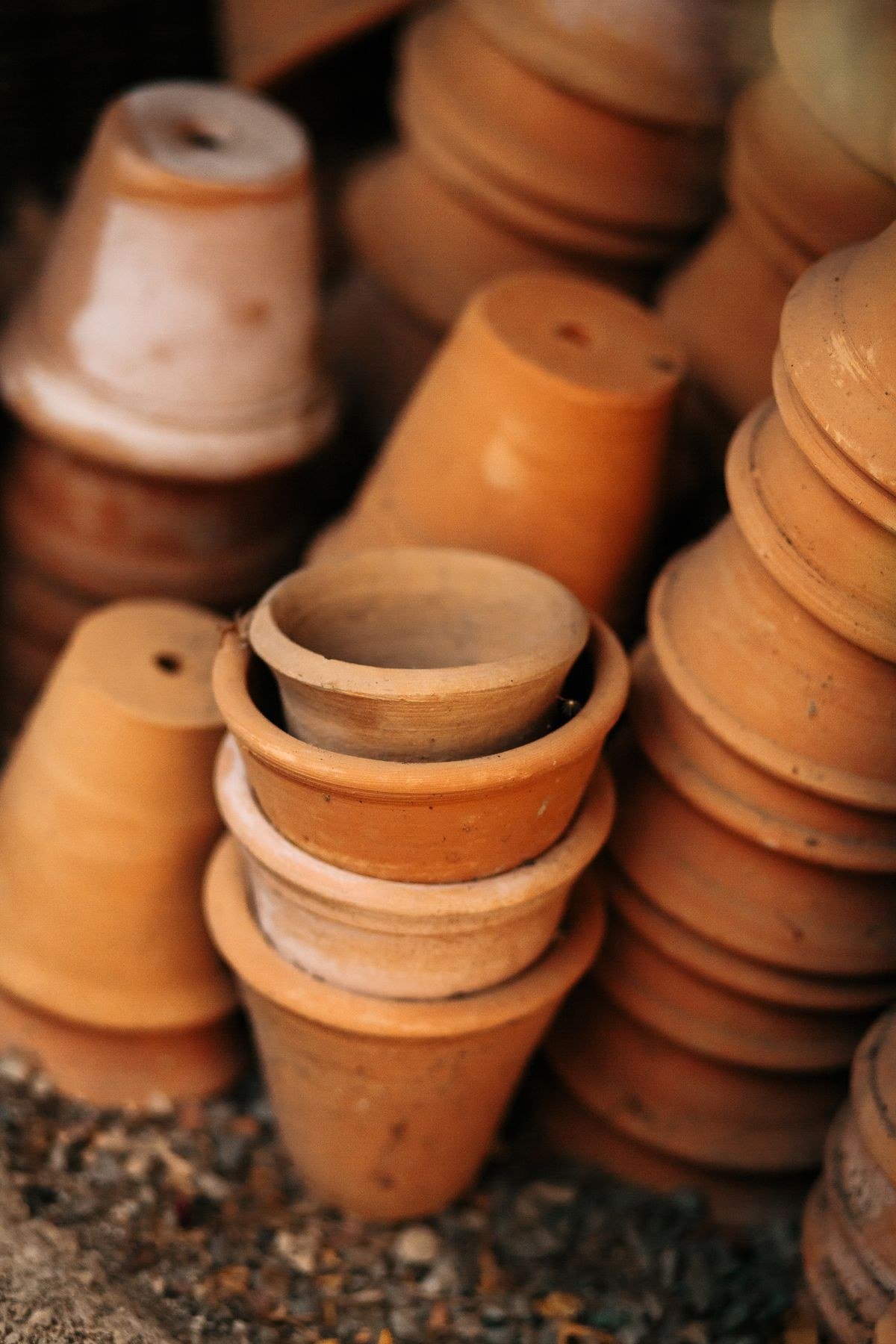
Food safety comes first, because not every flower pot belongs in an oven or near food. Traditional terracotta pots are the classic look, but they must be new, unglazed or food-safe glazed, and free of chemical sealants — pots previously used for plants can harbor fertilizers and pesticides that no amount of washing fully removes. Buy new pots labeled food-safe, or line standard new terracotta pots with parchment paper or food-safe plastic liners before adding cake. Never bake directly in a pot with drainage holes unless you plug them with food-safe materials first — batter will leak everywhere. Alternatively, skip real clay entirely: silicone flower-pot molds, ceramic ramekins shaped like pots, and even sturdy paper plant pots all give the look with zero safety worries. Whatever you choose, wash and thoroughly dry pots before use, and if baking in them, confirm they are oven-safe to your recipe’s temperature. When in doubt, bake the cake separately and assemble it in the pot — the illusion is identical.
The Best Cake Recipes for Pot Baking

Dense, moist cakes work best for flower pot cakes because they hold their shape, support decorations, and stay tender for days. A sturdy chocolate cake, carrot cake, or pound cake is ideal; delicate chiffon or angel food can crumble under the weight of “soil” and flowers. If baking directly in pots, fill them only two-thirds full to leave room for frosting and soil layers, and reduce the oven temperature by about 25 degrees since small vessels bake faster — start checking for doneness early with a toothpick. For foolproof results, many bakers prefer baking a sheet cake, then cutting rounds to layer inside the pots with frosting — this gives perfectly even layers and zero risk of overflow. Flavor-wise, think garden: lemon and elderflower, carrot with cream cheese, chocolate with mint, strawberry, or pistachio. Match the cake flavor to your flower colors for a delightful surprise when guests dig in.
Frostings That Behave Like Flowers

The flowers are the make-or-break detail, and your frosting choice determines how realistic they look. American buttercream is the workhorse: it pipes crisp petals, holds shape at room temperature, and takes gel coloring beautifully. For the most lifelike blooms, Swiss meringue buttercream gives silkier petals with a less sweet taste, though it is slightly softer in warm weather. Royal icing works for delicate piped flowers made in advance and dried hard — perfect for daisies and blossoms you want to prepare days ahead. Whatever you use, color it with gel or paste food coloring (never liquid, which thins the frosting) and work in small batches so colors stay true. Chill piped flowers briefly before placing them so petals set firmly. A final dusting of petal dust or luster dust adds the subtle sheen of real petals. Practice your key flowers — roses, daisies, tulips, sunflowers — on parchment before committing to the pots.
Making Convincing “Soil”
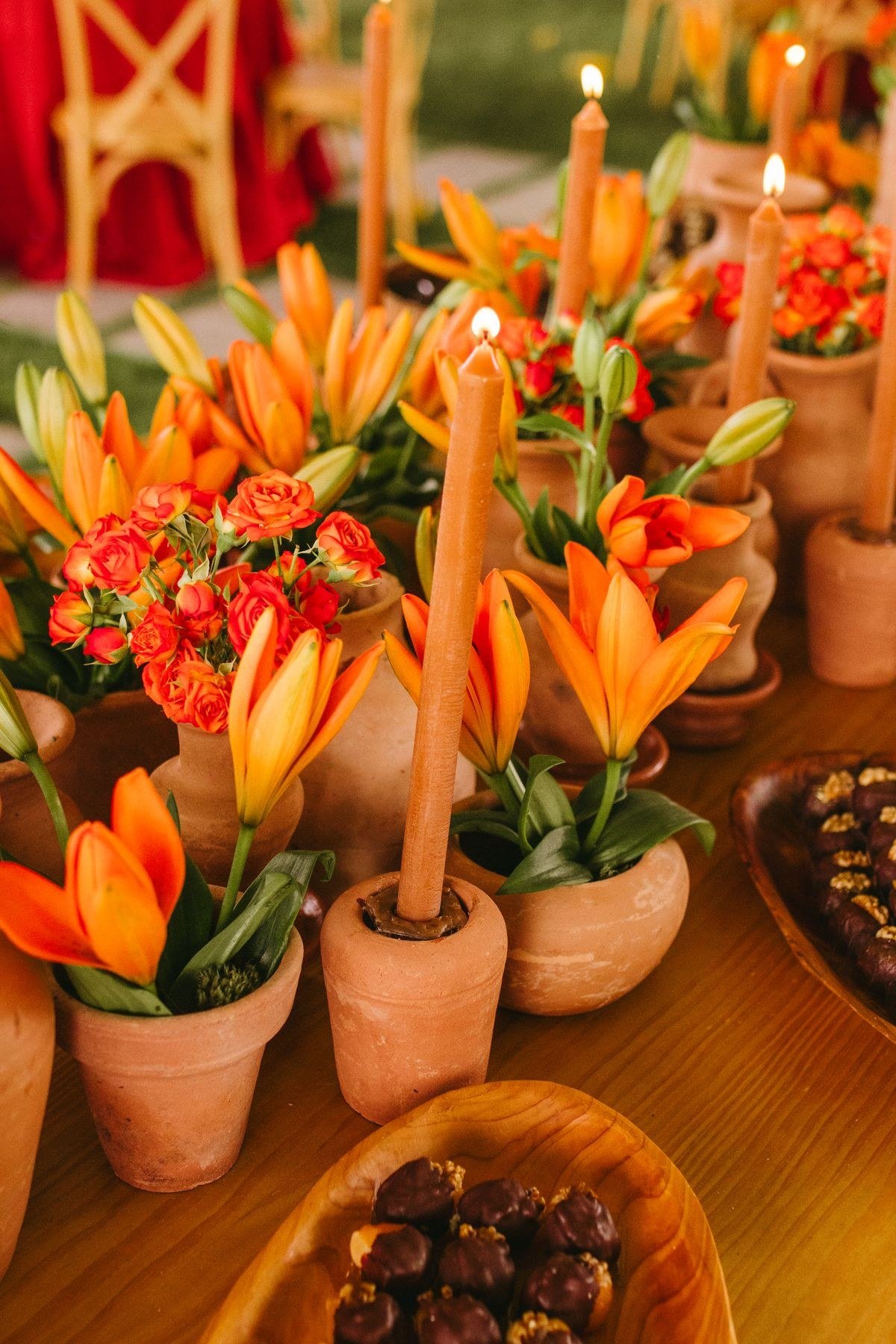
Realistic soil is what sells the illusion, and it is deliciously simple. The classic method is chocolate sandwich cookies crushed to a coarse crumb — pulse them in a food processor, leaving some larger chunks for texture, and the dark color reads instantly as rich potting soil. For lighter “soil,” use crushed chocolate cake, brownie crumbs, or a mix of cookie crumbs and cocoa powder. Spread the crumbs generously over the top frosting layer, mounding slightly in the center like real potted soil, and press gently so they adhere. For extra realism, add a few candy “pebbles” — chocolate-covered raisins, malted milk balls, or small white chocolate chips — scattered on the surface. Some bakers add gummy worms poking out for a playful touch at kids’ parties. A light dusting of cocoa powder over everything unifies the color. The soil layer should look slightly messy and natural — perfectly smooth soil is the one thing that breaks the illusion.
Piping Realistic Buttercream Flowers

Convincing flowers come down to three things: the right tips, the right colors, and restraint. Invest in a basic petal tip set — a large petal tip for roses, a smaller one for blossoms, a leaf tip, and a round tip for centers covers nearly everything. Pipe roses by building concentric petal layers around a central cone; daisies with individual elongated petals around a yellow center; and simple five-petal blossoms for filler. Color matters enormously: mix custom shades rather than using straight-from-the-tube colors — add a touch of brown to reds for realistic roses, or a hint of ivory to pinks for softness. Real flowers are never one flat color, so brush two tones on your piping bag or add darker centers. Keep arrangements natural: odd numbers of blooms, varying heights, and plenty of piped leaves in two greens. Step back frequently — if it looks like a real plant from three feet away, you have nailed it.
Using Fresh and Edible Flowers
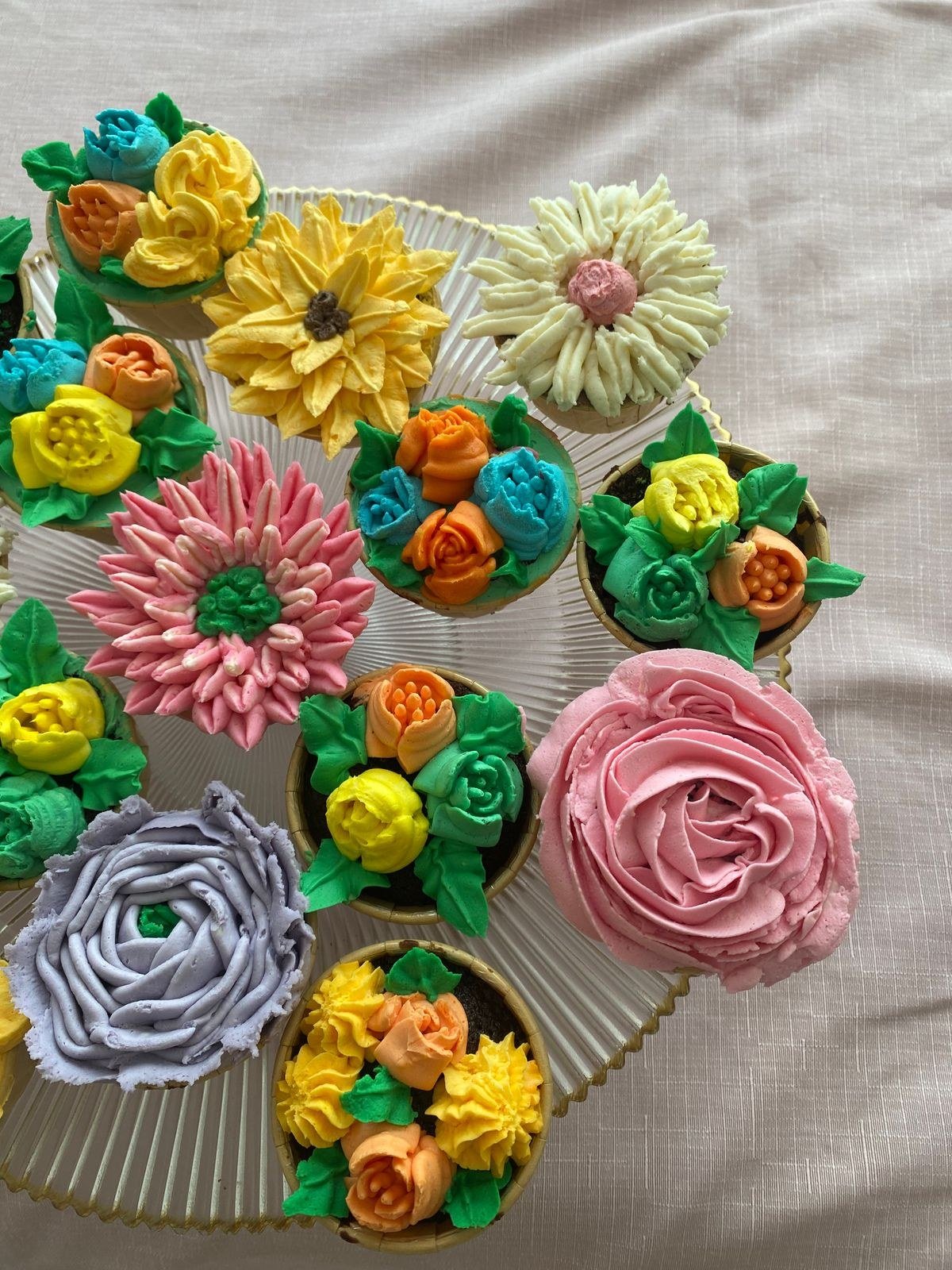
Fresh flowers take flower pot cakes from clever to breathtaking, but they must be edible or at least food-safe and pesticide-free. Edible options include pansies, violas, nasturtiums, borage, calendula petals, rose petals, lavender buds, and herb flowers like chive blossoms — all beautiful and safe to eat. Source them from edible-flower growers or grow your own; never use florist flowers, which are routinely treated with chemicals unsafe for consumption. Insert stems into the cake just before serving so they stay fresh, and if a flower is not edible but is non-toxic, you can still use it decoratively with the stem wrapped in floral tape — just tell guests not to eat it. Fresh herbs like mint, thyme, and rosemary make wonderful “foliage” and add fragrance. A combination approach often looks best: piped buttercream blooms for structure plus a few fresh edible flowers for realism and that just-picked freshness no frosting can fully replicate.
Flower Pot Cakes for Weddings

Flower pot cakes are a secret weapon for botanical, garden, and greenhouse weddings. As individual desserts, they double as both place settings and favors — each guest finds a “potted plant” at their seat, and the delighted double-take becomes a shared memory. For the cake table, a large flower pot cake as the cutting cake, surrounded by mini versions, creates a cohesive and utterly charming display. Match the frosting flowers to your wedding florals so the desserts echo the real arrangements. Practical tips: assemble the cakes the day before and add fresh flowers on the wedding day; transport pots in cupcake boxes or divided trays so they do not tip; and display them away from direct sun, which melts buttercream fast. Cost-wise, they are often cheaper than traditional plated desserts while feeling far more special. Just be sure your caterer or a designated helper knows the pots are dessert — you do not want a well-meaning guest “watering” them.
Kids’ Party Flower Pot Cakes
Kids go absolutely wild for flower pot cakes, and children’s parties are the perfect excuse to get playful. Let the realism go and embrace fun: bright rainbow frosting flowers, gummy worms wriggling out of the cookie soil, candy pebbles, and pots painted in cheerful colors (use food-safe paint or wrap pots in decorative paper). Turn it into an activity by setting up a decorating station — bake plain pot cakes in advance, then let each child add their own soil, gummy worms, and pre-piped frosting flowers. It doubles as entertainment and take-home favor. For safety with young children, use shatterproof pots rather than terracotta, keep decorations large enough to avoid choking hazards, and skip wire flower picks. Flavor-wise, you cannot go wrong with chocolate or vanilla funfetti. The “plant your own dessert garden” concept is endlessly adaptable to themes from fairy gardens to dinosaur digs (bury gummy dinosaurs in the soil).
Seasonal Variations: Spring to Winter
Flower pot cakes adapt to every season with simple swaps. Spring calls for pastel tulips, daffodils, and cherry blossom designs in lemon or strawberry cake — perfect for Easter and Mother’s Day. Summer brings bold sunflowers, daisies, and zinnias on chocolate or funfetti cake, ideal for garden parties and Fourth of July gatherings. Autumn shifts to mums, marigolds, and falling-leaf motifs on spiced pumpkin or apple cake, with cinnamon-dusted soil — wonderful for Thanksgiving. Winter gets creative: “snowy” pots with white frosting drifts, piped poinsettias, and peppermint or gingerbread cake, or evergreen sprigs made of piped green frosting for a Christmas planter look. Match your pot decoration to the season too — wrap pots in burlap and twine for fall, or tie them with gingham ribbon for spring. A seasonal rotation keeps this charming dessert fresh all year round.
Herb Garden Pot Cakes: A Savory-Sweet Twist

For a sophisticated twist, style flower pot cakes as herb gardens rather than flower beds. Use green-tinted frosting piped into rosettes and leaves to mimic herb foliage, top with fresh mint, thyme, or rosemary sprigs, and flavor the cake with lemon-thyme, basil-strawberry, or rosemary-olive oil for a genuinely herbal taste. These are perfect for garden parties, bridal showers with a botanical theme, and farm-to-table dinners where the dessert echoes the menu. Label each pot with a tiny plant marker — “Mint,” “Basil,” “Thyme” — written on kraft paper tags tied with twine for an authentic nursery look. The herbal flavors surprise guests who expect plain vanilla, and the presentation is elegant enough for upscale events. Pair them with herbal cocktails or infused lemonades to complete the garden-to-glass experience.
Mini vs. Large: Sizing Your Pots
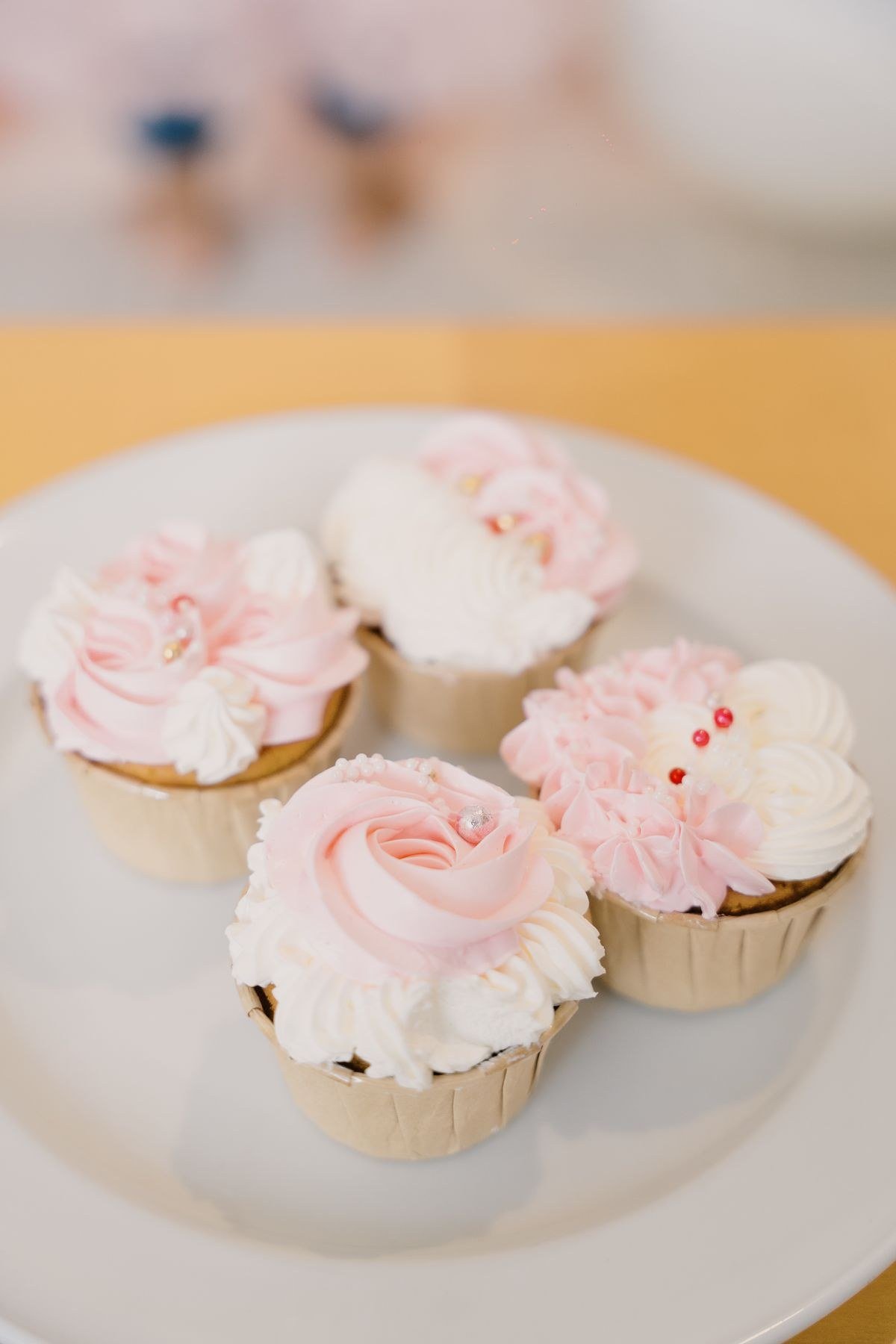
Size dramatically affects both presentation and practicality. Mini pots (2 to 3 inches) make perfect individual servings — each guest gets their own, portion control is built in, and they work beautifully as place cards with name tags stuck in the soil. Standard 4-inch pots serve one generous portion or two light ones and are the most common choice for parties. Large 6 to 8-inch pots become true showpieces: a single dramatic cake for a dessert table, birthday centerpiece, or wedding cutting cake. Keep in mind that larger pots mean longer bake times and heavier finished cakes — a filled 8-inch terracotta pot is surprisingly heavy, so plan your display table accordingly. For big events, a “garden” of mixed sizes looks more natural and abundant than uniform pots. As a rule, match the pot size to the occasion: minis for favors and place settings, standards for parties, and larges for centerpieces.
Transporting and Displaying Pot Cakes
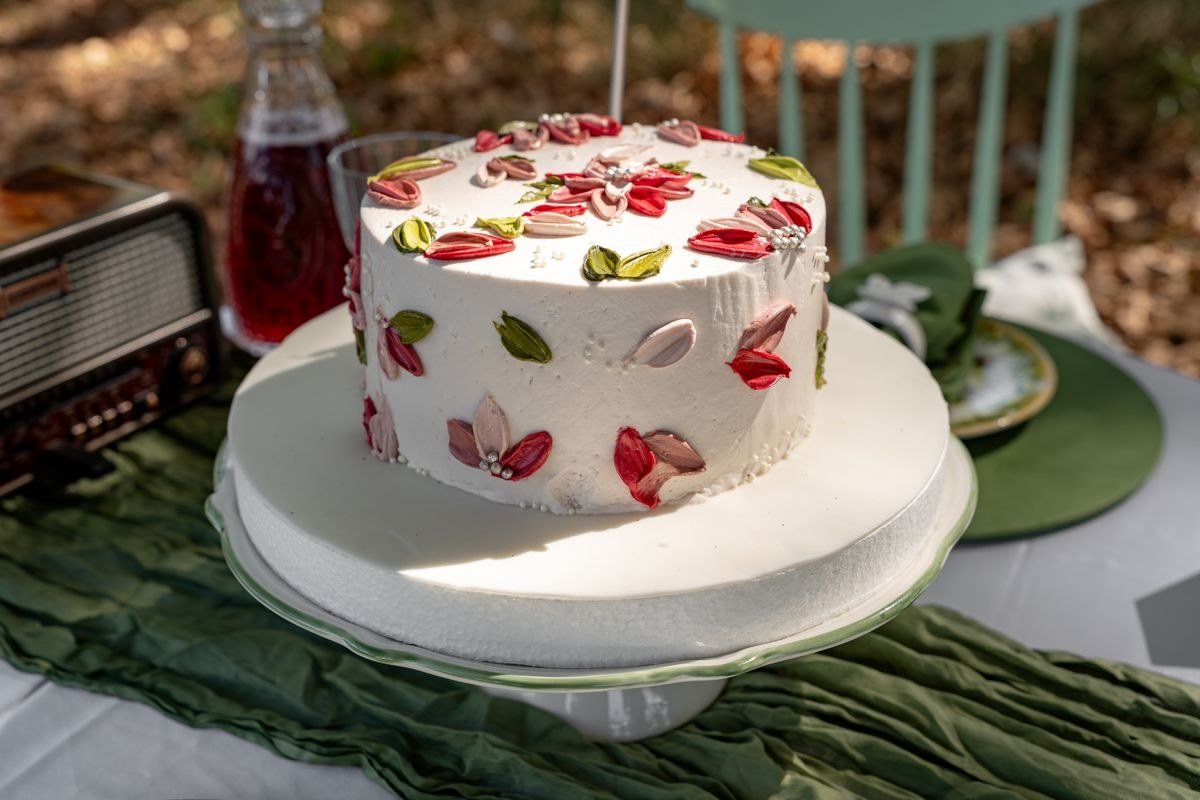
Transport is the trickiest part of flower pot cakes, but a little planning prevents disasters. Transport pots upright in cupcake boxes, muffin tins, or cardboard boxes with dividers — anything that stops them tipping. Keep them cool: buttercream softens quickly, so transport in an air-conditioned car and add fresh flowers at the venue rather than before the drive. For display, lean into the garden theme: arrange pots on tiered plant stands, wooden crates, or actual potting benches draped with burlap. Scatter real flower petals, moss, and small gardening tools (clean trowels, watering cans) around the display for an immersive effect. Elevate some pots on overturned smaller pots for height variation. Keep the display out of direct sunlight and away from heaters. A small sign — “Please do not water the desserts” — gets laughs and prevents well-meaning accidents.
Make-Ahead and Storage Tips

Flower pot cakes are excellent make-ahead desserts if you stage the work correctly. Bake the cakes up to three days ahead, wrap tightly, and refrigerate or freeze. Assemble pots (cake, frosting layers, soil) one to two days before serving and refrigerate covered — the flavors actually meld beautifully overnight. Pipe buttercream flowers up to three days ahead and store them chilled on parchment-lined trays. On serving day, bring assembled pots to room temperature for about an hour (cold cake tastes dull), then add piped flowers, fresh blooms, and final soil touches. Fully assembled pot cakes keep refrigerated for up to three days, though fresh flowers should be added last-minute. Do not freeze fully decorated pots — condensation ruins piped details. If you must work far ahead, freeze undecorated assembled pots and decorate after thawing for the freshest-looking result.
Common Mistakes and How to Fix Them
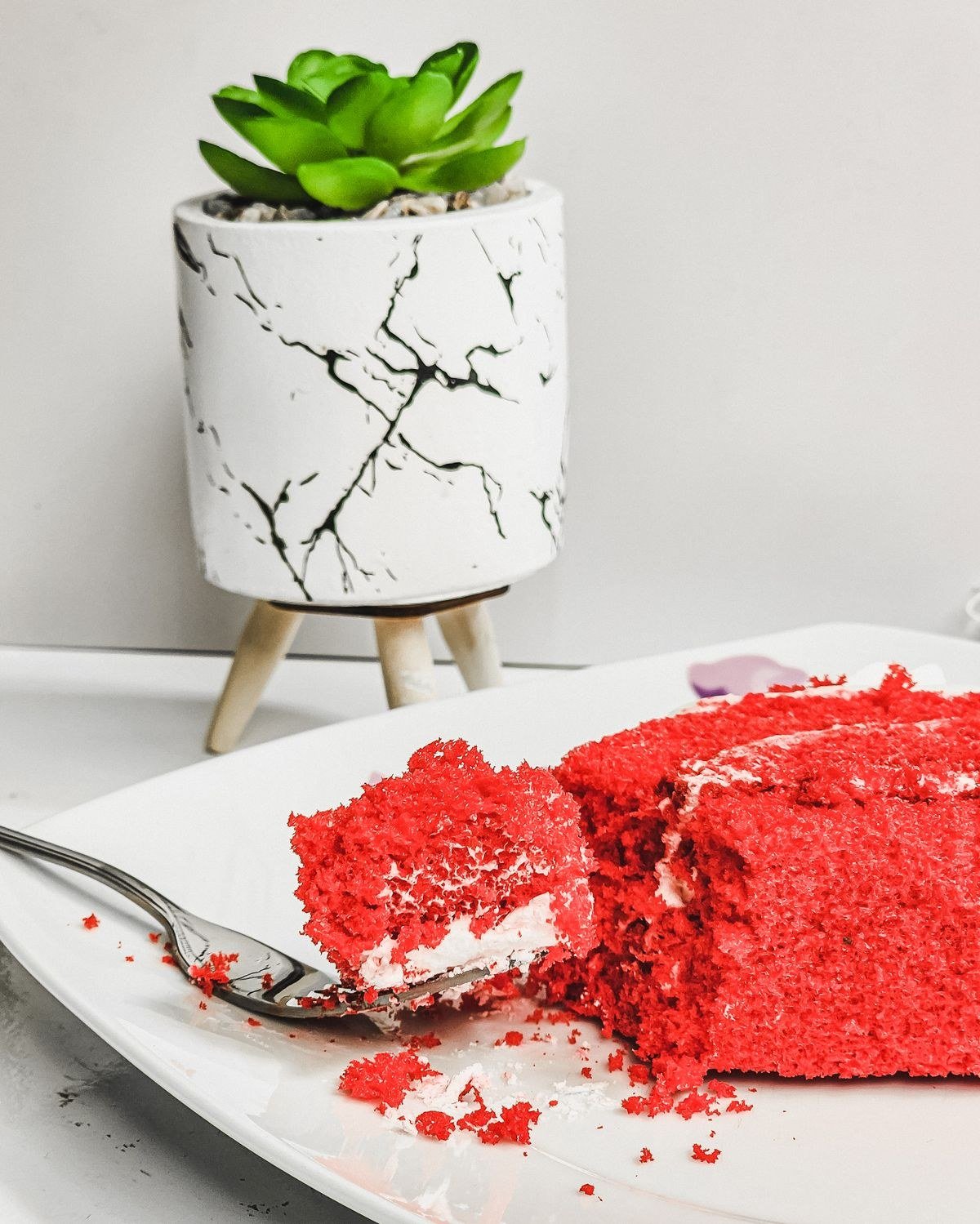
Even charming desserts have pitfalls. Soggy soil is the most common: if your crumb topping sits on wet frosting too long, it softens — fix it by adding fresh crumbs just before serving. Melting flowers in warm weather can be prevented with a sturdier American buttercream (more powdered sugar) and by keeping finished pots chilled until display time. Pots that wobble or tip need a stable base — set them on small plates or in sturdy holders. Overfilling pots during baking causes overflow; always fill just two-thirds full. If piped flowers look flat, your frosting is too warm — chill the bag for ten minutes and try again. Cracked terracotta from oven heat means the pot was not oven-safe; switch to baking separately and assembling. And if the whole thing just looks messy rather than artfully rustic, remember the three-foot rule: step back, because guests view desserts from a distance, not inches away.
Vegan and Gluten-Free Flower Pot Cakes
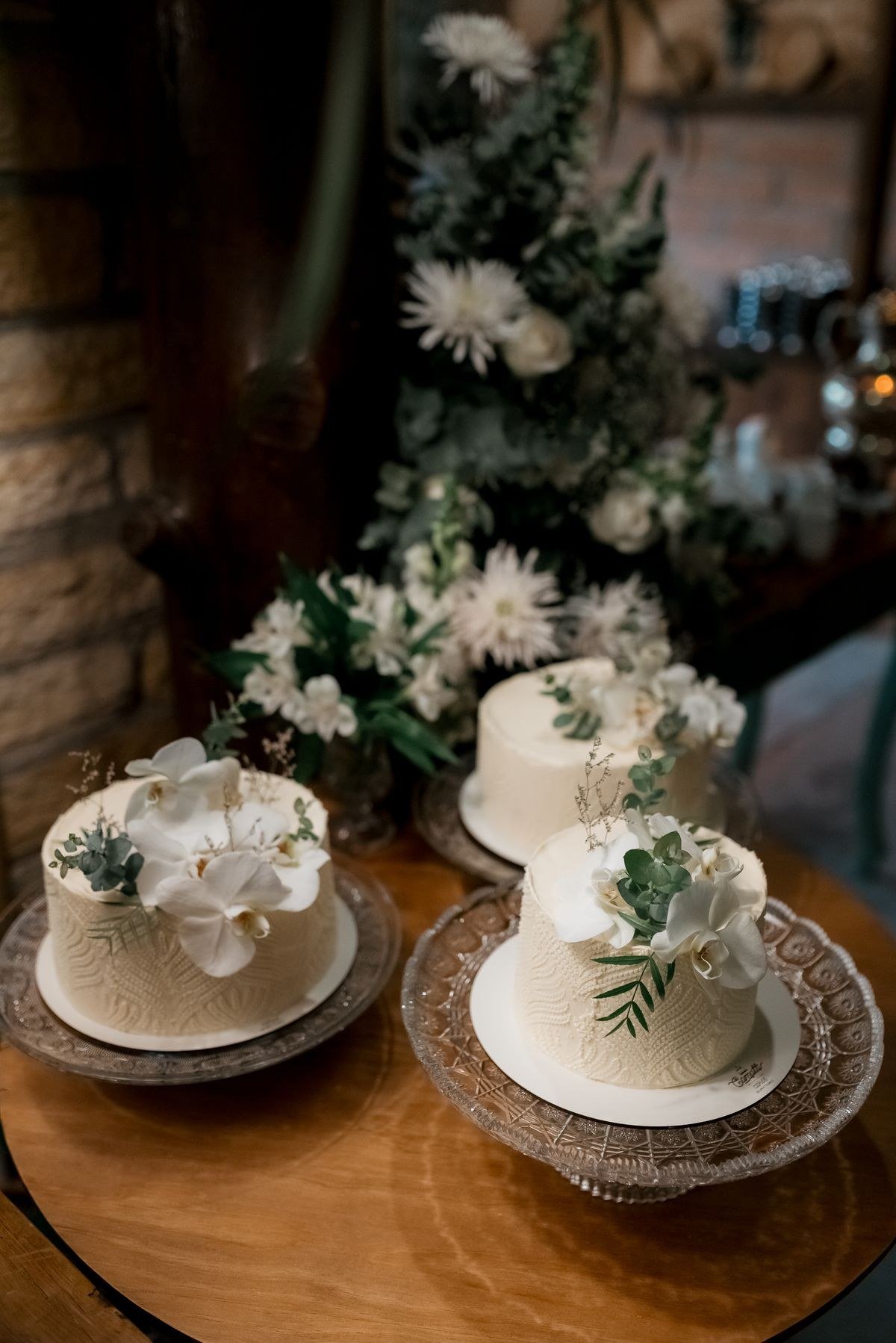
Dietary restrictions should not exclude anyone from the fun. For vegan versions, use a vegan cake recipe (flax eggs and plant milk work beautifully in sturdy cakes), vegan buttercream made with plant-based butter sticks, and vegan chocolate sandwich cookies for the soil — many popular brands are accidentally vegan. Gluten-free is straightforward: use a reliable gluten-free flour blend in a naturally dense recipe like chocolate or carrot cake, and gluten-free cookies for soil. Label pots clearly with small flags or tags so guests with restrictions can identify safe options. The decorating techniques are identical regardless of diet — vegan buttercream pipes just as well as traditional. One caution: some gel food colorings contain animal-derived ingredients, so check labels if strict veganism matters. With a little label-reading, flower pot cakes can welcome every guest to the garden.
Flower Pot Cake Pops and Bites

For bite-sized fun, shrink the concept into flower pot cake pops and petit fours. Use small paper condiment cups or mini silicone pot molds filled with cake-pop mixture, topped with crumb soil and a single piped blossom or candy flower. These are perfect for dessert tables where guests want to graze, for wedding favor boxes, or for kids who cannot finish a full pot. Cake truffles “planted” in tiny pots with a pretzel-stick “stem” and a candy flower on top are adorable and easy to mass-produce. The technique scales down perfectly: same soil, same flowers, just smaller. Package minis in clear favor boxes tied with ribbon for take-home treats. Because they are small, you can offer multiple flavors — chocolate, vanilla, red velvet, lemon — letting guests “pick their plant” from the dessert garden.
Pairing Drinks With Pot Cakes
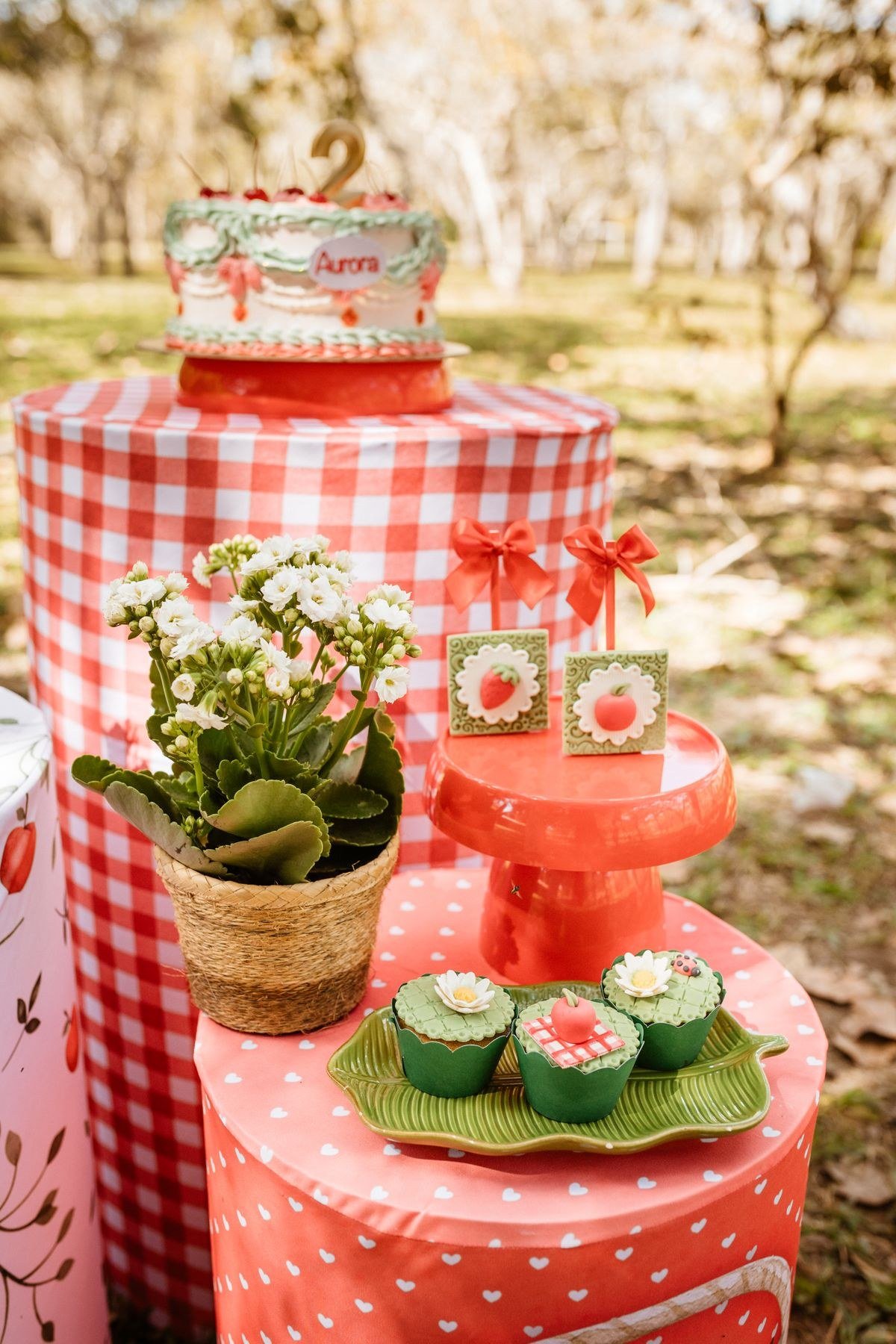
The right drink turns flower pot cakes into a complete garden-party experience. For afternoon events, serve floral teas — rose, hibiscus, chamomile, or jasmine — in glass teapots so guests see the blooms steeping. Sparkling lemonades with edible flowers, cucumber-mint water, and pastel fruit punches all match the aesthetic. For adult gatherings, prosecco or rosé is a natural partner, as are floral cocktails like elderflower spritzes or lavender lemonade spiked with vodka. Coffee and cake is a classic for a reason: a good medium roast complements chocolate and carrot pot cakes beautifully. Match drink colors to your flower palette when you can — blush drinks with pink frosting flowers, golden drinks with sunflowers. Serve drinks in mason jars, vintage teacups, or glass bottles with paper straws to keep the garden-party charm flowing from table to glass.
Photographing Your Creations
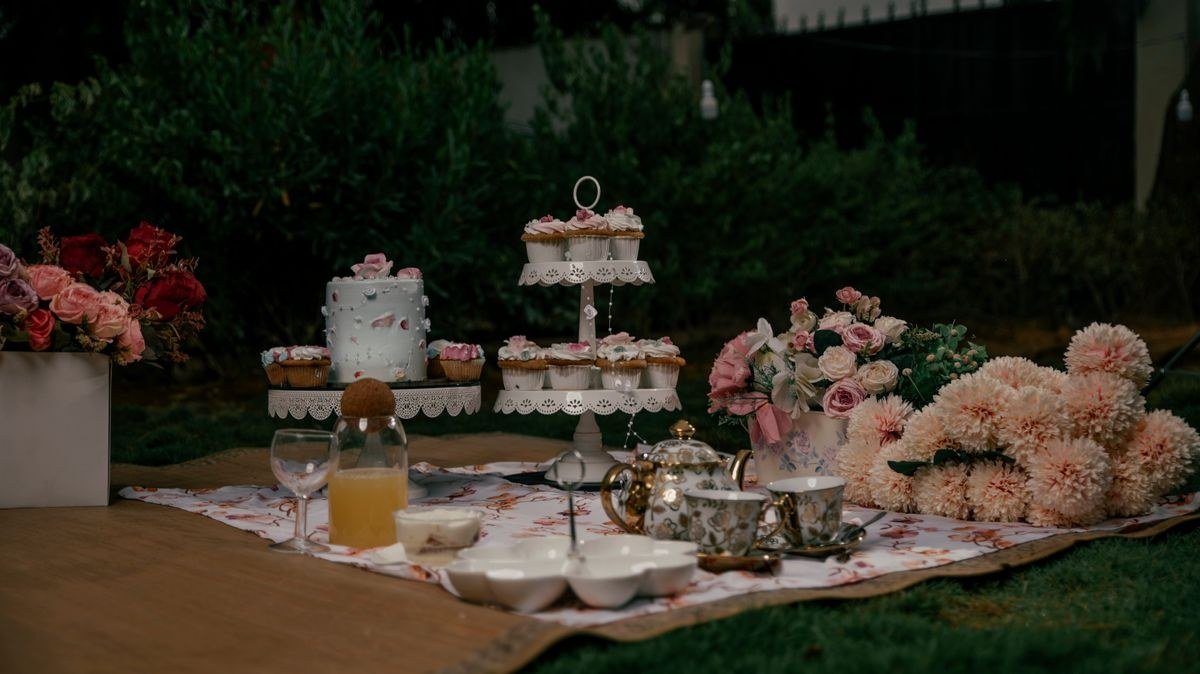
Flower pot cakes deserve great photos, whether for social media or your baking portfolio. Shoot in natural light near a window — direct sun creates harsh shadows, while soft diffused light shows off frosting details. Style the scene like a garden: wooden surfaces, linen napkins, scattered petals, and real plants in the background reinforce the illusion. Shoot from a slight angle rather than straight overhead to capture the pot’s depth and the flowers’ dimension. Include a “reveal” shot — a spoon digging in to show the cake layers — because the surprise is half the story. For process shots, photograph each stage: empty pots, filled pots, soil going on, flowers being piped. These step-by-steps perform wonderfully online and help other bakers learn. Finally, photograph one pot next to a real potted plant — the side-by-side comparison is the ultimate proof of your trompe-l’œil skills.
Frequently Asked Questions
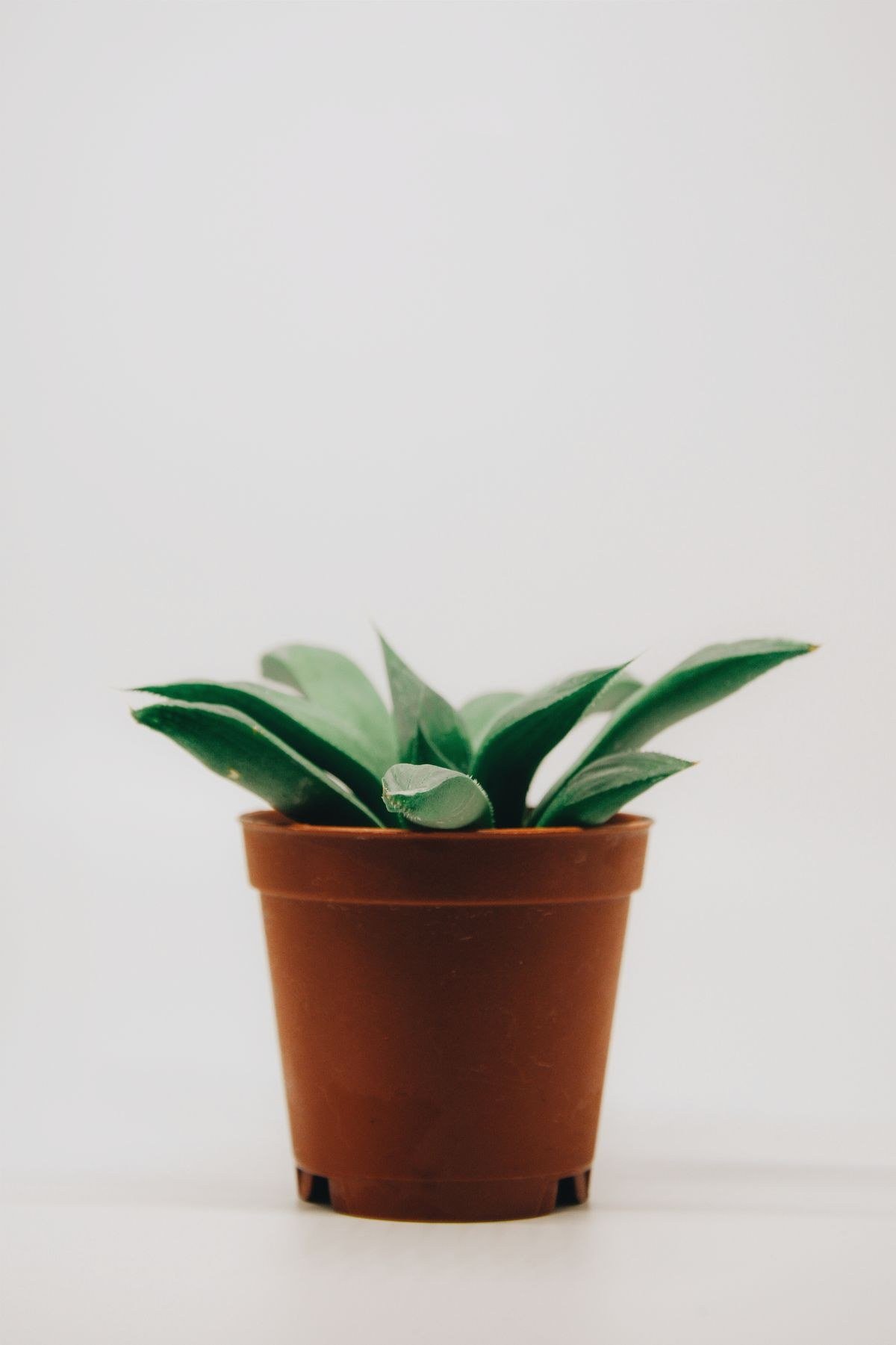
Are terracotta pots food-safe? Only new, food-safe pots — never ones previously used for plants. When in doubt, use a liner or bake separately and assemble. Can I bake directly in the pots? Yes, if they are oven-safe; fill two-thirds full and reduce heat by 25 degrees. How far ahead can I make them? Assemble 1-2 days ahead; add fresh flowers on serving day. What is the best “soil”? Crushed chocolate sandwich cookies, with some larger chunks for texture. Will buttercream flowers melt outdoors? They can — use sturdy American buttercream and keep pots shaded and cool until serving. Can I make them vegan or gluten-free? Absolutely, with simple substitutions for cake, frosting, and soil. How do I transport them? Upright in divided boxes, kept cool, with delicate flowers added at the venue.

I am Talha Sikandar, a professional writer with a passion for general blogging. With years of experience in content writing and research, I founded Meaniingly.com to deliver well-researched, informative, and user-friendly articles on diverse topics.