Every batch of home-brewed kombucha grows a new SCOBY, and soon you have more of these living cultures than you know what to do with. Fortunately, a SCOBY is useful far beyond brewing. From tangy snacks and desserts to beauty treatments and garden boosters, here is your complete guide to kombucha SCOBY recipes and uses.
What Exactly Is a Kombucha SCOBY

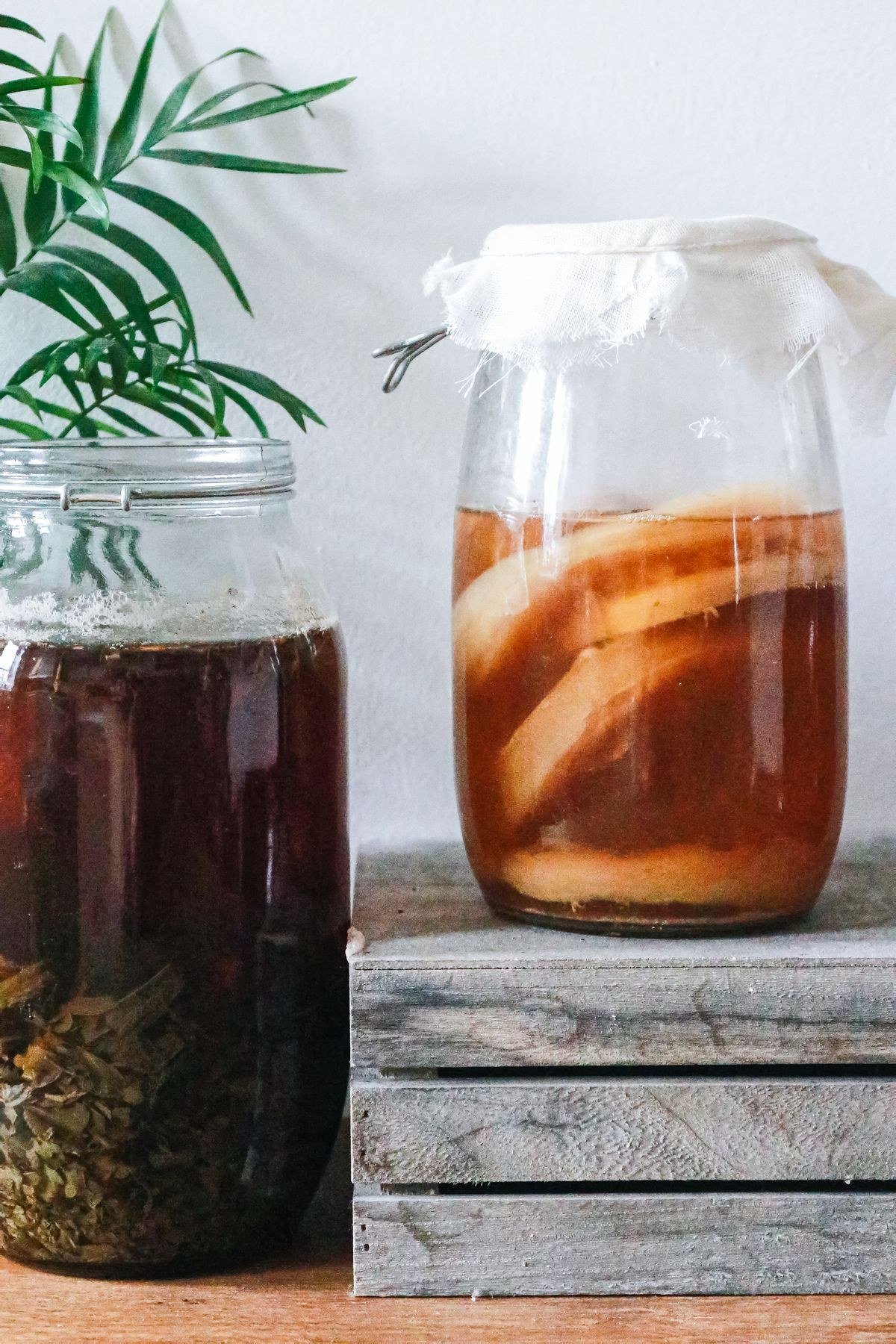
SCOBY stands for symbiotic culture of bacteria and yeast. It is a cellulose mat formed by bacteria, home to the yeasts and bacteria that ferment sweet tea into tangy, fizzy kombucha. A healthy SCOBY is cream to light brown, smooth on top, and may have stringy yeast bits hanging underneath — all normal. Dark spots, dry patches, or fuzzy mold (blue, green, black, and fuzzy like bread mold) are not normal; mold means the whole batch must be discarded. Each brew grows a new layer, so a single SCOBY becomes a stack you can peel apart and share or repurpose.
A new SCOBY forms on top of every batch, starting as a thin translucent film and thickening over the brew cycle. Warmer temperatures grow thicker SCOBYs faster, while cooler brews grow them slowly. The mother SCOBY may sink or float sideways — both are fine, and fermentation continues normally. Never worry about a SCOBY’s looks unless you see actual mold; ugly is normal in the SCOBY world.
Growing and Maintaining Healthy SCOBYs
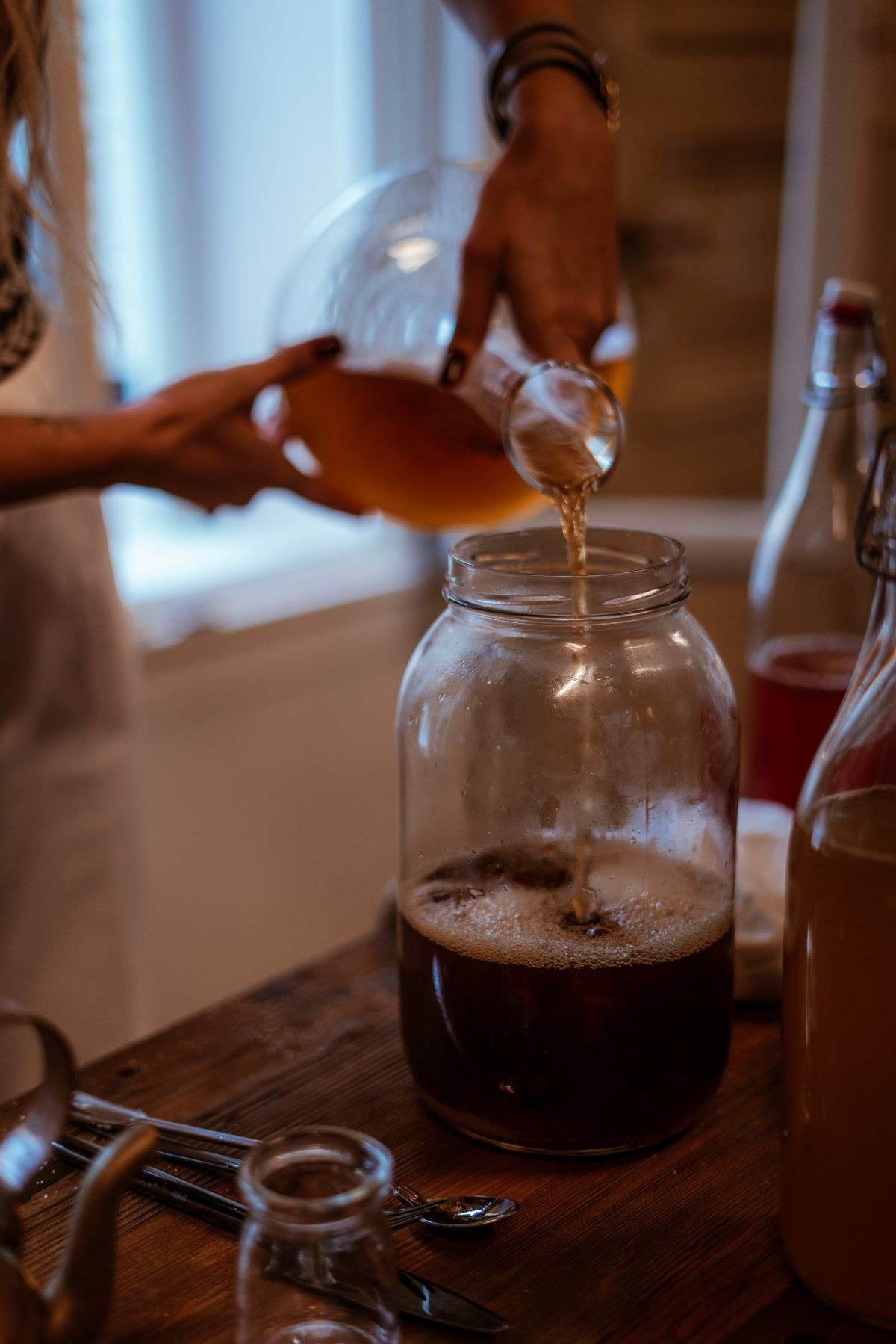
Keep spare SCOBYs in a SCOBY hotel: a large jar filled with enough starter kombucha to cover them, topped up with sweet tea every few weeks. Store at room temperature away from direct sunlight. The hotel tea becomes extremely vinegary over time, which is fine — it is perfect starter liquid. Peel layers apart gently with clean hands when you need one. A hotel can sustain cultures for months with minimal attention. Label the jar with the date so you can rotate stock, using the oldest SCOBYs first for recipes and giving the freshest to friends starting their brew.
Feed your hotel a cup of sweet tea monthly to keep cultures vigorous, using the same ratio as brewing: one cup of sugar per gallon of tea. If the hotel liquid evaporates, top up with starter kombucha rather than plain tea to keep acidity protective. Hotels stored too cold go dormant, while room temperature keeps them happily active. A well-kept hotel is practically immortal.
Safety First: When to Use or Toss a SCOBY
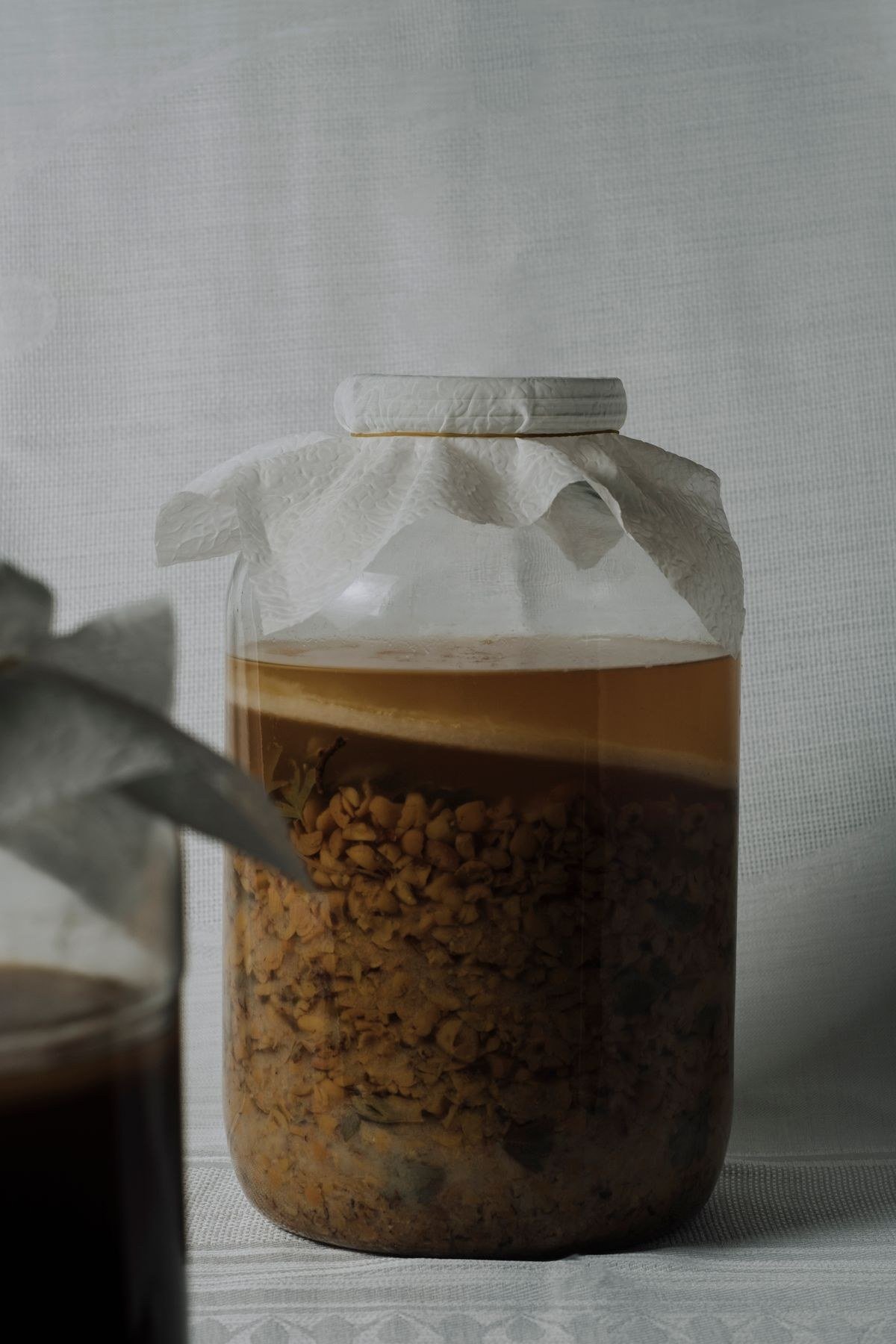
Only use SCOBYs from healthy, mold-free brews for any recipe you will eat. If you see fuzzy mold in any color, discard the SCOBY and the entire batch of tea — mold roots penetrate the liquid and cannot be salvaged. A SCOBY that smells like vinegar is fine; one that smells rotten or putrid is not. For consumption, rinse the SCOBY in clean water and cut away any dark, tough edges. When in doubt, throw it out — SCOBYs are free and endlessly renewable, so there is never a reason to risk using a questionable one.
Kahm yeast — wrinkly, white, flat colonies — is sometimes mistaken for mold but is harmless, though it can taste off. True mold is fuzzy and colored: blue, green, black, or pink fuzz means discarding everything. Fruit flies are the other SCOBY enemy, so keep cloth covers secured with tight rubber bands. Cleanliness with brewing vessels prevents nearly all problems.
SCOBY Fruit Leather: A Tangy Snack

SCOBY fruit leather is the most popular edible SCOBY recipe, and for good reason. Blend one cup of chopped SCOBY with two cups of fruit purée (mango, berries, or peach work beautifully) and a tablespoon or two of honey until completely smooth. Spread a quarter-inch thick on a dehydrator sheet or parchment-lined baking tray. Dehydrate at 135°F for 8 to 12 hours, or bake at the oven’s lowest setting with the door cracked until dry but pliable. Cut into strips and roll in parchment. The result is chewy, sweet-tart, and packed with the same beneficial acids as kombucha.
For the smoothest fruit leather, strain the blended mixture through a fine sieve before spreading — even tiny SCOBY bits create chewy lumps. Spread with an offset spatula for perfectly even thickness, because uneven leather dries in patches. Score the leather lightly before it fully dries for clean breaking. Properly dried leather bends without cracking and peels cleanly from the sheet.
SCOBY Gummy Candies

Turn SCOBY into probiotic gummy treats. Blend half a cup of SCOBY pieces with one cup of fruit juice until smooth, then strain for a silky texture. Warm the liquid gently — never boil — and whisk in 3 tablespoons of gelatin (or agar for a vegan version) until dissolved, plus honey to taste. Pour into silicone molds and refrigerate for two hours. The SCOBY adds a pleasant tang and body that makes these taste like sophisticated fruit chews. Keep refrigerated and eat within a week. Kids love the fun shapes, and you will love that nothing goes to waste.
Bloom gelatin properly for the best gummy texture: sprinkle it over cold liquid and let it sit five minutes before warming. Never boil the mixture after adding gelatin, because high heat destroys its setting power. For extra-firm gummies, add one more tablespoon of gelatin. A tiny pinch of citric acid on finished gummies mimics sour-candy coating brilliantly.
SCOBY Smoothies and Shakes

The easiest SCOBY recipe of all: toss a two-inch square of SCOBY into your morning smoothie. Blended with banana, berries, yogurt, and juice, it disappears completely — no odd texture, just a faint tang. The cellulose adds fiber, and you get the culture’s beneficial acids in an undetectable form. Start with a small piece and increase as you get used to it. Freeze SCOBY chunks in ice cube trays with a little kombucha for grab-and-blend portions. This is the perfect entry point if the idea of eating a SCOBY still feels strange.
Frozen SCOBY cubes keep for three months and make the easiest smoothie booster. Blend a large batch of SCOBY with a little kombucha, pour into ice cube trays, and freeze solid before bagging. One cube per smoothie is the sweet spot — undetectable in flavor, meaningful in fiber. Label the bag clearly unless you enjoy explaining mystery cubes to housemates.
Candied SCOBY Treats

Candied SCOBY tastes remarkably like commercial fruit candy. Cut a SCOBY into half-inch cubes and simmer in a simple syrup (one cup sugar to one cup water) for 20 minutes. Drain, toss the cubes in granulated sugar, and dehydrate at 135°F until chewy-dry, about 8 hours. Flavor the syrup with ginger, vanilla, or citrus zest for variety. The finished candy is sweet, tangy, and addictive — most people cannot guess what it is. Store in an airtight container for up to a month. This recipe alone justifies never throwing a SCOBY away again.
Candied SCOBY variations are endless: simmer in ginger syrup for a warming chew, in chai-spiced syrup for autumn flavor, or in citrus syrup for brightness. Roll finished pieces in citric-acid-spiked sugar for sour candy. The better your syrup flavor, the better the candy — taste the syrup first. These keep for weeks and improve as flavors meld.
SCOBY Jerky: A Savory Experiment
For the adventurous, SCOBY makes a surprisingly good vegan jerky. Slice a thick SCOBY into quarter-inch strips and marinate for at least 4 hours in soy sauce, smoked paprika, garlic powder, maple syrup, and a dash of liquid smoke. Dehydrate at 145°F for 6 to 8 hours until chewy but not brittle. The texture is remarkably meat-like — dense and satisfying — while the marinade delivers all the flavor. It is high in a type of fiber most diets lack. Cut against the grain of the SCOBY layers for the best chew.
The jerky marinade is fully customizable: try teriyaki with sesame, spicy gochujang, or smoky barbecue. Score the SCOBY strips lightly before marinating so flavor penetrates deeper. Flip halfway through dehydrating for even drying. Properly dried jerky bends and cracks but does not snap — snapping means it is overdone. Store with a desiccant packet for maximum chew life.
SCOBY Salad Dressing Booster
Blend a small piece of SCOBY into vinaigrettes for body and tang. A two-inch square blended with olive oil, vinegar, mustard, honey, and herbs creates a dressing with a lovely creamy cling — the SCOBY’s cellulose acts as a natural emulsifier. It also adds a probiotic-adjacent brightness that plain vinegar lacks. Use within a few days and keep refrigerated. This is a stealth-health move: no one at the dinner table will know the secret ingredient, but everyone will ask for the recipe.
This emulsifying trick works in any vinaigrette: the SCOBY’s cellulose stabilizes the oil-vinegar mixture far longer than mustard alone. Start with a tablespoon of blended SCOBY per cup of dressing. It also adds body to creamy dressings without dairy. Keep experiments small until you find your preferred ratio — a little goes a long way texturally.
Fizzy SCOBY Sodas and Shrubs
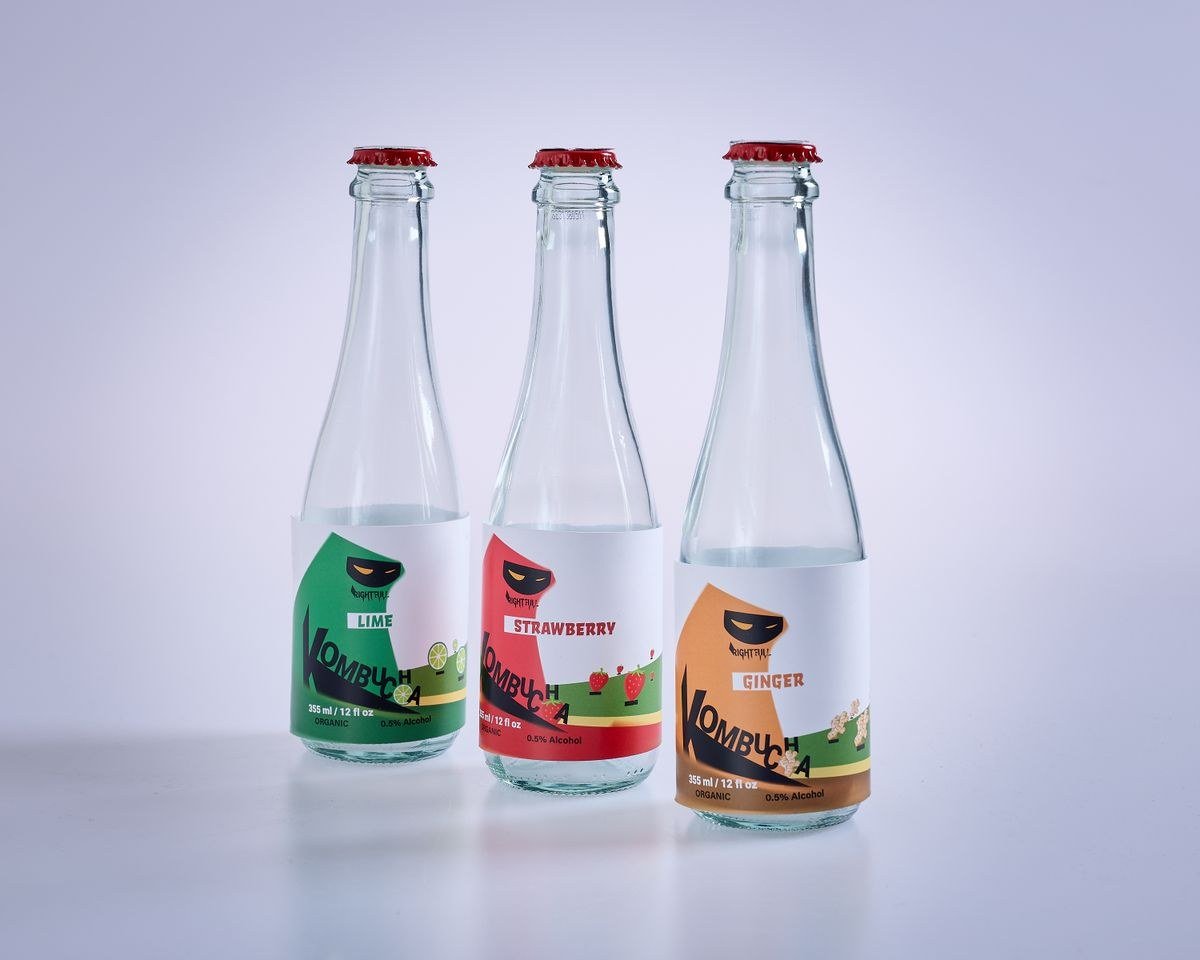
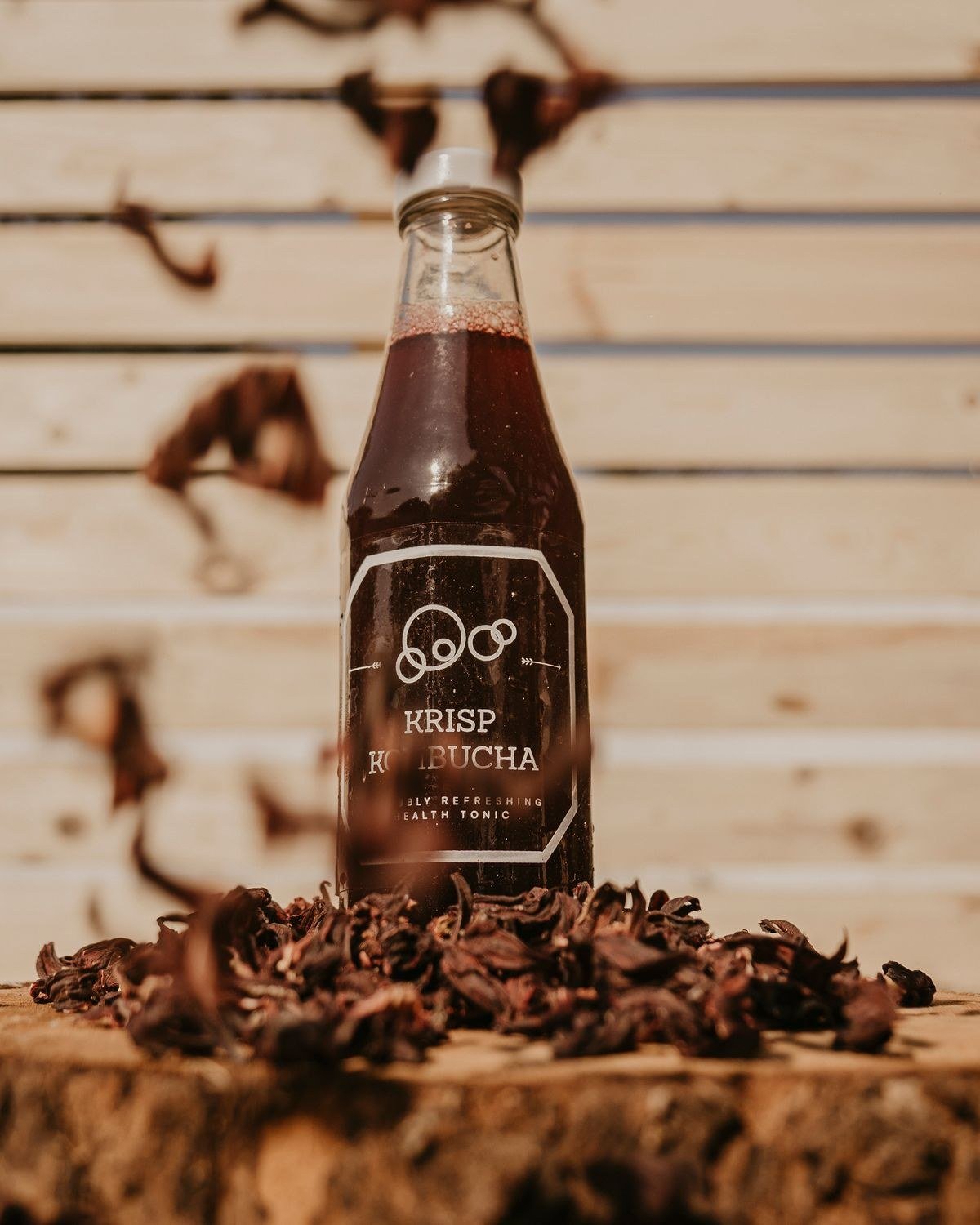
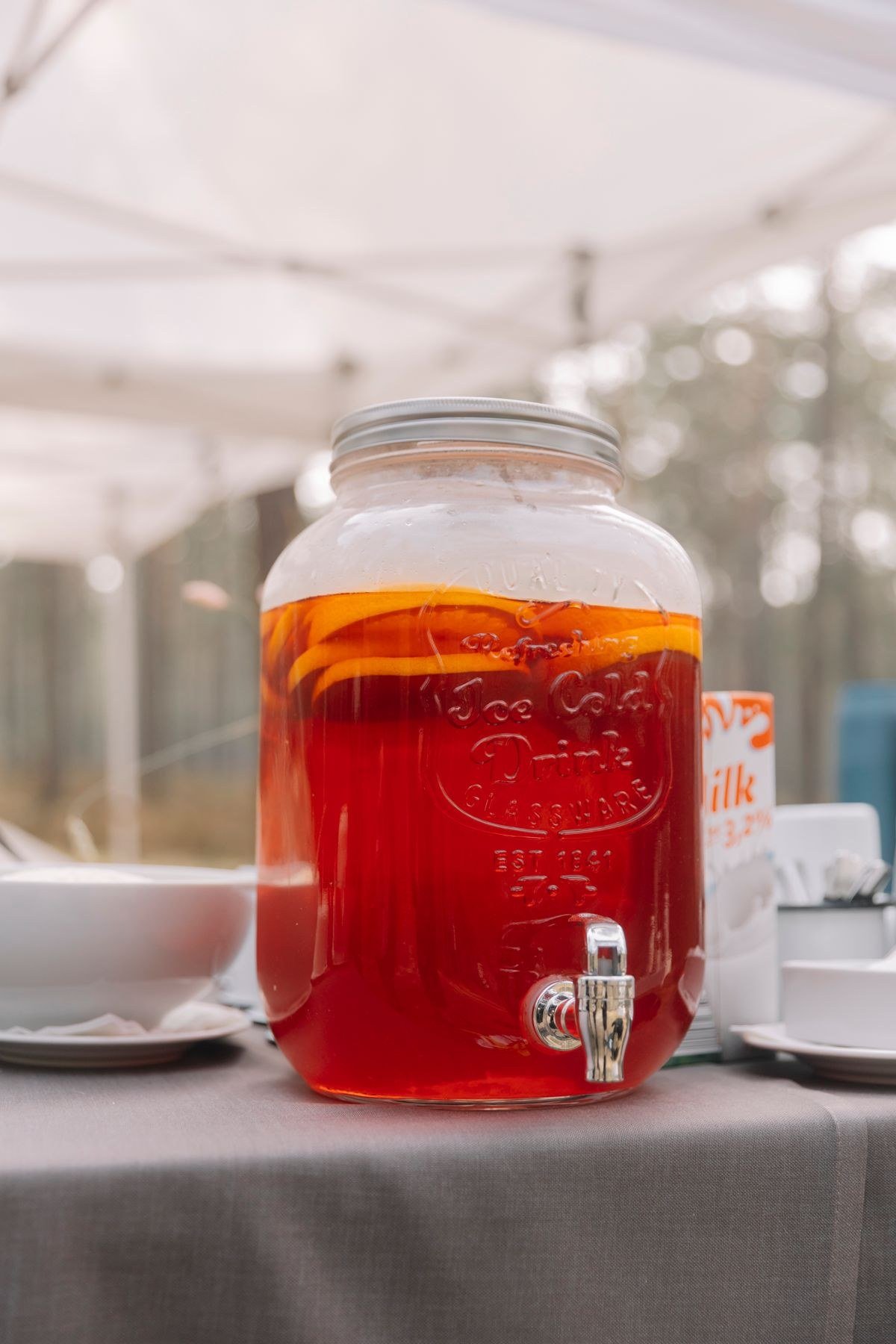
Drop SCOBY pieces into sweetened fruit juice or herbal infusions to kickstart wild sodas. Combine a cup of SCOBY chunks with a quart of sweetened hibiscus tea or fruit juice in a jar, cover with cloth, and ferment 3 to 5 days until pleasantly tart. Strain and bottle for a second ferment to build carbonation, burping daily. The result is a lightly fizzy, low-alcohol probiotic soda. Ginger-lemon and berry-hibiscus are crowd favorites. This is essentially a shortcut to water-kefir-style drinks using the culture you already have.
Second-ferment sodas need daily burping, because pressure builds fast in warm kitchens. Use pressure-rated bottles, never thin decorative glass, to avoid explosions. Refrigerate once the desired fizz is reached, since cold halts fermentation. Start tasting on day two — fruit sodas can over-ferment quickly. Keep notes on timing, because your kitchen’s temperature makes every batch unique.
SCOBY Face Masks for Glowing Skin
Kombucha’s acids and probiotics are prized in skincare, and a fresh SCOBY delivers them directly. Blend a small piece of SCOBY with a tablespoon of honey and a teaspoon of plain yogurt into a smooth paste. Apply to clean skin for 10 to 15 minutes, then rinse. The gentle acids exfoliate while the culture’s compounds soothe. Alternatively, lay thin, fresh SCOBY sheets directly on the face like a sheet mask for 15 minutes. Patch-test first, and never use a SCOBY from a contaminated brew on skin. Your face will feel remarkably smooth afterward.
For an exfoliating scrub, blend SCOBY with oatmeal and honey into a grainy paste — the cellulose provides gentle physical exfoliation while the acids chemically exfoliate. Use once weekly rather than daily, because over-exfoliation irritates skin. Always moisturize afterward, and discontinue if redness persists beyond a few minutes. Natural does not mean suitable for every skin type.
SCOBY Hair Rinse for Shine

The acetic acid in kombucha smooths the hair cuticle much like an apple cider vinegar rinse. Soak a SCOBY piece in water for a day to make a mild infusion, strain, and use as a final rinse after shampooing — about half a cup worked through the lengths. It removes buildup, adds shine, and calms frizz without the strong vinegar smell. Follow with conditioner on the ends if your hair is dry. Some brewers simply dilute finished kombucha instead; both work, but the SCOBY infusion is gentler and stretches your supply further.
The SCOBY hair rinse also helps with dandruff, since mild acidity discourages the yeast associated with flakes. Use weekly rather than daily to avoid over-clarifying. If hair feels dry afterward, follow with a deep conditioner. Those with color-treated hair should test on a hidden section first, as acids can affect some dyes. Rinse thoroughly, because residue feels sticky.
Feeding SCOBYs to Pets and Chickens

Chickens go absolutely wild for chopped SCOBY, and many dog owners report their pets love small pieces as chewy treats. Cut the SCOBY into bite-size bits and offer as an occasional supplement, not a meal replacement. The cultures are generally recognized as safe for animals, and poultry keepers prize SCOBYs as a free, nutritious flock treat. Introduce slowly and watch for any digestive upset. Never feed SCOBYs from a moldy batch to animals either. When you have more cultures than recipes, the flock is a happy disposal service.
For dogs, introduce SCOBY treats gradually — offer a small piece first to check tolerance. Most dogs love the chewy texture, but rich novel foods can upset sensitive stomachs. Cut pieces appropriately for your dog’s size to prevent gulping. As with any treat, these should stay under ten percent of daily calories. Cats are typically uninterested, and that is perfectly fine.
SCOBY Compost and Garden Booster

Chop old SCOBYs and bury them in the compost pile or directly in garden beds. The cellulose breaks down into rich organic matter, and the beneficial microbes give your compost biology a boost. Some gardeners blend SCOBY with water into a slurry and pour it around acid-loving plants like blueberries and tomatoes. It is also excellent in worm bins — red wigglers process SCOBY readily. This is the zero-waste endpoint for cultures too old or tough for the kitchen: everything returns to the soil.
SCOBY compost accelerates beautifully in worm bins — chop finely so worms process it faster. Bury pieces in the center of the pile where heat is highest. The acidity is mild enough not to harm compost biology at normal quantities. Do not add SCOBYs from failed moldy batches to compost intended for vegetable gardens unless your pile runs genuinely hot.
Dehydrated SCOBY Dog Treats

Make long-lasting chews for your dog by dehydrating SCOBY. Rinse well, cut into strips or use cookie cutters for fun shapes, and dehydrate at 135°F until completely dry and leathery — usually 10 to 12 hours. The result is a tough, chewy treat dogs love gnawing. Store in an airtight container for up to two months. Offer in moderation as part of a balanced diet, and supervise chewing as with any dense treat. It is a fraction of the cost of store-bought chews and free of the additives commercial treats often contain.
Cut treats into training-sized bits before dehydrating — small pieces dry faster and more evenly. For power chewers, dehydrate thicker strips for longer-lasting chews. Always supervise dogs with any chew treat. Store in the freezer for maximum freshness if your dog goes through them slowly. These cost pennies compared to boutique chews, and you control every ingredient.
SCOBY Hotel Vinegar for Cleaning
The ultra-tart liquid from a long-neglected SCOBY hotel is essentially strong vinegar — put it to work. Use it full-strength as a descaler for kettles and coffee makers, a glass cleaner (diluted half and half with water), or a fabric softener substitute in the rinse cycle. Its acidity cuts soap scum and mineral deposits as effectively as white vinegar. Keep a spray bottle under the sink labeled clearly. This turns your most neglected brewing byproduct into a free, non-toxic cleaning supply.
Hotel vinegar’s acidity strengthens over months, eventually rivaling cleaning vinegar. Test on an inconspicuous spot before using on stone or marble, because acids etch natural stone. It excels on glass, chrome, and ceramic. The faint tea color can stain light grout, so stick to white vinegar there. Label the spray bottle clearly — it looks identical to drinking kombucha.
Sharing and Gifting SCOBYs
The kombucha tradition runs on sharing. A gift SCOBY needs about a cup of strong starter tea in a clean jar, covered with a breathable cloth and rubber band. Include a simple instruction card: brew sweet tea, cool it, add the SCOBY and starter, wait 7 to 14 days. Package in a sturdy jar with a ribbon for a genuinely unique homemade gift. Many brewers got their start from a friend’s extra culture — passing yours along continues the chain. Local fermentation groups and community boards are full of people hoping for exactly what you have too many of.
Include a troubleshooting card with gifted SCOBYs: what normal looks like, the mold warning signs, and where to find help online. A starter kit with a jar, cloth cover, tea bags, and sugar makes the gift complete. Offer to be their fermentation hotline for the first batch — personal support is why gifted SCOBYs succeed where internet-bought ones sometimes fail.
Troubleshooting SCOBY Recipes

Rubbery texture is the main complaint — the fix is always blending longer and straining. A high-speed blender for a full two minutes, then pushing through a fine sieve, eliminates chewiness in leathers, gummies, and smoothies. If fruit leather cracks, your layer was too thin or the heat too high; aim for a quarter inch and lower temperatures. Gummies that will not set need more gelatin or colder setting time. And if anything tastes too vinegary, use younger, paler SCOBYs from recent brews rather than the dark, thick veterans from the bottom of the hotel.
If fruit leather sticks to the tray, you spread it too thin or under-dried it — line trays with silicone sheets, never foil, which bonds permanently. Gummies weeping liquid need more gelatin or colder storage. Smoothies with visible bits need a longer blend or a pre-strain. With SCOBY cooking, smoothness always comes from mechanical processing, not from the ingredient itself.
Storing Prepared SCOBY Foods
Treat SCOBY foods like other homemade goods. Dehydrated items — leather, jerky, candy, dog treats — keep for weeks to months in airtight containers in a cool, dark spot; add a food-safe desiccant packet in humid climates. Refrigerated items like gummies, dressings, and face masks last about a week. Smoothie cubes keep for months in the freezer. Always label with the date, since SCOBY foods all look vaguely similar once stored. When in doubt about freshness, trust your nose — sour beyond pleasant means it is time to compost it.
Vacuum-sealing dehydrated SCOBY snacks extends shelf life dramatically — months instead of weeks. For refrigerated items, small jars beat one big container since you open less at a time. Freeze anything you will not eat within its window; most SCOBY foods freeze well. Date everything, because frozen mystery bags are a universal kitchen problem.
Your Zero-Waste SCOBY Routine
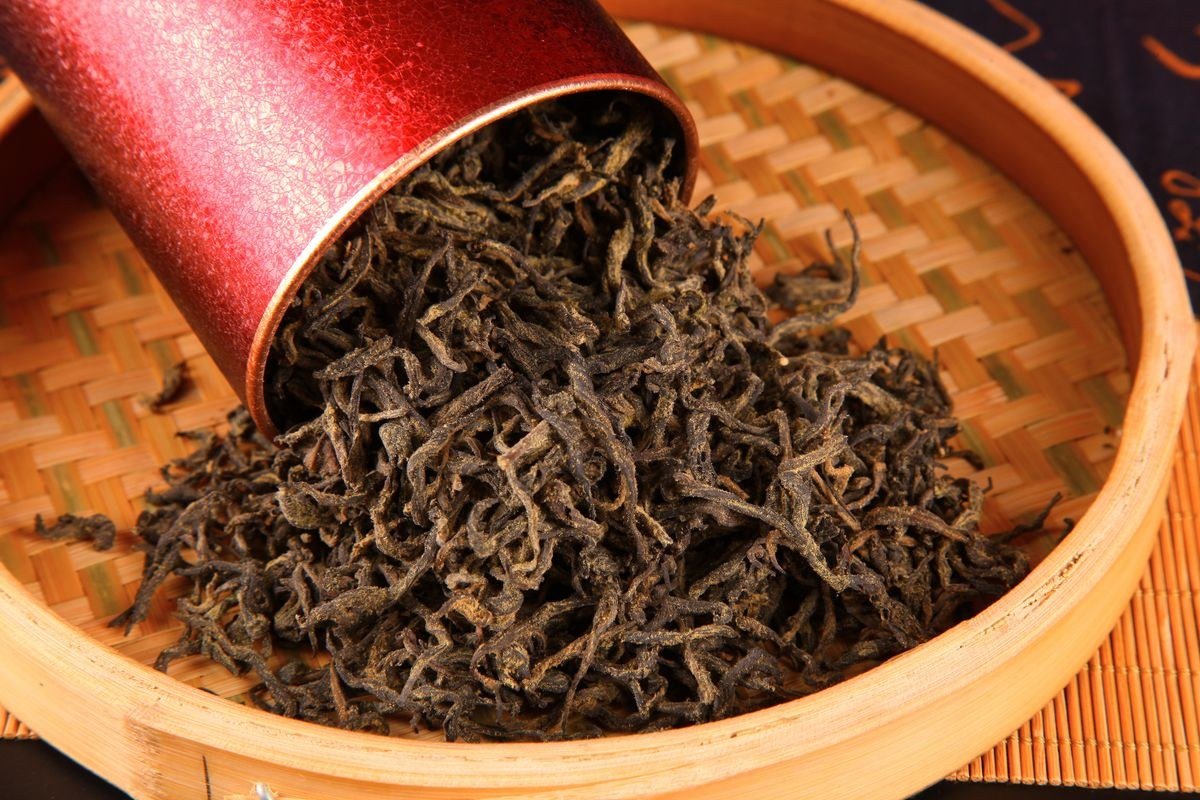
Build a simple rhythm: each brew, peel off the new SCOBY layer. The best-looking one goes to a friend or the hotel; the rest become snacks. Keep a running stash of fruit leather and gummies, a jar of smoothie cubes in the freezer, and a spray bottle of hotel vinegar under the sink. Tough, dark veterans go to the chickens or the compost. Nothing is wasted, and every batch of kombucha yields a little more than great tea. That is the quiet beauty of brewing — the culture keeps giving long after the drinking is done.
Track what you actually use: if fruit leather disappears but gummies languish, adjust your production. A simple rhythm — processing one SCOBY per brew cycle — prevents backlog without becoming a chore. Share surplus before it accumulates; a neighbor’s chickens or a friend’s new brew are better destinations than compost. The goal is a sustainable loop, not a second job.

I am Talha Sikandar, a professional writer with a passion for general blogging. With years of experience in content writing and research, I founded Meaniingly.com to deliver well-researched, informative, and user-friendly articles on diverse topics.