Kitchen witch herbal apothecary ideas
A kitchen witch’s apothecary is where cooking meets craft — shelves of labeled jars filled with dried herbs, handmade teas, infused vinegars, and simmer pot blends, each one both practical and a little bit magical. You do not need to follow any particular spiritual path to build one; at its heart, an herbal apothecary is simply an organized, beautiful collection of plant ingredients you actually use. This guide walks you through creating yours from scratch: choosing and sourcing essential herbs, drying and storing them properly, blending teas and simmer pots, making tinctures and herbal salts, and organizing it all in a way that invites daily use. Whether you are drawn to the magical associations, the self-sufficiency, or just the aesthetic of amber jars in sunlight, you will find practical ideas here for an apothecary that is as functional as it is enchanting.
What Is a Kitchen Witch Apothecary
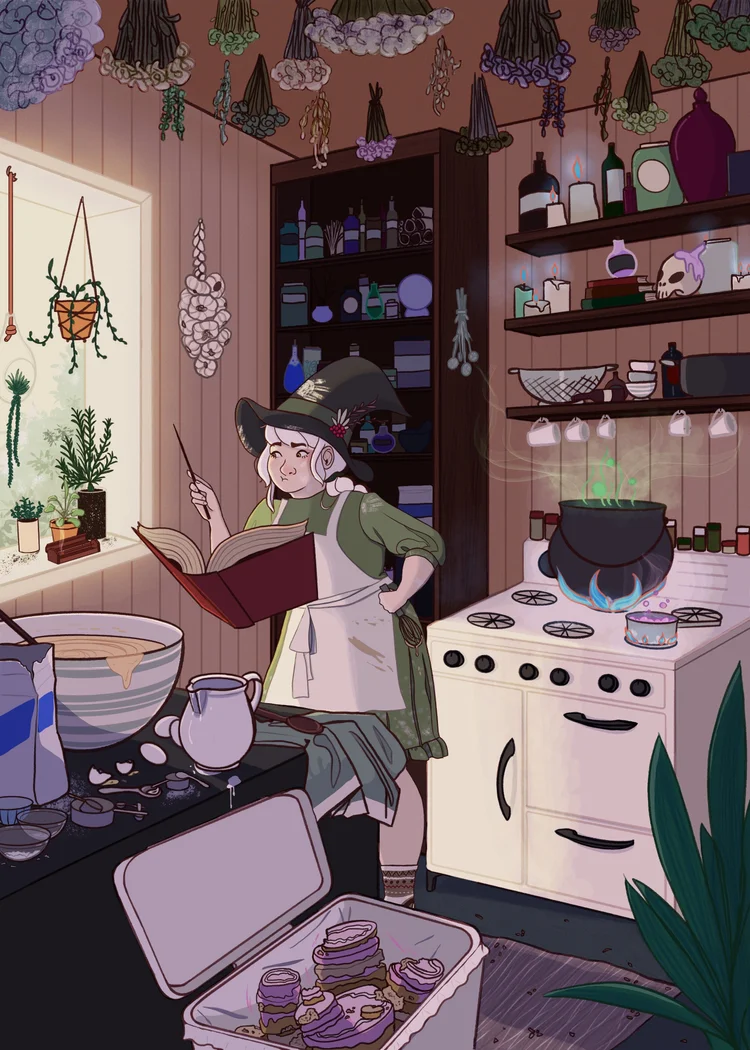
A kitchen witch apothecary is a curated collection of dried herbs, spices, teas, and herbal preparations kept in the kitchen for cooking, wellness, home fragrance, and ritual — organized beautifully and used regularly. The “kitchen witch” tradition centers on finding magic in domestic acts: stirring intention into soup, choosing herbs for their properties as well as their flavor, marking the seasons through what you harvest and preserve. Your apothecary might include culinary staples like thyme and oregano alongside rose petals for tea, lavender for sachets, and mugwort for dream pillows. There are no gatekeepers here and no required beliefs — many kitchen witches are simply cooks and gardeners who enjoy the folklore and symbolism of plants. The apothecary itself is the practice made visible: jars lined up like a promise that you can season dinner, soothe a headache, scent a room, and set an intention, all from the same shelf.
Setting Up Your Apothecary Space
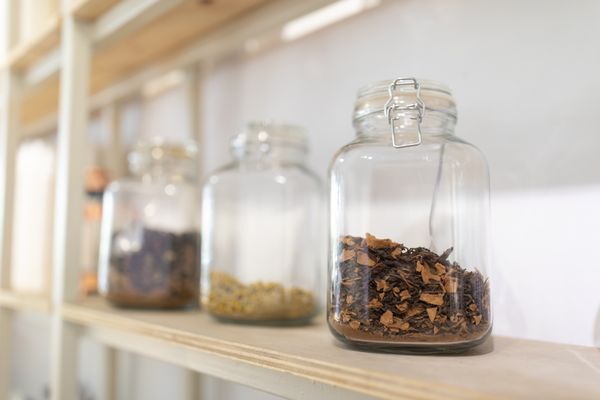
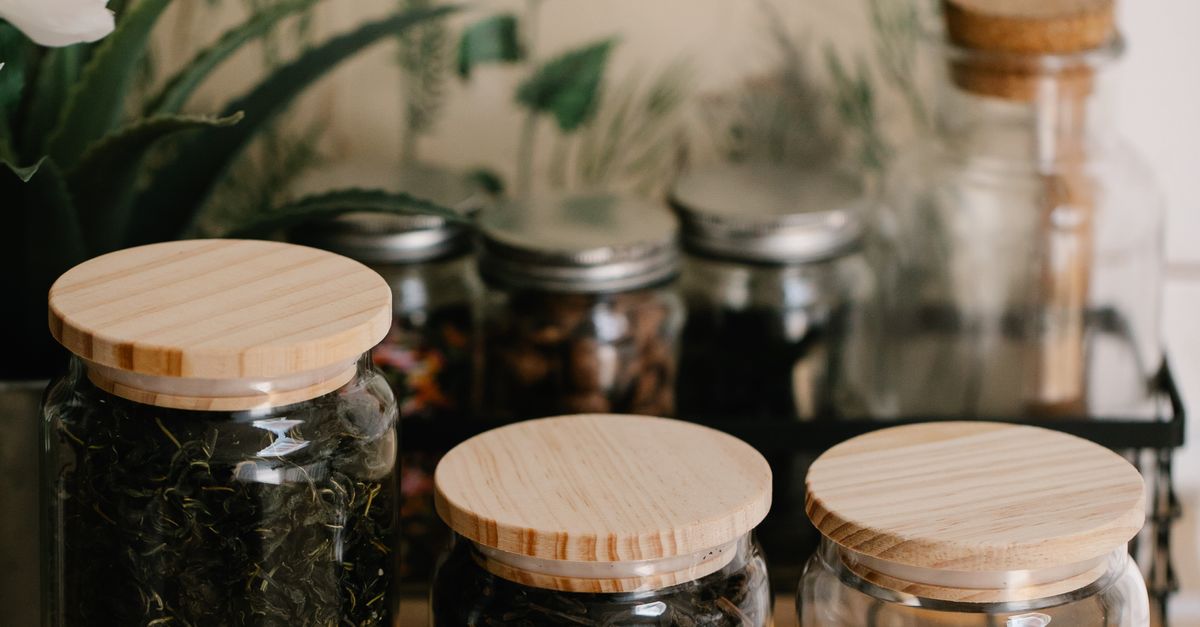
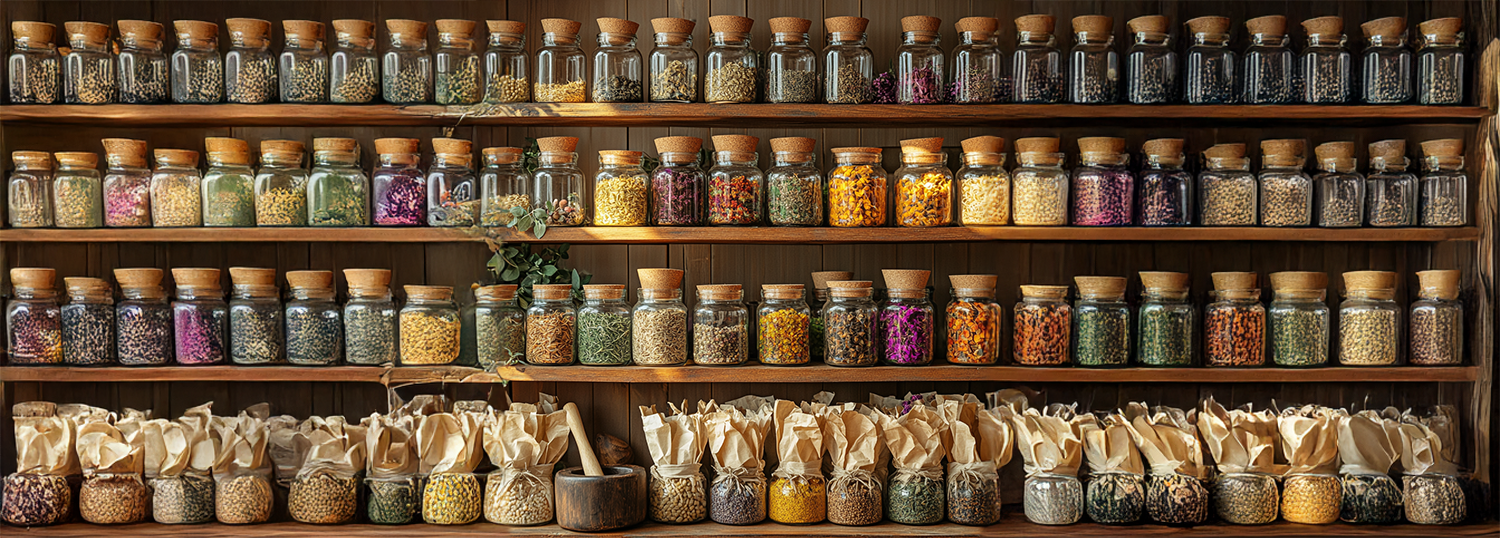
You do not need a dedicated room — a single shelf, a kitchen cart, or a section of counter works beautifully. Choose a spot away from the stove’s heat and direct sunlight, since both degrade dried herbs quickly; a cool, dark corner of the kitchen or pantry is ideal. Start with uniform jars — amber glass is traditional and protects contents from light, but clear mason jars work if the shelf is dark. You will want a range of sizes: small jars for potent herbs you use sparingly, larger ones for everyday teas and cooking herbs. Add a small workspace nearby for blending: a cutting board, a mortar and pestle, measuring spoons, and labels. Aesthetics matter because a beautiful apothecary gets used — arrange jars with labels facing out, group by use (cooking, tea, ritual), and leave a little breathing room rather than cramming.
Essential Herbs Every Kitchen Witch Should Keep

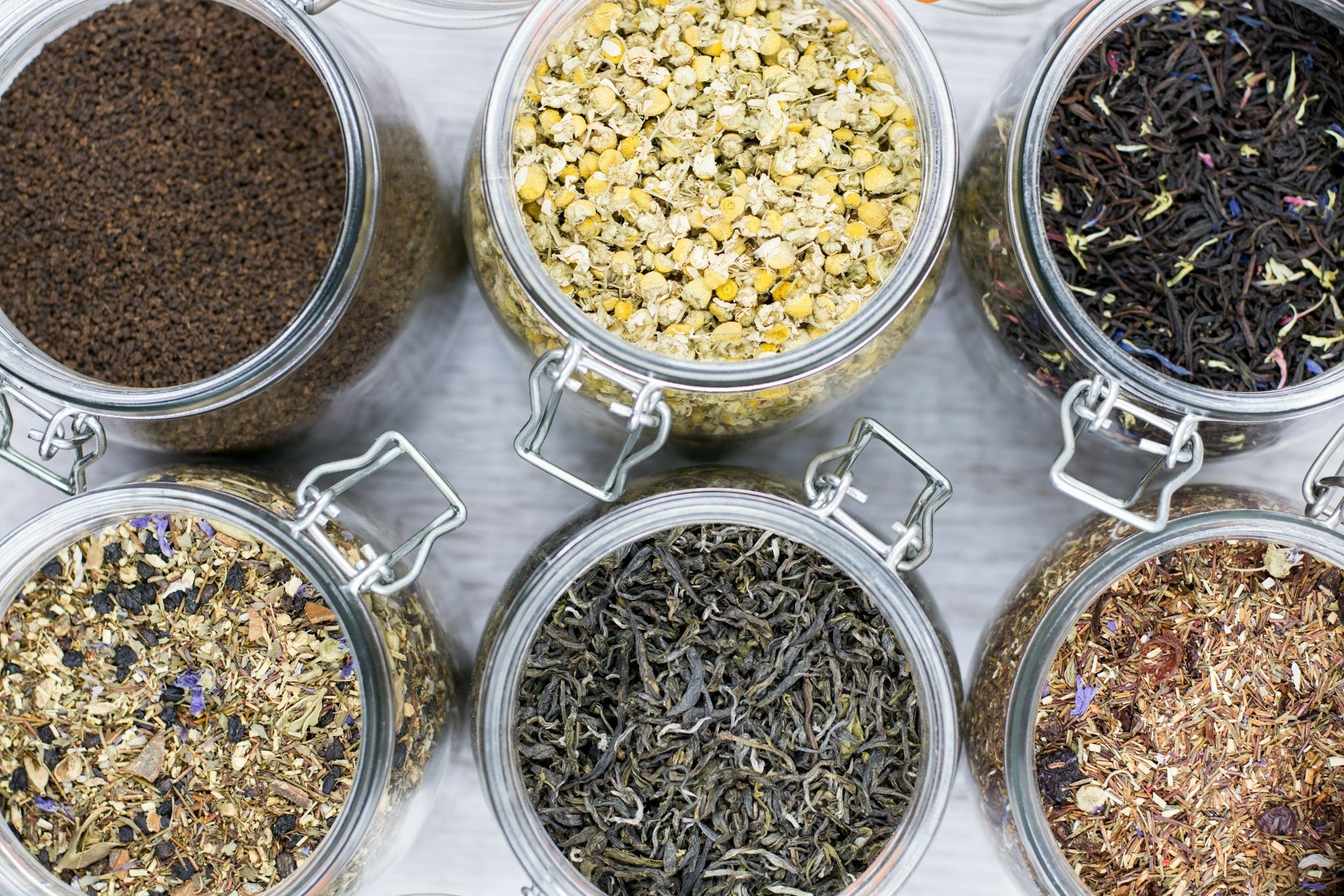
Build your collection around herbs you will actually use, starting with these workhorses. Culinary-medicinal crossovers: thyme, rosemary, sage, oregano, and mint — all easy to grow, endlessly useful in cooking, and rich in folklore. For teas: chamomile, peppermint, lemon balm, hibiscus, and nettle cover calming, digestive, and nourishing bases. For ritual and fragrance: lavender, rose petals, mugwort, and cedar. For simmer pots and sachets: cinnamon sticks, whole cloves, star anise, dried orange slices, and vanilla beans. Keep staples in larger quantities and specialty herbs in small jars — you need far less mugwort than mint. Buy small amounts at first and restock what you reach for; an apothecary of thirty jars you never open is décor, not a practice. As your confidence grows, add less common herbs like calendula, elderflower, and damiana, each bringing new teas, blends, and possibilities.
Sourcing Herbs: Grow, Forage, or Buy

Growing your own is the most rewarding source — even a sunny windowsill supports basil, mint, thyme, and chives, while a small raised bed can supply most of your apothecary. Homegrown herbs cost pennies, taste better, and connect you to the seasonal rhythm that kitchen witchery celebrates. Foraging adds wild herbs like nettle, elderflower, and plantain, but follow the rules: be certain of identification (use multiple sources), harvest away from roads and sprayed areas, take no more than a third of any patch, and check local regulations. When buying, choose reputable herb suppliers over generic grocery spices for anything you will use medicinally — freshness and proper storage matter enormously. Farmers markets often have excellent dried herbs from local growers. Whatever the source, prioritize organic and fresh: rub a dried herb between your fingers; if it releases strong aroma, it is good. If it smells like dust, it is past its prime.
Drying Herbs for Year-Round Magic

Drying preserves your harvest for the months when nothing grows. The simplest method is air-drying: gather small bundles, tie stems with twine, and hang upside down in a dark, dry, well-ventilated spot for one to three weeks. Herbs are ready when leaves crumble easily between your fingers. A dehydrator (set to 35-40°C / 95-105°F) works faster and better in humid climates — spread herbs in a single layer and check after a few hours. For seeds and roots, ensure they are completely dry to prevent mold. Strip leaves from stems once dry (the stems hold little flavor) and store immediately — every day of exposure costs aroma. Label with the herb name and date; dried herbs keep their potency for about a year, though they remain safe longer. Flowers like lavender and chamomile dry beautifully whole on screens. The scent of a drying room full of herbs is its own small magic — enjoy it.
The Best Jars and Storage for Dried Herbs

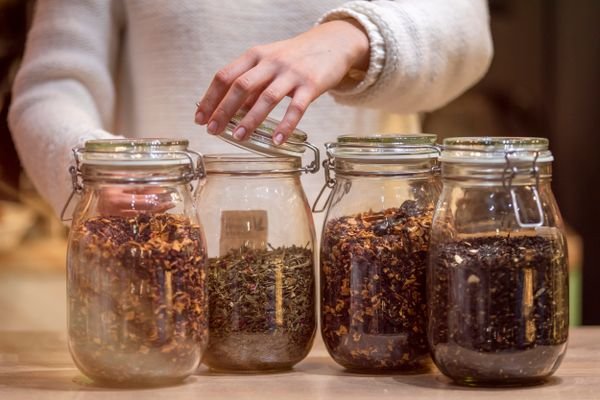
Storage determines whether your herbs last a year or a month. Airtight glass jars are the standard — mason jars, amber apothecary jars, or repurposed jam jars with tight lids all work. Keep them away from light, heat, and moisture: a dark cupboard beats a sunny counter every time, and never store herbs above the stove. Do not crush or grind herbs until use; whole leaves retain volatile oils far longer than powder. For long-term storage of bulk harvests, vacuum-sealed bags in a cool dark place extend life significantly. Check stored herbs every few months — any musty smell or visible moisture means discard, since moldy herbs are not worth the risk. One practical system: keep a small “working jar” of each everyday herb on the counter and refill from larger storage jars kept in the dark. This limits light exposure for your main supply while keeping daily cooking convenient.
Labeling Your Apothecary Like a Pro
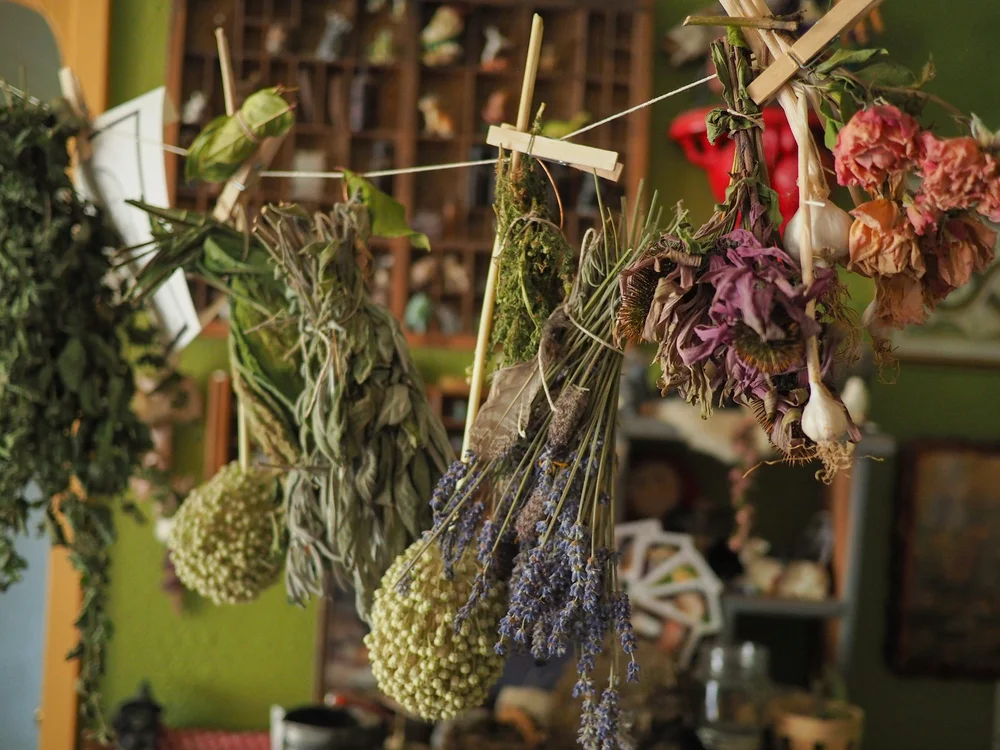
Labels turn a shelf of jars into a usable apothecary. At minimum, label each jar with the herb’s common name and the date it was dried or purchased — you will not remember in six months, trust me. Add the Latin name if you like precision (it prevents confusion between similar herbs). Many kitchen witches also note magical associations or intended uses: “rosemary — protection, remembrance, roast chicken.” Use a system that suits you: kraft paper tags tied with twine for rustic charm, chalkboard labels for reusability, or a label maker for clean uniformity. Keep a master list in your herbal journal noting where each herb came from and how you have used it — this becomes invaluable over time. For blends, list all ingredients and the date mixed. Consistent labeling is also a safety practice: never keep an unidentified dried plant, and keep anything not food-safe clearly marked and separate from culinary herbs.
Herbal Teas and Magical Blends

Tea blending is the most delicious apothecary practice. Start with base herbs — chamomile, peppermint, lemon balm, nettle, or rooibos — then add accent flavors: dried orange peel, hibiscus for tartness and color, rose petals for floral notes, cinnamon for warmth, ginger for bite. A reliable formula: three parts base, one part accent, plus a pinch of something special. Try “Evening Unwind” (chamomile, lemon balm, lavender, honey), “Morning Clarity” (peppermint, nettle, lemon peel), or “Winter Hearth” (rooibos, cinnamon, orange peel, clove). Blend in small batches, taste, and adjust — keep notes on ratios you love. Store blends in airtight jars away from light and use within six months for best flavor. Package favorite blends in small jars or paper bags as gifts with brewing instructions (one tablespoon per cup, steep five to seven minutes). Tea blending teaches you how herbs interact, which deepens every other apothecary skill.
Simmer Pots for Every Intention
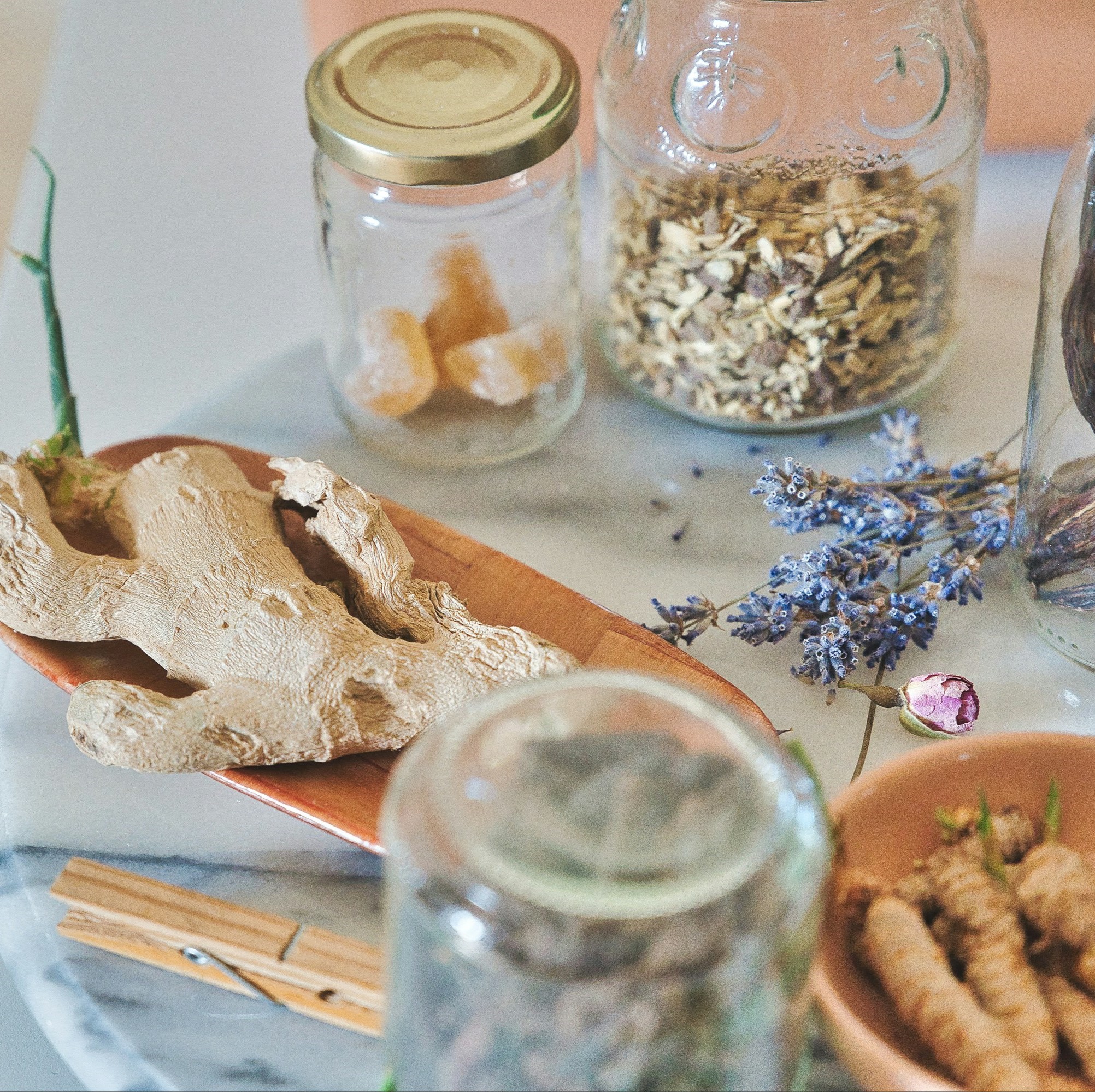
Simmer pots — water gently heated with aromatics — scent your whole home naturally and are a beloved kitchen witch ritual. The classic fall blend: sliced oranges, cinnamon sticks, whole cloves, star anise, and a splash of vanilla, simmered on the lowest heat. For cleansing and freshness: lemon slices, rosemary sprigs, and mint. For cozy winter evenings: apple slices, cinnamon, nutmeg, and cranberries. For spring: lemon, lavender buds, and thyme. Keep the pot at a bare simmer, never a boil, and top up water as it evaporates — a dry pot scorches quickly. You can refrigerate the mixture and reuse it for two to three days, adding fresh water each time. Simmer pots are endlessly customizable and cost almost nothing; keep a “simmer kit” jar of dried ingredients ready to go, and starting one becomes a two-minute ritual that transforms the feel of your home.
Tinctures, Oxymels, and Herbal Vinegars

These preparations extend your apothecary into potent, long-lasting remedies and condiments. Tinctures extract herbs into alcohol: fill a jar halfway with dried herb, cover completely with 80-proof vodka, seal, and shake daily for four to six weeks, then strain. Label with herb, date, and ratio. Oxymels — herbs infused in honey and vinegar — are delicious and alcohol-free: cover herbs with equal parts raw honey and apple cider vinegar, infuse two to four weeks, strain, and use by the spoonful or in dressings. Herbal vinegars are simplest: pack a jar with herbs (tarragon, chive blossom, rosemary), cover with vinegar, infuse two weeks, strain into a clean bottle. They make spectacular salad dressings and gifts. A note of care: research each herb’s safety before internal use, especially if pregnant, nursing, or on medication — “natural” does not automatically mean safe for everyone.
Herbal Salts and Sugars
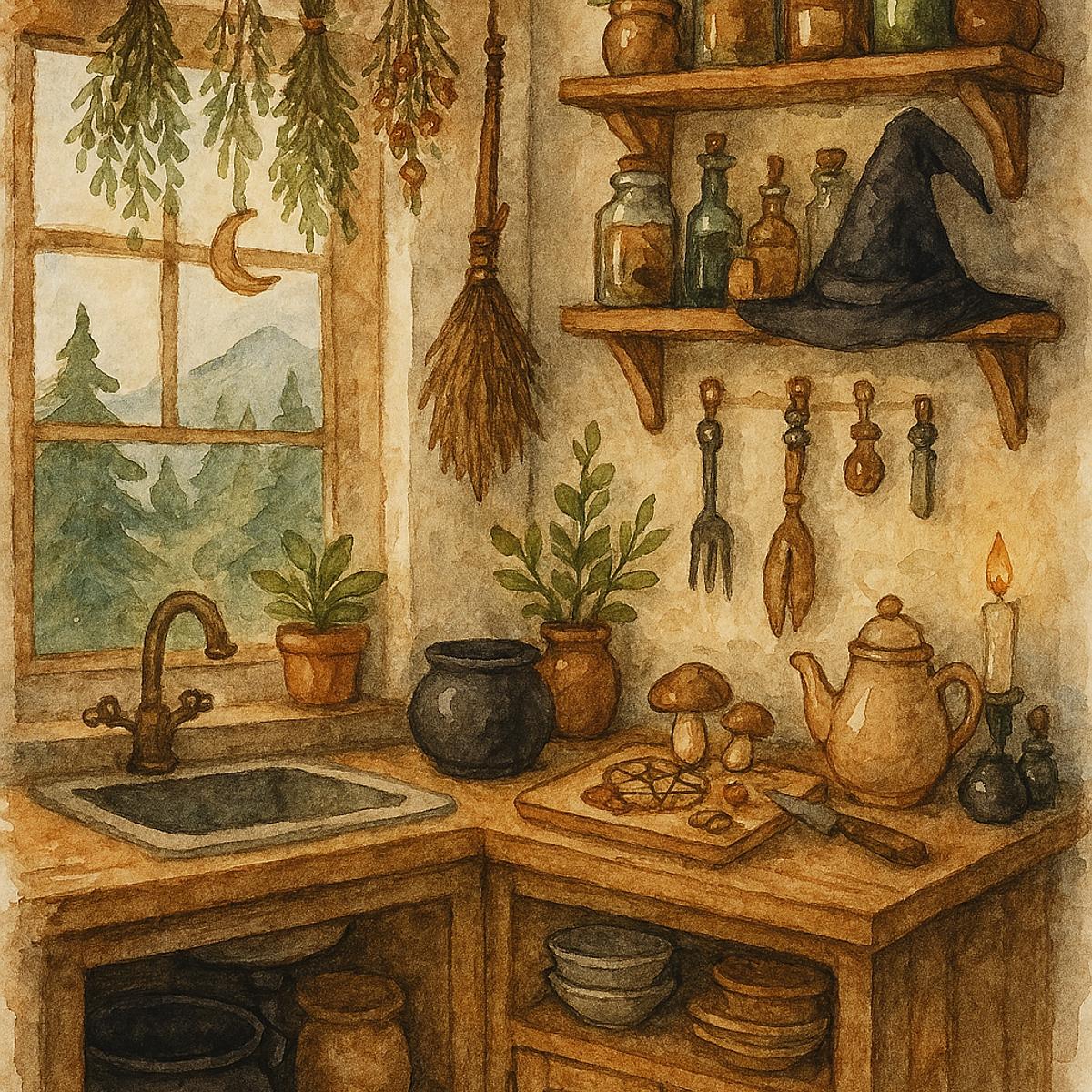
Herbal salts and sugars are the apothecary’s most giftable creations. For herbal salt: pulse one cup of flaky sea salt with two to three tablespoons of dried herbs (rosemary-lemon, thyme-garlic, or smoked chili-lime) in a food processor until combined but still textured. Spread on a tray to dry for a day, then jar. For herbal sugar: layer sugar with vanilla beans, lavender buds, or rose petals in a jar and let it infuse for two weeks, shaking occasionally — the sugar takes on the aroma beautifully. Use herbal salts as finishing salts on everything from roast vegetables to chocolate desserts (rosemary salt on dark chocolate is revelatory). Herbal sugars sweeten tea, rim cocktail glasses, and top baked goods. Package them in small jars with handwritten labels for gifts that look artisanal and cost little. They keep for a year in airtight containers, though the brightest flavor is in the first few months.
Smoke Cleansing Bundles (Beyond Sage)

Smoke cleansing with herbs is an ancient practice across cultures — and there is a whole world beyond white sage (which is overharvested; consider alternatives). Make bundles by gathering dried herbs into a tight bunch, wrapping firmly with cotton twine in a crisscross pattern, and letting them dry completely for another week after wrapping. Excellent bundle herbs: rosemary (cleansing, protection), lavender (calm, peace), mugwort (dreams, intuition), cedar (grounding), thyme (courage), and rose petals (love, gentleness). To use, light one end, let it catch, then blow out so it smolders; waft the smoke with a feather or your hand, and always have a fireproof dish to catch embers. Open a window so the smoke (and whatever you are clearing) has somewhere to go. Never leave a smoldering bundle unattended. These make thoughtful gifts, especially paired with an intention card.
Kitchen Witch Spice Blends

Custom spice blends are where the kitchen witch’s two worlds — cooking and craft — fully merge. Create signature blends and name them with intention: a “Hearth Blend” (smoked paprika, garlic, thyme, rosemary) for roasts; a “Prosperity Blend” (cinnamon, ginger, cardamom, clove) for baking; a “Protection Blend” (black pepper, rosemary, bay, garlic) for hearty stews. Toast whole spices in a dry skillet until fragrant, then grind fresh — the flavor difference over pre-ground is dramatic. Blend in small batches (a quarter cup at a time) so they stay fresh, and label with ingredients and date. Package blends in small jars or test tubes as gifts; include a recipe card suggesting uses. This is also a wonderful way to use up small amounts of herbs before they fade. A personal spice collection, blended with intention and labeled beautifully, is the essence of the kitchen witch apothecary.
Moon Water and Herbal Infusions

Moon water — water charged under moonlight — is a staple of modern witchcraft, and the kitchen witch’s version is practical: use it for watering plants, adding to baths, or brewing tea with intention. Make it by filling a clean glass jar with filtered water, covering it, and leaving it under the moonlight overnight (full moons are traditional, but any phase works). Herbal infusions are the daytime counterpart: steep herbs in hot water (tea), cold water overnight in the fridge (a gentler extraction, lovely with mint and cucumber), or oil (for salves and cooking oils — keep refrigerated and use within weeks). Solar infusions — jars of herbs in oil left in sunlight — are traditional but carry food safety considerations; research current guidance before consuming. Whether or not you ascribe metaphysical properties to these preparations, the practices themselves — slow, attentive, seasonal — are grounding rituals worth keeping.
Herbal Bath Soaks and Ritual Soaks

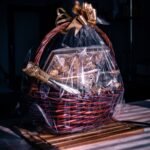
The apothecary extends naturally to the bathroom. Herbal bath soaks combine Epsom salt, dried herbs, and essential or fragrance oils into luxurious soaks: mix two cups Epsom salt with half a cup of dried lavender buds and rose petals plus a tablespoon of oil for a calming soak. For muscle relief, use rosemary and peppermint with the salts. Package the mixture in a muslin bag or place it in a large tea infuser in the tub to avoid clogging the drain with plant material — this small step saves significant plumbing annoyance. “Ritual soaks” add intention: choose herbs by association (lavender for peace, rosemary for clarity, rose for self-love), light a candle, and soak with a clear mind. These make beautiful gifts layered in jars — salt layer, herb layer, salt layer — tied with ribbon and a handwritten tag. A jar of bath soak costs little to make and feels genuinely luxurious to receive.
Keeping a Grimoire or Herbal Journal
Your grimoire — or herbal journal, book of shadows, or simply “the herb book” — is where apothecary knowledge accumulates. Record each herb: where you got it, when, how you dried it, what you made with it, and how it turned out. Paste in labels from successful blends, note ratios for teas you love, and record what did not work (failed experiments are valuable data). Include folklore and associations that matter to you, plus practical notes: which supplier’s chamomile tastes best, how long your lavender stayed potent. Over years, this book becomes your most precious apothecary tool — a personalized herbal reference no store-bought book can match. Choose a sturdy blank journal and write in pen; this is a working document, not a display piece. Date every entry. Future you, trying to recreate that perfect tea from three autumns ago, will be profoundly grateful.
Seasonal Apothecary: What to Stock Each Season

An apothecary that follows the seasons stays fresh and relevant. Spring: focus on new growth — nettle, dandelion, violet, fresh mint; make spring tonics and cleansing teas. Summer: harvest abundantly — basil, lavender, chamomile, calendula; dry everything, make infused oils and bundle herbs. Fall: gather roots and seeds, dry the last herbs before frost, stock simmer pot ingredients (cinnamon, clove, orange), and make fire cider. Winter: work from your stores — blend teas, make salves and lip balms from infused oils, restock spice blends, and plan next year’s garden. This rhythm prevents the two apothecary failure modes: frantic over-harvesting in summer followed by neglect, and a static collection that never changes. Mark the seasonal shifts with a small ritual — reorganizing the shelf, making a seasonal simmer pot, starting seeds — and the apothecary becomes a living practice rather than a storage system.
Budget-Friendly Apothecary Building
A beautiful apothecary does not require a big budget — it requires patience. Start with five to ten herbs, not fifty; a small, well-used collection beats a large, dusty one. Grow what you can — a packet of basil seeds costs less than one jar of dried basil and produces vastly more. Save and reuse jars: jam jars, sauce jars, and thrifted glassware work perfectly once cleaned and deodorized (baking soda soak for stubborn smells). Buy herbs in bulk from co-ops or online bulk suppliers rather than tiny grocery jars — the per-ounce savings are enormous. Make your own labels from kraft paper and twine instead of buying fancy ones. Forage responsibly for free herbs like nettle and elderflower. Trade with gardening friends — everyone has too much mint and not enough of something else. Build slowly, restocking only what you use up.
Safety: Herbs, Pets, and Common-Sense Magic

Magic requires common sense. Many herbs are unsafe for pets — lilies, for instance, are deadly to cats, and essential oils that are fine for humans can harm animals. Research every herb you bring home if you share space with pets, and store all preparations where curious paws cannot reach. For humans: “natural” does not mean universally safe. Some herbs interact with medications, are unsafe in pregnancy, or cause reactions in sensitive individuals — research before internal use and start with small amounts. Keep non-food-safe herbs (like mugwort for dream pillows, which is not for tea in quantity) clearly labeled and separate from culinary herbs. Never burn anything indoors without ventilation, and never leave smoldering bundles unattended. Teach children that apothecary jars are not all edible — beautiful does not mean tasty. A safe apothecary is one you can relax around, which is rather the point of the whole endeavor.
FAQs About Starting a Herbal Apothecary
How many herbs do I need to start? Five to ten that you will actually use. Start with culinary staples (thyme, rosemary, mint) plus two or three for tea (chamomile, lemon balm). Expand only as you use things up.
How long do dried herbs last? About a year at peak potency when stored airtight, away from light and heat. They remain safe longer but lose flavor. Rub between your fingers — strong aroma means still good.
Do I need to be a witch to have an apothecary? Not at all. An herbal apothecary is simply an organized collection of useful plant ingredients. The “kitchen witch” framing is about intention and enjoyment, not required beliefs.
What is the most useful thing to make first? A custom tea blend and a simmer pot kit — both are easy, immediately enjoyable, and teach you how herbs work together.
Can I use grocery store spices? For cooking, yes. For an apothecary you will use often, buy from herb suppliers or grow your own — freshness makes an enormous difference in both flavor and potency.

I am Talha Sikandar, a professional writer with a passion for general blogging. With years of experience in content writing and research, I founded Meaniingly.com to deliver well-researched, informative, and user-friendly articles on diverse topics.