grounded greens thanksgiving decor ideas
If this year’s Thanksgiving table needs a refresh, look no further than the garden. Grounded greens thanksgiving decor is the art of building your holiday around fresh, earthy foliage — eucalyptus, olive branches, sage sprigs, boxwood, and moss — instead of the usual orange-and-brown overload. The result feels calm, organic, and quietly luxurious, like a table set in a greenhouse at golden hour. This style works with any home, from farmhouse to modern, because green is nature’s neutral: it pairs with warm wood, brass, cream linen, and candlelight without ever clashing. In this guide, you will find twenty grounded greens thanksgiving decor ideas, from a eucalyptus garland runner and foraged centerpieces to olive-branch place settings, green glass vignettes, and budget-friendly faux options. Everything here is practical, family-safe, and designed to keep your greens looking fresh from the first guest’s arrival to the last slice of pie.
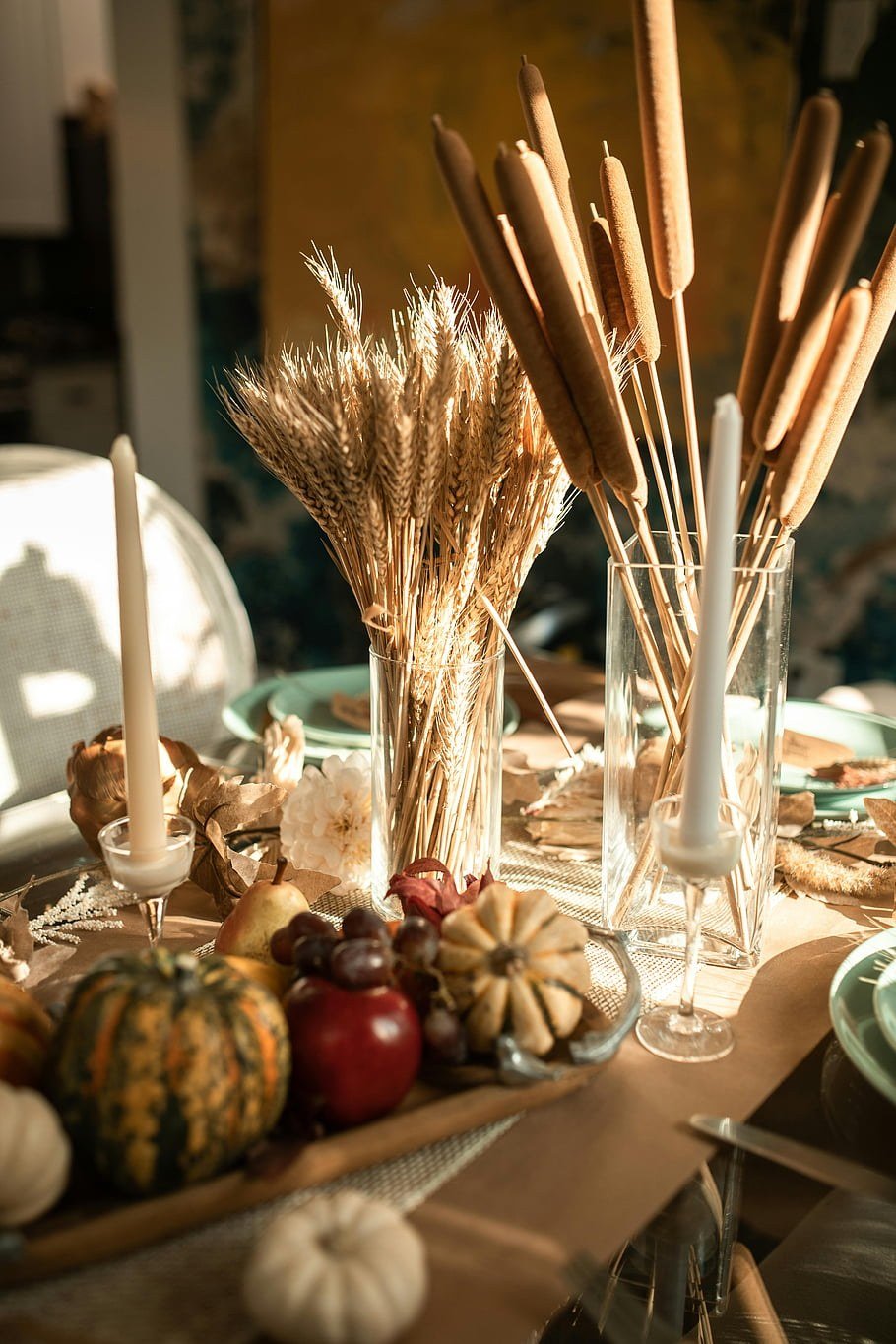
What “Grounded Greens” Means for Thanksgiving Decor
The grounded greens look is Thanksgiving decor stripped back to what feels most natural: abundant foliage in deep, muted, earthy tones rather than loud seasonal color. Think sage, olive, eucalyptus blue-green, moss, and boxwood — greens with gray or warm undertones that read as sophisticated, not springy. The “grounded” part matters as much as the green: arrangements sit low, textures feel tactile and real, and nothing looks fussy or over-arranged. This aesthetic grew out of the broader move toward organic, nature-first interiors, and it suits Thanksgiving perfectly because the holiday is, at heart, a harvest celebration. Instead of plastic pumpkins and glittery leaves, you are decorating with the actual bounty of the season. The style photographs beautifully, calms a busy table, and — best of all — much of it can be foraged, making it one of the most affordable ways to decorate.

Building Your Palette: Sage, Olive, Eucalyptus, and Moss
Before you buy a single stem, settle your palette. Grounded greens work best as a family of three to four tones: a silvery green like eucalyptus as your light note, a mid-tone like olive or sage, and a deep anchor like boxwood or cedar. Add moss — sheet moss or mood moss — as a textural wildcard for tucking into arrangements and softening hard edges. Keep everything else neutral: cream or oatmeal linens, warm wood tones, brushed brass or matte black metals, and ivory candles. This restraint is what makes the look feel designed rather than random. If you crave a whisper of traditional Thanksgiving color, add it in tiny doses — a few dried wheat stems, one amber glass, or blush taper candles — so the greens stay the star. Write your palette on a sticky note and take it to the flower market; it will keep impulse buys in check.

A Eucalyptus Garland Runner for the Thanksgiving Table
The signature move of grounded greens thanksgiving decor is a lush garland runner down the center of the table. Start with a base of seeded or silver-dollar eucalyptus laid end to end, stems overlapping, then weave in olive branches and sprigs of ruscus for depth and variety. Tuck in small clusters of dried berries or privet for subtle contrast, and let a few stems trail over the table’s edge for that effortless, just-gathered look. Mist the garland lightly with water and it will stay fresh for days; eucalyptus also dries beautifully, so the runner only gets more sculptural with time. Keep the garland low and narrow enough that serving dishes fit alongside it — about ten inches wide is ideal. For a long table, build it in sections so you can lift pieces aside when the turkey arrives.

Low and Lush: Grounded Green Centerpieces That Don’t Block Conversation
The golden rule of Thanksgiving centerpieces is that guests must see each other across the table. Build low, wide arrangements in shallow bowls, dough bowls, or footed compotes, keeping everything under twelve inches tall. Pack the vessel tightly with a mix of greens — boxwood for structure, eucalyptus for drape, fern fronds for softness — so it reads as abundant from every seat. Tuck in pillar candles of varying heights among the foliage, or nestle in a few small white pumpkins for a seasonal nod that stays within the palette. A trio of small arrangements often works better than one large one: cluster them down the table’s center with space between for dishes. Finish by tucking sheet moss over any visible floral foam or mechanics, and your centerpiece will look like it grew there.

Mixing Greens With Warm Wood and Brass Accents
Greens need warmth to feel like Thanksgiving rather than a garden party, and warm wood plus brass is the perfect pairing. A raw wood charger or wooden serving board under your greenery grounds the arrangement visually and echoes the harvest theme. Brass candlesticks — vintage or new — add a soft golden glow that flatters both foliage and faces; group them in odd numbers at varying heights. Wooden bead garlands draped along the table edge, acacia bowls for nuts and olives, and a carved wooden turkey or simple wood sign can all join the mix. The key is finish: matte, aged, and brushed surfaces feel organic, while high polish can look corporate against soft greens. Thrift stores are treasure troves for brass candlesticks and wooden bowls, so this layer of the look can cost very little while adding enormous richness.

Place Settings With Eucalyptus Sprigs and Linen
Individual place settings are where grounded greens feel most personal. Lay a cream or oatmeal linen napkin at each seat — real linen, or a good linen-look, wrinkles and all — and top it with a single sprig of eucalyptus or olive tied with natural twine. Tuck a handwritten name card into the twine for a place card that doubles as a keepsake. Layer a charger, dinner plate, and salad plate in warm neutrals, and choose flatware with a brushed or matte finish. A small sprig of rosemary alongside the eucalyptus adds scent when guests pick up their napkins. This is a five-minute-per-setting upgrade that makes every guest feel considered. If you are short on time, even the eucalyptus sprig alone on a folded napkin delivers the effect — simplicity is the whole point of the grounded greens philosophy.

The Front Door: A Wild Green Thanksgiving Wreath
First impressions start at the front door, and a wild green wreath sets the tone before guests even step inside. Build or buy an asymmetrical wreath heavy on mixed greens — eucalyptus, olive, cedar, and boxwood — with long, loose stems that break the perfect-circle mold. Skip the traditional fall bow; instead, tie on a length of raw linen ribbon or velvet in a deep green and let the tails hang long. Tuck in a few dried elements like lotus pods, wheat, or bleached ruscus for texture, keeping everything in the muted green-and-neutral family. Hang it on a simple wreath hanger or a wide ribbon looped over the door. Flank the door with potted boxwood, kale, or cabbage plants in baskets, and your entry will whisper Thanksgiving rather than shouting it — exactly the grounded greens way.
Mantel Styling With Layered Garland and Taper Candles
The mantel is Thanksgiving’s secondary stage, and grounded greens make it sing. Drape a thick garland of mixed greens — cedar as the base, eucalyptus and olive woven through — across the mantel, letting it cascade asymmetrically down one side. Layer in brass or cream taper candles in holders of staggered heights, unlit during the day and glowing by evening. A round mirror or simple framed art above the mantel reflects the greenery and doubles its impact. Tuck in a few dried artichokes, pinecones, or small gourds in cream and green for seasonal texture without orange overload. Keep the arrangement airy rather than dense; negative space lets each element breathe. This is also the perfect spot for a string of warm fairy lights woven through the garland, adding magic after dark without competing with the dining table’s candlelight.

Olive Branches: The Understated Showstopper
If eucalyptus is the workhorse of grounded greens, olive branches are the quiet star. Their slender silvery-green leaves and graceful, arching stems bring a Mediterranean calm that feels both ancient and modern. A tall vase of olive branches on a sideboard or console makes a stunning standalone statement — no other flowers needed. On the table, short olive sprigs tucked into napkins or laid across plates add elegance with zero effort. Olive branches last beautifully: they hold up for a week or more in water and dry gracefully into sculptural keepsakes. Buy them by the bunch from a flower market or wholesaler for the best price, and do not be afraid to let stems go a little wild — olive’s charm is in its loose, windswept habit. Paired with cream candles and linen, it is Thanksgiving minimalism at its finest.
Potted Herbs as Living Thanksgiving Decor
Decor you can cook with is the ultimate grounded greens move. Cluster potted herbs — rosemary, sage, thyme, and flat-leaf parsley — down the center of the table in terracotta or stoneware pots, and let guests snip what they need for their plates. Rosemary’s piney scent and sage’s soft silver leaves are made for this. After dinner, the pots move to a windowsill and keep giving for weeks. For a cohesive look, wrap plastic nursery pots in burlap, linen, or brown kraft paper tied with twine. Mix in a potted bay laurel or small olive tree as an anchor piece for larger tables. This approach is budget-friendly, zero-waste, and deeply on-theme: Thanksgiving is a harvest holiday, and nothing says harvest like food growing at the center of the table. Just be sure pots have saucers to protect your linens.
Green Glassware and Vintage Bottle Vignettes
Green glass adds jewel-like depth to the grounded greens palette. Hunt thrift stores for emerald, sage, and olive-green bottles, bud vases, and goblets — mismatched is perfect. Group bottles in threes on a windowsill, sideboard, or bathroom counter, each holding a single eucalyptus stem or olive sprig. Green glass goblets at each place setting elevate the table instantly, especially when filled with sparkling cider that catches the light. A large green demijohn or carboy filled with branches becomes a floor-level statement in an entryway corner. The translucency of glass keeps these pieces light despite the saturated color, so they layer beautifully with matte foliage. Wash and reuse them year after year; a collected-over-time set of green glassware is the kind of detail that makes a home feel storied and personal.

A Foraged Centerpiece: Greens From Your Own Yard
The most authentic grounded greens centerpiece costs nothing: walk your yard with clippers and gather what the season offers. Evergreen clippings, boxwood, ivy, magnolia leaves, dried hydrangea heads, ornamental grasses, and fallen branches all qualify. Arrange them loosely in a low vessel, embracing the imperfect, wild character that store-bought greens sometimes lack. Foraged greens tell the story of your place and your season, which is precisely the spirit of Thanksgiving. A few safety notes: avoid anything with berries you cannot identify, keep arrangements away from curious pets if you are unsure about toxicity, and never forage on private land or in parks without permission. Rinse clippings to remove dust and insects, recut stems, and give them a deep drink before arranging. The result is decor with a sense of place no store can replicate.

Layering Textures: Velvet, Linen, and Raw Greenery
Texture is what keeps an all-green scheme from feeling flat. Contrast the raw, matte quality of foliage with sumptuous textiles: a velvet table runner in deep moss or forest green, nubby linen napkins, a chunky knit throw draped over a nearby chair. Velvet ribbon tied around napkins or wreaths catches candlelight beautifully. Add woven elements — a seagrass basket holding extra throws, rattan chargers under plates, a jute runner layered under the garland. Even the table itself can contribute: a raw wood table left bare with just a runner shows off its grain as another texture. Aim for at least four distinct textures in the room, and the eye will travel happily from rough to smooth to soft. This layering is the difference between a table that looks “green” and one that feels rich, warm, and complete.
Candlelight and Greens: Evening Ambience
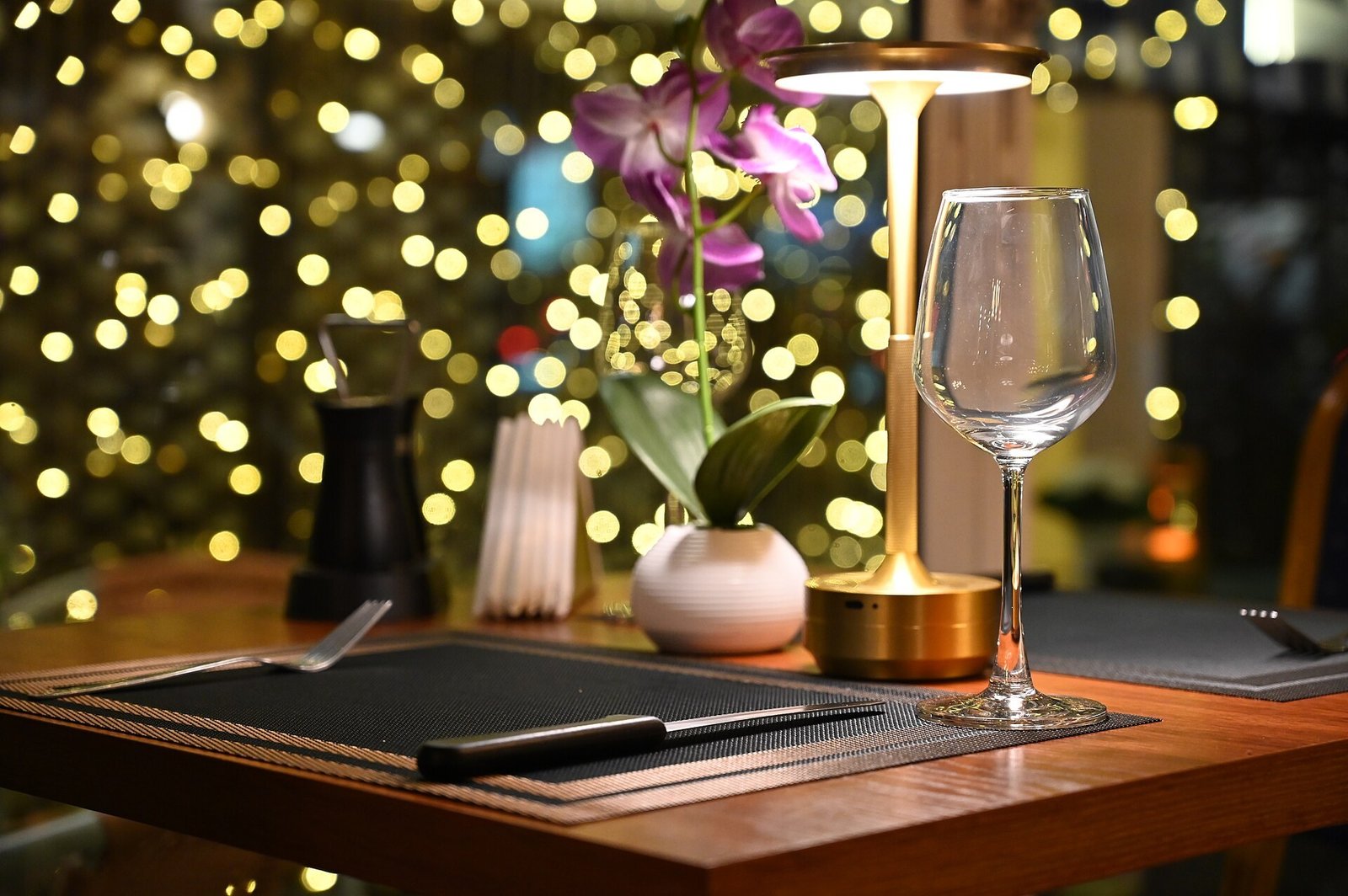
When the sun sets on Thanksgiving, candlelight takes over — and greens were made for it. Ivory pillar candles nestled directly into garlands and centerpieces make foliage glow from within; use LED pillars inside dense greenery for safety, reserving real flame for open holders. Taper candles in brass holders add height and formality, while tea lights in green glass votives scatter emerald reflections across the table. Cluster candles in odd numbers and vary their heights for a collected, organic feel. Scented candles deserve caution at the dinner table — competing food aromas are unwelcome — so choose unscented or very lightly scented beeswax near food, saving spiced scents for the entryway. Dim the overheads, let the candles lead, and watch your grounded greens transform from fresh and daytime to moody and magical.
Thanksgiving Kids’ Table With a Green Theme
Children deserve a beautiful table too, and grounded greens adapt wonderfully for little guests. Cover the kids’ table with kraft paper instead of a cloth — it doubles as a coloring surface — and run a simple eucalyptus garland down the middle, kept narrow and away from small hands’ plates. Set out crayons and let kids draw leaves and turkeys directly on the paper runner. Use unbreakable melamine plates in cream or sage, and tie each napkin with twine and a sprig of sturdy rosemary they can sniff and keep. A small potted herb at each place makes a take-home favor. Keep candles high, out of reach, or use flameless ones exclusively at the kids’ table. The green theme photographs adorably, keeps the kids’ area visually tied to the main table, and gives young guests a sense of occasion without anything precious to break.
Budget-Friendly Grounded Greens: Faux vs. Fresh
Grounded greens can be nearly free or surprisingly pricey depending on your choices, so strategize. Fresh eucalyptus from a wholesaler or warehouse club costs a fraction of florist prices — one large bunch often covers a whole table. Forage whatever your yard offers to fill gaps. Where faux makes sense: high-up spots like chandeliers or tall shelves where no one touches the leaves, and pieces you will reuse yearly like wreaths. Modern faux eucalyptus and boxwood look convincingly real from a few feet away; mix faux garland on the mantel with fresh sprigs at the table where guests interact. Invest in good faux once rather than cheap shiny plastic that reads as fake. A smart hybrid — fresh where it matters, faux where it lasts — delivers the lush look at a fraction of the cost and a fraction of the Thanksgiving-week stress.
Dried Greens and Preserved Foliage for Longevity
If you decorate early or hate watching fresh greens wilt, preserved foliage is your answer. Preserved eucalyptus, dried ruscus, bleached ferns, and dried olive branches hold their color and shape for months, even years. They cost more upfront but can be packed away and reused every Thanksgiving, making them economical over time. Dried greens also suit the grounded aesthetic perfectly — their muted, matte tones are even more “grounded” than fresh. Style them exactly as you would fresh: garlands, wreaths, bud vases, napkin sprigs. One caution: dried foliage is brittle, so handle it gently and keep it away from high-traffic edges. Combine dried statement pieces with a few fresh accents — like live rosemary sprigs at each plate — for scent and life. Your decor will look intentional on day one and still perfect on day ten.
Extending the Look: Entryway, Powder Room, and Kitchen
A cohesive home carries the grounded greens story beyond the dining room. In the entryway, flank the console with a tall vase of branches and lay a small garland along its edge. The powder room gets a single bud vase with eucalyptus on the vanity and a sprig tucked behind the hand towel — small touches guests always notice. In the kitchen, where the real action happens, hang a fresh herb bundle from a hook, set potted herbs on the windowsill, and drape a simple garland along an open shelf. Keep these secondary spaces simpler than the dining room; one green moment per room is plenty. The effect is a home that feels thoughtfully, calmly decorated throughout, without the exhausting maximalism that makes hosts dread the holidays. Every room whispers the same earthy welcome.
Photographing Your Green Thanksgiving Table
You put in the work — capture it. Photograph the table in natural daylight before guests arrive, when greens look their freshest and colors are true. Shoot from a low three-quarter angle to show the garland’s depth, then take one overhead shot for the full tablescape. Turn off overhead lights and let window light do the work; direct flash flattens foliage. Style a single place setting close-up — napkin, sprig, name card — for the detail shot that performs best on social media. In the evening, photograph the candlelit table with no flash, steadying your phone on a stack of books for a crisp long exposure. Take a “before guests” photo and an “after dinner” photo; the happy mess of a enjoyed meal is its own kind of beautiful. These images become next year’s inspiration — and proof that grounded greens were the right call.

FAQs: Keeping Greens Fresh Through the Holiday
How long will fresh greens last? Most — eucalyptus, olive, boxwood, cedar — stay handsome for five to seven days indoors with minimal care. How do I keep a garland fresh? Mist it daily with water, keep it away from heating vents and fireplaces, and build it no more than two days before the holiday. Will eucalyptus stain my table? The leaves are generally safe, but lay a runner or kraft paper under heavy garlands to protect wood from moisture. Are these greens pet-safe? Many common greens, including eucalyptus, can irritate pets if chewed — keep arrangements out of reach of curious cats and dogs, and skip lily-family plants entirely. Can I compost everything after? Yes — fresh greens, twine, and kraft paper all compost beautifully. Strip off any wire or floral foam first. With these basics handled, your grounded greens will carry the whole holiday weekend with grace.


I am Talha Sikandar, a professional writer with a passion for general blogging. With years of experience in content writing and research, I founded Meaniingly.com to deliver well-researched, informative, and user-friendly articles on diverse topics.