Golumpki — the beloved Polish stuffed cabbage rolls — are pure comfort food, but rolling dozens of cabbage leaves is a labor of love few weeknight cooks can manage. Golumpki soup captures every bit of that cozy flavor in a single pot: tender cabbage, savory beef and pork, rice, and a rich tomato broth, with none of the rolling. This hearty soup tastes like Sunday at grandmother’s house. Here is the complete recipe plus variations, tips, storage, and everything you need for a perfect pot.
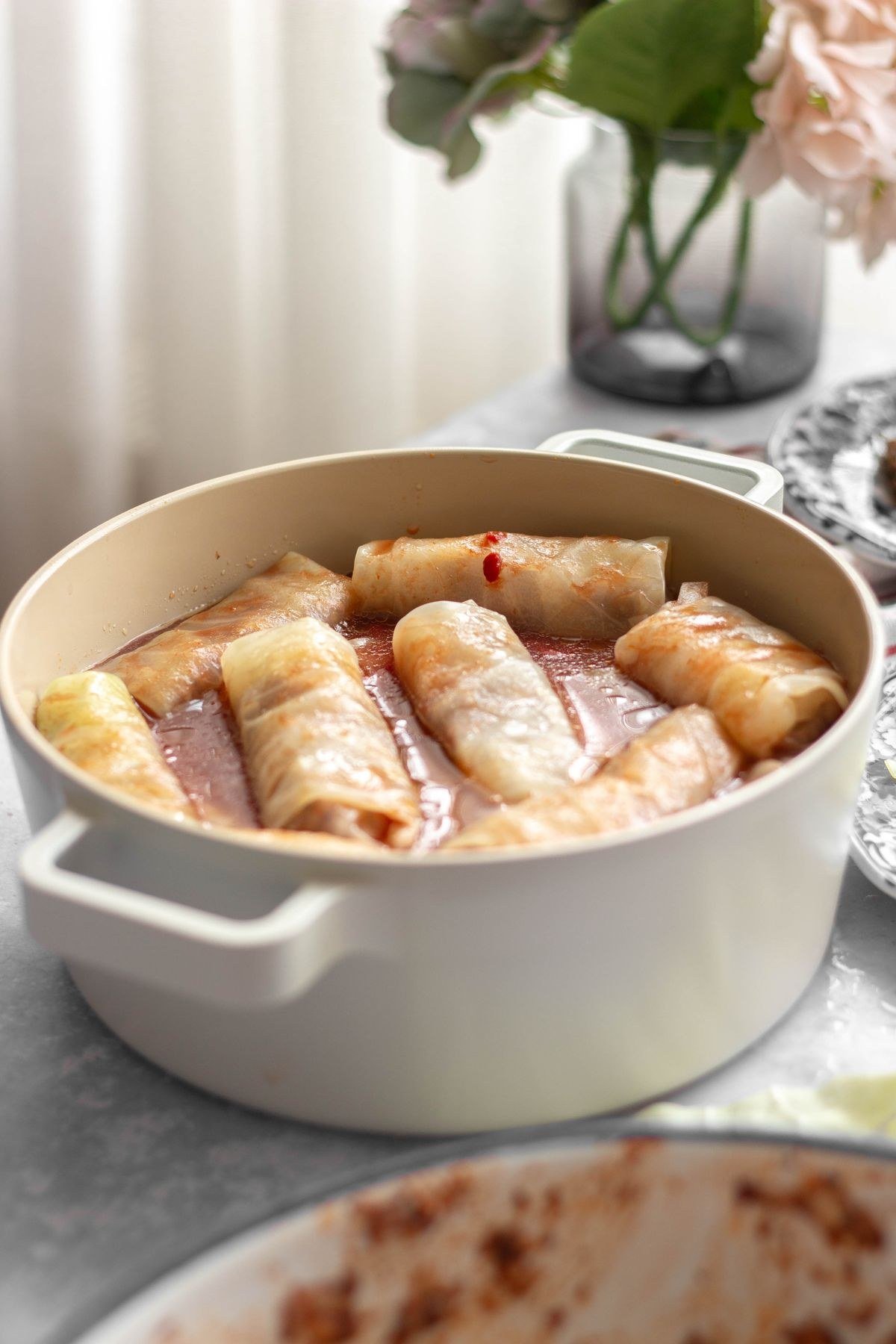
What Is Golumpki Soup
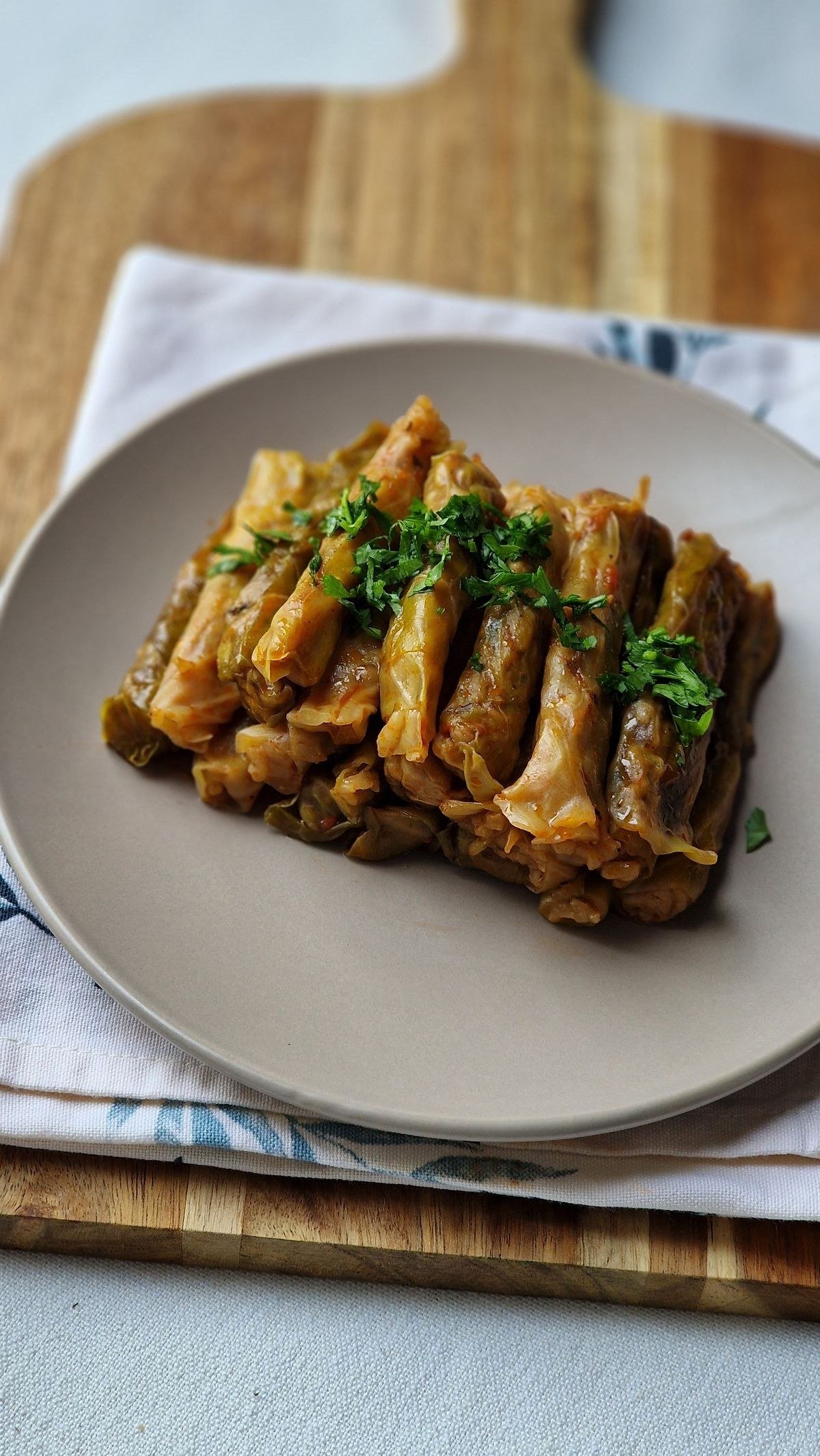
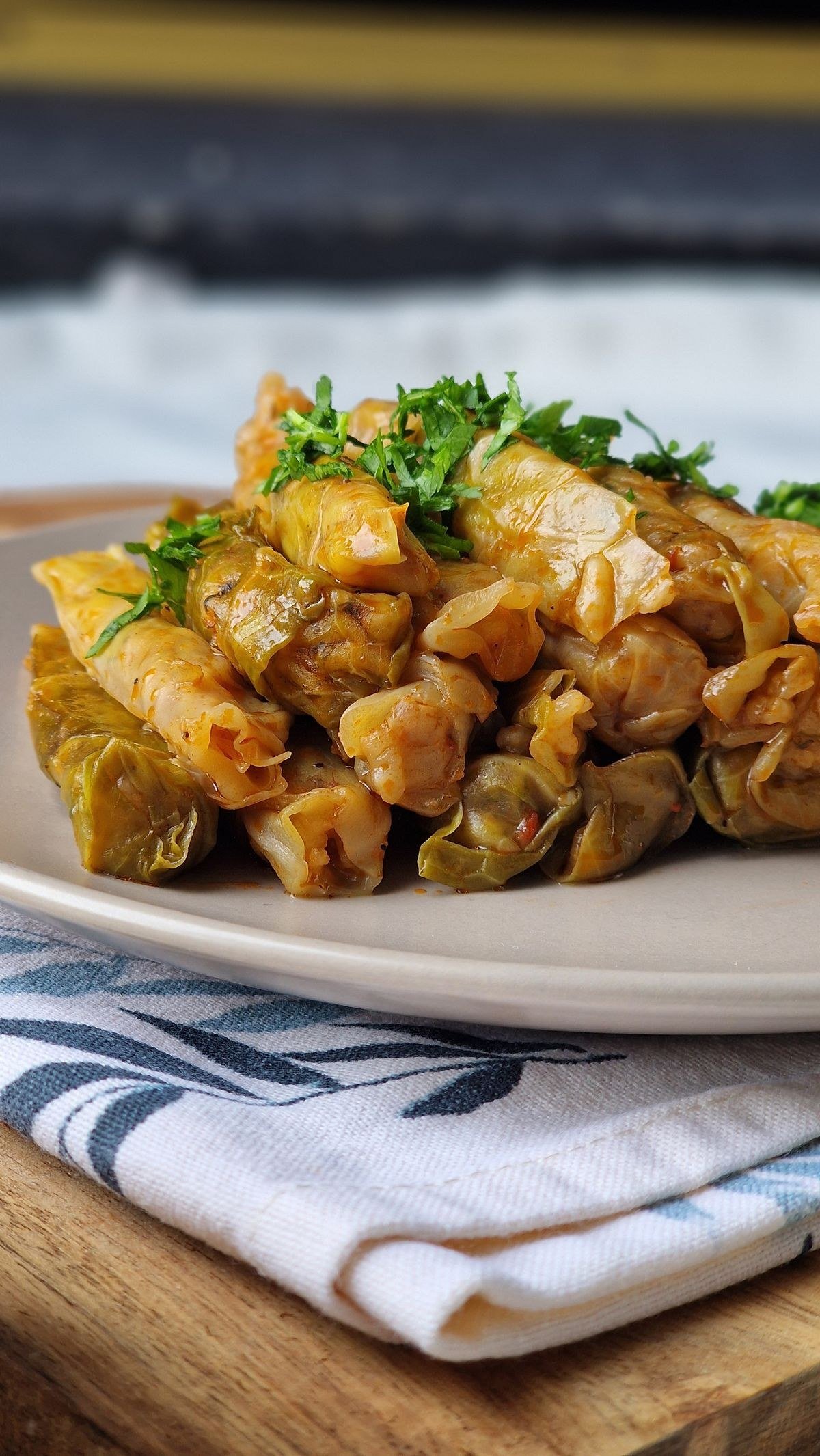
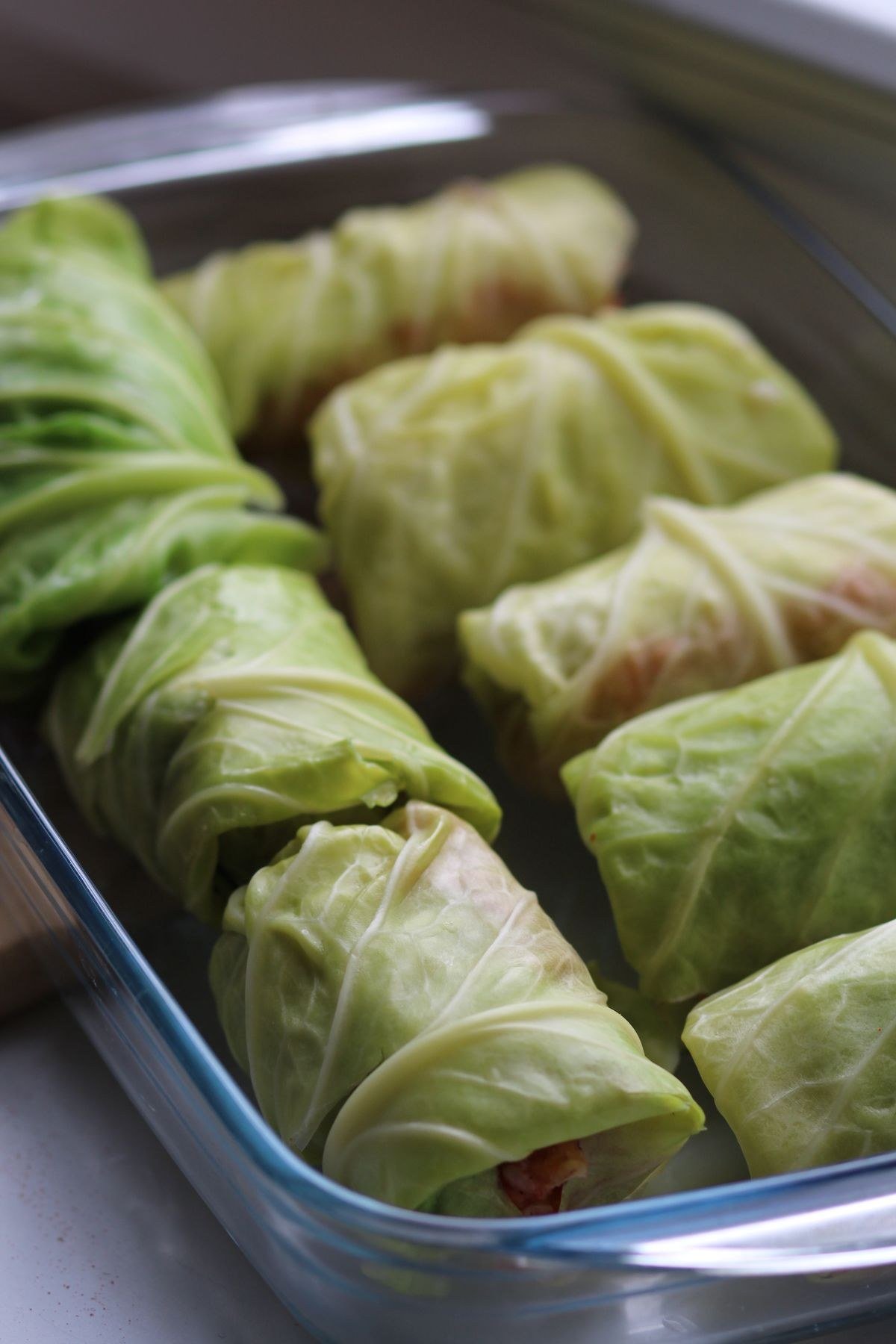
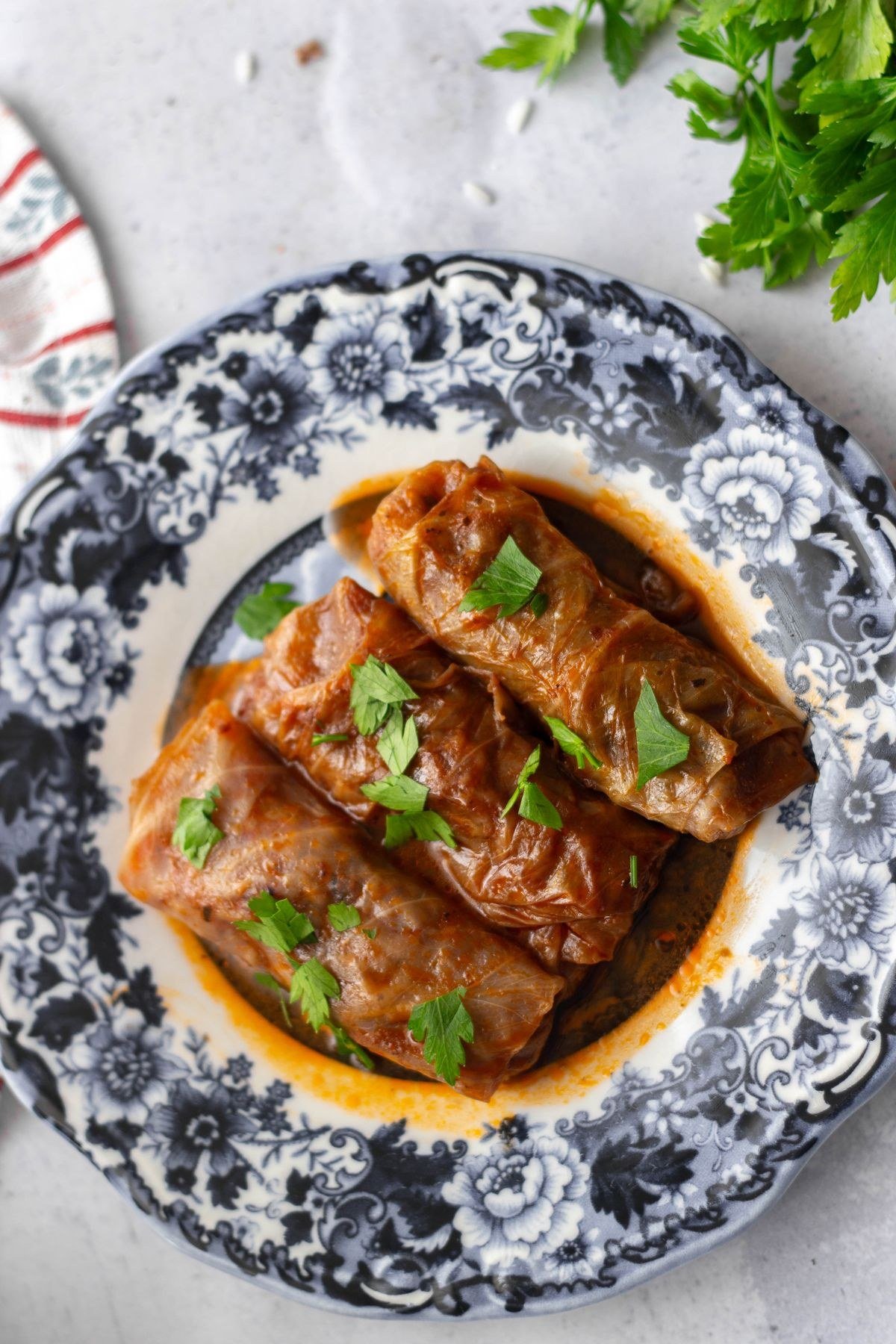
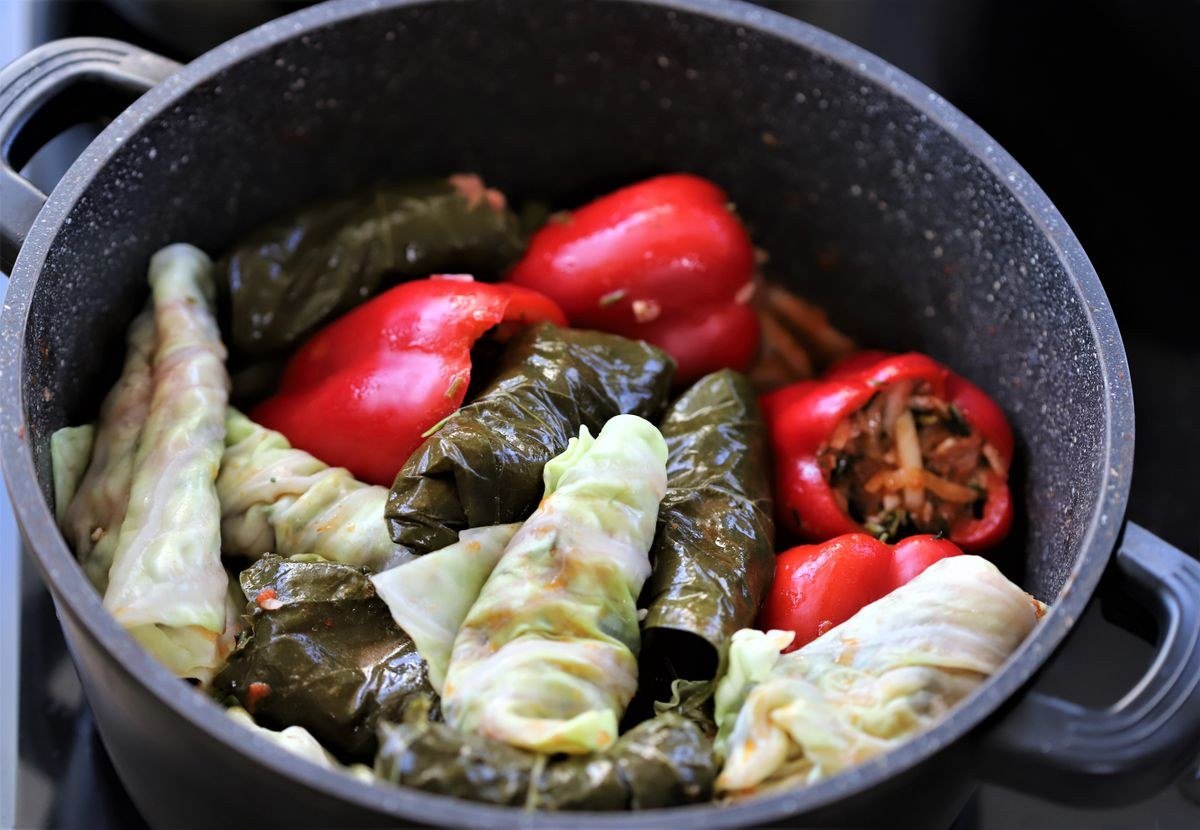
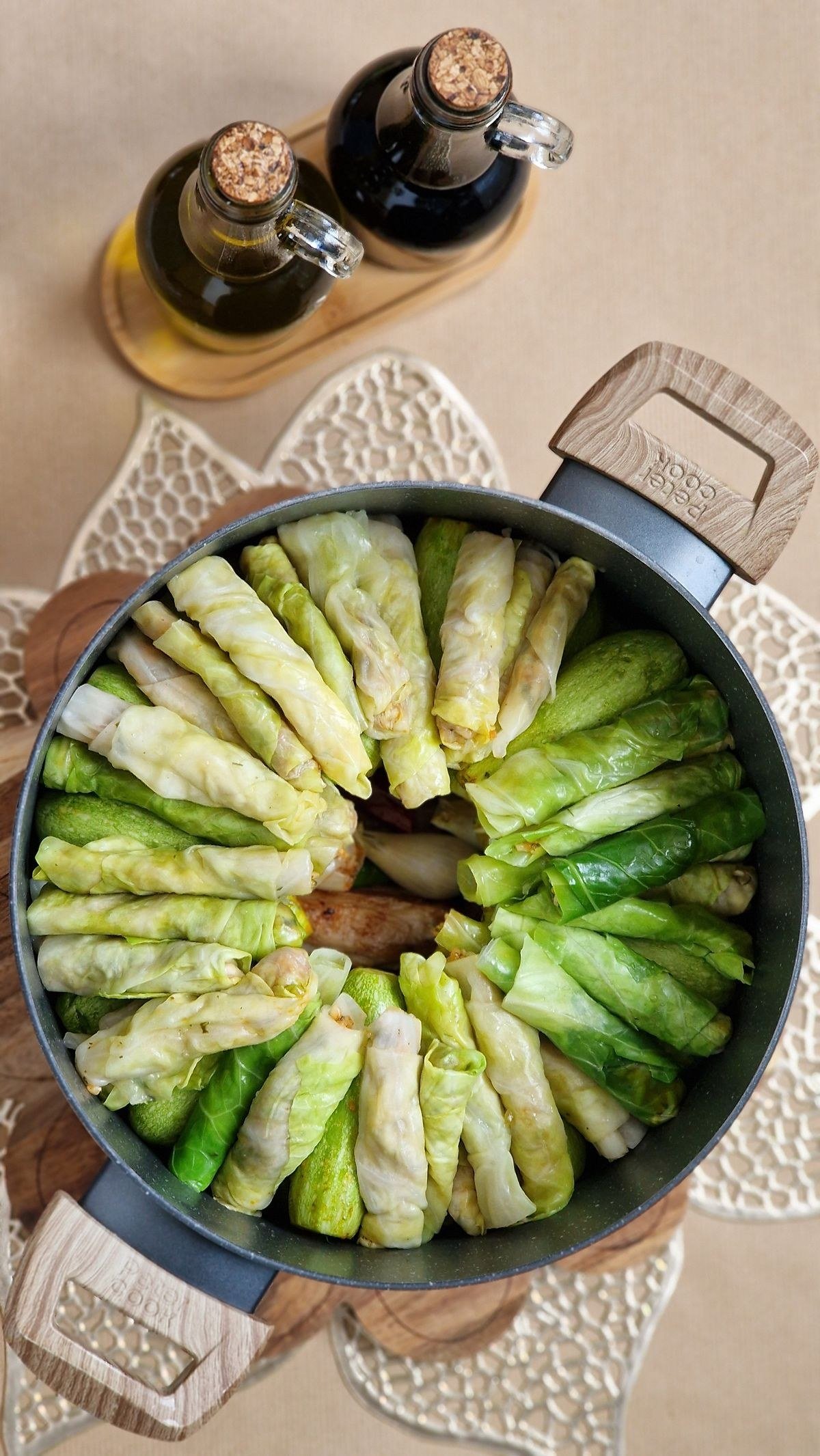
Golumpki (also spelled golabki) are Polish cabbage rolls stuffed with seasoned ground meat and rice, simmered in tomato sauce. The soup version deconstructs the dish: chopped cabbage replaces whole leaves, and everything simmers together in one pot. You get the identical flavor profile — sweet cabbage, savory meat, tangy tomato — in about an hour instead of an afternoon. It is sometimes called “unstuffed cabbage roll soup,” and it has become a staple in Polish-American kitchens precisely because it delivers the nostalgia without the work.
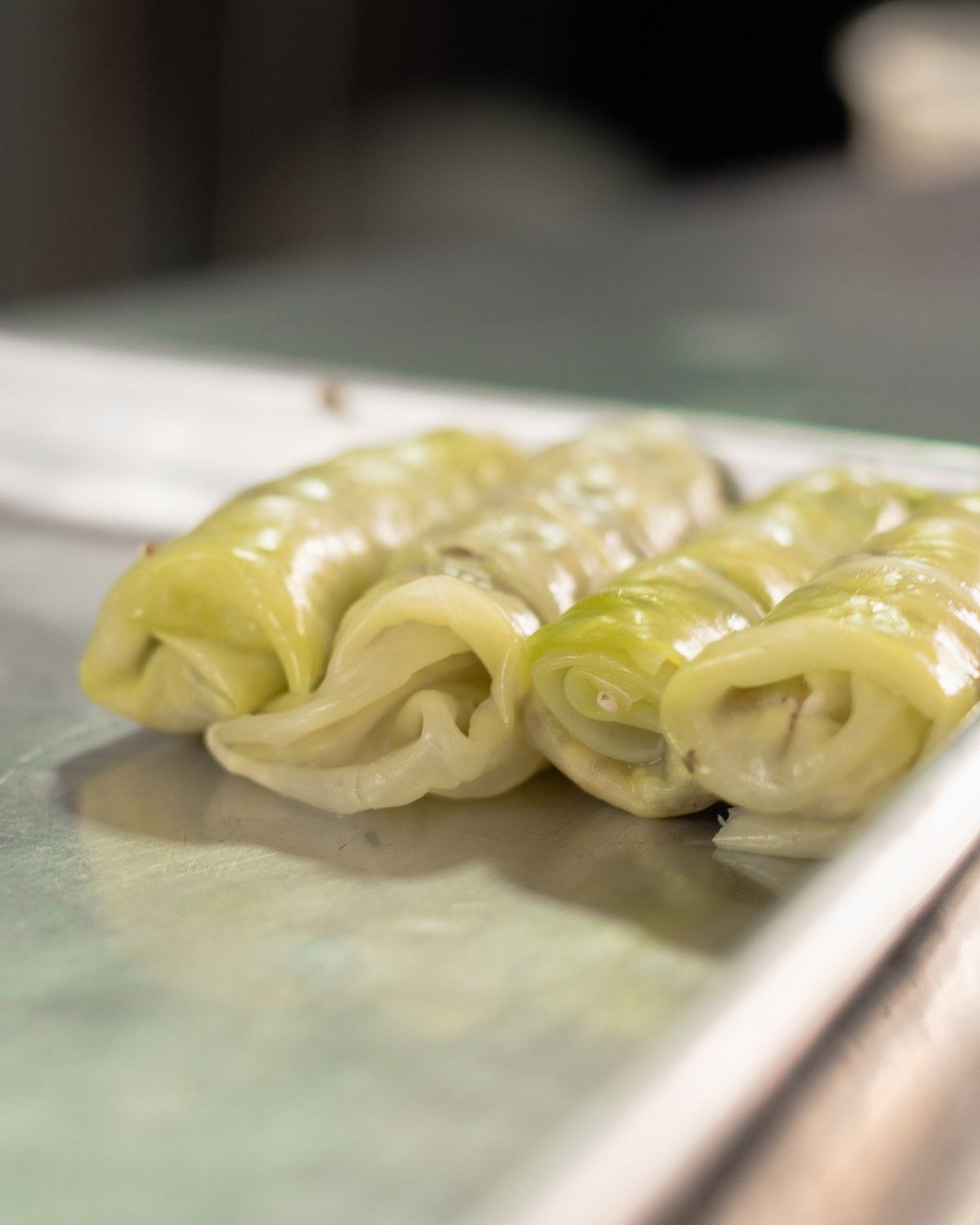
Golumpki means little pigeons in Polish — the rolled shape supposedly resembles the birds. The dish traveled to America with Polish immigrants and became a church-basement and wedding staple. The soup version is a purely practical invention: all the nostalgic flavor, none of the rolling. Understanding the original helps you season the soup authentically.
Ingredients for Classic Golumpki Soup
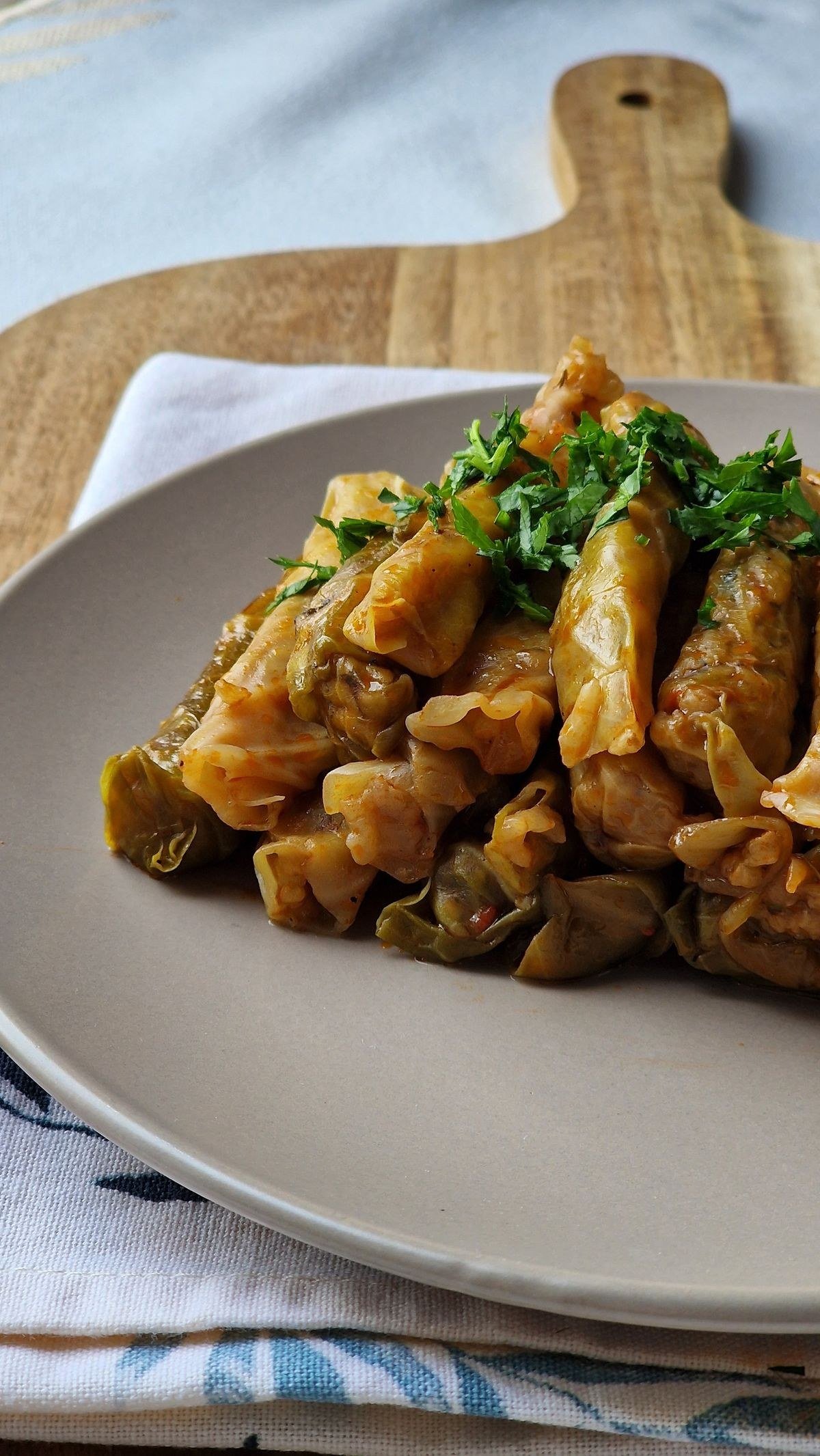
For a generous pot serving 8: 1 pound ground beef, half a pound ground pork, 1 large onion diced, 3 cloves garlic minced, 1 medium head of green cabbage chopped, 2 carrots diced, 2 celery stalks diced, one 28-ounce can crushed tomatoes, 4 cups beef broth, 1 cup uncooked long-grain white rice, 2 tablespoons tomato paste, 1 tablespoon brown sugar, 1 tablespoon apple cider vinegar, 2 bay leaves, 1 teaspoon smoked paprika, and salt and pepper. A dollop of sour cream and fresh dill for serving are traditional and highly recommended.
A heavy Dutch oven is ideal — it browns meat evenly and holds a steady simmer. For eight servings, a six-quart pot is the minimum, because the cabbage starts voluminous. Mise en place matters: chop everything before the heat goes on, since the early steps move fast. A long wooden spoon and a ladle are the only other tools you need.
Choosing the Right Cabbage
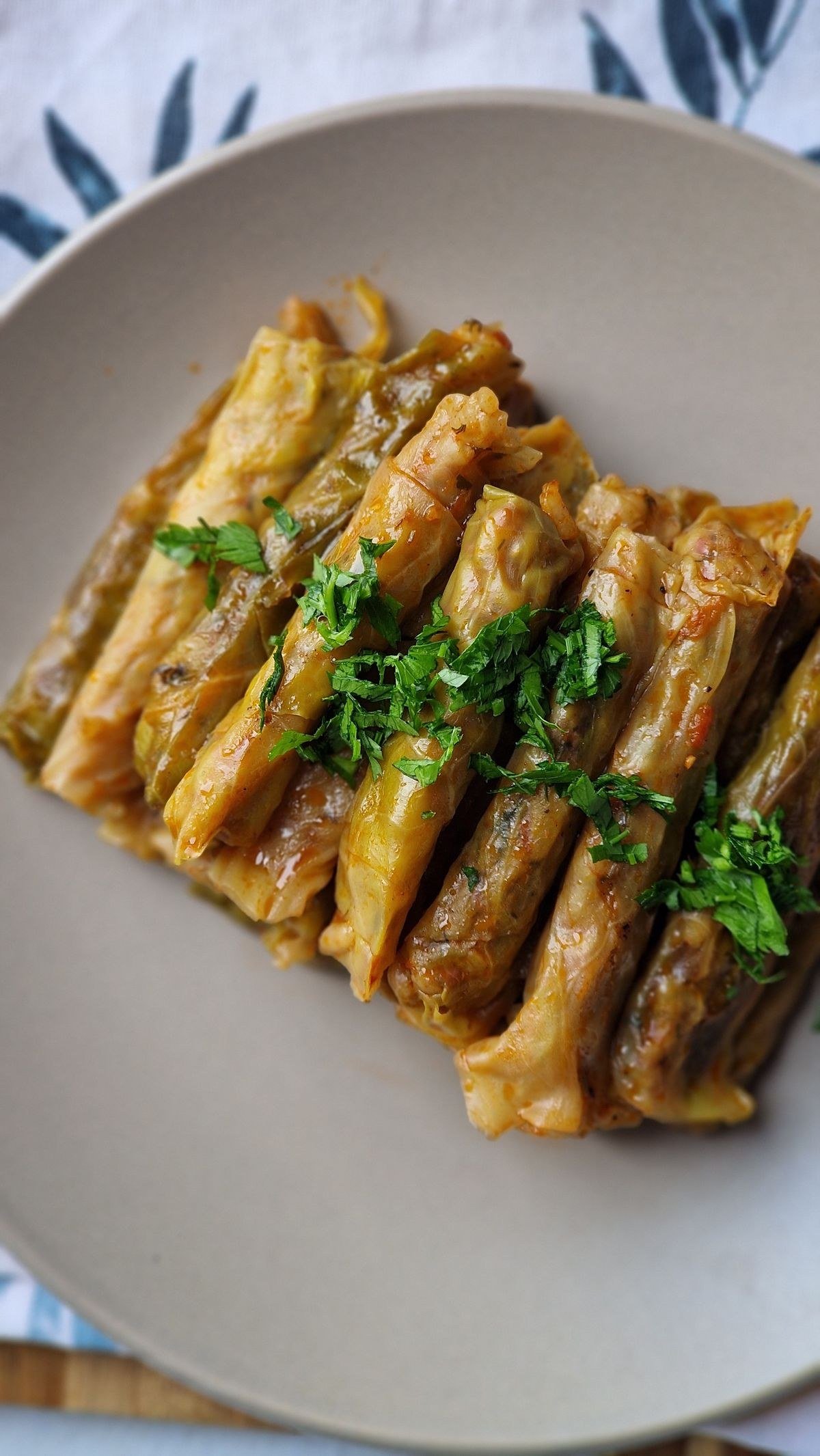
Plain green cabbage is the authentic choice — its sweetness deepens as it simmers and it holds texture without dissolving. Choose a heavy, dense head with crisp outer leaves. Chop into bite-size pieces, roughly 1-inch squares; they shrink considerably in the pot. Savoy cabbage works beautifully too, with a more delicate texture. Avoid red cabbage unless you want a purple-tinted broth (fun for Halloween, odd otherwise). Napa cabbage cooks much faster, so add it in the last 15 minutes if substituting. Core the cabbage and discard the tough inner core.
Dense, heavy heads with tight leaves give the sweetest flavor and best texture. Avoid pre-shredded bagged cabbage — it is cut too fine and dissolves into mush. Quarter the head, cut out the core, then slice into ribbons and chop into bite-size pieces. The pile looks enormous, but it cooks down to a fraction. That abundance is correct.
The Meat Mix: Beef, Pork, and Seasoning
The classic golumpki filling blends beef and pork — beef for hearty flavor, pork for richness and moisture. An 80/20 beef grind keeps the soup from tasting lean and dry. Brown the meat in batches to get real caramelization rather than steaming it gray; those browned bits are flavor gold. Season assertively with salt, pepper, garlic, and smoked paprika. Some families add a pinch of marjoram, the signature herb of Polish sausage. Drain excess fat but leave a little — it carries flavor through the long simmer.
The beef-pork ratio is flexible — all beef works, and ground turkey lightens it. What matters is fat: eighty-twenty beef keeps the soup rich. Season the meat directly while browning, not just the broth later. Those caramelized bits on the pot bottom dissolve into the broth as liquid is added — that fond is where deep flavor comes from.
Step-by-Step Cooking Instructions
Brown the beef and pork in a large Dutch oven over medium-high heat, breaking it up, about 8 minutes; remove with a slotted spoon. In the same pot, soften onion, carrots, and celery for 6 minutes, then add garlic and tomato paste, cooking 2 minutes more. Stir in crushed tomatoes, broth, brown sugar, vinegar, bay leaves, paprika, salt, and pepper. Return the meat, add the chopped cabbage, and bring to a boil. Stir in the rice, reduce to a gentle simmer, cover, and cook 25 to 30 minutes until rice is tender and cabbage silky. Rest 10 minutes before serving.
Do not rush the aromatics — six full minutes softening the onion, carrot, and celery builds the soup’s backbone. Tomato paste needs its two minutes of frying to lose its raw tinny taste. Add garlic last among the aromatics, because it burns in seconds. Each layer added in order creates complexity that no shortcut can match.
The Secret: Balancing Sweet and Tangy

Great golumpki soup walks a line between sweet and sour — that is the soul of the dish. The cabbage and brown sugar bring sweetness; the tomatoes and vinegar bring tang. Taste at the end and adjust: a teaspoon more sugar if it is too sharp, a splash more vinegar if it is flat. Every can of tomatoes differs in acidity, so this final balancing is essential, not optional. Polish cooks call this sweet-sour harmony the mark of a proper pot. Write down your adjustments — they become your family’s house ratio.
Taste at three points: after the broth comes together, after the simmer, and before serving. Tomatoes vary wildly in acidity between brands and seasons. Brown sugar and vinegar are your tuning knobs — small additions, then re-taste. The goal is a broth you would happily drink on its own. When the spoon test makes you smile, it is done.
Rice Tips: Perfect Texture Every Time
Rice makes or breaks the texture. Long-grain white rice holds its shape through simmering; short-grain or arborio turns gummy. Add the rice with the liquid so it absorbs the seasoned broth rather than plain water. If you plan leftovers, slightly undercook the rice — it keeps absorbing liquid in the fridge. For meal prep, cook rice separately and add per bowl to avoid a pot of mush on day three. Brown rice works but needs 15 extra minutes and more broth. Wild rice blend adds nutty chew for a modern twist.
Rice continues absorbing liquid off the heat, so serve promptly once tender. For next-day leftovers, expect to add broth — this is normal, not a mistake. Converted parboiled rice holds its shape best of all for meal prep. Never use instant rice, which disintegrates. The rice should be distinct grains in rich broth, never porridge.
Slow Cooker Golumpki Soup
The slow cooker was made for this soup. Brown the meat and soften the vegetables on the stovetop first (do not skip — it builds the flavor base), then transfer everything except the rice to the slow cooker. Cook on low 6 to 7 hours or high 3 to 4 hours. Stir in the rice during the last hour on high, or cook it separately to control texture. The long, gentle simmer melds flavors beautifully — many swear the slow cooker version tastes even more like the rolled original. It is the ultimate set-and-forget Sunday dinner.
The slow cooker forgives timing — an extra hour will not hurt it. Layer cabbage on top rather than stirring it in; it steams perfectly. Add the rice in the final hour so it does not overcook. If your cooker runs hot, check at the early end of the range. The house will smell incredible all day — consider it aromatherapy.
Instant Pot Method
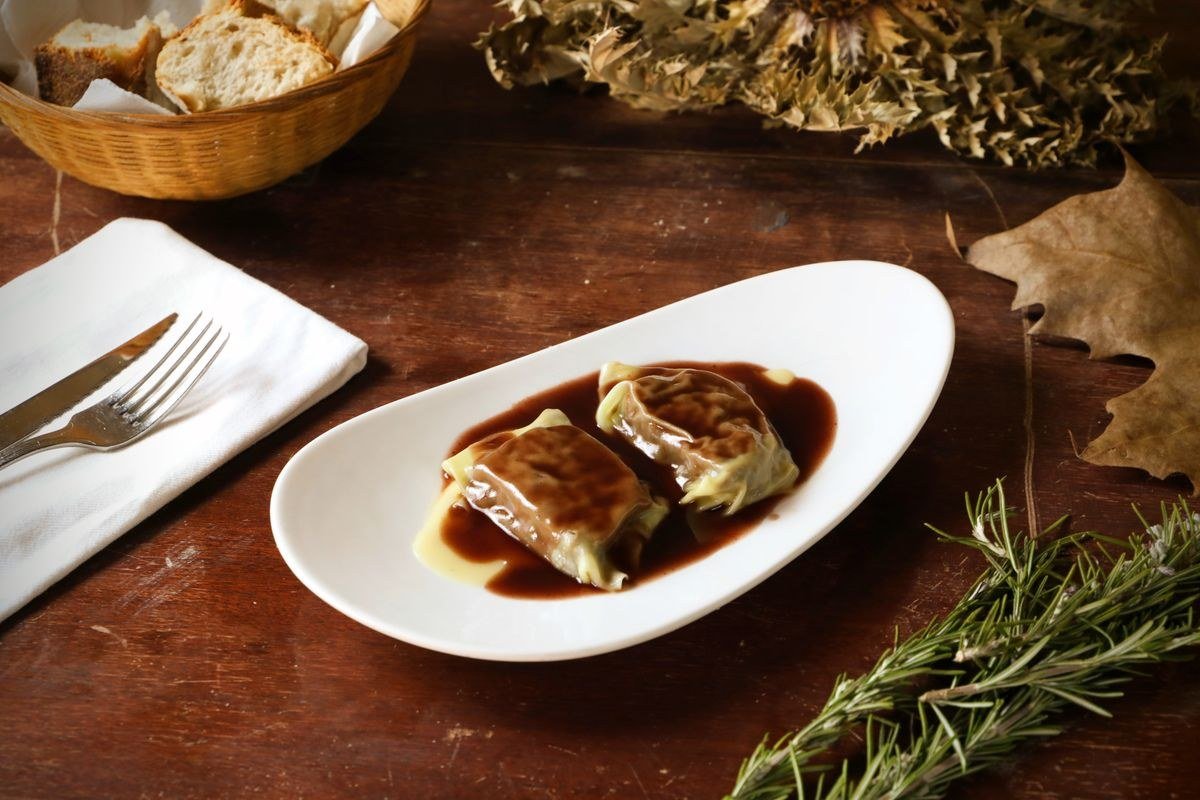
Use the sauté function to brown meat and soften vegetables right in the pot. Add everything except rice, seal, and pressure cook on high for 12 minutes with a 10-minute natural release. Stir in the rice, then pressure cook 4 more minutes with a quick release — or use the sauté function to simmer the rice for 12 minutes. The pressure method produces deeply melded flavor in under an hour total. One caution: cabbage releases a lot of liquid, so keep the pot at or below the max fill line to avoid sputtering.
Pressure cooking melds flavors remarkably fast, but cabbage can overcook — twelve minutes is the sweet spot. Quick-releasing after the rice step keeps grains distinct. If the soup seems thin after pressure cooking, simmer uncovered on saute for a few minutes. The Instant Pot turns this into a genuine weeknight option.
Vegetarian and Vegan Variations
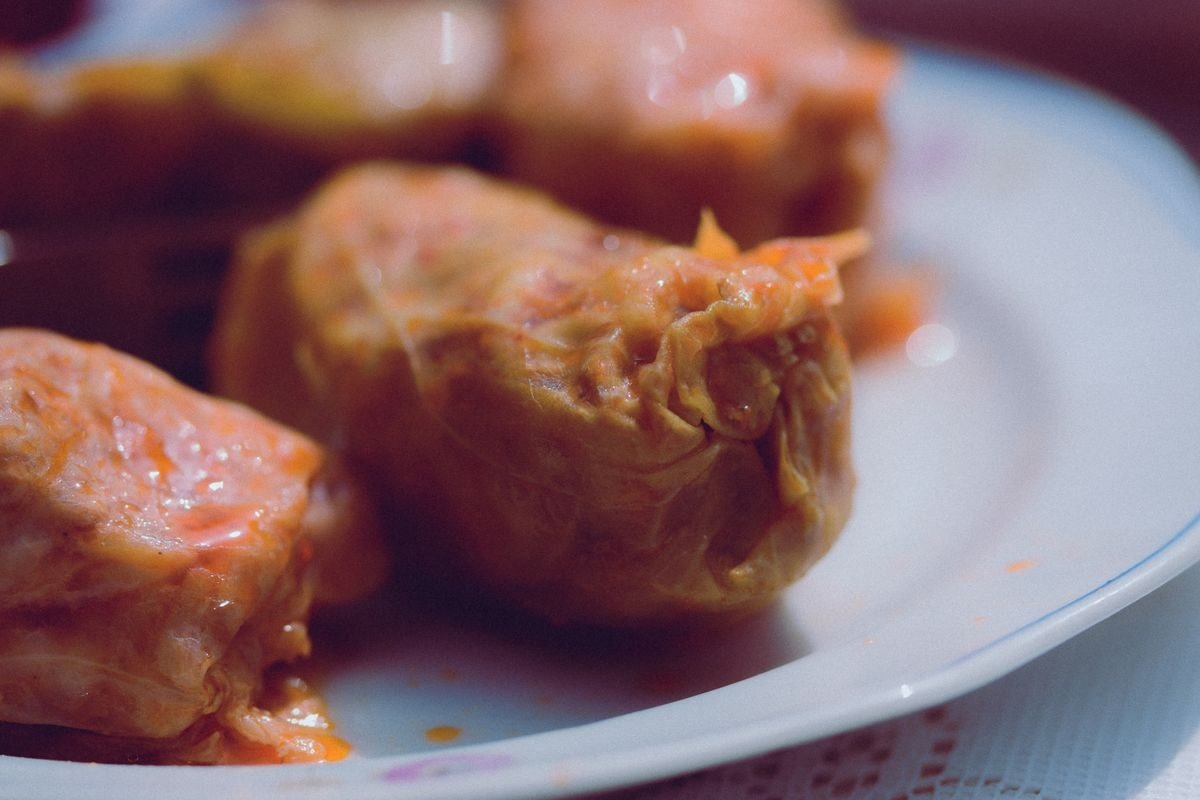
Skip the meat without losing heartiness. Browned mushrooms (cremini or a wild mix) plus brown lentils replicate the savory depth — use 8 ounces of mushrooms and 1 cup of dried lentils, adding extra broth. Smoked paprika and a dash of soy sauce add the umami the meat provided. Plant-based ground meat works as a direct swap. Use vegetable broth and check that your sugar is vegan if it matters to you. The cabbage-tomato-rice foundation is naturally plant-based, so the soup adapts more easily than the rolled version ever could.
Mushrooms need high heat and space to brown rather than steam, so work in batches. Lentils add body and protein — red lentils dissolve into the broth while brown ones hold their shape. A parmesan rind simmered in the broth, removed before serving, adds vegetarian umami depth. Finish with a swirl of olive oil for richness.
Low-Carb and Keto Golumpki Soup
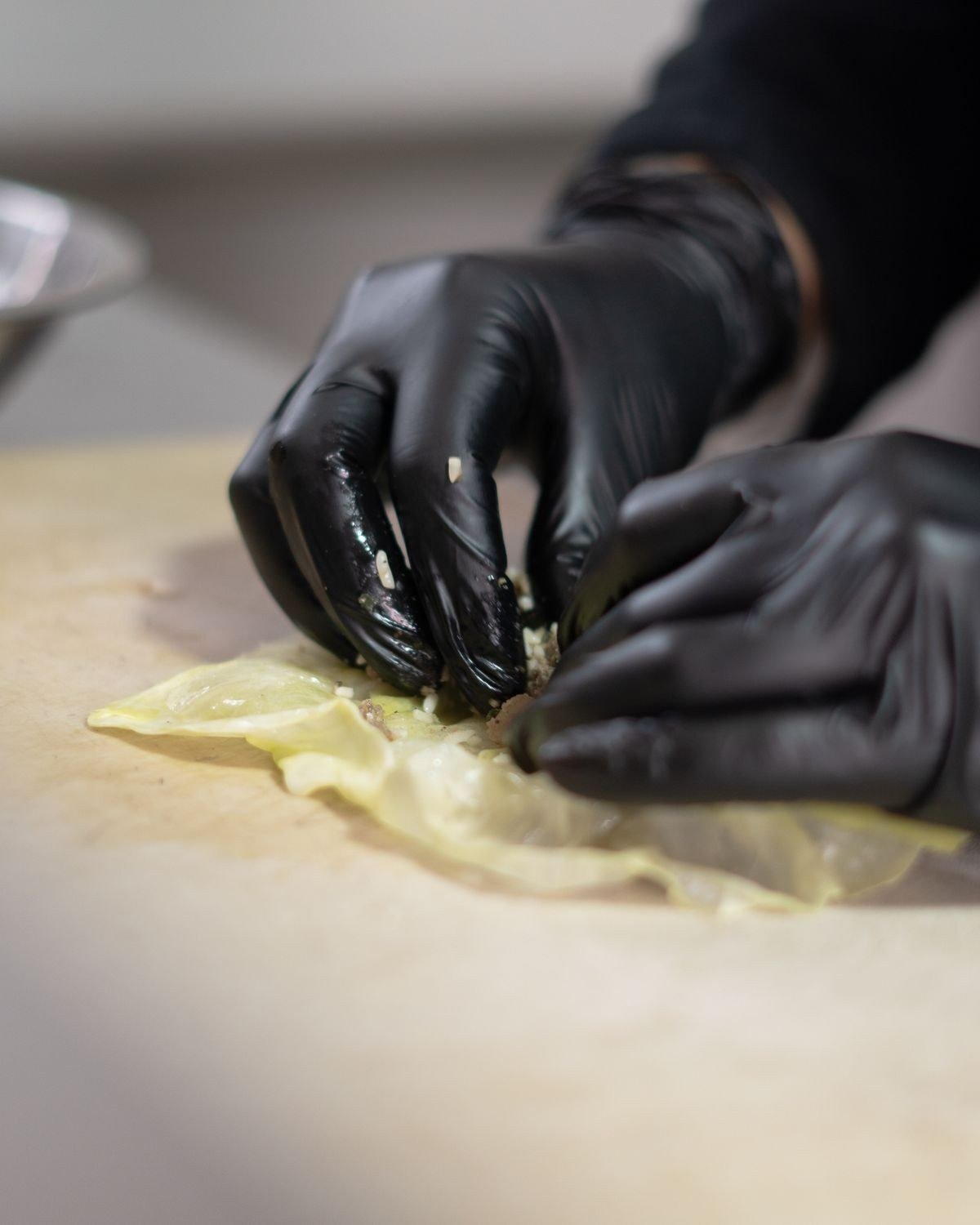
Replace the rice with cauliflower rice stirred in during the last 10 minutes — it absorbs the broth’s flavor without the carbs. Swap the brown sugar for a keto-friendly sweetener or simply omit it; the cabbage provides natural sweetness. Use full-fat beef and pork and rich bone broth for satisfying fat content. Everything else stays the same. The result is a hearty keto soup that genuinely satisfies. Add extra cabbage to replace the rice’s bulk, and finish with a generous dollop of full-fat sour cream.
Cauliflower rice overcooks in minutes — stir it in at the very end and serve immediately. Shredded cabbage can also replace rice for bulk without carbs. Full-fat dairy at the table adds satisfying richness. Check your broth’s carb count, because some commercial broths hide sugars. This adaptation keeps all the comfort with a fraction of the carbs.
Freezer-Friendly Tips
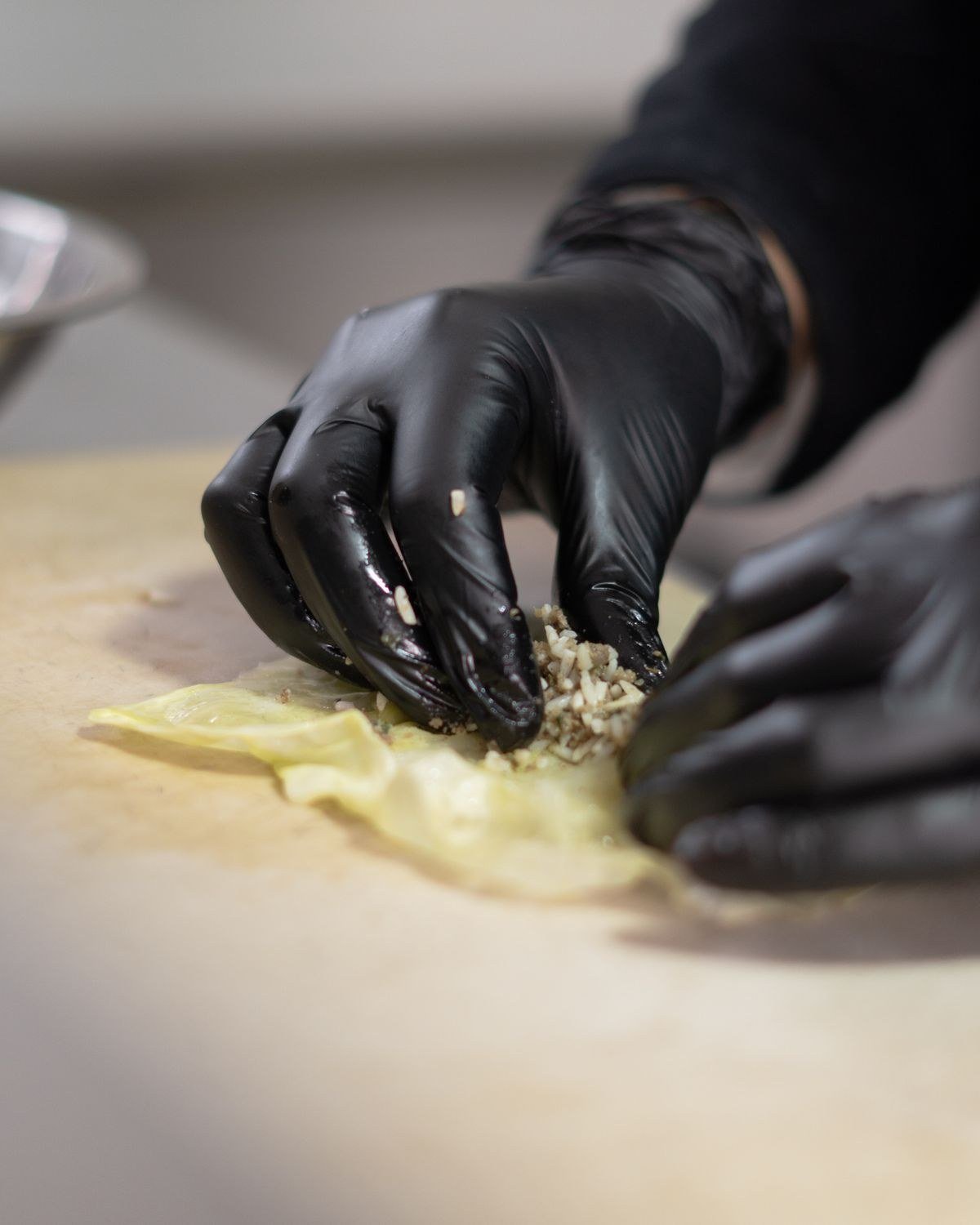
This soup freezes beautifully — with one trick. Freeze it before adding rice, or with rice slightly undercooked, since rice continues softening when reheated. Cool the soup completely, portion into freezer containers leaving an inch of headspace, and freeze up to 3 months. Thaw overnight in the fridge and reheat gently, adding a splash of broth to loosen. Add fresh-cooked rice when serving for the best texture. Label with the date and “add rice” so future-you remembers the plan. It is a meal-prep champion.
Freeze in portion-sized containers for the fastest weeknight dinners, leaving headspace because liquids expand. Cool the soup quickly before freezing — an ice bath speeds it safely. Thaw in the fridge overnight, never on the counter. Reheated soup often tastes better than fresh; the flavors marry in the freezer mysteriously well.
Storing and Reheating Leftovers
Refrigerate leftovers within two hours in airtight containers for up to 4 days. The soup thickens as the rice absorbs broth — revive with a splash of beef broth or water when reheating. Reheat gently on the stovetop rather than blasting in the microwave for the most even results. The flavor actually improves on day two as everything melds. If the cabbage seems too soft after days, that is normal — it is still delicious. Freeze anything you will not eat within 4 days rather than letting it linger.
Glass containers let you see what you are reheating and avoid stains. Eat refrigerated soup within four days; when in doubt, freeze on day two. Reheat only what you will eat, because repeated heating degrades texture. A fresh dollop of sour cream and dill on reheated soup makes it taste just-made. Leftovers are a feature, not an afterthought.
Traditional Polish Side Dishes
Serve golumpki soup the Polish way: with thick slices of dark rye bread for dunking, a generous dollop of sour cream, and a shower of fresh dill. A simple cucumber salad with sour cream dressing (mizeria) is the classic fresh counterpoint. Pickled vegetables or a sharp mustard on the side cut the richness. For a full Polish spread, follow with apple cake or paczki. And if you want to be truly traditional, a shot of ice-cold vodka alongside is the old-country pairing — entirely optional but historically accurate.
Dark rye bread is traditional for a reason — its sour tang complements the sweet-sour soup. Mizeria, the Polish cucumber salad, provides cool crunch. A simple green salad with dill dressing keeps the theme. For drinks, a crisp lager or sparkling water with lemon. The meal should feel like a Krakow kitchen: hearty and unpretentious.
Common Mistakes to Avoid
The biggest mistake is under-seasoning — this soup needs assertive salt and that final sweet-sour adjustment. Second: mushy rice from overcooking or from sitting in hot soup too long; add rice late or serve it on the side. Third: skipping the meat-browning step, which costs you deep flavor. Fourth: too little cabbage — it cooks down dramatically, so the pot should look overstuffed at the start. Fifth: forgetting the vinegar and sugar balance, leaving the soup one-dimensionally tomatoey. Avoid these and your pot will taste like it simmered all day.
Under-salting is the most common error — the large volume of cabbage and rice needs assertive seasoning. Bland broth usually needs acid rather than just salt, so try vinegar before adding more salt. Mushy cabbage means the heat was too high — a gentle simmer preserves texture. Every mistake is fixable except burning the bottom, so stir occasionally.
Making It Ahead for Gatherings
Golumpki soup is ideal party food. Make it fully a day ahead — the flavor deepens overnight. Cool, refrigerate, and reheat gently, adding broth to loosen. For a crowd, double the recipe in a large stockpot; it scales perfectly. Set up a topping bar with sour cream, dill, hot sauce, and rye bread so guests customize. It holds well on a slow cooker’s warm setting for serving over several hours. One pot feeds a crowd for pennies, and it is the kind of dish that has guests asking for the recipe.
A day-ahead soup needs slightly less rice, because it keeps absorbing overnight. Reheat gently — boiling toughens the meat. Refresh with fresh dill and sour cream at serving so it tastes bright rather than leftover. For potlucks, transport in the pot wrapped in towels. It is the rare dish that improves with the wait.
Nutritional Benefits of Cabbage Soup
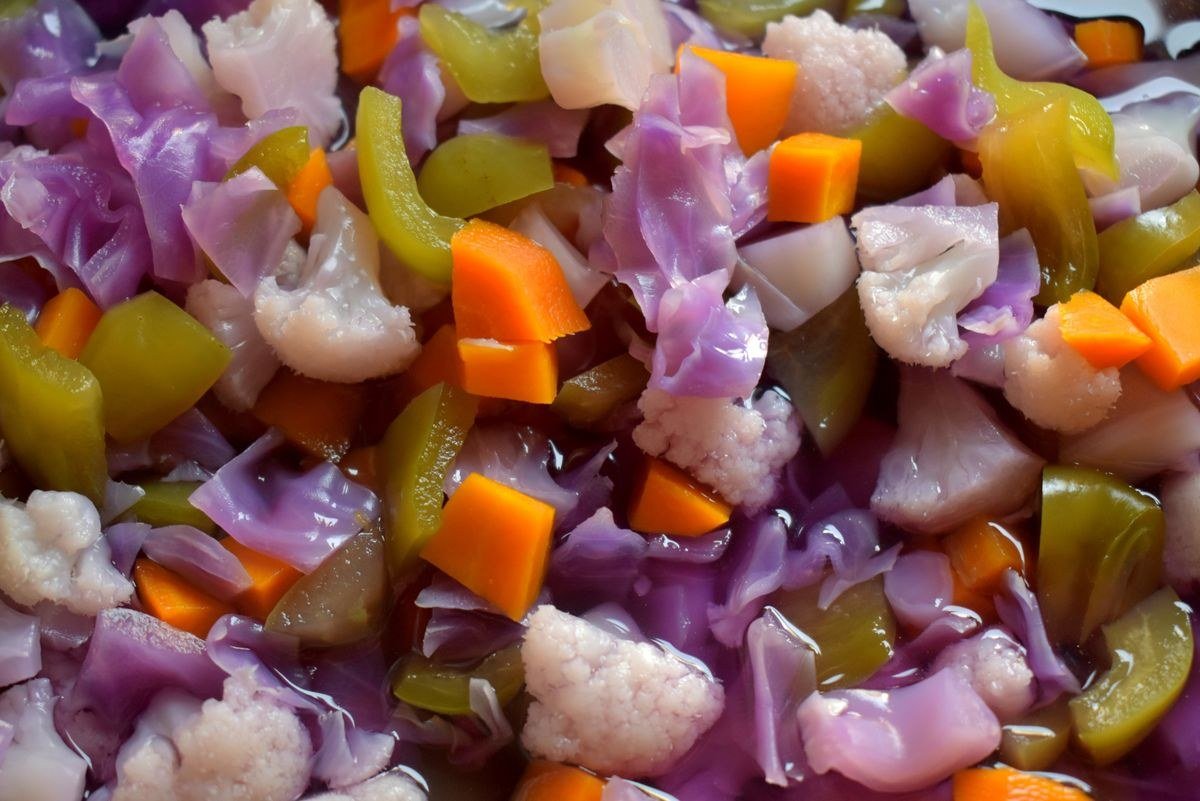
This is comfort food with genuine nutrition. Cabbage is rich in vitamin C, vitamin K, and fiber while being very low in calories. Tomatoes add lycopene, carrots bring beta-carotene, and the meat provides protein and iron. A bowl is filling without being heavy, especially with the rice portion moderated. It fits comfortably into balanced eating — hearty enough to satisfy, wholesome enough to feel good about. For the lightest version, use lean ground turkey and load up on extra vegetables.
One cup of chopped cabbage per serving keeps the soup balanced and filling. The protein and fiber combination satisfies for hours. Using lean turkey and extra vegetables lightens it further without losing character. It is proof that comfort food and nourishment are not opposites — this bowl delivers both generously.
Kid-Friendly Adaptations
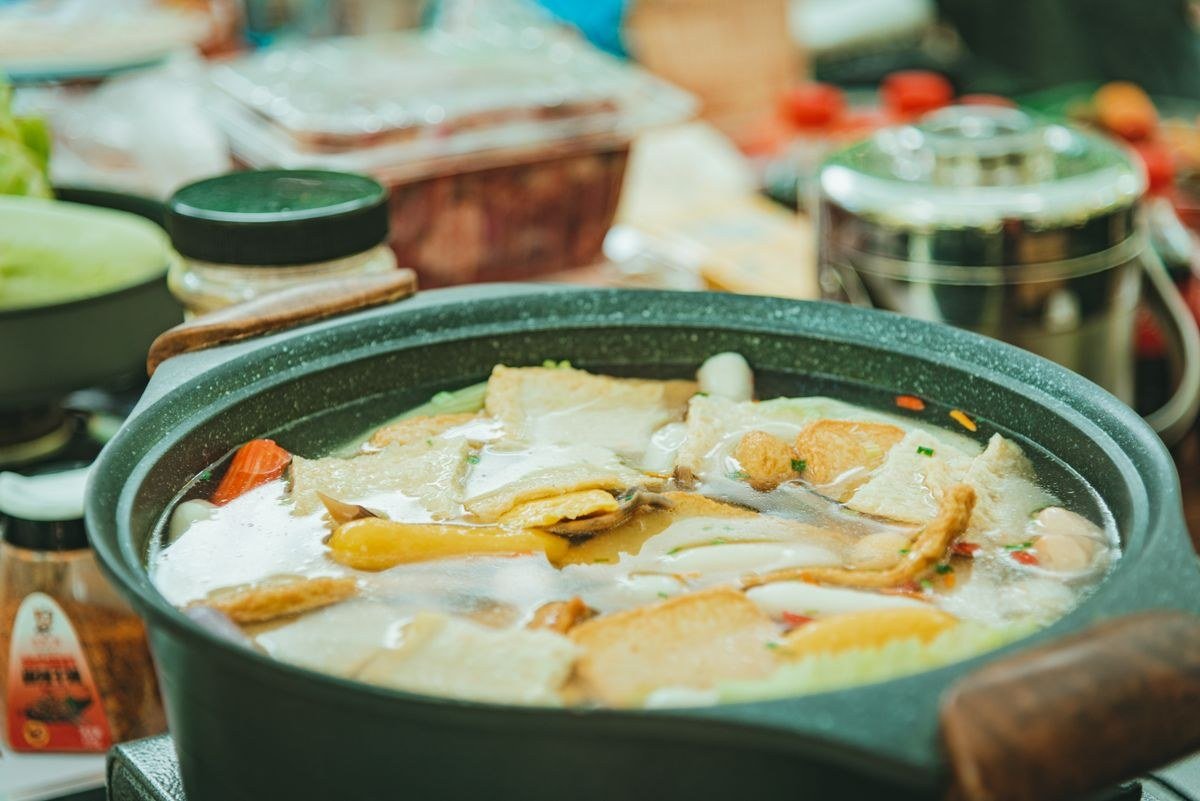
Kids often love this soup once it is adapted. Chop the cabbage smaller so there are no intimidating big pieces, go easy on the black pepper, and skip the vinegar’s sharp edge with a touch more sugar. Call it “pizza soup” or “spaghetti soup” if cabbage is a hard sell — the tomato-meat-rice combo is inherently kid-friendly. Serve with cheese toast for dunking. Let kids add their own sour cream swirl; participation increases eating. Many Polish-American kids grew up on exactly this pot.
Let kids pick their toppings — autonomy increases eating. Mild paprika instead of smoked keeps flavors gentle. Small pasta shapes can replace rice for picky eaters who distrust it. The soup’s soft textures suit young children well. Many adults’ love of golumpki started with exactly this bowl in childhood.
Golumpki Soup vs. Cabbage Rolls: Honest Comparison
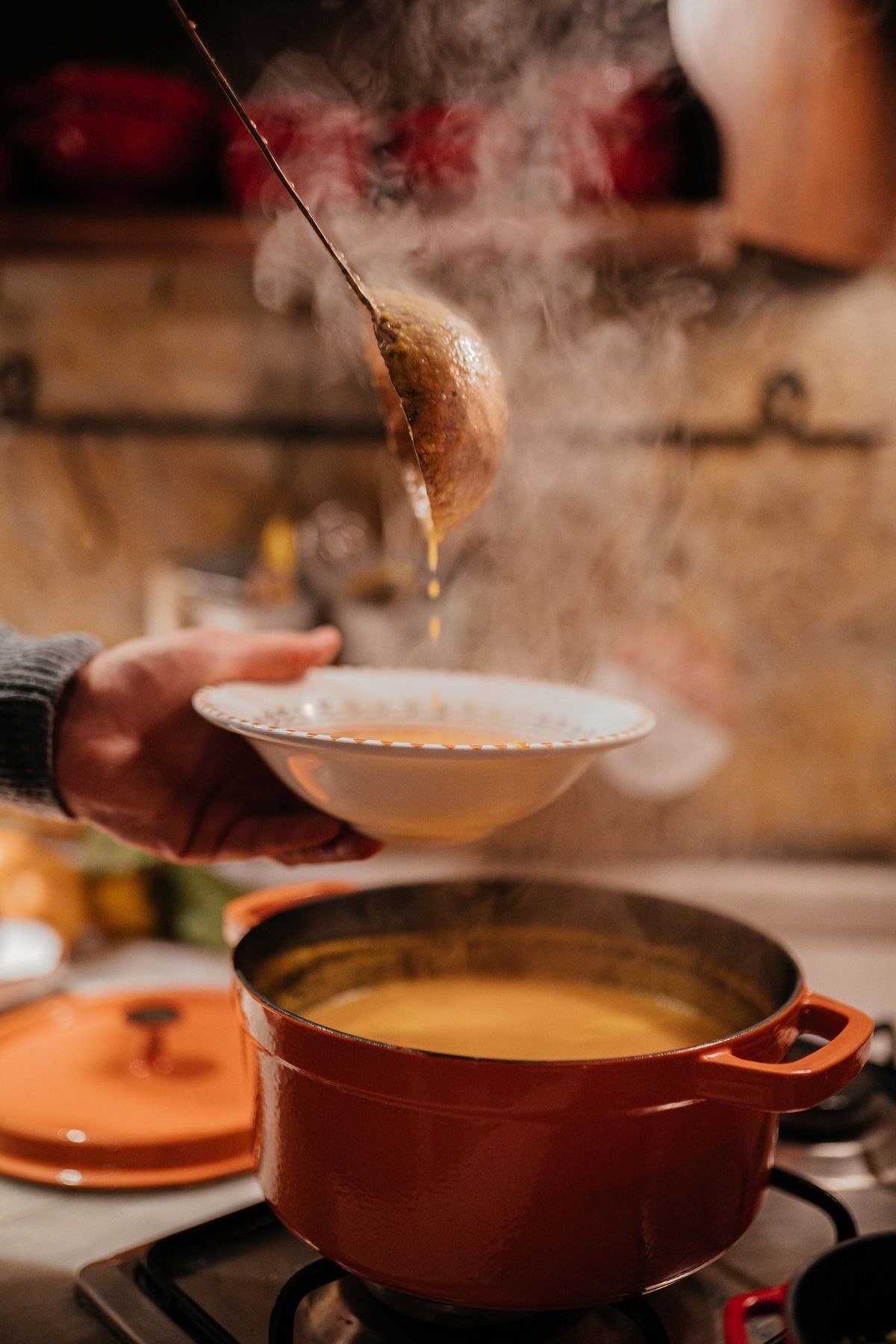
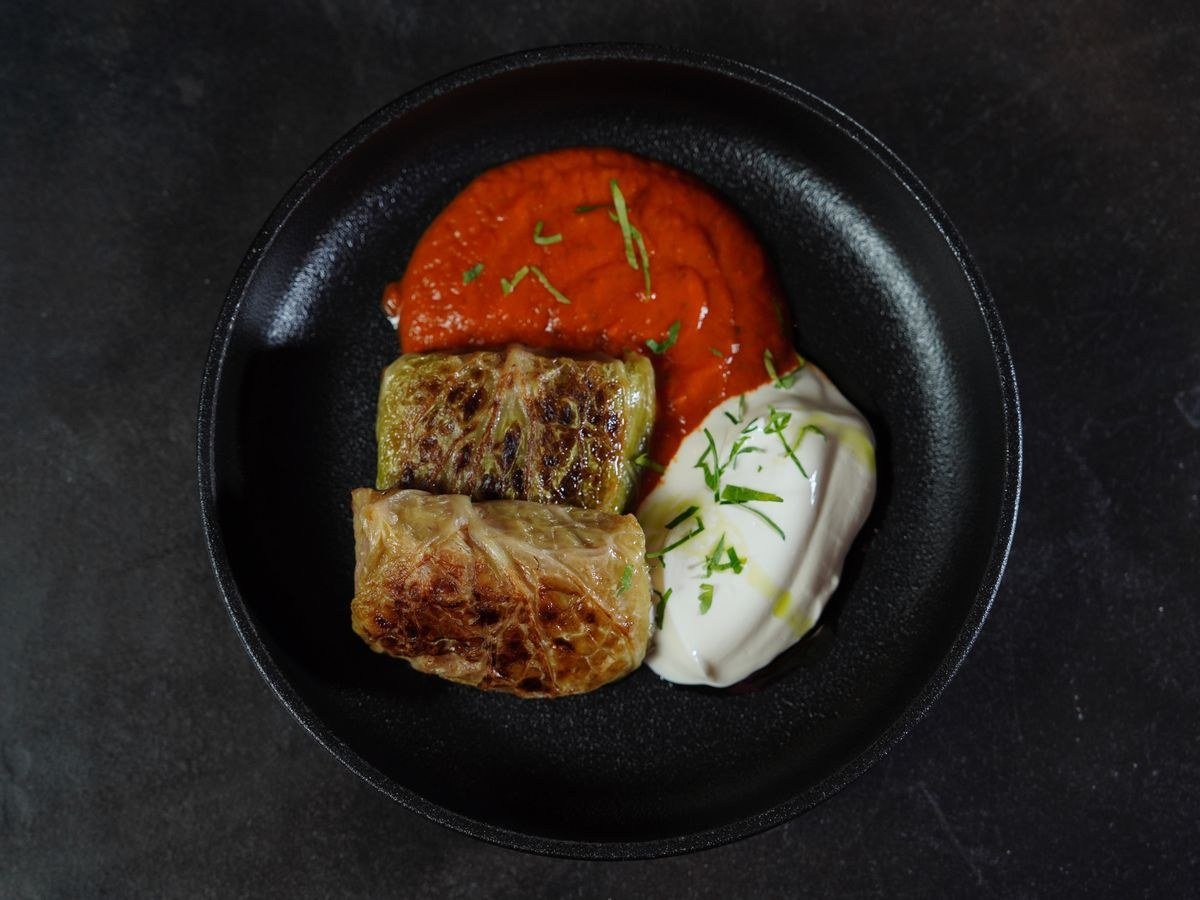
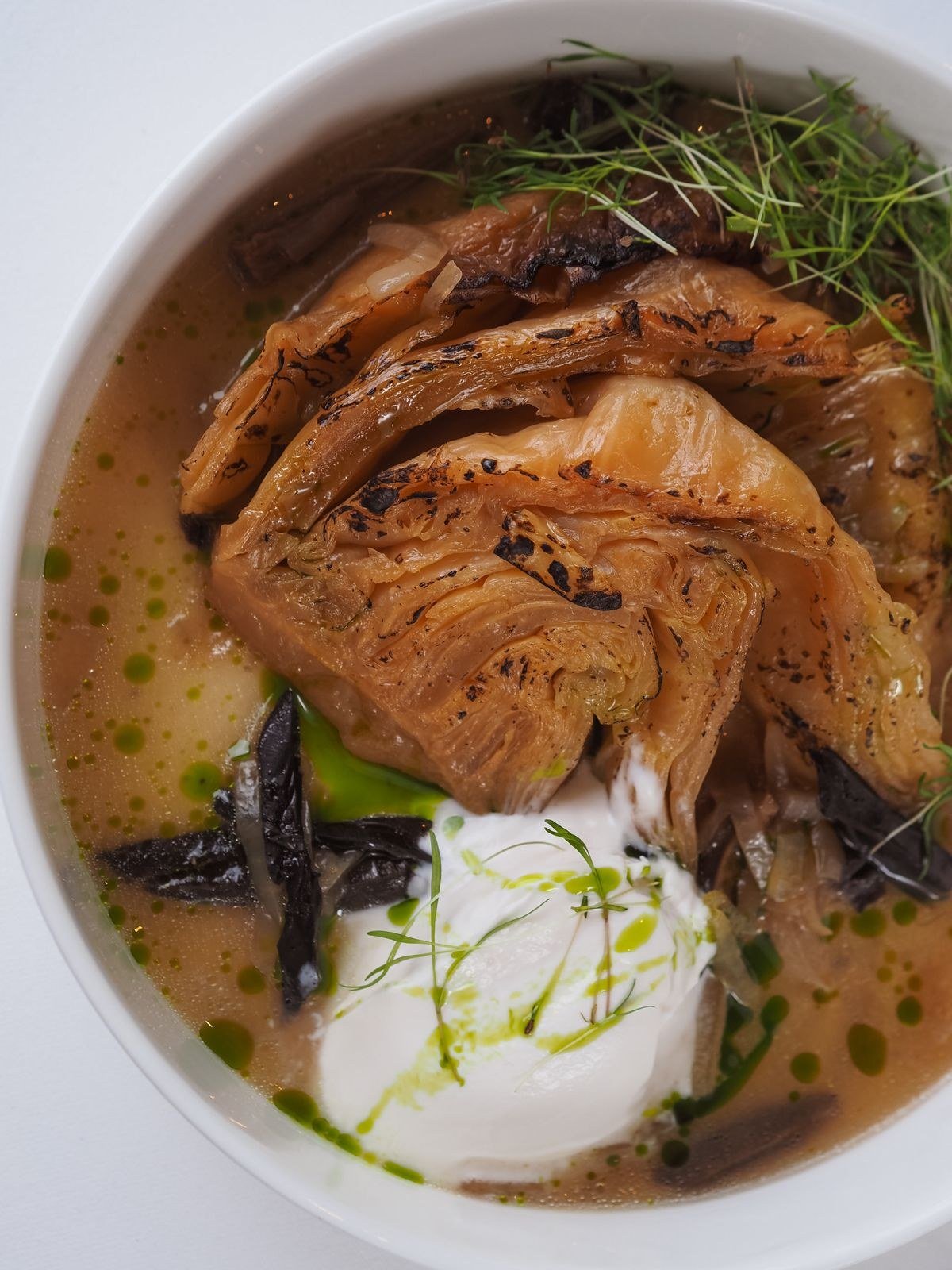
Honesty time: the soup captures about 95% of the cabbage roll experience. What it lacks is the textural contrast of the tender whole leaf wrapped around dense filling, and the slightly caramelized edges that rolled golumpki get in the oven. What it gains is weeknight feasibility, easier leftovers, and arguably better broth integration — every spoonful is saucy. For holidays and showing off, roll the real thing. For every other time you crave that flavor, the soup wins. Most families end up making the soup ten times for every once they roll.
Rolls win on presentation and texture contrast; soup wins on practicality and broth. Nutritionally they are near-identical. Time investment is the real difference: four hours versus one. Make rolls for Christmas Eve tradition and soup for every craving in between. Both honor the same delicious heritage.
Your Perfect Pot Checklist
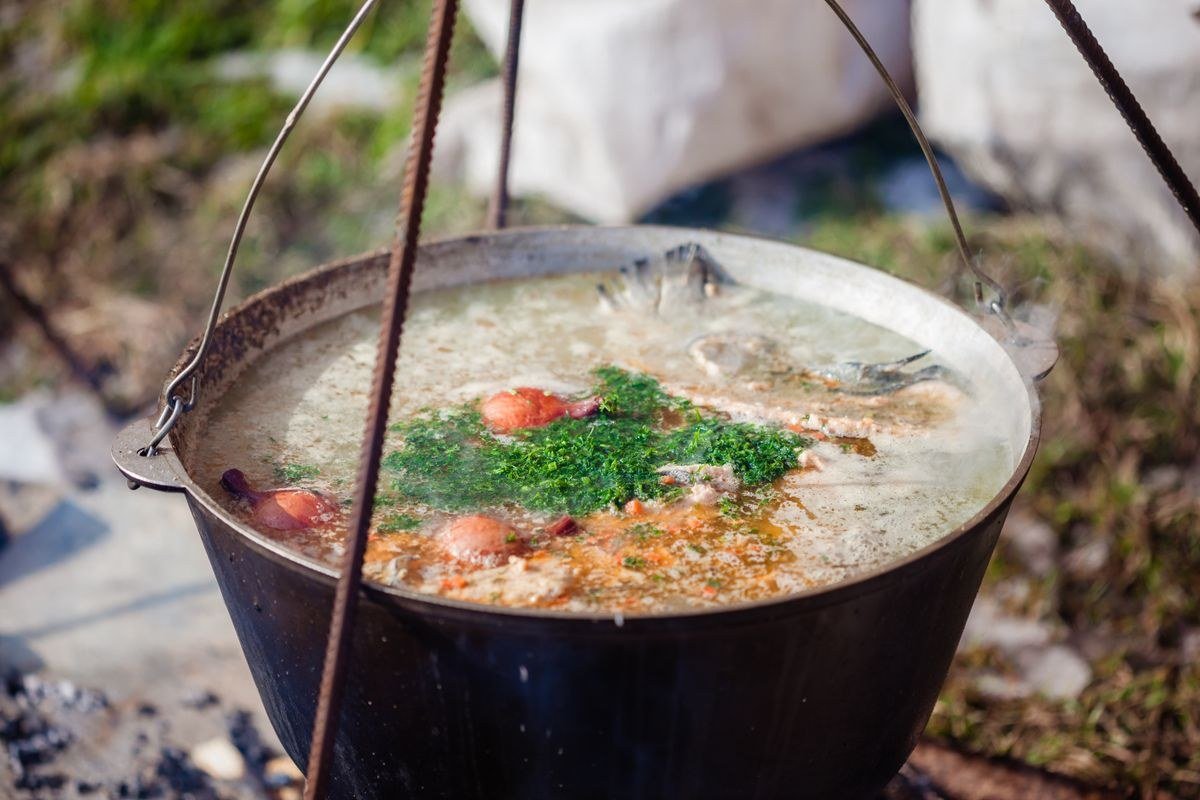
Brown the meat well. Soften the aromatics. Balance sweet against tangy at the end. Do not overcook the rice. Rest the pot before serving. Top with sour cream and dill. That is the whole formula for golumpki soup that tastes like it took all day. Make a big pot on Sunday, eat well all week, and freeze a portion for the future. Some recipes feed the body; this one feeds the memory of every Polish grandmother’s kitchen. Smacznego — enjoy your meal.
The resting step matters — ten minutes off the heat lets flavors settle and the rice finish. Skim excess fat if you like, or leave it for richness. Serve in warmed bowls so the soup stays hot longer. Pass the sour cream and dill at the table. Smacznego — you have earned every spoonful.

I am Talha Sikandar, a professional writer with a passion for general blogging. With years of experience in content writing and research, I founded Meaniingly.com to deliver well-researched, informative, and user-friendly articles on diverse topics.