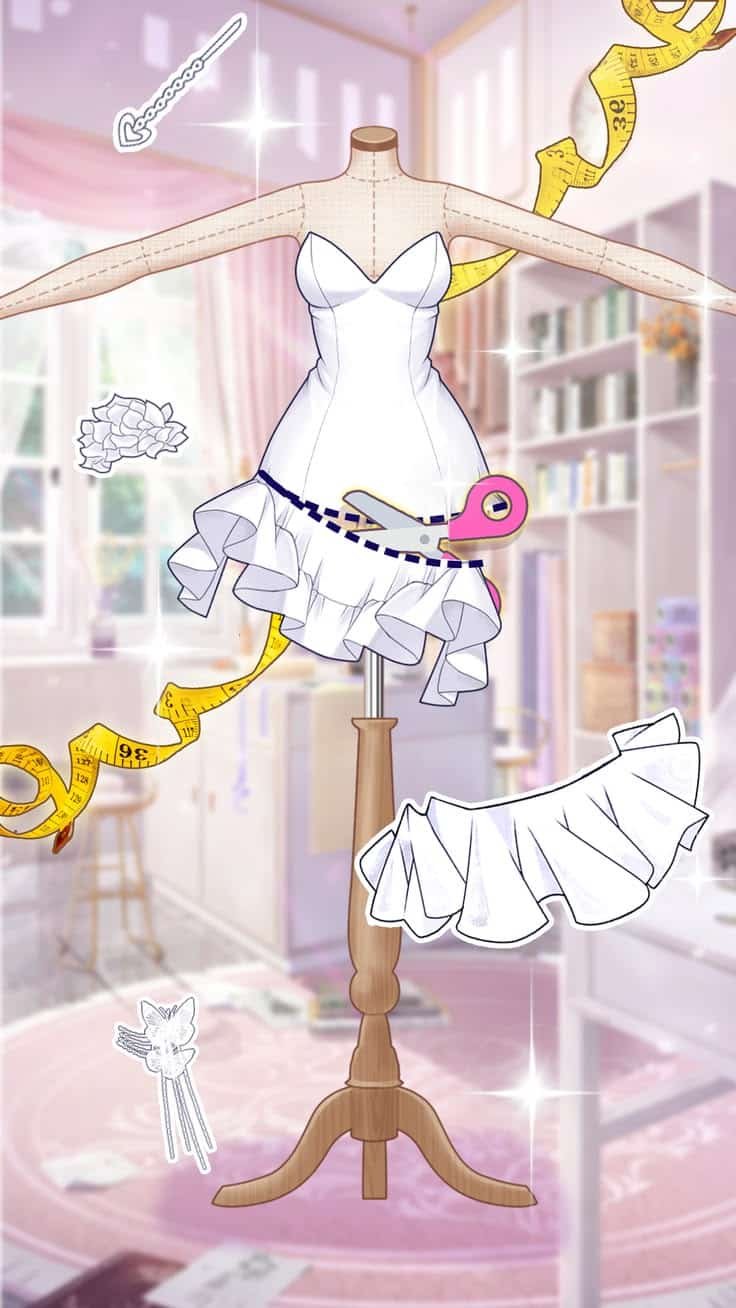
A dressmaker game lets you design, sew, style or sell clothing on a screen, and the best ones turn a few minutes of play into a real creative habit. Fabric costs nothing, mistakes are undone with one tap, and a finished look appears in seconds. That freedom is why the genre has grown from simple dress-up pages into sewing simulators, fashion competitions, boutique tycoons and deep design tools.
This guide explains the main types of dressmaker games, how each one plays, what you quietly learn from them, how to choose well and how to keep younger players safe. It is written for curious adults, teenagers and parents who want to know what they are getting into before they download.

What Counts as a Dressmaker Game
A dressmaker game is any game, app or online world where the main activity is making or styling clothes. That includes a sewing simulator where you trace a pattern and stitch a seam, a mobile app where you match outfits for a theme, a boutique game where you serve customers, and a life simulation with a detailed clothing editor. The label is loose, and that is useful: it lets you search by what you want to do instead of by one fixed genre.
The idea is much older than video games. Paper dolls with cut-out outfits taught generations of children to mix and match. Early browser dress-up pages moved the same pleasure online, and today’s mobile and console titles add stories, competitions, shops and shared communities. Dressmaker games are simply the latest chapter of a very long habit: people love dressing things up.
The appeal is easy to explain. Fashion is visual, personal and forgiving. In a game you get the satisfaction of making something without the mess, the cost or the skill barrier of real sewing, and you can try ten ideas in the time it would take to cut one real pattern.

Five Types of Dressmaker Games
Most dressmaker games fit one of five types, and knowing which one you want saves a lot of wasted downloads.
1. Dress-up and styling games. You pick outfits from a large wardrobe for a theme or character. These are quick, casual and easy to learn, usually with sessions of five to fifteen minutes.
2. Fashion design games. You build or edit the garments themselves, choosing shapes, colours, prints and fabrics. They suit players who want original creations and are happy to spend twenty minutes or more on a single design.
3. Sewing and tailoring simulators. You choose fabric, cut pieces, stitch seams and fit a garment step by step. They are calm, hands-on and satisfying, ideal for players who like crafts.
4. Boutique and fashion business games. You run a shop or studio, take orders, manage stock and staff and keep customers happy. They suit fans of tycoon and management games who also love clothes.
5. Runway and competition games. You build a look for a theme and are judged by a scoring system or by other players. They are social, fast and good for competitive personalities.
Many games blend two or three of these. A story-driven title may ask you to style clients and also run your studio, while a life simulation may hide a full design tool inside its character editor. Treat the list as a map, not a fence.
A good rule is to match the type to your mood. When you are tired and want something gentle, a sewing sim or a simple dress-up game works well. When you feel inventive, a design game gives you room to experiment. When you want company, a competition game turns fashion into a shared event.

Inside a Sewing and Tailoring Sim
Sewing simulators turn a real craft into a sequence of small, satisfying steps. The details differ from game to game, but most follow the same loop.
First, you take an order or pick a project. A customer asks for a dress, a jacket or a costume, or you choose a pattern yourself. Next you choose fabric and trims. Cotton, silk, wool and denim behave differently, and the game usually shows it through colour, texture and price.
Then comes cutting. You trace pattern shapes onto fabric and cut along the lines, and accuracy often affects your final score. After that you stitch and assemble: seams, darts, zips and hems come together in order, with simple tools standing in for a sewing machine or a needle. You then fit and adjust the garment on a mannequin or client, correcting length, width or shape. Finally, you add finishing touches such as buttons, embroidery and pressing, and deliver the piece for payment or a rating.
The reward cycle keeps people playing. Each finished garment earns money or points, which unlock better fabrics, tools and patterns, which in turn make more ambitious garments possible. The pace is steady and calm, which is why many players describe these games as relaxing.
If you are curious about real sewing, this type is the most useful teacher. It will not replace a class, but it introduces the vocabulary of seams, hems, darts and fit, and it shows why order matters. You cannot attach a sleeve before you have made it.

Inside a Dress-Up and Design Game
Dress-up and design games reward taste and speed rather than technical accuracy. A typical round starts with a prompt, such as “autumn picnic”, “red carpet” or “back to school”. You then browse a wardrobe of tops, bottoms, dresses, shoes, bags, jewellery and hairstyles and assemble a complete look.
Several features shape how these games feel. Themes and challenges give your choices a purpose and make results easy to judge. Wardrobe growth, through events, chapters, rewards or purchases, gives you something to collect. Judging may use a hidden formula based on theme match and colour, or it may rely on votes from other players, which adds a social layer. Stronger design games let you recolour garments, add prints or build pieces from layers, so two players can finish the same challenge with different results. Story modes tie your styling to a plot, such as helping a client or building a career.
The most useful habit is to read the prompt twice. Many losing outfits are attractive but ignore the theme. A look that is slightly less polished yet clearly on theme usually beats a beautiful one that misses the point.
As with any game that includes shops, notice how the economy works. Games that let you progress through play feel generous. Games that block you until you pay are worth avoiding.

How to Choose the Right Game
Pick the game by answering five questions in order. Each one removes a large part of the store.
What do you want to do: style, design, sew or run a shop? Your answer picks the type. Where will you play? Check that the game exists on your phone, tablet, console or PC and runs well on your device. How much time do you have? Short mobile rounds suit a commute, while sewing sims and design tools suit a longer, calmer evening. How do you feel about spending? Free games with optional purchases are common, so read the store page and recent reviews to see whether progress depends on paying. And who is playing? Check the age rating, and look for chat or sharing features if a child will use it.
Before installing, do three quick checks. Watch a short gameplay video to see whether the art style and pace appeal to you. Read the most recent reviews rather than the oldest, because games change after updates. Look at the update history, since a game updated regularly is more likely to stay fun and safe.
Finally, give any new game a fair trial of about thirty minutes. Most dressmaker games reveal their real loop after the tutorial ends, and that is the moment to decide whether to keep it.

Real Skills You Quietly Learn
Players rarely sit down to study, yet dressmaker games build several useful habits.
Colour sense. You quickly learn which shades sit well together and which clash. Many players begin to use a main colour, a partner colour and a neutral without ever being taught the rule.
Shape and proportion. Pairing a loose top with slim trousers, or a fitted bodice with a full skirt, teaches how silhouettes balance. The same idea applies to real wardrobes.
Planning and sequencing. Sewing sims reward doing steps in the right order, and boutique games add budgeting, stock choices and customer priorities.
Patience and care. Cutting along a line or finishing a hem slowly is a small exercise in focus. Many players say this gentle attention is the main reason they enjoy the genre.
Creative confidence. Making something and getting positive feedback, even from an in-game client, encourages people to try new ideas.
These benefits are real but modest. A game is not a sewing course, and it will not teach pattern drafting or garment construction in depth. What it can do is spark curiosity. Many players move from the screen to a sketchbook, a thrift-store upcycling project or a first beginner sewing class.

Practical Tips to Play Better
These habits work across almost every dressmaker game.
Limit your palette: two or three main colours plus a neutral look cleaner than five competing shades. Start with the silhouette, deciding the overall shape of the outfit before adding details. Choose one hero piece, such as a bold jacket, dress or accessory, and let everything else support it. Read the theme literally first, then add one unexpected twist to stand out. If the game allows it, save a safe version before you experiment.
Plan your currency by spending on versatile basics before one-off decorative items, and avoid impulse buying during limited-time events. In sewing sims, measure twice, because accurate cutting and fitting usually earn better ratings than speed. Borrow ideas from real life through fashion photos, museum collections and street style. And take breaks: long sessions tire your eyes, and your taste is sharper after a rest.
Perfectionism is the most common trap. A simple outfit finished in two minutes is often better than a complicated one you keep adjusting. Treat each round as practice, not a final exam.

Common Mistakes to Avoid
Picking the wrong type is the most frequent error. A boutique manager will disappoint someone who only wants to style outfits, and a pure dress-up app will bore someone who wants to sew.
Ignoring the theme comes next. In competitions, a gorgeous outfit that misses the prompt loses to a simpler one that fits it. Overloading the look is similar: too many patterns, accessories and colours cancel each other out, so leave some breathing room.
Spending on impulse is another trap. Limited-time offers are designed to feel urgent, so wait a day before buying anything with real money. Rushing the fit in sewing sims lowers your rating, because small errors in cutting add up. And comparing yourself to gallery posts is rarely helpful, since the best looks are often chosen from hundreds of attempts. Use them for ideas, not as a yardstick.

A Parents’ Guide
Fashion games are usually gentle, but the online features around them deserve a quick review. Spend ten minutes on these points before a child starts playing.
Check the age rating and read the content notes on the store page. Turn on purchase approval or remove saved payment methods, and explain that virtual currency is real money. If the game has chat, friend requests or public galleries, review the privacy settings and use the strictest options for younger players. Remind children never to share their full name, school, address, phone number or photos in a game. Talk about body image, because avatars and influencer-style looks can feel like standards, and encourage enjoying creativity without comparing real bodies to digital ones. Agree on time limits and keep play away from bedtime. Finally, download only from official stores, because copies of popular games from other sites can hide unwanted software.
The most effective step is to play together for a short while. You will see how the game works, what it asks children to spend and who they can meet, and your child will see that you are interested rather than checking up.

Where the Genre Is Heading
Several trends are shaping the next generation of dressmaker games.
Better cloth simulation lets fabric drape, fold and swing more naturally, which makes sewing and fitting more convincing. Deeper creation tools let players design real patterns, prints and shapes instead of choosing presets. Creator communities, where players share, vote on and sometimes trade designs, turn single-player creativity into a social hobby. Collaborations with brands and designers blur the line between a virtual wardrobe and a real one. Some games now feature upcycling, repair and mindful wardrobes, reflecting wider interest in sustainability. And inclusive design, with more body types, skin tones, gender expressions, cultural clothing and accessibility options, is becoming an expectation rather than an extra.
None of these trends changes the core pleasure: taking a plain piece of cloth, or a blank outfit, and making it yours.

Frequently Asked Questions
What is a dressmaker game? It is a game where you design, sew, style or sell clothing, from simple dress-up apps to detailed sewing simulators.
Are these games only for children? No. Teens and adults play them too, especially relaxing sewing sims and open-ended design games.
Will a dressmaker game teach me to sew? Not fully. It can teach vocabulary, the order of steps and a feel for fit, but real sewing needs real practice.
Do I have to pay to enjoy one? Usually not. Many are free with optional purchases, though some limit progress unless you spend. Check reviews before you commit.
Which type should a beginner try first? A dress-up or styling game is the easiest start. If you want something slower and more creative, try a sewing sim.
Are they safe for kids? Many are, but safety depends on chat, sharing and purchase features. Check the age rating and privacy settings, and talk with your child about what they play.
Conclusion
Dressmaker games give you a low-pressure way to design, sew and style, and the right one depends on what you want to do and how you like to spend your time. Choose the type first, test a game for half an hour, watch how it treats spending and privacy, and keep your goals modest: enjoyment, a sharper eye for colour and perhaps a spark of interest in real making. If that spark grows, a sketchbook and a simple sewing project are only a short step away.

I am Talha Sikandar, a professional writer with a passion for general blogging. With years of experience in content writing and research, I founded Meaniingly.com to deliver well-researched, informative, and user-friendly articles on diverse topics.