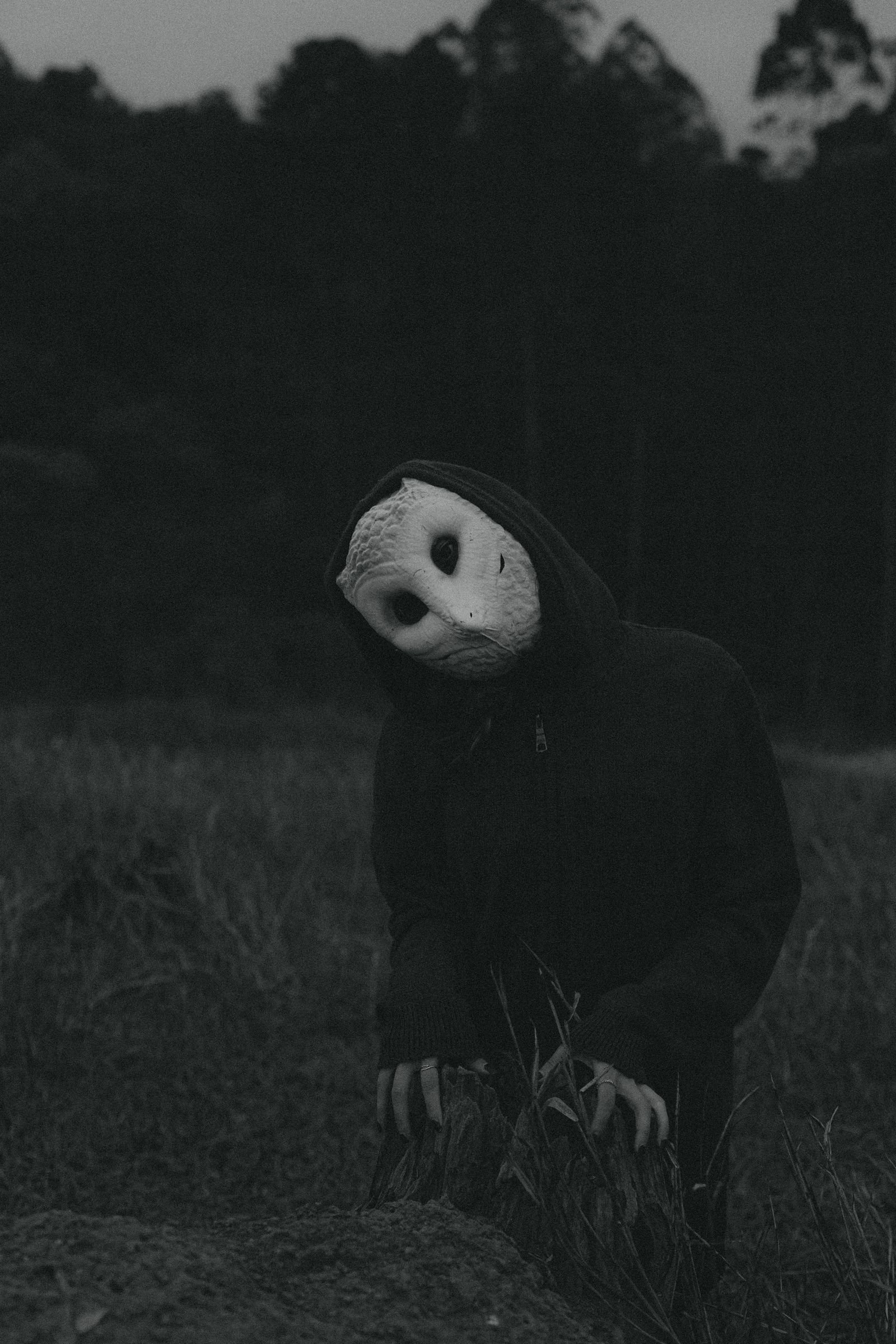
creepy carnival halloween party ideas
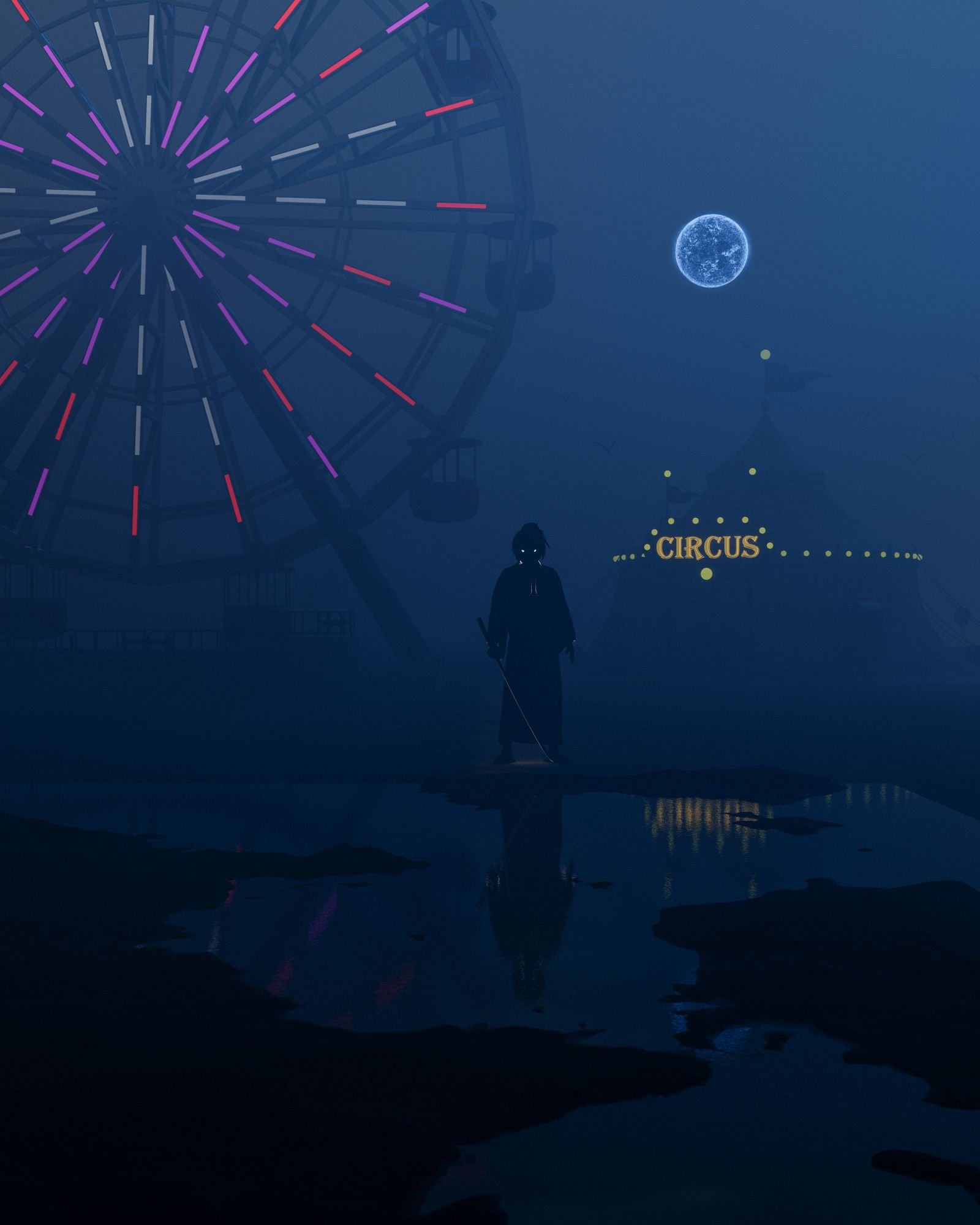
A creepy carnival Halloween party takes the joy of the fairground and twists it into something deliciously sinister: striped tents gone shadowy, cheerful clowns with too-wide smiles, midway games that feel just slightly wrong. It is one of Halloween’s most beloved themes because it scales from kid-friendly spooky to genuinely terrifying, suits any group size from a dozen friends to a hundred guests, and gives hosts endless creative room. Invitations become tickets, food becomes midway concessions, and the décor practically writes itself — stripes, lights, and sawdust. This guide delivers twenty ideas covering invitations, entrances, décor, costumes, twisted carnival games, creepy-concession food and drink, lighting, music, prizes, timelines, budgets, and the hosting details that turn a good party into a legendary one.
Why the Creepy Carnival Theme Works
The carnival theme taps into a deep cultural unease — the familiar made strange. Everyone knows what a carnival should feel like: bright, loud, joyful. Subverting those expectations with dim lighting, minor-key calliope music, and smiles that last a beat too long creates psychological spookiness more effective than any amount of gore. The theme is also incredibly practical: carnival iconography (stripes, tickets, popcorn, balloons) is cheap and widely available, and the party structure — games, prizes, food stalls — entertains guests without awkward mingling. It suits any group size, from a dozen friends to a hundred, and adapts to any scariness level you choose.
The theme works because it weaponises nostalgia; everyone carries warm fairground memories, which makes the corruption of them deeply unsettling.
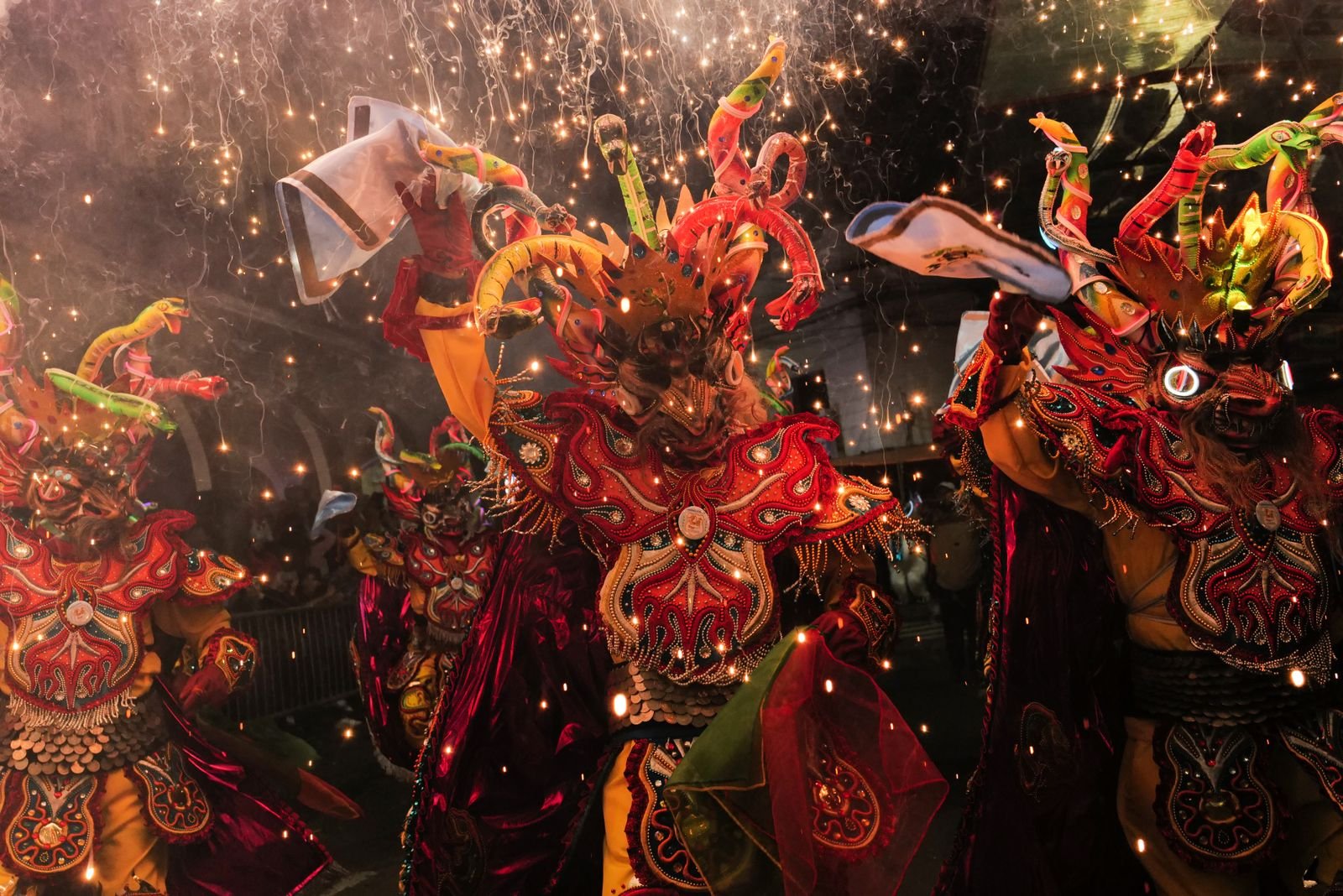
Invitations: Admit One to Terror
Set the tone with vintage circus ticket invitations — “Admit One” stubs, aged and slightly singed, with your party details in carnival-barker language: “Step right up! The most terrifying show on earth!” Include a “warning” that guests enter at their own risk and note the dress code. Digital invitations can use animated carnival imagery with distorted music. For extra impact, hand-deliver tickets in small popcorn boxes or attach them to black balloons. Ask guests to RSVP with their “act” — the costume character they will play — which builds anticipation and helps you plan. The invitation is the first scene of the evening’s theatre; make it count.
Send invitations three to four weeks ahead; costumes take planning, and early notice dramatically improves the quality of guest outfits.
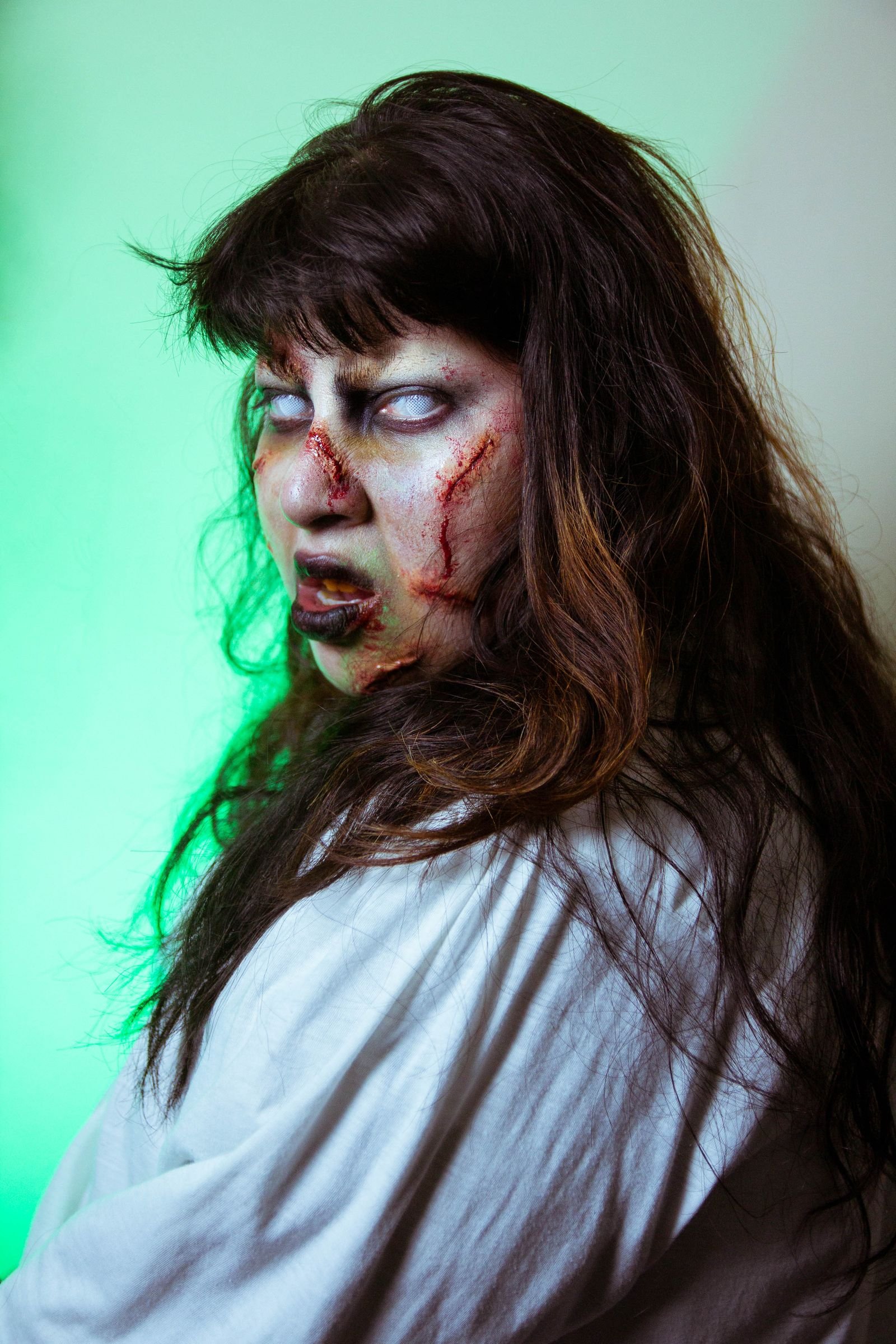
The Entrance: Stepping Into the Nightmare
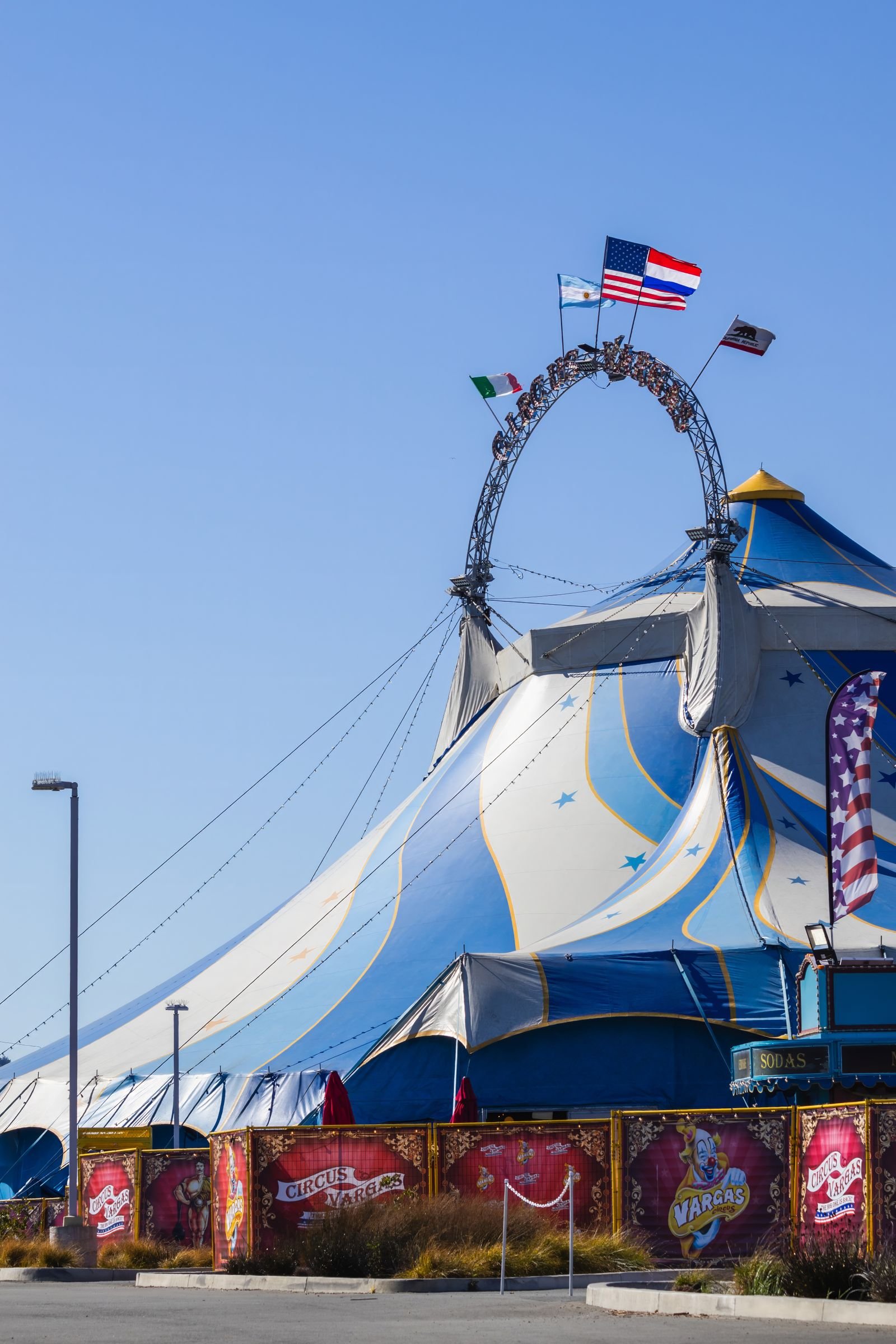
The entrance is your party’s opening scare — make arrival an experience. Create a ticket booth façade from cardboard or fabric where a costumed “barker” greets guests and tears their tickets. Beyond it, a darkened hallway or garden path lined with flickering lanterns, distorted carnival music, and hanging striped fabric builds dread. A sign arch reading “Creepy Carnival” in crooked lettering, slightly swaying, completes the threshold. Consider a “freak show” poster gallery along the entry path — vintage-style illustrated posters advertising impossible acts. By the time guests reach the main party, they are fully immersed. First impressions shape the whole night, so invest disproportionate effort here.
Station your most theatrical friend at the ticket booth; a committed barker sets the tone more effectively than any decoration could.

Red-and-Black Striped Décor
The visual signature of the creepy carnival is the stripe — but corrupted. Classic red-and-white carnival stripes become red-and-black, or aged and stained. Drape striped fabric as tent walls, tablecloths, and ceiling swags; the repetition is hypnotic and instantly thematic. Paint stripes on cardboard to create booth fronts, backdrops, and photo walls. Balance the bold pattern with solid black areas so the eye can rest — too much stripe becomes visual noise. Add gold accents (framing, signage lettering) for the vintage circus richness. This simple, high-contrast palette unifies every element of the party, from the entrance to the food stalls to the photo booth, into one coherent nightmare.
Buy striped fabric by the bolt from wholesalers; it is dramatically cheaper than pre-made bunting and covers far more area.

Twisted Carnival Games
Carnival games with a dark twist are the party’s entertainment engine. Ring toss becomes “Ring the Rat” with rubber rats as targets. The beanbag throw aims at painted clown faces with blacked-out eyes. “Guess the jar” fills apothecary jars with candy corn, plastic spiders, or eyeballs. A duck pond with numbered ducks — some marked with skulls for “cursed” prizes. Cornhole boards painted as screaming mouths. Charge nothing but award “creepy tickets” redeemable at a prize booth stocked with Halloween novelties. Games give shy guests something to do, create natural mingling, and generate the background energy of a real midway. Set up at least four games to avoid queues.
Test every game yourself before the party; a game that is too hard frustrates guests while one that is too easy empties your prize stock.
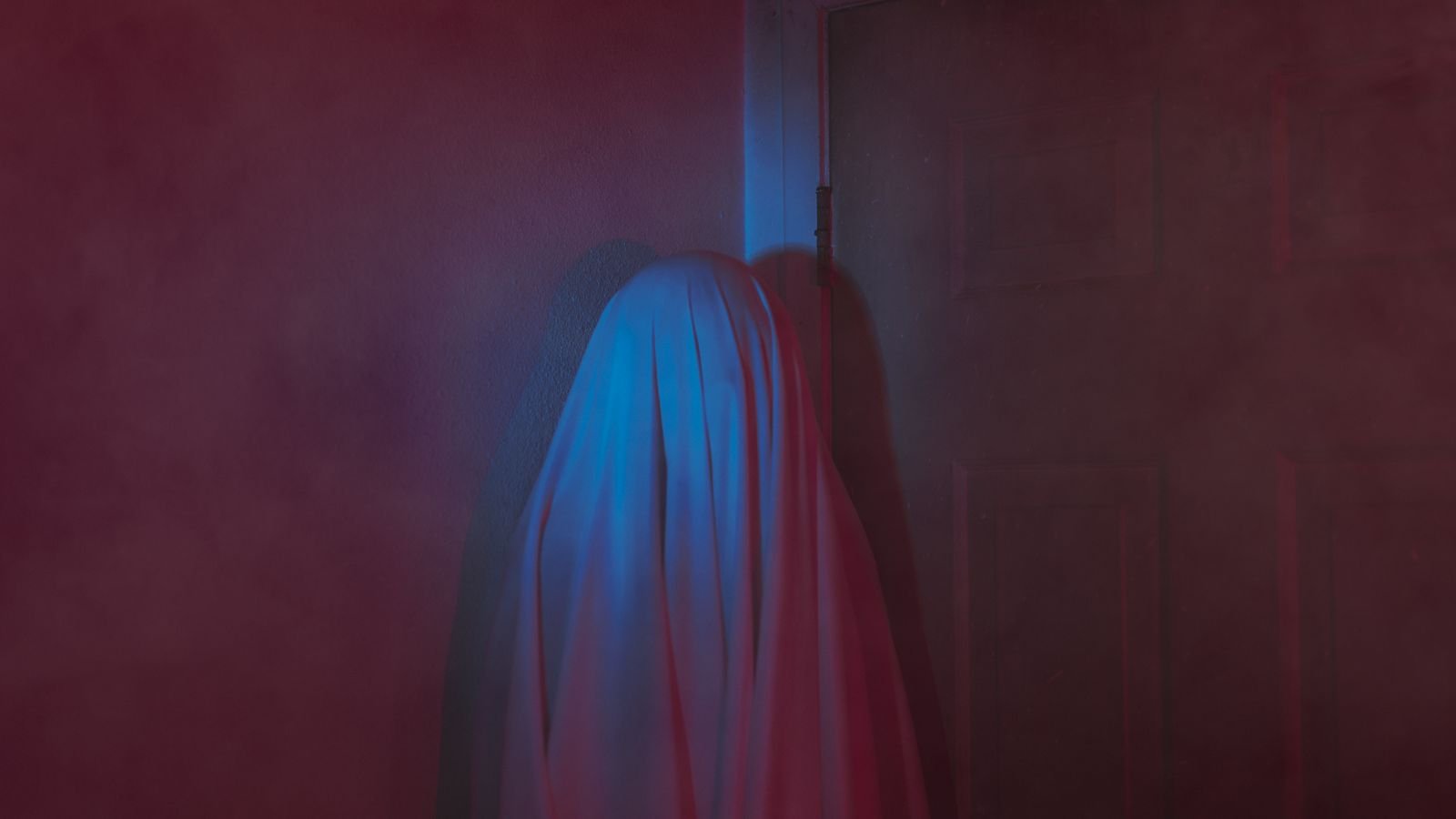
The Clown Factor: Scary but Tasteful
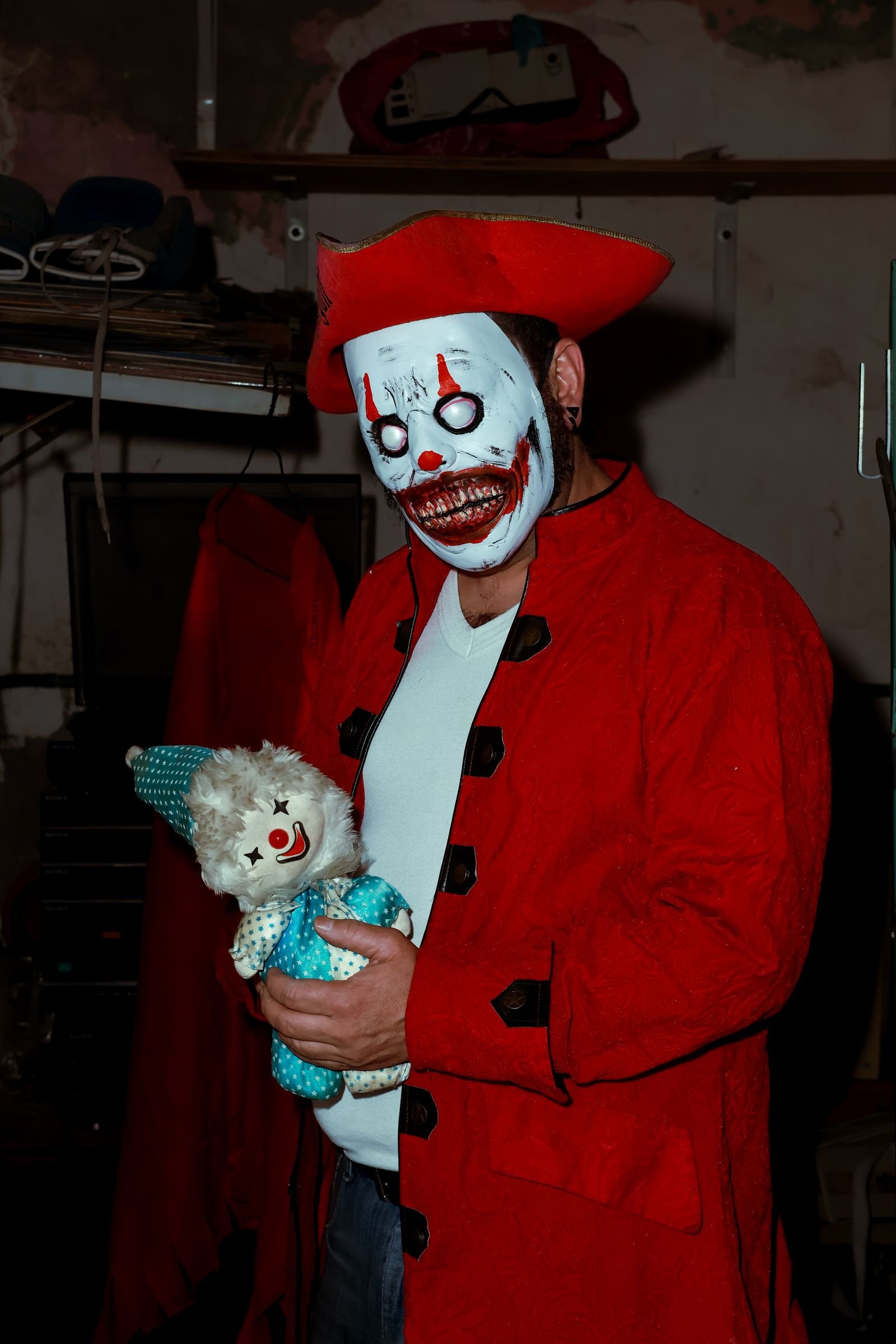
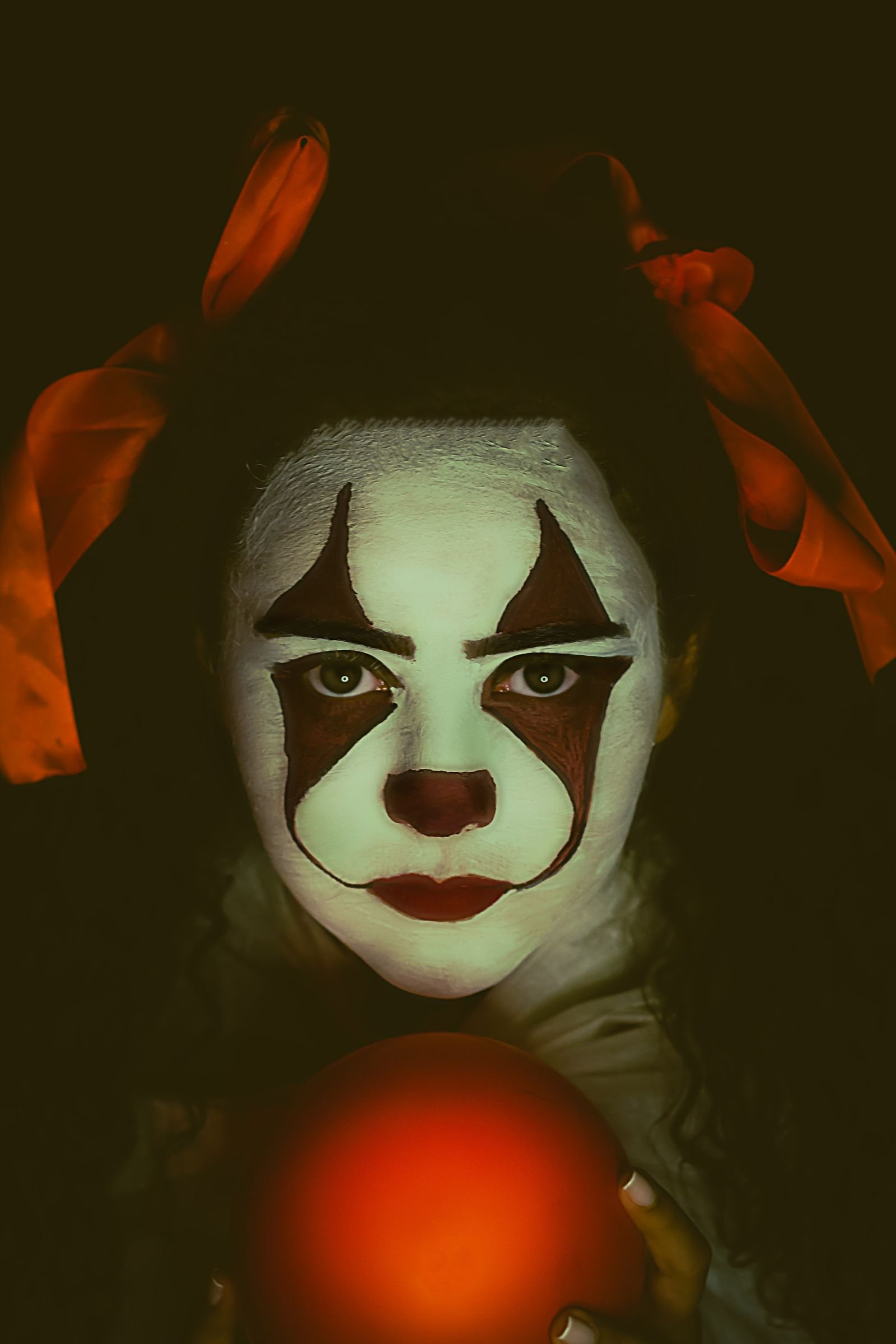
Clowns are the theme’s mascot and its third rail — handle with care. A few well-executed creepy clown elements (a vintage clown doll on a shelf, a painted portrait with following eyes, a costumed greeter who never speaks) are far more effective than clown everything. For costumes, encourage “sad clown,” “vintage circus performer,” or “ringmaster” over generic scary clown — specificity is scarier. Warn guests with genuine phobias in advance and keep the scariest clown elements in one optional area, like the haunted house section. The uncanny valley is your tool: slightly-off clowns disturb more than outright monsters. One silent clown standing motionless in a corner will haunt guests’ memories for years.
Brief any hired performers on your guests’ sensitivities; a professional scare actor adjusts intensity when they know the audience.
Costume Dress Code Ideas
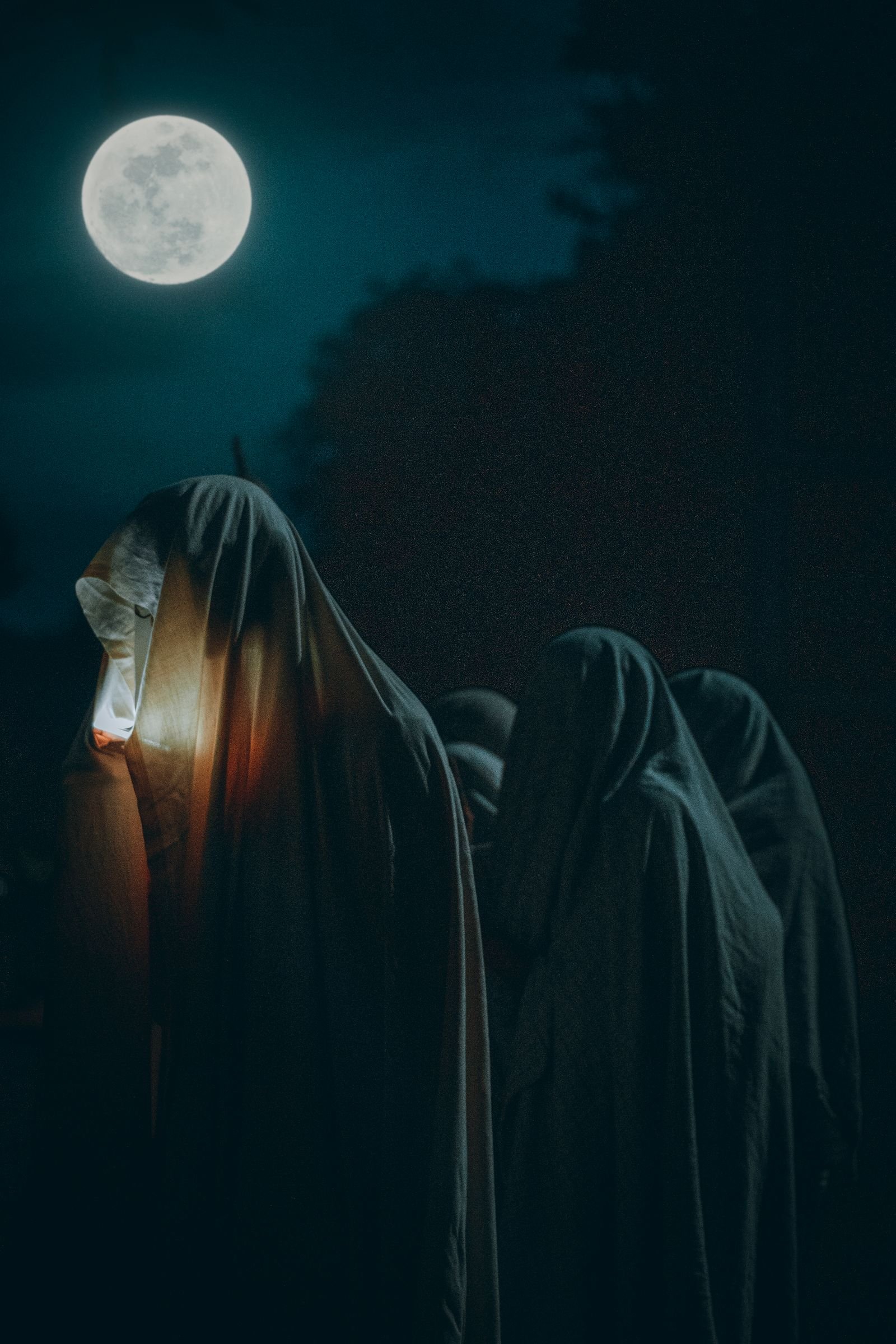
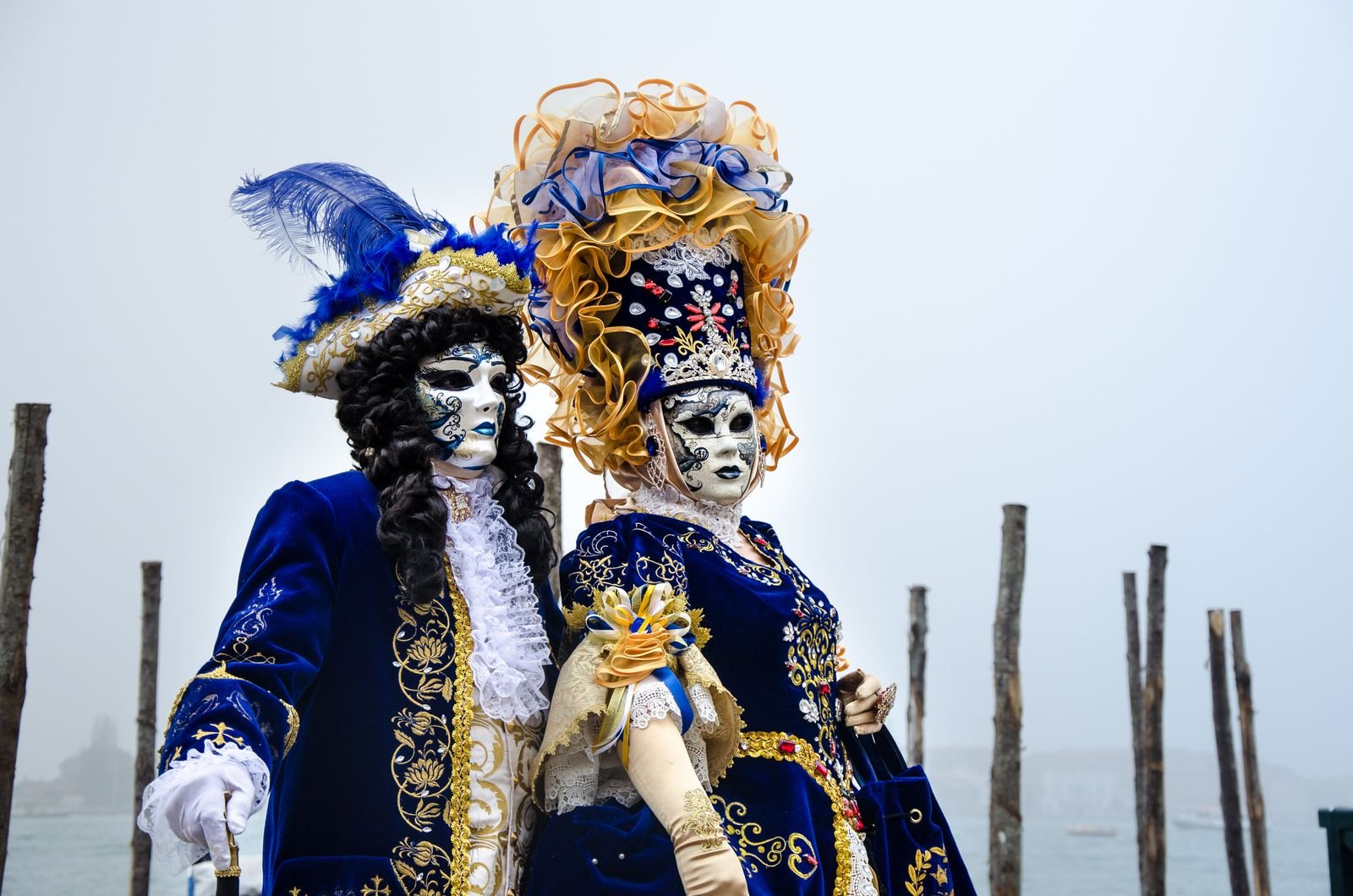
Give guests a character menu to spark creativity: sinister ringmaster, fortune teller, bearded lady, strongman, trapeze artist, ticket taker, creepy clown, living doll, carnival barker, or “the audience” in vintage 1920s attire. A defined list produces better costumes than an open brief, and it guarantees visual variety. Offer a prize for best costume — judged by applause or secret ballot — to motivate effort. Provide a small costume station with spare hats, capes, and face paint for guests who arrive unprepared. As host, commit fully to your own character; the ringmaster or fortune teller hosts the night’s energy. Photograph every costume on arrival against your backdrop — guests love the portraits.
Share the costume character list with the invitations; guests rise to a specific brief far better than to a vague ‘dress spooky’.
Creepy Concession Food
Midway food gets the horror treatment. Popcorn served in black-and-red striped boxes labelled “Freshly Popped… Screams.” Hot dogs as “Mystery Meat.” Cotton candy in blood-red and toxic green. Caramel apples with names like “Poison Apples.” Funnel cake dusted with black cocoa. Present everything from striped concession stands or carts with hand-painted signs — the presentation sells the theme as much as the food. Label every dish with carnival-barker names on chalkboard signs. For drinks, serve “blood” punch from a cauldron, black lemonade, and caramel apple cider. Keep the food fun and recognisable underneath the theatrics; guests should enjoy eating it, not fear it.
Label dishes with both the fun name and the real ingredients; theatrics should never come at the expense of allergy safety.
The Fortune Teller’s Tent
A fortune teller’s corner adds mystique and a quieter interlude from the midway chaos. Drape a small tent or curtained alcove in purple and black fabrics, furnish with a round table, crystal ball (glass fishing floats work beautifully), tarot cards, and candles. A costumed fortune teller — host, hired performer, or confident friend — gives short, playful readings. Provide prompt cards so amateur readers can deliver convincing fortunes. This becomes one of the night’s most visited attractions and generates wonderful photos. For adult parties, the readings can be cheekily risqué; for family parties, keep them whimsical. The tent’s intimacy contrasts perfectly with the carnival’s noise.
Keep fortune readings short — three minutes per guest; the tent should feel exclusive, not become a bottleneck that swallows the evening.
Haunted House or Scare Zone
If space allows, dedicate one room, garage, or garden section as a walkthrough scare zone. Theme it as the “Freak Show” or “Funhouse” with black plastic sheeting walls, strobe lights, distorted mirrors, and costumed scarers. Keep the route short — three to five minutes — and clearly mark the exit. Use timed entry in small groups to maintain the scare quality and avoid bottlenecks. Brief scarers on boundaries: startle, never touch or chase. Provide a “chicken exit” for the faint-hearted with no shame attached. Even a modest scare zone elevates the party from “themed gathering” to “event.” Test the full walkthrough yourself in the dark before guests arrive.
Walk the scare route yourself in full darkness before opening; you will spot trip hazards and dead spots that daylight hides.

Lighting: Shadows and Strobe
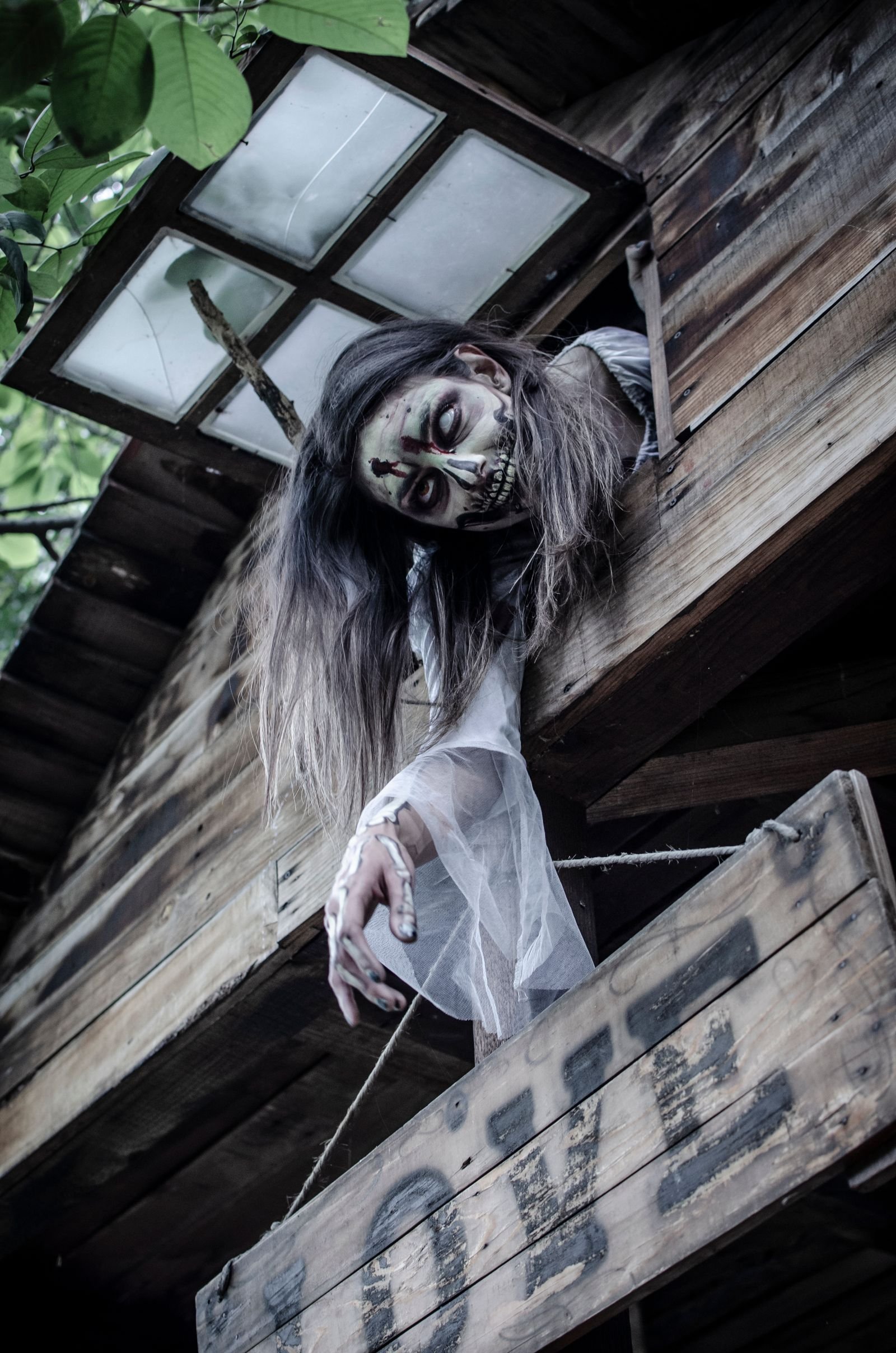
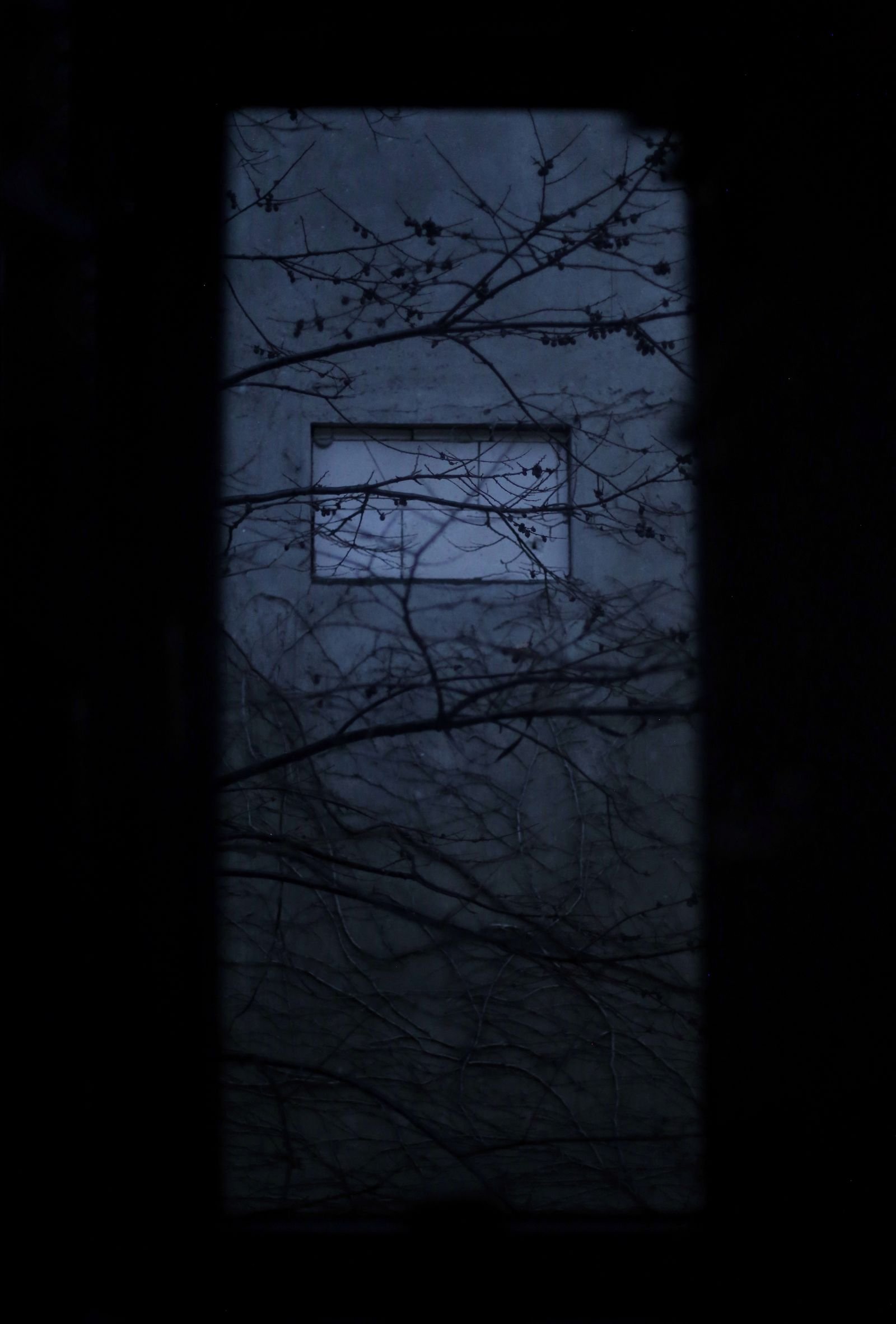
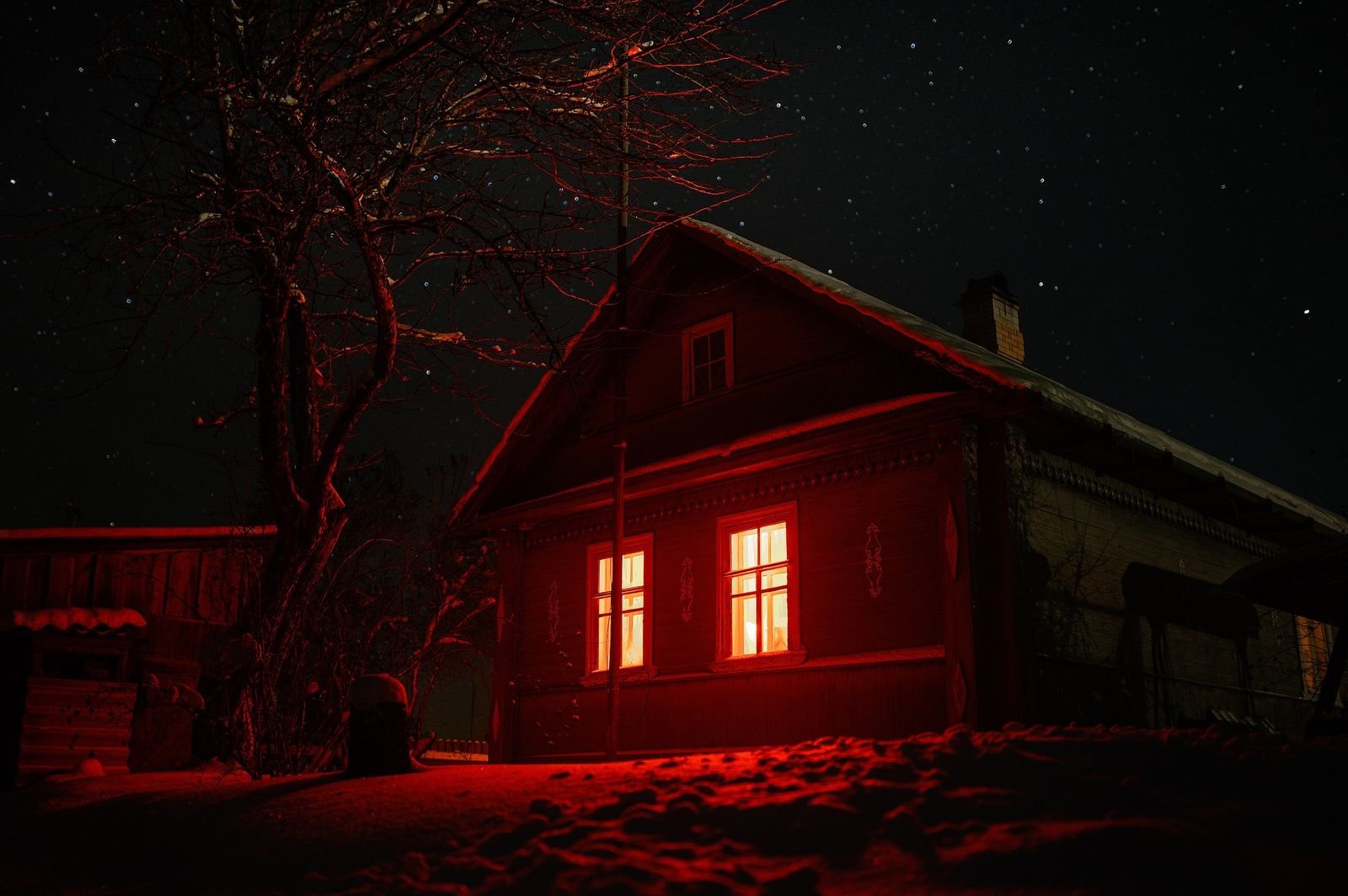
Lighting creates the fear. Keep the main party space dim — string lights in orange and purple, lanterns, and LED candles — so shadows pool in corners. Use red uplighting on walls for an infernal glow, and a slow-rotating disco ball with a spotlight for disorienting sparkle. Strobe lights belong only in the scare zone, never the main party, where they trigger discomfort. Black lights make white and neon costumes and face paint glow spectacularly — set up one black-light photo area. Fairy lights inside jars and bottles create safe, beautiful accents on tables. The principle: darkness is the canvas, and every light source should feel intentional and slightly wrong. Test all lighting the night before.
Tape down all cables and secure every drape before guests arrive; atmospheric darkness plus loose fabric is an accident waiting to happen.
Music and Sound Design
Sound design separates good parties from great ones. Build a playlist that evolves: distorted calliope and circus music on arrival, dark carnival ambient during mingling, then a dance set later (Halloween classics, dark pop, rock). Layer in sound effects — distant screams, creaking, carnival crowd ambience — at low volume underneath the music. A sudden silence followed by a loud sting, timed occasionally, startles delightfully. If budget allows, a live element — a theremin player, a dark cabaret singer — is unforgettable. Keep volume conversation-friendly in food and game areas, louder on the dance floor. Share the playlist with guests afterwards; they will ask for it.
Prepare a backup playlist on a second device; technology fails at the worst moments, and silence kills a party faster than anything.
Ask a musically confident friend to manage the playlist and sound effects; handing one person the audio reins prevents awkward silences and volume mishaps.
The Photo Booth: Step Right Up
A dedicated photo area captures the night’s best memories. Build a backdrop of red-and-black stripes with a crooked “Creepy Carnival” sign, and add a vintage frame guests hold up. Props are essential: oversized top hats, clown noses, fake moustaches, feather boas, “strongman” barbells, and speech bubbles with barker phrases. Good lighting makes or breaks booth photos — a ring light or two softbox lights flatter everyone. Assign someone to encourage groups to use it early, before costumes wilt. Instant-print cameras or a hashtag for phone photos ensure guests take memories home. The photo booth often becomes the party’s social hub — place it centrally, not tucked away.
Place the photo booth near the entrance; guests photograph best when costumes are fresh and energy is high.

Prizes and Party Favours
Carnival prizes are the theme’s natural favour. Stock the prize booth with a mix: quality items for game winners (small succulents in painted pots, artisan chocolate, mini bottles) and fun novelties for everyone (temporary tattoos, glow sticks, vintage-style keychains). Package take-home favours in striped bags or small popcorn boxes with a “Thanks for braving the carnival” tag. The creepy-ticket economy — earn tickets at games, spend them at the prize booth — keeps guests engaged all night. Budget roughly £3–£5 per guest for prizes and favours; buy in bulk online. The favour is the final impression — make it thematic, useful, or delicious, ideally all three.
Buy prizes in bulk online well in advance; last-minute Halloween shopping means picked-over shelves and inflated prices.
Signature Drinks: Potions and Punches
The bar is a midway attraction in itself. Serve a smoking cauldron punch (dry ice, handled safely) as the centrepiece, plus batched cocktails with carnival names: “The Bearded Lady” (smoky whisky), “Trapeze Artist” (light and citrusy), “Clown Tears” (blue curaçao). Black vodka, activated charcoal (food-grade), and butterfly pea flower tea create dramatic colour changes. Label everything with illustrated signs. For non-drinkers, craft equally theatrical mocktails — everyone deserves a smoking drink. Serve in mason jars, striped paper cups, or hollowed mini pumpkins. Keep water freely available; guests in costume overheat. A well-run drinks station prevents bar queues from killing the midway momentum.
Pre-batch large drink dispensers before guests arrive; free-pour cocktail stations create queues that stall the whole party’s momentum.
Kid-Friendly vs Adults-Only Versions
The theme flexes to any audience. For families: keep it “spooky cute” — friendly clown décor, no gore, games with guaranteed prizes, daylight or early-evening timing, and a costume parade. The scare zone becomes a “silly spooky” walkthrough with friendly monsters. For adults-only: lean into horror — dimmer lighting, scarier scare zone, stronger drinks, later hours, and genuinely unsettling details. Be explicit on the invitation about the intended scariness so guests (and parents) can choose accordingly. Mixed-age parties work with zoned scares: the main party stays moderate while the scare zone is clearly marked optional. Knowing your audience is the difference between delighted and traumatised guests.
State the scariness level explicitly on the invitation; ‘family spooky’ and ‘adults-only horror’ attract very different expectations.

Timeline: Running the Night
Structure keeps the chaos joyful. 7:00 — doors open, barker greets, guests explore and photograph. 7:30 — games and food stalls open, fortune teller begins. 8:30 — costume contest judging (applause vote). 9:00 — scare zone opens in timed groups. 9:30 — dance floor ignites, late-night food appears. 11:00 — prize booth final call, group photo. 11:30 — last dance, sparkler or confetti send-off. Build in buffer: nothing starts exactly on time at a party, so schedule key moments fifteen minutes earlier than needed. Designate a co-host or friend as “stage manager” to keep things moving — the host should be free to inhabit their character and enjoy the night they built.
Write the timeline on a card for your co-host; shared knowledge of what happens when keeps the night flowing without visible effort.
Safety and Practical Details
Thrills need guardrails. Keep pathways clear and well-lit enough to prevent trips — dim is atmospheric, pitch-black is a liability. Secure all fabric draping away from candles and heaters; use LED candles near anything flammable. Brief scare-zone actors: no touching, no chasing, stop immediately if someone says stop. Check food allergies and label dishes. Arrange transport or ride-shares for drinking guests. If using dry ice, never let guests handle it and never seal it in airtight containers. Have a first-aid kit, phone chargers, and a quiet room for anyone overwhelmed. Great hosts make danger feel real while keeping everyone genuinely safe — that is the whole art of it.
Keep a basic first-aid kit, spare phone chargers, and water accessible; caring for guests is the invisible backbone of every great party.

Budget Guide
A creepy carnival party scales beautifully. A tight budget (£150–£300 for 20 guests) covers DIY striped décor from fabric and paint, homemade game booths, bulk candy prizes, and batched punch. Mid-range (£400–£800) adds hired elements: a popcorn machine, professional face painter, better lighting, and quality prizes. Going big (£1,000+) brings performers — fortune teller, stilt walkers, a live band — plus marquee hire and professional sound and lighting. The highest-impact spends are the entrance experience, lighting, and food presentation; guests forgive simple games if the atmosphere is immersive. Almost everything is reusable or resellable, so view costs across future Halloweens, not just one night.
Spend most on entrance, lighting, and food presentation; guests forgive simple games but never forgive a flat atmosphere or empty stomach.

Common Mistakes to Avoid
The classic errors: making it too scary for the actual guest list, under-lighting to the point of impracticality, running out of food or drink, letting games sit unmanned, and neglecting the playlist until the night. Do not over-rely on gore — the carnival’s power is psychological. Do not forget seating; guests in costume need places to rest. Do not schedule the costume contest too late, when energy dips. And do not try to run everything yourself — recruit friends as barkers, game operators, and photographers. The host who is refilling ice all night misses their own party. Delegate ruthlessly, then step into your ringmaster role and enjoy the show.
Debrief with your co-host the next day and note what worked; each year’s party becomes the rehearsal for an even better next one.
A creepy carnival Halloween party is the rare theme that delivers atmosphere, entertainment, and nostalgia in one striped package. Build the entrance like a promise, run the midway like a showman, feed your guests like a barker, light it like a dream, and scare them just enough to laugh about it afterwards. Handle the logistics invisibly — safety, timing, sound — and let the night feel like beautiful chaos. Step right up, hosts: the greatest show of the Halloween season is yours to run, and your guests will talk about it for years.

I am Talha Sikandar, a professional writer with a passion for general blogging. With years of experience in content writing and research, I founded Meaniingly.com to deliver well-researched, informative, and user-friendly articles on diverse topics.