Forget the tasteful neutral tree — Christmas 2026 belongs to the Candyland Christmas tree. This is maximalist holiday decorating at its most joyful: candy-pink and peppermint-red palettes, oversized ornaments, gingerbread houses tucked into the branches, striped ribbon cascading like licorice, giant bows, and a whole cast of nutcrackers standing guard. Inspired by the vintage candy shop and the board game alike, the Candyland tree is unapologetically playful, wildly photogenic, and — best of all — more fun to decorate than any “serious” tree. This guide walks you through 20 ideas for planning, decorating, and styling your own Candyland Christmas tree, from choosing the palette to storing it all in January.

1. What Is the Candyland Christmas Tree?
The Candyland Christmas tree takes its cues from candy itself: the colors of peppermints, gumdrops, and cotton candy; the stripes of candy canes; the shapes of lollipops and gingerbread. Where traditional trees aim for elegance, the Candyland tree aims for delight. Think pink, red, white, and mint rather than gold and burgundy; oversized and glossy rather than delicate; and absolutely no restraint.
What makes the style work — rather than looking like a mess — is commitment. A Candyland tree goes all in: every ornament, ribbon, and light serves the theme. The palette stays tight (two to three candy colors plus white), the scale stays bold, and the tree is decorated densely, with no bare branches showing. Done right, it looks like a professional holiday display. Done halfway, it looks like leftovers. This guide ensures you land in the first camp.
2. Picking Your Tree: Shape and Color
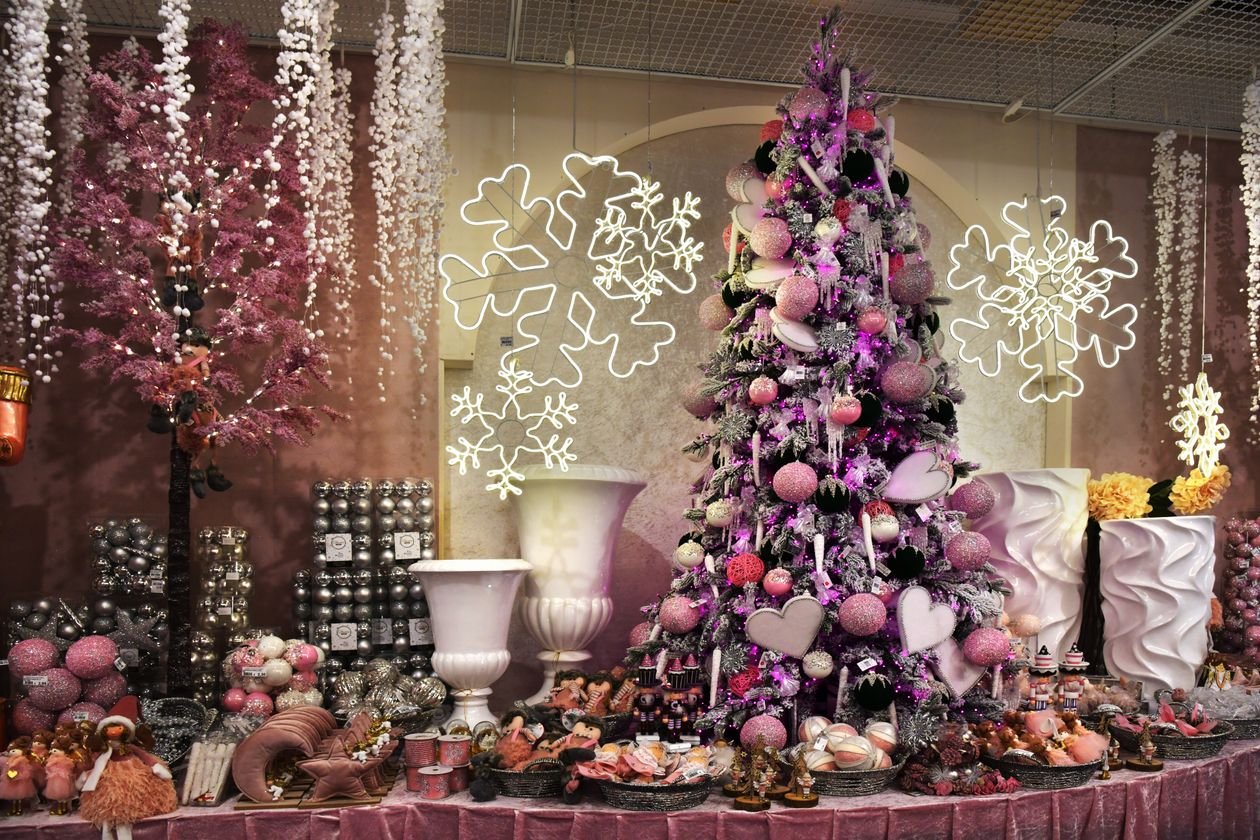
Start with the tree itself, because it sets the stage. A full, dense artificial tree in classic green gives you the traditional contrast that makes candy colors pop — pink and red ornaments practically glow against deep green. If you want to go further, a white or flocked tree turns the whole thing into a winter candy wonderland, while a pink artificial tree commits to the theme completely.
Shape matters too: a full-bodied tree suits the maximalist Candyland look, since you need branch density to hold dozens of ornaments. Slim trees can work in small spaces but need more ribbon and garland to look lush. Whichever you choose, fluff every branch before decorating — the single most common reason homemade trees look sparse is under-fluffed branches. Take the full twenty minutes; it pays off in every photo.
3. The Candy Color Palette
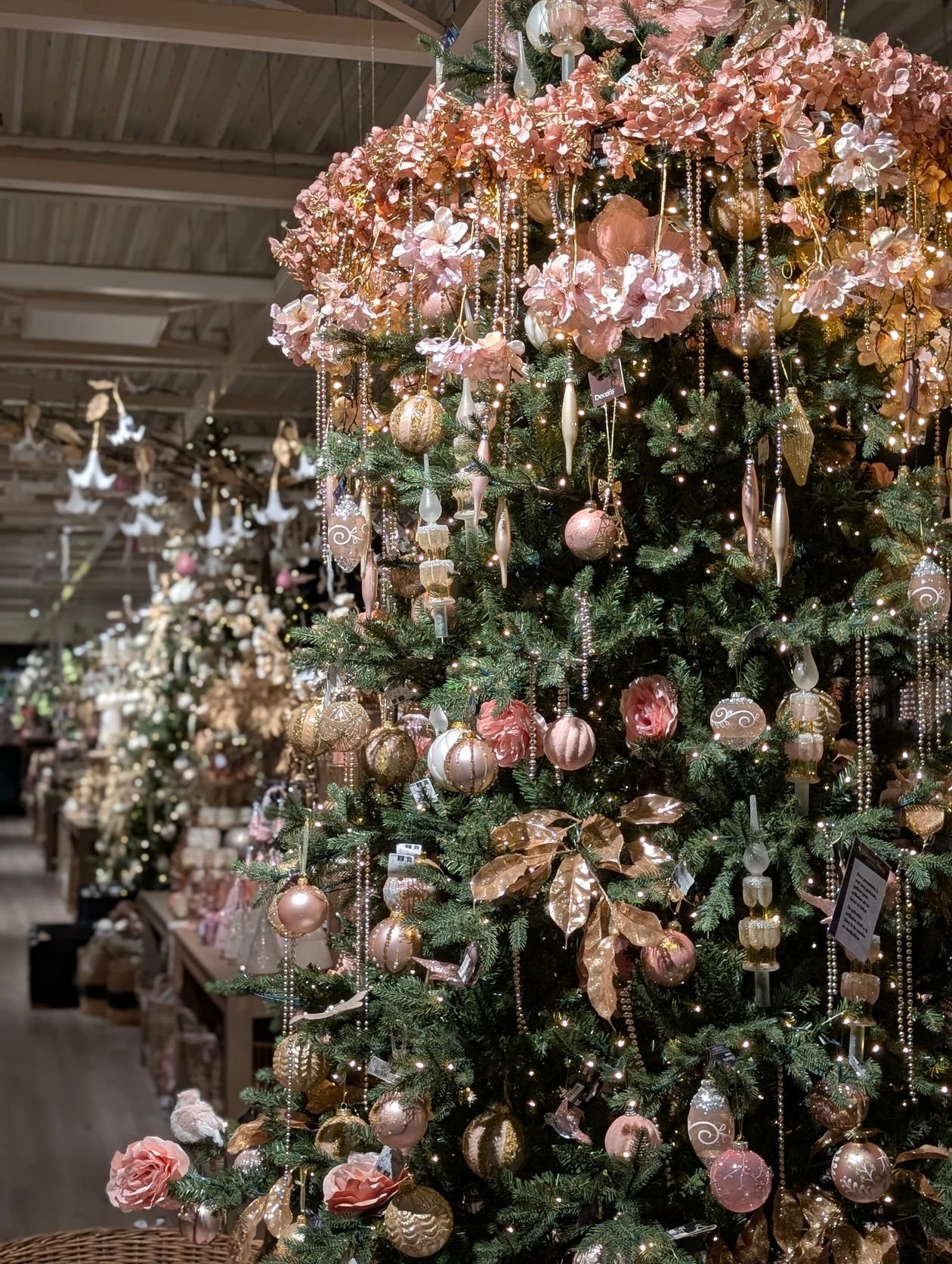
Every great Candyland tree starts with a disciplined palette. The classic is peppermint: red, white, and pink, with touches of gold for warmth. The modern version is cotton candy: pink, mint, lavender, and white. The bold version adds cherry red and turquoise. Pick one lane and stick to it — mixing all the candy colors at once is how trees turn chaotic.
A useful rule is 60-30-10: sixty percent your dominant color (often white or pink), thirty percent your secondary (red or mint), ten percent your accent (gold, silver, or turquoise). Buy ornaments in multiples within each color so the palette repeats around the tree. And photograph your palette before you start — lay the ornaments on a white sheet and check that they harmonize. If one ornament fights the rest, it will fight them on the tree too.

4. Candy Canes: The Signature Ornament
No Candyland tree exists without candy canes. Use them three ways: real candy canes hung by their hooks (inexpensive, authentic, and edible in January), shatterproof candy-cane ornaments in oversized scales, and candy-cane-striped ribbon woven through the branches. The stripe is the visual signature of the whole theme, so repeat it generously.
For maximum impact, cluster candy canes in groups of three or five rather than dotting them singly — clusters read as intentional design. Hang the largest ones deeper in the tree and smaller ones toward the tips to create depth. And keep a few real candy canes aside for the tree skirt or hot cocoa bar; the theme should extend beyond the branches. Pro tip: real candy canes can attract humidity stickiness, so in damp climates, favor ornament versions on the tree itself.

5. Oversized Ornaments for Maximum Impact
Candyland is a maximalist style, and nothing says maximalist like ornaments the size of grapefruits. Oversized baubles — in glossy pink, red, mint, and white — fill visual space fast, which means you need fewer of them to make the tree look abundant. They also photograph spectacularly, catching light and reflections that small ornaments cannot.
Place oversized ornaments first, deep in the tree near the trunk, where they create a glowing core of color. Then layer medium ornaments in the middle branches and small ones at the tips. This inside-out sizing creates professional depth. Secure heavy ornaments with floral wire or ornament hooks wrapped twice around the branch — a fallen giant bauble is a sad sight. Mix finishes too: glossy, matte, and glittered oversized ornaments together look richer than any single finish.

6. Gingerbread Touches
Gingerbread is the Candyland tree’s coziest accent. Tuck miniature gingerbread houses into the branches like ornaments, hang gingerbread-man cookie ornaments with ribbon, or place a gingerbread village on the tree skirt around the base. The warm brown of gingerbread grounds the pink-and-red palette and adds a homemade, nostalgic note.
Real gingerbread ornaments are charming but fragile and short-lived; faux gingerbread ornaments — widely available in craft stores — look identical and last for years. If you bake your own, seal them with clear craft varnish to extend their life, and hang them where little hands cannot reach. A gingerbread garland — alternating houses and cookie shapes on a ribbon — draped in swags around the tree is one of the prettiest decorations in this whole guide.

7. Giant Bows and Ribbon Cascades
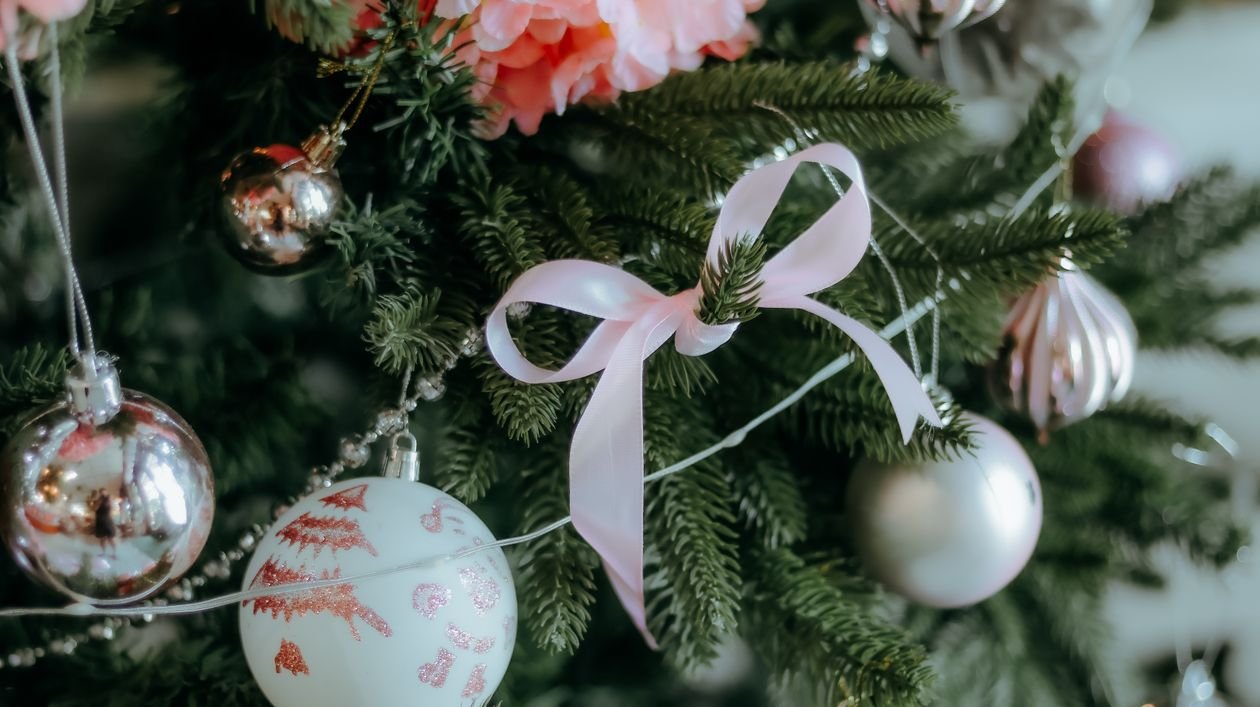
Ribbon is the Candyland tree’s secret weapon. Wide wired ribbon in candy stripes, polka dots, or solid pink and red can be woven vertically through the branches in cascading waves, tied into giant bows as focal ornaments, or used as garland in loose loops. It fills gaps faster than any ornament and adds the flowing movement the style needs.
Learn two techniques: the cascade (tuck one end deep at the top, let the ribbon fall, tucking loosely every twelve inches) and the giant bow (four to six loops with wired ribbon, secured with floral wire, fluffed aggressively). Place three to five giant bows around the tree as anchors, then fill between them with ribbon cascades. Wired ribbon holds its shape; non-wired ribbon goes limp — always choose wired for trees. Buy more than you think you need; ribbon disappears fast.
8. The Nutcracker Corner
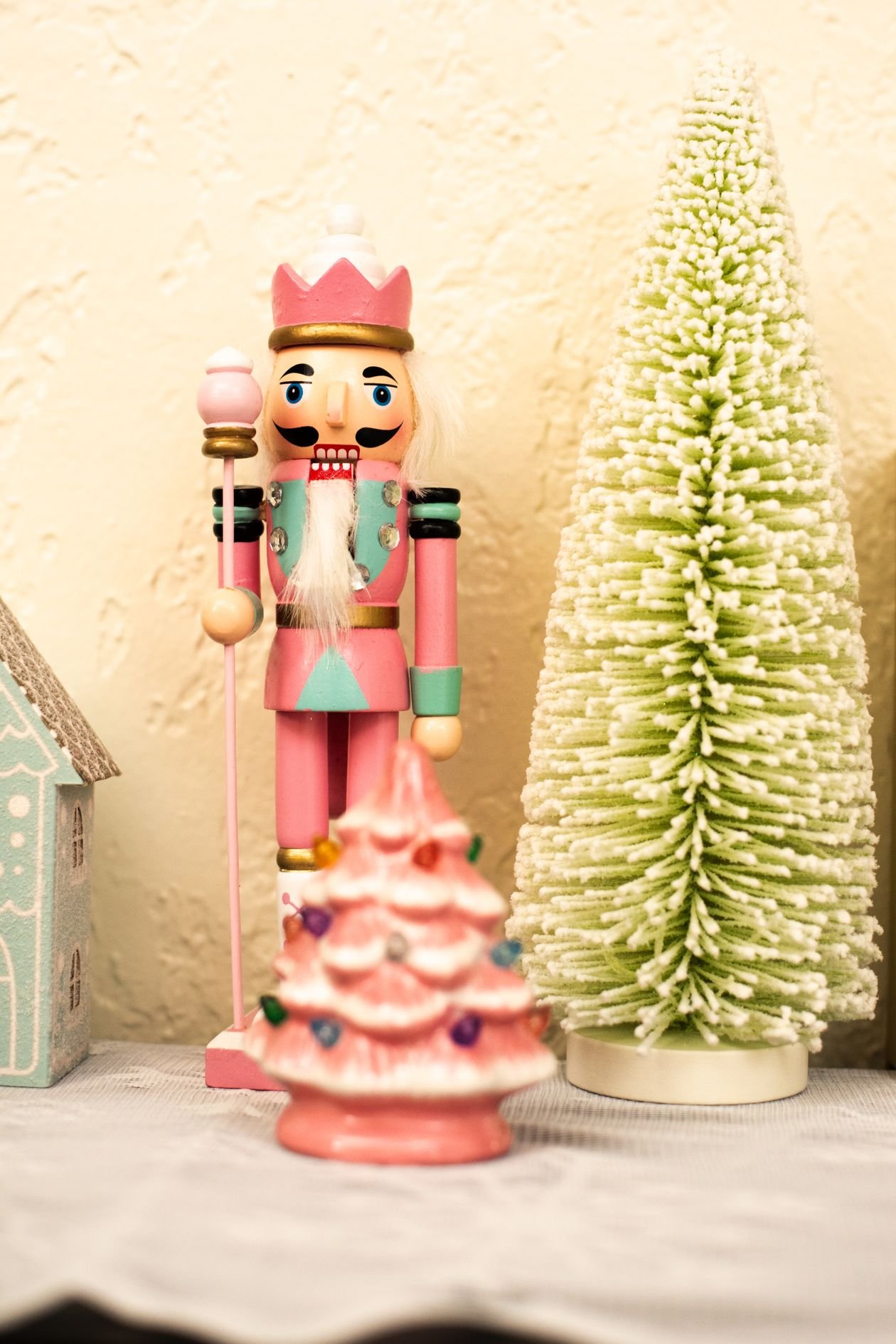
Every Candyland tree needs its toy soldiers. Nutcrackers — in classic red and gold, pastel pink, or larger-than-life sizes — bring the storybook element that makes the theme magical for kids and nostalgic for adults. Place a pair of large nutcrackers flanking the tree like guards, tuck smaller ones into the branches, or build a dedicated nutcracker display on the mantel nearby.
Scale is the fun here: one giant nutcracker makes more impact than six small ones. If you are buying new, look for wooden nutcrackers with hand-painted details rather than plastic — they look better and last decades. Vintage nutcrackers from thrift stores add character and often cost less than new ones. And do not confine them to the tree: nutcrackers on the porch, in the entryway, and by the fireplace extend the Candyland story through the whole house.
9. Lollipops, Gumdrops and Sweet Treats
Beyond candy canes, the candy universe offers lollipops, gumdrops, wrapped sweets, and peppermint swirls — all of which make fantastic ornaments. Look for oversized lollipop ornaments on sticks to poke into the branches like flowers, glossy gumdrop clusters, and wrapped-candy ornaments in shiny foil colors. These are the details that make guests lean in for a closer look.
DIY versions are easy and fun: wrap styrofoam balls in cellophane and tie with ribbon for giant wrapped sweets, or paint wooden discs as peppermint swirls. Involve kids in making these — imperfect handmade ornaments are the soul of a family Candyland tree. Scatter a few candy-themed ornaments on the tree skirt too, so the sweetness continues at the base. Just keep real candy out of reach of pets.

10. Stripes: The Candyland Pattern
Stripes are to Candyland what plaid is to traditional Christmas — the defining pattern. Beyond candy-cane ribbon, bring stripes in through striped ball ornaments, striped tree skirts, striped wrapping paper on the presents underneath, and even a striped rug beneath the tree. Repetition of the stripe at different scales is what makes the look feel designed rather than random.
The classic stripe is red-and-white, but pink-and-white and mint-and-white stripes suit the cotton-candy palette. Keep stripe widths varied: wide stripes on ribbon, narrow stripes on ornaments. One caution — stripes everywhere plus patterns everywhere equals visual noise, so let stripes be the dominant pattern and keep everything else solid. When the whole room shares the stripe language, the effect is pure holiday magic.

11. Toppers That Steal the Show
The tree topper is the exclamation point of your Candyland tree, so make it count. A big fluffy bow in candy-striped ribbon is the classic choice — easy, inexpensive, and perfectly on-theme. Alternatives: an oversized lollipop or peppermint swirl topper, a sparkling star in pink or gold, or a whimsical gingerbread star.
Scale the topper to the tree: it should be visible above the highest branches but not so large it looks precarious. Secure it firmly — a topper that lists to one side ruins the whole silhouette. For a designer touch, build a topper cluster: a bow plus two or three picks (glittery branches, candy ornaments on sticks) arranged together. This layered topper looks professional and fills the often-bare crown of the tree beautifully.

12. Garland, Tinsel and Twinkle Lights
Lights come before ornaments — always. For a Candyland tree, warm white lights are the safe classic, but multicolor lights lean into the playful theme and look fantastic with candy colors. Whichever you choose, use more than you think: the professional standard is about 100 lights per foot of tree. Wrap them inside the branches, not just around the outside, for depth.
Over the lights, layer bead garlands (pearl-like strands in pink or white add a jewelry-box feel), tinsel for retro sparkle, or popcorn-and-cranberry garlands for a homemade touch. Drape garlands in swags rather than tight spirals — swags look more relaxed and show off the ornaments beneath. Step back frequently while decorating; the tree should glow from within, with lights visible in the gaps between ornaments.

13. The Tree Skirt and Base Styling
The base of the tree deserves as much thought as the top. A tree skirt in candy stripes, faux fur in white or pink, or a quilted skirt in your palette color grounds the whole display. Beyond the skirt, style the base like a scene: wrapped presents in coordinating paper, a few oversized ornaments nestled among the gifts, and maybe a small gingerbread house or nutcracker.
Alternatively, skip the skirt for a collar — a woven, metal, or wooden tree collar gives a clean modern base that suits the playful theme. If you have pets or toddlers, a collar is more practical than a skirt. Whatever you choose, make sure it is wide enough to cover the stand completely; a visible tree stand breaks the spell. The presents underneath should coordinate with the tree palette — this is not the year for random wrapping paper.

14. Candyland for Small Spaces
Small space? The Candyland style adapts beautifully. A slim 6-foot tree in a corner, a tabletop tree on a console, or even a wall-mounted half-tree can all go full candy. The trick is concentrating the theme: with fewer branches, every ornament must earn its place, so choose your favorites and skip the filler.
Tabletop trees are perfect for maximalist styling — they are at eye level, so details like gingerbread houses and lollipop picks really shine. Use a decorative pot or basket instead of a stand, and style the surface around it with coordinating candles and candy dishes. For apartments, a pencil tree takes up barely two feet of floor space but still delivers the full candy effect. Small tree, big personality — that is the Candyland way.

15. Kid-Friendly (and Shatterproof) Styling
The Candyland tree is inherently kid-magnetic, so decorate with little hands in mind. Use shatterproof ornaments on the lower third of the tree — where kids (and pets) can reach — and reserve glass and heirloom pieces for the top. Felt ornaments, wooden shapes, and plush candy decorations are perfect for the grab zone.
Make decorating a family event: let kids hang the shatterproof ornaments wherever they like, then you refine the placement later (or embrace the chaos — a kid-decorated Candyland tree has its own charm). Avoid small detachable parts for toddlers, skip real candy canes within reach (sticky hands, everywhere), and secure the tree to the wall with fishing line if you have climbers. The best Candyland trees are the ones the whole family helped build.

16. The Vintage Candy Shop Look
For a more curated take, style your Candyland tree like an old-fashioned candy shop: apothecary jars of ornaments, vintage-style glass baubles, mercury-glass finishes, and a slightly muted palette of dusty pink, cream, and faded red. This version keeps the playfulness but adds a layer of nostalgia that feels sophisticated.
Source vintage-style ornaments from thrift stores, estate sales, and craft stores’ heritage collections — mercury glass and hand-painted details are the hallmarks. Mix in a few genuine vintage finds for authenticity. A vintage candy-shop tree pairs beautifully with plaid or grain-sack textiles at the base and warm candlelight rather than multicolor LEDs. It is Candyland for people who love the theme but prefer their sweetness with a side of history.

17. Outdoor Candyland Trees
Take the theme outside with a Candyland porch or yard tree. Use a weatherproof artificial tree (or decorate an existing evergreen) with shatterproof ornaments, outdoor-rated lights, and weather-resistant ribbon. Oversized outdoor ornaments — giant baubles, big bows, large candy canes — read beautifully from the street.
Anchor the display with large nutcrackers or candy-cane path lights flanking the tree, and wrap the base in a weatherproof skirt or burlap. Stick to a tighter palette outdoors since distance washes out subtle colors — red, white, and pink show up best. Check that everything is rated for your climate: wind is the enemy, so wire ornaments on firmly and weight the base. An outdoor Candyland tree turns your home into the neighborhood’s holiday landmark.

18. Coordinating the Whole Room
A Candyland tree looks best when the room joins the party. Echo your tree’s palette in the surrounding decor: throw pillows in pink and red, a striped throw blanket, candy-colored candles on the mantel, and coordinating wrapping paper on every gift. You do not need to redecorate — a few well-chosen accents tie everything together.
Repeat the key motifs at different scales: stripes on the tree become striped stockings on the mantel; pink ornaments become pink candles; nutcrackers by the tree get companions on the bookshelf. Keep the rest of the room’s existing decor as the neutral backdrop so the holiday accents pop. The goal is a room that feels festive the moment you walk in — with the tree as the undeniable star.

19. Budget Candyland: DIY Ornaments
The Candyland style is one of the cheapest to DIY, because candy shapes are simple. Make giant wrapped sweets from styrofoam balls, cellophane, and ribbon; paint wooden discs as peppermint swirls; craft lollipops from dowels and painted cardboard circles; string popcorn-and-cranberry garlands. A weekend of crafting can fill a whole tree for very little money.
Salt-dough ornaments — cut into gingerbread men, stars, and candy canes, painted and varnished — are a classic family project that lasts for years. Paper chains in candy colors make excellent kid-made garlands. And do not overlook the dollar store: basic baubles in the right colors, bulk ribbon, and plastic candy canes are all available cheaply. The most charming Candyland trees are often the least expensive — the theme rewards creativity over cash.

20. Taking It Down (and Storing It Right)
When January comes, take the tree down with next year in mind. Remove ornaments by type and pack them in divided storage boxes — tissue-wrapped, with heavier pieces at the bottom. Wind ribbon around cardboard flats to prevent creasing, and store candy-cane ornaments upright so they do not bend. Label every box by contents, not just “Christmas.”
Photograph your finished tree from several angles before disassembly; next December, those photos are your decorating blueprint. Note what worked and what you would change — more ribbon? fewer colors? — and tuck the note into the ornament box. Store everything in a cool, dry place; heat and humidity are the enemies of ribbon and faux candy. A well-packed Candyland tree goes up faster every year, leaving you more time to enjoy it.


I am Talha Sikandar, a professional writer with a passion for general blogging. With years of experience in content writing and research, I founded Meaniingly.com to deliver well-researched, informative, and user-friendly articles on diverse topics.