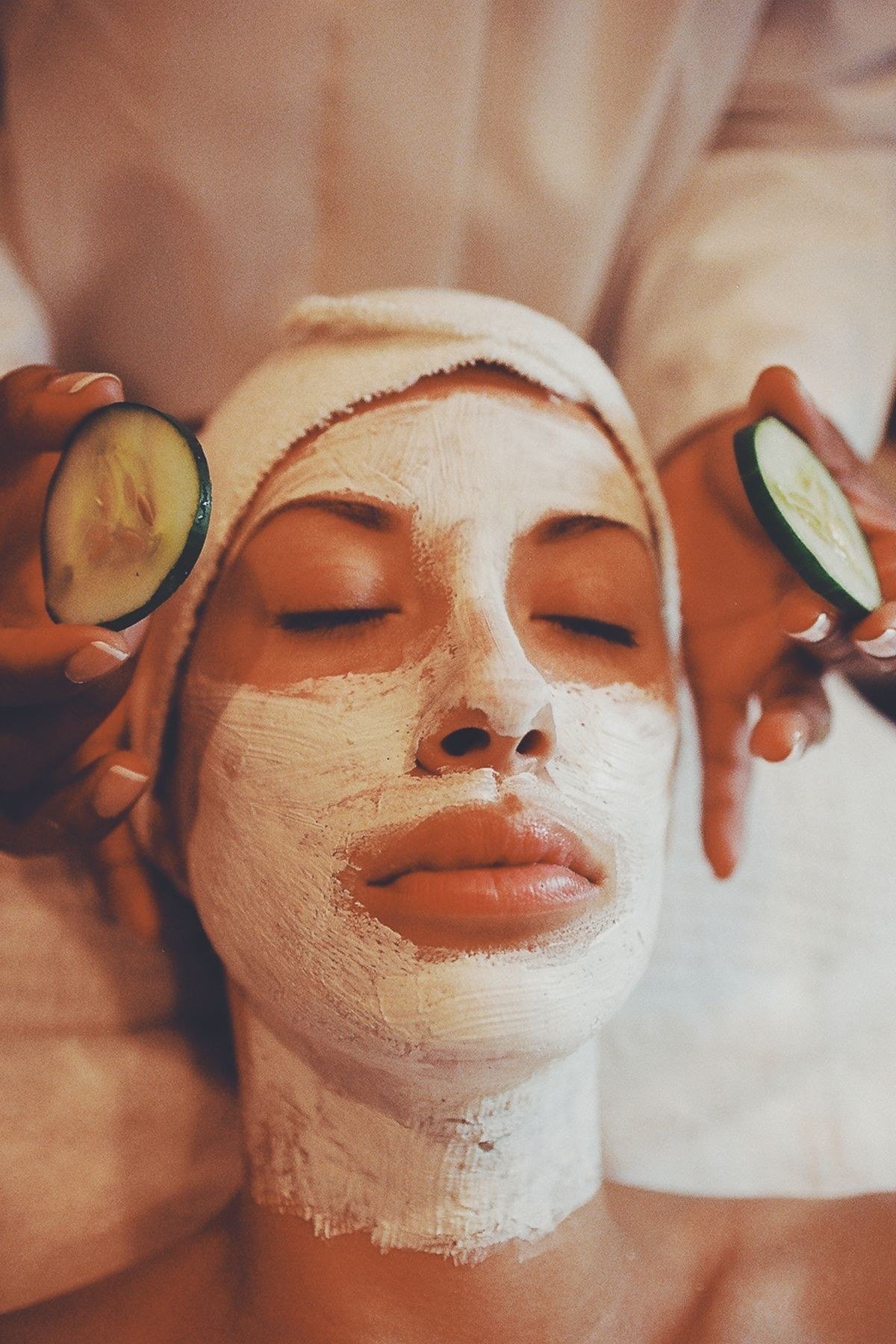
An avocado face mask is one of the simplest, most nourishing DIY skincare treatments you can make — and your skin will drink it up. Avocados are packed with healthy fats, vitamins E and C, and antioxidants that hydrate, soften, and calm the skin. Whether your skin is dry, dull, sensitive, or just in need of some TLC, there is an avocado mask recipe for you. Best of all, you likely have the ingredients in your kitchen already. This guide shares the classic avocado face mask recipe plus nine targeted variations, along with tips on application, how often to use them, and what to expect for your skin.
Why Avocado Is a Skincare Superfood
Avocado earns its superfood status through an impressive nutrient profile. It is rich in oleic acid, a monounsaturated fat that penetrates the skin barrier to deliver deep moisture without clogging pores. Vitamin E acts as a powerful antioxidant, protecting skin from environmental damage and supporting repair. Vitamin C brightens and supports collagen production, while B vitamins and potassium help maintain the skin’s moisture balance. Avocado also contains natural plant sterols that soothe inflammation, making it excellent for sensitive or irritated skin. Unlike many commercial moisturizers loaded with fragrances and preservatives, a fresh avocado mask delivers these nutrients in their purest form. It is gentle enough for most skin types yet potent enough to produce visible softness after a single use.

The Classic Avocado Face Mask Recipe
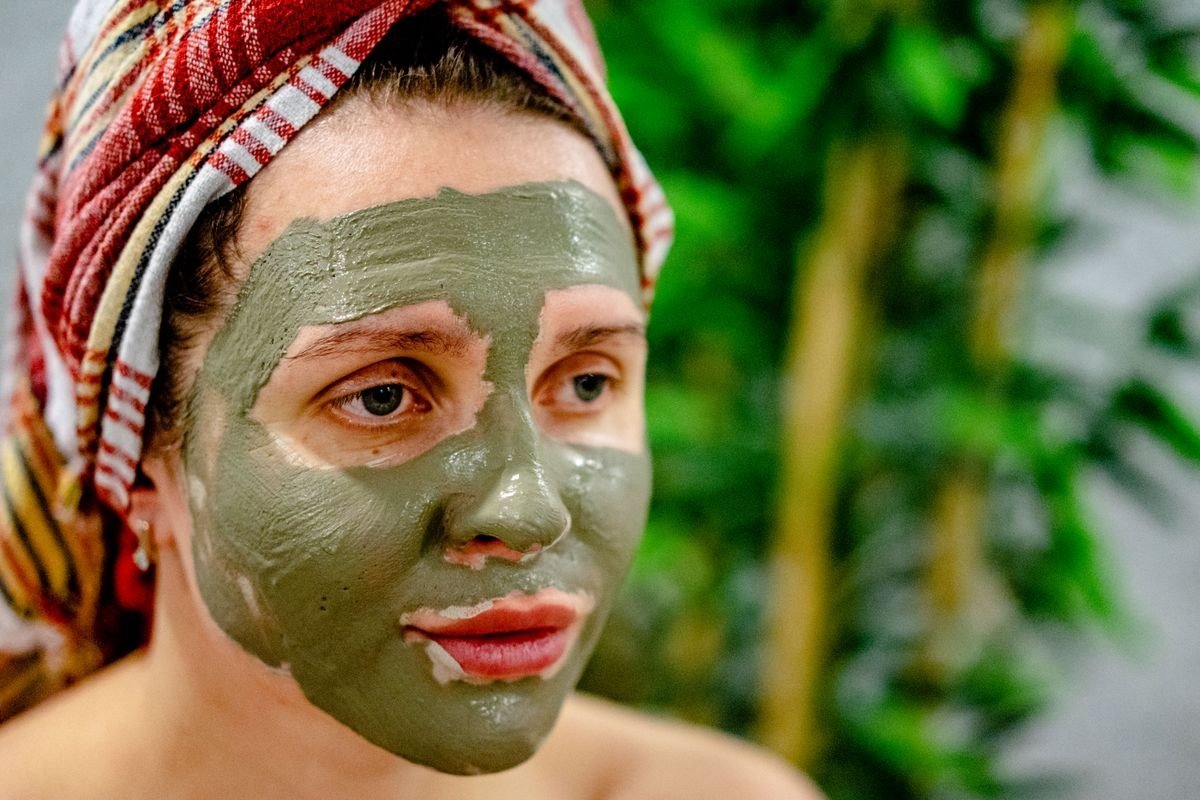
The simplest avocado mask needs just one ingredient: half a ripe avocado. Scoop the flesh into a bowl and mash it with a fork until completely smooth — lumps will not spread evenly and can tug at skin. Apply a generous layer to clean, dry skin, avoiding the eye area, and relax for fifteen to twenty minutes. The mask will feel cool and creamy; it may tighten slightly as it sets, which is normal. Rinse with lukewarm water, using gentle circular motions to exfoliate lightly as you remove it, then pat dry and follow with your usual moisturizer. Your skin will feel immediately softer, plumper, and more hydrated. This classic recipe is the foundation for all the variations below — master it, then customize.
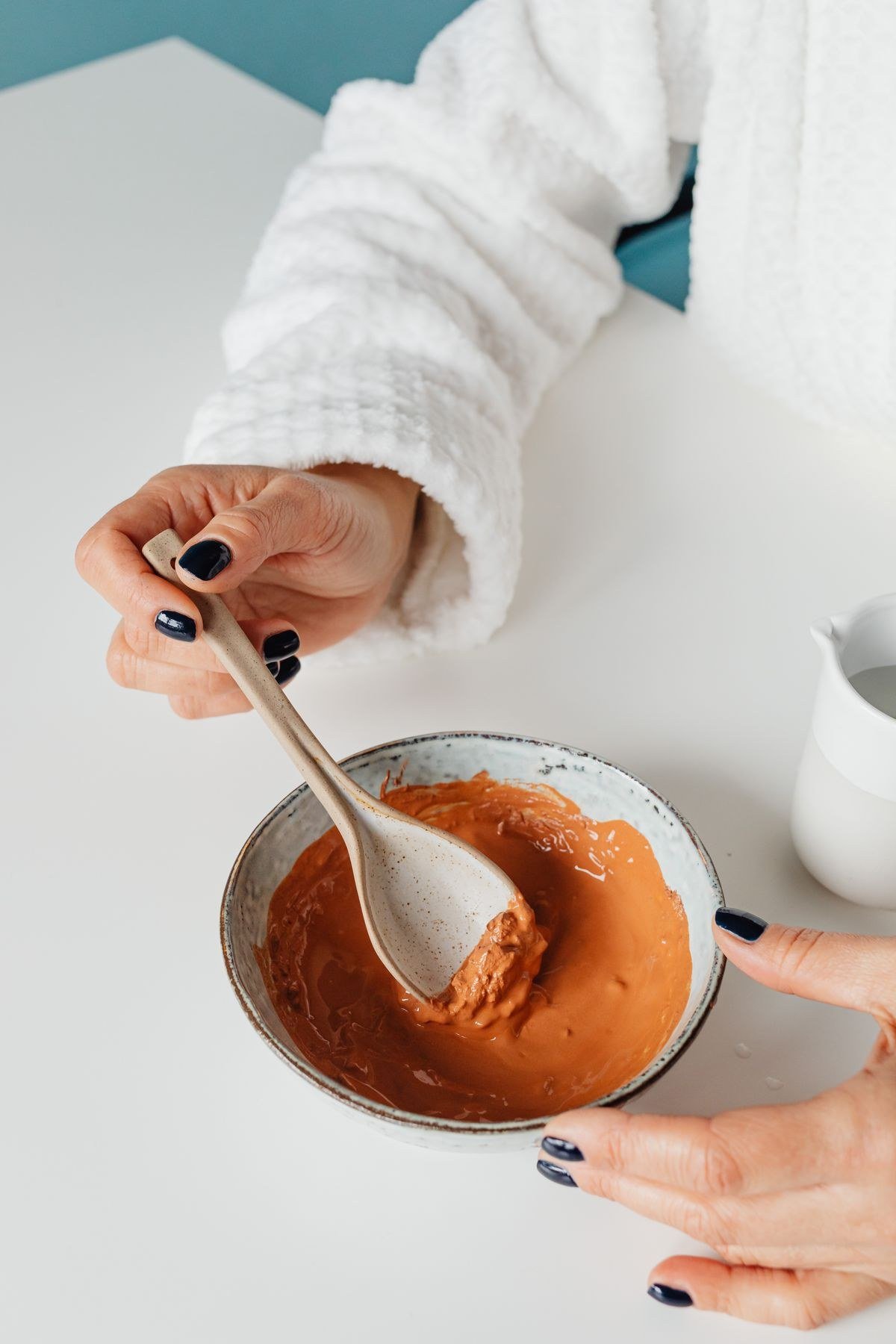
Pro tip: mash your avocado until it is completely lump-free before applying. Lumps tug at the skin during application and create uneven coverage, while a silky-smooth puree spreads evenly and feels luxurious.
Choosing and Ripening the Perfect Avocado
Your mask is only as good as your avocado. Choose one that yields to gentle pressure — ripe but not mushy or brown inside. An underripe avocado will not mash smoothly and lacks the full nutrient content; an overripe one can harbor bacteria. If your avocado is hard, ripen it in a paper bag with a banana for a day or two. Once cut, use the flesh immediately, as avocado oxidizes and browns quickly (a squeeze of lemon prevents browning if you must wait). Organic avocados are ideal since the mask sits directly on your skin, though conventional is fine if washed well. You will need about half an avocado per mask — eat the other half, because the skin benefits of avocado work from the inside too.
Avocado and Honey Mask for Deep Hydration
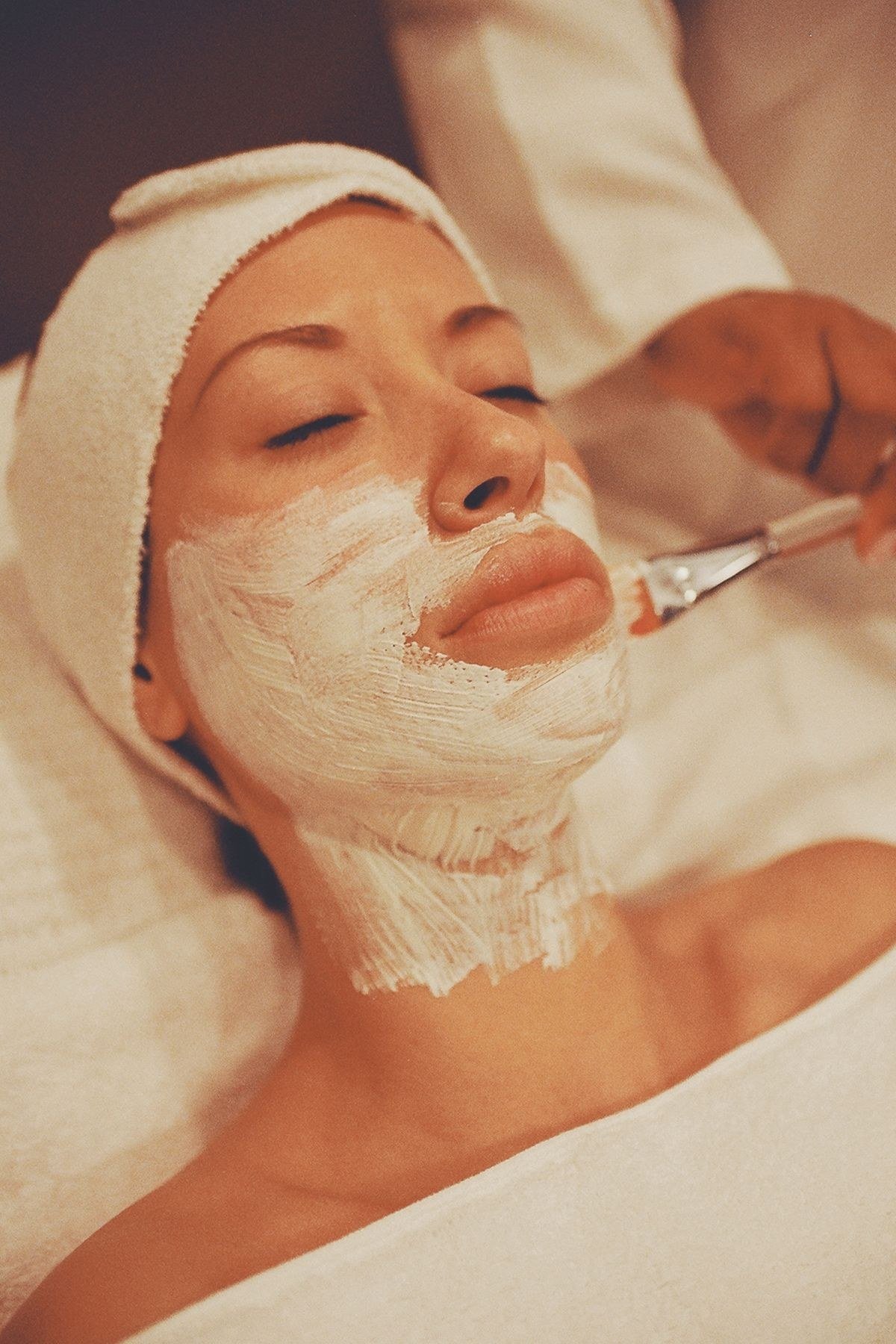
This is the most popular avocado mask variation for good reason: honey is a natural humectant that draws moisture into the skin, while its antibacterial properties help keep breakouts at bay. Mash half a ripe avocado with one tablespoon of raw honey until smooth. The honey also improves the mask’s texture, making it silkier and easier to spread. Apply to clean skin for fifteen to twenty minutes, then rinse with warm water. This combination is ideal for dry, dehydrated, or winter-stressed skin — the avocado’s oils nourish while the honey locks in hydration. Use raw, unprocessed honey for maximum benefit; processed honey loses many of its active enzymes. Your skin will feel cushioned, dewy, and deeply comforted.
Avocado and Oatmeal Mask for Sensitive Skin
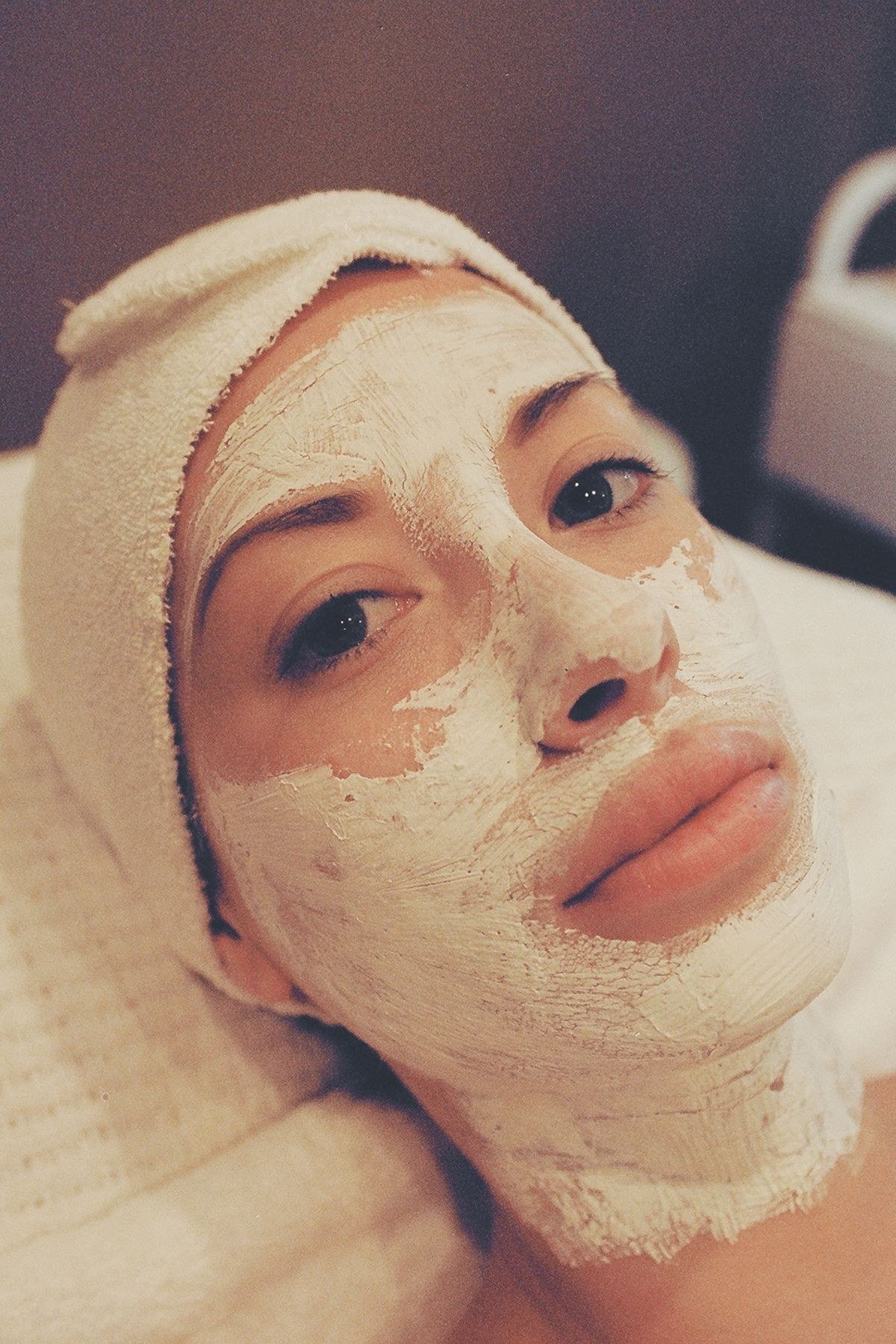
If your skin is easily irritated, this calming combination is your answer. Colloidal oatmeal contains avenanthramides, compounds clinically shown to reduce redness and itching. Mix half a mashed avocado with two tablespoons of finely ground oatmeal (blend rolled oats into a powder) and a teaspoon of water to form a paste. The oatmeal adds gentle physical soothing while the avocado delivers calming fats. Apply for fifteen minutes — this mask is especially lovely chilled, as the cool temperature further calms reactive skin. Rinse gently without scrubbing. This recipe is excellent after sun exposure, during rosacea flare-ups (patch test first), or whenever your skin feels stressed and needs a reset. It leaves skin calm, soft, and visibly less red.

Pro tip: chill the oatmeal mask mixture for ten minutes before applying to sensitive skin. The cool temperature constricts blood vessels slightly, enhancing the calming effect on redness and irritation.
Avocado and Yogurt Mask for Brightening
Plain yogurt contains lactic acid, a gentle alpha-hydroxy acid that dissolves dull surface cells to reveal brighter skin underneath. Combined with avocado’s nourishment, it creates a mask that both exfoliates and hydrates — a rare and valuable combination. Mix half a mashed avocado with two tablespoons of plain, full-fat yogurt (avoid flavored varieties with added sugars). Apply for ten to fifteen minutes; the lactic acid works quickly, so do not exceed twenty minutes. You may feel a very slight tingle, which is normal — rinse immediately if it becomes uncomfortable. This mask is perfect for dull, tired-looking skin that needs a glow boost without the harshness of stronger exfoliants. Use it weekly for maintained radiance.
Avocado and Banana Mask for Extra Moisture
For skin that is seriously parched, doubling up on creamy fruits delivers intense nourishment. Bananas add potassium, vitamin A, and additional moisture-binding sugars to avocado’s rich fats. Mash half an avocado with half a ripe banana until completely smooth — the banana’s texture makes this one of the creamiest, most luxurious-feeling masks. Apply a thick layer and leave for twenty minutes. This mask is a winter savior for dry, flaky skin, and it works beautifully on the neck and chest too, where skin is often neglected. The combination absorbs well and rinses clean, leaving skin supple and bouncy. For an extra treat, warm the mixture slightly between your palms before applying — never microwave it, which destroys nutrients.

Avocado and Egg White Mask for Firming
Egg whites have a temporary tightening effect that makes skin look firmer and pores appear smaller — combined with avocado, you get firming plus nourishment instead of the dryness egg whites can cause alone. Whisk one egg white until frothy, then fold in half a mashed avocado. Apply the mixture and leave for fifteen minutes; you will feel it tighten as it dries, which is the desired effect. Rinse thoroughly with lukewarm water. This mask is ideal before events when you want skin to look instantly smoother and more refined. Note: those with egg allergies should skip this variation, and always use fresh eggs from a trusted source since the mask is applied to the face. The firming effect is temporary but the hydration lasts.
Pro tip: whisk the egg white until frothy before folding in the avocado. The aerated texture spreads more evenly and tightens more uniformly as it dries, giving a smoother firming effect.
Avocado and Turmeric Mask for Glow
Turmeric’s active compound, curcumin, is a potent anti-inflammatory and antioxidant that imparts a lit-from-within glow. Mix half a mashed avocado with half a teaspoon of turmeric powder and a teaspoon of honey to help it spread. Be warned: turmeric stains, so use a small amount, wear an old shirt, and rinse thoroughly — any faint yellow tint fades within an hour or can be removed with a gentle cleanser. Leave the mask for ten to fifteen minutes. This combination is beloved for dull, uneven skin tone and for calming blemish-prone skin, as turmeric also has antibacterial properties. The glow afterward is remarkable — skin looks radiant and even. Use this mask in the evening to allow any residual tint to fade overnight.

Avocado and Aloe Vera Mask for Sun-Stressed Skin
After a day in the sun, this cooling, healing mask is pure relief. Aloe vera gel calms heat and redness while delivering lightweight hydration; avocado adds the deeper nourishment sun-stressed skin craves. Mix half a mashed avocado with two tablespoons of pure aloe vera gel (from the plant or a pure bottled gel without added alcohol or fragrance). Chill the mixture for ten minutes before applying for maximum soothing effect. Leave for fifteen to twenty minutes, then rinse with cool water. This mask helps prevent peeling by keeping sun-exposed skin hydrated and supports the skin’s natural repair process. It is also excellent after exfoliating treatments or whenever skin feels hot and sensitized.

Avocado and Green Tea Mask for Antioxidant Power
Green tea is loaded with polyphenols that fight free-radical damage, making it a perfect partner for avocado’s nourishing fats. Brew a strong cup of green tea, let it cool completely, and mix two tablespoons with half a mashed avocado to form a smooth mask. The combination delivers both water-based antioxidants (from the tea) and oil-based nutrients (from the avocado) — a complete protective treatment. Apply for fifteen minutes and rinse with cool water. This mask is ideal for city dwellers exposed to pollution, or anyone wanting to defend against premature aging. The green tea also has a mild tightening effect that leaves skin feeling refreshed and toned. Use weekly as an environmental shield for your skin.
Pro tip: brew your green tea strong and let it cool completely before mixing. Hot liquid would cook the avocado and destroy its delicate enzymes, while cooled tea preserves the full antioxidant benefit.
Avocado and Papaya Mask for Gentle Exfoliation
Papaya contains papain, a natural enzyme that dissolves dead skin cells without scrubbing — perfect for sensitive skin that cannot tolerate acids or scrubs. Mash half an avocado with a quarter cup of ripe papaya until smooth. The enzymes work gently over fifteen minutes, revealing smoother, brighter skin. This mask is excellent for rough texture, dullness, and uneven tone. Because enzymatic exfoliation is so gentle, it suits most skin types, though those with latex allergies should patch-test (papaya cross-reacts with latex). Follow with moisturizer to seal in the benefits. Your skin will feel baby-soft and look noticeably more radiant — enzymatic exfoliation gives an immediate glow without any redness.

Avocado Mask for Acne-Prone Skin: What to Know
If you are acne-prone, avocado masks can still work — with the right formulation. Avocado’s oleic acid is non-comedogenic for most people, but keep the mask simple and avoid heavy additions like coconut oil. The avocado and honey variation is best for blemish-prone skin, as honey’s antibacterial properties help keep pores clear. Limit application to ten to fifteen minutes and rinse thoroughly — do not sleep in the mask. Always patch-test on your jawline first. Avoid the mask during active, inflamed breakouts; use it between flare-ups to maintain hydration and barrier health. If your skin is very oily, use the mask less frequently (every two weeks) and focus on the drier areas of your face. Listen to your skin above all.

How Often Should You Use an Avocado Face Mask?
For most skin types, once a week is the sweet spot — frequent enough to maintain hydration and glow, spaced enough to avoid overdoing it. Very dry skin can benefit from twice weekly in winter. Sensitive skin should start with every ten days and adjust based on response. Exfoliating variations (yogurt, papaya) should stay at weekly maximum to avoid over-exfoliation. Pay attention to your skin’s signals: if it feels congested or looks dull after masking, reduce frequency; if it drinks up the mask and still feels thirsty, you can increase slightly. Consistency matters more than frequency — a weekly ritual maintained for months delivers better results than an intensive week followed by neglect. Make it a relaxing self-care habit.

Pro tip: set a timer for your mask sessions. Leaving masks on too long lets them dry completely and start drawing moisture back out of the skin, reversing the hydration you came for.
Application Tips for the Best Results
Maximize your mask’s effectiveness with proper technique. Always start with clean skin — remove makeup and cleanse so nutrients absorb directly. Apply to slightly damp skin, which absorbs ingredients better than bone-dry skin. Use clean fingers or a mask brush, applying in upward strokes with a generous, even layer. Avoid the eye area and lips (though a thin layer on lips is a nice bonus treatment). Relax while it works — lying down prevents the mask from sliding, and the rest enhances the self-care benefit. Set a timer; leaving masks on too long can reverse benefits as they dry and draw moisture out. Remove gently with lukewarm water and a soft cloth, then apply moisturizer within a minute to seal in hydration.

Storing Leftover Mask Mixture
Avocado oxidizes quickly, turning brown and losing potency. Ideally, make only what you need — half an avocado makes one generous mask. If you have leftovers, press plastic wrap directly onto the surface to minimize air contact, add a squeeze of lemon juice to slow browning, and refrigerate for up to twenty-four hours. The mixture will still darken somewhat; this is cosmetic, but nutrient content does decline. Never keep mask mixture longer than a day — fresh is best and safest. Alternatively, mash the whole avocado and freeze portions in an ice cube tray; thaw individual portions as needed. Frozen avocado retains most nutrients and makes future masks effortless. Label and date your portions for food-safety awareness.

Avocado Masks for Different Skin Types
Customize your avocado mask to your skin type. Dry skin: classic avocado plus honey or banana for maximum nourishment, twice weekly in winter. Oily skin: keep it simple — plain avocado or avocado with a teaspoon of lemon juice (for its astringent properties), every two weeks. Combination skin: apply the rich honey variation to dry zones and plain avocado to the T-zone — multi-masking works for face masks too. Sensitive skin: avocado plus oatmeal, patch-tested first, every ten days. Mature skin: avocado with yogurt or papaya for gentle exfoliation plus nourishment, weekly. Normal skin: rotate through variations based on what your skin needs that week. The avocado base is versatile — the additions tailor it to you.

Pro tip: try multi-masking by applying different avocado variations to different zones of your face. Rich honey blends on dry cheeks and plain avocado on the T-zone customize the treatment perfectly.
Potential Side Effects and Precautions
Avocado masks are gentle, but precautions apply. Always patch-test new recipes on your inner arm or jawline for twenty-four hours before full application — natural does not mean allergen-free. Those with latex allergies may react to avocado (latex-fruit syndrome); consult a dermatologist first. Do not apply masks to broken, irritated, or sunburned skin unless the recipe is specifically soothing (like the aloe variation). Keep all masks away from eyes. If you experience stinging beyond mild tingling, rinse immediately. Use fresh ingredients and clean tools to avoid bacterial contamination — kitchen DIY means kitchen hygiene matters. Pregnant individuals should stick to the simplest recipes and avoid essential oil additions. When in doubt, simpler is safer.

Avocado Oil vs. Fresh Avocado: Which Is Better?
Both have merits. Fresh avocado provides the full spectrum of nutrients — vitamins, enzymes, and plant compounds in their natural state — plus the satisfying ritual of DIY. It is also more affordable per treatment. Avocado oil, cold-pressed from the fruit, offers concentrated fatty acids in a convenient, non-perishable form — excellent as a moisturizer or mixed into masks for extra richness. Oil lacks the water-soluble vitamins and enzymes of fresh fruit but delivers deeper lipid nourishment. For masks, fresh avocado wins for the complete nutrient profile and texture. For daily moisturizing, avocado oil is more practical. Many enthusiasts use both: fresh avocado for weekly masks, avocado oil as a nightly facial oil. They complement rather than compete.
Frequently Asked Questions About Avocado Face Masks
Can I use an avocado mask every day? Not recommended — weekly is ideal; daily use can congest skin. Will avocado clog my pores? Avocado is generally non-comedogenic, but rinse thoroughly and patch-test if acne-prone. Can I leave it on overnight? No — fifteen to twenty minutes is sufficient; longer can dry out skin. Is it safe for sensitive skin? Yes, especially the oatmeal variation — always patch-test first. Can I eat the mask? The recipes are food-safe, but keep your skincare and snacks separate for hygiene. How soon will I see results? Immediate softness after one use; cumulative glow with weekly use over a month.


I am Talha Sikandar, a professional writer with a passion for general blogging. With years of experience in content writing and research, I founded Meaniingly.com to deliver well-researched, informative, and user-friendly articles on diverse topics.