Apple pie biscuits recipe
Apple pie biscuits combine two comfort foods into one irresistible treat: flaky, buttery biscuits filled with warm, cinnamon-spiced apples, just like a slice of apple pie. They are easier and faster than a traditional pie, because there is no pie crust to roll, no long baking time, and no complicated lattice to weave. Each biscuit is soft on the inside, golden on the outside, and bursting with tender apple filling that smells like autumn. Whether you serve them for breakfast, brunch, dessert, or an afternoon snack, apple pie biscuits feel special without requiring advanced baking skills. This recipe is forgiving, adaptable, and perfect for busy bakers who still want homemade flavour.
In this guide, you will learn how to make apple pie biscuits from scratch, including how to choose the best apples, how to make a flaky biscuit dough, and how to prepare a perfectly spiced apple filling that does not make the biscuits soggy. You will also find serving ideas, storage tips, variations, and answers to common questions, so your biscuits turn out golden, tender, and delicious every single time.
Why Apple Pie Biscuits Are So Popular
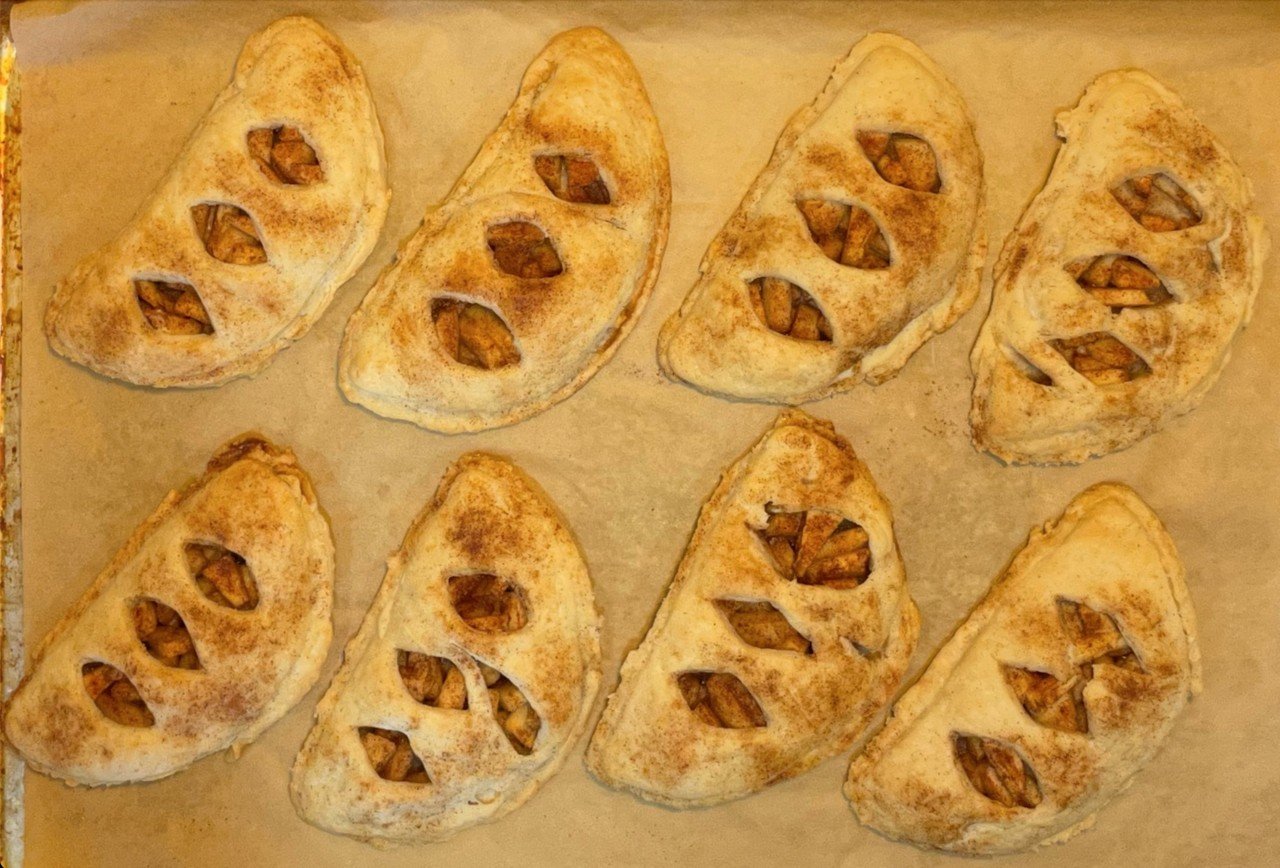
Apple pie biscuits are popular because they deliver all the flavour of apple pie in a fraction of the time. A traditional apple pie can take more than an hour to bake, plus cooling time, while biscuits are ready in about thirty minutes from start to finish. They are also easier to serve, because each person gets an individual portion with no slicing or serving utensils required. Children love them because they are handheld and fun, while adults appreciate their buttery, cinnamon-spiced flavour with coffee or tea. They work for breakfast, dessert, and everything in between, making them one of the most versatile autumn recipes you can keep in your repertoire.
Choosing the Best Apples for Biscuits
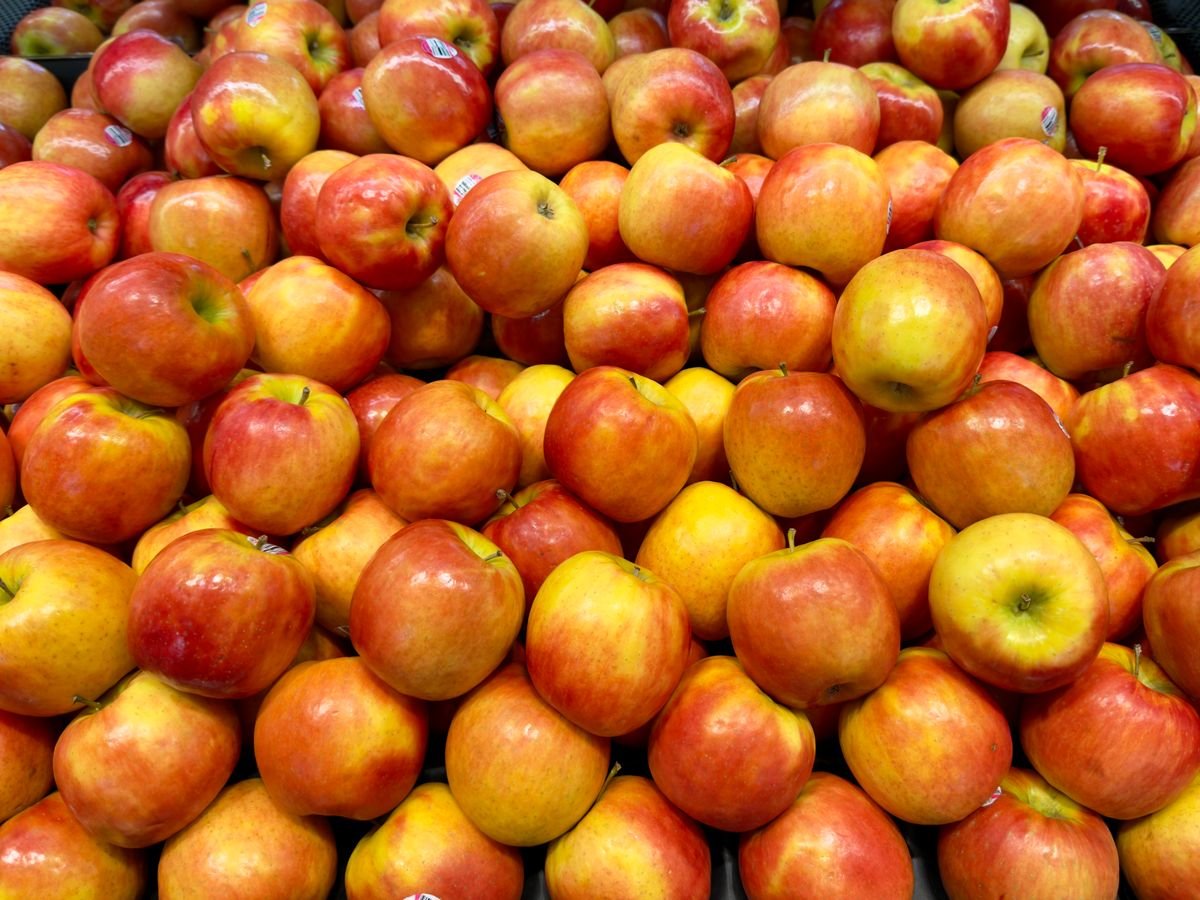
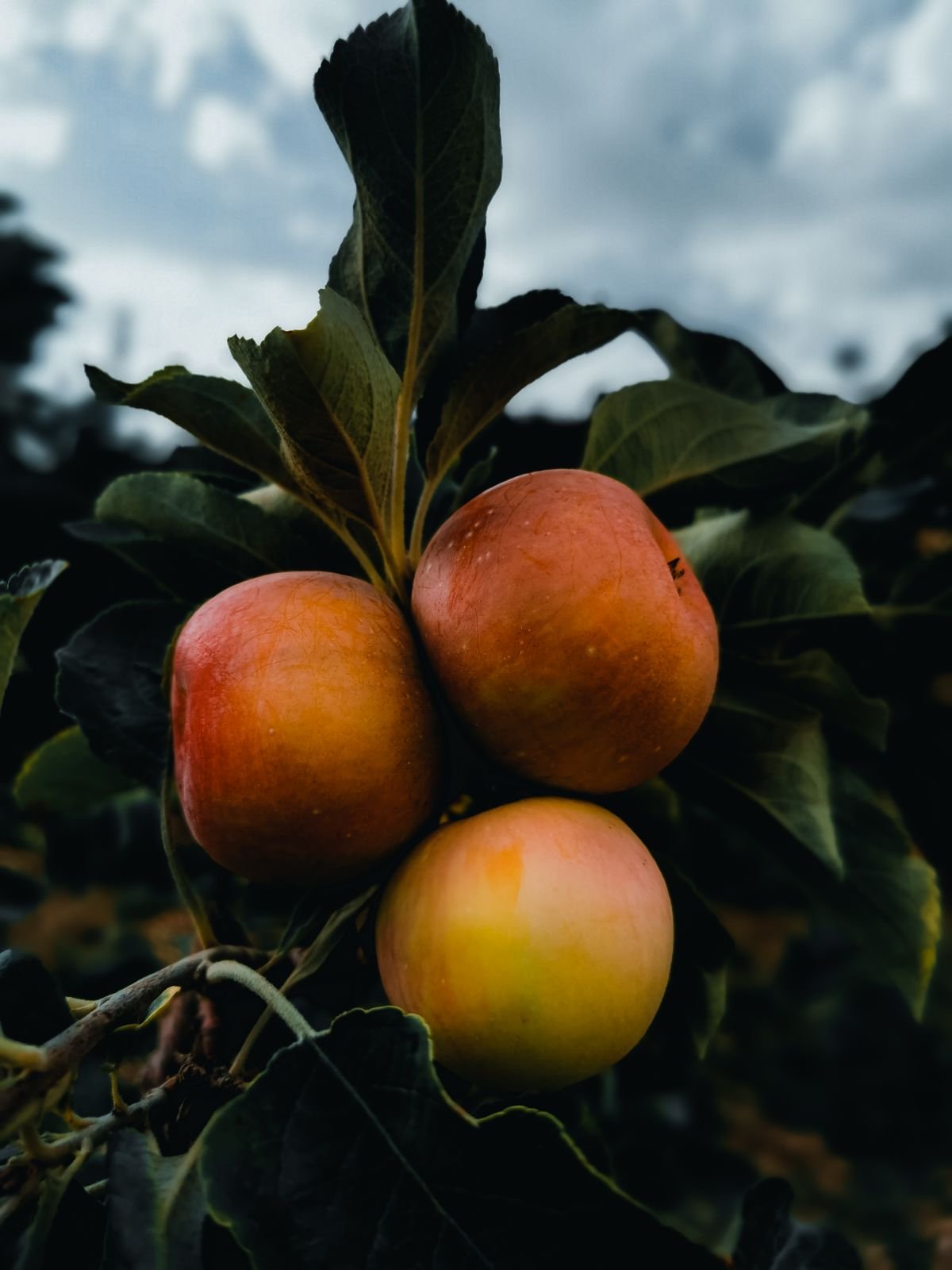
The best apples for biscuits hold their shape during cooking and balance sweetness with tartness. Granny Smith apples are a classic choice because their tartness contrasts beautifully with sugar and cinnamon, and they stay firm rather than turning to mush. Honeycrisp, Braeburn, and Pink Lady apples also work well, offering a balance of sweet and tart flavours. Avoid very soft apples such as Red Delicious, which can become mealy when cooked. Use two or three medium apples for one batch, peeling and dicing them into small pieces so they cook evenly and fit neatly inside biscuits. A mix of two varieties often gives the most interesting flavour.
Ingredients for Flaky Biscuit Dough

For flaky biscuit dough, you will need all-purpose flour, baking powder, baking soda, salt, sugar, cold unsalted butter, cold buttermilk, and vanilla extract. Cold butter is essential, because it creates steam pockets during baking that make biscuits rise and flake. Cut butter into small cubes and keep it refrigerated until you are ready to use it. Buttermilk adds tenderness and a subtle tang, but you can substitute milk mixed with a teaspoon of vinegar if needed. Do not overwork the dough, because overmixing develops gluten and makes biscuits tough. Measure flour correctly and keep ingredients cold for the lightest, most tender results.
Preparing the Cinnamon Apple Filling

To make the filling, cook diced apples in a skillet with butter, brown sugar, cinnamon, nutmeg, lemon juice, and a pinch of salt over medium heat. Stir gently for five to seven minutes until apples are tender but still hold their shape. Add a teaspoon of cornstarch mixed with water if the filling seems watery, and cook for one more minute until slightly thickened. Let the filling cool completely before using it, because hot filling melts biscuit dough and makes shaping difficult. Taste and adjust sweetness or spice to your liking, remembering that the biscuit dough itself is only lightly sweetened. A well-seasoned filling is the heart of this recipe.
Cutting Butter Into the Dough Correctly
Cutting butter into flour correctly is the key to flaky biscuits. Use a pastry cutter, two knives, or your fingertips to work cold butter into the flour mixture until it resembles coarse crumbs with some pea-sized pieces remaining. Those larger butter pieces create flaky layers as they melt in the oven. Work quickly so butter stays cold, and if your kitchen is warm, chill the flour mixture for ten minutes before adding liquid. Avoid using a food processor for too long, because it can overmix the dough and warm the butter. Patience at this stage pays off with tall, tender biscuits that pull apart in beautiful layers.
Shaping Biscuits With Apple Filling Inside
To shape filled biscuits, roll dough on a lightly floured surface to about half an inch thick, then cut rounds with a biscuit cutter. Place a spoonful of cooled apple filling in the centre of half the rounds, then top each with another round and press the edges firmly to seal. Alternatively, fold a single round in half over the filling and crimp the edges like a hand pie. Do not overfill, because excess filling leaks during baking and can burn on the pan. Place biscuits close together on a baking sheet for soft sides, or spaced apart for crispier edges. Brush tops lightly with milk or melted butter before baking.
Baking Biscuits to Golden Perfection
Bake biscuits in a preheated oven at 220 degrees Celsius for twelve to fifteen minutes, or until tops are golden brown and biscuits have risen tall. High heat helps biscuits rise quickly before butter melts completely, creating height and flakiness. Avoid opening the oven door during the first ten minutes, because temperature drops can prevent proper rising. Biscuits are done when they sound hollow when tapped lightly and the filling bubbles slightly at the edges. Let them cool on the pan for five minutes, then transfer to a wire rack. Serve warm for the best flavour, when the filling is soft and fragrant.
Making a Sweet Cinnamon Sugar Topping

A cinnamon sugar topping adds sweetness, sparkle, and extra flavour to apple pie biscuits. Brush warm biscuits with melted butter, then sprinkle generously with a mixture of granulated sugar and cinnamon. For a crunchier topping, use coarse sugar instead of regular sugar. You can also add a light glaze made from powdered sugar, milk, and vanilla, drizzled over cooled biscuits for a bakery-style finish. Apply toppings while biscuits are still slightly warm so they adhere well, but avoid glazing hot biscuits, which melts the glaze and makes it run off. A simple topping transforms good biscuits into irresistible ones.
Serving Apple Pie Biscuits Warm
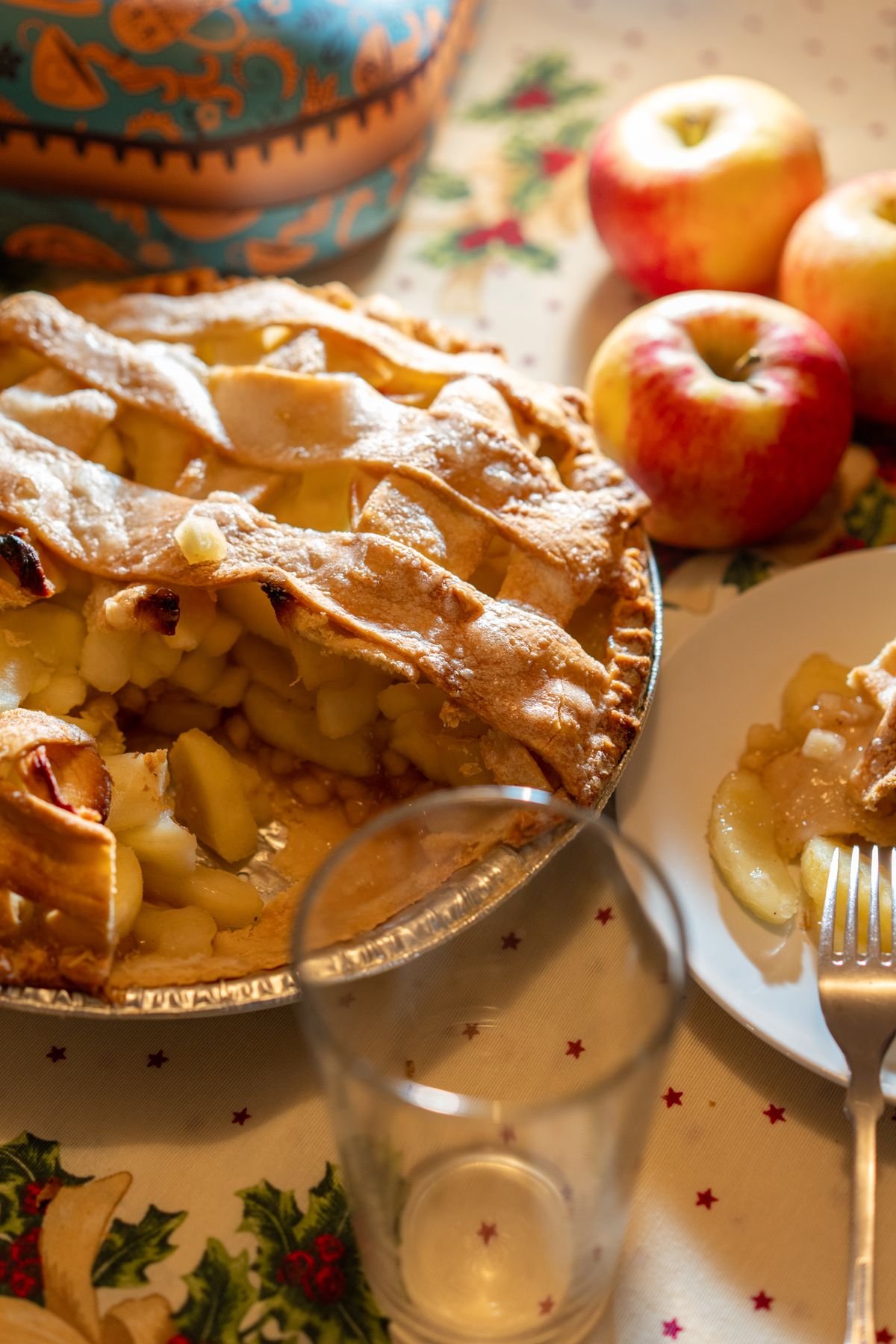
Serve apple pie biscuits warm, split open to reveal the apple filling, with a pat of butter melting inside. They pair beautifully with coffee, tea, hot cider, and cold milk, making them perfect for breakfast or an afternoon treat. For dessert, serve them with a scoop of vanilla ice cream, a dollop of whipped cream, or a drizzle of caramel sauce. Arrange biscuits on a pretty plate or in a basket lined with a cloth napkin for a homely presentation. Guests will love breaking open a warm biscuit and discovering the cinnamon apple centre, which feels like a small surprise in every bite.
Apple Pie Biscuits for Breakfast and Brunch

Apple pie biscuits make an excellent breakfast or brunch centrepiece, especially on weekends and holidays. Serve them alongside scrambled eggs, bacon, or sausage for a sweet and savoury combination, or keep the meal simple with fruit, yogurt, and coffee. They are quicker than pancakes or waffles when feeding a crowd, because one batch bakes all at once. Set up a brunch table with biscuits, butter, jam, and warm apple cider, and let guests help themselves. Their individual size makes portioning easy, and they look beautiful on a tiered stand or wooden board. Brunch guests will ask for the recipe.
How to Store Leftover Biscuits

Store leftover biscuits in an airtight container at room temperature for up to two days, or in the refrigerator for up to four days. Because of the moist apple filling, biscuits soften over time, so reheat them in a warm oven for five minutes to restore crispness. Avoid microwaving for too long, which can make them rubbery; a short burst of ten to fifteen seconds is enough to warm the filling. Cover cut biscuits with plastic wrap to prevent drying. For longer storage, freeze biscuits in a single layer, then transfer to a freezer bag for up to three months, thawing overnight before reheating.
Freezing Biscuits for Later

Freezing apple pie biscuits is easy and convenient. For unbaked biscuits, place shaped biscuits on a baking sheet and freeze until firm, then transfer to a freezer bag. Bake directly from frozen, adding three to five minutes to the baking time. For baked biscuits, cool completely, wrap individually in plastic wrap, and freeze in a bag. Thaw baked biscuits overnight in the refrigerator, then warm in the oven before serving. Freezing ahead is perfect for holiday mornings, when you want fresh biscuits without early morning preparation. Label bags with the date and baking instructions so future you can bake with confidence.
Common Mistakes to Avoid

Common mistakes include using warm butter, overmixing dough, and overfilling biscuits. Warm butter melts before baking and produces flat, dense biscuits instead of flaky ones. Overmixing develops gluten and makes biscuits tough, so mix just until dough comes together. Overfilling causes leaks and burnt filling on the pan, so use only a tablespoon of filling per biscuit. Another mistake is using hot filling, which melts dough and makes shaping impossible; always cool filling completely. Finally, do not twist the biscuit cutter when cutting rounds, because twisting seals the edges and prevents biscuits from rising tall and even.
Delicious Variations to Try
Once you master the basic recipe, try delicious variations. Add chopped pecans or walnuts to the filling for crunch, or stir in raisins for extra sweetness. Drizzle biscuits with salted caramel sauce for a richer dessert version, or add a cream cheese filling alongside apples for a tangy twist. For a savoury-sweet version, add a pinch of black pepper or cayenne to the filling for subtle warmth. You can also use pears instead of apples, or mix apples and pears together for a different flavour. Seasonal variations, such as cranberry apple biscuits for Christmas, keep this recipe exciting all year round.
Making Biscuits Without Buttermilk
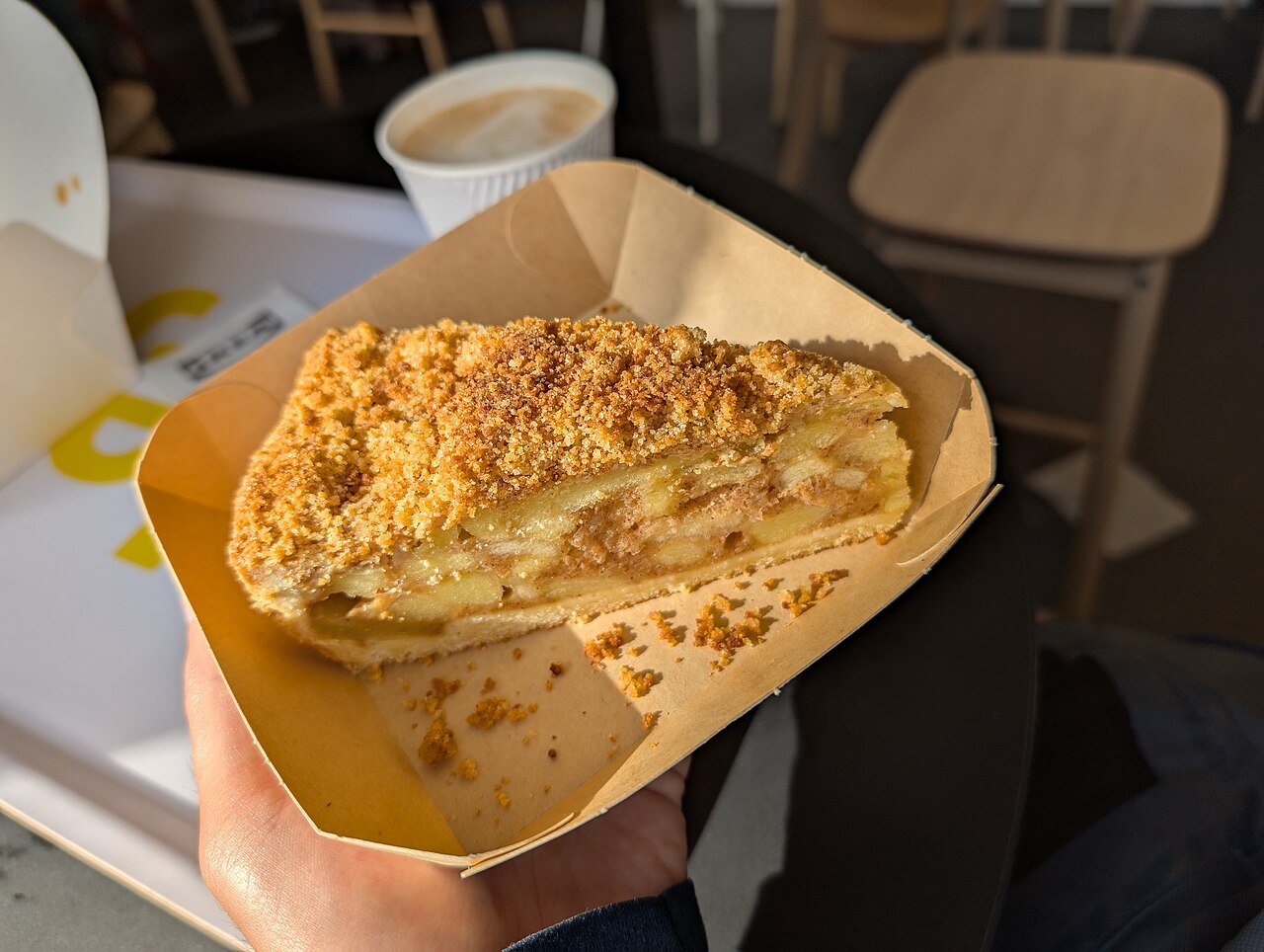
If you do not have buttermilk, you can still make excellent biscuits. Mix one cup of milk with one tablespoon of lemon juice or white vinegar, let it stand for five to ten minutes until slightly thickened, and use it in place of buttermilk. Plain yogurt thinned with a little milk also works well and adds tenderness. Keep the substitute cold, just like real buttermilk, to preserve flakiness. The flavour will be slightly different, but the texture remains tender and delicious. Do not skip the acid entirely, because it helps activate baking soda and gives biscuits a better rise and lighter crumb.
Gluten-Free Apple Pie Biscuits
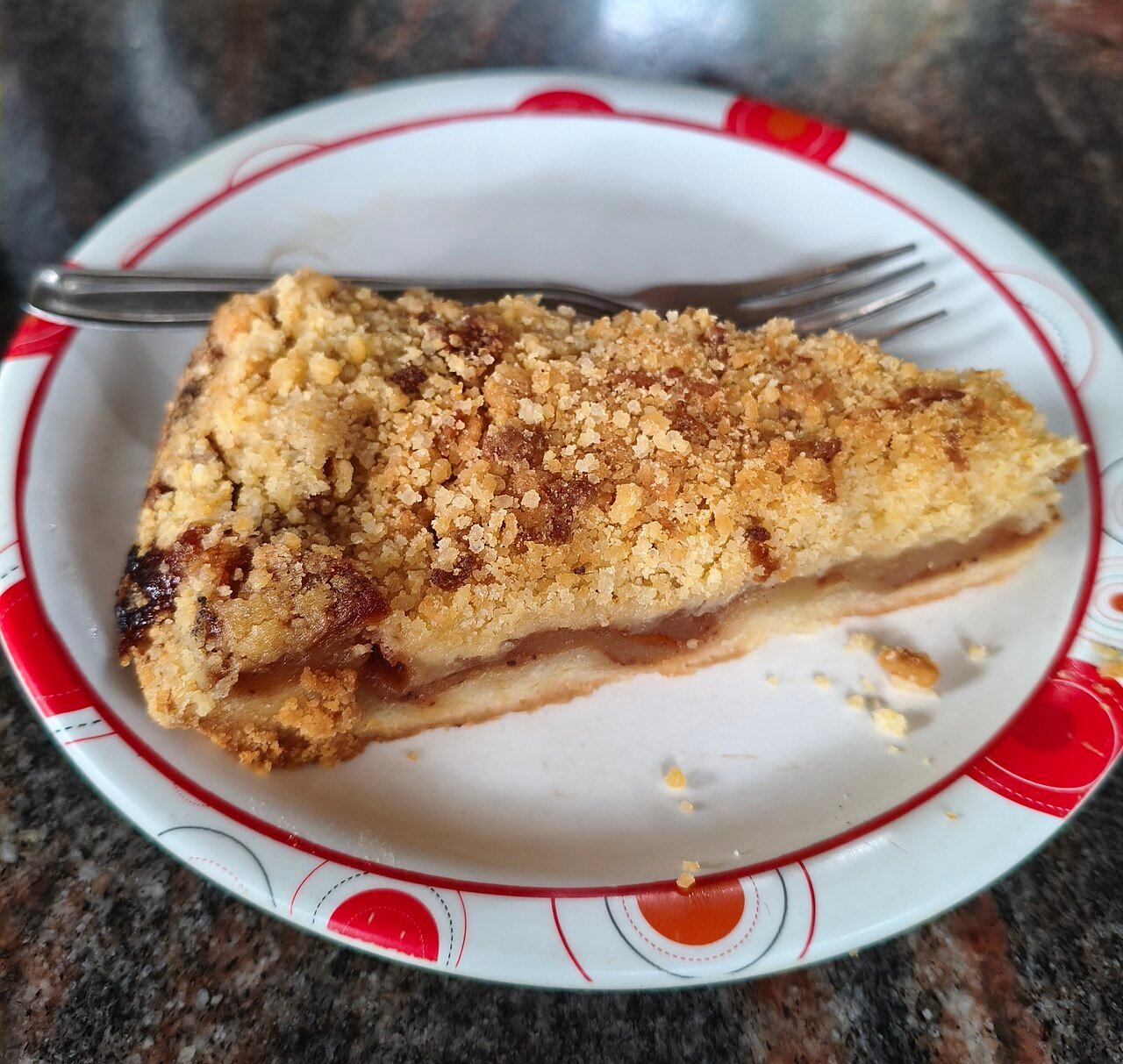
For gluten-free biscuits, use a one-to-one gluten-free flour blend that contains xanthan gum, and handle the dough gently. Gluten-free dough can be stickier, so dust your work surface and hands lightly with flour while shaping. Add an extra tablespoon of buttermilk if the dough feels dry, because gluten-free flours absorb more liquid. Bake at the same temperature, but check a few minutes early, as gluten-free biscuits can brown faster. The texture will be slightly denser than wheat biscuits, but still tender and flavourful, especially when served warm with butter. Always check labels to ensure all ingredients are certified gluten-free.
Apple Pie Biscuits for Holidays and Gatherings
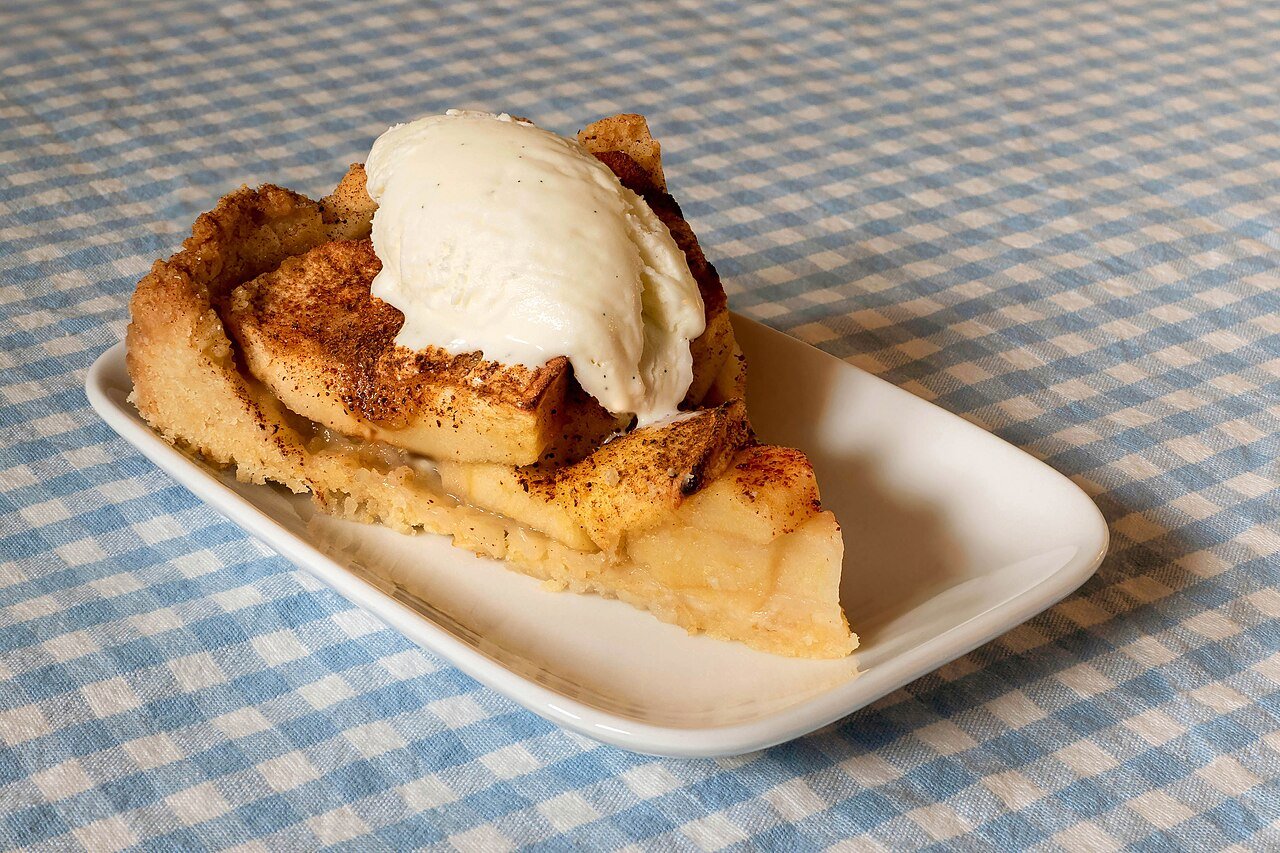
Apple pie biscuits are perfect for holidays and gatherings because they are easy to scale up and serve to a crowd. Double the recipe for Thanksgiving brunch, Christmas morning, or a fall party, and bake biscuits in batches. They look beautiful on a dessert table alongside pies, cakes, and cookies, offering a smaller, lighter option for guests who want just a taste of apple pie. Pack them in boxes for neighbours, teachers, or hosts as a thoughtful homemade gift. Their warm cinnamon scent fills the house and creates a welcoming atmosphere that guests remember long after the gathering ends.
Nutritional Notes and Healthier Swaps

Apple pie biscuits are a treat, but you can make lighter versions without losing flavour. Apples themselves provide fibre, vitamin C, and natural sweetness, which is a nutritional plus. To lighten the recipe, use part whole wheat flour for extra fibre, reduce sugar in the filling by a tablespoon or two, and use less butter in the topping. Serve smaller biscuits for portion control, and pair them with fruit or yogurt instead of ice cream. Enjoying a warm biscuit mindfully, with coffee and good company, is part of a balanced approach to food, especially during festive seasons when treats are meant to be savoured.
Frequently Asked Questions
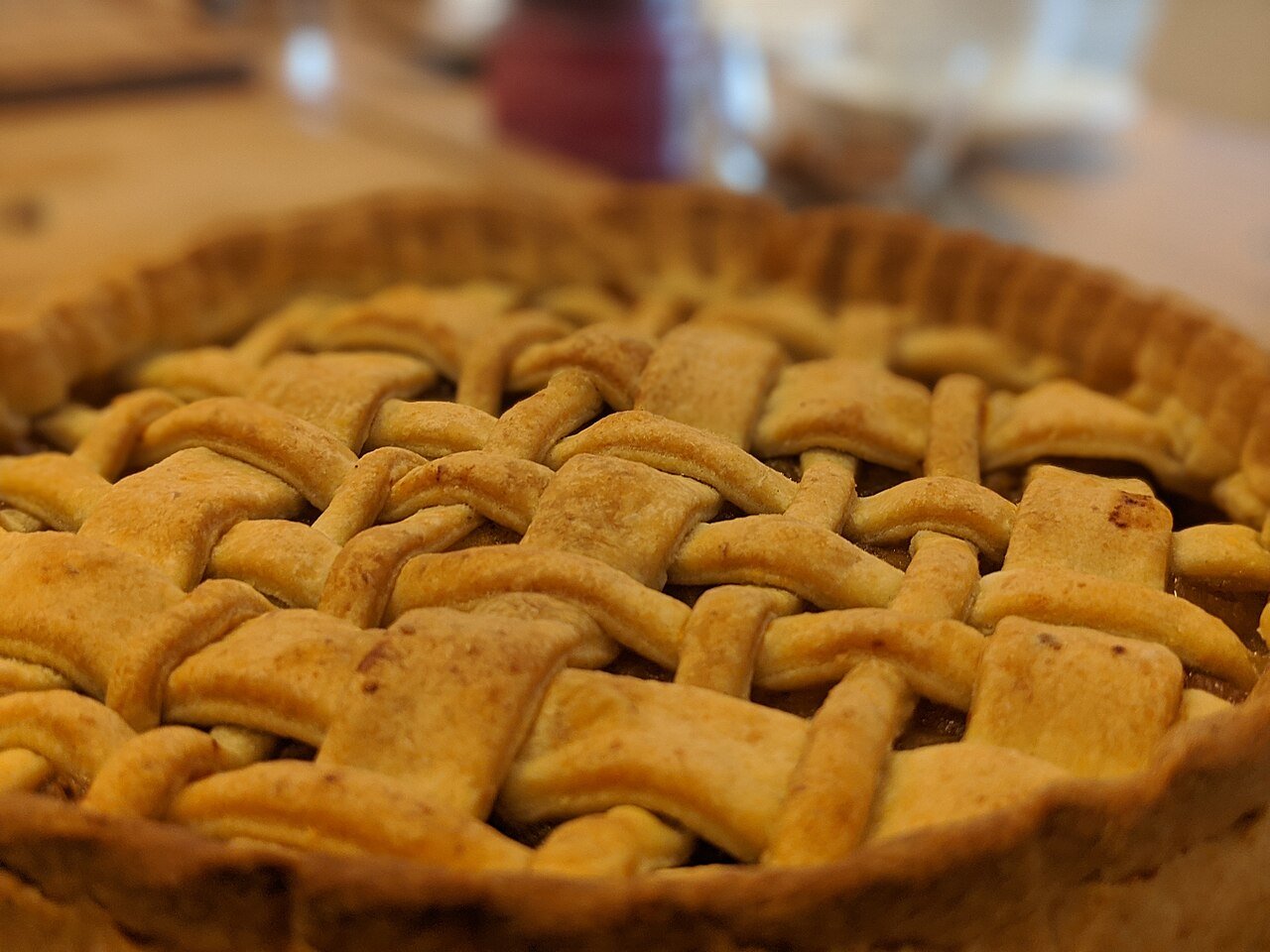
Can I make the dough ahead? Yes, refrigerate shaped biscuits overnight and bake in the morning, adding a few extra minutes if they are cold. Can I use canned apple pie filling? Yes, chop it into smaller pieces and drain excess syrup to avoid sogginess. Why are my biscuits flat? This is usually caused by warm butter or overmixing; keep ingredients cold and mix gently. Can I add cheese? A sharp cheddar biscuit with apple filling is a delicious savoury-sweet twist worth trying. How do I reheat biscuits? Warm them in a 175 degree oven for five minutes until crisp on the outside and soft inside.
Final Tips for Perfect Apple Pie Biscuits

For perfect apple pie biscuits every time, remember three rules: keep ingredients cold, do not overwork the dough, and cool the filling before shaping. Use good apples, season generously with cinnamon, and bake until golden and tall. Serve them warm, share them generously, and keep the recipe close at hand because someone will ask for it. Whether you make them for a quiet family breakfast or a festive holiday gathering, apple pie biscuits bring warmth, comfort, and the unmistakable scent of autumn into your kitchen. Bake a batch soon, and enjoy every flaky, apple-filled bite.
For a brunch buffet, keep apple pie biscuits warm in a covered basket lined with a clean tea towel, which traps heat without making biscuits soggy. Place butter, jam, and caramel sauce nearby so guests can customise their biscuits, and label any biscuits containing nuts for allergy safety. A small sign with the biscuit name adds a charming, bakery-like touch to a home buffet, and guests will appreciate knowing what they are eating.
If you want extra apple flavour, add a spoonful of apple butter to the filling or brush warm biscuits with apple cider glaze made from powdered sugar and reduced cider. Apple butter deepens the orchard flavour without adding much liquid, while cider glaze adds shine and a tangy finish. Taste as you go, because apple varieties vary in sweetness, and a little lemon juice can brighten a filling that tastes flat or overly sweet.
For camping or picnic versions, bake biscuits at home, cool completely, and pack them in a sturdy container with parchment between layers. They travel well at room temperature for a day, and a thermos of hot cider makes a perfect companion. Avoid cream-based glazes for outdoor trips, because they spoil faster in warmth, and choose a simple cinnamon sugar topping that stays stable and delicious.
Children can help make apple pie biscuits by peeling apples with a safe peeler, stirring the filling, and cutting rounds with a biscuit cutter. Give each child a small piece of dough to practise shaping, and let them sprinkle cinnamon sugar on finished biscuits. Baking together teaches measuring, patience, and kitchen safety, and children are far more likely to try foods they helped prepare, making this recipe a wonderful family activity.
To adapt this recipe for a crowd, double the dough and filling, bake biscuits in batches, and keep finished batches warm in a low oven while the next batch bakes. Use two baking sheets and rotate them halfway through baking for even browning. A double batch serves about twenty-four people, making it ideal for holiday brunches, church gatherings, and school events where homemade food is appreciated.
When serving apple pie biscuits at a holiday brunch, offer both warm biscuits and a small bowl of extra apple filling on the side, so guests who love apples can add more, while others enjoy the biscuit as baked. A side of soft butter, a jar of honey, and a pot of hot coffee complete the table, and a simple linen cloth keeps biscuits warm without trapping steam. This flexible serving style suits mixed tastes, reduces waste, and makes a home brunch feel generous and welcoming without requiring extra cooking or complicated presentation.
To make apple pie biscuits in a commercial-style batch for a bake sale, use a large bowl, a bench scraper, and a baking sheet lined with parchment, and work in stages so dough stays cold. Keep cut biscuits chilled while the oven preheats, bake in rotation, and cool each batch on a wire rack before packing. Label each bag with ingredients, allergens, and the date baked, because clear labelling builds trust with buyers and helps people with dietary needs choose safely and confidently.
For an autumn picnic, pack apple pie biscuits in a sturdy tin with parchment between layers, along with a thermos of cider and a bag of fresh apples for snacking. Biscuits hold up well outdoors for several hours in cool weather, especially with a simple cinnamon sugar topping rather than a soft glaze. A picnic blanket, a few napkins, and a good book turn a simple homemade treat into a memorable autumn outing, proving that comfort food travels beautifully when packed with care.

I am Talha Sikandar, a professional writer with a passion for general blogging. With years of experience in content writing and research, I founded Meaniingly.com to deliver well-researched, informative, and user-friendly articles on diverse topics.