When autumn’s chill settles in, nothing comforts quite like a bowl of creamy pumpkin curry soup — velvety roasted pumpkin blended with fragrant curry spices, coconut milk, and a squeeze of lime. This soup is the best of two worlds: the cosy sweetness of pumpkin meets the warming depth of curry, creating a bowl that is simultaneously comforting and exciting. It is naturally vegan, endlessly customisable, and impressive enough for dinner guests yet simple enough for a weeknight. Whether you are drowning in Halloween pumpkins or simply craving autumn in a bowl, this recipe delivers restaurant-quality flavour with minimal effort. Here is everything you need to know to make the perfect creamy pumpkin curry soup, from ingredients to storage.
Why You Will Love This Recipe
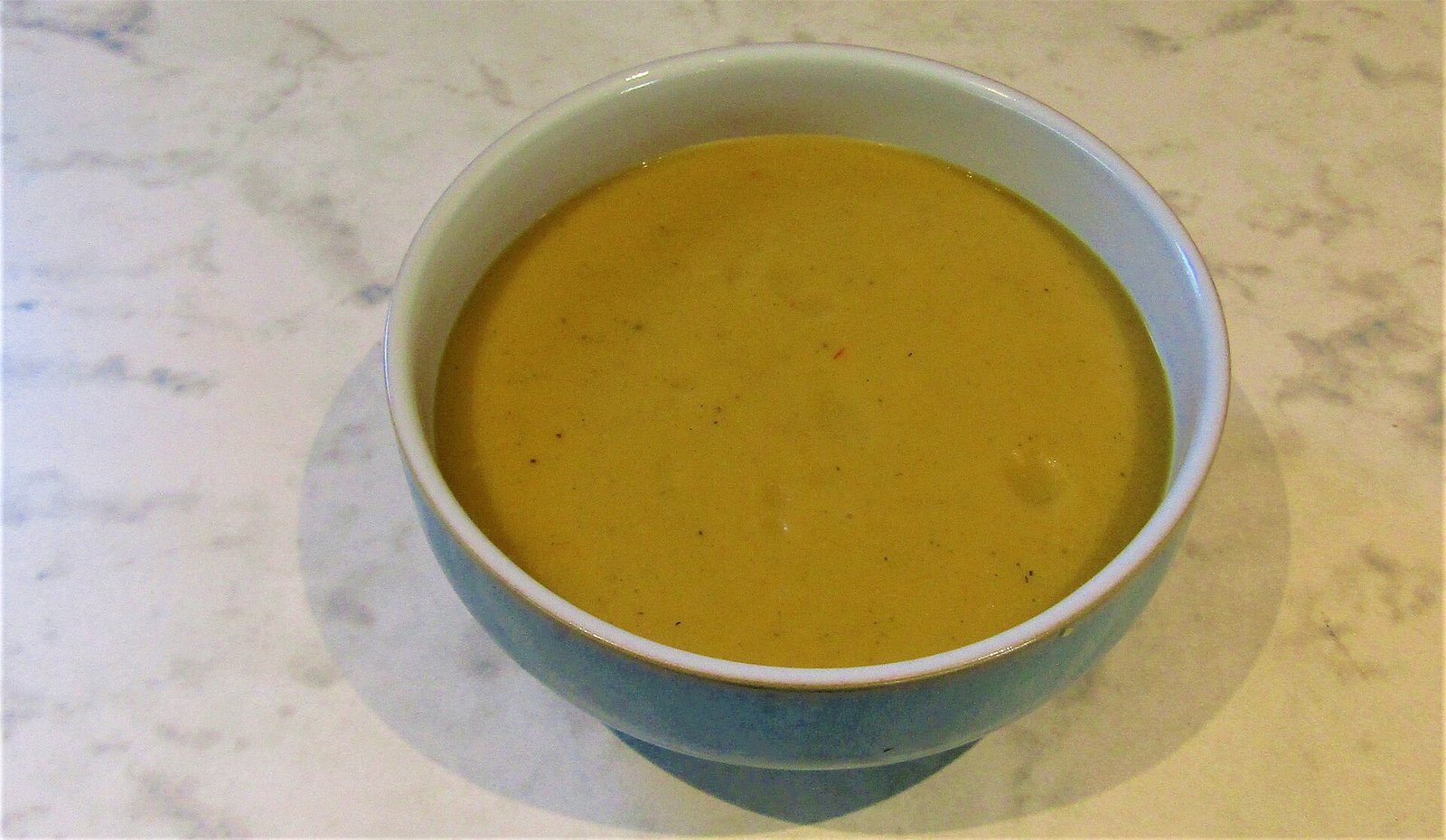
This creamy pumpkin curry soup ticks every box: it is rich and velvety without any cream, packed with warming spices, and ready in under an hour. The combination of sweet roasted pumpkin and aromatic curry is genuinely addictive — one bowl is never enough. It is also incredibly forgiving, welcoming whatever spices and garnishes you have to hand.
Beyond flavour, this soup is a nutritional powerhouse: pumpkin is loaded with vitamin A, fibre, and antioxidants, while the spices add anti-inflammatory benefits. It is naturally gluten-free and vegan, making it a crowd-pleaser for mixed dietary needs. Make a big batch on Sunday and enjoy effortless, healthy lunches all week — this is meal prep that you will actually look forward to.
This soup also shines as an elegant dinner-party starter — serve small portions in espresso cups with a single coriander leaf. Guests will beg for the recipe every time.
Ingredients You Will Need
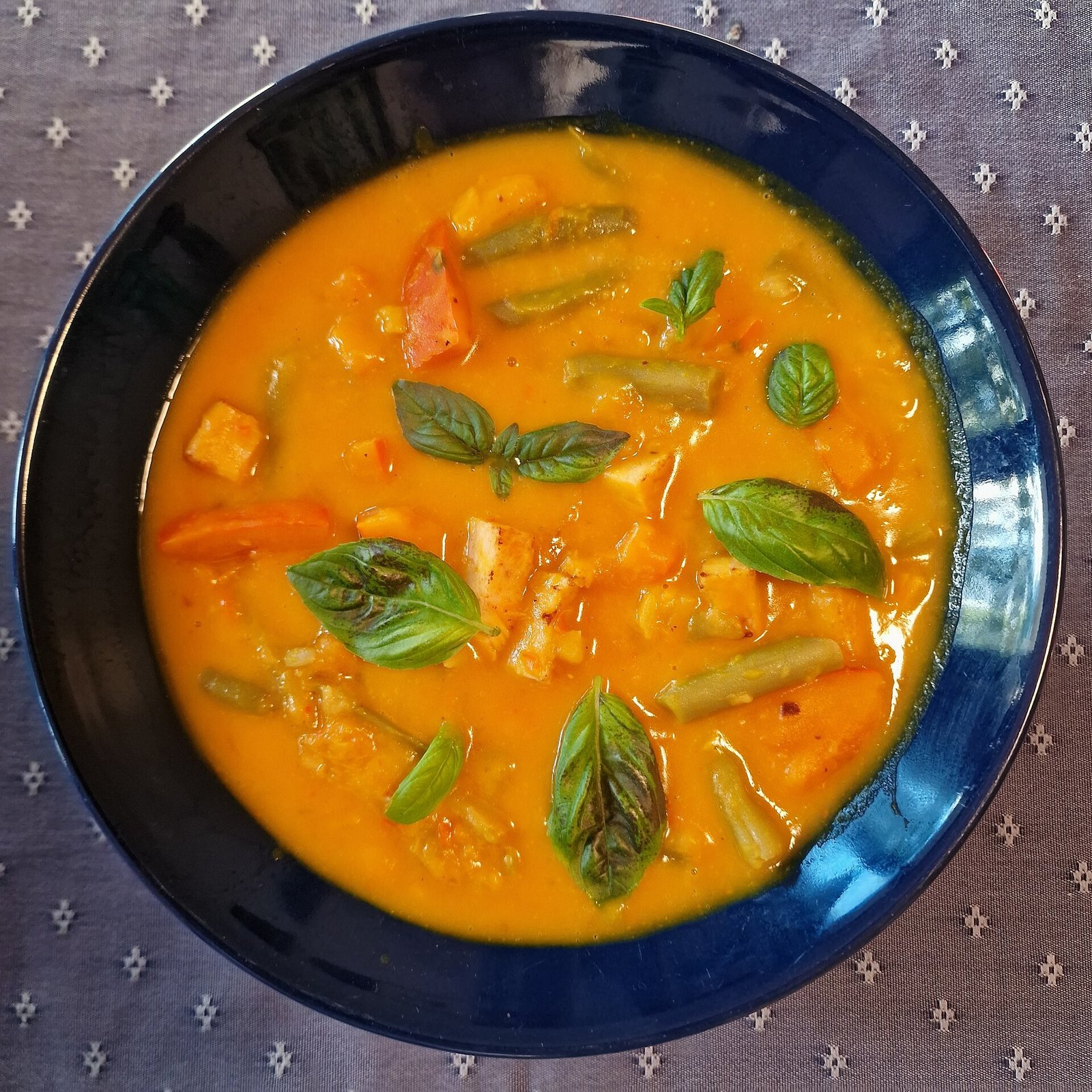
Great soup starts with great ingredients, and this recipe keeps the list simple and seasonal. Here is everything you need for six generous servings:
- 1 medium pumpkin (about 1.5 kg), or 1 kg butternut squash as an alternative
- 2 tablespoons coconut oil or olive oil
- 1 large onion, diced
- 3 garlic cloves, minced
- 1 tablespoon fresh ginger, grated
- 2 tablespoons red or yellow curry paste
- 1 teaspoon ground turmeric
- 1 teaspoon ground cumin
- 750 ml vegetable stock
- 400 ml tin coconut milk
- Juice of 1 lime
- Salt and black pepper to taste
- Fresh coriander, coconut cream, and chilli oil to garnish
Choose a pumpkin variety meant for eating — sugar pumpkins or crown prince — rather than carving pumpkins, which are watery and bland. Full-fat coconut milk gives the creamiest result, and fresh ginger makes a noticeable difference over ground.
Buy an extra lime and an extra tin of coconut milk — running out mid-recipe is the only real risk here. These staples keep for ages, so overbuying is never wasteful.

Choosing the Best Pumpkin
Not all pumpkins are created equal when it comes to soup. Eating pumpkins like sugar pie, crown prince, or kabocha have dense, sweet flesh that roasts beautifully and blends silkily. Carving pumpkins, bred for size and hollow interiors, produce watery, flavourless soup — avoid them if you can.
Butternut squash is an excellent substitute, offering similar sweetness with easier peeling and less waste. Whatever you choose, look for heavy, firm specimens with unblemished skin — heaviness indicates dense, flavourful flesh. One medium pumpkin yields about a kilogram of usable flesh, perfect for this recipe’s six servings.
Farmers’ markets in October often sell ‘soup pumpkins’ specifically — ask the grower for recommendations. Their expertise beats supermarket labels every single time.

Essential Equipment
You do not need fancy equipment for superb soup, but a few tools make life easier. A large, heavy-based pot or Dutch oven ensures even cooking without scorching. A sharp chef’s knife and sturdy chopping board are essential for tackling the pumpkin safely. A stick blender lets you blend directly in the pot — less washing up and no transferring hot soup.
If you prefer an ultra-silky texture, a countertop blender gives the smoothest results; just blend in batches and vent the lid to release steam. A baking tray lined with parchment is all you need for roasting the pumpkin. That is truly it — this is humble equipment producing luxurious results, which is part of the recipe’s charm.
No stick blender? A potato masher plus vigorous whisking produces a rustic, hearty texture many people actually prefer. Silky is luxurious, but rustic has honest charm.

Preparing the Pumpkin
Safe pumpkin prep starts with stability: slice a thin piece off the base so it sits flat, then cut in half from top to bottom with a large, sharp knife. Scoop out the seeds and stringy bits with a sturdy spoon — save the seeds for roasting as a garnish. Cut the halves into wedges, then peel with a vegetable peeler or sharp knife.
Cut the peeled flesh into roughly even 3 cm chunks for uniform roasting. Even sizing matters: small pieces burn while large ones stay raw. Do not discard the seeds — tossed with oil, salt, and curry powder and roasted for 15 minutes, they become the perfect crunchy soup topping. Efficient prep here makes the rest of the recipe flow smoothly.
Microwave the whole pumpkin for three minutes before cutting — it softens the skin just enough to make slicing dramatically easier and safer. A small trick with big benefits.
Roasting for Maximum Flavour
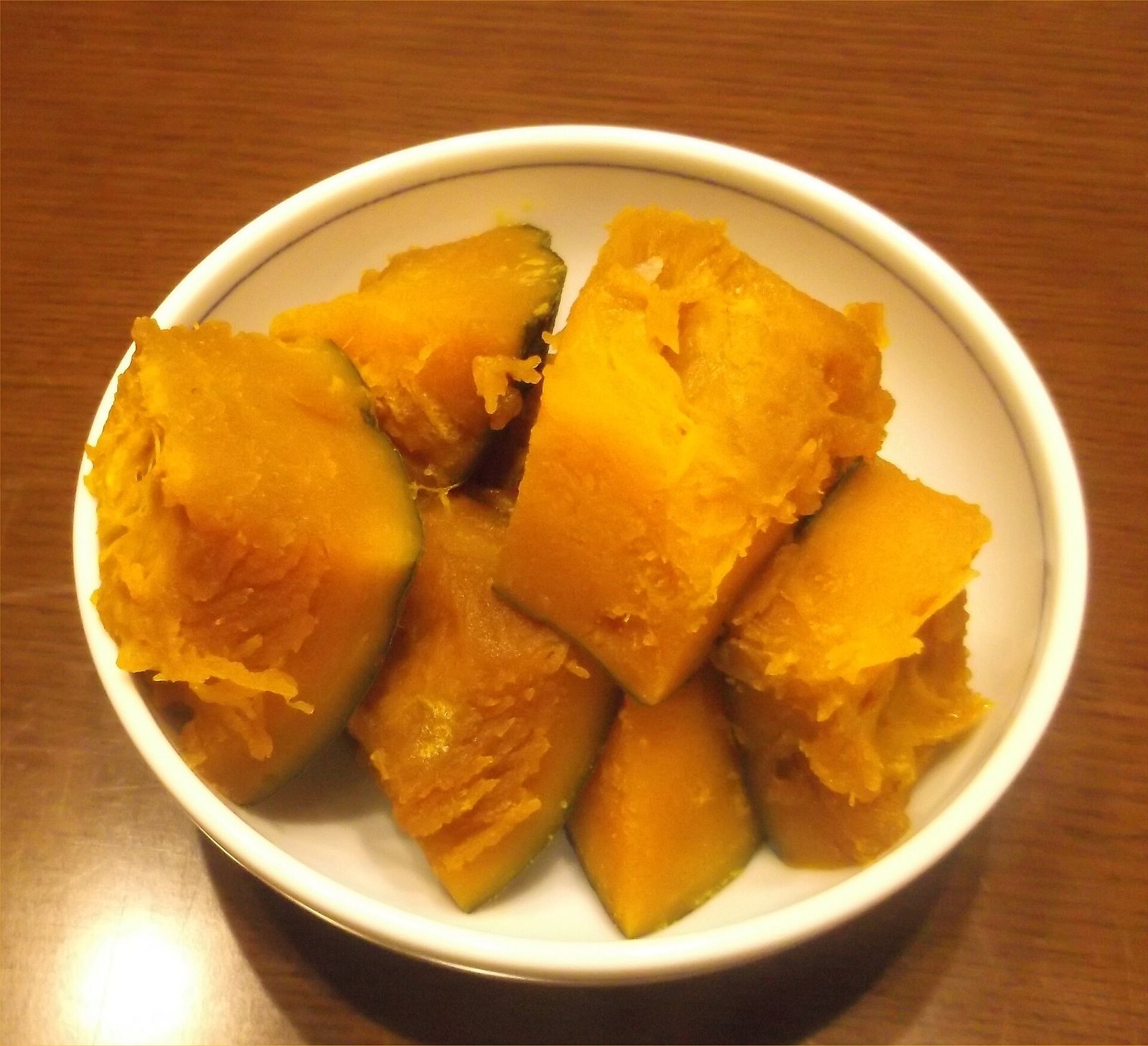
Roasting is the secret to extraordinary pumpkin soup — it caramelises the pumpkin’s natural sugars, concentrating sweetness and adding incredible depth. Toss the chunks with oil and a good pinch of salt, spread in a single layer on a lined baking tray, and roast at 200°C for 30–35 minutes until golden at the edges and completely tender.
Do not crowd the tray; overlapping pieces steam rather than roast. Give them space and they will develop those delicious caramelised edges that make the soup taste like it simmered for hours. This single step elevates the soup from good to unforgettable — never skip the roast in favour of boiling, which produces a far blander result.
Roast extra pumpkin while the oven is hot — it is brilliant in salads, curries, and pasta through the week. One hot oven, multiple meals: efficient autumn cooking.
Building the Curry Base
While the pumpkin roasts, build your flavour foundation. Soften the diced onion in coconut oil over medium heat for 8–10 minutes until golden and sweet — patience here pays dividends. Add the garlic and ginger for the final two minutes, then stir in the curry paste, turmeric, and cumin, cooking for another minute until intensely fragrant.
This blooming of spices in hot oil is crucial: it awakens their flavours in a way that simply simmering cannot. If the paste sticks, add a splash of stock to deglaze, scraping up every flavourful bit. Your kitchen should smell incredible at this point — that aroma is the promise of the delicious soup to come.
Double the curry base and freeze half for an instant flavour starter next time. Future you will be thrilled to skip straight to the simmering stage.
Simmering the Soup
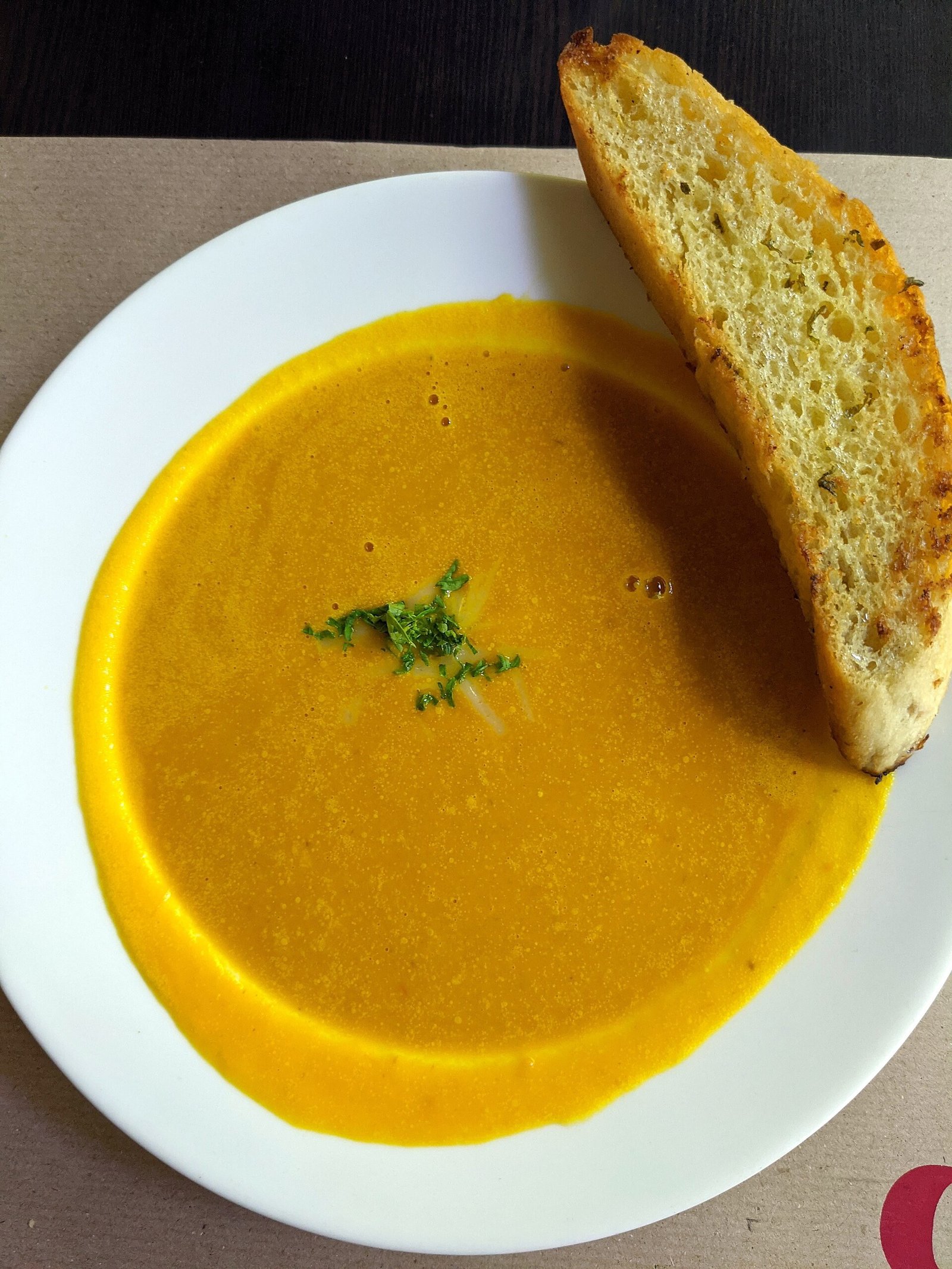
Add the roasted pumpkin to the spiced base, pour in the vegetable stock, and bring to a gentle simmer. Cook for 15 minutes, allowing the flavours to marry and the pumpkin to soften completely into the broth. Stir occasionally and keep the simmer gentle — vigorous boiling can make the texture grainy.
Taste the broth at this stage and adjust: more curry paste for heat, a pinch of sugar if your pumpkin is less sweet, more salt to sharpen everything. The soup should taste vibrant and well-seasoned before blending, since blending will not fix under-seasoning. This simmering stage is where the individual ingredients become a unified, harmonious soup.
If the soup tastes flat, it almost always needs more salt or acid — add each in small increments. These two seasonings unlock every other flavour in the pot.
Blending to Silky Perfection
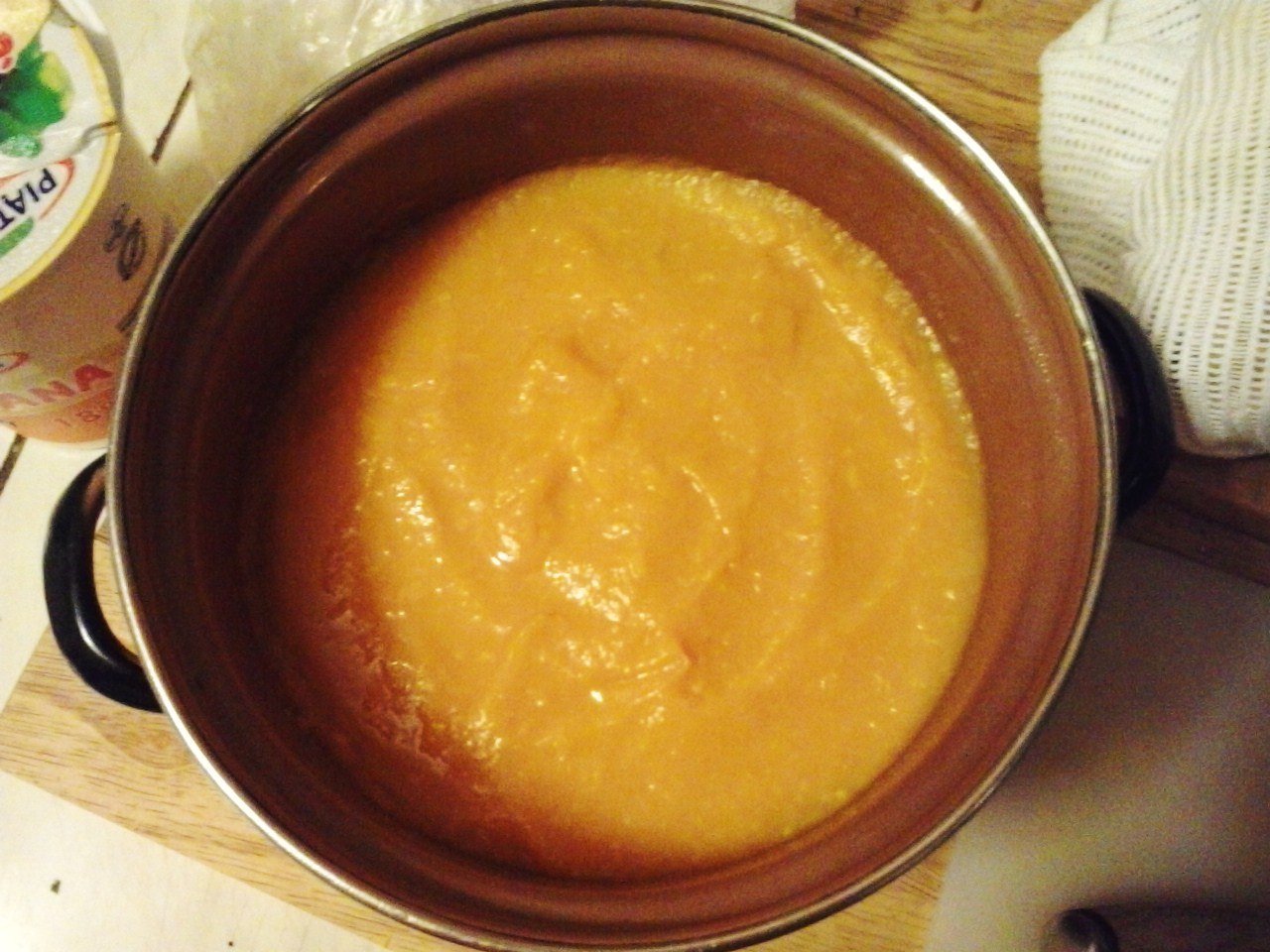
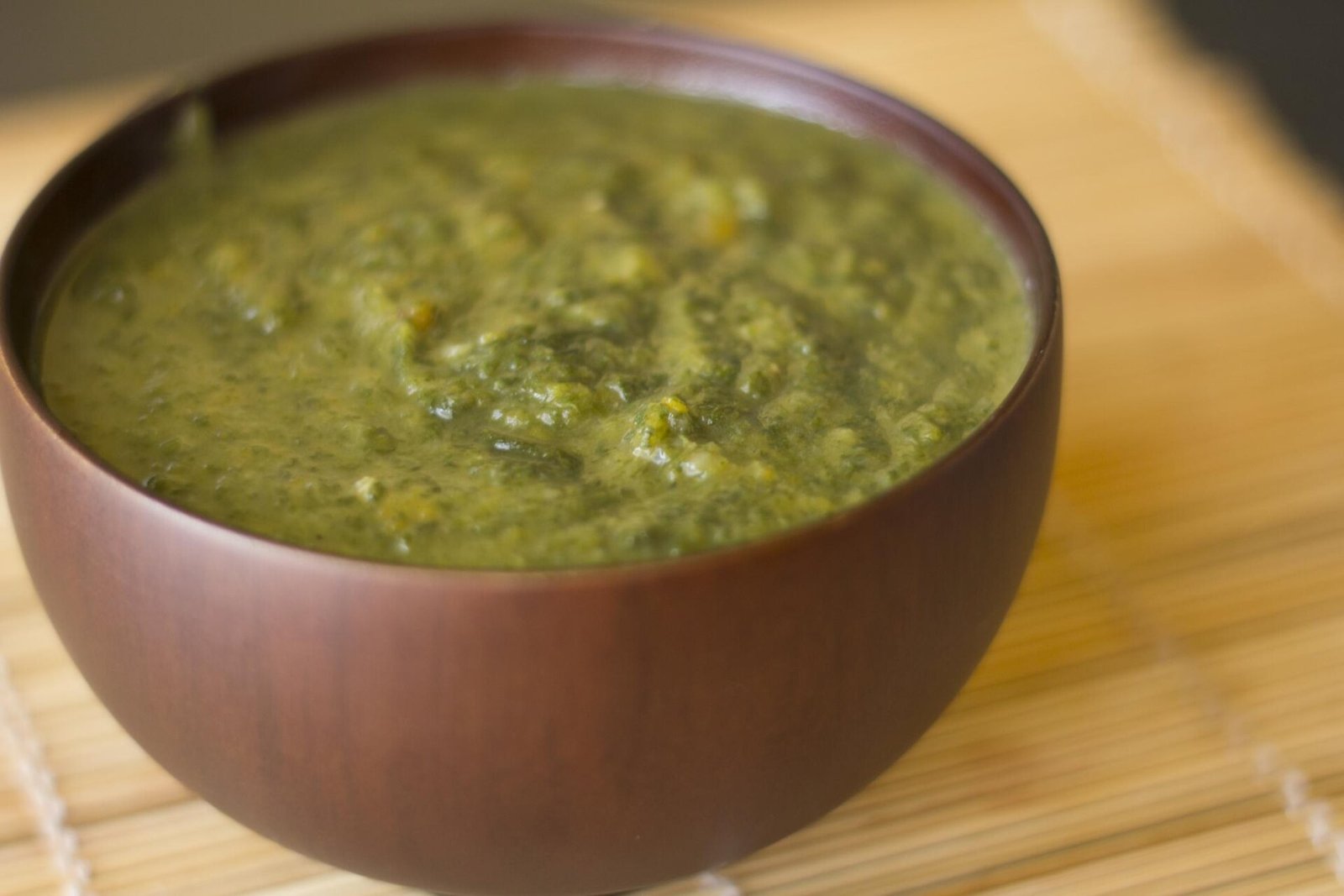
Blending transforms the chunky simmer into velvet. Use a stick blender directly in the pot, moving it slowly to catch every lump, or transfer to a countertop blender in batches — never fill more than half full with hot soup, and always vent the lid. Blend for a full two minutes for the silkiest texture.
For restaurant-level smoothness, pass the blended soup through a fine sieve, pressing with the back of a ladle. This extra step removes any fibrous bits and produces a truly luxurious mouthfeel. Stir in the coconut milk after blending, then warm through gently without boiling — boiling can cause coconut milk to split.
Let the soup cool for ten minutes before countertop blending — slightly cooler soup blends more safely and splatters less. Patience protects both you and the kitchen walls.
Balancing Flavours
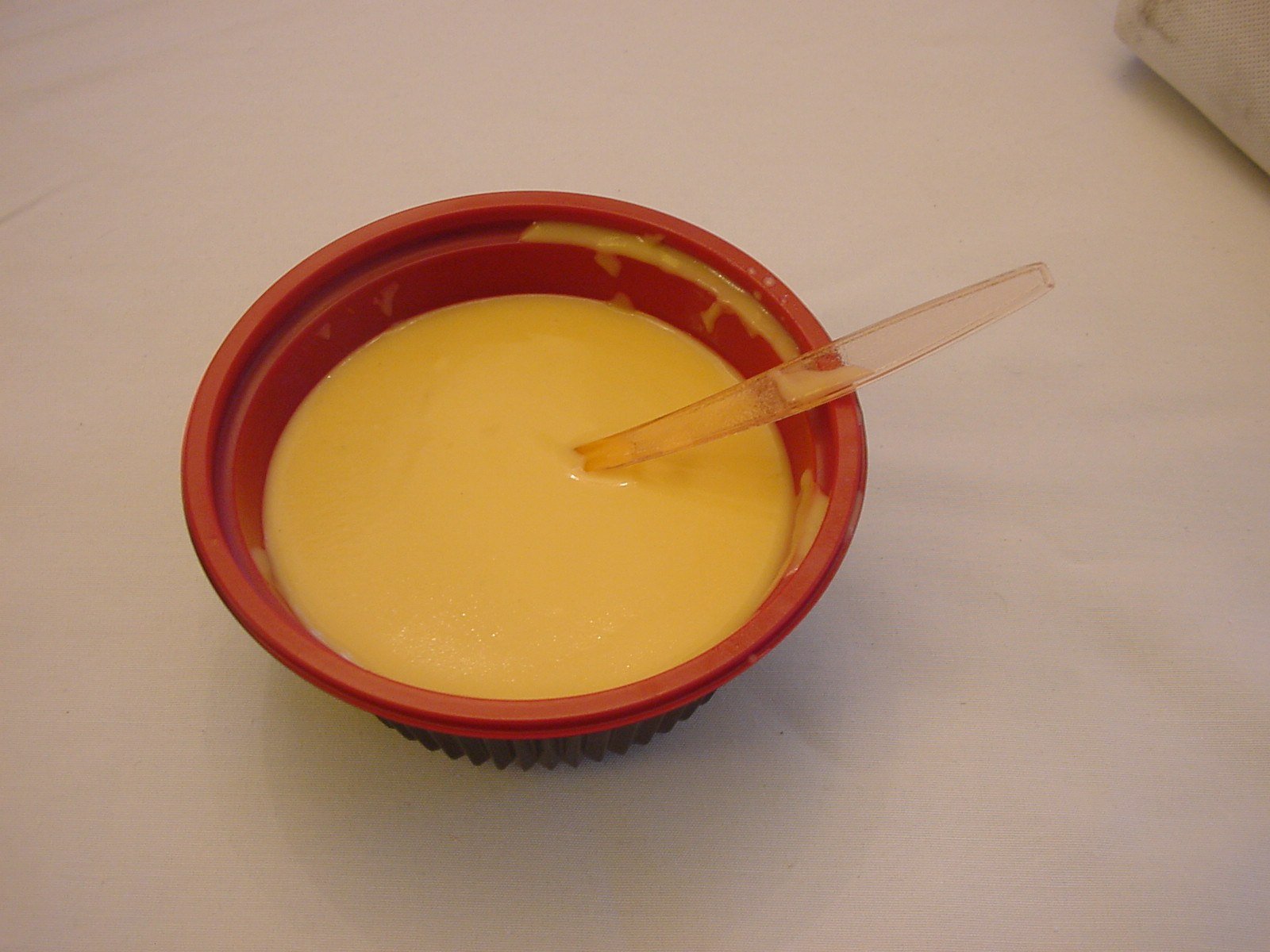
The final seasoning is what separates good soup from great soup. Stir in the lime juice — its acidity brightens the rich, sweet base dramatically. Taste and adjust: salt sharpens, a teaspoon of brown sugar or maple syrup enhances sweetness, more lime adds zing, and a dash of fish sauce (or soy for vegan) adds umami depth.
Remember that flavours dull slightly as soup cools, so season boldly if serving later. The perfect bowl balances sweet pumpkin, warming spice, creamy coconut, and bright lime in every spoonful. Trust your palate over the recipe here — pumpkins vary in sweetness, curry pastes in heat, so final adjustment is always personal.
Keep a ‘seasoning station’ of lime wedges, salt, and chilli oil on the table — guests love customising their bowls. Interactive seasoning turns dinner into an experience.

Gorgeous Garnish Ideas
Garnishes turn a bowl of soup into a feast for the eyes. Classic choices include a swirl of coconut cream, a drizzle of chilli oil, fresh coriander leaves, and the roasted pumpkin seeds from earlier. Toasted cashews add crunch, crispy shallots add savoury depth, and a sprinkle of curry powder adds colour.
For dinner-party drama, serve garnishes in small bowls and let guests customise — interactive and impressive. A few pomegranate seeds add jewel-like colour and tart pops, while micro coriander looks professional. The rule is contrast: something creamy, something crunchy, something fresh, and something colourful on every bowl.
Warm the serving bowls with hot water before ladling — it keeps the soup hot to the last spoonful. Restaurants do this for a reason; home cooks should too.
What to Serve Alongside
The right accompaniment turns soup into a meal. Warm naan bread or crusty sourdough is essential for mopping up every last drop. A simple cucumber raita or coconut yoghurt cools the curry heat beautifully. For heartier appetites, serve over steamed jasmine rice or with samosas on the side.
A crisp green salad with lime dressing provides fresh contrast to the rich soup. For drinks, a cold lager, a dry Riesling, or sparkling water with lime all complement the flavours. This soup also makes an elegant starter for an autumn dinner party — serve small portions in cups with a single perfect garnish.
Bake a tray of cheese-topped naan for the ultimate soup companion — five minutes under the grill transforms plain naan. The melted cheese against curry soup is divine.

Spice Level Variations
Customise the heat to your taste. For mild soup that children will love, use a mild korma-style paste and skip the chilli garnish. Medium heat — the recipe as written — suits most palates with its gentle warmth. For spice lovers, add fresh chopped chilli with the garlic, use hot curry paste, and finish with chilli oil.
Remember that dairy-free coconut milk does not cool heat the way cream does, so add chilli cautiously — you can always add more, but you cannot take it away. Serve extra chilli oil on the side for heat-seekers. Labelling the spice level when serving guests is thoughtful, especially with a dish whose warmth can surprise.
Label serving spoons with mild, medium, and hot tags when offering options at gatherings — clear labelling prevents accidental mouth-on-fire moments for unsuspecting guests.

Thai-Inspired Variation
Give the soup a Thai twist by swapping the curry paste for Thai red curry paste and adding lemongrass and kaffir lime leaves to the simmer. Finish with Thai basil instead of coriander, a squeeze of lime, and a drizzle of chilli oil. The result is brighter, more aromatic, with that distinctive Thai balance of hot, sour, salty, and sweet.
Add a stalk of bruised lemongrass and two torn kaffir lime leaves with the stock, removing them before blending. A teaspoon of brown sugar enhances the Thai flavour profile. This variation is particularly good with a garnish of crushed peanuts and extra lime wedges — a whole new soup from a few simple swaps.
Keep a tube of lemongrass paste in the fridge for instant Thai flavour without the faff of fresh stalks. It is a brilliant shortcut for weeknight versions of this variation.

Indian-Inspired Variation
For an Indian-inspired version, use garam masala and mustard seeds alongside the curry paste, and temper the finished soup with a tarka — hot oil sizzled with cumin seeds, dried chillies, and curry leaves, poured over just before serving. This restaurant technique adds incredible aroma and authenticity.
Stir a spoonful of mango chutney into each bowl for sweet-tart contrast, and garnish with crispy fried onions. Serve with basmati rice and warm chapattis for a complete Indian-spiced meal. The tarka is the star here — that sizzling, fragrant oil transforms the soup into something truly special.
Make the tarka in a small pan while the soup reheats — the sizzle takes ninety seconds. This last-minute flourish delivers maximum drama for minimum effort.
Roasted Pumpkin Seed Topping
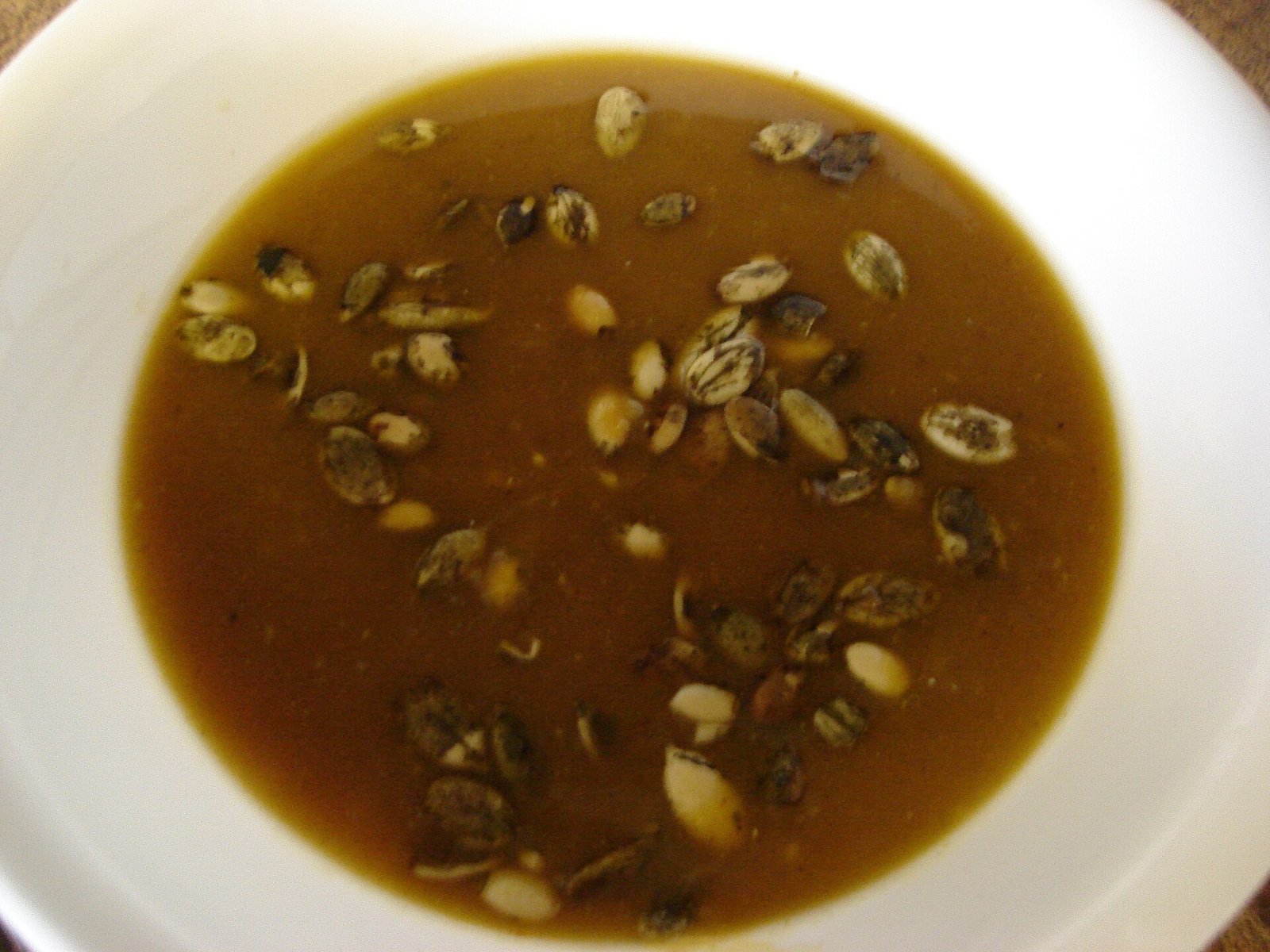
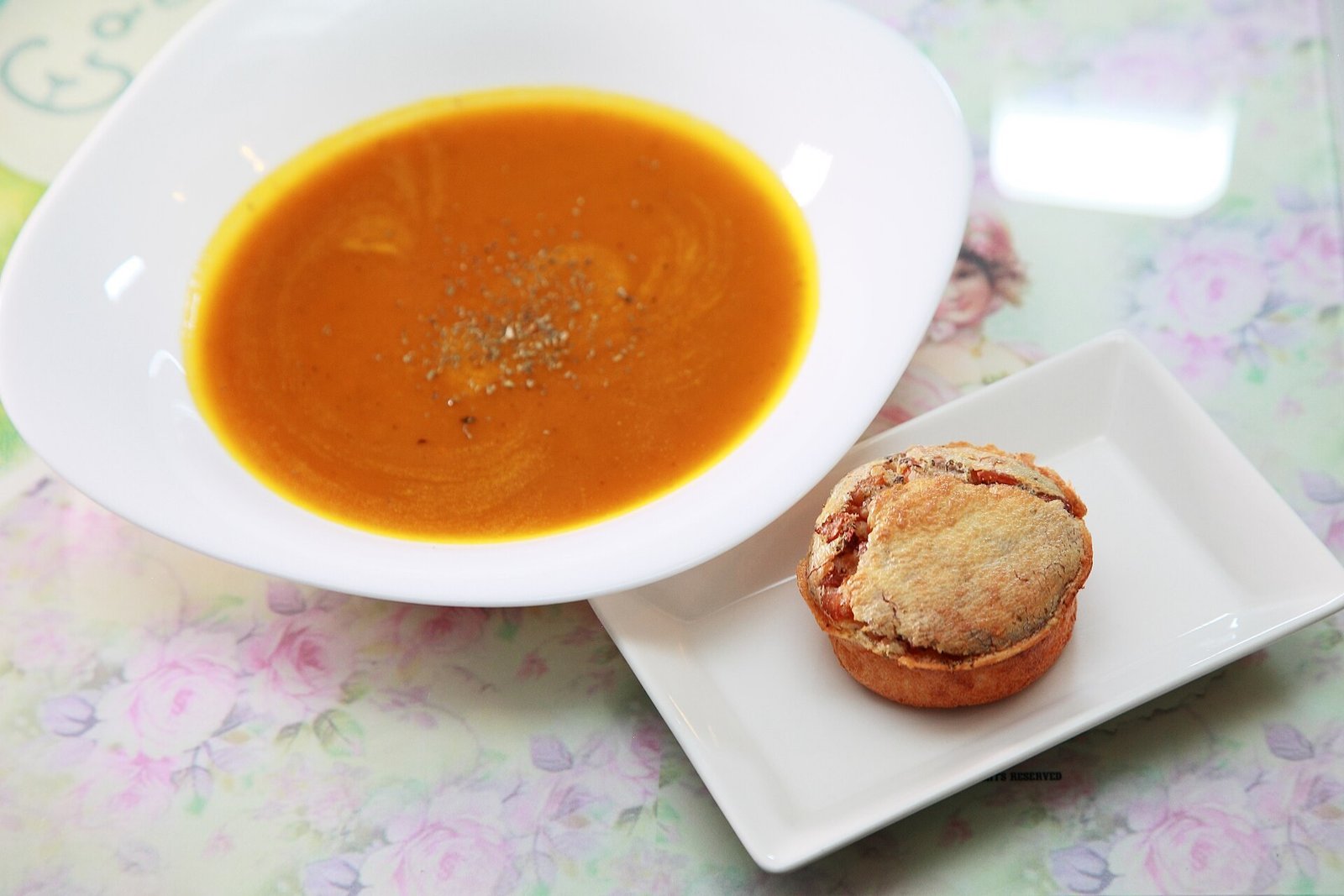
Do not waste those pumpkin seeds — roasted, they are the ultimate soup topping. Toss cleaned seeds with a little oil, salt, and a pinch of curry powder, then roast at 180°C for 12–15 minutes, shaking halfway, until golden and crisp. They add essential crunch to the silky soup.
Make extra; they are dangerously snackable and rarely survive until serving. Variations include sweet versions with cinnamon sugar, or spicy with cayenne and lime zest. Stored in an airtight jar, they keep for a week — though they have never lasted that long in any kitchen we know. Waste nothing, gain crunch: the perfect autumn economy.
Toss warm roasted seeds with a squeeze of lime juice and extra salt immediately from the oven — they absorb seasoning best while hot. Taste one; try to stop at one.
Make-Ahead and Meal Prep Tips
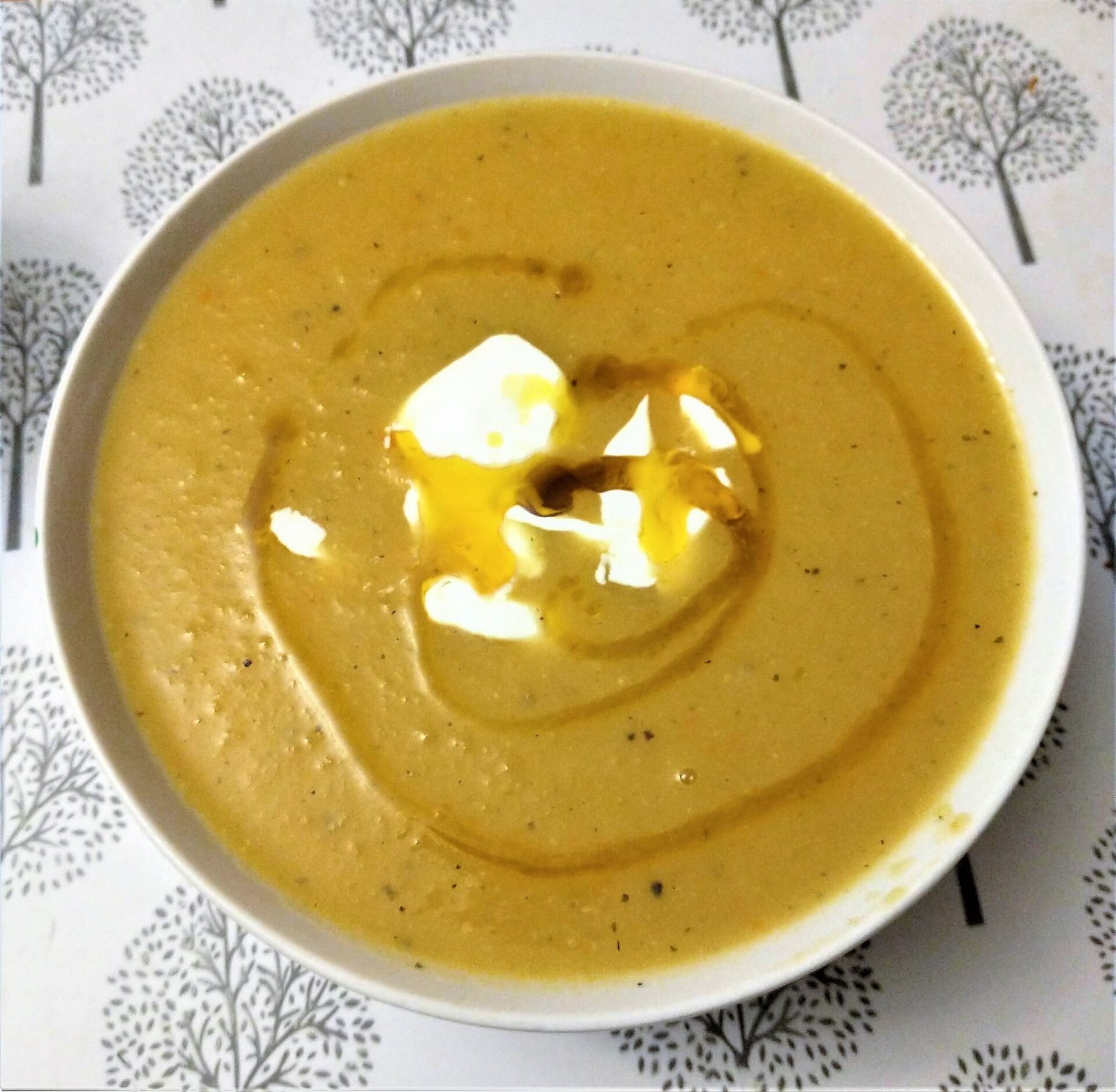
This soup is meal-prep gold. It keeps beautifully in the fridge for up to five days, and the flavour actually improves as the spices meld. Make a double batch on the weekend: portion into jars or containers for grab-and-go lunches, and keep garnishes separate to add fresh.
For the creamiest reheated texture, warm gently on the stove rather than microwaving, stirring in a splash of stock or coconut milk if it has thickened. The soup also works brilliantly as a freezer meal — see the next section. A freezer stocked with this soup is autumn insurance against busy weeks and chilly evenings.
Freeze soup in silicone muffin trays for perfect single portions — pop out the frozen discs into bags. Brilliant for lunches: defrost exactly what you need.

Freezing and Storage Guide
Cool the soup completely before storing — never put hot soup straight into the fridge or freezer. Refrigerate in airtight containers for up to five days. For freezing, portion into freezer bags (laid flat to save space) or rigid containers, leaving headspace for expansion; it keeps perfectly for up to three months.
Thaw overnight in the fridge, then reheat gently, whisking in a little coconut milk to restore silkiness. Do not freeze the garnishes — add those fresh when serving. Label everything with the date; frozen soup all looks the same after a month. Your future self will thank you on the coldest, busiest nights of winter.
Leave half a centimetre of headspace in rigid containers — soup expands as it freezes and lids pop otherwise. A small detail that prevents freezer disasters.
Nutritional Benefits
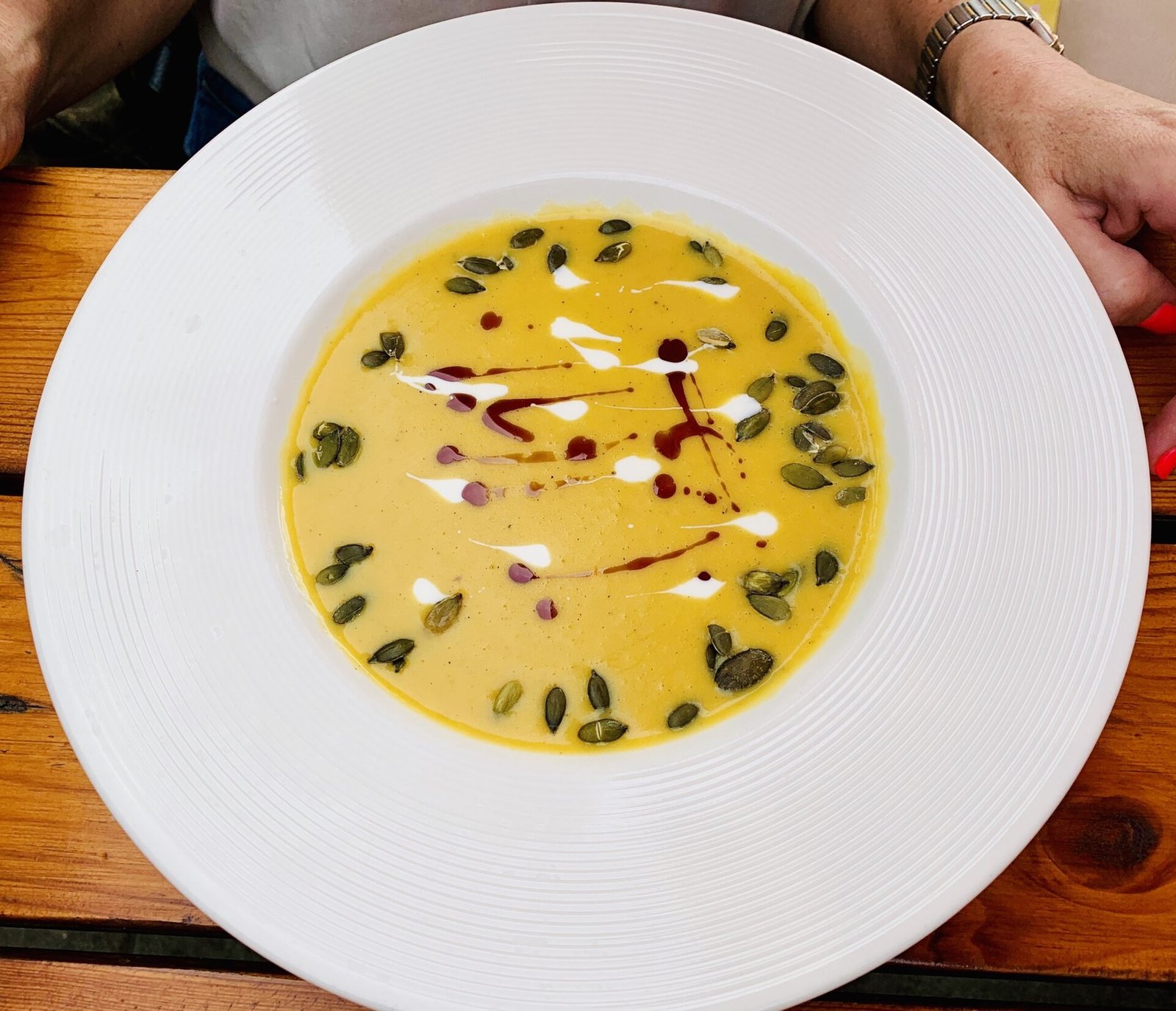
This soup is as nourishing as it is delicious. Pumpkin is exceptionally rich in beta-carotene (vitamin A), supporting eye health and immunity — particularly welcome in cold season. A single bowl provides significant fibre, potassium, and vitamin C, while turmeric and ginger contribute anti-inflammatory compounds.
At roughly 250 calories per serving, it is satisfying without being heavy, and the healthy fats from coconut milk aid absorption of the pumpkin’s fat-soluble vitamins. Naturally vegan and gluten-free, it suits almost every diet. Comfort food that genuinely loves you back — the best kind of autumn eating.
Add a handful of red lentils to the simmer for extra protein and fibre — they dissolve completely into the soup. Nobody will know; everybody benefits nutritionally.

Frequently Asked Questions
Can I use tinned pumpkin? Yes — use about 800g of plain tinned pumpkin purée (not pie filling) and skip the roasting, though the flavour will be slightly less deep. Can I make it without coconut milk? Substitute with oat cream or cashew cream, though the flavour will differ. Is it very spicy? As written, it is mildly warming; adjust the curry paste to taste.
Can I make it in a slow cooker? Absolutely — combine everything except coconut milk and lime, cook on low for 6 hours, then blend and finish. Why did my coconut milk split? It was likely boiled; always add it off the heat and warm gently. Can children eat this? Yes, with mild curry paste — most kids love the sweet, creamy flavour.
Still unsure about something? The most common beginner mistake is under-seasoning — when in doubt, add more salt. Bold seasoning is the difference between bland and brilliant soup.

I am Talha Sikandar, a professional writer with a passion for general blogging. With years of experience in content writing and research, I founded Meaniingly.com to deliver well-researched, informative, and user-friendly articles on diverse topics.