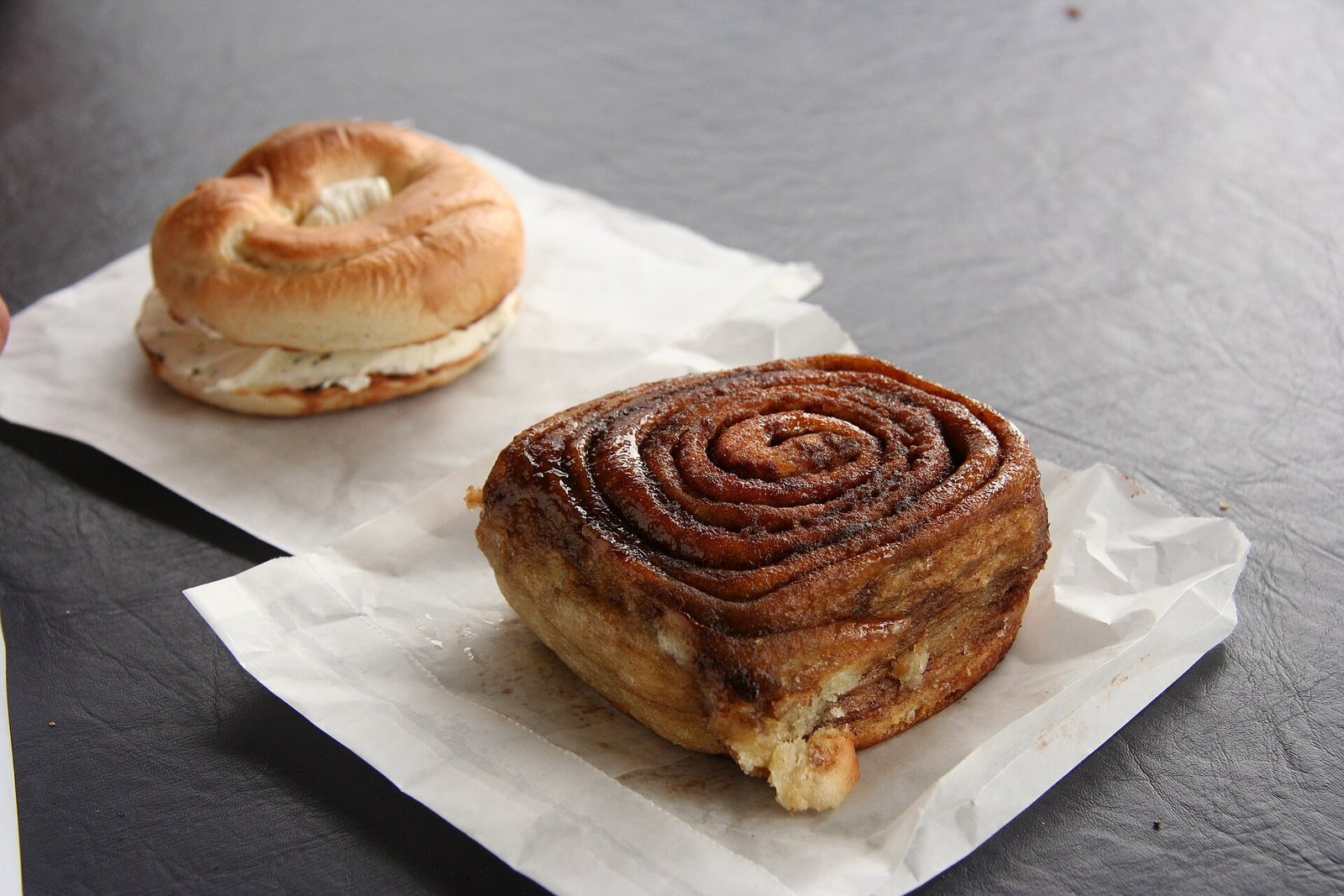
Apple butter cinnamon rolls are autumn baking at its absolute finest — pillowy-soft rolls swirled with spiced apple butter, crowned with a brown butter cream cheese frosting that melts into every crevice. Imagine the best cinnamon roll you have ever tasted, then add the deep, caramelised flavour of slow-cooked apples, and you are close. These rolls are perfect for lazy weekend mornings, holiday brunches, and cosy autumn gatherings — the smell alone, of cinnamon, butter, and baked apples drifting through the house, is worth the effort. This comprehensive guide covers everything from making apple butter to achieving the fluffiest dough, with tips, variations, and answers to every question.
Why Apple Butter Makes Them Special
Apple butter is not butter at all — it is apples cooked down slowly with sugar and spices until they become a thick, dark, intensely flavoured spread. Unlike apple sauce, its concentrated flavour does not make dough soggy; instead, it bakes into a jammy, caramelised swirl with incredible depth. It brings notes of baked apple, cinnamon, clove, and brown sugar that plain cinnamon-sugar filling simply cannot match.
You can use shop-bought apple butter for convenience, but homemade (see below) is transformative — deeper, darker, and more complex. Either way, the apple butter keeps the rolls moist for days and gives them a gorgeous autumn flavour that tastes like the very essence of the season. One bite and regular cinnamon rolls will seem plain by comparison.
Taste your apple butter before using it — sweetness varies enormously between brands. Adjust the filling sugar up or down accordingly; the recipe is a starting point, your palate is the judge.

Ingredients for the Dough
A soft, enriched dough is the foundation of perfect cinnamon rolls. Here is what you need:
- 500g strong bread flour, plus extra for dusting
- 7g (1 sachet) fast-action dried yeast
- 60g caster sugar
- 1 teaspoon fine salt
- 240ml whole milk, lukewarm
- 80g unsalted butter, melted and cooled slightly
- 1 large egg, at room temperature
- 1 teaspoon vanilla extract
Bread flour’s higher protein creates the chewy-soft texture that defines great rolls; plain flour works but yields a slightly less lofty result. Lukewarm milk — around 40°C — wakes the yeast without killing it. Room-temperature egg incorporates smoothly for an even, tender crumb.
Weigh your flour rather than scooping — a cup of scooped flour can vary by 30 grams. Baking is chemistry, and the scales are the most important tool in your kitchen.
Ingredients for the Filling
The filling is where the autumn magic happens — sweet, spiced, and generously applied:
- 250g apple butter (homemade or good-quality shop-bought)
- 80g unsalted butter, very soft
- 100g light brown sugar
- 2 tablespoons ground cinnamon
- 1/2 teaspoon ground nutmeg
- 1/4 teaspoon ground cloves
- Pinch of salt
- 60g finely chopped toasted pecans (optional)
Spread the soft butter first — it acts as glue for the sugar and spices — then the apple butter, then the spiced sugar mixture. Be generous edge to edge; skimpy filling is the most common cinnamon roll disappointment. The pecans add wonderful crunch but can be omitted for nut-free needs.
Warm the apple butter slightly before spreading — ten seconds in the microwave makes it glide over the dough effortlessly. Cold apple butter tears the soft dough surface.

Ingredients for the Frosting
Brown butter cream cheese frosting is the crowning glory — nutty, tangy, and utterly irresistible:
- 115g unsalted butter
- 225g full-fat cream cheese, at room temperature
- 150g icing sugar, sifted
- 1 teaspoon vanilla extract
- Pinch of salt
- 1–2 tablespoons milk, as needed
Browning the butter — cooking it until the milk solids turn golden and nutty — adds incredible depth that plain butter cannot match. Room-temperature cream cheese blends lump-free; cold cream cheese guarantees lumps. Sifted icing sugar ensures silkiness. Apply the frosting while rolls are warm so it melts into every swirl.
Brown the butter in a light-coloured pan so you can see the colour change clearly — dark pans hide the browning and burnt butter ruins frosting. Watch for the nutty aroma as your cue.

Making Homemade Apple Butter
Homemade apple butter is worth every minute: core and roughly chop 1.5 kg of mixed apples (no need to peel), combine in a heavy pot with 100g brown sugar, 100ml apple cider, cinnamon, cloves, and nutmeg, and cook low and slow for 4–6 hours, stirring occasionally, until dark, thick, and spreadable. Blend smooth and cook a little longer if needed.
The slow cooker is ideal — set it on low for 8–10 hours and forget it. The apples transform from pale chunks to a deep mahogany spread with concentrated, caramelised flavour. It keeps for weeks in the fridge and freezes beautifully. Make a big batch; you will find endless uses beyond these rolls, from toast to pork roasts.
A mix of apple varieties — tart Bramleys plus sweet Galas — gives the most complex apple butter. Single-variety butter is fine, but blends have remarkable depth.

Mixing and Kneading the Dough
Combine the dry ingredients in a large bowl, then add the lukewarm milk, melted butter, egg, and vanilla. Mix to a shaggy dough, then knead for 8–10 minutes by hand (or 6 minutes in a stand mixer with a dough hook) until smooth, elastic, and slightly tacky — it should spring back when poked. Proper kneading develops the gluten that gives rolls their pillowy structure.
Resist adding too much flour; a slightly sticky dough produces softer rolls. If kneading by hand, use the slap-and-fold technique rather than flour-dusting. The dough is ready when it passes the windowpane test — a small piece stretched thin enough to see light through without tearing. This is the workout that earns you the eating.
Set a timer for kneading — most people stop far too early. The full eight minutes feels long, but it is the difference between good rolls and unforgettable ones.
The First Rise
Place the kneaded dough in a lightly oiled bowl, cover with a damp tea towel or cling film, and let rise in a warm, draught-free spot for 1–1.5 hours, until doubled in size. A slightly warm oven (turned off, with the light on) is ideal in autumn kitchens. Patience here builds flavour and texture — do not rush with excessive heat, which can kill the yeast.
The dough is ready when a poked finger leaves an indentation that springs back slowly. If your kitchen is cool, the rise may take closer to two hours — that is fine, even beneficial for flavour. Use this time to make the filling and frosting, and to line your baking dish. Good things come to those who proof.
Mark the dough’s starting level with a rubber band around the bowl — visual proof of doubling removes all guesswork. When it hits twice the mark, it is ready.
Rolling and Filling
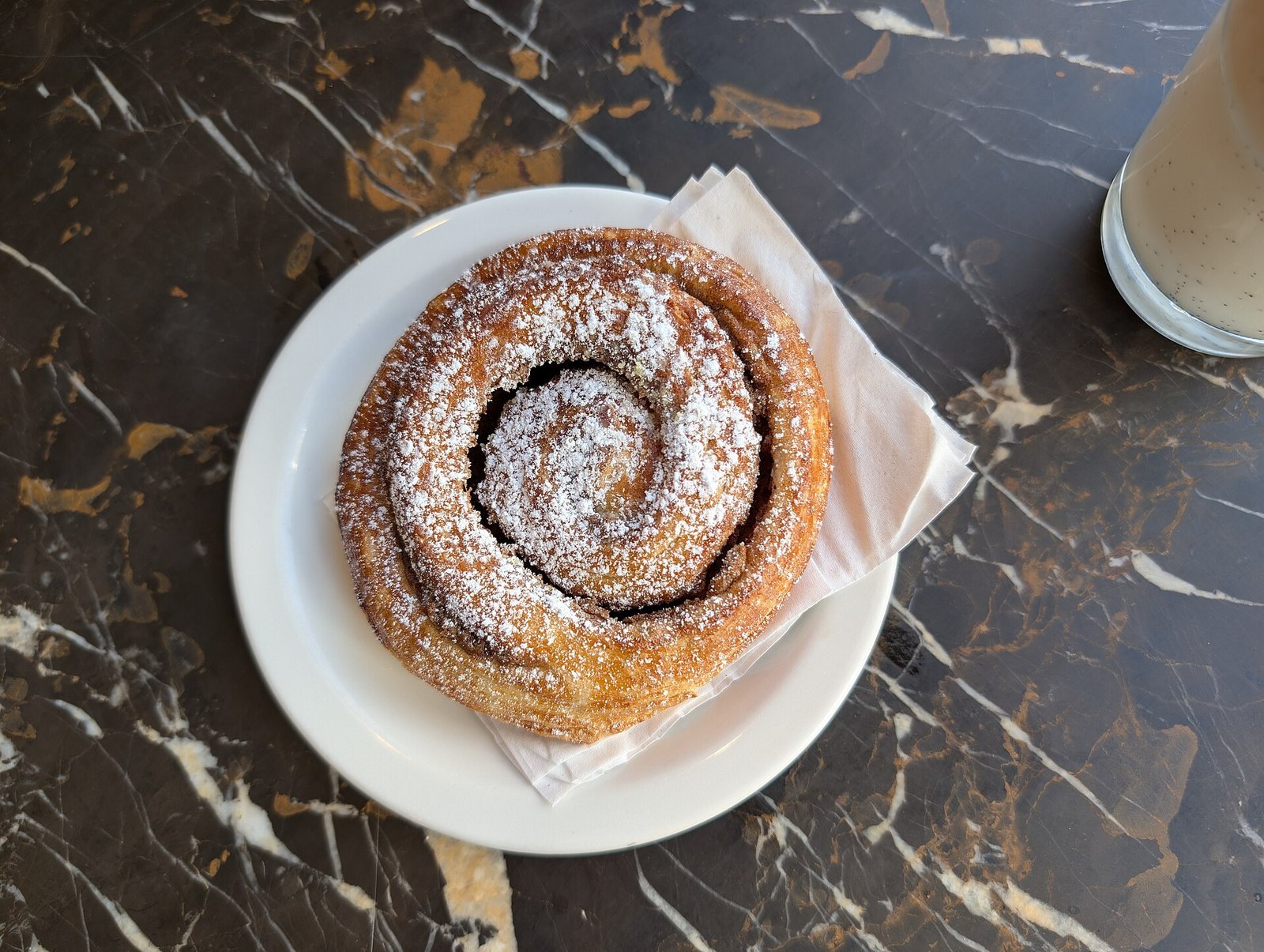
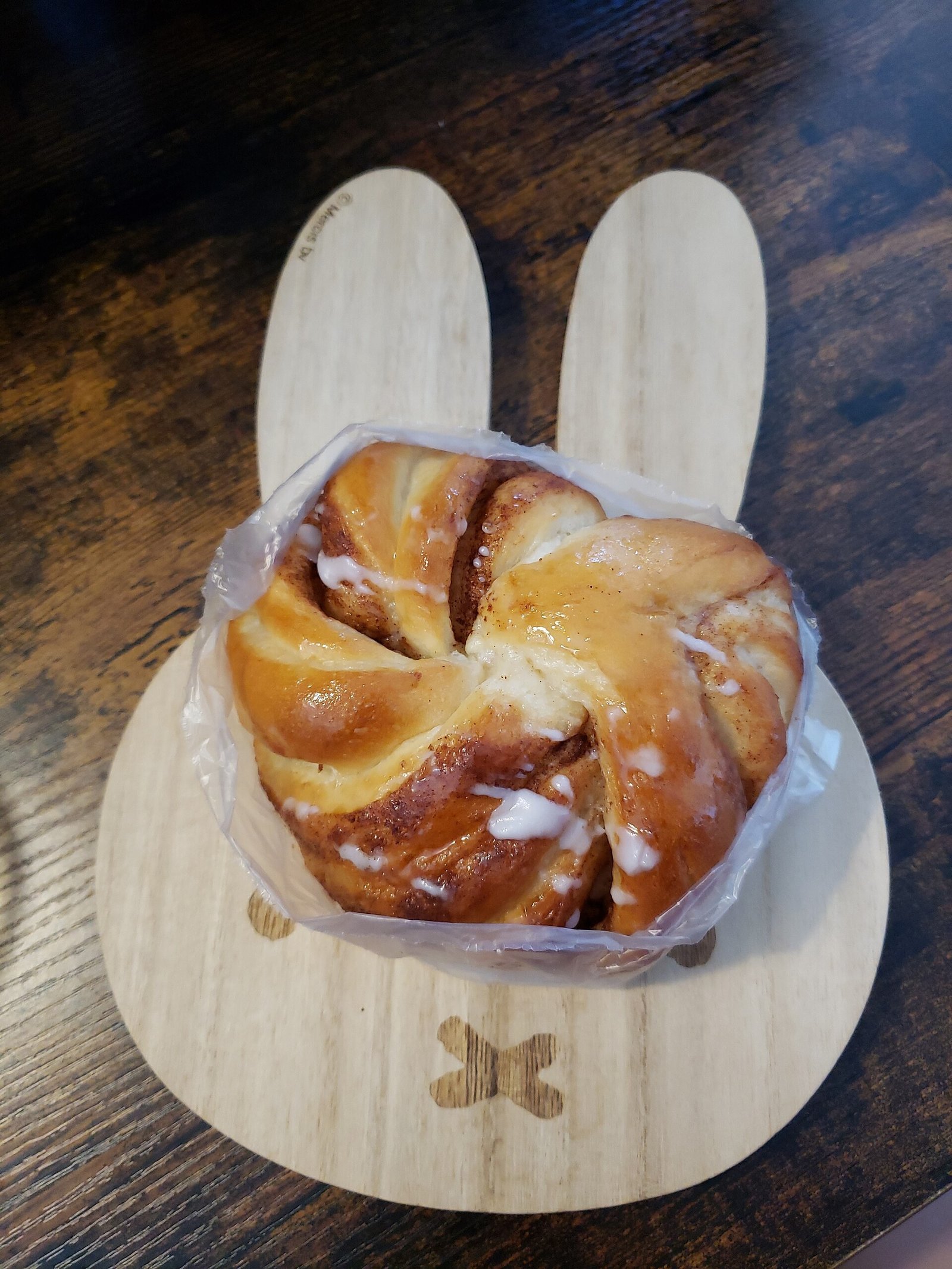
Turn the risen dough onto a lightly floured surface and roll into a rectangle roughly 40 x 30 cm, with the long edge facing you. Spread the soft butter edge to edge, then the apple butter in an even layer, then sprinkle the spiced sugar uniformly. Leave a 2 cm clean border along the far edge for sealing.
Even thickness matters — roll from the centre outward, checking with your hands for thin spots. The rectangle does not need to be perfect; rustic is charming. But even filling distribution ensures every roll has that perfect swirl. Take your time here; this is the step that determines the beautiful spiral cross-section.
If the dough springs back while rolling, let it rest for ten minutes — the gluten needs to relax. Fighting springy dough only leads to frustration and uneven thickness.
Shaping Perfect Rolls
Roll the rectangle up tightly from the long edge nearest you, using the clean border to seal the seam with a dab of water. For the cleanest cuts, use unflavoured dental floss: slide it under the log, cross the ends over the top, and pull — this slices without squashing the spiral. Cut into 12 equal rolls.
Arrange the rolls in a buttered 23 x 33 cm baking dish with a little breathing room between them — they will expand to fill the gaps. Uneven rolls? The end pieces are the baker’s treat, slightly crispier and just as delicious. Neat, tight rolling is the difference between rolls that hold their swirl and ones that unravel.
Chill the rolled log for fifteen minutes before slicing — firmer dough cuts more cleanly. This is especially helpful in warm kitchens where butter softens quickly.
The Second Rise
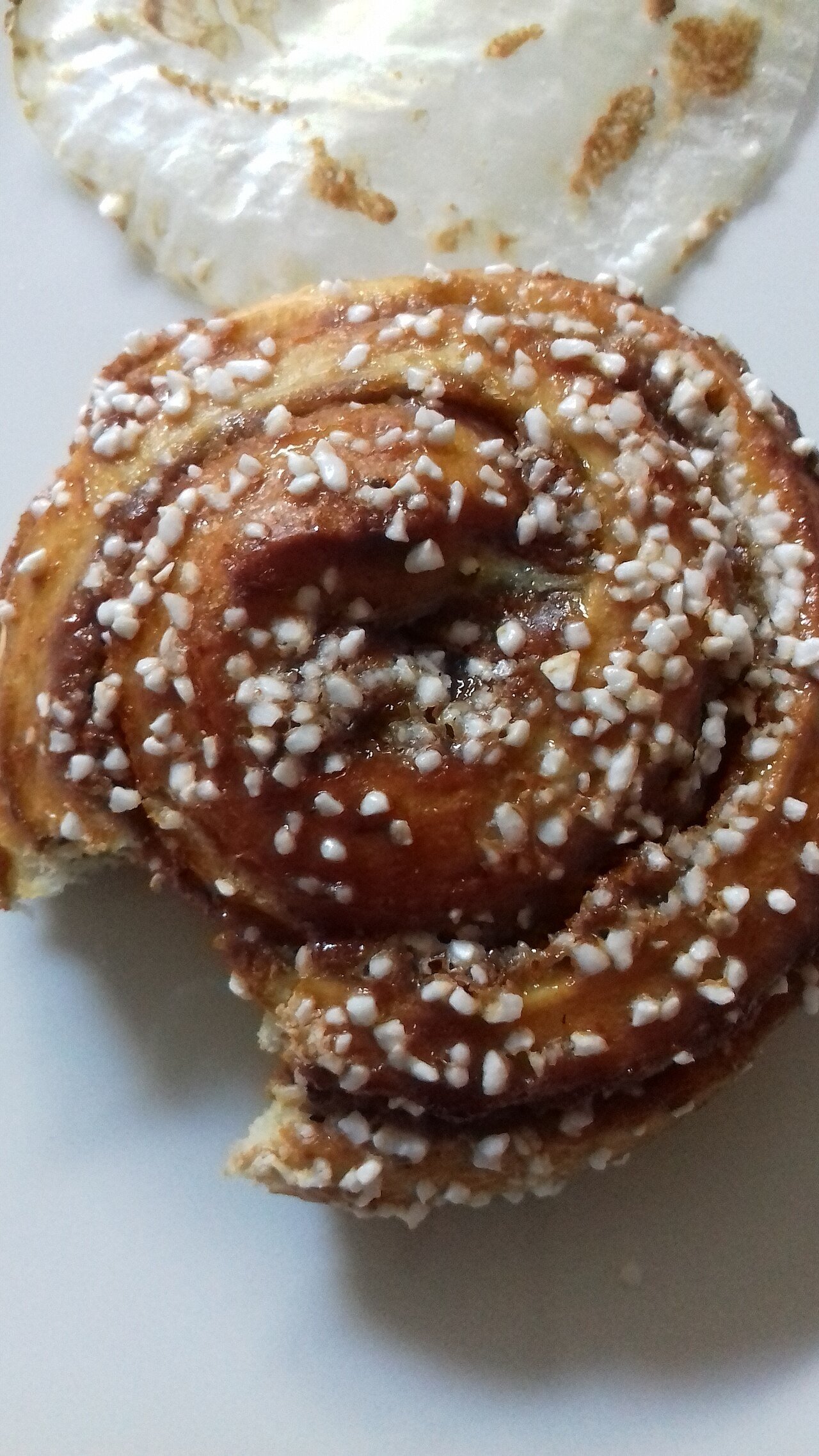
Cover the shaped rolls and let them rise again for 30–45 minutes until puffy and touching each other. They should look plump and pillowy, springing back slowly when gently poked. This second proof is what creates the cloud-like texture — under-proofed rolls are dense, over-proofed ones collapse.
While they rise, preheat the oven to 180°C (160°C fan). If the rolls are proofing faster than the oven heats, pop them in the fridge to slow things down. The poke test is your guide: a gentle press should leave a slight indent that fills in slowly. When they look irresistibly puffy, they are ready for the oven.
Use the oven light trick for the second rise too — consistent gentle warmth works wonders. Just remember the rolls are in there before preheating for baking!
Baking to Golden Perfection
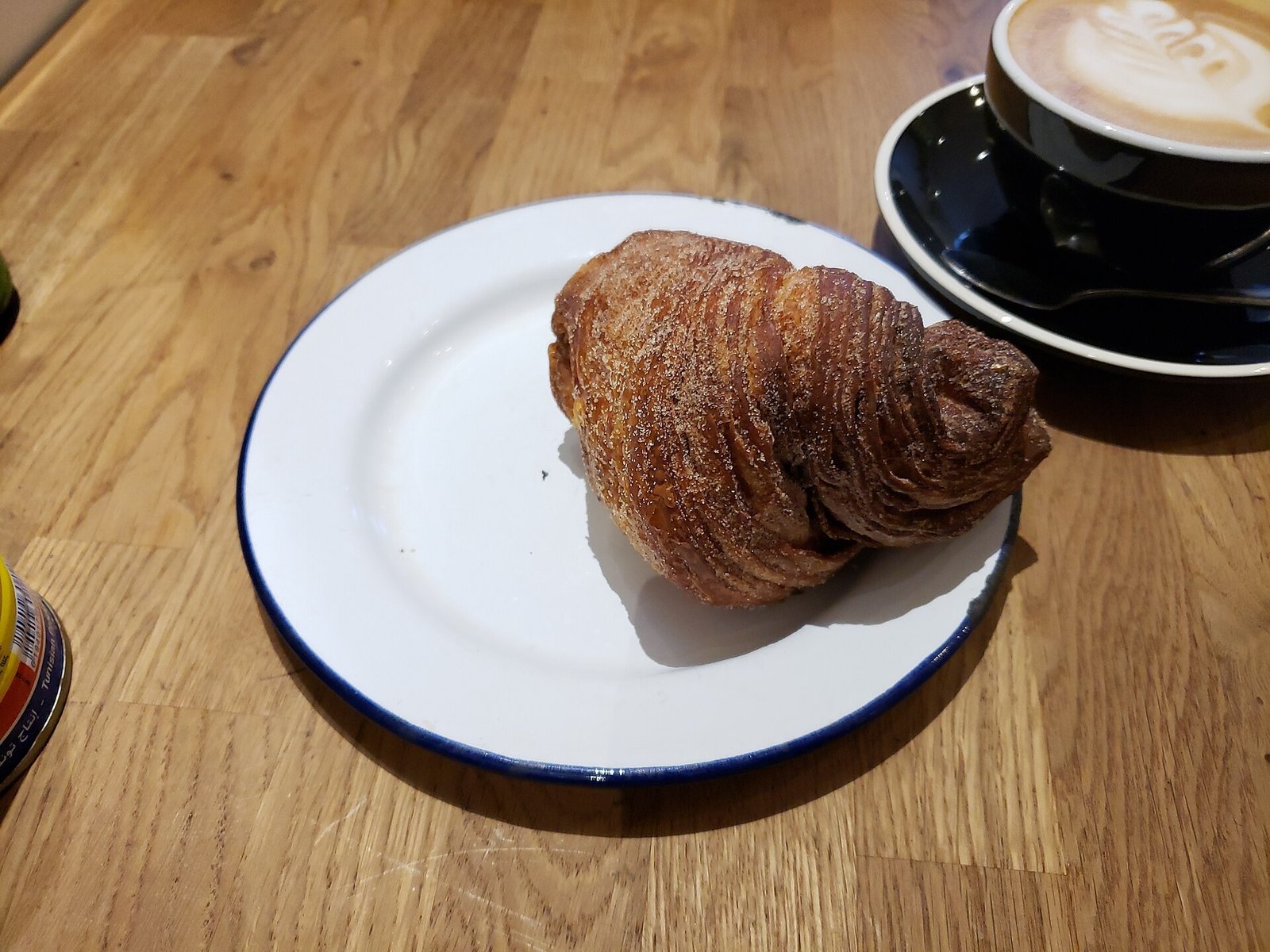
Bake for 25–30 minutes until deeply golden on top and bubbling at the edges. The internal temperature should reach about 88°C if you check with a thermometer. If the tops brown too quickly, tent loosely with foil for the final 10 minutes — the apple butter filling makes these brown faster than plain rolls.
Do not overbake; the carryover heat finishes the job, and dry rolls are the enemy. They are done when the centres look set rather than doughy — gently separate two rolls to peek. Let them cool in the dish for 10 minutes before frosting; this resting time lets the structure set while they are still warm enough to melt the frosting luxuriously.
Rotate the dish halfway through baking for even browning — most ovens have hot spots. This simple turn guarantees uniformly golden rolls edge to edge.

Applying the Frosting
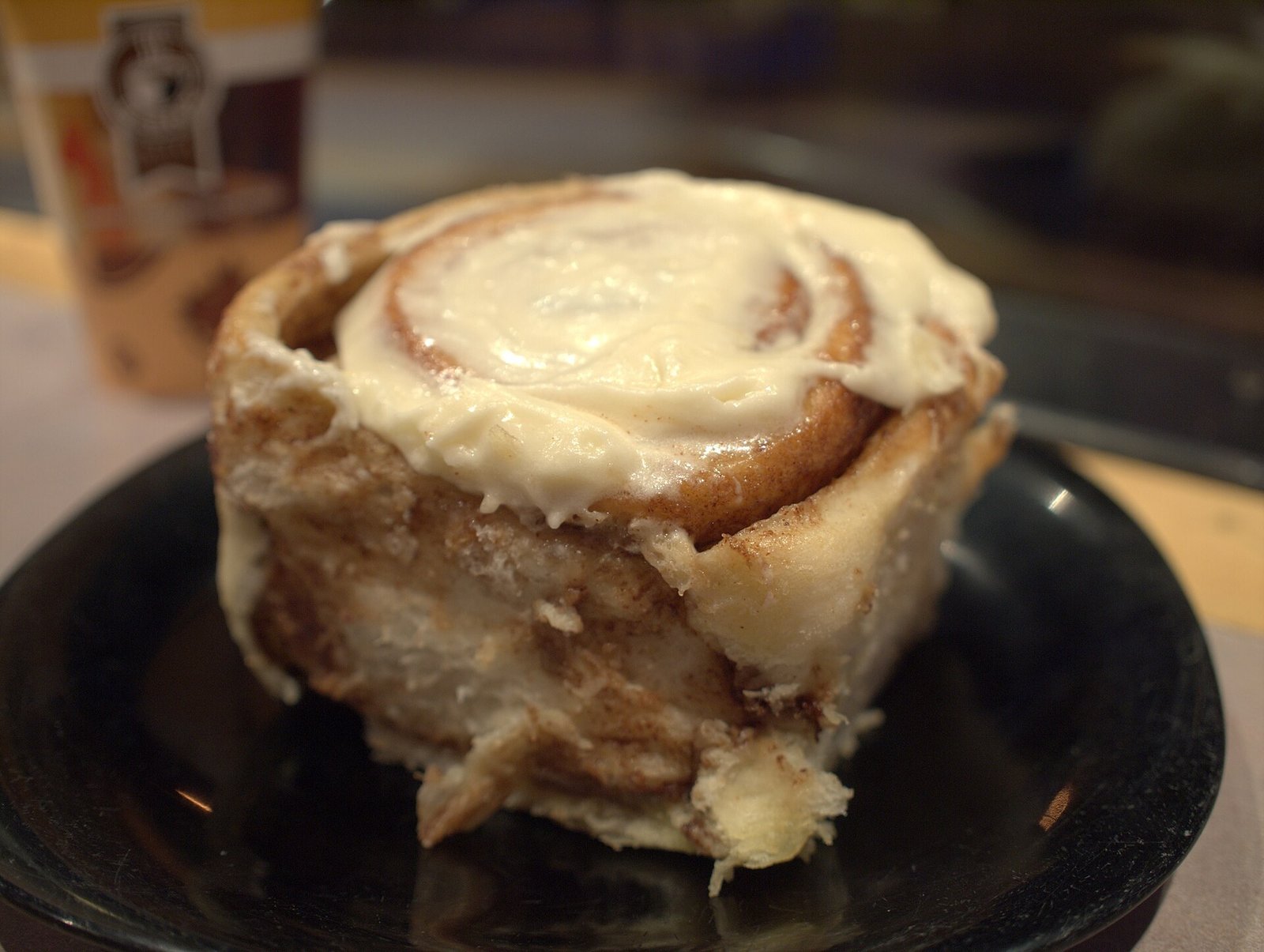
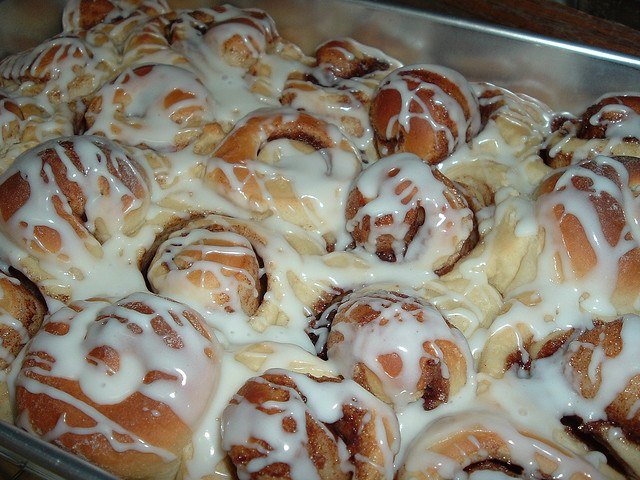
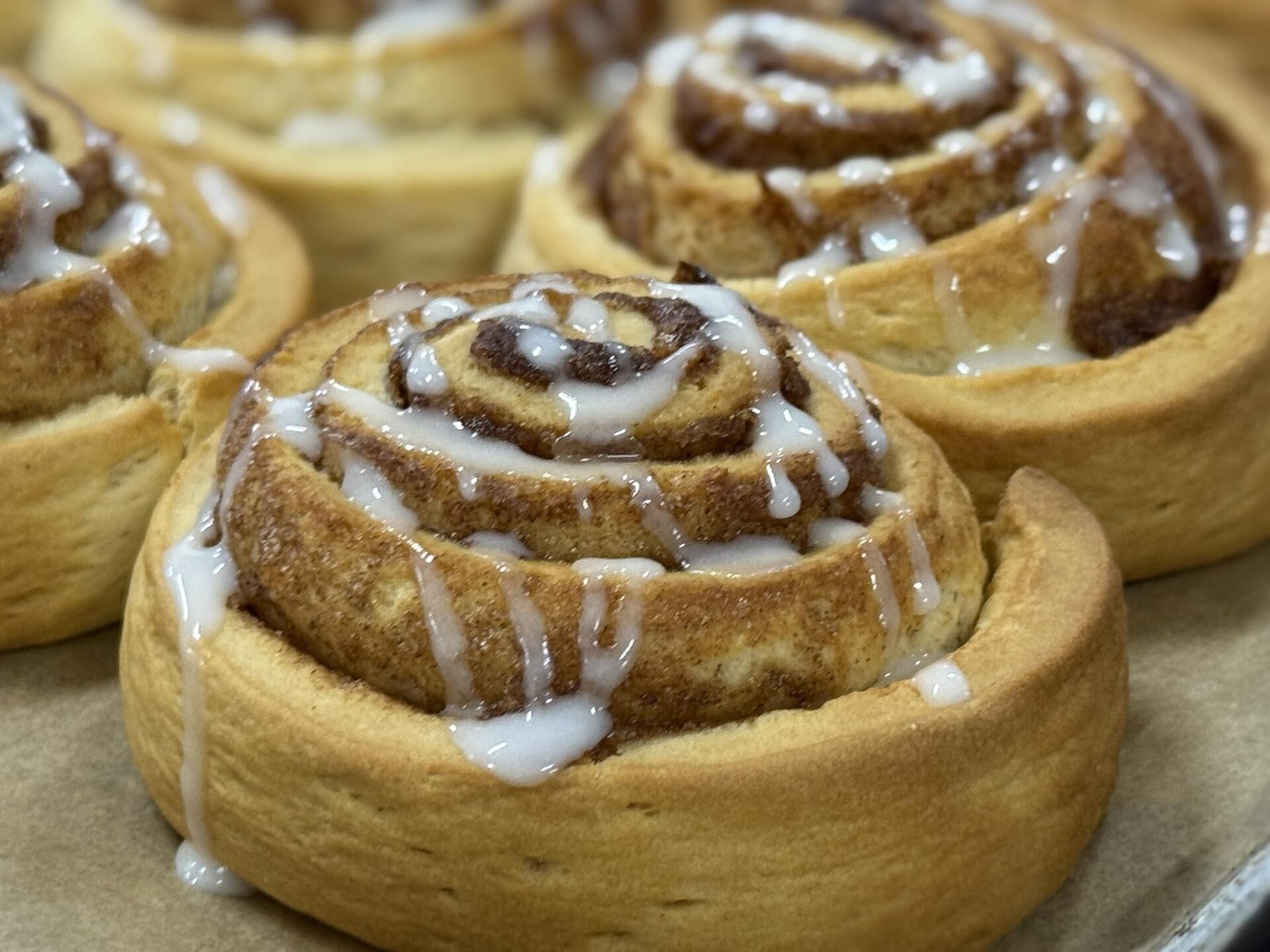
Spread the brown butter cream cheese frosting generously over the warm (not hot) rolls, working it into every swirl and crevice. The residual warmth melts it slightly, creating that glossy, dripping-down-the-sides effect that makes cinnamon rolls irresistible. Be generous — this is no time for restraint.
For the prettiest finish, reserve a little frosting to drizzle artfully over the top after the first layer melts in. Serve within 30 minutes for the ultimate warm-roll experience. Any leftover frosting keeps in the fridge for a week and is magnificent on toast, banana bread, or eaten directly from the bowl — no judgement here.
For bakery-style swirls, apply frosting with a piping bag fitted with a large round tip. It looks professional and ensures every roll gets equal frosting glory.

Overnight Make-Ahead Method
For fresh rolls with zero morning effort, prepare through shaping the night before, then cover the dish tightly and refrigerate overnight. The cold slows the yeast for a gentle, flavour-developing proof. In the morning, let the dish sit at room temperature for 45–60 minutes while the oven preheats, then bake as normal.
This method is a holiday-morning lifesaver — wake up, bake, and serve warm rolls with minimal fuss. The slow cold proof actually improves flavour, developing subtle complexity. Do not skip the room-temperature rest; baking fridge-cold rolls leads to uneven cooking. Your future self, sipping coffee while rolls bake, will be deeply grateful.
Write yourself a morning note with the bake time and temperature — half-asleep bakers forget details. Stick it on the coffee machine where you cannot miss it.
Freezing and Reheating
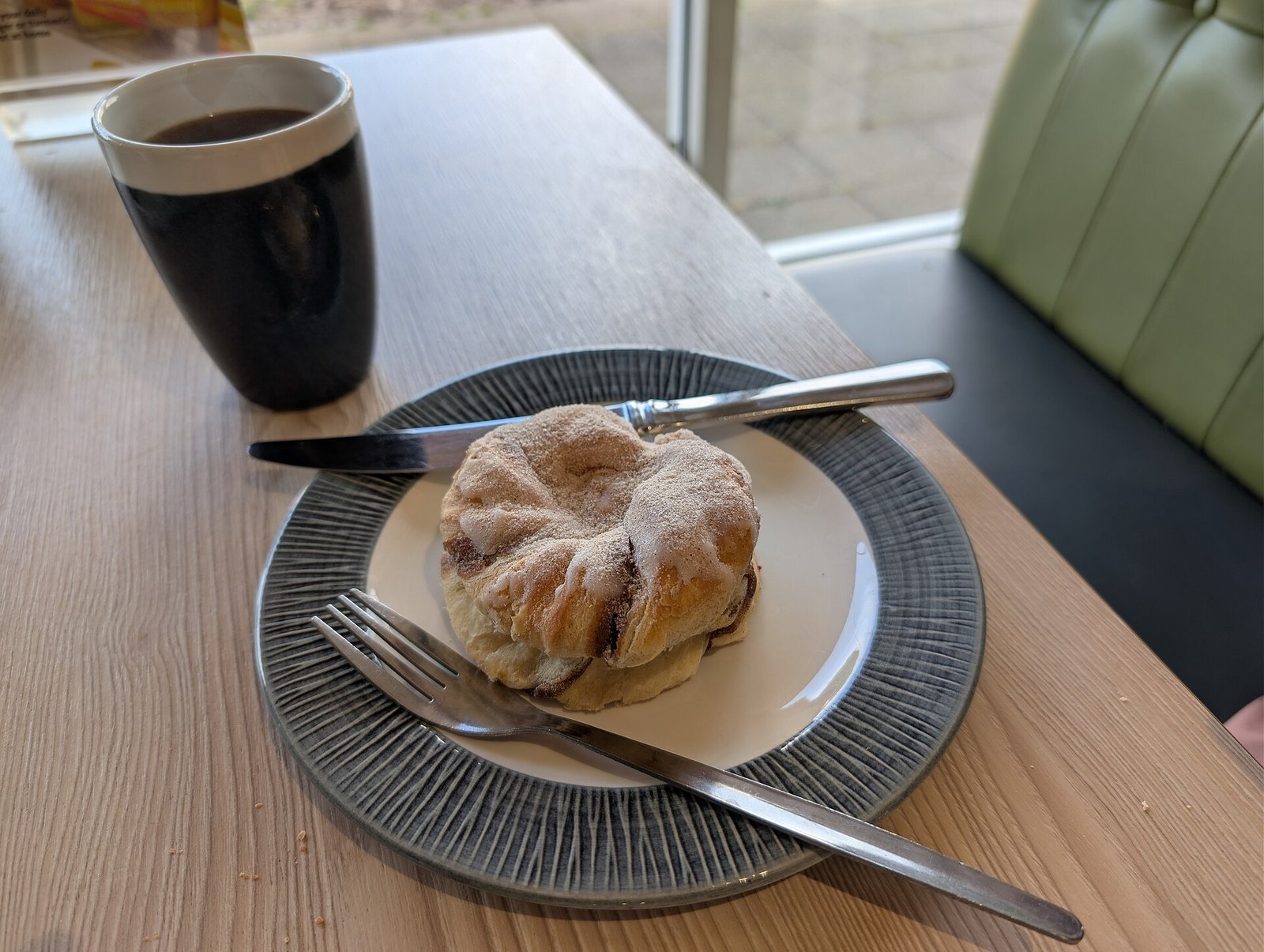
These rolls freeze beautifully at two stages. Freeze unbaked: shape, arrange in a freezer-safe dish, freeze solid, then wrap well for up to 3 months; thaw overnight in the fridge, proof at room temperature, and bake. Or freeze baked and unfrosted, then thaw and warm in a 160°C oven for 10 minutes before frosting fresh.
To reheat leftover frosted rolls, warm individual rolls in the microwave for 20–30 seconds or in the oven at 160°C for 8–10 minutes — they taste nearly as good as fresh. Freeze frosting separately in small portions. A freezer stash of these rolls is the ultimate autumn comfort-food insurance policy.
Wrap frozen rolls in a double layer — cling film then foil — to prevent freezer burn. Air is the enemy; squeeze out every bit before sealing.

Delicious Variations
Once you master the classic, try these twists. Caramel apple: drizzle warm salted caramel over the frosted rolls with extra toasted pecans. Chai-spiced: replace the cinnamon with chai spice blend in filling and frosting. Apple pie: add diced sautéed apples to the filling for chunky texture.
Maple frosting: swap the brown butter frosting for maple cream cheese. Mini rolls: cut the log into 24 pieces and bake in a muffin tin for party-perfect bites. Savoury-sweet: add crumbled bacon to the filling for the ultimate sweet-salty contrast. The apple butter base welcomes endless creativity.
Test new variations with a half batch first — twelve experimental rolls are less risky than twenty-four. Once perfected, scale up with confidence.

Gluten-Free Adaptation
Gluten-free cinnamon rolls are absolutely achievable with a good 1:1 gluten-free flour blend containing xanthan gum. The dough will be softer and stickier — more like a thick batter — so roll it between sheets of baking parchment rather than on a floured surface. Expect a slightly denser but still delicious result.
Let the shaped rolls proof a little longer, as gluten-free doughs rise more slowly, and handle them gently to avoid deflating. All filling and frosting ingredients are naturally gluten-free, but check your apple butter and spice labels for hidden gluten. Everyone deserves warm cinnamon rolls, whatever their dietary needs.
Bring gluten-free dough to room temperature before shaping — cold GF dough cracks. Patience with temperature makes handling dramatically easier.

Vegan Adaptation
Vegan rolls swap dairy without sacrificing indulgence. Use oat or soy milk, vegan butter sticks (not tub spread) in dough, filling, and frosting, and replace the egg with 60g of unsweetened apple sauce or a flax egg. Vegan cream cheese frosts beautifully — choose a firm, high-quality brand.
The apple butter filling is already vegan, making this an easy adaptation. Brown the vegan butter for the frosting just as you would dairy — it develops the same nutty depth. Proofing may take slightly longer without the egg’s structure, so be patient. The result is every bit as pillowy and irresistible as the original.
Choose a vegan butter with at least 75% fat for the best texture — low-fat spreads make gummy rolls. Check labels; fat content matters enormously in baking.
Troubleshooting Common Issues
Dense rolls usually mean under-kneading or under-proofing — give the dough the full knead and the poke test before baking. Rolls that unravel were rolled too loosely; roll tighter next time and seal the seam well. Filling leaking out the bottom means overfilling or a too-thin dough base — still delicious, just messier.
Dry rolls are almost always overbaked; start checking five minutes early and trust the thermometer. Lumpy frosting means the cream cheese was too cold — let it soften fully next time, or beat the lumps out with a little extra milk. Every “failure” is still a warm, sweet roll — there are no real disasters here, only lessons.
Keep a baking journal noting what worked — flour brand, rise times, oven quirks. Patterns emerge over batches, turning guesswork into reliable instinct.
Serving Suggestions
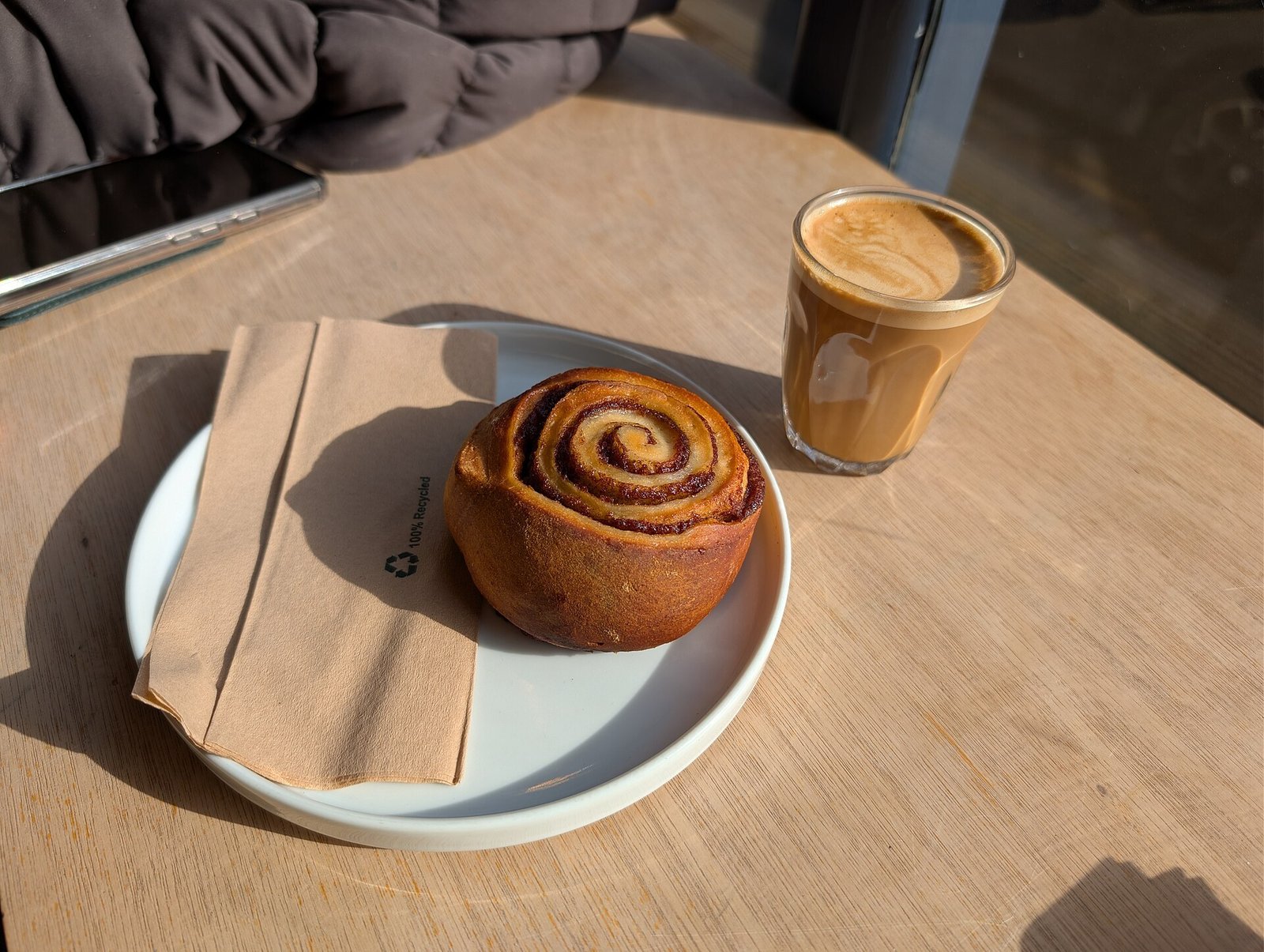
Serve these rolls warm as the centrepiece of an autumn brunch, alongside crispy bacon, fresh fruit, and plenty of hot coffee. For dessert, pair a warm roll with vanilla ice cream and extra caramel drizzle — it is outrageously good. A cheese board with sharp cheddar alongside nods to the classic apple-and-cheese pairing.
For drinks, spiced apple cider (hot or cold), chai lattes, and milky coffees all complement the flavours. These rolls also make wonderful edible gifts — box them unfrosted with a pot of frosting for friends to finish at home. However you serve them, they disappear fast, so consider doubling the batch.
Warm the plates slightly for serving — hot rolls on cold plates cool too quickly. It is a restaurant trick that costs nothing and elevates the whole experience.
Frequently Asked Questions
Can I use shop-bought apple butter? Yes — choose a thick, dark, good-quality brand; thin, pale apple butter will make the filling watery. Can I make the dough without a mixer? Absolutely — hand kneading for 10 minutes works perfectly. Why are my rolls not fluffy? Usually under-proofing; let them get properly puffy before baking.
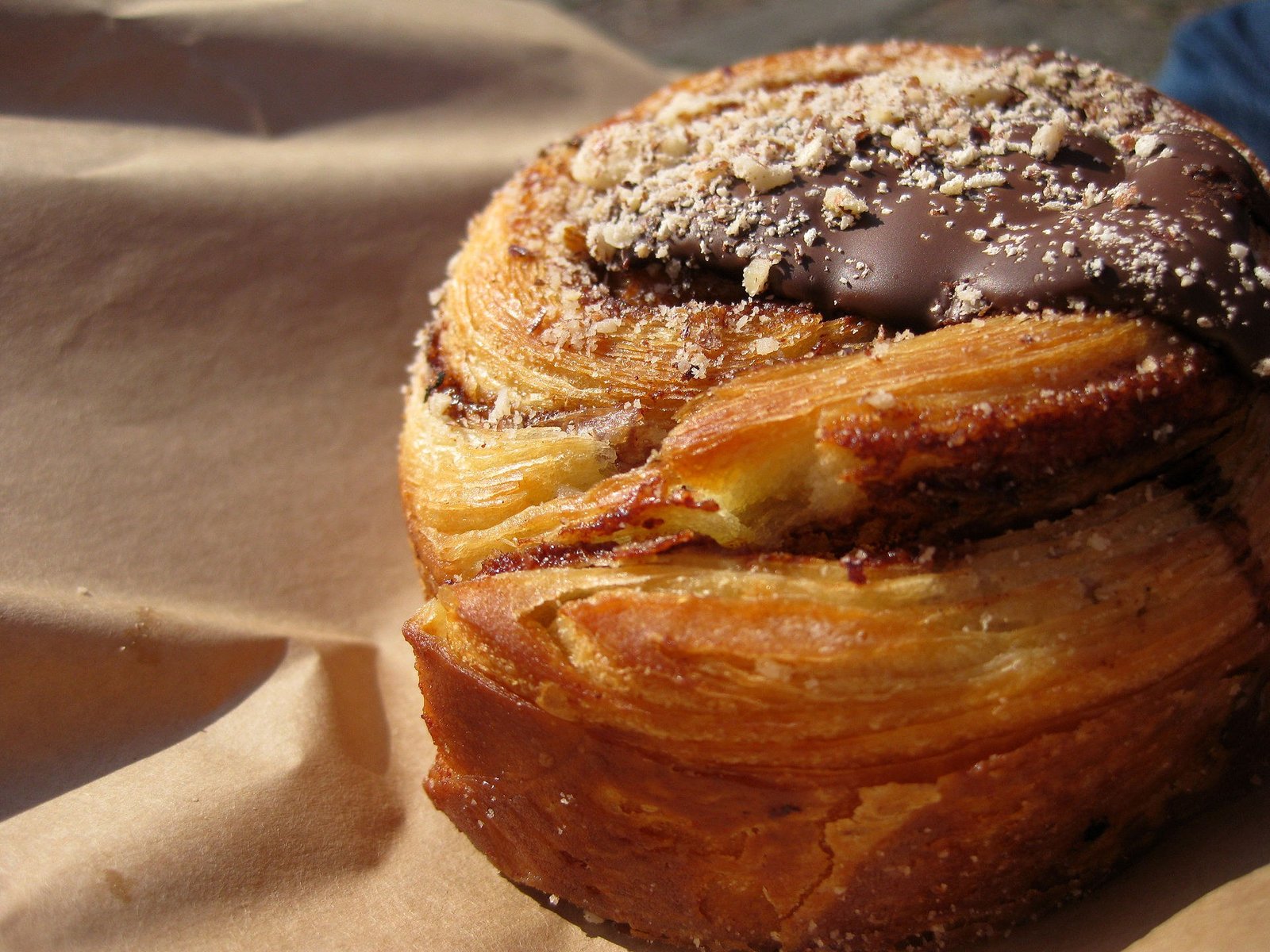
Can I reduce the sugar? You can cut the filling sugar by a third, but the dough sugar feeds the yeast — do not reduce that. How long do they keep? Two days at room temperature (covered), five days refrigerated, three months frozen. Can I use puff pastry instead? You can, for a quicker version, but the texture will be flaky rather than pillowy — delicious in its own right.
Share your results online — the baking community loves apple butter rolls and offers endless encouragement. Your photos might inspire someone else’s perfect autumn morning.

I am Talha Sikandar, a professional writer with a passion for general blogging. With years of experience in content writing and research, I founded Meaniingly.com to deliver well-researched, informative, and user-friendly articles on diverse topics.