Something beautiful is happening on vanities everywhere: solid perfumes are back, and they have never looked better. With Pinterest searches for “solid perfume aesthetic” up 333% in the 2026 Beauty Trend Report, these pocket-sized compacts have evolved from vintage curiosities into the centerpiece of a whole lifestyle aesthetic. Part fragrance ritual, part objet d’art, the solid perfume aesthetic celebrates gourmand and nostalgic scents housed in compacts so pretty they deserve their own display. This guide covers everything: what solid perfumes are, how to choose and wear them, how to style a vanity worth photographing, and even how to make your own.
What Is the Solid Perfume Aesthetic?
The solid perfume aesthetic is a beauty and lifestyle trend built around wax-based perfumes presented in decorative compacts, tins, and cases. Unlike spray fragrances that live in a bottle on a shelf, solid perfumes are tactile objects: you open a beautiful compact, see the smooth scented balm inside, and apply it with your fingertip. The aesthetic embraces the ritual of it all, the satisfying click of a compact, the vintage-inspired design, the way a collection of compacts looks arranged on a vanity tray.
What sets this trend apart from a simple product preference is its visual dimension. Enthusiasts curate their compacts the way others curate books or ceramics, choosing pieces for their design as much as their scent. Gold filigree cases, enamel compacts painted with flowers, minimalist stone-like tins: each one contributes to a personal, photogenic collection. The aesthetic lives at the intersection of fragrance, interior styling, and slow beauty rituals.
Why Solid Perfumes Are Trending in 2026
Several cultural currents have converged to make solid perfumes the fragrance story of 2026. First, there is the broader slow-beauty movement: people want rituals rather than routines, objects with permanence rather than disposable packaging. A solid perfume compact you refill for years fits that desire perfectly. Second, the gourmand fragrance boom, with its edible notes of vanilla, caramel, and pistachio, pairs naturally with the intimate, skin-close wear of a solid balm.
Social media has amplified everything. Unboxing-style videos of ornate compacts, vanity tours, and “what’s in my bag” posts featuring tiny scent tins have made solid perfumes highly shareable. Finally, practicality plays a role: solids are travel-friendly, spill-proof, and discreet to reapply, making them genuinely better suited to modern life than a glass spray bottle in many situations.
Solid vs. Spray Perfume: Key Differences
Solid and spray perfumes differ in more than format. Spray perfumes use alcohol as a carrier, which projects scent outward and creates a noticeable scent trail, or sillage. Solid perfumes suspend fragrance oils in a wax base, usually beeswax, candelilla wax, or a similar emollient. Applied to warm skin, the wax melts slightly and releases scent slowly and intimately. The result is a fragrance that stays close to the wearer, discovered rather than announced.
This difference shapes when each format shines. Sprays suit evenings, events, and occasions where presence matters. Solids excel for offices, close conversations, and all-day wear, since they can be reapplied discreetly without overwhelming anyone. Solids also tend to be gentler on sensitive skin because they skip the alcohol, though anyone with fragrance sensitivities should still patch-test. Many enthusiasts now keep both: a spray for statement moments and a solid for everyday intimacy.
The Gourmand Fragrance Families Behind the Trend
Gourmand scents, fragrances built around edible notes, are the beating heart of the solid perfume trend. Vanilla remains the undisputed queen: warm, comforting, and universally flattering in solid form, where the wax base adds a creamy richness. Caramel, honey, and brown sugar bring a golden sweetness, while newer gourmand stars like pistachio, almond milk, and rice pudding offer a modern, less obvious sweetness.
What makes gourmands work so well as solids is the format’s intimacy. A gourmand spray can project like a bakery and overwhelm a room; the same scent as a solid stays close to the skin, reading as a personal aura of warmth rather than a broadcast. Fruity gourmands like cherry, strawberry milk, and peach nectar are also surging, especially among younger enthusiasts. When exploring, sample gourmands in solid form specifically, since the wax base rounds off sharp edges and deepens the base notes in ways sprays do not.
Nostalgic Scents: Why Memory Drives the Aesthetic
Beyond gourmands, the solid perfume aesthetic leans heavily into nostalgia: scents that smell like memories. Powdery musks that recall a grandmother’s vanity, orange blossom that smells like a childhood garden, clean cotton that evokes fresh sheets, warm amber that feels like old libraries. These are comfort scents, and the compact format, itself a nostalgic object, doubles the effect.
Neuroscience backs up the appeal: smell is the sense most directly wired to memory and emotion. A solid perfume becomes a portable memory anchor, and the ritual of opening the compact reinforces the association. This is why the aesthetic resonates so strongly with people curating comfort in uncertain times. When choosing nostalgic scents, follow your own memories rather than trends: the powdery violet that reminds you of someone you loved will always mean more than whatever is viral this month.
Choosing Your Signature Solid Perfume Scent
Finding a signature solid perfume starts with understanding how solids wear. Because the scent sits close to the skin, choose something you love at intimate distance rather than something designed to fill a room. Test solids on skin, not paper: the warmth of your body melts the wax and reveals the true scent over an hour or two. What smells faint in the tin often blooms beautifully on the wrist.
Consider your lifestyle when choosing. If you work in close quarters, soft musks, sheer florals, and light gourmands are considerate choices. If you want a scent that feels like you, pick the one you reach for on ordinary days, not special occasions. Many collectors end up with a small rotation rather than a single signature: a fresh scent for mornings, a gourmand for evenings, a nostalgic powder for comfort days. There is no rule that says you must choose just one.
How to Apply Solid Perfume Like a Pro
Application is part of the pleasure of solid perfume, and technique matters. Warm a small amount of balm between your fingertip and the compact: body heat softens the wax so it glides on smoothly. Apply to pulse points where warmth will diffuse the scent, the wrists, the sides of the neck, behind the ears, and the inner elbows. Press rather than rub; pressing deposits the balm evenly while rubbing can disturb the scent’s development.
Less is more with the first application, since you can always layer more. A pea-sized amount split between both wrists is plenty to start. One of the format’s best tricks is scenting unexpected spots: a touch on the ends of your hair carries fragrance beautifully as you move, and a dab on a scarf or collar lasts for days. Reapply every three to four hours or whenever you want a refresh; the compact makes reapplication a discreet, almost meditative moment rather than a production.
Layering Solid Perfumes for a Custom Scent
Layering, wearing two or more fragrances together, is where solid perfumes truly excel. Because they apply precisely with a fingertip, you can place different scents on different pulse points or blend them directly on the skin. A classic formula: apply a vanilla or musk solid as a base on the wrists, then add a brighter scent, like citrus or cherry, on top. The base anchors the brightness and extends its wear.
Keep combinations simple when you start: pair scents that share a note, like two different vanillas or a rose solid over a musk solid. Avoid layering two complex, heavy scents, which can turn muddy. The wax base of solids makes them forgiving layering partners because each layer melts into the skin rather than competing in the air. Keep notes on combinations you love; many enthusiasts keep a small fragrance journal, which is itself a charming part of the ritual.
The Iconic Compacts: Design Details That Matter
The compact is half the point of the solid perfume aesthetic, so it pays to know what makes a great one. Look for a tight-sealing lid: it protects the balm from dust and prevents the scent from fading. A mirror inside the lid is a practical bonus that nods to vintage powder compacts. Weight matters too; a compact with satisfying heft feels luxurious every time you open it.
Design-wise, the trend spans several styles. Vintage-inspired compacts feature enamel work, filigree, and romantic imagery. Minimalist options come in brushed metal, stone, or matte ceramic in neutral tones. When building a collection, mix eras and styles the way you would with jewelry: the contrast between an ornate vintage-style compact and a sleek modern tin is what makes a collection visually interesting rather than monotonous.
Building a Vanity Display Worthy of Pinterest
A solid perfume collection deserves a display, and the vanity is its natural stage. Start with a foundation: a tray, in mirrored glass, marble, brass, or lacquered wood, that corrals your compacts into a deliberate arrangement. Trays instantly make a collection look curated rather than cluttered, and they protect your vanity surface from waxy residue.
Arrange compacts by height, color story, or design era, leaving breathing room between pieces. Odd numbers tend to look more natural than even ones. The goal is a display that looks intentional from across the room and invites closer inspection: someone should want to walk over, pick up a compact, and open it.
Styling Your Vanity: Trays, Mirrors, and Lighting
Beyond the perfume tray itself, three elements elevate any vanity: the tray, the mirror, and the lighting. Choose a tray material that complements your compacts; warm brass flatters gold-toned cases, while mirrored glass suits silver and jewel tones. A mirror, whether a large vanity mirror or a small standing one, doubles the visual richness by reflecting your collection and bouncing light around.
Lighting is the most underrated styling tool. Warm, soft lighting makes compacts glow and balm surfaces look luscious; harsh overhead light flattens everything. A small lamp with a warm bulb, or even a string of fairy lights, transforms a vanity after dark. Keep the surrounding area tidy but lived-in: a vase with dried flowers, a candle, and a small dish for jewelry add lifestyle context without stealing focus from the perfume collection itself.
Photographing Your Collection for the Aesthetic
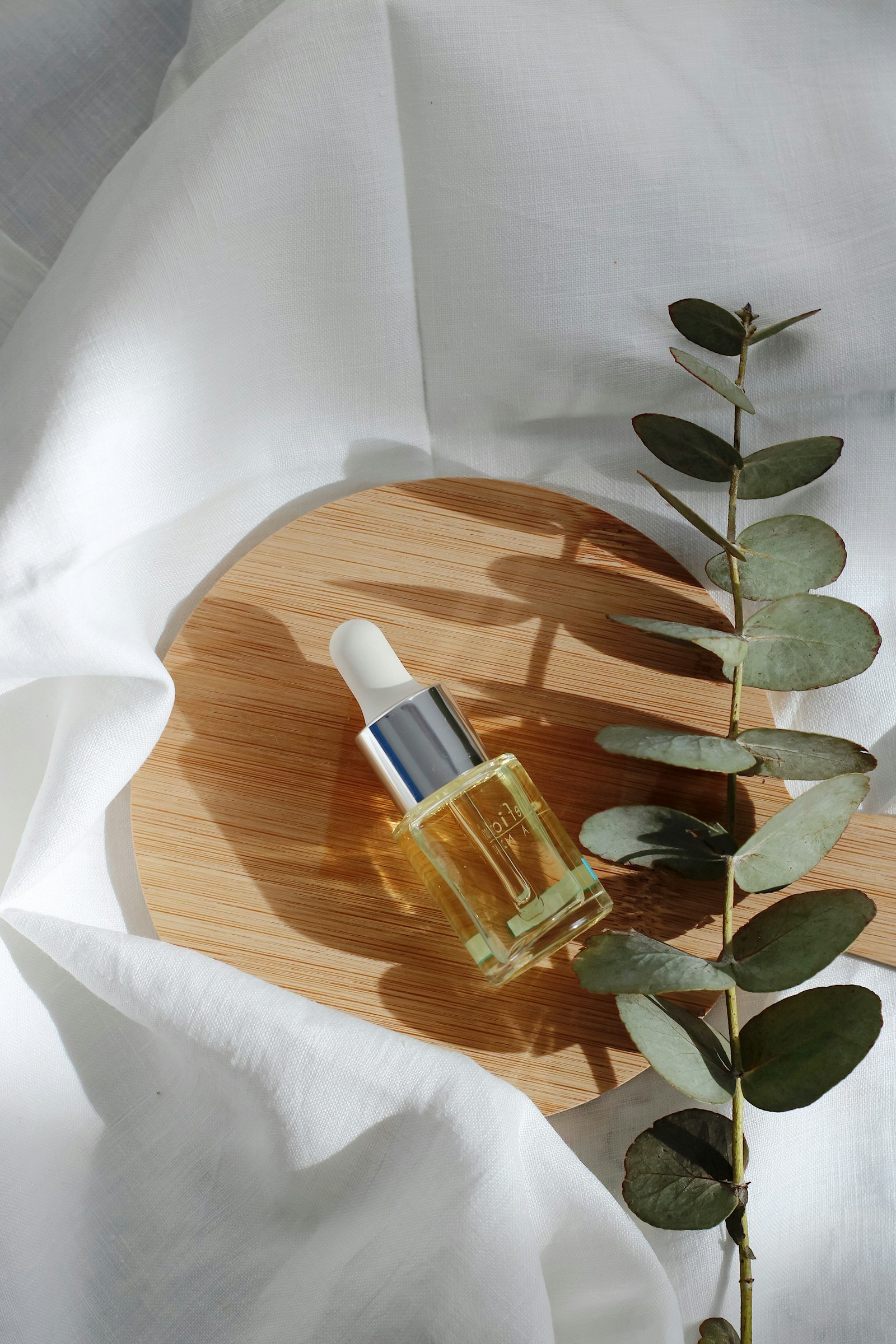
If you want to share your solid perfume aesthetic, a few photography basics go a long way. Natural window light is the most flattering; shoot in the morning or late afternoon when the light is soft and directional. A simple background, a linen cloth, a marble slab, or just a clean vanity surface, keeps attention on the compacts. Shoot from a slight angle rather than straight overhead to capture the dimensionality of the cases.
Details make the shot: an open compact showing the balm’s smooth surface, a fingertip touching the perfume, compacts arranged with negative space around them. Avoid flash, which creates harsh reflections on metal and glass. Edit lightly: a small bump in warmth and brightness is usually enough. The most successful aesthetic photos feel calm and uncluttered, inviting the viewer into a quiet ritual rather than shouting for attention.
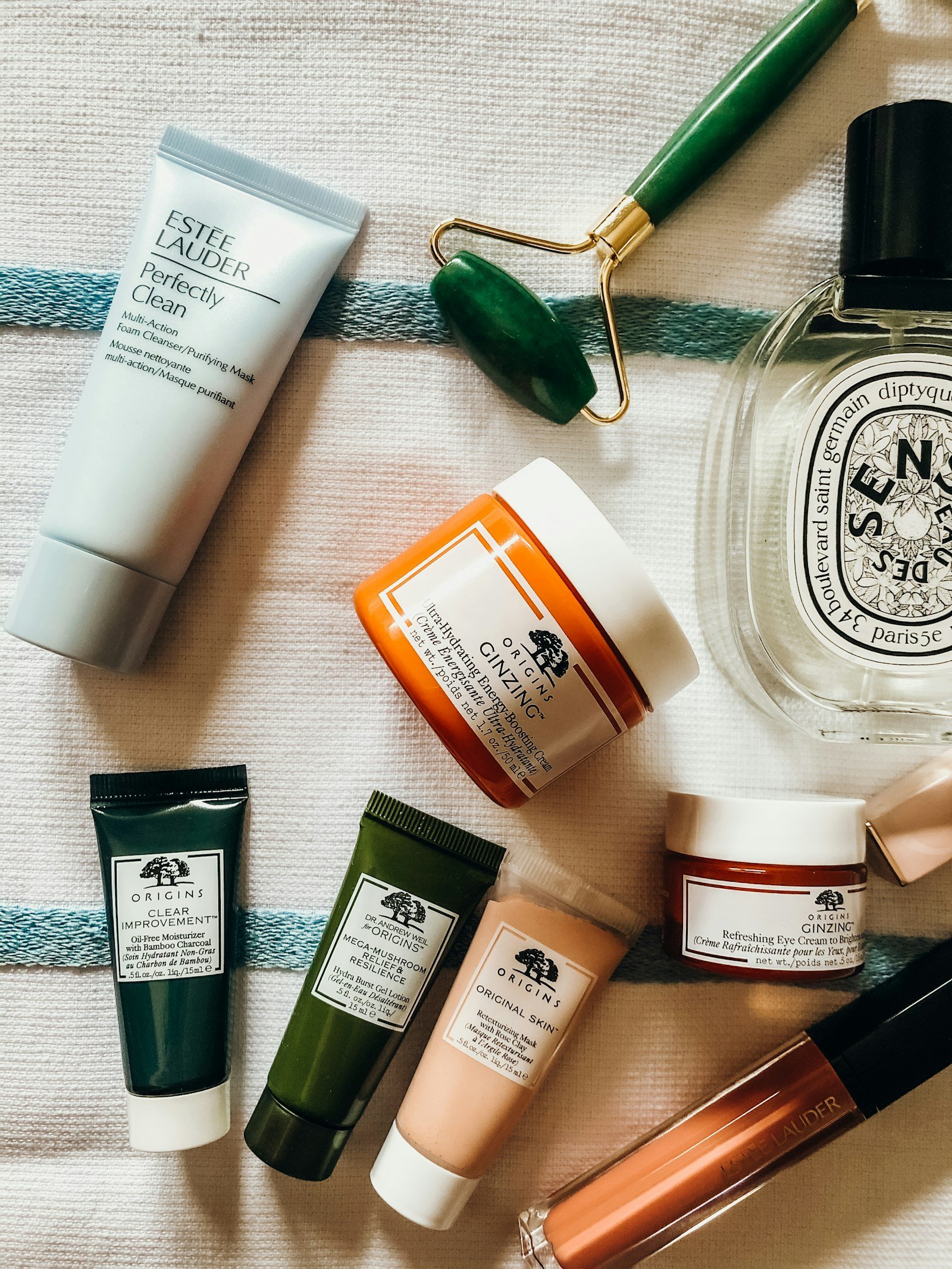
Caring for Your Solid Perfumes: Storage Tips
Solid perfumes are low-maintenance, but proper storage extends their life significantly. Keep compacts away from direct sunlight and heat: warmth melts the wax, and UV light degrades fragrance oils. A vanity away from windows, or a drawer for your most precious pieces, is ideal. Always close compacts after use; exposure to air slowly dulls the scent.
With reasonable care, a solid perfume lasts one to two years, though you will likely finish it sooner if you wear it daily. If a balm develops a slightly grainy texture from temperature changes, warming it gently between your fingers usually restores smoothness. If the scent has faded noticeably after long storage, it is time to replace or refill. Treat your compacts like the small treasures they are, and they will reward you with consistent, beautiful scent.
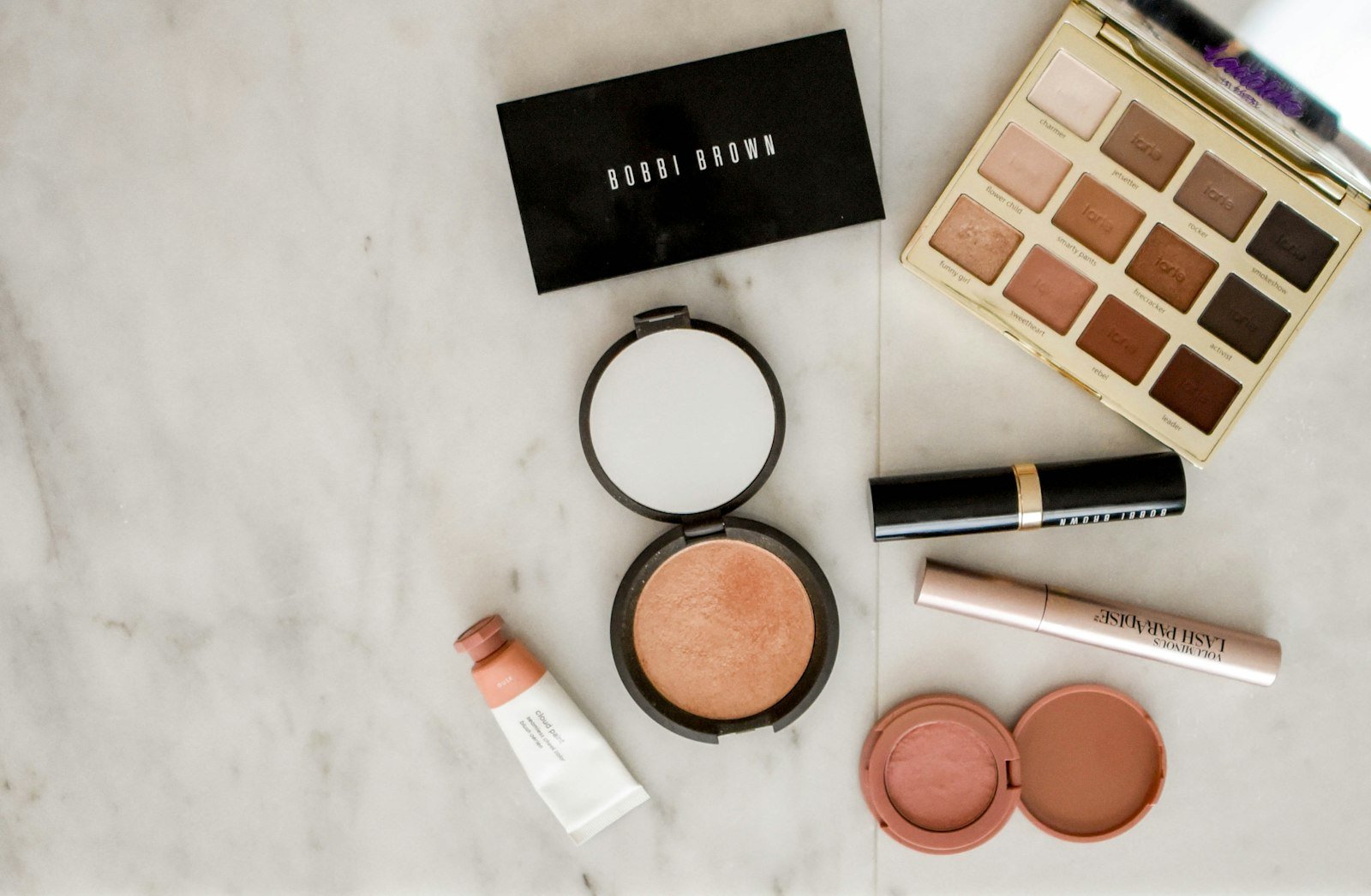
Refilling and Reusing Compacts Sustainably
One of the strongest arguments for solid perfumes is sustainability. A beautiful compact need never become waste: many brands sell refill pans or balm refills designed to drop into their cases, and independent makers offer refills in compostable packaging. Refilling costs less than buying a new compact each time, and it keeps a beloved case in use for years.
If your favorite brand does not offer refills, you can still reuse the compact. Clean it thoroughly with warm soapy water, let it dry completely, and fill it with a balm from another maker, or with your own DIY solid perfume. Vintage compacts found at flea markets can be repurposed the same way after sanitizing. This refill culture is central to the aesthetic’s slow-beauty ethos: buy the beautiful object once, enjoy it indefinitely.
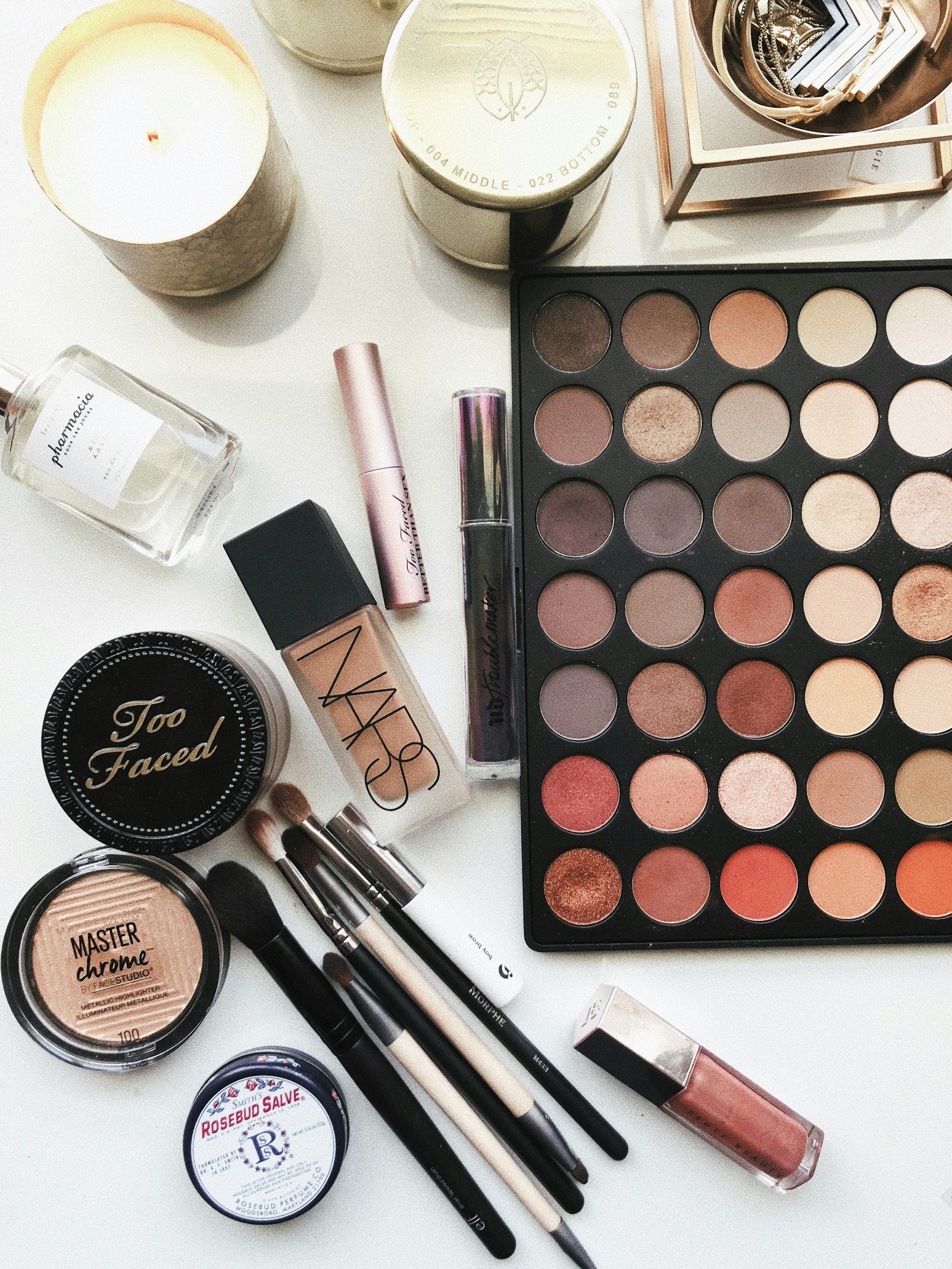
Traveling With Solid Perfumes
Solid perfumes are arguably the best fragrance format for travel. They cannot spill, they sail through airport security with no liquid restrictions, and their compact size slips into any bag. Toss one in your purse for on-the-go touch-ups, or pack two or three in a small pouch for a trip without worrying about breakage.
A few travel tips: keep compacts in a soft pouch so metal cases do not scratch each other, and avoid leaving them in a hot car, where wax can melt and leak. For long trips, choose versatile scents, a soft musk or light gourmand, that work from day to night. Many travelers keep a dedicated travel compact: a sturdy, inexpensive case they are not afraid to toss in a bag. The ritual of reapplying scent mid-journey is a small luxury that makes travel feel more civilized.

Gifting Solid Perfumes Beautifully
Solid perfumes make exceptional gifts precisely because they are objects as well as scents. Choose a compact whose design suits the recipient: romantic enamel for a sentimental friend, sleek minimal metal for a modern minimalist, whimsical motifs for someone playful. If you are unsure about scent preferences, soft and universally flattering options like vanilla musk, sheer rose, or clean cotton are safe bets.
Presentation elevates the gift. Nestle the compact in a small box with tissue, add a handwritten note explaining the scent’s notes, and tie it with ribbon. For fragrance lovers, pair the solid with its matching spray or a scented candle in the same family. A solid perfume gift says you thought about both beauty and ritual, which makes it feel far more personal than a standard bottle of perfume.
Budget-Friendly Ways to Join the Trend
You do not need a luxury budget to participate in the solid perfume aesthetic. Many independent makers sell beautiful solid perfumes in simple tins for very reasonable prices; the scent quality is often excellent because small-batch makers focus on formula over marketing. Drugstore and indie brands increasingly offer solid formats of popular gourmand scents at accessible prices.
The display side can be budget-friendly too. Thrift stores and flea markets are treasure troves for trays, small mirrors, and vintage-style dishes that elevate a vanity for very little money. A ten-dollar brass tray from a secondhand shop can make even modest compacts look curated. Start with one or two solids you genuinely love rather than a large collection; the aesthetic is about curation and ritual, not accumulation.

Luxury Solid Perfumes Worth the Splurge
At the luxury end, solid perfumes become true objets d’art. Heritage perfume houses offer refillable compacts in precious materials, often with complex, masterfully blended scents you will not find elsewhere. Niche indie perfumers create small-batch solids with unusual notes, smoked honey, black fig, vintage lipstick accord, that reward connoisseurs.
When splurging, prioritize the scent first and the case second: a gorgeous compact with a scent you never wear is just decor. Buy from houses that offer refills so your investment lasts. Consider cost per wear; a well-loved luxury solid worn daily for a year often costs less per day than a coffee. One extraordinary compact you reach for constantly is worth more than five pretty ones gathering dust.
DIY: Making Your Own Solid Perfume
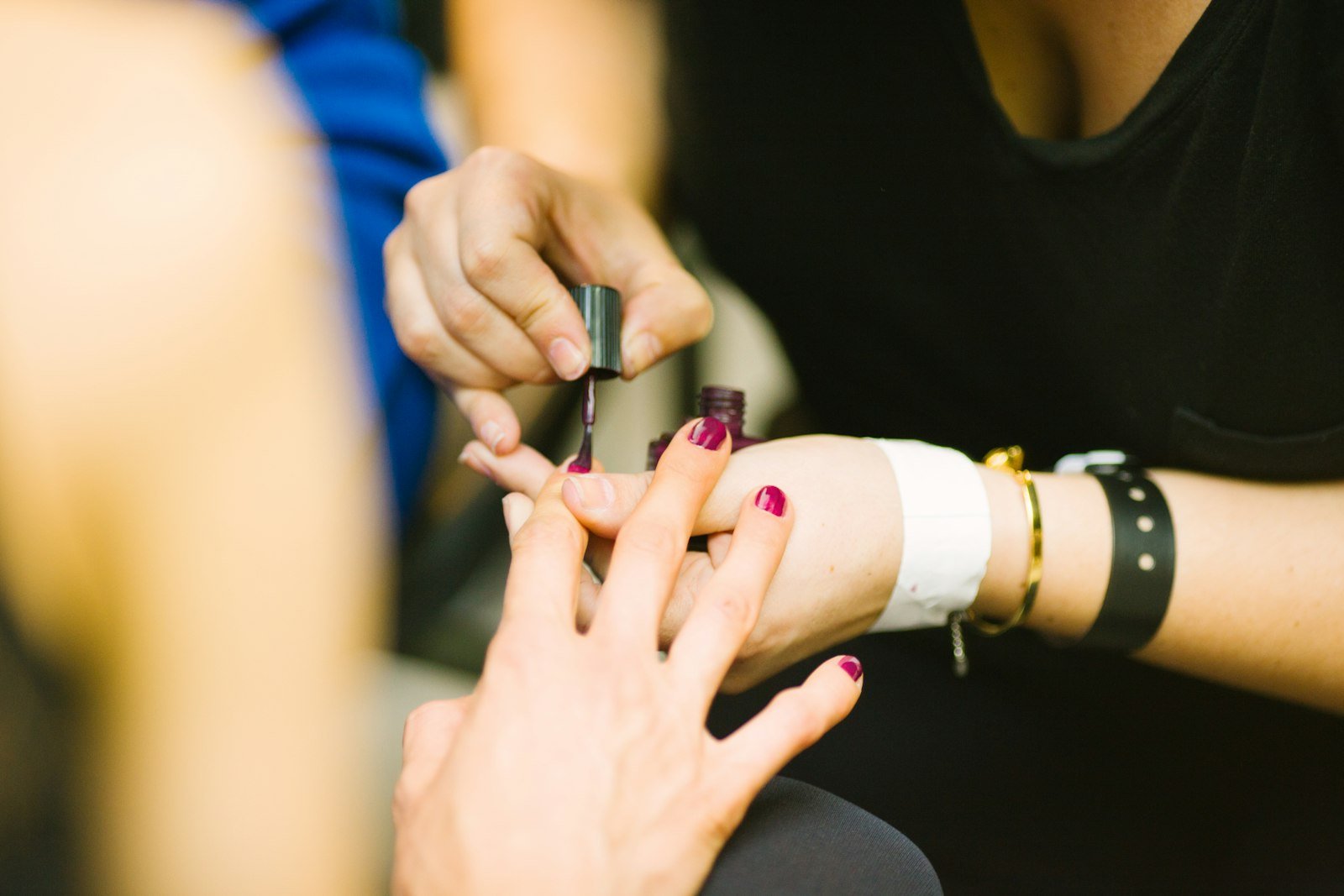
Making your own solid perfume is simpler than it sounds and deeply satisfying. You need a wax base, beeswax pellets or candelilla wax for a vegan version, a carrier oil like jojoba or sweet almond oil, and fragrance or essential oils. Melt two parts carrier oil with one part wax in a double boiler, remove from heat, stir in your fragrance oils, about 15 to 20 percent of the total volume, and pour into a clean compact or tin.
Start with simple blends: vanilla and sandalwood, rose and musk, citrus and white tea. Keep notes on your ratios so you can recreate favorites. Let the balm set for 24 hours before judging the scent, since it deepens as it cures. DIY solids make wonderful personalized gifts, and the process connects you to the craft behind the aesthetic. Always research essential oil safety, dilution rates, and phototoxicity before applying your creations to skin.

The Future of the Solid Perfume Aesthetic
The solid perfume aesthetic shows no signs of fading. If anything, it is deepening: brands are investing in more beautiful refillable cases, indie makers are experimenting with wilder scent profiles, and the vanity-display culture keeps generating new visual inspiration. The trend’s roots in sustainability, ritual, and personal curation give it staying power beyond a typical viral moment.
What comes next will likely blend the physical and digital: virtual scent consultations, refill subscriptions, and even more shareable unboxing moments. But the core will remain gloriously analog: a beautiful compact, a fingertip of scented balm, and a quiet moment of ritual.

I am Talha Sikandar, a professional writer with a passion for general blogging. With years of experience in content writing and research, I founded Meaniingly.com to deliver well-researched, informative, and user-friendly articles on diverse topics.