moody thanksgiving tablescape ideas
If you have ever sat at a Thanksgiving table awash in bright orange and felt it was all a bit loud, a moody tablescape is your answer. Moody does not mean gloomy: it means depth, warmth and atmosphere. Think deep charcoal linens, pools of candlelight, blackened pumpkins, dried foliage in umber and wine, and glassware that glows amber against the dark. It is the difference between a table that shouts “autumn” and one that whispers it, drawing everyone closer as the evening settles in. The good news is that a moody Thanksgiving table is easier to pull off than you might think, and it suits almost every home, from modern flats to farmhouse dining rooms. This guide walks you through colour palettes, lighting, layering, place settings and styling tricks, with practical budgets and timelines so your table feels dramatic, elegant and entirely welcoming when guests arrive.
What Makes a Tablescape “Moody”?
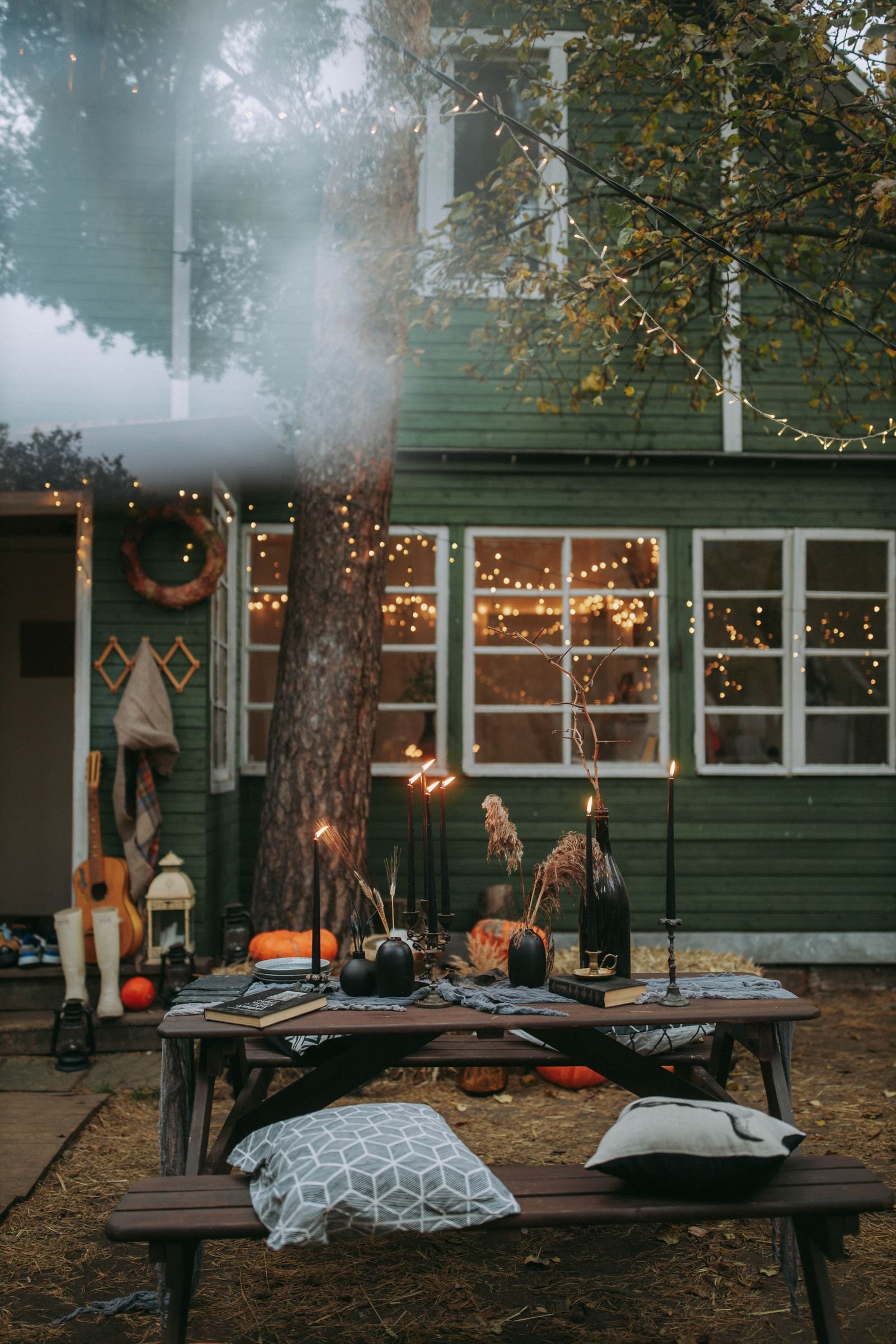
A moody tablescape is built on three things: a darkened palette, layered texture and low, warm light. Instead of the classic bright pumpkins and sunshine yellows, you reach for oxblood, espresso, forest green, slate and black, letting candlelight do the heavy lifting. Texture keeps it from feeling flat: velvet against linen, rough ceramics beside polished glass, matte dried leaves next to glossy fruit. Light is the real magic. Overhead lights off, a cluster of candles at varying heights, perhaps a string of fairy lights tucked into the garland. The result reads as intimate and luxurious rather than dark. Start by deciding your mood: romantic, rustic, gothic or minimalist. Romantic leans on wine tones and taper candles; rustic on wood, wheat and lanterns; gothic on black and dried branches; minimalist on a single dark runner and restrained candlelight.
The Moody Colour Palette: Beyond Orange and Brown
Forget the standard orange-and-brown formula. A genuinely moody palette starts with one deep anchor colour: charcoal, espresso brown, deep aubergine, oxblood red or hunter green. Build out with two to three supporting tones, keeping roughly sixty per cent dark neutrals, thirty per cent mid-tones and ten per cent accent. Metallics count as neutrals here: aged brass, antique copper and smoke-blackened silver all warm up a dark scheme without brightening it. For accents, try muted gold, dried wheat, burgundy berries or the pale grey-blue of dusty miller leaves. Avoid anything neon or glossy-bright; even pumpkins should be the dusky heirloom varieties in slate blue, deep green or near-black. Test your palette by gathering everything on the table in daylight: if one item looks like it belongs at a children’s party, swap it out for something dustier.

Start with a Dark Foundation: Tablecloths and Runners
Everything sits on your linens, so this is where the mood begins. A dark tablecloth in charcoal, espresso or deep forest green instantly changes the room, even before a single candle is lit. Linen or cotton with a visible weave reads softer and more expensive than shiny polyester; expect to spend around twenty-five to forty pounds for a good cotton cloth that seats eight. If a full dark cloth feels like a commitment, lay a dark runner over a neutral table instead. Width matters: runners should be thirty to forty centimetres wide so plates sit comfortably. Layer two runners crossing at the centre for extra texture, or add a strip of cheesecloth, loosely gathered, for an artful, shadowy drape. Steam or iron creases out the night before. For a last-minute option, a length of dark fabric from a craft shop, edges simply folded under, works beautifully.
Layering Candles: The Heart of Moody Lighting
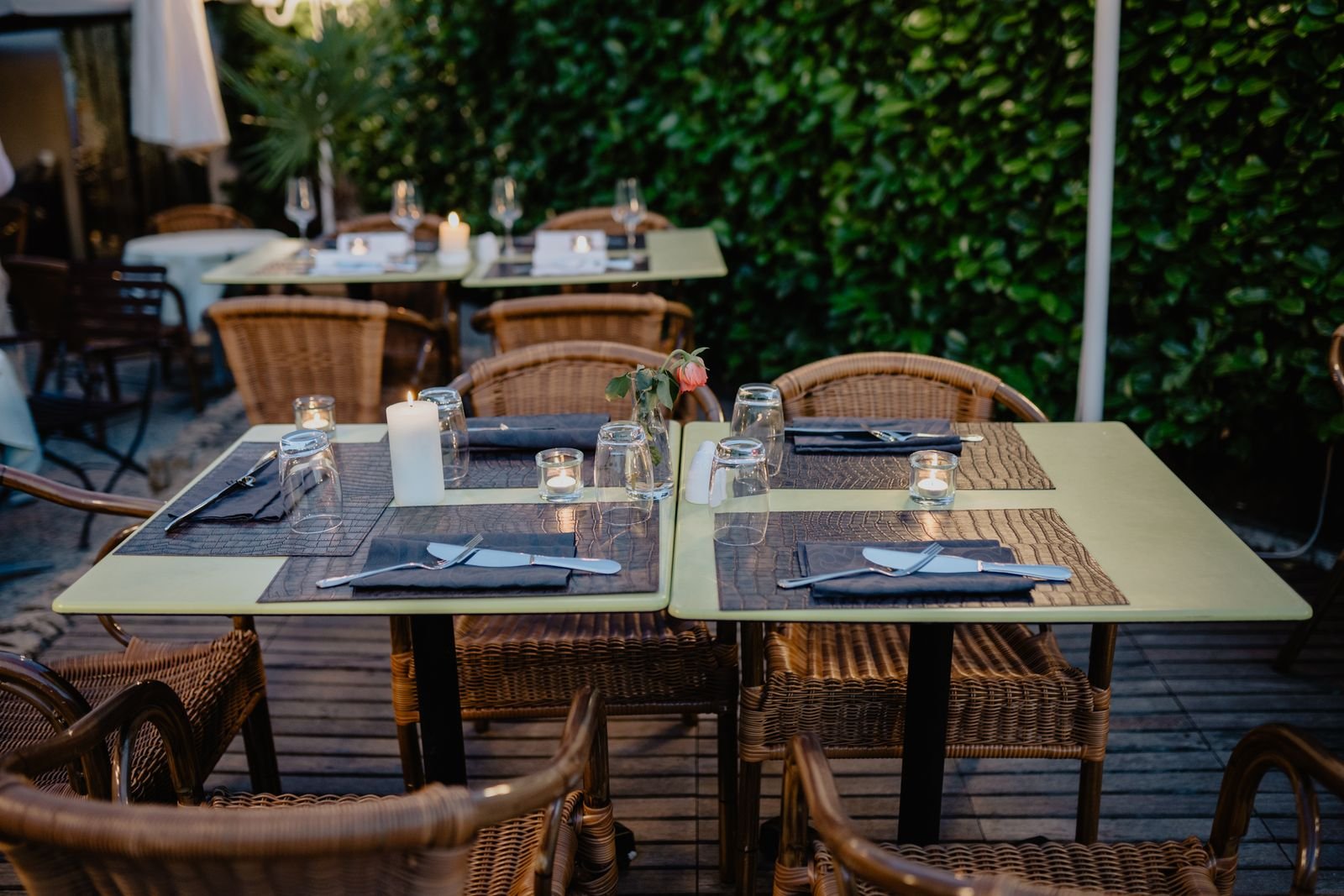
Candlelight is non-negotiable in a moody tablescape, and layering is what makes it look intentional rather than random. Use three heights: tall tapers in holders, mid-height pillar candles, and low votives or tea lights scattered between. Odd numbers work best: group five or seven candles per cluster rather than four or six. Mix wax colours within your palette: ivory, deep burgundy, forest green and black tapers together look rich, while all-white candles keep things cleaner. Safety first with real flame: keep candles at least thirty centimetres from dried foliage, never leave them unattended, and consider battery-operated pillars with realistic flicker for the table edges where sleeves pass. A good rule of thumb is one light source per two guests. If your dining room has a dimmer, drop overhead lights to their lowest setting so the candles take over.

Dramatic Centrepieces with Dark Foliage and Branches
A moody centrepiece should have height, shadow and a slightly wild feel. Bare branches spray-painted matte black or left natural make a striking, nearly free foundation: place five to seven branches in a heavy vase and weave dried grasses, dark eucalyptus or pampas through them. Eucalyptus dyed burgundy or preserved in glycerine keeps for weeks and costs far less than fresh florals. For a lower arrangement, fill a long trough or wooden box with dark foliage, artichokes, black grapes and a few heirloom pumpkins, tucking moss between items to hide gaps. Keep centrepieces either below twenty-five centimetres or above sixty so guests can see each other across the table. One long, low arrangement down the centre of a rectangular table is simpler to build than several small ones and looks more dramatic in candlelight.
Heirloom Pumpkins and Gothic Squashes
Standard orange pumpkins fight a moody palette, so hunt down the dusky varieties instead. Jarrahdale pumpkins in slate blue-grey, black futsu with its bumpy dark skin, deep green kabocha squash and white lumina pumpkins all sit beautifully in a dark scheme. Group them in odd numbers of varying sizes, mixing finishes: leave some natural, paint others matte black or bronze with craft paint, and dust a few with flour or cocoa powder for an aged effect. Small gourds tucked into napkin rings or scattered down the runner cost pennies and add scale. A single oversized fairytale pumpkin as your centrepiece anchor can carry the whole table. If real pumpkins feel heavy, good faux pumpkins in velvet or resin now look convincing in low light and can be reused for years. Either way, keep at least half of them uncarved: cut faces catch light harshly and break the mood.
Moody Place Settings: Chargers, China and Cutlery
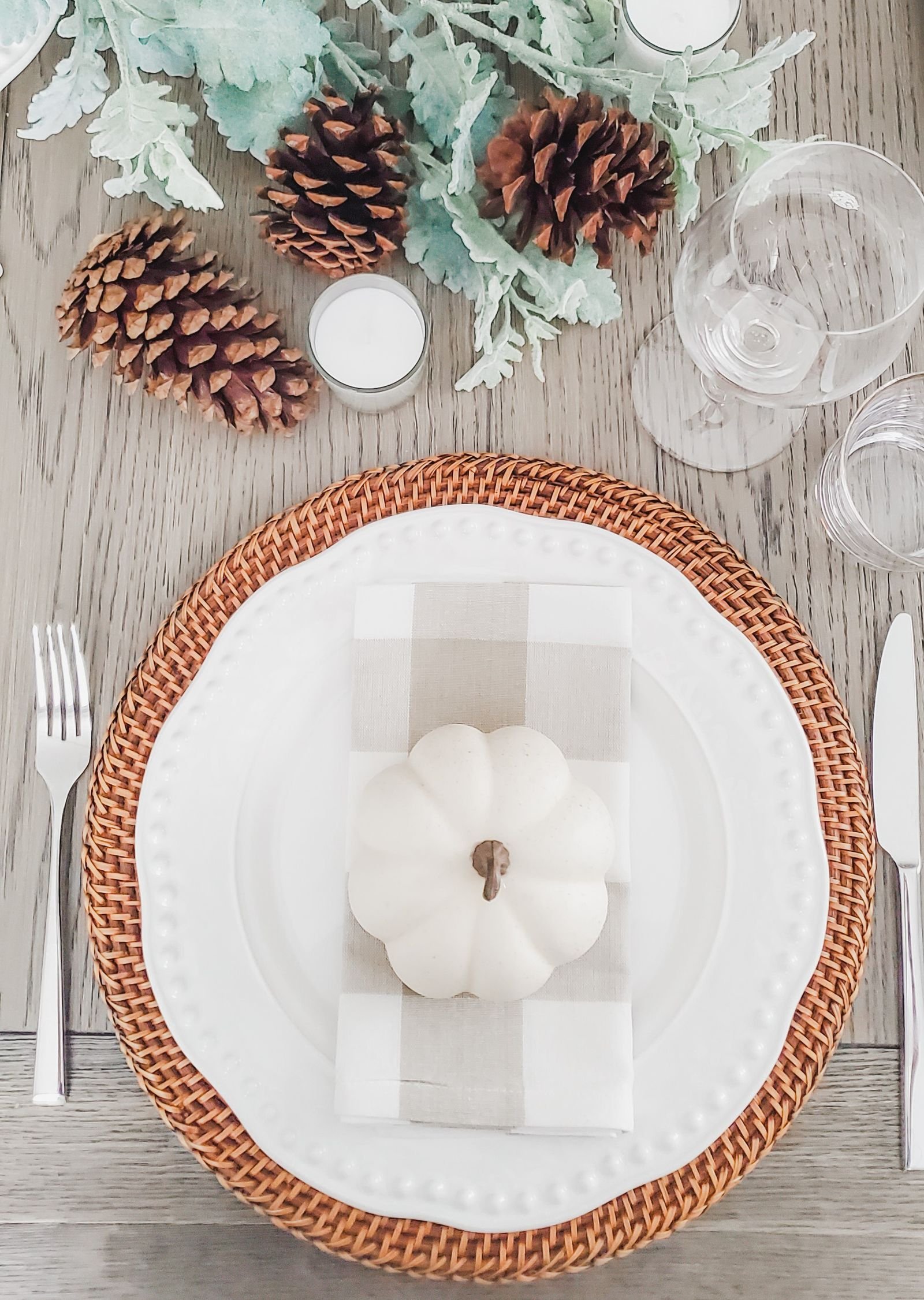
Each place setting is a small composition, and dark chargers are the fastest route to drama. Matte black or charcoal chargers under white or cream plates create a gallery-like frame that makes food look spectacular. If you do not own chargers, a large dark dinner plate from a charity shop works the same way for about a pound each. Layer in this order: charger, dinner plate, smaller salad plate or bowl, then a folded napkin with a sprig of dried wheat or a name card. Cutlery with black or bronze handles adds to the effect; otherwise standard silver polished to a shine reflects candlelight beautifully. Water goblets in smoke-tinted glass are inexpensive and hugely atmospheric. Keep the arrangement identical at every seat: repetition reads as luxury, while variation reads as clutter in a dark scheme.
Velvet, Linen and Leather: Textiles That Set the Mood
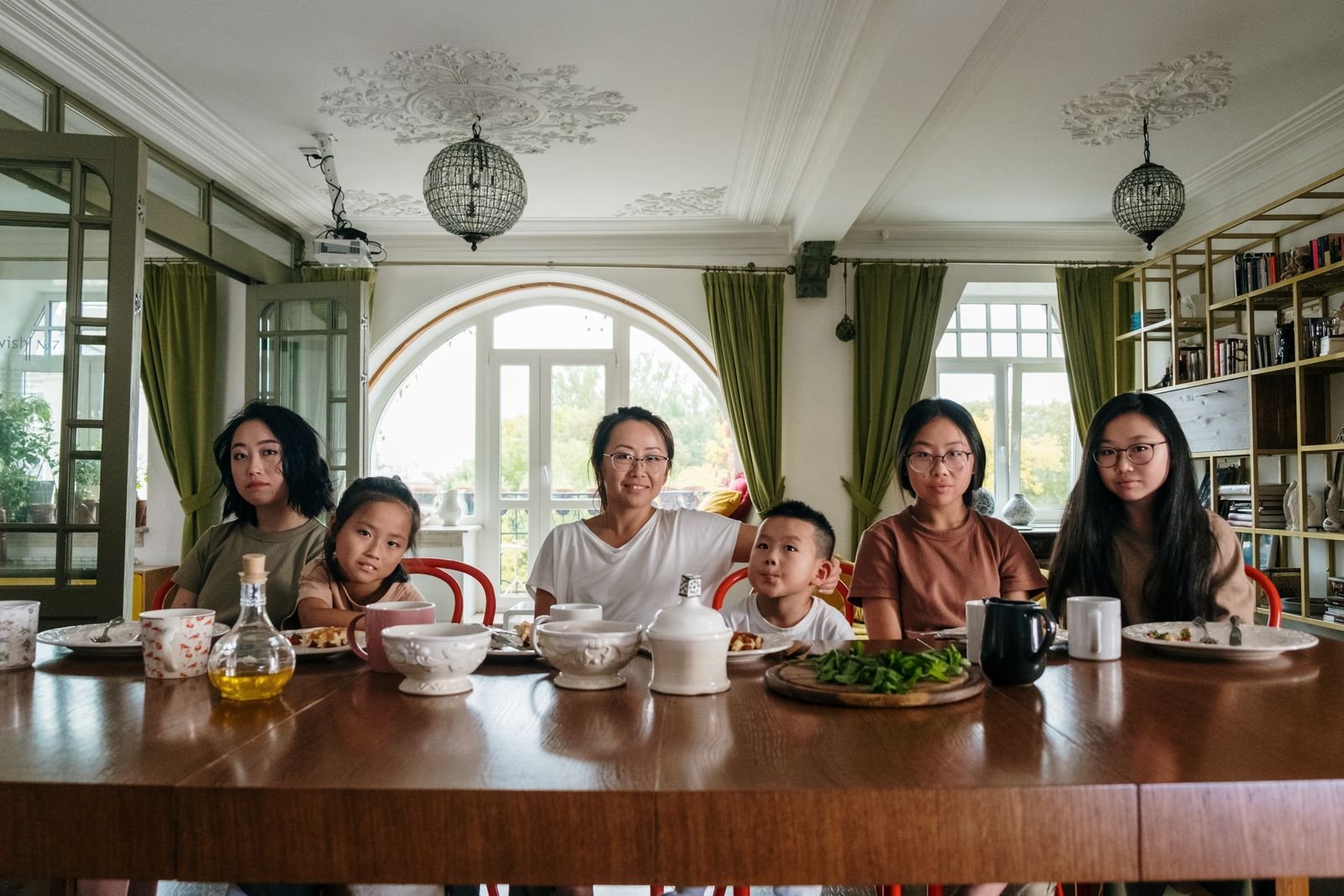
Texture is what stops a dark table from looking flat, so mix at least three textiles. Start with your linen base, then add velvet napkins in a deep tone like aubergine, forest or rust; velvet catches candlelight in a way cotton never will and a set of eight costs around fifteen pounds online. A leather or faux-leather runner adds unexpected edge for a modern moody look. Drape a nubby wool throw over the back of the host’s chair and scatter a couple of velvet cushions on the bench if you use one. For napkin folds, keep it simple: a loose knot, a straight fold with a wax seal, or napkins tucked under the charger so they pool slightly. Avoid stiff, fussy folds; moody styling should feel gathered and organic, as though everything was placed with care but not over-arranged.
Amber Glass and Smoke-Tinted Stemware
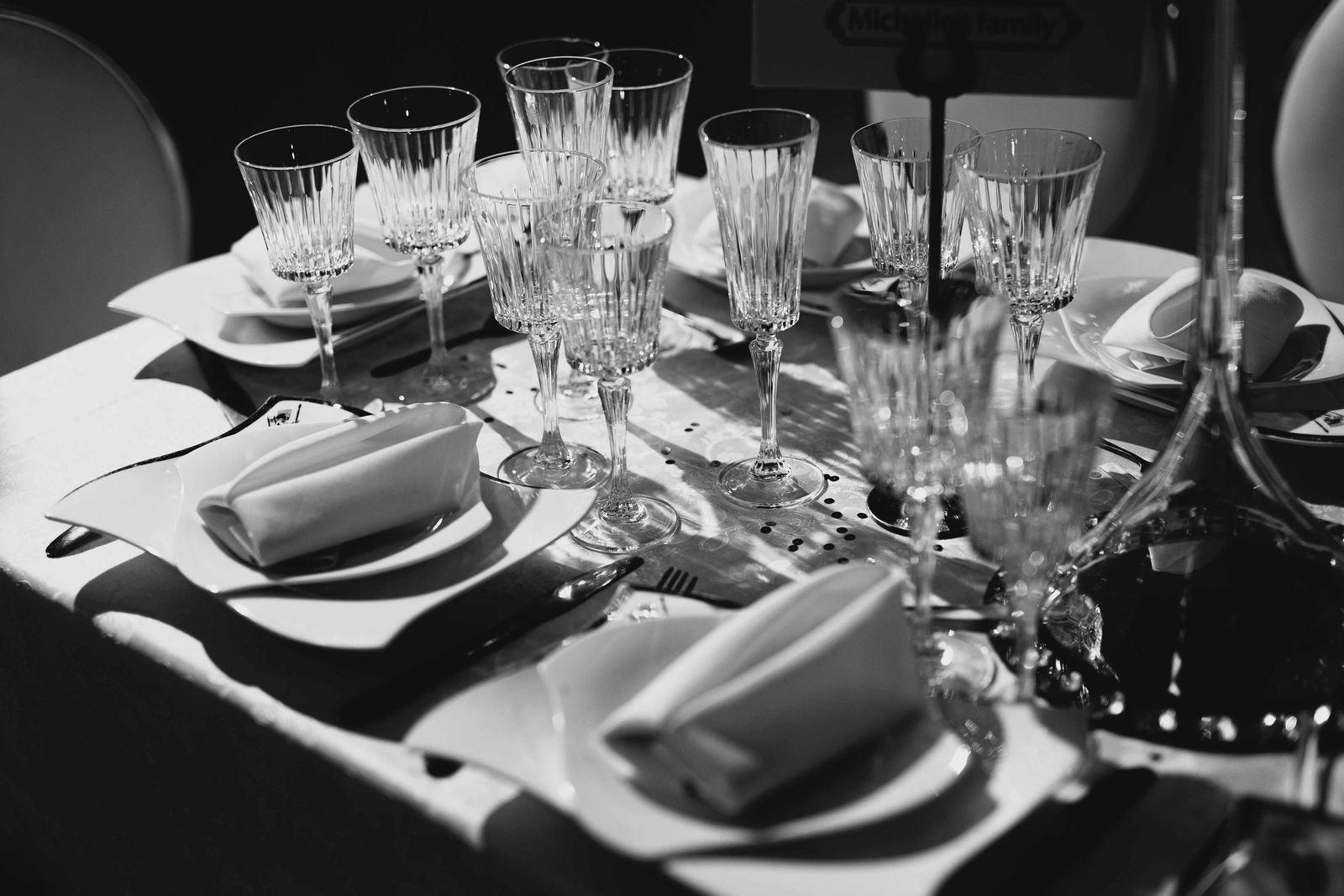
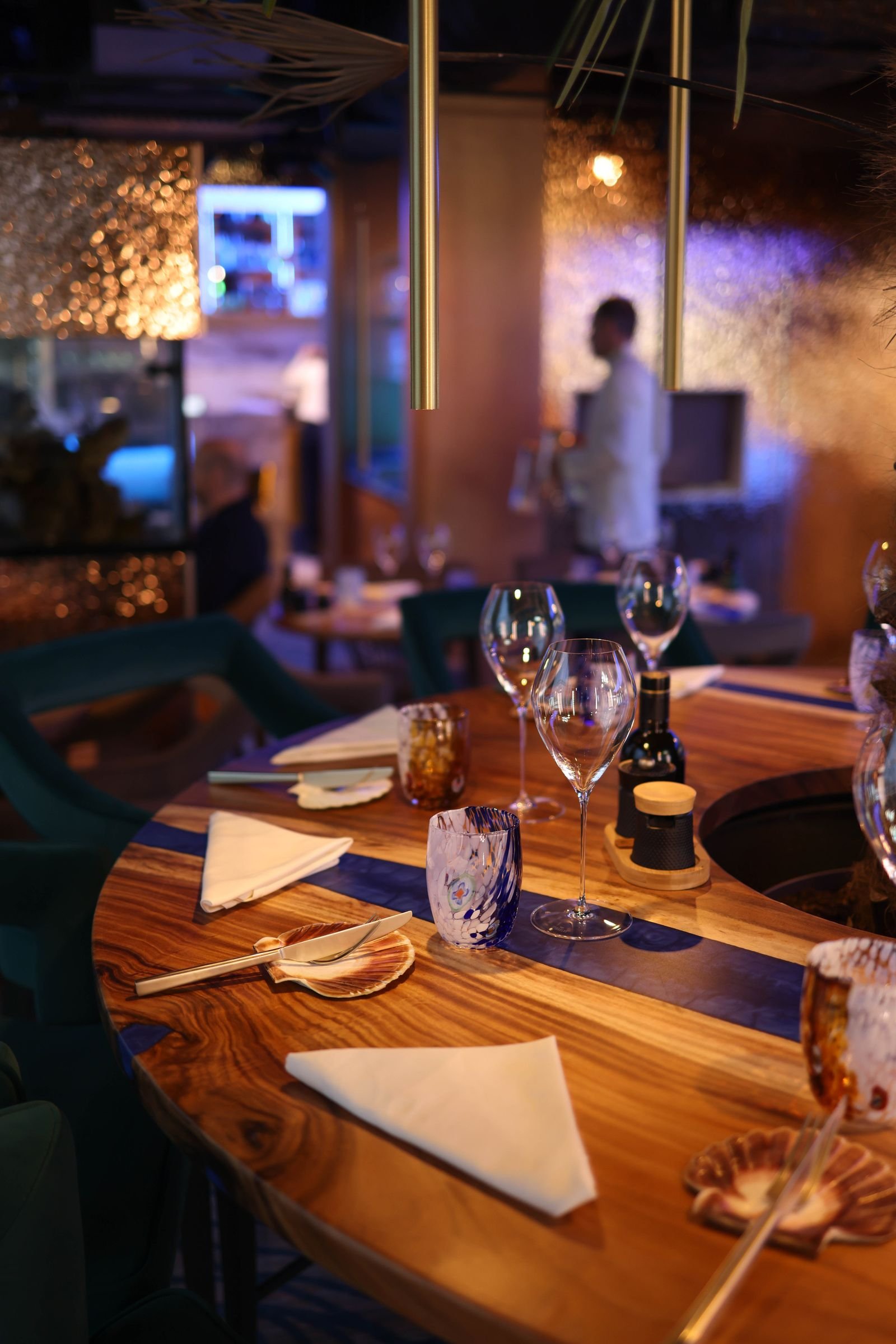
Glassware is jewellery for the table, and tinted glass transforms candlelight into something magical. Amber glassware, from tumblers to carafes, throws warm golden pools across a dark tablecloth and costs little more than clear glass at homeware shops. Smoke-grey stemware looks sleek and modern, while deep green wine glasses nod to vintage style. You do not need a full matching set: mixed tinted glasses in the same colour family look collected and intentional. Add a few amber glass bud vases or bottles down the centre of the table, each holding a single dried stem. For serving, decant water into a tinted carafe and use dark or wooden serving boards. One caution: very dark glass can make it hard to see drink levels, so keep water glasses on the lighter end of the tint range.

Dried Flowers and Preserved Botanicals
Dried botanicals are the moody stylist’s best friend: they come in naturally dusky tones, cost a fraction of fresh flowers and last for months. Build arrangements from bunny tails, dried lavender, bleached ruscus, preserved eucalyptus, wheat stalks, lotus pods and lunaria, whose translucent seed heads glow in candlelight. A large bunch of pampas grass in a floor vase beside the table adds drama for under twenty pounds. Buy dried flowers a week or two ahead so you can arrange without rushing; they do not wilt, so there is no last-minute panic. Keep arrangements airy rather than dense: moody means shadow and space, not a solid wall of stems. Tuck a few sprigs directly onto the table runner between candles for a scattered, natural feel that looks effortless but takes minutes.
Black Accents: How Much Is Too Much?
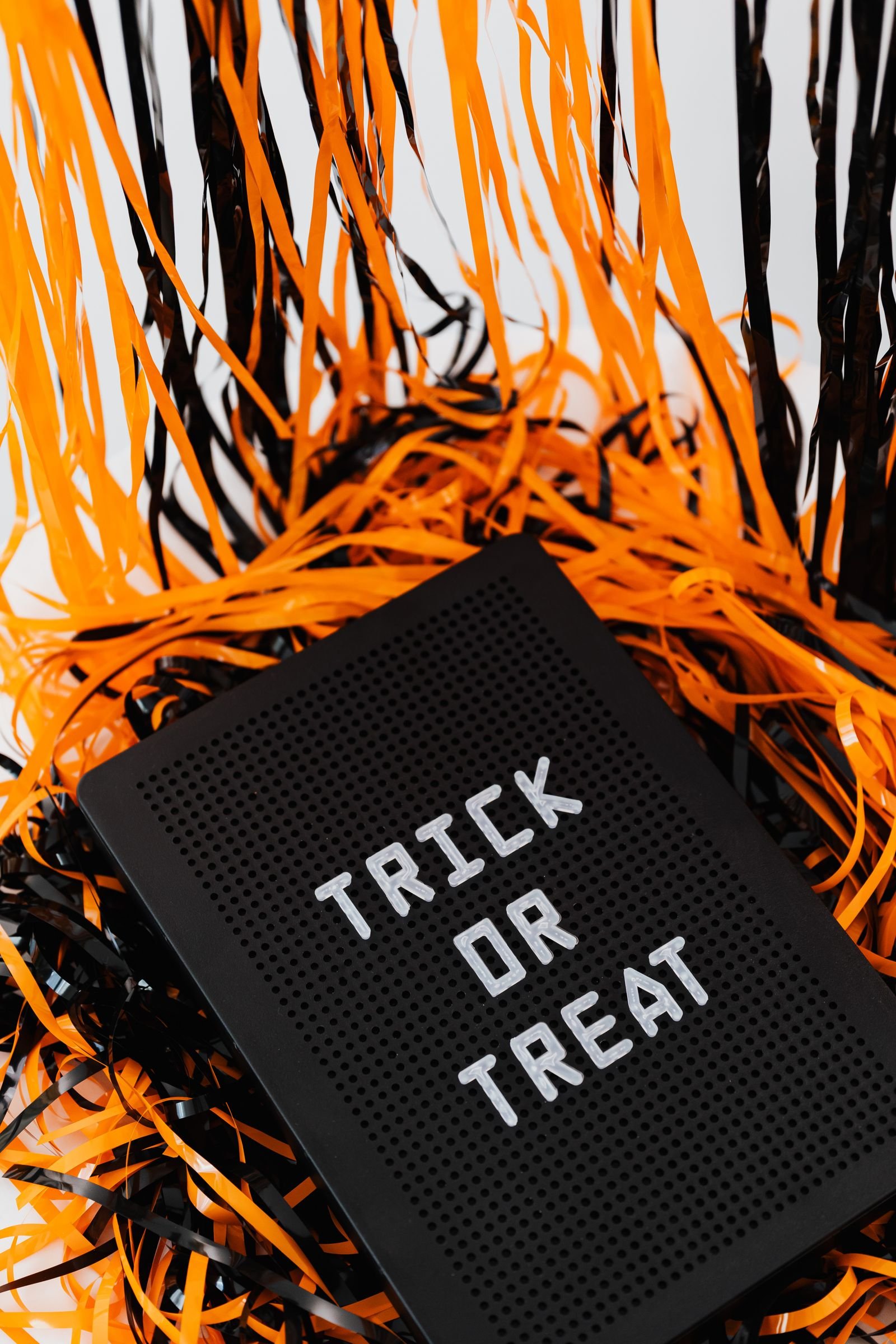
Black is the quickest way to add drama, but it needs restraint to avoid a Halloween-party feel. Aim for black as roughly ten to fifteen per cent of the table: candle holders, a few tapers, the odd pumpkin, maybe your flatware handles. Balance it with warmth elsewhere: brass, wood, amber glass and candlelight all keep black from reading cold. If your table starts looking more gothic costume than elegant dinner, swap one black element for something softer, like ivory candles or a linen napkin in oat. Matte black reads sophisticated; glossy black can look plastic, so choose finishes carefully. One trick designers use: keep black items in the centre of the table and lighter tones at the place settings, so each guest’s spot feels welcoming while the middle holds the drama.
Scent and Atmosphere: Fragrance as Décor
A moody table should smell as good as it looks, but keep fragrance subtle so it never competes with dinner. Simmer a pot of water with orange peel, cloves, cinnamon sticks and a sprig of rosemary an hour before guests arrive; the scent drifts through the house without any visible effort. On the table itself, use unscented candles near the food and save scented ones for sideboards or the hallway. Eucalyptus and cedar sprigs in the centrepiece add a natural, green fragrance that suits the season. Avoid strong floral or sweet perfumes anywhere near the dining room. If you want a signature touch, place a small bowl of dried lavender or a bundle of cinnamon sticks tied with twine at each end of the table; they read as décor first and release scent gently when handled.
Personalised Details: Menus, Place Cards and Touches
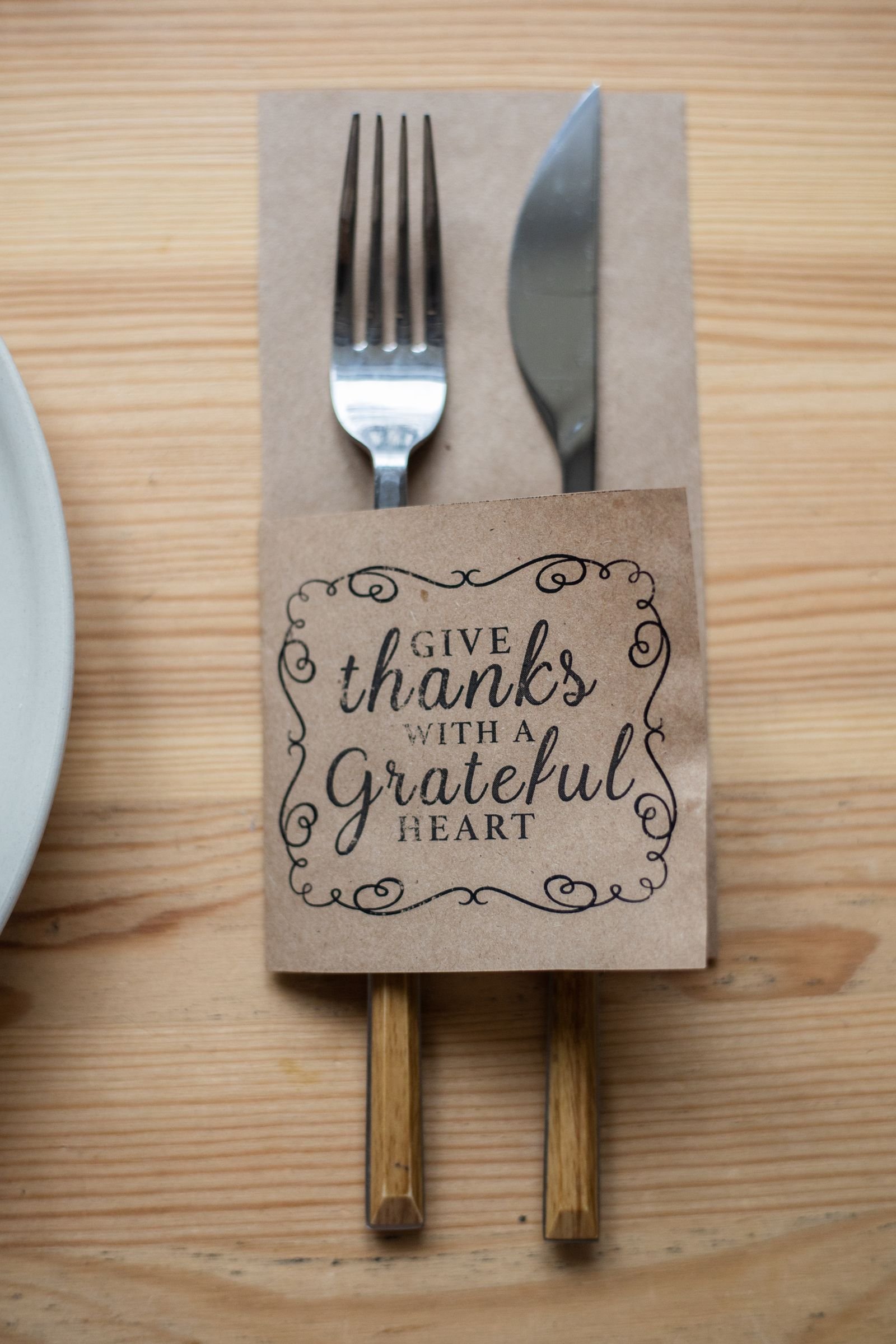
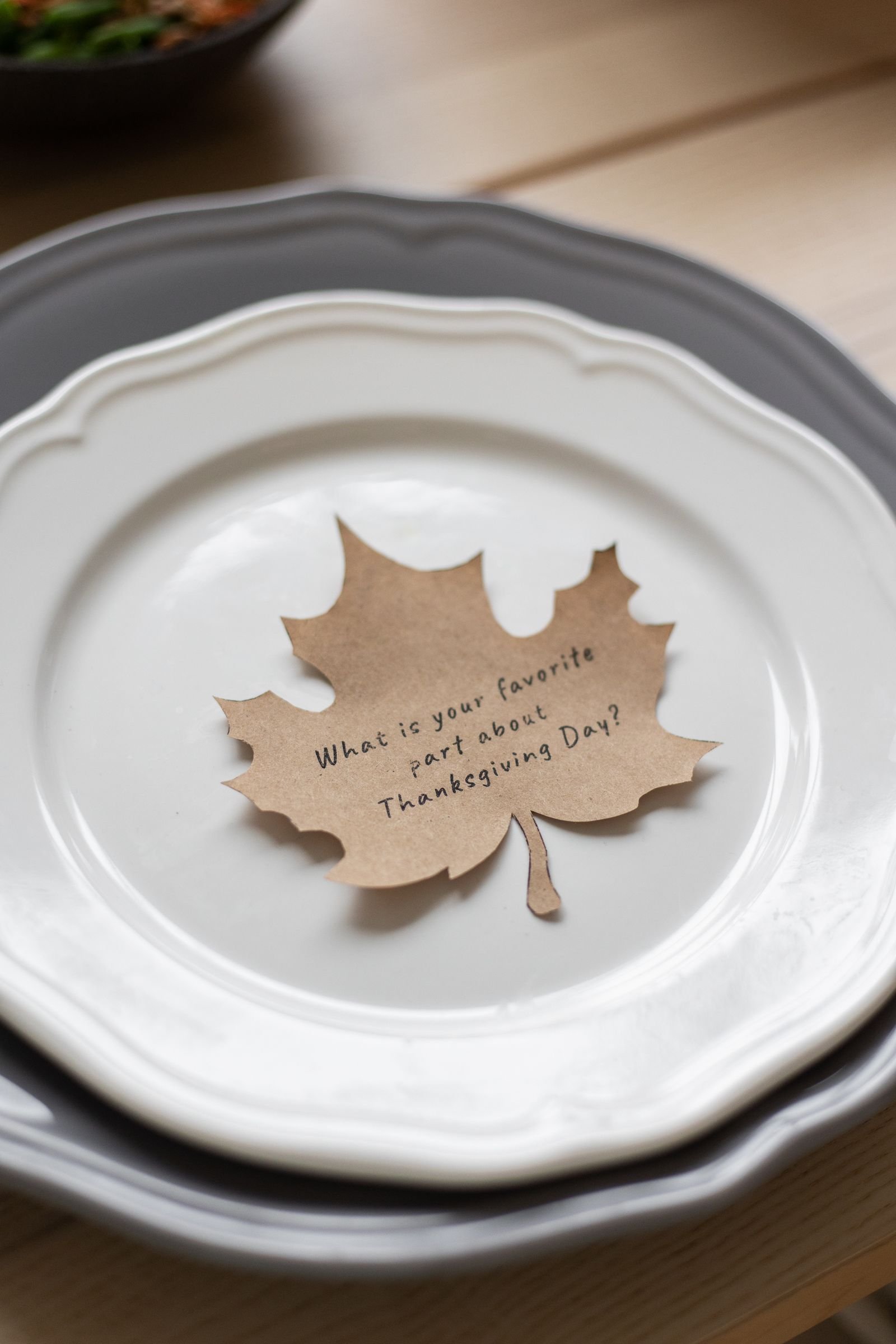
Small personalised details elevate a moody table from pretty to memorable. Handwritten place cards on dark cardstock with a metallic gold or copper pen take minutes and look striking against dark napkins. Print a simple menu on kraft or black paper and lay one at each setting; guests love knowing what is coming, and it doubles as décor. Tie a sprig of dried herbs to each napkin with twine, or tuck a single dark chocolate wrapped in black foil onto each plate as a parting touch. For a gratitude ritual, leave a small card at each seat inviting guests to write one thing they are thankful for and drop it in a bowl at the centre. These details cost almost nothing but signal thoughtfulness, which is ultimately what makes a table feel special rather than simply styled.

A Moody Table for Two: Small Gatherings
Moody styling shines at intimate tables, where a little drama goes a long way. For two to four guests, scale down rather than simplify: one low arrangement, a tight cluster of five candles and full place settings keep it feeling like an occasion. A round table suits small moody dinners beautifully, since candlelight wraps around everyone. Use your best pieces here: the good wine glasses, the linen napkins, the heirloom pumpkin. With fewer place settings to buy, you can afford one splurge, like a pair of brass candlesticks. Keep the rest of the room dim so the table becomes a glowing island. A small table also means you can plate in the kitchen and keep serving dishes off the table entirely, letting the styling breathe without the clutter of bowls and platters.
Hosting a Large Crowd Without Losing the Mood
A moody look scales up well if you repeat elements down a long table rather than inventing new ones. Build one centrepiece formula, a low trough of dark foliage, pumpkins and candles, and repeat it two or three times along the length. Buy candles in bulk: boxes of one hundred tea lights cost a few pounds and let you scatter light generously. For seating beyond twelve, consider a buffet for the food so the table stays styled and spacious; guests serve themselves and return to a beautiful, uncluttered table. Renting can beat buying at scale: dark chargers, extra chairs and additional stemware are inexpensive to hire for one night. Assign one person, a teenager or a willing guest, to light candles fifteen minutes before everyone sits down; with a crowd, timing is everything.

Kid-Friendly Moody: Drama Without the Danger
You can keep the moody look with children at the table by swapping open flame for safe alternatives. Battery-operated taper candles now flicker convincingly and come in black, burgundy and ivory; place real candles only on high sideboards out of reach. Swap glass votives for sturdy metal or wooden lanterns, and keep the centrepiece low and soft: think a row of small pumpkins, pinecones and fabric leaves rather than tall branches. Give children their own place cards to colour, dark cardstock with metallic crayons fits the theme perfectly, and include one fun element like chocolate coins in a small black pouch. Seat little ones at the table ends where there is more space, and skip the long trailing runner that small hands will inevitably pull. The mood survives; the stress does not have to.
Food as Décor: Dark, Rich Dishes That Fit
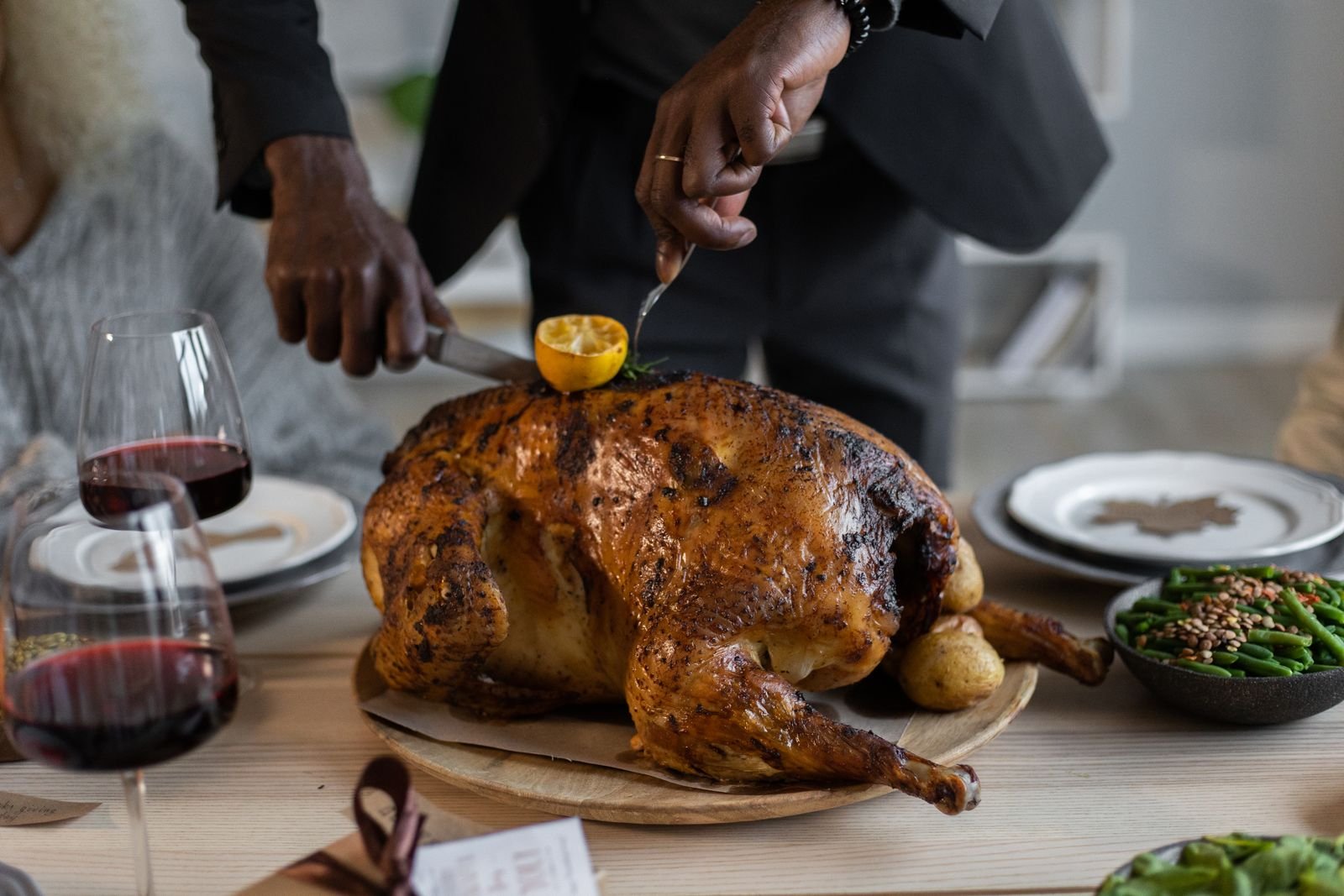
The food itself can reinforce the mood when you choose dishes with deep, rich colours. A glistening roast turkey with burnished skin, dark gravy in a black ceramic boat, roasted root vegetables caramelised to near-black edges, and a deep burgundy cranberry sauce all look spectacular against dark linens. Serve a wild mushroom risotto, blackberry compote or chocolate pecan pie and the table practically styles itself. Present food in dark or wooden serving pieces: slate boards, black bowls, walnut platters. Garnish with dark herbs like purple basil, or scatter pomegranate seeds over salads for jewel-like pops of colour. Even drinks play along: dark red wine, spiced cider in amber glasses and coffee served in black mugs. When the menu matches the palette, every course becomes part of the décor.
Transition Lighting: From Golden Hour to Candlelight
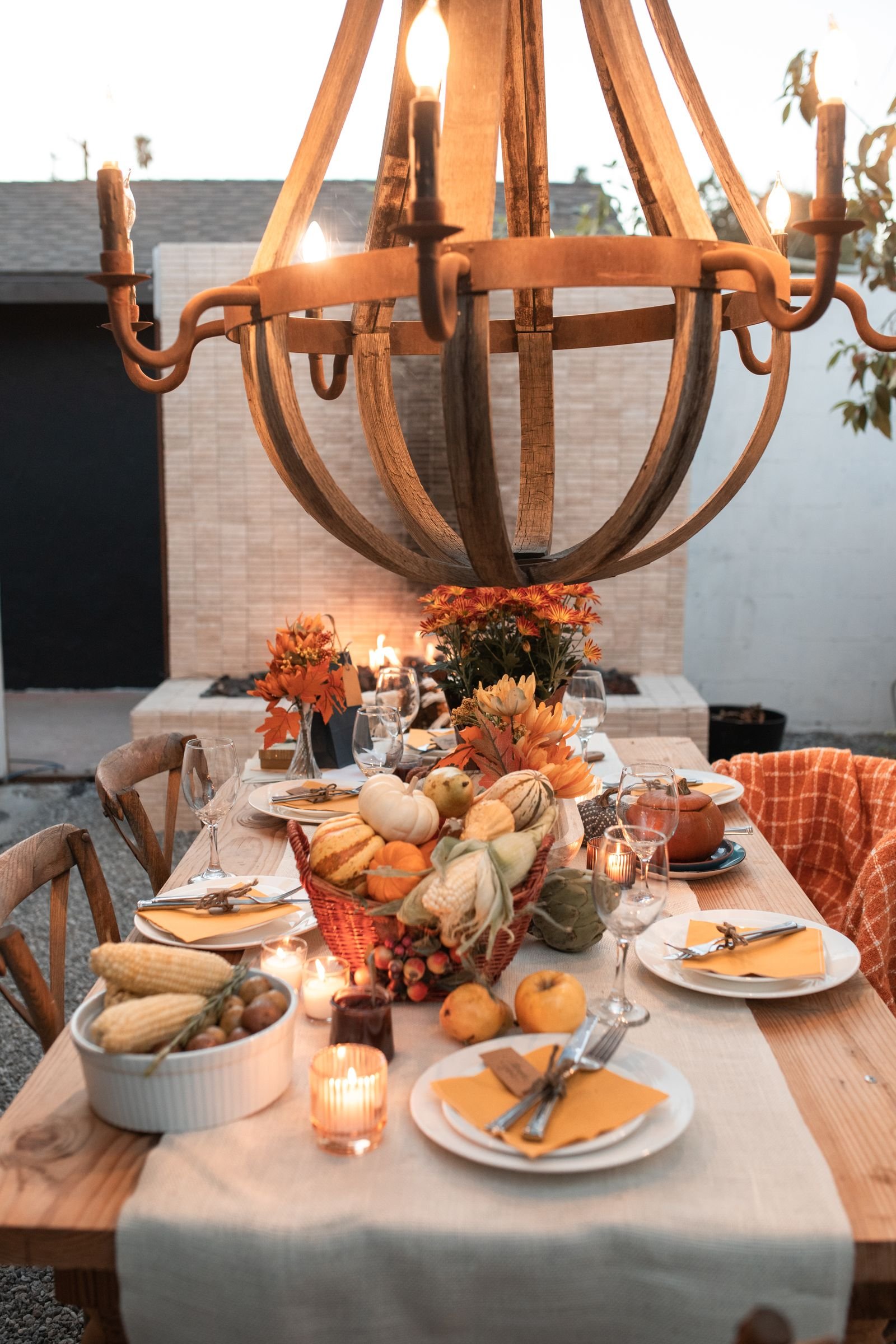
The most magical moody tables are timed to the light. If dinner falls near sunset, let the room go naturally dim: draw sheer curtains but leave the low golden light to do its work as guests arrive. As the sun drops, light candles in stages rather than all at once, starting with the tallest tapers so the room deepens gradually. Avoid the common mistake of flipping on bright overhead lights “just while we eat”; instead, add more votives if you need visibility. A dimmer switch is worth its weight in gold for a dining room you use often. For rooms with no dimmer, unscrew half the bulbs in an overhead fixture or swap them for low-wattage warm bulbs around 2200K. The goal is a table that glows while the room recedes into soft shadow.

Common Moody Tablescape Mistakes (and Fixes)
The biggest mistake is going too dark with no contrast: an all-black table in a dim room just looks murky. Fix it by adding warm metallics and at least one light element, like ivory candles or cream napkins. Second mistake: too many competing ideas. Pick one theme, rustic or gothic or romantic, and edit everything else out. Third: candles at only one height, which looks flat; vary heights and cluster in odd numbers. Fourth: centrepieces that block conversation; keep sightlines open. Fifth: forgetting the chairs and surroundings. A stunning table in a cluttered room loses half its impact, so clear sideboards to one styled vignette and dim or switch off nearby lamps. Finally, do not style so tightly that guests are afraid to touch anything; leave room for serving dishes and elbows.
A Pre-Dinner Checklist: Timing Your Set-Up
A calm host makes a calm table, so work backwards from seating time. Two days before: confirm your palette, shop for pumpkins and botanicals, and charge any battery candles. The day before: iron linens, polish glassware, arrange the centrepiece and set the full table minus candles and place cards. Morning of: do a daylight check, adjust anything that looks off, and prep food. Two hours before guests arrive: set out serving pieces, fill water carafes, and place name cards. Thirty minutes before: light the simmer pot, dim the lights, and do a final walk-through from the doorway, seeing the table as guests will. Fifteen minutes before: light the candles. Keep a small kit nearby with matches, spare tea lights and a lint roller; little fixes in the first ten minutes keep the evening flawless.
A moody Thanksgiving tablescape is really about intention: choosing depth over brightness, shadow over glare, and atmosphere over abundance. You do not need a big budget or a designer; you need a dark foundation, layered candlelight, dusky natural materials and the confidence to edit. Start with one change this year, perhaps the candles or the chargers, and build from there. Photograph your table before guests sit down, when the light is at its best, and note what worked for next year. However you style it, the real magic happens when the candles are lit, the room goes quiet for a moment, and everyone leans in a little closer. That is the mood, and it is worth every minute of preparation.

I am Talha Sikandar, a professional writer with a passion for general blogging. With years of experience in content writing and research, I founded Meaniingly.com to deliver well-researched, informative, and user-friendly articles on diverse topics.