creamy pumpkin pasta recipe
This creamy pumpkin pasta recipe turns a humble tin of pumpkin purée into a silky, restaurant-worthy sauce in about 20 minutes. Think sweet roasted pumpkin folded through garlic, sage, and parmesan, loosened with starchy pasta water until it clings to every strand like velvet. It is the ultimate autumn weeknight dinner: one pan, minimal washing up, and flavours that taste far more luxurious than the effort suggests. Whether you are cooking for a crowd, sneaking extra vegetables past fussy eaters, or need a reliable vegetarian main, this guide has you covered — from choosing your pumpkin and pasta shape to dairy free versions, protein add-ins, make-ahead tips, and the mistakes that turn a luscious sauce grainy.
Why Pumpkin Makes the Best Creamy Pasta Sauce
Pumpkin is a natural sauce-maker. Its flesh is low in water and high in starch compared with other squashes, which means it blends into a thick, clinging sauce without needing much cream at all. The natural sweetness balances beautifully against salty parmesan, pungent garlic, and woody herbs like sage and thyme. Nutritionally, it brings a lot to the bowl: a 200 g serving of pumpkin delivers a significant dose of vitamin A, plus fibre that makes the dish genuinely satisfying. Unlike tomato-based sauces that need long simmering to lose their raw edge, pumpkin purée is already cooked, so the sauce comes together in the time it takes to boil pasta. It is also wonderfully economical — a single tin stretches to feed four generously.
The Core Ingredients and Smart Substitutions
You need only a handful of ingredients for the base sauce. Pumpkin purée — tinned or homemade — forms the body; use 400 g for four servings. A small onion and three garlic cloves build the aromatic base, while 120 ml of double cream (or crème fraîche) adds richness. Freshly grated parmesan, about 50 g, brings salty depth; pre-grated works but melts less smoothly. Dried or fresh sage is the classic herb pairing, with nutmeg and black pepper rounding out the seasoning. For the pasta, 400 g of a short shape is ideal. Smart swaps: shallots for onion, pecorino for parmesan, and mascarpone for cream. Keep a mug of the starchy pasta cooking water — it is the secret ingredient that emulsifies everything into a glossy, cohesive sauce rather than a loose puddle.
Choosing Your Pumpkin: Fresh, Tinned or Frozen
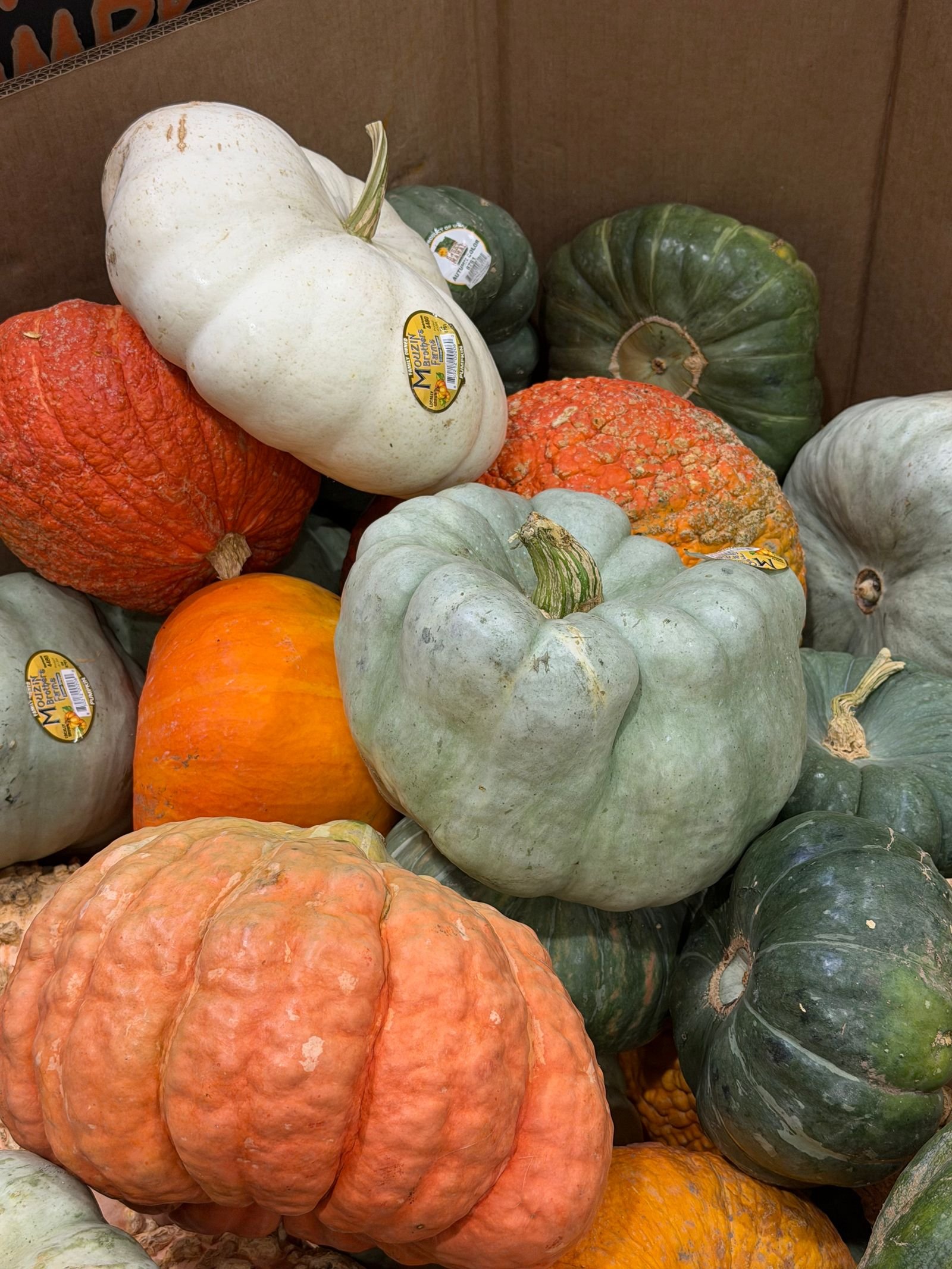
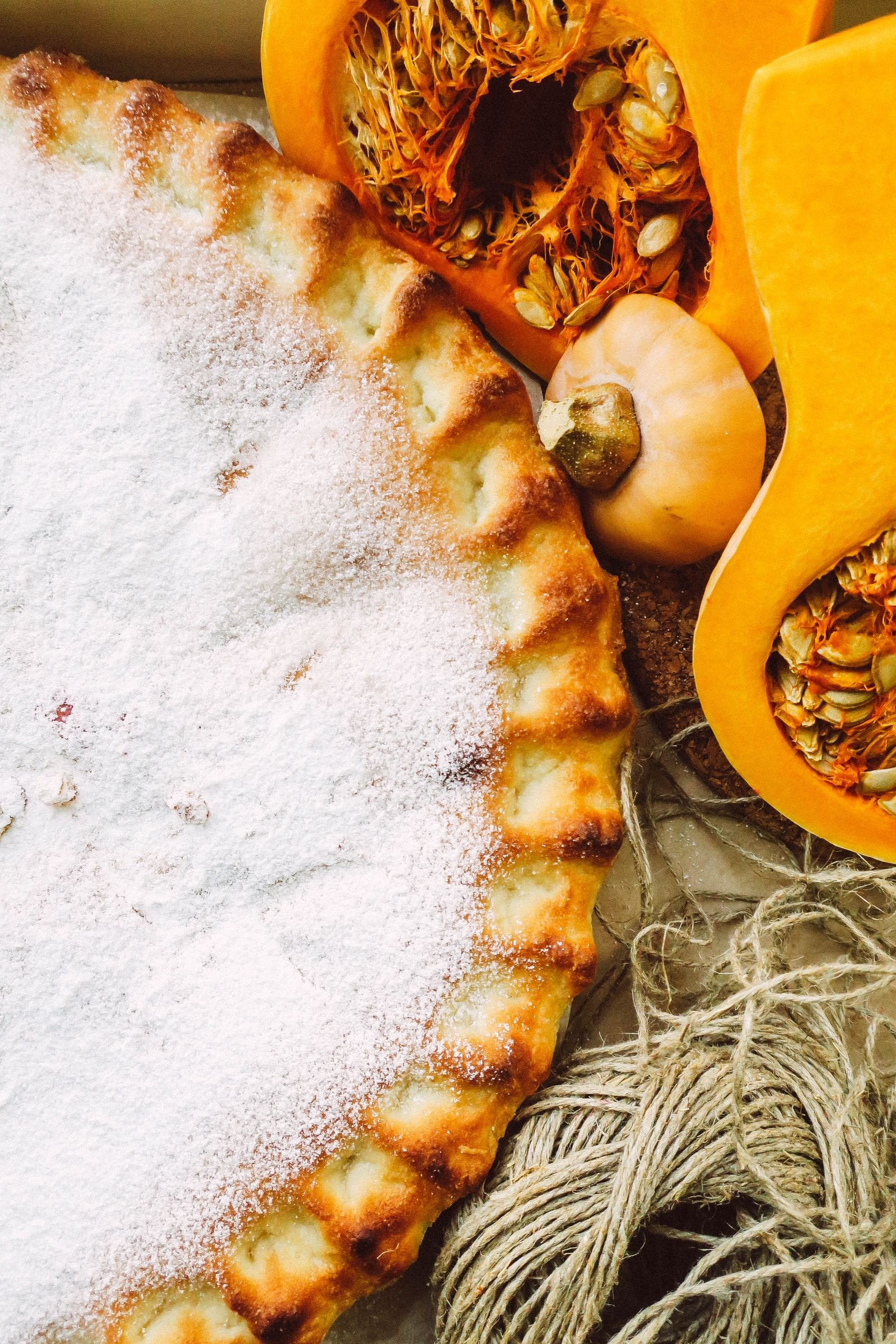
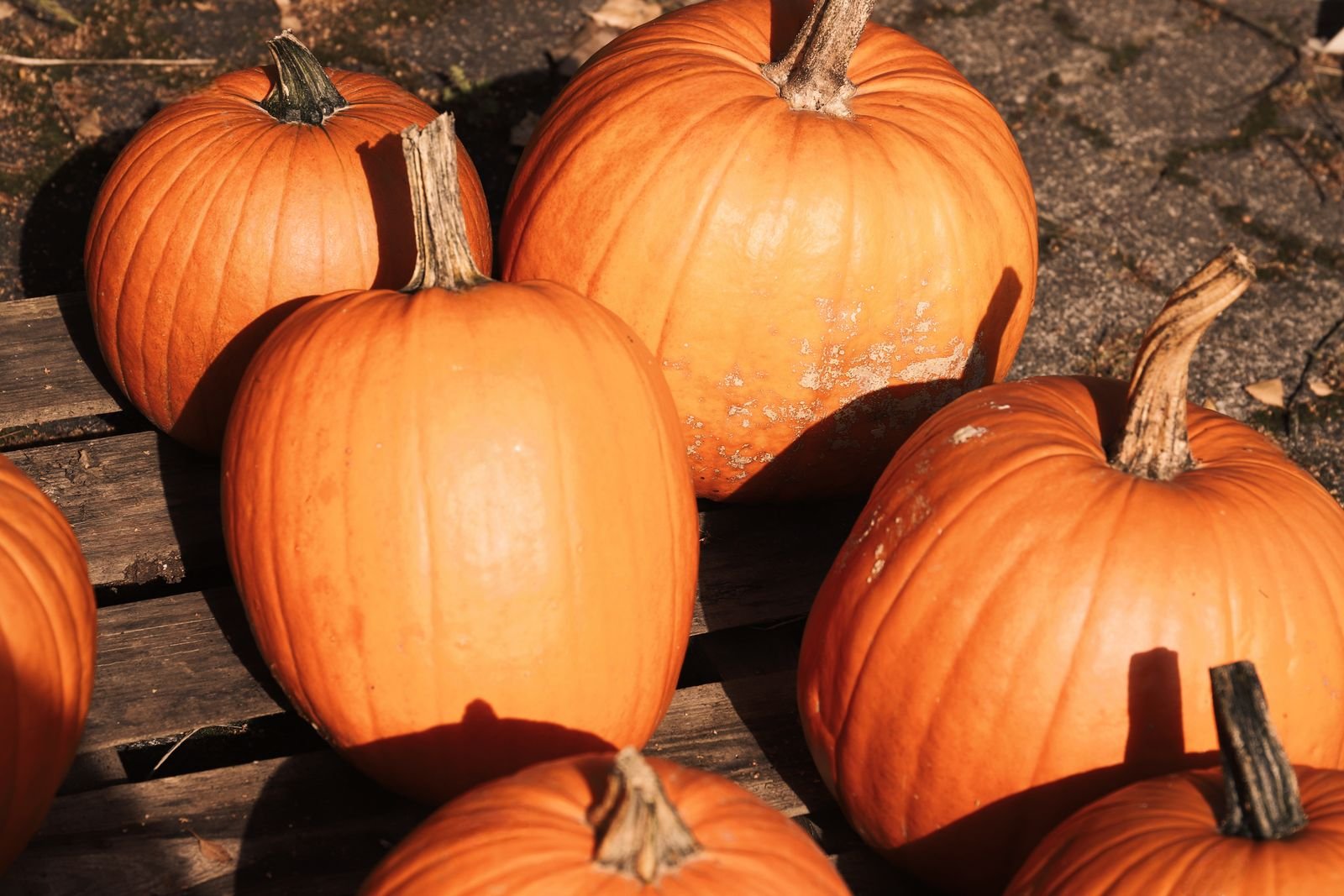
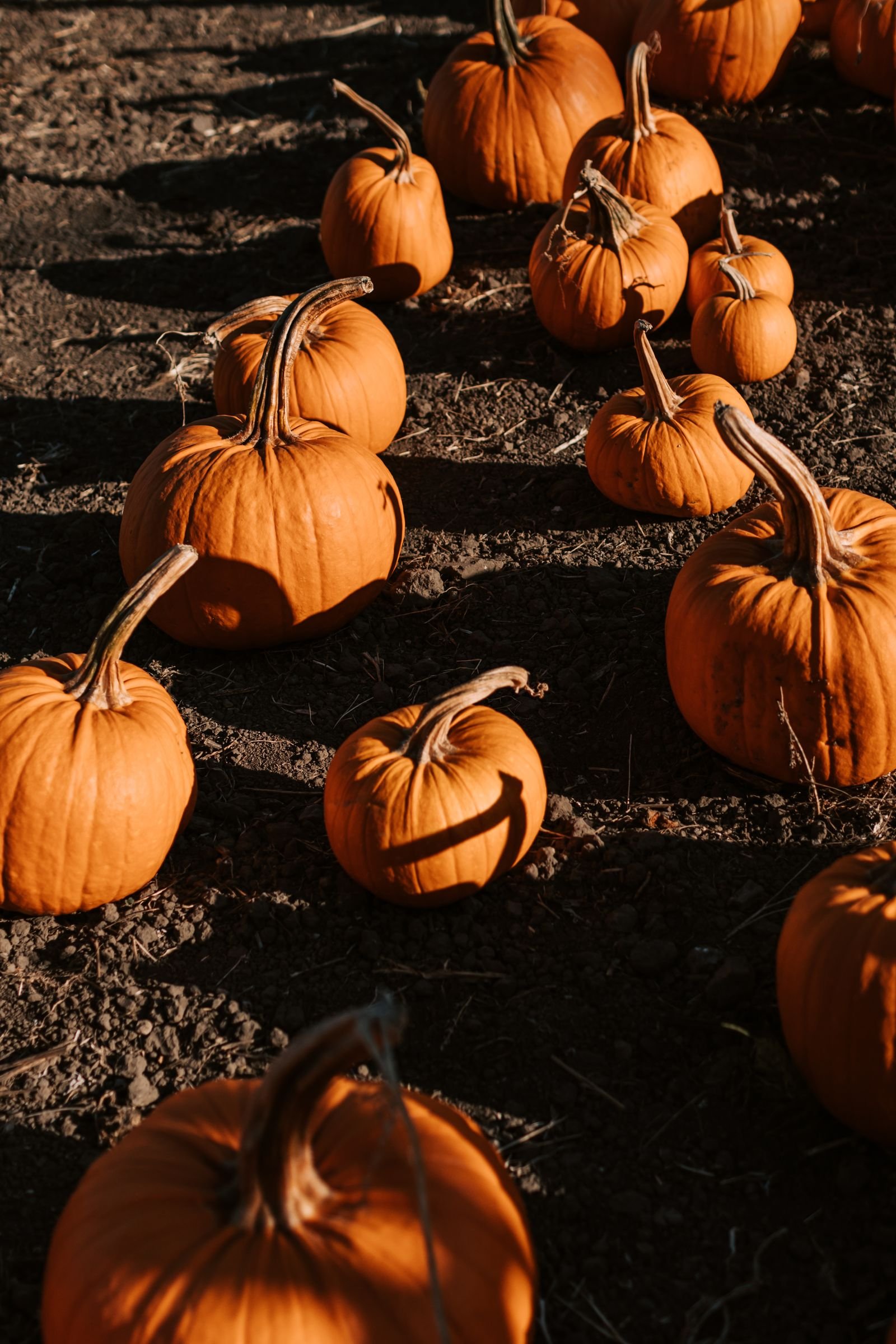
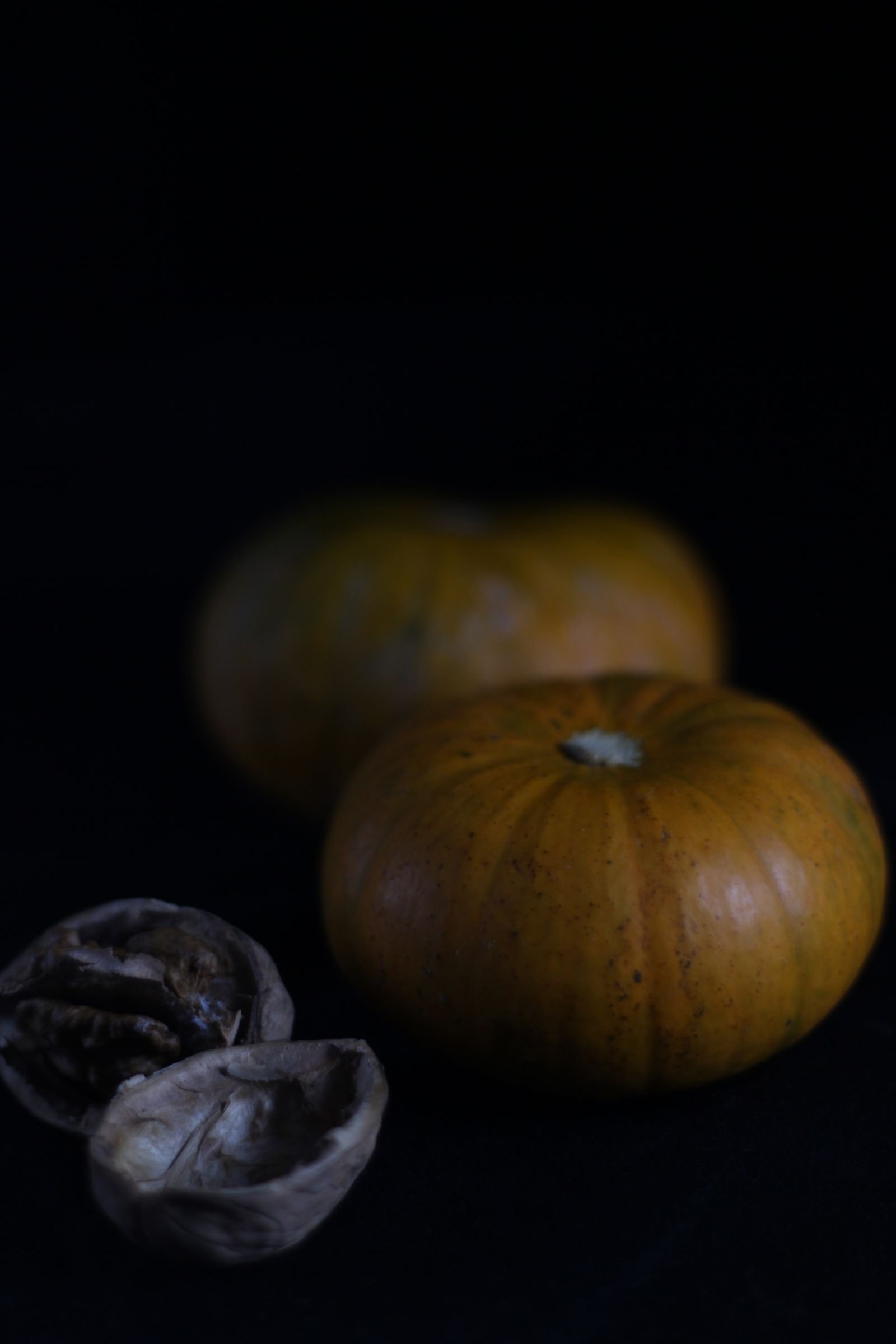
Tinned pumpkin purée is the weeknight hero here: consistent, smooth, and ready in seconds. Buy plain pumpkin, not pumpkin pie filling, which is pre-sweetened and spiced. In the UK, look for it in the baking or American food aisles of larger supermarkets. Fresh pumpkin gives a deeper, roastier flavour if you have time: halve a small sugar pumpkin, scoop out the seeds, roast cut-side down at 200°C for 45 minutes, then scoop and blend the flesh until silky. Butternut squash is an excellent substitute with a similar sweetness. Frozen pumpkin chunks, thawed and blended, work well too. Whichever you choose, the purée should be thick enough to hold its shape on a spoon — watery purée makes a watery sauce, so drain or simmer off excess liquid first.
The Best Pasta Shapes for Creamy Sauces
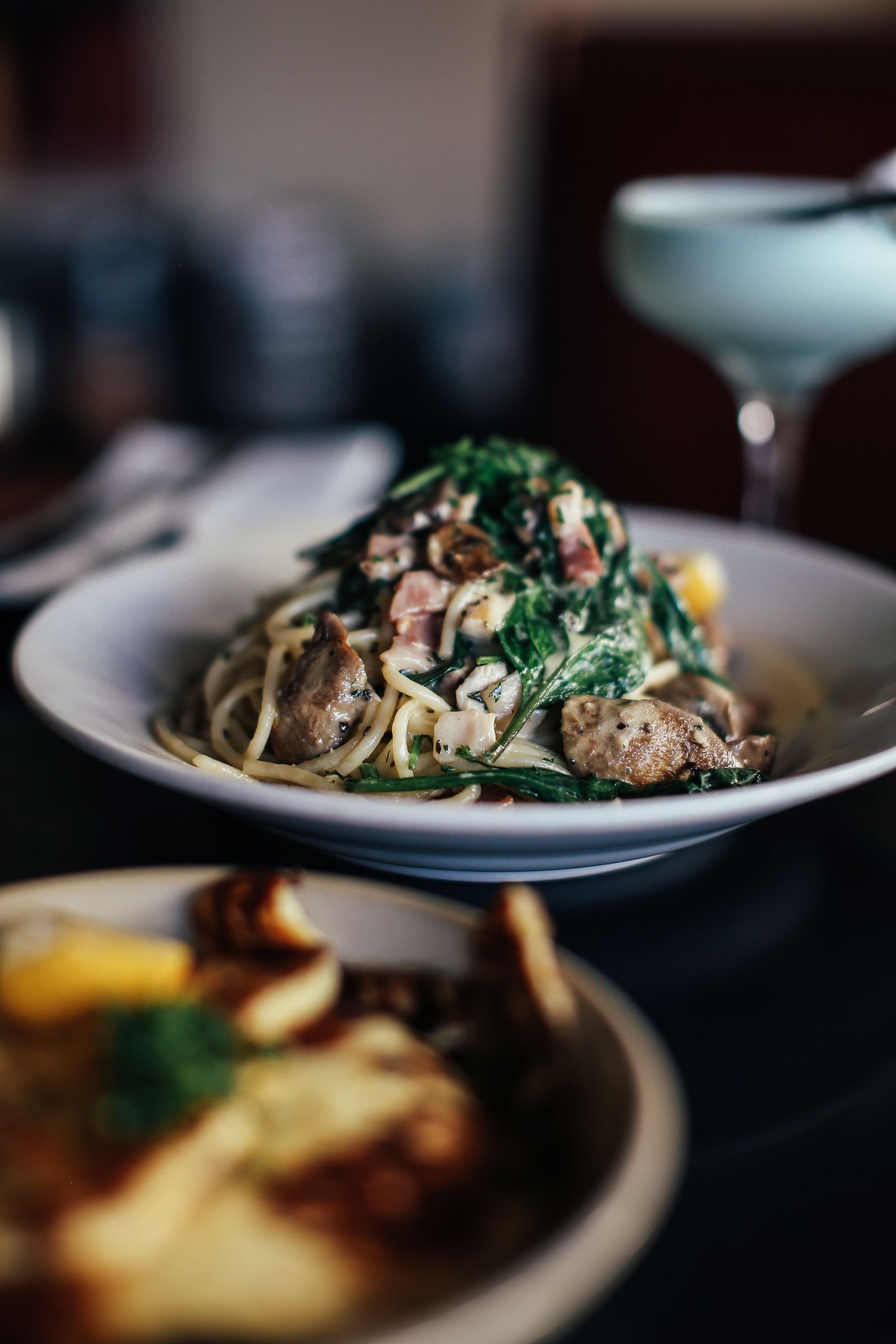
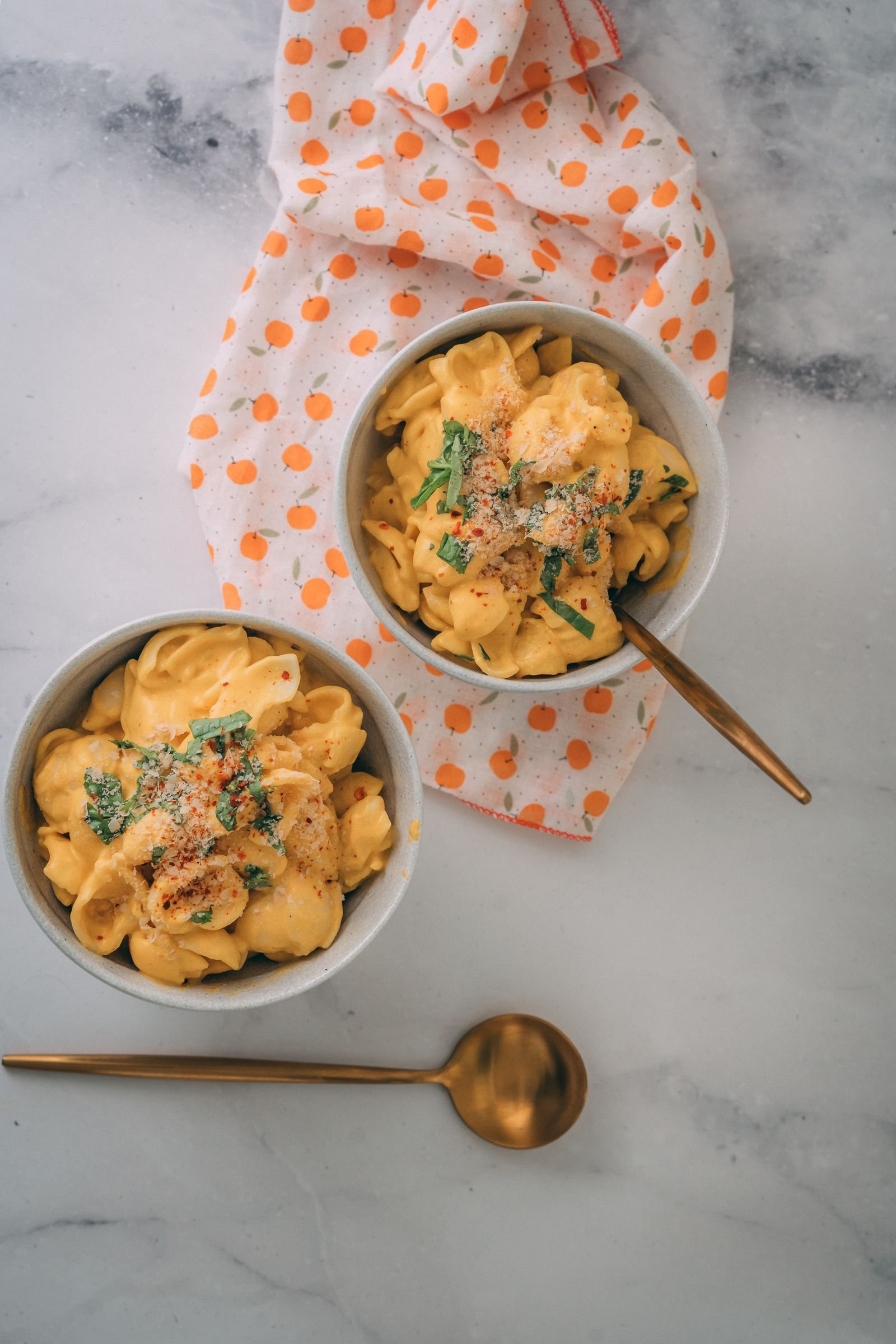
Shape matters more than most cooks realise. Short, ridged shapes like rigatoni, penne, and fusilli are the top picks because their grooves and hollows trap the thick pumpkin sauce in every bite. Shells (conchiglie) are another brilliant choice — each one cups a little pool of sauce. If you prefer long pasta, choose pappardelle or tagliatelle over spaghetti; their broad ribbons give the sauce plenty of surface to cling to. Wholewheat pasta adds nuttiness that complements pumpkin, though it needs an extra minute of cooking. For a gluten free version, brown rice or corn-based fusilli holds up well — just be generous with the pasta water, as gluten free pasta releases less starch. Whatever shape you pick, cook it one minute shy of the packet time so it finishes in the sauce.
The 20 Minute Base Recipe, Step by Step
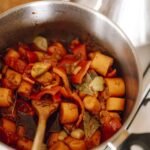
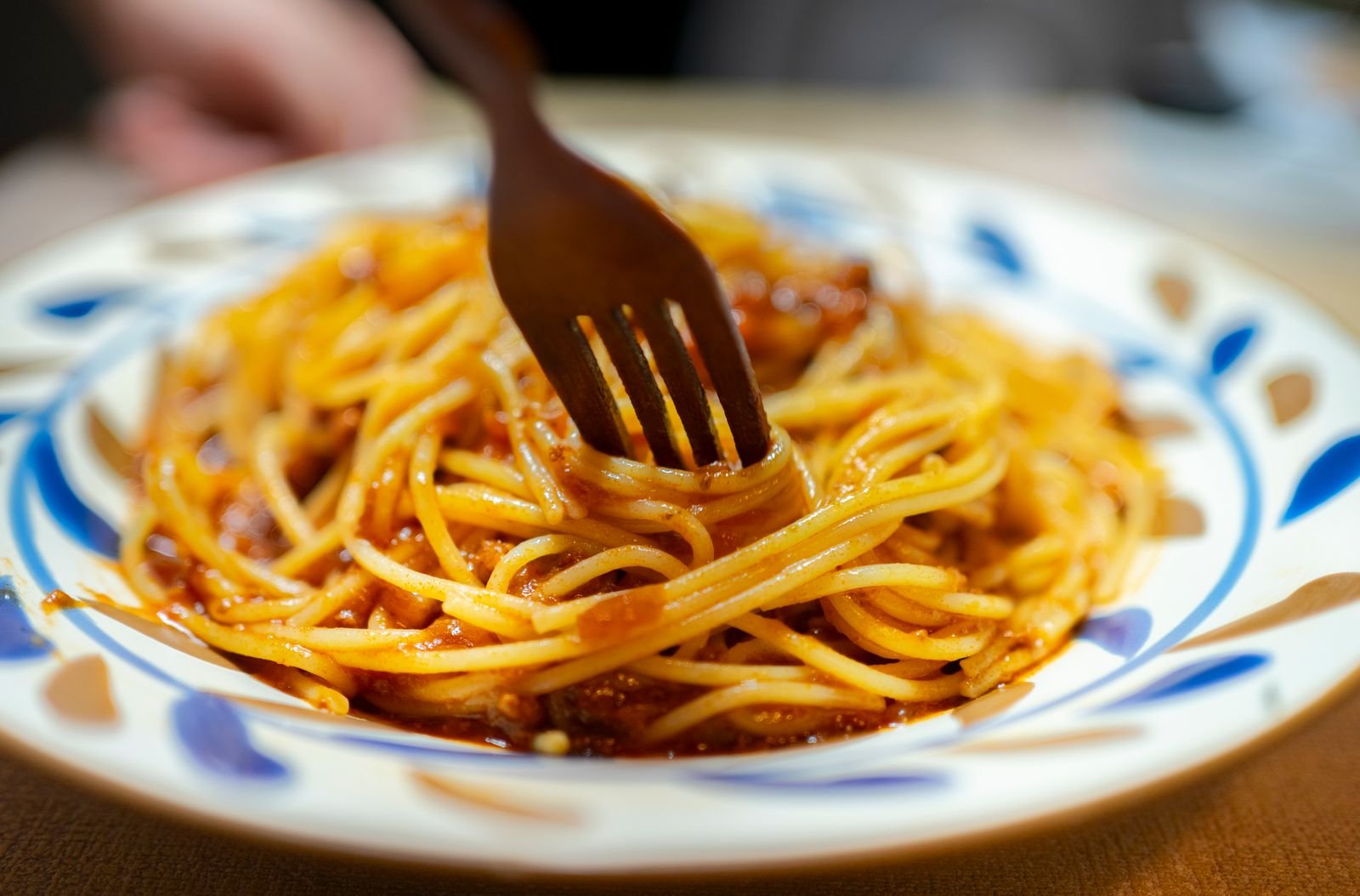
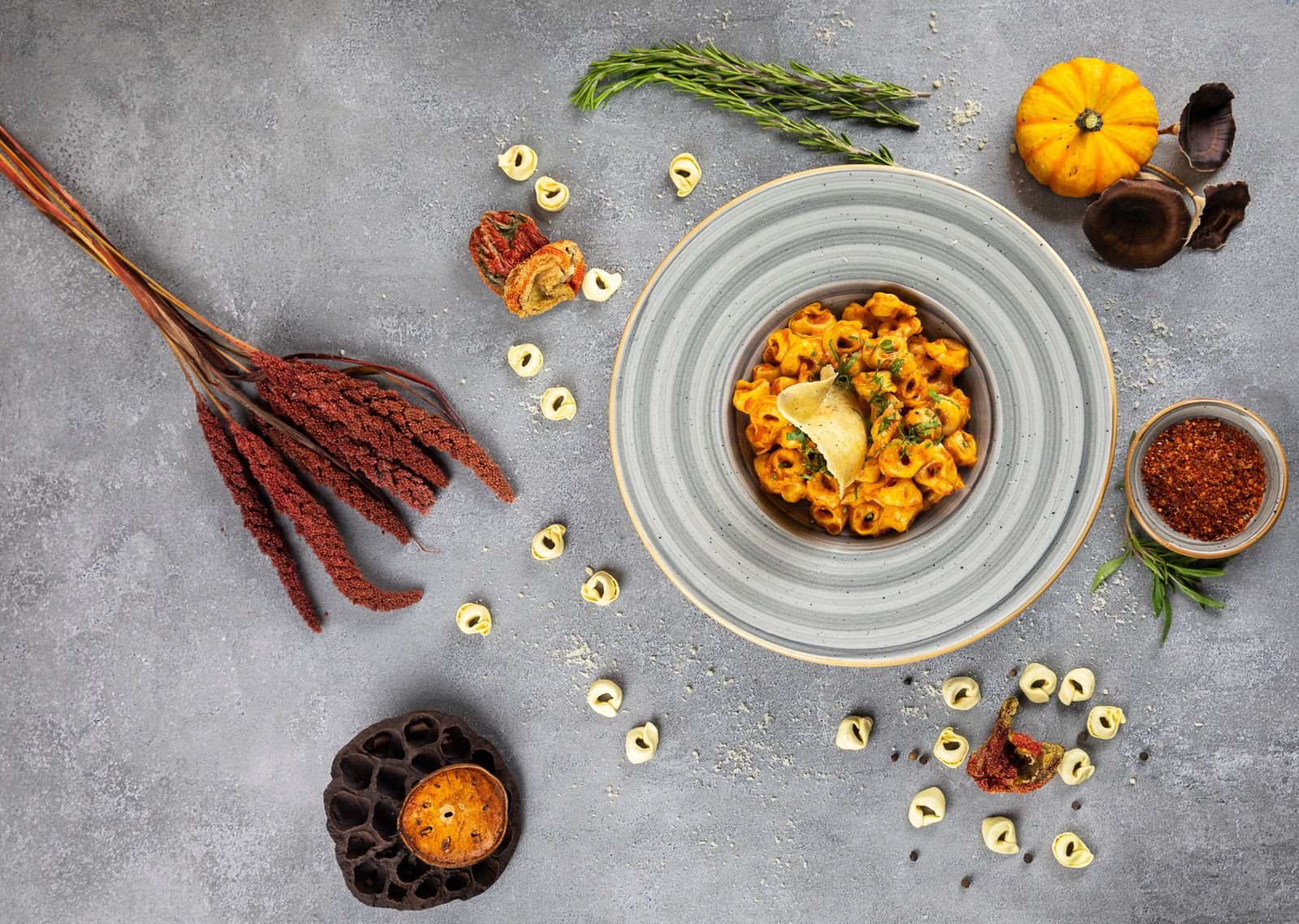
Start by bringing a large pan of well-salted water to a rolling boil and cooking 400 g of pasta until just shy of al dente; reserve a mug of the cooking water before draining. Meanwhile, soften a diced onion in two tablespoons of olive oil over medium heat for five minutes until translucent, then add three crushed garlic cloves and a teaspoon of chopped sage, cooking for one minute more. Stir in 400 g of pumpkin purée, 120 ml of double cream, half a teaspoon of grated nutmeg, and a generous seasoning of salt and pepper. Simmer for three minutes, then whisk in 50 g of grated parmesan until melted. Toss the drained pasta through the sauce, loosening with splashes of pasta water until glossy. Serve immediately with extra parmesan and crispy sage leaves.
Building Flavour: Onion, Garlic and Spices
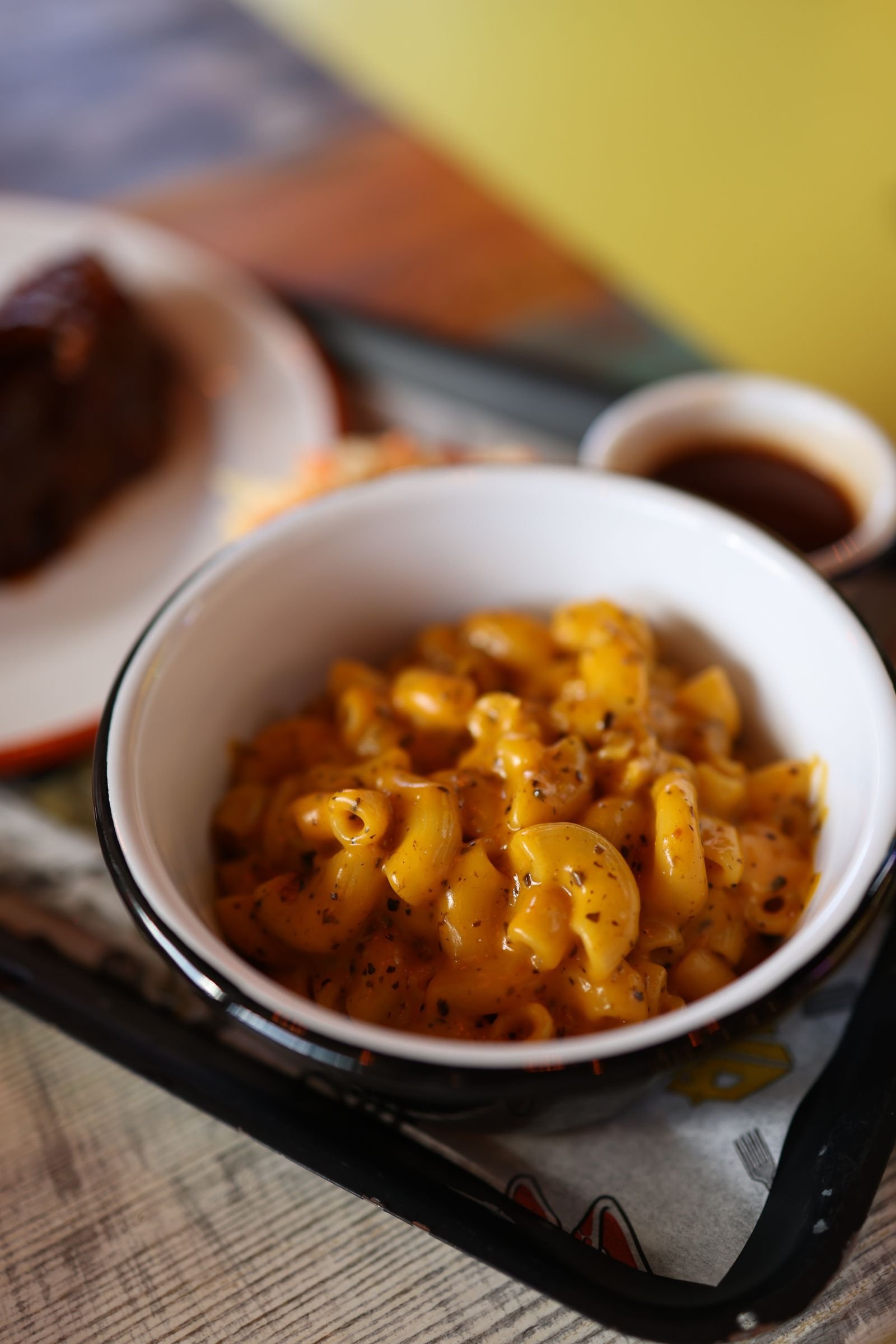
A great pumpkin sauce is built in layers, and the aromatics are layer one. Soften the onion slowly — rushing this step over high heat browns it and introduces bitterness that fights the pumpkin’s sweetness. Five unhurried minutes over medium heat is the minimum. Add garlic only after the onion is soft, since minced garlic burns in under two minutes and turns acrid. For spices, nutmeg is non-negotiable; grate it fresh for a warm, complex note that pre-ground cannot match. A pinch of smoked paprika adds subtle depth, while a quarter teaspoon of chilli flakes gives a gentle background warmth without making the dish spicy. If using fresh sage, fry the leaves in the oil first until crisp, set them aside for garnish, and use the now-infused oil for the onion — double the sage impact from one ingredient.
Making It Silky: Cream, Cheese and Starchy Water
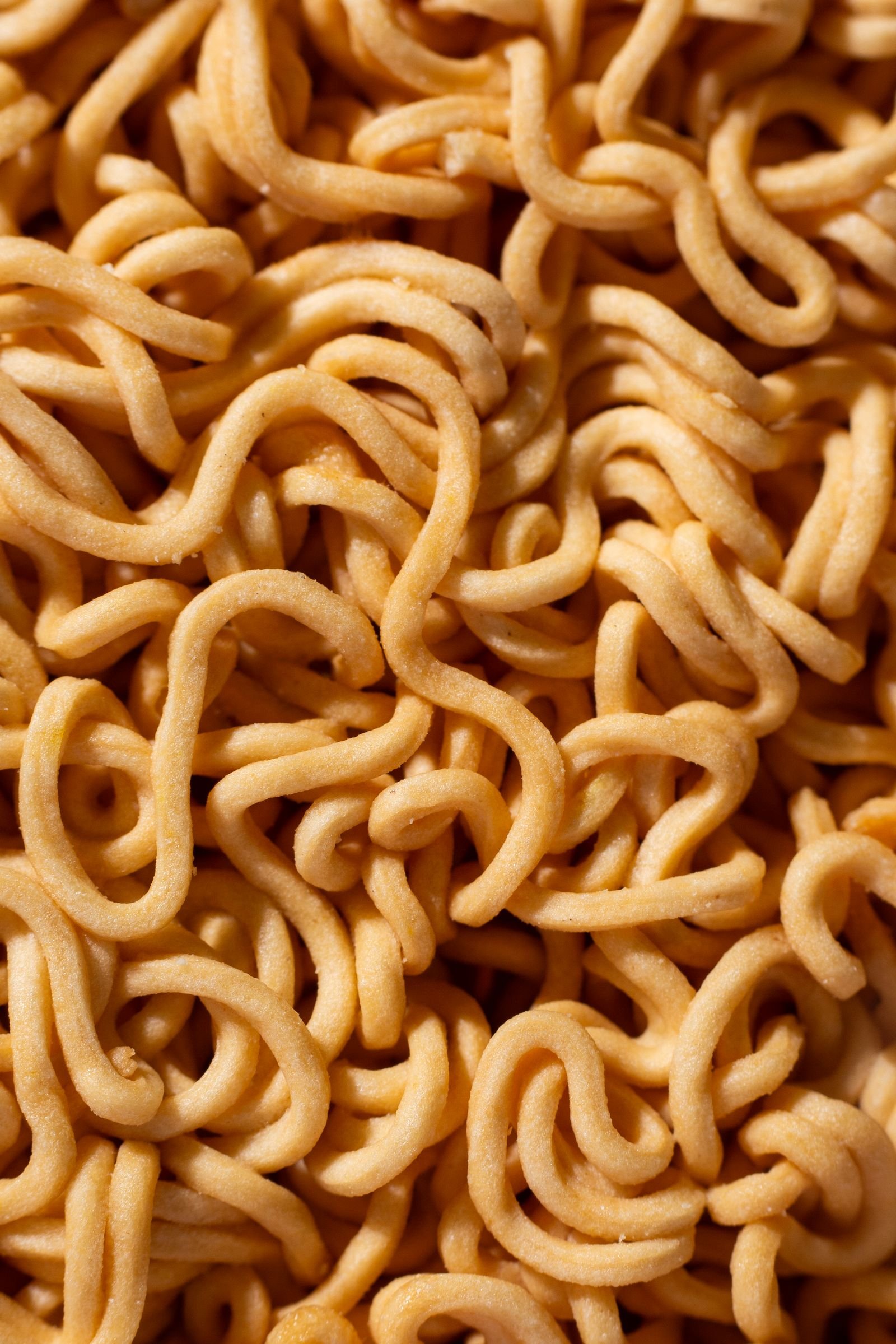
Silkiness comes from emulsion, not just dairy. The starch released by the pasta into its cooking water is a powerful emulsifier: when you toss it with the fat in the sauce, it binds everything into a glossy coating instead of an oily slick. Always reserve at least 250 ml before draining — you will use less than you think, but running out mid-toss is a disaster. Add the water a splash at a time, tossing vigorously, until the sauce loosens to a consistency that coats the back of a spoon. Grate your parmesan finely and add it off the fiercest heat so it melts smoothly rather than clumping into strings. If the sauce ever looks split or greasy, a splash more pasta water and energetic tossing will usually bring it back together within seconds.

Dairy Free and Vegan Versions
This recipe converts to vegan beautifully because pumpkin itself provides most of the creaminess. Swap the double cream for 120 ml of full-fat coconut milk or a homemade cashew cream (100 g soaked cashews blended with 120 ml water until completely smooth). Replace the parmesan with three tablespoons of nutritional yeast plus a teaspoon of white miso, which together mimic that savoury, umami depth. Use olive oil instead of butter throughout, and finish with a squeeze of lemon juice to brighten the flavours that dairy would normally lift. The sauce may be a touch less rich, so add an extra tablespoon of olive oil at the end for mouthfeel. Garnish with toasted pumpkin seeds and crispy sage for texture contrast that makes the vegan version feel indulgent, not like a compromise.

Adding Protein: Chicken, Sausage or Chickpeas
While delicious vegetarian, this pasta welcomes protein for a heartier meal. Italian sausage is the classic pairing: squeeze 300 g of sausage meat from its casings, brown it in the pan before the onion, and let its fennel-spiced fat flavour the entire sauce. Diced chicken thigh works well too — sear 400 g of bite-sized pieces until golden, then set aside and return them to simmer in the sauce for the final three minutes. For a vegetarian protein boost, add a drained 400 g tin of chickpeas along with the pumpkin purée; they absorb the sauce beautifully. Crispy pancetta or bacon lardons, scattered over at serving, add salty crunch. Whatever protein you choose, season the sauce a little less aggressively at first, since cured meats and cheeses bring their own salt.
Roasted Pumpkin vs Purée: Which Wins
Both routes lead to delicious pasta, but they taste noticeably different. Tinned purée gives a smooth, sweet, consistent sauce in minutes — the reliable weeknight choice. Roasting fresh pumpkin, however, caramelises its natural sugars and adds a toasty depth that purée cannot replicate. For the roasted version, toss 600 g of cubed pumpkin in olive oil and salt, roast at 200°C for 30 minutes until the edges char slightly, then blend half into the sauce and fold the rest through as chunks for texture. The blended portion gives silkiness while the chunks provide satisfying bites. A hybrid approach works brilliantly: use tinned purée as the base and stir through a handful of roasted cubes at the end. You get weeknight speed with weekend depth, and the contrasting textures make the dish feel more composed.

Herbs and Garnishes That Elevate the Dish
Garnishes are not decoration here — they supply the contrast a rich, soft sauce needs. Crispy sage leaves are the signature finish: fry whole leaves in hot oil for 30 seconds until they stop bubbling, then drain on kitchen paper and scatter generously. Toasted pumpkin seeds add crunch and a nutty echo of the main ingredient; toast them dry in a pan for three minutes until they pop. A grating of fresh parmesan and a crack of black pepper are essential, while a drizzle of good olive oil or chilli oil adds gloss and a peppery kick. For freshness, torn basil or chopped chives cut through the richness. Brown butter, drizzled over just before serving, contributes a nutty aroma that makes the whole dish smell incredible. Choose two or three garnishes — restraint keeps the plate elegant rather than cluttered.

Spice Variations: Smoky, Spicy and Sage Brown Butter
Once you master the base, the spice profile is yours to play with. For a smoky version, add a teaspoon of smoked paprika and half a teaspoon of ground cumin with the garlic, and finish with crispy chorizo. A spicy arrabbiata-style twist comes from a full teaspoon of chilli flakes bloomed in the oil, plus a squeeze of lemon to balance the heat. The sage brown butter variation is the most elegant: brown 60 g of butter until it foams and smells nutty, add a dozen sage leaves until crisp, and drizzle this over the finished pasta instead of using cream in the sauce — use vegetable stock to loosen it. A curry-inspired take with a teaspoon of mild curry powder and coconut milk instead of cream is surprisingly harmonious with pumpkin’s sweetness and makes an excellent vegan option.
One Pot Pumpkin Pasta Method
On nights when even one extra pan feels like too many, the one-pot method delivers. Sauté the onion, garlic, and spices in a large, deep sauté pan or Dutch oven. Add 400 g of dry pasta, 400 g of pumpkin purée, and 700 ml of hot vegetable stock. Bring to a boil, then simmer uncovered for 12 to 14 minutes, stirring frequently so the pasta does not stick — the stirring also releases starch that thickens the sauce naturally. When the pasta is al dente and the liquid has reduced to a creamy coating, stir in the cream and parmesan off the heat. You may need a splash of water to reach the right consistency. The texture is slightly different from the two-pan method — starchier and more unified — but the flavour is excellent and the washing up is minimal.

Baked Pumpkin Pasta Casserole
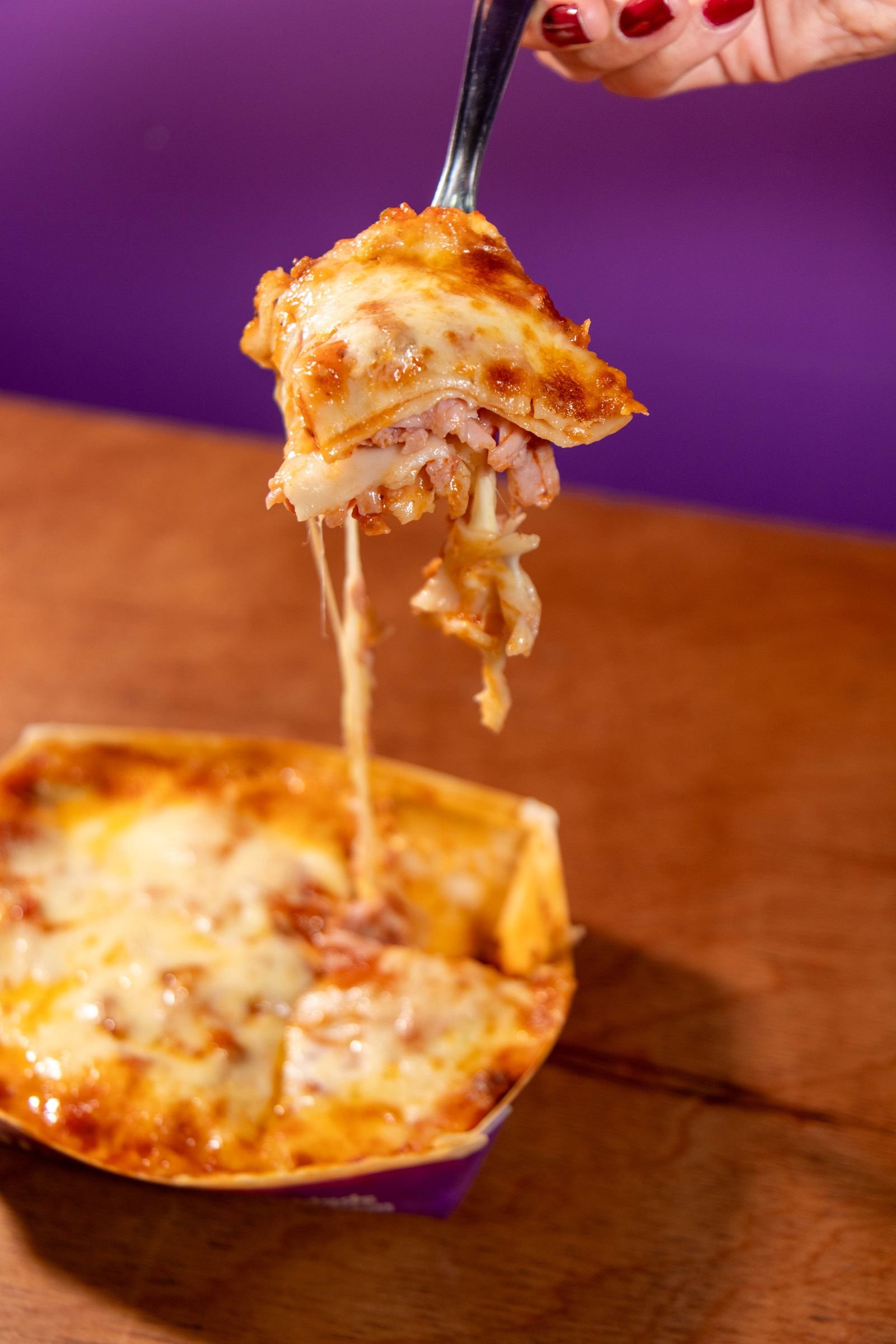
Transform the dish into a bubbling bake for crowds or cosy Sundays. Prepare the sauce as in the base recipe but make it slightly looser with extra pasta water, since the pasta will absorb liquid in the oven. Toss with just-cooked rigatoni or penne and transfer to a buttered baking dish. Top generously: a layer of torn mozzarella for stretch, a snowfall of parmesan for a golden crust, and a scattering of fresh breadcrumbs tossed in olive oil for crunch. Bake at 190°C for 20 to 25 minutes until bubbling and deeply golden on top. Rest for five minutes before serving so the sauce settles. Stirring a handful of baby spinach or wilted kale through the pasta before baking adds colour and nutrition. Leftovers reheat superbly, making this ideal for batch cooking.
Kid Approved Tweaks and Hidden Veggie Wins
This is a stealth-health superstar for families. The sauce’s natural sweetness and creamy texture appeal to children who would reject visible vegetables outright. Blend the sauce completely smooth — no onion bits, no herb flecks — and call it “cheesy orange pasta” rather than mentioning pumpkin. Reduce the black pepper and skip the chilli entirely; add nutmeg sparingly, as its intensity can put off young palates. Stirring in extra grated carrot or a handful of red lentils during simmering (they dissolve completely) boosts nutrition invisibly. Let children choose their own toppings from small bowls — parmesan, toasted seeds, crispy sage — which gives them ownership of the meal. Served with garlic bread for dunking, this reliably converts even committed pasta-sceptics.
Meal Prep, Storage and Freezing
The sauce — without the pasta — is a meal prep dream. Make a double batch on Sunday: it keeps in an airtight container in the fridge for up to four days and freezes beautifully for three months. Freeze in portion-sized containers or silicone muffin moulds for single servings that thaw quickly. Cook the pasta fresh each time, since stored pasta continues absorbing sauce and turns mushy. If you must store the combined dish, undercook the pasta by two minutes and expect to loosen it with water when reheating. Cool the sauce completely before refrigerating, and reheat gently on the hob rather than blasting it in the microwave, which can split the emulsion. Label frozen portions with the date and contents — future you will be grateful.

Reheating Without Splitting the Sauce
Cream-based sauces punish aggressive reheating, so go low and slow. Warm leftovers in a saucepan over the lowest heat, adding a splash of milk, cream, or water and stirring gently until the sauce loosens and comes back together. Never boil reheated pumpkin pasta — high heat breaks the emulsion and leaves you with an oily, grainy mess. In the microwave, use 50 percent power in one-minute bursts, stirring between each, with a spoonful of water added. If the sauce has thickened in the fridge, that is normal; the starches simply need liquid and gentle heat to relax again. A fresh grating of parmesan and a few crispy sage leaves revived in a hot pan will make reheated portions taste nearly as good as the original serving.

Common Mistakes and How to Fix Them
Even simple recipes have pitfalls. A bland sauce usually means under-seasoning or watery purée — taste and adjust salt boldly, and simmer thin purée down first. Grainy texture comes from adding cheese over too-high heat; always melt parmesan off the fiercest heat, and grate it finely. If the sauce is gluey, you have over-reduced the pasta water starch — loosen with plain hot water, not more starchy water. Burnt garlic is bitter and unfixable, so add it after the onion softens and keep the heat moderate. Sauce sliding off the pasta instead of clinging means you skipped the vigorous tossing with pasta water, or the pasta was overcooked and its surface too soft to grip. Finally, never rinse cooked pasta — you would wash away the very starch the sauce needs.
Wine and Side Dish Pairings
The right accompaniments turn this weeknight pasta into a proper dinner. A crisp, unoaked white wine — Pinot Grigio, Verdicchio, or a dry Riesling — cuts through the richness while echoing the dish’s gentle sweetness. Avoid heavy reds, which overwhelm the delicate pumpkin. For sides, a peppery rocket salad with lemon vinaigrette provides the fresh contrast the creamy sauce craves. Warm focaccia or garlic bread is non-negotiable for mopping up every last bit. Roasted Brussels sprouts with balsamic, or a simple green bean almondine, add texture and colour to the table. For a starter, keep it light: a small cup of roasted butternut soup or some marinated olives. Finish the meal with something sharp and fresh — poached pears or a lemon sorbet cleanse the palate perfectly.
Serving Ideas for Dinner Parties
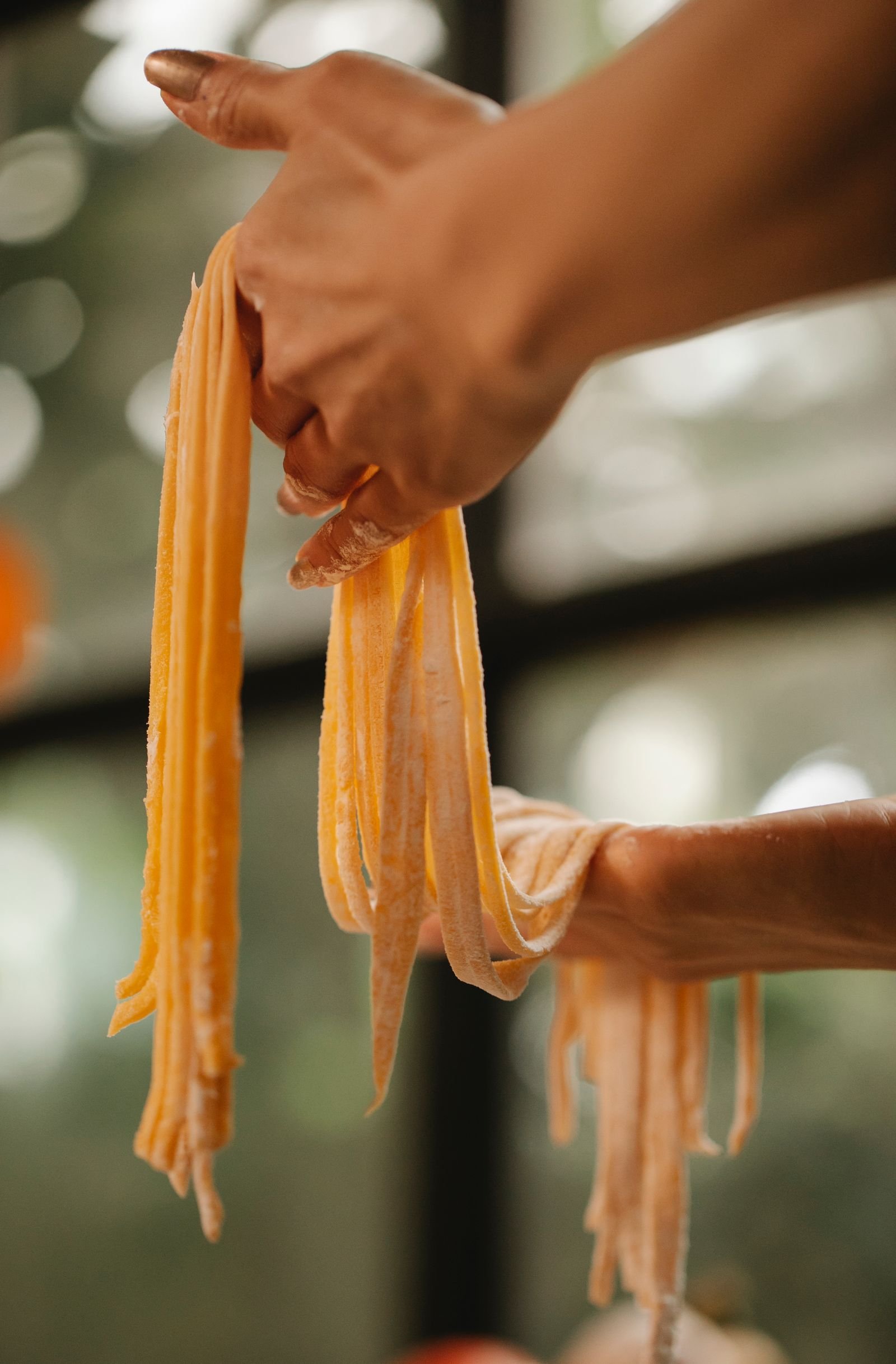
This humble pasta can absolutely anchor a dinner party with the right presentation. Serve it family-style in a large, shallow bowl, finished tableside with a dramatic snowfall of parmesan, crispy sage, and a thread of brown butter — the theatre elevates the whole course. For individual plating, twirl nests of pappardelle with tongs into warm bowls and top each with a quenelle of mascarpone and toasted seeds. A “pasta bar” works brilliantly for casual entertaining: keep the base sauce warm in a slow cooker and set out bowls of toppings — pancetta, chilli oil, extra cheeses, herbs — so guests customise their own. Pair with the wine suggestions above, light plenty of candles, and you have an autumn dinner party that cost very little but feels genuinely special.
This creamy pumpkin pasta proves that the most comforting dinners are often the simplest: sweet pumpkin, garlic, sage, and parmesan, brought together with nothing more than a mug of starchy pasta water and twenty minutes of your evening. Master the base recipe, then make it yours — smoky, spicy, vegan, or baked into a bubbling casserole. However you serve it, keep the garnishes generous and the wine crisp, and this will become the autumn dish your household requests on repeat.

I am Talha Sikandar, a professional writer with a passion for general blogging. With years of experience in content writing and research, I founded Meaniingly.com to deliver well-researched, informative, and user-friendly articles on diverse topics.