1970s childhood toys ideas
The 1970s were a golden age of childhood play, when toys were often simple, sturdy and powered by imagination rather than batteries. Wooden trains, building bricks, skipping ropes and dolls filled playrooms, while outdoor games kept children busy from morning until teatime. Looking back, these toys carry a warm nostalgia for simpler, more creative days.
This guide shares twenty 1970s childhood toys ideas, celebrating general types of toys that defined the decade. Each idea is described generically, without brand names, focusing on the play itself. Whether you collect vintage toys or simply enjoy remembering them, this journey down memory lane is for you.
Wooden Building Bricks
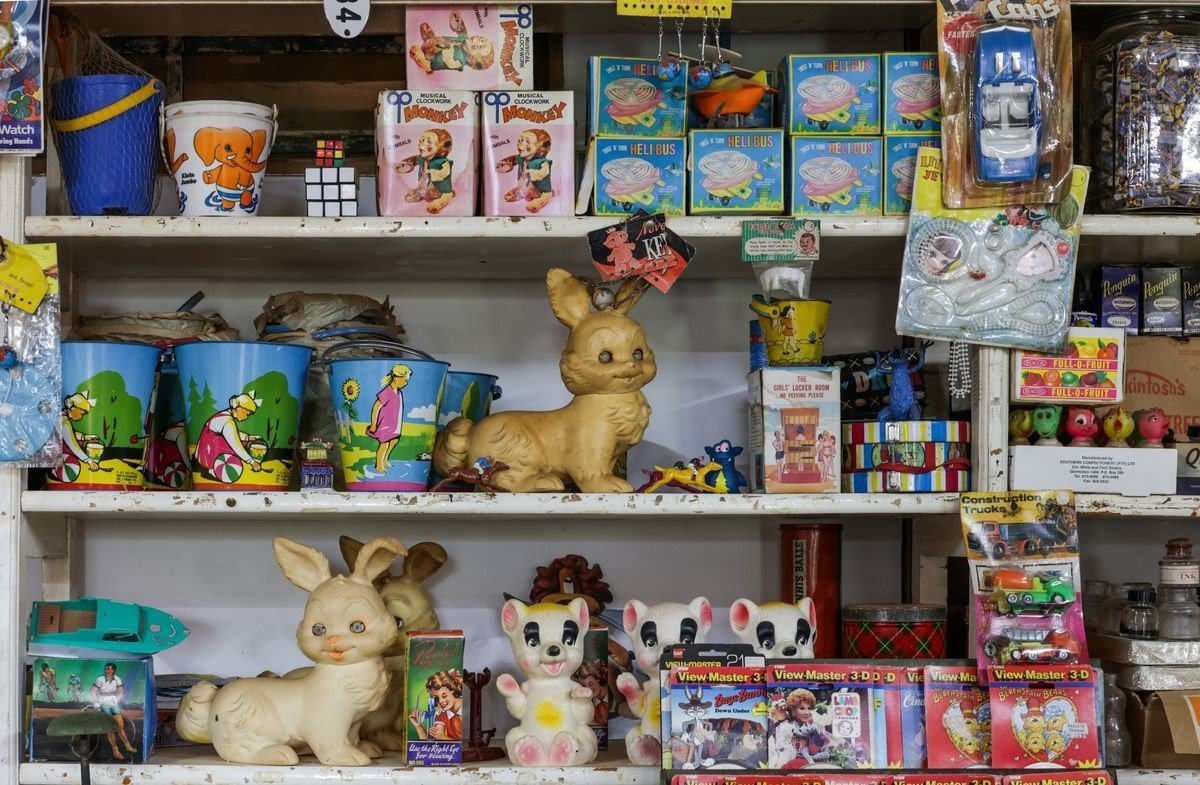
Wooden building bricks were a staple of 1970s playrooms, simple blocks in natural wood or bright primary colours. Children stacked them into towers, houses, castles and whole imaginary towns, learning balance and patience with every build. The satisfying clatter of collapsing towers was part of the fun.
Wooden bricks suited all ages, from toddlers stacking two blocks to older children engineering elaborate structures. They encouraged open-ended creativity, since no instructions dictated what to build. A box of wooden bricks could entertain for hours, day after day. Building with bricks taught balance, patience and creativity with every tower, house and castle attempted.
Many families still treasure wooden bricks passed down through generations, their edges softened by decades of play. They remain popular today, proving that simple, well-made toys never truly date. Wooden bricks are the timeless heart of 1970s childhood play. A box of wooden bricks could entertain for hours, day after day, without any instructions or batteries at all.
Classic Dolls and Prams
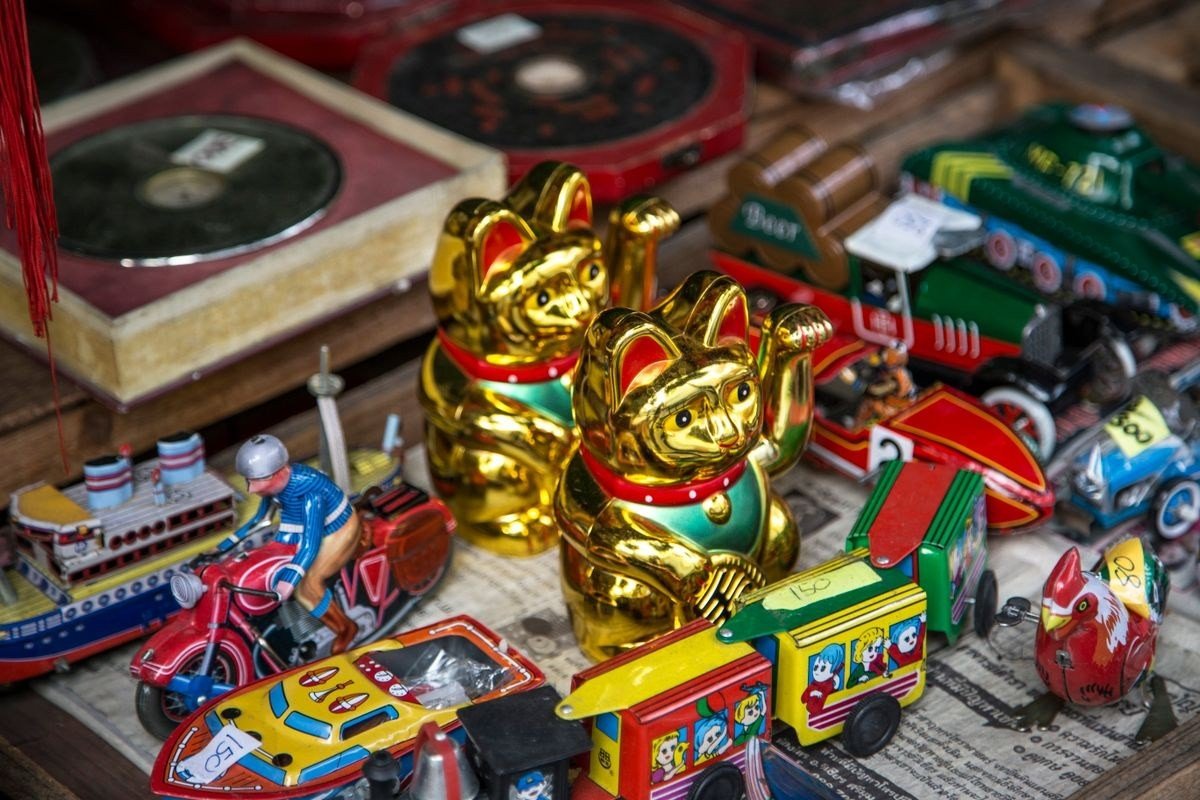
Dolls and toy prams filled 1970s childhoods with nurturing, imaginative play. Children dressed their dolls, pushed prams around gardens and invented elaborate family stories. Dolls came in many forms, from soft rag dolls to more detailed baby dolls with sleepy eyes.
Doll play encouraged empathy and storytelling, as children cared for their dolls like real babies. Toy prams, often in pastel colours with folding hoods, were prized possessions for walks around the neighbourhood. Siblings and friends joined in, creating extended doll families. Pushing a pram around the garden gave children a proud sense of grown-up responsibility.
Many adults remember a favourite doll from the seventies with deep affection, a companion through childhood’s ups and downs. Dolls and prams represent the gentle, imaginative side of the decade. They remain beloved toys for children everywhere. Many adults remember a favourite doll from the seventies with deep affection, a companion through childhood’s ups and downs.
Die-Cast Toy Cars
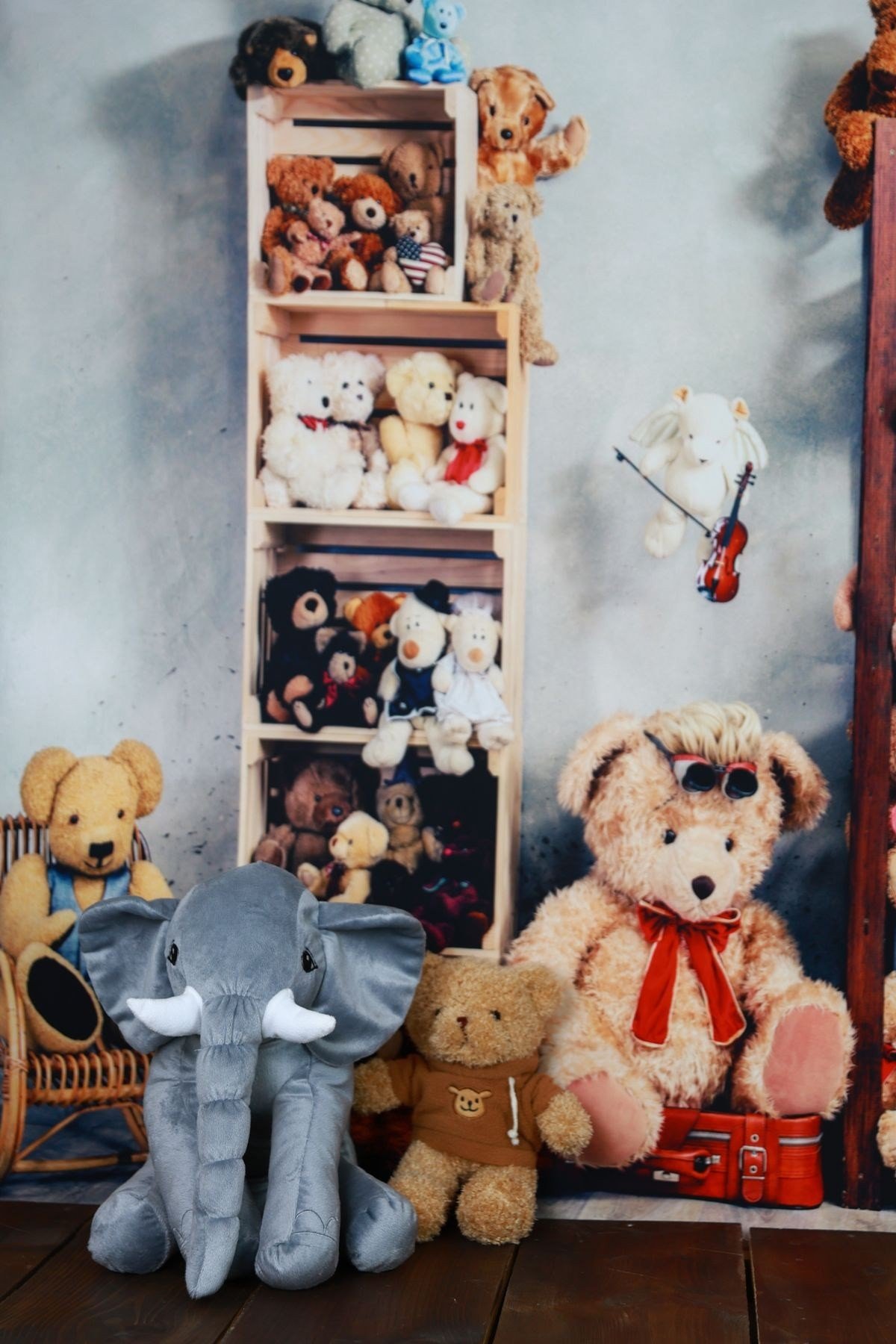
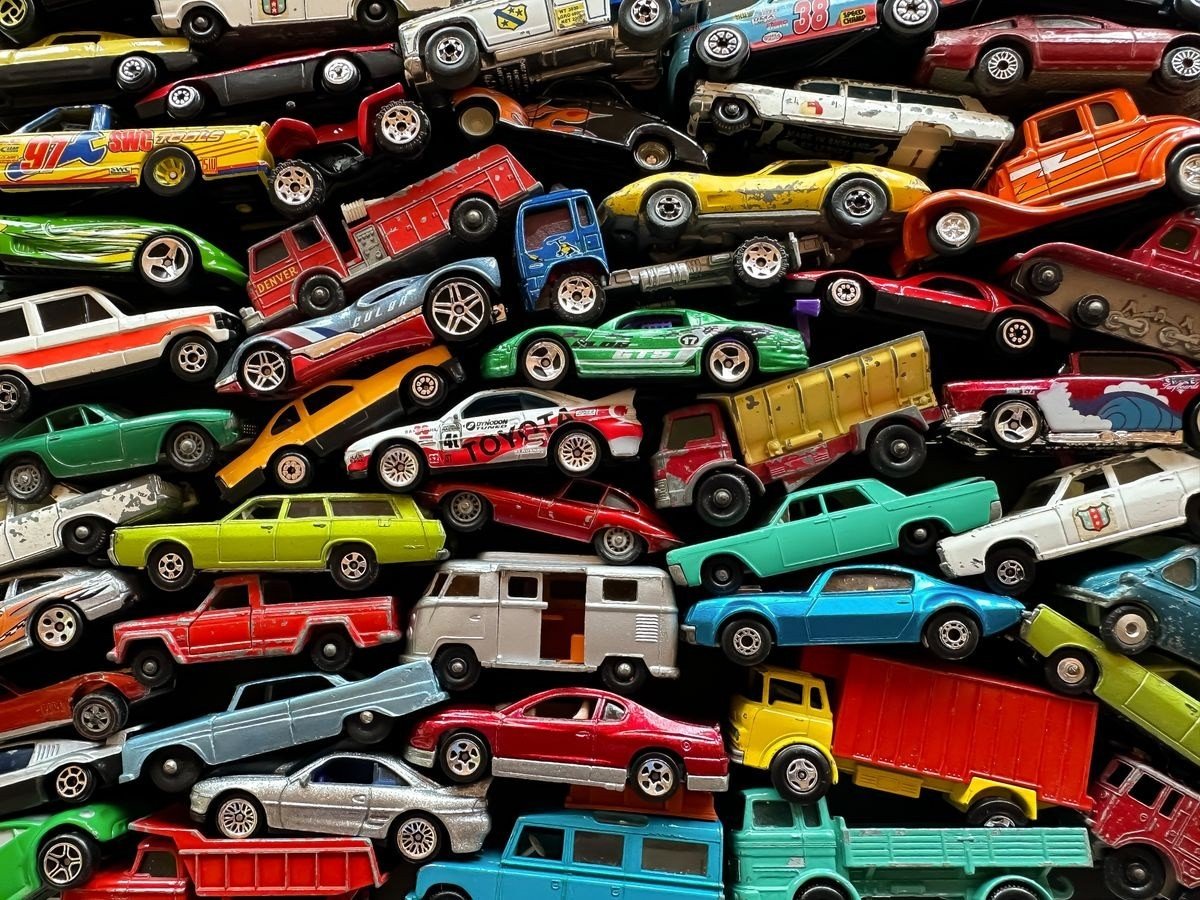
Small die-cast cars were treasured by 1970s children, who collected them, raced them and built whole traffic systems on living room floors. These sturdy metal cars survived crashes, jumps and countless races down hallway tracks. Collecting different models became a passionate hobby.
Children created roads from masking tape, built garages from bricks and staged elaborate races with friends. Die-cast cars encouraged imaginative play and friendly competition, with races decided by skill, luck and the smoothest floor. Trading cars with friends was a serious playground business.
Many adults still collect die-cast cars, remembering childhood fleets with fondness. Their durability means many seventies cars survive in excellent condition. Die-cast cars capture the excitement and freedom of 1970s play perfectly. Trading cars with friends was serious playground business, with rare models prized above all other possessions.
Skipping Ropes and Rhymes

Skipping ropes were playground essentials in the 1970s, accompanied by rhymes and songs passed from child to child. Girls and boys skipped alone, in pairs and in long ropes turned by friends, developing rhythm, coordination and stamina. The playground echoed with chanting and laughter.
Skipping games varied by region, with local rhymes and rules adding unique flavour. Double Dutch, with two ropes turning in opposite directions, challenged the most skilled skippers. A simple rope provided hours of healthy, social outdoor play.
Skipping required no batteries, no screens and no special equipment beyond a rope. It built friendships, fitness and playground traditions. The humble skipping rope remains one of the purest, happiest toys of the seventies. Double Dutch, with two ropes turning in opposite directions, challenged even the most skilled and confident skippers.
Colourful Kites

Flying a kite on a windy day was a classic 1970s childhood joy, combining patience, skill and the thrill of watching colours dance in the sky. Simple diamond kites, made from paper, sticks and string, cost little but delivered enormous excitement. Parks and beaches filled with kites on breezy weekends.
Children learned to read the wind, run at the right moment and adjust string tension to keep kites aloft. A successful launch brought cheers, while tangled strings taught patience and problem-solving. Kite flying was often a family activity, with parents helping younger children. A successful kite launch brought cheers from everyone watching on the hillside.
Making your own kite from simple materials was part of the tradition, encouraging craft and experimentation. Kites in bright colours against blue skies remain an iconic seventies image. This simple toy still brings joy to children and adults alike. Making your own kite from simple materials was part of the tradition, encouraging craft, patience and experimentation.
Marbles and Playground Games
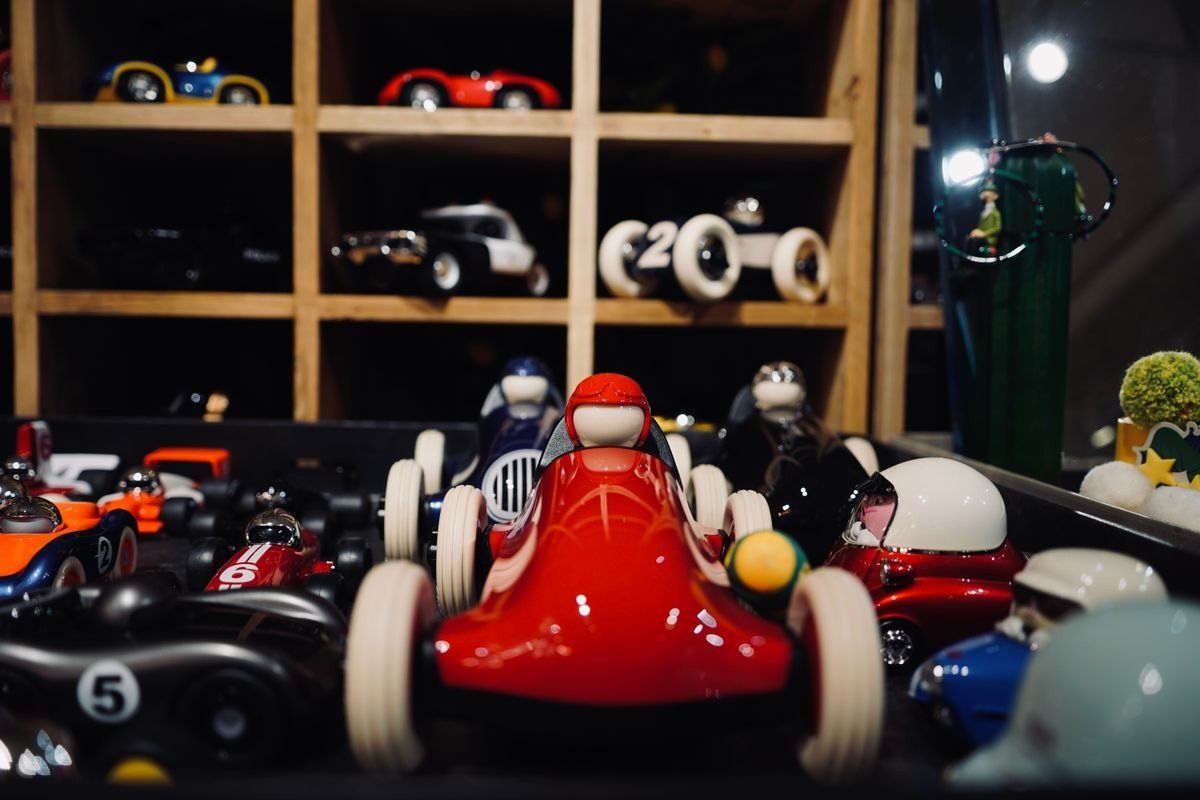
Marbles were serious playground currency in the 1970s, collected, traded and played for in games of skill. Children carried pouches of glass marbles in swirling colours, each with its own name and value. Playground marble rings drew crowds of competitors during break times.
Marble games taught aiming, strategy and good sportsmanship, with rules debated passionately. Losing a prized marble was heartbreaking, while winning one felt like a great victory. Collections grew through trades, gifts and hard-won games.
Marbles were cheap, portable and endlessly playable, fitting perfectly into seventies childhood. Many adults still keep childhood marble collections, each one holding memories. This tiny toy represents playground culture at its most vibrant. Losing a prized marble was heartbreaking, while winning one in a playground game felt like a great victory.
Yo-Yos and Tricks
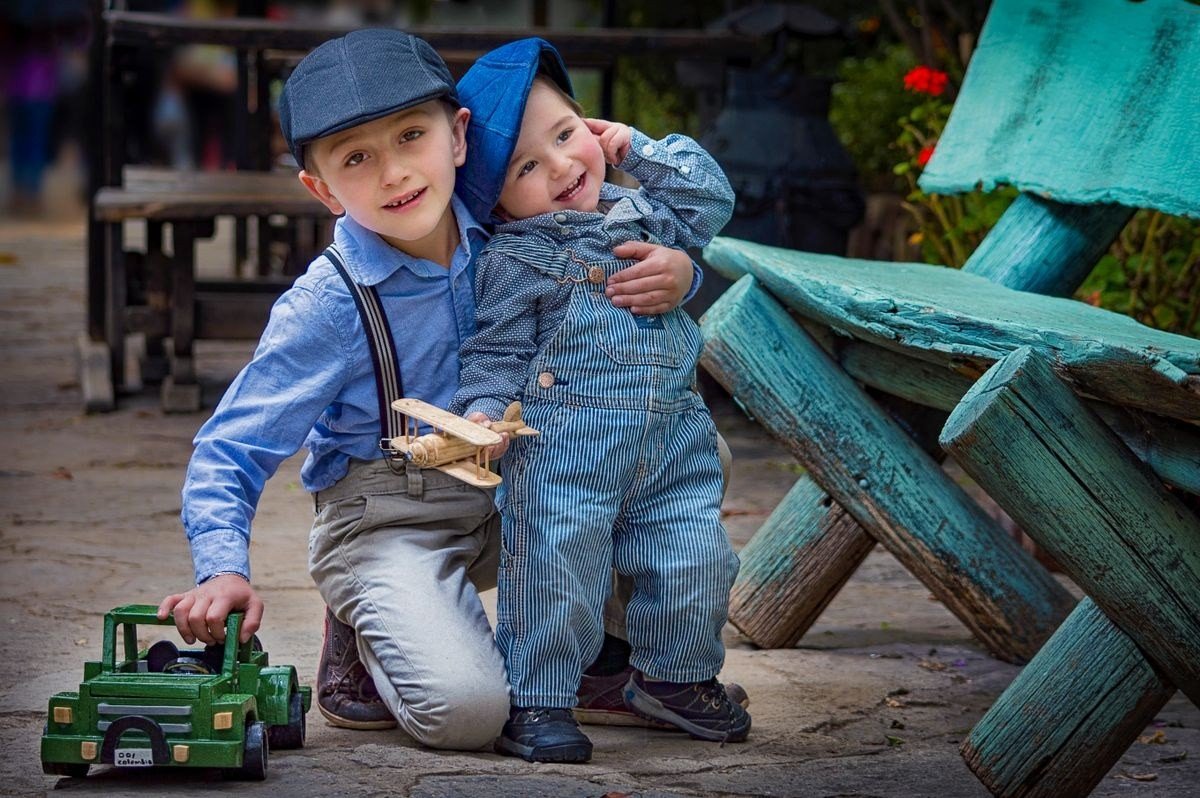
Yo-yos swept through 1970s playgrounds in waves of enthusiasm, with children practising tricks like walking the dog and going around the world. A simple string and spinning disc provided endless challenge, as players progressed from basic up-and-down to complex manoeuvres. Playground yo-yo contests drew admiring crowds.
Yo-yos came in bright colours and various shapes, with some glowing or making sounds. Practising tricks built patience and coordination, since mastery required hours of repetition. Friends taught each other new tricks, creating a shared playground culture.
The yo-yo’s appeal lay in its simplicity and portability, fitting in a pocket and playable anywhere. Crazes came and went, but yo-yos always returned. They remain a classic toy, proving that skill-based play never loses its charm. Friends taught each other new tricks, creating a shared playground culture around skill, practice and friendly competition.
Board Games for Families
Board games were central to 1970s family evenings, bringing everyone around the table for races, property trading and wordplay. Rainy Sundays and holiday evenings filled with laughter, friendly rivalry and the clatter of dice. Board games taught strategy, counting and graceful losing.
Families developed traditions around favourite games, with house rules passed down and fiercely defended. Children learned to negotiate, plan ahead and handle both victory and defeat. Board game nights strengthened family bonds in a way few activities could match. Rainy Sundays filled with board games remain among the warmest family memories.
Many seventies board games remain popular today, their simple mechanics still entertaining new generations. The social, screen-free nature of board games feels especially precious now. Family board games are a warm, enduring memory of the decade. Families developed traditions around favourite games, with house rules passed down and fiercely defended every Sunday.
Modelling Dough Creations
Soft modelling dough in bright colours let 1970s children sculpt animals, food, people and imaginary creatures. Squeezing, rolling and shaping dough developed fine motor skills while encouraging boundless creativity. Moulds and cutters added shapes, but free sculpting was often the most satisfying.
Modelling dough play was wonderfully sensory, with its soft texture and distinctive smell becoming part of childhood memory. Children built whole dough worlds on table tops, complete with tiny furniture and food. The dough could be reused endlessly, making it economical as well as fun.
Homemade dough, cooked on the stove with flour, salt and water, was a common alternative, often scented or coloured at home. Modelling dough remains a nursery staple today, beloved by generations. Its creative, hands-on appeal is truly timeless. Homemade dough, cooked on the stove with flour, salt and water, was a common and economical alternative.
Toy Trains and Tracks

Wooden toy trains running on grooved tracks were a beloved 1970s playroom feature, with children building layouts across floors and tables. Bridges, stations, tunnels and level crossings created miniature worlds for imaginative journeys. Trains encouraged planning, as layouts had to connect properly.
Children collected engines, carriages and accessories gradually, expanding their railways over birthdays and Christmases. Siblings collaborated on grand layouts, negotiating routes and sharing rolling stock. Train play combined construction, storytelling and gentle, rhythmic movement. Planning a layout taught children to think ahead, since tracks had to connect properly to work.
Wooden train sets were durable enough to pass between siblings and generations, often still in use decades later. Their simple, classic design remains popular with young children today. Toy trains capture the patient, imaginative spirit of seventies play. Siblings collaborated on grand layouts, negotiating routes and sharing rolling stock across the living room floor.
Outdoor Balls and Bats
Balls, bats and outdoor games kept 1970s children active from dawn until dusk, with streets, parks and gardens serving as playgrounds. Football, rounders, tennis and simple catch games filled long summer days. A single ball could entertain a whole street of children.
Outdoor play built fitness, coordination and social skills, as children organised their own games and teams. Rules were negotiated on the spot, disputes settled by the players themselves. These unstructured games taught independence and cooperation in equal measure. Outdoor games taught children to organise teams and settle disputes fairly themselves.
Many adults remember the freedom of seventies outdoor play with particular fondness, roaming neighbourhoods with friends until called home for tea. Balls and bats were simple tools for rich, active childhoods. Outdoor play remains essential for healthy, happy children. Rules were negotiated on the spot by the players themselves, teaching independence, fairness and cooperation together.
Dressing-Up Boxes
Dressing-up boxes, filled with old clothes, hats, scarves and accessories, sparked endless imaginative play in the 1970s. Children transformed into pirates, princesses, doctors, explorers and superheroes, inventing stories as they went. A single scarf could become a cape, a veil or a river.
Parents contributed outgrown clothes and charity-shop finds, making dressing-up boxes wonderfully eclectic. Friends joined in, creating casts of characters for elaborate pretend games. Dressing up encouraged confidence, empathy and storytelling, all through joyful play.
The best dressing-up boxes were messy, overflowing and constantly evolving, with new treasures added regularly. They cost almost nothing yet provided limitless entertainment. Dressing up remains one of childhood’s most creative and beloved activities. Parents contributed outgrown clothes and charity-shop finds, making dressing-up boxes wonderfully eclectic and surprising.
Colouring and Drawing Sets

Colouring books, crayons and felt-tip pens were quiet-time favourites in the 1970s, offering calm creativity after active play. Children coloured within lines, invented their own pictures and decorated bedroom walls with proud displays. Drawing sets encouraged observation and artistic confidence.
Simple materials produced remarkable results, from rainbow pictures to detailed scenes of family life. Children shared crayons, compared pictures and learned colour names and combinations. Drawing was both solitary and social, suiting rainy days and sunny gardens alike.
Many adults still associate the smell of crayons and fresh colouring books with childhood happiness. Drawing sets were affordable, portable and endlessly renewable. They nurtured creativity that lasted far beyond childhood itself. Many adults still associate the smell of crayons and fresh colouring books with pure childhood happiness.
Spring Toys and Bouncing Fun
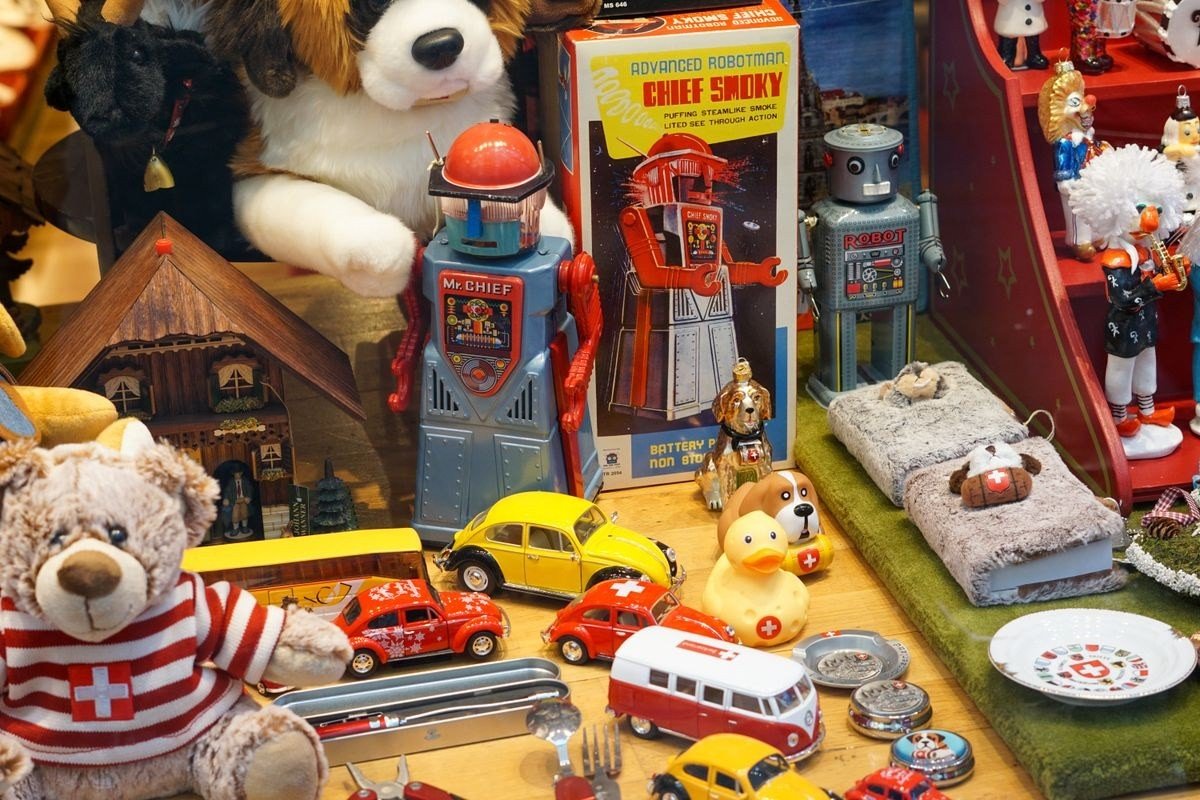
Coiled spring toys that walked down stairs with a gentle, mesmerising motion fascinated 1970s children. Watching a spring toy descend step by step, flipping end over end, never lost its magic. Children raced springs down staircases and invented obstacle courses for them.
Spring toys were simple physics in action, demonstrating gravity and momentum through play. They were cheap, durable and endlessly entertaining, fitting easily into pockets and school bags. The rhythmic motion had an almost hypnotic appeal for young children.
Though simple, spring toys taught patience, as perfect stair descents required the right starting position. They remain a nostalgic symbol of seventies playroom fun. A spring toy’s gentle journey downstairs still delights children today. The rhythmic motion of a spring toy had an almost hypnotic appeal for fascinated young children.
Geometric Drawing Toys
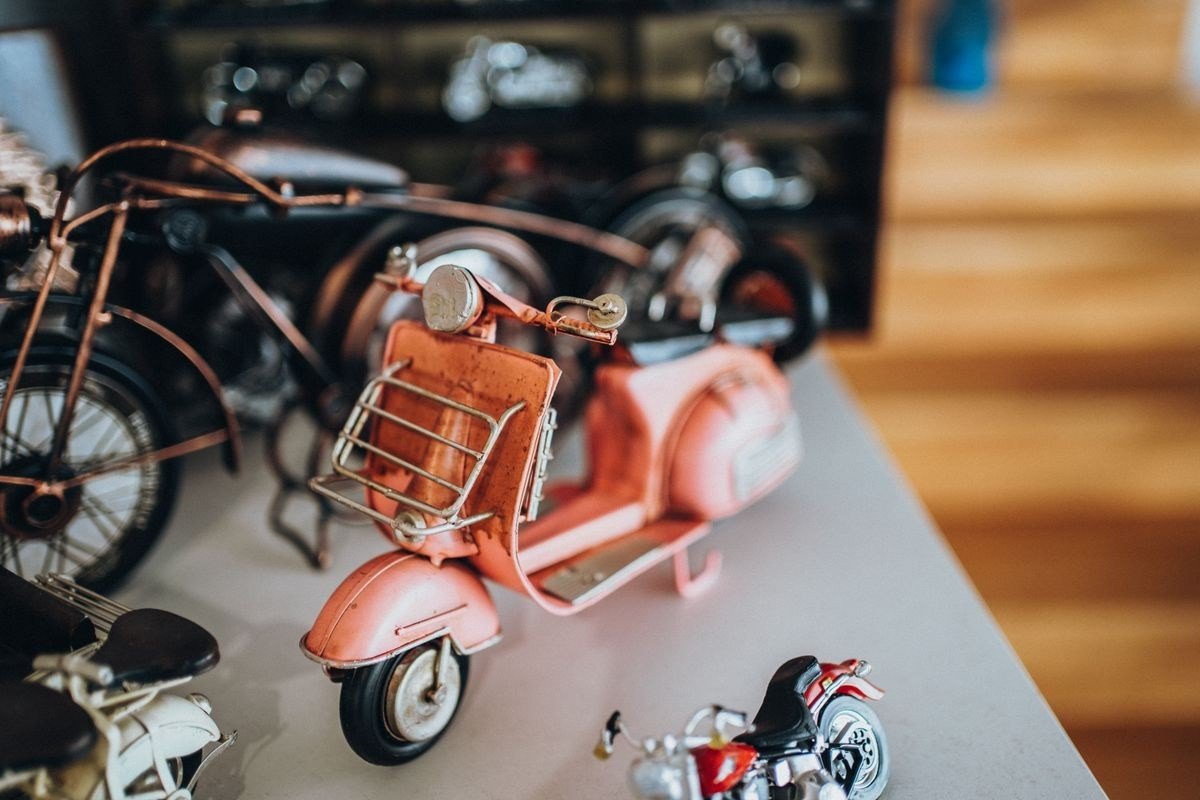
Geometric drawing toys, with toothed wheels and rings that created intricate patterns, fascinated artistically minded children in the 1970s. Inserting a pen into a wheel and rotating it around a ring produced beautiful, symmetrical designs. Each combination of wheels created a different pattern.
Children experimented endlessly, discovering which settings produced stars, flowers and complex webs. The toys combined art and mathematics, teaching symmetry and pattern through play. Finished designs were coloured in and displayed proudly.
Geometric drawing toys encouraged patience and precision, since steady hands produced the best patterns. They suited quiet, focused play and appealed to children who loved order and beauty. These clever toys remain satisfying for creative minds of all ages. Finished geometric designs were coloured in carefully and displayed proudly on bedroom walls and fridges.
Pedal Cars and Tricycles

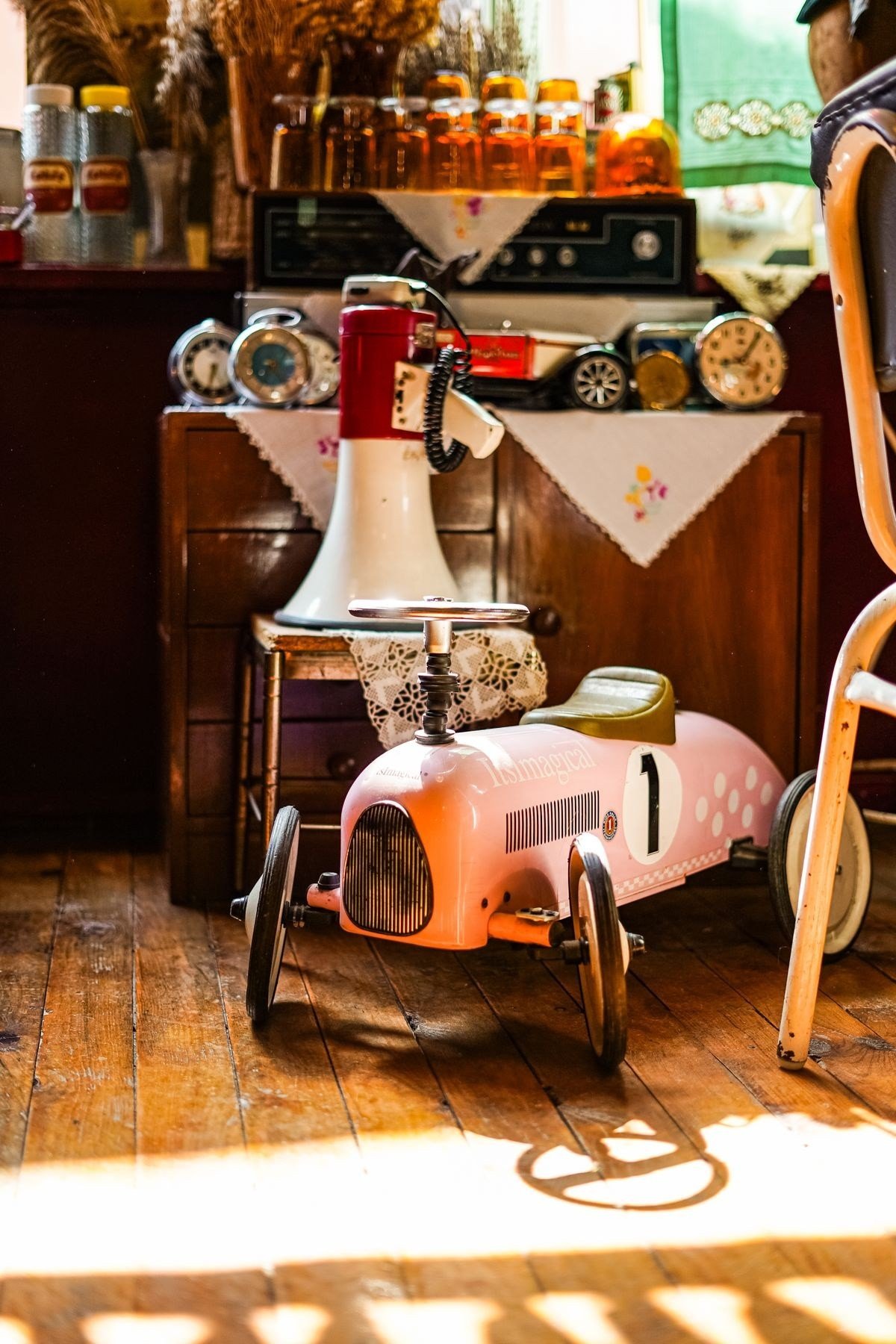
Pedal cars and tricycles gave 1970s children their first taste of independent travel, cruising pavements and gardens with pride. Tricycles suited toddlers finding their balance, while pedal cars let older children imagine themselves as racing drivers. These sturdy toys survived years of enthusiastic use.
Riding built coordination, confidence and a sense of freedom, as children explored their neighbourhoods under watchful eyes. Friends raced, paraded and invented road systems for their vehicles. Pedal-powered toys encouraged outdoor activity and imaginative journeys.
Many pedal cars and tricycles were passed down through families, their paint worn by happy use. They represent the adventurous, outdoor spirit of seventies childhood. Riding toys remain a rite of passage for young children everywhere. Friends raced, paraded and invented road systems for their pedal cars and tricycles every sunny afternoon.
Puzzle and Construction Play

Jigsaw puzzles and construction sets offered quiet, satisfying challenges for 1970s children, rewarding patience and problem-solving. Puzzles ranged from simple wooden shapes for toddlers to complex scenes for older children. Completing a difficult puzzle brought genuine pride.
Construction sets with nuts, bolts and metal strips let children build cranes, vehicles and bridges, learning basic engineering through play. Following diagrams taught careful reading, while free building encouraged invention. These toys developed concentration and fine motor skills.
Families often worked on puzzles together, spreading pieces across tables for days. Construction play suited methodical children who loved building and fixing. Puzzles and construction toys remain excellent, screen-free challenges for young minds. Families often worked on puzzles together, spreading pieces across tables for days until the picture emerged.
Storytelling and Puppet Play

Hand puppets and finger puppets brought stories to life in 1970s childhoods, with children staging shows for family and friends. A blanket over chairs became a theatre, and a few puppets became a whole cast. Puppet shows encouraged speaking confidence and creative storytelling.
Children invented plots, voices and songs for their puppets, often retelling favourite tales with hilarious twists. Siblings collaborated on performances, learning cooperation and timing. Puppet play suited shy children too, letting characters speak where children felt nervous.
Simple sock puppets, made at home with buttons and wool, were as beloved as shop-bought ones. Puppet shows were free, imaginative and endlessly adaptable. Storytelling through puppets remains a magical part of childhood play. Simple sock puppets, made at home with buttons and wool, were as beloved as any shop-bought ones.
Water Play and Sandpits
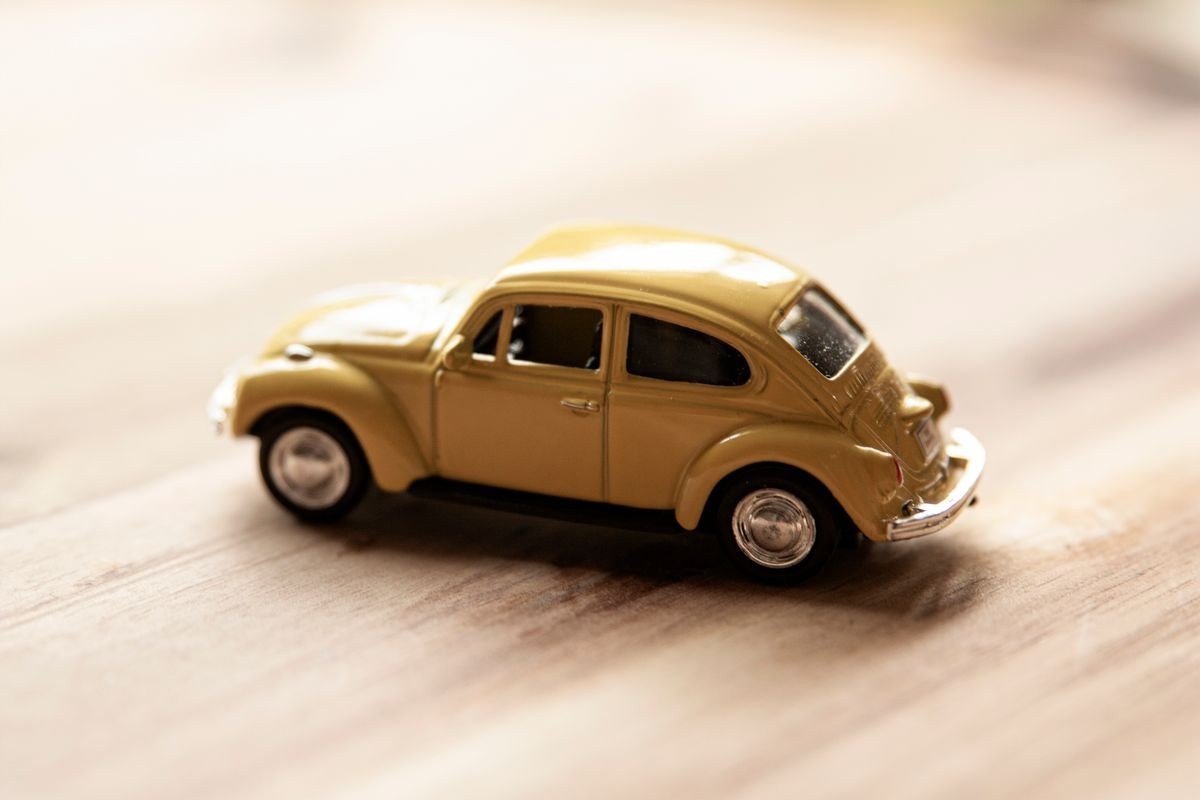
Sandpits and water play were summer essentials in the 1970s, with buckets, spades and moulds creating beaches in back gardens. Children built castles, dug rivers and baked pretend cakes from sand, spending whole afternoons absorbed in sensory play. Water added a whole new dimension of fun.
Sand and water play developed creativity, coordination and scientific curiosity, as children discovered pouring, digging and building. Friends collaborated on grand constructions, negotiating designs and sharing tools. Messy play was embraced, with hoses and baths cleaning up afterwards.
Sandpits were often homemade from wood or old tyres, reflecting the resourceful spirit of the decade. Water play on hot days remains a childhood joy. Sand and water toys prove that the simplest materials often inspire the richest play. Sandpits were often homemade from wood or old tyres, reflecting the resourceful spirit of the whole decade.
Remembering 1970s Play

Remembering 1970s toys is about more than nostalgia; it celebrates a style of play that valued imagination, activity and simplicity. These toys needed no charging, no updates and no instructions beyond a child’s own creativity. They encouraged friendships, outdoor adventures and family togetherness.
Many seventies toys remain available in modern forms, letting today’s children enjoy the same simple pleasures. Wooden bricks, skipping ropes, kites and board games still entertain just as they did fifty years ago. Good toys, it turns out, never really age.
Whether you collect vintage toys, share childhood memories or introduce classic play to a new generation, the spirit of seventies play endures. It reminds us that childhood’s greatest toy has always been imagination itself. Pass these simple joys on, and watch them delight a new generation. Many seventies toys remain available in modern forms, letting today’s children enjoy the same simple pleasures.

I am Talha Sikandar, a professional writer with a passion for general blogging. With years of experience in content writing and research, I founded Meaniingly.com to deliver well-researched, informative, and user-friendly articles on diverse topics.