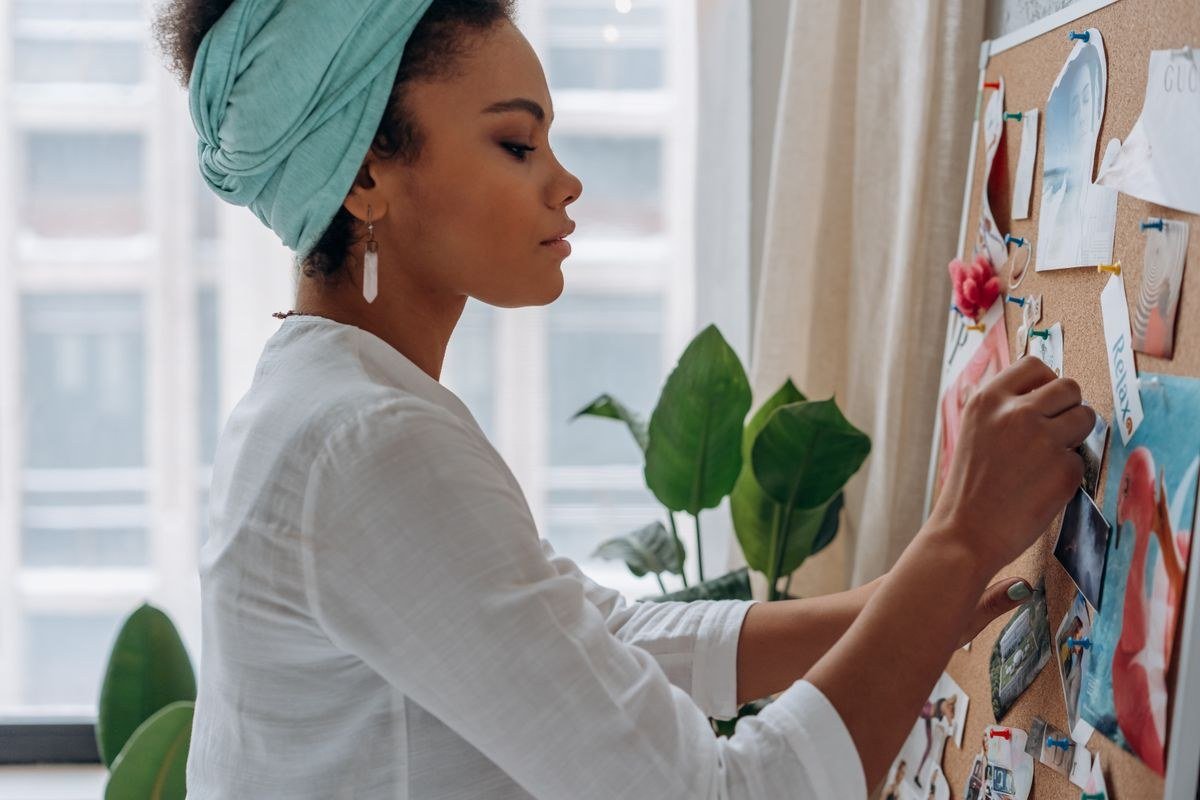
Vision board ideas
Vision board ideas have become a favourite way to bring warmth, personality and a little everyday joy into the season. Whether you are planning something small at home or a larger celebration with friends and family, the right ideas can turn a simple plan into a memorable occasion. This guide gathers practical, approachable inspiration that works in real homes and real budgets, without needing professional skills or expensive equipment. Read through the sections below, pick the ideas that suit your style, and adapt them freely. The best results come when you make an idea your own, so use these suggestions as a starting point, add your personal touches, and enjoy creating something that feels truly yours from start to finish.
Take your time with each idea, and remember that small, thoughtful details often make the biggest difference to the finished result.
Take your time with each idea, and remember that small, thoughtful details often make the biggest difference to the finished result.
Take your time with each idea, and remember that small, thoughtful details often make the biggest difference to the finished result.
Take your time with each idea, and remember that small, thoughtful details often make the biggest difference to the finished result.
Take your time with each idea, and remember that small, thoughtful details often make the biggest difference to the finished result.
Take your time with each idea, and remember that small, thoughtful details often make the biggest difference to the finished result.
Take your time with each idea, and remember that small, thoughtful details often make the biggest difference to the finished result.
Take your time with each idea, and remember that small, thoughtful details often make the biggest difference to the finished result.
Take your time with each idea, and remember that small, thoughtful details often make the biggest difference to the finished result.
What a Vision Board Really Is
A vision board gathers images and words for the life you want to build. The most successful versions of this idea tend to feel personal, reflecting the tastes and routines of the people who will actually live with the result. The best approach is often the one you can maintain easily, because a beautiful idea that is hard to keep up will soon stop feeling enjoyable.
Choose images that feel true, not just impressive. Ask a friend or family member for an honest opinion, as a second pair of eyes will notice uneven spacing, clashing colours or missing details you have overlooked. Finish with a final tidy and a moment to enjoy the result yourself, rather than rushing straight on to the next task without appreciating what you made.
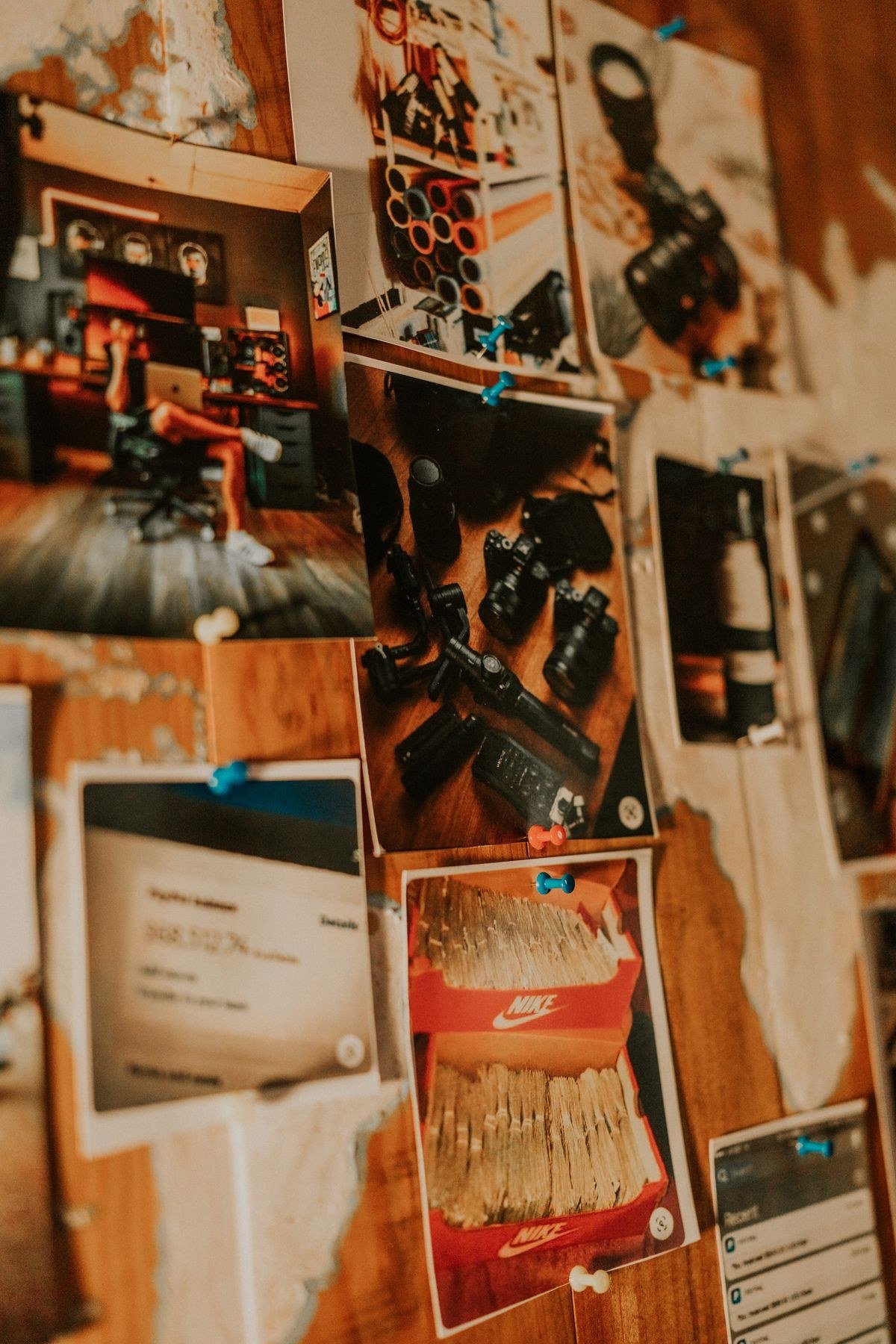
Start With Reflection, Not Magazines
Clarity comes before cutting and pasting. Consider the space, the season and the occasion together, because an idea that suits one setting perfectly can feel out of place in another. Let the materials or the subject speak for themselves where possible, and resist the urge to decorate every surface or fill every gap.
Write three sentences about what a good year looks like first. Store any reusable pieces carefully after use, labelling boxes and keeping fragile items protected, so that the next occasion starts easily rather than from scratch. If you plan to share the result online, photograph it in natural light and from a natural height, which usually looks far better than a flash or an extreme angle.
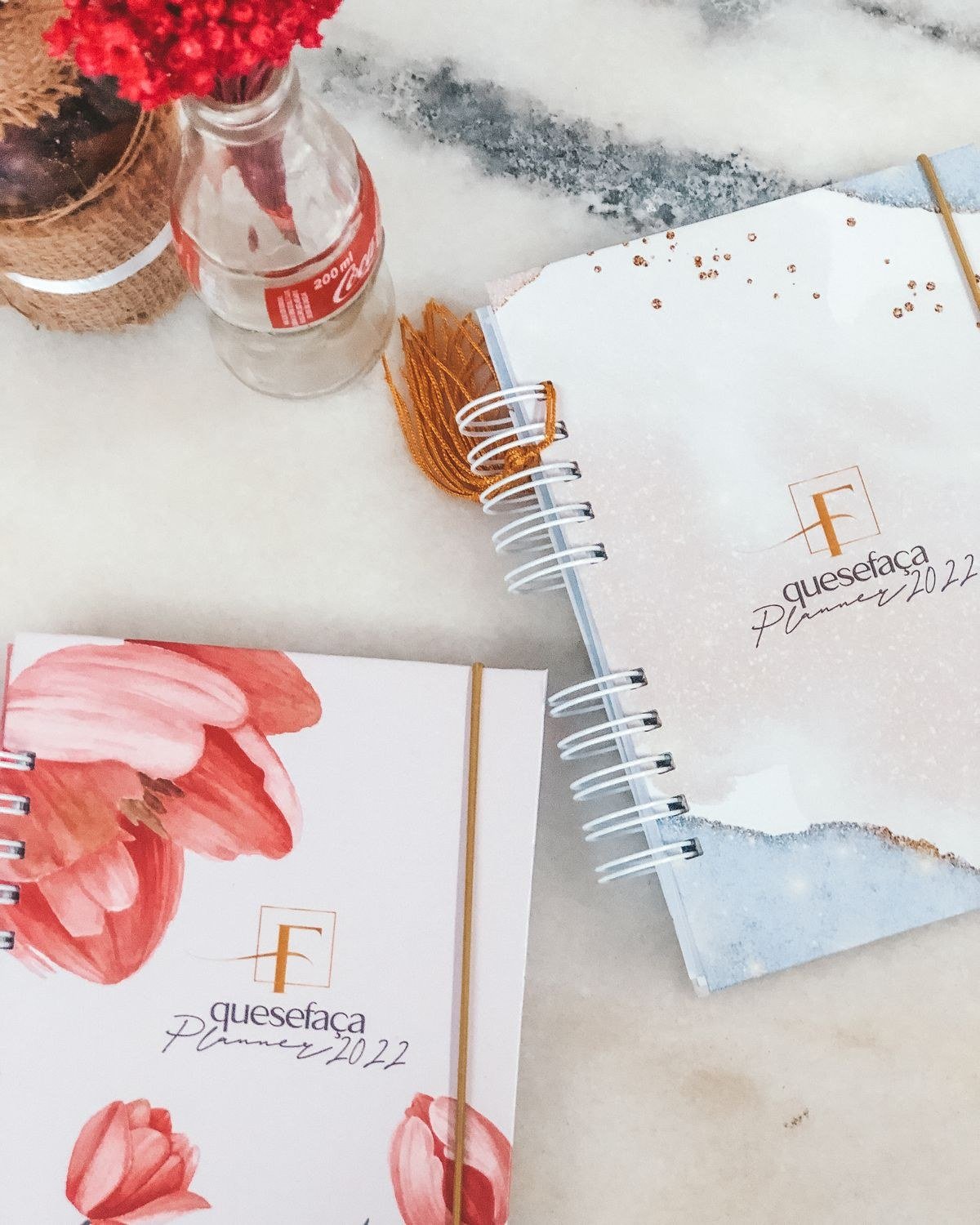
Choose a Theme for Your Board
One theme keeps a board focused instead of scattered. Simplicity is often the smartest choice, and leaving a little breathing room usually makes the whole effect feel calmer, cleaner and more considered. A thoughtful contrast, such as smooth against rough or light against dark, can add interest without making the result feel busy or restless.
Pick health, career, home or travel as a single anchor. Clean as you go where possible, keeping surfaces clear and tools tidy, because a tidy workspace makes it easier to judge the result fairly. Most importantly, enjoy the process itself, because the care and pleasure you put into making something are often visible in the finished result.
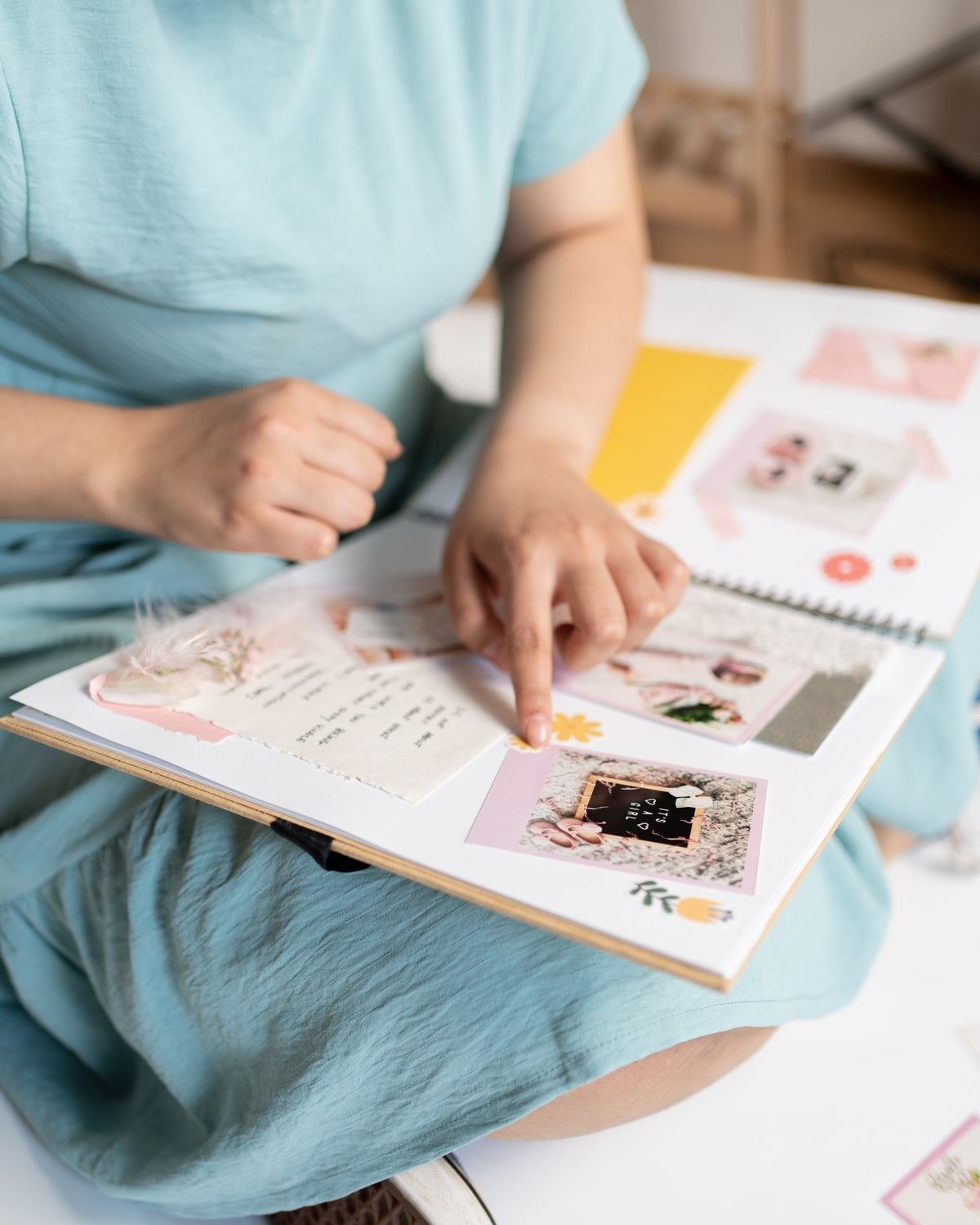
Pick Images That Spark Feeling
The best images make you feel something immediately. If you are unsure where to begin, start with the element you love most and build around it, letting that favourite piece set the tone for everything else. It is worth stepping back regularly as you work, since a fresh view from across the room often reveals problems that are invisible up close.
If an image leaves you cold, leave it out, however pretty it is. When shopping, take measurements and a photograph of your space with you, so that you can check colours and sizes against reality instead of guessing in the shop. Before you begin, gather everything you will need in one place, so that you can work without interruption and spot any missing items early.
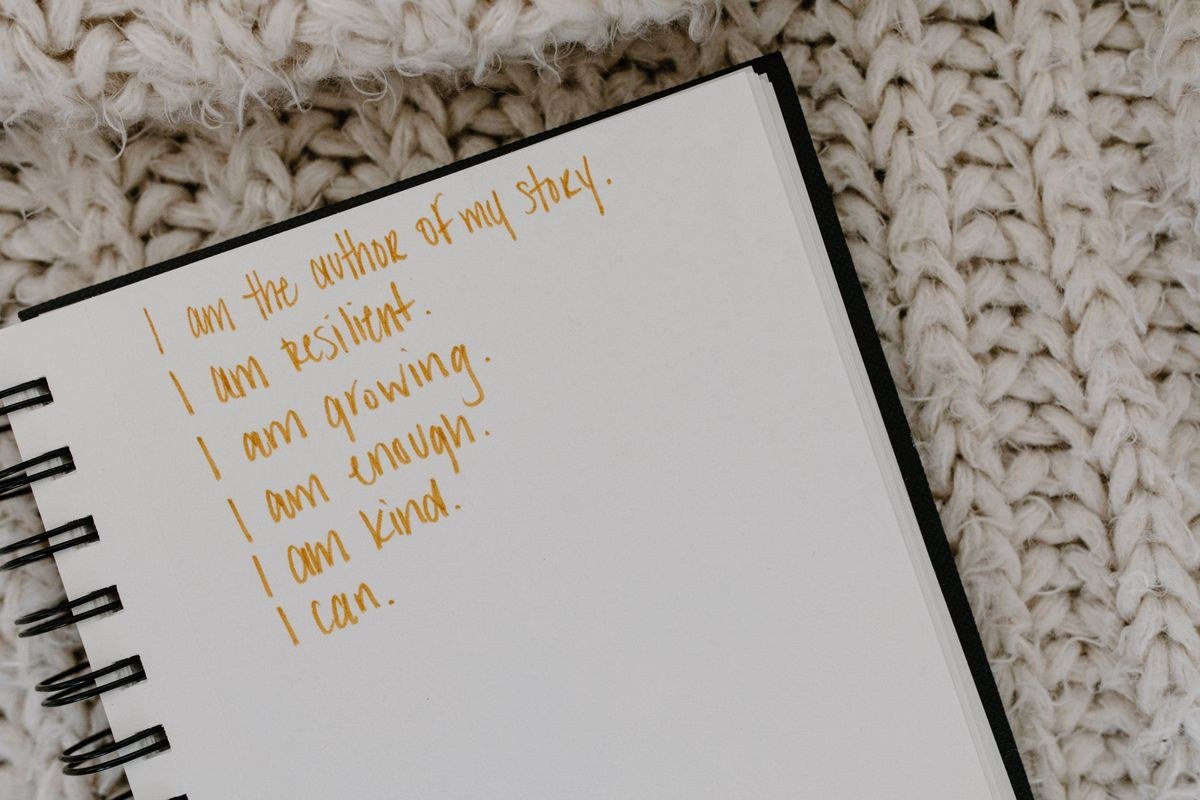
Add Words and Affirmations
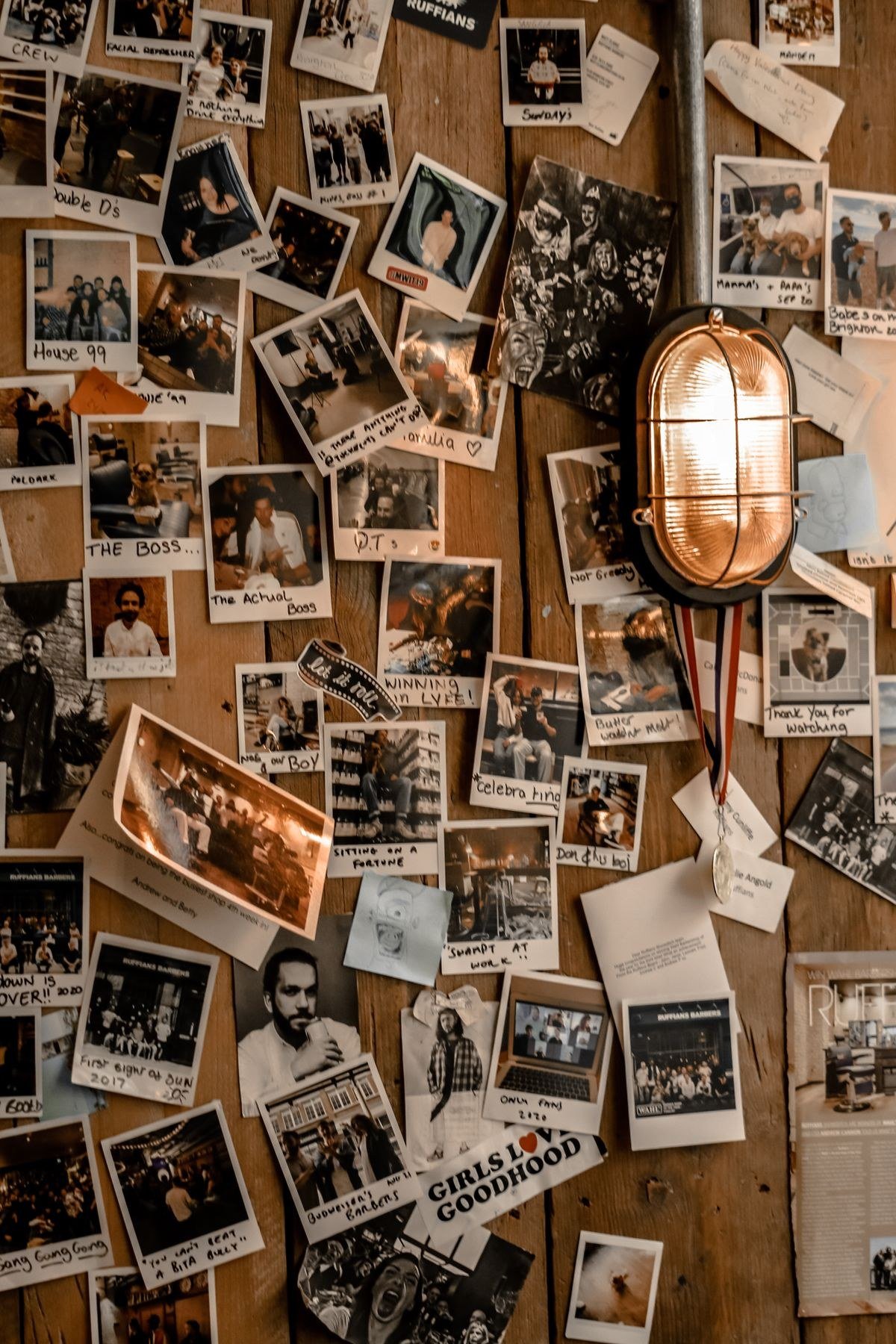
Short phrases anchor the pictures with intention. Good results usually come from repeating one or two strong choices rather than introducing a new idea at every step, which can quickly become confusing. Choose quality over quantity wherever you can, because a few well-chosen pieces will always outlast a large collection of indifferent ones.
Use present-tense phrases you would actually say aloud. Plan for the practical side as well as the pretty side, including cleaning, storage, safety and how the result will hold up through an entire evening or season. Try the idea on a small scale first, whether that means one place setting, one corner or one test run, and learn from that trial before going bigger.
Go Digital or Go Paper
Both formats work, and the right one is the one you will see. Think about longevity as well as looks, choosing approaches that will still please you next month and next season, not only on the first day. Remember that the people experiencing the result matter most, so judge success by how comfortable and welcome they feel, not only by how it photographs.
Put a paper board where you dress each morning. Use what you already own before buying anything new, since familiar pieces often fit better than new purchases and give the result a more personal character. Keep notes or photographs of what works, because a record of successful combinations saves time and guesswork the next time you repeat the idea.
Make a Career Vision Board
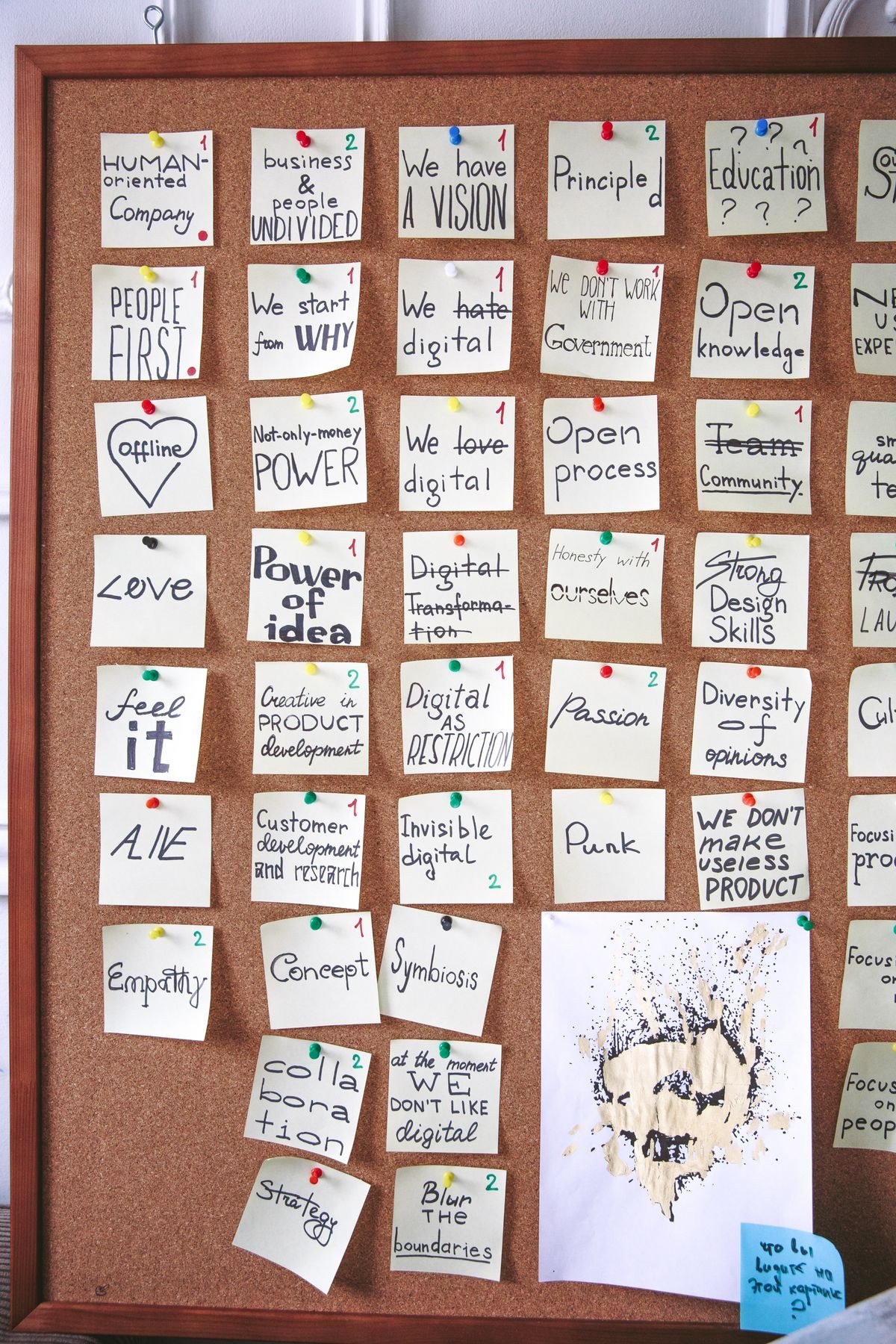
Career boards turn vague ambition into visible next steps. Scale matters more than people expect, so check sizes, distances and sightlines in the real space before settling on a final arrangement. Finally, give yourself permission to adjust as you go, because even experienced makers revise their first attempt once they see it in place.
Add a skill to learn, a role to aim for, and a habit to build. If you are working to a deadline, finish the essential parts first and treat extras as a bonus, so that the core result is ready even if time runs short. Set a realistic budget and a clear stopping point, and remember that a defined limit often produces more creative and satisfying results than an open-ended spend.
Make a Wellness Vision Board
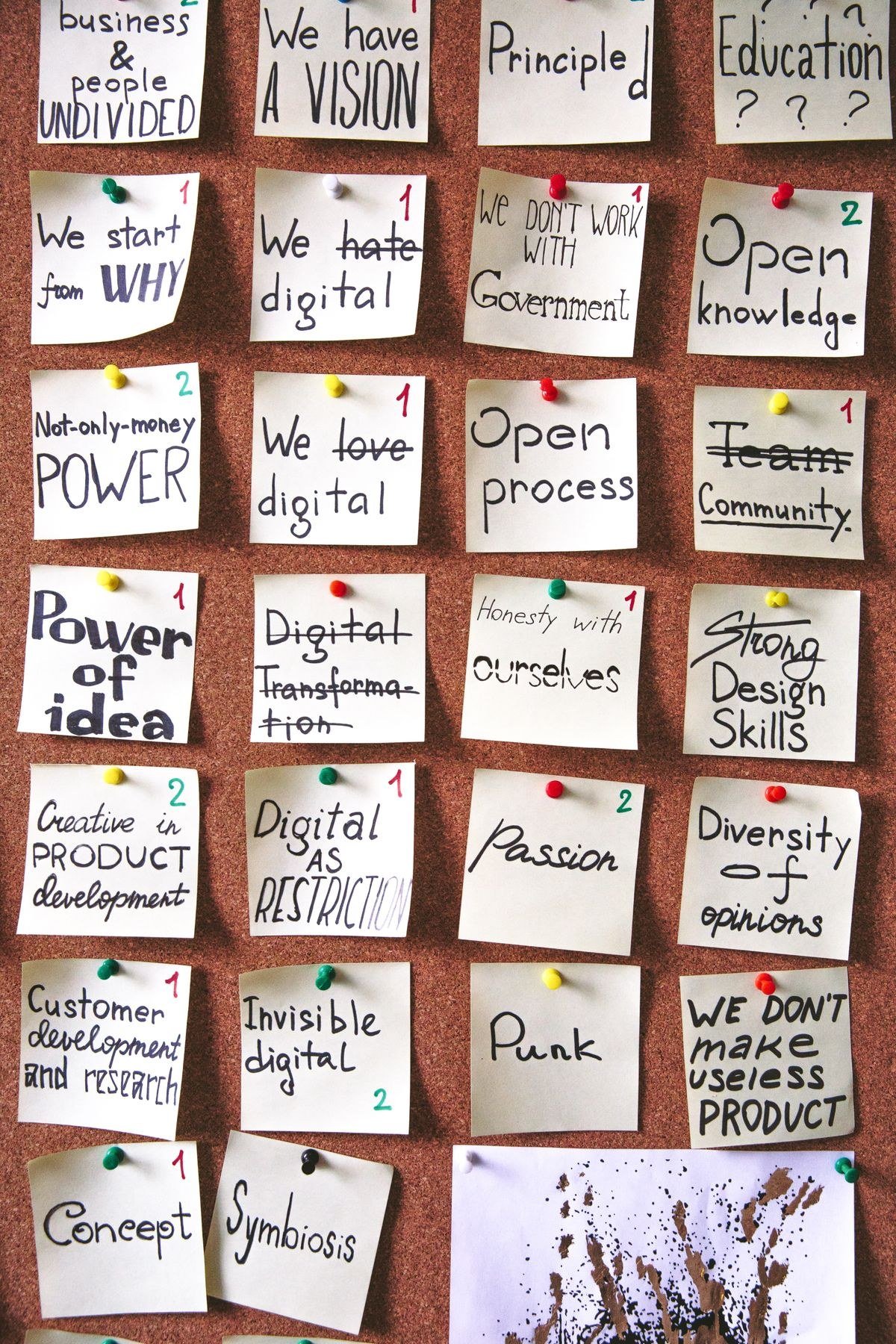
Wellness goals work better as pictures than as guilt. The best approach is often the one you can maintain easily, because a beautiful idea that is hard to keep up will soon stop feeling enjoyable. The key is to keep the overall effect balanced, so that no single element overwhelms the rest of the arrangement or distracts from the feeling you want to create.
Include rest, movement and food you enjoy, not punishment. Label, photograph or write down the final arrangement if you want to recreate it, because even a simple record makes repeating a success much easier. Work in good light and give yourself enough time, since rushing is the most common reason that otherwise good ideas end up looking unfinished.

Make a Travel Vision Board
Travel boards keep wanderlust specific and savable. Let the materials or the subject speak for themselves where possible, and resist the urge to decorate every surface or fill every gap. When you look at the finished result, it should feel intentional rather than accidental, with each choice supporting the others instead of competing for attention.
Add one destination, one budget figure and one date. Check the result from every angle and every seat, not only from the position where you worked, since guests and visitors will see it from many viewpoints. If something does not work, change one thing at a time rather than starting again, because a single adjustment often fixes what looks like a larger problem.
Make a Home Vision Board
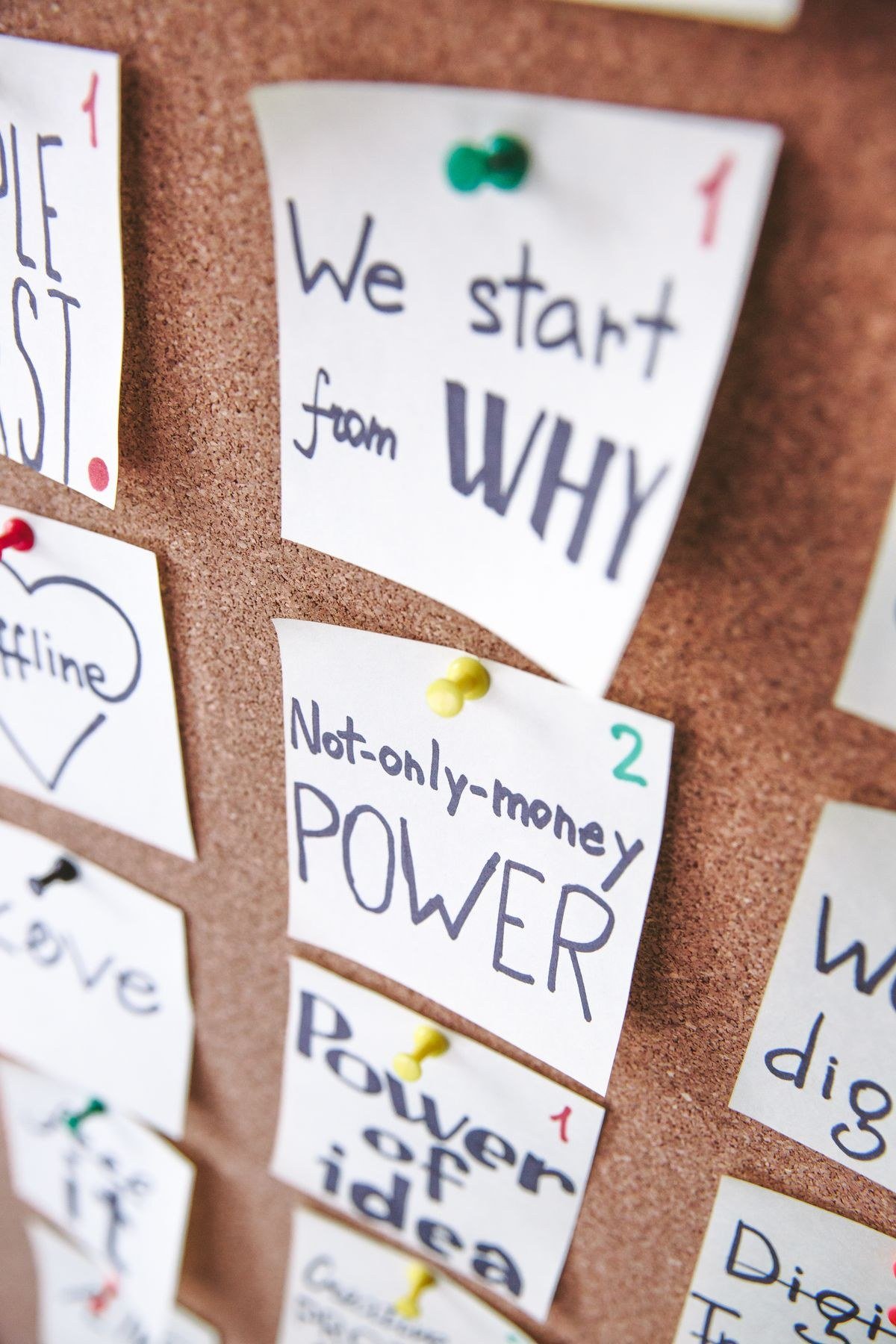
Home boards help you decorate with purpose over time. A thoughtful contrast, such as smooth against rough or light against dark, can add interest without making the result feel busy or restless. This works best when you start small and build gradually, because it is much easier to add one more detail than to undo a crowded or overworked result.
Collect rooms, colours and textures you return to again and again. Keep safety in mind throughout, especially with candles, heat, sharp tools or anything that children and pets might reach during the event. Ask a friend or family member for an honest opinion, as a second pair of eyes will notice uneven spacing, clashing colours or missing details you have overlooked.
Use a Vision Board for the New Year
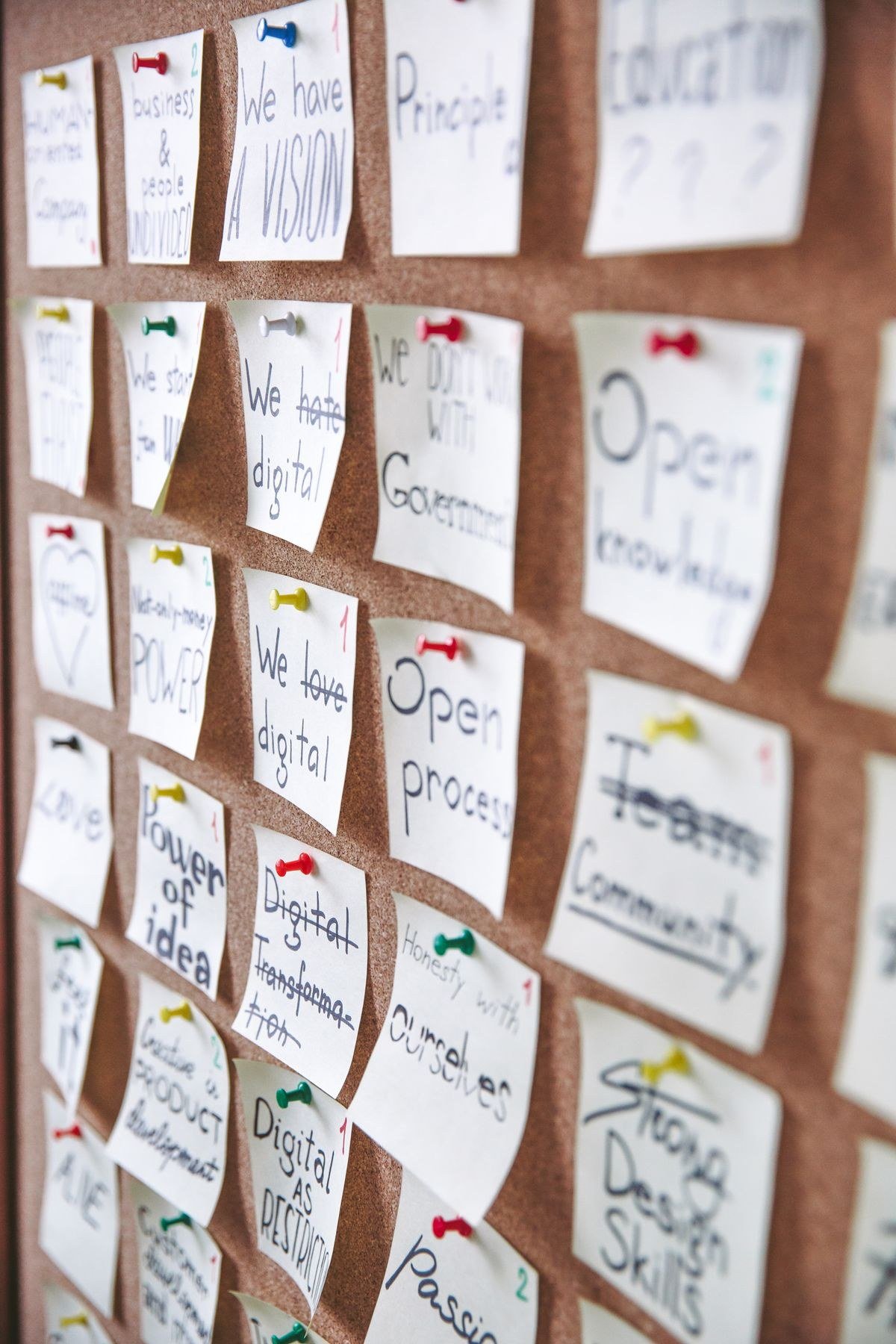
Late December and January are natural board-making seasons. It is worth stepping back regularly as you work, since a fresh view from across the room often reveals problems that are invisible up close. Colour, texture and proportion all play a part here, and paying attention to those three things will usually matter more than spending extra money.
Review last year’s board before building the new one. Allow for a little flexibility on the day, because plans change, guests arrive early, and a calm adjustment beats a stressed attempt at perfection. Store any reusable pieces carefully after use, labelling boxes and keeping fragile items protected, so that the next occasion starts easily rather than from scratch.
Keep Your Board Visible Every Day
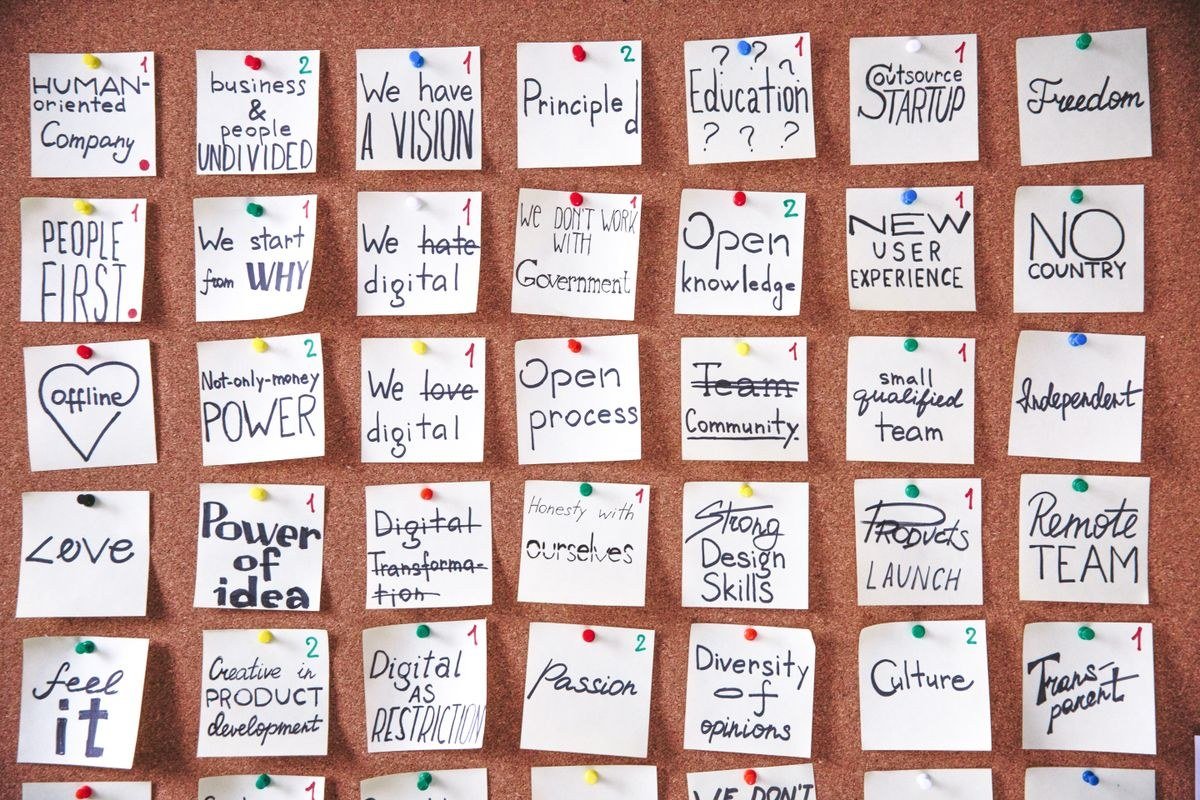
A board hidden in a drawer cannot do its job. Choose quality over quantity wherever you can, because a few well-chosen pieces will always outlast a large collection of indifferent ones. It also helps to think about how the idea will look in real life, in ordinary daylight and everyday use, rather than only in a perfectly styled photograph.
Hang it at eye level where you pass it daily. Finish with a final tidy and a moment to enjoy the result yourself, rather than rushing straight on to the next task without appreciating what you made. Clean as you go where possible, keeping surfaces clear and tools tidy, because a tidy workspace makes it easier to judge the result fairly.
Update Your Board as Life Changes
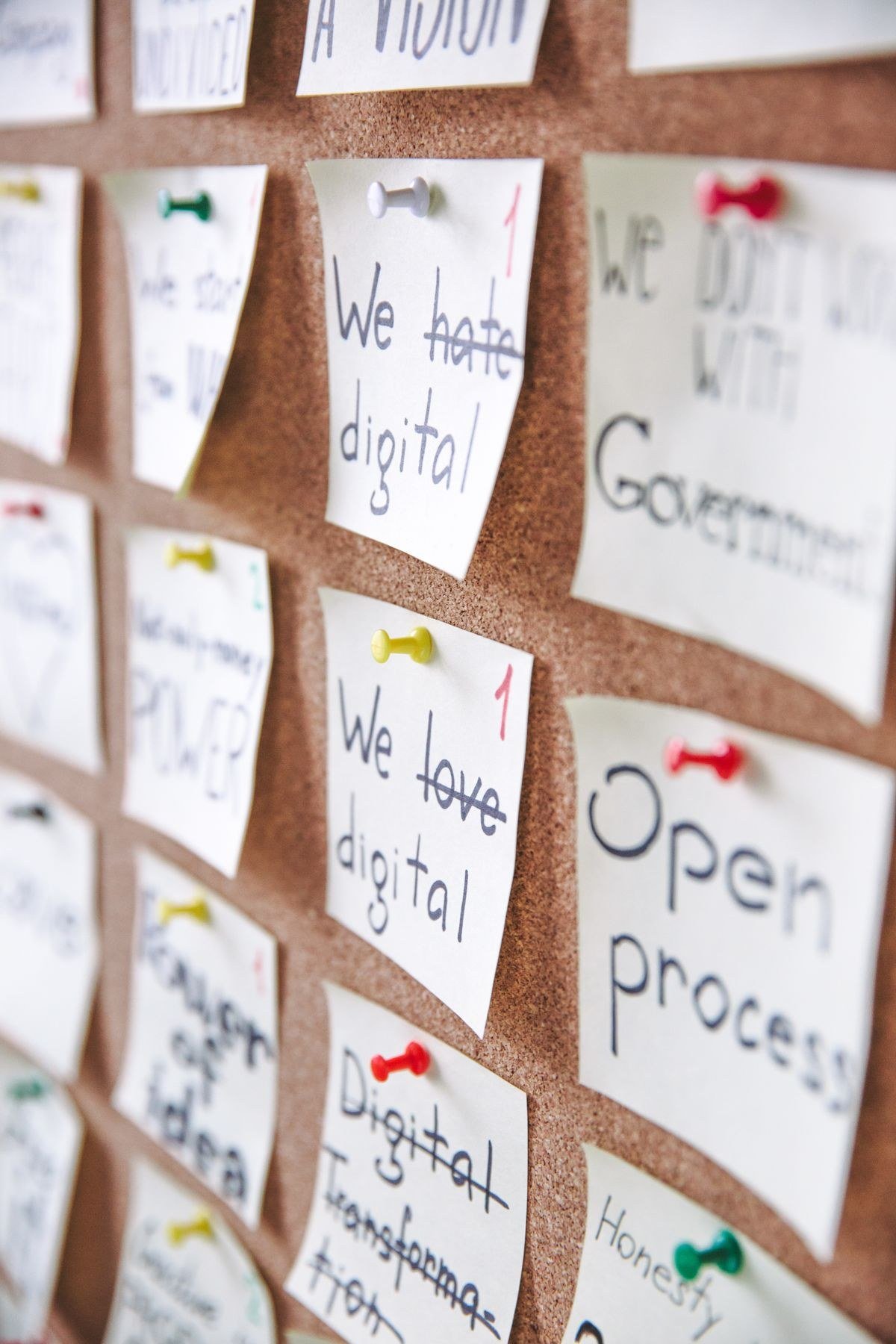
Boards are living tools, not one-time crafts. Remember that the people experiencing the result matter most, so judge success by how comfortable and welcome they feel, not only by how it photographs. A little planning goes a long way, especially if you gather your materials or ideas first and give yourself time to test combinations before committing.
Swap out achieved goals each quarter and add fresh ones. If you plan to share the result online, photograph it in natural light and from a natural height, which usually looks far better than a flash or an extreme angle. When shopping, take measurements and a photograph of your space with you, so that you can check colours and sizes against reality instead of guessing in the shop.
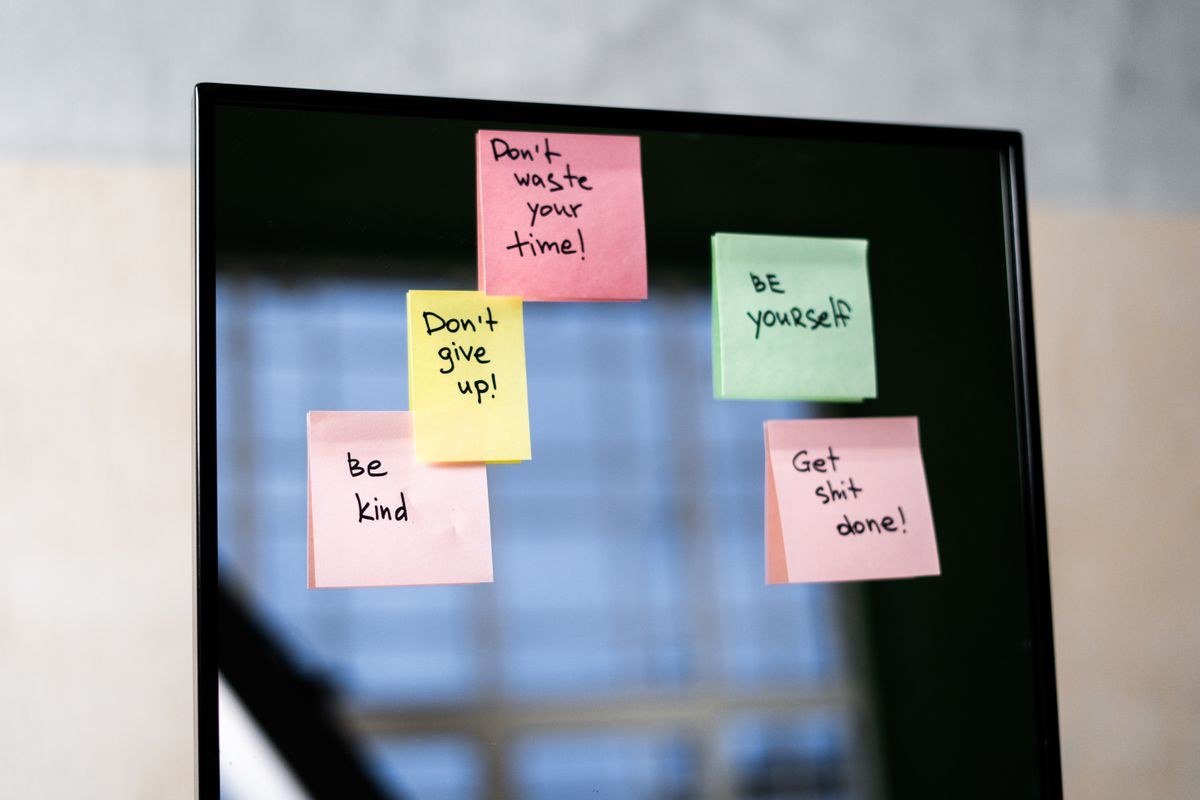
Make a Couples or Family Board
Shared boards turn private dreams into shared plans. Finally, give yourself permission to adjust as you go, because even experienced makers revise their first attempt once they see it in place. The most successful versions of this idea tend to feel personal, reflecting the tastes and routines of the people who will actually live with the result.
Let each person add their own section in their own style. Most importantly, enjoy the process itself, because the care and pleasure you put into making something are often visible in the finished result. Plan for the practical side as well as the pretty side, including cleaning, storage, safety and how the result will hold up through an entire evening or season.
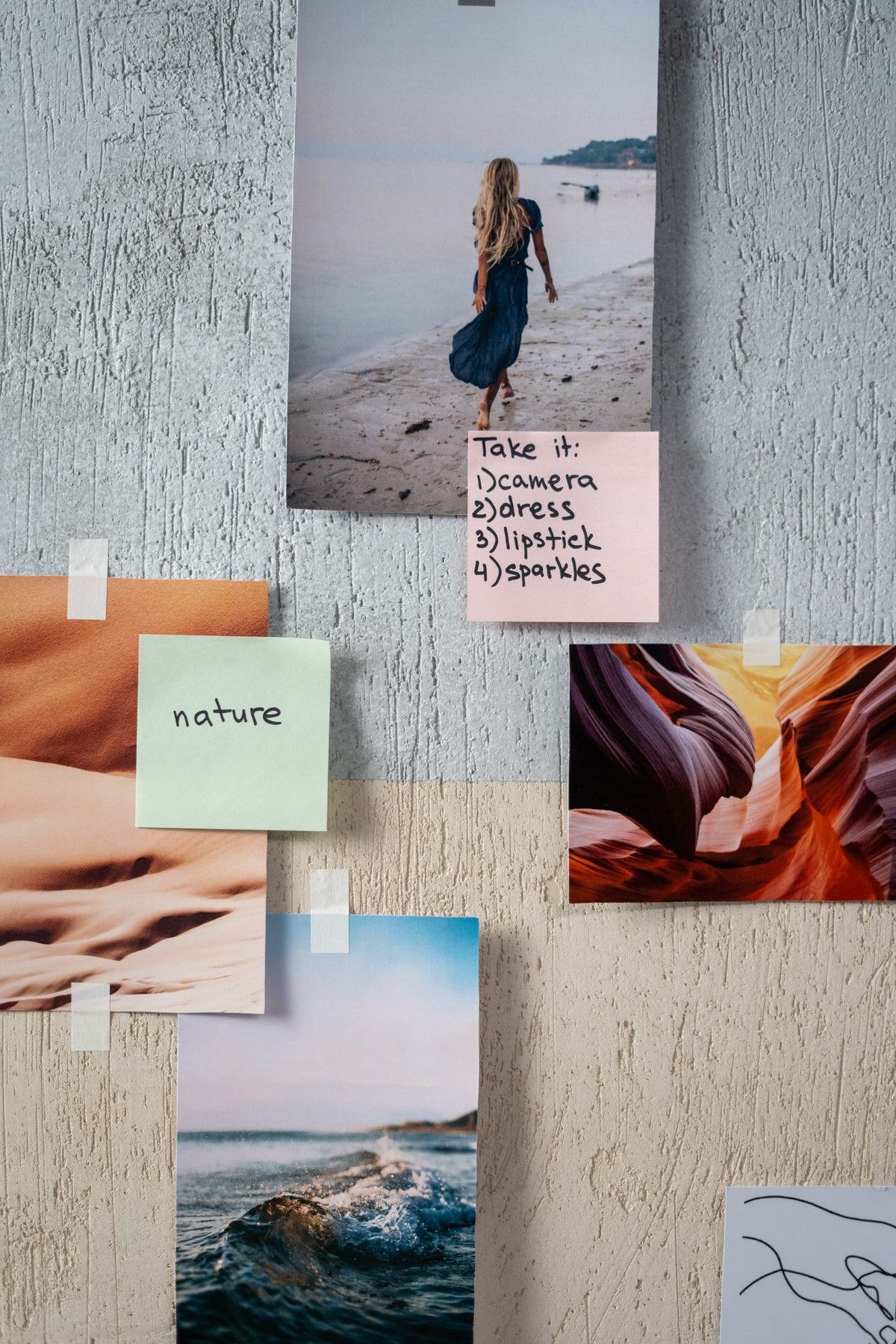
Use a Vision Board for Money Goals
Money pictures make saving feel concrete. The key is to keep the overall effect balanced, so that no single element overwhelms the rest of the arrangement or distracts from the feeling you want to create. Consider the space, the season and the occasion together, because an idea that suits one setting perfectly can feel out of place in another.
Add a savings target, a debt-free date, or a purchase to work toward. Before you begin, gather everything you will need in one place, so that you can work without interruption and spot any missing items early. Use what you already own before buying anything new, since familiar pieces often fit better than new purchases and give the result a more personal character.

Combine Journaling With Your Board
Writing beside images deepens what pictures alone suggest. When you look at the finished result, it should feel intentional rather than accidental, with each choice supporting the others instead of competing for attention. Simplicity is often the smartest choice, and leaving a little breathing room usually makes the whole effect feel calmer, cleaner and more considered.
Journal for five minutes after finishing your board. Try the idea on a small scale first, whether that means one place setting, one corner or one test run, and learn from that trial before going bigger. If you are working to a deadline, finish the essential parts first and treat extras as a bonus, so that the core result is ready even if time runs short.
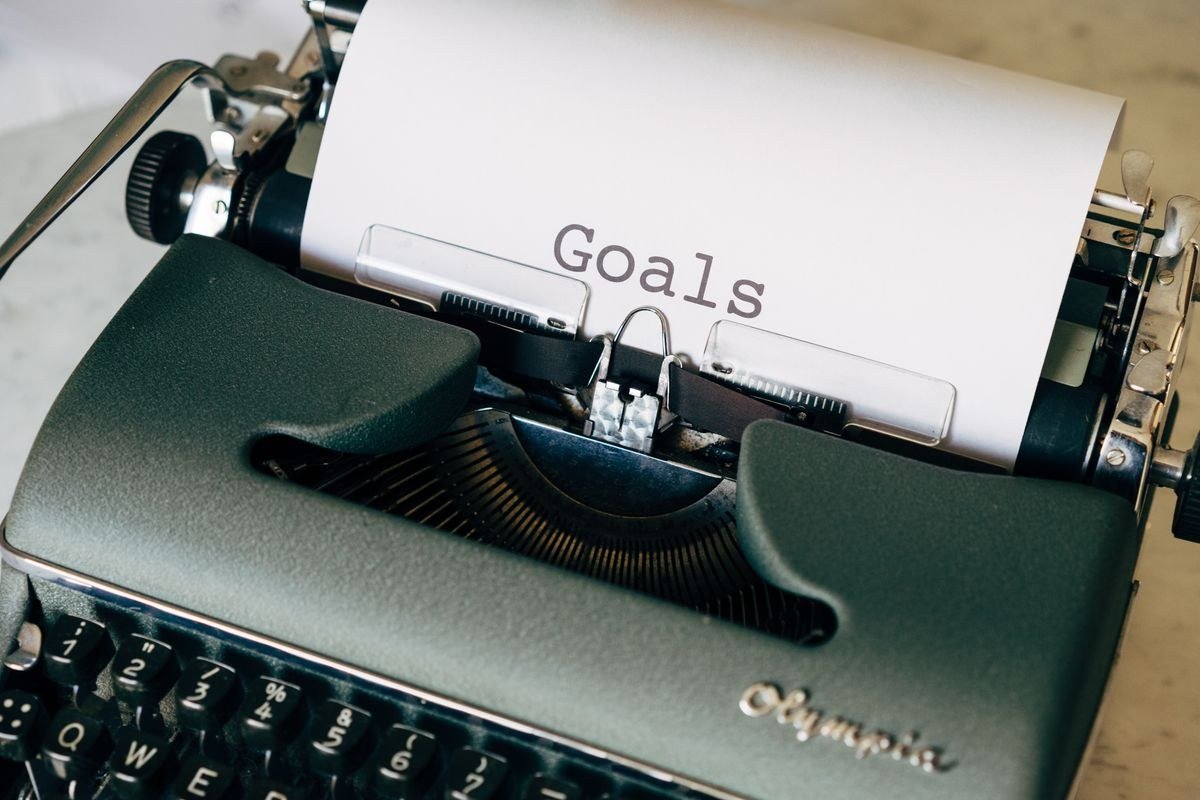
Avoid Common Vision Board Mistakes
The biggest mistake is filling a board with other people’s lives. This works best when you start small and build gradually, because it is much easier to add one more detail than to undo a crowded or overworked result. If you are unsure where to begin, start with the element you love most and build around it, letting that favourite piece set the tone for everything else.
Check every image against your own values before gluing it down. Keep notes or photographs of what works, because a record of successful combinations saves time and guesswork the next time you repeat the idea. Label, photograph or write down the final arrangement if you want to recreate it, because even a simple record makes repeating a success much easier.
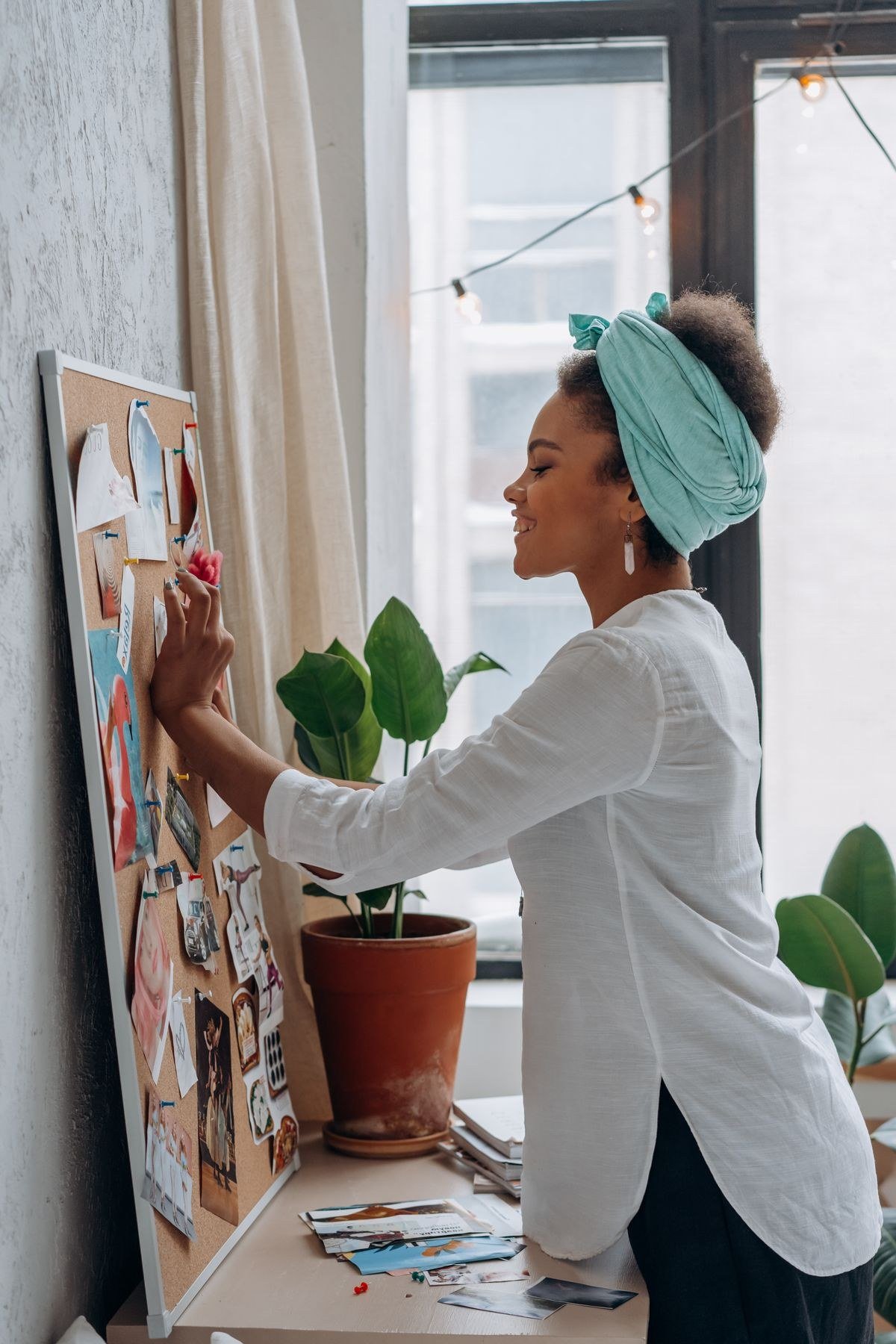
Make a Mini Board for Your Desk
A small board fits a workspace and a busy life. Colour, texture and proportion all play a part here, and paying attention to those three things will usually matter more than spending extra money. Good results usually come from repeating one or two strong choices rather than introducing a new idea at every step, which can quickly become confusing.
Use a single sheet and only nine images. Set a realistic budget and a clear stopping point, and remember that a defined limit often produces more creative and satisfying results than an open-ended spend. Check the result from every angle and every seat, not only from the position where you worked, since guests and visitors will see it from many viewpoints.

Share Your Board or Keep It Private
There is no rule that a board must be posted online. It also helps to think about how the idea will look in real life, in ordinary daylight and everyday use, rather than only in a perfectly styled photograph. Think about longevity as well as looks, choosing approaches that will still please you next month and next season, not only on the first day.
Share it only with people who encourage your goals. Work in good light and give yourself enough time, since rushing is the most common reason that otherwise good ideas end up looking unfinished. Keep safety in mind throughout, especially with candles, heat, sharp tools or anything that children and pets might reach during the event.

Review Your Board Monthly
Monthly reviews turn decoration into direction. A little planning goes a long way, especially if you gather your materials or ideas first and give yourself time to test combinations before committing. Scale matters more than people expect, so check sizes, distances and sightlines in the real space before settling on a final arrangement.
Ask what moved forward, what stalled, and what to change. If something does not work, change one thing at a time rather than starting again, because a single adjustment often fixes what looks like a larger problem. Allow for a little flexibility on the day, because plans change, guests arrive early, and a calm adjustment beats a stressed attempt at perfection.
With these vision board ideas in mind, you have plenty of inspiration to begin, whether you start with one small change or plan a full project. Choose the ideas that excite you most, give yourself time to enjoy the process, and do not worry about perfection along the way. The most memorable results are usually the ones made with care and personal meaning. Save the ideas you love, share them with the people who will enjoy them with you, and return to this guide whenever you need fresh inspiration for the next occasion, season or celebration.

I am Talha Sikandar, a professional writer with a passion for general blogging. With years of experience in content writing and research, I founded Meaniingly.com to deliver well-researched, informative, and user-friendly articles on diverse topics.