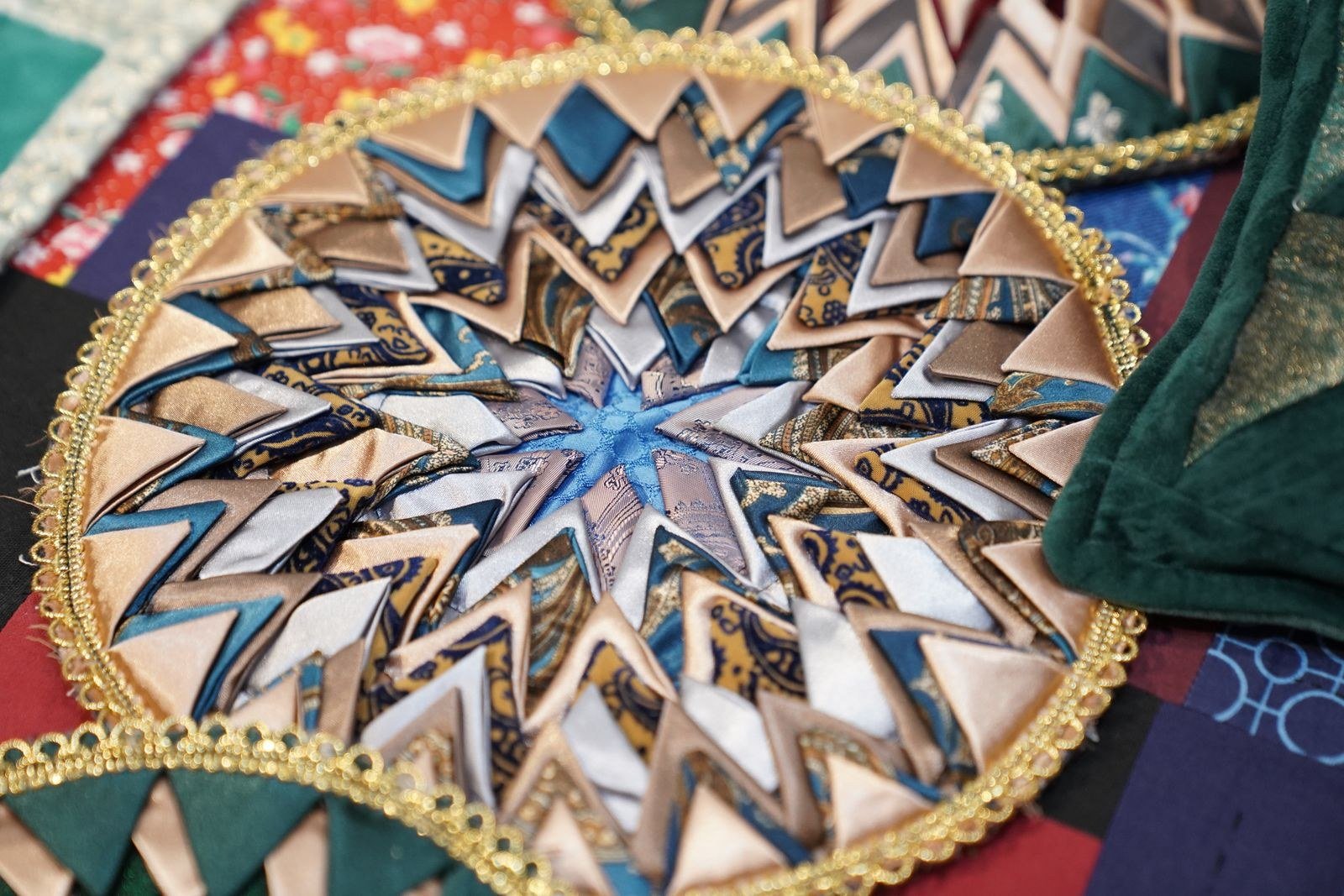
Quilted table runner patterns ideas
A quilted table runner adds colour, texture and a handmade touch to any table, and it is an ideal project for quilters at every level. Quilted table runner patterns ideas span classic patchwork, stars, leaves, modern geometrics and seasonal designs, each offering a different balance of simplicity, skill and visual impact. This guide explains how to choose fabrics, understand pattern structure, cut accurately, piece, quilt and bind a runner, with project ideas, sizing guidance and care tips so your finished runner looks polished and lasts for many celebrations.
Choosing Fabrics for Table Runners
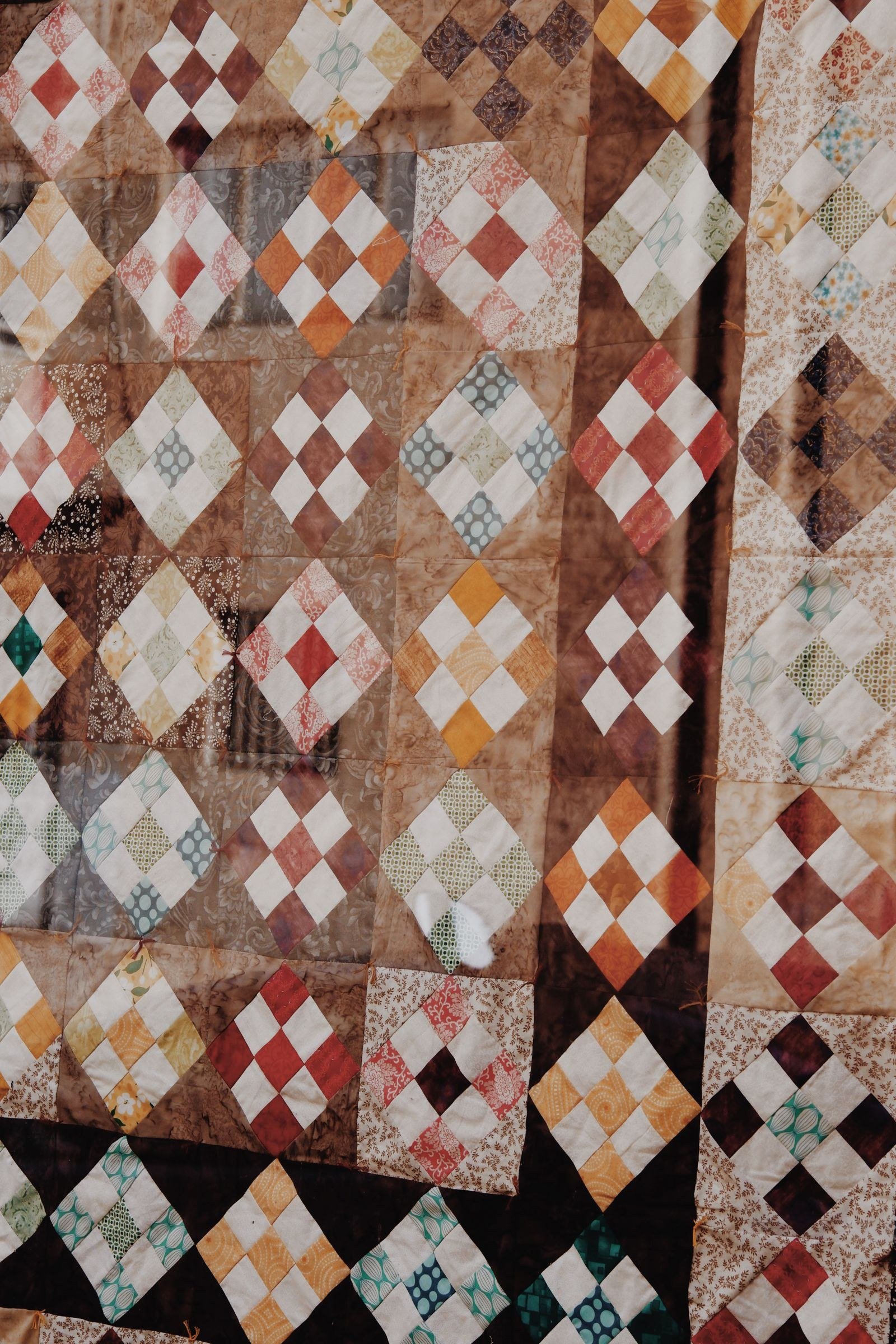
Choosing Fabrics for Table Runners uses cotton quilting fabrics, coordinated prints and solids, pre-washing and colour balance. As part of Quilted table runner patterns ideas, this project is rewarding because it combines creativity with practical skill, producing something personal and seasonal that can be displayed, gifted or reused with pride.
To make it well, gather all materials before you start and work on a protected surface. Follow the steps in order, allow drying time between stages, and test colours or techniques on a scrap piece first so the finished piece looks polished.
Variations are easy once you understand the basic technique. Change colours, sizes or patterns to suit your home, or adapt the project for gifts by personalising it. The same skills can be reused for many seasonal projects.
Classic Patchwork Square Runners
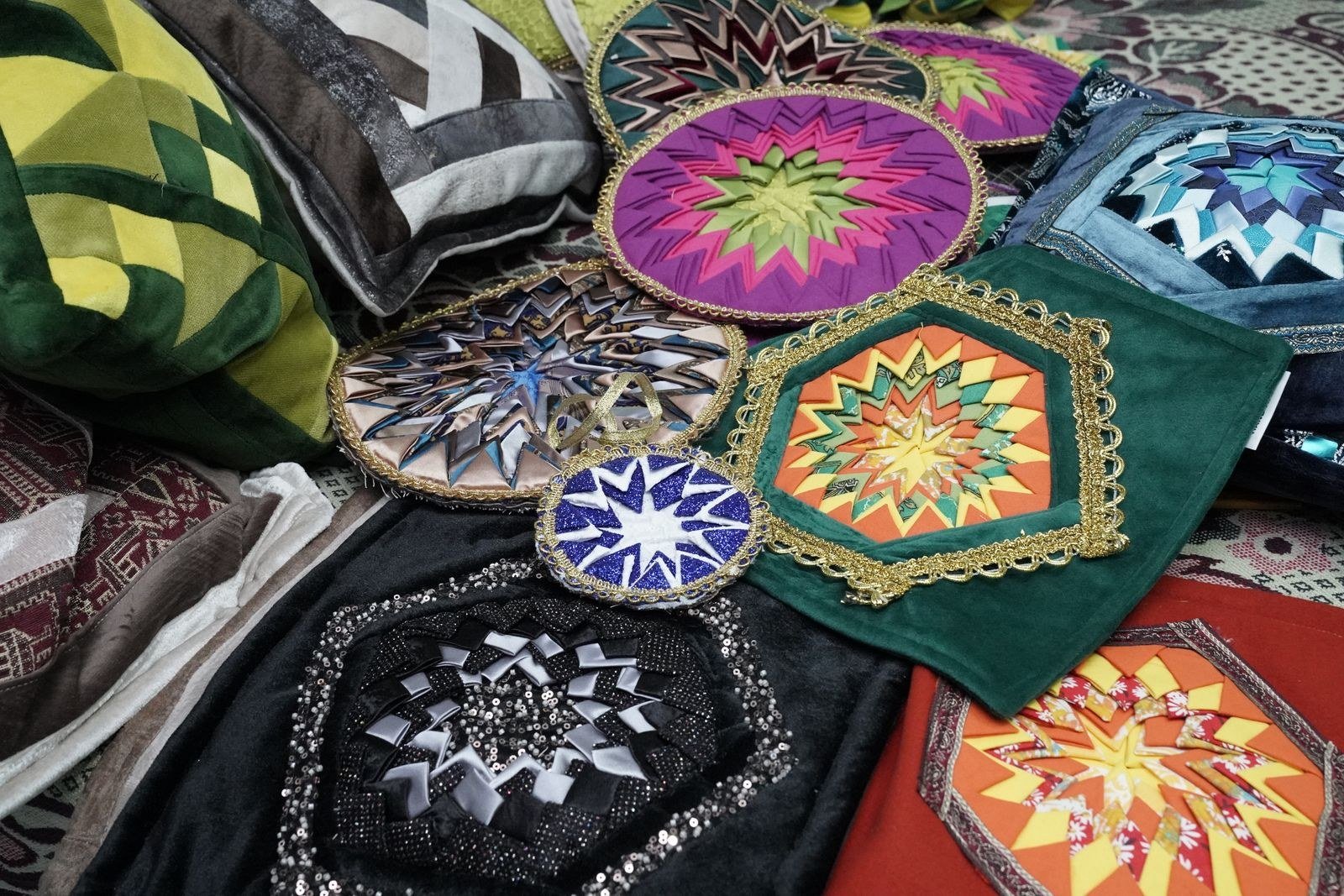
Classic Patchwork Square Runners uses simple squares, a clear colour order and straight seams for a timeless runner. As part of Quilted table runner patterns ideas, this project is rewarding because it combines creativity with practical skill, producing something personal and seasonal that can be displayed, gifted or reused with pride.
The method rewards patience and preparation. Measure carefully, secure pieces firmly, and do not rush drying or setting time. Small, careful steps at the start prevent most mistakes and give a much neater finished result.
Keep the project practical as well as pretty. Choose durable materials where the piece will be handled or washed, store it carefully between seasons, and repair small wear promptly so it lasts for years.
Nine-Patch Table Runner Patterns
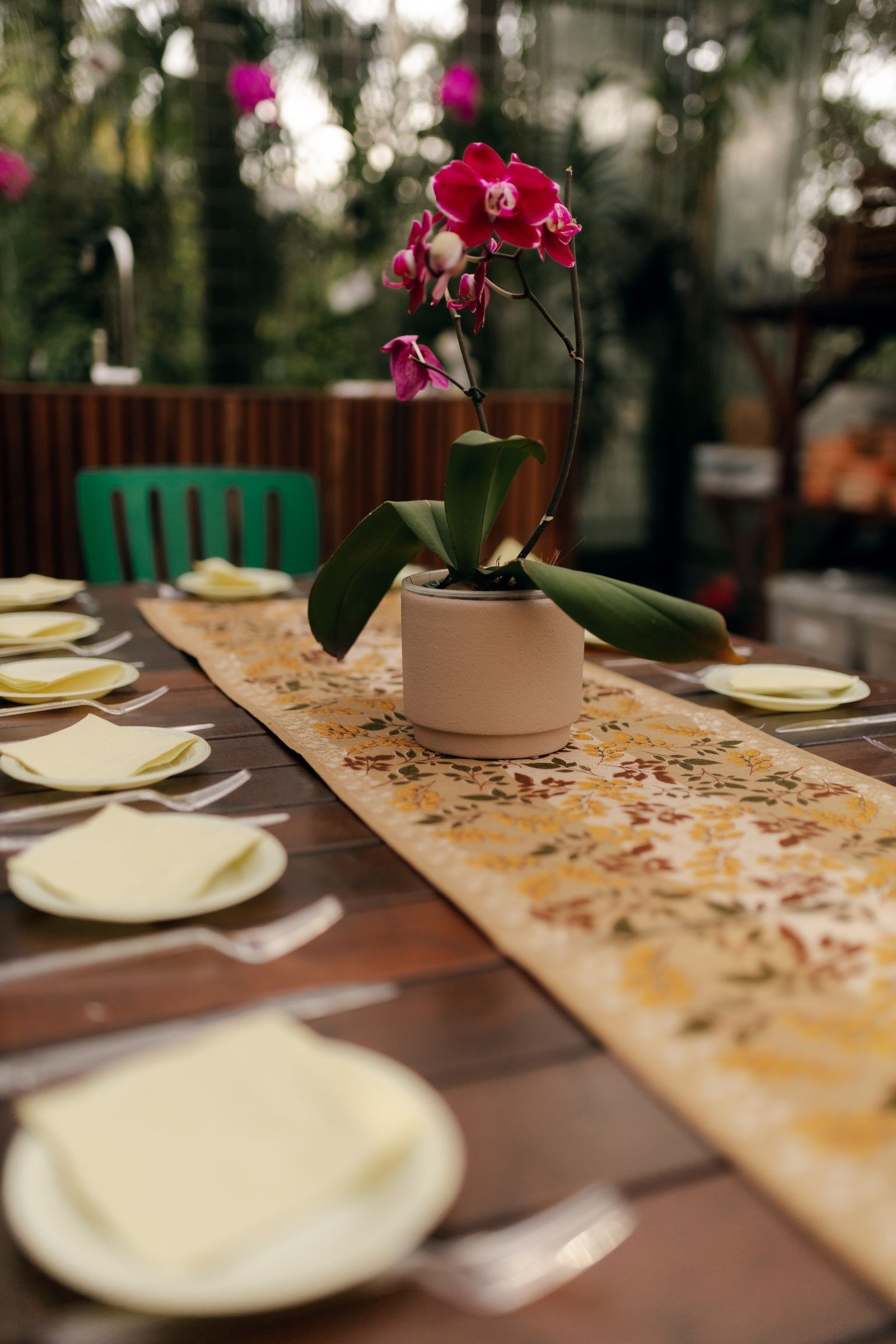
Nine-Patch Table Runner Patterns uses nine-patch blocks, sashing and borders arranged in a classic, rhythmic layout. As part of Quilted table runner patterns ideas, this project is rewarding because it combines creativity with practical skill, producing something personal and seasonal that can be displayed, gifted or reused with pride.
Begin with a clean, dry workspace and the right basic tools for the job. Work in good light, keep pieces organised as you go, and check your progress from a distance so proportions and symmetry stay pleasing.
If you are new to the craft, start with a simple version and build confidence before adding complex details. Practice pieces are valuable, and even a simple finished project can look beautiful when it is neat and well finished.
Star Block Table Runners
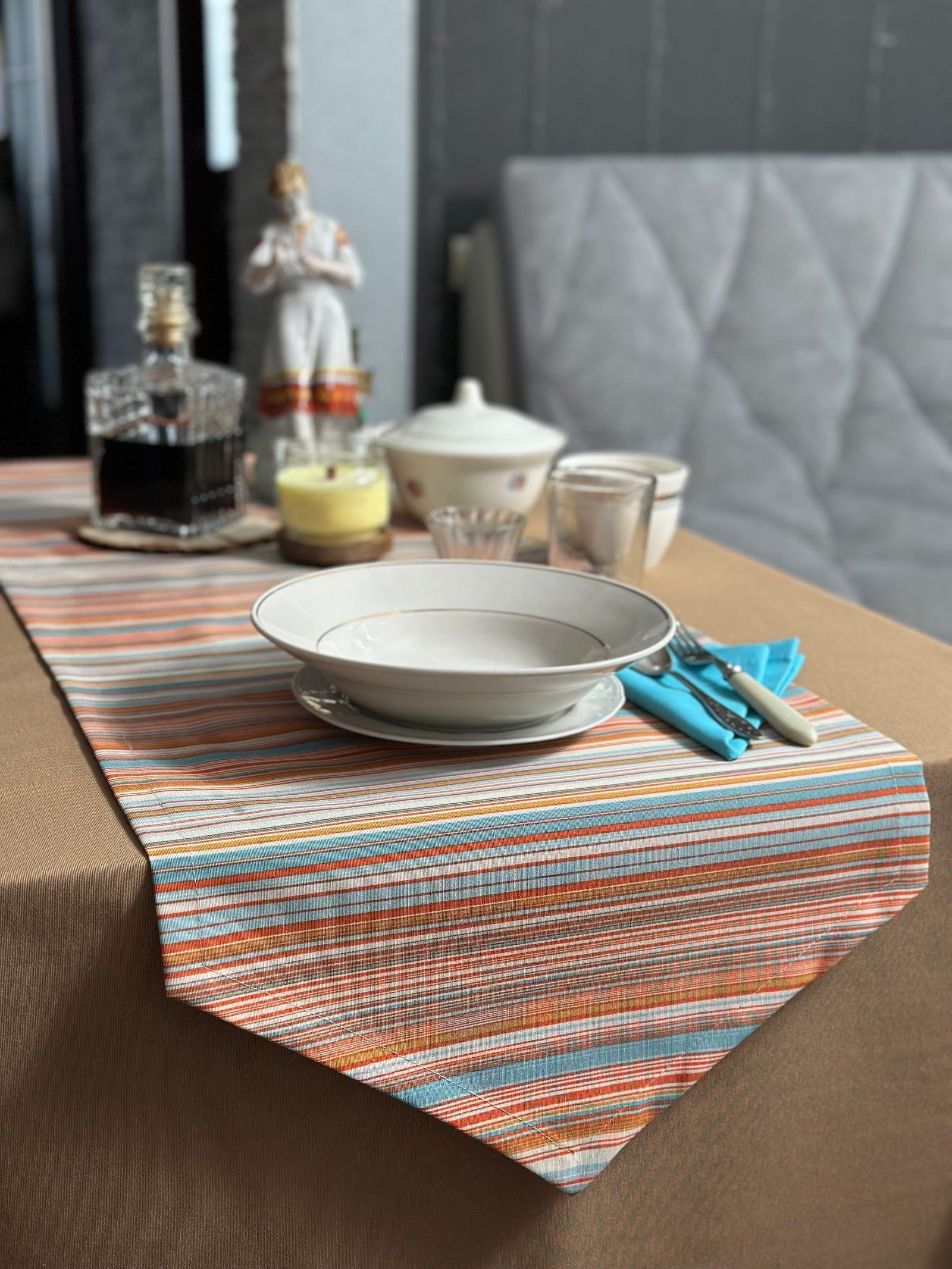
Star Block Table Runners uses sawtooth stars, Ohio stars and simple star blocks that shine on a table. As part of Quilted table runner patterns ideas, this project is rewarding because it combines creativity with practical skill, producing something personal and seasonal that can be displayed, gifted or reused with pride.
For the best result, plan the design on paper first, even as a quick sketch. Mark key points lightly, build the project in stages, and finish edges and details carefully, since those finishing touches make a handmade piece look professional.
Finish by displaying or using the piece where it will be enjoyed, and photograph it in natural light if you want to share it. Handmade details, even imperfect ones, are part of the charm and tell the story of the maker.
Flying Geese Runners
Flying Geese Runners uses flying geese units, directional prints and a sense of movement along the runner. As part of Quilted table runner patterns ideas, this project is rewarding because it combines creativity with practical skill, producing something personal and seasonal that can be displayed, gifted or reused with pride.
To make it well, gather all materials before you start and work on a protected surface. Follow the steps in order, allow drying time between stages, and test colours or techniques on a scrap piece first so the finished piece looks polished.
Variations are easy once you understand the basic technique. Change colours, sizes or patterns to suit your home, or adapt the project for gifts by personalising it. The same skills can be reused for many seasonal projects.
Log Cabin Table Runners
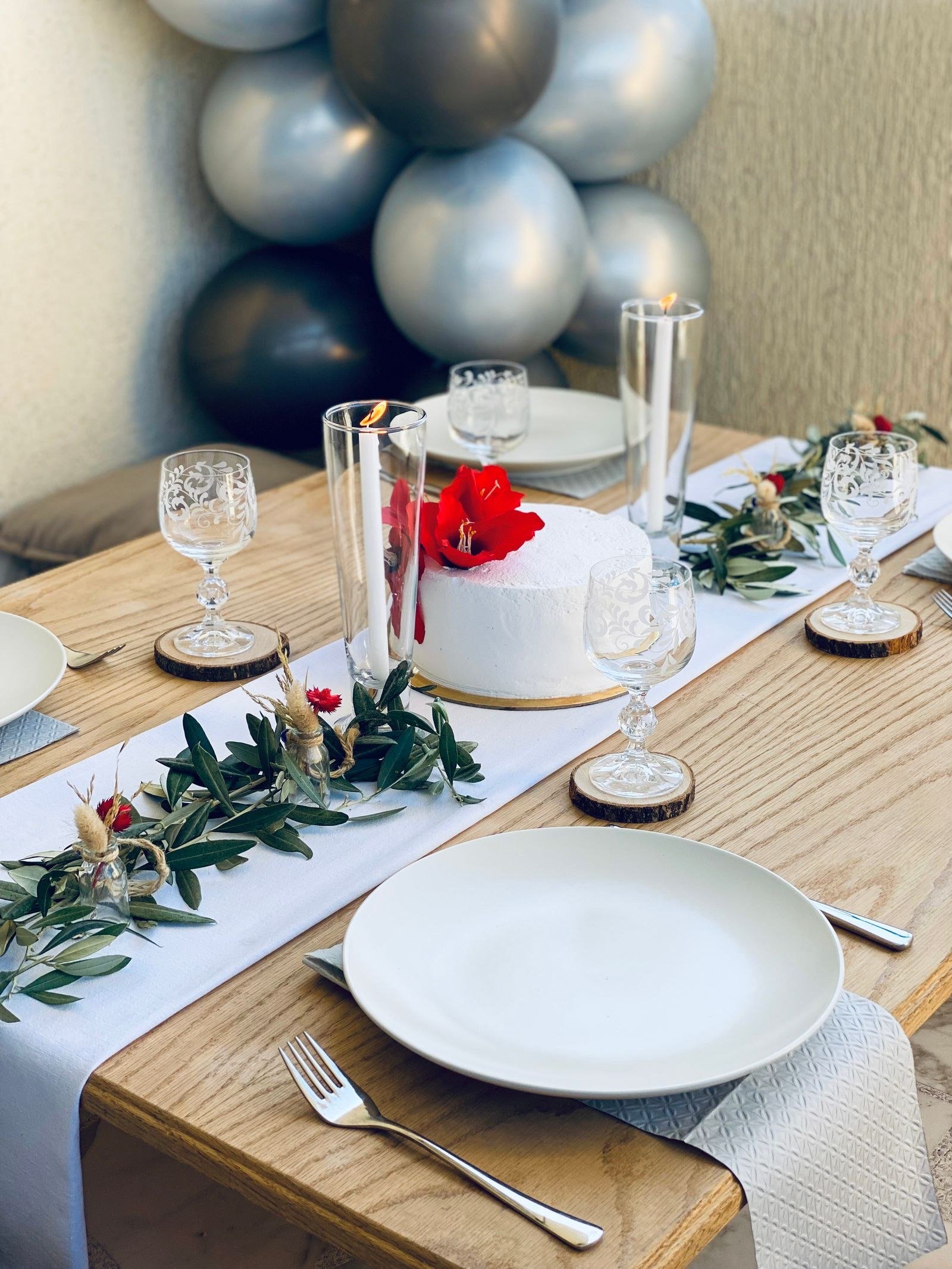
Log Cabin Table Runners uses log cabin blocks, light and dark halves and a warm, traditional feel. As part of Quilted table runner patterns ideas, this project is rewarding because it combines creativity with practical skill, producing something personal and seasonal that can be displayed, gifted or reused with pride.
The method rewards patience and preparation. Measure carefully, secure pieces firmly, and do not rush drying or setting time. Small, careful steps at the start prevent most mistakes and give a much neater finished result.
Keep the project practical as well as pretty. Choose durable materials where the piece will be handled or washed, store it carefully between seasons, and repair small wear promptly so it lasts for years.
Autumn Leaf and Harvest Patterns
Autumn Leaf and Harvest Patterns uses leaf blocks, maple leaf motifs and warm autumn fabrics for seasonal tables. As part of Quilted table runner patterns ideas, this project is rewarding because it combines creativity with practical skill, producing something personal and seasonal that can be displayed, gifted or reused with pride.
Begin with a clean, dry workspace and the right basic tools for the job. Work in good light, keep pieces organised as you go, and check your progress from a distance so proportions and symmetry stay pleasing.
If you are new to the craft, start with a simple version and build confidence before adding complex details. Practice pieces are valuable, and even a simple finished project can look beautiful when it is neat and well finished.
Modern Geometric Runners
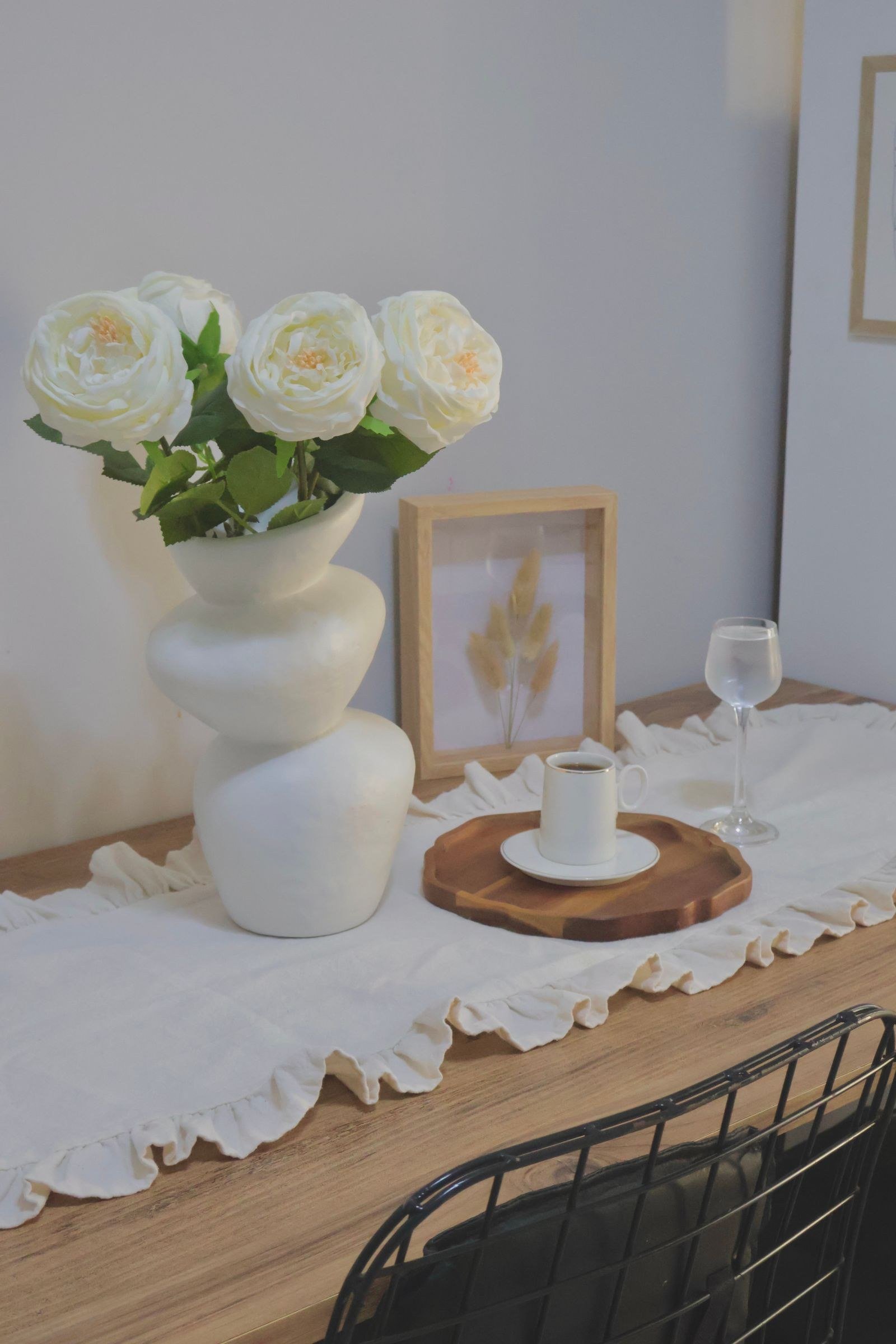
Modern Geometric Runners uses triangles, chevrons and bold solids for a clean, contemporary look. As part of Quilted table runner patterns ideas, this project is rewarding because it combines creativity with practical skill, producing something personal and seasonal that can be displayed, gifted or reused with pride.
For the best result, plan the design on paper first, even as a quick sketch. Mark key points lightly, build the project in stages, and finish edges and details carefully, since those finishing touches make a handmade piece look professional.
Finish by displaying or using the piece where it will be enjoyed, and photograph it in natural light if you want to share it. Handmade details, even imperfect ones, are part of the charm and tell the story of the maker.
Strip and Jelly Roll Runners
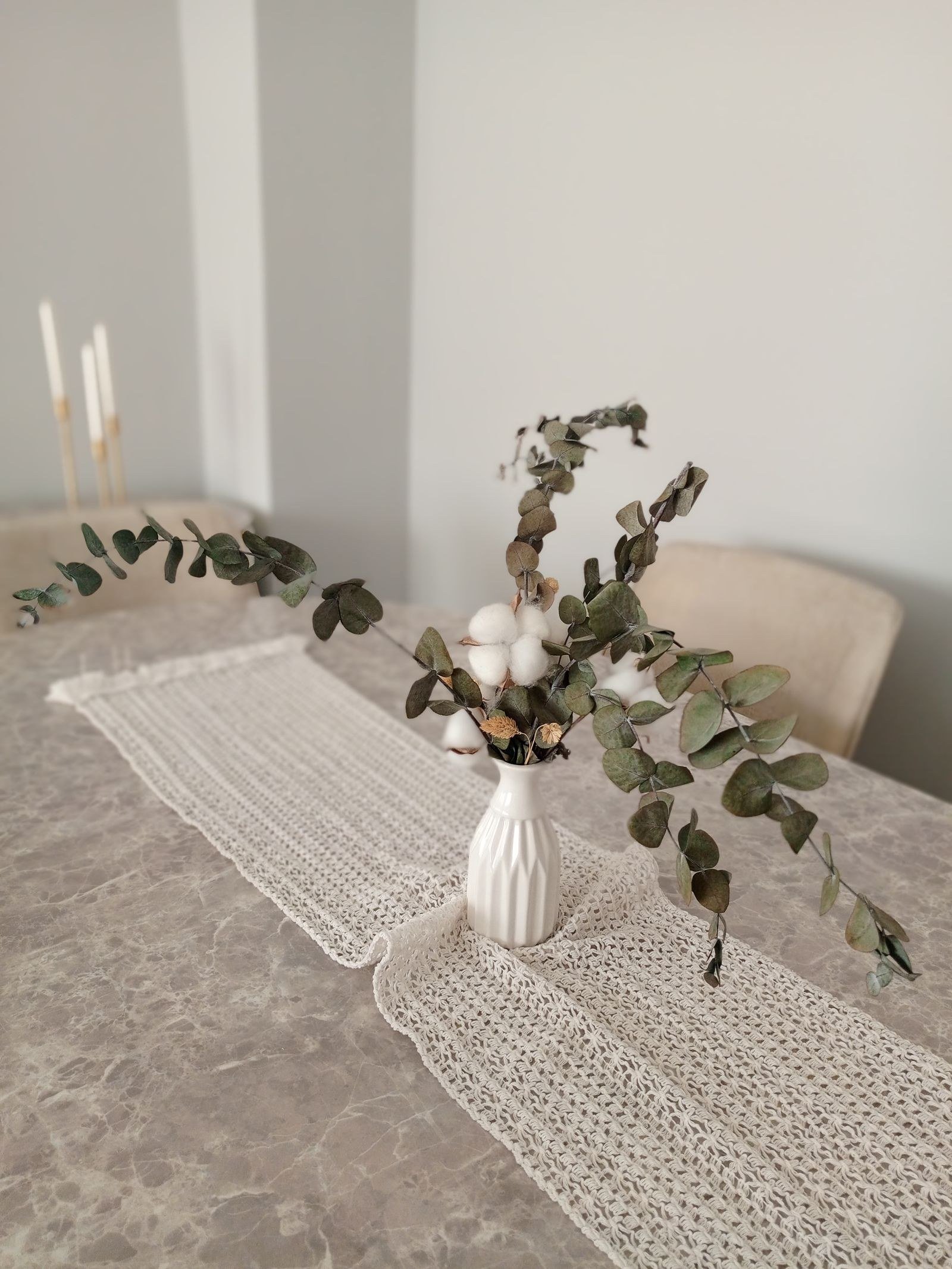
Strip and Jelly Roll Runners uses pre-cut strips, quick piecing and scrappy or coordinated strip designs. As part of Quilted table runner patterns ideas, this project is rewarding because it combines creativity with practical skill, producing something personal and seasonal that can be displayed, gifted or reused with pride.
To make it well, gather all materials before you start and work on a protected surface. Follow the steps in order, allow drying time between stages, and test colours or techniques on a scrap piece first so the finished piece looks polished.
Variations are easy once you understand the basic technique. Change colours, sizes or patterns to suit your home, or adapt the project for gifts by personalising it. The same skills can be reused for many seasonal projects.
Hexagon and English Paper Piecing Runners
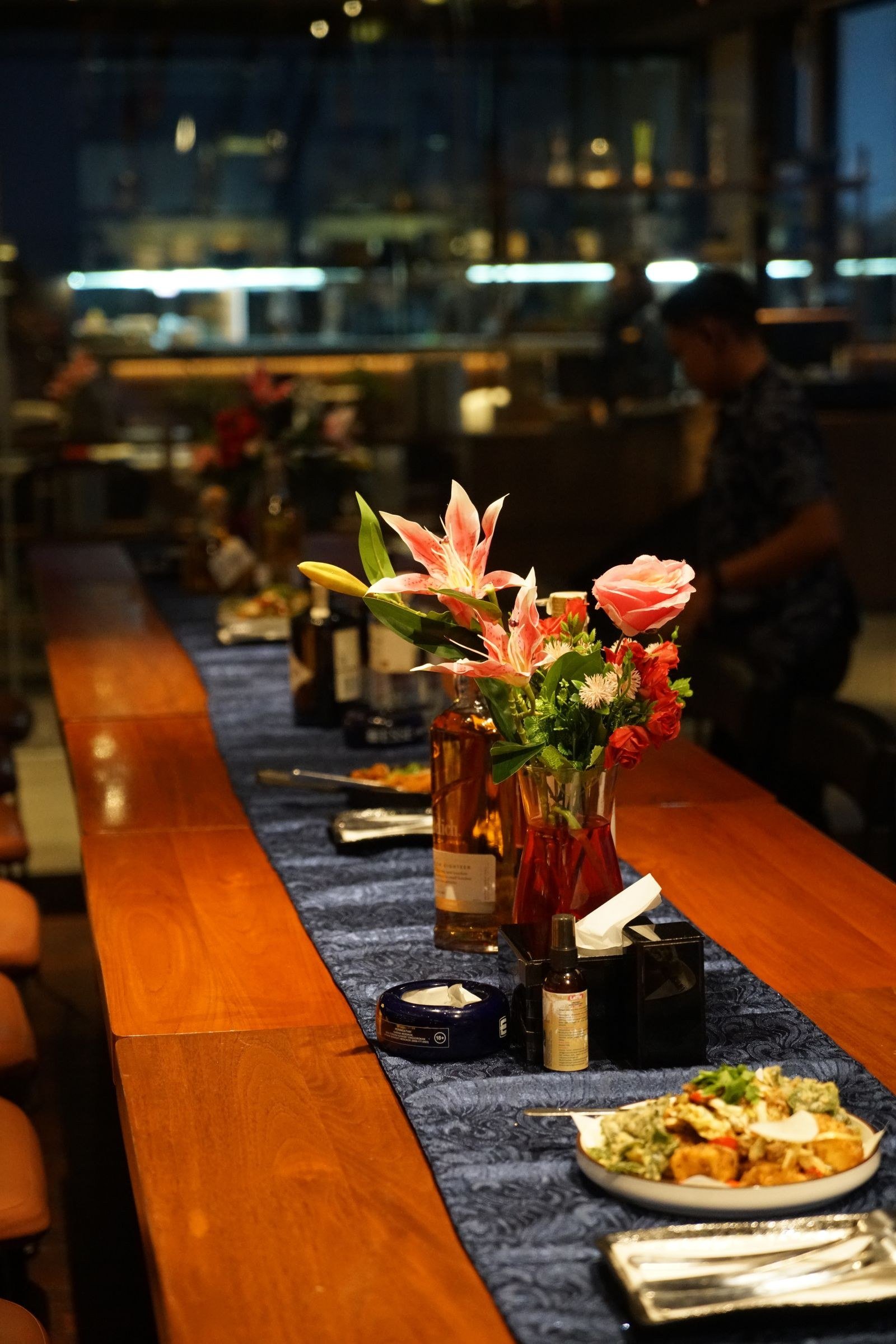
Hexagon and English Paper Piecing Runners uses hexagons, hand piecing and a slow, meditative project with beautiful detail. As part of Quilted table runner patterns ideas, this project is rewarding because it combines creativity with practical skill, producing something personal and seasonal that can be displayed, gifted or reused with pride.
The method rewards patience and preparation. Measure carefully, secure pieces firmly, and do not rush drying or setting time. Small, careful steps at the start prevent most mistakes and give a much neater finished result.
Keep the project practical as well as pretty. Choose durable materials where the piece will be handled or washed, store it carefully between seasons, and repair small wear promptly so it lasts for years.
Seasonal Christmas Runner Patterns

Seasonal Christmas Runner Patterns uses red, green and gold fabrics, tree and star motifs for festive tables. As part of Quilted table runner patterns ideas, this project is rewarding because it combines creativity with practical skill, producing something personal and seasonal that can be displayed, gifted or reused with pride.
Begin with a clean, dry workspace and the right basic tools for the job. Work in good light, keep pieces organised as you go, and check your progress from a distance so proportions and symmetry stay pleasing.
If you are new to the craft, start with a simple version and build confidence before adding complex details. Practice pieces are valuable, and even a simple finished project can look beautiful when it is neat and well finished.
Spring and Summer Floral Runners
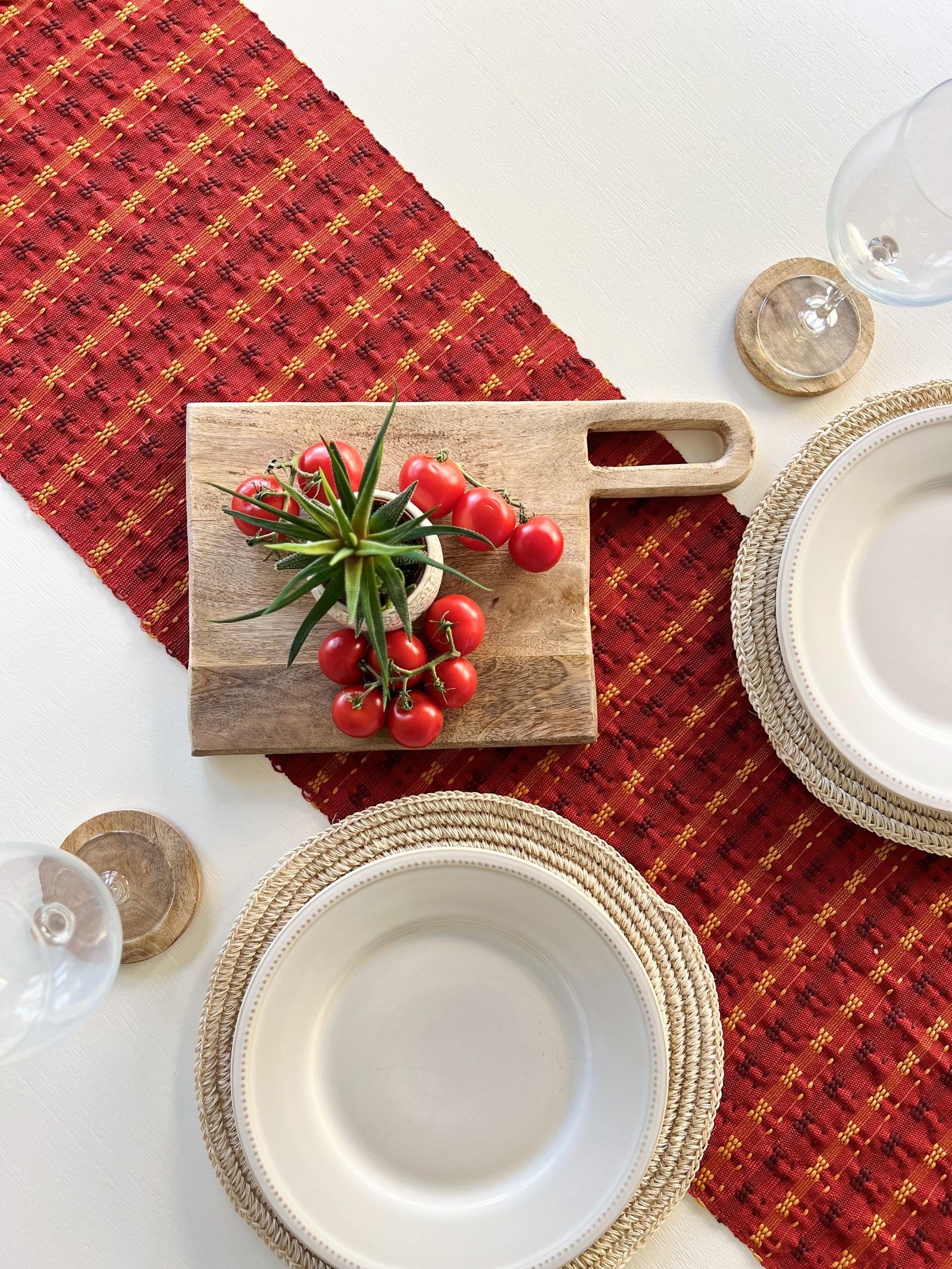
Spring and Summer Floral Runners uses floral prints, light backgrounds and fresh, airy designs for warmer months. As part of Quilted table runner patterns ideas, this project is rewarding because it combines creativity with practical skill, producing something personal and seasonal that can be displayed, gifted or reused with pride.
For the best result, plan the design on paper first, even as a quick sketch. Mark key points lightly, build the project in stages, and finish edges and details carefully, since those finishing touches make a handmade piece look professional.
Finish by displaying or using the piece where it will be enjoyed, and photograph it in natural light if you want to share it. Handmade details, even imperfect ones, are part of the charm and tell the story of the maker.
Quilting Designs for Runners
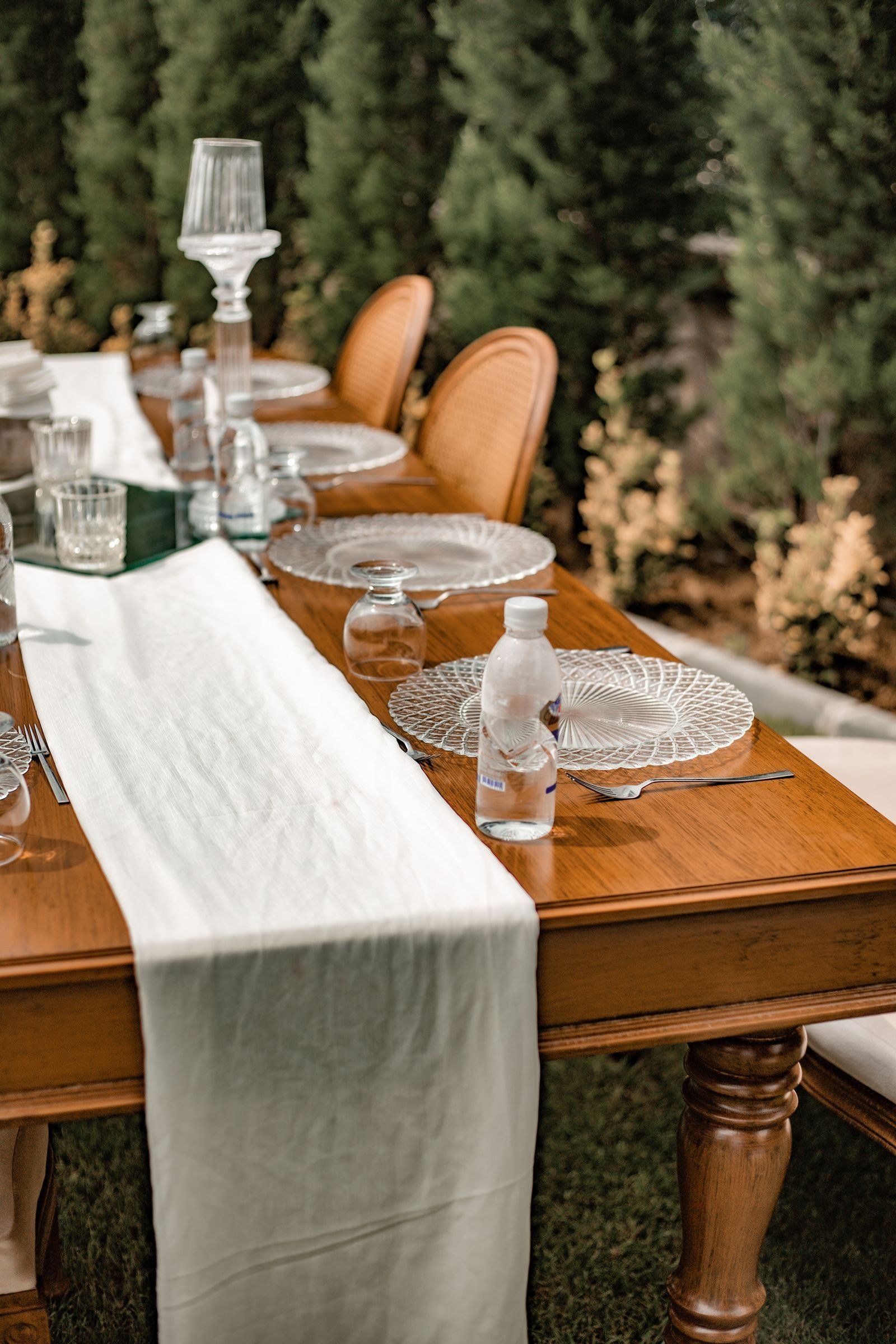
Quilting Designs for Runners uses straight-line quilting, free-motion motifs and stitch-in-the-ditch techniques. As part of Quilted table runner patterns ideas, this project is rewarding because it combines creativity with practical skill, producing something personal and seasonal that can be displayed, gifted or reused with pride.
To make it well, gather all materials before you start and work on a protected surface. Follow the steps in order, allow drying time between stages, and test colours or techniques on a scrap piece first so the finished piece looks polished.
Variations are easy once you understand the basic technique. Change colours, sizes or patterns to suit your home, or adapt the project for gifts by personalising it. The same skills can be reused for many seasonal projects.
Binding Your Table Runner Neatly
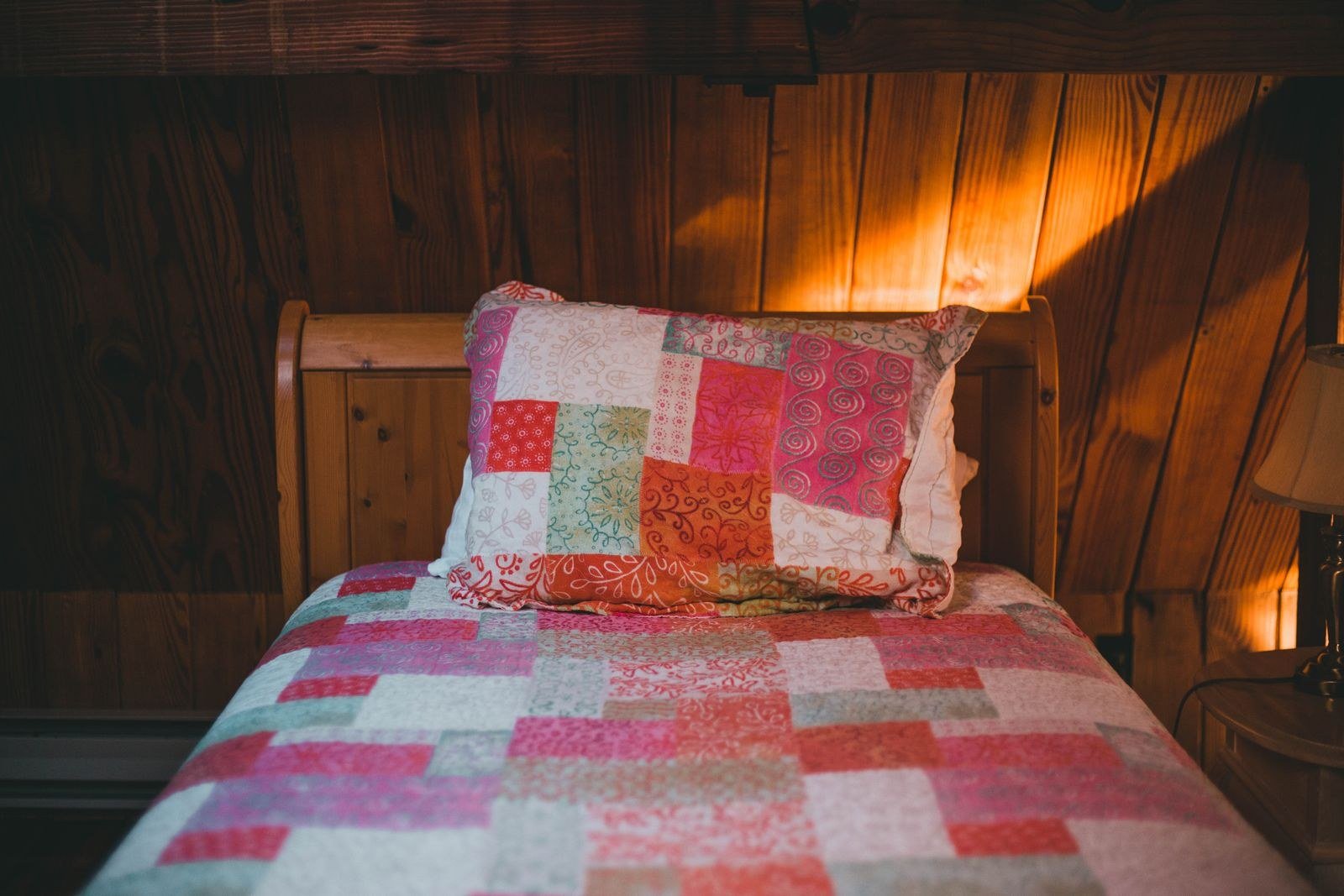
Binding Your Table Runner Neatly uses double-fold binding, mitred corners and hand or machine finishing. As part of Quilted table runner patterns ideas, this project is rewarding because it combines creativity with practical skill, producing something personal and seasonal that can be displayed, gifted or reused with pride.
The method rewards patience and preparation. Measure carefully, secure pieces firmly, and do not rush drying or setting time. Small, careful steps at the start prevent most mistakes and give a much neater finished result.
Keep the project practical as well as pretty. Choose durable materials where the piece will be handled or washed, store it carefully between seasons, and repair small wear promptly so it lasts for years.
Sizing Runners for Different Tables
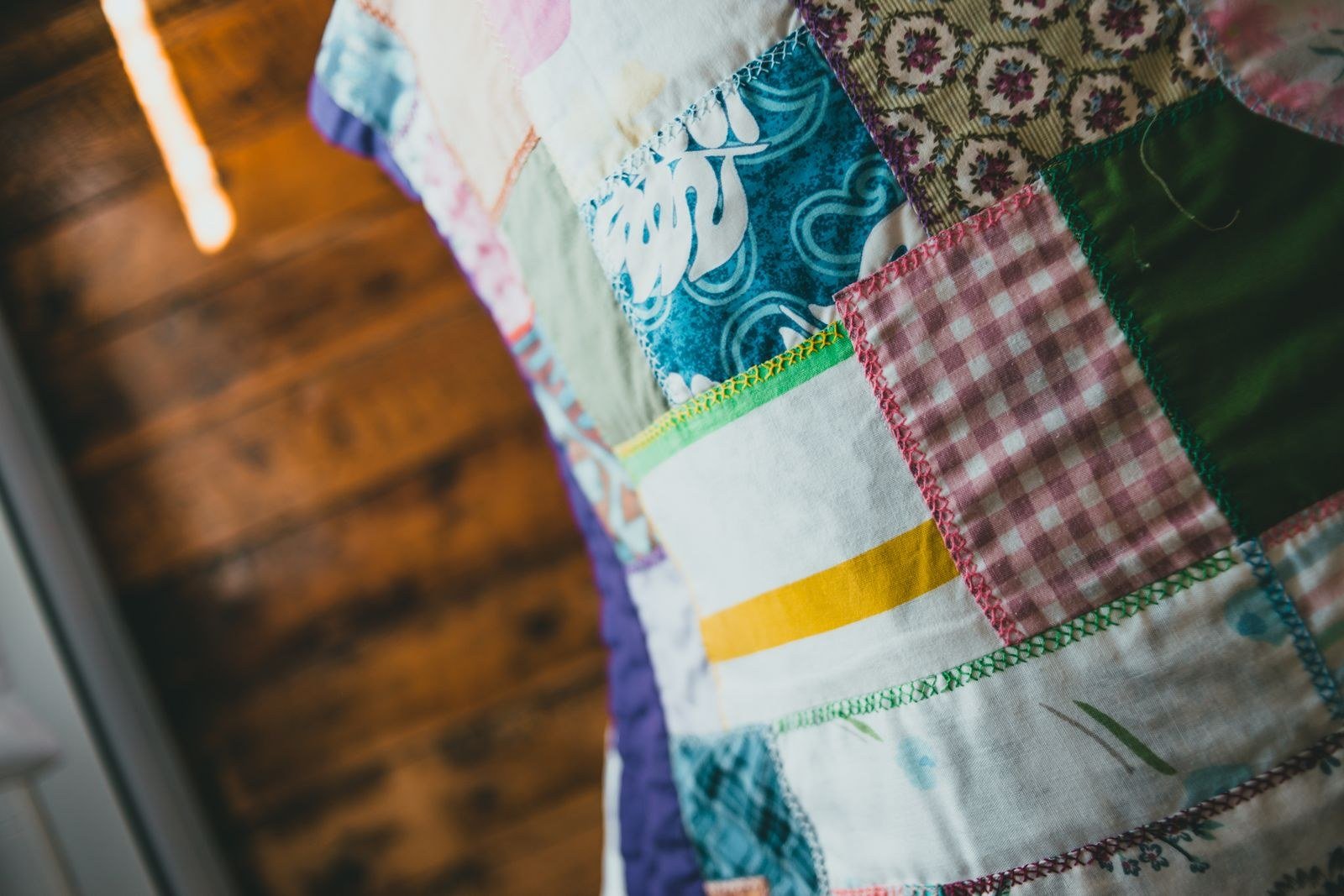
Sizing Runners for Different Tables uses measuring table length and width, overhang and proportions for dining tables. As part of Quilted table runner patterns ideas, this project is rewarding because it combines creativity with practical skill, producing something personal and seasonal that can be displayed, gifted or reused with pride.
Begin with a clean, dry workspace and the right basic tools for the job. Work in good light, keep pieces organised as you go, and check your progress from a distance so proportions and symmetry stay pleasing.
If you are new to the craft, start with a simple version and build confidence before adding complex details. Practice pieces are valuable, and even a simple finished project can look beautiful when it is neat and well finished.
Backing, Batting and Layering
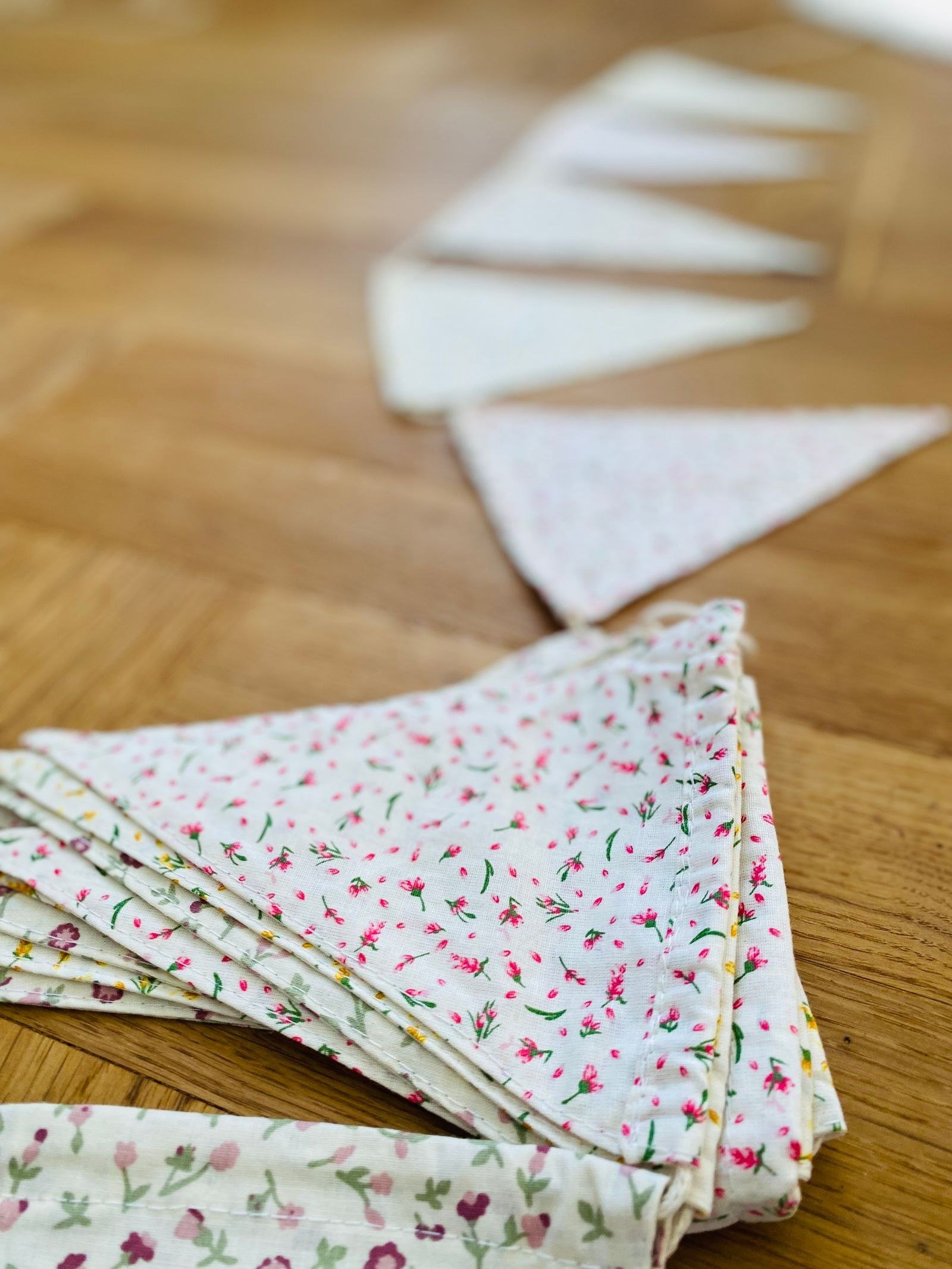
Backing, Batting and Layering uses cotton batting, backing fabric, basting and smooth, flat layering. As part of Quilted table runner patterns ideas, this project is rewarding because it combines creativity with practical skill, producing something personal and seasonal that can be displayed, gifted or reused with pride.
For the best result, plan the design on paper first, even as a quick sketch. Mark key points lightly, build the project in stages, and finish edges and details carefully, since those finishing touches make a handmade piece look professional.
Finish by displaying or using the piece where it will be enjoyed, and photograph it in natural light if you want to share it. Handmade details, even imperfect ones, are part of the charm and tell the story of the maker.
Beginner-Friendly Runner Projects
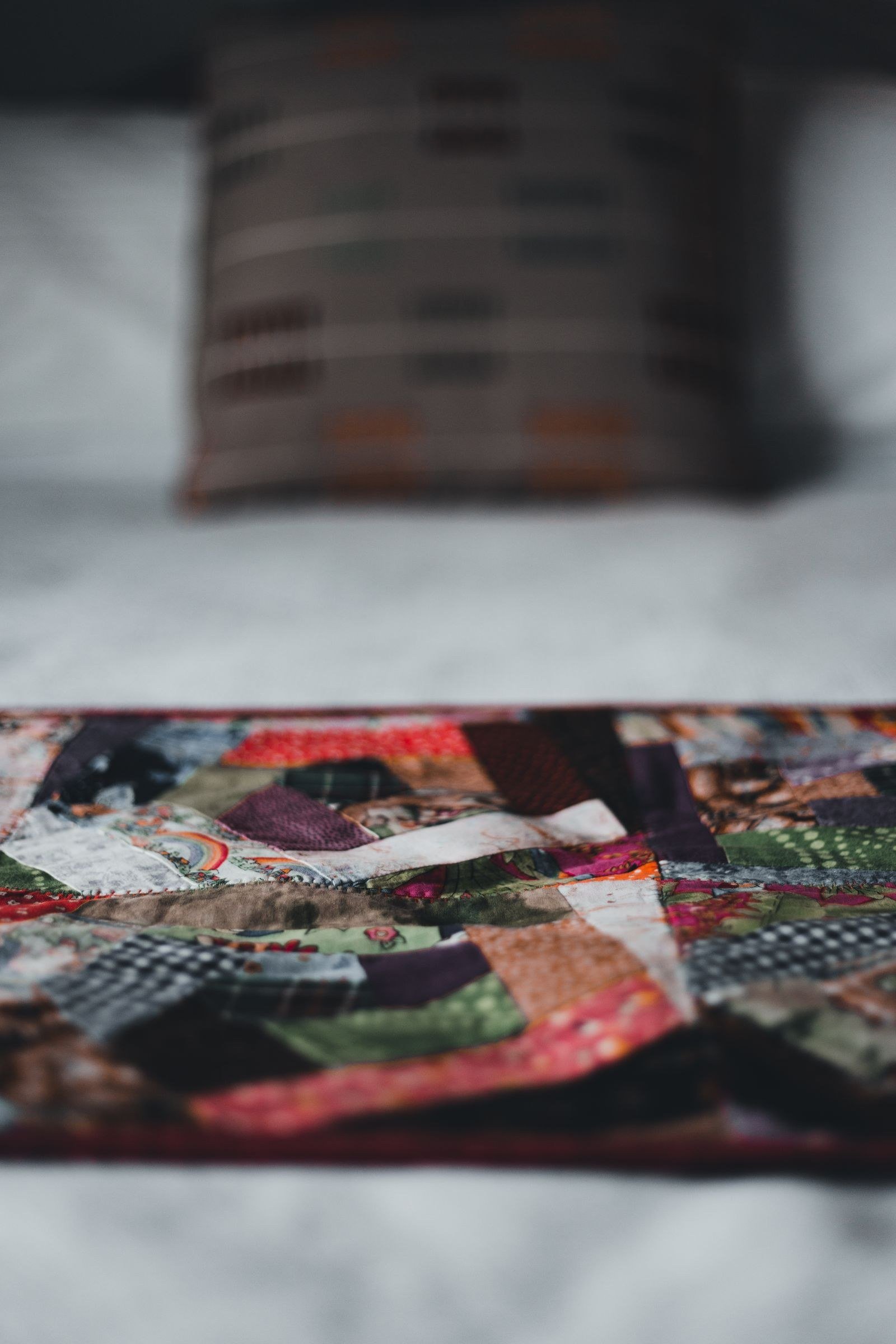
Beginner-Friendly Runner Projects uses simple patterns, larger pieces and forgiving designs for first-time quilters. As part of Quilted table runner patterns ideas, this project is rewarding because it combines creativity with practical skill, producing something personal and seasonal that can be displayed, gifted or reused with pride.
To make it well, gather all materials before you start and work on a protected surface. Follow the steps in order, allow drying time between stages, and test colours or techniques on a scrap piece first so the finished piece looks polished.
Variations are easy once you understand the basic technique. Change colours, sizes or patterns to suit your home, or adapt the project for gifts by personalising it. The same skills can be reused for many seasonal projects.
Using Scraps for Table Runners
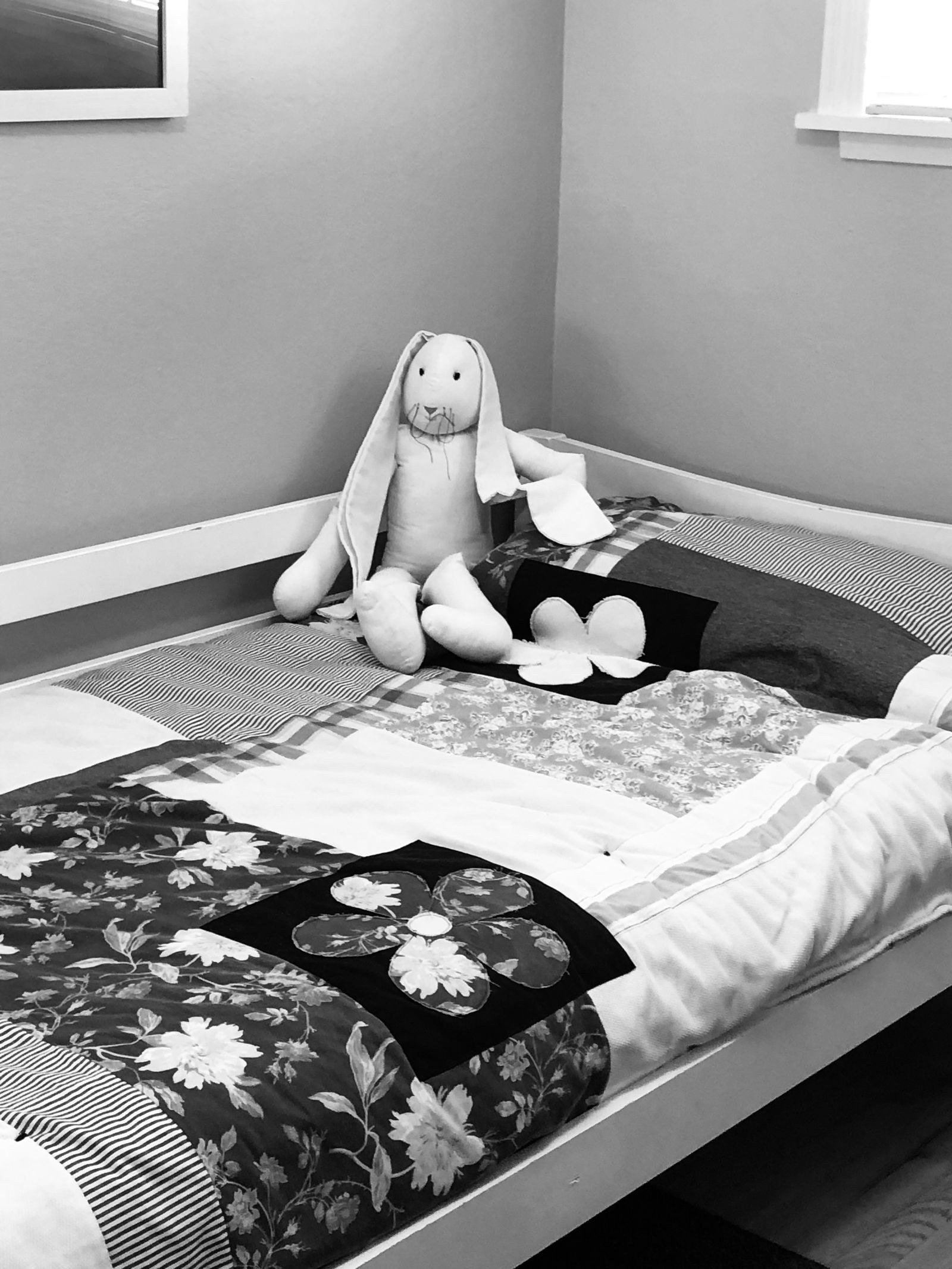
Using Scraps for Table Runners uses scrap bins, coordinated leftovers and improvisational piecing ideas. As part of Quilted table runner patterns ideas, this project is rewarding because it combines creativity with practical skill, producing something personal and seasonal that can be displayed, gifted or reused with pride.
The method rewards patience and preparation. Measure carefully, secure pieces firmly, and do not rush drying or setting time. Small, careful steps at the start prevent most mistakes and give a much neater finished result.
Keep the project practical as well as pretty. Choose durable materials where the piece will be handled or washed, store it carefully between seasons, and repair small wear promptly so it lasts for years.
Caring for Quilted Table Runners

Caring for Quilted Table Runners uses gentle washing, drying flat, pressing and storing to protect quilting. As part of Quilted table runner patterns ideas, this project is rewarding because it combines creativity with practical skill, producing something personal and seasonal that can be displayed, gifted or reused with pride.
Begin with a clean, dry workspace and the right basic tools for the job. Work in good light, keep pieces organised as you go, and check your progress from a distance so proportions and symmetry stay pleasing.
If you are new to the craft, start with a simple version and build confidence before adding complex details. Practice pieces are valuable, and even a simple finished project can look beautiful when it is neat and well finished.
Gifting Quilted Table Runners
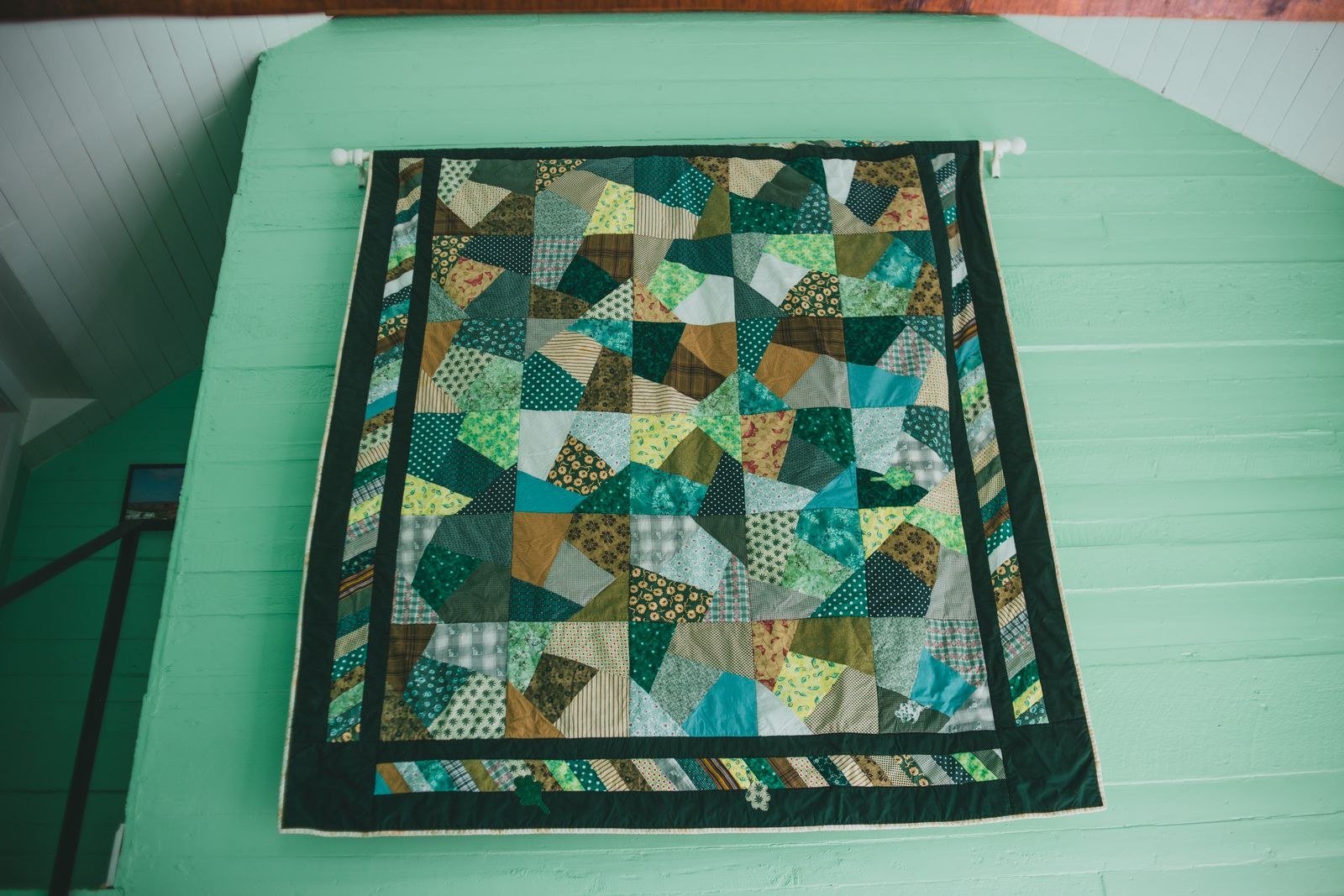
Gifting Quilted Table Runners uses personalised fabrics, presentation, washing instructions and thoughtful finishing. As part of Quilted table runner patterns ideas, this project is rewarding because it combines creativity with practical skill, producing something personal and seasonal that can be displayed, gifted or reused with pride.
For the best result, plan the design on paper first, even as a quick sketch. Mark key points lightly, build the project in stages, and finish edges and details carefully, since those finishing touches make a handmade piece look professional.
Finish by displaying or using the piece where it will be enjoyed, and photograph it in natural light if you want to share it. Handmade details, even imperfect ones, are part of the charm and tell the story of the maker.
As you finish your project, remember that handmade pieces carry charm precisely because they reflect the maker and the season. Start with a simple version first, then add detail as your confidence grows, so each project feels enjoyable rather than stressful. Gather materials in advance, protect your workspace and work in good light, because preparation makes crafting far more relaxing. Do not worry about perfection, since small variations and hand-finished details are what make a piece feel personal and special. Display your finished work where it will be seen and enjoyed, and take a photograph in natural light if you wish to share it. Finally, store tools and leftover materials neatly, so your next seasonal project can begin without searching for supplies. With practice, the techniques in this guide become second nature, opening the door to many more creative projects. Adapt colours, sizes and patterns to suit your home, your table or the person you are making the piece for. Keep notes or photographs of projects you loved, so you can repeat successful ideas and improve them next time. Crafting with family or friends can turn a simple project into a happy memory, especially during the festive season. Choose durable materials where a piece will be handled often, and gentler decorative materials where it will simply be displayed. Take breaks, step back and view your work from a distance, since fresh eyes often reveal small improvements worth making. When a step goes wrong, pause rather than rushing a fix, because most mistakes can be corrected with patience and care. A finished project, even a simple one, is an achievement worth celebrating, so enjoy using or gifting what you have made. Above all, enjoy the creative process, because making something by hand is a rewarding way to mark the season.

I am Talha Sikandar, a professional writer with a passion for general blogging. With years of experience in content writing and research, I founded Meaniingly.com to deliver well-researched, informative, and user-friendly articles on diverse topics.