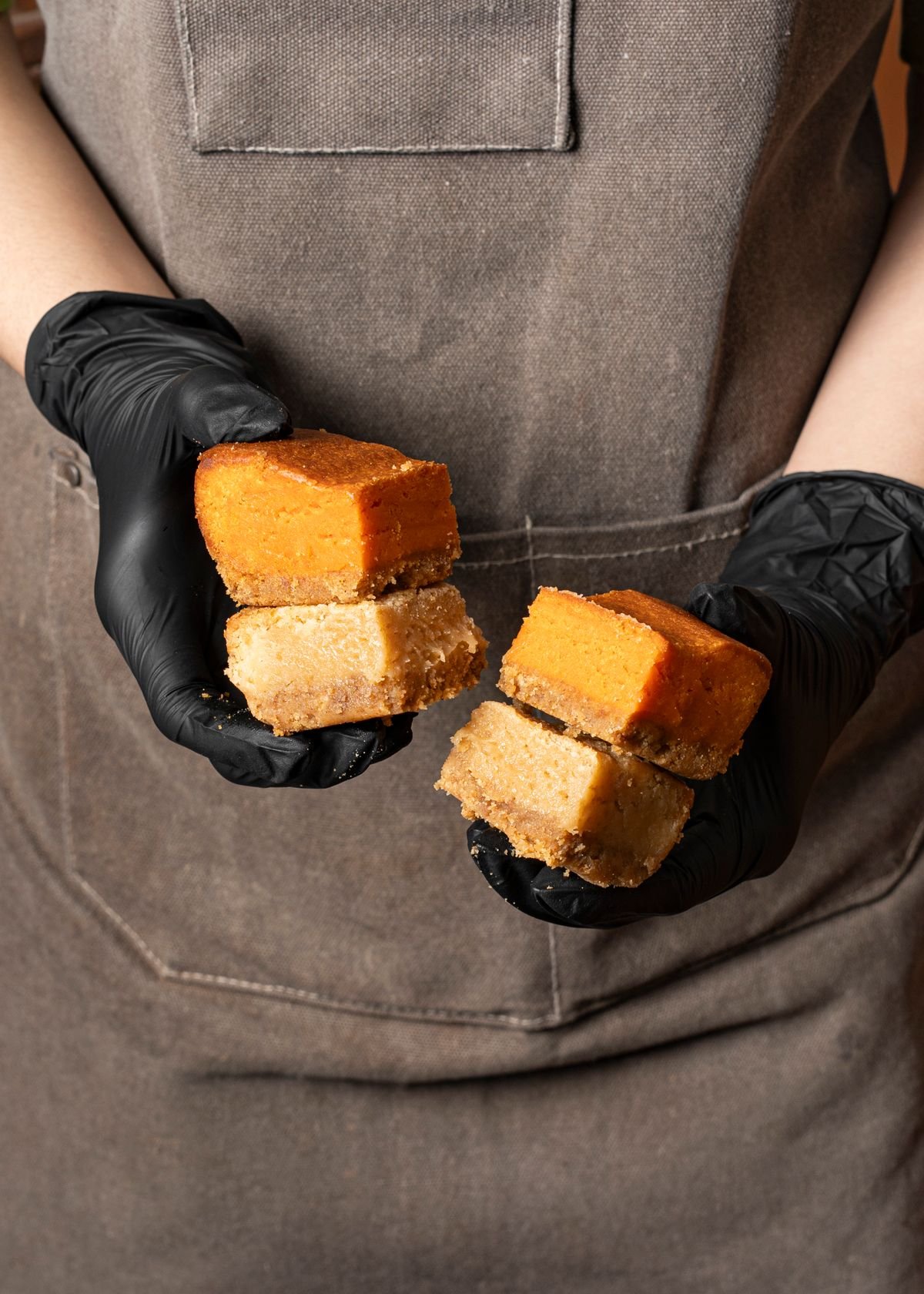
Pumpkin bars recipe
Pumpkin bars are the perfect autumn treat, soft, spiced and easy to slice for sharing. Baked in a tray, they feed a crowd with far less fuss than a pie, yet they deliver all the cosy flavours of pumpkin, cinnamon and nutmeg. Whether topped with cream cheese frosting or left plain, pumpkin bars are a seasonal favourite.
This guide shares everything you need for perfect pumpkin bars, from the classic recipe and frosting to variations, storage and serving ideas. Follow the steps carefully, and you will have moist, flavourful bars every time. They are ideal for bake sales, parties and cosy autumn afternoons.
Classic Pumpkin Bars Recipe
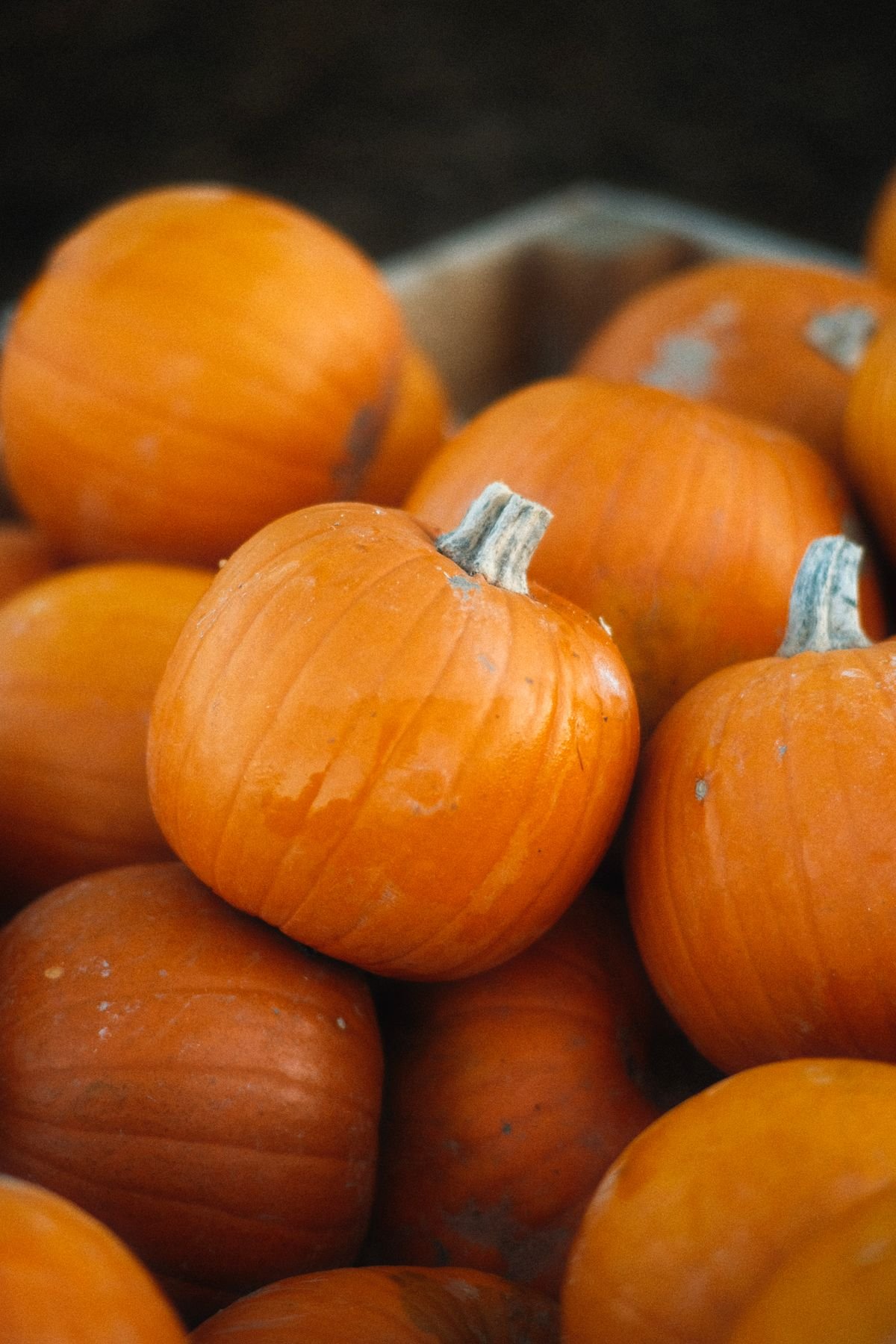
Classic pumpkin bars start with a simple spiced batter: pumpkin purée, eggs, sugar, oil and flour, flavoured with cinnamon, nutmeg and ginger. Mix wet and dry ingredients separately, combine gently, and bake in a lined tray until a skewer comes out clean. The bars should be moist, tender and fragrant.
Cool bars completely in the tray before slicing, for neat, even squares. Classic pumpkin bars keep well for several days and taste even better the next day, as spices develop. This is the reliable base recipe every baker should know.
Classic bars should be baked in a light-coloured metal tray, which browns evenly without burning edges. Dark trays can overbrown pumpkin bars quickly.
Tray choice matters for even baking and easy removal, so line trays with parchment overhanging the sides. Overhanging parchment lifts bars out cleanly for slicing.
Cream Cheese Frosting for Pumpkin Bars
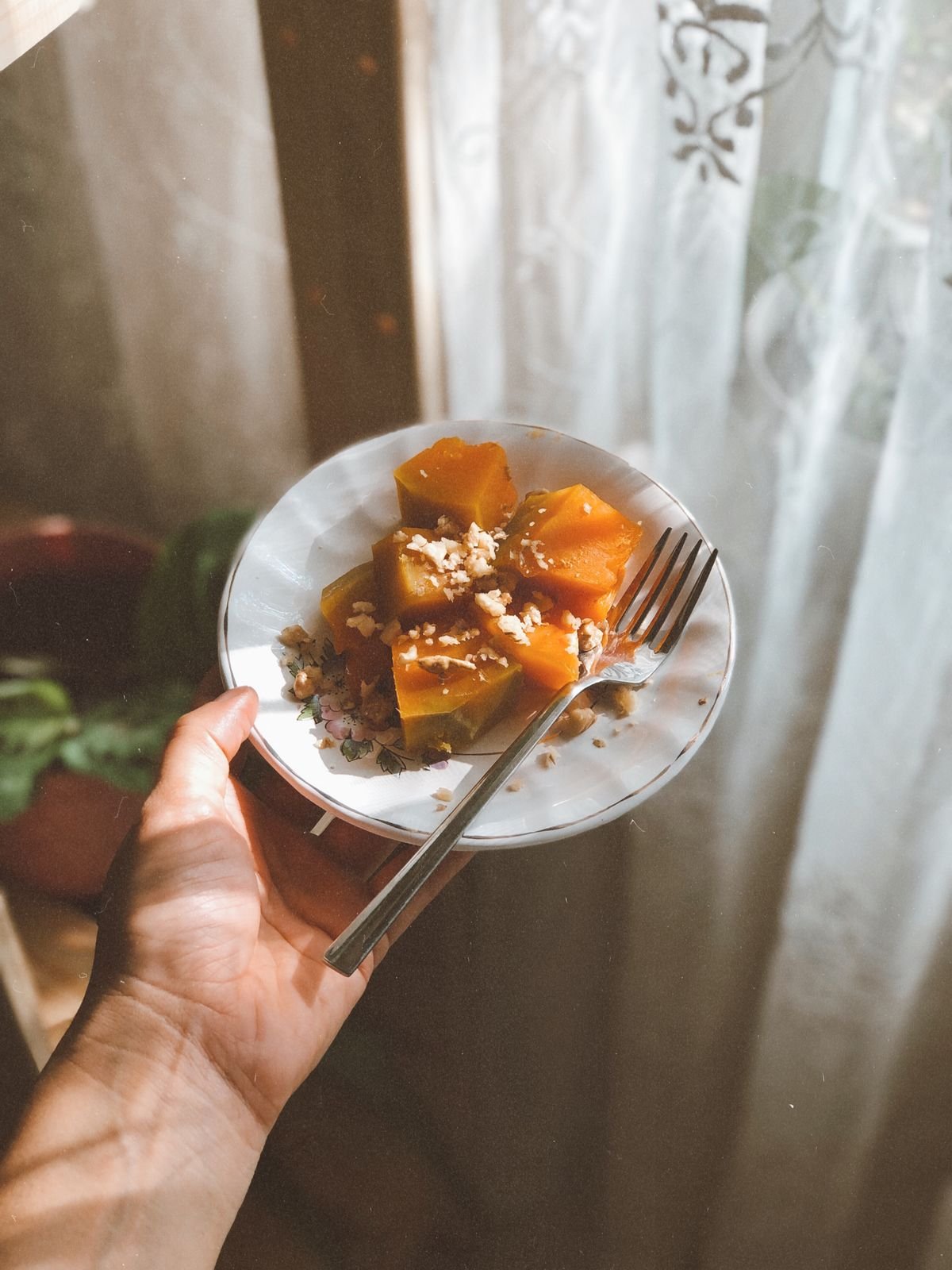
Cream cheese frosting is the classic topping for pumpkin bars, tangy, smooth and perfectly balanced against sweet spice. Beat softened cream cheese with butter, icing sugar and vanilla until smooth, then spread evenly over completely cooled bars. The frosting should be thick enough to hold its shape.
For a lighter topping, whip the frosting briefly for a fluffier texture, or add a pinch of cinnamon. Frosted bars should be stored in the fridge and brought to room temperature before serving. Cream cheese frosting turns good bars into great ones.
Cream cheese frosting should be made with full-fat cream cheese, as low-fat versions can turn runny. Full-fat frosting holds its shape beautifully.
Frosting should be spread with an offset spatula, giving a smooth, even layer without tearing bars. Offset spatulas are ideal for tray bakes.
Choosing Pumpkin Purée
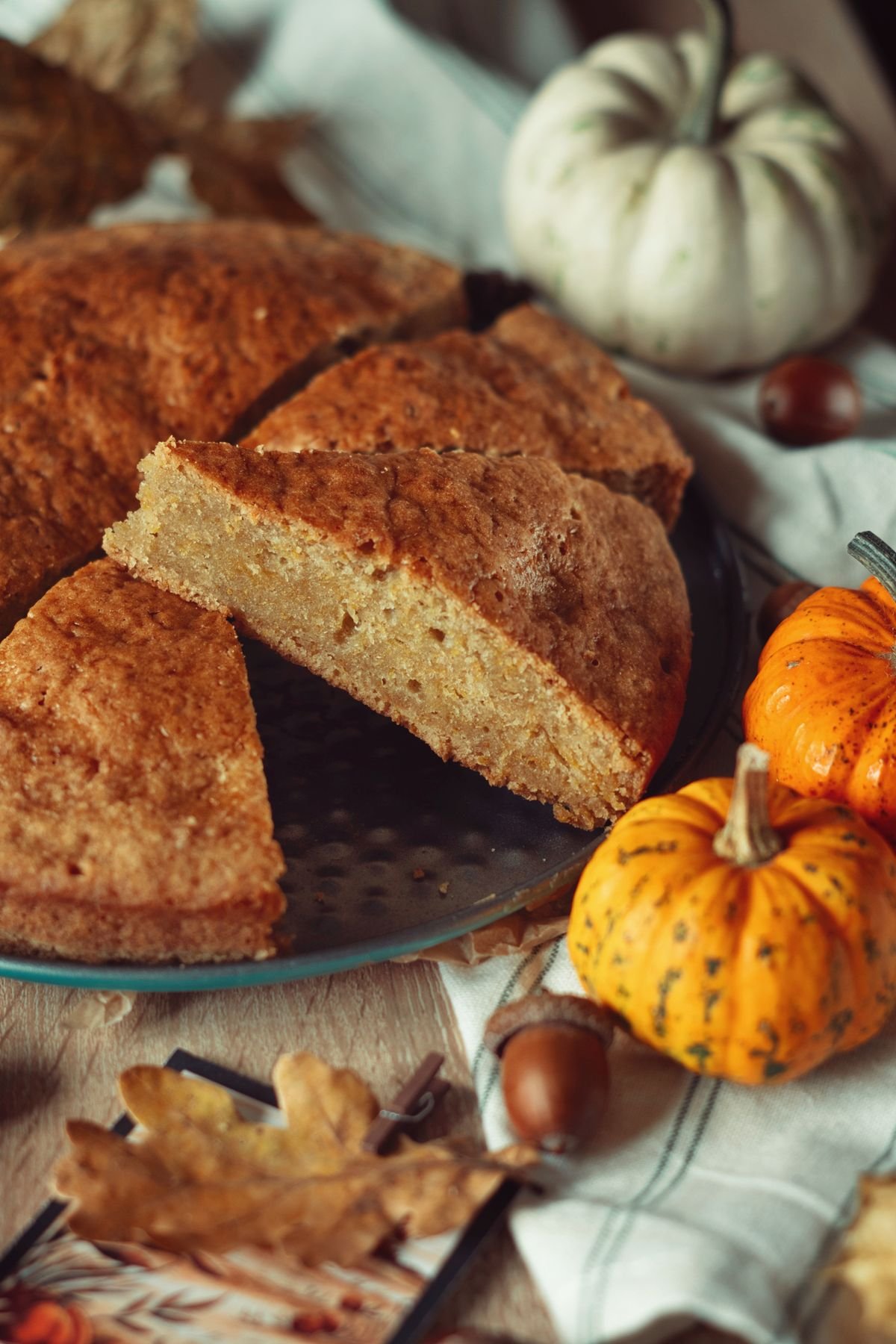
Choosing the right pumpkin purée matters: use plain canned pumpkin purée, not pumpkin pie filling, which already contains sugar and spices. Canned purée is consistent and convenient, giving reliable moisture and flavour. If using fresh pumpkin, roast and purée it until smooth, draining excess water.
Measure purée accurately, as too much can make bars soggy and too little can make them dry. Blot very wet fresh purée with kitchen paper if needed. Good purée is the foundation of moist, flavourful pumpkin bars.
Pumpkin purée should be stirred well before measuring, as liquid settles at the bottom of the can. Stirring ensures consistent moisture in every batch.
Purée should be drained if very wet, using a fine sieve for a few minutes. Draining prevents soggy bars without changing flavour.
Spices for Perfect Pumpkin Bars
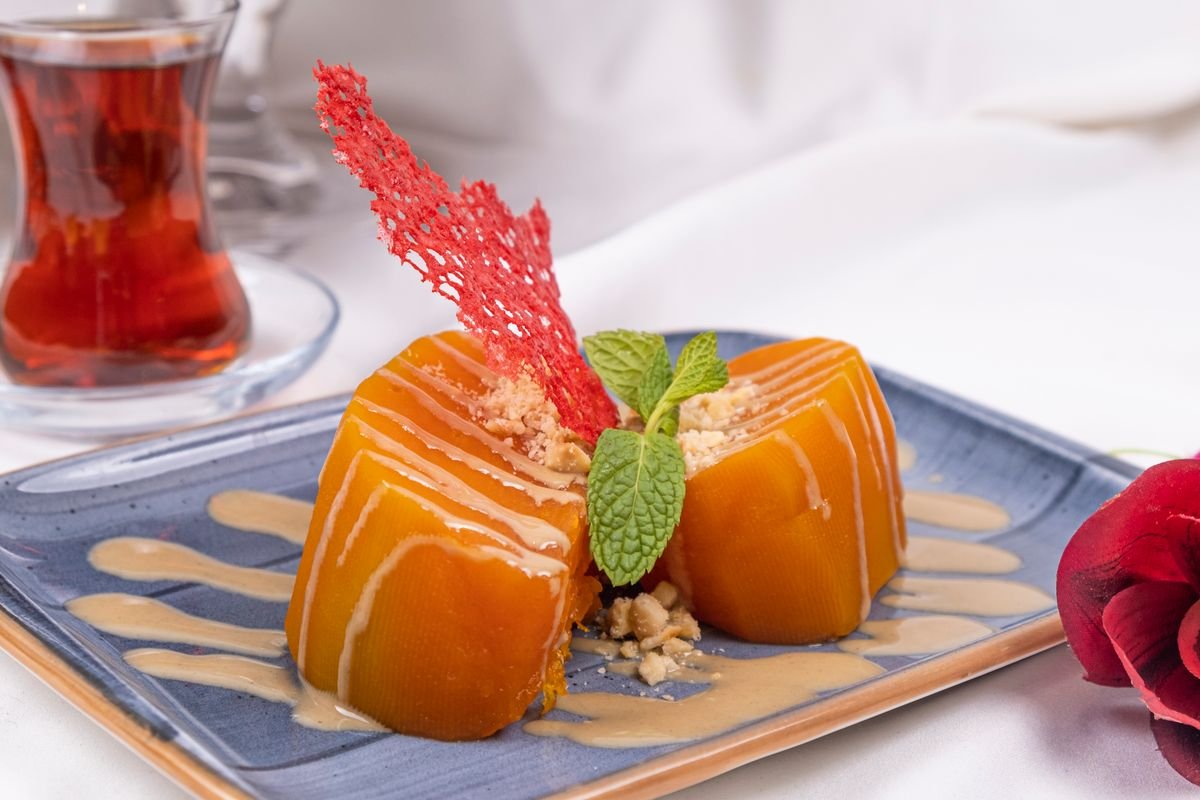
Spices define pumpkin bars, with cinnamon as the star, supported by nutmeg, ginger and a little clove. Use fresh, fragrant spices, and measure carefully: too much clove can overpower, while too little cinnamon leaves bars bland. A ready-made pumpkin spice blend also works well.
Toast spices briefly in the dry ingredients if you like a deeper flavour, or add a pinch of black pepper for warmth. Taste the batter, if safe, or bake a test bar to check spice balance. Well-spiced bars smell like autumn itself.
Spices should be replaced yearly, as old spices lose flavour and leave bars bland. Fresh spices make a noticeable difference in pumpkin baking.
Spice blends should be tasted in a small test batch before committing to a full tray. Test batches save ingredients and disappointment.
Moist Pumpkin Bars Tips
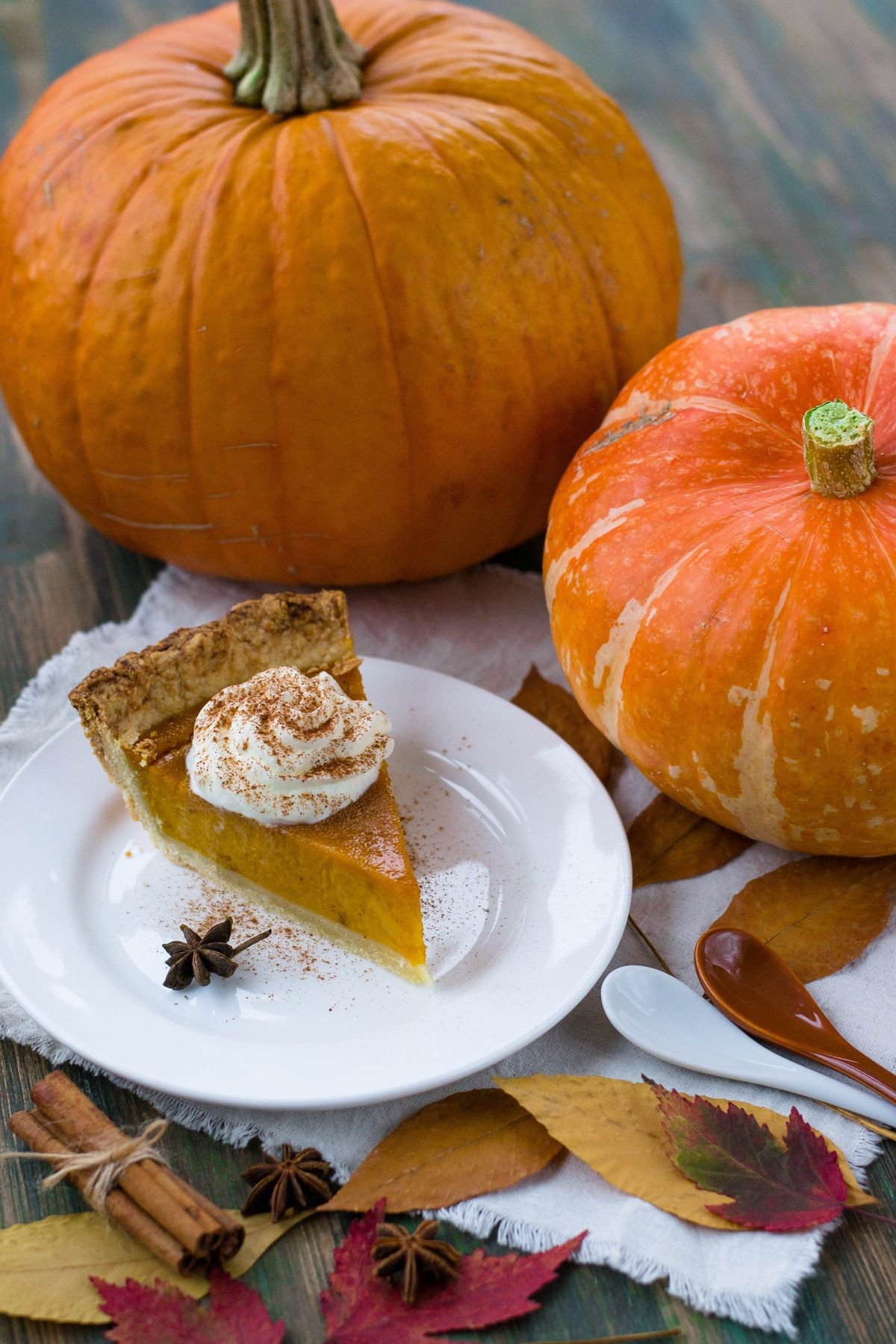
Moist pumpkin bars depend on correct ratios, gentle mixing and careful baking. Use oil rather than butter for a moister crumb, do not overmix once flour is added, and bake just until a skewer comes out with a few moist crumbs. Overbaking is the main cause of dry bars.
Cool bars in the tray, then store in an airtight container to retain moisture. A little extra pumpkin purée or a spoonful of yoghurt can also boost moistness. With these tips, your bars will stay soft for days.
Moist bars should be stored with a slice of bread in the container, which maintains humidity. Bread keeps bars soft without making them soggy.
Bread in storage should be replaced daily, as it dries out and stops maintaining humidity. Fresh bread slices work best for moisture.
Pumpkin Bars with Nuts
Pumpkin bars with nuts add welcome crunch and flavour, with pecans or walnuts folded into the batter or sprinkled on top. Toast nuts lightly before adding, for a deeper, nuttier taste, and chop them coarsely so they distribute evenly. Nuts contrast beautifully with soft, spiced crumb.
For nut-free tables, replace nuts with toasted seeds or omit them entirely; the bars remain delicious. If adding nuts on top of frosting, press them in gently while frosting is soft. Crunchy toppings make bars feel extra special.
Nut bars should use toasted nuts, as raw nuts taste flat in baked goods. Toasting brings out nutty oils and deepens flavour.
Nuts should be chopped evenly, otherwise large pieces sink while small pieces burn. Even chopping distributes nuts fairly.
Chocolate Chip Pumpkin Bars
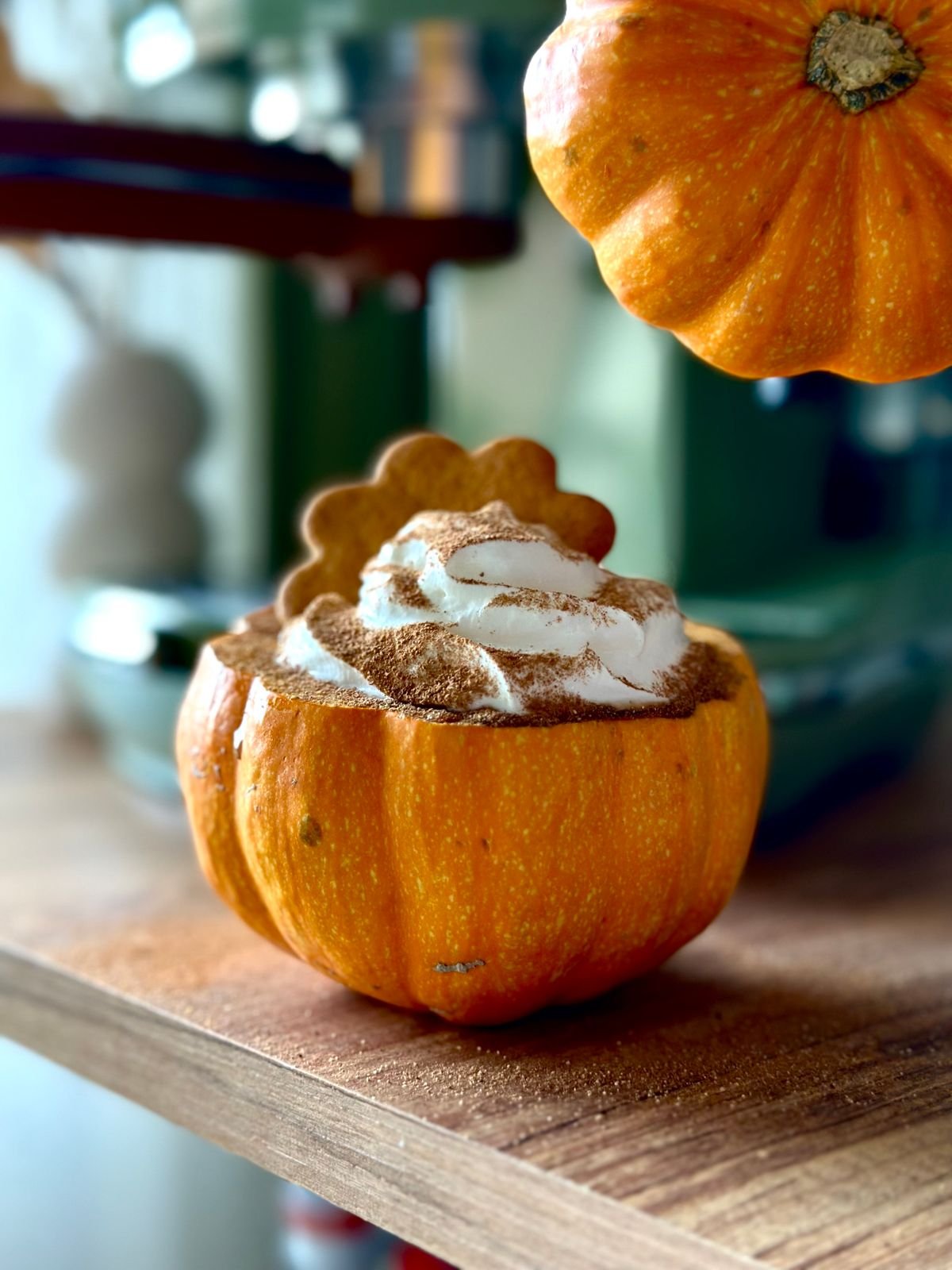
Chocolate chip pumpkin bars combine spiced pumpkin with melty chocolate for an irresistible twist. Fold chocolate chips into the batter, reserving a handful to scatter on top before baking. Dark chocolate pairs best with pumpkin spice, balancing sweetness with bitterness.
Serve chocolate chip bars warm, when chips are still soft, or at room temperature for neat slicing. They are especially popular with children and at bake sales. Chocolate and pumpkin are a surprisingly perfect autumn pairing.
Chocolate bars should use dark chocolate chips, balancing pumpkin sweetness with slight bitterness. Milk chocolate can make bars overly sweet.
Chocolate chips should be tossed in flour before folding in, preventing them sinking to the bottom. Flour coating suspends chips evenly.
Gluten-Free Pumpkin Bars
Gluten-free pumpkin bars can be just as moist and flavourful as classic bars, using a good gluten-free flour blend with xanthan gum. Follow the classic recipe, substituting flour cup for cup, and check baking time, as gluten-free bars may need a few extra minutes. The pumpkin keeps them tender.
For best texture, let gluten-free batter rest for ten minutes before baking, allowing flour to hydrate. Cool completely before slicing, as gluten-free bars are more delicate when warm. Label them clearly for guests with dietary needs.
Gluten-free bars should rest for ten minutes after mixing, allowing flour to hydrate fully. Resting improves texture and prevents grittiness.
Gluten-free flour should be weighed, not scooped, as gluten-free blends pack differently. Weighing gives accurate, repeatable results.
Vegan Pumpkin Bars
Vegan pumpkin bars replace eggs with flax eggs or applesauce, and use oil and plant-based milk, for a moist, egg-free result. The pumpkin itself provides moisture and binding, so vegan bars often turn out beautifully soft. Choose a vegan frosting or a simple dusting of icing sugar.
Mix batter gently and bake until just set, as vegan bars can dry out if overbaked. Cool completely before frosting with a dairy-free cream cheese alternative. Vegan pumpkin bars prove that everyone can enjoy autumn baking.
Vegan bars should use a neutral oil, such as sunflower, rather than strongly flavoured olive oil. Neutral oil lets pumpkin spice shine.
Vegan eggs should be mixed and rested for five minutes before adding, allowing flax to gel properly. Gelled flax binds dough effectively.
Pumpkin Bars with Streusel Topping
Pumpkin bars with streusel topping add a buttery, crunchy layer that contrasts with soft crumb. Make streusel from flour, brown sugar, butter and cinnamon, rubbing together until clumpy, then scatter generously over batter before baking. The topping bakes golden and crisp.
Streusel bars need no frosting, making them easier to transport and store. Serve them warm or at room temperature, with coffee or tea. The crunchy topping elevates simple pumpkin bars into a bakery-style treat.
Streusel should be chilled briefly before scattering, helping it hold clumps during baking. Chilled streusel bakes into crisp, distinct pieces.
Streusel should be made with cold butter, rubbed quickly to keep clumps distinct. Warm butter melts streusel into a flat layer.
Mini Pumpkin Bars for Parties
Mini pumpkin bars are perfect for parties, bite-sized, easy to serve and ideal for buffets. Bake batter in a mini muffin tray or cut large bars into small squares, then top each with a tiny swirl of frosting. Guests can enjoy them without plates or cutlery.
Reduce baking time for mini bars and check frequently, as small sizes bake faster. Arrange mini bars on a platter with other autumn treats for a beautiful dessert table. They disappear quickly at every gathering.
Mini bars should be checked five minutes early, as small sizes bake much faster than large trays. Early checking prevents dry mini bars.
Mini bars should be cooled in the tray for ten minutes before removing, otherwise they break. Brief cooling firms mini bars for handling.
Pumpkin Bars for Bake Sales
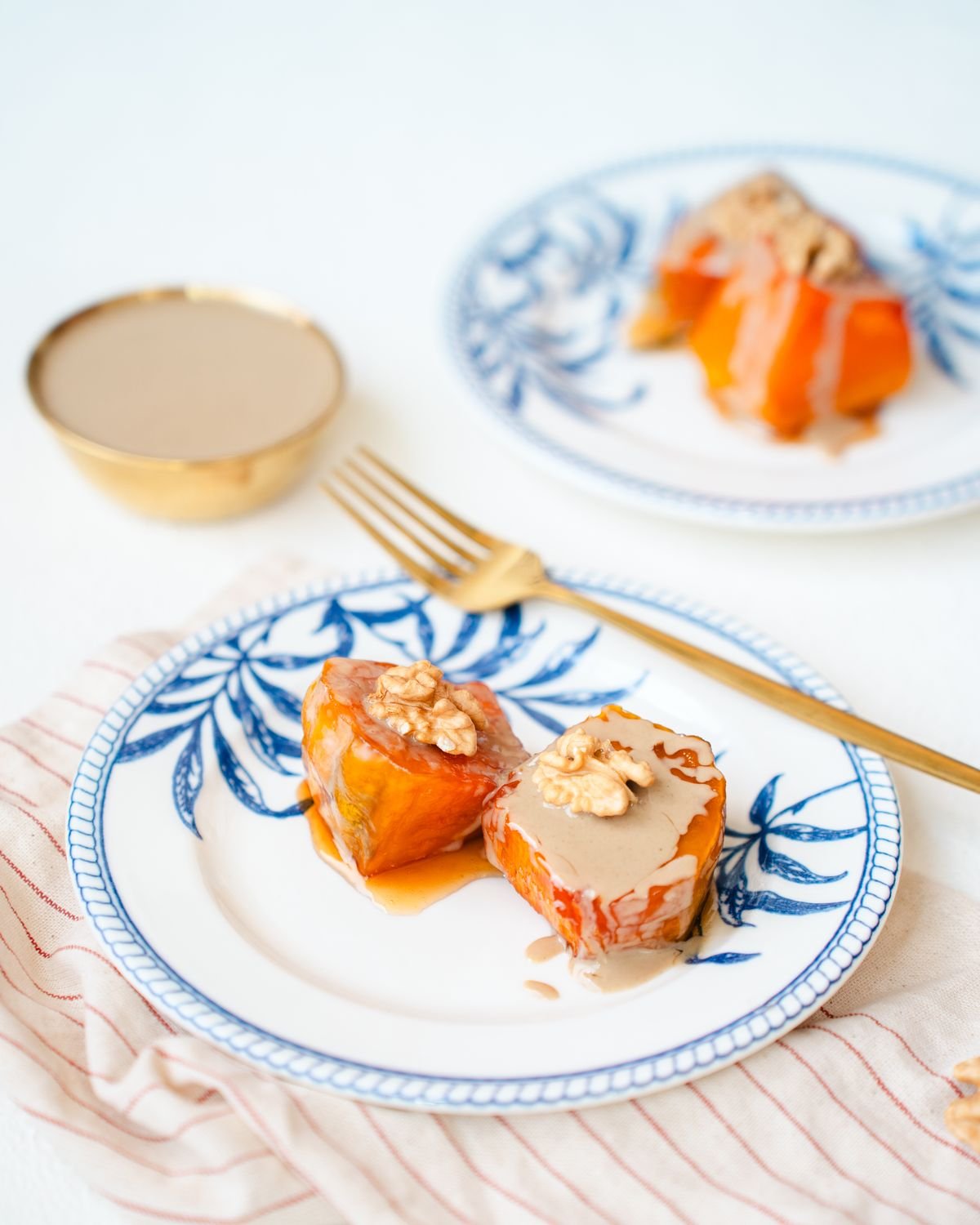
Pumpkin bars are ideal for bake sales, as they travel well, slice neatly and appeal to almost everyone. Bake a day ahead, cool completely, slice into uniform bars, and package individually in clear bags or boxes. Frosted bars should be kept cool until sale time.
Label bars with ingredients, especially for nut, gluten and dairy versions, so buyers can choose safely. Price bars reasonably and display them attractively with a simple autumn label. Pumpkin bars are consistently among the first items to sell out.
Bake sale bars should be sliced with a hot, dry knife, giving clean edges that look professional. Wipe the knife between cuts for neatness.
Bake sale packaging should include ingredient labels, especially for nut and gluten versions. Labels protect buyers with allergies.
Storing Pumpkin Bars
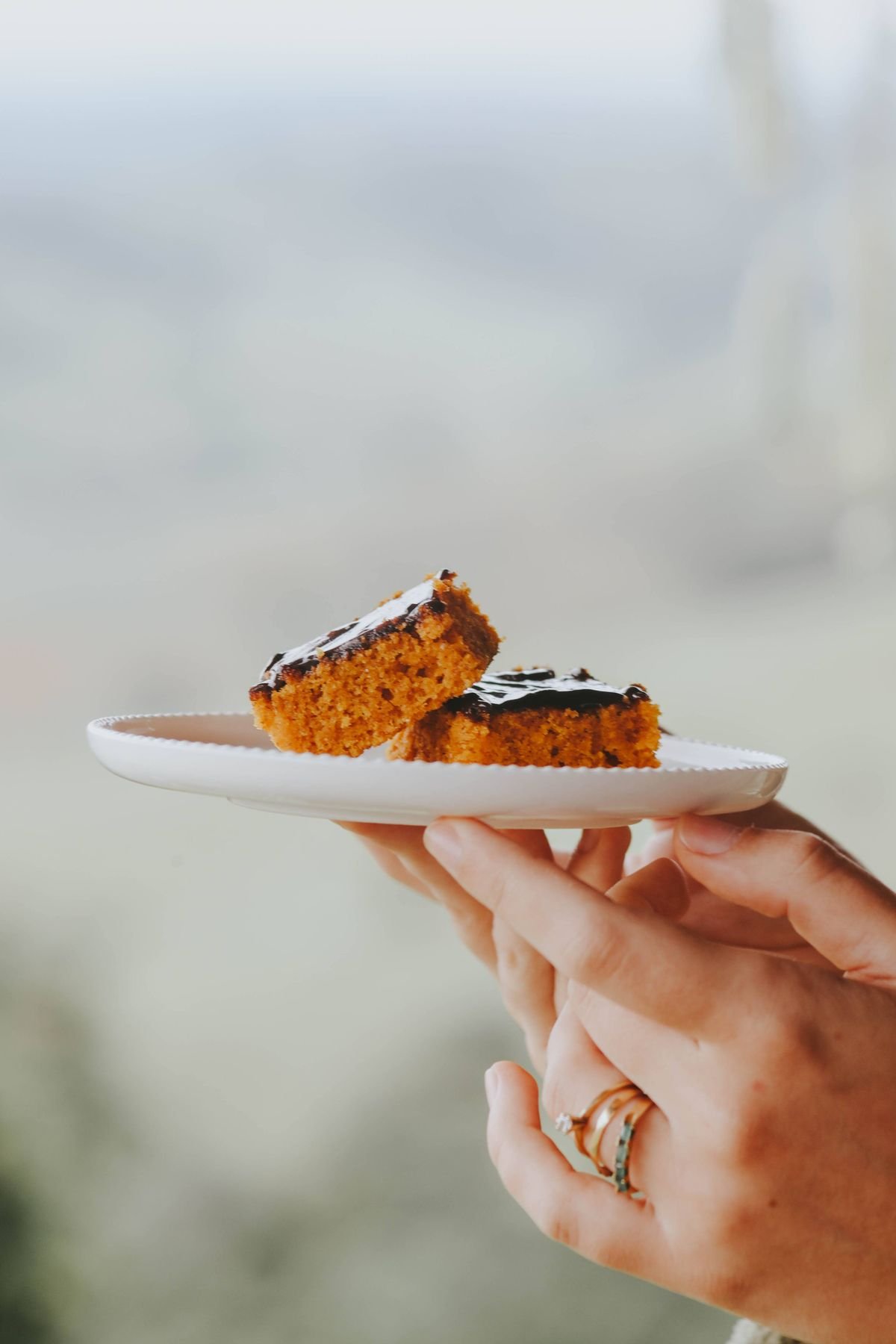
Storing pumpkin bars correctly keeps them moist for days. Unfrosted bars keep in an airtight container at room temperature for up to three days, while frosted bars should be refrigerated and brought to room temperature before serving. Always cool bars completely before storing.
For longer storage, freeze unfrosted bars in a single layer, then wrap tightly for up to three months. Thaw overnight in the fridge, then frost fresh if desired. Proper storage means you can bake ahead for busy autumn weeks.
Stored bars should be kept in a single layer if frosted, otherwise frosting sticks to other bars. Single layers preserve presentation.
Frosted bars should be refrigerated uncovered for thirty minutes first, firming frosting before covering. Firm frosting does not stick to covers.
Freezing Pumpkin Bars
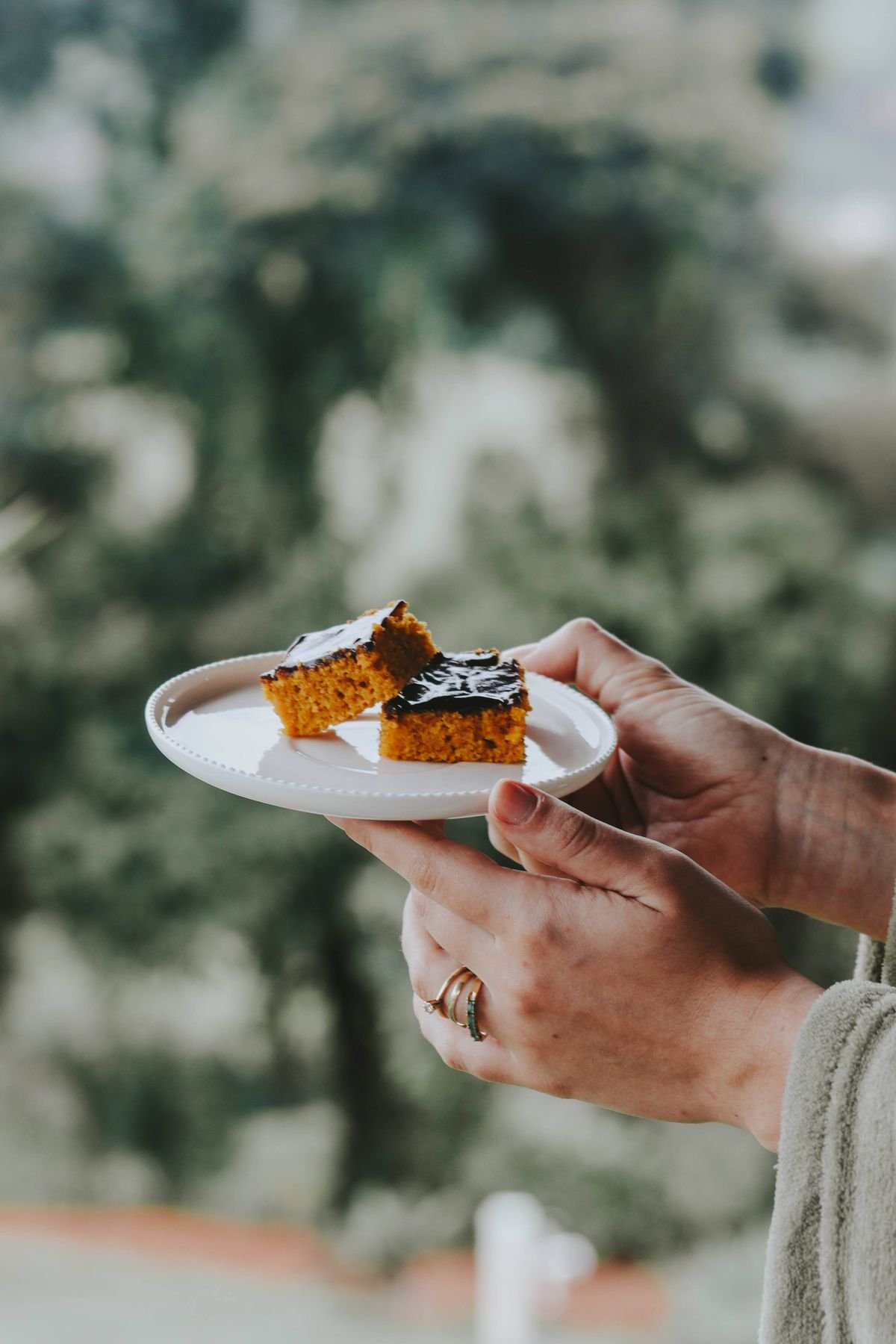
Freezing pumpkin bars is an excellent make-ahead strategy for holidays and parties. Bake and cool bars, slice, then freeze in a single layer on a tray before transferring to freezer bags. Freezing slices individually makes it easy to thaw only what you need.
Thaw frozen bars overnight in the fridge, then bring to room temperature before serving. Frost after thawing for the freshest result, rather than freezing frosted bars. Frozen pumpkin bars taste almost as good as fresh.
Frozen bars should be wrapped individually, making it easy to thaw single servings. Individual wrapping prevents freezer burn on exposed surfaces.
Frozen bars should be thawed in the fridge overnight, not at room temperature, for food safety. Fridge thawing keeps bars fresh and safe.
Pumpkin Bars with Caramel Drizzle
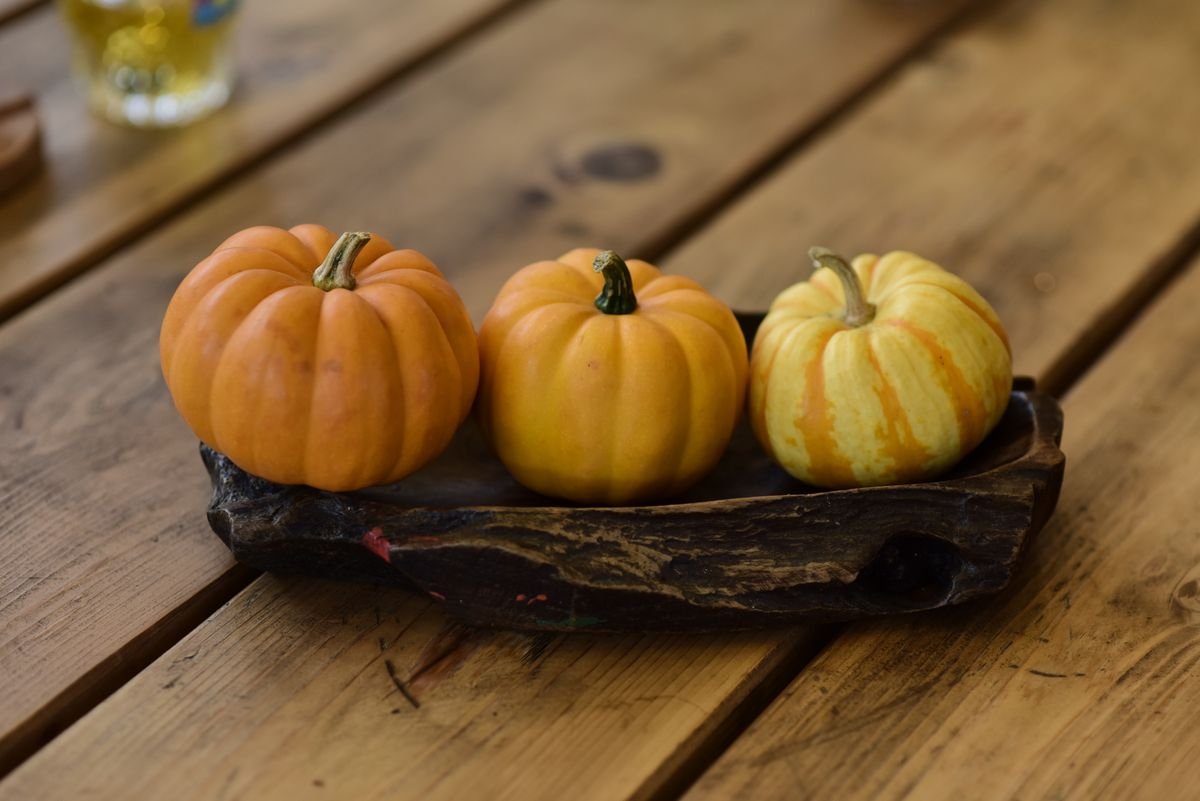
Pumpkin bars with caramel drizzle are an indulgent autumn treat, with sweet, buttery caramel complementing spiced pumpkin. Drizzle cooled caramel sauce over frosted or unfrosted bars just before serving, and sprinkle with flaky salt for a salted caramel twist. The combination is irresistible.
Use shop-bought caramel for convenience, or make your own for a richer flavour. Add drizzle at the last moment so it stays glossy and does not soak in. Caramel pumpkin bars are a show-stopping dessert for autumn dinners.
Caramel drizzle should be added just before serving, otherwise it soaks into frosting and disappears. Last-minute drizzle stays glossy and visible.
Caramel should be warmed slightly before drizzling, so it flows in thin, even lines. Cold caramel clumps and looks messy.
Pumpkin Bars for Kids
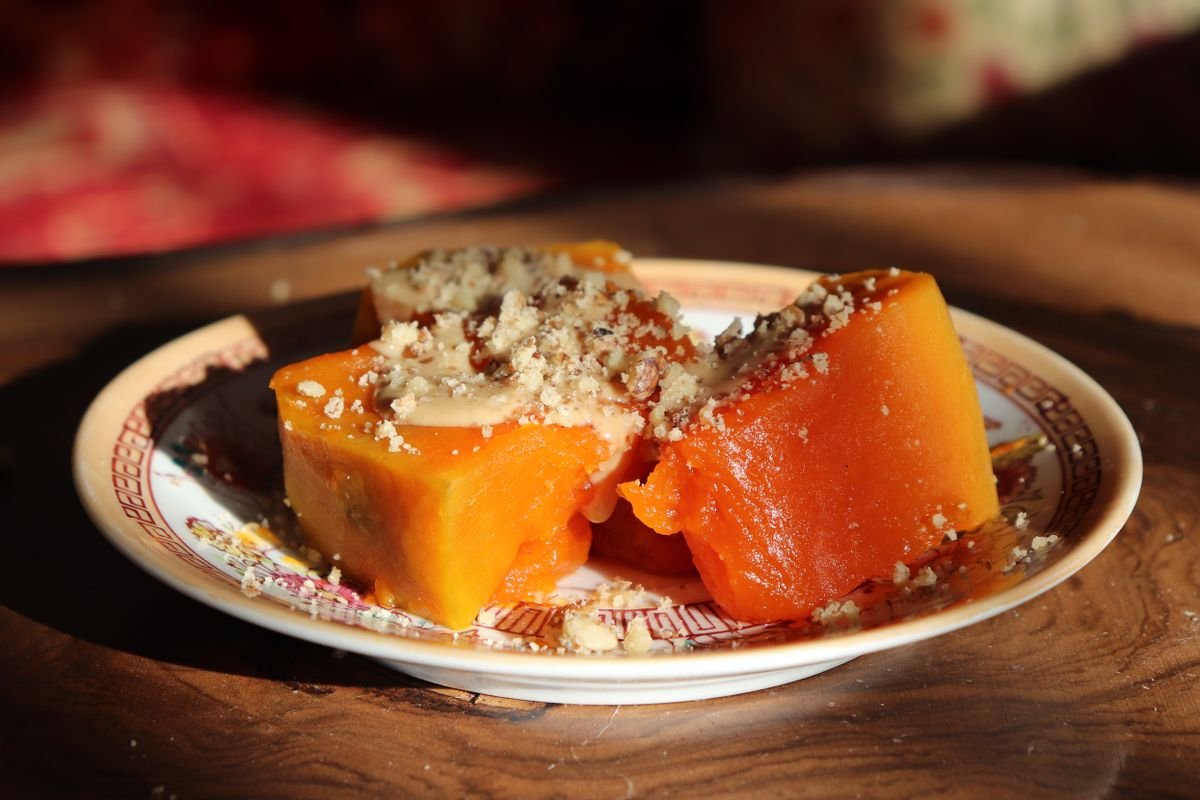
Pumpkin bars for kids can be fun and simple, with chocolate chips, sprinkles or a light frosting to make them appealing. Let children help with mixing, sprinkling toppings and cutting shapes with cookie cutters. Baking together is a lovely autumn activity.
For lunchboxes, bake unfrosted bars and cut into small squares that travel well. Reduce sugar slightly if preferred, as pumpkin and spices provide plenty of flavour. Kids often love pumpkin bars even if they claim not to like pumpkin.
Kids bars should be cut into fun shapes with cookie cutters after cooling, making baking more exciting. Shapes turn ordinary bars into treats.
Kids baking should include simple tasks, such as sprinkling toppings, keeping children engaged safely. Simple tasks build confidence and fun.
Pumpkin Bars Serving Ideas
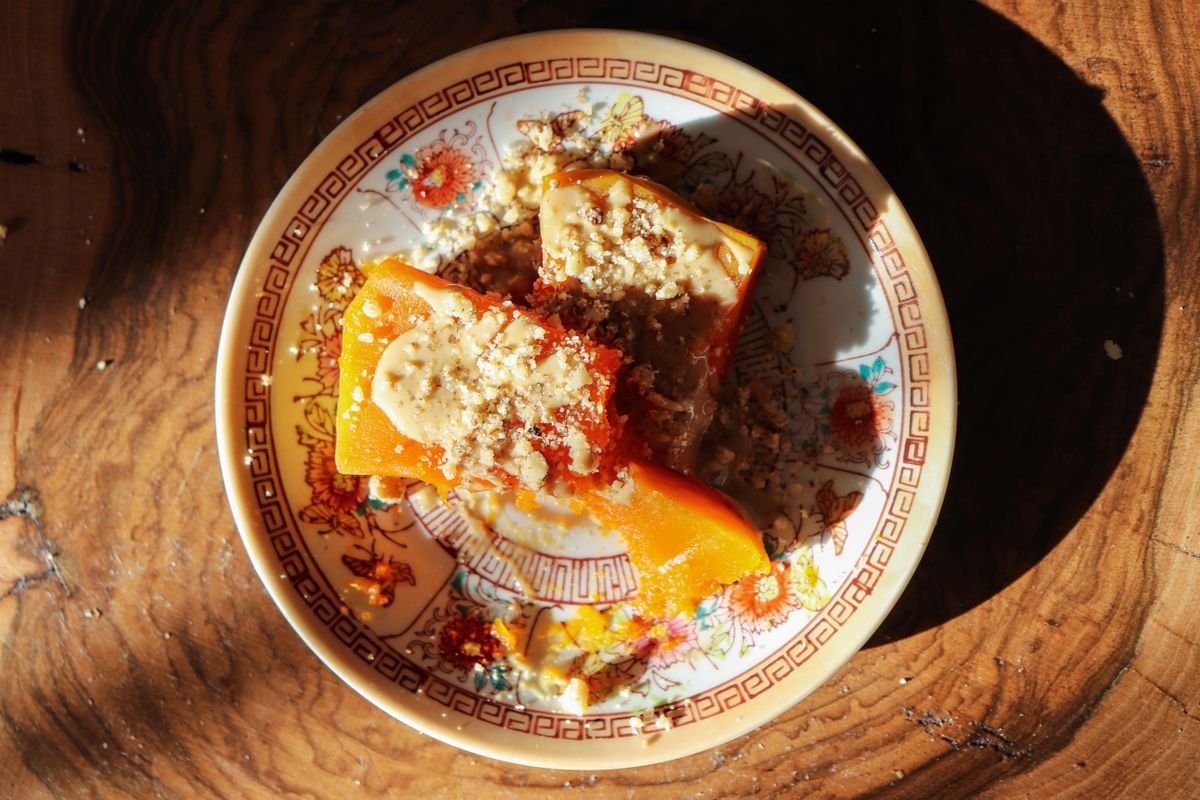
Pumpkin bars can be served in many ways: plain with coffee, warm with ice cream, or dressed up with whipped cream and caramel for dessert. For a party, arrange bars on a tiered stand with other autumn treats, garnished with a few pecans or cinnamon sticks.
For a cosy afternoon, serve bars slightly warm with tea or hot chocolate. Presentation matters: neat slices, a clean plate and a simple garnish make homemade bars look bakery-worthy. Pumpkin bars suit every occasion from casual to celebratory.
Serving bars should include a small label with flavour, especially at parties with multiple desserts. Labels help guests with allergies choose safely.
Serving plates should be warmed slightly for warm bars, keeping them soft longer. Warm plates enhance the eating experience subtly.
Troubleshooting Pumpkin Bars
Troubleshooting pumpkin bars is usually simple: soggy bars often mean too much purée or underbaking, dry bars mean overbaking or too much flour, and sunken centres can mean too much leavening or opening the oven too early. Check your oven temperature with a thermometer.
Measure ingredients accurately, especially flour and purée, and avoid overmixing. If bars sink slightly, frosting or streusel can hide imperfections beautifully. Most pumpkin bar problems are easy to fix on the next batch.
Troubleshooting should start with oven temperature, as many baking problems come from an inaccurate oven. An oven thermometer is a baker’s best friend.
Oven thermometers should be checked regularly, as oven accuracy drifts over time. Regular checks prevent recurring baking problems.
Pumpkin Bars Versus Pumpkin Pie
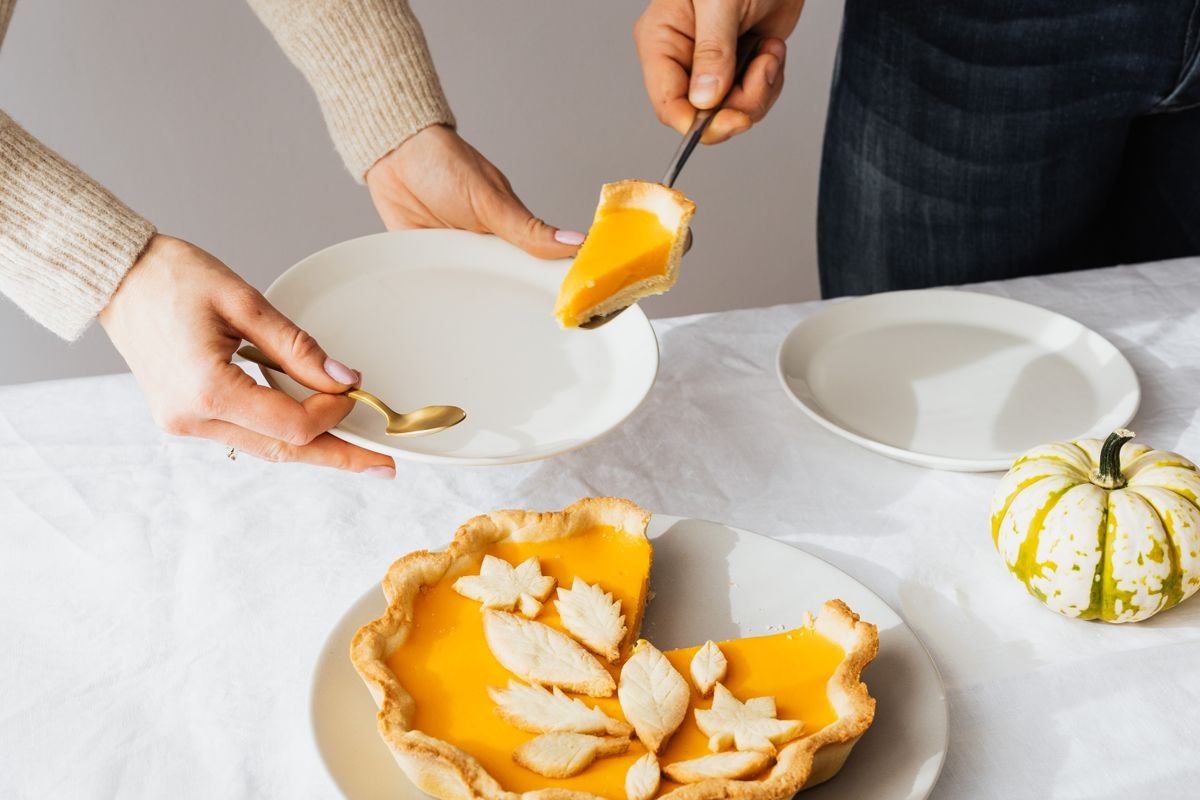
Pumpkin bars versus pumpkin pie is a friendly autumn debate: bars are easier, feed more people, travel better and need no pastry skills, while pie is more traditional and elegant for formal dinners. Bars offer a higher frosting-to-cake ratio and simpler slicing.
Choose bars for parties, bake sales and casual gatherings, and pie for a classic Thanksgiving dessert table. Many hosts serve both, giving guests a choice. There is no wrong answer when pumpkin spice is involved.
Bars versus pie is a matter of occasion, with bars winning for casual gatherings and pie for formal dinners. Both deserve a place at Thanksgiving.
Bars should be cut with a ruler for bake sales, ensuring uniform sizes that look professional. Uniform bars sell better and look cared for.
Pumpkin Bars for Thanksgiving
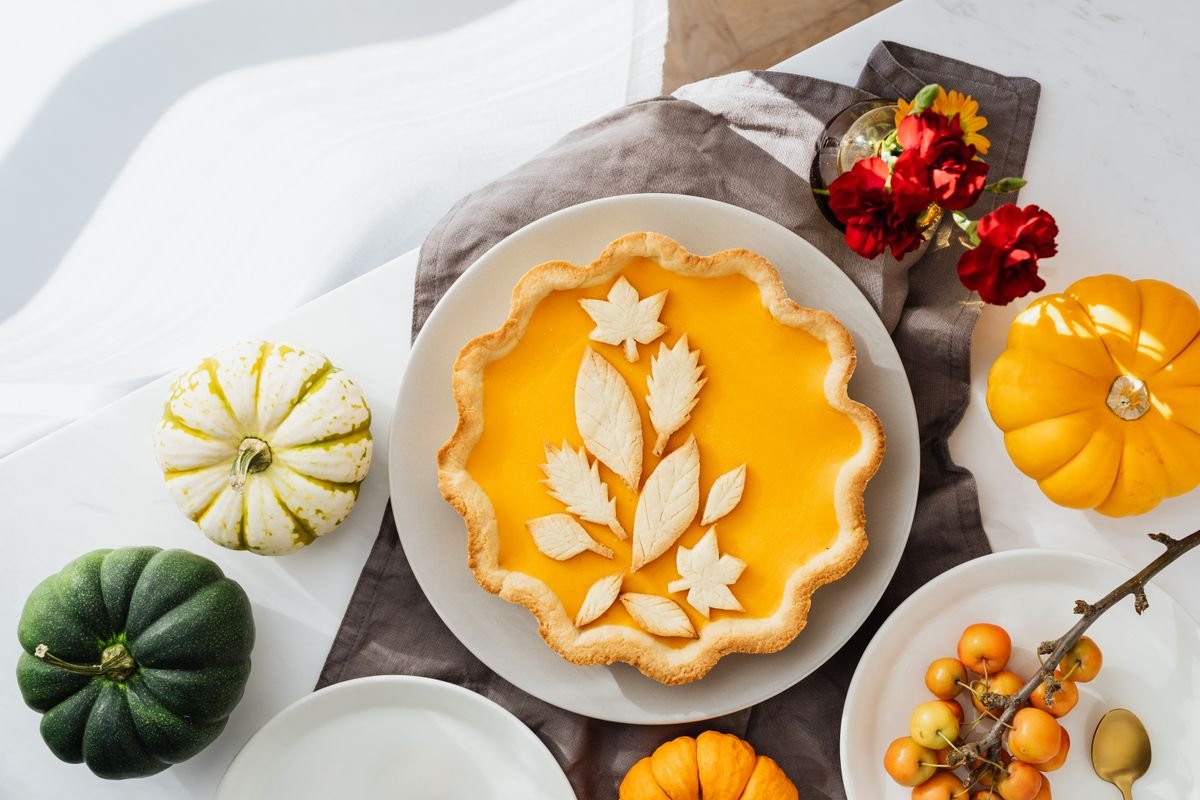
Pumpkin bars for Thanksgiving are a practical, delicious addition to the dessert table, alongside or instead of pie. Bake them a day ahead, frost on Thanksgiving morning, and slice just before serving. They free up oven space and reduce last-minute stress.
Serve pumpkin bars with whipped cream, ice cream or coffee, and label any special dietary versions. Guests appreciate a dessert they can eat easily while chatting. Pumpkin bars bring autumn flavour to Thanksgiving without the fuss of pie.
Thanksgiving bars should be baked the day before, freeing oven space for turkey on the day. Advance baking reduces holiday stress significantly.
Thanksgiving bars should be garnished with a few pecans on top, signalling flavour and adding elegance. Simple garnishes elevate presentation.
Making pumpkin bars successfully starts with accurate measuring and gentle mixing. Combine wet ingredients well, add dry ingredients just until combined, and bake in the correct tray size for even cooking. A lined tray makes removal and slicing much easier.
Oven temperature matters more than many bakers realise, so use an oven thermometer if your oven runs hot or cold. Bake until a skewer comes out with a few moist crumbs, not completely clean, as bars continue cooking slightly while cooling. Patience while cooling gives neat slices.
Variations keep pumpkin bars exciting year after year: try new toppings, add nuts or chocolate, or adapt the recipe for dietary needs. The classic spiced base is forgiving and adaptable, so experiment confidently once you have mastered the basic recipe.
Above all, pumpkin bars should be enjoyed warmly and shared generously, whether at a party, a bake sale or a quiet afternoon at home. Bake a tray, share with people you love, and enjoy the unmistakable taste of autumn. That is what pumpkin bars are really for.
Pumpkin bars also make excellent gifts, wrapped in parchment and tied with ribbon for neighbours and friends. A homemade tray, shared generously, is one of autumn’s simplest pleasures.
Keep experimenting with toppings and spices once you master the classic recipe, as pumpkin bars reward creativity. Your own signature version may become a family favourite for years.

I am Talha Sikandar, a professional writer with a passion for general blogging. With years of experience in content writing and research, I founded Meaniingly.com to deliver well-researched, informative, and user-friendly articles on diverse topics.