Forget everything you thought you knew about Christmas trees: pink is here, and it is spectacular. Pink Christmas tree decor ideas have exploded across Pinterest and Instagram, turning the traditional green tree into a blush-toned, rose-gold-dusted, unapologetically glamorous centrepiece. Whether you go all-in with a fully pink artificial tree or simply blush up a classic green one with pink ornaments, this trend proves that holiday decorating has no rules — only possibilities. Pink trees suit everyone from minimalists who love a whisper of blush to maximalists craving hot-pink tinsel joy, and they photograph like an absolute dream. This guide covers twenty ideas: choosing your perfect shade, styling approaches from elegant to playful, ornament and ribbon choices, lighting tricks, DIY decorations, kids’ rooms, tabletop minis, coordinating your whole room, and decorating beautifully on a budget — plus the storage tricks that keep pink décor vivid for years to come.
Why Pink Christmas Trees Are Trending
Pink Christmas trees tap into several cultural currents at once: the broader embrace of pink as a sophisticated neutral, the maximalist turn in interiors, and social media’s love of anything photogenic. A pink tree is instantly shareable — it stops the scroll in a way the hundredth green tree cannot — which has fuelled its rise from novelty to genuine trend.
But there is substance beneath the style. Pink reads as warm, joyful, and welcoming — exactly the emotions Christmas decorating aims to evoke. It flatters most interior colour schemes, from grey minimalism to colourful eclecticism, and it offers a fresh start for anyone bored of doing the same red-and-green scheme for the tenth year running. Pink is not replacing tradition; it is expanding it.
The trend has also proven remarkably staying power, growing year on year rather than fading as a one-season novelty. Retailers now dedicate significant shelf space to pink Christmas ranges, which means better quality and more choice than the early adopters enjoyed. What began as a daring statement has matured into a legitimate decorating classic — pink has earned its place under the Christmas umbrella.

Choosing Your Shade of Pink
The pink spectrum offers a shade for every taste and interior. Blush and dusty rose are the most versatile — soft, sophisticated, and easy to pair with metallics, whites, and even traditional greenery. Rose pink sits in the cheerful middle, while hot pink and fuchsia make unapologetic statements for the bold decorator.
Consider your room before choosing. Pale pinks glow beautifully in bright, airy spaces but can look washed out in dark rooms; deeper pinks hold their own in moodier interiors. Test with a few ornaments before committing to a whole tree — live with the shade for a day or two. And remember that “pink” can be an accent rather than the whole story: pink ornaments on a green or white tree give the trend’s flavour without full commitment.

Real vs Faux Pink Trees
Let us address the obvious: pink trees are artificial. No one is spray-painting a living Nordmann (though flocked pink-sprayed real trees do exist for the adventurous). Quality varies enormously among faux pink trees, so shop carefully: look for dense branching, hinged sections for easy assembly, and colour that is dyed through rather than surface-coated, which sheds.
Invest in the best tree you can afford, since a good faux tree lasts a decade or more — the cost per Christmas becomes trivial. Check reviews for shedding complaints and colour accuracy, since online photos can mislead. A 7-foot tree suits standard ceilings; measure your space including the topper before ordering. And keep the box: original packaging is by far the best storage for an artificial tree.

Tree Sizes for Every Space
Pink trees come in every size, and choosing right matters more than with green trees because pink makes a bolder statement. Full-size trees (7 to 9 feet) create breathtaking focal points in living rooms with the ceiling height to handle them. Slim or pencil profiles deliver the drama in narrow spaces — hallways, corners, and flats where a full tree would overwhelm.
Tabletop trees (2 to 4 feet) are perfect for bedrooms, offices, and kitchens, while mini trees under 2 feet work as mantle accents or children’s room decorations. When in doubt, go slightly smaller than your instinct: a well-decorated 6-foot pink tree looks more luxurious than a sparse 7.5-foot one, and smaller trees are dramatically easier to decorate, light, and store.

Classic Pink and Gold Elegance
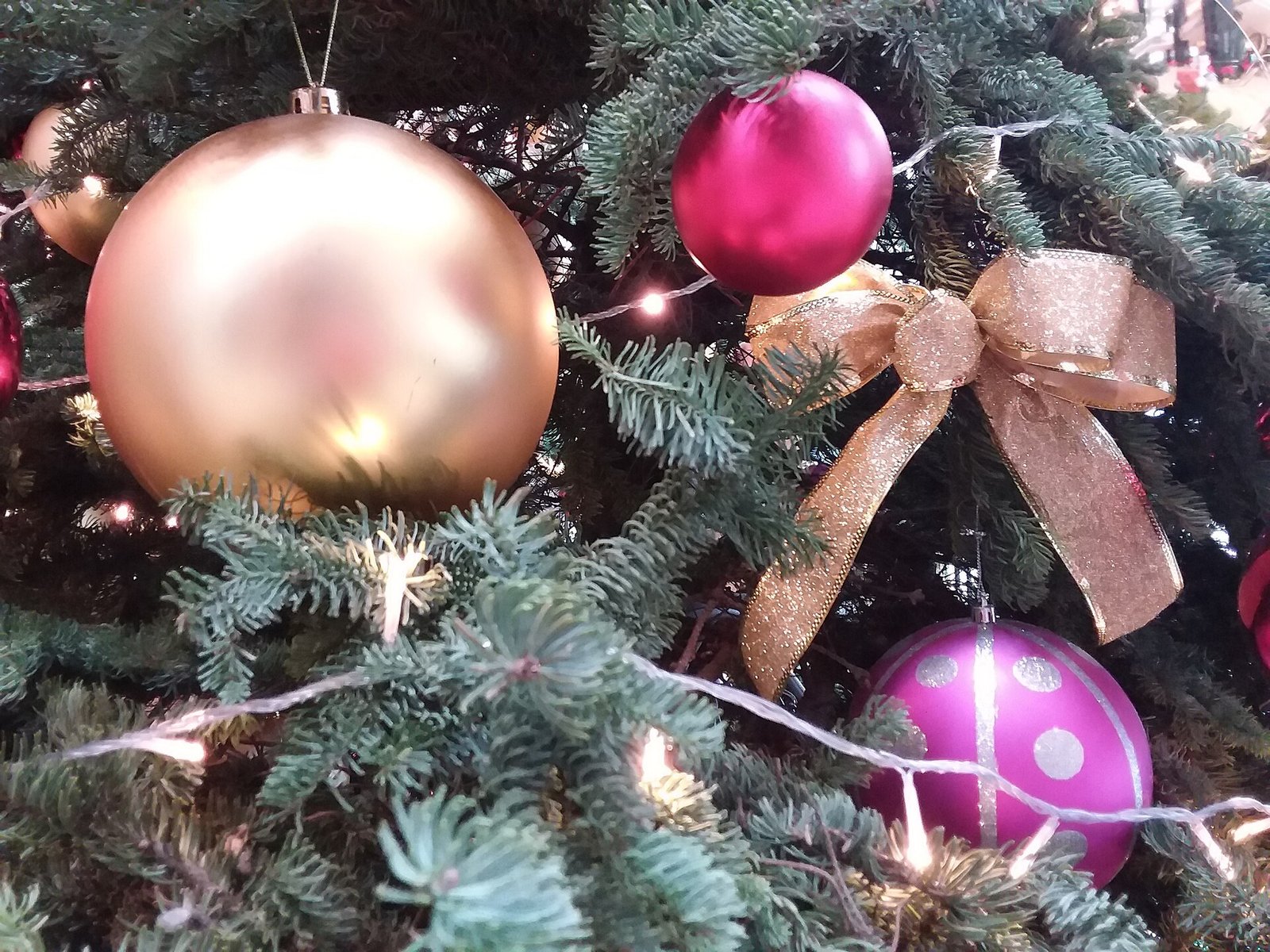
Pink and gold is the most timeless pink-tree combination — the festive equivalent of a champagne cocktail dress. Start with warm white lights, then layer gold baubles in mixed finishes (shiny, matte, glittered) among blush and rose ornaments. Gold ribbon woven through the branches adds flow and luxury, and a gold star or angel topper completes the look.
The key to elegance is restraint in variety: stick to two pinks (one pale, one deeper) plus gold and perhaps a touch of cream. Vary ornament sizes — large statement baubles deep in the branches for depth, smaller ones at the tips — and step back frequently to check balance. This scheme suits formal living rooms and anyone who wants their pink tree to feel grown-up and glamorous rather than playful.
To elevate it further, add a tree skirt or collar in champagne velvet or faux fur — the base of the tree is often neglected, yet it anchors the whole display. A few wrapped presents in coordinating blush, gold, and cream paper beneath the tree complete the picture. When every element sings in the same key, the result is the kind of tree that belongs in a magazine shoot.

Pink and Silver Winter Glam
Where gold is warm, silver is cool — and pink with silver creates a frosty, winter-wonderland glamour that feels utterly magical. Silver tinsel or beaded garlands catch the light like ice, while pink ornaments in blush and mauve keep the scheme from feeling cold. White fairy lights (rather than warm) enhance the icy effect.
Add texture with frosted or mercury-glass ornaments, faux snow-dusted branches tucked into the tree, and a silver star topper. This palette is stunning in rooms with grey, white, or blue décor, and it transitions beautifully into January — simply remove any overtly Christmas-specific ornaments and keep the winter glamour going. It is the sophisticated minimalist’s answer to the pink tree trend.

Blush Pink Minimalist Style
Minimalists need not fear the pink tree. A blush tree decorated sparsely — warm white lights, a handful of matte blush baubles, and perhaps a simple wooden or linen star — embodies quiet luxury. The restraint is the statement: every ornament earns its place, and the tree’s beautiful colour does most of the visual work.
Keep the palette to blush, cream, and natural textures like wood, linen, and dried botanicals. Skip tinsel entirely; instead, let negative space between ornaments create calm. A minimalist pink tree suits Scandinavian and Japandi interiors perfectly, and it is also the easiest style to achieve on a budget — fewer ornaments needed means less to buy. Less truly is more here.
Hot Pink Maximalist Fun
At the other extreme, hot pink maximalism is pure joy. This is the tree for people who decorate with abandon: hot pink tinsel, clashing bright ornaments, novelty shapes, flashing colour-changing lights, and a topper that defies description. More is more, and taste is cheerfully abandoned at the door.
Maximalist trees are wonderful for children’s spaces, party rooms, and anyone whose Christmas philosophy is “go big.” The secret to maximalism that delights rather than overwhelms is a unifying element — all hot pink, or all retro-novelty — so the chaos feels intentional. This tree will be the most photographed thing in your house all December, guaranteed.
Pink and White Scandinavian Look
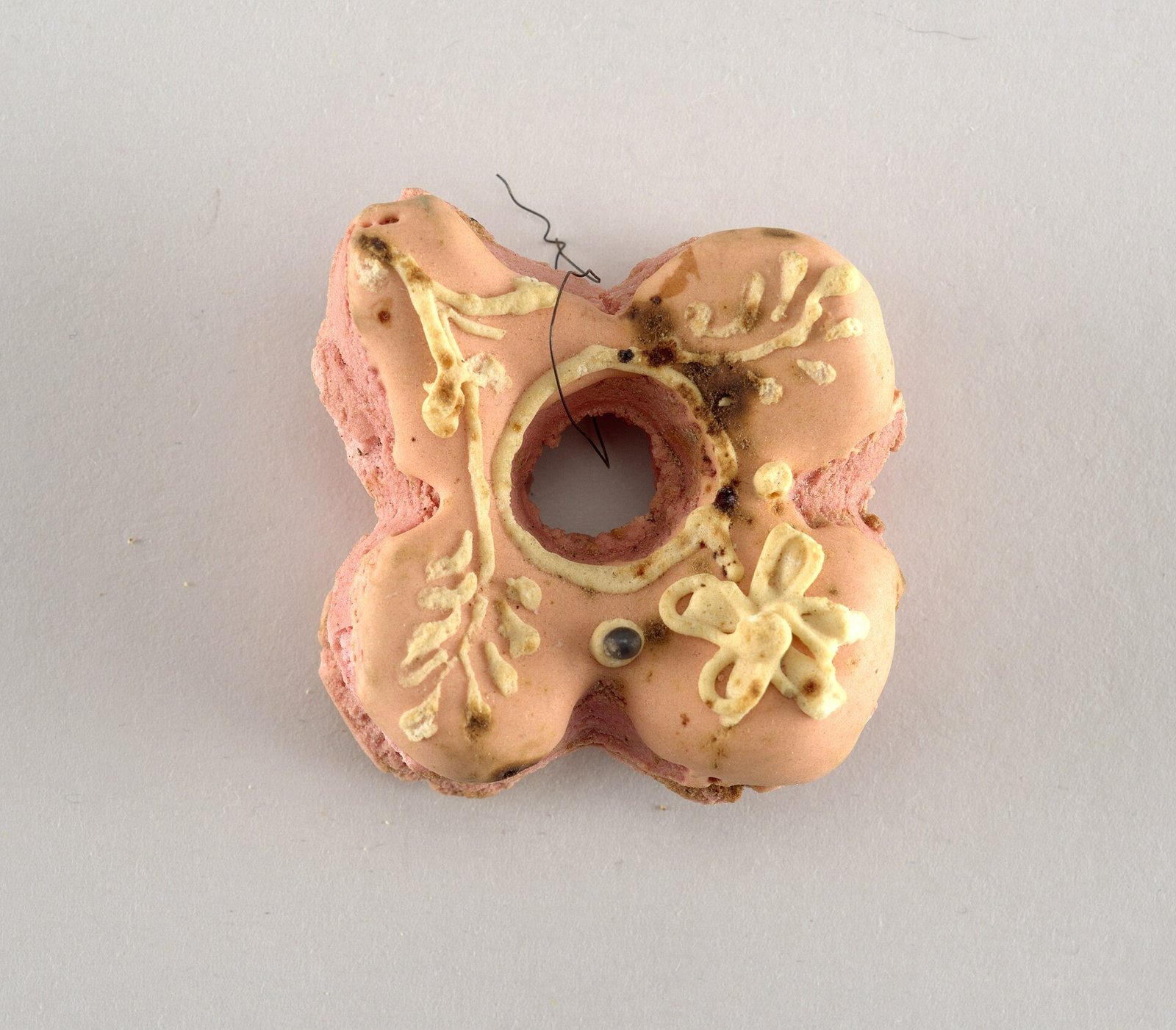
Scandinavian Christmas style — pale, natural, serene — adapts beautifully to pink. A white or flocked tree with blush pink ornaments, white lights, paper stars, and wooden decorations creates a look that is both on-trend and timelessly calm. Natural elements like dried orange slices, cinnamon sticks, and pinecones add the Scandi craft feel.
Handmade paper ornaments — stars, hearts, and angels in blush and white — are the hallmark of this style and a lovely family craft project. Keep everything matte rather than shiny for the authentic soft glow. This scheme is ideal for bedrooms and calm living spaces, and its simplicity makes it one of the most affordable pink tree styles to achieve.

Vintage Pink Christmas Nostalgia
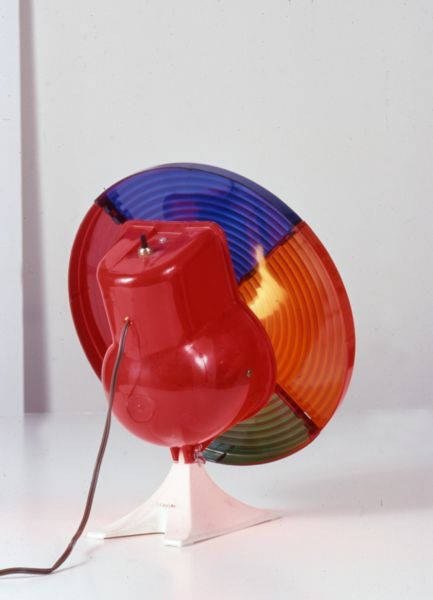
Pink Christmas is not actually new — the 1950s loved pink aluminium trees and pastel ornaments, and vintage pink décor is highly collectible today. Channel the era with a silver-pink aluminium tree (reproductions are widely available), Shiny Brite-style ornaments in pink and turquoise, and a colour-wheel light that bathes the tree in rotating hues.
Scour charity shops and online marketplaces for genuine vintage pink ornaments — mercury glass baubles, bottle-brush trees, and ceramic pink Santas. The slightly faded, time-softened quality of real vintage pieces cannot be faked. A vintage pink tree is a conversation piece and a nod to the trend’s mid-century roots, proving that pink Christmas has always been fabulous.

Ornament Shapes That Shine in Pink
Certain ornament shapes were born for pink trees. Baubles in graduated sizes create the essential foundation — invest in a good mixed set. Beyond baubles, consider: glass finials and teardrops for elegance, stars and moons for whimsy, hearts for romance, and novelty shapes (flamingos, cupcakes, ballet slippers) for personality.
Texture variety matters as much as shape: combine shiny, matte, glittered, and mercury-glass finishes so the tree has depth and light-play. Oversized statement ornaments — one or two dramatic pieces — give a designer look for little money. And do not overlook non-traditional “ornaments”: silk flowers, feather picks, and jeweled sprays tucked into branches add the florist-quality fullness that separates good trees from great ones.

Ribbon, Garland, and Tree Toppers
Ribbon is the professional’s secret weapon. Wide wired ribbon (at least 6 centimetres) in blush, rose gold, or champagne, woven loosely through the branches in vertical cascades or horizontal wraps, adds flow and fills gaps between ornaments. Wired edges hold their shape, letting you create perfect loops and curls.
For toppers, match your scheme’s mood: a classic star or angel in gold or rose gold for elegance, an oversized bow for romance, a whimsical pick (a flamingo, a crown) for fun. Beaded or pearl garlands draped in swags add another layer of luxury. Whatever you choose, scale the topper to the tree — a tiny star on a 7-foot tree looks lost, while an enormous bow overwhelms a tabletop mini.
Lighting a Pink Tree Beautifully
Pink trees and lighting are a match made in heaven — the translucent pink branches glow gorgeously when lit from within. Warm white lights are the universal choice, enhancing pink’s rosy warmth; aim for 100 lights per foot of tree height as a professional baseline. Wrap lights deep into the branches, not just on the tips, for dimensional glow.
Pre-lit pink trees save enormous effort and usually offer better light distribution than DIY stringing. If adding your own, start at the top and work down, weaving in and out of branches. Consider a few pink-tinted or colour-changing lights mixed with warm white for extra magic — subtle pink-on-pink light is breathtaking. Always check that pre-lit trees’ bulbs are replaceable or the whole tree dims when one section fails.

DIY Pink Ornaments
Handmade ornaments personalise a pink tree beautifully. Clear glass or plastic baubles filled with pink tinsel, faux snow, or tiny fairy lights are stunning and take minutes. Decoupage baubles with blush napkins or sheet music, paint wooden shapes in ombré pinks, or cover styrofoam balls with pink fabric and pins for a couture look.
Salted-dough ornaments painted pink and stamped with patterns, dried citrus slices with pink ribbon hangers, and cinnamon-stick bundles tied with blush bows all add handmade warmth. DIY ornaments are also the perfect way to involve children — their slightly wonky creations become the tree’s most treasured decorations. Make a few each year and watch your handmade collection grow into a family archive.

Pink Trees for Kids’ Rooms
Children adore pink trees, and a small one in a child’s bedroom makes December magical. Choose a sturdy tabletop tree that survives enthusiastic decorating, use shatterproof ornaments exclusively, and let the child decorate freely — their vision of beautiful is the right one. Battery-operated lights with timers avoid cord hazards.
Theme it to their interests: ballerina pink with tutu ornaments, princess pink with crowns and wands, or dinosaur pink for the delightfully unexpected. A kids’ pink tree also solves the “don’t touch the good tree” problem by giving little hands their own creative outlet. Come January, they will ask when it can go back up — the highest compliment a tree can earn.
Safety first with children’s trees: keep them away from radiators and fireplaces, secure tall tabletop trees so they cannot topple, and check battery compartments have screw closures that little fingers cannot open. A kids’ tree is also the perfect place for their handmade school ornaments — that macaroni angel deserves pride of place somewhere, and a pink tree displays it beautifully.
Tabletop Mini Pink Trees
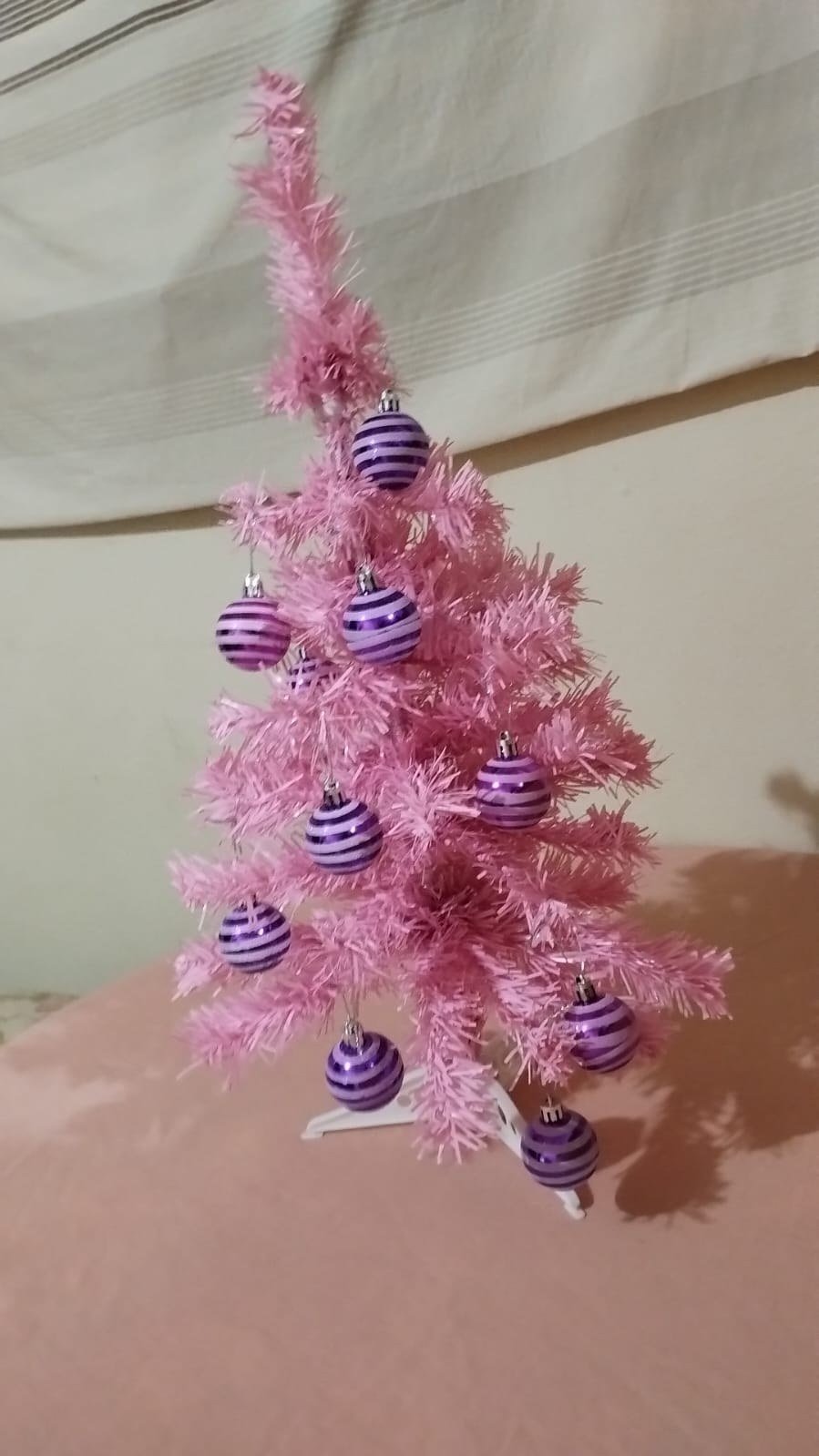
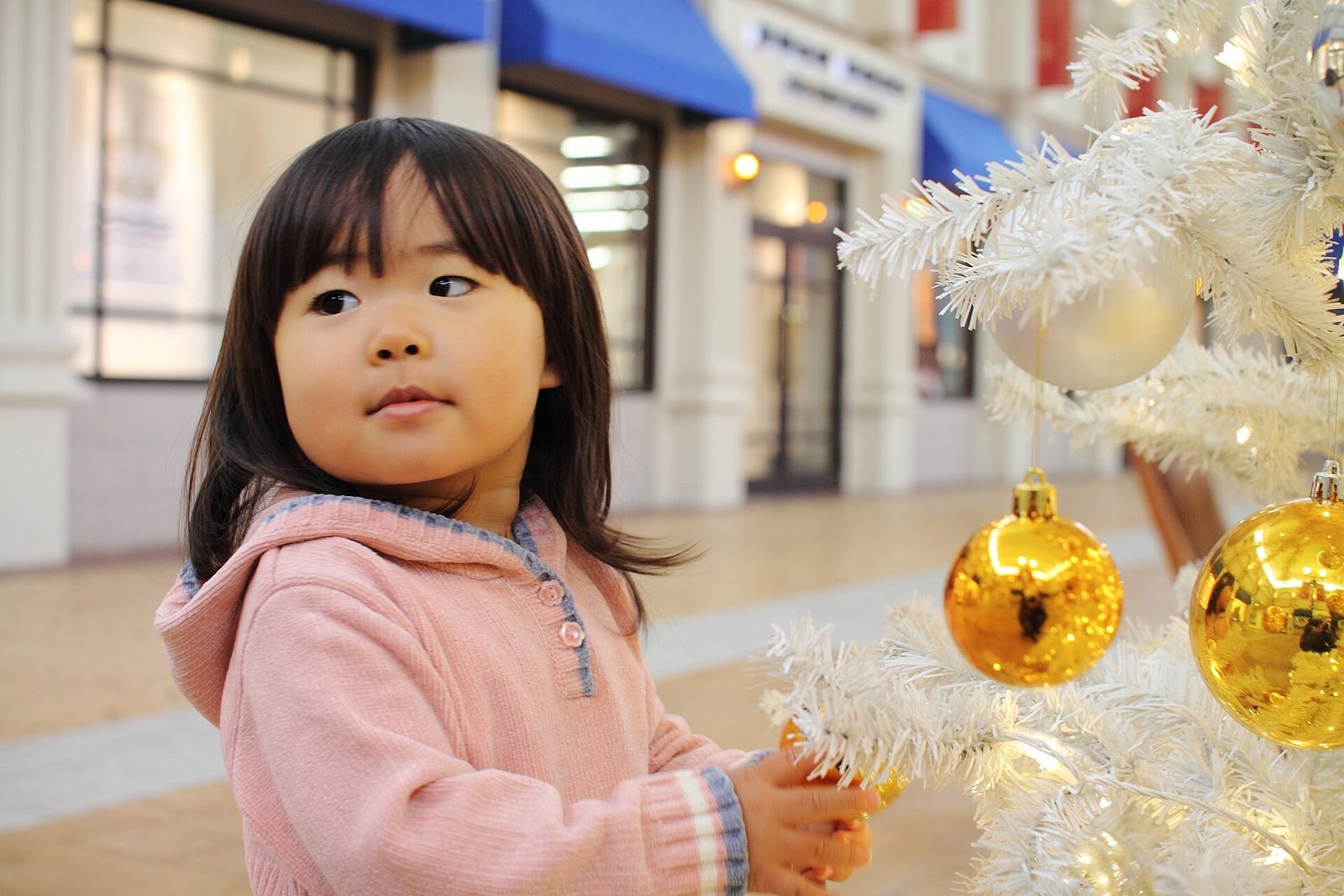
Mini pink trees — 2 feet and under — are the trend’s most versatile expression. They grace mantels, dining tables, desks, and entryway consoles; a row of them down a table runner makes a spectacular festive centrepiece. Decorate minis simply: a short light strand, a dozen tiny baubles, and a petite topper or bow.
Minis are also ideal gifts — a decorated tabletop pink tree in a pretty pot is a charming hostess present — and perfect for trying the trend before committing to a full-size tree. Bottle-brush minis in pink are particularly collectible and look wonderful grouped in threes. Their small scale means even luxury decorations (a few mercury-glass minis) cost very little.
Coordinating Room Décor with Your Tree
A pink tree looks best when the room echoes it. You need not redecorate entirely — a few coordinated touches suffice: blush throw pillows or a throw on the sofa, pink candles on the mantel, a pink wreath on the wall, and gift wrap in matching tones under the tree. The repetition creates a designed, intentional feel.
Extend the palette to the entryway so guests encounter the theme from arrival: a pink wreath on the front door, pink lanterns on the porch. Keep the rest of the room’s existing décor; pink is remarkably compatible and usually needs only these accents to feel integrated. Photograph the room and check the image — the camera reveals whether the pink feels balanced or isolated.

Pink Trees Beyond Christmas: Winter Theme
One of the pink tree’s secret advantages is its after-Christmas life. Remove the Santas and “Merry Christmas” ornaments in early January, and a pink-and-silver or pink-and-white tree becomes a Valentine’s-ready winter decoration. Add hearts in February, keep it through the dark months as a light therapy centrepiece — the warm glow combats winter gloom beautifully.
Some enthusiasts keep a pink tree up all winter, redecorating monthly: snowflakes for January, hearts for February, pastels for March. A slim pink tree in a corner provides months of joy for one assembly effort. If you have the space to store-or-display rather than dismantle, the pink tree’s versatility is unmatched by any green tree.

Budget Pink Tree Decorating
Pink trees photograph expensively but need not cost much. Start with a modest faux tree from a discount retailer — fluff the branches thoroughly, which makes even cheap trees look fuller. Dollar-store and supermarket bauble multipacks in pink provide the ornament foundation; buy two large multipacks rather than many small ones for better value.
DIY the expensive-looking details: wide ribbon from the fabric shop (cheaper than “Christmas ribbon”), spray-painted pinecones in rose gold, handmade paper ornaments, and fairy lights you already own. Focus spending on one or two statement pieces — a beautiful topper or a set of mercury-glass baubles — while the bulk of the tree is budget. Nobody will know the difference.
Timing your shopping saves real money: buy the tree itself in January sales for the following year, pick up ornaments in November before the best pinks sell out, and raid the post-Christmas clearance for next year’s ribbon and lights at a fraction of the price. A little forward planning means your dream pink tree can cost less than a single restaurant dinner.

Storing and Reusing Pink Décor
Protect your investment with proper storage. Keep the tree in its original box or a purpose-made tree bag, stored upright or flat in a dry place — damp lofts fade pink dye faster than green. Wrap ornament sets in tissue within divided boxes; pink finishes, especially matte and glitter, scuff easily.
Label every box clearly (“pink tree ornaments,” “rose gold ribbon”) so next December’s decorating starts efficiently. Photograph your finished tree before dismantling — the photo is your reassembly blueprint and your inspiration. With care, a quality pink tree and its decorations will shine for a decade of Christmases, making the initial investment one of your most cost-effective decorating decisions.

I am Talha Sikandar, a professional writer with a passion for general blogging. With years of experience in content writing and research, I founded Meaniingly.com to deliver well-researched, informative, and user-friendly articles on diverse topics.