A perfume bar at a wedding reception is exactly as enchanting as it sounds: a beautifully styled station where guests blend, bottle, and take home their own custom fragrance as a favour. Part interactive experience, part luxury keepsake, the perfume bar has become one of the most talked-about reception trends — a detail guests actually remember long after the cake is gone. Unlike traditional favours that end up forgotten in a drawer, a custom scent gets worn, and every spritz brings back the wedding day. Setting up a perfume bar is more achievable than most couples expect. With a curated collection of fragrance oils, elegant bottles, and a little guidance, guests can create a personal scent in minutes. This guide covers everything: how perfume bars work, whether to DIY or hire a professional, choosing fragrance collections, designing the setup, personalising bottles, staffing, timing, budgeting, and avoiding the common pitfalls. These perfume bar wedding reception ideas will help you create a sensory experience that feels luxurious, personal, and utterly unforgettable.
What Is a Perfume Bar?
A wedding perfume bar is an interactive station — typically set up during the reception — stocked with fragrance oils, blending supplies, and decorative bottles. Guests visit the bar, sample scents, blend their favourites, and fill a small bottle to take home as their wedding favour. Some bars offer pre-blended signature scents; others are fully custom, with guests acting as their own perfumers.
The concept borrows from luxury retail experiences (think bespoke fragrance ateliers) and adapts them to the celebratory, social atmosphere of a wedding. It works because it engages multiple senses: the visual beauty of the display, the tactile pleasure of blending, and the emotional power of scent memory. A perfume bar is not just a favour station — it is entertainment, decor, and keepsake in one, which is why it photographs beautifully and generates genuine guest excitement.
Why Perfume Bars Are Trending
Perfume bars are trending because modern couples want weddings that feel like experiences, not just events. The era of generic favours is over; guests expect — and remember — interactive, personalised details. A perfume bar delivers on every level: it is visually stunning (instant decor), socially engaging (guests mingle and compare creations), and emotionally resonant (scent is our strongest memory trigger).
Social media has accelerated the trend, because perfume bars are inherently photogenic — apothecary bottles, dried flowers, elegant labels, and guests in the act of creating all photograph beautifully. There is also a luxury-perception factor: a custom fragrance feels expensive and thoughtful, elevating the perceived quality of the entire wedding. As experiential weddings continue to dominate, the perfume bar has secured its place alongside live painters, champagne walls, and other interactive luxury details.
How a Wedding Perfume Bar Works
The basic flow is simple. Guests approach the bar and are greeted by the display: rows of fragrance oils organised by family (floral, citrus, woody, oriental, fresh), with scent strips for sampling. They smell options, select two to four favourites, and either blend them into a small beaker or layer them directly into their bottle using droppers or pipettes. A base of perfumer’s alcohol or unscented oil carries the fragrance.
An attendant (or clear instruction cards) guides the ratios — typically a simple formula like “choose a top note, a heart note, and a base note.” Guests then seal their bottle, add a personalised label, and often place it in a small gift bag. The whole process takes three to five minutes per guest, which keeps lines moving. Some bars add a “perfumer’s recommendation” card with pre-designed blends for guests who feel overwhelmed by choice.

DIY vs Hiring a Professional
The DIY route suits crafty couples and smaller weddings. You purchase fragrance oils, bottles, labels, and supplies yourself, design the setup, and either staff it with a confident friend or run it self-serve with instruction cards. DIY costs significantly less — often a third of professional pricing — and gives you complete creative control over scents, bottles, and branding.
Professional perfume bar companies handle everything: premium fragrance collections, beautiful displays, trained attendants, and seamless logistics. They cost more, but they remove all stress and typically offer higher-quality oils and more elegant presentation. Professionals are worth it for weddings over 100 guests, where DIY logistics become genuinely challenging. A hybrid option exists: buy a professional’s fragrance collection and bottles, but style and staff the bar yourself. Choose based on your guest count, budget, and how much wedding-week labour you can absorb.
Choosing Your Fragrance Collection
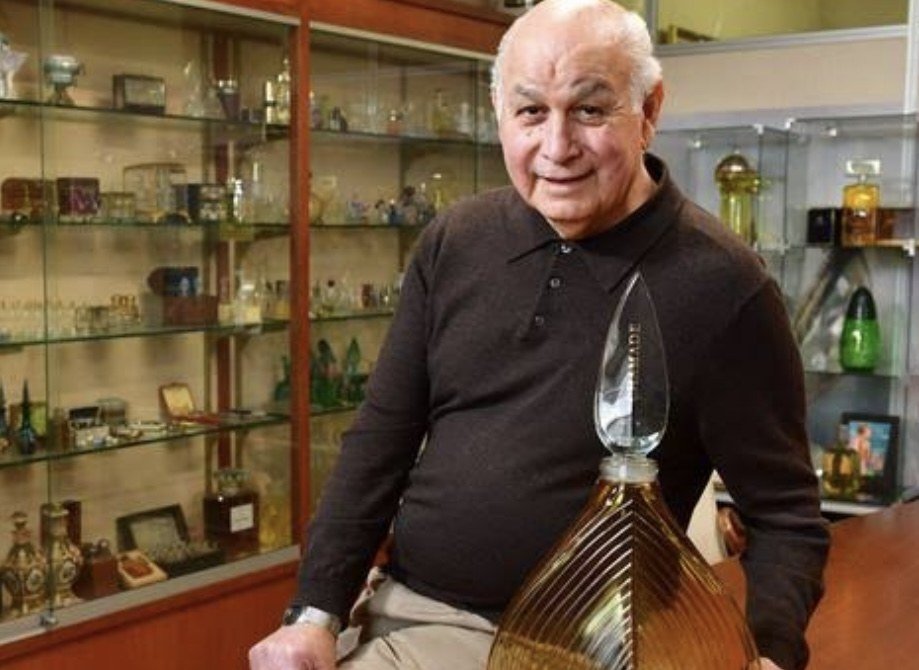
Your fragrance collection is the heart of the bar. Aim for twelve to twenty oils spanning the major families: florals (rose, jasmine, peony), citruses (bergamot, neroli, grapefruit), fresh/green (green tea, cucumber, eucalyptus), woods (sandalwood, cedar, vetiver), orientals (vanilla, amber, musk), and gourmands (coconut, fig). This range ensures every guest finds something they love.
Quality matters enormously — cheap fragrance oils smell synthetic and give headaches. Source cosmetic-grade, phthalate-free oils from reputable suppliers, and test every oil on skin (not just paper strips) before committing. Include a few crowd-pleasing pre-blended options for indecisive guests. Consider your wedding’s own scent story: if your florals are heavy on roses, include rose oil so guests can bottle the day’s signature flower. The collection should feel curated, not random — like a good wine list.
Creating a Signature Wedding Scent
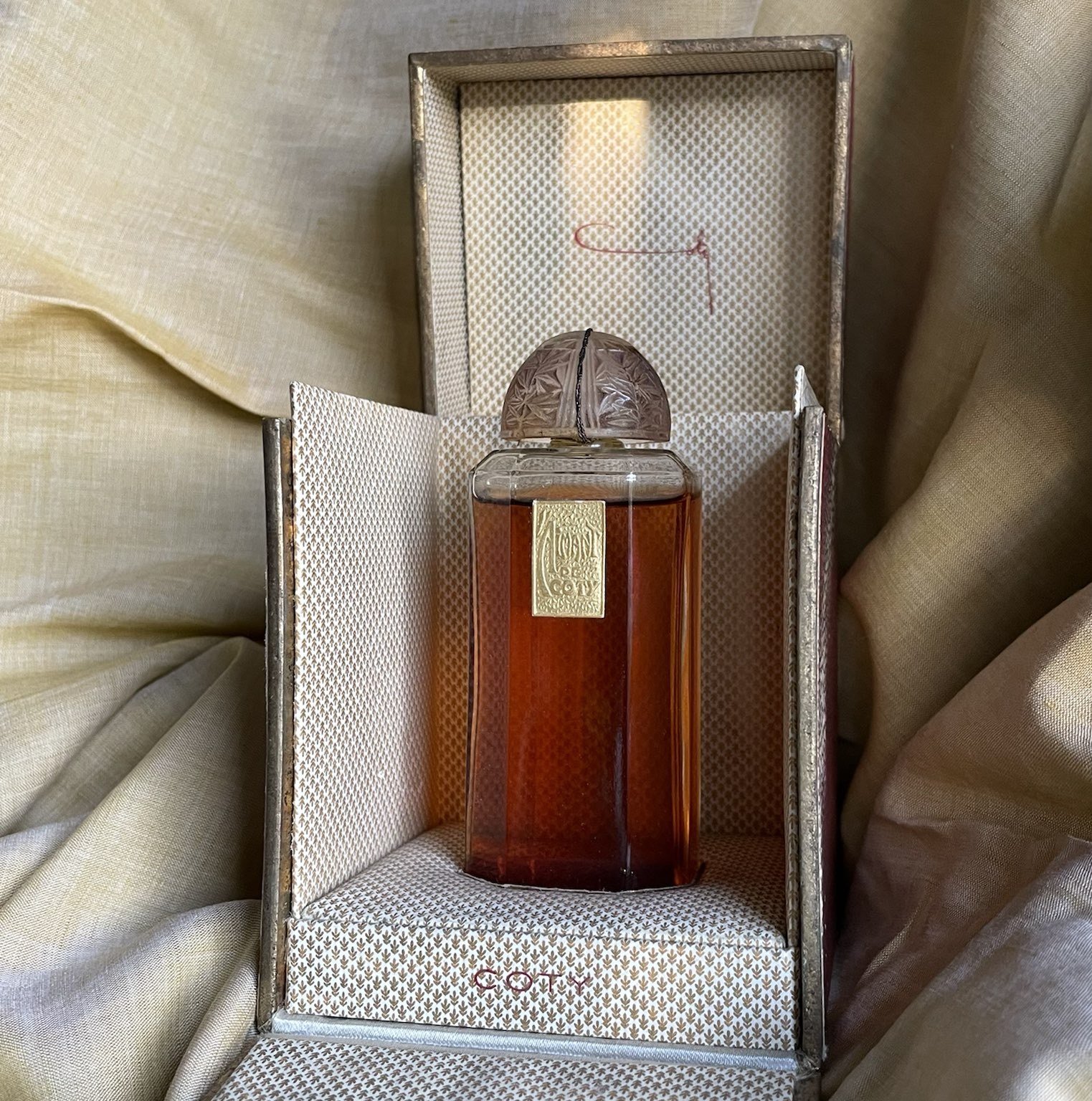
Many couples create a signature wedding scent — a pre-blended fragrance that captures the day — offered alongside the custom blending option. Work with your oils to design something meaningful: the flowers in your bouquet, the citrus of your signature cocktail, the wood of your venue. Name it after something personal: your venue, your wedding date, an inside joke.
Offer the signature scent in two ways: as a ready-to-take bottle for guests who prefer simplicity, and as a recipe card for blenders who want to recreate or riff on it. Some couples wear the signature scent themselves on the day, so the fragrance becomes genuinely tied to their memories. Years later, one spritz transports you back. The signature scent turns the perfume bar from a fun activity into an emotional heirloom — and it gives less adventurous guests an easy, beautiful option.
Setting Up the Bar: Layout and Flow
Layout determines whether your perfume bar delights or bottlenecks. The ideal setup is a long table or series of tables arranged in a U or L shape, creating a natural flow: enter at the sampling end (oils and scent strips), move to the blending middle (beakers, droppers, funnels), and exit at the bottling and labelling end (bottles, labels, gift bags). This linear flow prevents the clustering that creates lines.
Place the bar where guests naturally circulate but not where it blocks key traffic — near the cocktail area or alongside other interactive stations works well. Ensure good lighting; guests need to read tiny labels. Provide a mirror so guests can test scents on skin and check they like the result. For large weddings, consider two smaller bars instead of one large one to halve wait times. And always have a spill plan: a dark tablecloth, protective runners, and cleaning supplies within reach.
Bottles, Labels, and Packaging
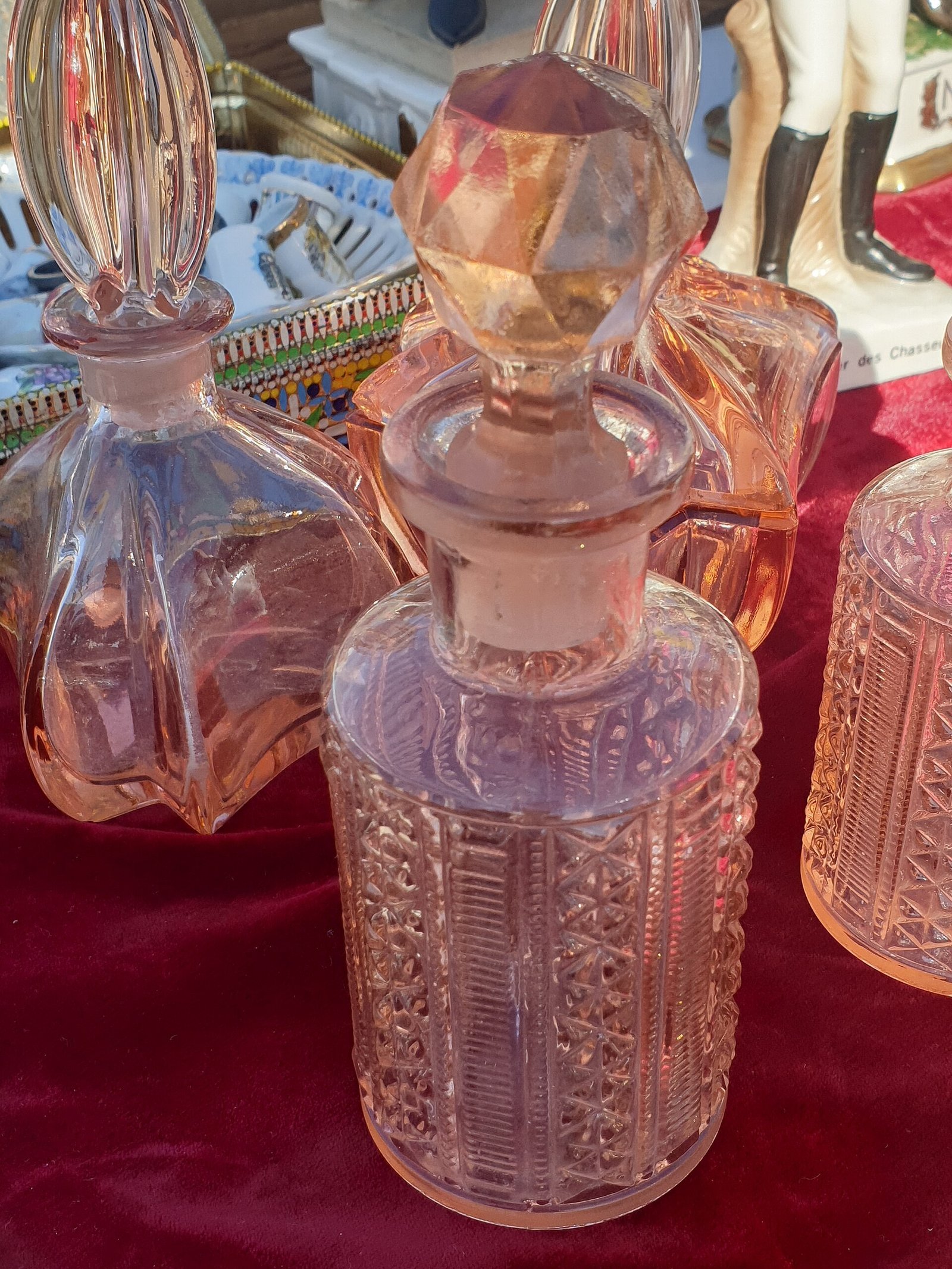
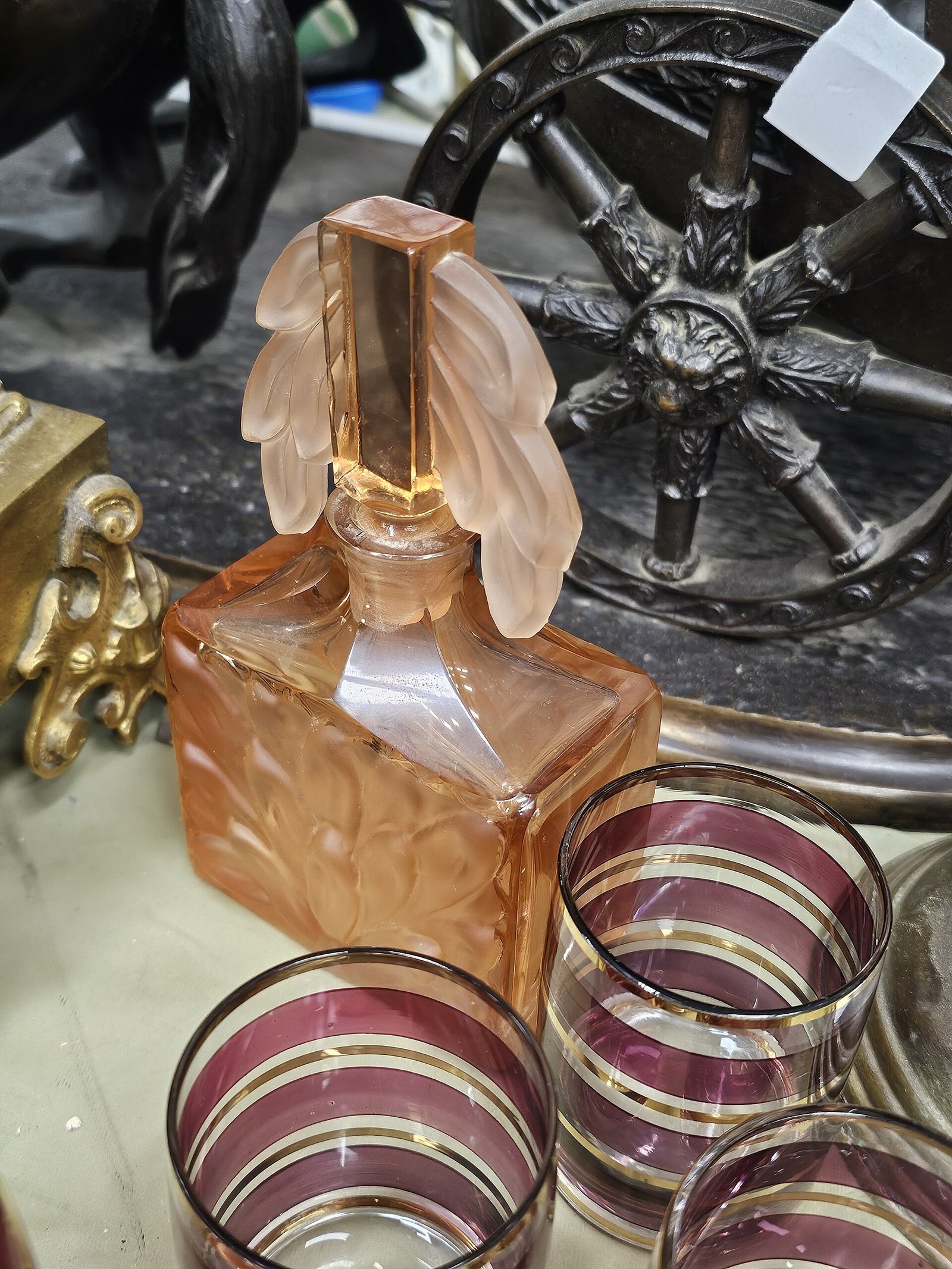
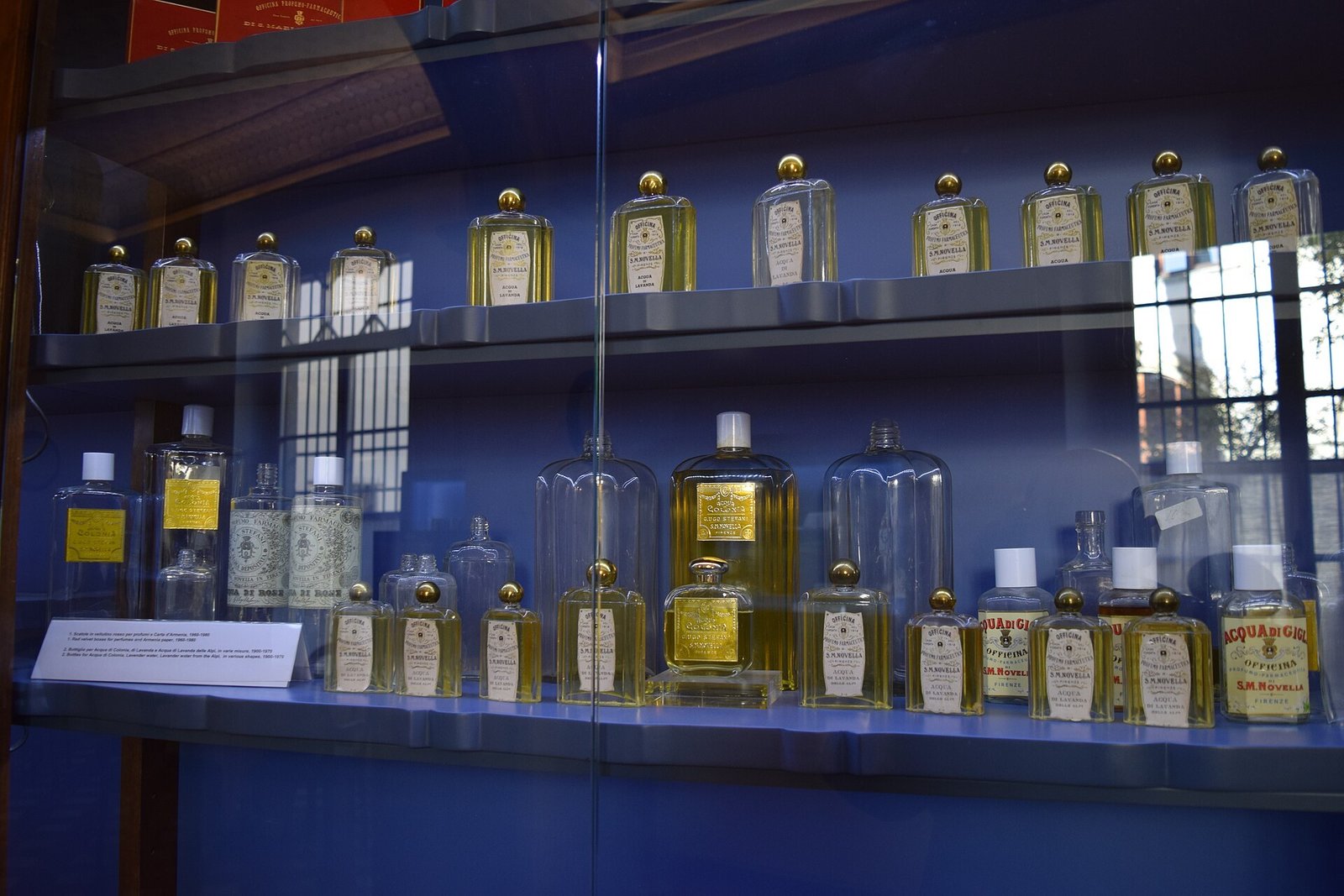
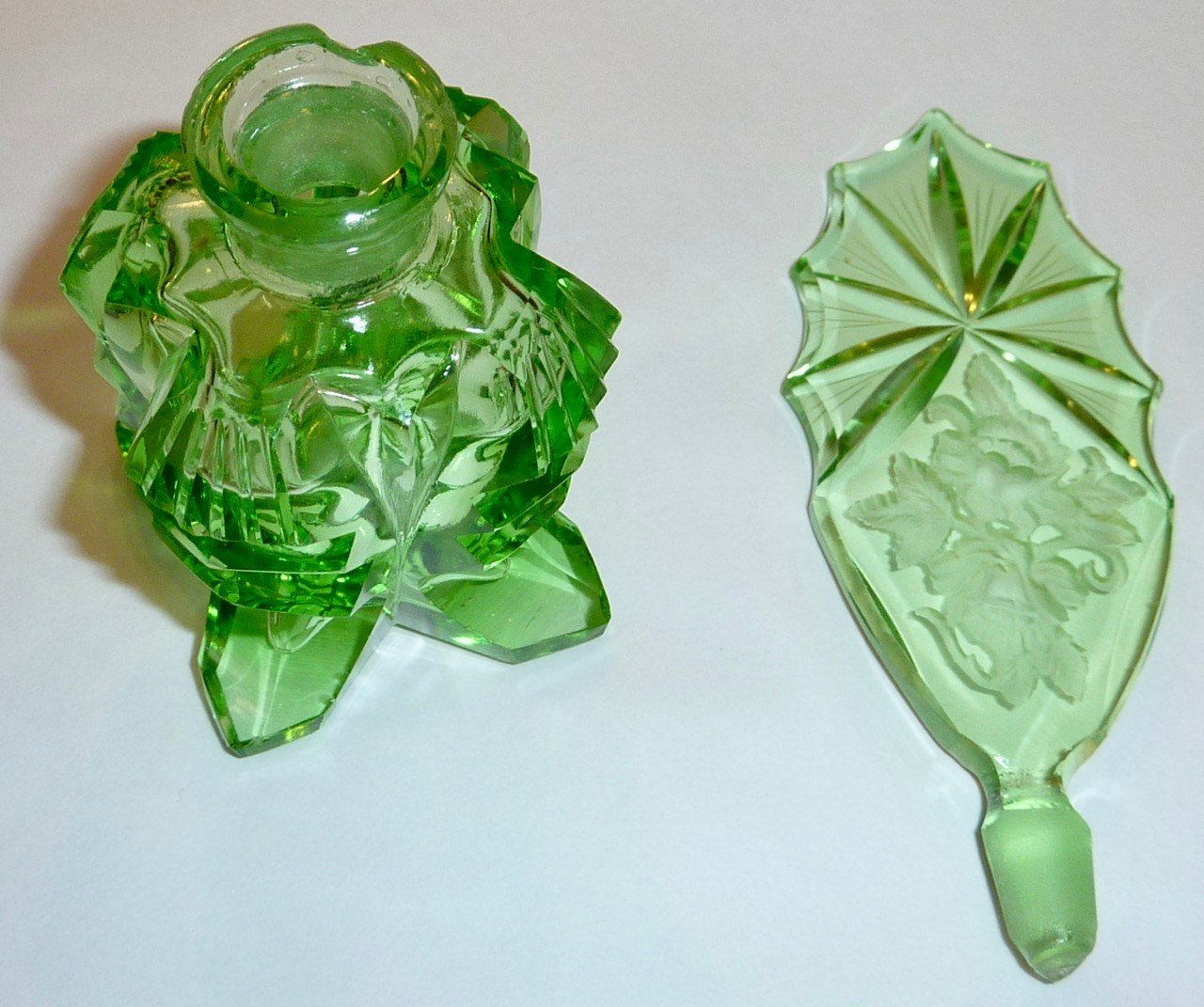
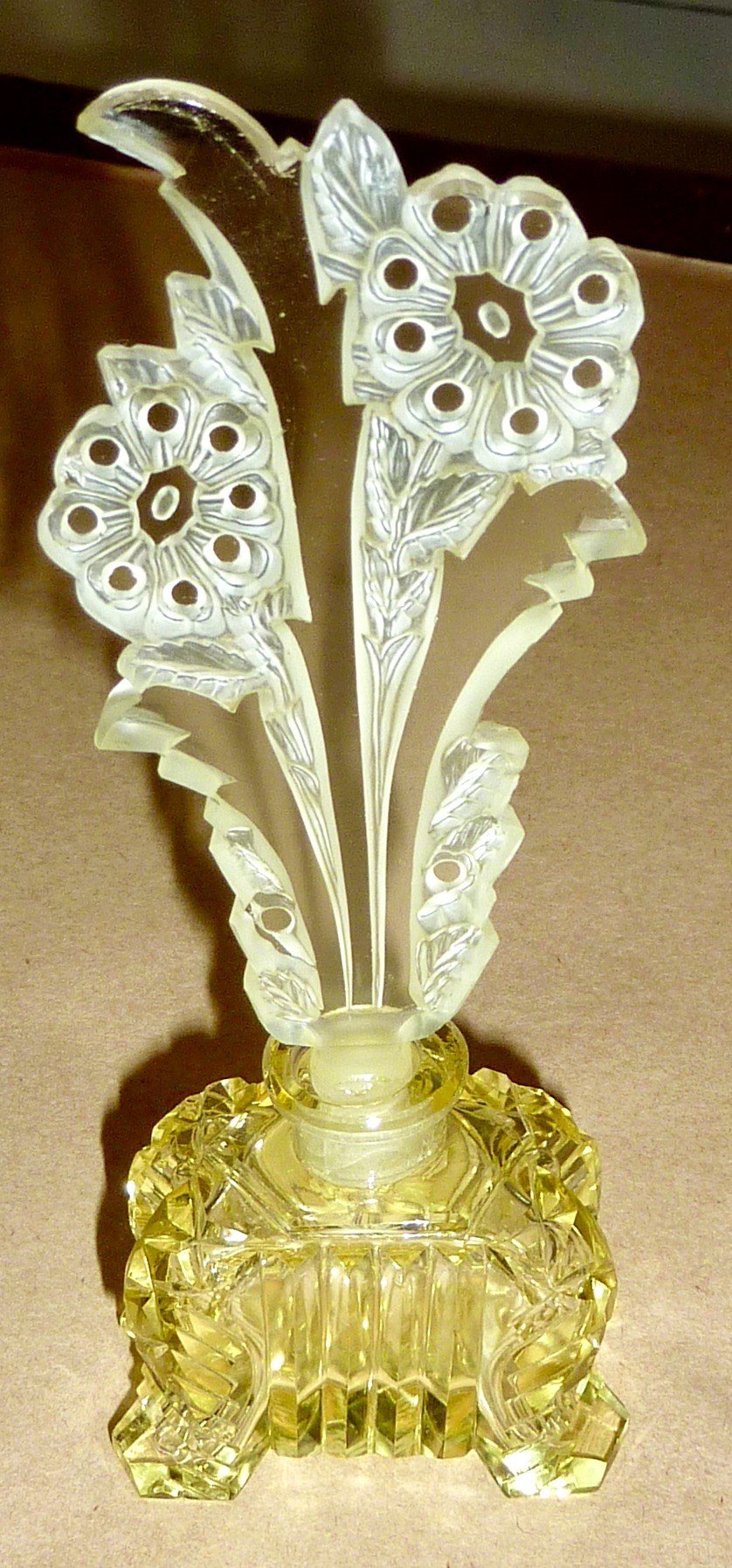
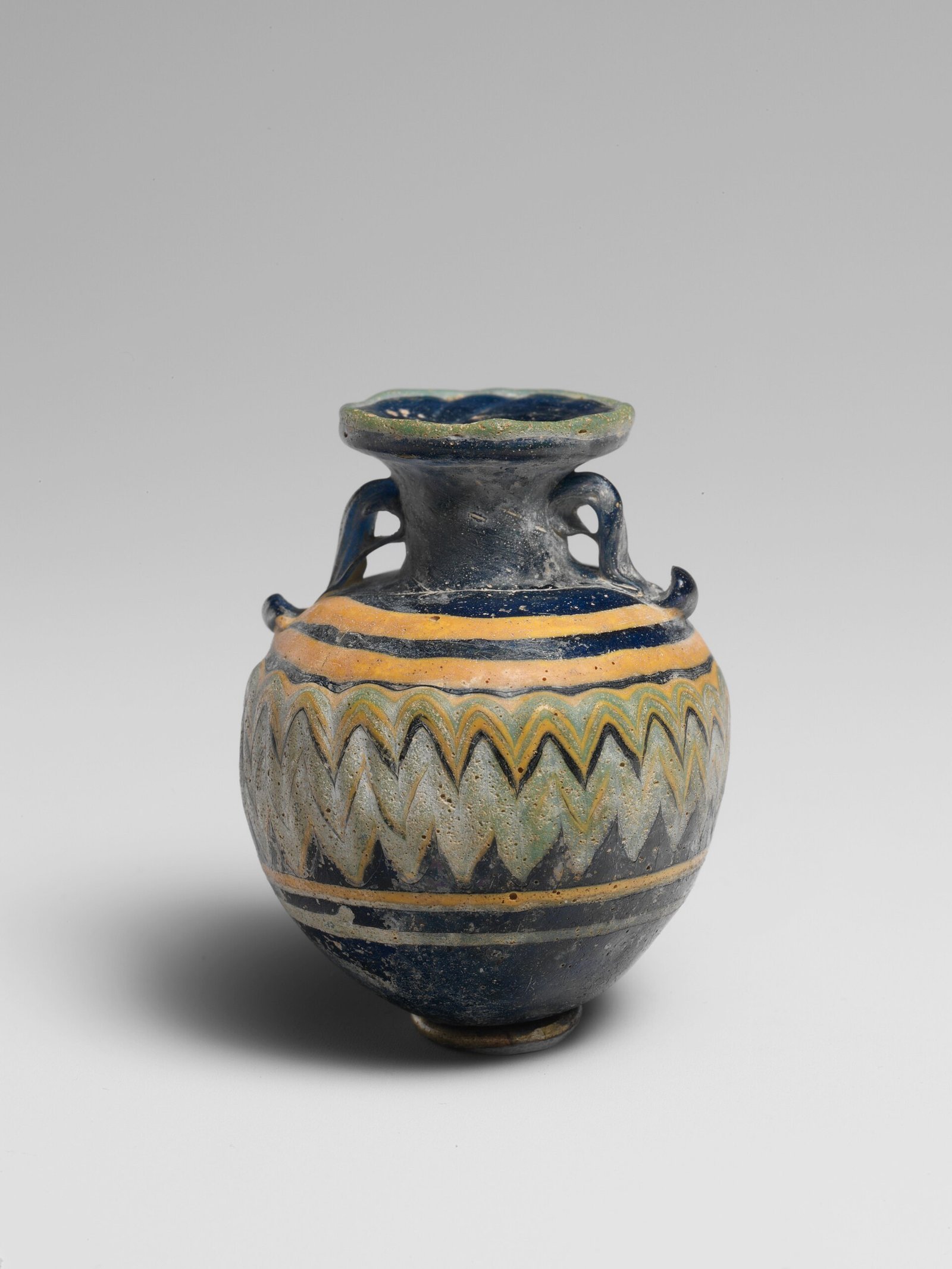
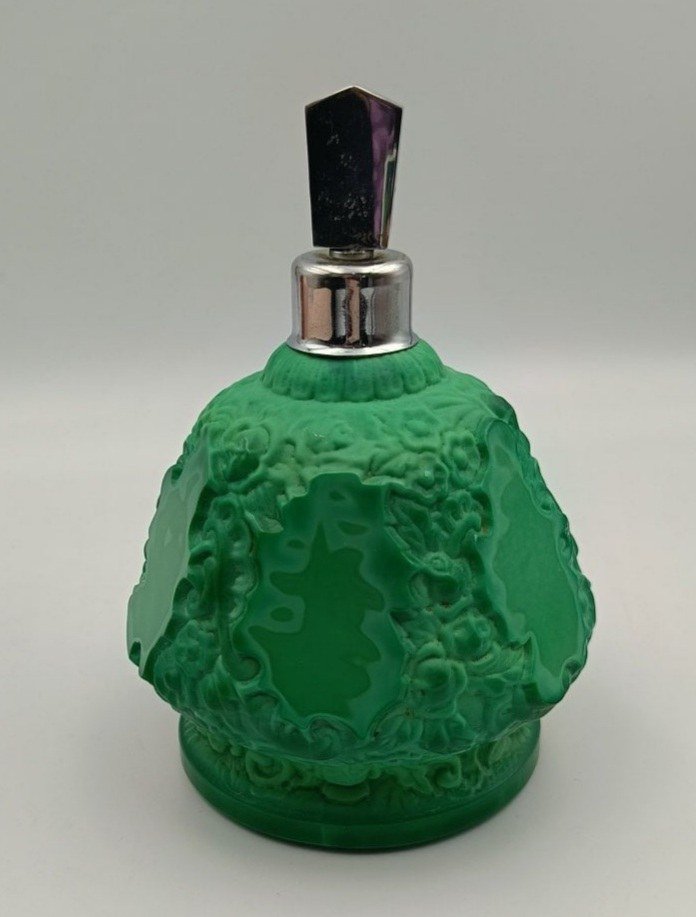
Bottles are the keepsake, so choose them carefully. Small atomiser bottles (10–15ml) are the most practical — guests can actually use the perfume afterward. Apothecary-style glass bottles with cork stoppers look stunning in photos but are less practical for daily use; many couples offer the pretty bottle as the display piece. Rollerball bottles are another excellent option: inexpensive, spill-proof, and genuinely usable.
Buy bottles in bulk from cosmetic packaging suppliers for the best prices, and always order ten percent more than your guest count for breakage and extras. Test that your chosen fragrance oils do not degrade the bottle materials — some plastics and cheap metals react with oils. Presentation matters: nestle each finished bottle in a small gift bag or box with tissue, so guests carry home something that feels like a gift, not a craft project.
Personalised Labels and Monograms
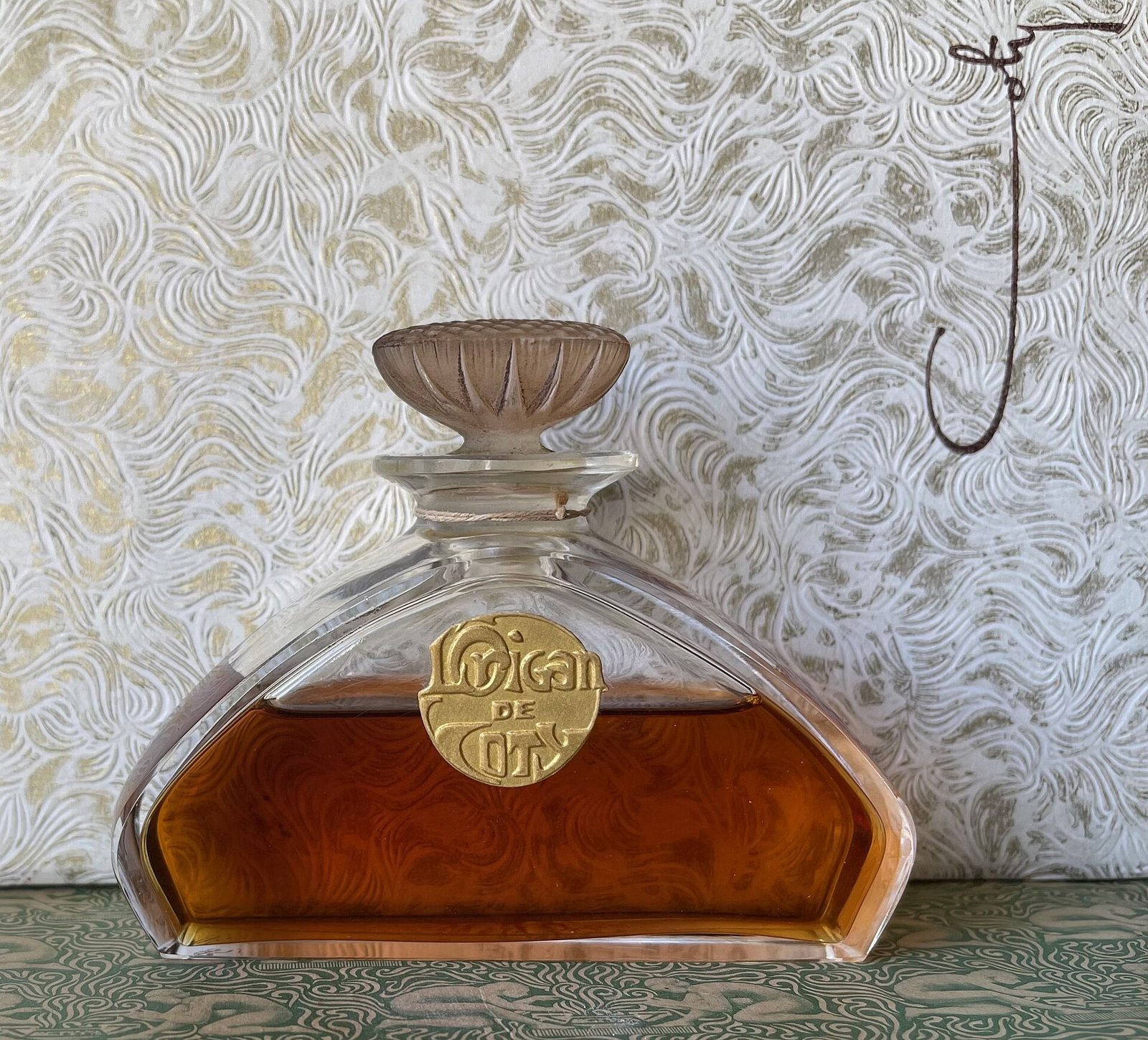
Personalised labelling transforms bottles from nice to unforgettable. The classic approach: pre-printed labels with the couple’s names, wedding date, and a motif matching the stationery suite. Guests add their scent’s name — many invent delightfully personal titles — using provided pens or a label station.
For extra luxury, hire a calligrapher for the reception to hand-letter bottle labels on the spot; guests treasure these. Wax seals in your wedding colours, custom stickers, or tags tied with ribbon all elevate the presentation. Keep label design consistent with your overall stationery so the perfume bar feels integrated, not tacked on. One practical tip: make labels oil-resistant (laminated or synthetic stock), because fragrance oils dissolve standard paper labels on contact.
Scent Profiles for Different Guests
Not every guest wants the same thing, so design for variety. Create simple “scent profile” cards that guide different personalities: “The Romantic” (rose, peony, vanilla), “The Fresh One” (citrus, green tea, musk), “The Bold” (oud, amber, leather), “The Sweet” (coconut, fig, vanilla). These cards rescue overwhelmed guests and speed up decision-making.
Consider your demographics: older guests often prefer classic florals and powdery musks; younger guests lean toward gourmand and fresh scents. Offer at least one truly unisex woody-fresh option so male guests feel included — perfume bars sometimes skew feminine, and thoughtful inclusion matters. If children attend, provide a separate simple option (a pre-blended fruity spray) rather than letting small hands near concentrated oils. A bar that welcomes everyone gets used by everyone.

The Blending Experience: Guiding Guests
Most guests have never blended perfume, so guidance is essential. The simplest teaching formula: pick one oil you love as the star, add a supporting oil that complements it, and finish with a base oil that grounds it. Provide a ratio guide — for example, 3 drops of the star, 2 of the supporter, 1 of the base in a 10ml bottle topped with perfumer’s alcohol. Concrete numbers prevent both timidity and over-pouring.
Instruction cards at each station should include three to five “recipes” for foolproof blends alongside the free-blending option. An attendant who can say “if you like that rose, try two drops of sandalwood with it” elevates the experience enormously. Encourage testing on scent strips first and skin second, with coffee beans nearby to reset noses between sniffs. The goal is confident creativity, not perfumery school — keep guidance light, encouraging, and jargon-free.
Staffing Your Perfume Bar
For weddings under 50 guests, a well-designed self-serve bar with clear instructions can work. For anything larger, staff it. One knowledgeable attendant per 40–50 guests keeps things flowing; their jobs are greeting, guiding scent selection, managing the blending ratios, handling the bottling, and keeping the station tidy and restocked.
The ideal attendant is enthusiastic, fragrance-knowledgeable, and good with people — a friend with a passion for perfume, a hired event staffer briefed thoroughly, or (best of all) a professional from a perfume bar company. Brief staff on the oil collection, the recipes, allergy protocols, and the spill plan. They should also manage the queue with charm during peak times. Never leave a perfume bar completely unstaffed at a large wedding: unsupervised guests over-pour, waste expensive oils, and create messes that staff could have prevented.
Perfume Bar as Wedding Favours
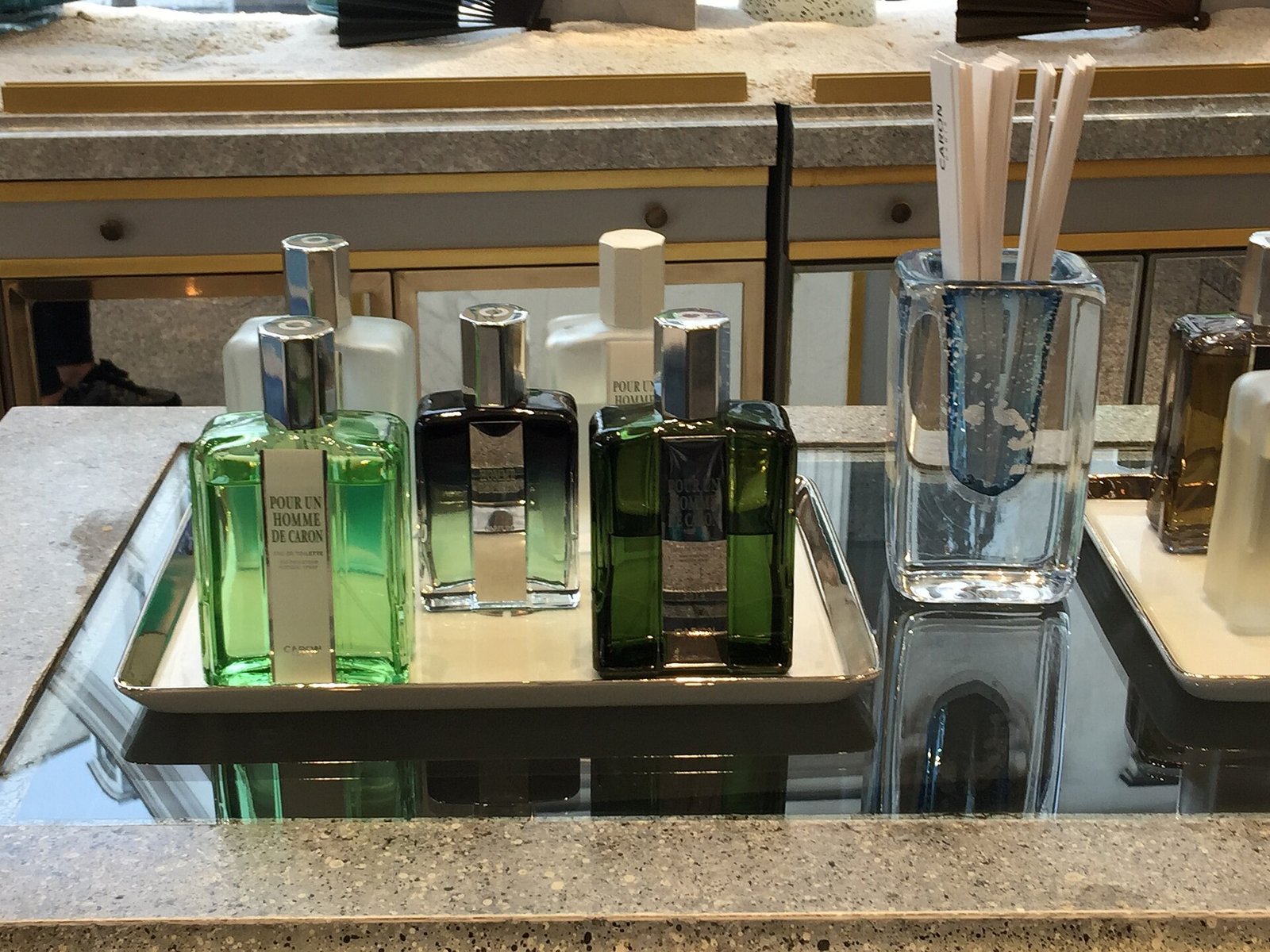
The perfume bar elegantly solves the wedding favour dilemma. Traditional favours are often left behind; a custom fragrance in a beautiful bottle is genuinely wanted. Factor this into your budget thinking: the perfume bar replaces your favour budget entirely, which offsets a significant portion of its cost.
To maximise the favour impact, present the finished bottle beautifully — gift bag, tissue, personalised tag — and consider adding a small card explaining the scent the guest created (many bars provide fill-in recipe cards). Guests who blend their own scent feel ownership; the bottle becomes a story, not just an object. For guests who skip the bar, have a few pre-made signature-scent bottles ready at the exit so no one leaves empty-handed. A favour people actually use is the rarest wedding win.
Timing: When to Open the Bar
Timing affects both atmosphere and logistics. Opening the perfume bar during cocktail hour captures guests at their most mingling-friendly, but it competes with drinks, canapés, and catching up. Many planners prefer opening it after dinner, when the formal programme loosens and guests are looking for activities between courses or before dancing.
Consider your crowd: if speeches run long, an open bar during that downtime is a gift. Keep the perfume bar open for at least two to three hours so every guest gets a turn without rushing. Announce it — have the DJ or MC mention it, and include it in the programme — because guests cannot use what they do not know exists. Closing the bar about an hour before the evening ends gives staff time to tidy and ensures the last blends are not rushed.

Pairing with Your Reception Timeline
Integrate the perfume bar into the reception’s rhythm rather than bolting it on. It pairs beautifully with other sensory stations — a cigar bar, a dessert display, a coffee cart — creating a “discovery zone” guests wander through. Avoid scheduling it against unmissable moments: do not open it during the first dance, cake cutting, or bouquet toss.
Coordinate with your photographer: the bar is photogenic, so schedule a few minutes of styled detail shots before guests arrive, then candid shots of guests blending. If you have a videographer, the blending action makes lovely footage. Brief your wedding coordinator on restocking triggers (when oils run low, when bottles need replenishing) so the bar never looks depleted. A well-timed perfume bar feels like a natural chapter of the evening, not an interruption.

Budget Breakdown
DIY perfume bars typically cost £8–£15 per guest all-in: fragrance oils (£150–£300 for a full collection), bottles (£1–£3 each in bulk), labels and packaging (£1–£2 per guest), perfumer’s alcohol and supplies (£50–£100), and display styling (£50–£150 using rented or owned decor). For 100 guests, expect £800–£1,500 total — comparable to quality traditional favours.
Professional perfume bar services range from £1,500 to £4,000+ depending on guest count, oil quality, and styling level. Remember to subtract your eliminated favour budget from either figure for the true net cost. Money-saving tips: choose rollerball bottles over atomisers, limit the oil collection to twelve excellent oils rather than twenty mediocre ones, and style the display with rented vintage pieces and your own florals. The perceived luxury far exceeds the actual spend — that is the perfume bar’s financial magic.
Sourcing Supplies
Source fragrance oils from cosmetic-grade suppliers — look for IFRA-compliant, phthalate-free, skin-safe oils, and request samples before buying in bulk. Reputable soap-making and cosmetic-ingredient suppliers often have the best combination of quality and price. Avoid craft-store fragrance oils, which are formulated for candles, not skin.
Bottles come from cosmetic packaging wholesalers; order well in advance and test a full sample bottle with your oils for leaks and reactions. Labels can be ordered from online print shops on oil-resistant stock, or made with a quality home printer and waterproof label paper. Perfumer’s alcohol (perfumer’s alcohol or SD40B) comes from specialist suppliers — do not substitute rubbing alcohol, which smells harsh and dries skin. Start sourcing eight to twelve weeks before the wedding; custom bottles and labels have lead times.
Display and Decor Ideas
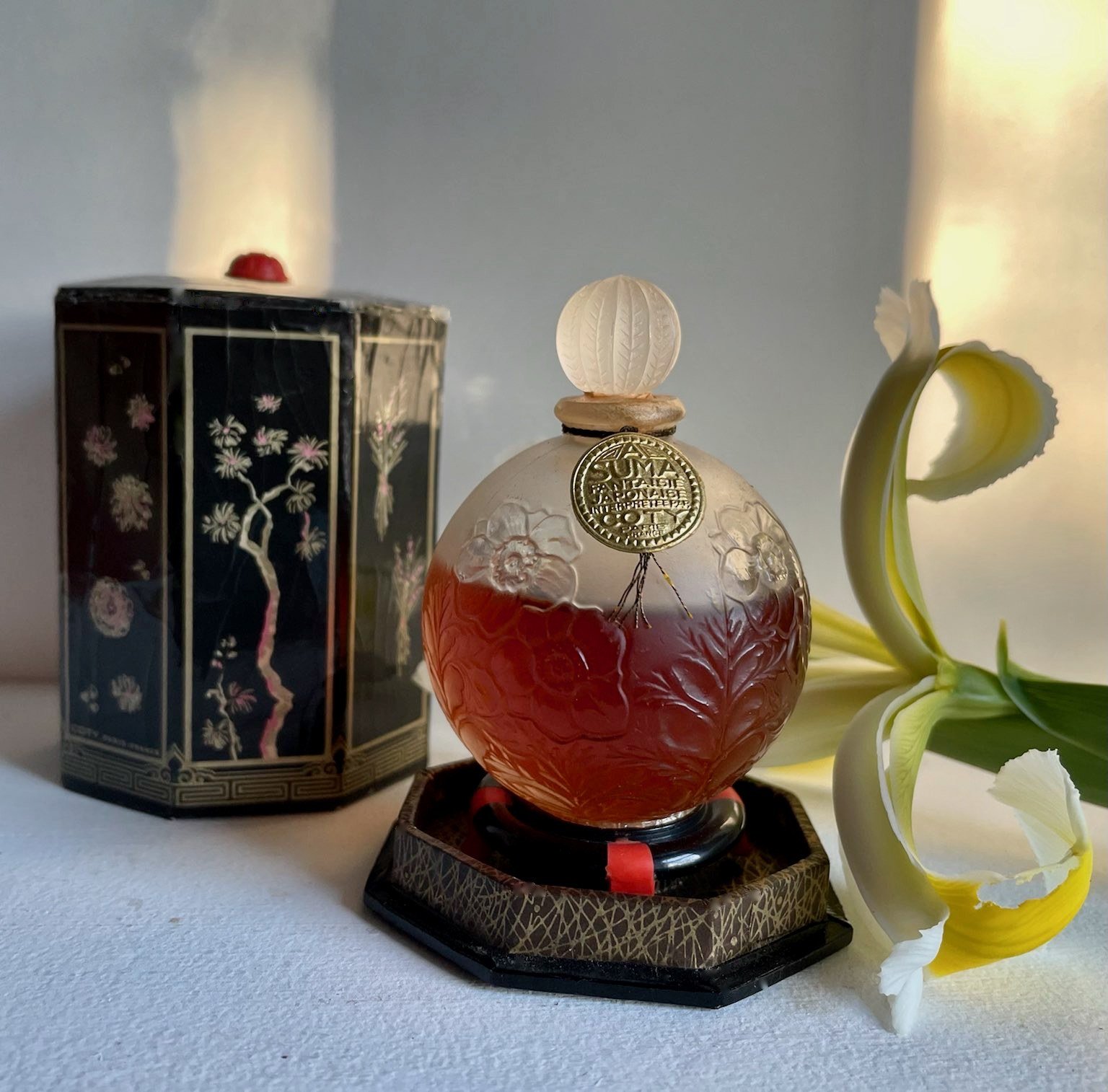
The display is half the experience. Style the bar like a French apothecary or vintage perfumery: tiered stands for oils, mirrored trays, cut-glass beakers, brass funnels, dried flowers, and plenty of candlelight. A framed menu of the fragrance collection, written in calligraphy, doubles as decor and guidance.
Match the display to your wedding style: rustic weddings suit wooden crates, linen runners, and wildflowers; glamorous weddings call for mirrored surfaces, gold accents, and orchids; modern weddings work with clean lines, minimal labelling, and sculptural bottles. Fresh flowers that echo your wedding florals tie the bar into the overall design. Photograph the styled bar before guests arrive — it will never look this pristine again, and you will want the memory.
Common Mistakes to Avoid
The biggest mistake is too many choices: thirty oils paralyse guests and slow the line. Twelve to twenty curated oils are plenty. Second: no guidance — a table of mysterious bottles with no instructions confuses people. Always provide recipe cards, ratio guides, and (ideally) a human helper.
Other pitfalls: placing the bar in a high-traffic bottleneck; using oils that are not skin-safe; forgetting nose-fatigue respite (coffee beans are essential); under-ordering bottles; labels that dissolve in oil; and no plan for children or guests with fragrance sensitivities — always ask about allergies and keep the bar in a ventilated area, never in a tiny enclosed room. Finally, do not forget to enjoy it yourselves: schedule ten minutes for the couple to blend their own bottles together. It is a memory you will treasure.
FAQs About Wedding Perfume Bars
How much space does a perfume bar need? One six-foot table minimum; an L or U arrangement of two to three tables is ideal for 100+ guests. Are fragrance oils safe? Only if they are cosmetic-grade and skin-safe — verify IFRA compliance and do a patch-test note on your instruction cards. What about guests with allergies? Display full ingredient lists, keep the area ventilated, and offer a pre-made sealed option for sensitive guests.
Can the bar work outdoors? Yes, with wind protection for scent strips and shade for oils (heat degrades fragrance). How long do the favours last? Properly blended perfumes in sealed bottles last six to twelve months. Do we need a licence? Generally no, but check your venue’s policies on open fragrance and naked flames from display candles. A perfume bar is one of the rare wedding details that guests talk about for years — plan it well, and it will be the detail that defines your reception.

I am Talha Sikandar, a professional writer with a passion for general blogging. With years of experience in content writing and research, I founded Meaniingly.com to deliver well-researched, informative, and user-friendly articles on diverse topics.