opalite aesthetic wedding ideas
The opalite aesthetic — all iridescent shimmer, milky translucence, and rainbow light refractions — is one of the dreamiest wedding trends to emerge in recent years. Named after the opalescent glass prized by jewellers, this aesthetic trades traditional colour palettes for pure luminosity: holographic details, crystal prisms, pearl finishes, sheer organza, and fabrics that shift between blush, blue, and lavender as they catch the light. It feels modern and ethereal without being cold, romantic without being traditional, and it photographs like an actual fantasy. This guide offers twenty ideas for building an opalite wedding, from stationery and tablescapes to attire, cake design, ceremony styling, and lighting — plus practical advice on sourcing iridescent materials affordably and keeping the look cohesive and magical rather than chaotic.
What Is the Opalite Aesthetic?
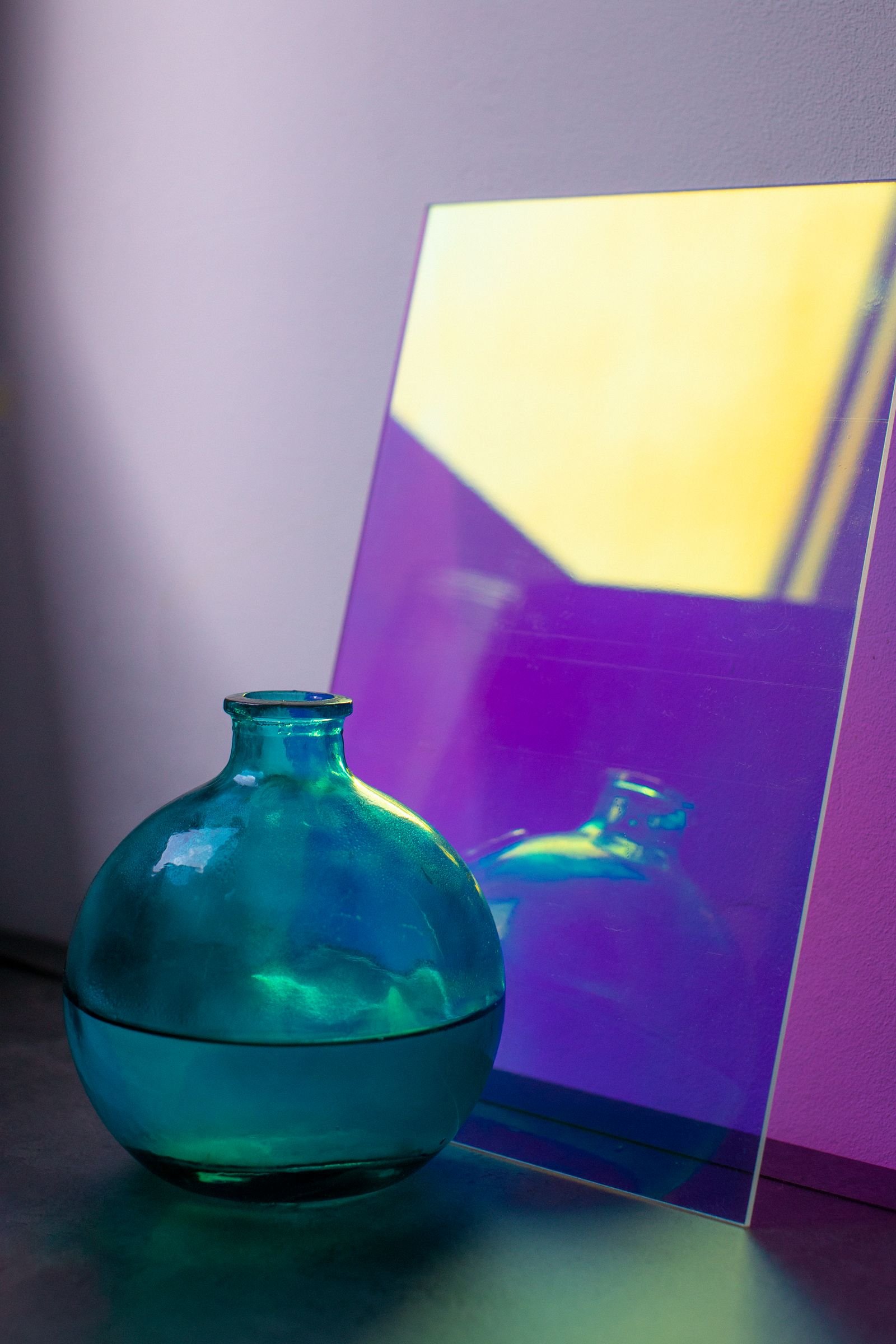
Opalite is a man-made opalescent glass known for its milky translucence and the way it glows with rainbow fire under light. Translated to weddings, the aesthetic centres on iridescence rather than colour: think holographic films, mother-of-pearl finishes, crystal refractions, sheer organza, and anything that shifts hue as it moves. Unlike a traditional palette built on two or three fixed colours, opalite styling works with light itself as the medium. The base is usually soft and neutral — ivory, champagne, pale grey, blush — with iridescent accents providing the magic. The result feels like a dream sequence: romantic, otherworldly, and thoroughly modern. It suits couples who find classic palettes too literal and want their wedding to feel like an experience of light.
Because the aesthetic relies on light rather than pigment, it suits varied cultural traditions beautifully — luminosity is a genuinely universal language.
Choosing Your Venue for Maximum Shimmer
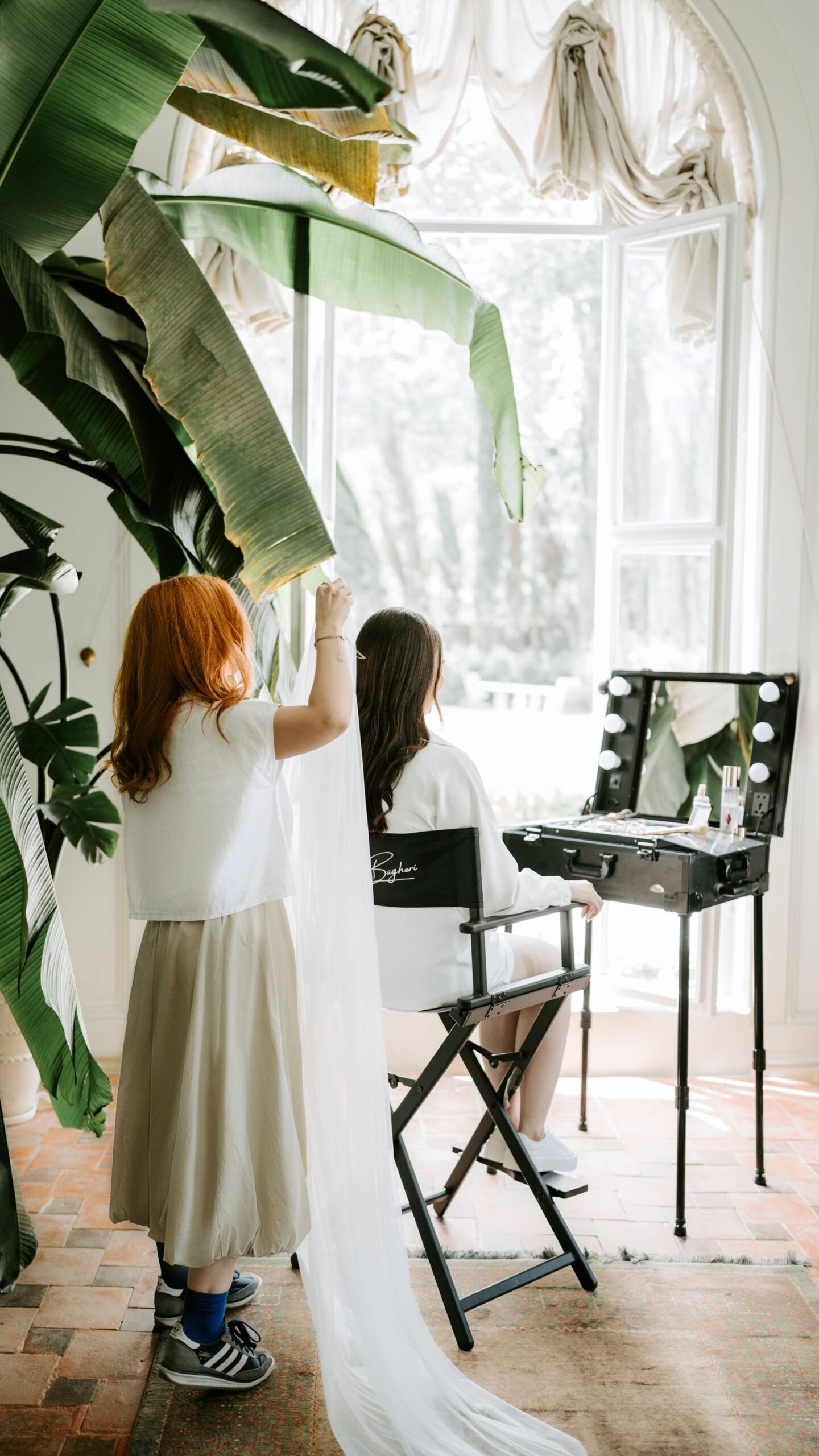
The right venue amplifies the opalite effect enormously. Glasshouses and orangeries are ideal — abundant natural light plays across iridescent surfaces all day. Modern galleries with white walls and polished floors bounce light beautifully. Rooftop venues at golden hour give holographic details a warm fire. Even a traditional ballroom works if you control the lighting with pin spots and intelligent fixtures. What to avoid: dark wood-heavy venues with low ceilings and minimal light, where iridescence has nothing to play with. When touring, visit at the same time of day as your wedding and watch how light moves through the space. Ask about rigging points for hanging installations, dimming capabilities, and whether candles are permitted — all three matter for this aesthetic.
Ask venues about their blackout capabilities too; the ability to dim for the evening transition matters as much as the daylight you start with.
Stationery with Holographic and Pearlescent Finishes
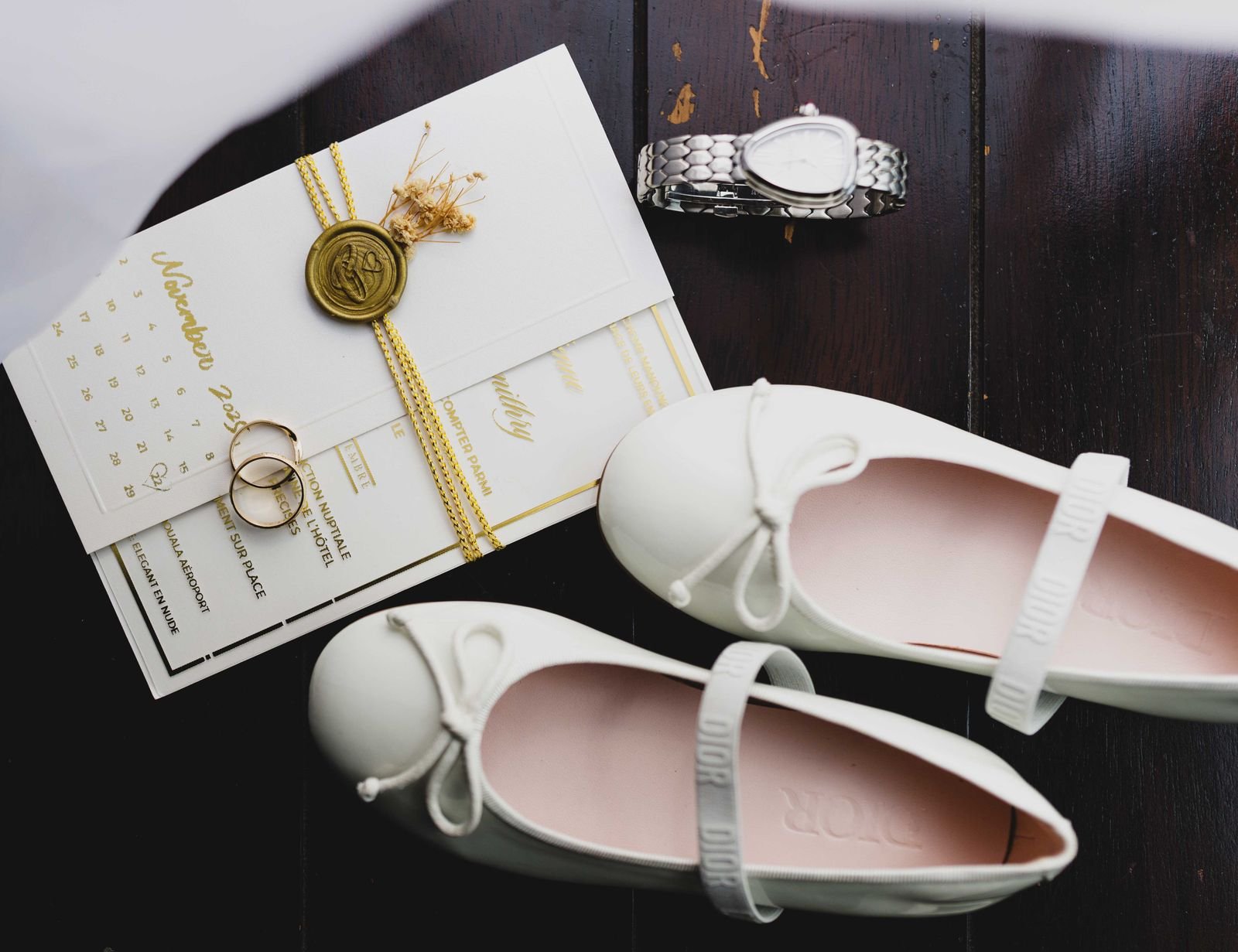
Stationery is the perfect first expression of the aesthetic. Holographic foil on invitations catches light with every movement of the envelope — choose it for names, borders, or monograms rather than full coverage, which can look busy. Pearlescent or “stardream” card stock gives a subtle opal glow even without foil. Vellum overlays printed with iridescent ink add layered dimension. For a showstopping suite, consider acrylic invitations with holographic edges, or wax seals in iridescent pearl. Keep typography clean and minimal — a single elegant serif or modern sans — because the finishes themselves provide the decoration. Carry the same materials through to day-of stationery: menus, place cards, and signage in matching pearlescent stock tie the whole day together.
Iridescent Tablescapes and Table Settings
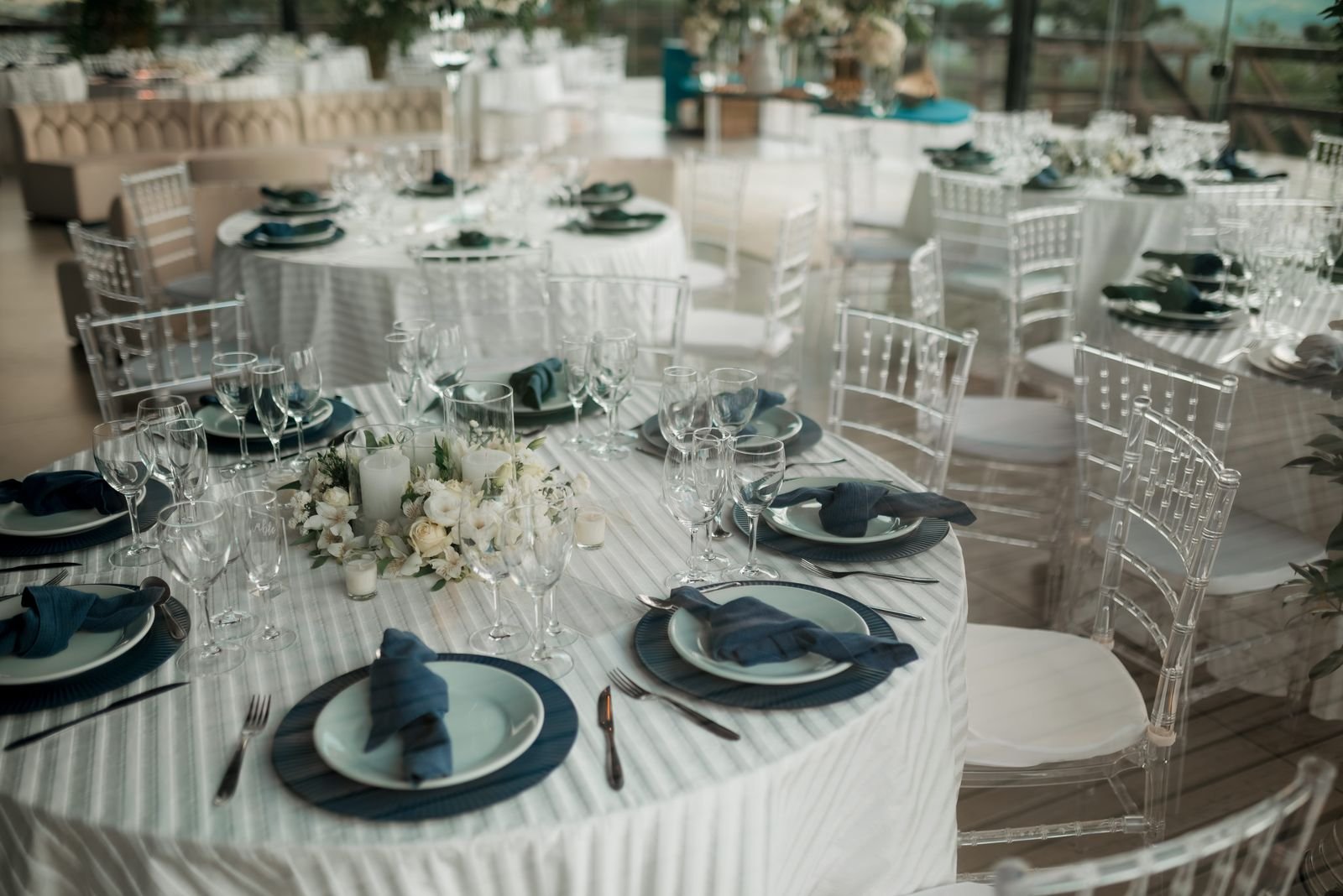
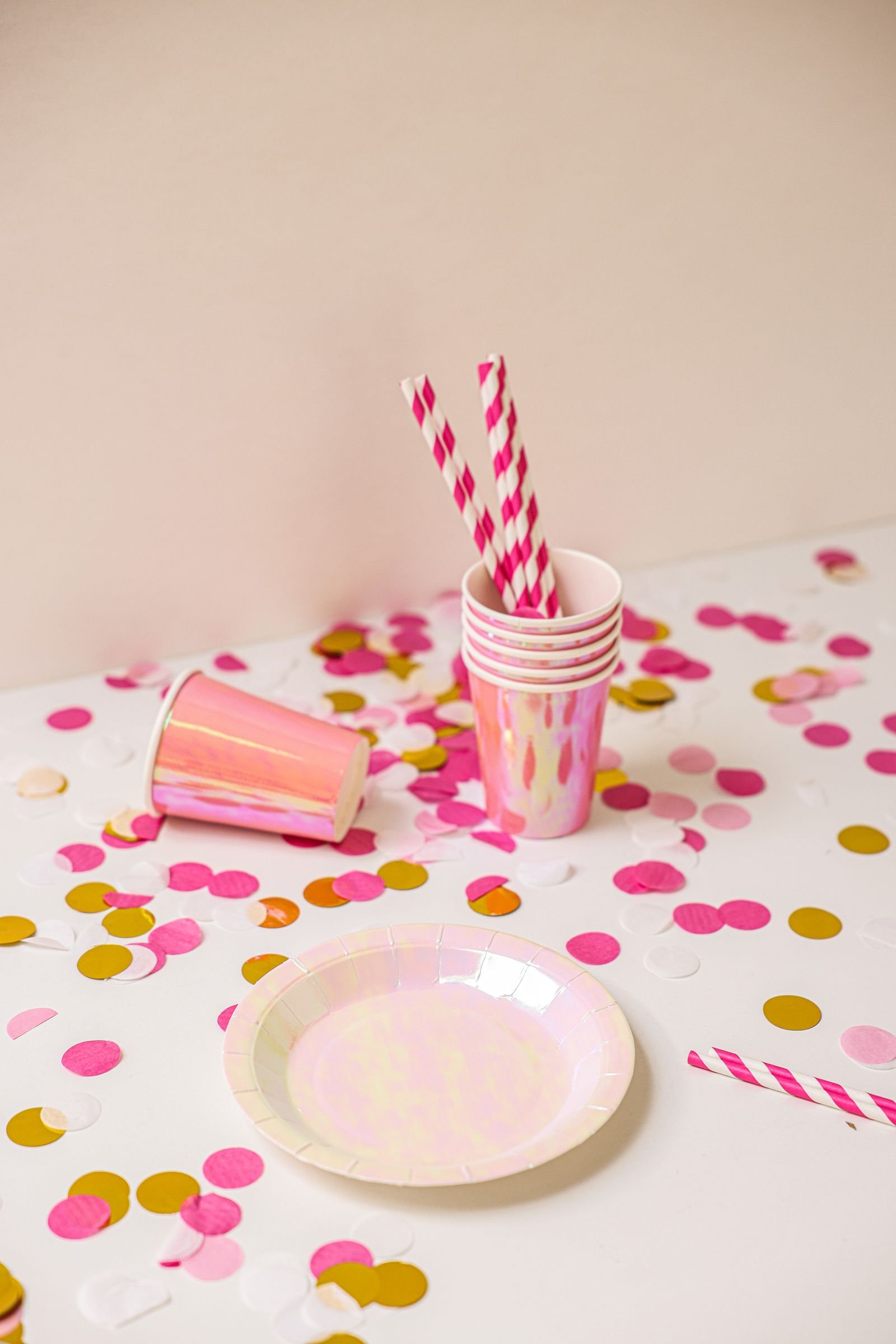
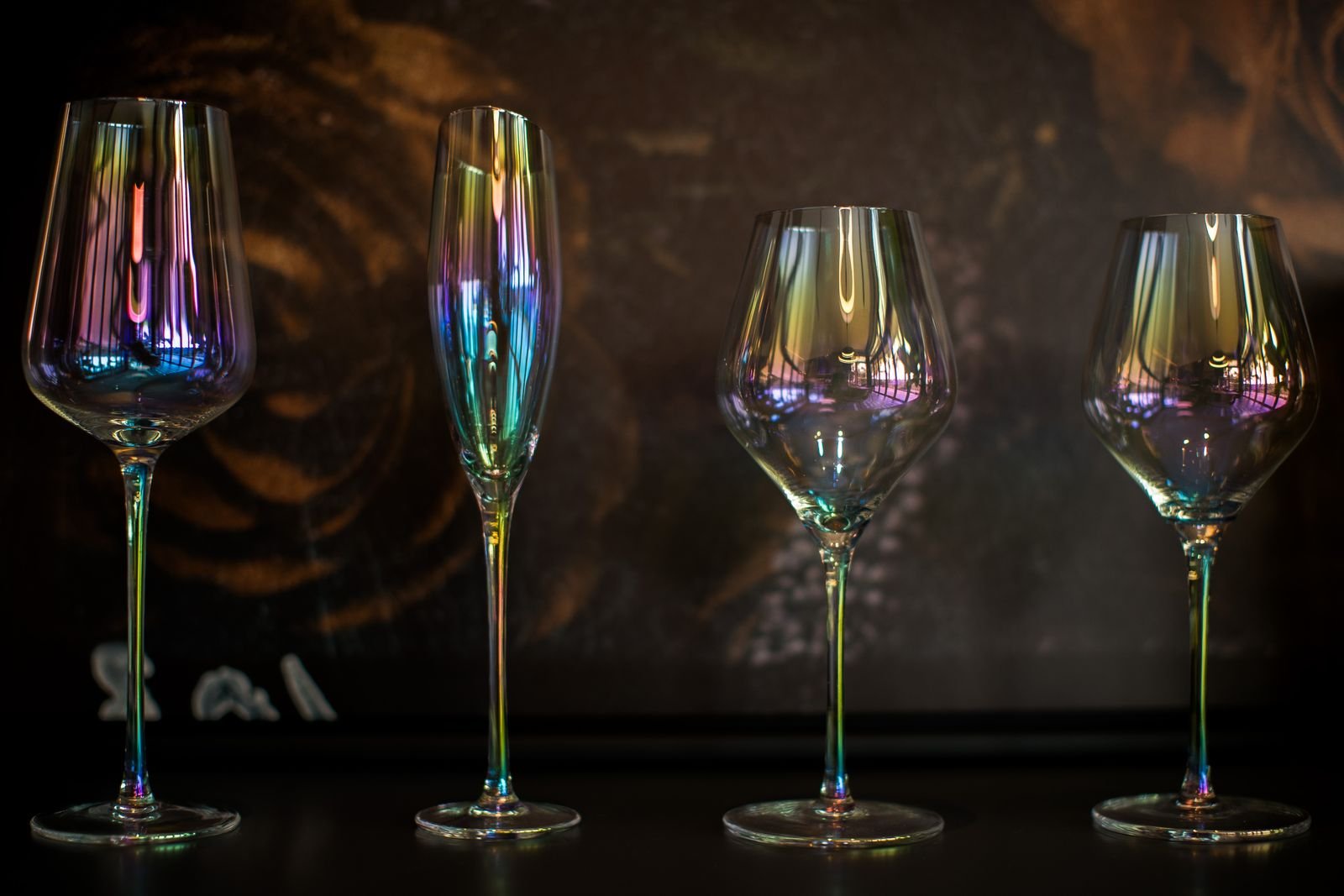
Tables are where the opalite aesthetic truly dazzles. Start with a neutral linen — ivory, champagne, or pale grey — then layer iridescent runners or sheer organza overlays that shift colour in the light. Charger plates in mother-of-pearl finish or holographic glass catch candlelight spectacularly. Glassware is a hero element: iridescent or “oil-slick” wine glasses and coupes are widely available to hire and deliver enormous impact for modest cost. Napkins in pale silk or shimmering organza, tied with crystal napkin rings, complete each setting. Keep florals soft and pale so they do not compete — white, blush, and lavender blooms with plenty of greenery. Candlelight is essential: the flicker is what animates every iridescent surface.
Rent iridescent glassware rather than buying it; hire companies now stock holographic ranges, and the per-piece cost is surprisingly reasonable.
Crystal and Prism Décor Details
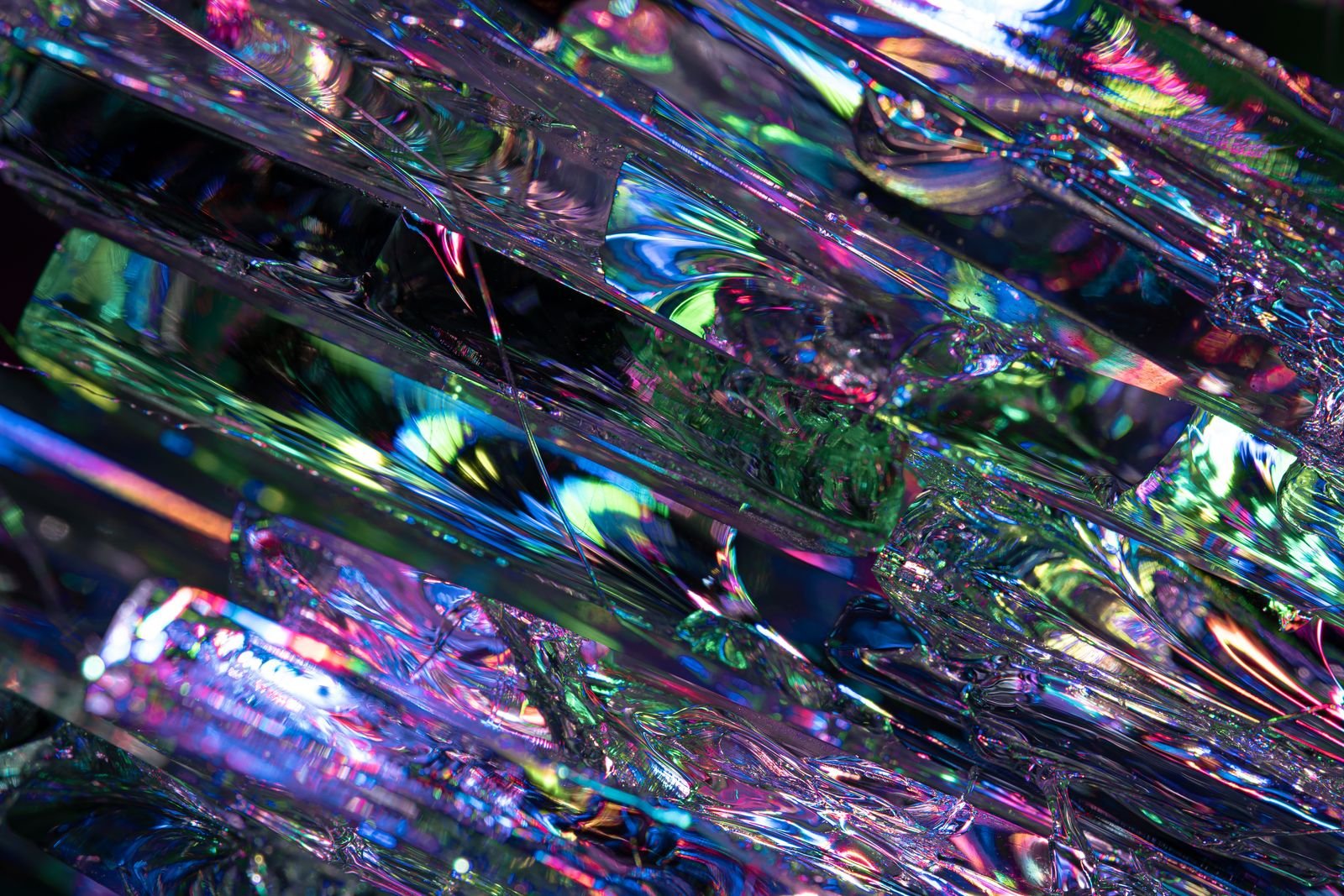
Nothing says opalite like actual light refraction. Hang crystal prisms in windows and from installations so they throw rainbow shards across the room when sun hits them — guests will be mesmerised. Clusters of quartz points, amethyst geodes, and raw crystal as table décor double as conversation pieces. Glass orbs and faceted votive holders scatter candlelight into tiny rainbows. For a dramatic focal point, a hanging installation of suspended crystals at varying heights over the dance floor or ceremony space creates a “frozen light” effect. Source crystals from home décor wholesalers rather than wedding suppliers for far better prices. A little goes a long way: strategic clusters beat uniform scattering for that curated, editorial feel.
Bridal Attire with an Opal Glow
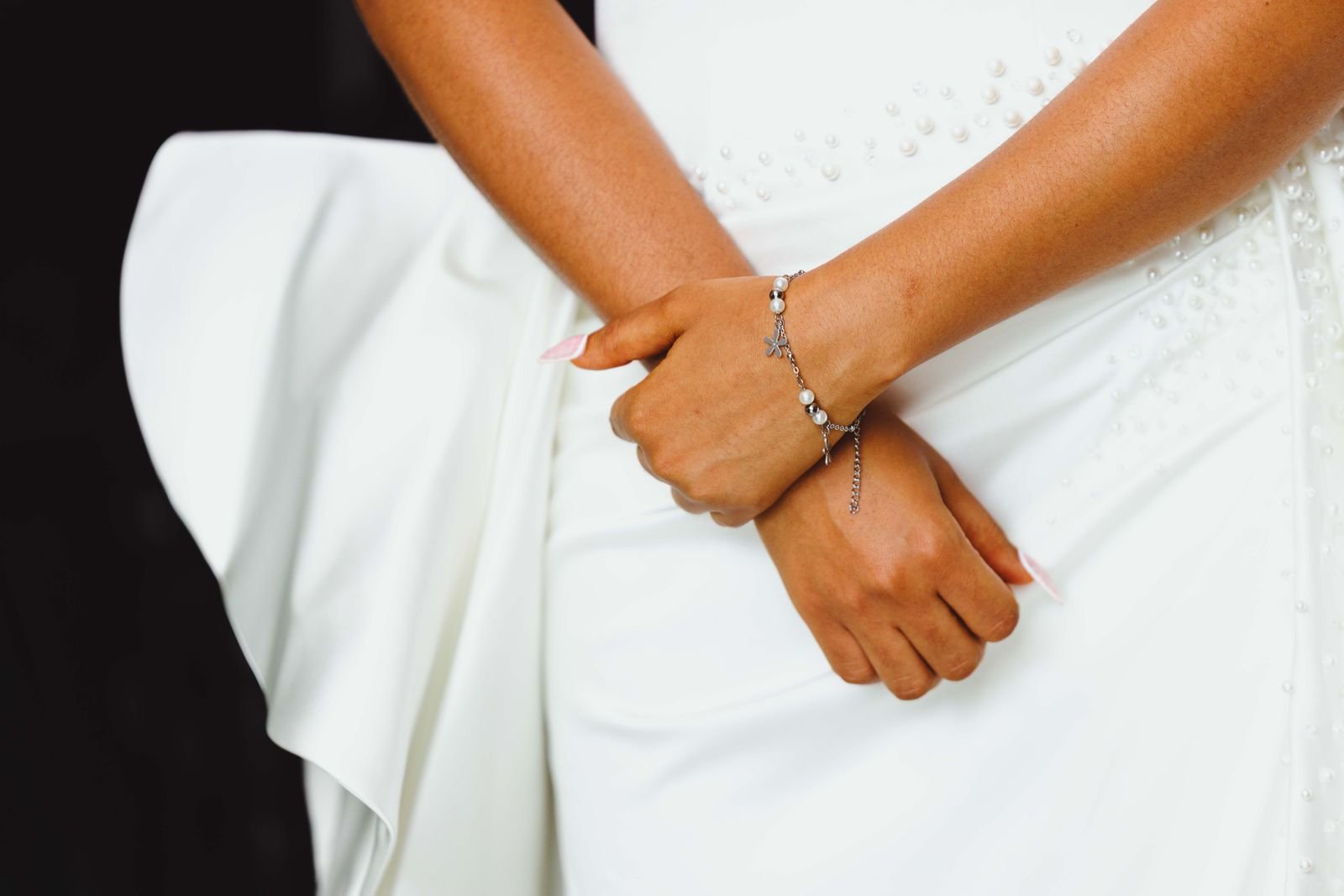
Opalite bridal style is about fabric that moves with light. Dresses in silk with a pearl finish, gowns with scattered crystal or sequin embellishment, and veils edged in iridescent beading all capture the aesthetic. A cape in sheer organza over a simple gown creates a luminous halo effect in photographs. Accessories carry the theme beautifully: opal or moonstone jewellery (genuine opals are softer than diamonds, so moonstone is a practical alternative), iridescent heels, and a holographic clutch. For hair, pearl pins and crystal combs catch the light with every turn. Bridesmaids in mismatched pale tones — blush, champagne, lavender grey — in shimmering fabrics extend the glow through the whole party. The key is luminosity without heaviness.
Velvet accessories — a champagne velvet shoe or clutch — ground the ethereal look with tactile richness and photograph beautifully against shimmer.
Groom Style for the Iridescent Wedding
Grooms can join the aesthetic with subtle, sharp choices. A midnight or charcoal suit with a mother-of-pearl boutonnière pin, an iridescent pocket square, or cufflinks in opal or abalone shell nod to the theme without overwhelming. Velvet dinner jackets in pale grey or champagne pick up light beautifully for evening receptions. A holographic bow tie is a bold choice for the fashion-forward — best balanced with an otherwise classic outfit. Shoes in patent leather add reflective polish. For groomsmen, matching ties or pocket squares in an iridescent fabric unify the party. As with all wedding styling, the groom’s comfort matters most: choose one or two luminous details and keep the foundation timeless.
The Opalite Wedding Cake
Cake designers love this brief. Options include a smooth fondant cake with an airbrushed pearl lustre, a geode cake with crystal formations blooming from one side, or a translucent isomalt “crystal” cake that glows when lit from within. Hand-painted watercolour effects in pastel iridescent tones over white fondant create a dreamy, artistic finish. Top with fresh orchids or sugar crystals rather than traditional toppers. For the dessert table, continue the theme with macarons in pearl dust, rock-candy “crystals,” and shimmering meringues. Display on mirrored or glass stands to multiply the light play. Brief your baker with reference images — “opalite” is evocative but vague, and visual references prevent misinterpretation.
If fresh flowers strain the budget, high-quality silk orchids in pale tones look convincing among crystals and cost a fraction of the real thing.

Ceremony Styling: Arches and Aisles
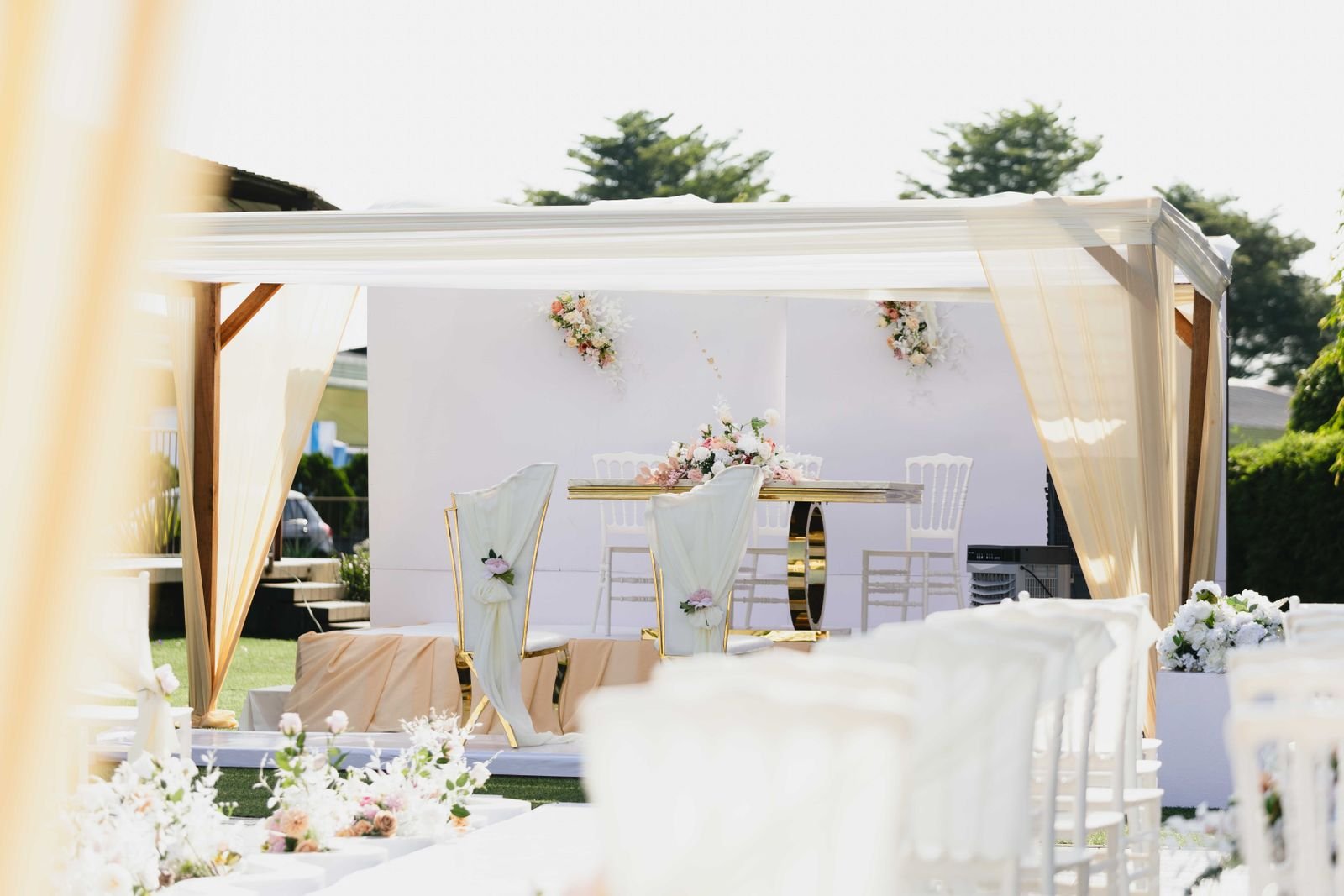
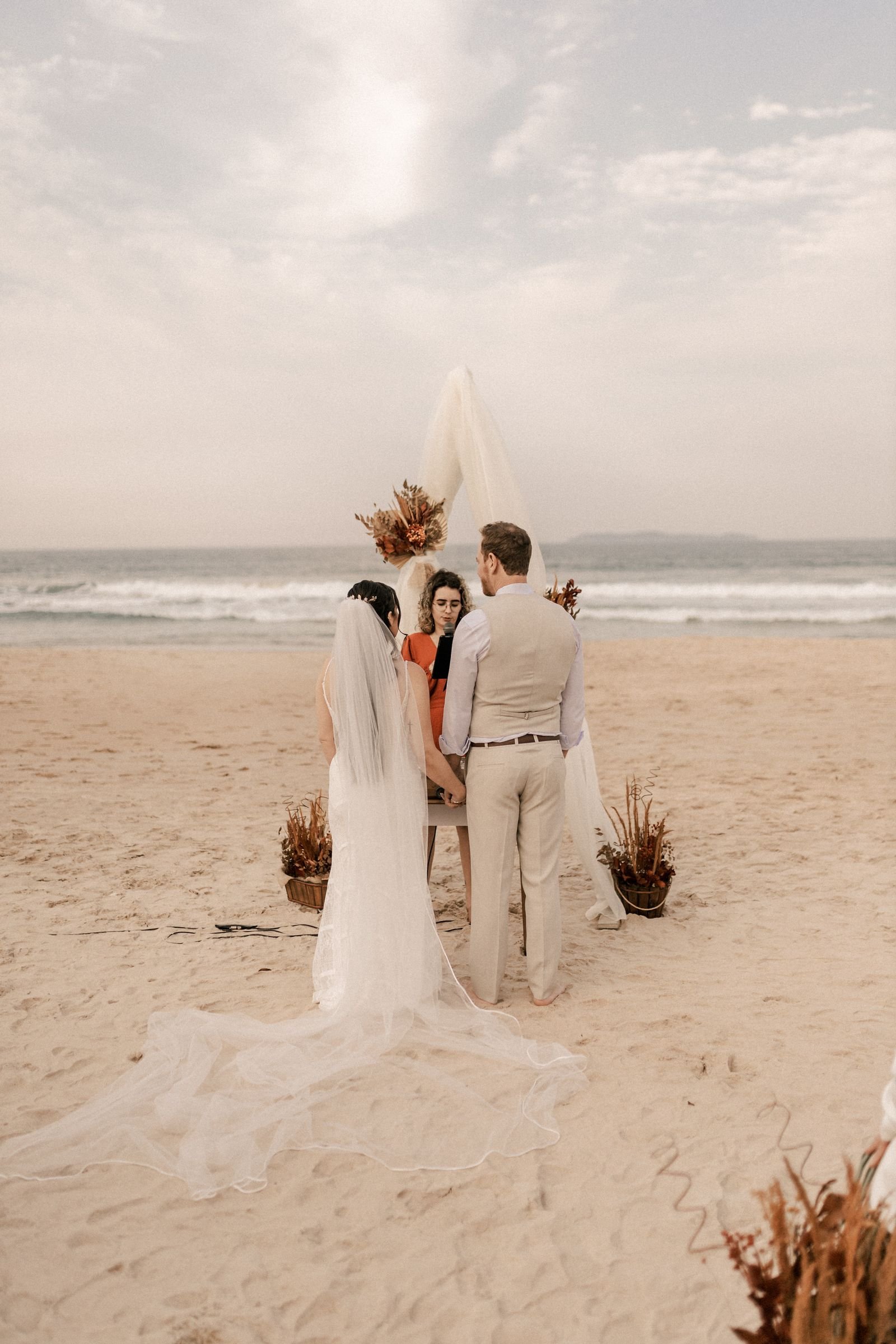
An opalite ceremony should feel like stepping into a prism. A ceremony arch wrapped in sheer iridescent fabric over a base of pale florals creates a glowing frame; as fabric moves in the breeze, the colours shift. Line the aisle with glass lanterns, crystal clusters, and petals in pale tones. Hanging installations of ribbons, crystals, or sheer fabric above the ceremony space catch overhead light. For outdoor ceremonies, position the arch so the sun is behind or beside it during vows — backlit sheer fabric glows spectacularly. Keep the overall structure light and airy; heavy, dark florals fight the aesthetic. After the ceremony, repurpose arch florals and fabric at the reception entrance or photo backdrop.
Bouquets with Pearlescent Details
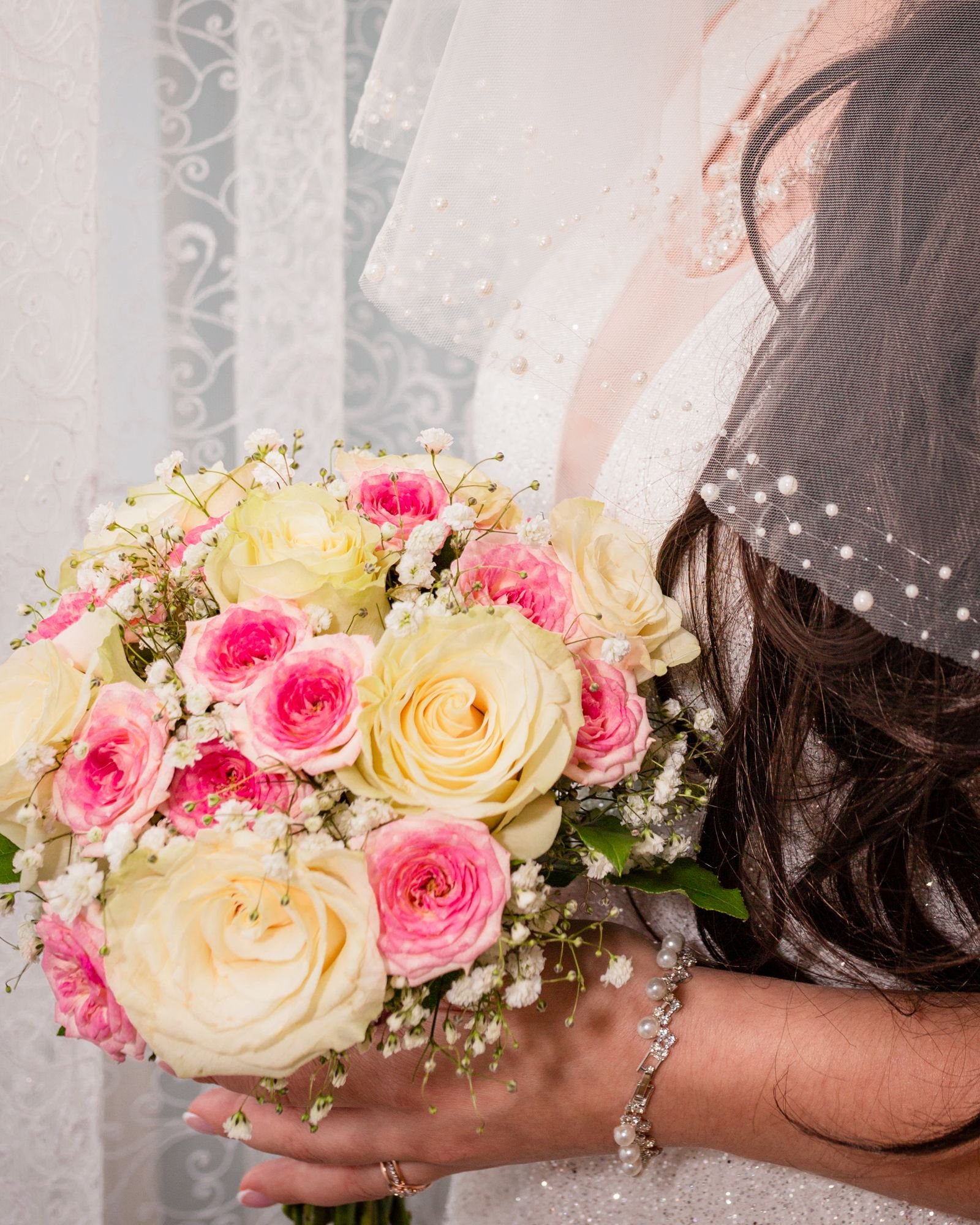
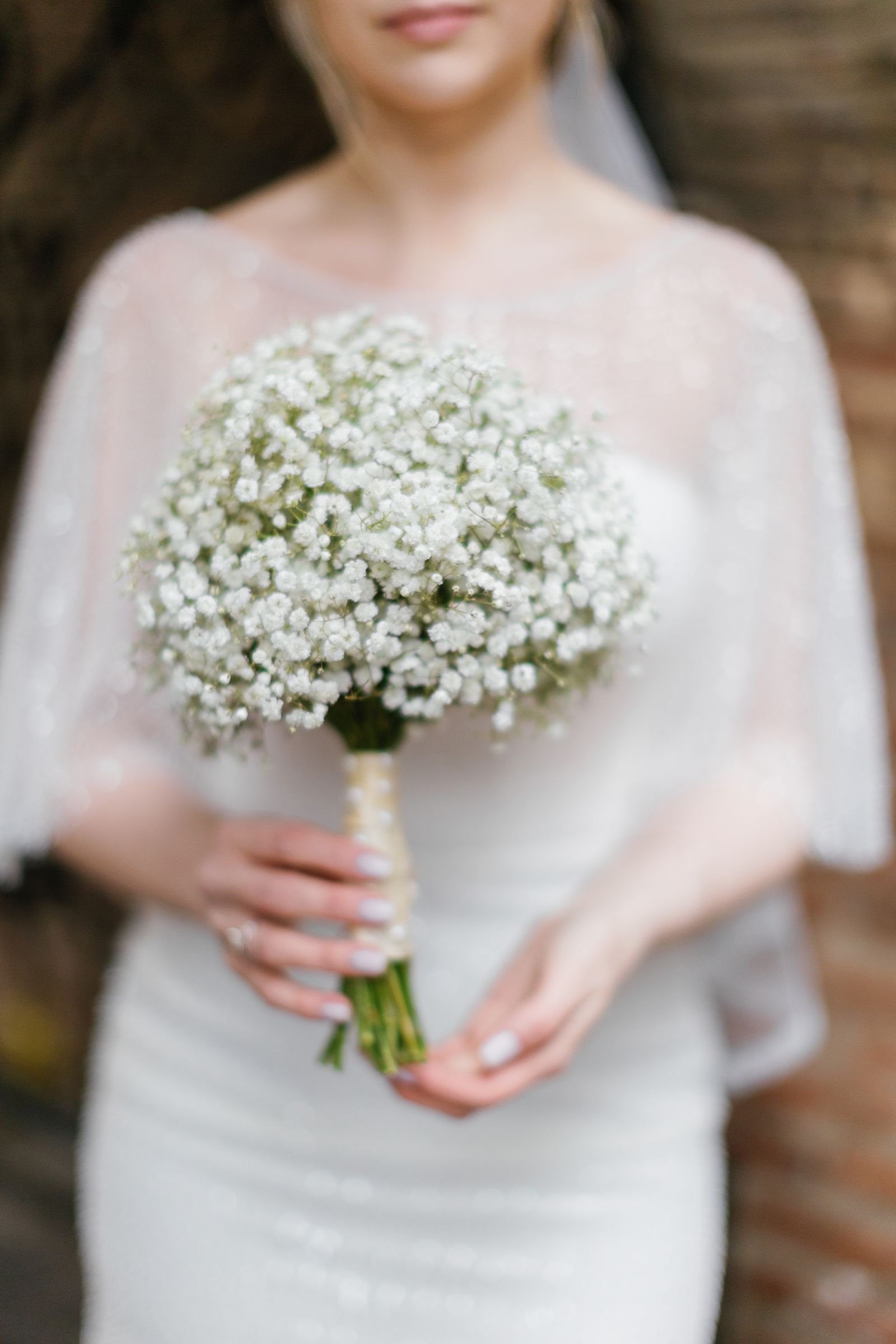
Bouquets in the opalite aesthetic favour pale, luminous blooms: white orchids, blush garden roses, lisianthus, anemones, and dusty miller for silvery foliage. The opalite touch comes in the details: stems wrapped in iridescent ribbon, pearl pins tucked among the blooms, or a crystal brooch as the bouquet’s jewel. Keep the shape soft and garden-gathered rather than structured. For a bolder interpretation, spray a few blooms very lightly with pearl floral spray — used sparingly, it gives petals an otherworldly sheen. Ensure any treated flowers are kept away from the face and that the spray is florist-grade. Bridesmaids’ bouquets can be simpler versions in the same palette for cohesion.
Wrap bouquet stems in holographic ribbon and finish with a crystal brooch; the bouquet then doubles as a sparkling detail in every photograph.
Lighting Design for Iridescent Magic
Lighting makes or breaks an opalite wedding. During the day, maximise natural light — sheer drapery rather than blackout, ceremonies timed for good sun. As evening falls, transition to warm pin-spotting on tables, which makes every iridescent surface ignite. Intelligent lighting that slowly shifts through pastel hues can wash walls and drapery in moving colour — magical for the dance floor, but keep it subtle during dinner. Fairy lights and candles provide the flicker that animates holographic details. Avoid harsh coloured uplighting in single saturated colours, which flattens iridescence into one tone. Hire a lighting designer if budget allows; for this aesthetic, lighting is décor, and professional design delivers disproportionate impact.
Hire a lighting designer for the evening portion even if you DIY everything else; professional light is the single biggest multiplier of this aesthetic.

Photo and Video Tips
Iridescence is tricky to capture, so brief your photographer and videographer specifically. Holographic details look best in motion — ask your videographer to capture slow pans across tablescapes and detail shots with movement. For photos, detail shots in direct window light or with a flash bounce show the rainbow play best. Golden hour portraits with sheer veils or capes create genuine glow rather than needing filters. Ask to see examples of the photographer’s work with reflective or iridescent subjects. One caution: heavy Instagram-style filters can kill the subtle colour shifts, so discuss editing style in advance — you want the luminosity preserved, not flattened. The resulting gallery should feel luminous and dreamlike.
Ask your photographer to shoot some details with a pro-mist filter; the gentle bloom flatters iridescence in a way digital sharpness cannot.

Sourcing Iridescent Materials Affordably
The opalite look can be achieved without a luxury budget if you source cleverly. Holographic table runners, organza, and cellophane are available from craft wholesalers at a fraction of wedding-supplier prices. Iridescent glassware and chargers are widely available to hire — search “holographic glassware hire” rather than wedding-specific terms. Crystal prisms and suncatchers from home décor shops cost far less than “wedding crystals.” Pearl and iridescent card stock from paper merchants beats branded wedding stationery stock. DIY what you can: wrapping vases in iridescent film, making prism mobiles, and assembling crystal clusters are all achievable projects. Splurge selectively on the items guests touch and photograph most: glassware, stationery, and the cake.
Buy holographic runners by the metre from craft wholesalers and cut them yourself; wedding-branded versions of the same fabric cost three times more.
Hanging Installations and Ceiling Décor
Ceilings are prime real estate for the opalite aesthetic. Suspended installations of iridescent ribbons, crystal strands, or holographic discs at varying heights create a “shimmering sky” that transforms any room. Geometric terrariums or glass orbs hung with LED tea lights add depth. For a bolder statement, a full ceiling drape in sheer iridescent fabric diffuses light across the entire venue like being inside a pearl. Keep installations high enough to clear sightlines and tall guests — nothing below 2.2 metres over dining areas. Confirm rigging permissions and weight limits with your venue early, as some historic venues restrict ceiling attachments. Professional installation is worth the cost for anything complex or heavy.

Dance Floor and Evening Ambience
As day turns to evening, the opalite aesthetic comes alive. A white or mirrored dance floor reflects lighting and movement, doubling the visual magic. Surround it with the crystal and candle clusters from your tables for continuity. A “sparkler moment” or cold-spark fountains for the first dance add literal shimmer (check venue permissions). Consider a live element: a harpist or string quartet bathed in pin spots feels utterly ethereal. Late-night, a glow-bar with iridescent glassware keeps the theme going. The transition from daylight luminosity to candlelit iridescence is the emotional arc of an opalite wedding — plan the lighting timeline deliberately so guests feel the day deepen and glow around them.
A white dance floor with a subtle holographic overlay looks magical under moving lights and costs little more than a standard white floor to hire.

Favours and Guest Experiences
Send guests home with a piece of the shimmer. Small crystal suncatchers, mini geodes, or bottles of iridescent “fairy dust” bath salts make memorable favours. Personalised holographic luggage tags or keyrings are practical and on-theme. For experiences, a “prism station” where guests can create their own suncatcher, or a glitter-and-pearl touch-up bar for the evening, adds interactive delight. A guest book alternative — signing a large iridescent acrylic sheet or a framed print — becomes wall art afterwards. Keep favours small and shatterproof for travel. Whatever you choose, package in pearlescent boxes or holographic pouches so even the wrapping carries the aesthetic to the last moment.
Pearlised favour boxes from stationery wholesalers cost pennies each and make even simple favours feel luxurious and on-theme.
Keeping It Cohesive, Not Chaotic
The biggest risk with the opalite aesthetic is visual chaos — too many competing shimmers in too many colours. Maintain discipline with three rules. First, anchor everything in a neutral base palette (ivory, champagne, pale grey) so iridescence reads as accent, not noise. Second, limit your iridescent finishes to two or three types — for example, holographic glassware plus pearl stationery plus crystal décor — rather than a different shimmer on every element. Third, repeat key materials across the day: the same organza on the arch, tables, and cake table ties spaces together. Step back regularly during planning and ask: does this feel like one dream, or several? Edit ruthlessly. Restraint is what separates ethereal from overwhelming.
Limit each table to one hero iridescent element; when every surface shimmers equally, the eye has nowhere to rest and the magic dilutes.

Common Mistakes to Avoid
Several pitfalls await the unwary. Overdoing holographic coverage — holographic everything from invitations to dance floor — quickly looks like a children’s party rather than a wedding; use it as jewellery, not wallpaper. Choosing a dark or low-light venue starves iridescence of the light it needs. Forgetting the photography brief means your shimmer may not translate to the gallery. Using cheap plastic “iridescent” items that look tacky up close — always check samples in person. Neglecting the neutral base, leaving shimmer with nothing calm to sit against. And finally, not testing materials under your venue’s actual lighting: holographic film that looks magical in a shop can look flat under warm tungsten. Mock up one full table and view it at the right time of day before committing.
Plastic holographic items often look cheap up close, so always order samples; genuine glass and quality film are worth the upgrade.
Budget Guide: Where the Money Goes
An opalite wedding can scale from thrifty to lavish. The highest-impact spends are lighting design, glassware hire, and stationery — the elements guests see, touch, and photograph. Mid-range investments include hanging installations and the cake finish. Save by DIY-ing prism mobiles and crystal clusters, sourcing iridescent fabrics from wholesalers, and choosing a naturally light-filled venue that does half the work for free. As a rough guide, expect décor and lighting to run 10–15 per cent of total budget for a full opalite treatment, versus 8–10 per cent for a conventional palette. The premium buys the lighting and specialist materials. Whatever your budget, concentrate the shimmer: five stunning iridescent moments beat fifty mediocre ones.
Seasonal Adaptations
Opalite works year-round with seasonal tuning. Spring pairs it naturally with blossom and pastel blooms. Summer brings strong light that makes every prism sing — ideal for glasshouse and outdoor weddings. Autumn adds warmth: combine the iridescence with amber candlelight and dried grasses for a harvest-glow contrast. Winter is arguably the most magical season for opalite — the aesthetic echoes frost, ice, and starlight, and pairs beautifully with evergreens, white florals, and velvet in pale tones. A December opalite wedding with candlelight and crystal feels like stepping inside a snow globe. Whatever the season, let nature provide the base palette and let iridescence provide the wonder.
In winter, pair the aesthetic with faux fur throws and velvet in pale tones; the contrast of soft texture and icy shimmer is pure magic.
An opalite aesthetic wedding is a celebration of light itself — luminous, dreamlike, and unlike any traditional palette. Anchor it in soft neutrals, choose two or three iridescent materials and repeat them with discipline across every element, and invest in lighting that lets every surface sing. Source cleverly from craft wholesalers, brief your photographer on capturing the shimmer, test everything under real light, and edit ruthlessly. Done with restraint, your wedding will feel less like an event and more like a beautiful dream your guests get to walk through — shimmering, shifting, and utterly unforgettable.

I am Talha Sikandar, a professional writer with a passion for general blogging. With years of experience in content writing and research, I founded Meaniingly.com to deliver well-researched, informative, and user-friendly articles on diverse topics.