There is something quietly poetic about a bare branch in a vase — a sculptural reminder of the season, beautiful in its simplicity. Dried branch vase decor has become a favourite styling trick for autumn and beyond, bringing organic height, texture, and drama to any room with almost no effort and often no cost at all. A foraged branch from an autumn walk, a bundle of pussy willow from the florist, or a dramatic curly willow stem can transform a forgotten corner into a focal point. This is nature’s own sculpture: free, sustainable, and endlessly versatile. Whether you favour minimalist single stems or abundant wild arrangements, these twenty ideas will show you how to style dried branches in vases for maximum impact this season.

Forage Branches on Autumn Walks
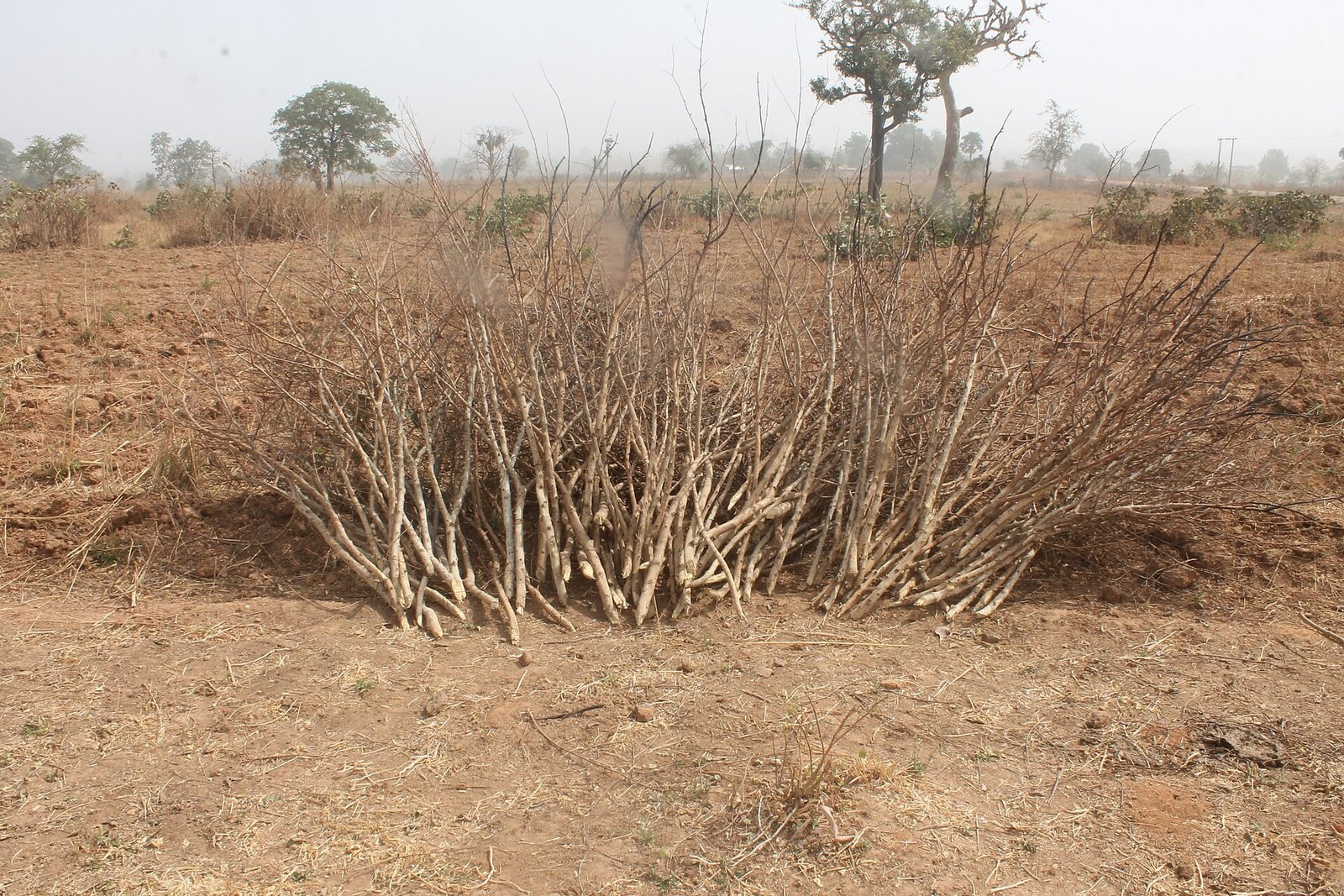
The best branches are free, waiting on your next autumn walk. Look for interesting shapes: twisted hazel, lichen-covered twigs, branches with seed heads or berries, and contorted willow. Fallen branches are ideal — never cut from living trees without permission, and avoid protected species. A pair of secateurs and a tote bag are all you need to gather sculptural material.
Once home, shake off any debris and let branches dry fully in a cool, airy spot before arranging. Trim the ends at an angle so they sit well in the vase, and remove any leaves that will crumble indoors. Foraging connects your decor to your local landscape, making each arrangement deeply personal. The branch you found on a misty October morning carries a story no shop-bought stem ever could.
The best foraging happens after autumn storms, when wind prunes interesting branches naturally. Always check local rules — some parks and nature reserves prohibit collecting anything at all.
Choose the Right Vase Shape
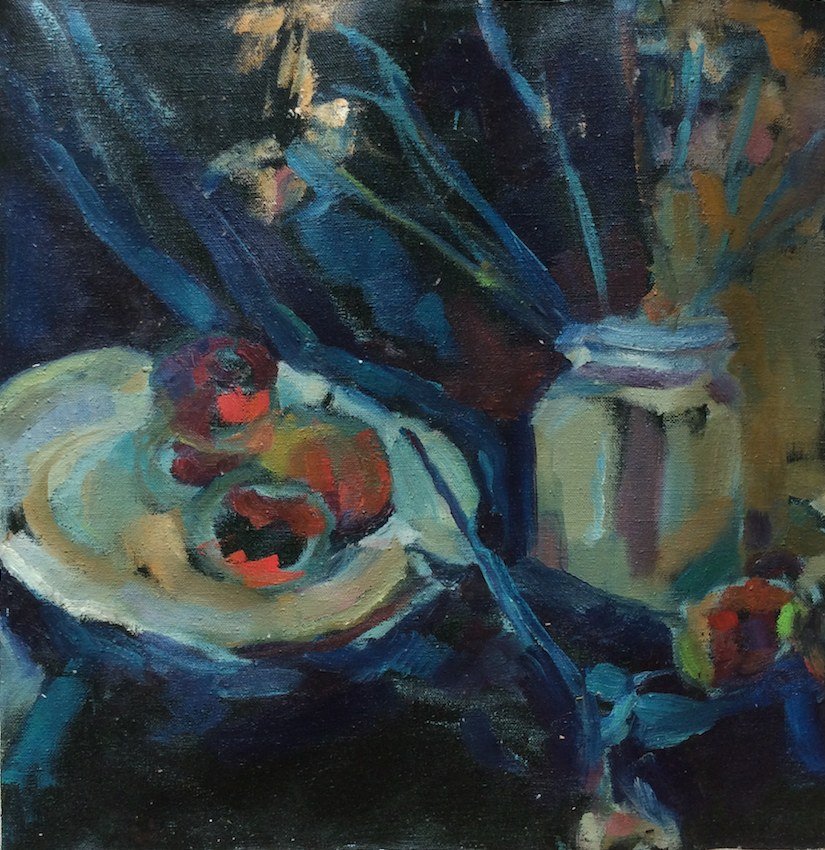
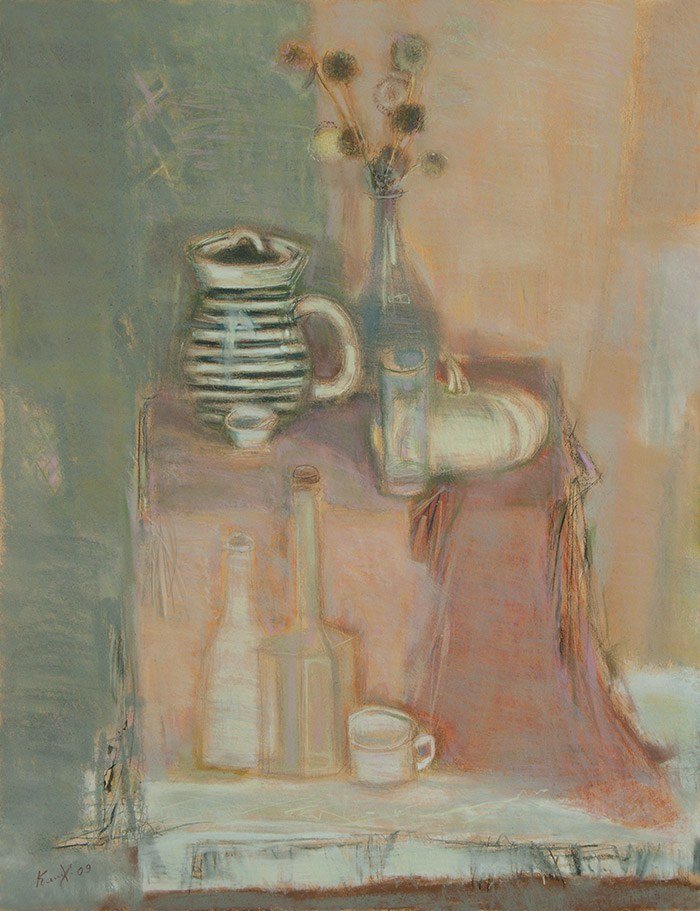
The vase is your branch’s stage, and the right shape makes all the difference. Tall, narrow-necked vases suit single dramatic stems, holding them upright and letting their shape shine. Wide-mouthed vessels — urns, bowls, and pitchers — support fuller, multi-branch arrangements. Heavy ceramic, stone, or concrete vases provide the stability tall branches need.
Consider proportion: branches should generally extend one-and-a-half to two times the height of the vase for a balanced look. A tiny twig in a huge urn looks lost, while towering branches in a tippy vase are a toppling hazard. For autumn, earthenware, matte ceramic, and textured glass in warm neutrals complement the organic feel. The vase should ground the arrangement visually, so choose weight and substance over delicacy.
When in doubt, choose a vase with some visual weight at the base. Top-heavy arrangements in light vases are accidents waiting to happen, especially in homes with pets.
Style a Single Statement Stem
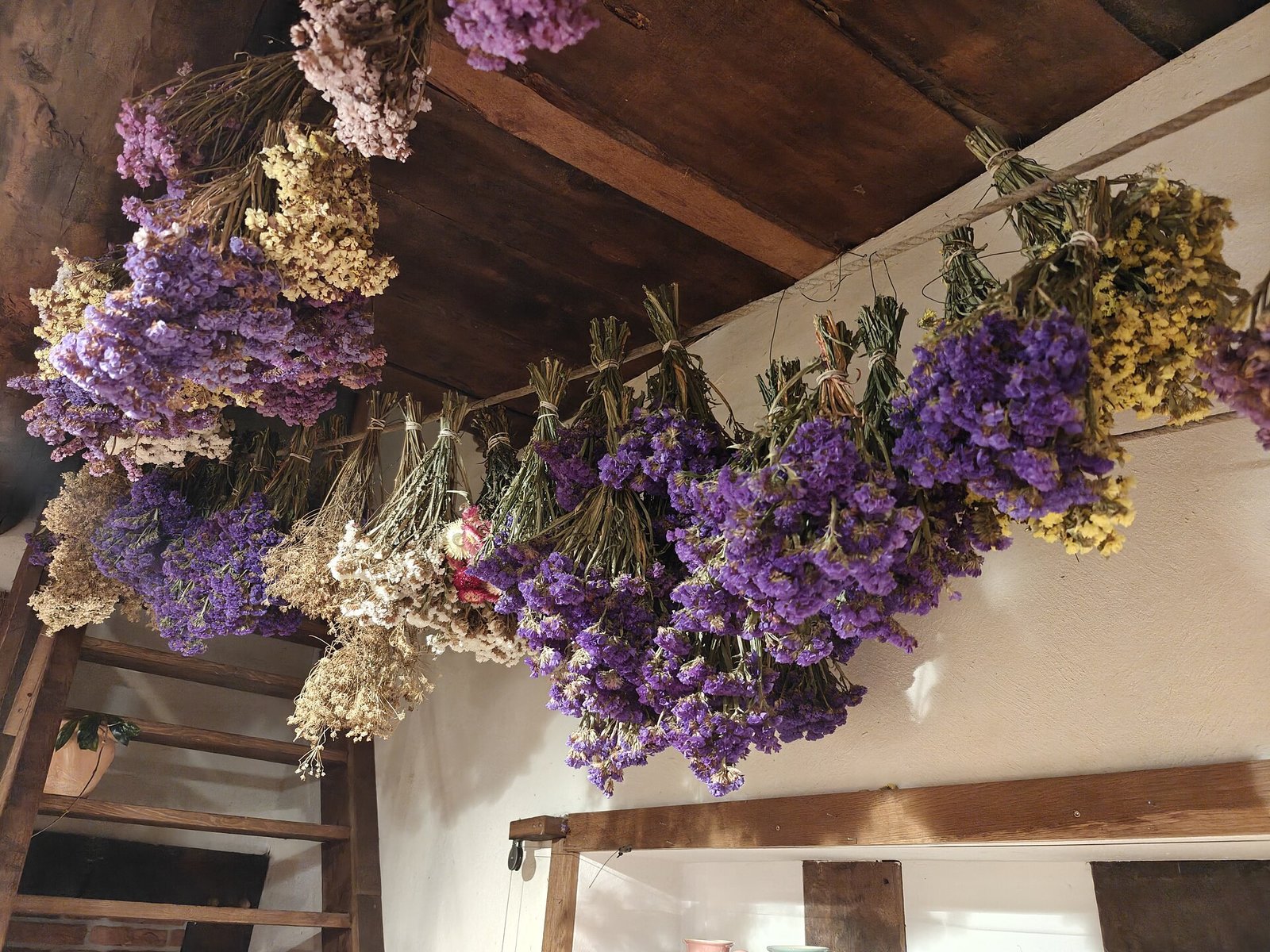
Sometimes one perfect branch is all you need. A single contorted willow stem, a tall branch of dried honesty with its silver seed discs, or a dramatic piece of driftwood in a beautiful vase is minimalist decor at its most powerful. This less-is-more approach suits modern and Scandinavian interiors, where negative space is part of the design.
Choose your stem carefully — it needs to be interesting from every angle, since it will be viewed in the round. Place the vase where the stem can be appreciated against a plain background: beside a window, in an empty fireplace, or on a console against a blank wall. Rotate the vase occasionally to find the stem’s best side. A single stem is also the easiest arrangement to maintain — no watering, no wilting, just quiet sculptural beauty.
Photograph your stem against different backgrounds to find its most flattering angle. What looks good in person does not always photograph the same way — experiment freely.

Create Abundant Wild Arrangements
At the other extreme, abundant wild arrangements celebrate autumn’s generosity. Gather armfuls of mixed branches — some tall and straight, others twisted and branching — and arrange them loosely in a large vessel for a just-gathered, hedgerow feel. Include seed heads, dried grasses, and berry-laden twigs for texture and variety.
The secret to a successful wild arrangement is varying heights and letting stems cross naturally rather than forcing symmetry. Step back frequently to check the silhouette, turning the vase to ensure it looks good from all sides. These generous arrangements suit entryways, fireplace hearths, and empty corners that need filling with presence. They are autumn in a vase: untamed, textural, and wonderfully alive despite being completely dried.
Refresh wild arrangements monthly by removing any stems that have become brittle or faded. Replacing just a few stems keeps the whole display looking freshly gathered.
Use Pussy Willow for Soft Texture
Pussy willow’s silvery catkins bring softness to branch arrangements, their fuzzy buds a tactile delight. Available from florists from late winter but beautiful dried year-round, pussy willow stems add a gentle, cloud-like quality that contrasts beautifully with starker branches. Their silvery-grey tone suits any colour scheme.
Arrange pussy willow on its own in a simple vase for understated elegance, or mix it with bolder branches to soften their lines. The stems are naturally long and graceful, making them ideal for tall floor vases. For autumn, pair pussy willow with copper-toned dried grasses or rust-coloured seed heads for a seasonal palette. It is proof that dried does not mean harsh — these are some of the softest stems nature offers.
Keep pussy willow away from direct heat sources, which make the catkins dry out and drop. A cool spot preserves their softness for many months.

Add Dried Grasses for Movement
Dried grasses — pampas, miscanthus, bunny tails, and wheat — add feathery movement to branch arrangements, swaying gently in the slightest draught. Their soft plumes contrast beautifully with the rigidity of bare branches, creating arrangements with both structure and softness. A few pampas stems can transform a stark branch display into something lush and inviting.
Mix grasses of different heights and textures: tall pampas at the back, mid-height miscanthus in the middle, and tiny bunny tails tucked low for detail. Their neutral tones — creams, beiges, and soft browns — blend with any autumn palette. One caution: pampas sheds, so give stems a light shake outdoors before bringing them in, and consider a spritz of hairspray to minimise shedding.
If anyone in the home has grass allergies, choose low-shedding varieties like bunny tails over pampas. Dried grasses vary enormously in how much they shed.
Incorporate Branches with Berries
Berry-laden branches bring precious autumn colour to dried arrangements. Rosehips, hawthorn berries, dried hypericum, and preserved ilex berries in reds, oranges, and deep burgundies add jewel-like pops against bare wood. Even dried, many berries hold their colour for months, making them long-lasting seasonal accents.
Use berry branches as the colour layer in an otherwise neutral arrangement — three or four stems among plain branches is plenty. For safety, keep arrangements with berries out of reach of small children and pets, as some dried berries can be tempting but unsuitable for nibbling. The combination of sculptural bare branches and clusters of rich colour is quintessentially autumn: beautiful, a little wild, and full of seasonal character.
Spray berry branches lightly with clear matte sealant to lock in colour and prevent crumbling. One light coat outdoors is all it takes for months of extra life.

Paint Branches for a Modern Twist
For a contemporary take, paint your branches. Matte white branches in a black vase are strikingly modern; metallic gold or copper branches add festive glamour; soft sage or terracotta paint ties branches to your colour scheme. Spray paint gives the most even finish — work outdoors, apply thin coats, and let each coat dry fully.
Painted branches are particularly effective for seasonal transitions: white branches work from autumn through winter, while gold branches carry you into the festive season. Mix painted and natural branches for a balanced look that feels intentional rather than crafty. This is also a wonderful way to refresh branches you have used for a season or two, giving them a completely new life with a single can of paint.
For an ombré effect, spray branches gold at the tips fading to natural at the base. Hold the can further away for the faded section to create a gradual transition.
Hang Ornaments from Branches
Bare branches make perfect natural display trees, their twiggy fingers ideal for hanging lightweight ornaments. In autumn, hang dried orange slices, small pinecones tied with ribbon, cinnamon sticks, and miniature pumpkins from the branches for a harvest-tree effect. As winter approaches, the same branches can carry festive baubles.
Keep decorations lightweight so delicate twigs are not weighed down, and distribute them evenly for balance. A branch tree on the mantel or dining table becomes a living centrepiece that evolves with the seasons. This is also a lovely craft to do with children — collecting the branch, then decorating it together. The result is personal, seasonal, and completely unique to your home.
Weigh down the vase with pebbles or sand when hanging ornaments — decorations add surprising weight to delicate branches. Stability keeps everything upright and safe.

Style Branches in the Entryway
The entryway sets the tone for your whole home, and a tall vase of branches makes an unforgettable first impression. A dramatic floor vase with soaring branches fills an empty corner, adds height beside a console table, and welcomes guests with natural, seasonal beauty. It says autumn has arrived before a single word is spoken.
Choose branches with presence for the entryway — tall, architectural stems that can hold their own in a larger space. A heavy floor vase is essential for stability in this high-traffic area. Keep the arrangement simple and bold rather than fussy; the entryway is glimpsed in passing, so silhouette matters more than detail. One stunning branch arrangement beats a cluttered console every time.
Change your entryway arrangement with the micro-seasons: bare branches in early autumn, berry branches later, then frosted twigs as winter approaches. Small swaps, big impact.
Create a Tablescape Centrepiece
Low branch arrangements make stunning autumn table centrepieces, bringing the season to your dining table without blocking conversation. Lay branches horizontally along a runner, or arrange short, interesting twigs in a low, wide bowl. Interweave candles, small pumpkins, and dried leaves for a harvest-table effect.
For dinner parties, keep the centrepiece below eye level so guests can see each other across the table. A long, low arrangement down the centre of the table feels abundant and generous — very autumn. After the meal, the whole arrangement can be lifted away in one piece on its tray or runner. Natural, seasonal, and effortlessly elegant, a branch centrepiece is entertaining made easy.
Protect polished tables with a runner or tray under branch centrepieces — twig ends can scratch. Felt pads on the vase base add extra insurance against marks.

Use Branches in the Bathroom
Branch decor is not just for living spaces — a small vase of eucalyptus stems or a single sculptural twig brings spa-like calm to the bathroom. Eucalyptus is particularly wonderful here: the steam from a hot shower releases its soothing scent, turning your daily routine into an aromatherapy ritual. Replace the stems every few weeks to keep the fragrance fresh.
Choose moisture-tolerant arrangements for the bathroom; fully dried branches handle humidity well, while anything with lingering leaves may go limp. A bud vase with a single stem on the windowsill, or a medium vase of dried lavender on a shelf, adds natural beauty without cluttering limited surfaces. Even the smallest bathroom benefits from this touch of the outdoors.
In small bathrooms, hang a eucalyptus bundle from the shower head with twine rather than using a vase. It saves counter space and releases scent with every shower.

Combine Branches with Fairy Lights
Wrapping branches in tiny fairy lights creates pure autumn magic, transforming a simple arrangement into a glowing focal point as evenings darken. Weave warm-white micro lights through the branches, letting the wire disappear among the twigs while the tiny bulbs sparkle like captured fireflies. Battery-operated lights with timers make this effortless.
This technique works beautifully on mantels, in entryways, and as table centrepieces — anywhere you want a touch of enchantment. The combination of organic branches and twinkling lights bridges autumn and the festive season, so the arrangement can stay up for months. Keep the lights warm-white rather than coloured for the most sophisticated effect; the goal is candlelit glow, not carnival.
Choose lights with a built-in timer so your glowing branches switch on automatically each evening. Six hours on, eighteen off is the standard cycle — effortless magic.
Make a Branch Wall Installation
Think beyond the vase: branches can become wall art. Mount a particularly beautiful branch horizontally on the wall with discreet brackets, and hang dried flowers, photos, or small ornaments from it. Or create a cluster installation of several branches at different heights for a sculptural, gallery-like effect.
A wall-mounted branch above a bed, desk, or sofa adds organic interest without taking up surface space — ideal for smaller rooms. Secure branches firmly; even dried wood has weight, and wall fixings must be up to the job. This is a wonderful way to display a truly spectacular find that is too large or awkwardly shaped for any vase. It turns foraged nature into intentional, artistic decor.
Use proper wall anchors rated for the branch’s weight, not just picture hooks. Dried wood is heavier than it looks, and a falling branch is no joke.
Style Branches for Small Spaces
Branch decor suits small spaces beautifully, adding height and interest without visual bulk. A single tall stem in a slim vase draws the eye upward, making ceilings feel higher, while taking up almost no floor space. Choose delicate, airy branches — thin twigs, wispy grasses — rather than chunky limbs that could overwhelm.
In small rooms, place branch arrangements in corners or on high shelves where they add vertical interest without intruding on living space. A bud vase with a single eucalyptus stem on a desk or windowsill brings nature in at the tiniest scale. The transparency of bare branches — you can see through them — means they add presence without the visual weight of leafy plants or solid objects.
In truly tiny rooms, mount a single branch horizontally above a doorway. It adds organic interest at ceiling height where it never interferes with daily life.
Preserve Branches for Longevity
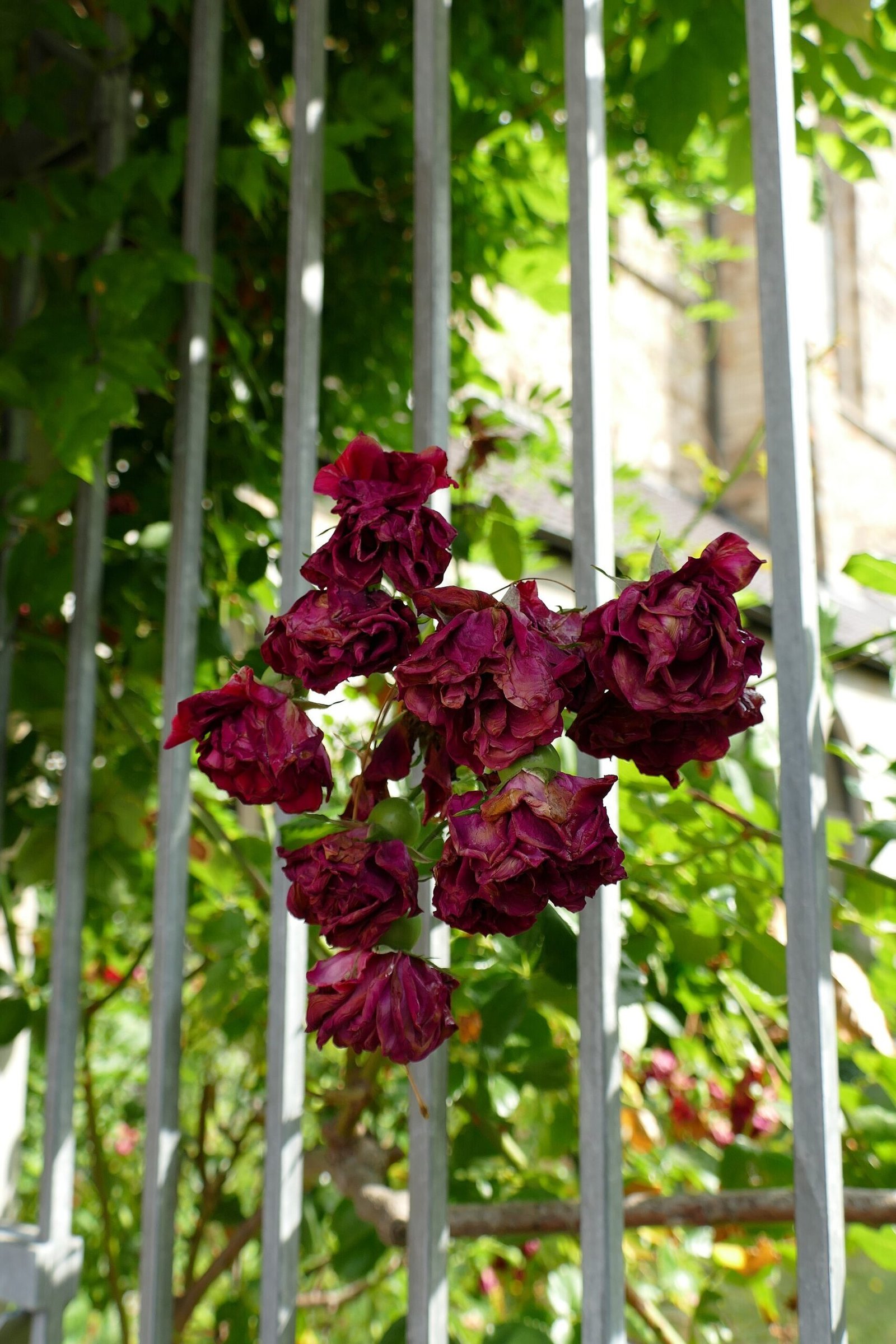
With minimal care, dried branch arrangements can last for years. Keep them out of direct sunlight, which bleaches colour and makes wood brittle, and away from radiators and damp spots. Dust occasionally with a soft brush or a cool hairdryer, and handle gently — dried twigs are more fragile than they look.
If branches become dusty beyond dusting, a quick rinse outdoors and thorough drying can refresh them, though very delicate seed heads may not survive this. Store spare branches flat or hanging in a dry shed or loft, never piled where they can snap. A little care preserves not just the branches but the memories attached to them — that perfect stem from a memorable walk deserves to be enjoyed for seasons to come.
A light misting with glycerine solution can keep some branches supple for longer. Mix one part glycerine to two parts warm water and stand cut ends in it for a week.
Mix Branches with Dried Flowers
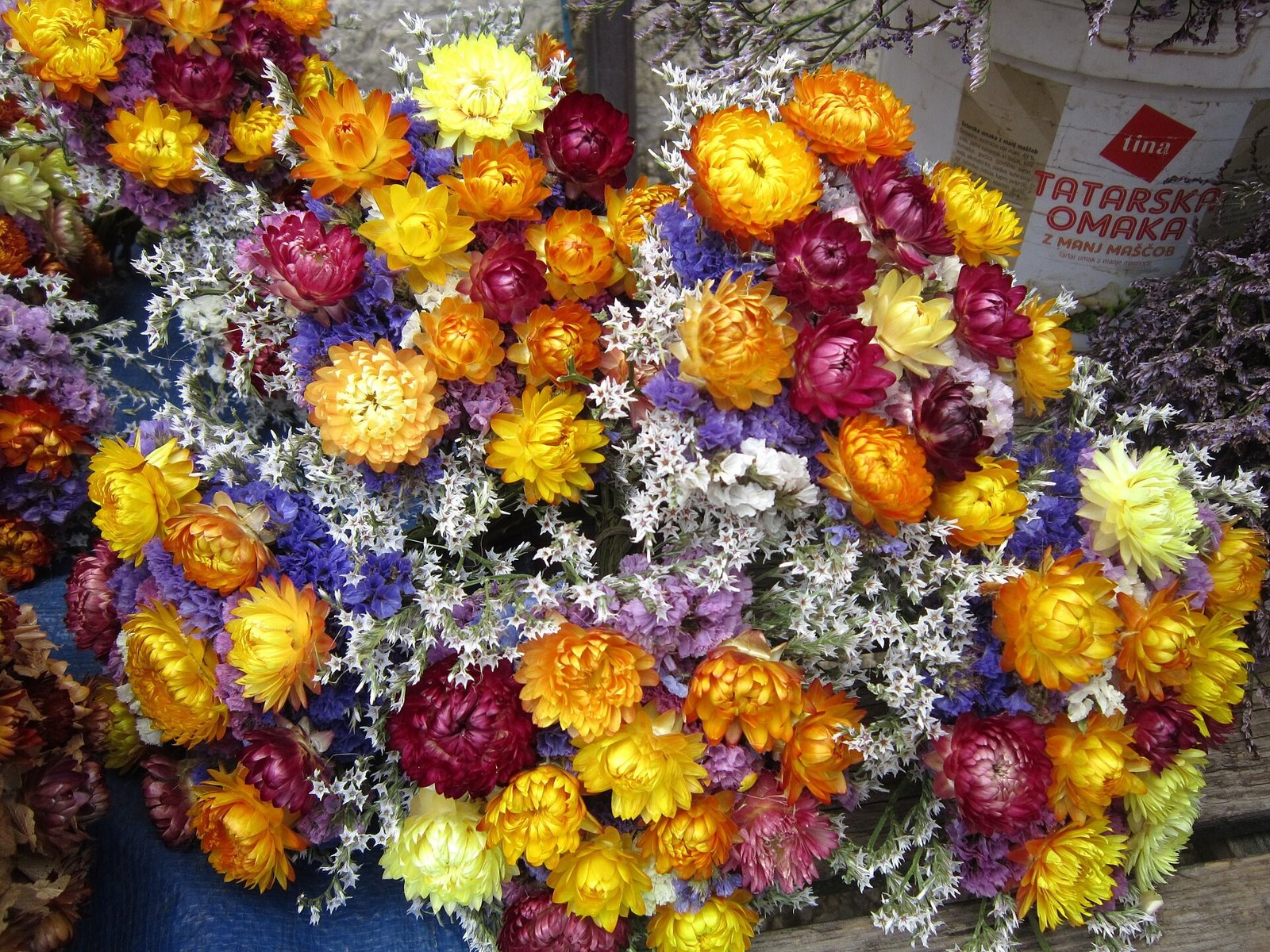
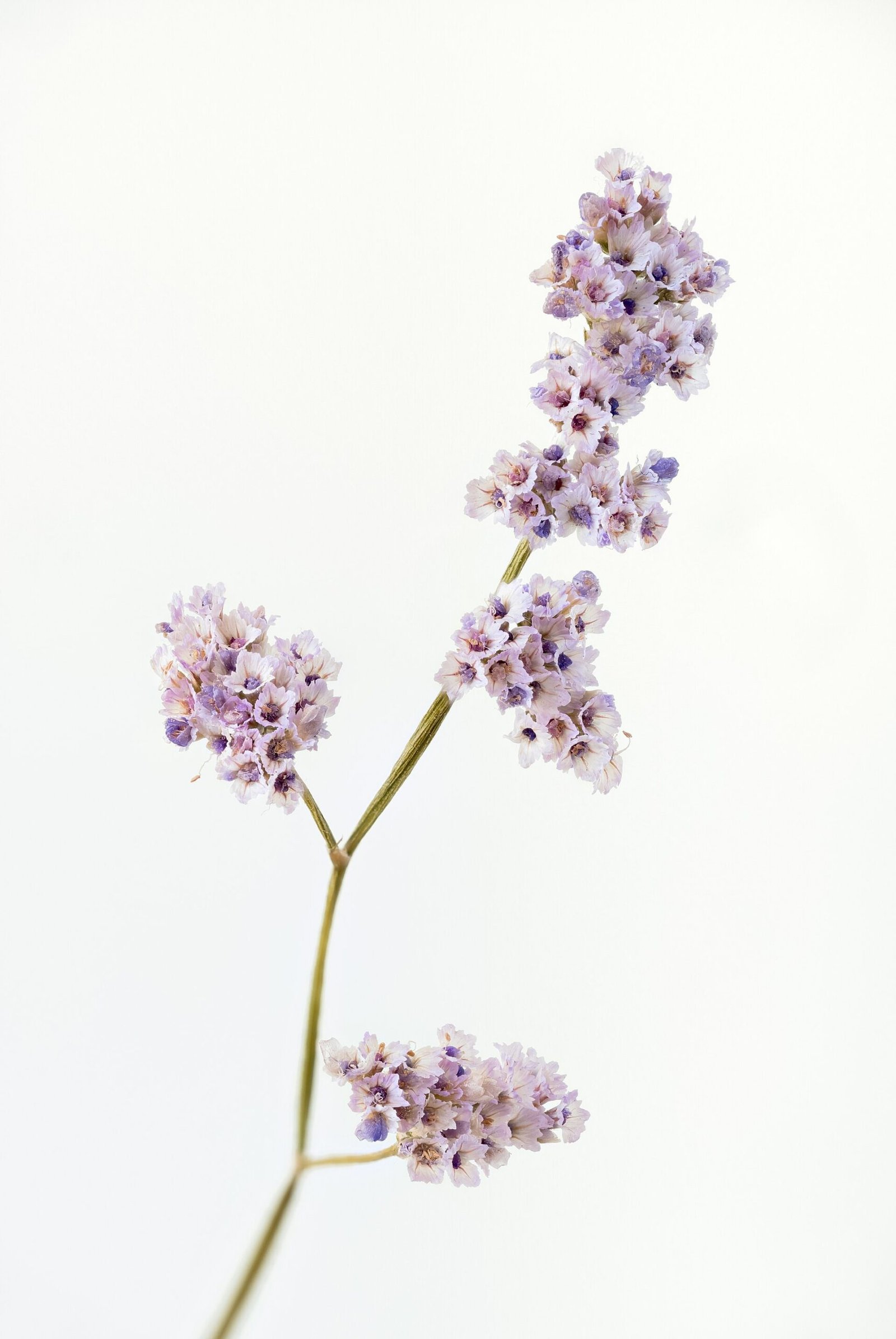
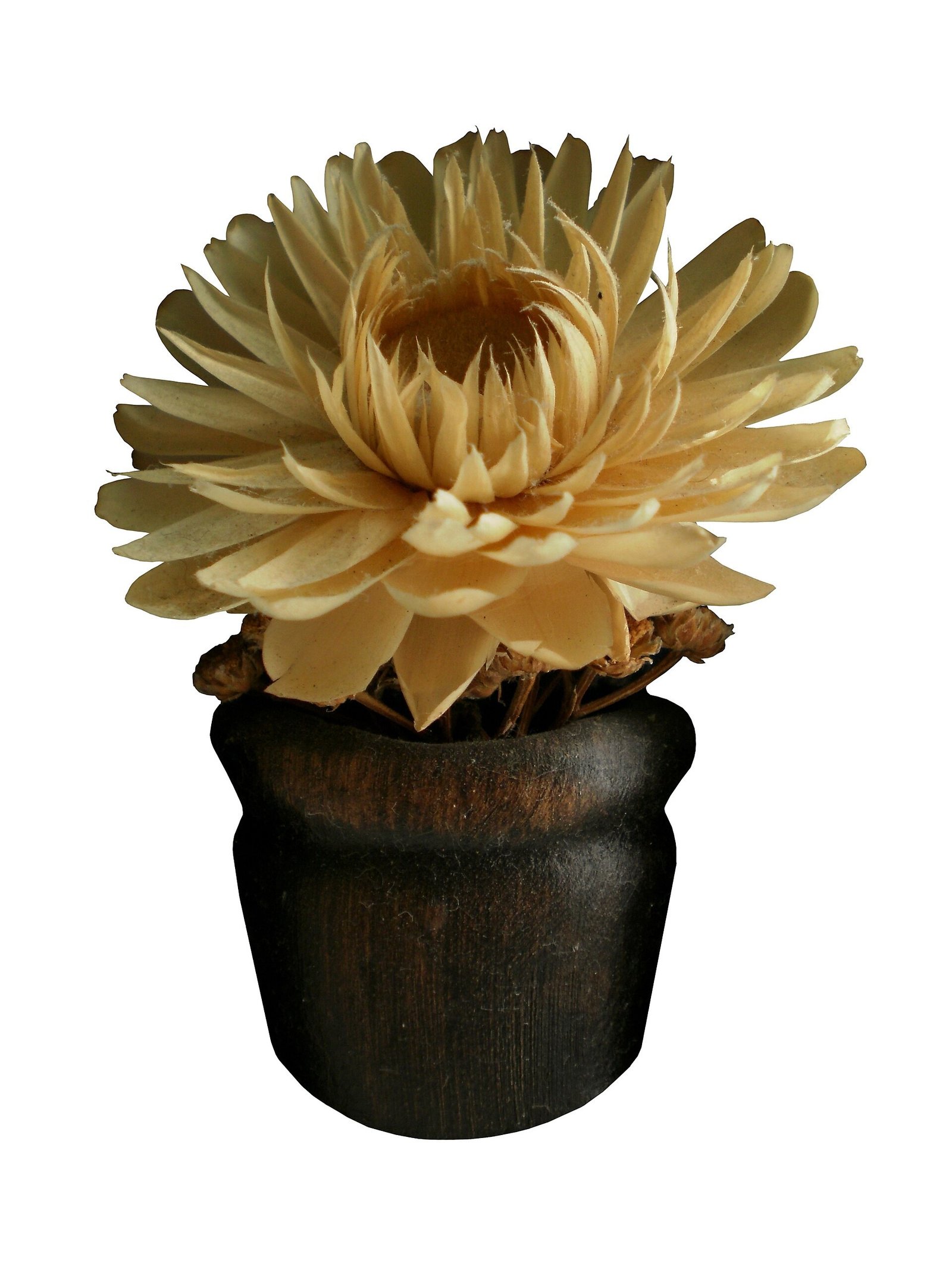
Branches provide the architecture; dried flowers provide the softness. Combine the two for arrangements with the best of both worlds: structural bare stems rising above clouds of dried hydrangeas, lavender, statice, or strawflowers. The contrast of woody rigidity and papery softness is endlessly appealing.
Build the arrangement branch-first, establishing height and shape, then tuck dried flowers into the lower two-thirds for fullness. Stick to a restrained palette — creams, blush, and wheat tones, or rich autumn burgundies and golds — for a cohesive look. These mixed arrangements suit traditional and romantic interiors particularly well, bringing a gathered-from-the-garden abundance that feels both wild and considered.
When mixing branches and dried flowers, keep the colour palette tight — three tones maximum. Restraint is what separates professional-looking arrangements from cluttered ones.

Use Driftwood and Sculptural Wood
Driftwood and other sculptural wood pieces are branch decor’s artistic cousins — nature-carved forms that need no arrangement at all. A beautiful piece of driftwood on a mantel, a contorted root as a table centrepiece, or a smooth branch as a curtain tie-back each bring organic sculpture into the home with zero effort.
Clean found wood thoroughly — scrub with a brush, soak if needed, and dry completely — before bringing it indoors. Small pieces can be grouped in a bowl or on a tray; larger pieces stand alone as art. Their silvery-grey or weathered tones suit coastal, Scandinavian, and minimalist interiors, adding natural texture without autumn’s typical warm palette. Sometimes the most striking decor is simply nature, unadorned.
Seal display driftwood with clear matte varnish if small hands will touch it — it prevents splinters and makes dusting easier. One coat is usually enough.

Transition Branches Through Seasons
One of branch decor’s greatest virtues is its longevity across seasons. Autumn’s berry branches give way to winter’s frosted twigs; spring blossom branches follow, then summer’s leafy stems. By swapping just a few elements — or simply leaving beautiful bare branches in place — your arrangements evolve effortlessly through the year.
Keep a core collection of versatile branches — contorted willow, curly hazel, simple straight stems — that work in every season, and accessorise around them: orange slices for autumn, baubles for winter, blossom for spring. This sustainable approach means less waste, less expense, and decor that feels deeply connected to the turning year. The branch that welcomed autumn guests will still be beautiful when spring arrives.
Photograph each seasonal version of your arrangement before changing it. Over a year you will build a lovely visual diary of your home through the seasons.

Start Your Own Branch Collection
The final idea is the simplest: start collecting. Keep an eye out on walks, in gardens, and at florists for branches with character, and build a personal library of stems to arrange and rearrange through the seasons. Store them carefully, note where each came from, and enjoy the growing collection as a decor resource and a diary of autumn adventures.
A branch collection is the ultimate sustainable decor habit — free, endlessly reusable, and completely personal. Share cuttings and finds with friends, swap stems like gardeners swap seeds, and teach children to spot interesting shapes. What begins as a single foraged twig in a jam jar can grow into a signature style, a home filled with nature’s sculpture, gathered slowly and loved for years.
Label stored branches with their source and date using small luggage tags. Years later, you will love remembering exactly which walk each treasure came from.


I am Talha Sikandar, a professional writer with a passion for general blogging. With years of experience in content writing and research, I founded Meaniingly.com to deliver well-researched, informative, and user-friendly articles on diverse topics.