Cornbread stuffing recipe
Why Cornbread Stuffing Belongs on the Thanksgiving Table
Cornbread stuffing has earned its place as a beloved holiday classic because it brings a warmth and sweetness that white bread stuffing simply cannot match. The crumbly, golden cornbread soaks up broth and butter while keeping a tender interior and a beautifully crisp top. Every spoonful delivers a gentle corn sweetness balanced by savoury herbs, onions, and celery, making it the perfect companion to roast turkey, gravy, and cranberry sauce. Families across the American South have served it for generations, and its popularity has spread far beyond regional tables.

What makes cornbread stuffing so special is its texture. Unlike soft sandwich bread, cornbread holds its structure when moistened, so the finished dish is never mushy. The edges toast into crunchy, buttery bites while the centre stays soft and rich. It is also wonderfully forgiving for home cooks, since the recipe welcomes variations and adapts easily to different tastes, dietary needs, and crowd sizes. Whether you bake it inside the bird or in a separate dish, it always impresses.
Choosing the Right Cornbread for Stuffing
The foundation of great stuffing is great cornbread, and not every loaf will do. A sturdy, slightly dry, unsweetened or lightly sweetened cornbread works best, because it absorbs broth without collapsing. Avoid very sweet, cake-like cornbread, which can turn the stuffing cloying and soft. A traditional Southern-style cornbread made with buttermilk, stone-ground cornmeal, and little or no sugar gives the most authentic flavour and the firmest crumb for cubing and drying.

You can bake your own cornbread a day or two ahead, or use a good-quality store-bought loaf in a pinch. If you bake from scratch, let it cool completely before cutting it into cubes. Day-old cornbread is actually ideal, since a slightly stale crumb drinks up liquid more evenly. Whatever you choose, taste the cornbread first: it should be savoury, sturdy, and golden, with a clear corn flavour that will shine through the finished stuffing.
Essential Ingredients for Classic Cornbread Stuffing
A classic cornbread stuffing relies on a short list of quality ingredients. You will need about eight cups of cubed, dried cornbread, one large onion, three stalks of celery, and plenty of butter for sautéing. Fresh herbs are essential: sage, thyme, and parsley bring the traditional holiday aroma, while a little rosemary adds depth. Two eggs bind the mixture, and two to three cups of chicken or vegetable broth moisten it to the perfect consistency.
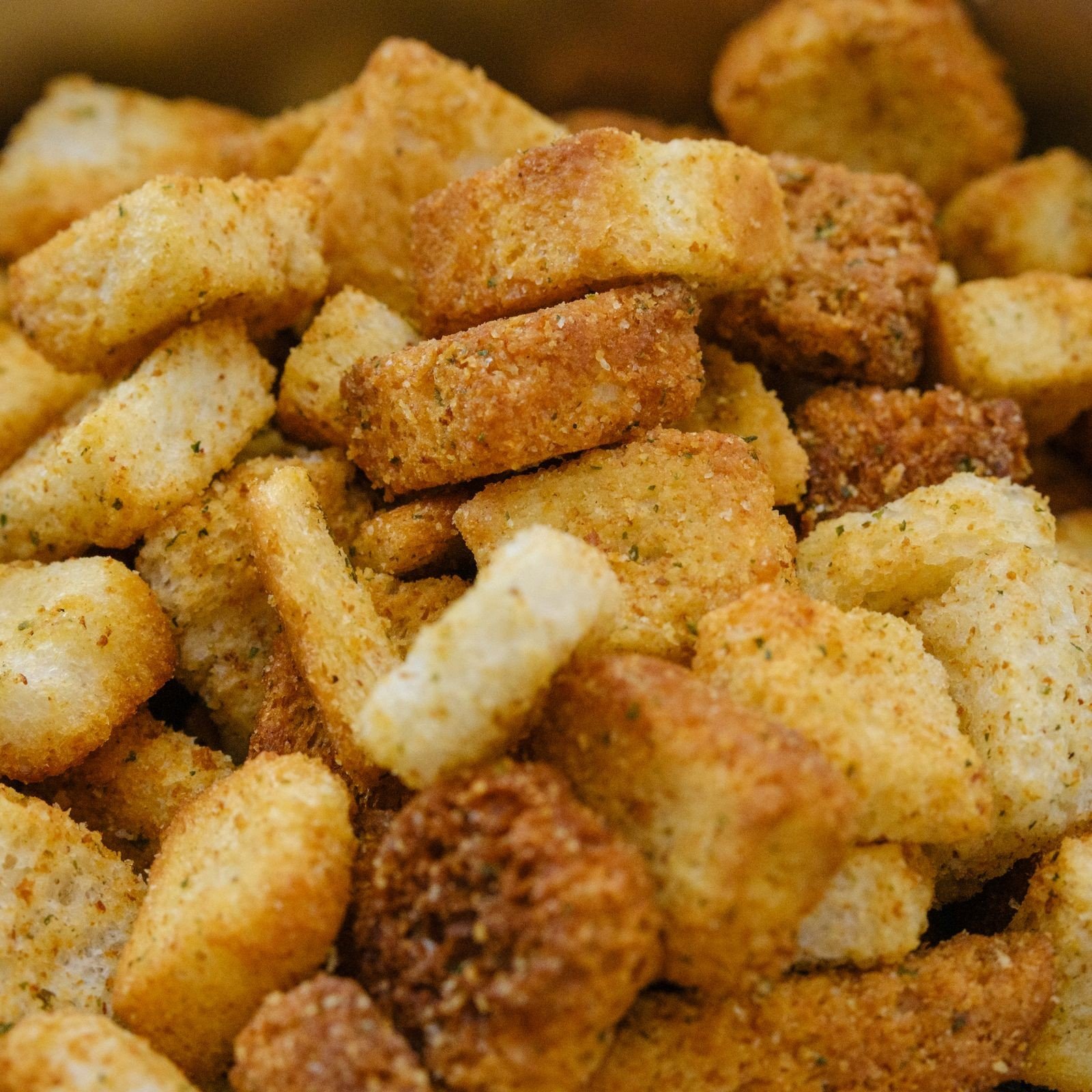
Seasoning matters enormously. Salt and freshly ground black pepper should be added generously but tasted as you go, because broth saltiness varies. A pinch of poultry seasoning ties the flavours together beautifully. Some cooks add a splash of cream for richness, while others keep it simple and let the butter do the work. Keep your ingredients prepped and measured before you start, and the assembly becomes a calm, enjoyable part of holiday cooking.
Preparing and Drying the Cornbread
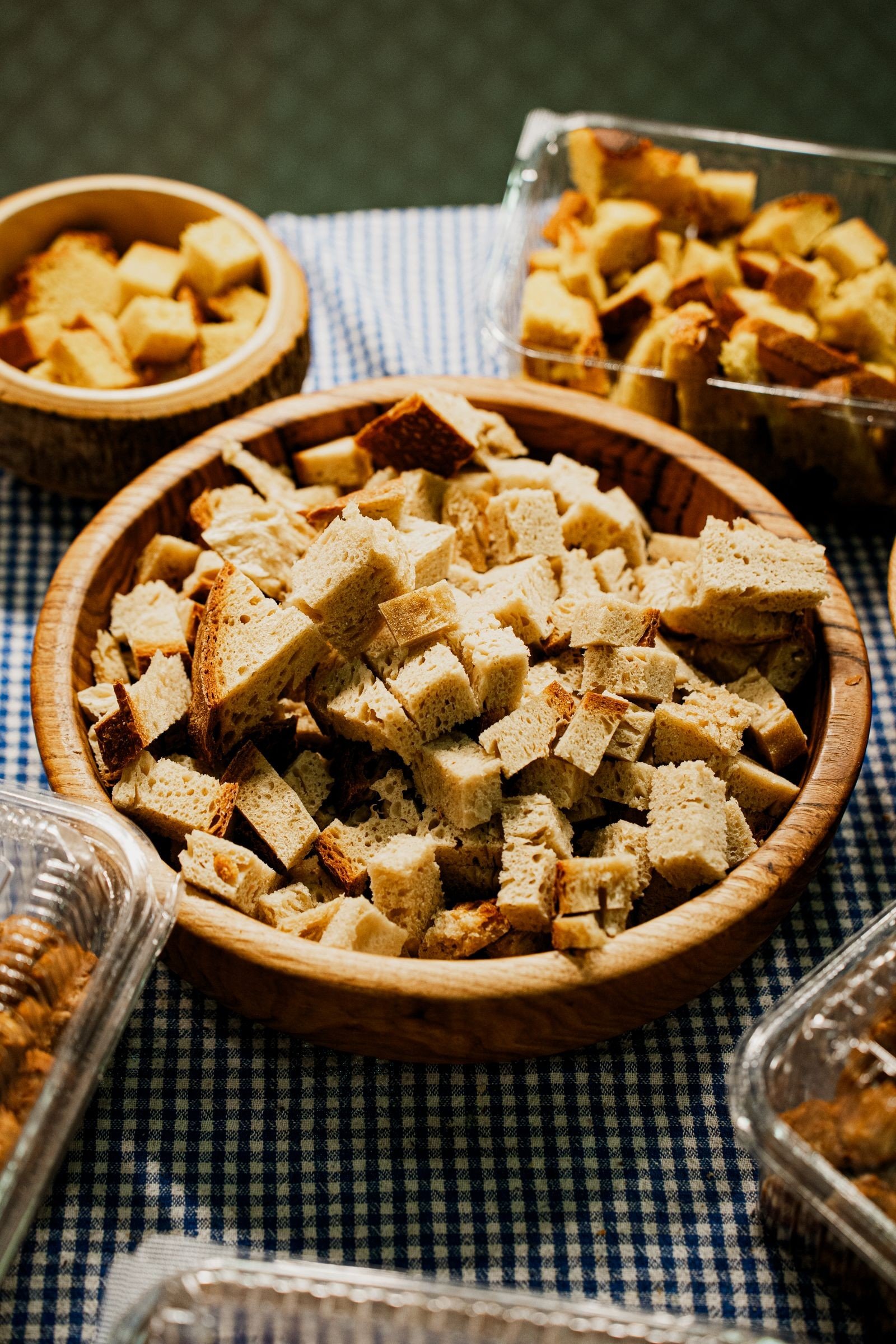
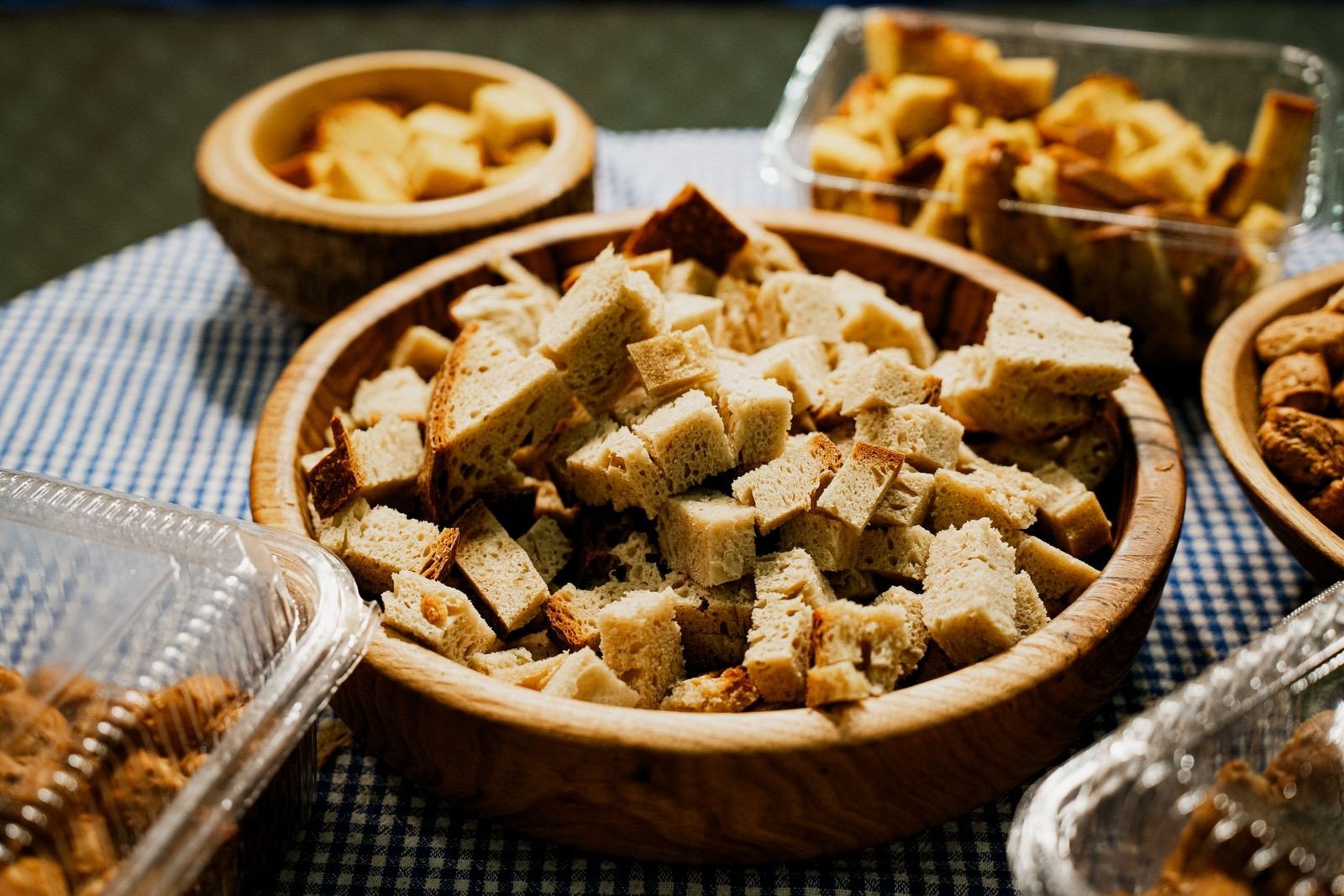
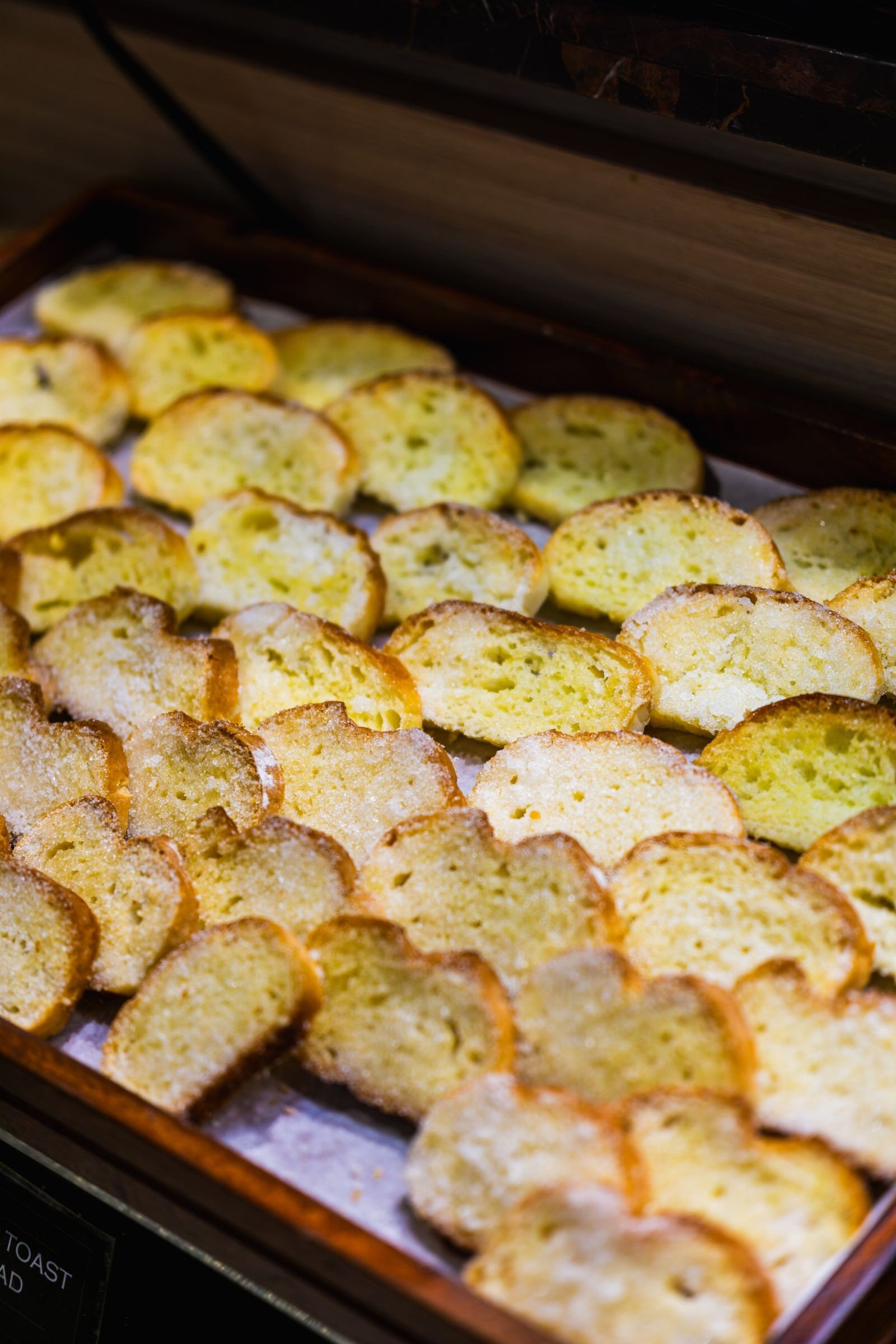
Drying the cornbread is the single most important step for stuffing success. Cut the cooled cornbread into even one-inch cubes and spread them in a single layer on baking sheets. Leave them uncovered at room temperature overnight, or dry them in a low oven at 300 degrees Fahrenheit for twenty to thirty minutes, turning once, until they feel firm and lightly toasted. Properly dried cubes absorb broth slowly and evenly instead of dissolving into mush.
Do not skip this step, even if you are short on time. Fresh, moist cornbread will collapse under the weight of broth and eggs, giving you a dense, gummy result. Dried cubes, by contrast, keep their shape and create lovely pockets of texture throughout the dish. If you dried the cubes a day ahead, store them in an airtight container or a paper bag at room temperature until you are ready to assemble the stuffing.
The Holy Trinity: Onion, Celery, and Herbs
Every great stuffing starts with aromatics, and the classic trio of onion, celery, and fresh herbs is non-negotiable. Melt half a cup of butter in a large skillet over medium heat, then cook the diced onion and celery gently for eight to ten minutes until soft, translucent, and sweet-smelling. This slow sauté builds the savoury backbone of the dish, so resist the urge to rush it over high heat, which can brown the vegetables and turn them bitter.
Once the vegetables are soft, stir in minced garlic for one minute, followed by chopped fresh sage, thyme, and parsley. Cooking the herbs briefly in butter blooms their flavour and perfumes the whole kitchen. If you use dried herbs, add about a third of the fresh quantity and let them cook a minute longer. This fragrant mixture is then folded through the cornbread cubes, coating every piece with buttery, herbal goodness before any liquid is added.
Sausage or Vegetarian: Building Your Base
Deciding between sausage and vegetarian stuffing shapes the whole character of the dish. Browned pork sausage adds deep savoury richness and a satisfying heartiness that many families consider essential. Cook the sausage in the same skillet, breaking it into small crumbles, and drain off excess fat before combining it with the vegetables. A mild or sage-seasoned sausage complements the cornbread beautifully without overpowering the herbs.

For a vegetarian version, simply skip the sausage and use vegetable broth, then add extra butter, mushrooms, or toasted pecans for richness and body. Sautéed mushrooms bring an earthy depth that stands in well for meat, while a handful of chopped chestnuts adds festive texture. Either way, the cornbread remains the star, and both versions bake up golden, fragrant, and delicious enough to satisfy every guest at the table.
Making a Rich, Flavourful Broth
Broth is what transforms dry cubes into luscious stuffing, so choose it carefully. A good-quality chicken broth, homemade turkey stock, or rich vegetable broth all work well. Warm the broth before adding it, so it absorbs evenly and does not cool the mixture. Start with two cups and add more gradually: the cubes should be thoroughly moistened but not swimming. Remember that eggs and butter will add further richness as the stuffing bakes.

Taste the broth before you pour. If it is very salty, go lighter on added salt; if it is bland, season the mixture a little more boldly. Some cooks enrich the broth with a splash of cream, a knob of melted butter, or drippings from the roast turkey pan for extra holiday flavour. The goal is a mixture that holds together when pressed but still feels light, never soggy. Patience here pays off in the final texture.
Step-by-Step: Assembling the Stuffing
Assembly is straightforward once everything is prepped. Place the dried cornbread cubes in your largest mixing bowl and pour over the buttery onion, celery, and herb mixture, tossing gently so every cube gets coated. If using sausage, add it now. Beat the eggs lightly and stir them in, then drizzle in the warm broth a cup at a time, folding gently with a large spoon or your hands until the mixture is evenly moist.

Check the consistency before baking: squeeze a small handful together. It should hold its shape without dripping liquid. If it feels dry, add a splash more broth; if it is wet, add a handful of extra dried cubes. Transfer the mixture to a buttered baking dish, pressing it down lightly but not packing it too firmly, since a looser pack bakes up lighter and crisper on top.
Baking to Golden, Crispy Perfection
Bake the stuffing in a preheated oven at 375 degrees Fahrenheit, covered tightly with foil for the first twenty-five minutes so the centre steams and sets. Then remove the foil and continue baking for another twenty to twenty-five minutes until the top is deeply golden and crisp. Dot the surface with a few extra pieces of butter before the uncovered bake for an irresistibly crunchy, buttery crust.

The stuffing is done when the centre is hot all the way through and the top crackles when tapped. If the top browns too quickly, tent it loosely with foil. Let the dish rest for ten minutes before serving so it firms up slightly and slices cleanly. This resting time also lets the flavours settle, giving you a stuffing that is crisp on top, tender inside, and full of savoury holiday flavour.
Make-Ahead Tips for a Stress-Free Holiday
Cornbread stuffing is a wonderful make-ahead dish, which is exactly why it suits busy holiday cooking. You can bake the cornbread up to two days early, cube and dry it, and store it at room temperature. The onion, celery, and herb mixture can be cooked a day ahead and refrigerated. On the day itself, you only need to combine everything, add broth and eggs, and bake, which takes the pressure off an already crowded kitchen schedule.

You can also assemble the entire unbaked stuffing a day ahead, cover it tightly, and refrigerate it overnight. Let it sit at room temperature for thirty minutes before baking, and add ten extra minutes to the covered baking time since it starts cold. Never stuff a raw turkey the night before for food safety reasons; always bake stuffing separately or fill the bird just before it goes into the oven.
Cornbread Stuffing Variations to Try
Once you master the classic recipe, the variations are endless. A Southwestern version adds roasted green chillies, cumin, and cilantro for a gentle heat. An apple and sage variation folds in diced tart apples that soften into sweet-tart pockets. Oyster stuffing, a beloved coastal tradition, adds briny oysters for a luxurious holiday dish. Each variation keeps the same cornbread base and method, so you can experiment confidently year after year.
For a richer celebration dish, stir in cooked chestnuts, dried cranberries, or crumbled bacon. A splash of bourbon in the broth adds warmth for an adults-only table. Keep additions to about one cup total so the cornbread texture stays balanced. Whatever direction you take, taste the mixture before baking and adjust the seasoning, because every new ingredient shifts the salt and sweetness of the finished dish.
Southern-Style Cornbread Stuffing
Southern-style cornbread stuffing is distinguished by its unsweetened, buttermilk cornbread and its generous use of sage. Many Southern cooks bake the cornbread in a cast-iron skillet, which gives it crisp edges that translate into wonderful texture in the stuffing. The dressing, as it is often called in the South, is typically baked in a large dish rather than stuffed into the bird, and it is served in generous squares alongside gravy.

Some Southern recipes add crumbled boiled eggs or a little extra sage, and many cooks use the turkey’s cooking liquid as the broth for unmatched flavour. The result is a dressing that is deeply savoury, herb-forward, and proudly traditional. If you grew up with this style, no other stuffing will ever quite compare, and if you are trying it for the first time, you are in for a treat.
Adding Fruit and Nuts for Texture
Fruit and nuts bring welcome contrast to soft, buttery stuffing. Toasted pecans or walnuts add crunch and a nutty richness that pairs beautifully with sage and cornbread. Dried cranberries or cherries contribute tart sweetness and festive colour, while diced apples or pears soften during baking into tender, juicy bites. Toast nuts in a dry skillet for a few minutes first to deepen their flavour.
Add fruit and nuts with the broth so they distribute evenly, and keep the total to roughly one to one and a half cups for a standard recipe. Too many extras can overwhelm the cornbread, but the right amount creates a stuffing with something interesting in every bite. This is also an easy way to tailor the dish to your family’s tastes or to use up seasonal produce from the autumn kitchen.
Gluten-Free and Dietary Adaptations
Cornbread stuffing adapts naturally to gluten-free cooking, since cornbread itself is often made without wheat flour. Use a certified gluten-free cornmeal and skip any flour in the cornbread recipe, or choose a tested gluten-free cornbread mix. Check that your broth and sausage are gluten-free too, since some brands contain hidden gluten. The rest of the recipe stays exactly the same, and nobody will guess the difference.

For dairy-free guests, swap butter for olive oil or a good plant-based butter and use a dairy-free cornbread. Egg-free versions can use a flax egg or simply omit the eggs, though the stuffing will be a little more crumbly. Vegetarian and vegan adaptations work beautifully with vegetable broth and mushrooms. Label the dish clearly at the table so guests with dietary needs can serve themselves with confidence.
Common Mistakes and How to Avoid Them
The most common stuffing mistake is using fresh, undried cornbread, which turns to mush. Always dry your cubes thoroughly. The second mistake is adding too much broth at once; pour gradually and check the texture as you go, since you can always add more but cannot take it back. The third is under-seasoning: stuffing needs bold seasoning to stand up to turkey and gravy, so taste the mixture before baking and adjust.

Another pitfall is packing the stuffing too tightly into the dish, which makes it dense. Press it down only lightly. Baking at too low a temperature can also leave the top pale and soft, so keep the oven at 375 degrees and uncover the dish for the final stretch. Finally, do not forget to rest the stuffing before serving; cutting into it too soon makes it fall apart instead of holding a neat scoop.
Storing and Reheating Leftovers
Leftover cornbread stuffing keeps beautifully and may taste even better the next day. Cool it within two hours of baking, then store it in an airtight container in the refrigerator for up to four days. For longer storage, freeze portions in freezer-safe containers for up to three months. Label each container with the date so you know exactly what you have on hand for quick weeknight meals.
To reheat, sprinkle the stuffing with a little broth or water, cover with foil, and warm it in a 350-degree oven for twenty minutes, then uncover for five minutes to re-crisp the top. Single servings reheat well in the microwave, though the top will stay soft. Leftover stuffing also makes wonderful next-day sandwiches, breakfast hash with a fried egg, or crispy patties fried in a little butter.
What to Serve with Cornbread Stuffing
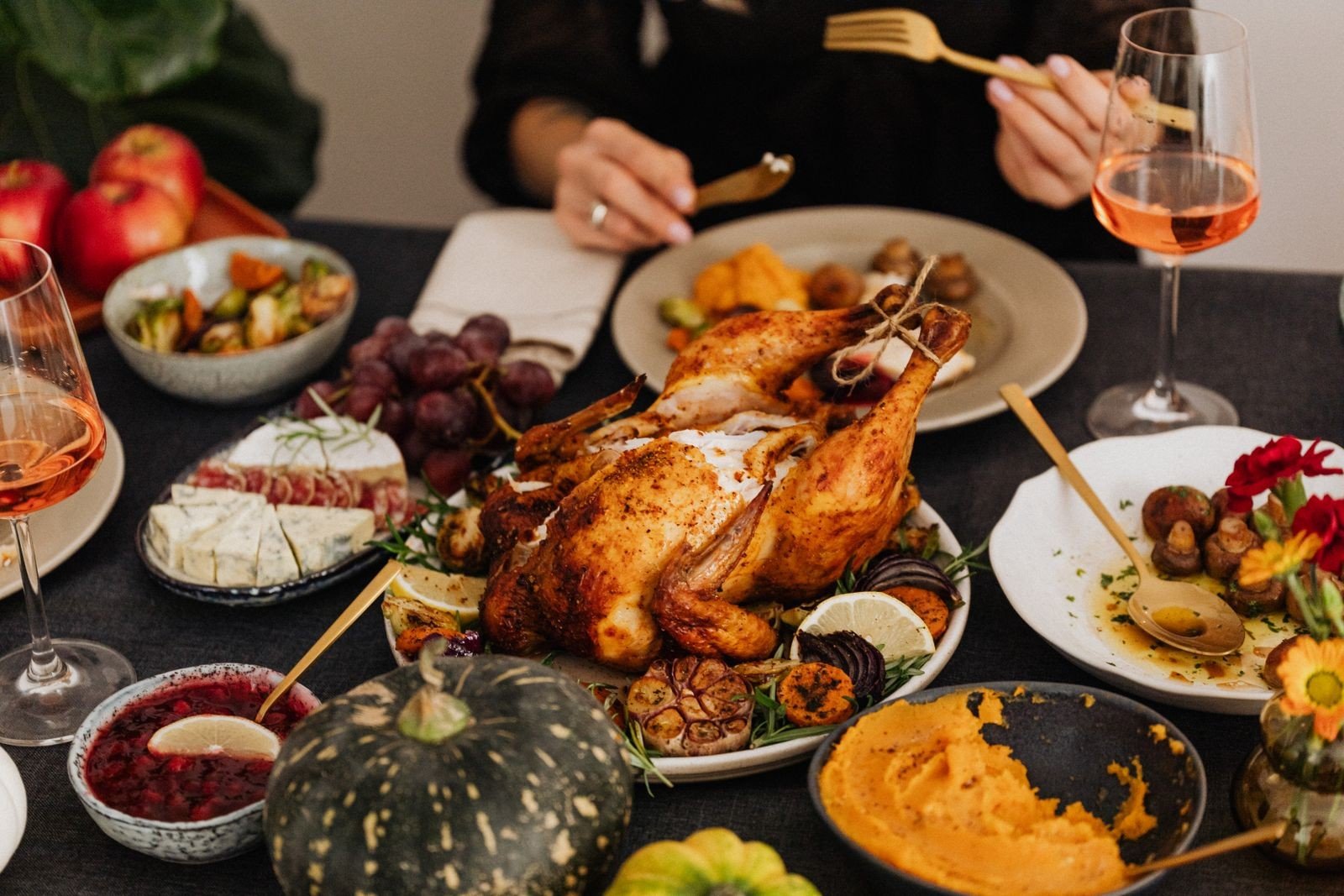
Cornbread stuffing is the natural partner to roast turkey and rich gravy, but it shines across the whole holiday spread. Serve it with cranberry sauce, whose tartness cuts through the buttery richness, and alongside green bean casserole, sweet potato casserole, and mashed potatoes. A crisp salad with bitter greens and a sharp vinaigrette also balances the plate beautifully and adds fresh colour.

Beyond Thanksgiving, cornbread stuffing pairs wonderfully with roast chicken, pork loin, or baked ham for a Sunday dinner. It is also hearty enough to serve as a main dish for vegetarians when made without sausage, especially with a side of roasted vegetables and gravy. However you serve it, give the stuffing pride of place: it is often the dish guests ask about first and remember longest.
Scaling the Recipe for a Crowd
This recipe serves eight generously, but it scales easily for a crowd. Simply double or triple the ingredients and bake in two large dishes rather than one enormous one, which helps everything cook evenly and gives you more crispy top surface. Keep the ratio of broth to cornbread the same, adding liquid gradually and checking the texture of each batch separately, since humidity and cornbread dryness vary.

For very large gatherings, you can bake one dish ahead and reheat it while the second bakes fresh. Label dishes if you make both sausage and vegetarian versions so guests can choose. Scaling down works just as well: halve the recipe and bake it in a smaller dish, reducing the baking time by about ten minutes. Either way, the method stays the same and the results stay delicious.
Freezing Cornbread Stuffing Successfully
Freezing is a smart way to get ahead of the holidays. You can freeze the unbaked, assembled stuffing for up to one month: pack it into a freezer-safe, oven-safe dish, wrap it tightly in foil and plastic wrap, and thaw it overnight in the refrigerator before baking. Add a few extra minutes to the covered baking time, and check that the centre is piping hot before serving.
Baked stuffing freezes just as well. Cool it completely, portion it into containers, and freeze for up to three months. Thaw overnight in the refrigerator and reheat covered with a splash of broth. Freezing does not harm the texture if the stuffing was properly dried and baked in the first place. This make-ahead trick frees up precious oven space on the big day itself.
Frequently Asked Questions
Can I stuff the turkey with cornbread stuffing? Yes, but bake it separately for the safest, crispiest result, and if you do stuff the bird, fill it loosely just before roasting and ensure the stuffing reaches 165 degrees Fahrenheit. Can I make it without eggs? Yes, though it will be slightly more crumbly. How far ahead can I prepare it? The cornbread can be baked and dried two days ahead, and the assembled dish can rest overnight in the refrigerator.
What if my stuffing is too dry or too wet? Dry stuffing can be rescued with warm broth drizzled over the top before a short reheat, while wet stuffing benefits from a longer uncovered bake. Can I use a boxed cornbread mix? Absolutely, as long as it is not overly sweet. With these answers in hand, you are ready to bake a cornbread stuffing that becomes a treasured part of your holiday table for years to come.

I am Talha Sikandar, a professional writer with a passion for general blogging. With years of experience in content writing and research, I founded Meaniingly.com to deliver well-researched, informative, and user-friendly articles on diverse topics.