A circus nursery is pure childhood magic: a room where your baby sleeps under a big-top canopy, drifts off beneath strings of warm lights, and grows up surrounded by gentle acrobats, smiling lions, and starry wonder. Unlike character-themed nurseries that feel dated by toddlerhood, a well-designed circus nursery uses a timeless, storybook aesthetic that grows with your child from newborn to big-kid room. This guide covers everything: soft circus color palettes, safe decor choices, the iconic tent canopy, wall art, textiles, lighting, storage, DIY projects, and budget tips — all designed around what matters most in a nursery: safety, calm, and love.

Why a Circus Theme Works So Well for Nurseries

The circus is one of the few themes that is simultaneously stimulating and soothing — exactly what a nursery needs. The imagery (stars, stripes, gentle animals, hot air balloons, tents) gives babies high-contrast shapes and cheerful colors to gaze at, supporting visual development, while the overall storybook softness keeps the room calm for sleep. Unlike licensed-character themes, a circus nursery never feels commercial or babyish; it reads as classic children’s-book illustration, which stays charming for years. It is also wonderfully gender-neutral — the palette of cream, soft red, dusty blue, and gold suits any baby. Perhaps most importantly, it is fun to design: the circus gives you permission to be playful and imaginative in a way that beige minimalism never will, while still producing a room that looks beautiful in photographs and feels peaceful at 3 a.m.
A Soft, Sleep-Friendly Circus Palette

Nursery circus color should be the lullaby version of the big top: soft, warm, and restful. Start with a base of warm cream or soft white on walls — calming and light-reflecting for those nighttime feeds. Add dusty red or terracotta (never bright fire-engine red), muted gold or mustard, dusty blue, and soft sage as accents. Blush pink can join the mix for a romantic feel. The key is keeping saturation low: every color should look as if seen through a soft morning haze. Avoid high-contrast black-and-white overload (overstimulating) and neon brights (sleep-disrupting). If you love bolder circus color, confine it to small accents — a striped pillow, a framed print — while keeping large surfaces serene. Test colors in both daylight and lamplight, since nursery lighting changes dramatically between nap time and midnight feeds, and the palette needs to soothe in both.
The Tent Canopy: A Room’s Centerpiece

A tent canopy over the crib is the defining feature of a circus nursery — the element guests remember and babies adore. The safest approach: hang a fabric canopy from the ceiling (never drape fabric inside or over the crib itself, which is a suffocation and strangulation risk). Mount a ceiling hook or canopy hoop well above and to the side, letting sheer fabric fall around the crib’s perimeter like a big top, always outside the crib rails and out of baby’s reach. Use lightweight, breathable fabrics (voile, muslin, sheer linen) in cream or soft stripes. As baby grows into a toddler bed, the canopy becomes a magical reading nook — one of the rare nursery investments that gets better with age. Ensure the mounting is rock-solid (into a ceiling joist, not just drywall) and keep all cords, ties, and strings completely out of reach. Done safely, the canopy is pure enchantment.
Crib Safety First: Non-Negotiable Rules

Before any decorating, lock in crib safety — no theme is worth compromising it. Follow current safe-sleep guidelines: a firm mattress with a fitted sheet only; absolutely nothing else in the crib — no pillows, blankets, bumpers, stuffed animals, or positioners. Keep the crib away from windows, cords, and anything baby could pull down. Canopies, mobiles, and wall hangings must be mounted outside the crib and well out of reach. Choose a crib that meets current safety standards (no drop sides, slats no more than 2-3/8 inches apart). Anchor all furniture — dressers, bookshelves — to the wall; climbers will test everything. Use cordless window coverings or secure cords high out of reach. Place a rug with a non-slip pad rather than loose small rugs. Once safety is handled, decorate freely around these rules — a safe nursery and a beautiful nursery are completely compatible.
Wall Art: Storybook Circus Prints
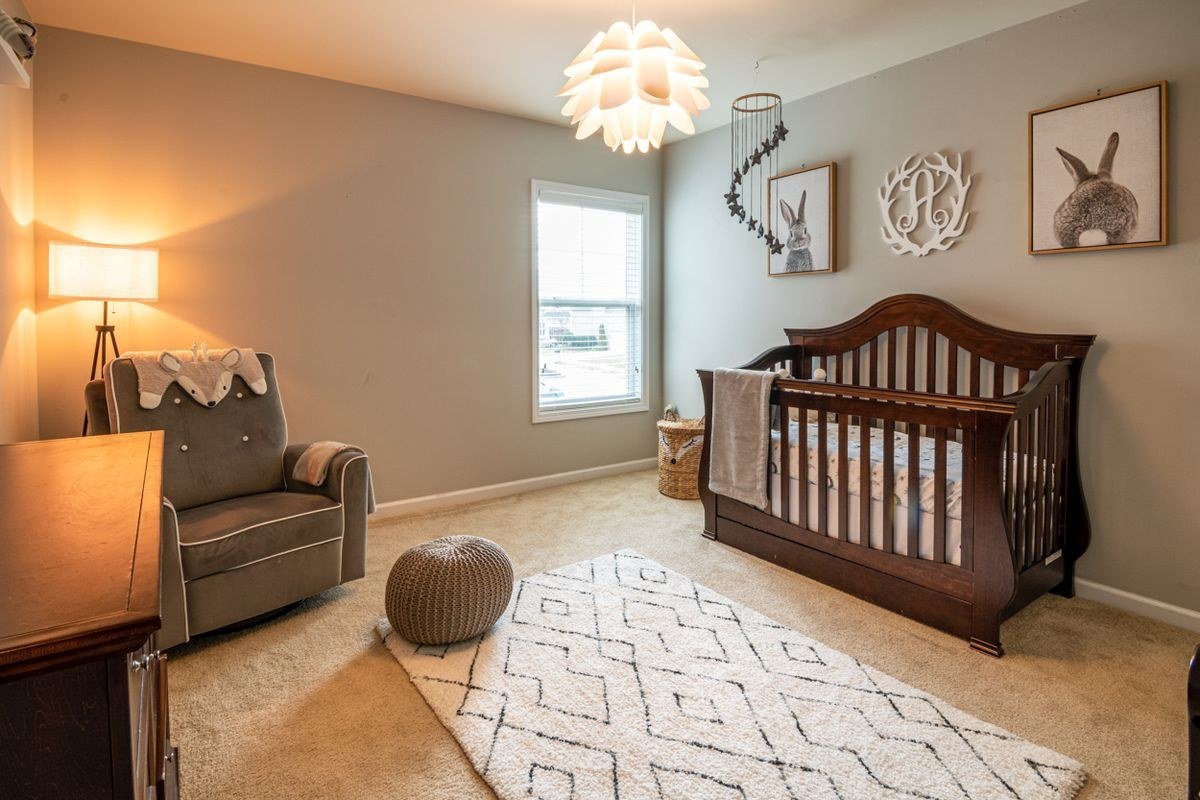
Wall art sets the nursery’s narrative. Choose gentle, storybook-style circus imagery: hot air balloons drifting over sleepy towns, a kind lion with a flower crown, acrobats tumbling among stars, a little tent under the moon. Watercolor and soft illustration styles suit nurseries far better than bold vintage posters. Commission an artist for a personalized piece (baby’s name as a circus marquee, for example) or source prints from independent illustrators — many offer circus collections specifically for nurseries. Frame simply in light wood or white, and hang securely (never above the crib where anything could fall). A gallery wall of three to five small prints works beautifully; so does one large statement piece. Consider a growth-chart ruler styled as a circus measuring pole — functional decor your child will use for years. Rotate art as they grow: the same frames can hold new prints, evolving the room without redecorating.
Stripes, Stars, and Pattern Play
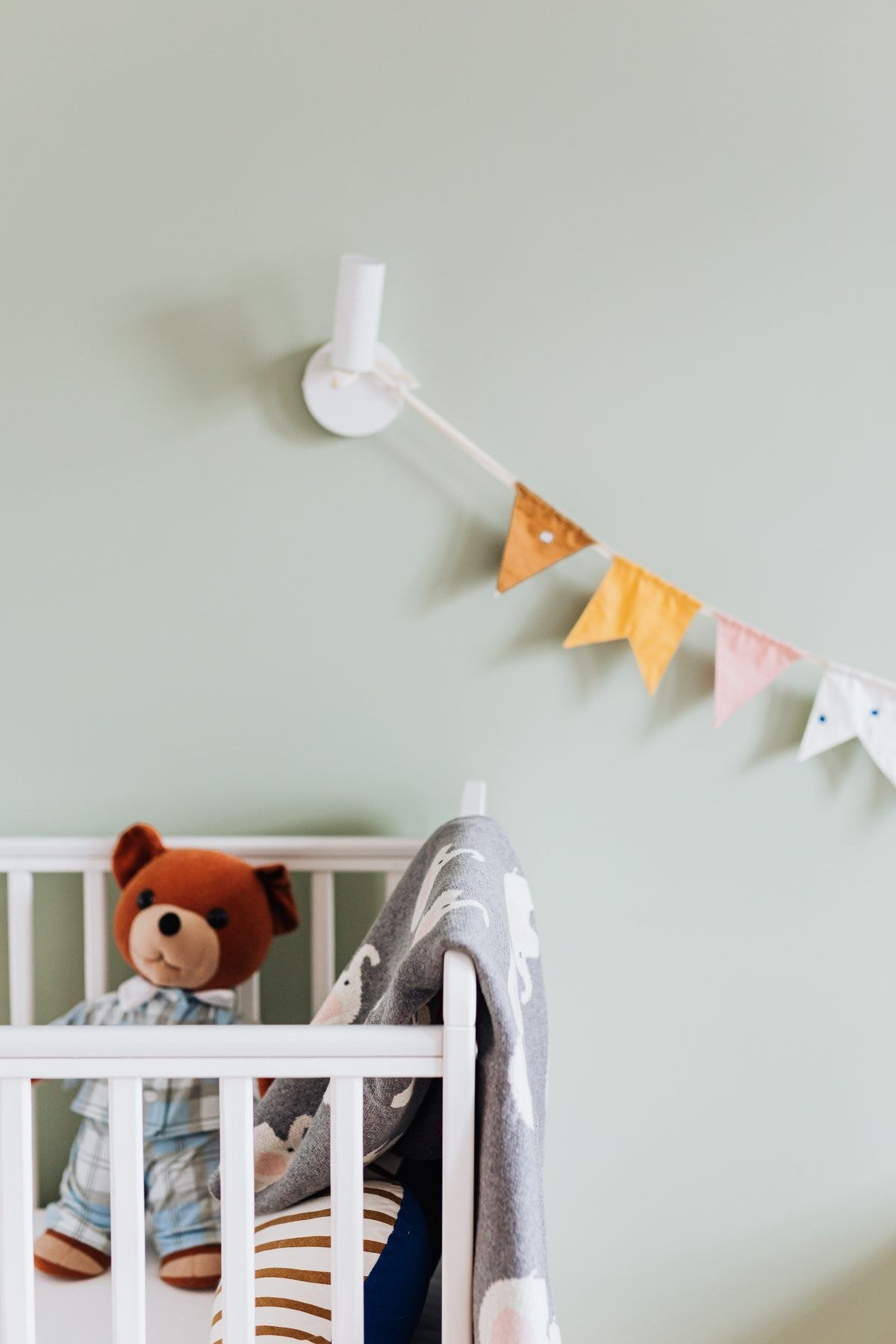
Pattern is the circus’s visual language, and the nursery is the place to speak it softly. Use stripes on a rug, curtains, or crib skirt in muted tones — wide, gentle stripes feel vintage and calm. Stars are the nursery-perfect circus motif: glow-in-the-dark ceiling stars for bedtime wonder, star decals on walls, star-shaped pillows. Polka dots, scallops, and harlequin diamonds can appear in small doses on textiles. The rule for pattern mixing: pick one dominant pattern (stripes), one secondary (stars), and keep everything else solid — this prevents the visual chaos that overstimulates babies. Removable wall decals are ideal for rentals and for evolving the room later. Keep patterns away from the immediate sleep zone if your baby is pattern-sensitive; some infants sleep better with a calm wall facing the crib. Done thoughtfully, pattern makes the room feel joyful without ever feeling busy.
Circus Animal Friends (The Gentle Kind)
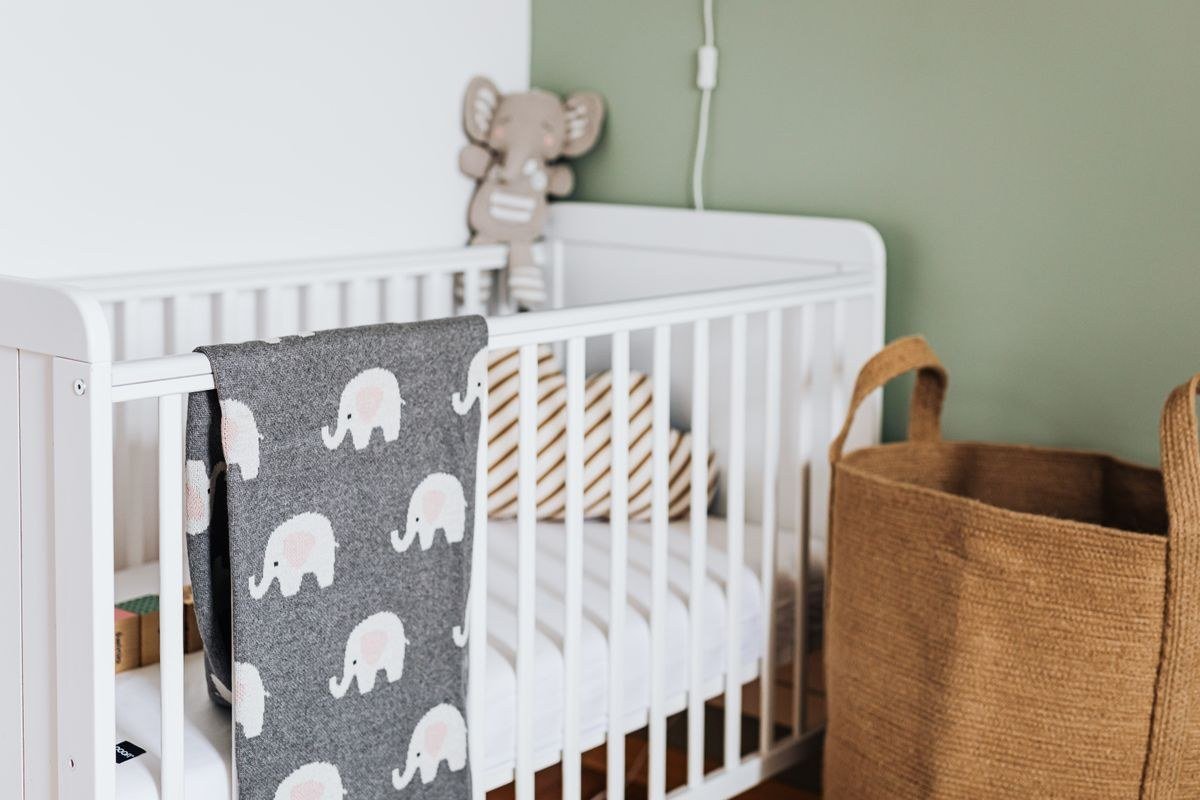
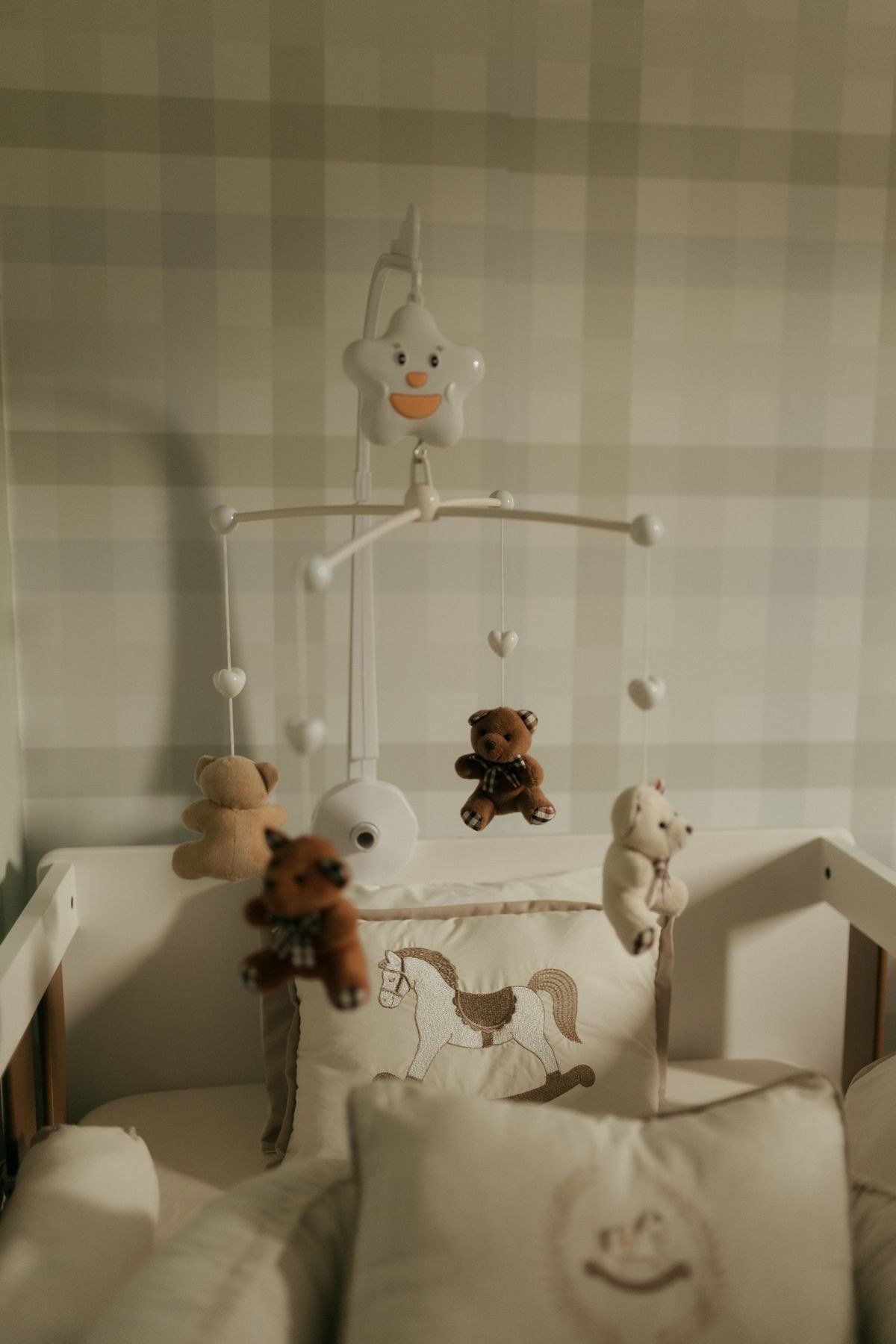
Circus animals bring the theme to life — but choose the gentle, storybook kind. Soft plush lions, elephants, and horses in muted tones become beloved companions (kept out of the crib, displayed on shelves). Wall art featuring kind-faced animals in vintage illustration style adds charm without fright. A rocking horse — the timeless nursery classic — is practically circus royalty; choose a wooden one in natural or painted finishes. Avoid anything with scary faces, sharp teeth, or loud colors; the goal is a menagerie of friends, not a sideshow. Consider the modern sensibility too: many families prefer imagery celebrating animals’ beauty rather than performance — hot air balloons carrying animal friends, or animals parading joyfully, strike the right note. A mobile with soft felt animals (hung well out of reach) gives newborns something wonderful to watch during awake time.
Lighting: Warm, Dim, and Dreamy

Nursery lighting must serve two masters: bright enough for diaper changes, dim enough for sleep. Layer it: a dimmable overhead or pendant (a rattan or fabric shade suits the circus theme), a warm table lamp for feeding sessions, and LED string lights (cool to the touch, secured out of reach) for the magical glow. A good night light is essential — choose one with adjustable warm color and brightness, ideally red-amber tones that least disrupt sleep hormones. Avoid blue-white light in the evening entirely. Blackout curtains or shades are non-negotiable for naps; layer them with sheer curtains for daytime softness. Smart bulbs or plug-in dimmers let you adjust light one-handed while holding a baby — a feature you will appreciate daily. The circus glow comes from the string lights and warm lamps in the evening; during the day, maximize natural light, which supports everyone’s circadian rhythm.
The Nursing and Reading Corner
You will spend countless hours in the nursery’s chair — make it the most comfortable seat in the house. Choose a glider or rocking chair with good back and arm support, in a performance fabric that wipes clean (spit-up happens). Position it near the crib but with a side table within reach for water, phone, and a book. A warm lamp, a soft throw, and a small basket of bedtime books complete the nook. Style it in theme: a striped lumbar pillow, a star-print throw, a tiny framed print at eye level for feeding-time gazing. Add a footstool or ottoman — essential for comfort during long sessions. Nearby, keep a diaper caddy stocked so you rarely need to leave the chair. This corner is where the circus theme becomes personal: it is where you will rock your baby under the tent canopy, and years later, where you will read “just one more chapter” beneath the same warm lights.
Textiles: Bedding, Rugs, and Curtains
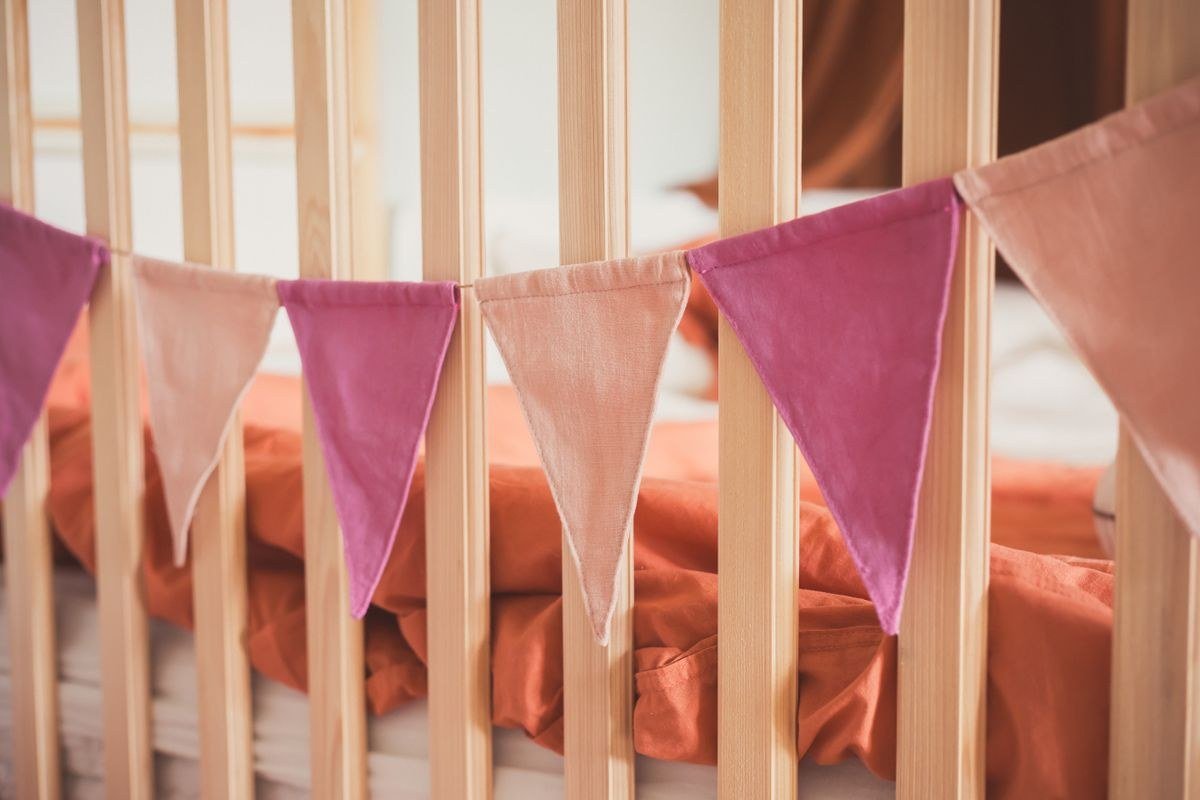
Nursery textiles must balance beauty with strict safety. Crib bedding: fitted sheet only, in soft breathable cotton — save the adorable quilts and bumpers for decoration elsewhere (draped over the glider, never in the crib). Choose a washable, low-pile rug with a non-slip pad; it cushions tummy time and toddler tumbles and muffles sound. Curtains: blackout for sleep plus sheers for daytime, in circus-soft patterns or solids. A few throw pillows on the glider (never in the crib) add theme and comfort. Launder everything before baby arrives to remove manufacturing finishes. Opt for OEKO-TEX or organic certifications where possible, since babies mouth everything. Keep a spare set of crib sheets and a spare rug pad — blowouts and spills are inevitable. The textile palette (cream, dusty red stripes, mustard stars) ties the whole room together, so coordinate across bedding, rug, and curtains for a cohesive, intentional look.
Storage That Hides the Chaos
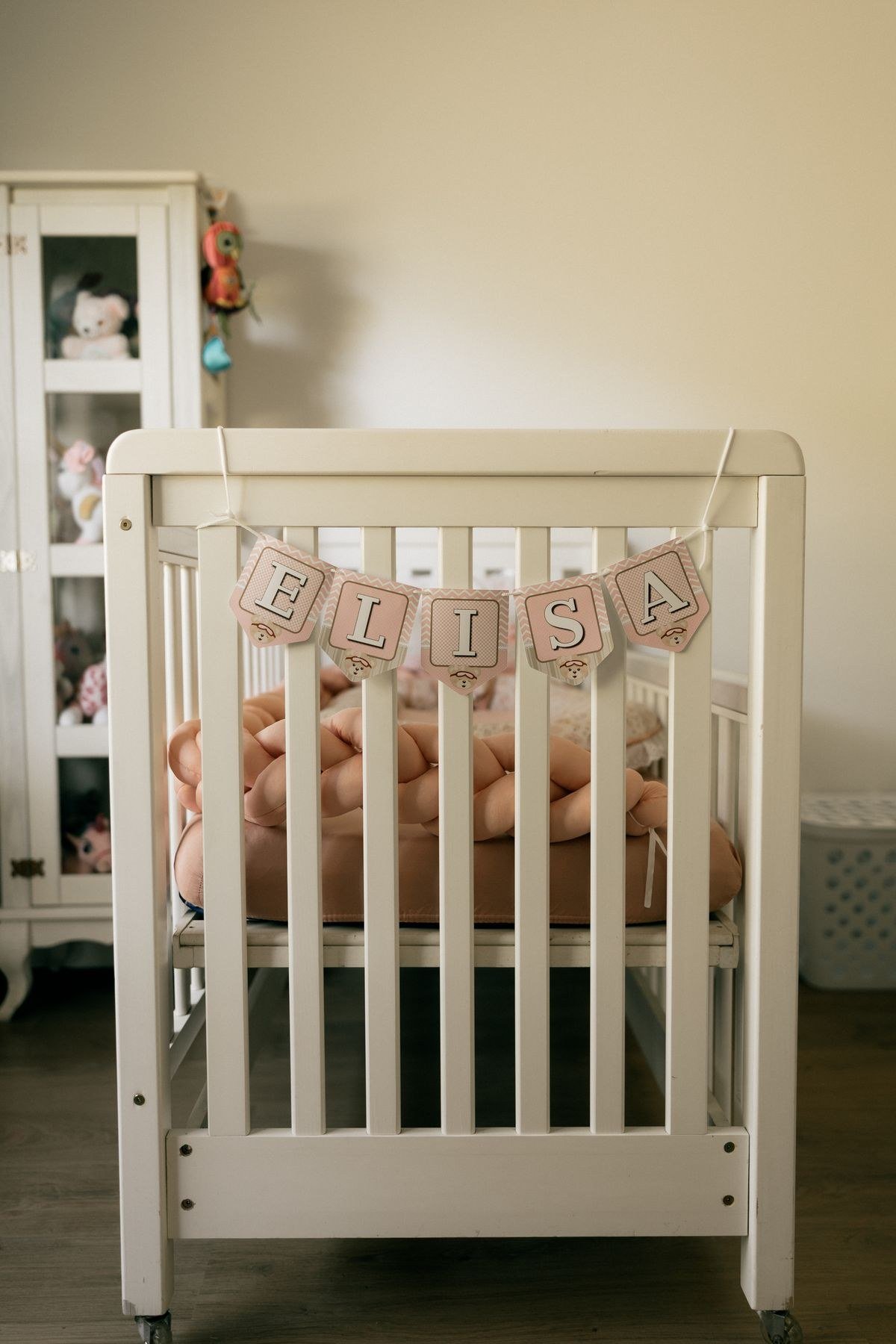
A beautiful nursery must also swallow an astonishing volume of stuff — and circus styling makes storage part of the fun. Vintage-style trunks double as toy boxes and decor; striped canvas bins corral toys on shelves; a small bookshelf with labeled baskets keeps books and supplies sorted. Choose a dresser that doubles as a changing table (with a contoured pad on top) to save space, and use its drawers for clothes, diapers, and supplies. Under-crib storage boxes utilize dead space. Wall-mounted shelves keep decor and books up high while floor baskets hold everyday toys within toddler reach. Label everything — future sleep-deprived you will be grateful. The circus theme forgives a little organized chaos: a trunk overflowing with stuffed animals looks intentional here, where it would look messy elsewhere. Build in 30 percent more storage than you think you need; babies accumulate gear at shocking speed.
DIY Circus Nursery Projects
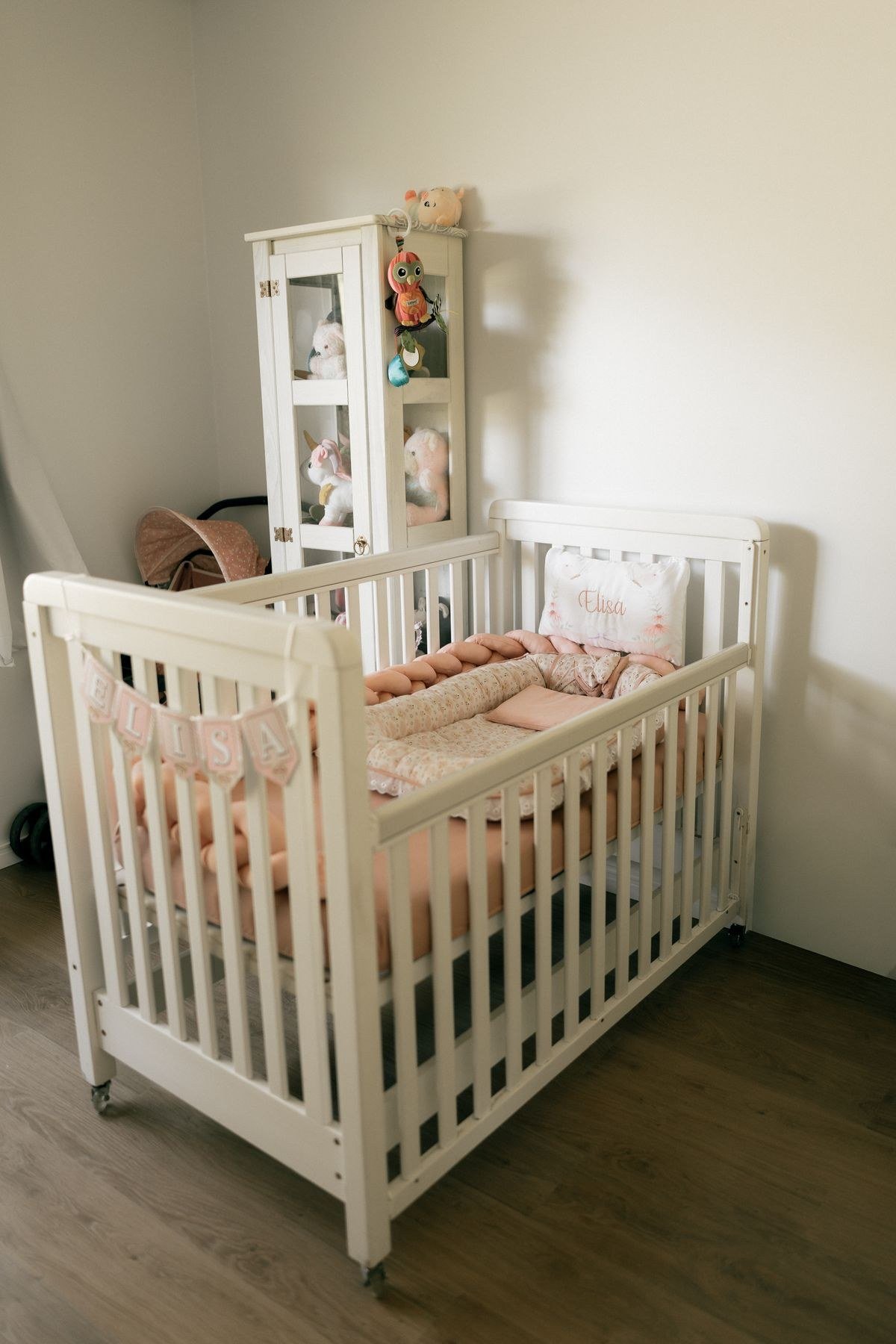
Handmade touches make a circus nursery personal and keep costs down. Beloved DIYs: painted wooden name sign in circus-marquee lettering above the crib (mounted securely, out of reach); fabric bunting in theme colors strung along a wall; a hot-air-balloon mobile made from paper lanterns and small baskets (decorative only, hung high); stenciled stars or stripes on an accent wall; and thrifted frames spray-painted gold for gallery walls. Felt ball garlands in circus colors add soft texture anywhere. A “ticket booth” growth chart — a wooden ruler painted with ticket stubs marking heights — is a cherished keepsake. Keep DIYs simple and safe: no small detachable parts within reach, non-toxic paints and finishes, and everything mounted to survive a curious toddler. The time you spend making these becomes part of the room’s story — “your grandmother painted those stars before you were born.”
Gender-Neutral Circus Nurseries
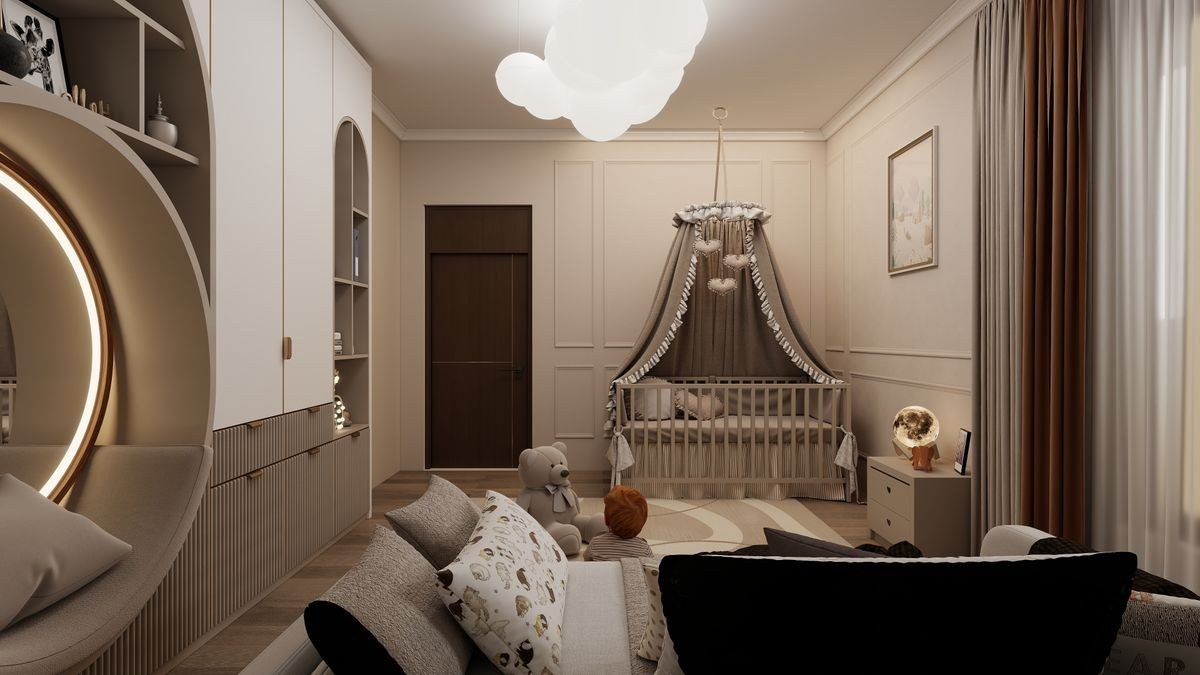
The circus theme is naturally gender-neutral, which makes it ideal for parents waiting to be surprised or anyone avoiding pink-blue clichés. Lean into the palette’s neutral strengths: warm cream, natural wood, mustard gold, dusty blue, sage, and terracotta work for any baby. Focus motifs on universally beloved imagery — stars, moons, hot air balloons, tents, gentle animals — rather than gendered cues. Textiles in stripes and stars rather than florals or trucks keep it balanced. This neutrality is also practical: the room works for future siblings without redecorating, and it photographs timelessly. If you want a hint of traditional color, add it in small, easily swapped accents — a blush throw or a dusty-blue pillow — rather than committing walls or furniture. A gender-neutral circus nursery feels modern, thoughtful, and designed rather than defaulted.
Small Nurseries and Shared Spaces
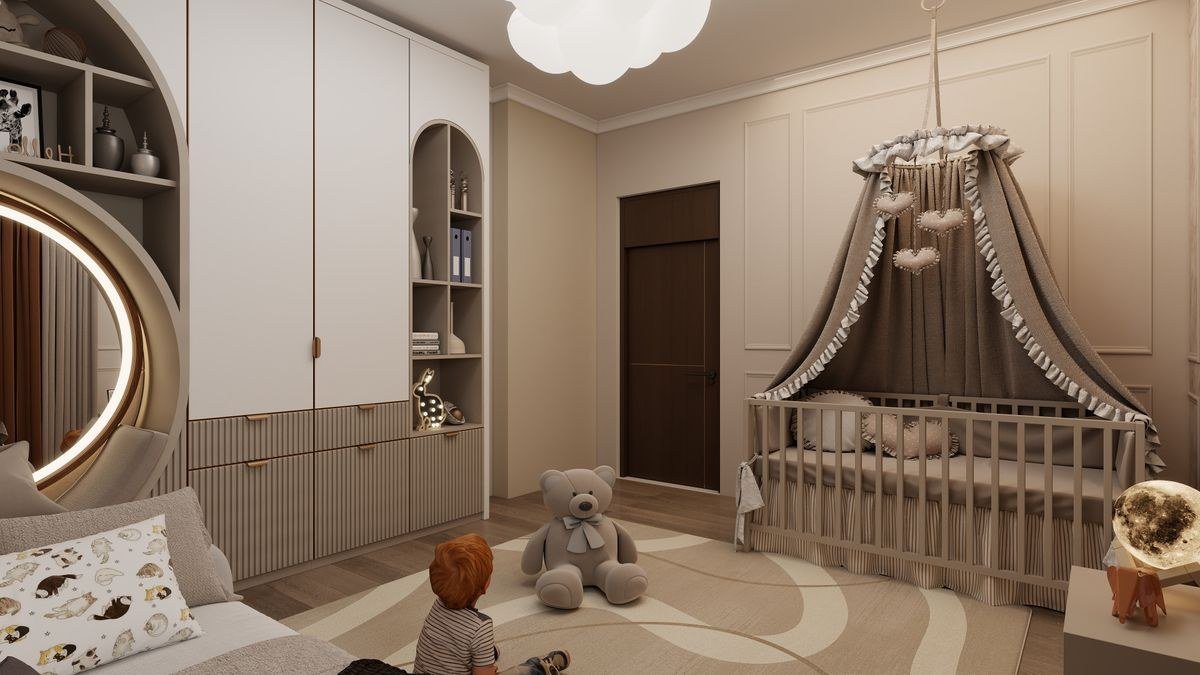
Not every nursery is a spacious dedicated room — and the circus theme adapts beautifully to small spaces and shared rooms. In a corner nursery (part of the parents’ bedroom), define the baby zone with a rug, the tent canopy, and a gallery wall — the theme creates a “room within a room.” Choose a mini crib or compact convertible crib to save footprint. Wall-mounted storage and over-door organizers maximize vertical space. In shared sibling rooms, give each child a defined zone with their own bedding color within the shared palette, and use the circus theme’s unifying motifs (stars for both, different accent colors) to tie it together. Mirrors and light colors keep small nurseries feeling open; avoid dark, heavy pieces. A small space forces the minimalism that makes circus decor shine — three perfect themed elements beat ten crowded ones every time.
Budget Breakdown: Dreamy for Less

A gorgeous circus nursery does not require a designer budget. Splurge on: the crib mattress (safety and sleep quality), the glider (your comfort for hundreds of hours), and blackout curtains (sleep is priceless). Save on: decor — thrift frames and spray-paint them, DIY bunting and art, printable wall art from independent artists, and secondhand dressers refreshed with paint. A realistic budget nursery: crib and mattress, convertible dresser/changer, glider, rug, curtains, canopy fabric, wall art, and textiles can total well under what a single designer furniture piece costs. Shop end-of-season sales, accept hand-me-downs for big items (with safety checks), and remember that babies care about your arms, not your aesthetic. The most magical nurseries are often the most personal — a trunk from grandma, a mobile you made, art from a friend — not the most expensive.
Growing With Your Child: Toddler to Big Kid

The best nursery investment is one that evolves. Plan the circus nursery to transition: the crib converts to a toddler bed (many cribs do), the tent canopy becomes a reading-nook canopy over a small chair, the dresser/changer loses its topper to become a regular dresser, and wall art rotates from baby-soft to big-kid adventurous. Choose furniture in classic finishes (white, natural wood) rather than baby-specific styles so it ages gracefully. Keep the palette — it works at every age — and evolve the accessories: swap the mobile for a cool pendant, add a small desk under the “big top,” upgrade bedding to a bigger-kid pattern in the same colors. Involve your growing child in the evolution; letting a four-year-old choose between two circus prints gives them ownership. A room that grows with its child becomes a place of deep comfort and identity — the tent they slept under as a baby becomes the fort they read in at seven.
Twins and Multiples: Double the Fun
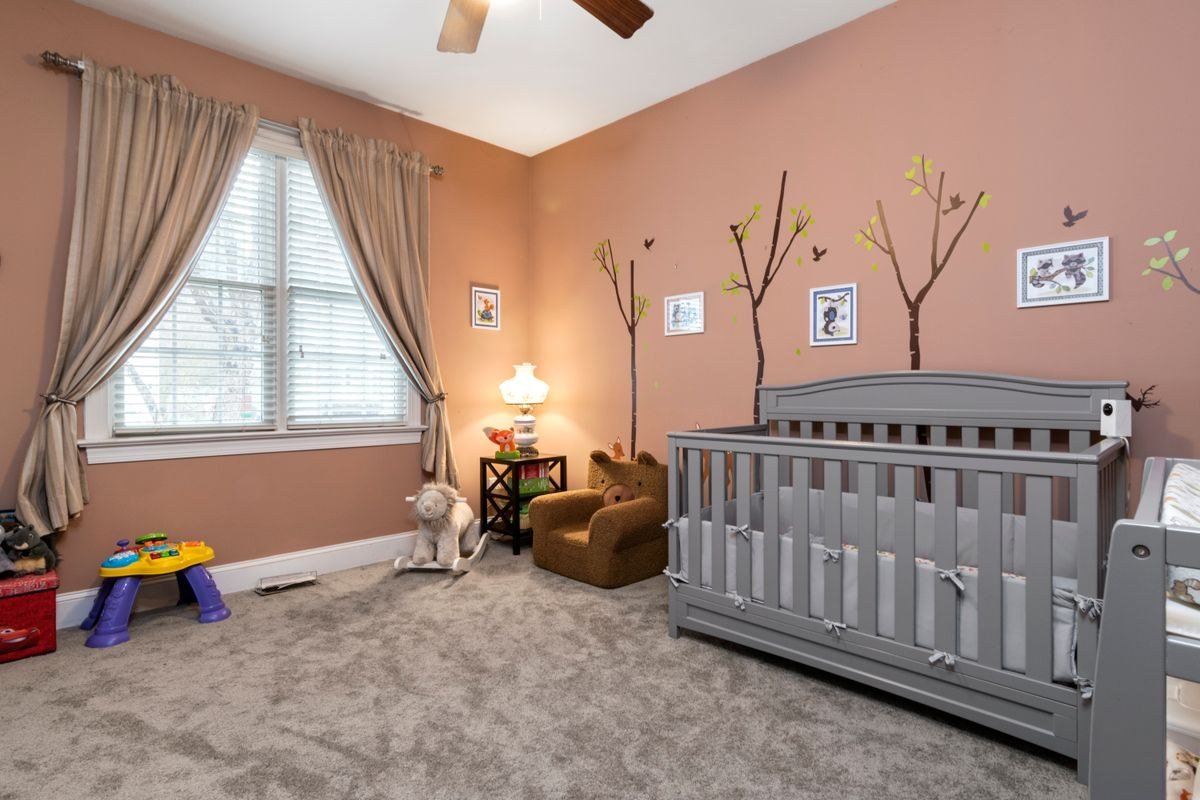
A circus nursery for twins or multiples is double the delight — and double the logistics. Layout: place cribs with safe spacing (nothing bridging between them that babies could use to climb), ideally along the same wall for a symmetrical, adorable look. The tent canopy can span both cribs for a grand big-top effect (still mounted safely outside and above). Color-code subtly within the palette — one baby’s textiles in dusty blue accents, the other’s in mustard — to help caregivers and photograph distinction without full “his and hers” theming. Double the storage, double the diaper stations (one upstairs, one downstairs is the veteran parent’s advice). Keep the room’s circulation clear; you will often carry two babies at once. The circus theme’s joyful abundance suits multiples perfectly — lean into the “greatest show” energy, and photograph the matching cribs under the canopy early and often.
Photographing the Nursery
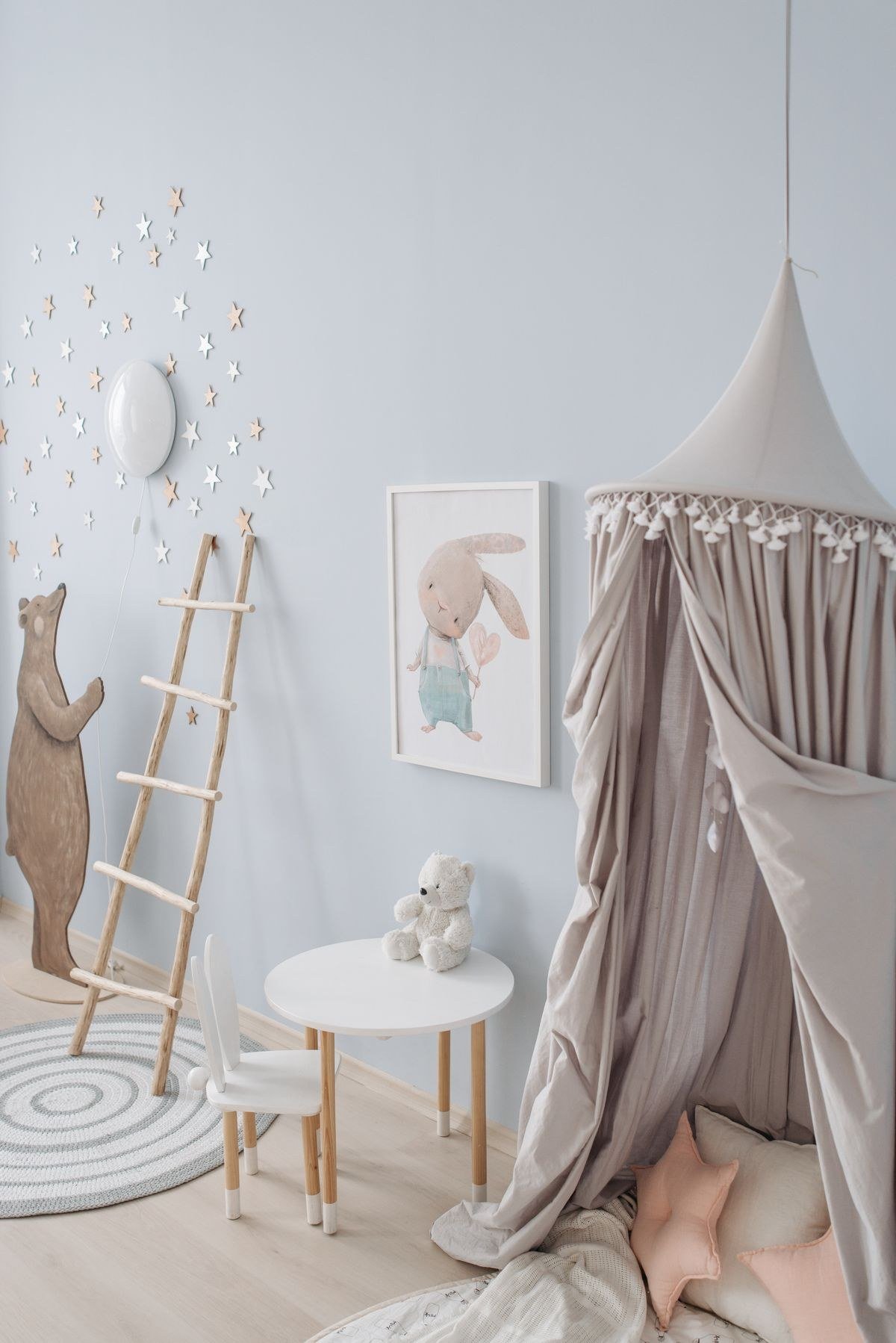
Document the nursery — you will treasure these photos long after the room evolves. Shoot in soft natural daylight with the curtains open; avoid flash, which flattens the warm tones. Capture wide shots of the whole room, then details: the canopy’s drape, the gallery wall, the tiny shoes by the crib, the name sign. Include scale references (your hand on the crib rail) that will astonish you in a few years. Photograph the room before baby arrives (pristine!) and again once lived-in (real!). For announcement photos, the nursery makes a perfect backdrop — the tent canopy and warm lights need no filter. Take a photo from the doorway at baby’s eye level; it captures how the room feels to its smallest resident. These images become family history: the room where it all began, preserved in pixels.
Common Mistakes to Avoid
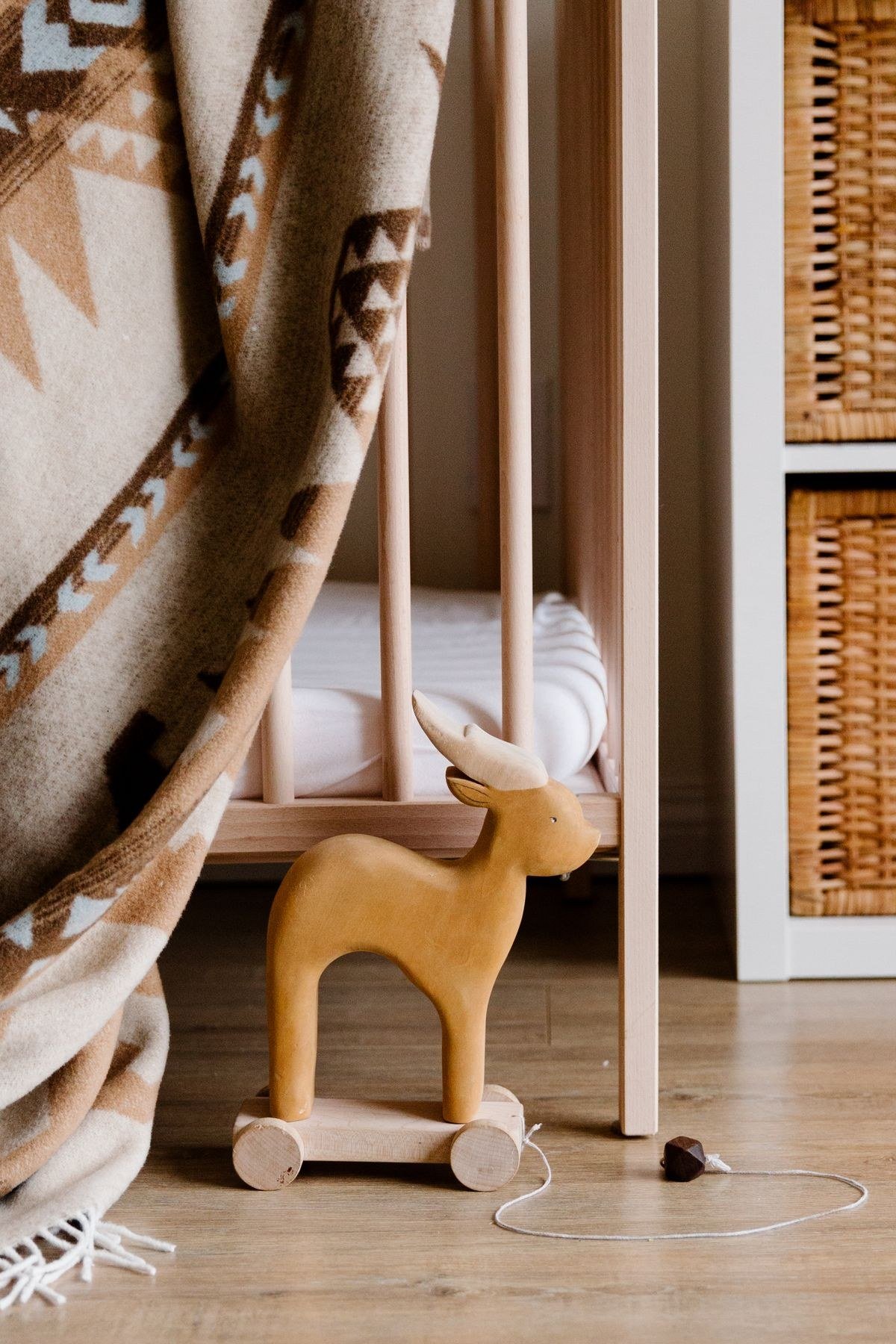
Circus nurseries have specific pitfalls. Overstimulation is the biggest: too many bright colors, busy patterns, and dangling items create a room that hypes babies up instead of calming them down — keep large surfaces serene. Safety compromises for aesthetics (canopies inside cribs, heavy frames above the crib, corded lights within reach) are never worth it. Buying everything “matchy-matchy” from one set looks flat; mix sources for a collected feel. Forgetting function: a gorgeous chair that hurts your back, or beautiful curtains that leak light, will breed resentment — comfort and blackout beat style every time. Over-decorating before the baby arrives, then having nowhere to put the very real gear (swing, humidifier, laundry), is classic — leave breathing room. And decorating for Instagram rather than 3 a.m.: walk through a nighttime feeding in your mind and ensure every light, surface, and supply serves that exhausted parent. Beauty that works at 3 a.m. is true nursery design.
Frequently Asked Questions

Is a tent canopy over the crib safe? Only when mounted to the ceiling, outside the crib rails and completely out of baby’s reach — never drape fabric in or over the crib. What colors work best? Soft, muted circus tones: warm cream, dusty red, mustard, dusty blue, sage — restful, not stimulating. How do I keep it from looking too busy? One dominant pattern, serene large surfaces, and three to five themed focal pieces maximum. Can it work for twins? Beautifully — symmetrical cribs under one grand canopy, with subtle color-coding per baby. Will it age well? Yes — the storybook aesthetic transitions from nursery to big-kid room with simple accessory swaps. What’s worth splurging on? Mattress, glider, and blackout curtains; save on decor with DIY and thrifted finds. How do I baby-proof the decor? Anchor furniture, secure everything above and out of reach, use cordless coverings, and keep the crib completely bare.

I am Talha Sikandar, a professional writer with a passion for general blogging. With years of experience in content writing and research, I founded Meaniingly.com to deliver well-researched, informative, and user-friendly articles on diverse topics.