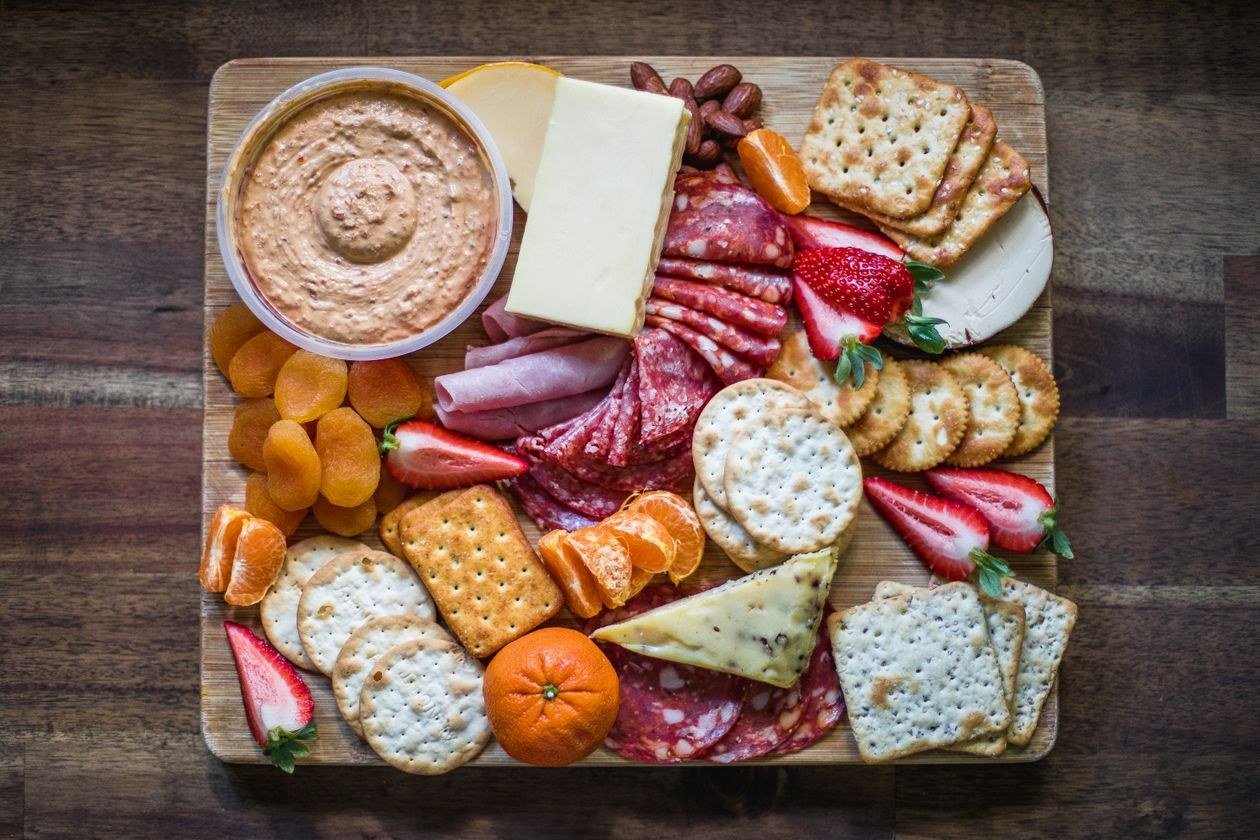
Charcuterie board ideas
A charcuterie board is part food, part centrepiece, and entirely about abundance: cured meats, cheeses, crackers, fruit, and pickles arranged so guests can graze, mix, and discover their own favourite combinations. These charcuterie board ideas cover everything from classic meat-and-cheese spreads to seasonal, budget-friendly, and themed boards, with practical advice on quantities, arrangement, and pairings. Whether you are hosting a party or assembling a quiet night in, a good board makes gathering feel generous and effortless.
The best boards balance five elements: something salty, something creamy, something crunchy, something sweet, and something acidic. Cured meats bring salt and savouriness; cheeses bring creaminess and variety; crackers and bread bring crunch; fruit and honey bring sweetness; pickles and olives bring the sharp contrast that keeps the board from feeling heavy. Aim for three to five cheeses, two to four meats, and a generous scattering of accompaniments, and let the board look full — gaps are the enemy of a beautiful spread.
The Classic Charcuterie Board
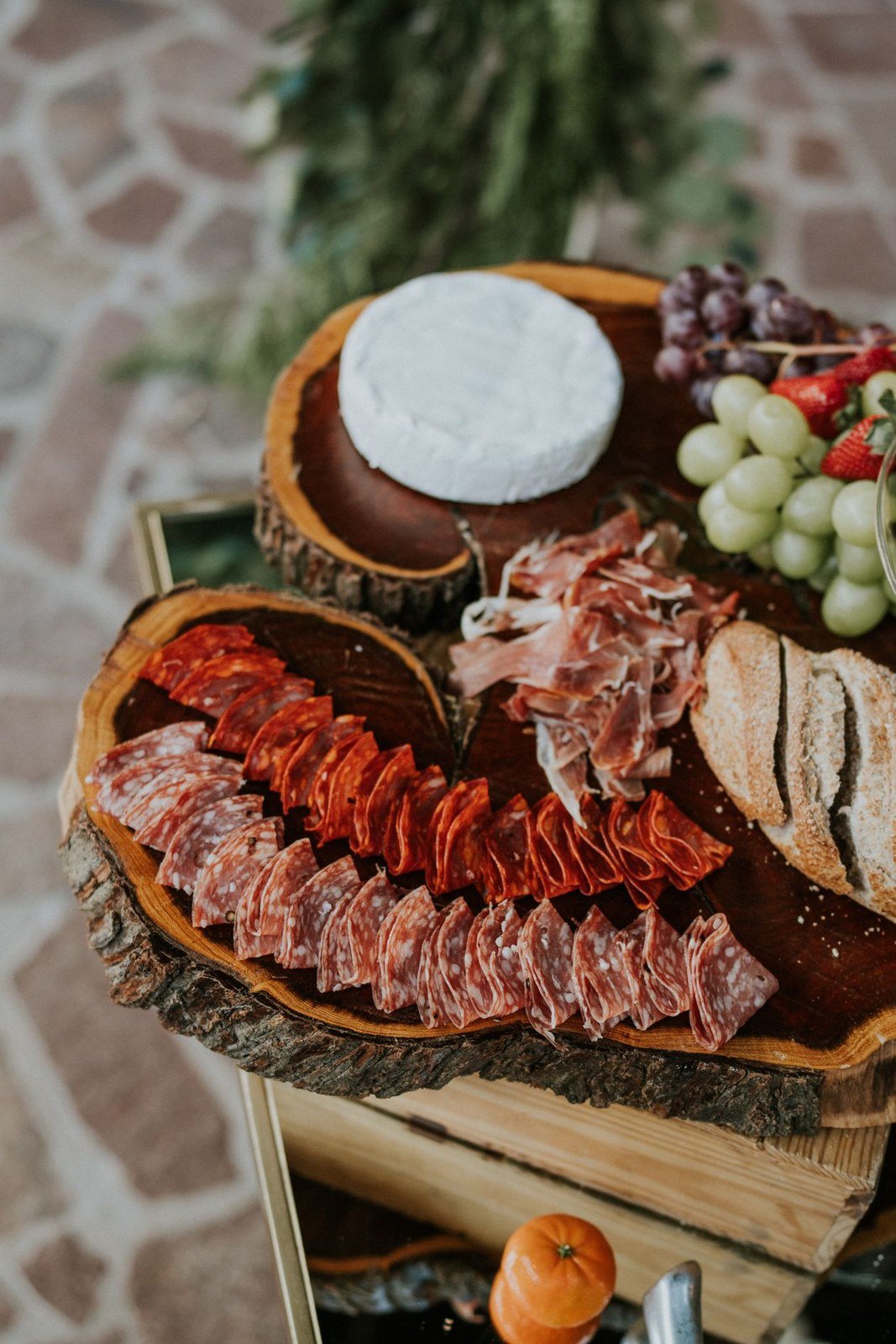
A classic board pairs salami, prosciutto, and coppa with cheddar, brie, and gouda, plus crackers, grapes, and olives. This idea works because it balances flavour, texture, and presentation, giving you a result that feels considered rather than thrown together. It also adapts well: you can scale it up for a party, scale it down for a quiet evening, or swap one ingredient for another without losing the character of the dish.
Place the cheeses first as anchors, then arrange meats around them, and fill gaps with fruit and nuts last. With a little planning and the right ingredients, this version is forgiving for beginners and satisfying for experienced cooks, and it is easy to make your own with small personal touches.
Choosing Cheeses for Your Board
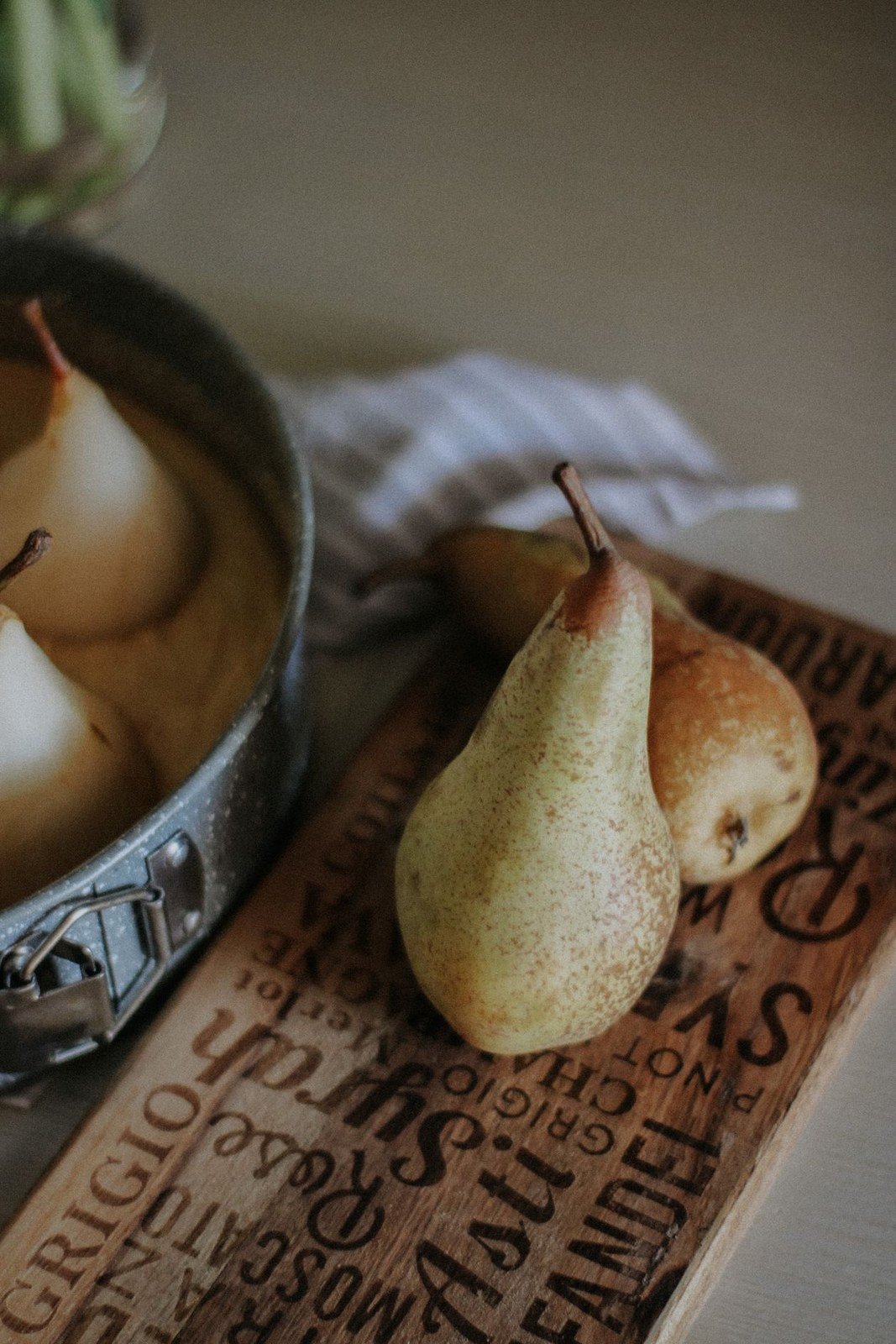
Offer a mix of textures: a soft brie, a firm cheddar, a crumbly blue, and a nutty manchego cover most tastes. This idea works because it balances flavour, texture, and presentation, giving you a result that feels considered rather than thrown together. It also adapts well: you can scale it up for a party, scale it down for a quiet evening, or swap one ingredient for another without losing the character of the dish.
Label the cheeses with small tags so guests can find favourites and try something new with confidence. With a little planning and the right ingredients, this version is forgiving for beginners and satisfying for experienced cooks, and it is easy to make your own with small personal touches.
Cured Meats Explained
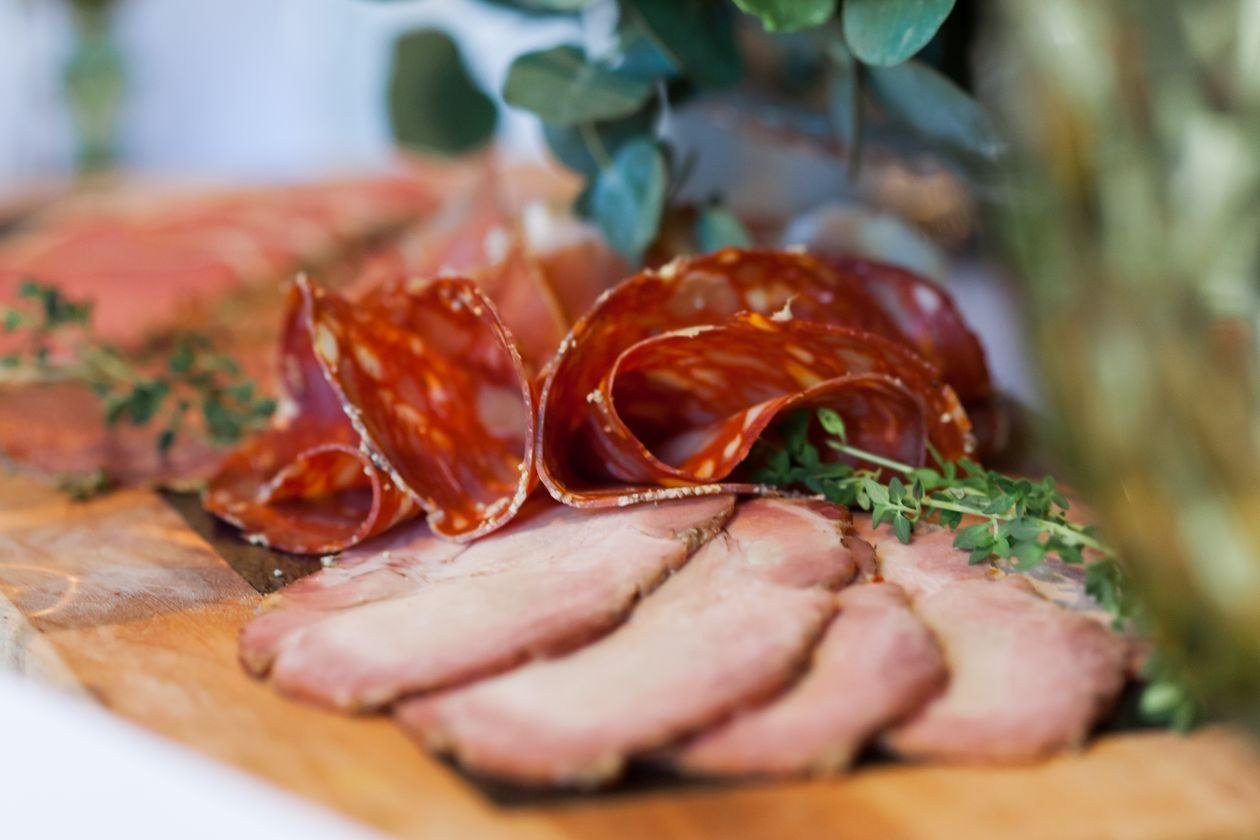
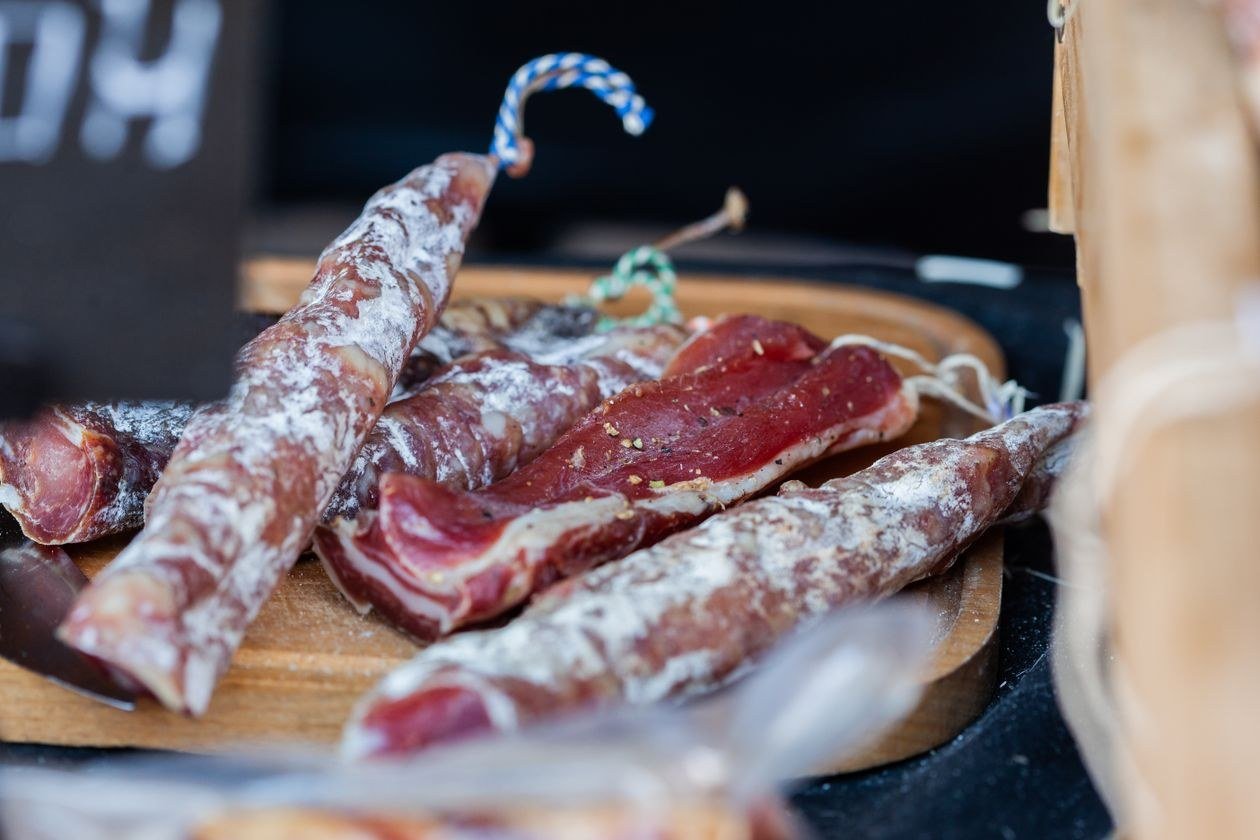
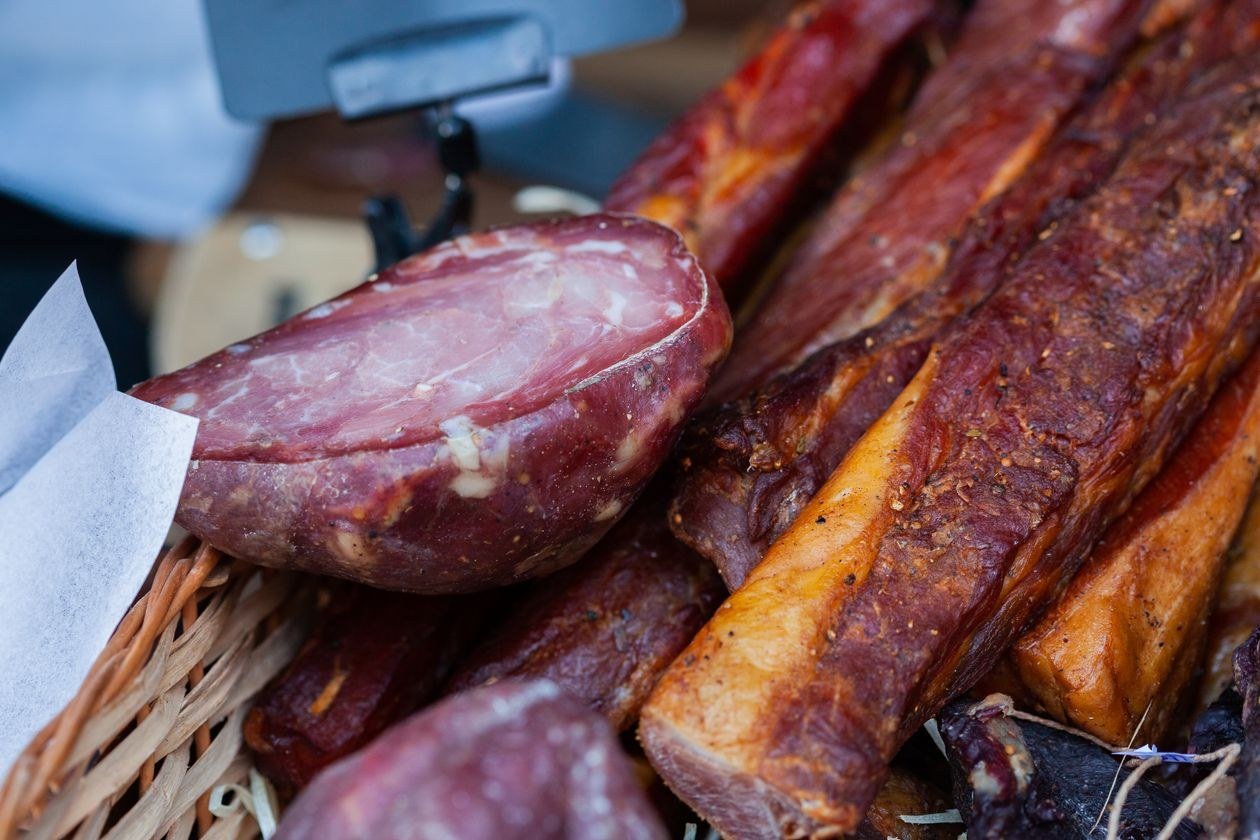
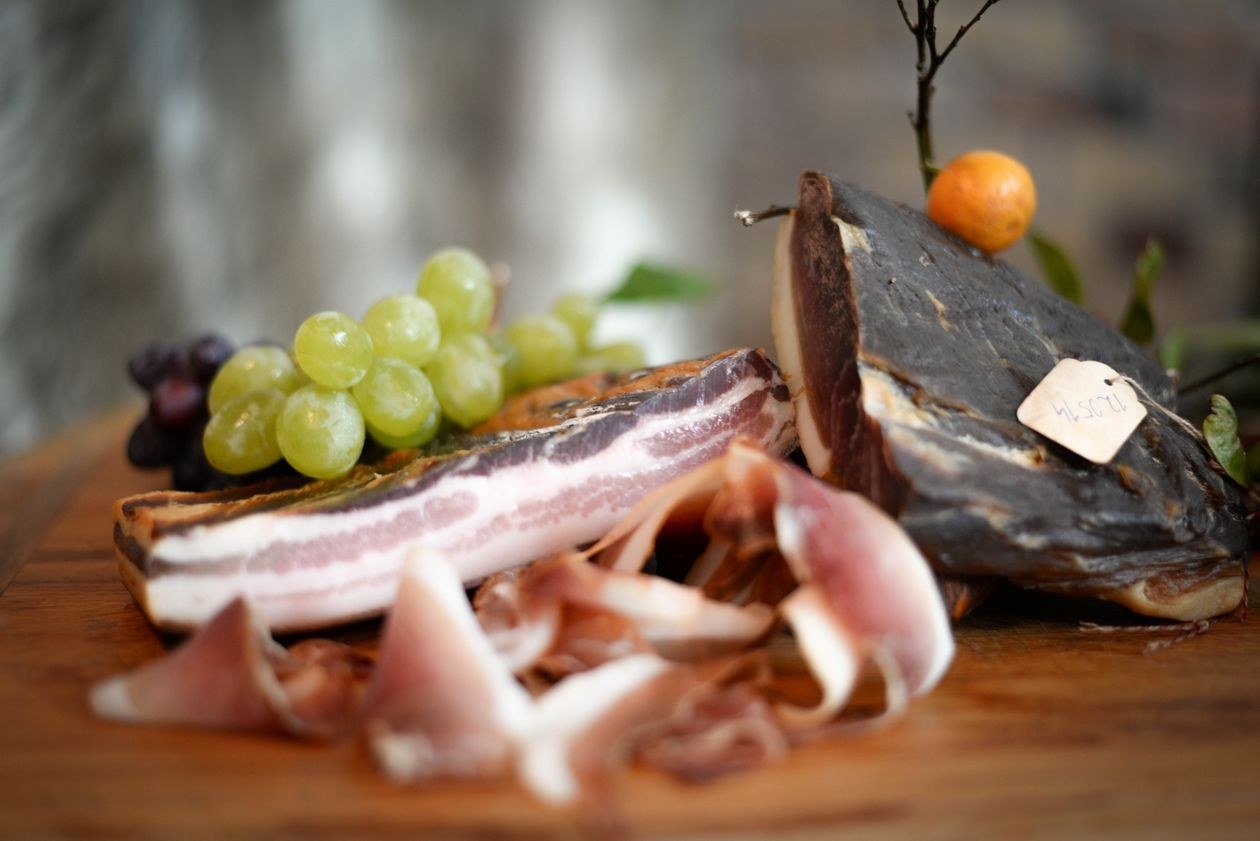
Salami, prosciutto, soppressata, and chorizo each bring different salt, spice, and texture to the board. This idea works because it balances flavour, texture, and presentation, giving you a result that feels considered rather than thrown together. It also adapts well: you can scale it up for a party, scale it down for a quiet evening, or swap one ingredient for another without losing the character of the dish.
Fold salami into rosettes and drape prosciutto loosely; varied shapes make the board look professional. With a little planning and the right ingredients, this version is forgiving for beginners and satisfying for experienced cooks, and it is easy to make your own with small personal touches.
Budget Charcuterie Board Ideas
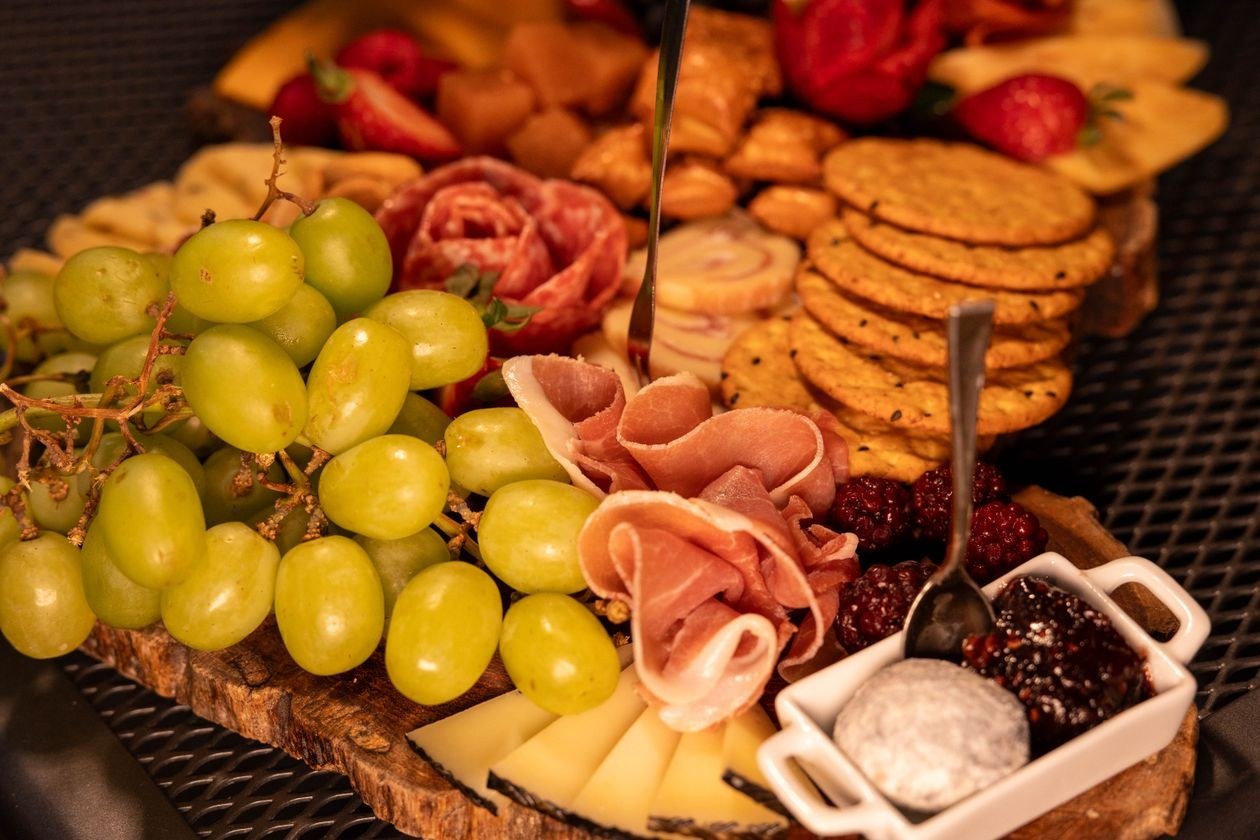
A beautiful board does not need expensive ingredients: two cheeses, one meat, seasonal fruit, and good crackers can look lavish. This idea works because it balances flavour, texture, and presentation, giving you a result that feels considered rather than thrown together. It also adapts well: you can scale it up for a party, scale it down for a quiet evening, or swap one ingredient for another without losing the character of the dish.
Spend on one standout cheese and fill the rest of the board with affordable fruit, nuts, and pickles. With a little planning and the right ingredients, this version is forgiving for beginners and satisfying for experienced cooks, and it is easy to make your own with small personal touches.
Seasonal Autumn Charcuterie Board
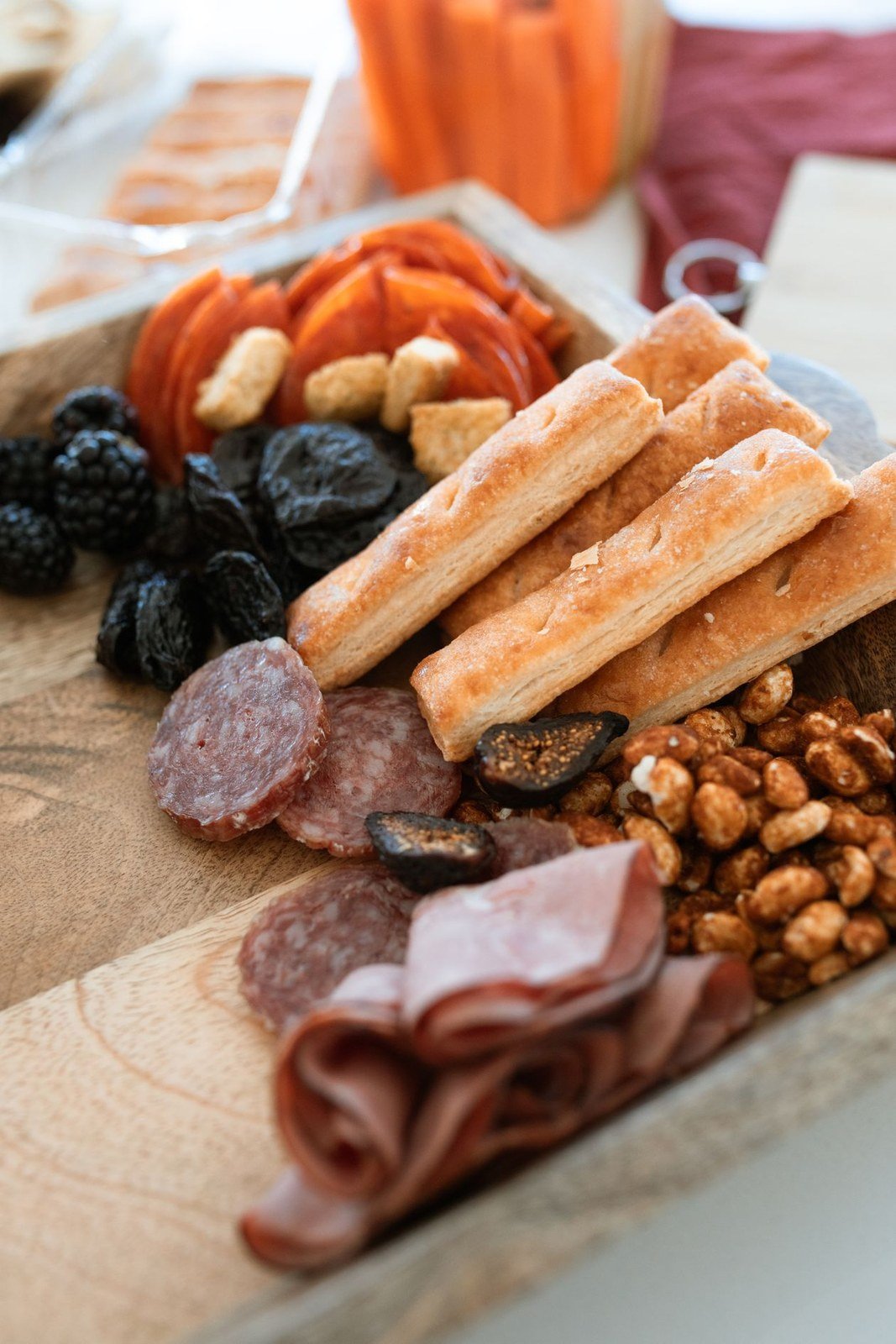
Autumn boards feature figs, grapes, apple slices, candied pecans, and spiced salami in warm, harvest colours. This idea works because it balances flavour, texture, and presentation, giving you a result that feels considered rather than thrown together. It also adapts well: you can scale it up for a party, scale it down for a quiet evening, or swap one ingredient for another without losing the character of the dish.
Add small pumpkins or dried orange slices as decoration between the food for a seasonal touch. With a little planning and the right ingredients, this version is forgiving for beginners and satisfying for experienced cooks, and it is easy to make your own with small personal touches.
Holiday Christmas Charcuterie Board
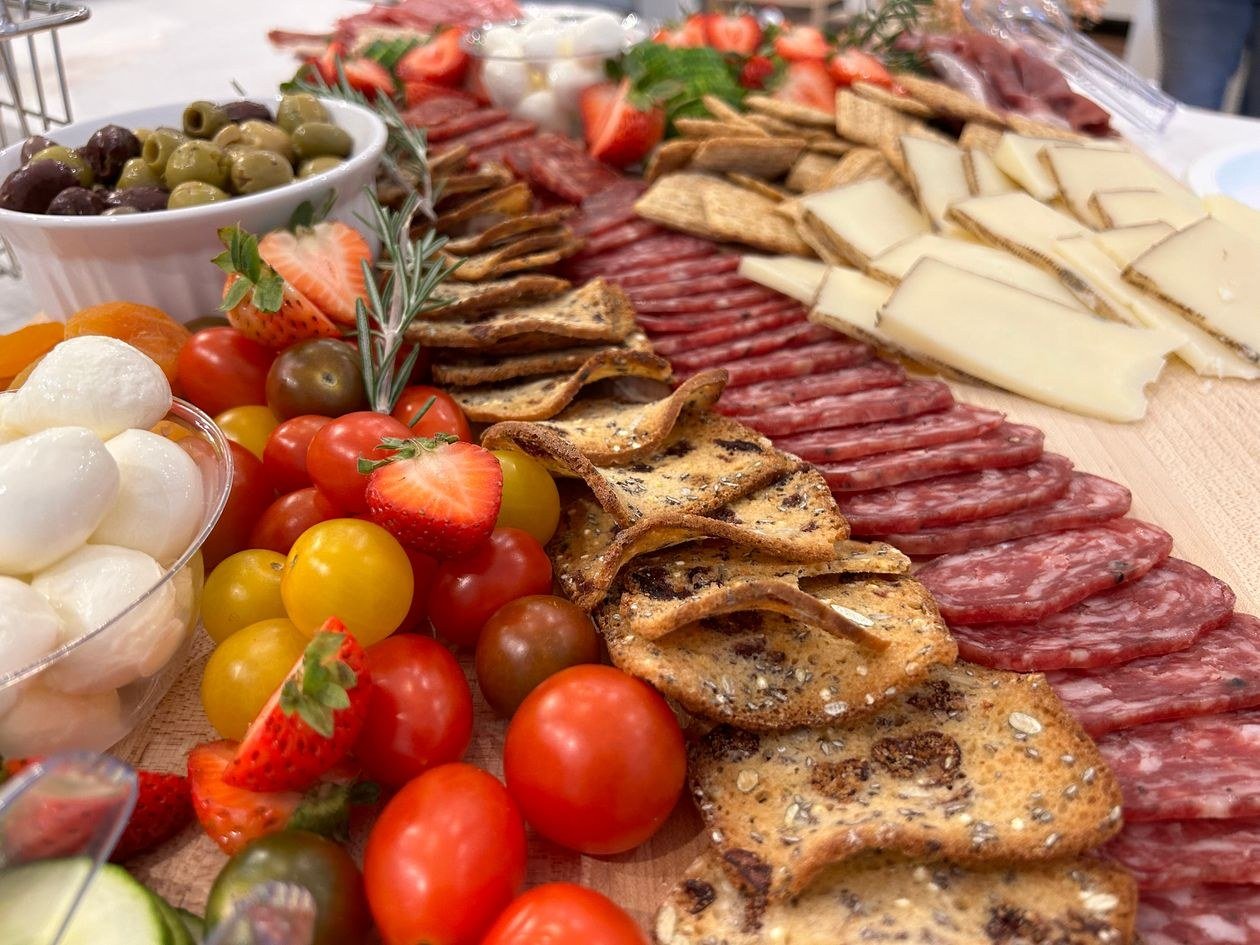
Christmas boards lean festive with cranberry cheese, rosemary sprigs, sugared cranberries, and red and green fruit. This idea works because it balances flavour, texture, and presentation, giving you a result that feels considered rather than thrown together. It also adapts well: you can scale it up for a party, scale it down for a quiet evening, or swap one ingredient for another without losing the character of the dish.
Shape the board like a wreath or tree if you enjoy a showpiece, but keep the food accessible from all sides. With a little planning and the right ingredients, this version is forgiving for beginners and satisfying for experienced cooks, and it is easy to make your own with small personal touches.
Breakfast Charcuterie Board
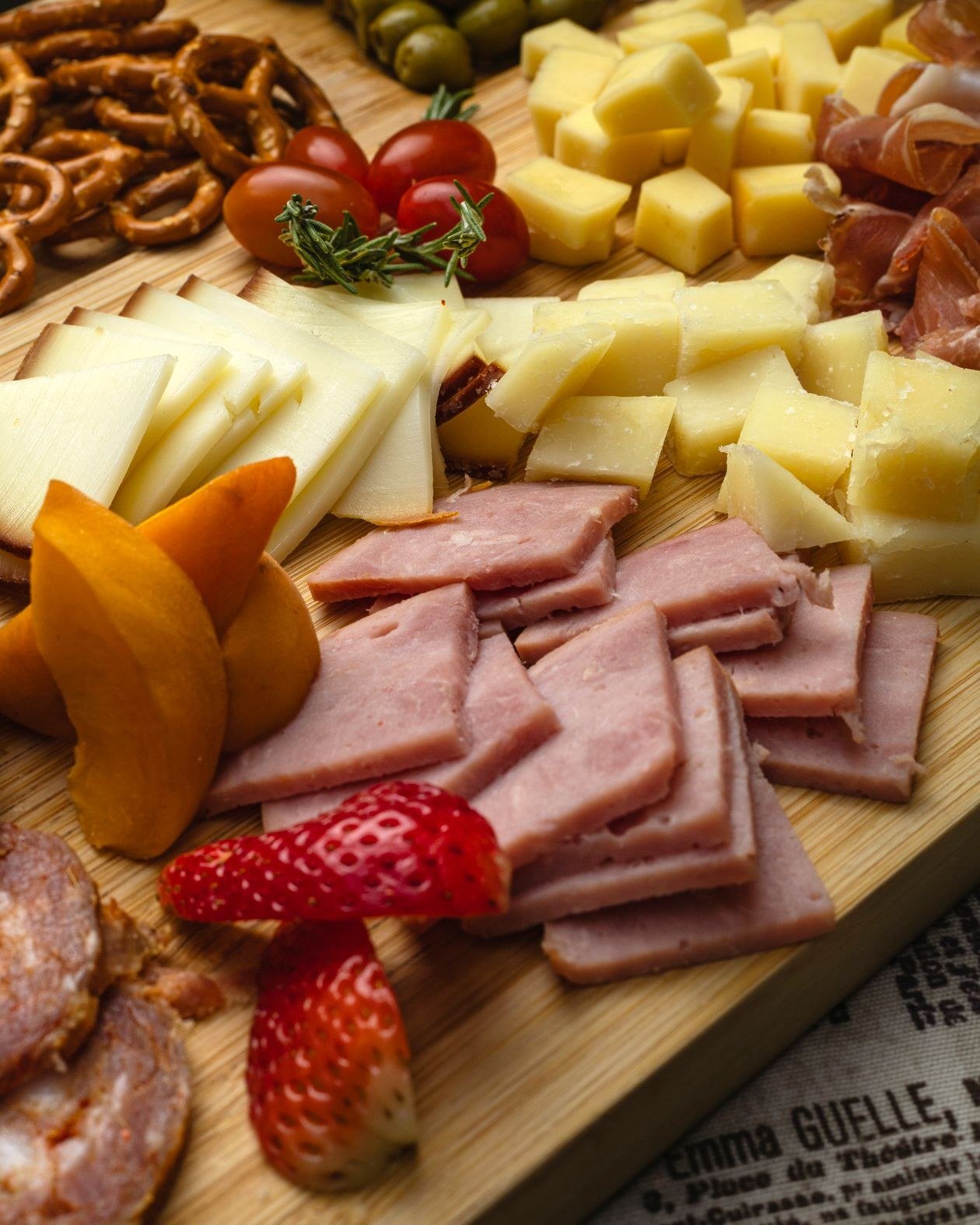
A breakfast board gathers pastries, fruit, yoghurt pots, cheeses, and cured meats for a leisurely morning spread. This idea works because it balances flavour, texture, and presentation, giving you a result that feels considered rather than thrown together. It also adapts well: you can scale it up for a party, scale it down for a quiet evening, or swap one ingredient for another without losing the character of the dish.
Include small jars of jam and honey so guests can build their own pastry combinations. With a little planning and the right ingredients, this version is forgiving for beginners and satisfying for experienced cooks, and it is easy to make your own with small personal touches.
Dessert Charcuterie Board
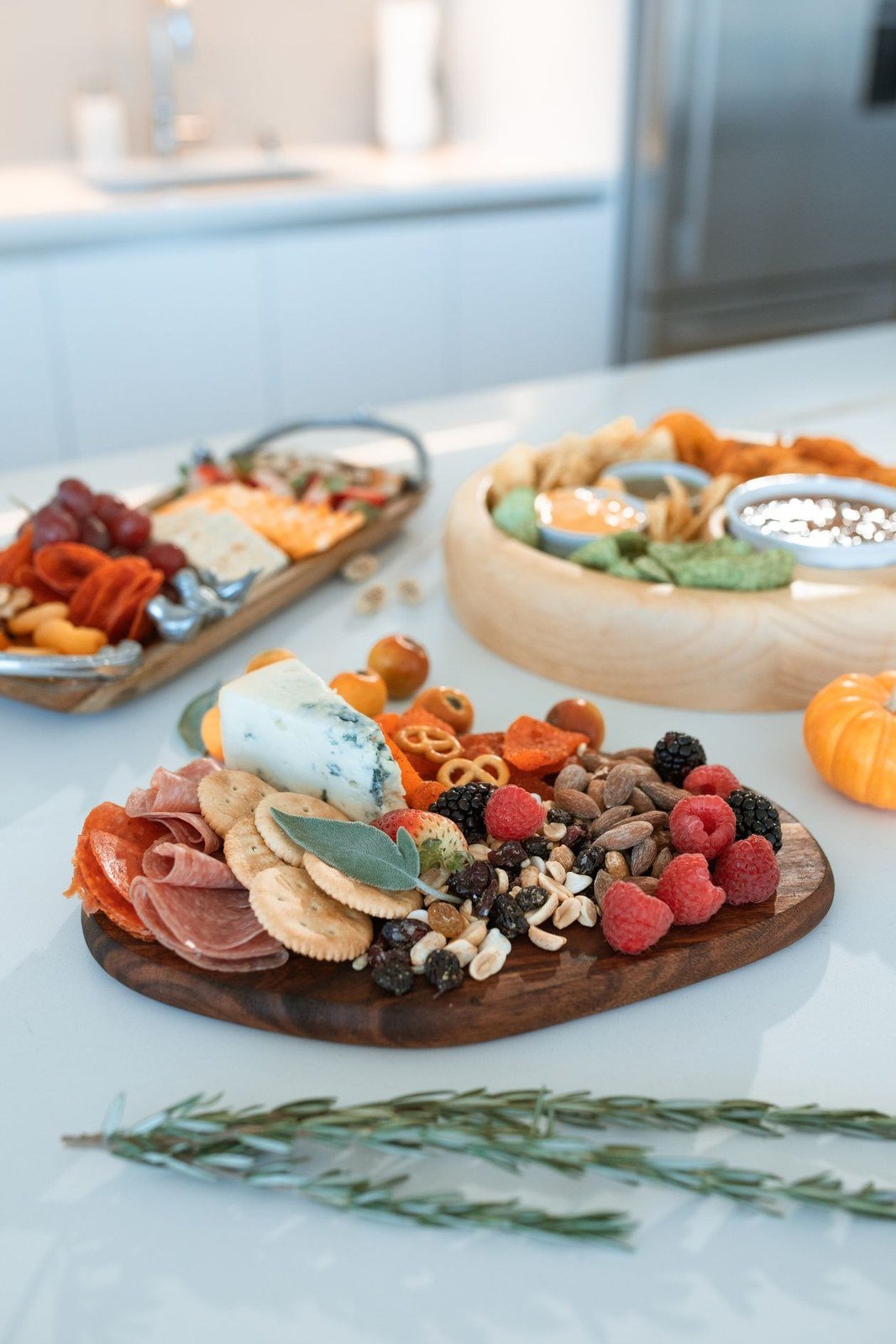
A dessert board swaps savoury items for chocolate, cookies, fruit, and dips, creating a sweet grazing table. This idea works because it balances flavour, texture, and presentation, giving you a result that feels considered rather than thrown together. It also adapts well: you can scale it up for a party, scale it down for a quiet evening, or swap one ingredient for another without losing the character of the dish.
Add a small pot of chocolate sauce or caramel in the centre for dipping fruit and biscuits. With a little planning and the right ingredients, this version is forgiving for beginners and satisfying for experienced cooks, and it is easy to make your own with small personal touches.
Vegetarian Charcuterie Board
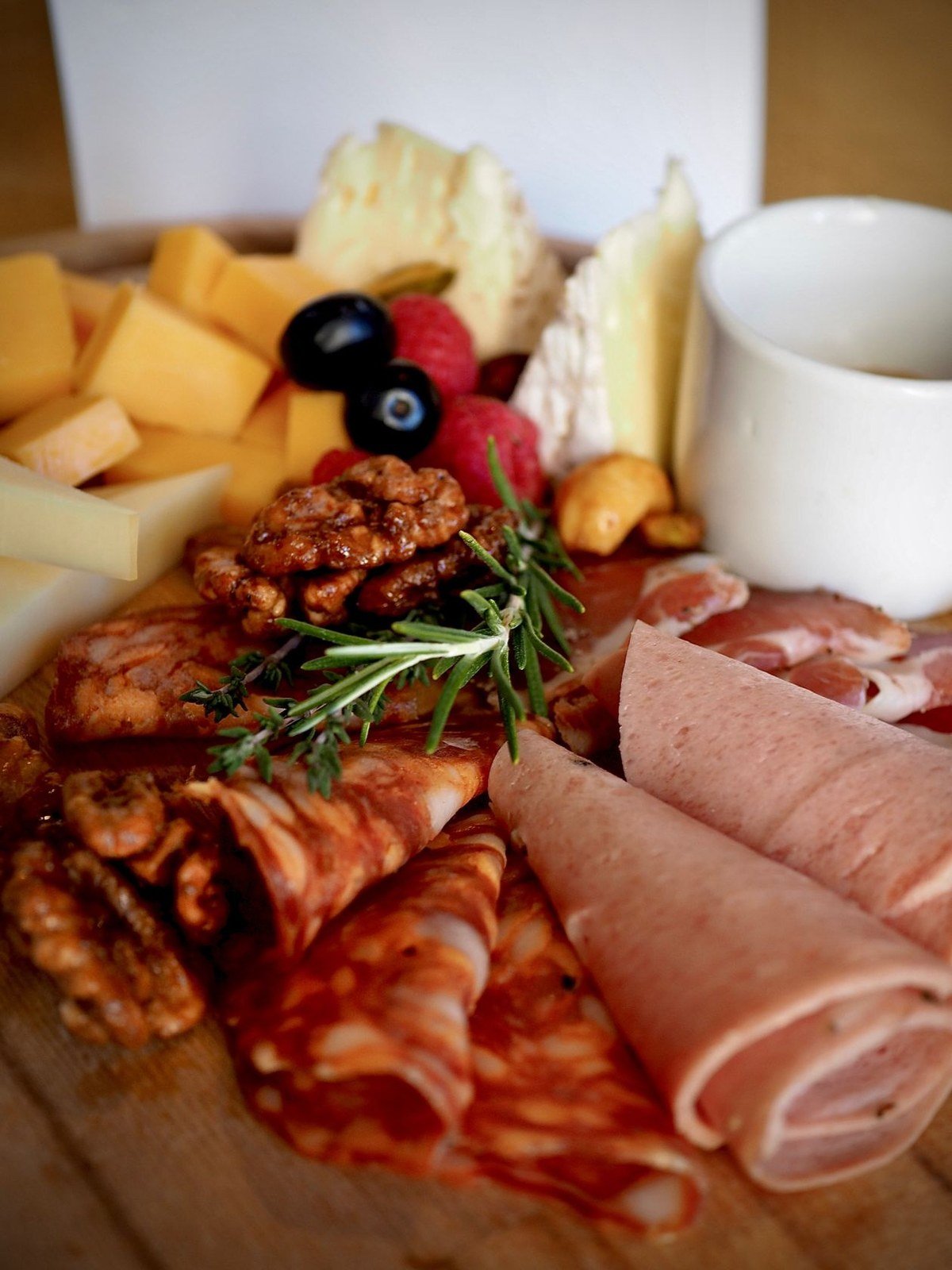
A vegetarian board shines with marinated artichokes, roasted peppers, hummus, cheeses, and plenty of fresh vegetables. This idea works because it balances flavour, texture, and presentation, giving you a result that feels considered rather than thrown together. It also adapts well: you can scale it up for a party, scale it down for a quiet evening, or swap one ingredient for another without losing the character of the dish.
Grilled halloumi or smoked cheese gives vegetarians a savoury, meaty-tasting anchor. With a little planning and the right ingredients, this version is forgiving for beginners and satisfying for experienced cooks, and it is easy to make your own with small personal touches.
How Much Food Per Person
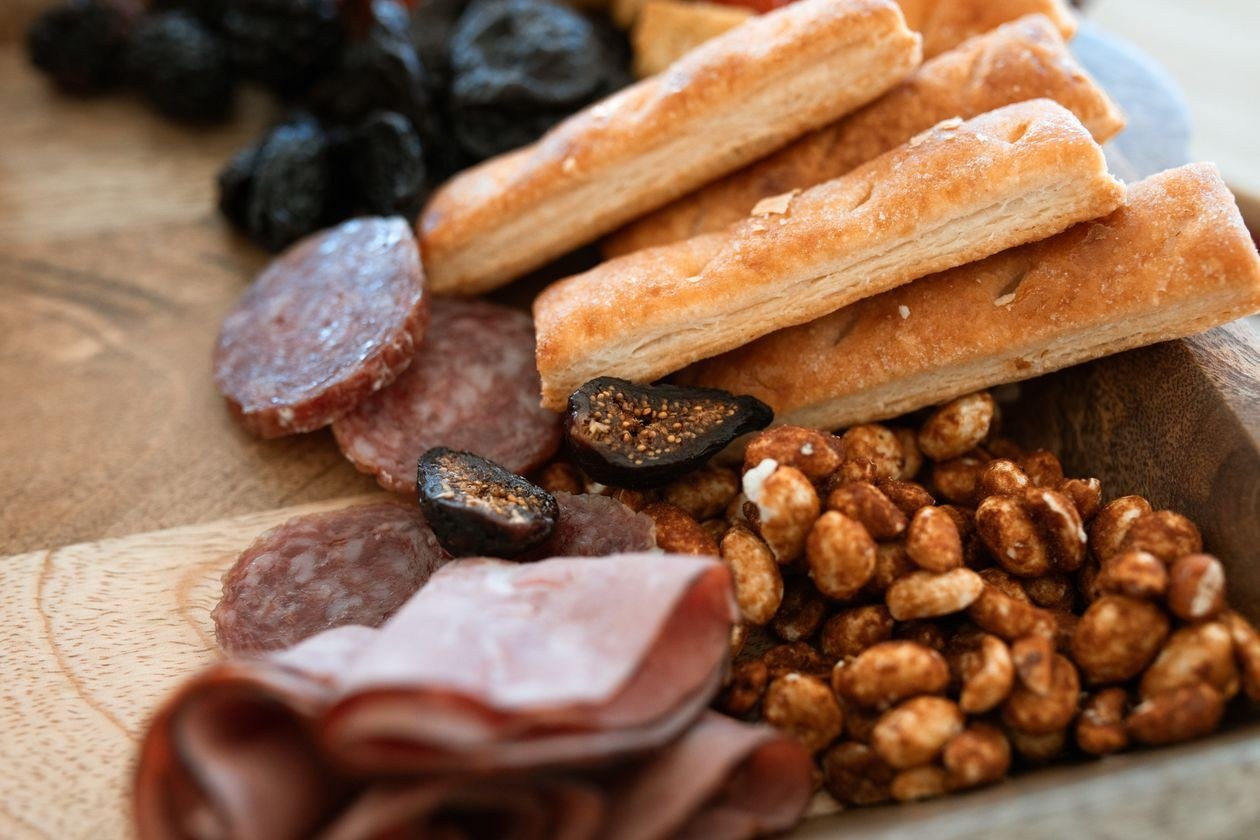
Plan on about 100 to 150 grams of cheese and 60 to 90 grams of meat per person for a board served as an appetizer. This idea works because it balances flavour, texture, and presentation, giving you a result that feels considered rather than thrown together. It also adapts well: you can scale it up for a party, scale it down for a quiet evening, or swap one ingredient for another without losing the character of the dish.
When the board is the whole meal, increase quantities by half and add bread and salads alongside. With a little planning and the right ingredients, this version is forgiving for beginners and satisfying for experienced cooks, and it is easy to make your own with small personal touches.
Arranging a Board Like a Professional
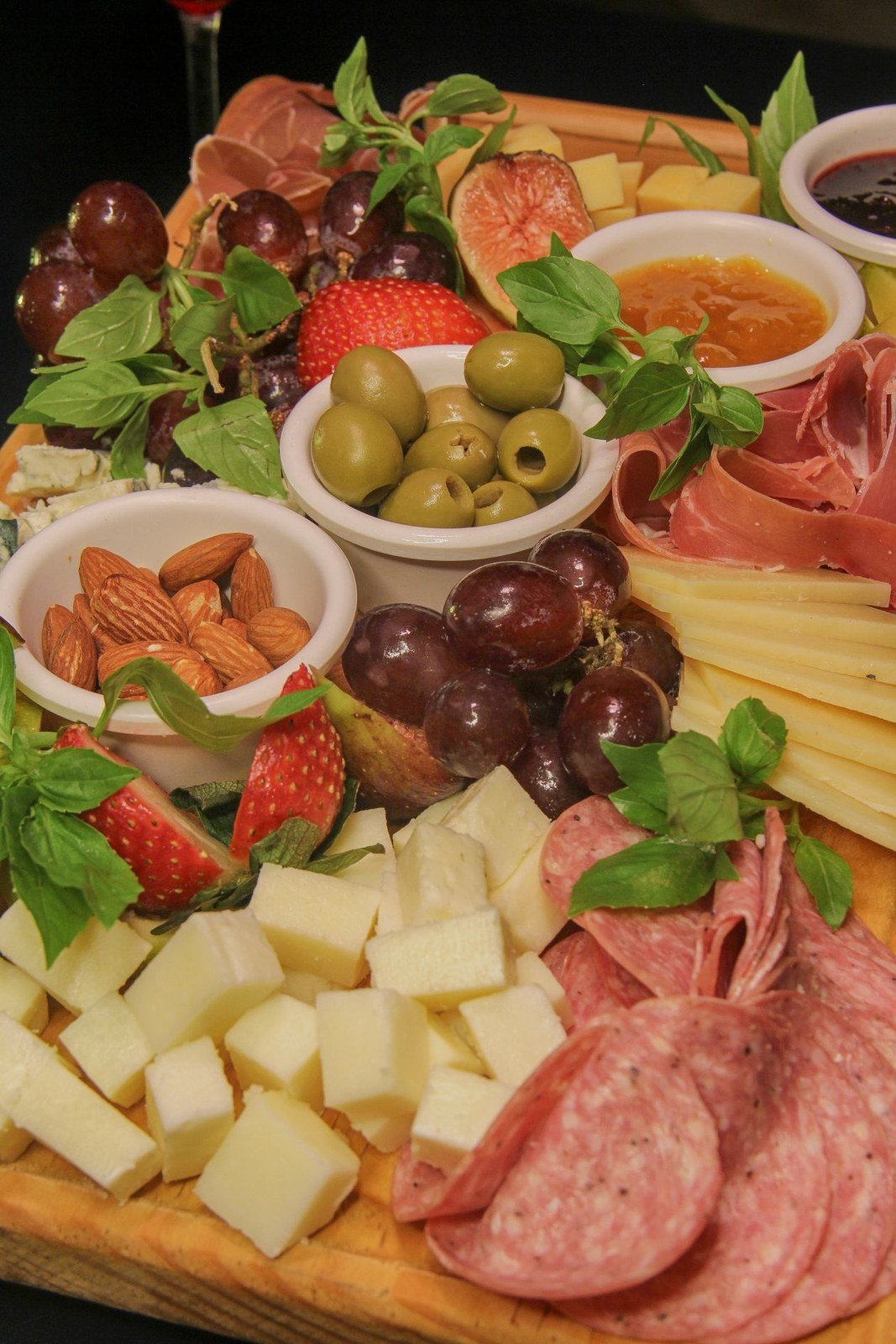
Professionals anchor with cheeses, add meat folds, place small bowls for dips, then fill gaps with fruit, nuts, and herbs. This idea works because it balances flavour, texture, and presentation, giving you a result that feels considered rather than thrown together. It also adapts well: you can scale it up for a party, scale it down for a quiet evening, or swap one ingredient for another without losing the character of the dish.
Step back halfway through arranging to check the balance of colours and heights before finishing. With a little planning and the right ingredients, this version is forgiving for beginners and satisfying for experienced cooks, and it is easy to make your own with small personal touches.
Crackers, Bread, and Crunch
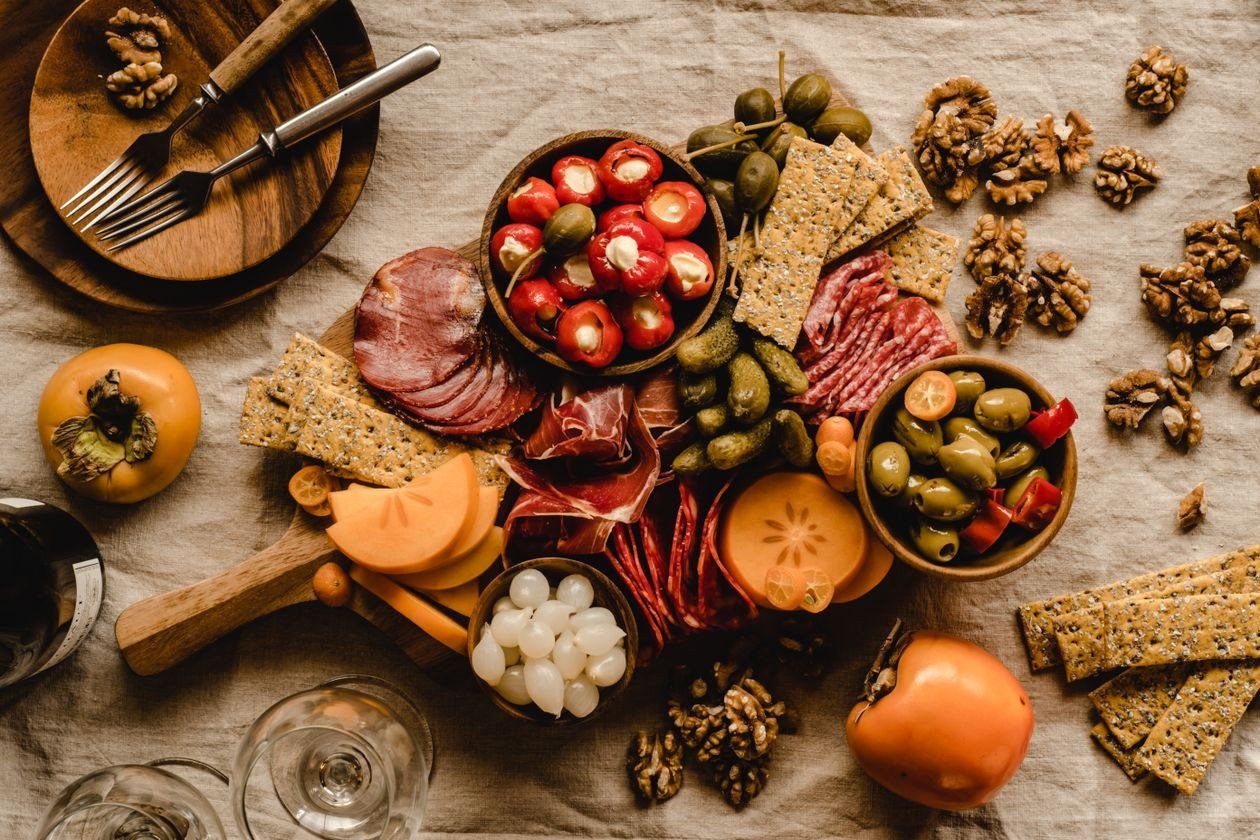
Offer at least two crunch options: a plain cracker that lets cheese shine and a seeded or flavoured one for interest. This idea works because it balances flavour, texture, and presentation, giving you a result that feels considered rather than thrown together. It also adapts well: you can scale it up for a party, scale it down for a quiet evening, or swap one ingredient for another without losing the character of the dish.
Add breadsticks or sliced baguette for guests who prefer a softer base under soft cheeses. With a little planning and the right ingredients, this version is forgiving for beginners and satisfying for experienced cooks, and it is easy to make your own with small personal touches.
Sweet Additions: Honey, Jam, and Fruit
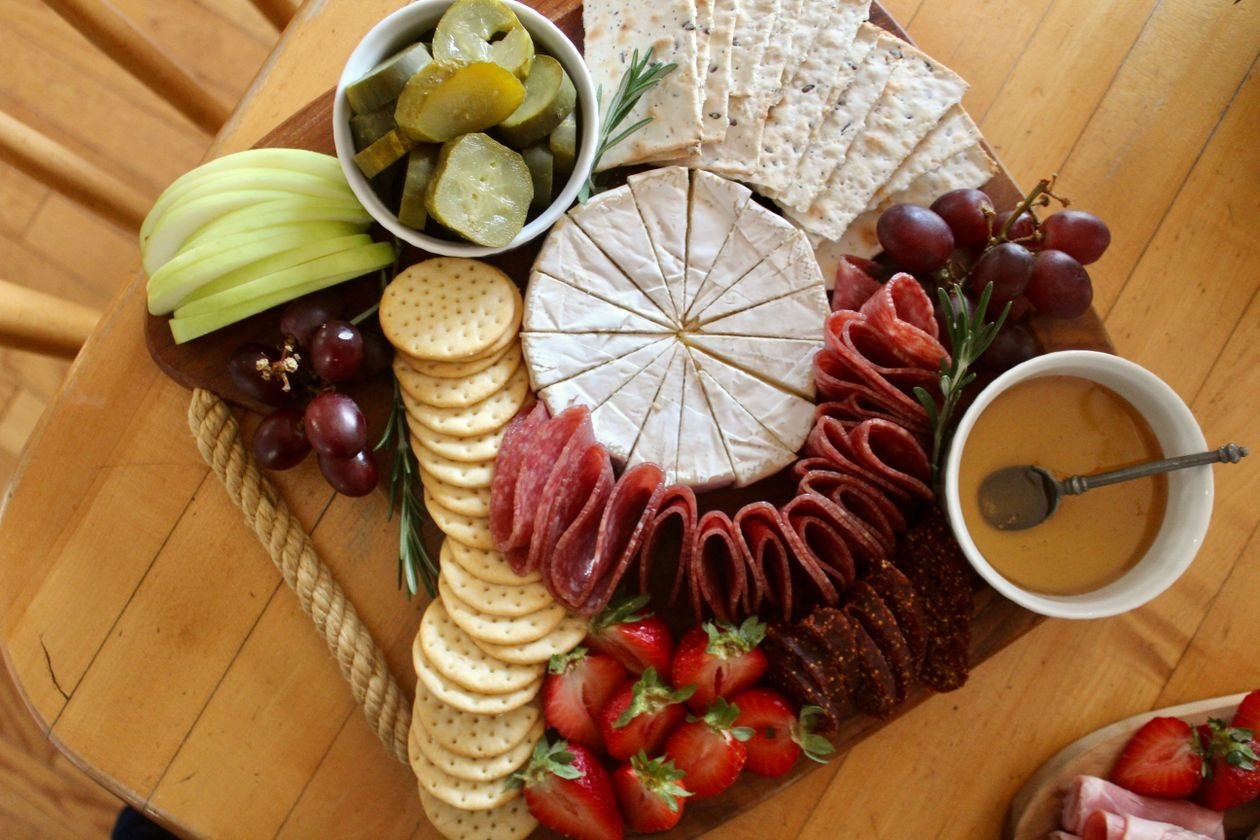
Honey drizzled over blue cheese, fig jam with brie, and fresh grapes are the sweet notes that complete a board. This idea works because it balances flavour, texture, and presentation, giving you a result that feels considered rather than thrown together. It also adapts well: you can scale it up for a party, scale it down for a quiet evening, or swap one ingredient for another without losing the character of the dish.
Place honey in a small pot with a dipper so it does not run across the board. With a little planning and the right ingredients, this version is forgiving for beginners and satisfying for experienced cooks, and it is easy to make your own with small personal touches.
Pickles, Olives, and Acidic Bites
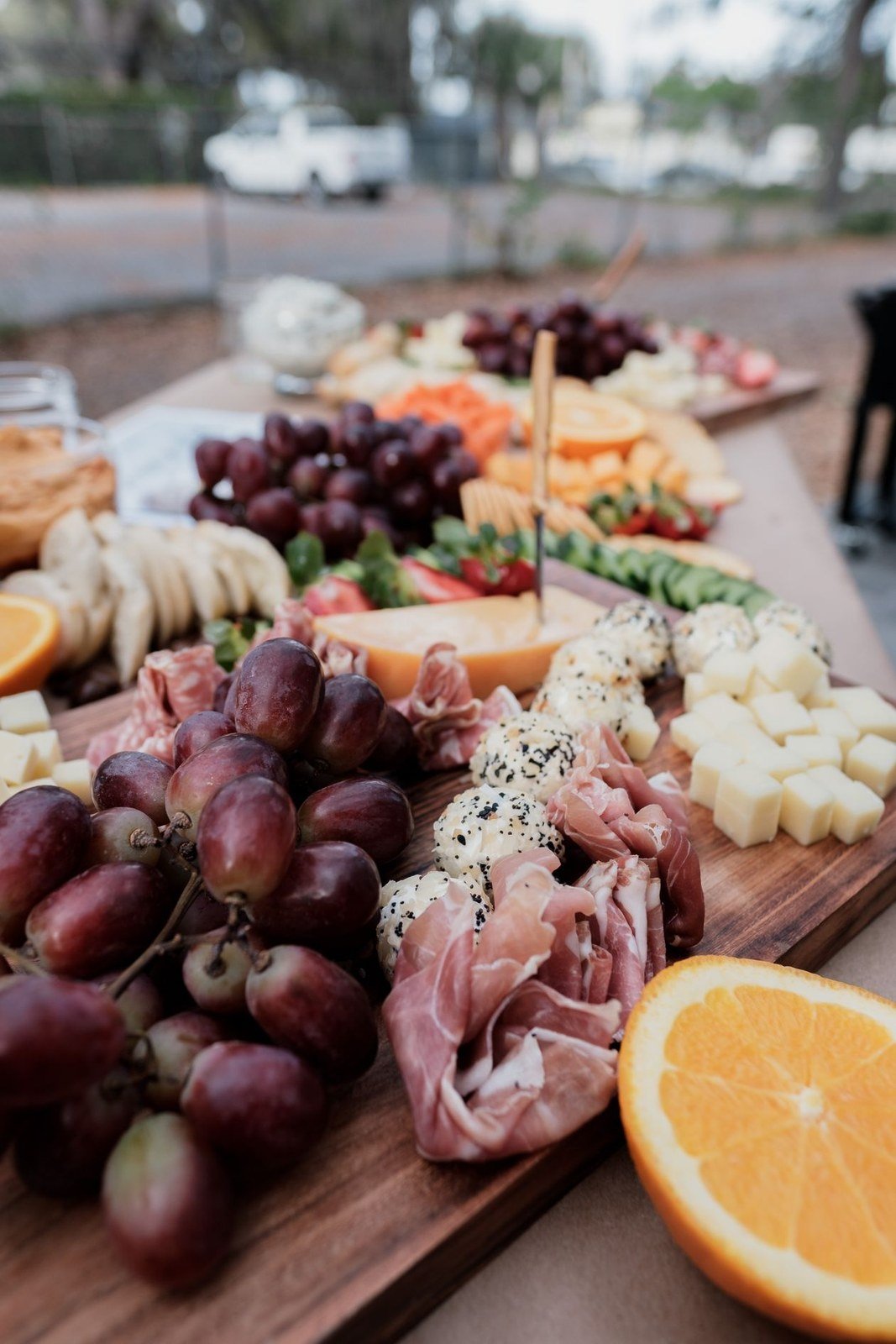
Cornichons, olives, and pickled onions cut through rich cheese and meat and reset the palate between bites. This idea works because it balances flavour, texture, and presentation, giving you a result that feels considered rather than thrown together. It also adapts well: you can scale it up for a party, scale it down for a quiet evening, or swap one ingredient for another without losing the character of the dish.
Keep briny items in small bowls so their liquid does not soak into crackers or cheese. With a little planning and the right ingredients, this version is forgiving for beginners and satisfying for experienced cooks, and it is easy to make your own with small personal touches.
Cheese Knives and Serving Tools
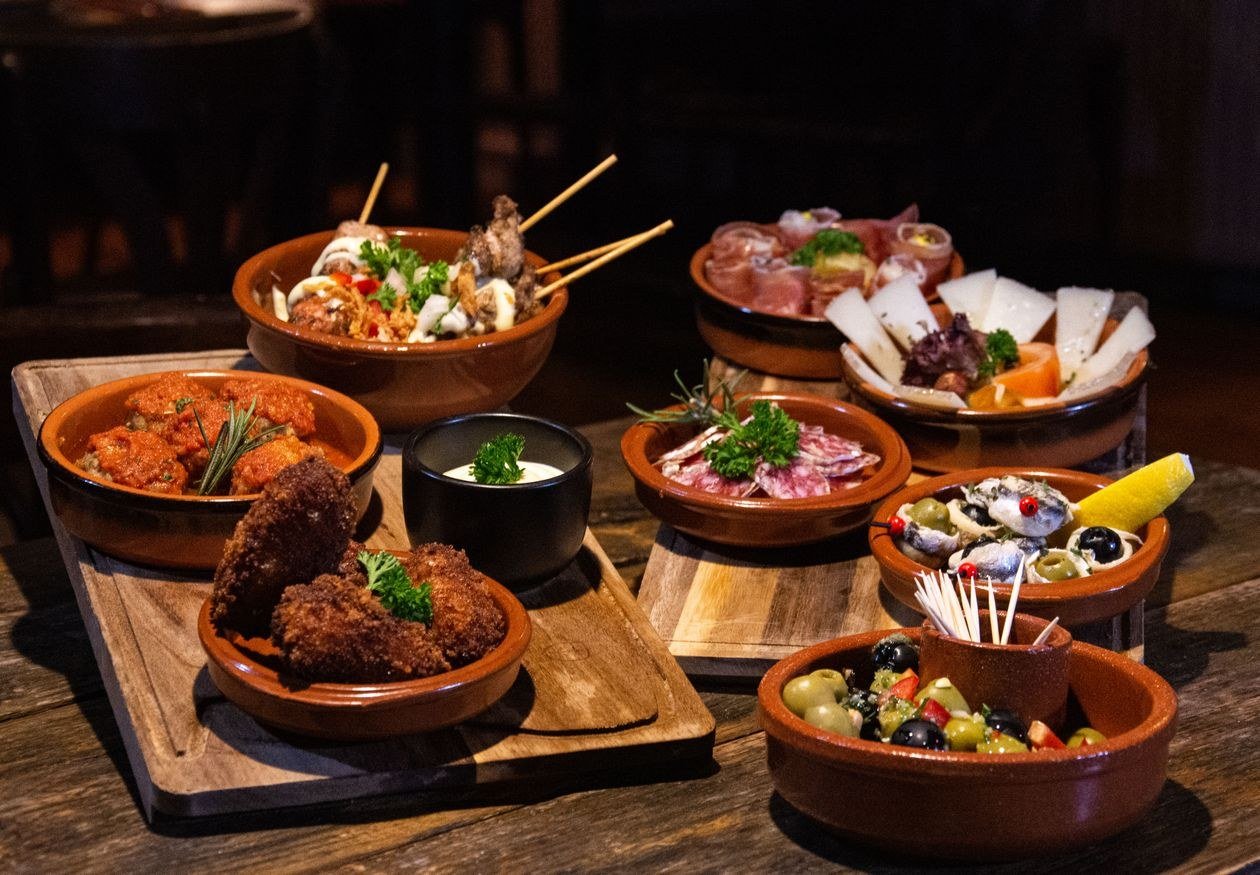
Provide a separate knife for each soft cheese and a small fork for pickles, so flavours do not mix on the board. This idea works because it balances flavour, texture, and presentation, giving you a result that feels considered rather than thrown together. It also adapts well: you can scale it up for a party, scale it down for a quiet evening, or swap one ingredient for another without losing the character of the dish.
Soft cheese knives, spreaders, and small spoons for jams cover nearly every serving need. With a little planning and the right ingredients, this version is forgiving for beginners and satisfying for experienced cooks, and it is easy to make your own with small personal touches.
Charcuterie Board for Two
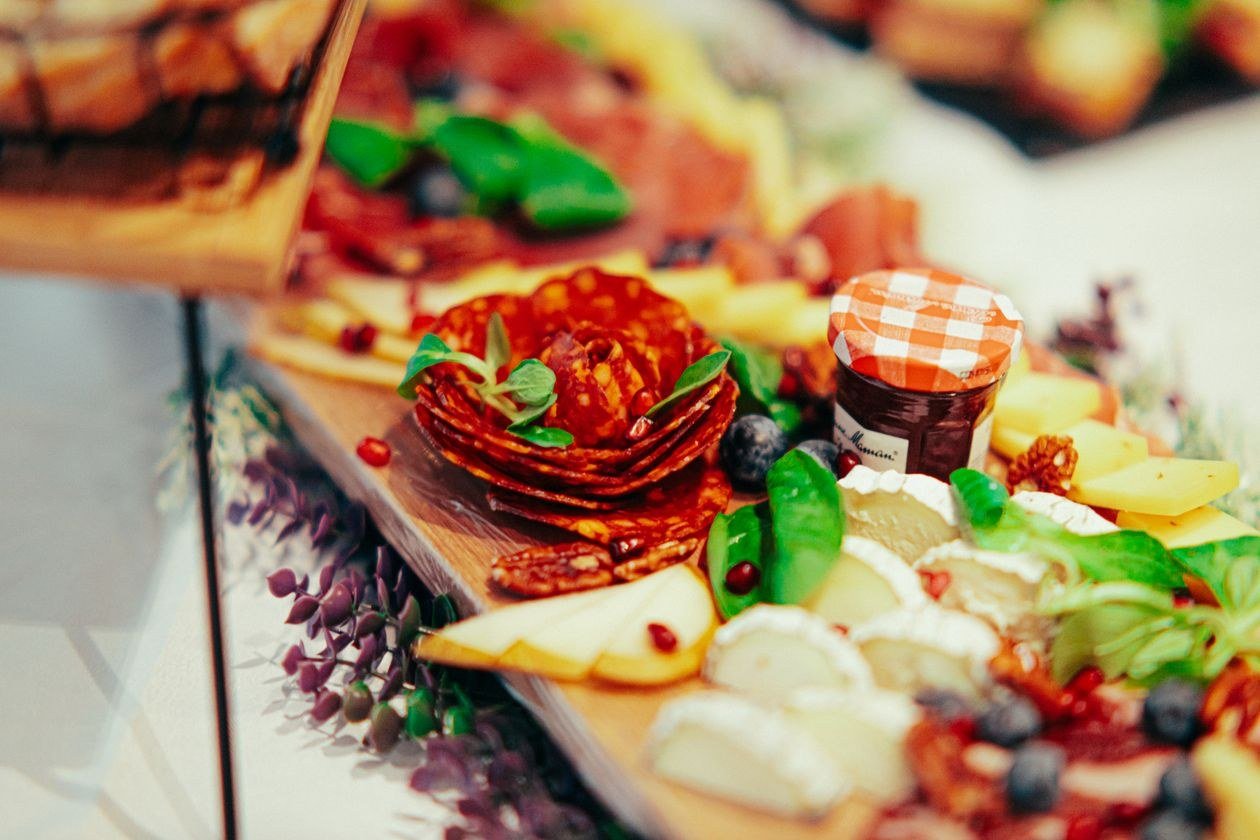
A board for two can be small and luxurious: one special cheese, one meat, a few extras, and a glass of wine each. This idea works because it balances flavour, texture, and presentation, giving you a result that feels considered rather than thrown together. It also adapts well: you can scale it up for a party, scale it down for a quiet evening, or swap one ingredient for another without losing the character of the dish.
Use a small wooden board or a large plate, and do not overfill it — restraint looks elegant at this scale. With a little planning and the right ingredients, this version is forgiving for beginners and satisfying for experienced cooks, and it is easy to make your own with small personal touches.
Kids’ Charcuterie Board Ideas
Children love boards built from familiar foods: cheese cubes, crackers, fruit, pretzels, and small sandwiches cut into shapes. This idea works because it balances flavour, texture, and presentation, giving you a result that feels considered rather than thrown together. It also adapts well: you can scale it up for a party, scale it down for a quiet evening, or swap one ingredient for another without losing the character of the dish.
Keep spicy meats and strong cheeses off a kids’ board, and add a sweet dip for fruit. With a little planning and the right ingredients, this version is forgiving for beginners and satisfying for experienced cooks, and it is easy to make your own with small personal touches.
Storing Leftover Board Food
Wrap cheeses separately in wax paper, refrigerate meats promptly, and discard crackers that have gone soft. This idea works because it balances flavour, texture, and presentation, giving you a result that feels considered rather than thrown together. It also adapts well: you can scale it up for a party, scale it down for a quiet evening, or swap one ingredient for another without losing the character of the dish.
Most board items keep for two to three days, but do not return anything left at room temperature for over two hours. With a little planning and the right ingredients, this version is forgiving for beginners and satisfying for experienced cooks, and it is easy to make your own with small personal touches.
Themed Boards: Italian, French, Spanish
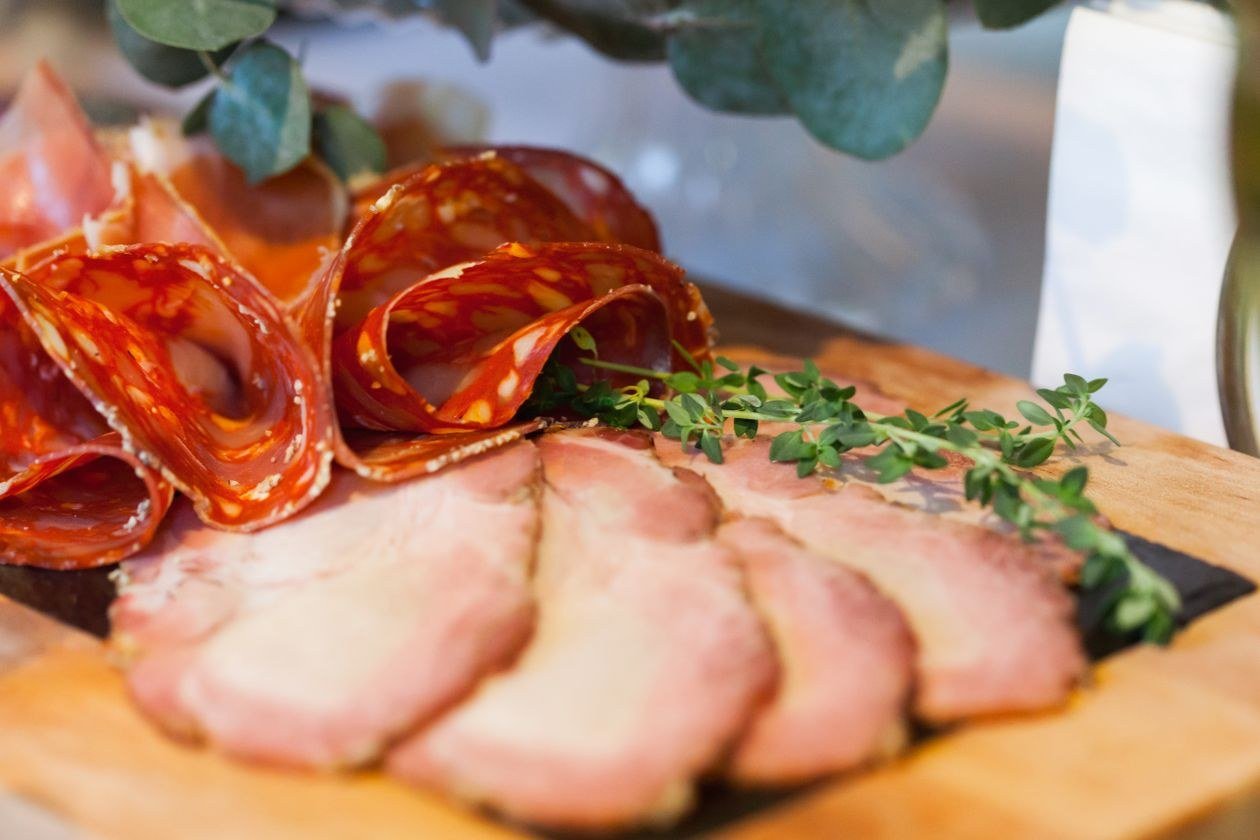
Themed boards are an easy way to explore: Italian with parmesan and prosciutto, French with brie and cornichons, Spanish with manchego and chorizo. This idea works because it balances flavour, texture, and presentation, giving you a result that feels considered rather than thrown together. It also adapts well: you can scale it up for a party, scale it down for a quiet evening, or swap one ingredient for another without losing the character of the dish.
Add a regional wine or bread to complete the theme and give guests a talking point. With a little planning and the right ingredients, this version is forgiving for beginners and satisfying for experienced cooks, and it is easy to make your own with small personal touches.
Common Charcuterie Mistakes to Avoid
The most common mistakes are overcrowding one flavour, leaving gaps, and putting everything out too early so cheese sweats. This idea works because it balances flavour, texture, and presentation, giving you a result that feels considered rather than thrown together. It also adapts well: you can scale it up for a party, scale it down for a quiet evening, or swap one ingredient for another without losing the character of the dish.
Take cheese out of the fridge thirty minutes before serving, and build the board no more than an hour ahead. With a little planning and the right ingredients, this version is forgiving for beginners and satisfying for experienced cooks, and it is easy to make your own with small personal touches.
A charcuterie board succeeds when it invites people to linger, taste, and talk. You do not need rare ingredients or professional training — just balance, variety, and a full-looking board. Start with the classic formula, adjust for the season and your guests, and enjoy the moment when everyone gathers around the table to graze.Planning ahead makes all the difference: read the whole method once before you begin, gather your ingredients and tools, and give yourself a little more time than you think you need on the first attempt, because a calm, organised approach always shows in the finished result.Planning ahead makes all the difference: read the whole method once before you begin, gather your ingredients and tools, and give yourself a little more time than you think you need on the first attempt, because a calm, organised approach always shows in the finished result.Planning ahead makes all the difference: read the whole method once before you begin, gather your ingredients and tools, and give yourself a little more time than you think you need on the first attempt, because a calm, organised approach always shows in the finished result.Planning ahead makes all the difference: read the whole method once before you begin, gather your ingredients and tools, and give yourself a little more time than you think you need on the first attempt, because a calm, organised approach always shows in the finished result.Planning ahead makes all the difference: read the whole method once before you begin, gather your ingredients and tools, and give yourself a little more time than you think you need on the first attempt, because a calm, organised approach always shows in the finished result.Planning ahead makes all the difference: read the whole method once before you begin, gather your ingredients and tools, and give yourself a little more time than you think you need on the first attempt, because a calm, organised approach always shows in the finished result.

I am Talha Sikandar, a professional writer with a passion for general blogging. With years of experience in content writing and research, I founded Meaniingly.com to deliver well-researched, informative, and user-friendly articles on diverse topics.