adire fabric fall decor ideas
Adire — the hand-dyed indigo textile tradition of the Yoruba people of southwestern Nigeria — is one of the most soulful fabrics you can bring into your fall decor. Its deep indigo blues, intricate resist-dyed patterns, and beautifully imperfect handmade character add instant depth, culture, and artistry to autumn styling. Adire fabric fall decor ideas range from simple (draping an adire throw over a sofa) to ambitious (upholstered headboards and full tablescapes), and the fabric’s natural affinity for fall is no accident: indigo pairs gorgeously with warm woods, brass, cream, dried grasses, and the golden light of the season. In this guide, you will find twenty adire fabric fall decor ideas covering what adire is, where to source authentic pieces, how to style them in every room, care tips, and respectful ways to honor the craft behind the cloth. Fall decorating with meaning starts here.

What Is Adire Fabric? A Brief Introduction
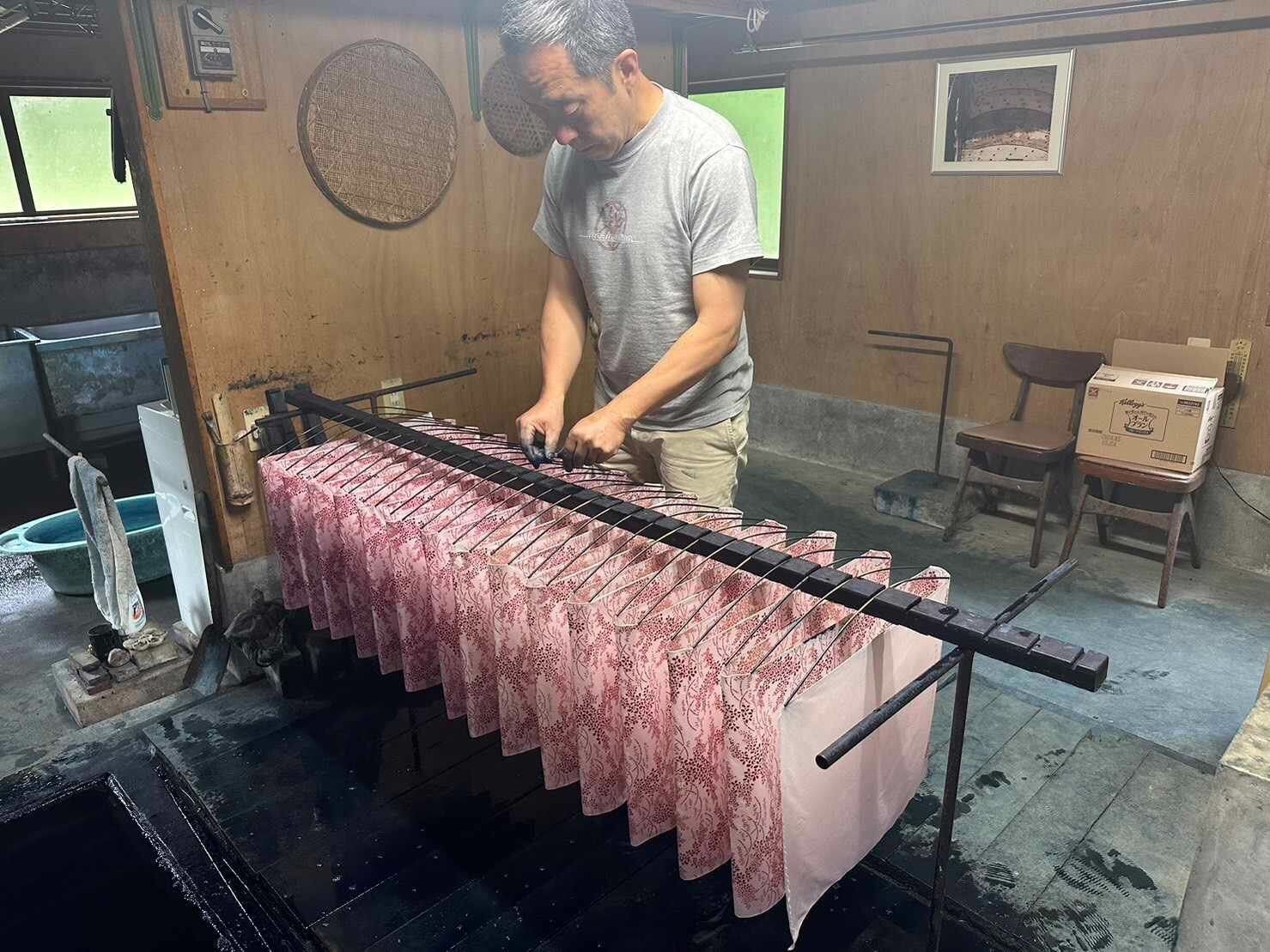
Adire, meaning “tie and dye” in Yoruba, is a resist-dyeing tradition practiced for centuries in southwestern Nigeria, particularly in the city of Abeokuta. Artisans create patterns by tying, stitching, folding, or painting cassava-paste resists onto cotton cloth before dyeing it in deep indigo vats — the same dye family behind denim. Two main techniques define the craft: adire oniko (tied resist) and adire eleko (starch-paste painted designs). Each piece is handmade, so no two are exactly alike; the slight variations are the signature of human hands. Traditionally worn as wrappers and garments, adire has found new life in global interiors as throws, pillows, wall hangings, and upholstery. Understanding this heritage matters: when you decorate with adire, you are inviting a living cultural tradition into your home, and sourcing authentically honors the artisans who keep it alive.

Why Adire Belongs in Fall Decor
Fall decorating often defaults to orange, rust, and plaid — beautiful, but predictable. Adire’s deep indigo offers a sophisticated counterpoint that makes traditional fall elements look richer by contrast. Indigo behaves like a neutral with personality: it grounds warm tones (mustard, terracotta, caramel) the way denim grounds an outfit, while adding pattern and cultural depth that solid fabrics cannot. The handmade quality of adire — visible in its resist patterns and organic dye variations — echoes fall’s broader move toward craft, texture, and authenticity. It also transitions beautifully: adire pieces styled for fall work straight through winter, so your investment stretches across seasons. Whether your fall style is modern farmhouse, bohemian, minimalist, or maximalist, indigo-dyed textile art finds a natural home in it.
Sourcing Authentic Adire: Where to Buy
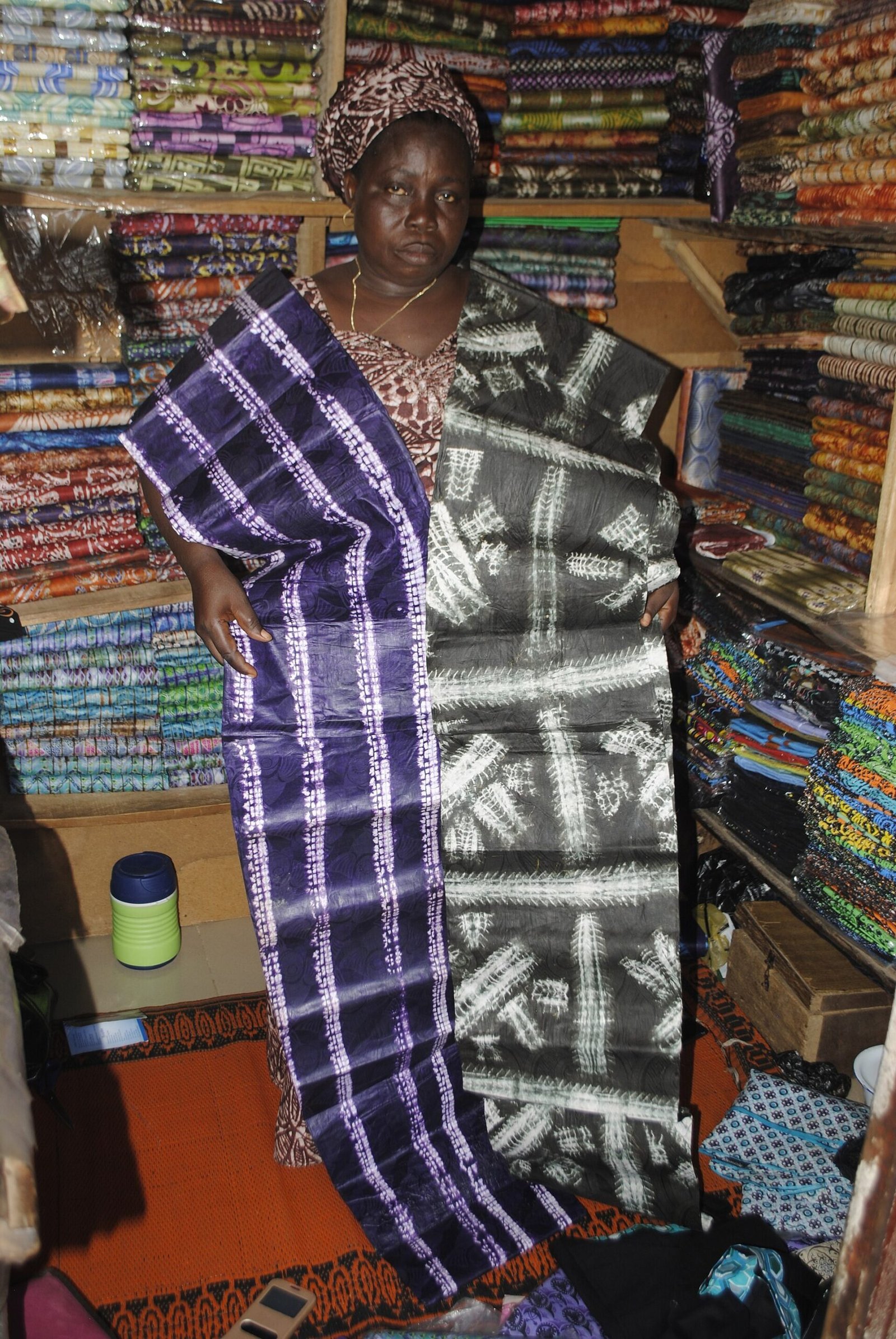
Authenticity matters with adire — both ethically and aesthetically. The best sources are artisan-direct marketplaces and shops specializing in African textiles, where your purchase supports the makers. Look for sellers who name the technique (oniko, eleko), describe the dye process, and show the fabric’s handmade variations honestly. Nigerian markets and diaspora-owned boutiques in major cities often carry genuine pieces. When buying online, read reviews carefully and be wary of suspiciously cheap “adire” that is actually screen-printed imitation — real hand-dyed indigo has depth and variation that prints cannot replicate. Expect to pay more for authentic yardage; a genuine two-yard piece is an investment. If budget is tight, buy smaller authentic pieces (a pillow cover rather than a duvet) rather than large imitations. Your decor — and your conscience — will be better for it.

Adire Throw Blankets for Cozy Fall Sofas
The simplest adire fall decor idea is also one of the most effective: drape an adire throw across your sofa or favorite armchair. The indigo patterns instantly elevate neutral upholstery, and the textile’s weight is perfect for cool evenings. Style it casually — folded over one arm, puddled on a chaise, or layered over a solid knit throw for textural contrast. Pair with cushions in mustard, rust, or cream to build a fall palette around the indigo. On a leather sofa, adire’s softness balances the leather’s structure beautifully. Choose a throw large enough to actually use; decor that invites snuggling gets appreciated far more than decor that merely looks good. This single piece can anchor your entire living room’s fall transformation.
Statement Pillows in Indigo Patterns
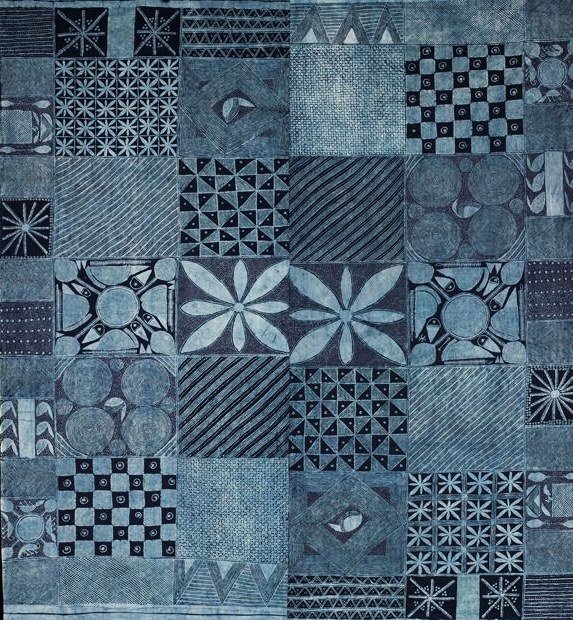
Adire pillow covers are the fastest way to test the look before committing to larger pieces. Mix two or three adire patterns in the same indigo family — a bold eleko design, a subtle oniko tie-dye, a striped piece — for a collected, traveled feel. Vary the sizes (a large lumbar, standard squares) and pair with solid pillows in cream, caramel, or rust to keep the arrangement from feeling busy. Pillow covers are also practical: they store flat, swap seasonally, and let you refresh the look without reupholstering anything. For the most authentic feel, choose covers with visible hand-stitching or traditional pattern motifs rather than generic tie-dye. A sofa dressed in adire pillows against a neutral backdrop reads as worldly, warm, and unmistakably fall.

Adire Table Runners and Fall Tablescapes
An adire table runner brings instant artistry to your fall table. The long horizontal band of indigo pattern grounds centerpieces of dried grasses, cream pumpkins, and brass candlesticks beautifully. Layer it over a natural linen or bare wood table for contrast, and let the runner’s ends hang over the table edges. For place settings, use cream or white dinnerware so the indigo remains the star, with napkins in a complementary solid — mustard, rust, or natural linen. Small adire napkins or placemats extend the theme to each seat. The deep blue against candlelight is pure magic at evening gatherings. Because adire patterns are busy, keep the rest of the tablescape simple: one strong textile statement plus quiet companions is the formula.
Wall Hangings: Adire as Fall Art
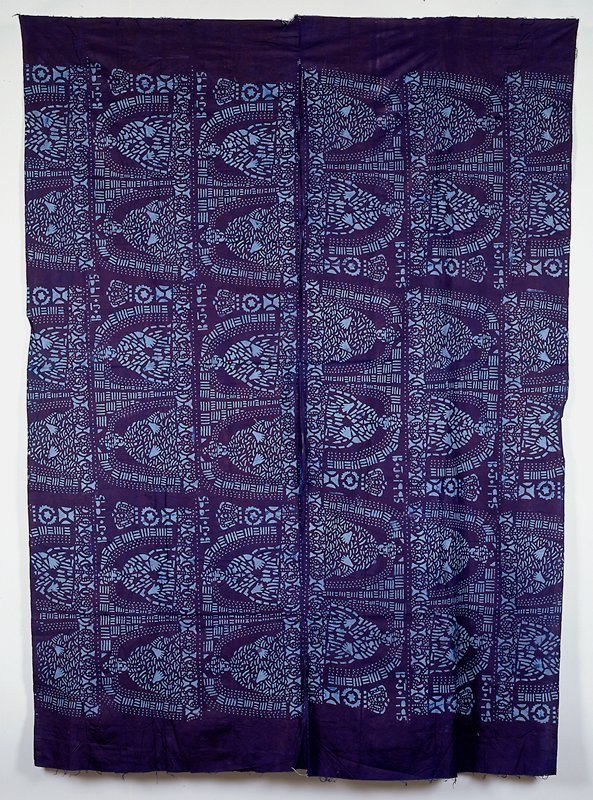
A large piece of adire hung on the wall functions as art — textile art with centuries of tradition behind it. Hang a full wrapper cloth from a wooden dowel or brass rod, letting it drape naturally, or stretch smaller pieces in simple frames for a gallery effect. An adire wall hanging above a fireplace, console, or bed becomes the room’s focal point, especially against warm white or plaster walls. For fall, choose pieces with denser, darker patterns that echo the season’s moodiness. Group three smaller framed pieces in a row for a curated look. Textile art softens a room acoustically and visually in ways framed prints cannot, and adire’s indigo depth gives walls a richness that paint alone rarely achieves. It is art you can also, technically, wear — which is a wonderful conversation starter.

Upholstery and Headboards in Adire
For the committed adire lover, upholstery is the ultimate statement. An adire-upholstered headboard turns a bedroom into a boutique hotel suite — the indigo patterns are soothing yet visually rich, perfect behind crisp white or cream bedding. Accent chairs reupholstered in adire become heirloom pieces; the fabric’s durability (traditionally woven for daily wear) stands up well to use. A bench at the foot of the bed or an ottoman in adire adds the look without the headboard commitment. Work with an upholsterer experienced in patterned textiles to match motifs across seams. Because genuine adire yardage is precious, plan the layout carefully to showcase the best pattern sections. This is a bigger investment, but upholstered adire pieces become the defining furniture of a room for decades.
Curtains and Window Treatments
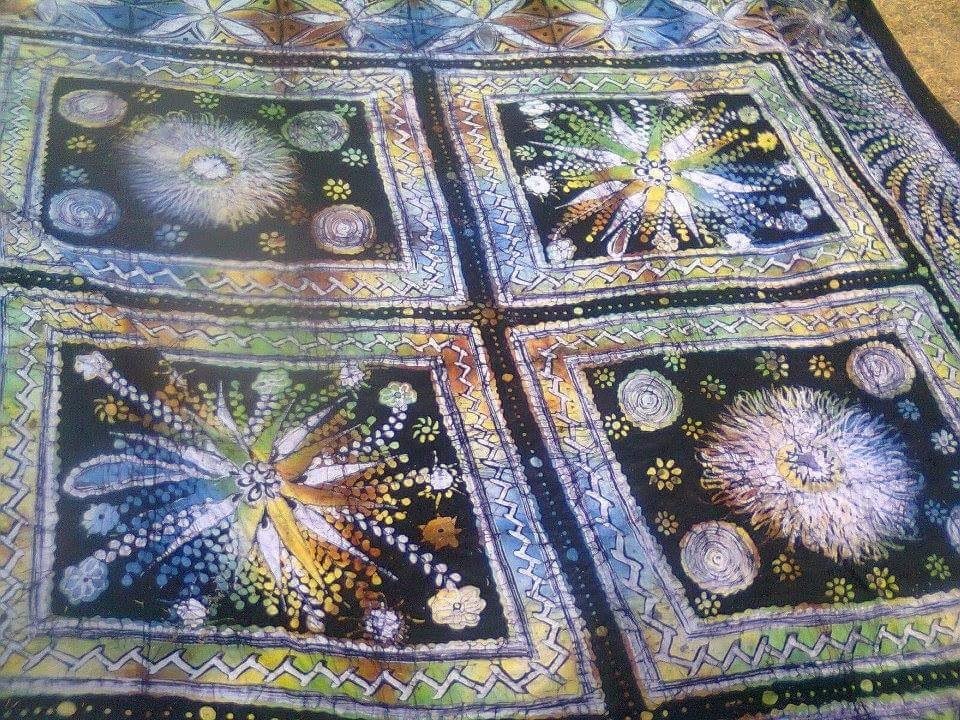
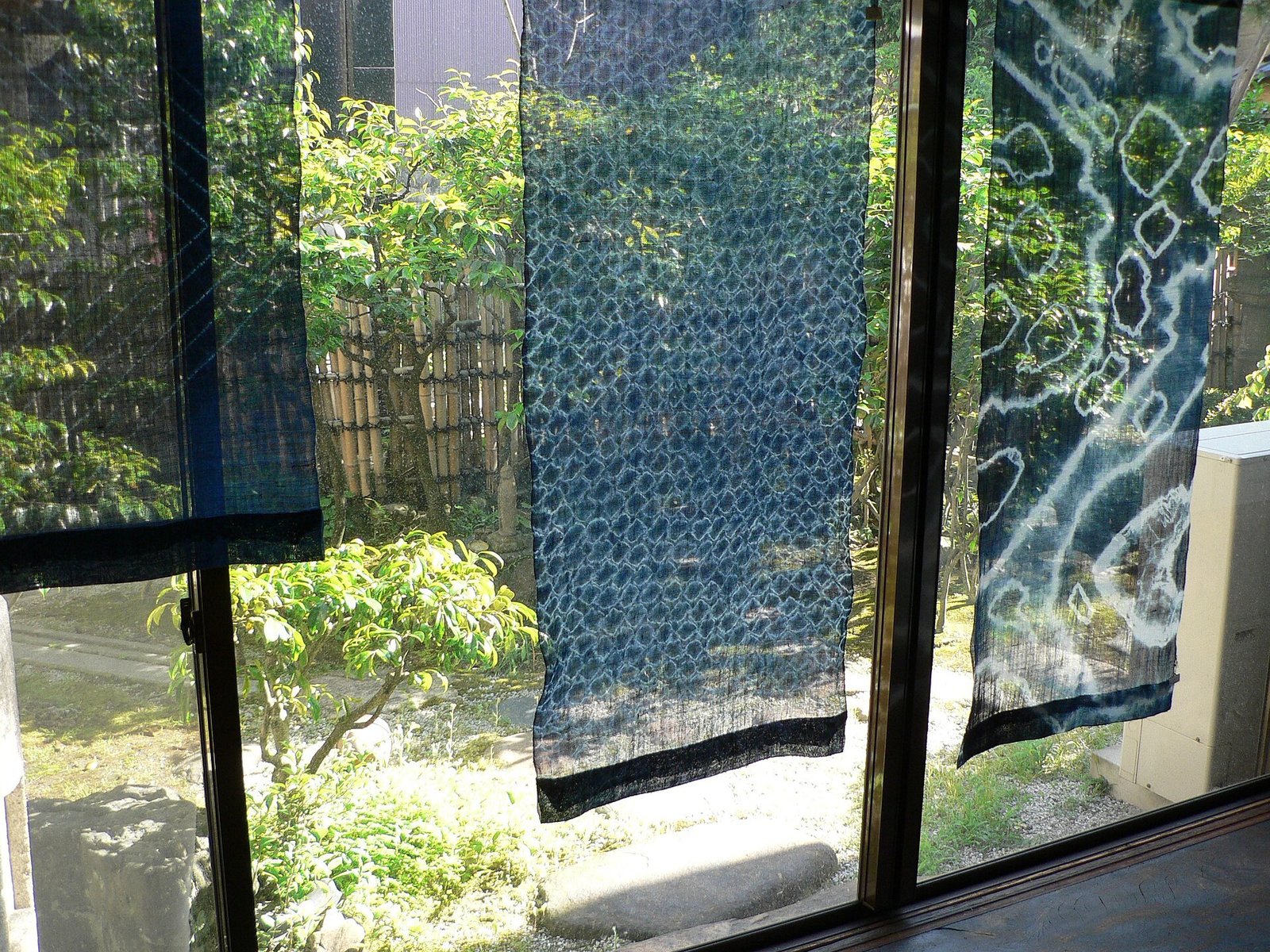
Adire curtains filter fall light into something extraordinary — sunlight through indigo-dyed cotton casts a soft blue glow that transforms a room’s mood. Full-length panels in a lighter adire pattern keep the look airy while adding pattern; heavier, denser patterns work as dramatic drapery in bedrooms or studies. For a simpler take, use adire as café curtains in a kitchen or as a single panel layered over sheer whites. The fabric’s slight irregularity means curtains hang with beautiful organic movement. Line them if you need blackout or want to protect the dye from prolonged direct sun, which can fade indigo over time. Even a single adire panel on one window — styled asymmetrically — can be enough to introduce the textile’s magic to a room.
Adire in the Entryway: First Impressions
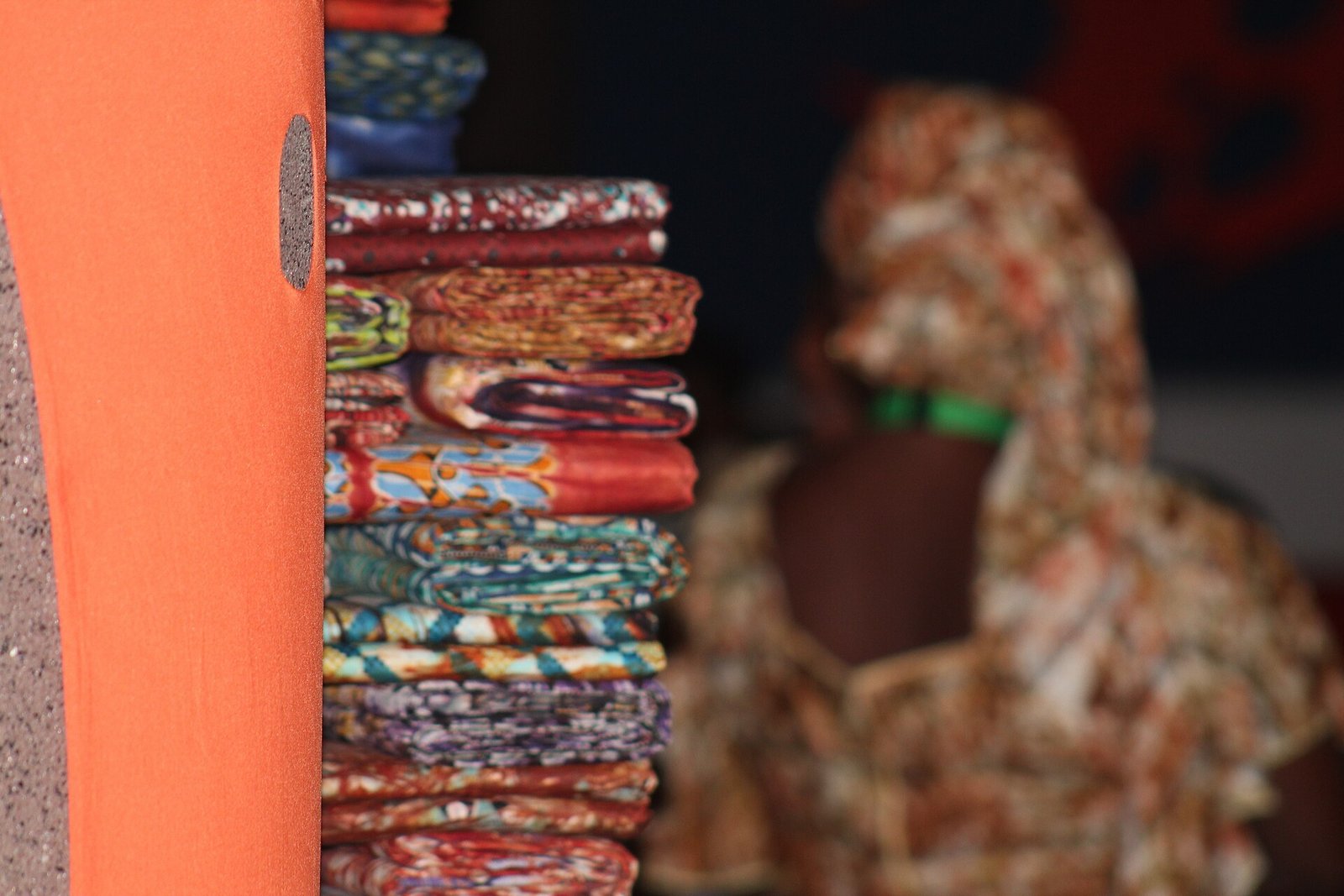
The entryway is the perfect low-commitment stage for adire. A runner rug in indigo tones (many flat-weave rugs echo adire patterns) grounds the space while hiding dirt — practical and beautiful. Hang a small framed adire piece or a textile wall hanging where guests see it first. Drape a folded adire throw over an entry bench, paired with a basket for shoes and a brass bowl for keys. A large adire-covered storage ottoman corrals clutter while adding pattern. Because entries are transitional spaces, they tolerate bolder pattern choices than living rooms; go for your most dramatic piece here. The message to arriving guests is immediate: this is a home with culture, warmth, and a point of view — before they have even taken off their shoes.

Bedroom Styling With Indigo Textiles
Indigo is inherently calming, making adire a natural fit for bedrooms. A folded adire quilt or coverlet across the foot of the bed adds pattern without overwhelming; pair with white sheets and cream Euro shams for a crisp, layered look. Adire shams mixed with solid ones in rust or ochre build a fall-ready bed. For a bolder move, adire curtains or a headboard (as above) commit fully. Keep bedroom adire in the deeper, moodier patterns — they promote rest better than high-contrast brights. Add warm bedside lighting (brass lamps, amber glass) to keep the indigo from feeling cold. The bedroom is also where adire’s softness matters most: choose pieces with a soft hand-feel, washed and worn in, for the ultimate cozy fall retreat.

Mixing Adire With Other Fall Textures
Adire shines brightest in good company. Layer it with fall’s classic textures: chunky knit throws, nubby wool, raw linen, worn leather, and warm wood. The contrast between adire’s smooth cotton and a cable-knit blanket is textural heaven. Brass and copper accents — candlesticks, trays, picture frames — warm up indigo’s cool depth. Dried botanicals (pampas grass, wheat, eucalyptus) in the same room echo adire’s organic, handmade quality. Natural fiber rugs (jute, sisal) ground adire upholstery beautifully. The key principle: let adire be the pattern star while supporting textures stay solid or subtly textured. Too many competing patterns create chaos; one strong textile voice plus a chorus of textures creates harmony. This layering is what separates styled rooms from rooms that merely contain nice things.

Adire and Wood Tones: A Natural Pairing
Few combinations are as satisfying as indigo textile against warm wood. Mid-century walnut, rustic oak, reclaimed barn wood — all of them glow warmer next to adire’s cool depth. Drape adire over a wooden bench, pair indigo pillows with a teak armchair, or hang adire art above a walnut console. The contrast is rooted in nature: indigo dye and timber are both ancient, organic materials. Dark woods (walnut, mahogany) create moody sophistication; light woods (oak, pine) keep the look fresh and Scandinavian-adjacent. In dining rooms, adire runners on wooden tables are a match made in heaven — no tablecloth needed, just the beautiful tension of pattern on grain. If your home already has warm wood floors or furniture, adire may be the single easiest textile to introduce.

Small Touches: Baskets, Trays, and Details
Not ready for throws and curtains? Adire works in miniature too. Line a woven basket with adire fabric to hold firewood, throws, or magazines. Cover a tray with an adire remnant for a patterned serving surface. Wrap adire scraps around pillar candles (keeping fabric clear of flames) or use them as jar covers for bathroom storage. Frame small swatches as a gallery wall of textile studies. Use adire napkins for fall dinners, or tie adire ribbon around plain napkins. These small touches let you experiment with placement and pattern before investing in large pieces — and they are often the details guests notice and ask about. Remnant pieces and fat quarters from textile sellers make these projects affordable and fun.
Adire for Thanksgiving and Fall Gatherings
Fall gatherings are adire’s time to shine. An adire table runner with brass candlesticks, cream pumpkins, and dried grasses creates a Thanksgiving table that is cultural, elegant, and utterly distinctive. Use adire placemats or chargers to give each guest a personal piece of the textile. Drape adire throws over chairs for guests who feel a chill, doubling as decor. For Friendsgiving or harvest parties, an adire-dressed bar cart or dessert table becomes a photo backdrop guests will love. The textile’s richness means you need fewer other decorations — let the indigo carry the design. After the gathering, the pieces return to everyday use, which is the beauty of decorating with real textiles rather than single-use seasonal items. Your Thanksgiving will be remembered as the one with the beautiful blue cloth.
Caring for Adire Fabric
Hand-dyed indigo needs gentle care to keep its depth. Wash adire separately in cold water with a mild detergent — indigo can bleed, especially in the first washes. Add a cup of white vinegar to the first wash to help set the dye. Avoid bleach and harsh stain removers; spot-treat gently instead. Line dry in shade rather than direct sun, which fades indigo over time; if you must use a dryer, choose low heat. Iron on medium with the fabric slightly damp, preferably on the reverse side to protect the pattern’s surface. Store folded with acid-free tissue rather than hanging long-term, which can stretch hand-woven cloth. With proper care, genuine adire outlasts most modern textiles — many pieces become softer and more beautiful with age, developing the coveted patina that makes vintage indigo so prized.

Respectful Styling: Honoring the Craft
Decorating with culturally significant textiles carries responsibility. Learn and share adire’s story — knowing it is Yoruba resist-dyeing from Nigeria, not generic “tribal print,” honors its origins. Buy authentic pieces from artisans or reputable sellers rather than mass-produced imitations that profit from the aesthetic while bypassing the makers. Avoid styling adire as an exotic costume or mixing it carelessly with sacred objects from other cultures. When guests compliment your decor, mention where it comes from; appreciation shared becomes appreciation spread. Consider following or supporting the artisan cooperatives and dyeing communities keeping the tradition alive. Cultural appreciation in decor means engaging with the story, supporting the source, and treating the textile with the respect a handmade heritage craft deserves. Done thoughtfully, adire in your home celebrates human creativity at its finest.

Adire-Inspired DIY Projects for Fall
Inspired by adire but not ready to buy? Try indigo-style dyeing at home — with respect for the tradition that inspired you. Shibori tie-dyeing with natural or fiber-reactive indigo dye kits lets you create resist patterns on cotton napkins, pillow covers, or wall hangings. Start small: a set of dinner napkins in simple tied patterns is a satisfying weekend project. Study real adire patterns first so your work nods to the tradition rather than accidentally mimicking sacred motifs. Natural indigo dyeing involves some chemistry — work outdoors or in a ventilated space, wear gloves, and follow kit instructions carefully. The results will not be adire — only Yoruba artisans make adire — but they will be beautiful handmade textiles in the indigo family, perfect for fall styling and a deeper appreciation of the craft.

Where Adire Meets Modern Minimalism
Adire and minimalism might seem like opposites, but they are perfect partners. In a minimalist space, a single adire piece — one throw, one wall hanging, one pillow — becomes a focal point with outsized impact. The textile’s organic patterns soften minimalism’s hard edges without adding clutter. Choose pieces with generous negative space in their patterns (sparse eleko designs rather than dense all-over prints) to harmonize with the minimalist ethos. A white-walled, light-wood room with one dramatic adire wall hanging is a masterclass in restraint. The handmade quality also warms minimalism’s sometimes-sterile feel, adding the human touch the style often lacks. Less truly is more here: one authentic piece, well-placed, says more than a room full of pattern.

FAQs: Adire Fabric Fall Decor
Is adire the same as tie-dye? They share resist-dyeing roots, but adire is a specific Yoruba tradition with distinct techniques (starch-paste painting, symbolic patterns) and deep indigo dyeing — it is far more refined than typical tie-dye. Will indigo bleed onto my furniture? New pieces can crock (rub off) slightly; wash before use and avoid placing unwashed adire on light upholstery. How do I tell real adire from prints? Real hand-dyed pieces show dye variation, slight pattern irregularities, and depth that flat prints lack; the reverse side of real adire shows the dye penetration. Can I use adire outdoors? Brief outdoor use is fine, but prolonged sun fades indigo — bring pieces inside after events. Is it okay for non-Nigerians to decorate with adire? Yes, when sourced authentically and appreciated respectfully — cultural appreciation, not appropriation, is about honoring the source.


I am Talha Sikandar, a professional writer with a passion for general blogging. With years of experience in content writing and research, I founded Meaniingly.com to deliver well-researched, informative, and user-friendly articles on diverse topics.